4. BioChromes
Research

The picture show animal coloration in nature
coloration in nature
"In biology, coloration refers to an organism's general appearance, which is determined by the quantity and quality of light reflected or emitted from its surfaces. Several factors influence coloration, including the distribution and color of biochromes (pigments), the organism's shape, posture, movement, and the quality/quantity of light that strikes the organism.
Coloration can serve many evolutionary functions for optical signaling. Conspicuous coloration can attract or repel other animals. Coloration can either emphasize optical signals to enhance communication or suppress/create incorrect signals to reduce communication. In addition to influencing interactions with other organisms, coloration can affect an organism in non-optical ways, such as physiological roles related to the molecular properties of color-creating chemicals.
 This image shows how the molecular structure of virous pigment are fomulated _reference
ROle of Biochromes(Pigments) and its meanings
Pigments are colored substances that give color to living organisms or materials by absorbing certain wavelengths of light and reflecting others. In biology, pigments are molecules responsible for producing coloration in plants, animals, and microorganisms; for example, chlorophyll makes plants green, melanin gives color to skin, hair, and eyes, and carotenoids produce yellow, orange, or red hues.
Biological Pigments (Biochromes) and Their Chemical Composition
| Pigment Type | Example Molecules / Structure | Main Chemical Composition (Elements) | Color in Organisms | Main Function / Occurrence |
|---|---|---|---|---|
| Melanins | Eumelanin (DHI/DHICA polymers), Pheomelanin (DOPA + cysteine) | C, H, N, O, S (contains sulfur in pheomelanin) | Black, brown, reddish-yellow | Skin, hair, feathers — protection from UV radiation |
| Porphyrins | Heme (C₃₄H₃₂FeN₄O₄), Chlorophyll (C₅₅H₇₂MgN₄O₅) | C, H, N, O + metal ions (Fe, Mg, Cu) | Red, green | Oxygen transport (hemoglobin), photosynthesis (chlorophyll) |
| Carotenoids (Carotenes) | β-Carotene (C₄₀H₅₆), Lycopene (C₄₀H₅₆) | C, H only | Orange, red | Antioxidant, coloration in plants, birds, fish |
| Xanthophylls | Lutein (C₄₀H₅₆O₂), Zeaxanthin (C₄₀H₅₆O₂) | C, H, O | Yellow | Photosynthetic accessory pigment, vision pigment |
| Pterins | Drosopterin, Sepiapterin (C₉H₁₁N₅O₃ approx.) | C, H, N, O | Red, orange, yellow | Eye pigment in insects, coloration in amphibians |
| Flavins | Riboflavin (Vitamin B₂) (C₁₇H₂₀N₄O₆) | C, H, N, O | Yellow | Enzyme cofactor, energy metabolism |
| Psittacofulvins | Parrot pigments (polyenal aldehydes) | C, H, O | Red, orange, yellow | Unique pigments in parrot feathers (structural + pigment) |
| Purines | Guanine (C₅H₅N₅O), Hypoxanthine (C₅H₄N₄O) | C, H, N, O | Iridescent white or silver | Reflective crystals in fish skin and bird feathers |
| ## Interaction of human mind and color (The Psychology of Color) |
Do specific colors make you feel a certain way? Do you wear a particular color to an event? That is color psychology. Colors are a powerful form of communication that often goes unnoticed. Color can influence mood, promote action, and trigger physiological reactions.
below is a picture which show the general meaning of each color.
 _Reference(2)
References & Inspiration
The Inspiration from Nature’s Flora and Fauna
Nature’s flora and fauna are a treasure trove of design inspiration for fashion creators. From the intricate patterns of butterfly wings to the efficient structure of spider silk, the natural world offers endless possibilities for innovative designs. For instance, the lotus flower’s ability to repel water and self-clean has inspired the development of fabrics with similar properties, reducing the need for harmful chemical treatments in clothing production


Both images are my insipration from nature inspired parten and also natural inspired dying. with natual resources.
DYING WITH FOOD COLOR
Materials
- 100% cotton or wool fabric (washed and pre-treated)
- Food coloring (RED colors)
- Vinegar or salt (as a mordant for fixation)
- Stainless steel pot or glass jar
- Heat source (stove or hot plate)
- Rubber gloves
I started with food coloring because it is safe, easy to use, and readily available, making it a good way to begin experimenting with dyeing techniques. It allowed me to understand how color absorption works on fabric before moving to natural dyes. Using food coloring also helped me practice measuring, mixing, and controlling color intensity without worrying about harmful chemicals or complex preparation steps.
Process and workflow

MI obtained the color by mixing food coloring with warm water and vinegar, then soaking the fabric until it absorbed the dye evenly. The process was simple and produced bright results, showing that food coloring is an easy and safe way to start learning about fabric dyeing.
NATURAL DYING
I made the natural dye from avocado beans by first washing and cutting the beans into small pieces, then boiling them in water until the liquid turned a pinkish color. I strained out the pieces and placed my pre-mordanted fabric into the dye bath, letting it simmer and soak to absorb the color. After rinsing and drying, the fabric turned a soft pink tone, showing the gentle and natural color that can be obtained from avocado beans.
ingredients"
* xxx 2–4 avocado beans

* 1 liter of water

* 1 tablespoon of salt (as a mordant)

* 100% cotton and wool fabric

* Allumu

I started by washing and cutting the avocado beans into small pieces, then boiling them in water for about an hour until the liquid turned a pinkish color. After straining out the pieces, I prepared the fabric by soaking it in a salt solution to help the color fix better. Once the fabric was ready, I placed it into the avocado dye bath and let it simmer for about 30 to 45 minutes, stirring occasionally to ensure even coloring. I then left the fabric to cool in the dye bath for a few hours before rinsing it gently with cold water and drying it in the shade. The result was a soft, natural pink tone created entirely from avocado beans.

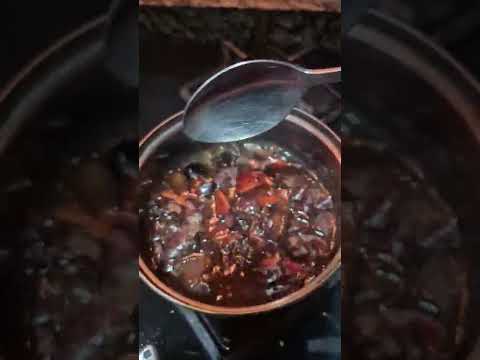
the preliminaly result of avocado beans dying just The avocado beans produced a yellowish color as shown below , and I am still waiting for the final dye extraction to see the complete result on the fabric.

here i have extracted final diy and diying the cotton and hiting the fabric and diy almost one hour


After hiting lomg time (1 hours) the result is below

The reference of my work is the video below

Ink Development
Ink derived from avocado pits was produced by cleaning, drying, and crushing the pits, extracting pigments through boiling, filtering the solution, and incorporating gum arabic as a natural binder to enhance adhesion and flow.
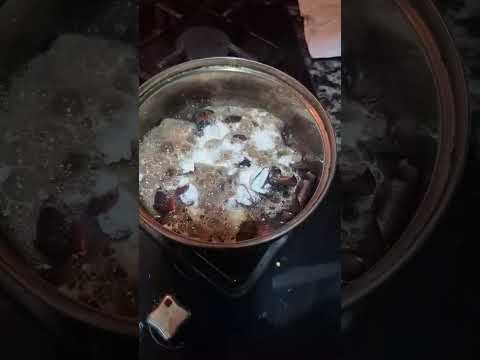
Extraction of ink and als usage
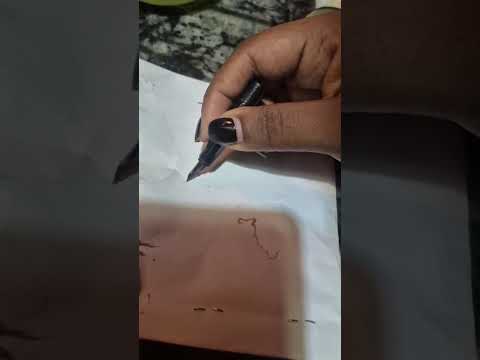
The image of final link usage
