6. Computational Couture
Research & Ideation


My research in computational couture focuses on designing digital garments inspired by movie character costumes. Utilizing computational tools and 3D fabrication techniques, I examine how complex, sculptural forms can be optimized for fit and interaction with the human body. This work is influenced by Julia Koerner's "Hybrid Holism," illustrating how digital methods can advance costume design into innovative, body-adaptive fashion.
References & Inspiration
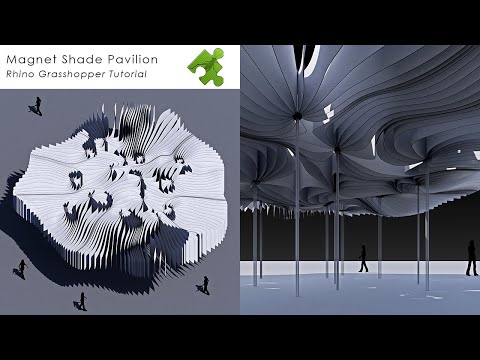
My inspiration for Computational Couture Week stems from the Magnet Shade Pavilion and other parametric designs created with Grasshopper3D, such as Ngon Mesh and Minimal Surface. These projects demonstrate how algorithmic principles can generate intricate forms, motivating me to explore similar computational approaches in adaptive and code-driven textile and fashion design.


Tools
- [Blender]
- [Rhino3D](https://www.rhino3d.com)
- [Ultimaker](https://ultimaker.com)
NodeGeomentry Design Process and workflow
I developed the textile garment model in Blender by creating a base mesh and utilizing Geometry Nodes to generate procedural patterns and surface details. I managed the placement, scale, and orientation of these elements through node parameters, iteratively refining the design to produce a fully parametric and adaptable garment structure.

Step of one
I started by creating the base mesh of the garment in Blender, concentrating on the overall shape and proportions. To enable the addition of procedural details, I subdivided the mesh to increase the geometry density, allowing for more precise adjustments through node-based methods. This process established a solid foundation for developing a flexible and adaptable parametric garment.


Step of Two
I applied a Geometry Nodes modifier to the mesh to generate patterns, folds, and surface details procedurally. I utilized various nodes to control the form and structure and integrated add-ons such as Pufferfish for advanced transformations and Node Wrangler to optimize and streamline the node workflow efficiently.

Step
Finally, I refined the garment by adjusting parameters including scale, rotation, and placement of the generated elements. Through iterative testing and adjustments, I developed a fully parametric and adaptable design that can be easily modified for various variations or manufacturing processes.

My final model for printing is ...

Reference of the work fabricademy tutorial
Inspiration video with Grasshoper