12. Skin Electronics
Research


I have conducted research on skin electronics and wearable electronics, focusing on their functionalities and distinctions. Skin electronics are ultra-thin, flexible circuits that adhere directly to the skin, functioning as a secondary layer and enabling highly precise physiological sensing. In contrast, wearable electronics are devices worn on the body, such as clothing, accessories, or straps, which do not establish direct contact with the skin. The key difference is that skin electronics offer more accurate and intimate measurement capabilities, while wearable electronics are generally more convenient to remove, design, and incorporate into everyday attire. - FUTURE TECHNOLOGY
After conducting research on the distinctions between wearable electronics and skin electronics, and examining how emerging neuro-interface technologies, such as Neuralink, relate to this spectrum of body-integrated devices. While wearable electronics function as accessories or clothing and skin electronics adhere directly to the skin similar to a second layer, devices like Neuralink are classified as invasive brain–computer interfaces (BCIs) or neural implants, prompting important considerations about how we define and categorize the future of human–technology interaction.


References & Inspiration
The NeoPixel Manicure project served as an inspiring example of how small LEDs can be innovatively incorporated directly onto the body. It demonstrates a creative intersection of beauty, fashion, and electronics, prompting me to explore new possibilities in wearable and skin-integrated electronic designs.


INSPIRATION ON SKIN ELETRONICS APLICATION
I was motivated to investigate how skin-based electronic devices could enhance communication for deaf individuals, particularly in communities where sign language may not be widely understood. Often, deaf people encounter challenges because their gestures are not recognized by others. This inspired me to envision a simple wearable device, such as a small LED system that illuminates specific letters or symbols on the skin. Such a wearable light indicator could improve message clarity, visibility, and comprehension for both deaf individuals and those around them.


Tools
- xiao
- NeoPixel LED
- jumper wires
- Batery (3.3v)
Process and workflow
I Started my project by checking the porality of led the solder them on connector of jumper wires . writing the code i arduino IDE The project done.


Code
Use the three backticks to separate code.
// Pin numbers for LEDs
int ledPins[] = {2, 3, 4};
int numLeds = 3;  // Number of LEDs

void setup() {
  // Set all LED pins as OUTPUT
  for (int i = 0; i < numLeds; i++) {
    pinMode(ledPins[i], OUTPUT);
  }
}

void loop() {
  // Turn on LEDs one by one
  for (int i = 0; i < numLeds; i++) {
    digitalWrite(ledPins[i], HIGH);   // Turn LED ON
    delay(500);                       // Wait 500ms
    digitalWrite(ledPins[i], LOW);    // Turn LED OFF
  }
}
Results
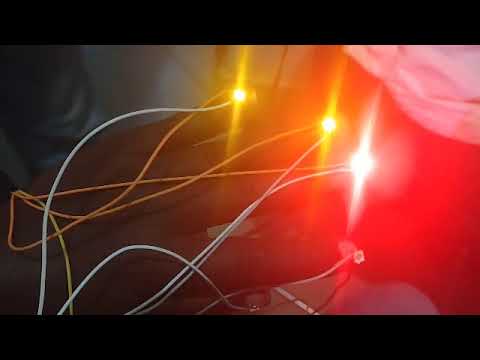
- stand alone circuit with batery