ೃ࿔🌸BioFabricating Materials.ೃ࿔🌸
Intro
In this Module we are going to dive deep into the world of Bio Materials. To fully understand this concept, I started by searching what biomaterials really are, their origins, why they first began to be studied, and their importance in shaping the near future.
Types of Biomamaterials
.ೃ࿔🌸Bio Based
.ೃ࿔🌸Bio Degradable
.ೃ࿔🌸Bio Compostable
inspiration
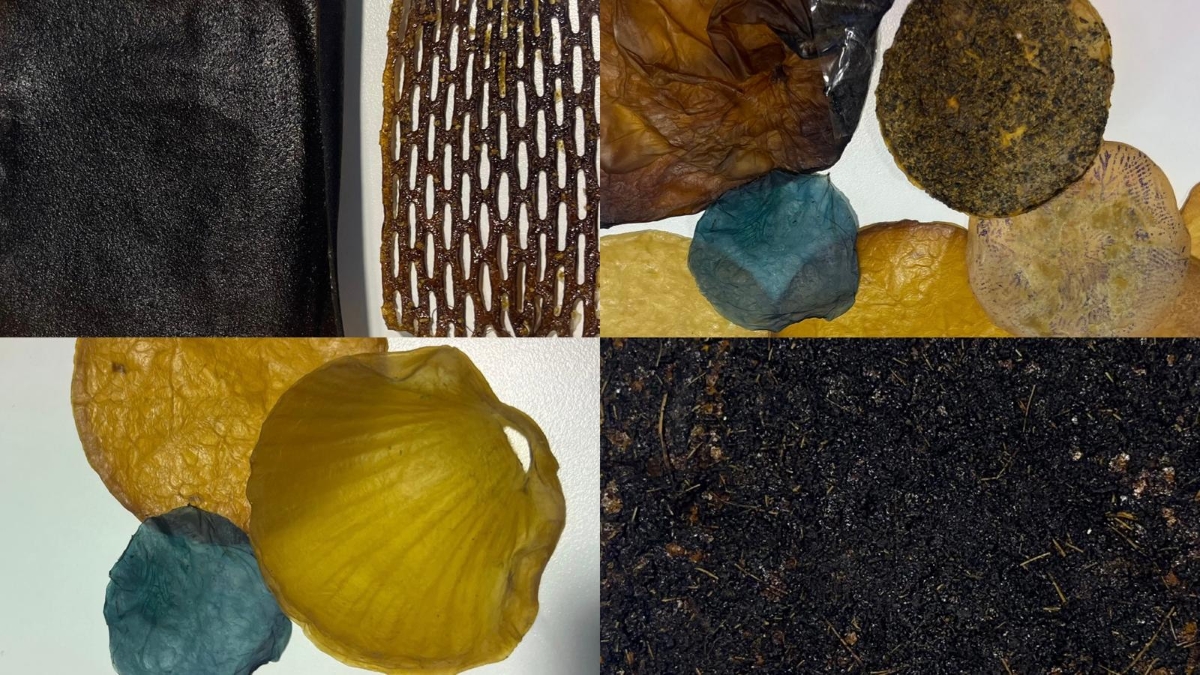
Photo of Samples taken out of BioLab Lidbon

Piece made by Fashion Designer Ivan Garcia

Piece made by Fashion Designer Ivan Garcia

Piece made by Fashion Designer Ivan Garcia

Piece made by Fashion Designer Ivan Garcia
Biomaterial Experiments:
Gelatine Biomaterials
For this workshop we will make:
࿔🌸᭪༊ Bio-composite
࿔🌸᭪༊ Bio-Leather
First, we need to prepare our ingredients. In this case, we can reuse food waste, such as fruit and nut scraps, as well as discarded seashells and eggshells, giving these materials a new purpose.
Since we are using materials from our Lab in Lisbon, the shells had already been prepared. However, if we wanted to prepare them from scratch, we would need to follow these steps:
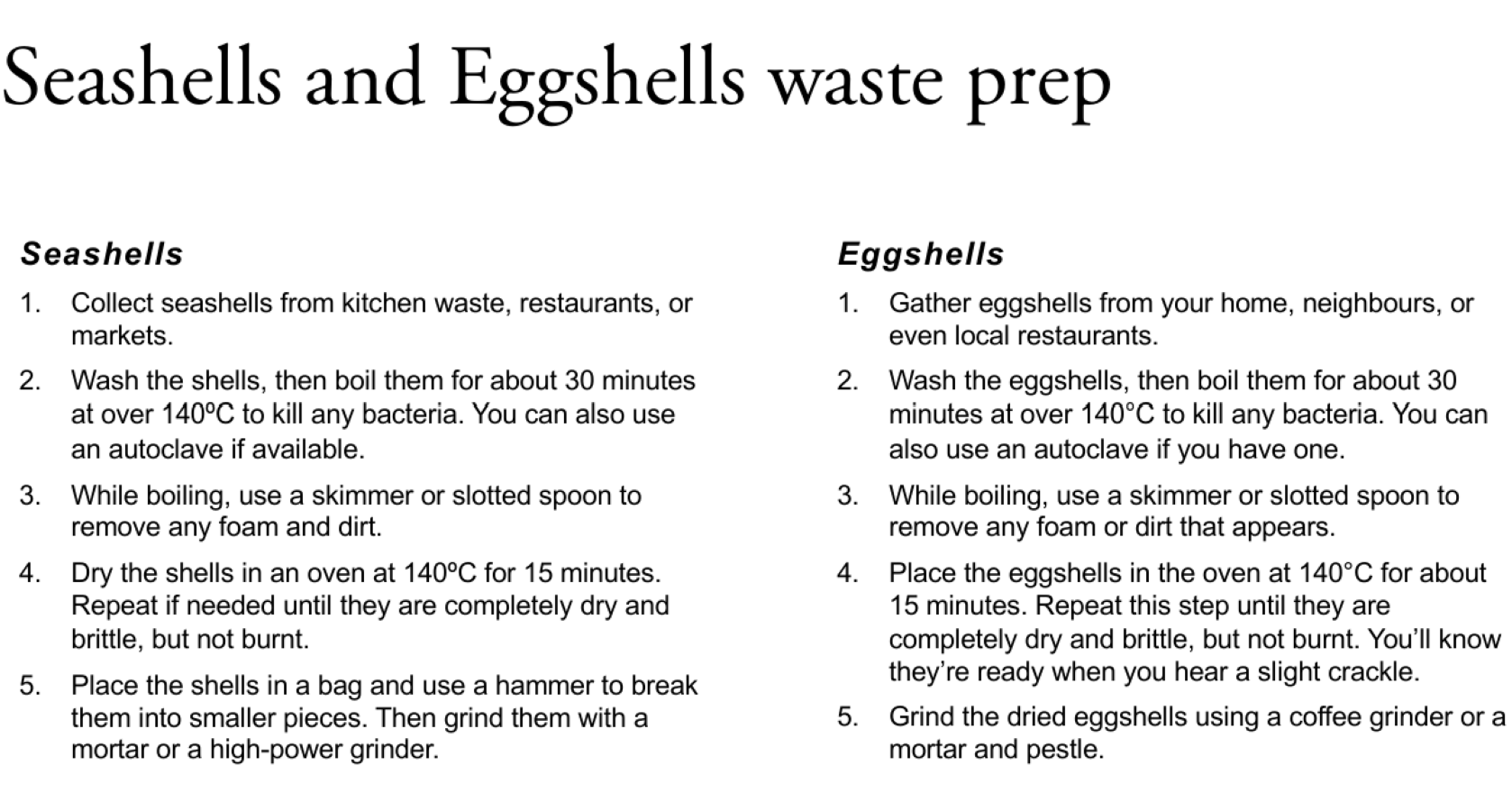 SeashellS and Eggshells Waste Prep - Slide screenshot taken out of Carolina's Delgado Presentation
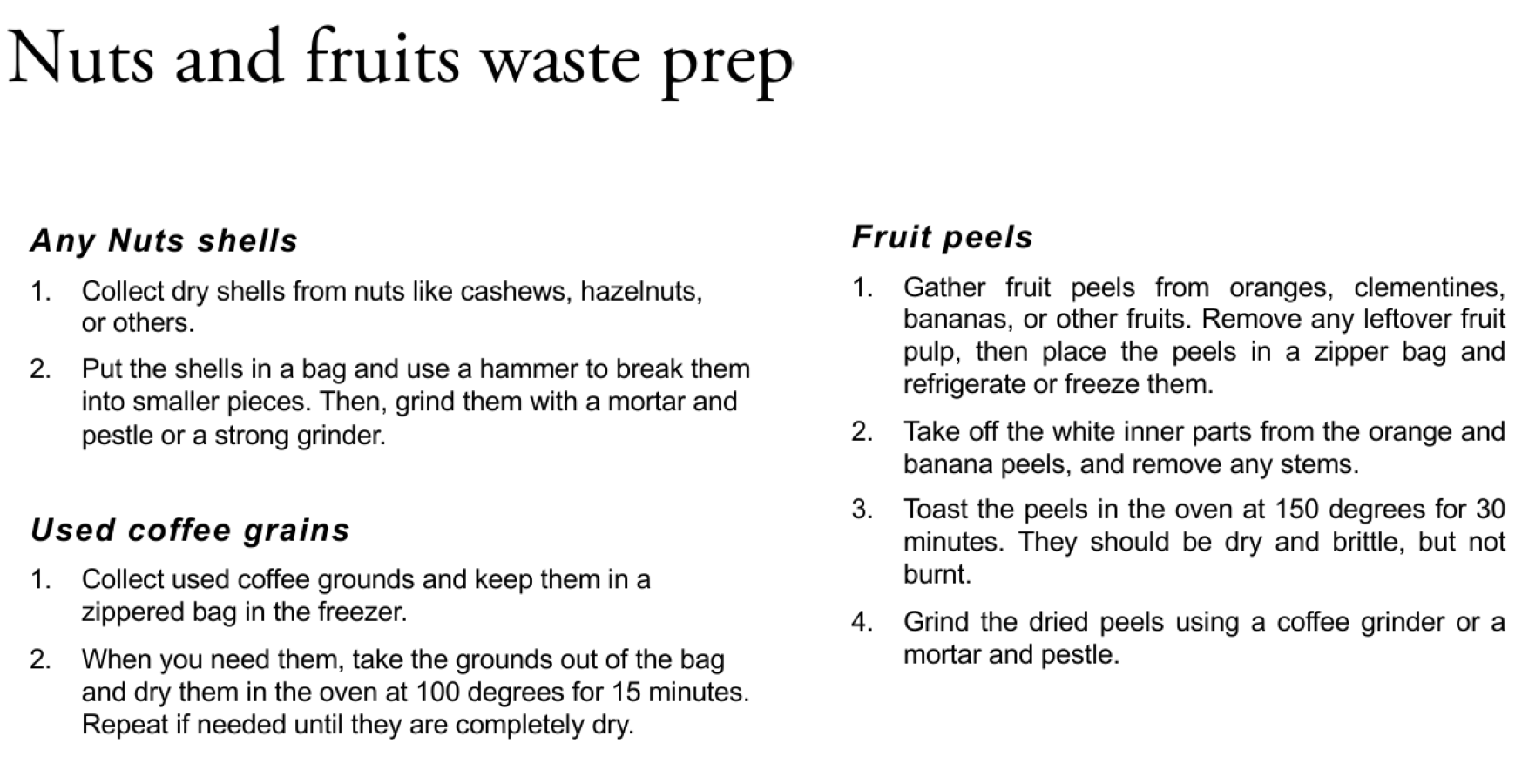 Nuts and Fruits Shells Waste Prep - Slide screenshot taken out of Carolina's Delgado Presentation
Once the food waste is ready, we sanitise the moulds into which the mixture will be poured and prepare the water needed to cook the waste materials.
Preparing the Moulds:
To ensure that the moulds were clean, we first washed them with soap and water. We then sanitised them using 70% alcohol, as its slower evaporation rate allows for more effective disinfection.
Bain - Marie (60º - 95º)
Cooking method
With this cooking method, the ingredients never come into direct contact with the water, allowing us to control more precisely the amount of heat transferred to them.
-
Pour about two fingers of water into a pot and heat gently until steaming.
-
Place a heatproof bowl (or goblet) in the the water.
-
Stir slowly and continuously the ingridients we will later mention, and cook gently to avoid overheating or burning.
We used the recipe below as a guide for this experiment. However, since each participant chose different materials, some measurements had to be adjusted according to the absorption capacity of each ingredient.
 Biocomposites Recipe Guide - Slide screenshot taken out of Carolina's Delgado Presentation
Biocomposites Experiment

My process - Biocomposites - Rita Manuelito / 2026
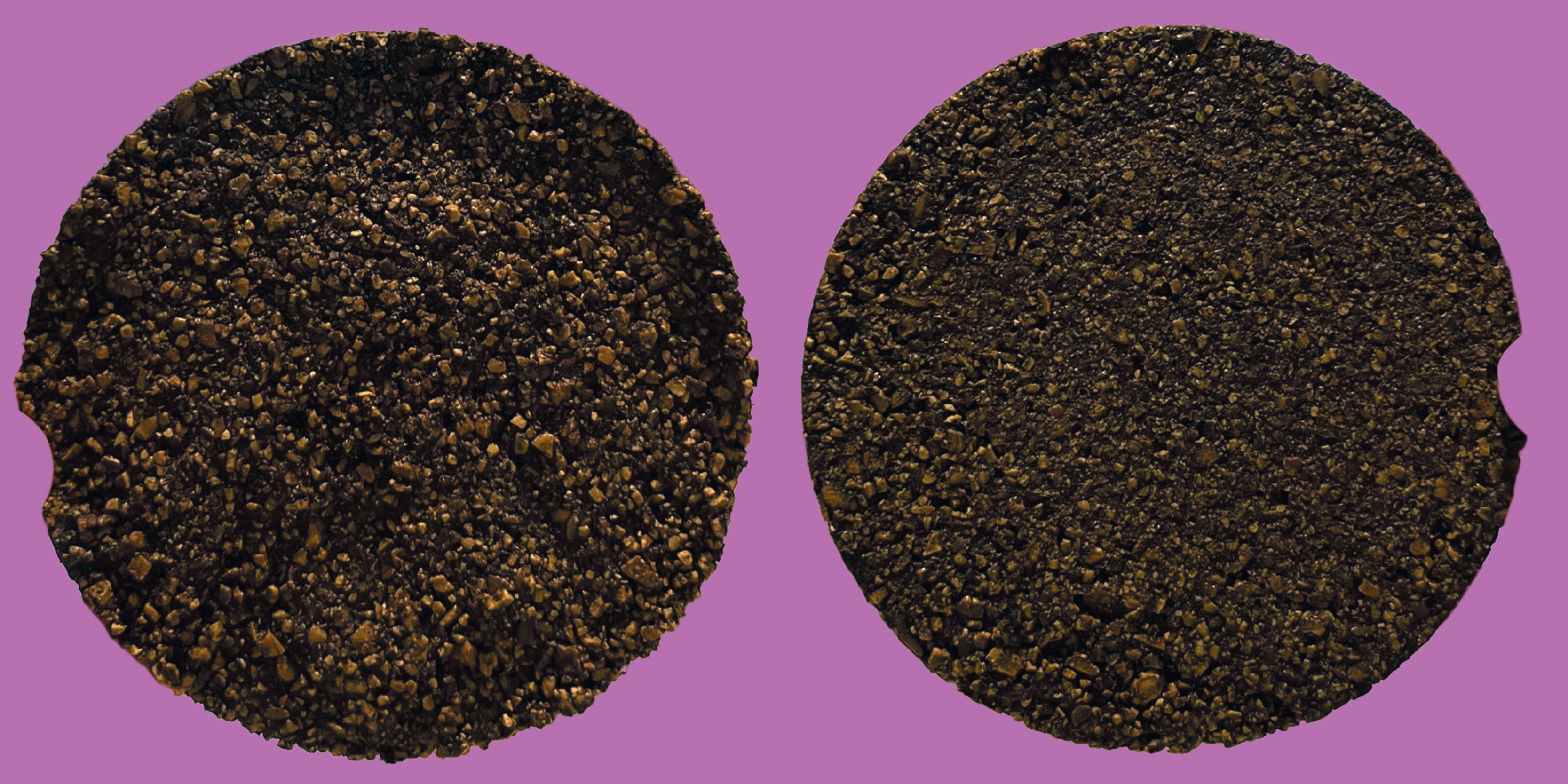
My experiment doing Biocomposites made with Gelatine - Rita Manuelito / 2026
Bioleather Experiment
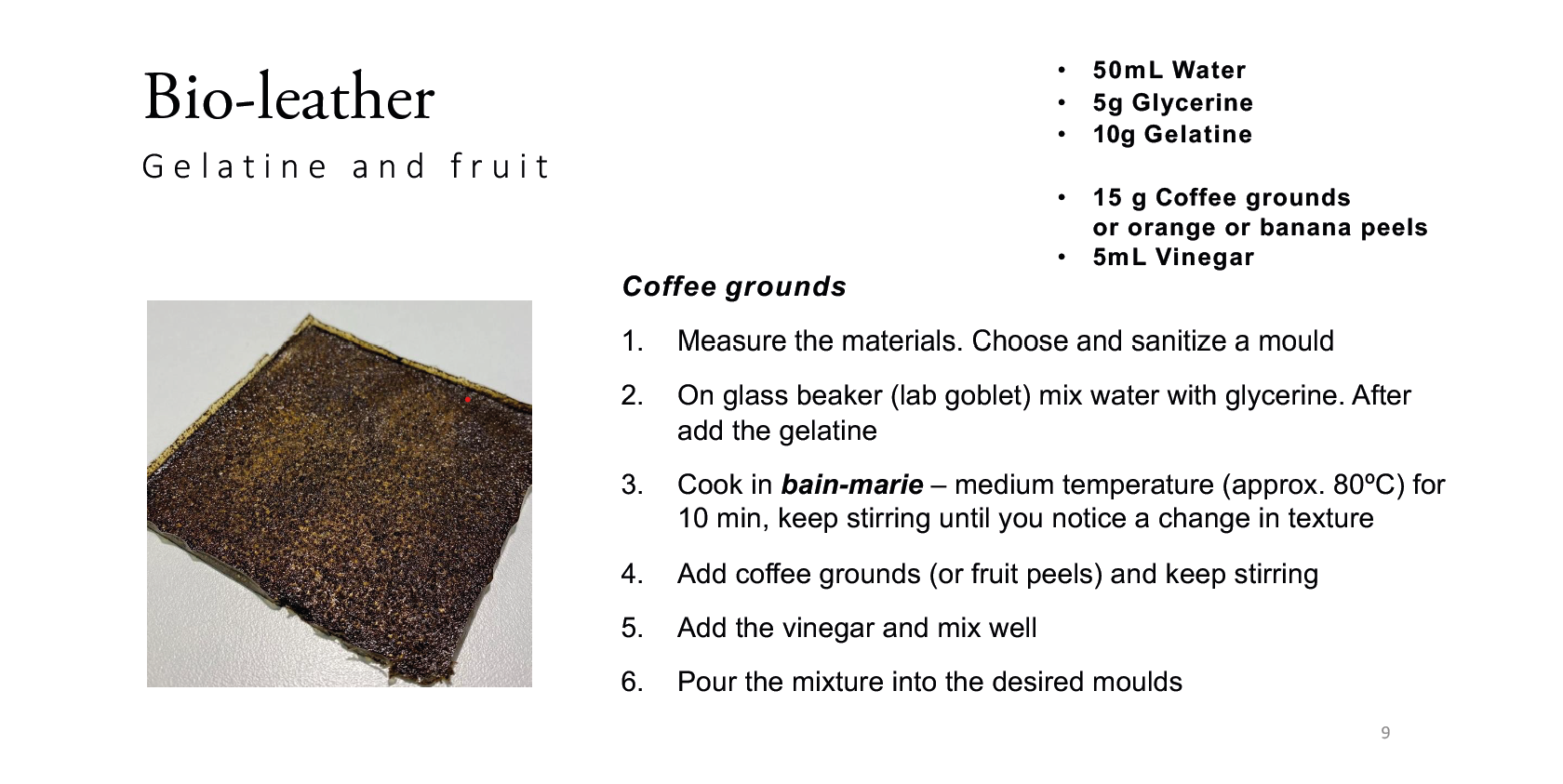 Bio Leather Recipe Guide - Slide screenshot taken out of Carolina's Delgado Presentation
My process - Bioleather - Rita Manuelito / 2026
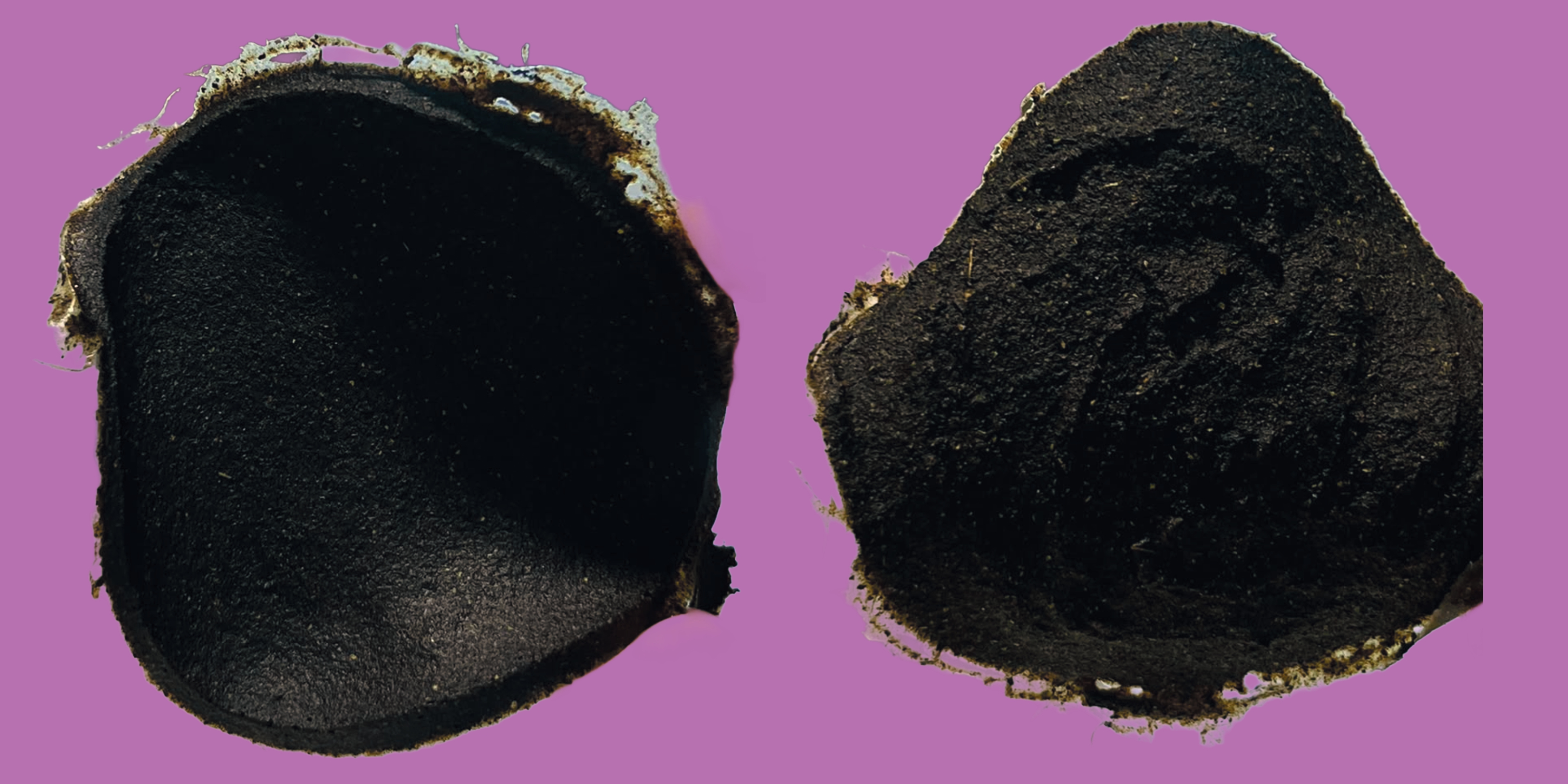 1st Bioleather Experiment - Rita Manuelito / 2026
I wanted to investigate how a thinner layer of bio-leather would turn out, as the final material produced using the previous recipe was relatively thick. For this experiment, I used the same ingredients but doubled the quantity of water. I also used 7.5 g of powdered banana peel, 5.5 g of powdered orange peel, and 2 g of powdered clementine peel, as I had run out of orange peel. Although this substitution did not affect the thickness of the final material, it is still important to acknowledge it.
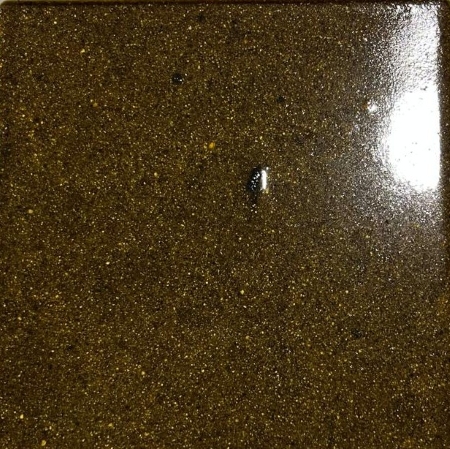
2nd Bioleather Experiment - Rita Manuelito / 2026
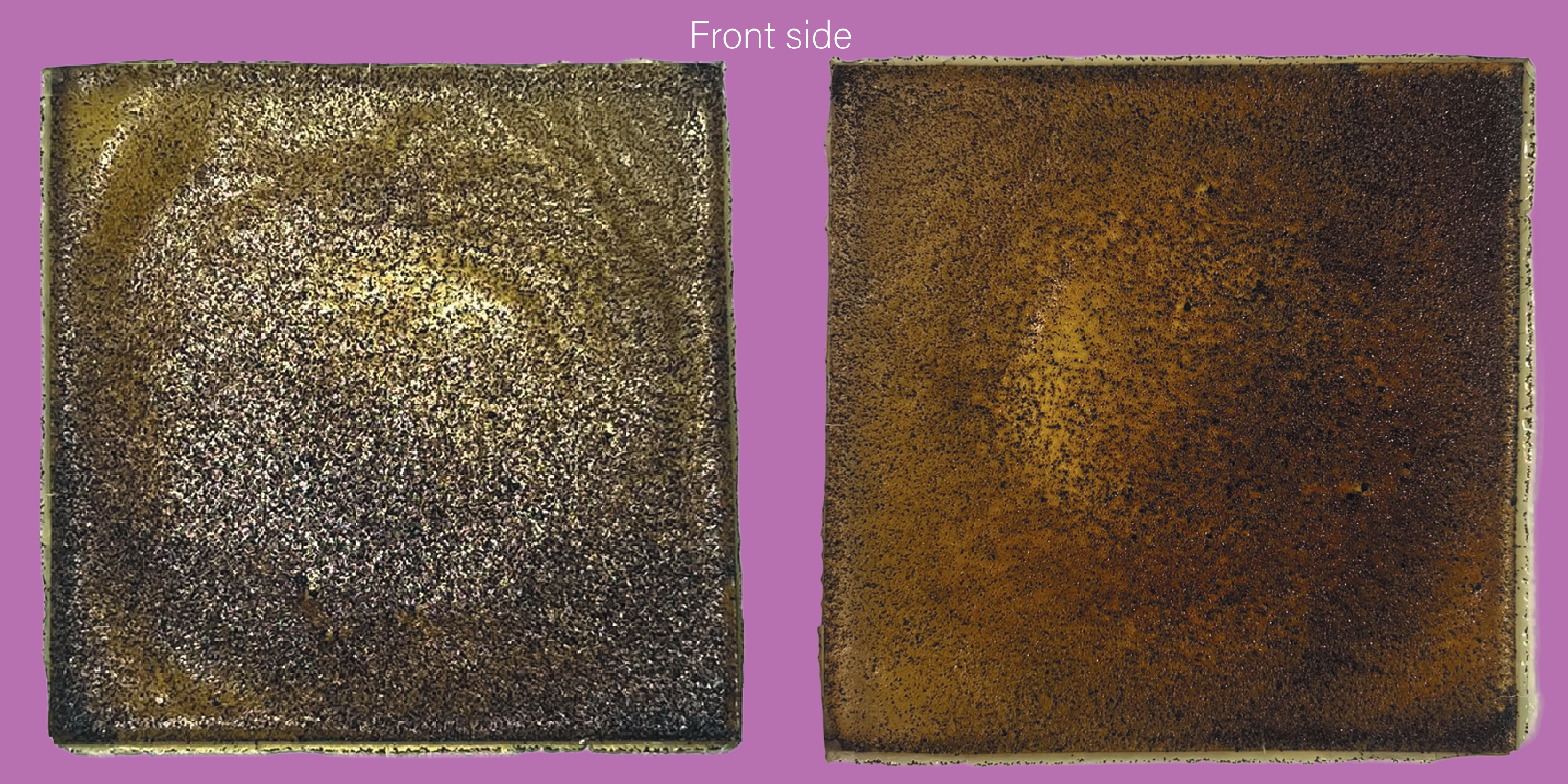
2nd Bioleather Experiment Final Result - Rita Manuelito / 2026
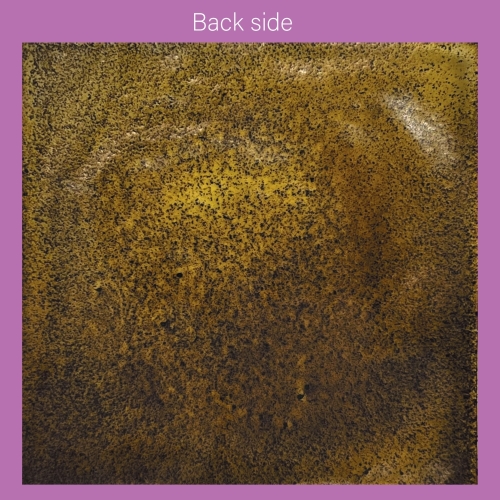
2nd Bioleather Experiment Final Result - Rita Manuelito / 2026
ALGINATE
What is Alginate?
Alginate is a natural gel-forming polysaccharide extracted from brown seaweed.
When in contact with calcium ions, it forms the ability to thicken liquids, form gels while remaining compatible with living tissue, making it one of the most versatile biopolymers in use today.
Within the seaweed, alginate functions as a structural component of cell walls, giving the plant flexibility in wave-tossed water while maintaining rigidity.
Alginate Applications:
Common fields where Alginate sodium is used:
Food Manufactures
primarily is used as a thickener and stabilizer, Its high viscosity means a small amount can keep a sauce from separating, for example.
Medical and Dental uses
When the dry alginate fibers contact a open wound producing a lot of fluids , they can absorb it and swell into a gel, keeping the wound moist without letting it become waterlogged. The dressings also help reduce bacterial contamination at the wound site.
Drugs Delivery
One of alginate’s most promising pharmaceutical applications is targeted drug delivery, especially to the intestine.
The Alginate gel stays intact in the acidic environment of the stomach but swell and break apart in the more neutral conditions of the small intestine. Researchers have exploited this pH sensitivity to build tiny hydrogel capsules that protect a drug through the stomach and then release it where it can be absorbed.
Alginate-based microcapsules showed no drug release in simulated gastric fluid while achieving controlled release in simulated intestinal fluid.
This approach is being explored for cancer treatment as well. One recent study encapsulated a liver cancer drug inside alginate microparticles and demonstrated that the particles prevented premature drug release at stomach pH while sustaining release over 24 hours at intestinal pH.
Biocomposite Experiment
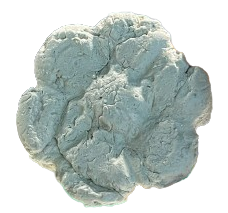
Biocomposite Alginate - Rita Manuelito / 2026
Ingredients:
࿔🌸᭪༊ 50ml Distilled Water
࿔🌸᭪༊ 5ml Glycerine
࿔🌸᭪༊ 50gr Oyster shells powder
࿔🌸᭪༊ 1gr Sodium alginate
࿔🌸᭪༊ 10% Calcium Chloride sol. (in spray)
-
Measure the ingredients
-
Mix the sodium alginate powder in the seashells bowl
-
Mix the glycerine with the distilled water
-
Add the water sol. to the bowl slowly, mixing with a spatula
-
Spray the moulds with 10% calcium chloride sol. - IMPORTANT NOTE: Protect your eyes with lab glasses and make sure the calcium chloride solution doesn't touch your skin
-
Pour the material into the moulds and spray again on top Leave to dry
Bioceramic Experiment
Bioleather Experiment
BioPlastics Experiments:
Bio Film
For the Bio Films we did 2 options:
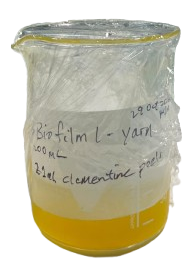
Bio Film 1 - Thin Film - Rita Manuelito / 2026
1st Experiment contained:
࿔🌸᭪༊ 400ml destilled water
࿔🌸᭪༊ 30g Glicerine
࿔🌸᭪༊ 12g Sodium Alginate
࿔🌸᭪༊ 10% Calcium Chloride sol. (or 10gr + 90ml water)
2nd Experiment contained:
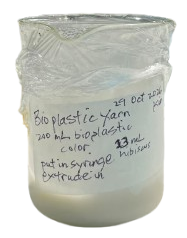
Bio Film 2 Sheet - Rita Manuelito / 2026
࿔🌸᭪༊ 800 ml destilled water
࿔🌸᭪༊ 40g Glicerine
࿔🌸᭪༊ 16g Sodium Alginate
࿔🌸᭪༊ 10% Calcium Chloride sol. (or 10gr + 90ml water)
For both the recipe structure is the same:
-
Prepare a cure spray – mix approx. 10gr calcium chloride with 100ml demineralized water, reserve in a spray bottle.
-
Mix water and glycerine - emulsify it in a blender.
-
Add alginate – emulsify it until uniform and add pigment of choice (ideally rest 8h to release bubbles)
-
Spray the moulds with the sodium chloride solution.
-
Pour into the moulds and spray the sodium chloride solution on top.
Leave to dry
Bioplastic yarns Experiment
For the Bio Yarns I used the Bio-film from the 2nd experiment we did previously.
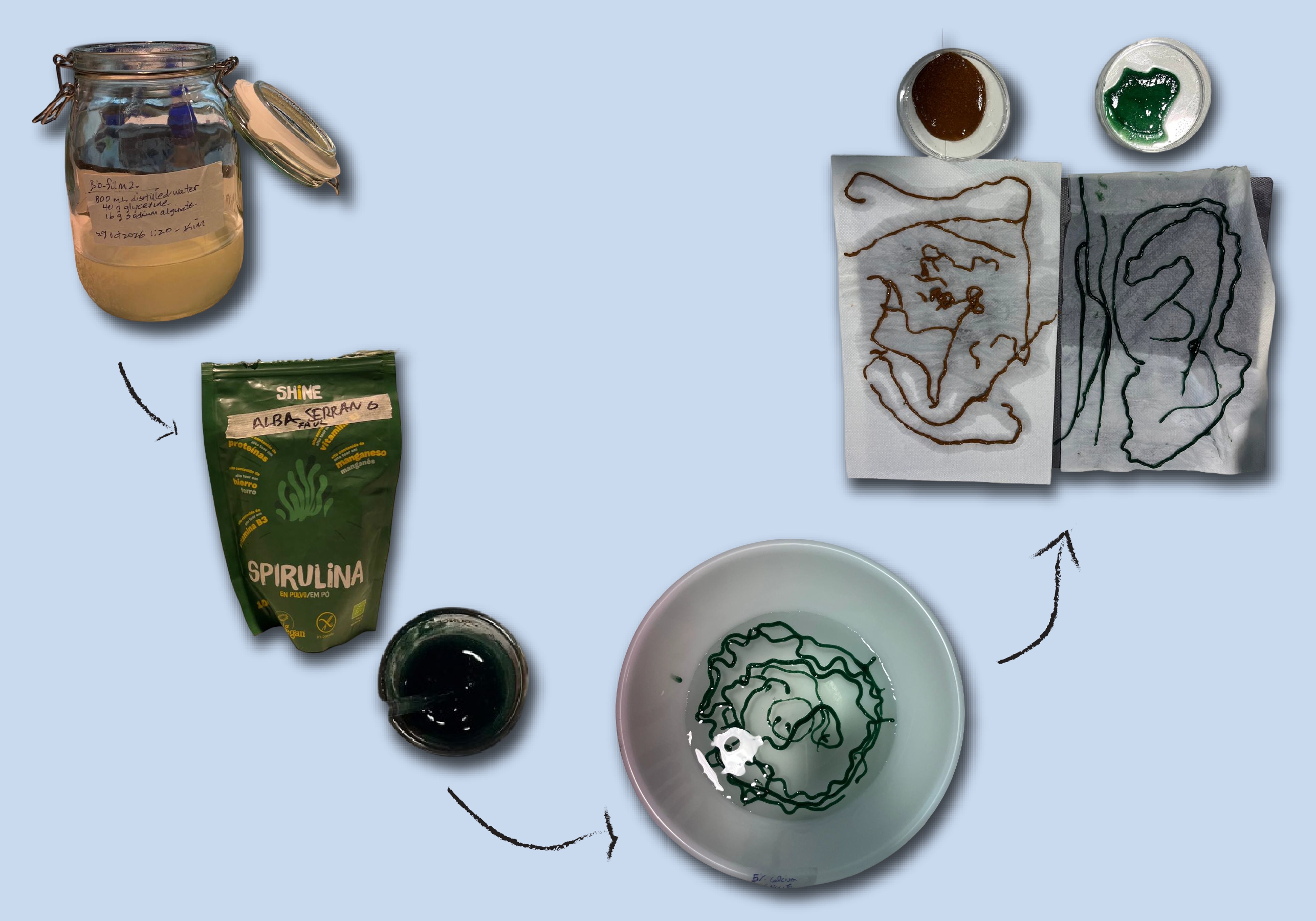 Bio Yarn Film Process- Rita Manuelito / 2026
-
I dyed the material using 0.05 g of spirulina pigment and 2 g of terracotta pigment.
-
Select the appropriate syringe nozzle diameter for extruding the yarn. I used the narrowest nozzle available.
-
I extracted the yarns directly into the calcium chloride bath and waited aprox. 30sec to 1 minute and then I removed them by hand and placed them in a clean water bath to stop the hardening process.
5% calcium chloride bath:
࿔🌸᭪༊ 500ML Destiled water
࿔🌸᭪༊ 25g calcium clorate to make - 5% calcium chloride bath
The higher the percentage of calcium chloride in the bath, the less time the yarn needs to remain in the solution.
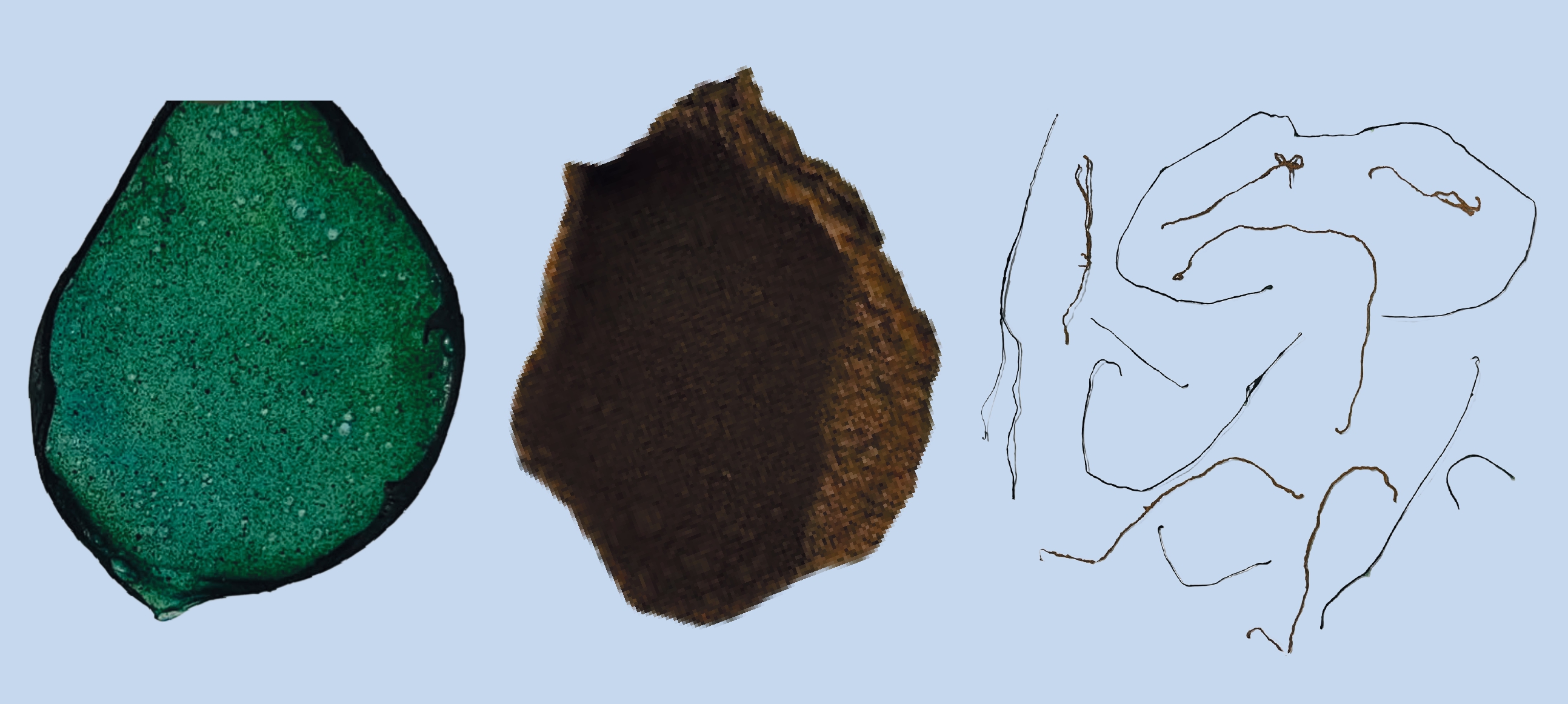 Results of the Bio Fim Experiment - Rita Manuelito / 2026
Mycelium Inoculation
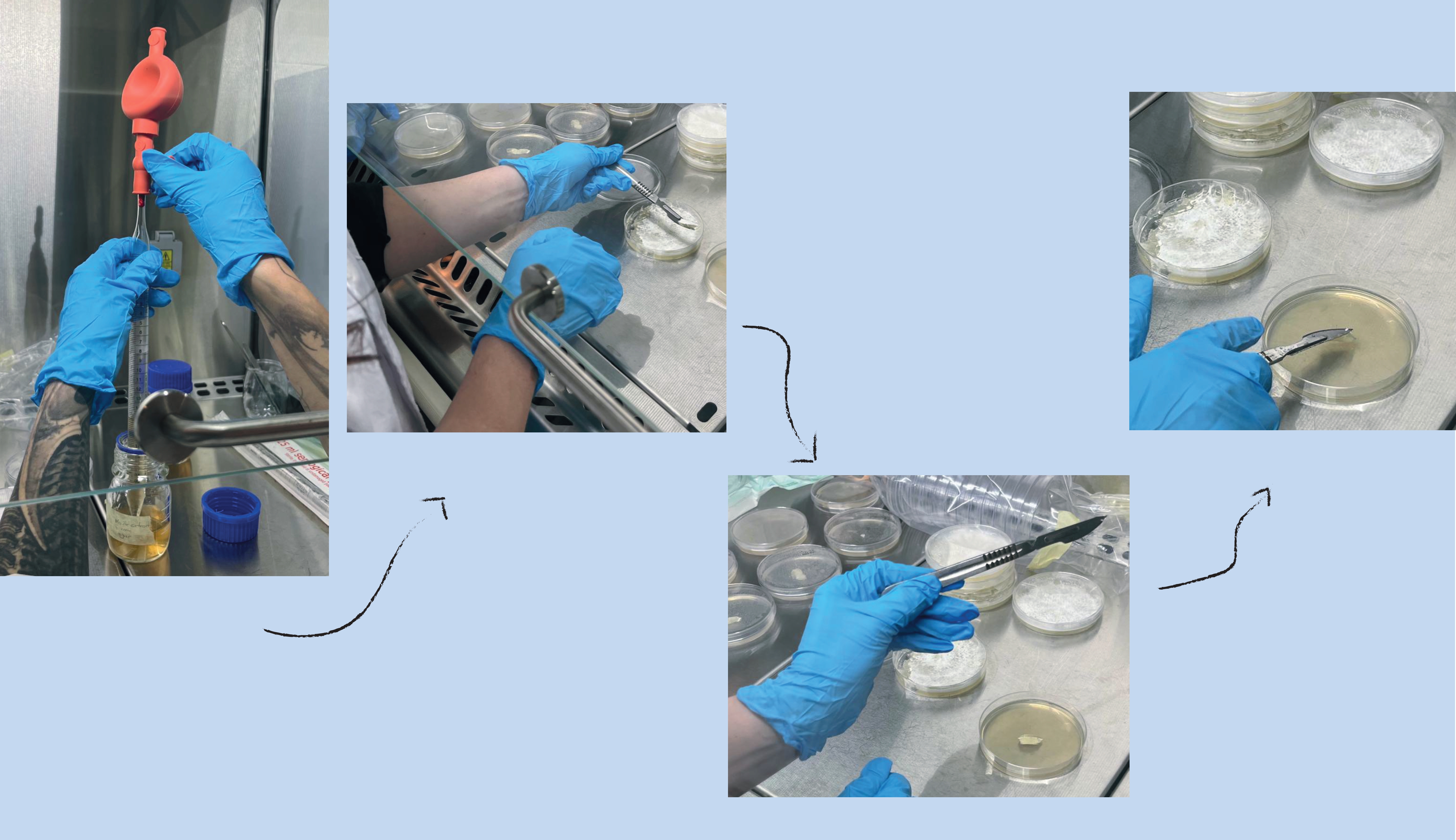 Mycelllium Process - Rita Manuelito / 2026
࿔🌸᭪༊ First, we extracted the malt extract, which contains the nutrients required for the mycelium to grow.
࿔🌸᭪༊ Secondly, we cut a small section from the previously prepared mycelium culture and placed it into the extracted solution.
࿔🌸᭪༊ It is important to position the mycelium sample with the inoculated surface facing the malt extract, following the sandwich method, to facilitate mycelial growth.
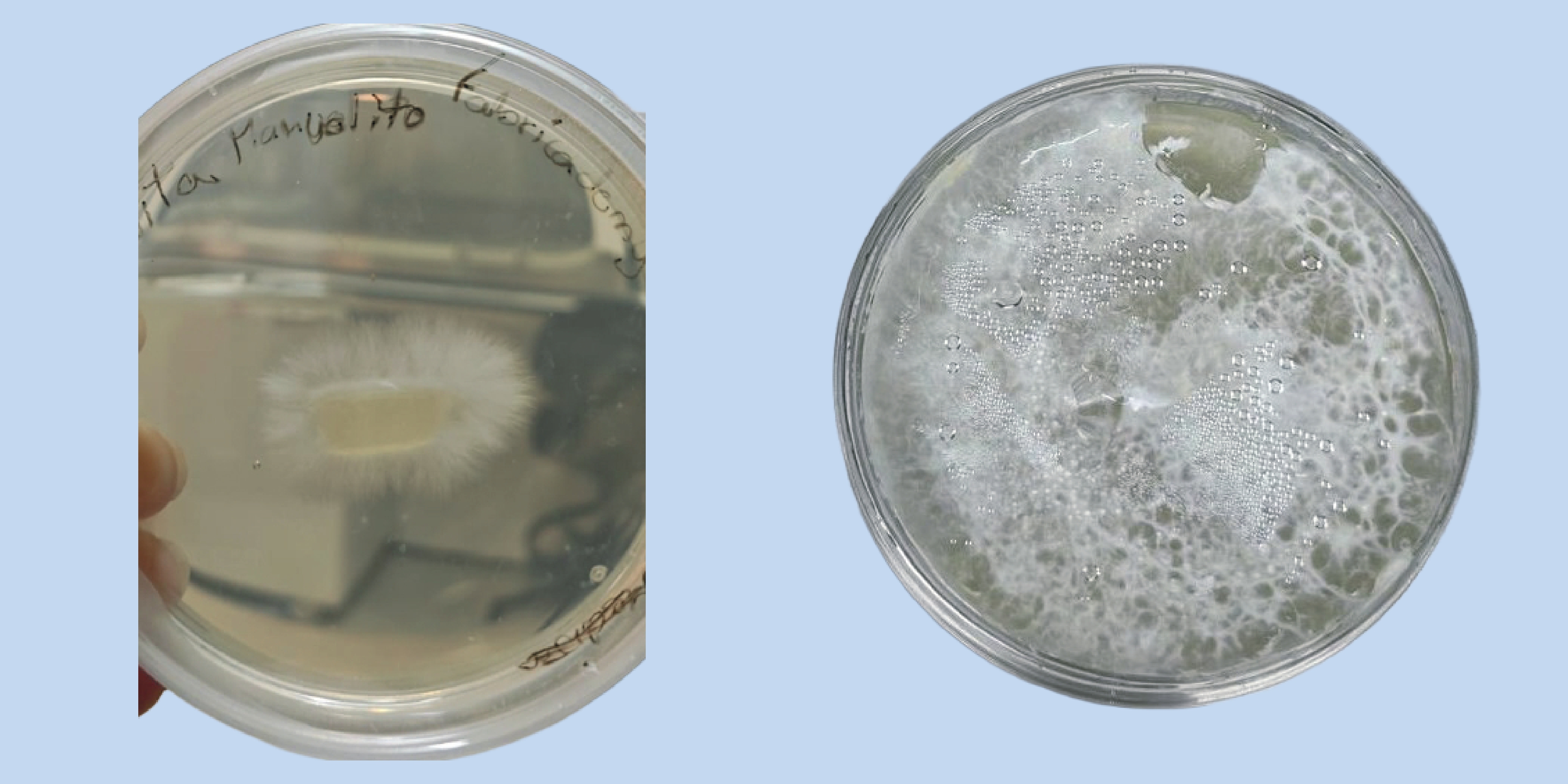
(1) My Mycellium Sample after a few days - Rita Manuelito / 2026
(2) Mycellium sample previously made in BioLab Lison 2026
Kombucha
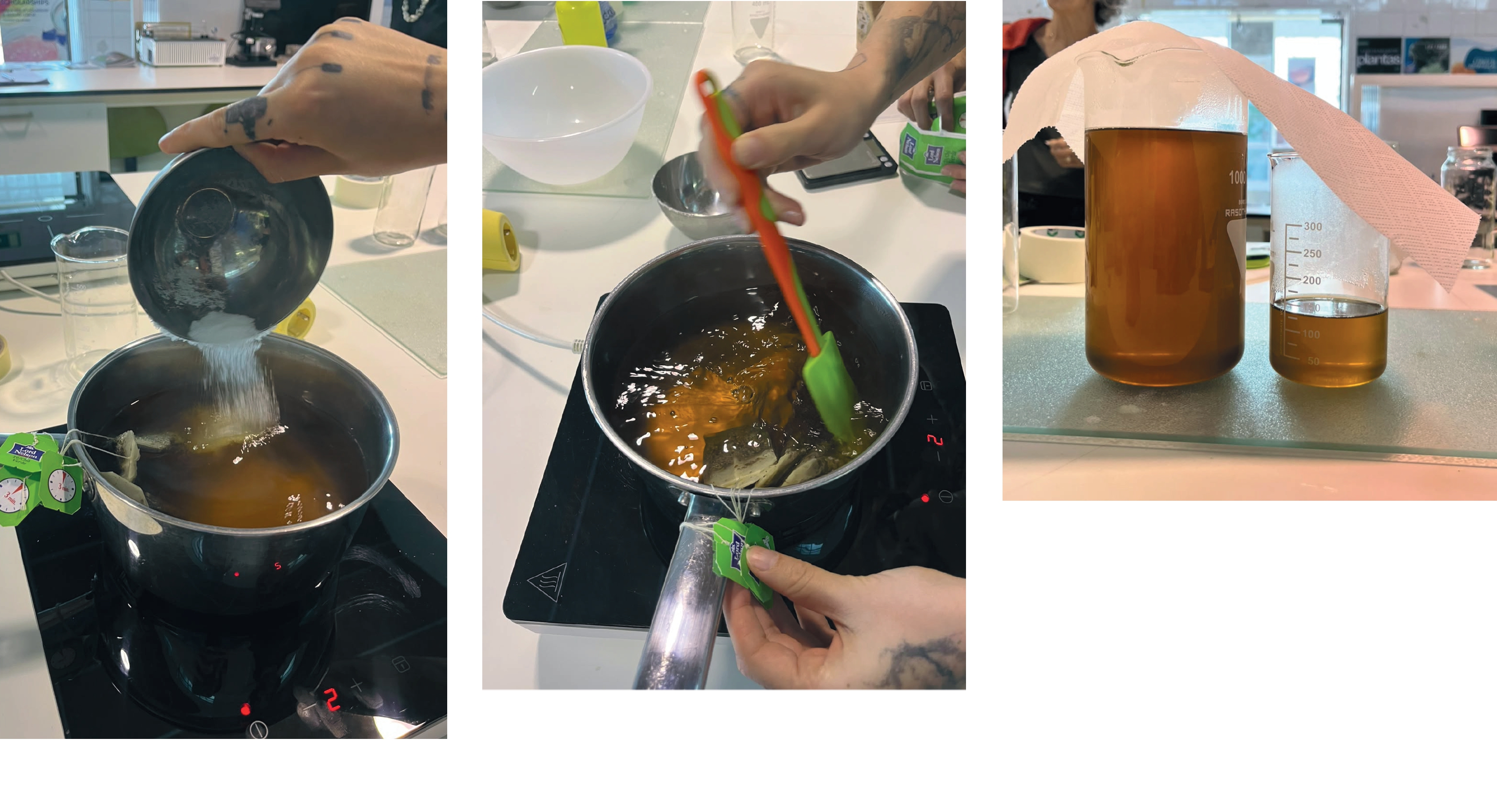
Kombucha Process - Rita Manuelito / 2026
To initiate the kombucha cultivation process, we first prepared the tea, which provides the nutrients required for the culture to grow.
࿔🌸᭪༊ We first add sugar into the hot tea
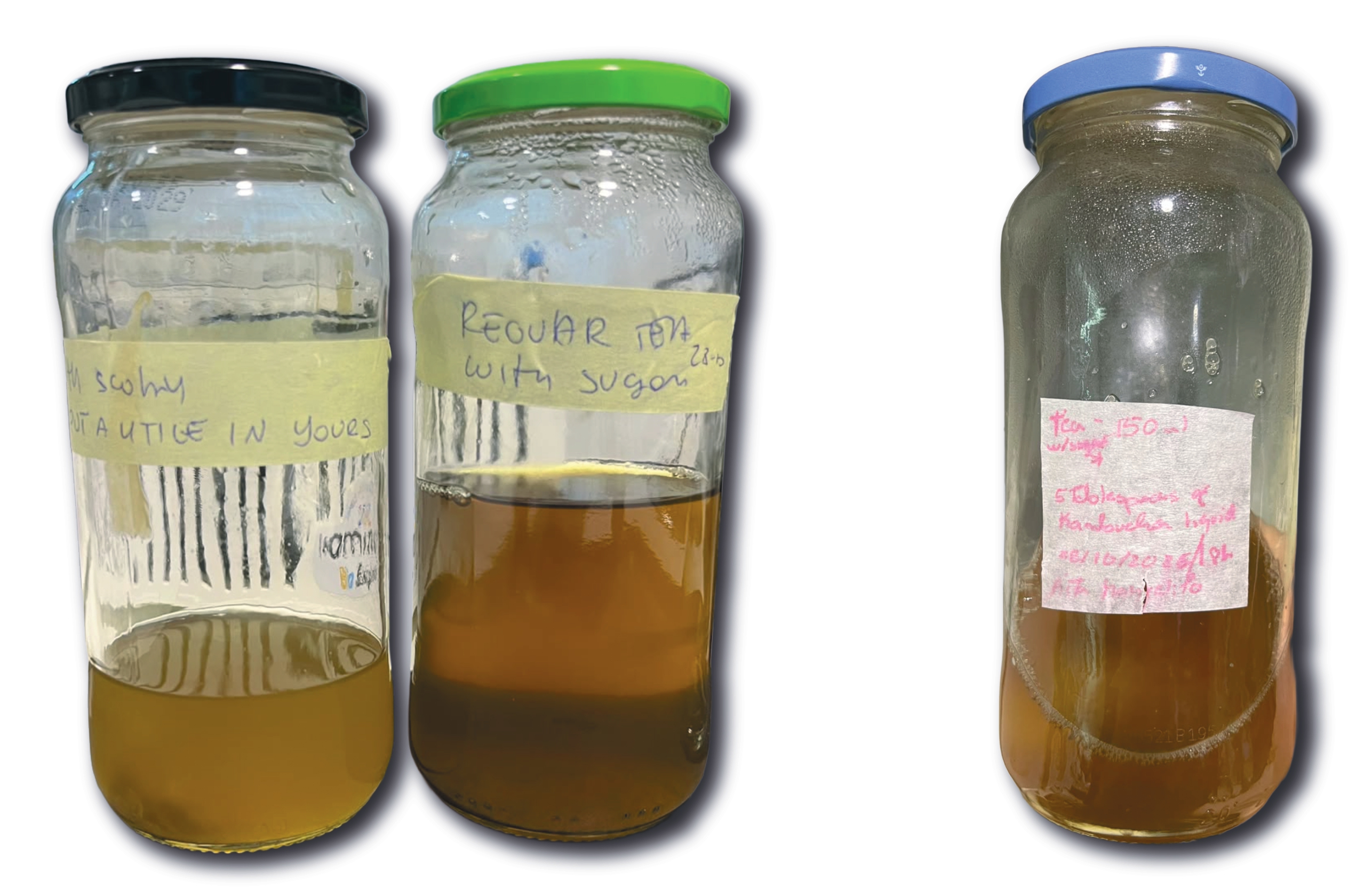
Kombucha Process - Rita Manuelito / 2026
࿔🌸᭪༊ After preparing the tea, we added approximately five tablespoons of previously prepared kombucha tea to a jar containing 150 ml of tea, allowing the kombucha culture to begin growing.
It's important to keep the containers covered with a breathable fabric, undisturbed, and away from direct sunlight, allowing a new bacterial cellulose membrane to gradually form on the surface.
Growing Roots
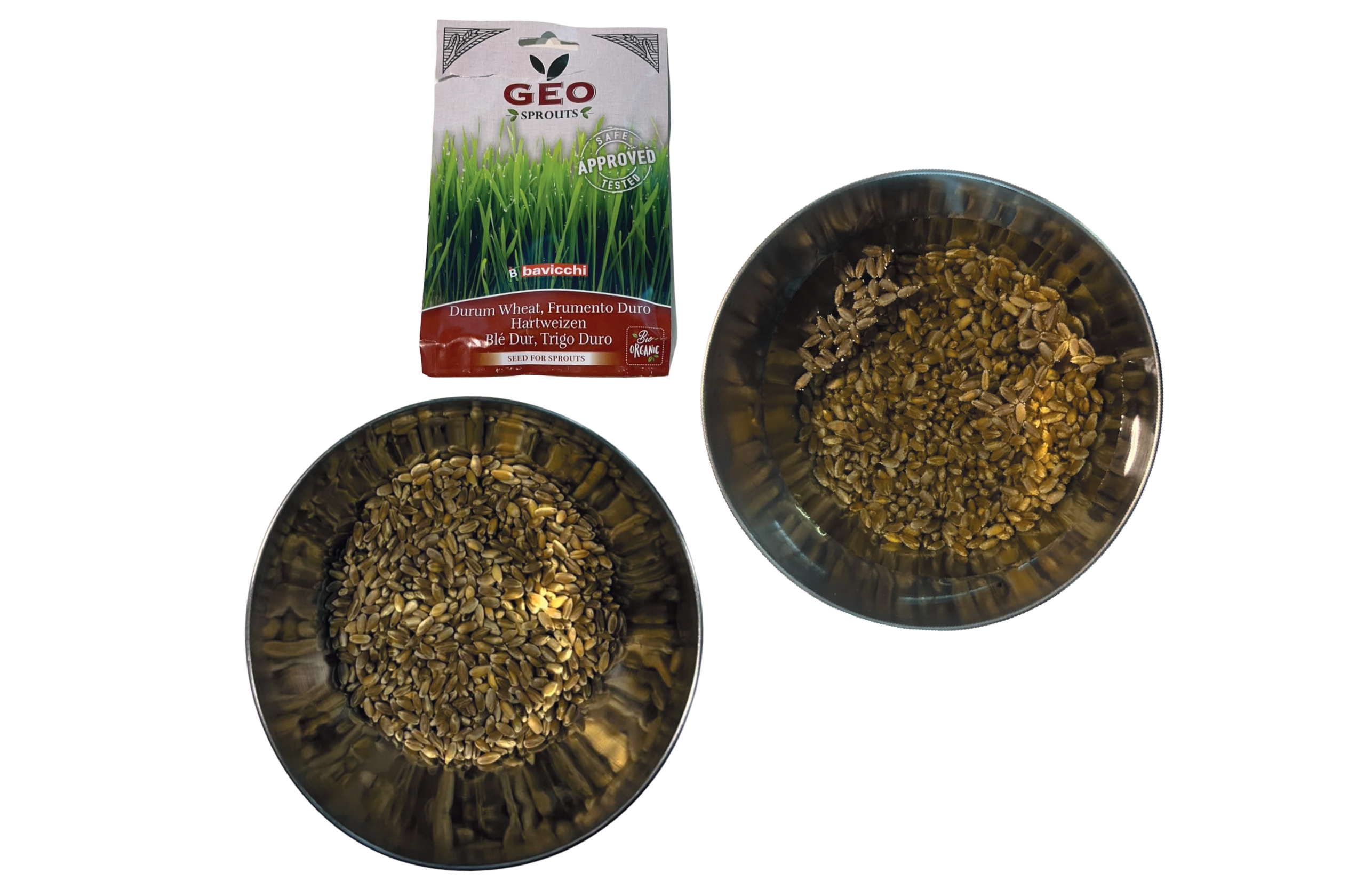 Preparing Seeds - Rita Manuelito / 2026
First, we prepared the seeds by placing them in a bowl filled with water and leaving them for one to two weeks to allow germination to begin.