7. BioFabricating Materials
Research
As we move into Biofabrication week, I feel genuinely excited to bring back the same playful and curious energy we experienced during Biochromes week. I’m particularly drawn to exploring the sensorial and tactile possibilities of biomaterials, especially when combined with the techniques we’ve learned in e-textiles and computational couture. The idea of creating sustainable materials that not only support a regenerative future but also hold strong aesthetic and sculptural potential really inspires me. I’m also eager to discover more about grown materials and those developed in collaboration with living organisms like mycelium and bacteria. I see this week as an opportunity to work alongside other species and to better understand what it means to co-create with life itself, allowing the material to have its own form of agency.
References & Inspiration
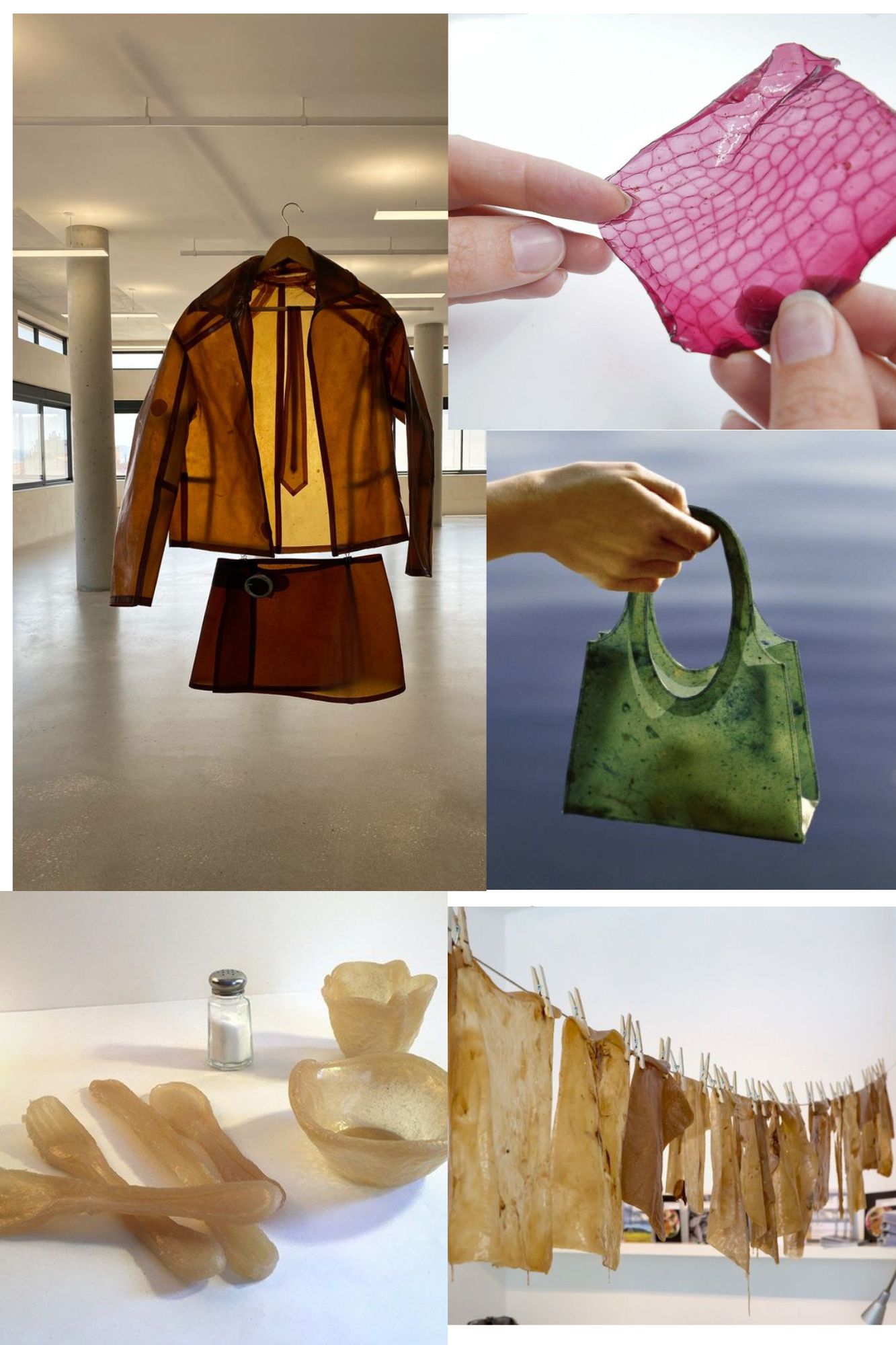
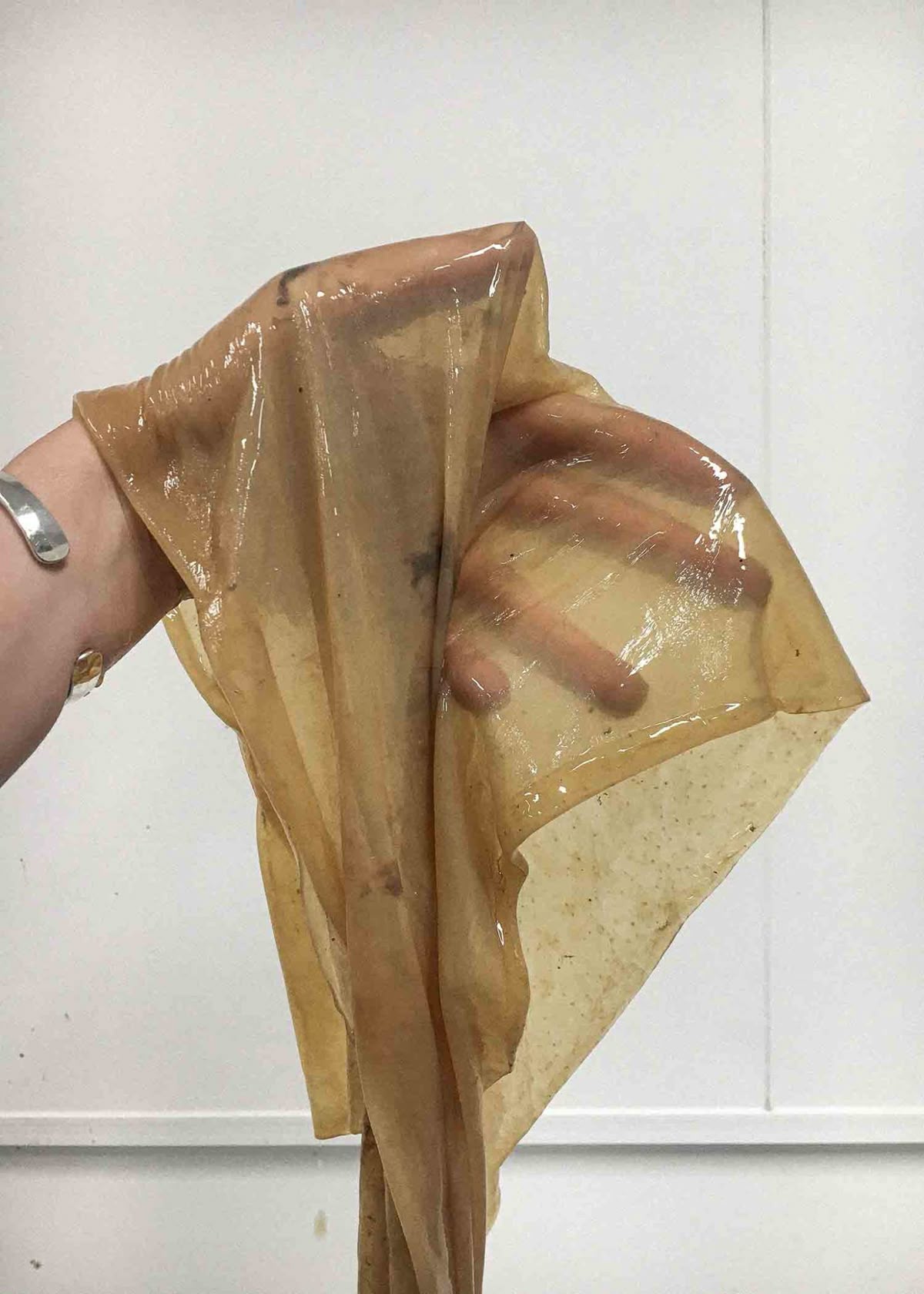
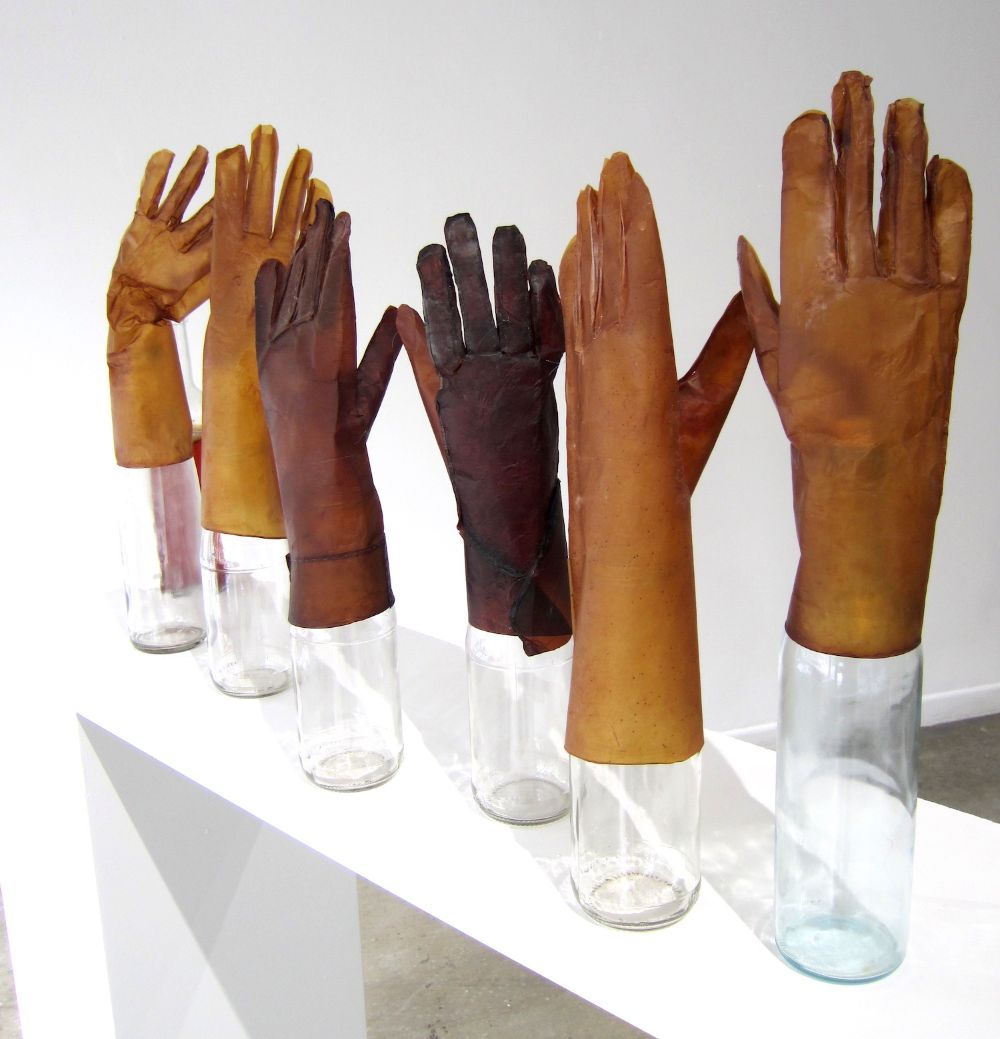
syzanne lee Suzanne Lee is a pioneer in biodesign and sustainable fashion. She founded BioCouture, the first project to create garments grown from bacterial cellulose, and later Biofabricate, a global platform connecting design, biology, and materials innovation. She grows materials from a mixture of yeast, bacteria, and tea (similar to kombucha). Once dried, the material resembles vegetable leather. Her work demonstrates how fashion can literally be grown instead of sewn, promoting a circular and regenerative design approach.
Irisvanherpen A Dutch haute couture designer known for pushing the boundaries between technology, science, and craftsmanship. While not strictly biofabrication in the lab sense, her work often draws inspiration from biological structures and processes. She collaborates with scientists and architects to create 3D-printed garments that mimic organic forms, fluid movements, and cellular growth—blurring the line between the natural and the artificial in fashion.
stellamccartney Stella McCartney is a well-known advocate for sustainable and cruelty-free fashion. She collaborates with Bolt Threads, a biotech company that develops Mylo™, a mycelium-based leather alternative. Through this partnership, she has showcased biofabricated leather products like handbags and garments, proving that luxury fashion can be sustainable and lab-grown.
carole Carole Collet is a designer and researcher based at Central Saint Martins, London. She leads the Design & Living Systems Lab, focusing on biodesign and regenerative textile systems. Her projects include “Biolace”, a speculative design exploring how plants can be genetically engineered to grow textile patterns or fibers. Her work imagines a future where fabrics are cultivated rather than manufactured.
- Two images side-by-side
Tools
Tools and Equipments
- Beakers and containers of various sizes
- pipettes
- syringe
- measuring cups
- scale
- stove
- gas
- pans
- ph indicators
- hand gloves
- Casting materials

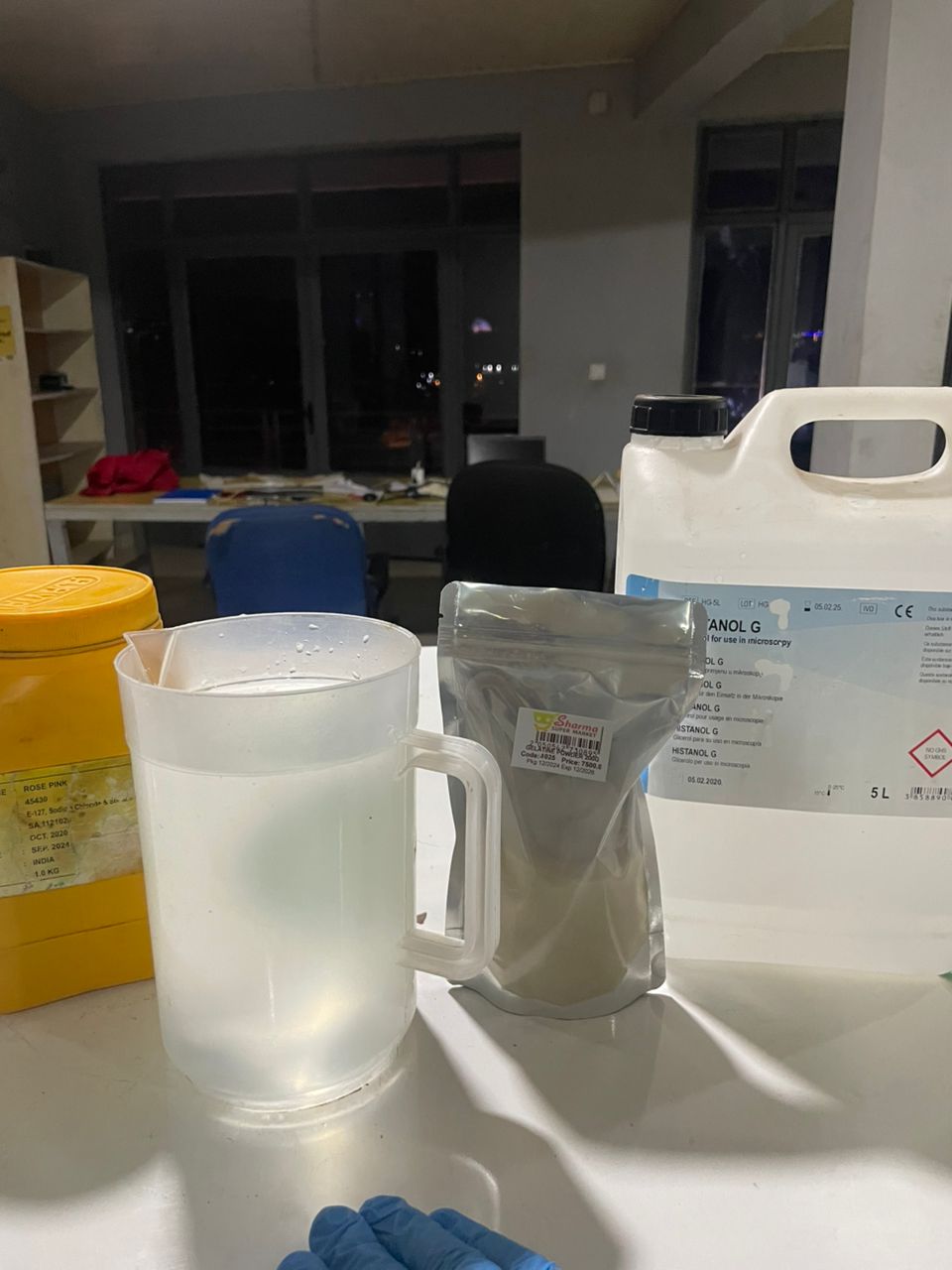
Bioplastic Ingredient

- polymer: Gelatine, corn starch
- water
- glycerine
- pigment: Food colouring
- washing liquid
Process and workflow
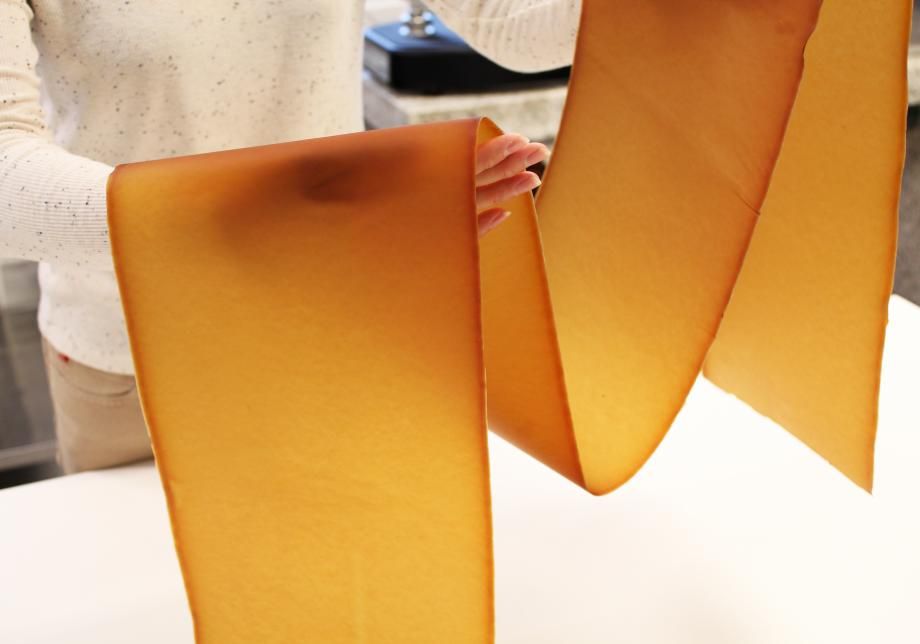
This week we needed to:
Produce at least one crafted and one grown material:
- Crafted material - explore the different recipes and understand how to adjust them based on the ingredients:
- Grown material - explore the different recipes and understand how to adjust them based on the ingredients
Ingredients & Recipes
what is BIOMATERIAL
First, we had a detailed and exploratory introductory lecture last week, where she really went into the theory behind a regenerative, bio-driven future and why a biobased approach to material research is not only good for the planet but a fascinating artistic and design space.
=== "ingredients" (Gelatin)
    * 25g powdered gelatin (unflavored)
    * 100 ml cold water for bloming the gelatin
    * 400ml for disolving the gelatin
    * few drops of glycerin (for flexibility)
    * add pigment for color
* Mixing bowl
* spoon
* beaker and pan
* measuring cup
* casting material
=== "recipe gelatin bio-plastic
* Bloom the Gelatin:
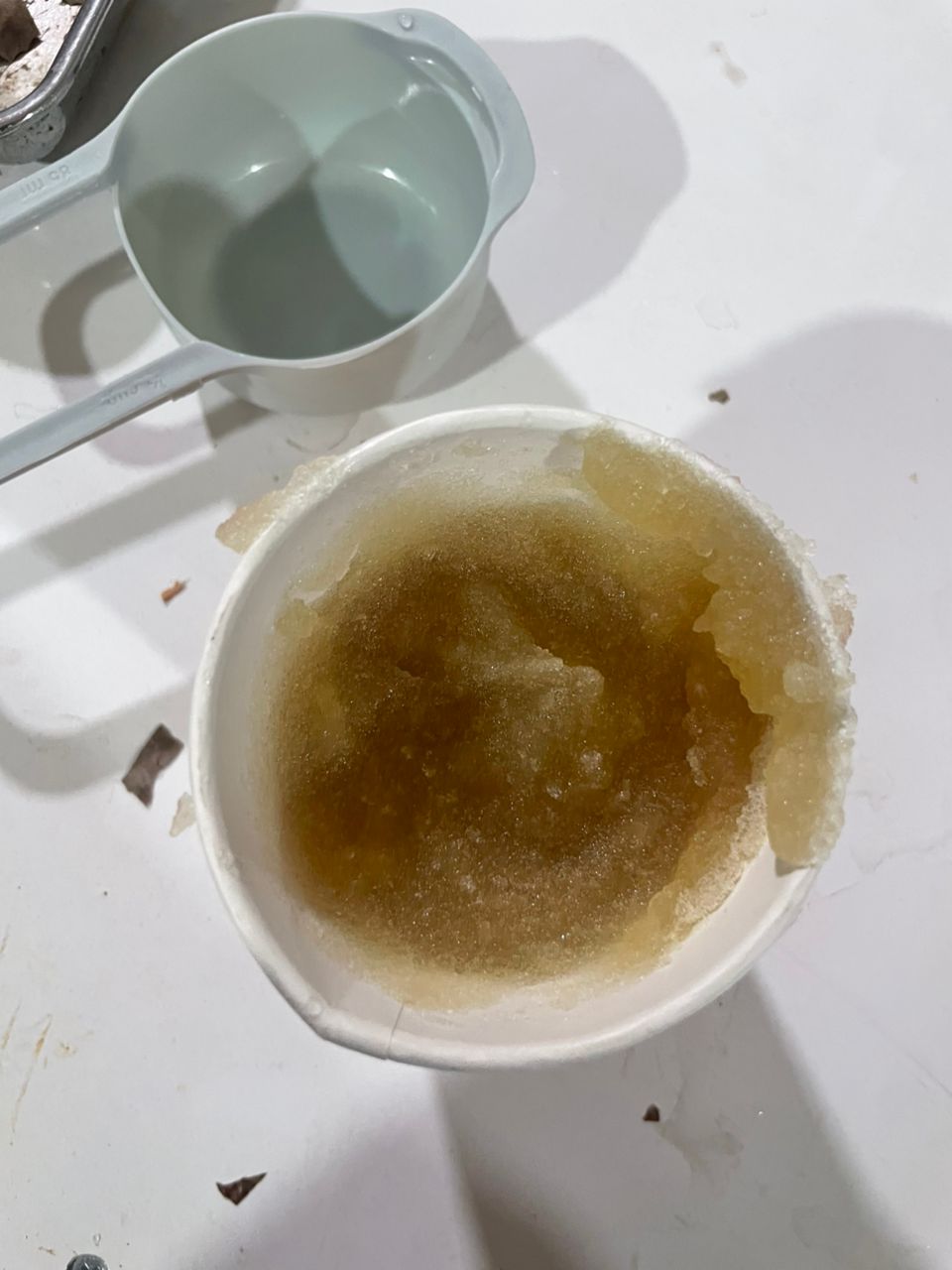
Pour the powdered gelatin into cold water. Let it sit for 5–10 minutes. → The gelatin will absorb the water and swell, forming a thick, spongy mass.
* Heat to Dissolve:
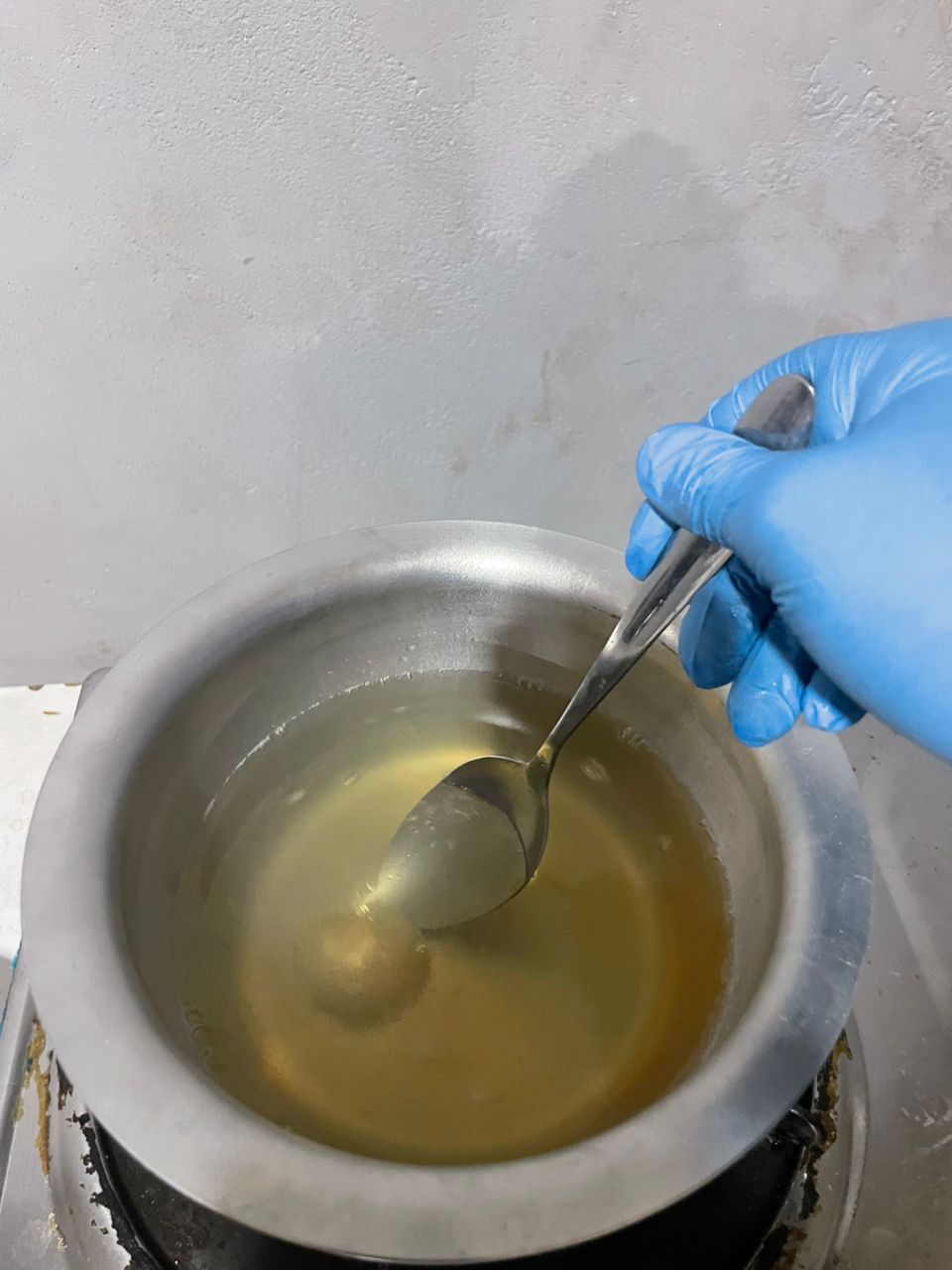
Heat 400 ml of water (not boiling — around 60–70°C). Add the bloomed gelatin and stir continuously until it fully dissolves and forms a clear liquid.
    * Add glycerin (10–20 ml) for flexibility (useful if you’re making a bioplastic sheet).

    * Add natural colorants

    * Mix thoroughly to ensure even distribution.

    * Pour the liquid mixture into your chosen mold
    * air dry for 48 hrs
    * remove, peel, unmold..
Documenting and comparing experiments
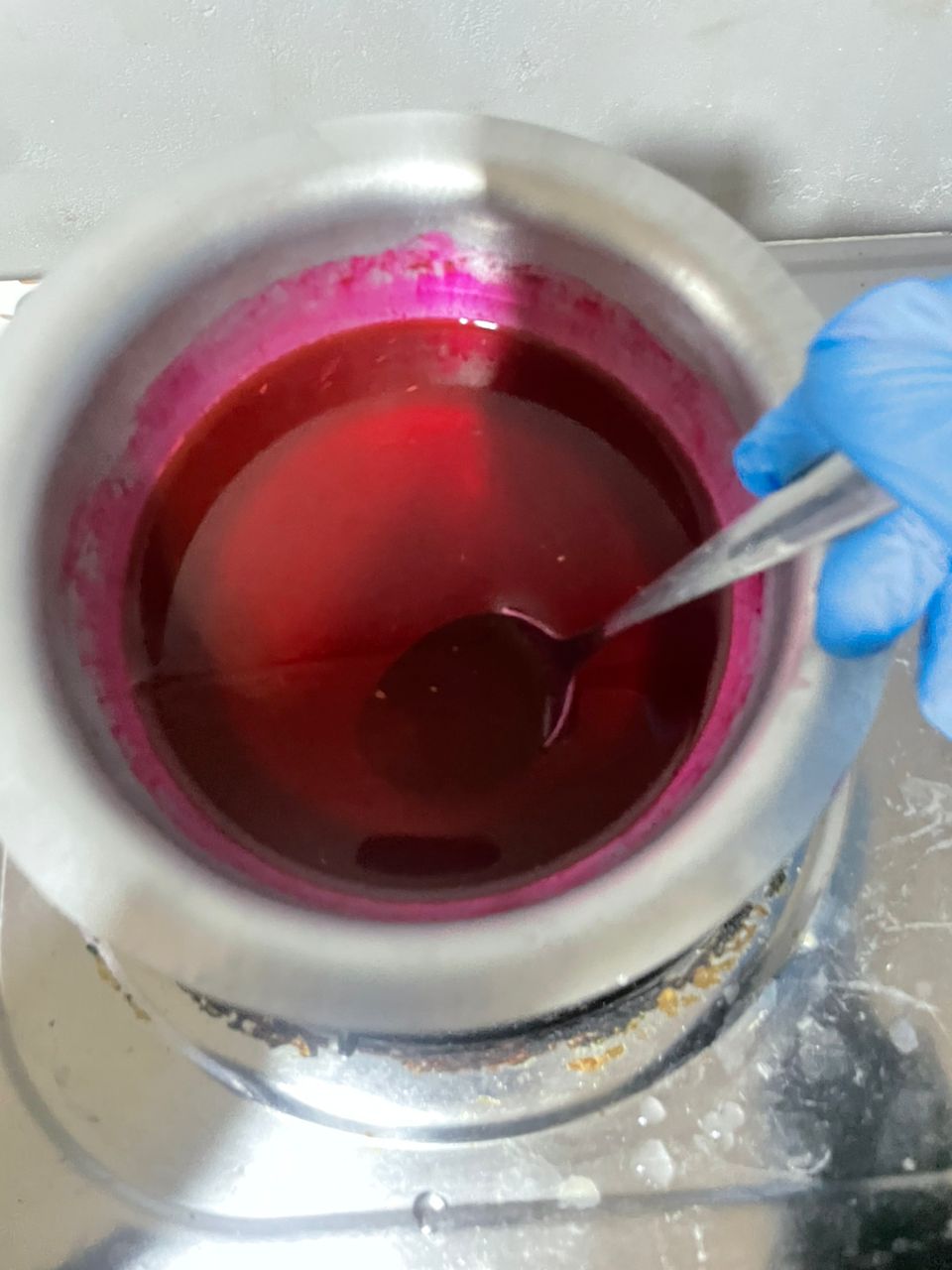
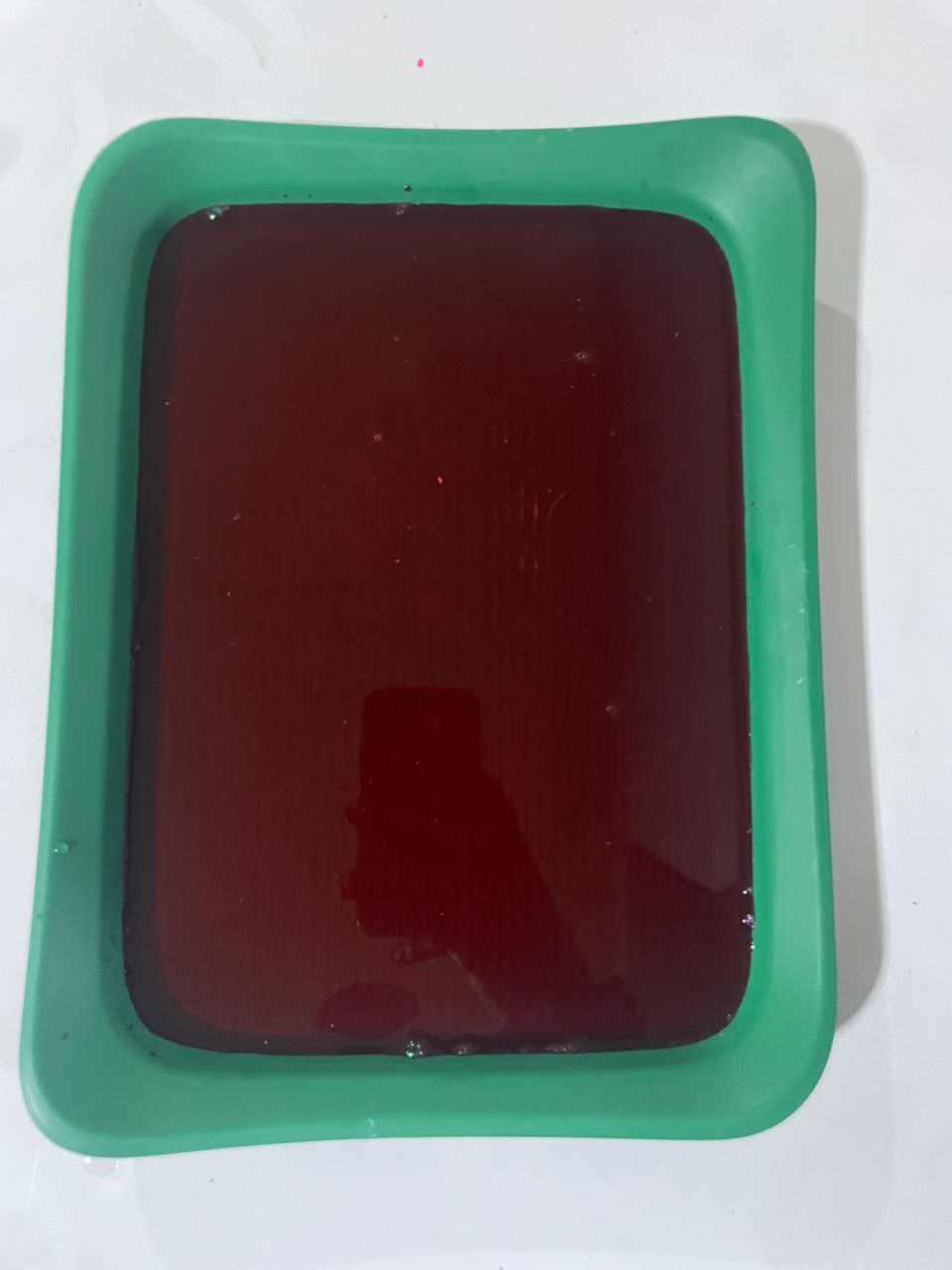
RESULTS
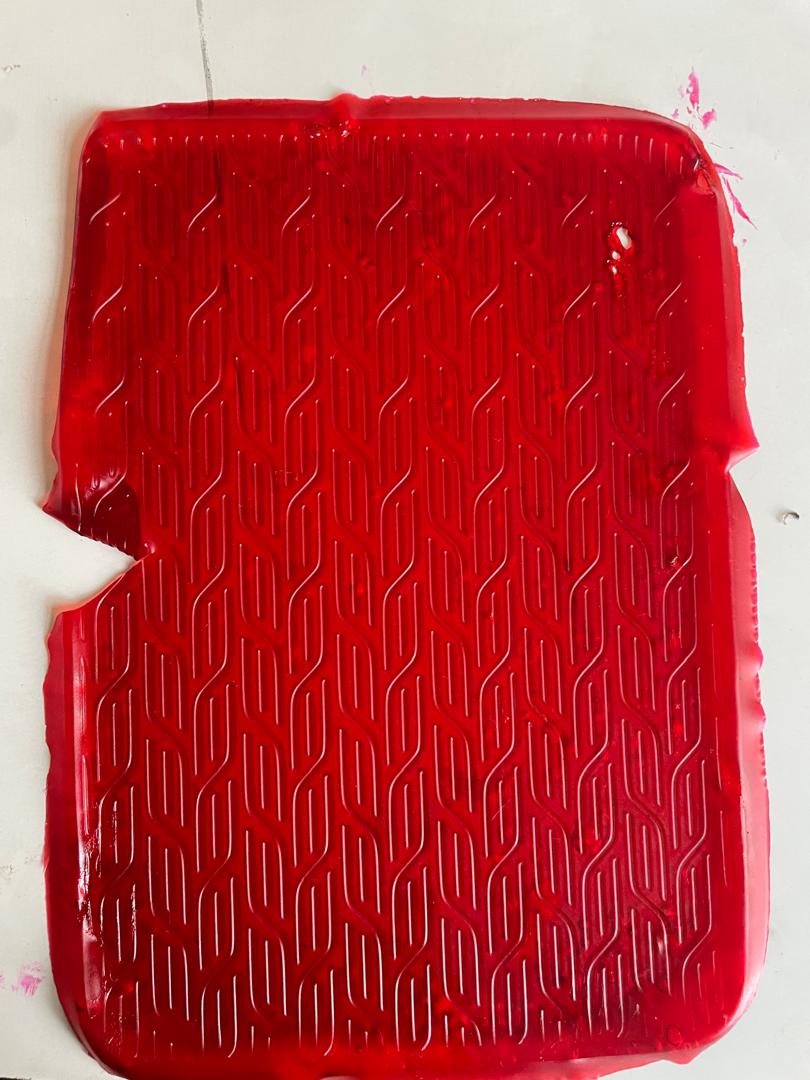
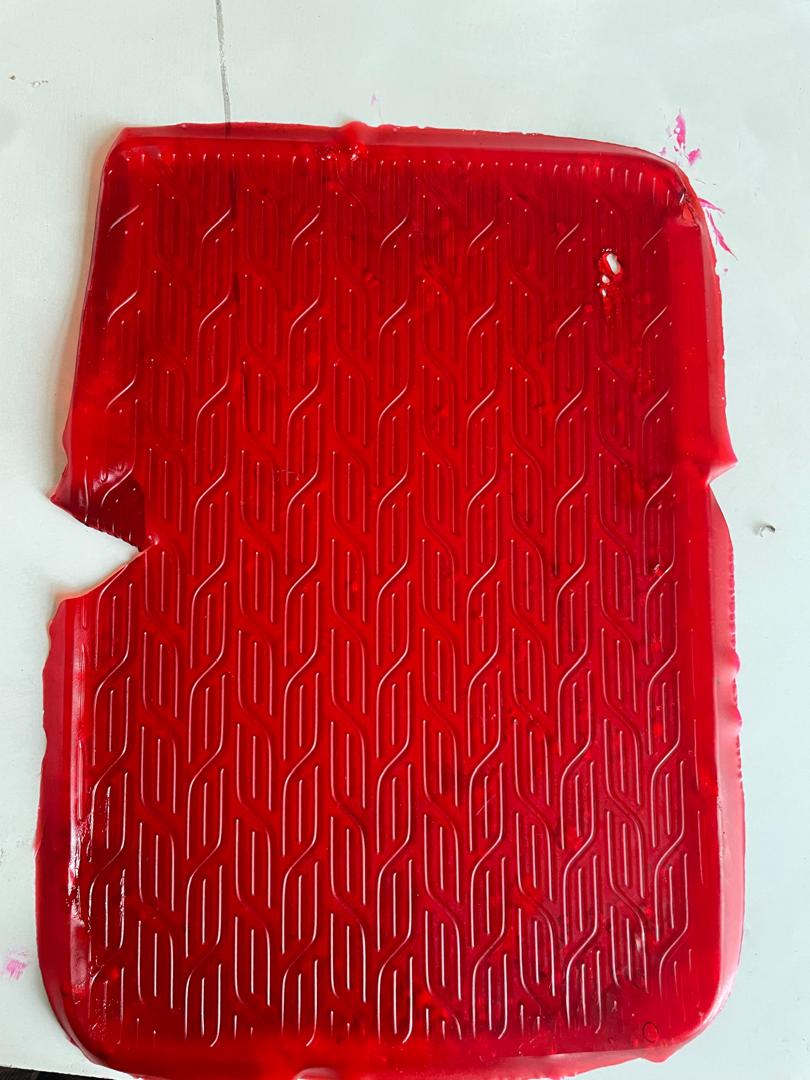
Process and workflow Grown material
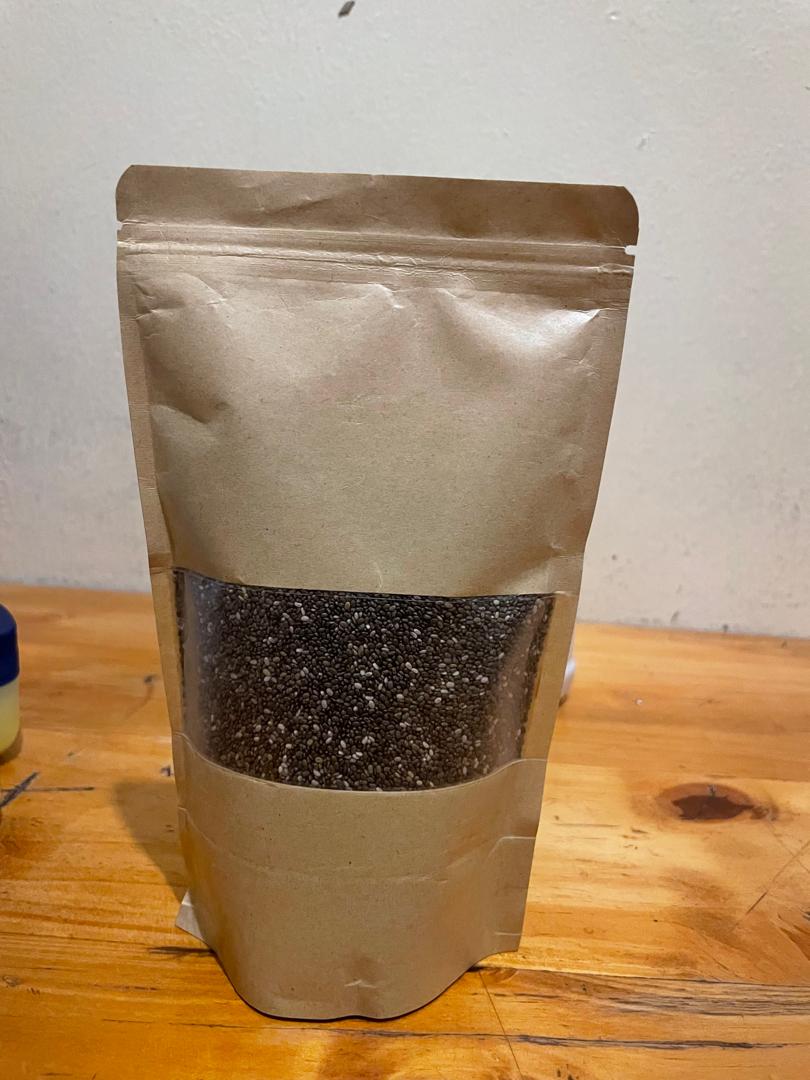
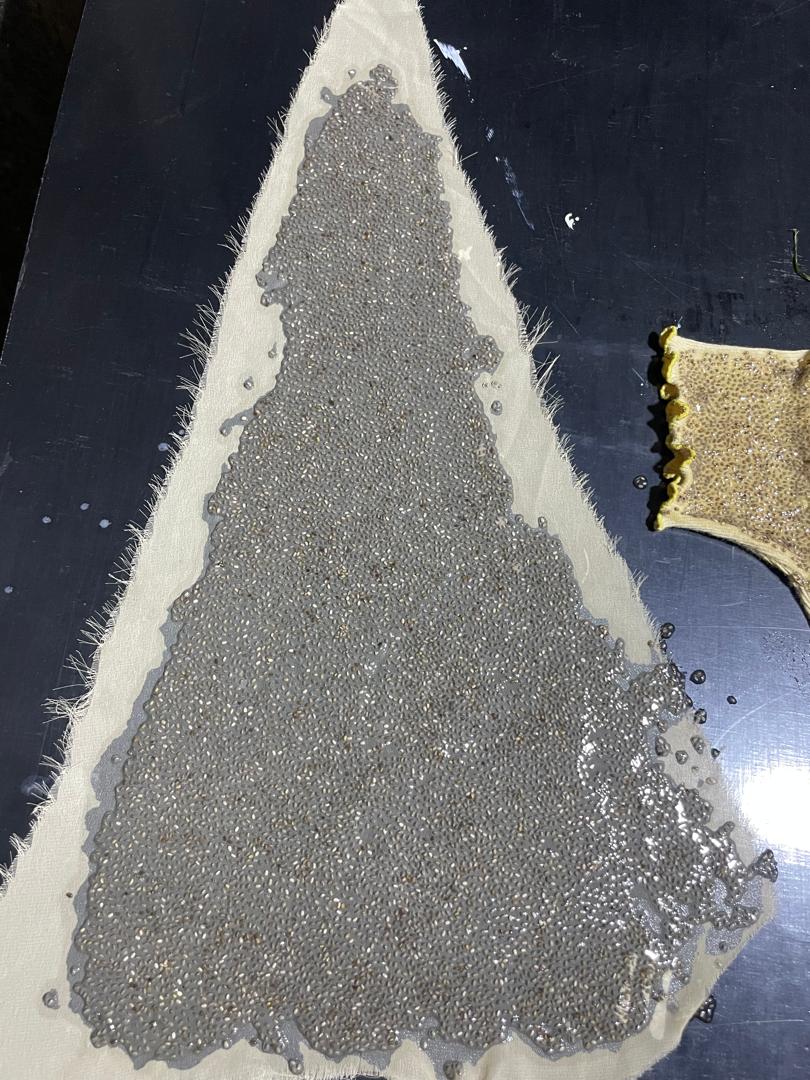
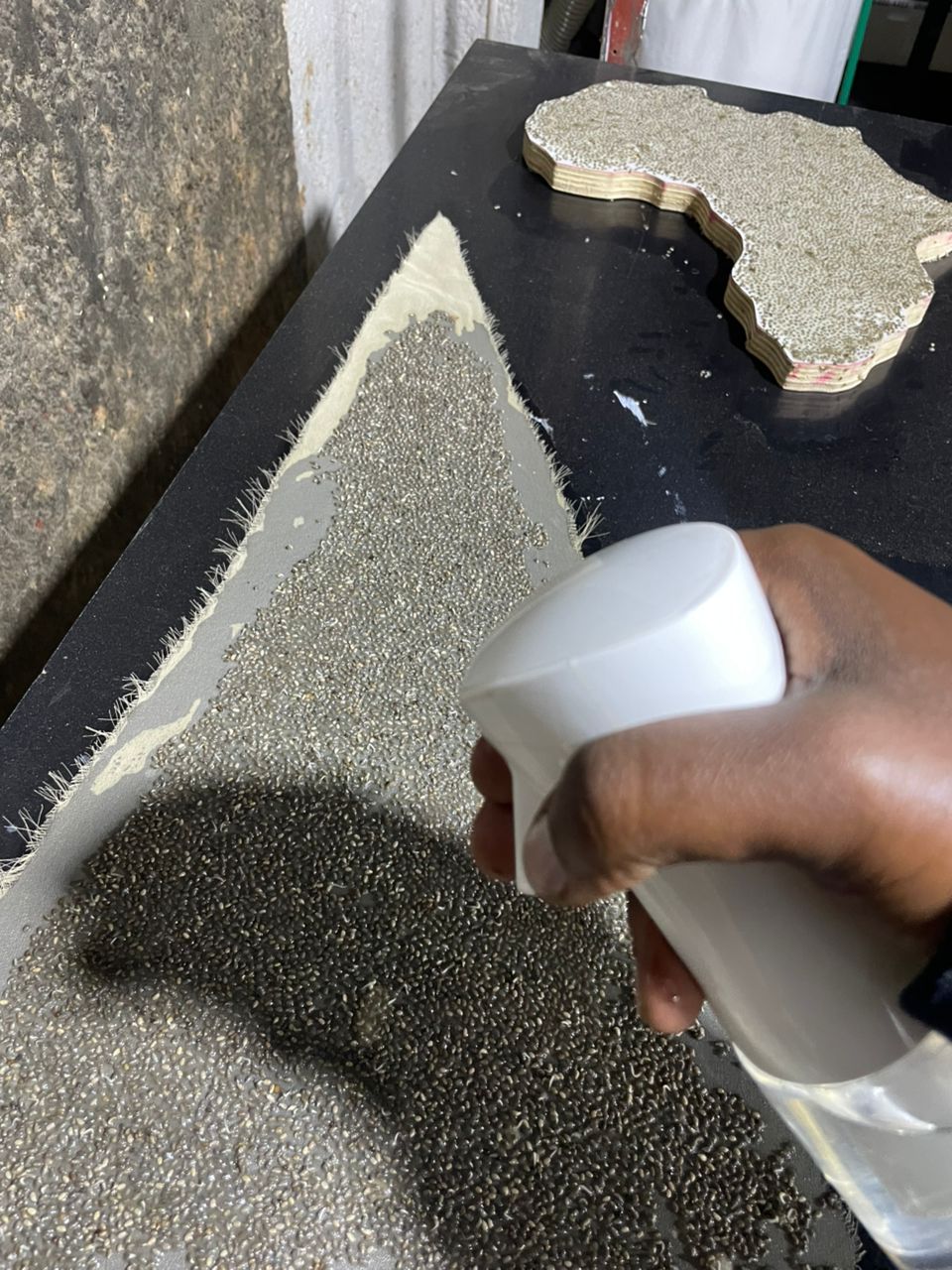
Growing Chia seed based bio material
- Context & Material Choice
During Biofabrication Week, I explored chia seed mucilage as a bio-based material due to its natural ability to form a gel-like polymer when hydrated. This aligns with the principles of Biofabrication, where biological processes are used to develop sustainable materials.
Chia seeds (Salvia hispanica) produce a mucilage hydrogel, which behaves similarly to other plant-based biopolymers used in biomaterials such as alginate or agar. This makes it a strong candidate for bioplastic and biofilm development.
- Material Understanding
When chia seeds are exposed to water, they release a polysaccharide-rich mucilage that forms a hydrogel network.
This process can be understood through the concept of: → Hydrogel
Key properties observed:
High water absorption capacity Viscous gel formation Film-forming ability after drying Natural biodegradability
This positions chia mucilage as a bio-based polymer system suitable for material experimentation.
- Fabrication Process
Step 1: Hydration (Material Growth Phase)
I began by hydrating chia seeds in water using a ratio of approximately 1:20.
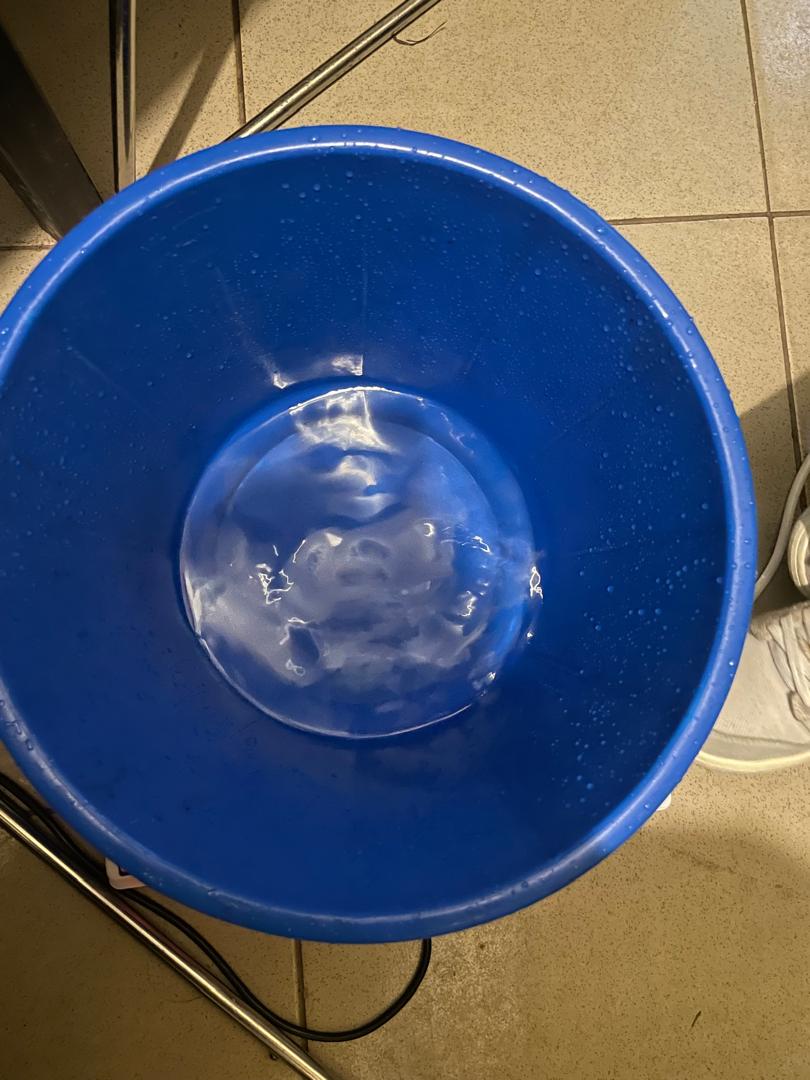
Time: 30–60 minutes Outcome: Seeds expanded and released mucilage, forming a thick gel
This step can be considered the “growth phase” of the material, where the structure is biologically activated.
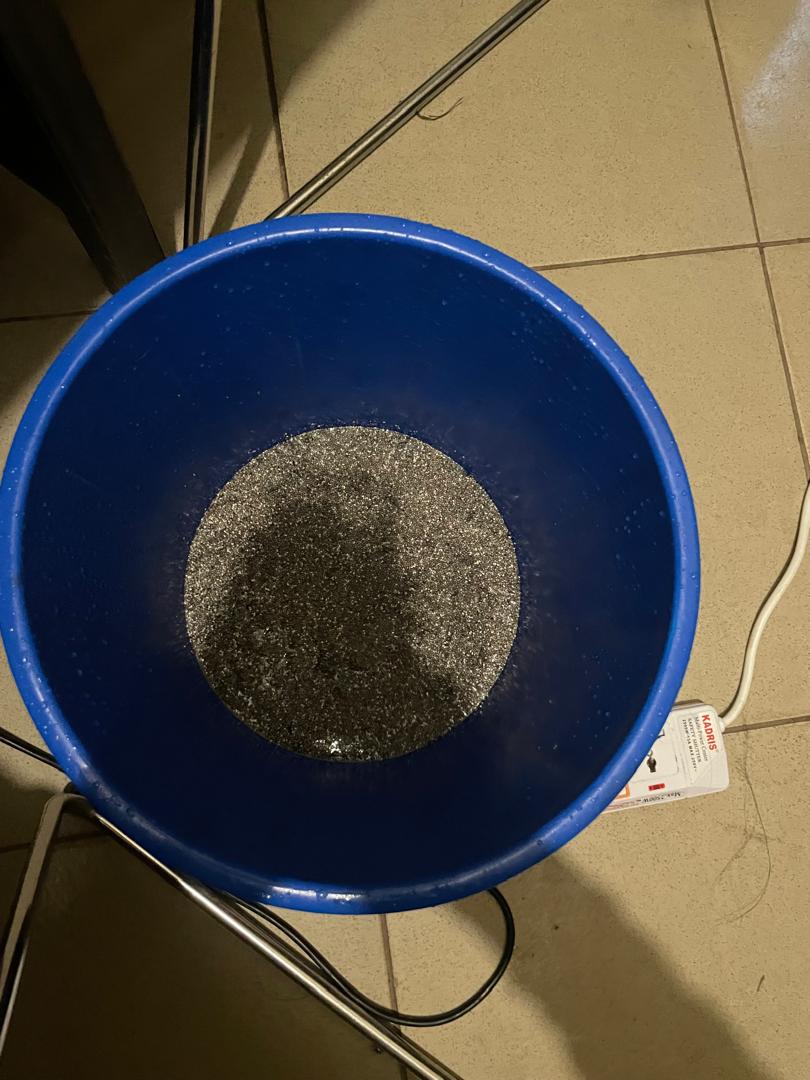
Step 2: Mucilage Extraction
The hydrated mixture was then processed to isolate the gel.
Methods used:
Manual stirring Filtration through a fine sieve
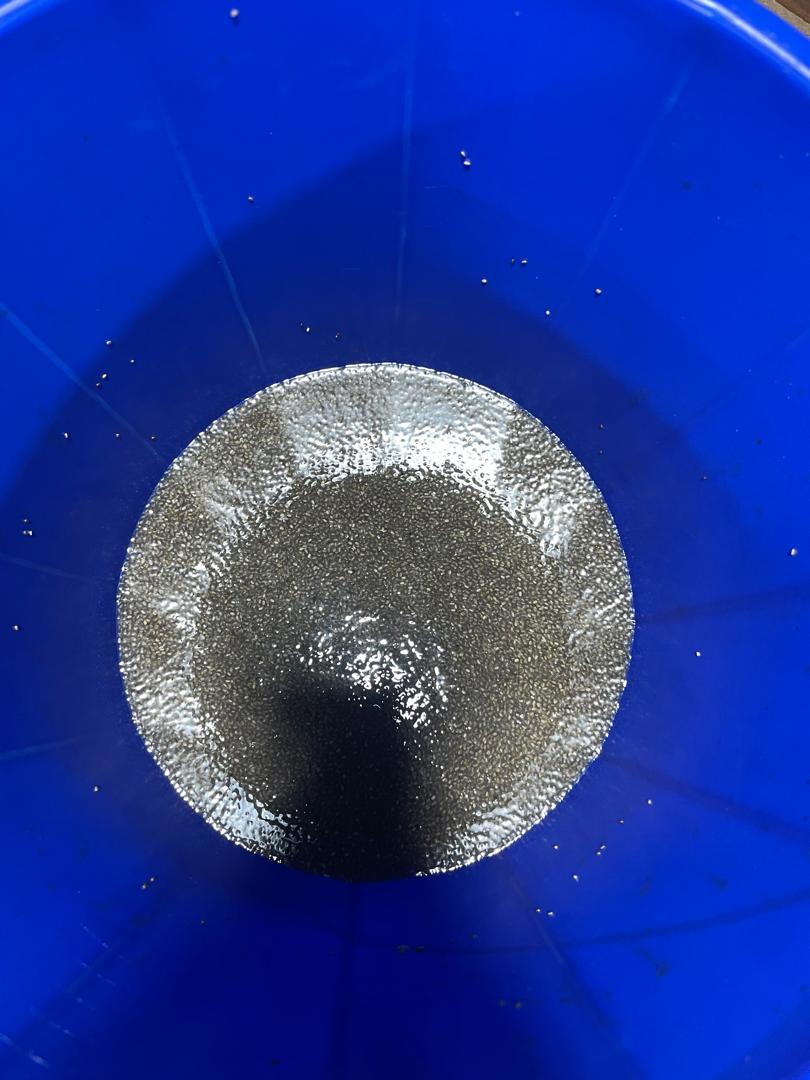
Step 4: Casting & Shaping
The prepared mixture was cast onto a flat surface.
Techniques:
Film casting (flat sheets) Potential for mold casting (future iteration)
Step 5: Drying
Air drying at room temperature (24–48 hours)
Transformation observed:
Liquid gel → solid flexible film
This marks the transition from bio-gel → biomaterial
Results
Waiting for the results
Growing Acetobacter Xylinum
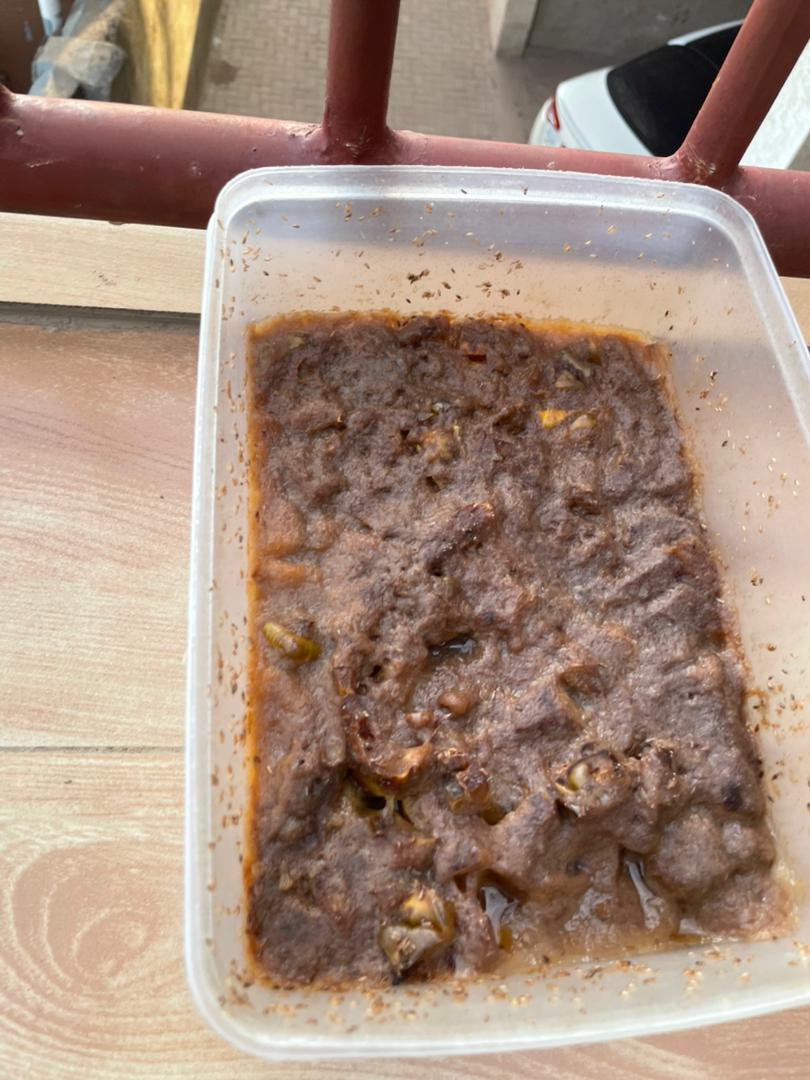
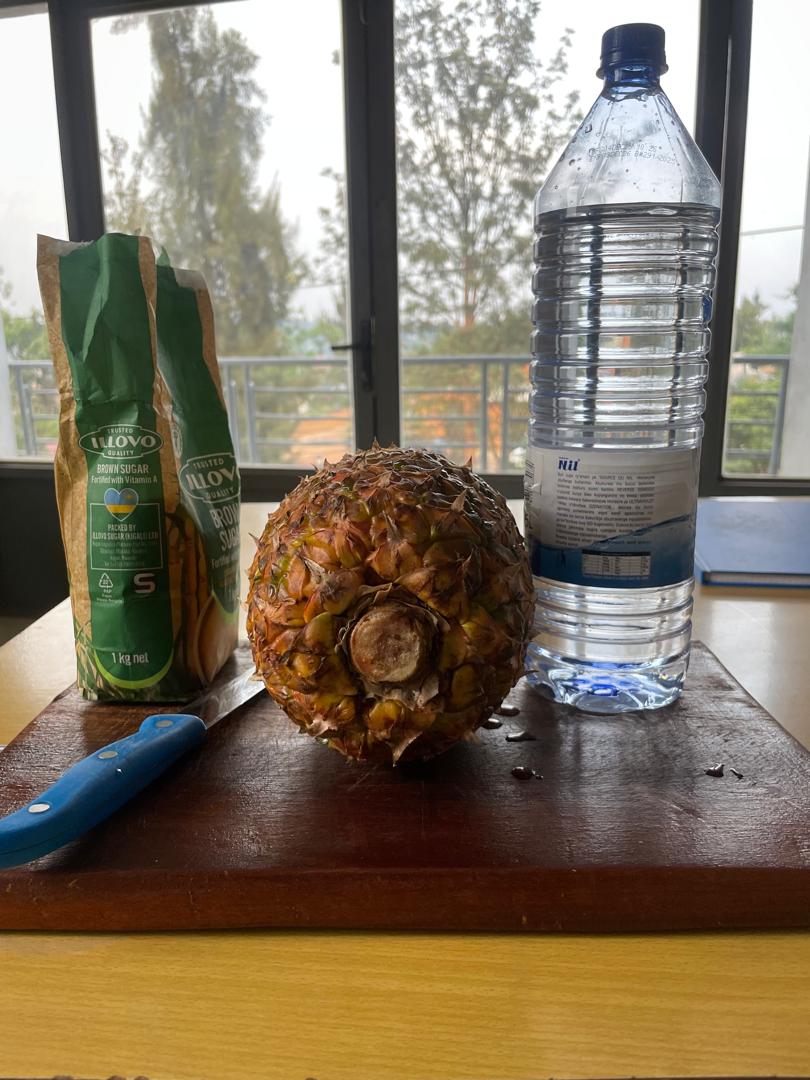
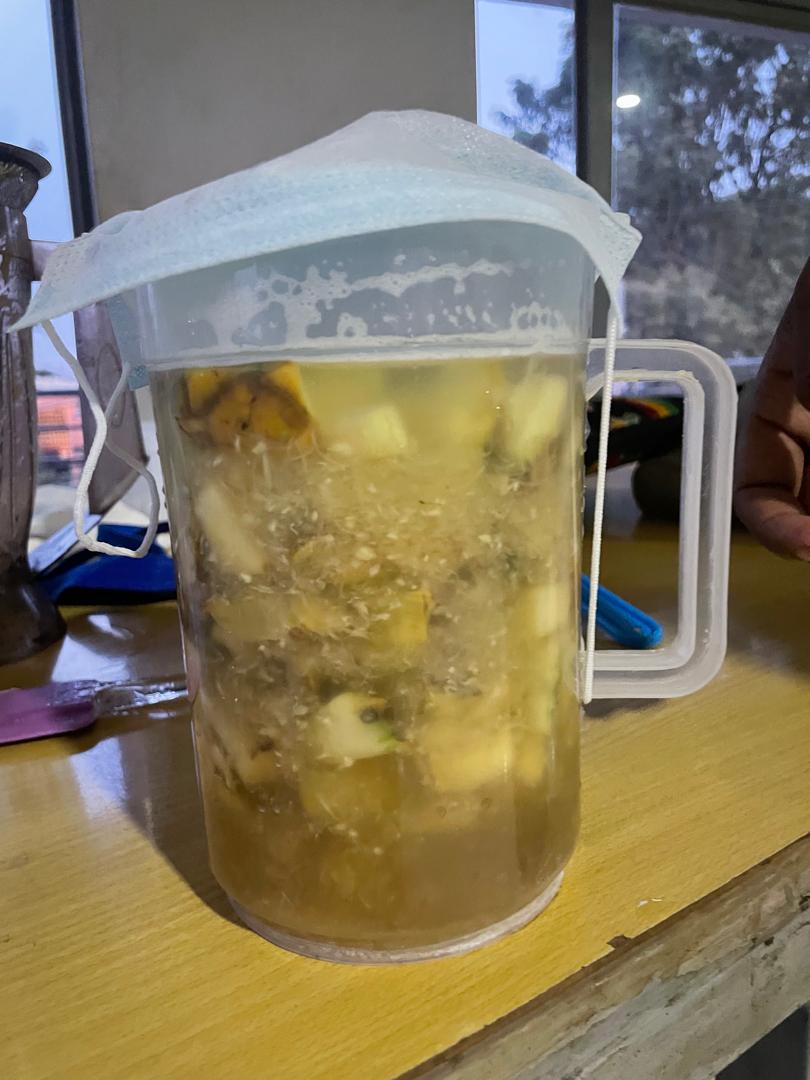
To start, I grew my own Acetobacter xylinum culture using pineapple peels and juice, sugar, and distilled water. I left the mixture to ferment in a sterilized container for two weeks. During this time, a thick, white, jelly-like layer formed on the surface—this bacterial cellulose became the starter for my next experiments
Results
This experiment did not succeed as planned. After setting up the culture, I placed it in a dark space and left it undisturbed for 30 days, expecting the bacterial cellulose to continue growing. However, the conditions were not well balanced: the nutrients were too weak, airflow was limited, and the environment became too acidic over time. Because of this, the bacteria became inactive and could not produce a healthy cellulose layer. Instead of forming a strong film, the surface developed irregular growth and signs of contamination. This failure helped me understand how sensitive the process is and how important it is to carefully control nutrients, oxygen, and fermentation conditions.