Work in progress...
Everything is linked; I see everything as interconnected.
This idea forms the main thread of my work: uncovering how identity is revealed when a place's resources, people, and history are interwoven.
What if a place could tell its identity through its resources, inhabitants, know-how, and landscapes? For me, it’s Annabel. I’m searching for my roots within the territories I inhabit, using place and its connections to define identity. Today, I am taking you to explore Brussels, and more specifically the GreenFabric in Forest, becomes my case study for the Rhizome — a concept where every element intertwines, making each story and resource part of a larger, creative whole.
The quest for identity through territories
Originally from... , born in..., expatriated in... Where am I really? This question, I have transposed it to the places, and if a territory, like a person, needed to reconnect with its roots to exist? »
Concept of the Rhizome
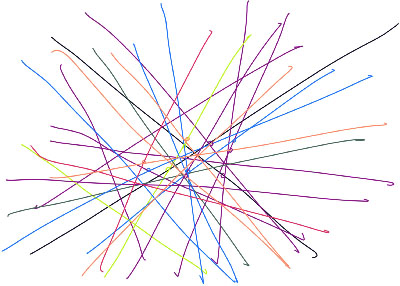
Inspired by Deleuze and Guattari, the Rhizome is a metaphor for these invisible links that connect heritage, geography, humans, and infrastructure. In Brussels, I found my laboratory: the GreenFabric, a textile third-place where I want to collect, mix, and valorize dormant resources.
*Rhizome is a philosophical concept created by Gilles Deleuze and Felix Guattari, in the book 'A Thousand Plateaus' in 1980
Systemic issue
In a world where cities are becoming standardized, how can we reveal a place's unique identity through its forgotten materials?
The GreenFabric, a map to explore
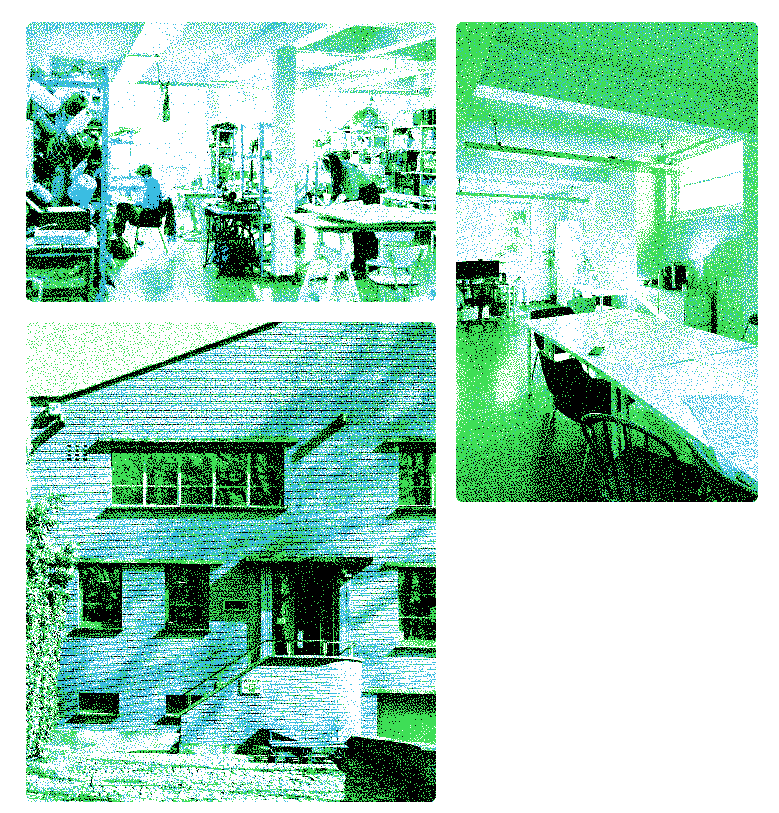
Context
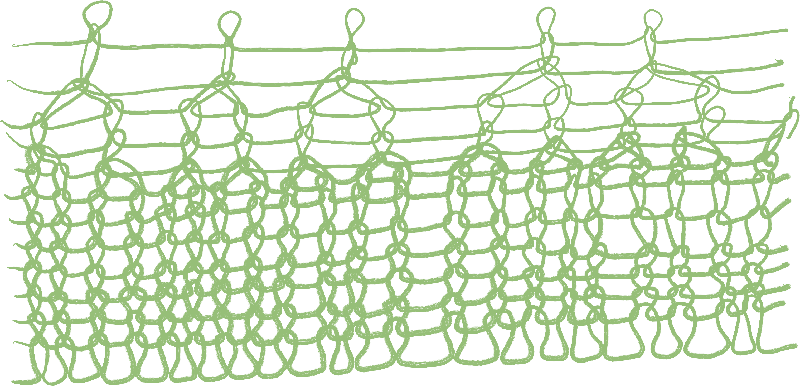
The GreenFabric is an ecosystem at the heart of a district marked by contrasts: between industrial wastelands (such as the old Audi factory), artisan workshops, and natural parks. A territory where everything coexists, like the stitches of a knit.
Resources
Here, the dormant stocks of textile factories become my raw material for testing and dreaming. I collect, analyze, and transform them.
Data
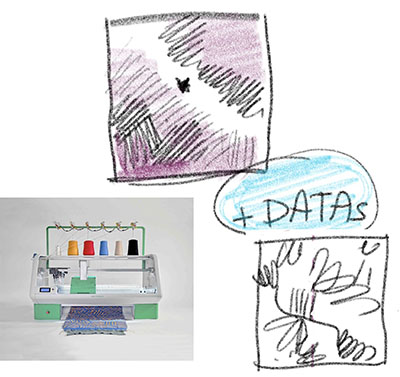
The principle will be to map local resources: yarns, natural dyes, and know-how. Sites open to the public gathering static, geographical data...
The principle will be to map local resources: yarns, natural dyes, and know-how. Sites open to the public gathering static, geographical data... Each element tells a story.
Experiment to reveal invisible links
3 areas of experimentation:
- Semi-industrial knitting (Kniterate): A programmable knitting machine to mix yarns, colors, and create textures that reflect the diversity of the territory.
- Biomaterials and natural dyes: I test material associations for their properties to recreate natural materials,
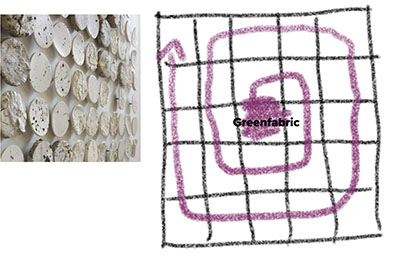
- Embroidery on collected materials Patterns inspired by neighborhood maps, embroidered on collected fabrics, as a metaphor for human connections.”
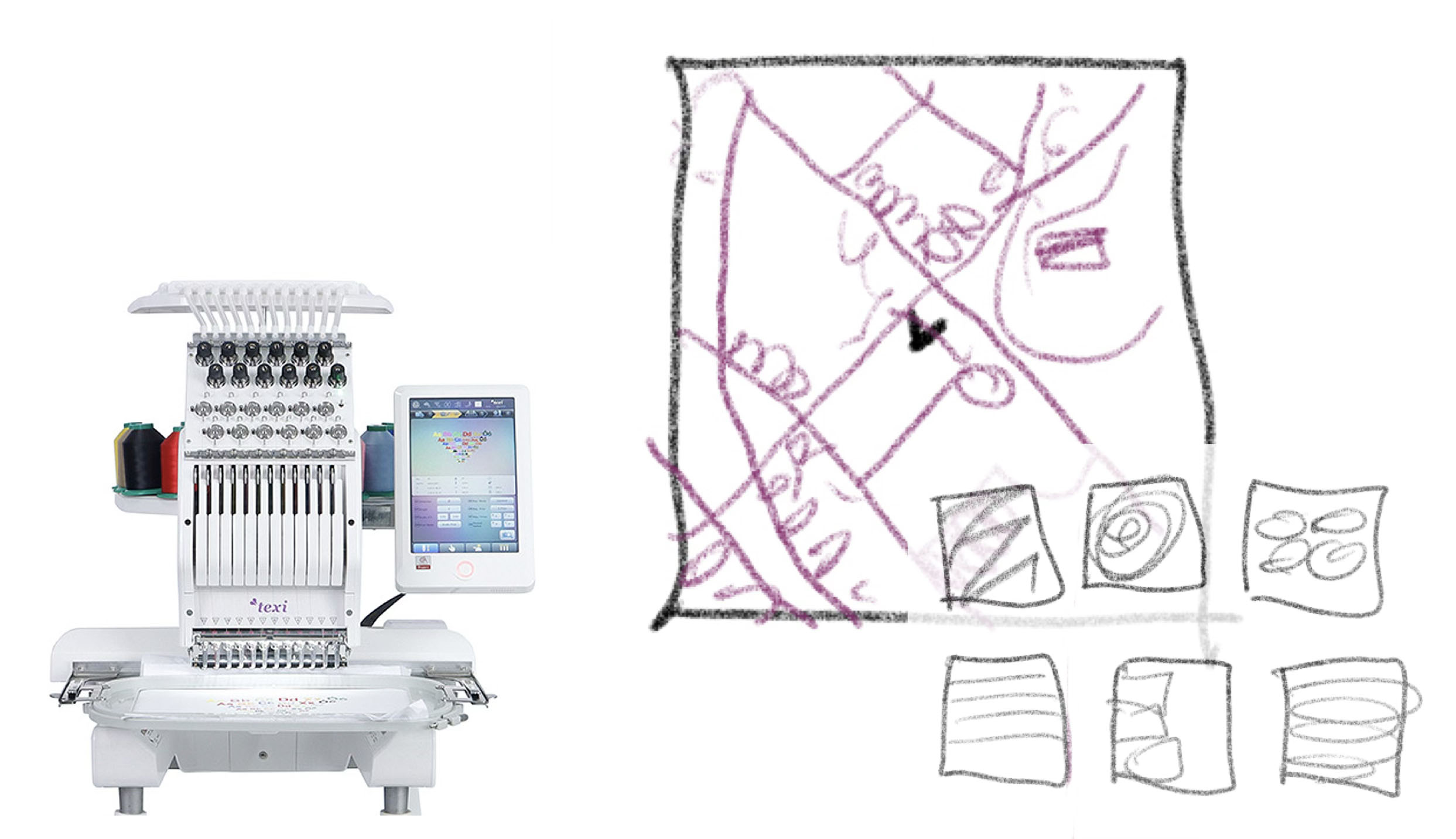
First experiment
Fabricademy marks the beginning of a longer-term process. Experimentation begins with exploration with the Kniterate. This first phase will allow for a review of the collection, experimentation and valorization processes.
Process
Each prototype is an exploration: how can local resources respond to and mutually enhance one another?
Creation of an installation and a collaborative project
Target audiences
This project is aimed at managers of a public place and local communities who want to rethink their relationship with the territory.
Valuation
My research notebook and my large-format prototypes will be exhibited to show how a place can reinvent itself through its own resources.
Vision
Ultimately, this process should naturally move towards the creation of participatory workshops where everyone can contribute to this lively mapping.
Rhizome, a concept where everything intersects, where each thread, each subject, each story becomes a resource to create.
Testing Knitting on Kniterate
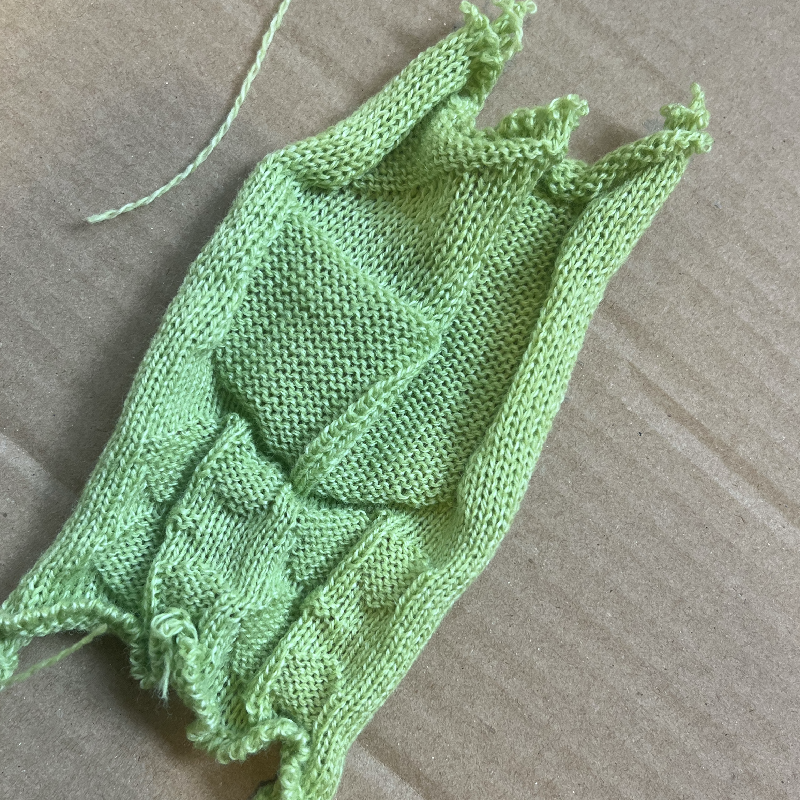
- One color, 2 kind of stitch
Here is a knitting test designed from a bitmap image. We can assign front stitches and rear stitches according to the black and white colors.
The result is more visible after blocking.
https://www.customist.com/shared/c2d9ed1b-a390-48af-8f7a-bccb09d3355d
- One feader, Two colors of thread, 2 kind of stitch, plating
This method consists of creating a pattern from a bipmap image (as in the previous example) and assigning to black and white the dot in front stitch and the dot in rear stitch. The 2-color effect is obtained by using 2 colored threads in the same feader. You just have to thread one wire into the bottom hole and the other into the hole on the side. The result is more visible after blocking.
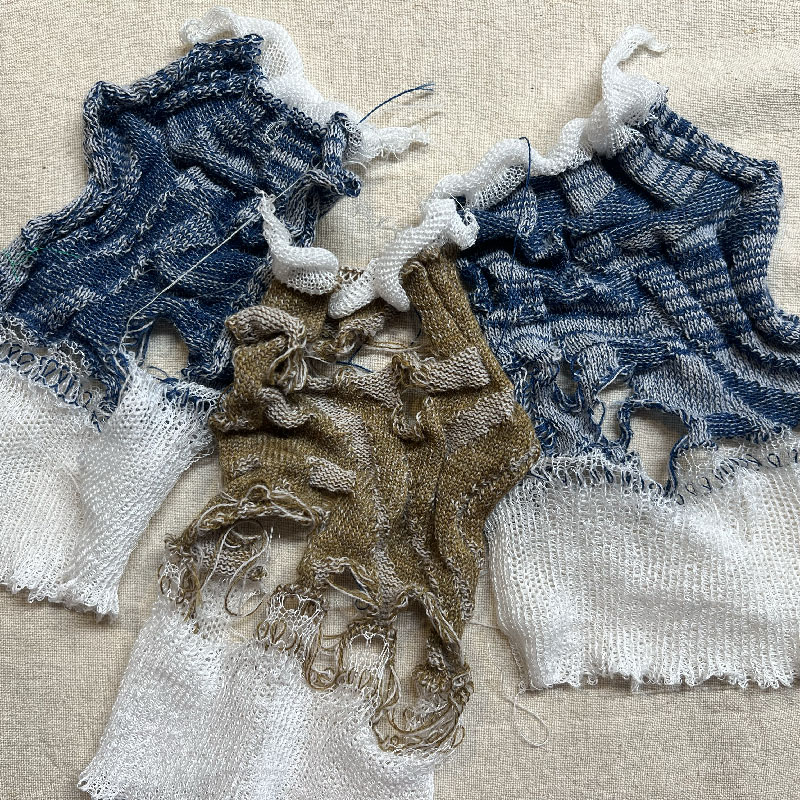
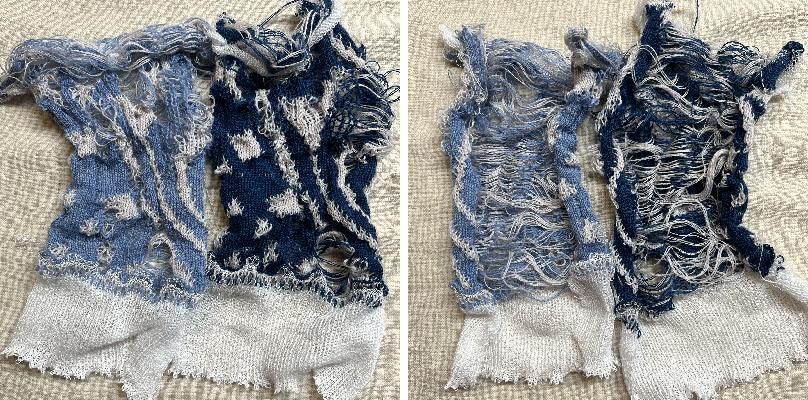
Here you can see the tension errors on the assembly, which creates large spaces for loose meshes. On the right, you can see that the threads were together and this allows you to see what the knit looks like without the plating.
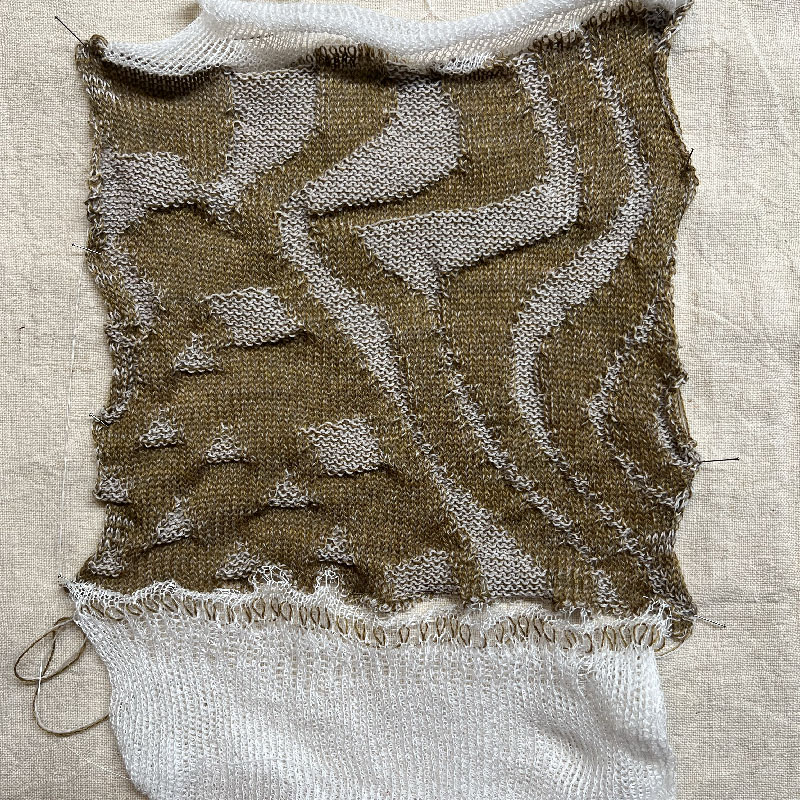
Here is a successful attempt. On the other side, the colors are reversed.
https://www.customist.com/shared/071c6232-4eaf-443c-add0-1ce690d1b69e
- Invisible threads...
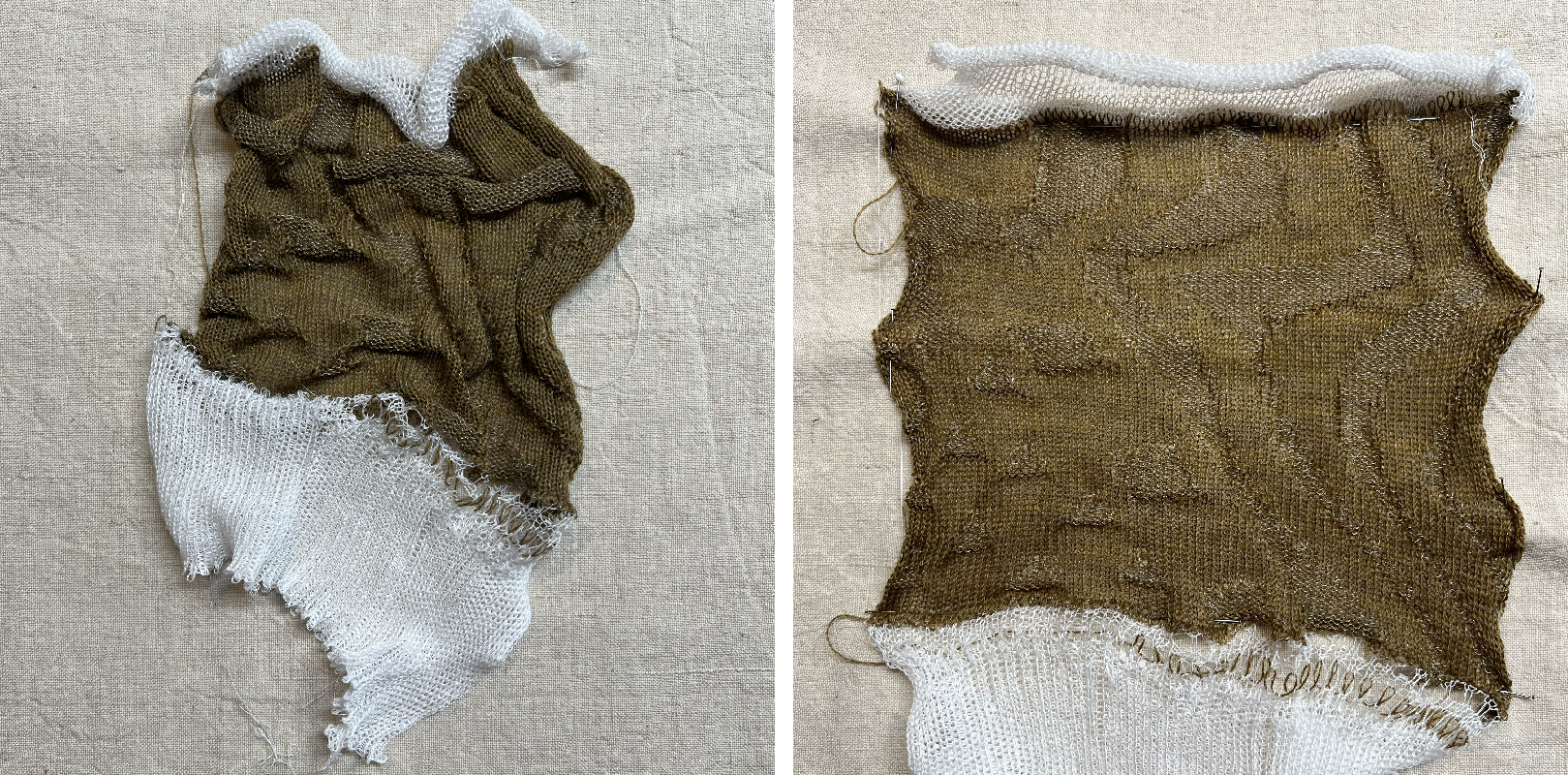
Using the same technique, I tested invisible, shiny yarns. The result is very subtle since you can see through the Merino yarn. I wanted to make completely transparent effects, this technique is not the right one.
- Floating threads
I wanted to test a more technical coding solution to create a jacquard with floating threads and test changes in colors and materials. I wanted to use very different threads without them affecting each other and to achieve highly contrasting material effects. I ended up with very long floating threads. We should add contrasting stitches regularly.
- What dithering?
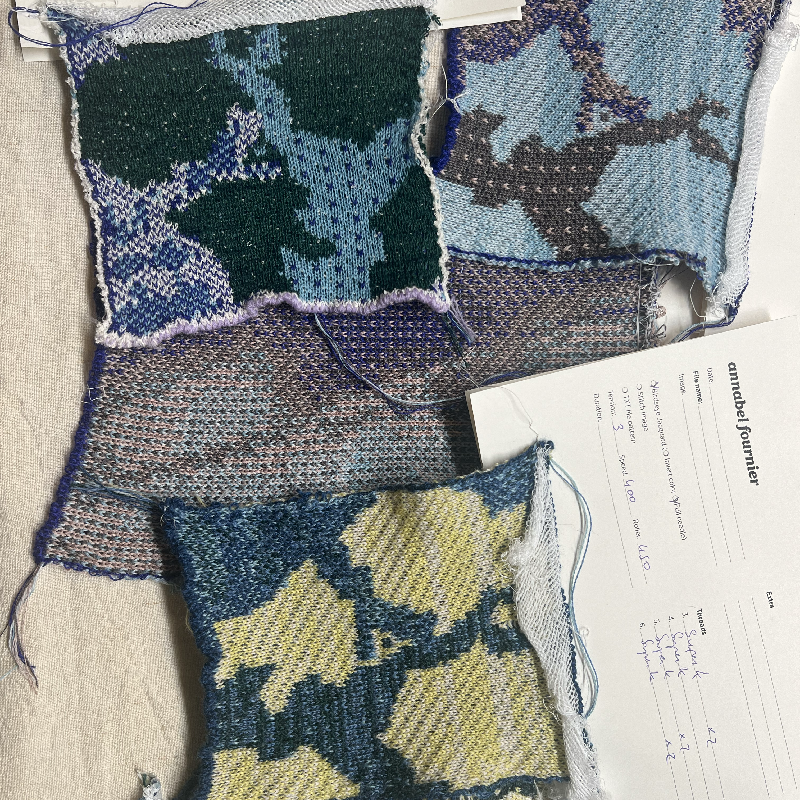
With 'Dithermark', I wanted to test several frames to better understand the result. Some tests are very soft, others too uninteresting... This allowed me to choose my artistic options and to calculate the width/height deformation for this wool and the chosen tension.
- What colors?
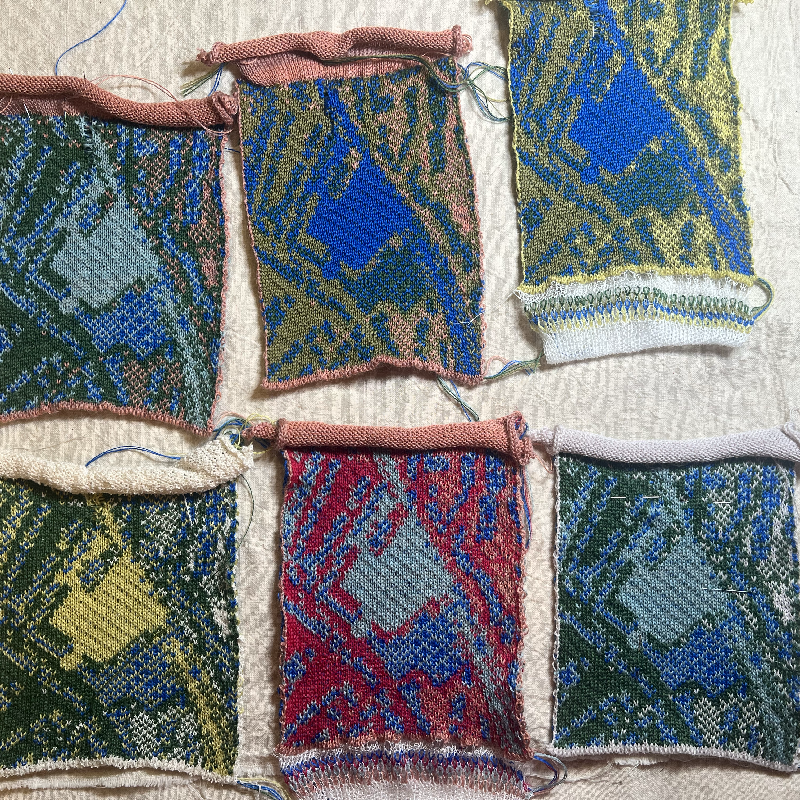
Choosing your colors is not the simplest exercise. I bought my yarn before my tests, mixing light and dark colors, as well as muted and bright colors. Using the same Merino whool helped me a lot to get a more regular result.
- Miss???
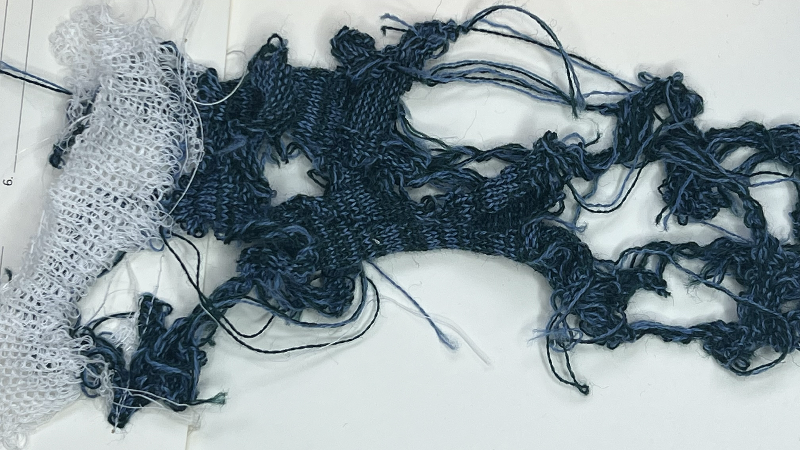
For the fun of it, here’s a very failed test! But it’s just a matter of point of view; it could very well be the beginning of a more artistic research!
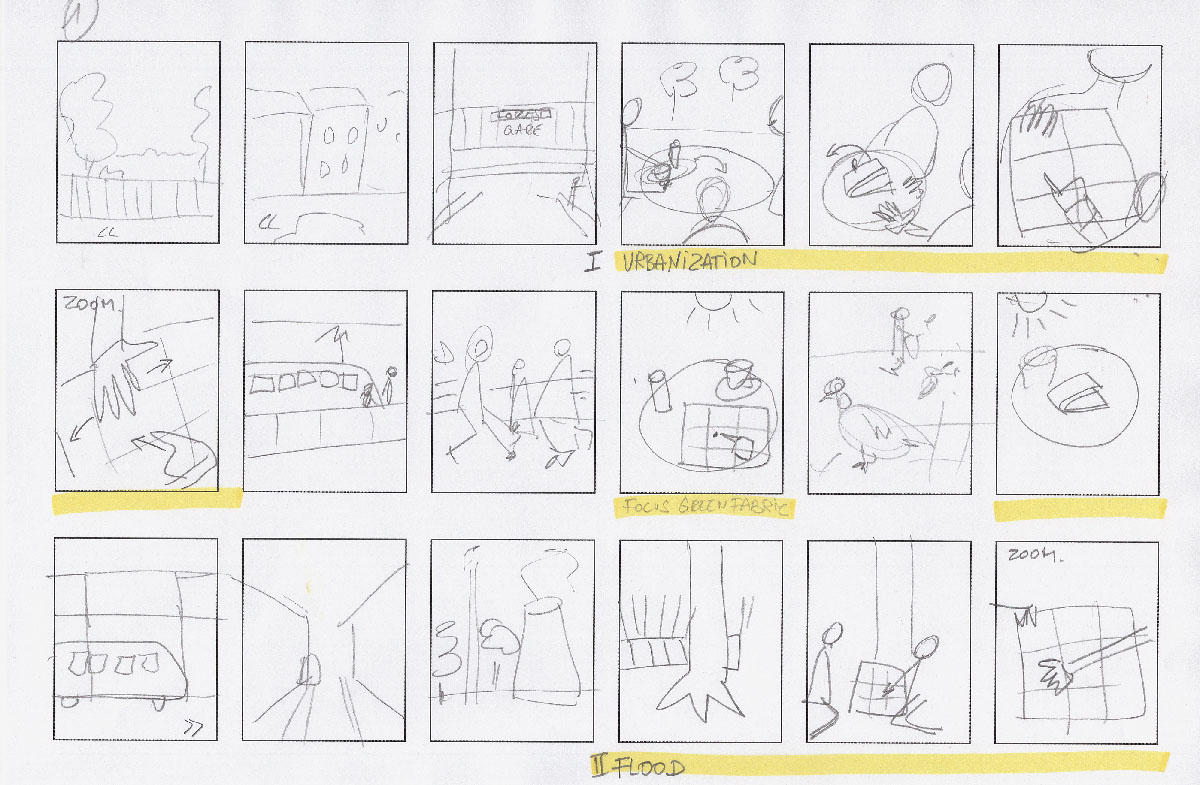
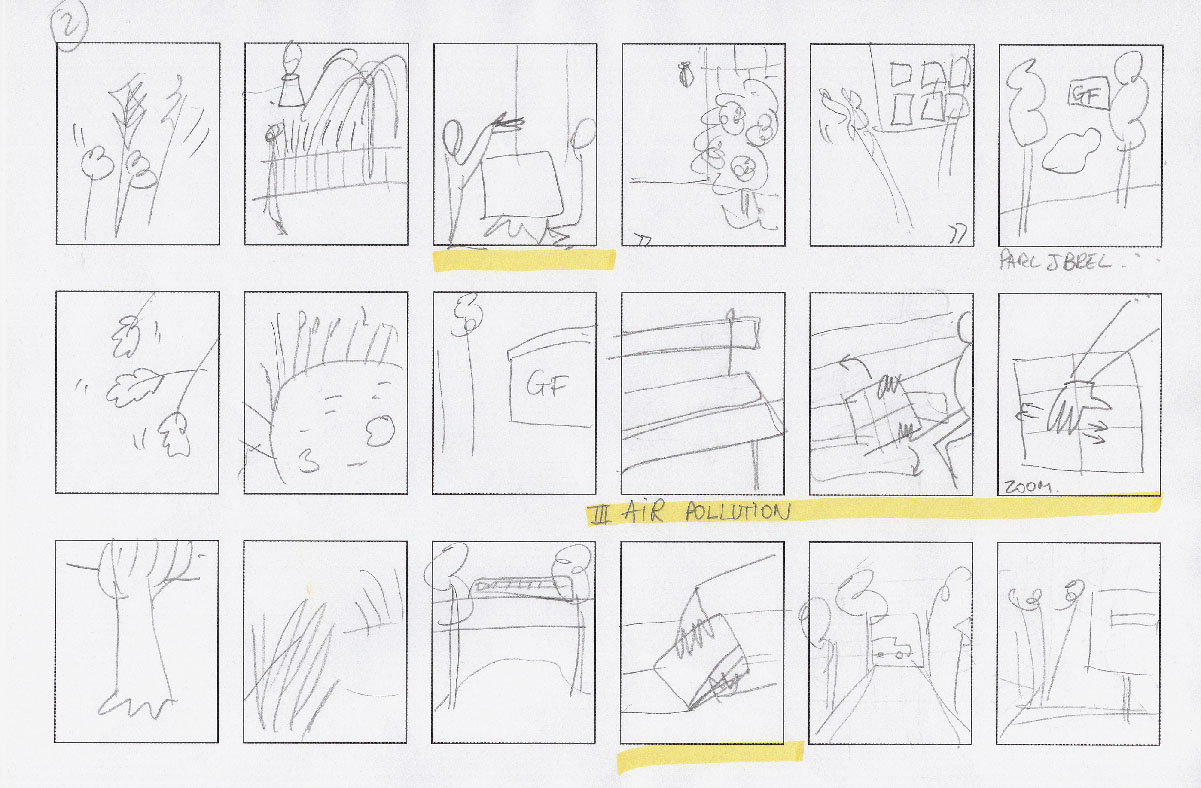
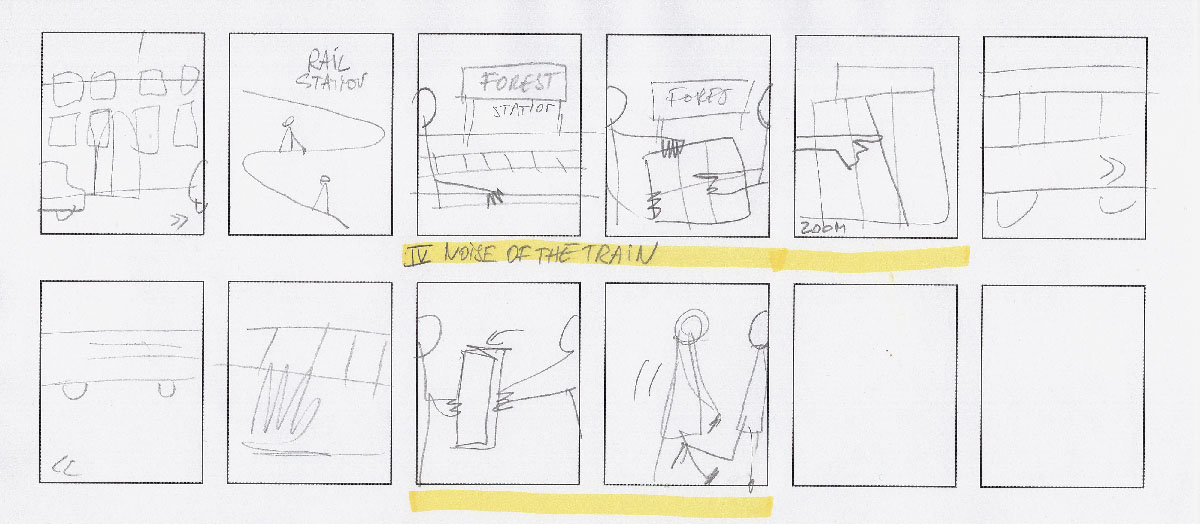
Story telling script
In the project, I developed 3 sub-projects: The maps, the revelation of colors by natural dyeing and the collective fresco.
I managed to script my video by creating chapters for my video: 1. Incarnation 2. Technical 3. Chapter 1: maps 4. Chapter 2: natural dye 5. Chapter 3: collective fresco.
Here is my first idea for maps. Using a knitted map like a map, in 4 different places in the neighborhood :