ASL Thob الثوب الأصل
Asl means Origin
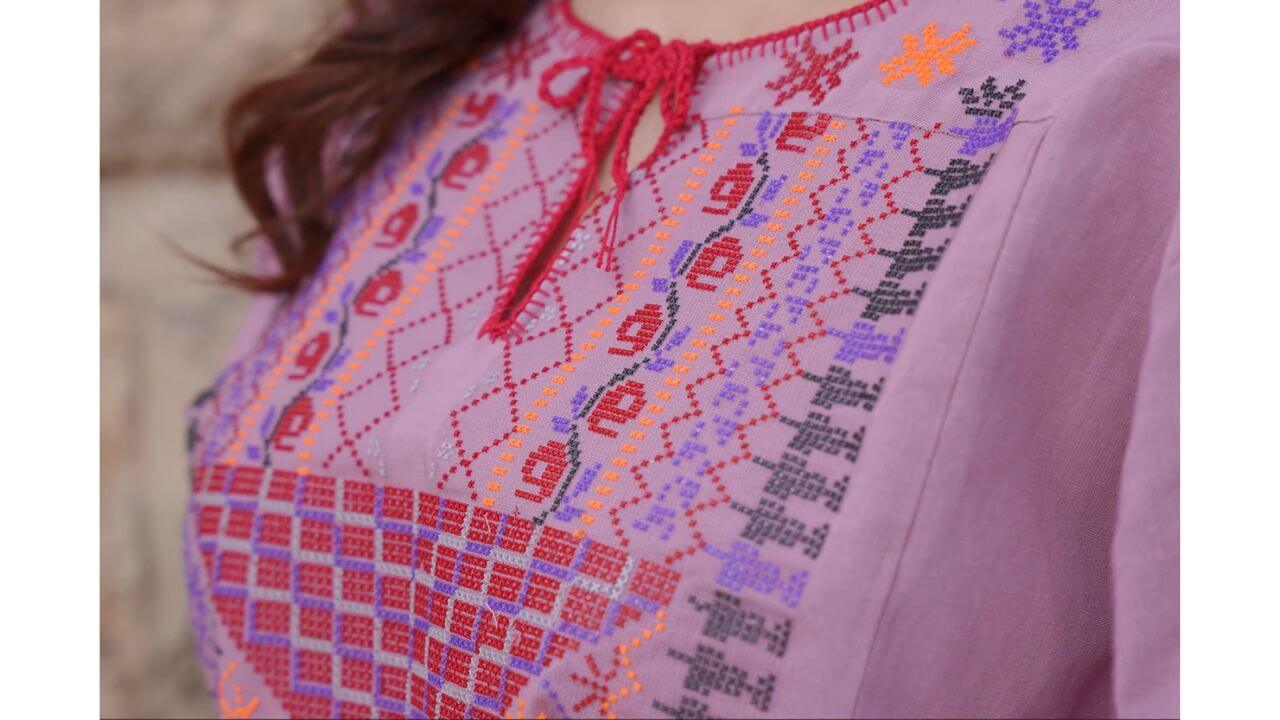
This Thobe is inspired by traditional Palestinian Thobes,bearing the same original symbols passed down through generations without alteration or reinterpretation. The embroidery is not a visual imitation, but a true continuation of a rich cultural heritage, with all its connotations linked to place, identity, and memory. It is a dress that respects its origins, presenting them as they were: authentic, clear, and imbued with a meaning deeply rooted in history.
Inspiration
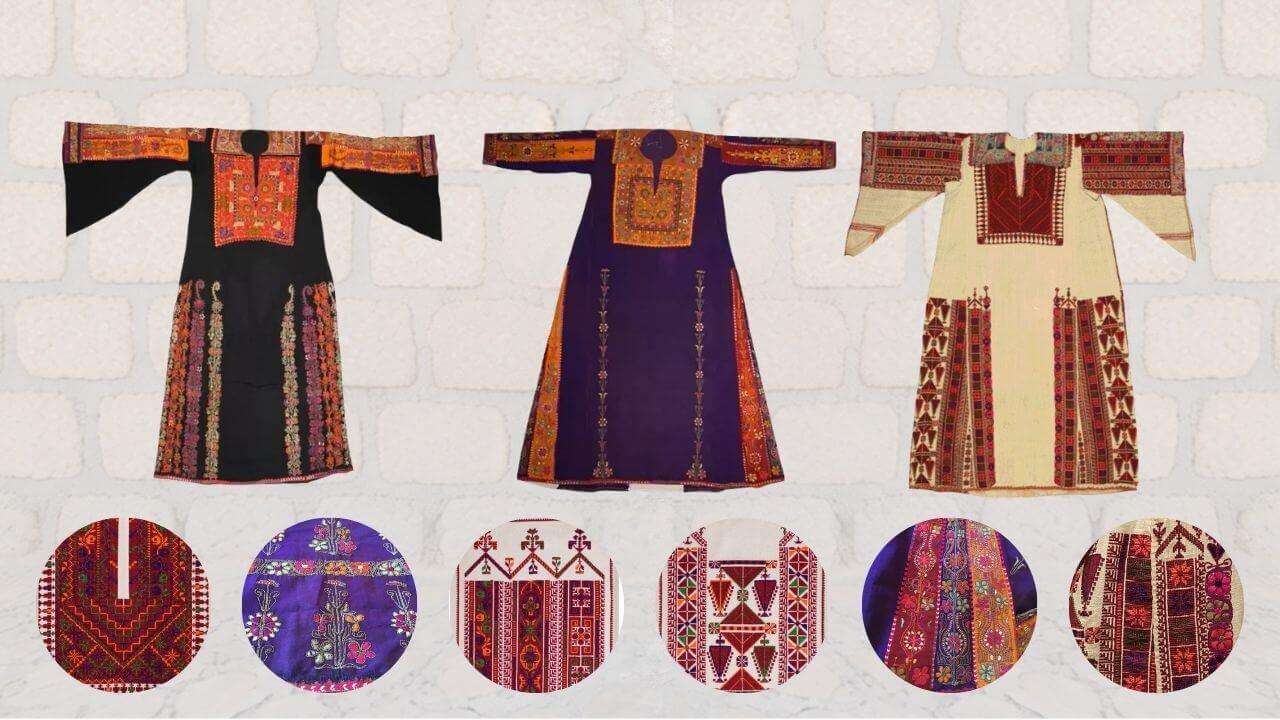
This Thobe is entirely inspired, in terms of its design and Tatreez, by traditional Palestinian Thobes. Thobes from the Jaffa region were specifically chosen as the primary source of inspiration, as my root village is from this area, lending the work a personal dimension and a deep connection to the place. Through this choice, the Thobe becomes an extension of belonging, a bridge connecting family heritage with collective Palestinian identity.
Symbols
Chest panel
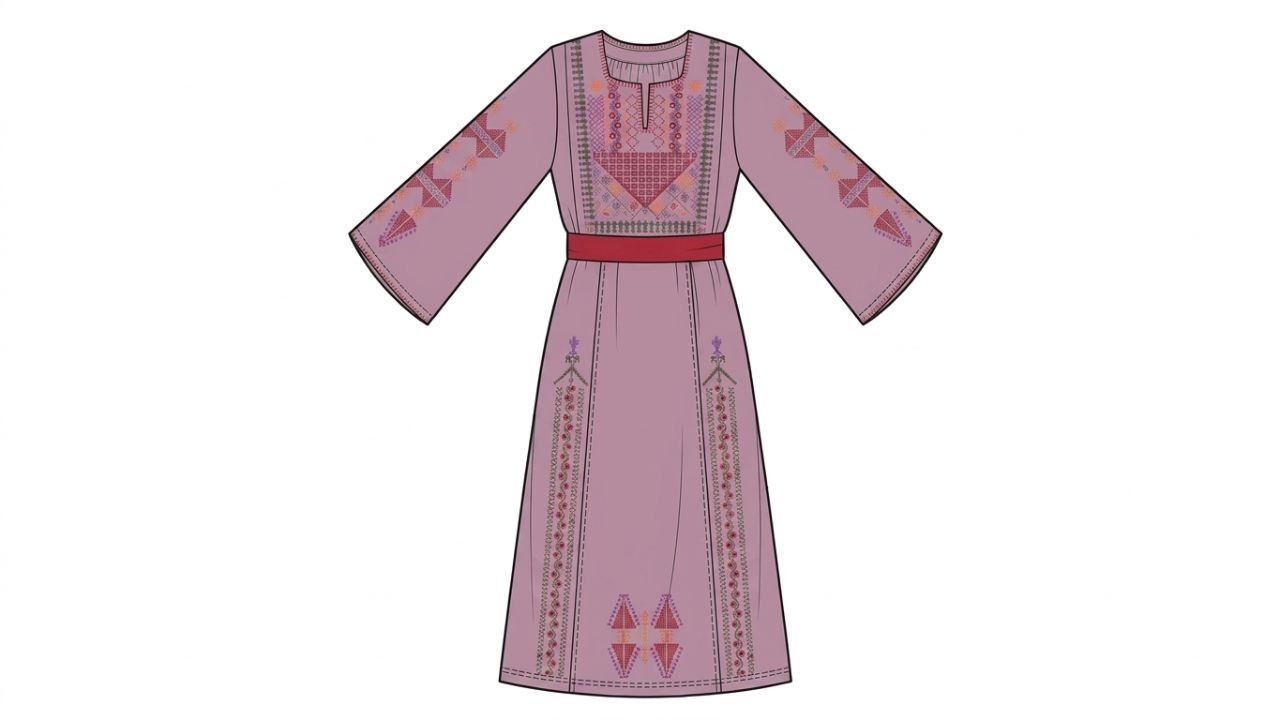
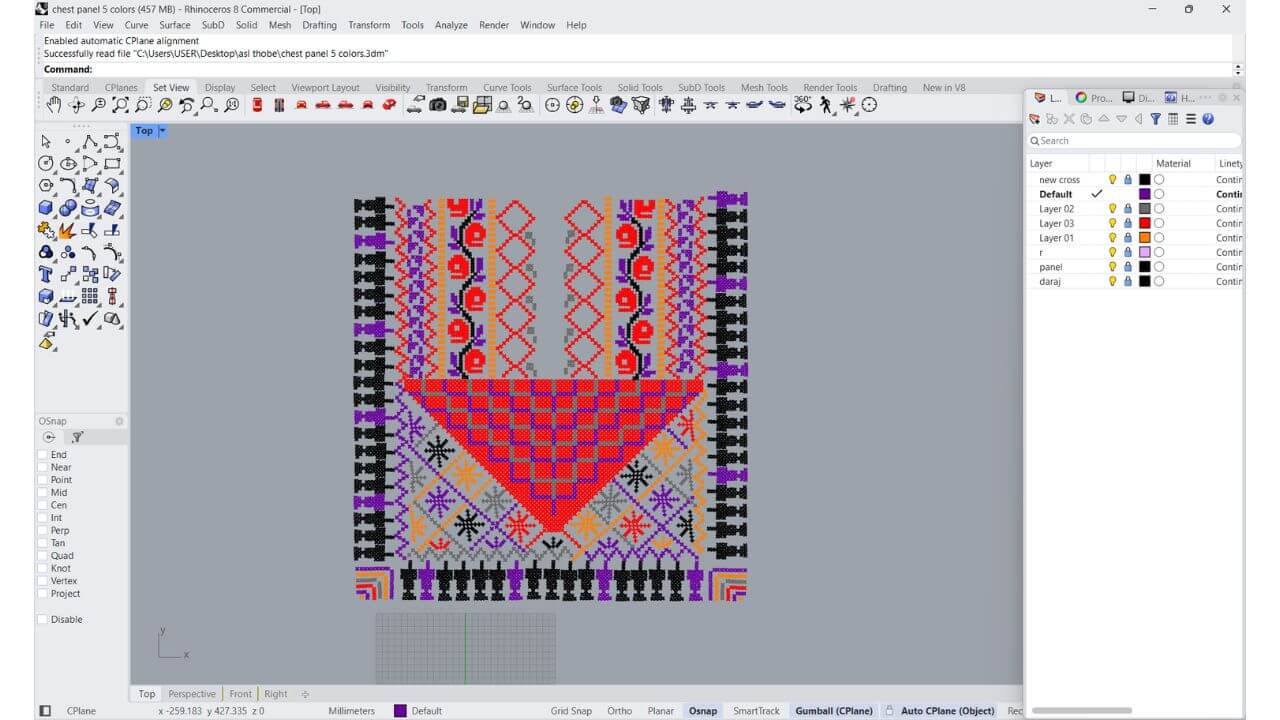
The chest panel is inspired by the traditional designs from the Jaffa region and is composed of symbols, lines, and geometric shapes.
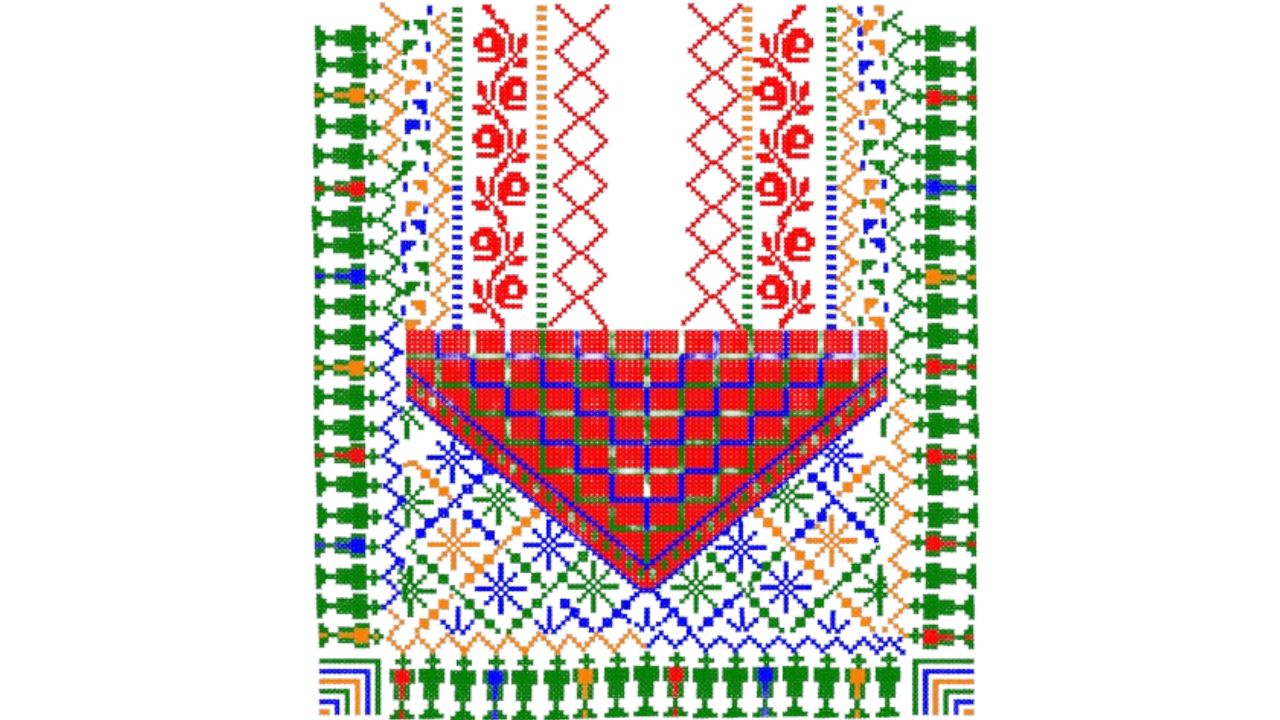
The most Important Symbols:
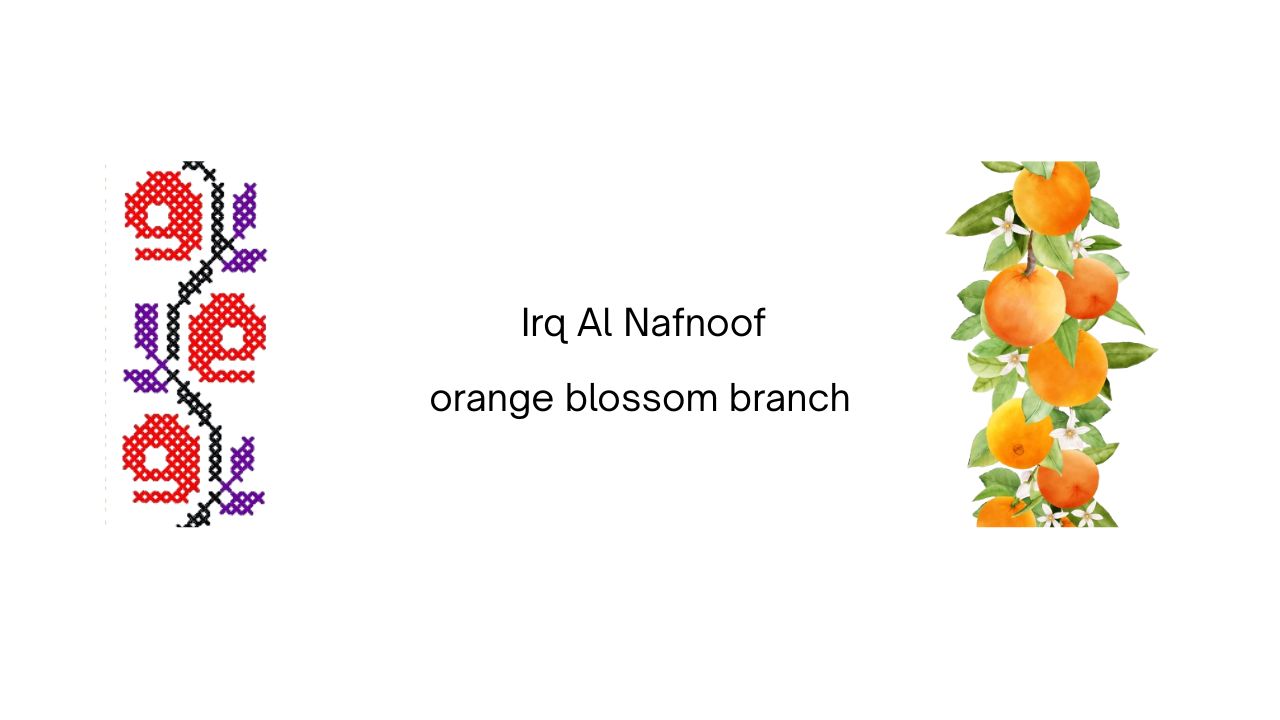
IRQ ALNAFNOOF - ORANGE BLOSSOM BRANCH
The "IRQ ALNAFNOOF" pattern is one of the most famous floral motifs in Palestinian tatreez, also known as the "orange blossoms brach".
This pattern stands out for its beauty and precision, and holds a special place in the thobes of several Palestinian regions, specially JAFFA & GAZA
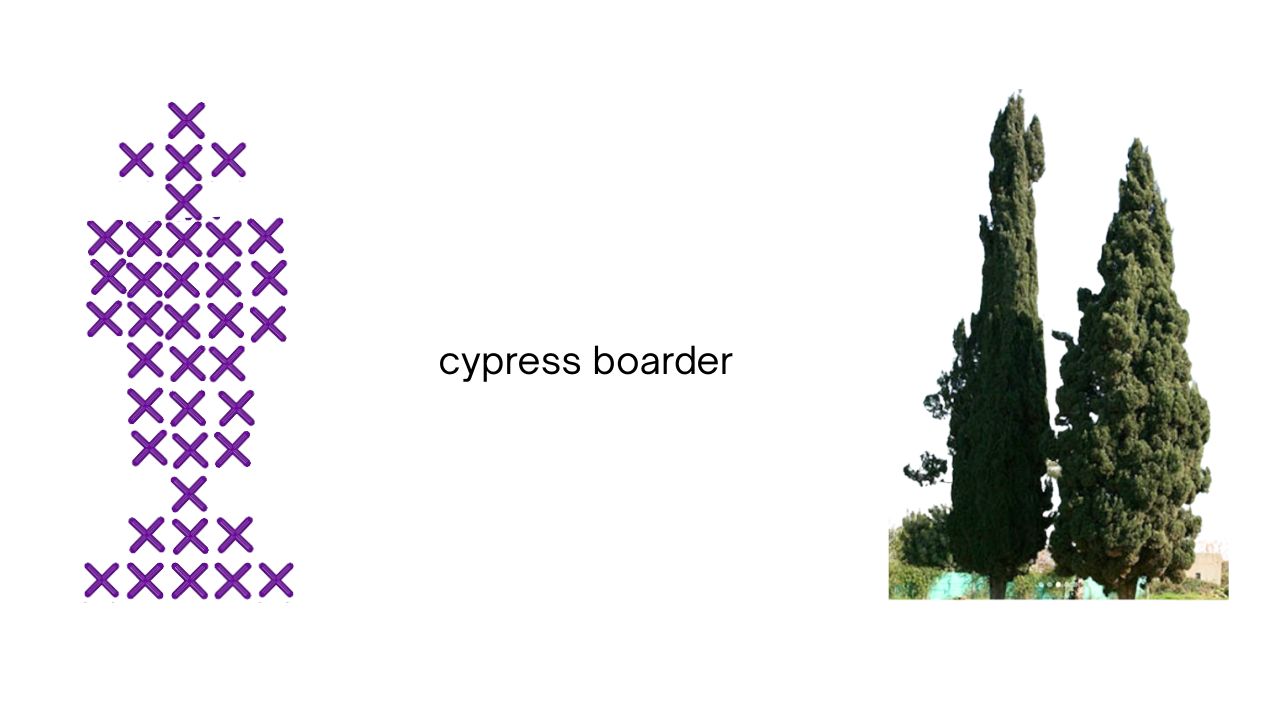
Cypress border motif
Cypress boarder is used as a frame because it gives "prestige" and length to the chest area, and elegantly "closes" or finishes the embroidered panel.
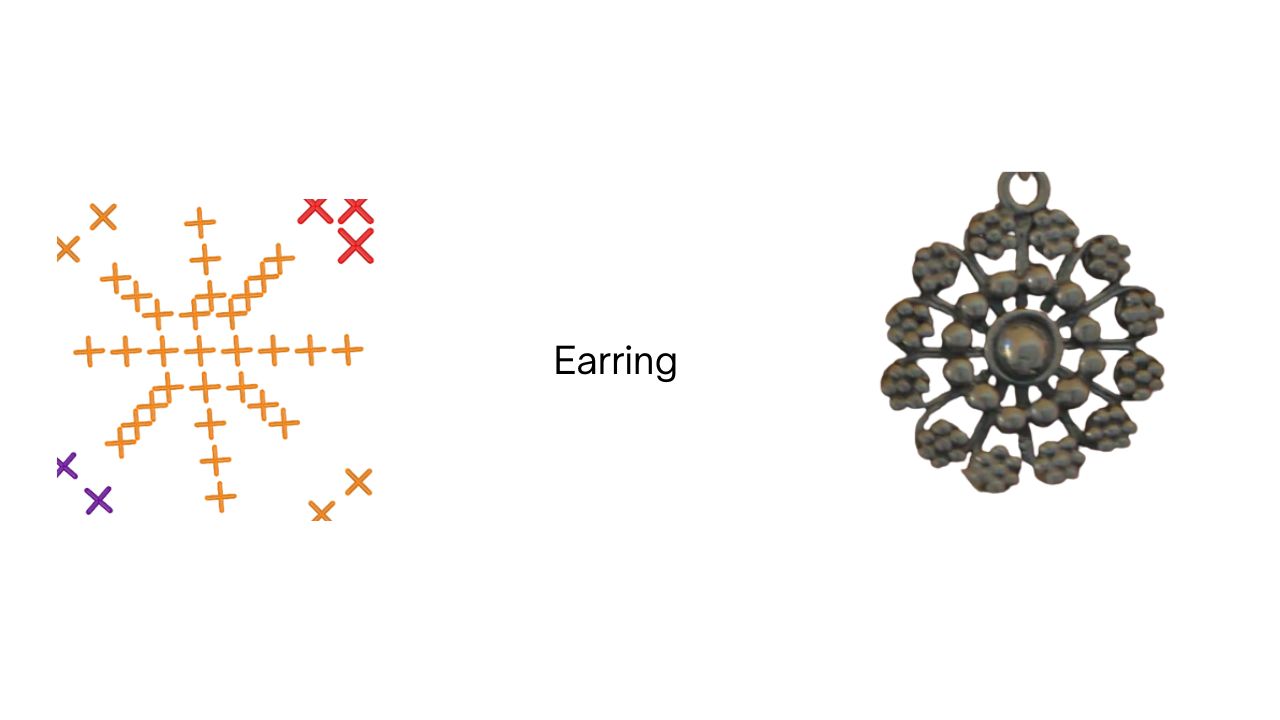
HALAQ - STAR EARRING
This motif is called a "ُearring" because it mimics the shape of earrings worn by women. The design is based on the center, from which short lines branch out at the top and bottom, giving the impression of dangling and decorative.
Side panel
For the side panels I choose to use IRQ ALNAFNOOF in larger scale.
sleeves
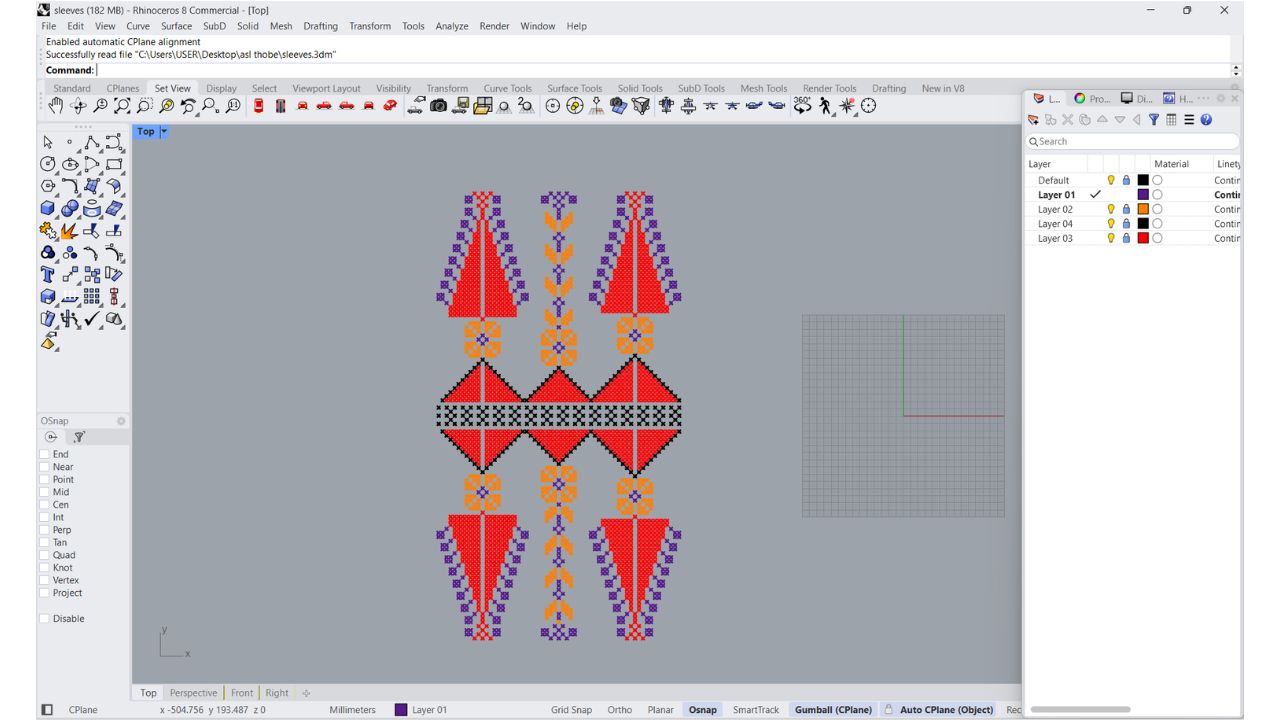
For the sleeves I used motif consist of cypress trees
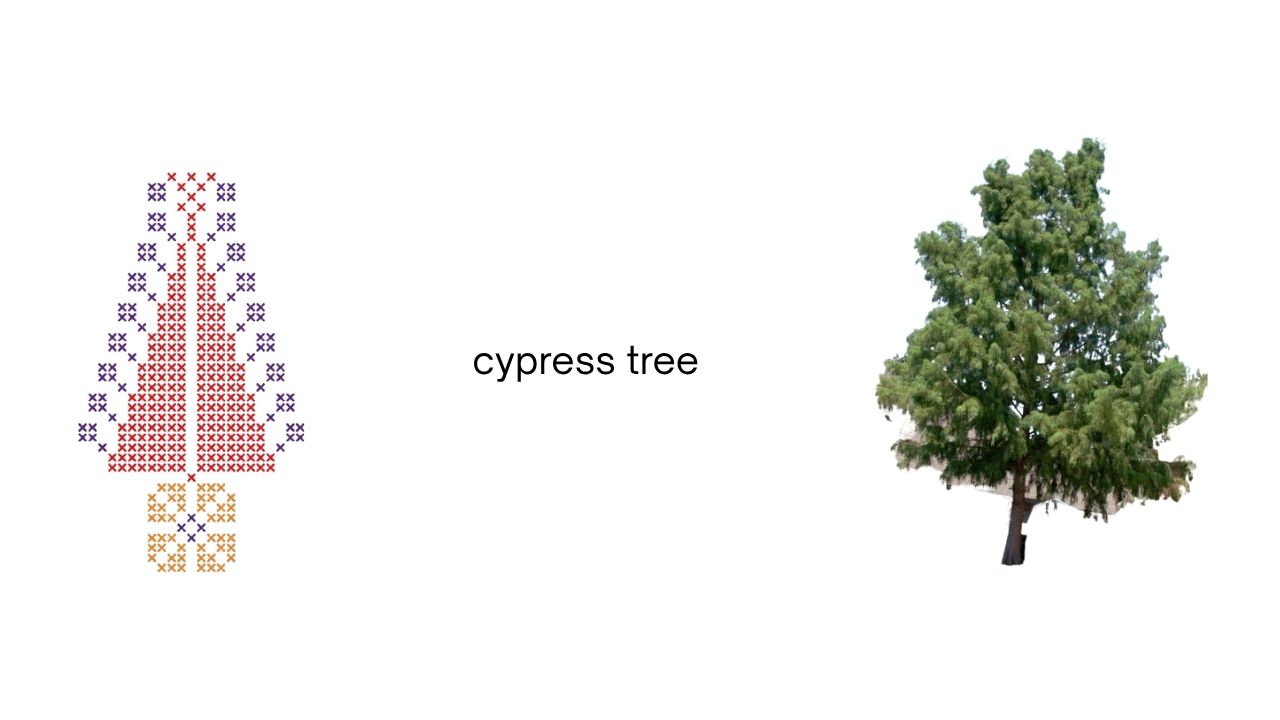
**you can read more about cypress motif CYPRESS TREE MOTIF
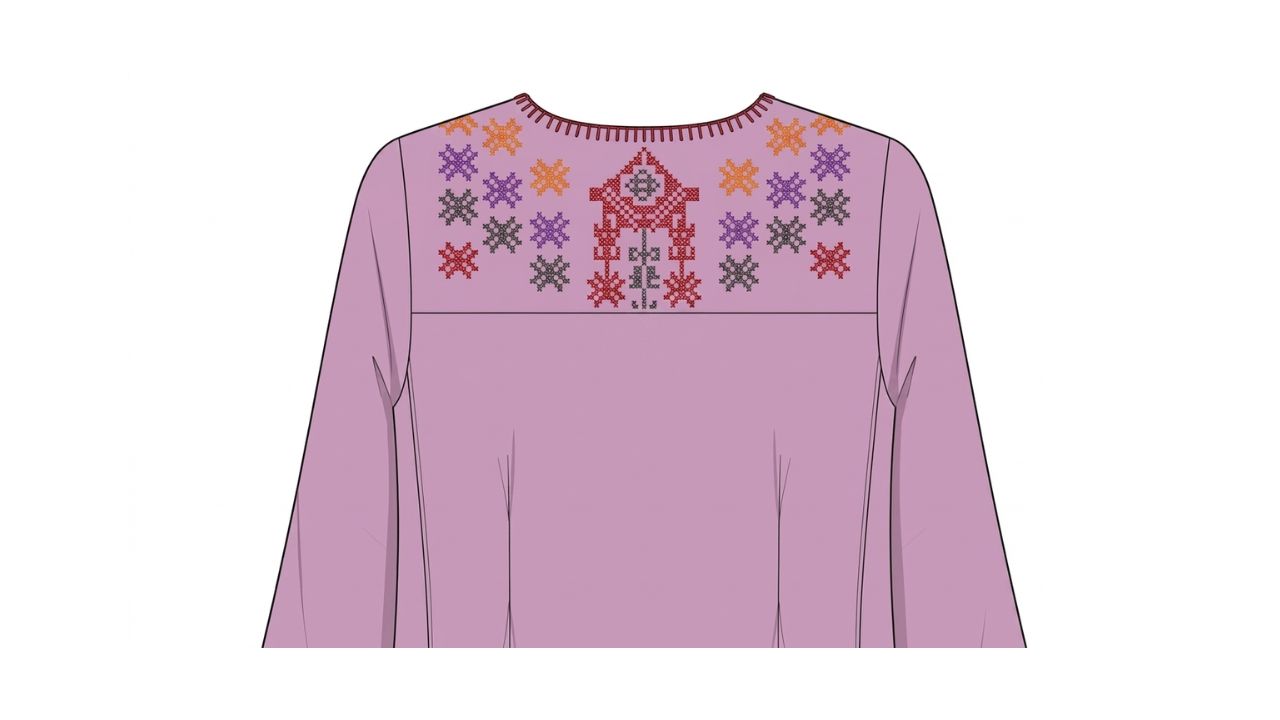
RADHA (upper & back neck)
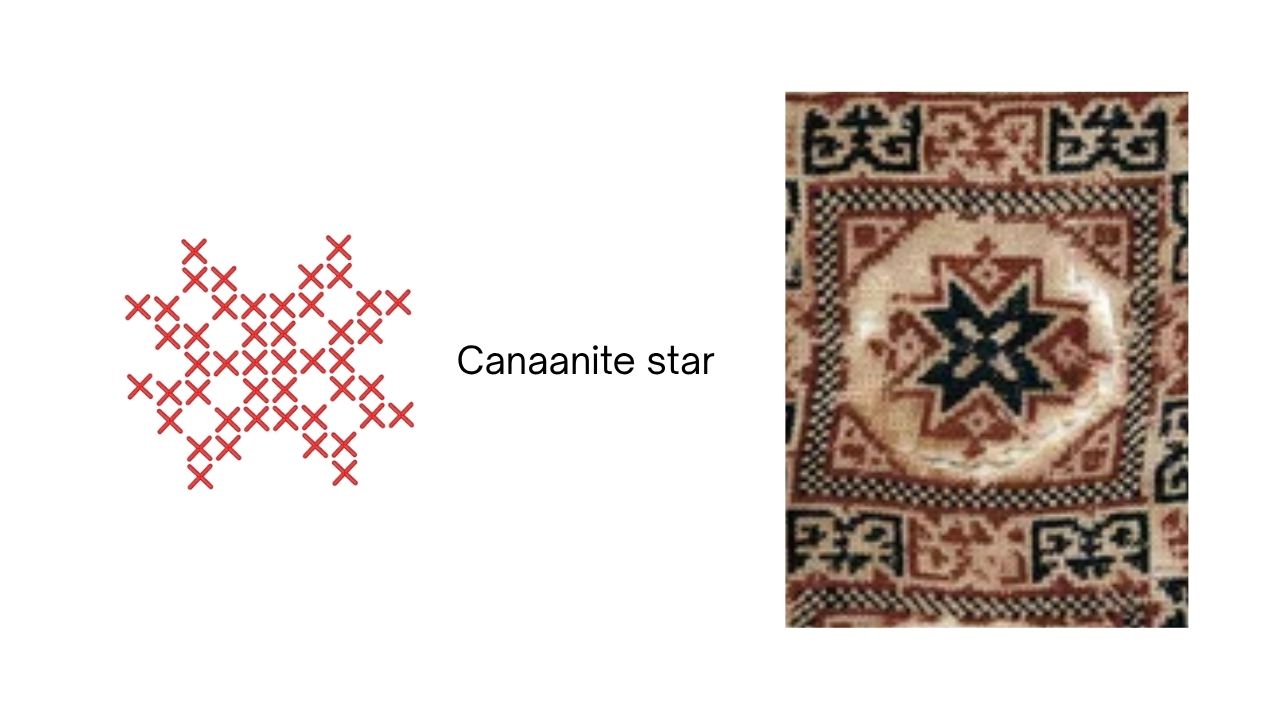
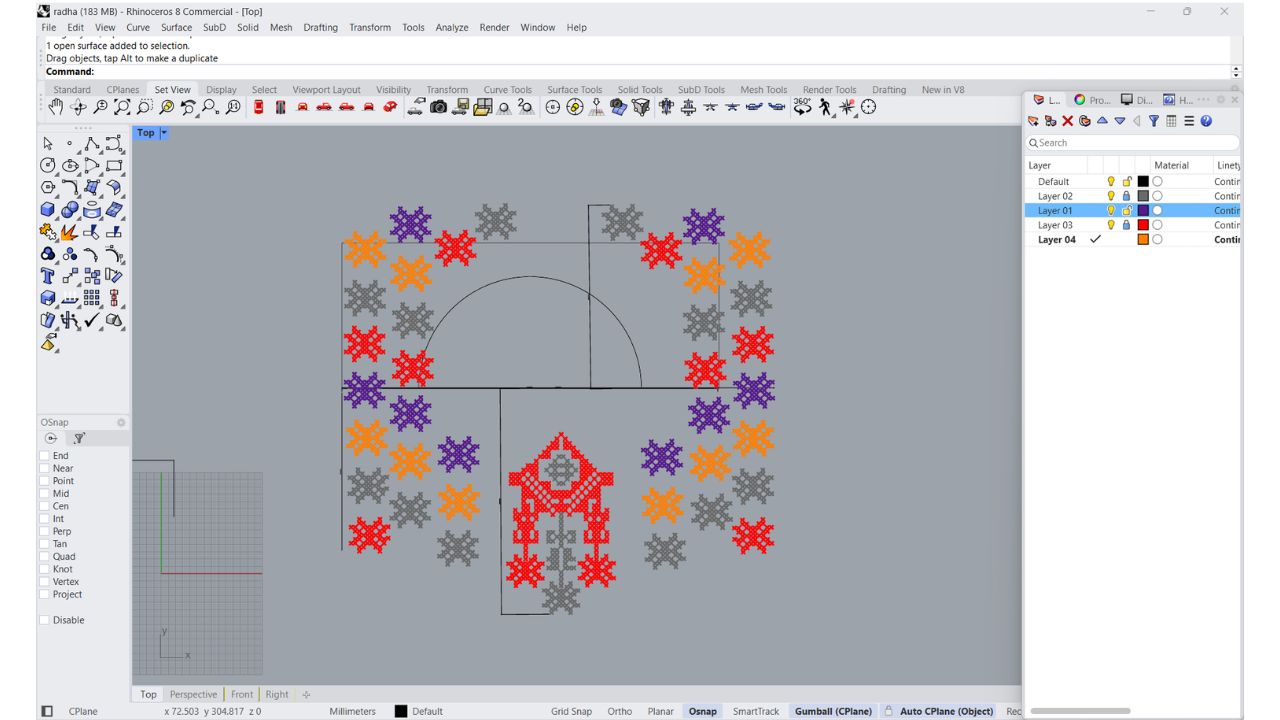
For this part I mainly used the most famous motif the Canaanite star.
One of the oldest and most important symbols in Palestinian embroidery, the eight-pointed star is a decorative motif found in almost every traditional dress, especially in the Hebron, Jaffa, and Gaza regions.
It is formed geometrically by the intersection of two squares at a 45-degree angle, resulting in eight equal points. In folklore, it symbolizes the four cardinal directions (with sub-directions) and is also considered a symbol of protection and blessing.
The roots of this star trace back to the ancient Canaanite civilization, where it symbolized the planet Venus, or the goddess of love and fertility. It has endured for thousands of years, becoming a symbol of Palestinian identity.
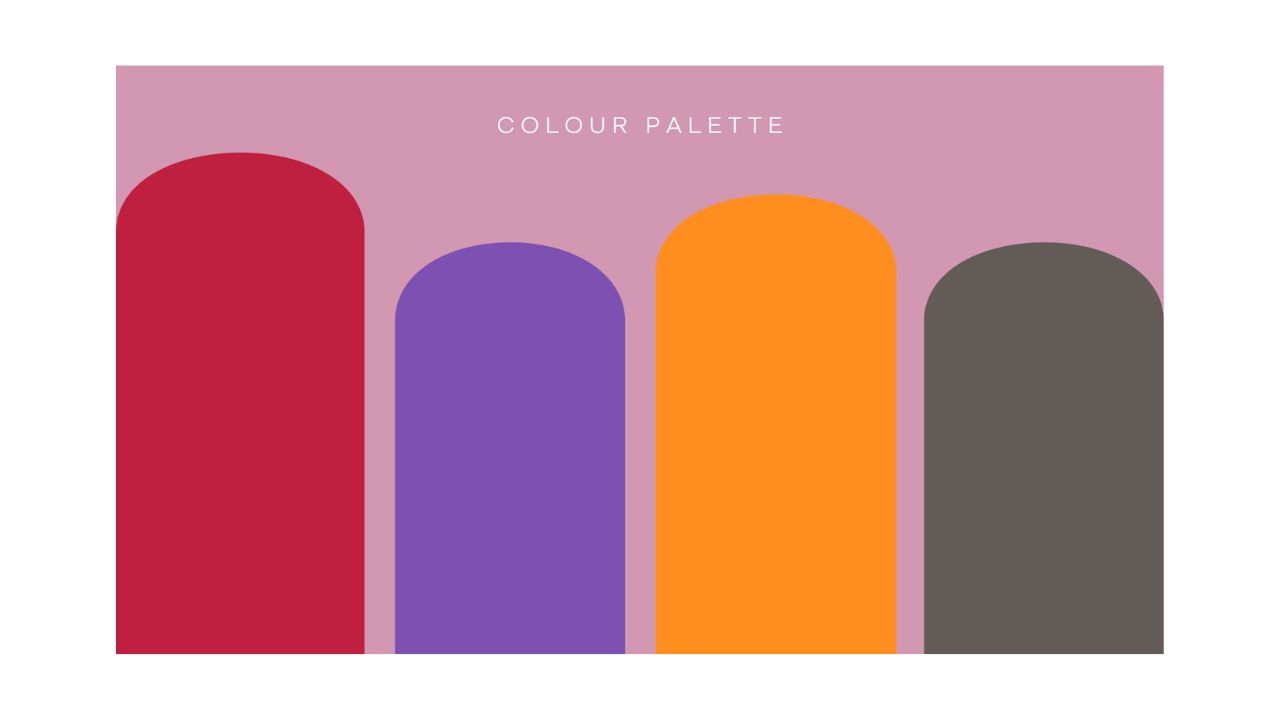
Color Palette
Since this thobe reflects a return to origins and a deep sense of rooted identity, the color palette was carefully selected to embody these meanings. The chosen tones express a sense of calmness, stability, and continuity, echoing the atmosphere of that period.
The colors of this thobe are soft and grounded, reinforcing the idea of connection to heritage and a quiet return to the essence, allowing the thobe to communicate a feeling of balance, belonging, and enduring presence.
Technical illustration of the thobes's structure and symbols
Front
back
Thobe development
According to the basic story of the Recoded Tatreez first collection, the first thobe is Asl Thobe which is a contemporary imitation of authentic traditional thobes, reflecting a conscious return to roots and rooting in identity and heritage..
So from this point I started to think about the design, symbols and colors of the thobe, to express the meanings that the thobes carries
First Step choosing the fabric.
like other thobes, I choose Moiré fabric which is 50% cotton & 50% synthetic silk, which is woven in Alepo / syria.
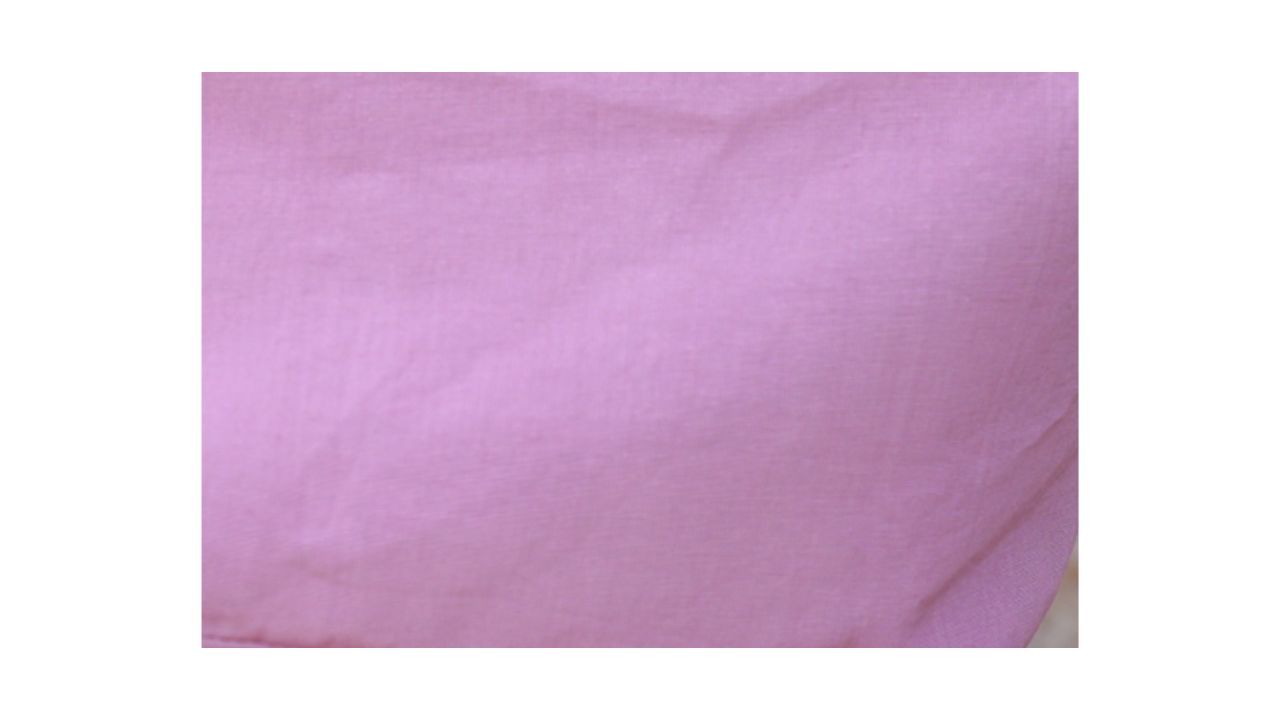
I The Asl thobe represents a contemporary imitation of the original traditional thobes, adopting carefully selected shades of purple, given their historical value and deep symbolism.
The most important of which can be summarized as follows:
-
The coastal cities of Palestine were an important source of purple dye, extracted from murex shells, since the Canaanite period.
-
Cochineal dye is still used today to produce rich shades of purple in Palestine.
-
A distinctive garment known as the "carmine dress" was found in the Lod region, characterized by its purple hues, but it no longer exists.choose a special color which is non clear black (they left the cotton seed within the threads while weaving). The color of the fabric reflects the dust as a symbol of the suffering caused by the aggression of the occupation, and the lasting impact it has on the collective memory.
Second Step Printing the symbols patterns
After preparing the patterns as a 3d models using rhino
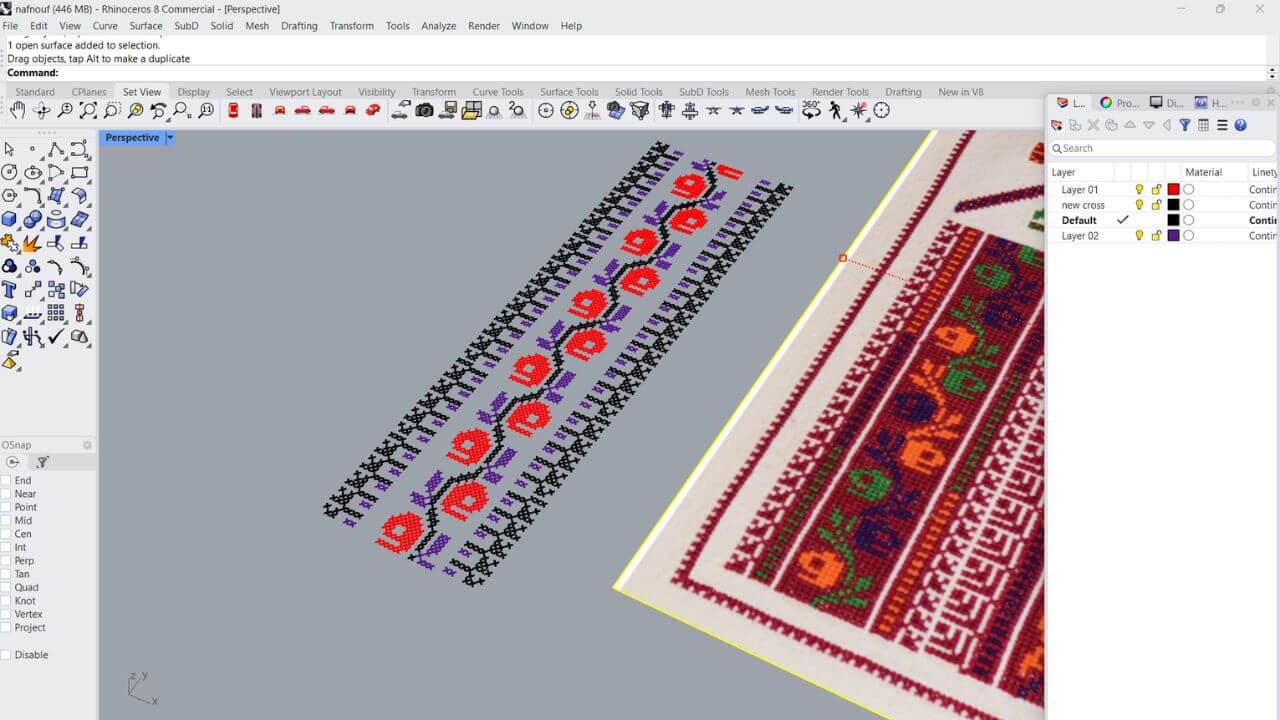
Find all the ASL THOBE patterns on Rhino
CHEST PANEL PATTERN
RADHA PATTERN
SLEEVE PATTERN
SIDE PANEL PATTERN
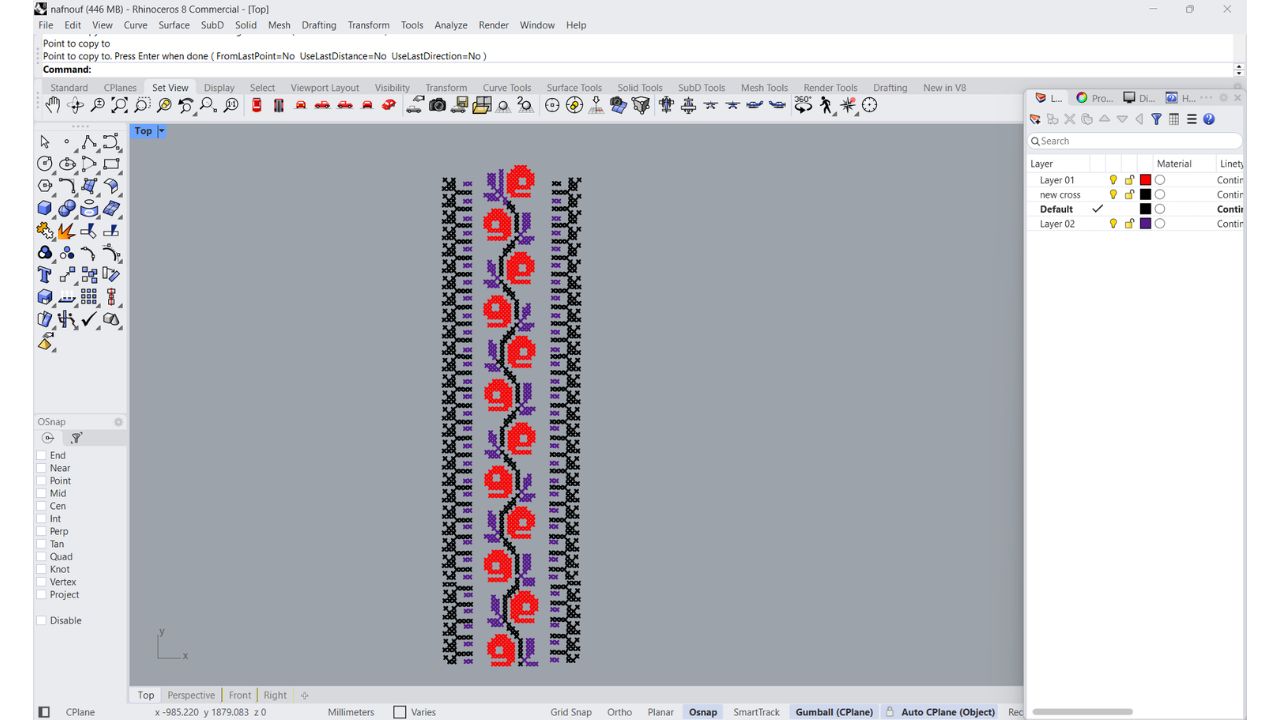
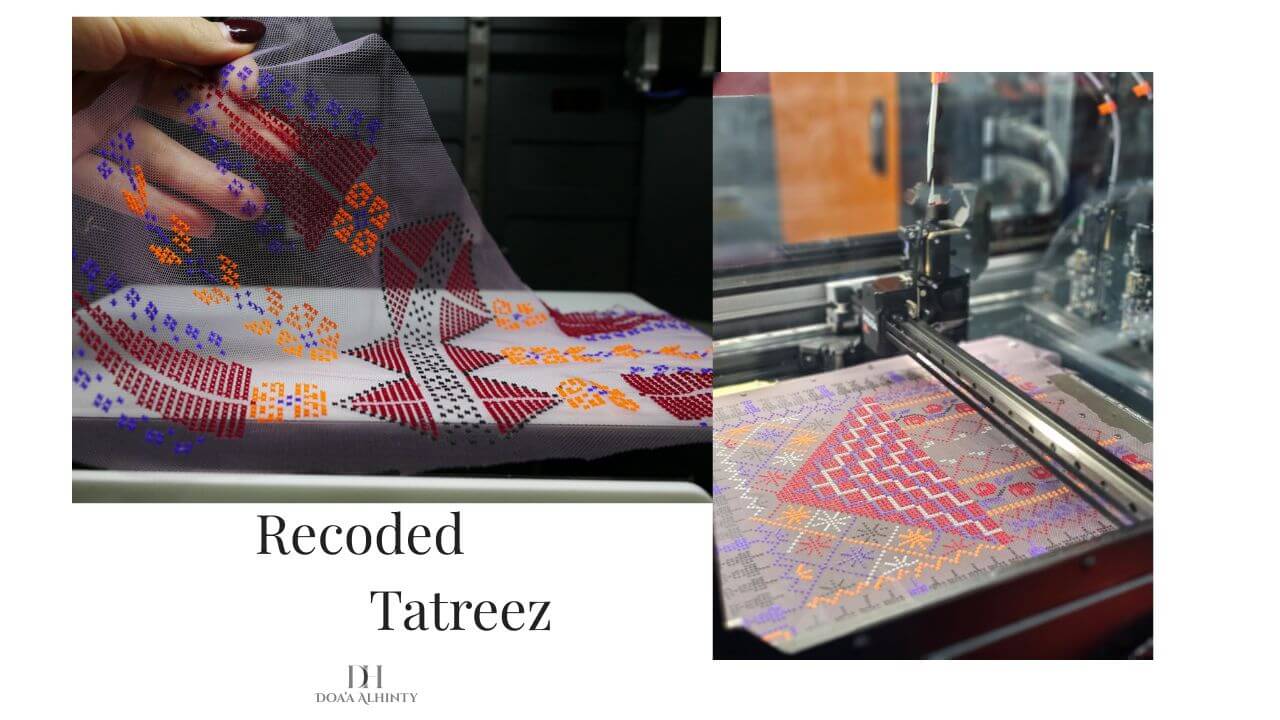
I started printing it using Prusa XL on tulle fabric which I used as a mesh. Prusa slicer settings from here
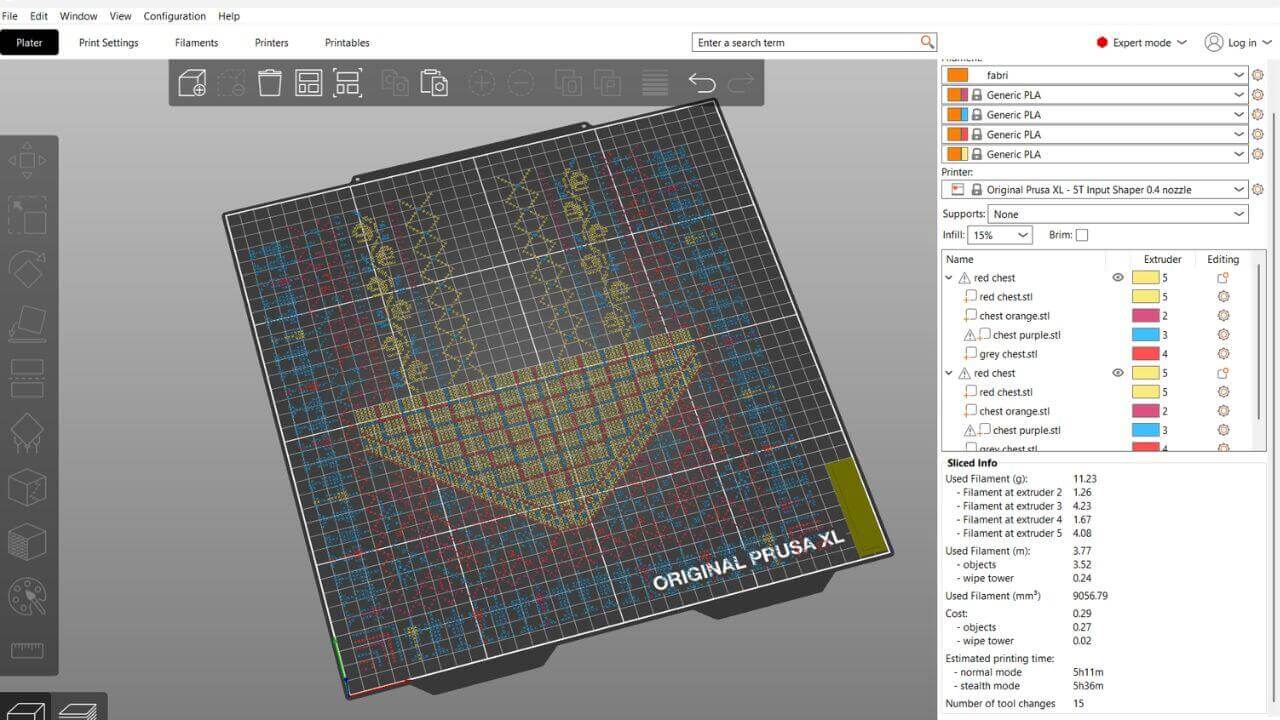
And here you can see some of the patterns
Third Step cutting the fabric
I choose my mother thobe as a pattern, because its very similar to the original traditional thobe.
I decided what is the changes that i want to apply to the original design, then we started cutting the fabric according to that.
Fourth step pieces assembly & sewing
The pieces were carefully assembled onto the fabric to form the final composition.
Fifth Step Hand embroidery
The thobe is finished with hand embroidered details along the edges of the sleeves and the collar, adding a refined and artisanal touch.
The whole journey tooks around 150 hours from the first moment of designing the thobe until its turn to reality.
Watch the next video to see part of the Asl thobe development journey