Concept
In my final project, I want to explore the possibility of integrating solar projects into clothing. I believe this is one of the most relevant and promising directions in smart clothing and smart textiles today.
I live in Dilijan, in the mountains, where you can step out of the house and almost immediately find yourself on a hiking trail. It’s also a place with around 200–220 sunny or mostly sunny days per year. This matters because you can go on a long trek and, if needed, recharge your phone using energy that was generated naturally — by the sun itself. Solar energy is also about conscious consumption, or more precisely, about thoughtful use of natural resources. The sun shines anyway, and it can do more than just lift your mood — it can also be used to generate energy.
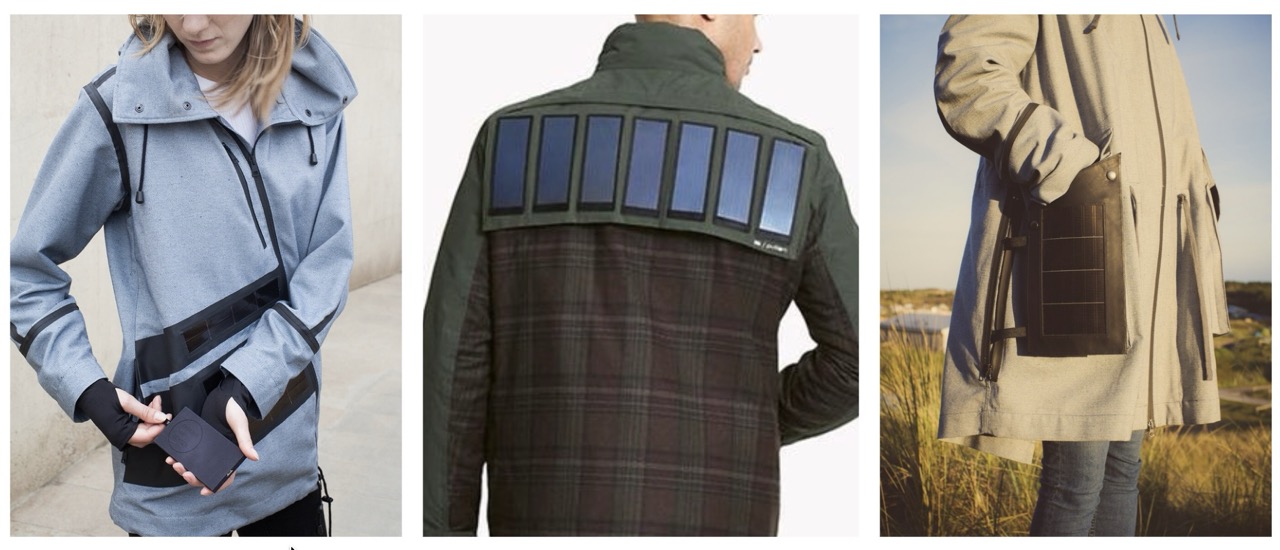
This idea is not new or unique. While researching it, I came across many different projects, ranging from university prototypes to solar-powered jackets by brands like Tommy Hilfiger.
Research
Flexible Solar Panels in Clothing and Textiles: A Quick Overview of Pioneering Projects Integrating flexible solar panels into everyday wear and fabrics is one of the most exciting intersections of fashion, sustainability, and wearable tech. These projects show how designers and researchers are moving beyond bulky add-ons to create clothes and textiles that quietly harvest energy from the sun – powering devices, reducing battery waste, and looking good while doing it. Here’s a rundown of the standout examples you asked about.
Tommy Hilfiger x Pvilion (2014)
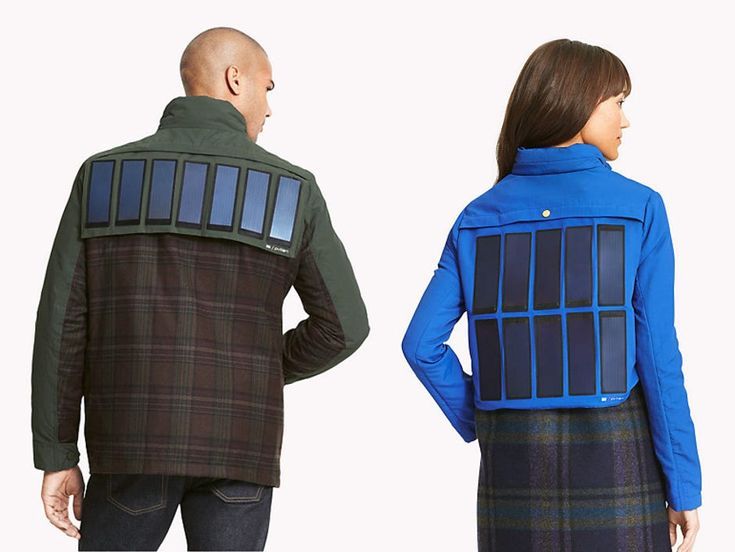
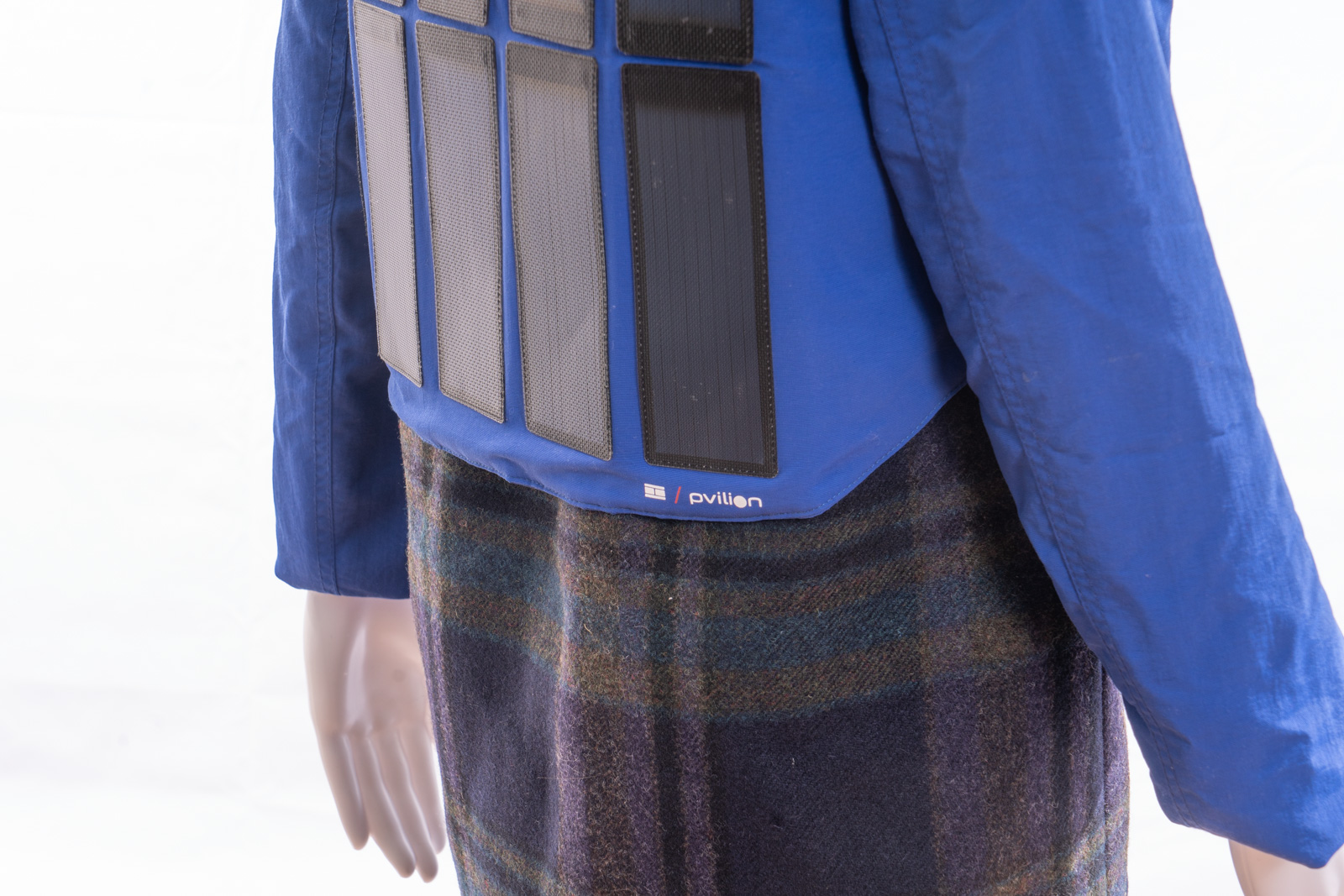
In 2014, Tommy Hilfiger partnered with solar tech company Pvilion to launch a limited-edition line of solar-powered jackets (one for men, one for women) that actually hit stores for the holiday season. The big idea was simple but clever: detachable, water-resistant flexible solar panels made from lightweight amorphous silicon technology. They snapped on and off the back of the jackets (about 7 panels for the men’s version, 10 for the women’s), and a discreet cable ran through the lining to a removable battery pack tucked in the front pocket. You could charge your phone or tablet just by wearing the jacket. The panels were super thin and flexible, so the coats still felt like regular outerwear – complete with a stylish tartan print. It sold out fast and was one of the first big mainstream fashion attempts at making solar clothing practical and desirable.
Pauline van Dongen. Solar Shirt (2015) – The Most Advanced Integration
 Pauline Van Dongen. Solar Shirt.
 Pauline Van Dongen. Solar Shirt.
The Solar Shirt is one of Pauline’s most impressive experiments in merging technology with everyday fashion. Developed in collaboration with the Holst Centre, it features 120 ultra-thin film solar cells laminated onto a single piece of stretchable knit fabric using special stretchable interconnect technology. What makes it special is that the solar cells aren’t hidden — they form a bold graphic pattern that becomes part of the design itself. The shirt moves and feels like a normal t-shirt, yet in bright sunlight it can generate enough power (around 1–1.5 watts) to fully charge a smartphone or any USB device in about two hours. The energy can be used directly or stored in a small battery pack hidden in the pocket. It was launched at South by Southwest in 2015 and perfectly demonstrates how solar tech can disappear into fashion without compromising comfort or aesthetics. For me, this piece is a great reference when thinking about seamless e-textile integration.
Pauline van Dongen. Solar Textiles Solar Textiles (Zonnestof / Suntex / Heliotex)
 Pauline Van Dongen Zonnestof.
 Pauline Van Dongen. Heliotex. Lightweight solar textile for architecture
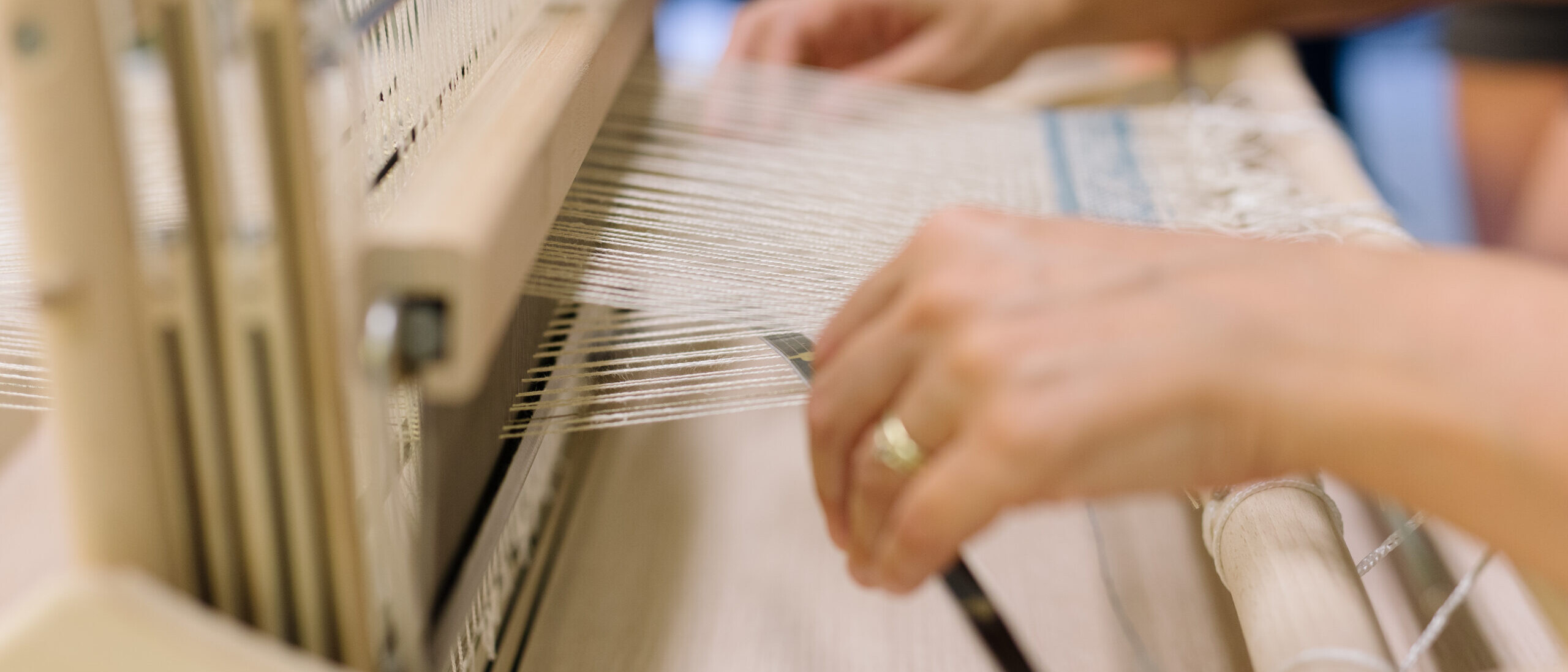
Van Dongen didn’t stop at clothing. She pushed the technology further by developing woven solar textiles like Zonnestof (literally “solar fabric” in Dutch) and later Suntex, which evolved into Heliotex. These are custom fabrics where flexible thin-film solar cells are woven directly into the yarn using clever patterns and techniques. The result is a material that’s still soft, lightweight, and flexible like regular textile, but it generates energy from sunlight. While her early work focused on wearables, these solar textiles have also been used in larger-scale applications (think energy-generating canopies and pavilions that store power for lighting at night). The beauty is in the seamless blend: the solar elements become part of the fabric’s structure, not an add-on. It’s a big step toward solar textiles that could one day be used in everything from jackets to architectural elements.
Nottingham Trent University – Clothing with 1,200 Tiny Solar Panels (2022)
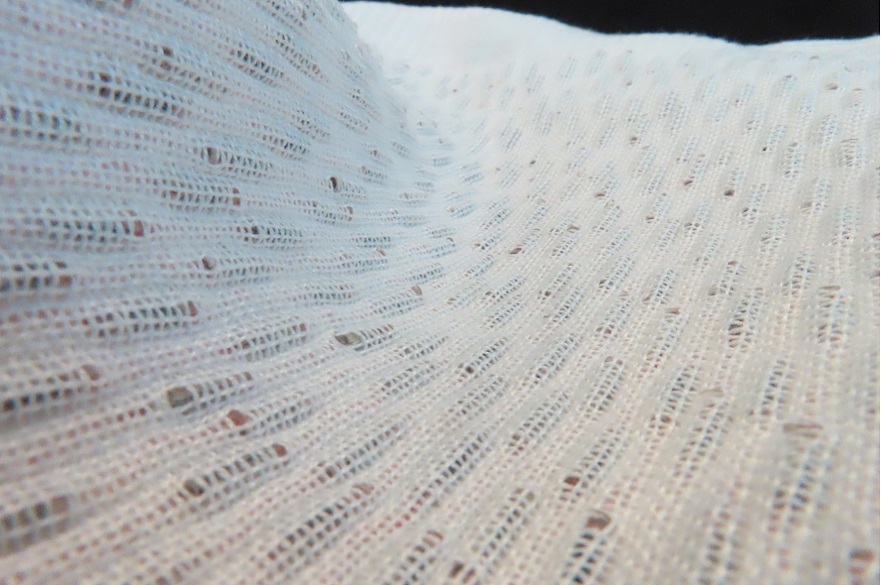
Researchers at Nottingham Trent University’s Advanced Textiles Research Group created a prototype e-textile woven with 1,200 miniature photovoltaic cells (each just 5 mm long and 1.5 mm wide). These tiny solar panels are encased in a waterproof polymer resin and connected with strong, flexible wiring, making the whole fabric breathable, machine-washable (up to 40°C), and tough enough for daily wear. A small 51 cm by 27 cm piece can generate up to 400 mW under normal sunlight – enough to charge a basic phone or smartwatch. Best part? When you scrunch it up, it looks and feels like ordinary cloth. The project, led by Dr. Theodore Hughes-Riley and his team, is all about practical, sustainable wearable tech that could easily slip into jackets, backpacks, or everyday accessories without anyone noticing the tech is there.
5 Ws who, what, when, where, why
What
This is a product. But first, it is a technological research project — to understand how solar panels can be integrated into a product, how solar energy can be collected, and how it can then be used.
Who
To start with, me and my family. I love trekking, and my husband has experience with long-distance hikes, so we will definitely test it on ourselves. Later, if the project is successful, it could be for other people who enjoy walking along sunny mountain trails.
Why
Because this is also about sustainability — using what nature gives us. Because it’s a way to talk about solar energy and draw attention to it more broadly. Solar energy is growing quite fast in Armenia (in 2025, its share reached 17.2% of the country’s total electricity generation), but this share is still relatively small. Meanwhile, the fuels used to heat many homes (gas, diesel, firewood, waste oils) have a very negative impact on the environment.
Because this technology has a clear, practical application. And because it is not yet part of mass production — which means it’s not that simple.
How
I have never worked with electronics before, and it was Fabricademy that introduced me to this field. I plan to order ready-made flexible mini solar panels and learn how to work with them: how to integrate them into clothing, how they interact with the body, and what volume and weight the “inner layer” will have.
When
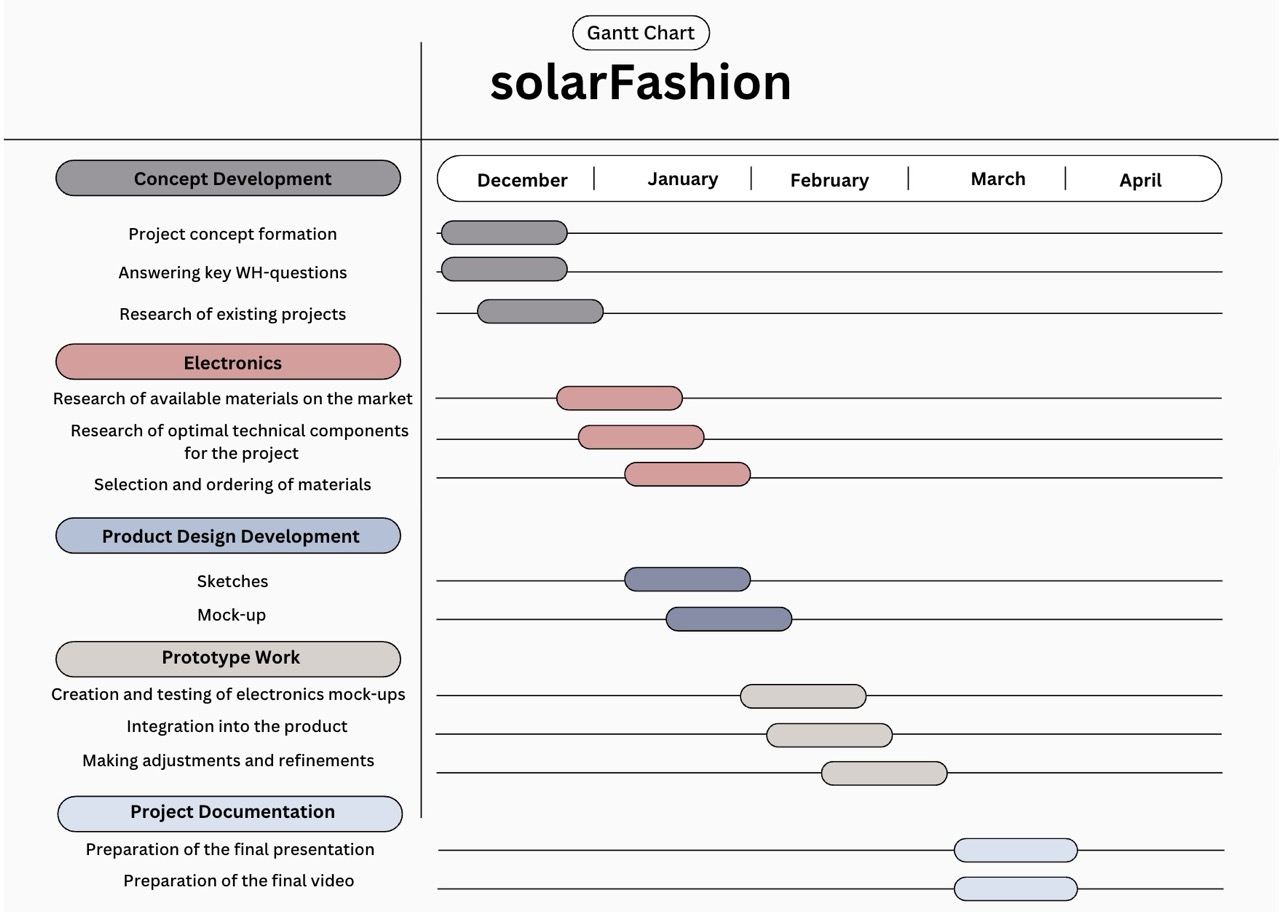
Please refer to my GAntt chart.