BioFabricating Materials
1. Objective
TO DESIGN MATERIALS WITH THEIR ENTIRE LIFE CYCLE IN MINDS
1.1 What are biomaterials?
- Bio-based (bacterial, fungal, vegetable, mineral, bio-man-made and animal)
- Biodegradable (degradable in specific conditions; pH-sensitive, thermos-sensitive, enzyme)
- Bio-compostable (compost within 90 days, bacteria, mycelium, animal, etc)
Biobased materials are:
- Animal (gelatine, collagen, fat, silk, spider silk, fish skin, leather, hair)
- Vegetal (glycerin, lignin, algae-based, cellulose, food waste, seed oil, plants, fruits, seeds)
- Microbial (cellulose, bacterial, bio shades, pigments)
- Fungal (fungal, mycelium)
- Biomanmade (cellulose-based, silk-based)
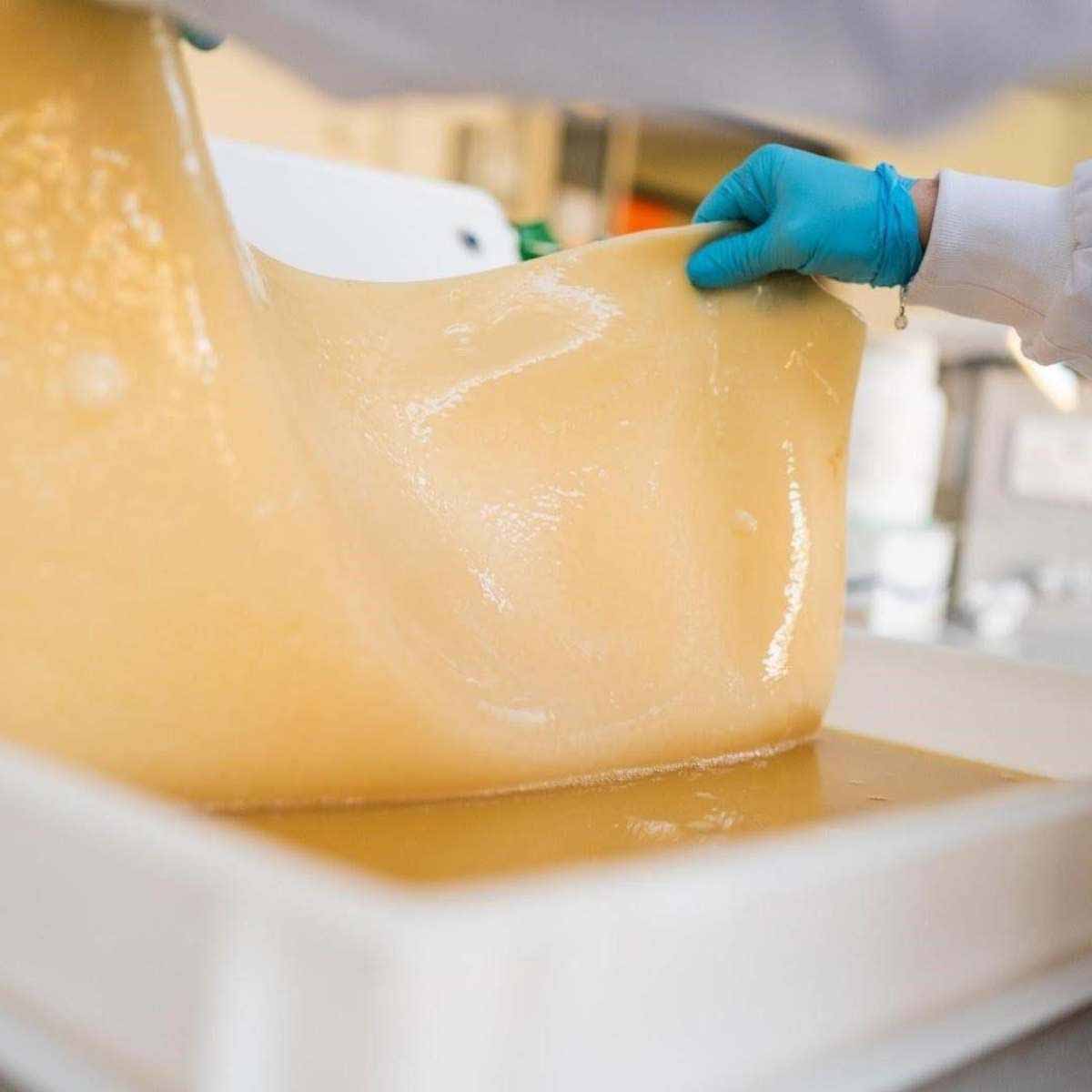 Bacterial Biobased material |
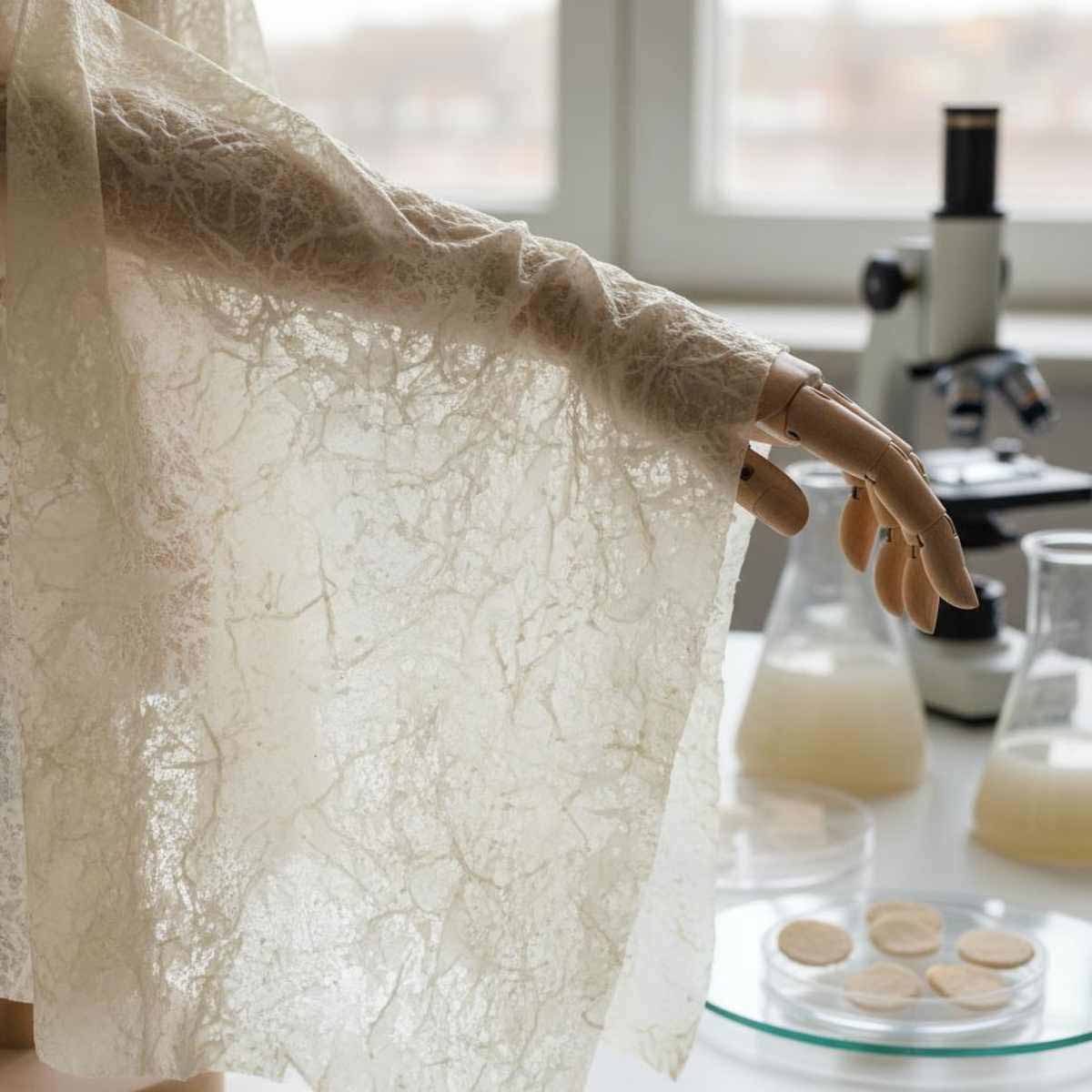 Biomanmade material |
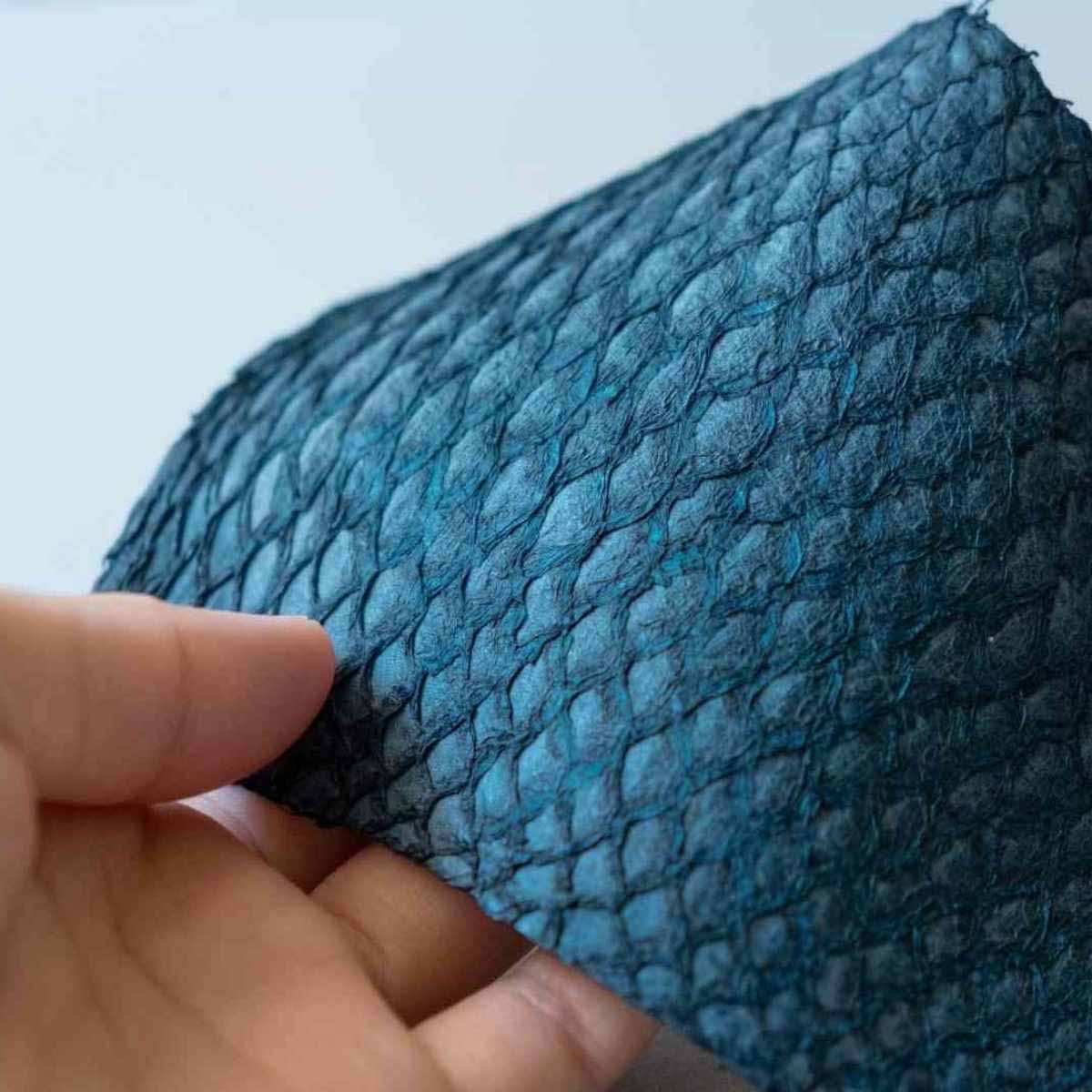 Animal Biobased material |
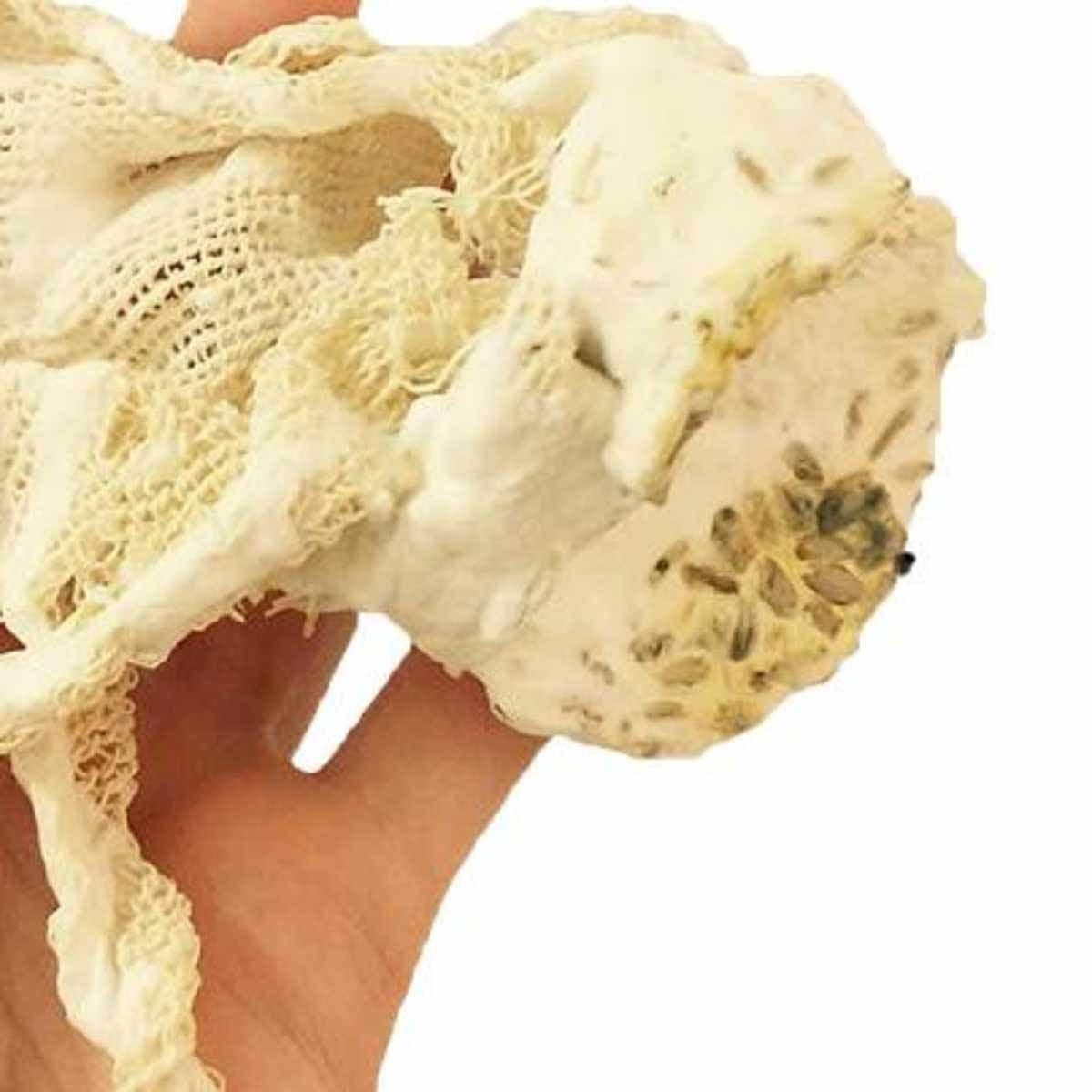 Fungal Biobased material |
Example for biobased materials
We also learn about how to deal with biomaterials by different crafting techniques:
- Lasercut-3d printer
- Casting,mixing
- Assemble
- Extruding
- Spraying
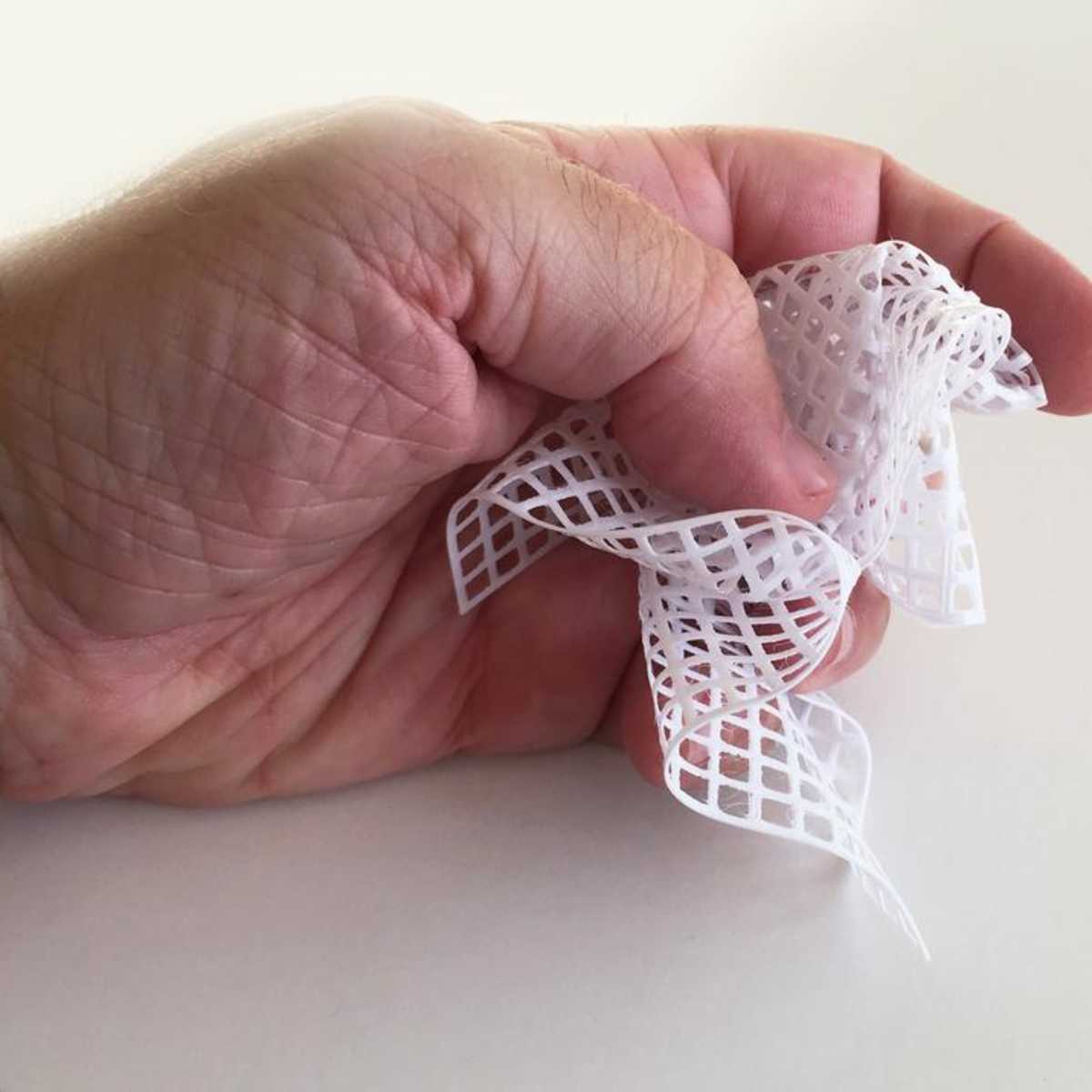 3d printIing |
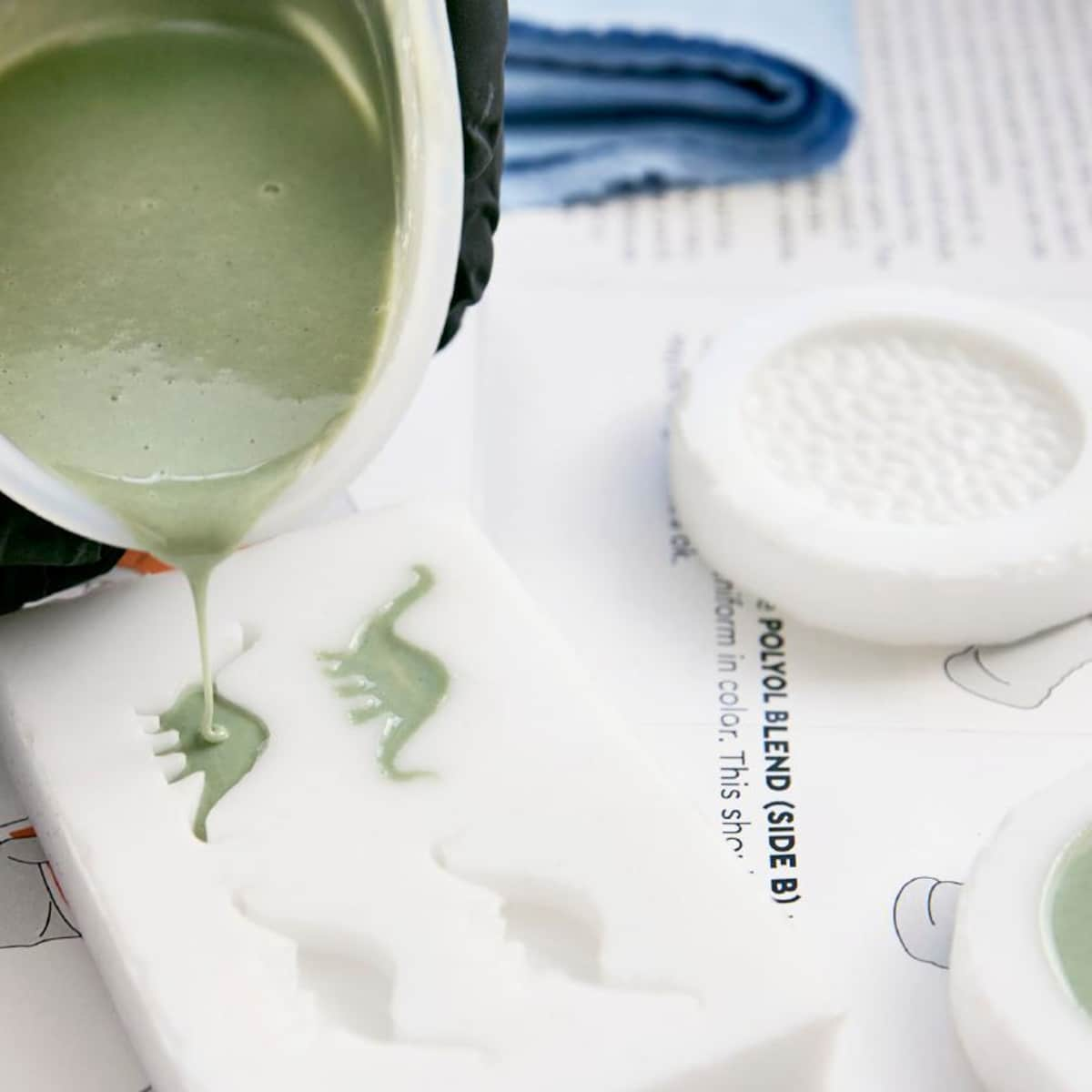 Casting |
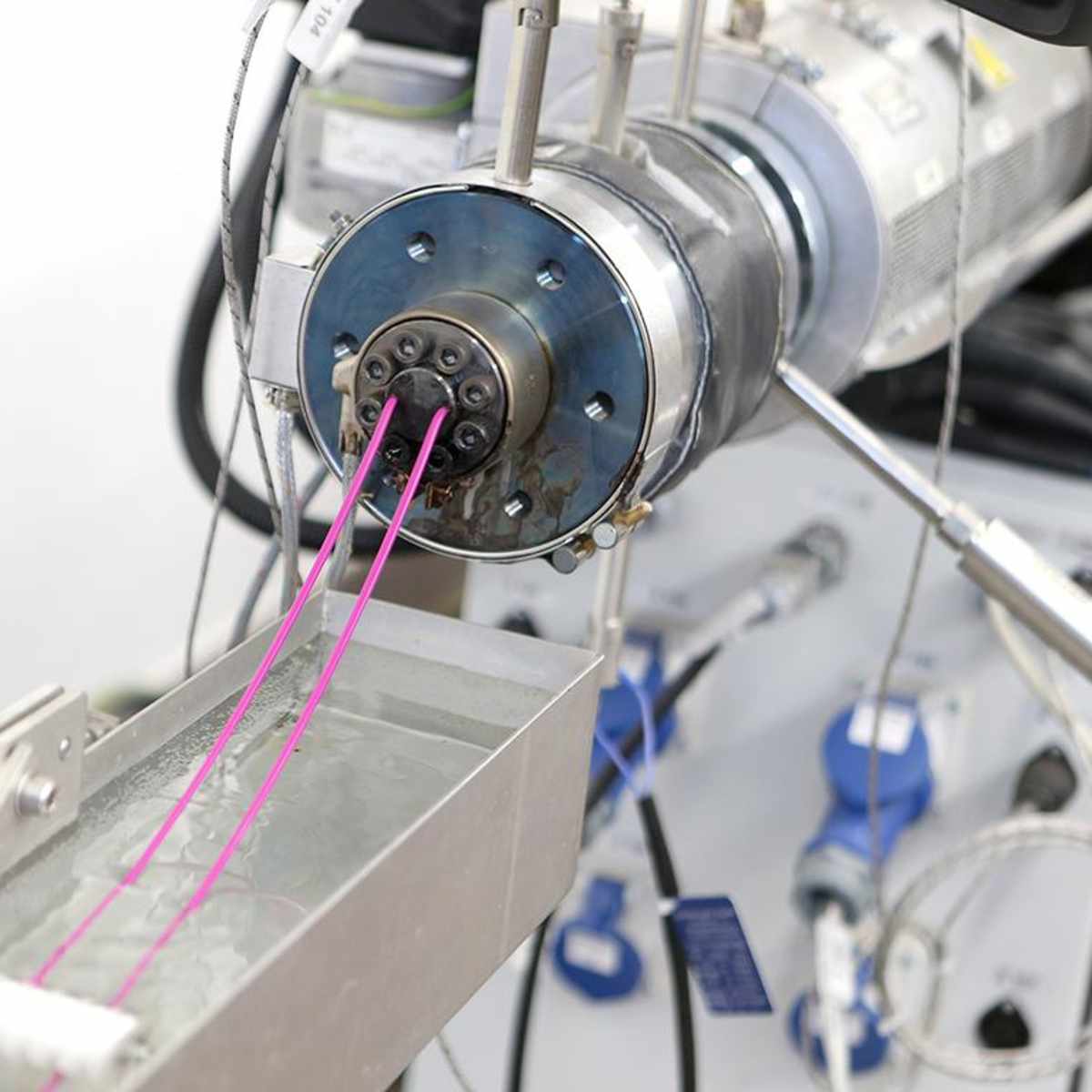 Extruding |
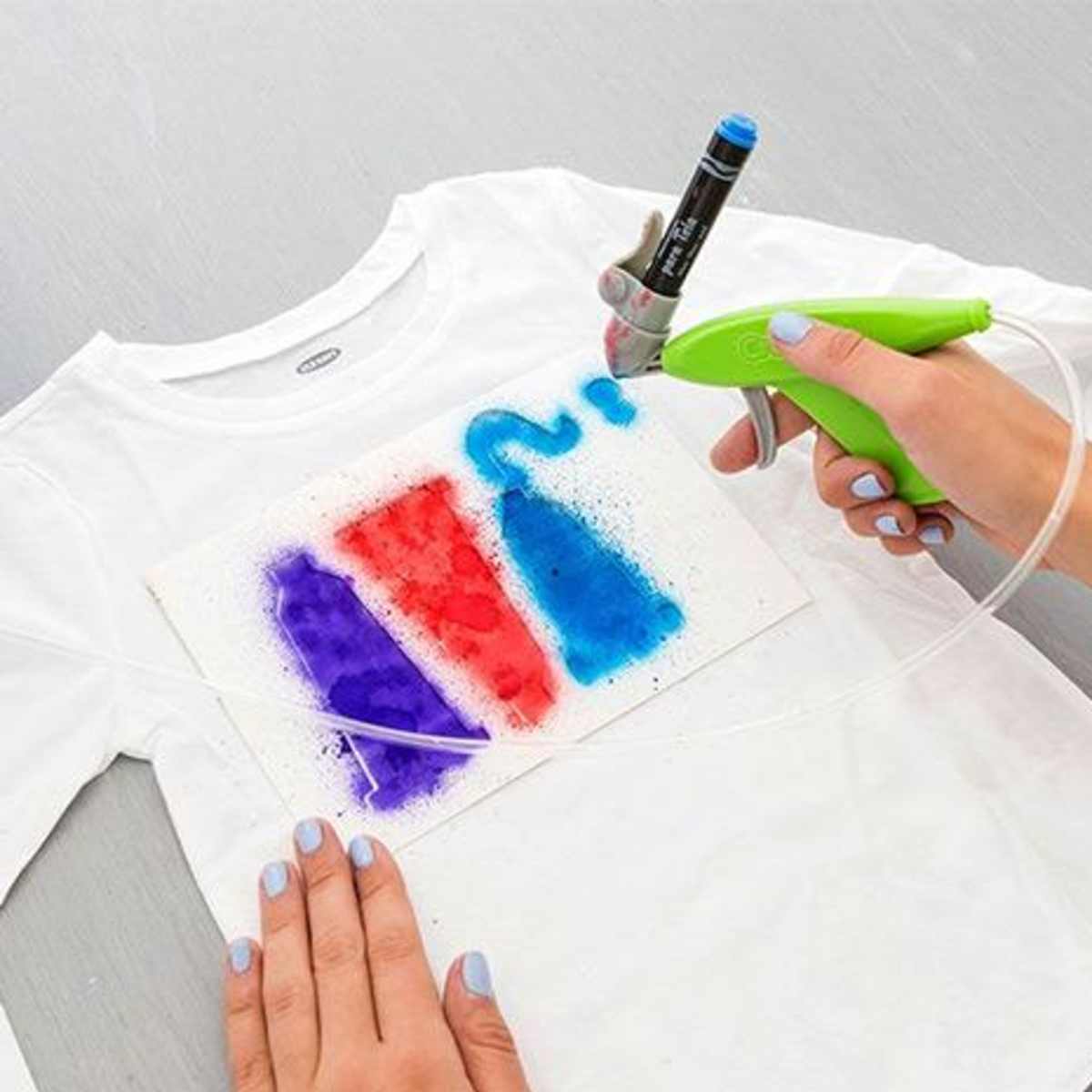 Spray dyeing |
Example for crafting techniques
THE BIOMATERIAL IS MEANT TO GO BACK TO NATURE
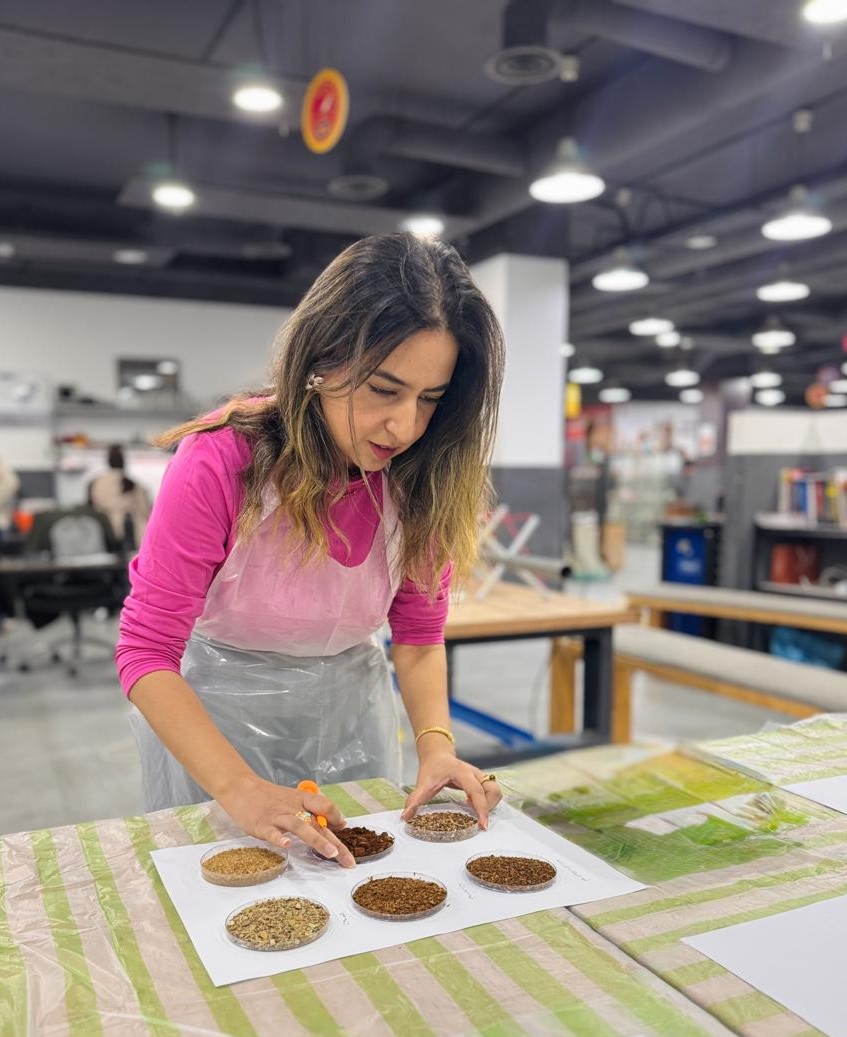
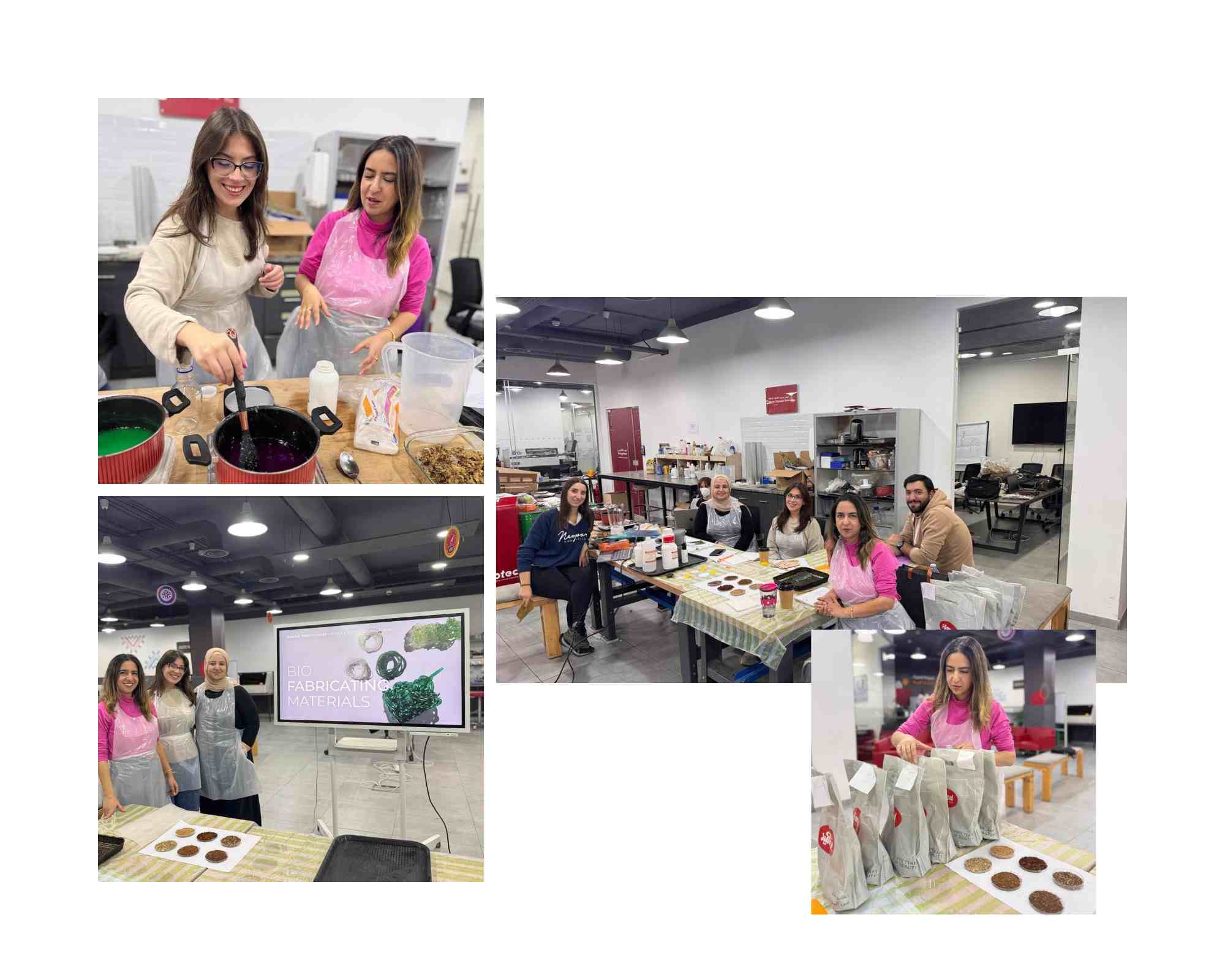
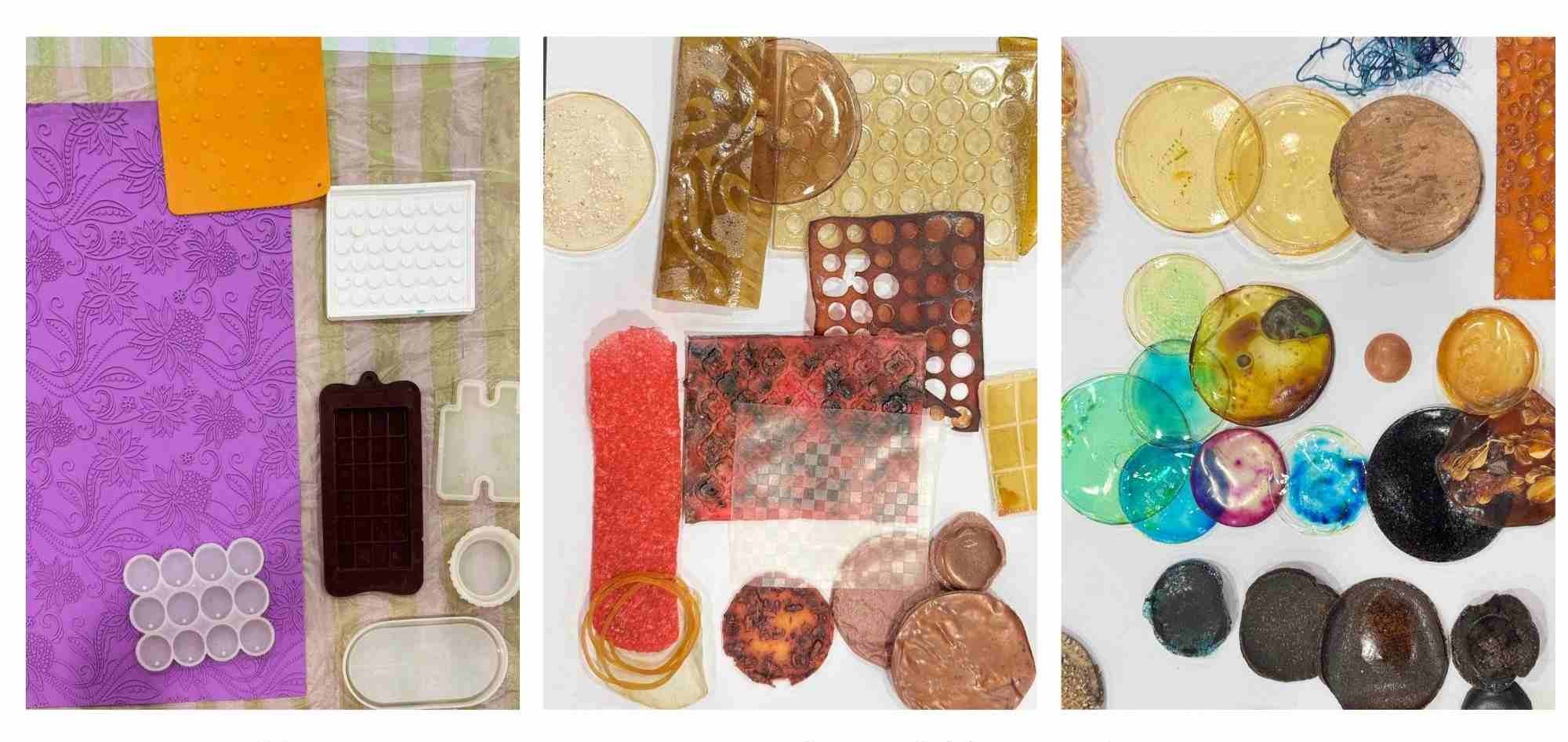
The next day, we talked more about biomaterials and started making many recipes, mixing them with food waste, wool, net, coffee, and sand. We discussed which molds we could use. We also reviewed biomaterials from previous classes. We also learned that soft biomaterials are cast in hard molds and hard biomaterials are cast in soft molds.
We started making the recipes as group work. I brought coffee waste from different stages of the coffee-making process at the Al Ameed factory to experiment with it in my biomaterial recipes.
1.1 What are Fungi matters
We took a lecture from Catherine Euale about FUNGI MATTERS
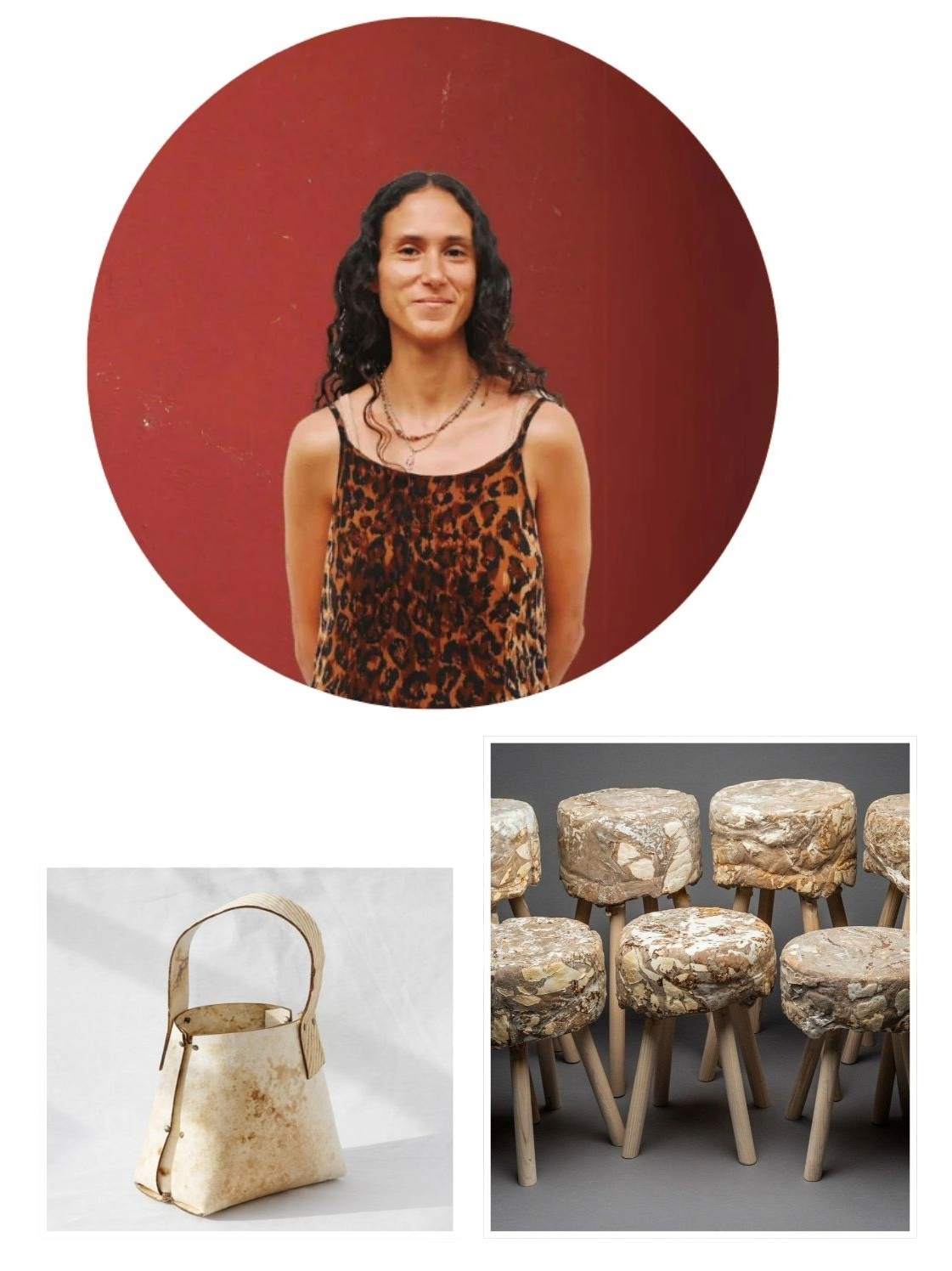
She is a VanZuelan Canadian bio-artist. She is well known for her work in the film industry, jewelry (conceptual design pieces), living organisms, and natural dyes. She shows us some of her works in biomaterials and fungal matters.
What are fungal matters? It’s related to exploring more about how living fungi are a resource for creating new sustainable materials.
MAKE INVISIBLE LIFE MORE VISIBLE
Points from leucture :
-
We also see machines for making yarns (it sustains the pressure and speed) to make the bio yarns more consistence.
-
We also see creating materials from blood (waste blood from animals) or blood from human beings. For example, she made jewelry from her blood.
-
We can also use fungi for 3d printing or as a natural dye. Micromaterial /mycelium-based material or fungi material (it can be used in airbags, packaging, stereo phone, or fashion)
-
We also saw a bag from Old Century made from Fungai
What is mycelium?
The body of a fungus
Why fungal material?
-
You can grow your object in any size
-
Can be molded in any form
-
Use to make textiles
-
lightweight, water resistance, and fire resistance.
-
Biodegradable
You can find here the lectures we've learned from
Check out the lectures here Biofabricating Materials and Catherine Euale Fungal Matters progress and evaluation page.
2. Material Recipes & Experiments
2.1 Group Experiments
2.1.1 Making a Bio yarns"
* Sodium alginate 27 gr
* Water 500ml
* Calcium chloride 12 ml + 125 water
* Glaserin 50gr
* Digital Weighing Scale
* Measuring Beaker
* Electric Blender
* Protective Gloves
* Petri Dish
On the first day, we mix the sodium alginate, water, and glycerin, then we keep it in the fridge till the next day.
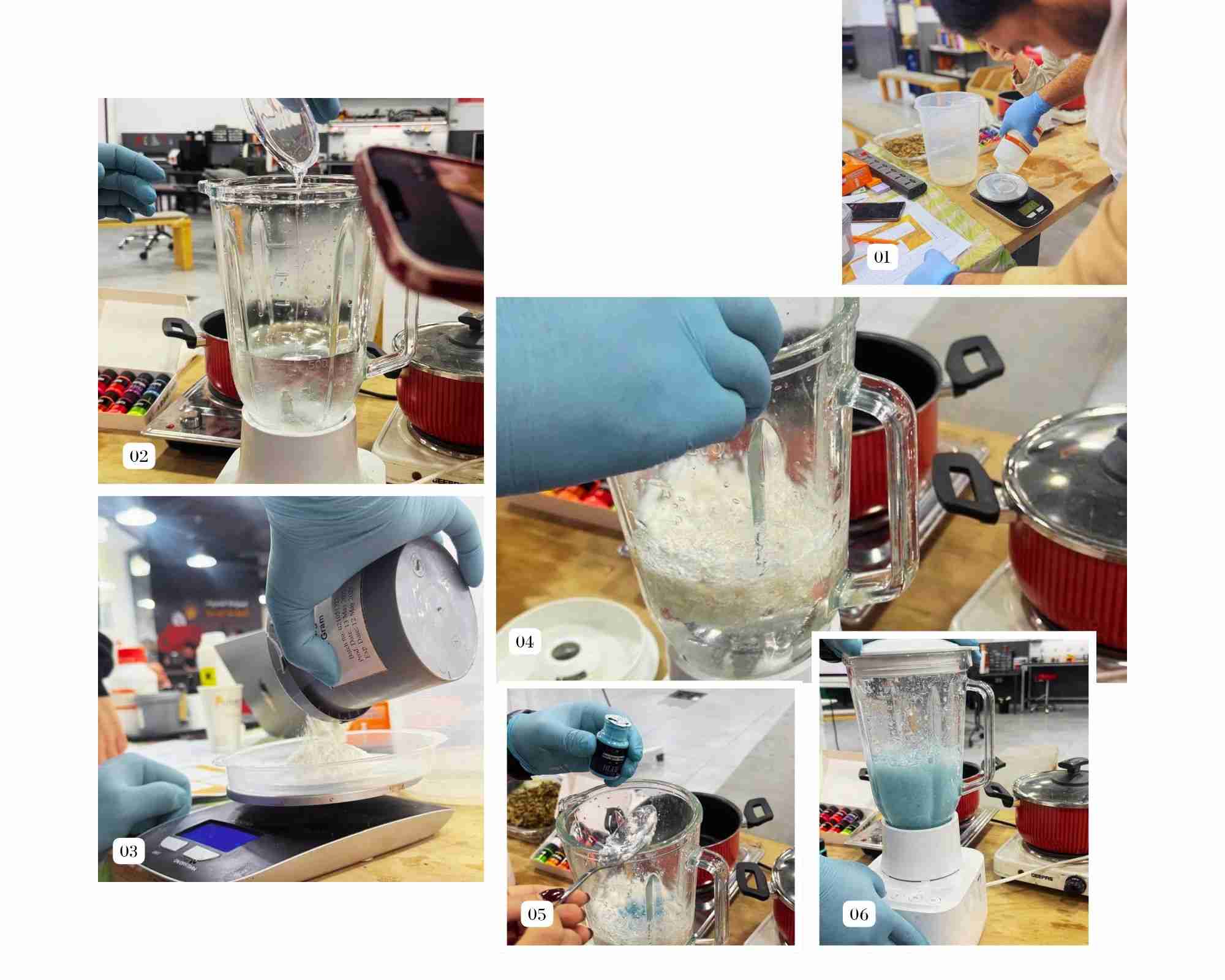
The next day, we divided the material into two portions.
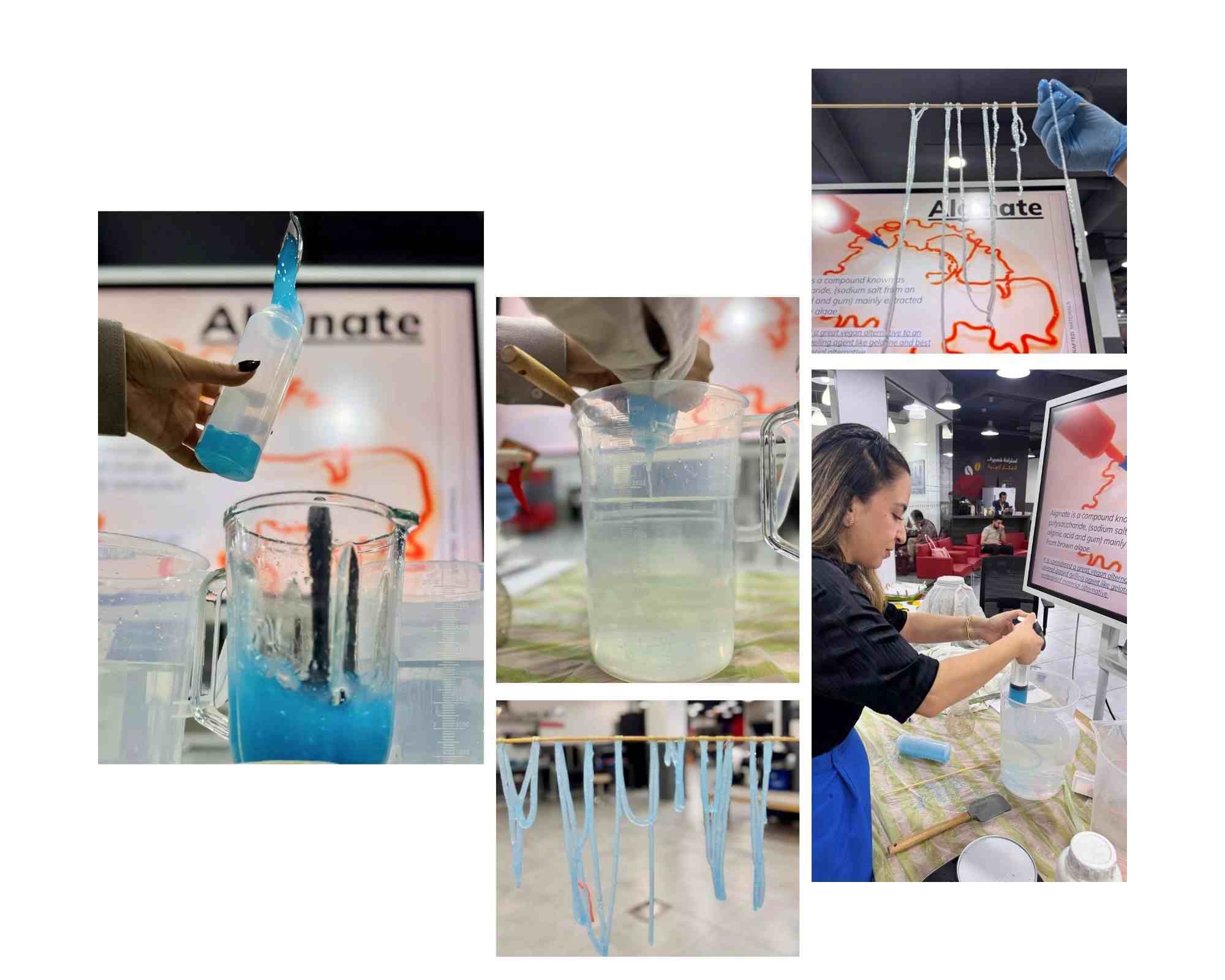
The first portions we complete the process to make yarns.
HOW?
* calcium chloride 12 ml
* 125 water in warm water
* cold water
* Graduated Measuring Cylinder
* Graduated Measuring Jug
* Drying Rack / Hanging Rod
* Protective Gloves
* Stirring Stick
The process was adding the recipe to a mold, then squeezing it inside the hot water. It will give us the yarns; then we put it in cold water to cure. After that, we removed it and kept it aside until it cured 100%.
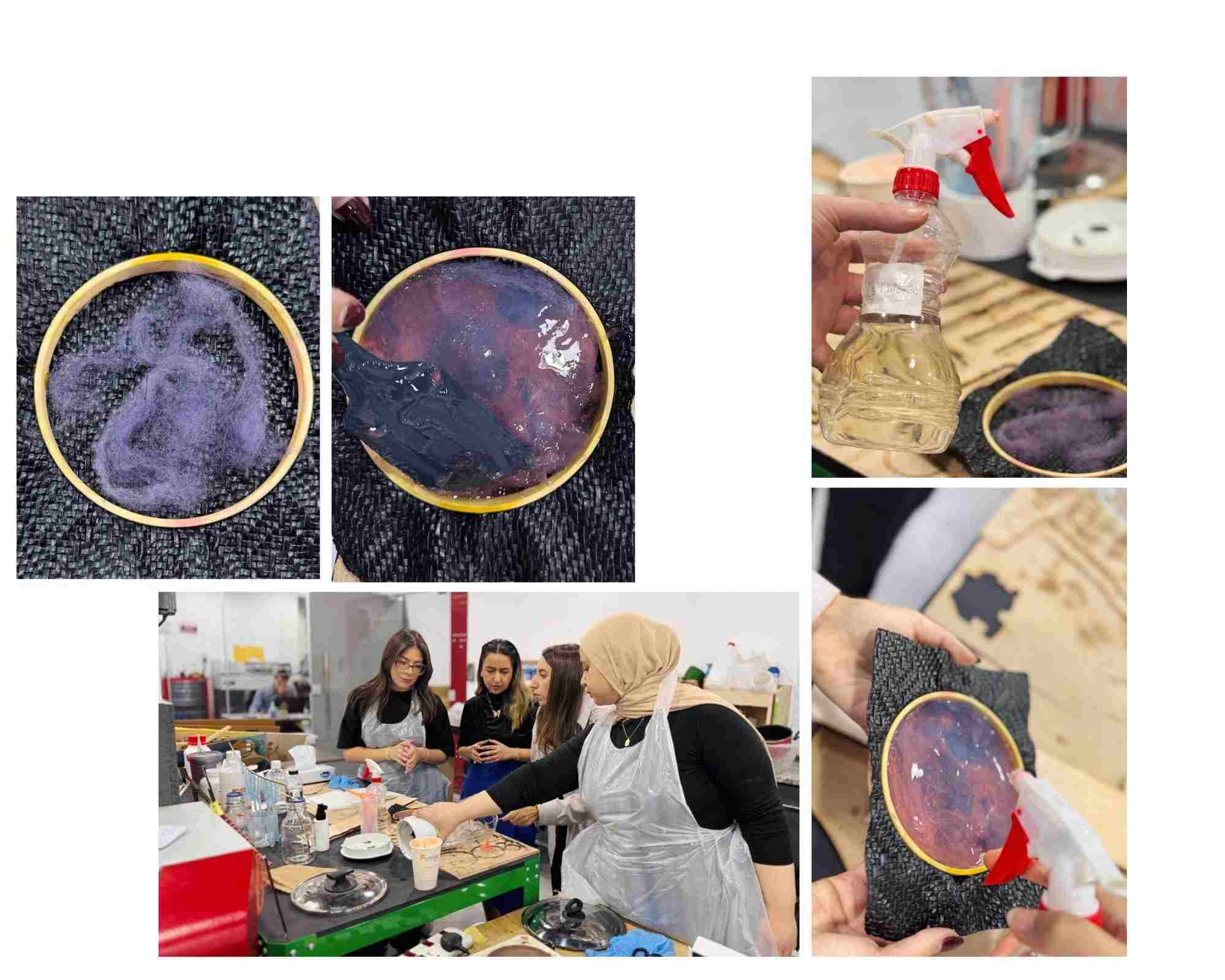
2.1.2 Making the bio-leather
We created a mold using synthetic leather with a square texture, then added wool to give it strength and prevent it from shrinking. Then we added the recipe. After that, we spray it with the calcium chloride and water from both up and down.
2.1.3 Making the bio-plastic
we also tried one more recipe, which is bioplastic
* Gelatine 100gr
* Water 500ml
* Glaserin 25gr
* Pigment powder
* Silicone molds
* Petri dishes
* Pouring container
* Protective Gloves
* Cooking pots
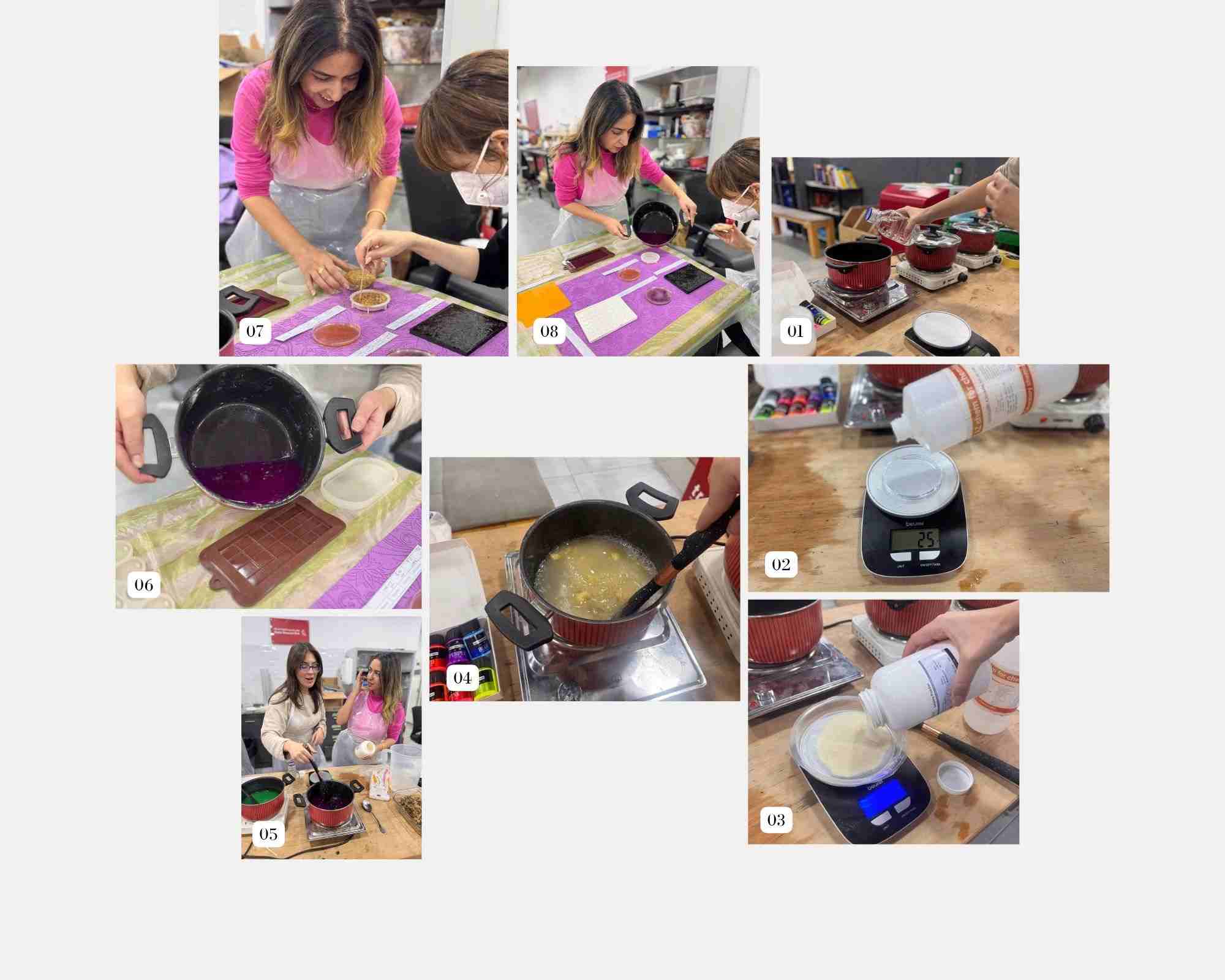
Then we do different experiments here. We add wool, coffee, net, cardamom beans, camel wool, and sand.
Making a picture of the result
2.1.4 Growing kombucha leather
* Calculate the tray area
* Boil the water and add sugar
* Add black tea
* Let it cool
* Measure the pH
* Add the Kombucha mother
* Measuring Jug
* Digital Weighing Scale
* Cooking Pot
* filters
* pH indicator strips
* Fabric cover
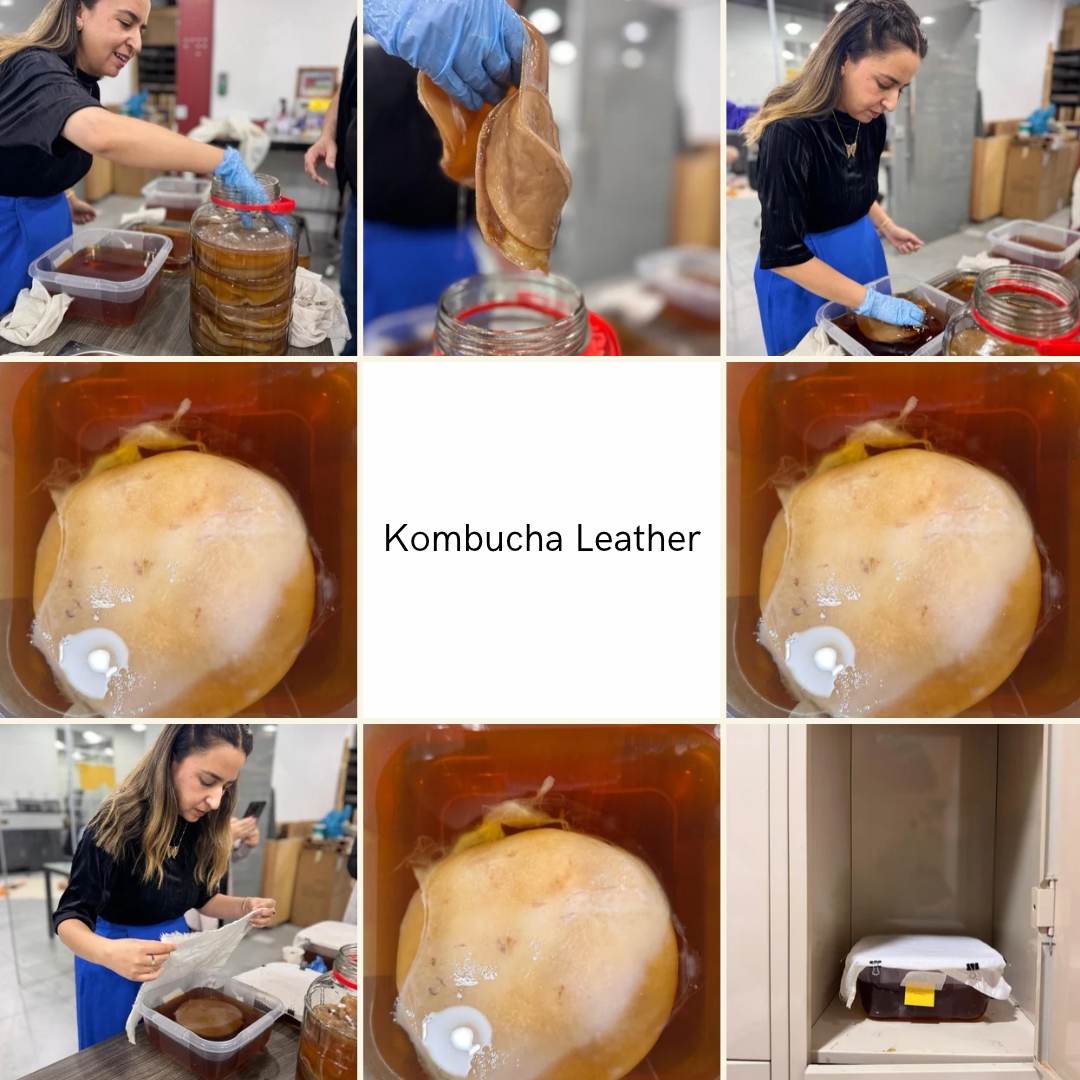
*kombucha leather experiment*
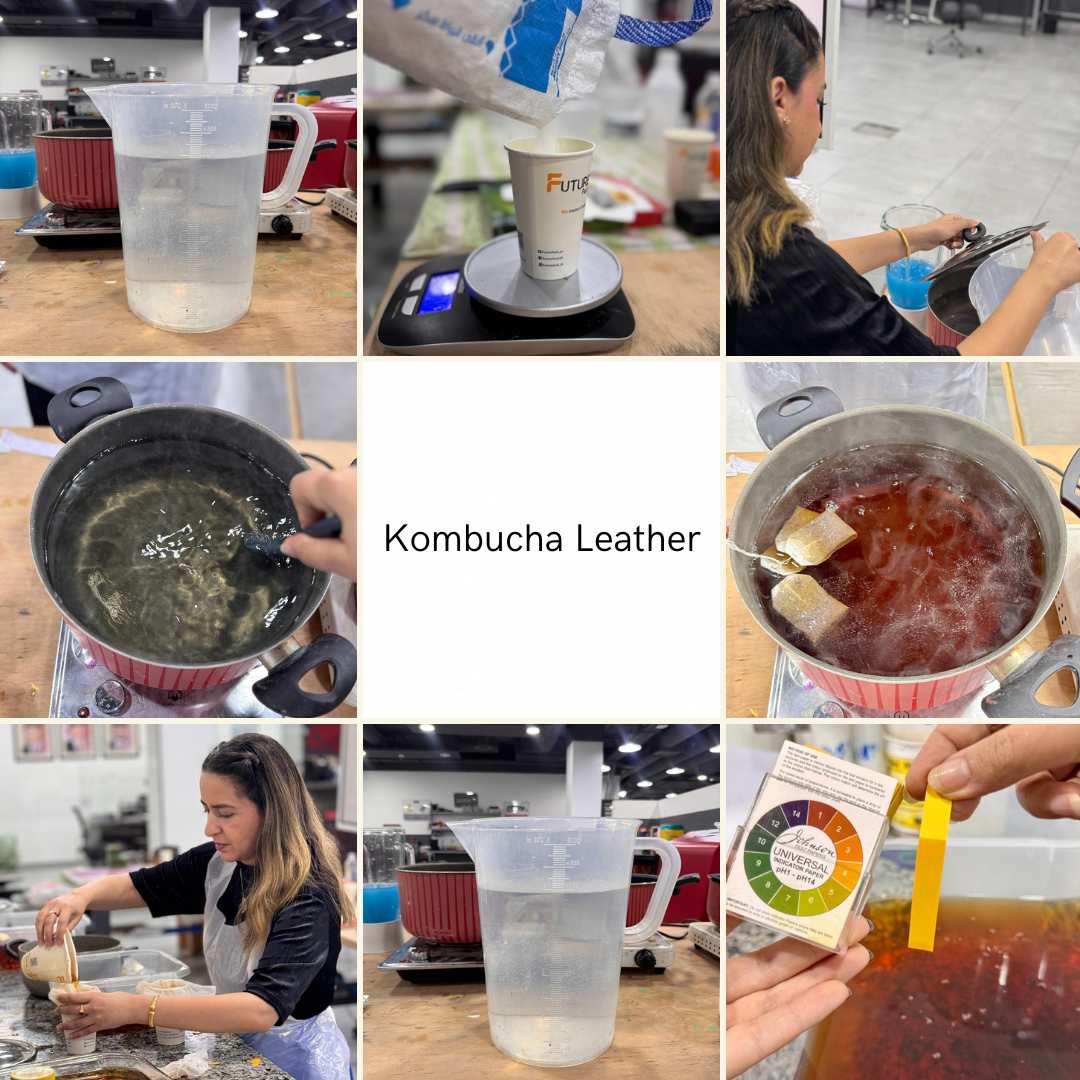
*kombucha leather experiment*
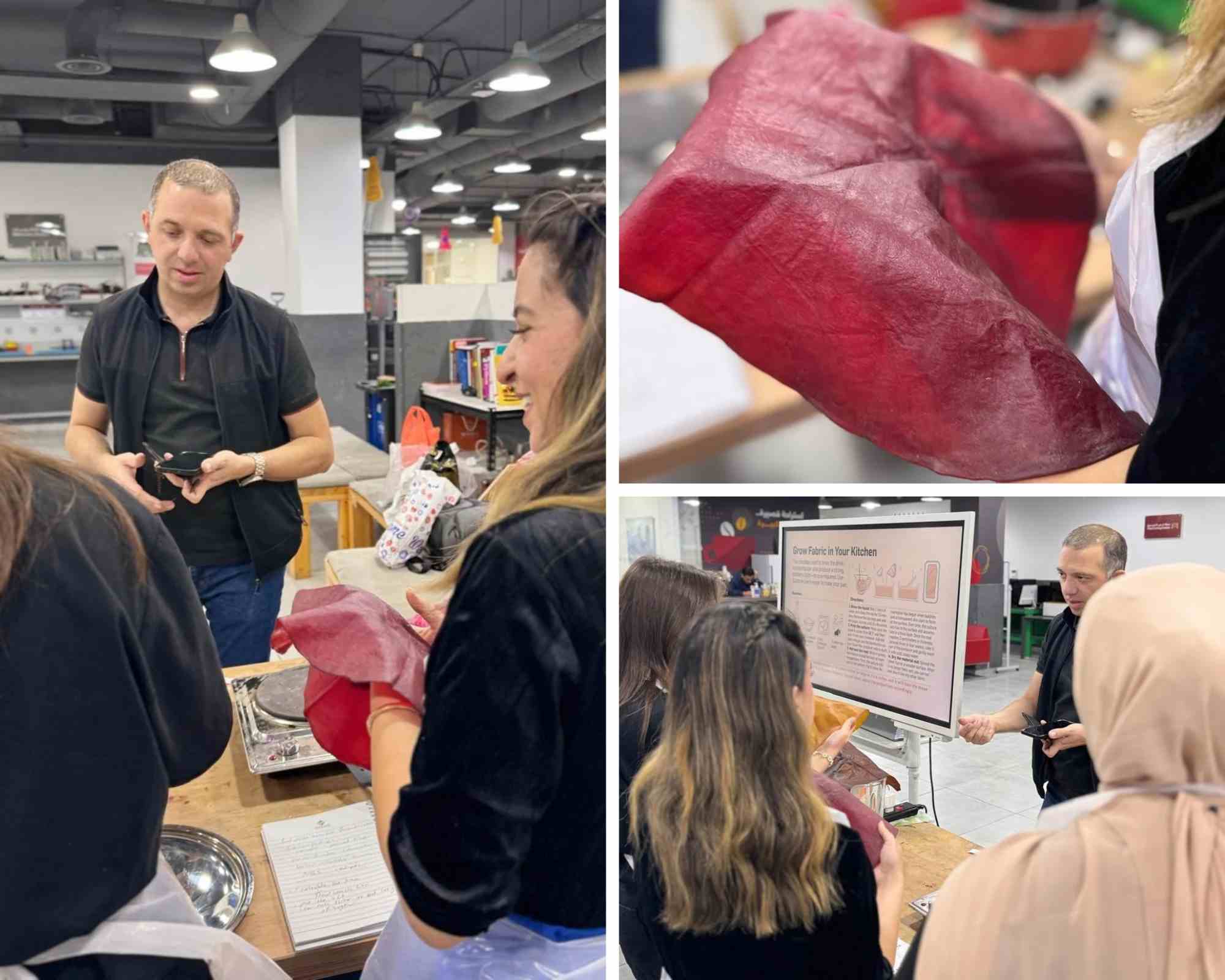
Mr Suhaib also came, and we saw some of his products
2.1 Individual Experiments
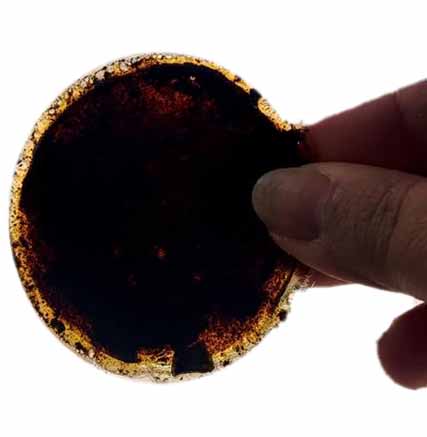
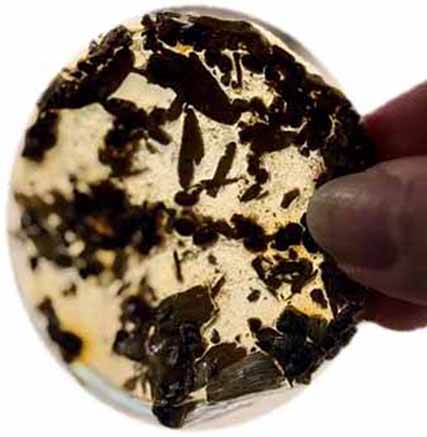
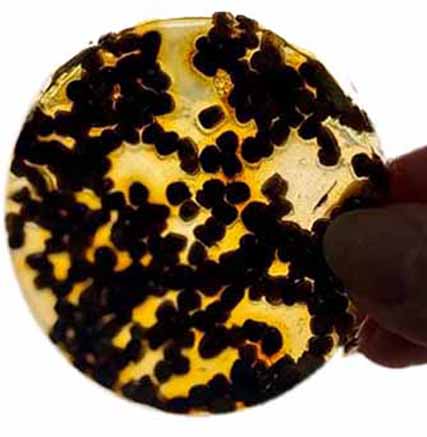
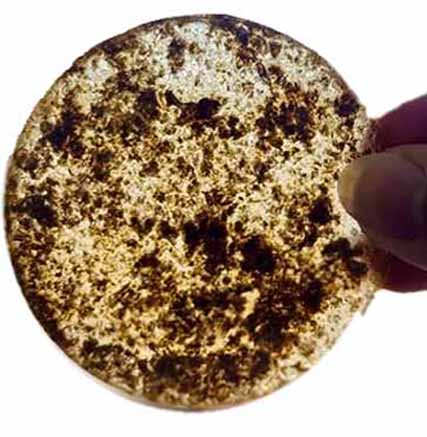
Then I later tried to make my own recipes, which are bioplastics.
* Gelatine 180gr
* Water 1200ml
* Glaserin 64gr
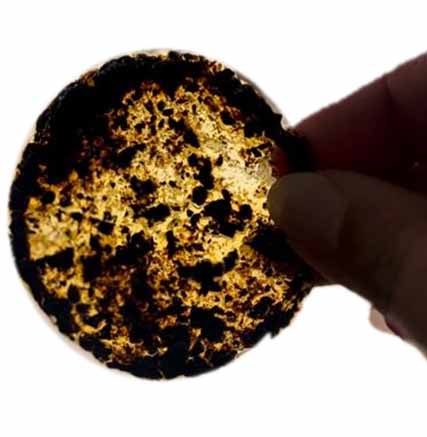
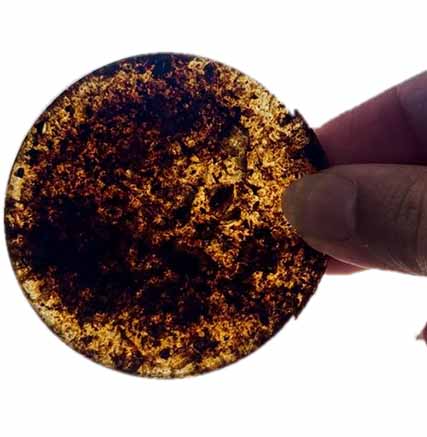
* Then I pour this mix with different types of coffee waste
* Cooking pot
* Electric hot plate
* Rectangular tray
* Digital weighing scale
* Petri dishes
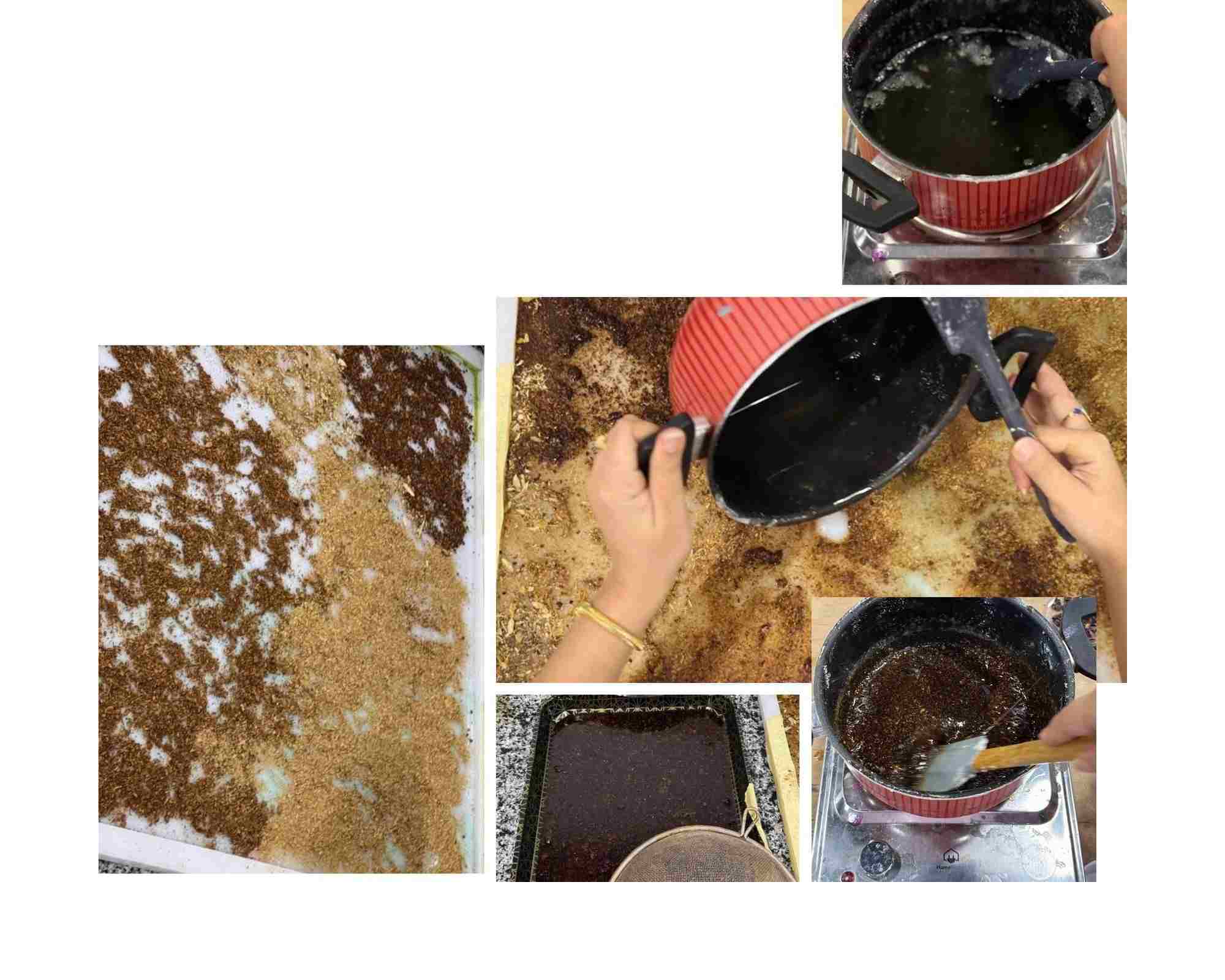
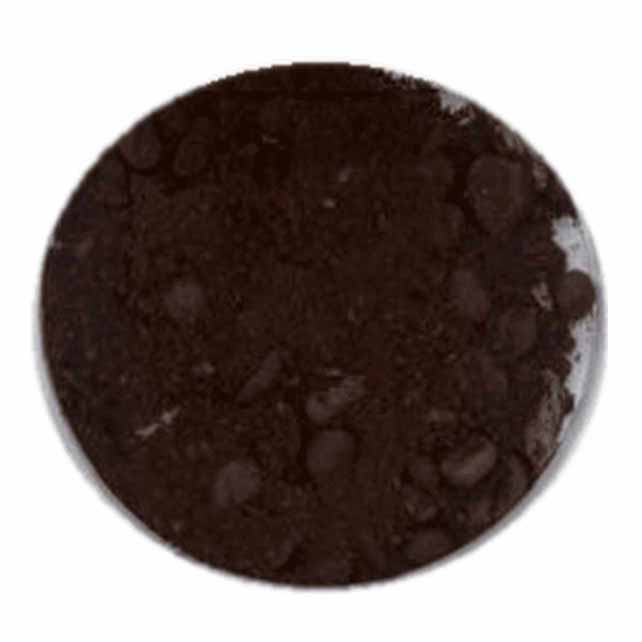
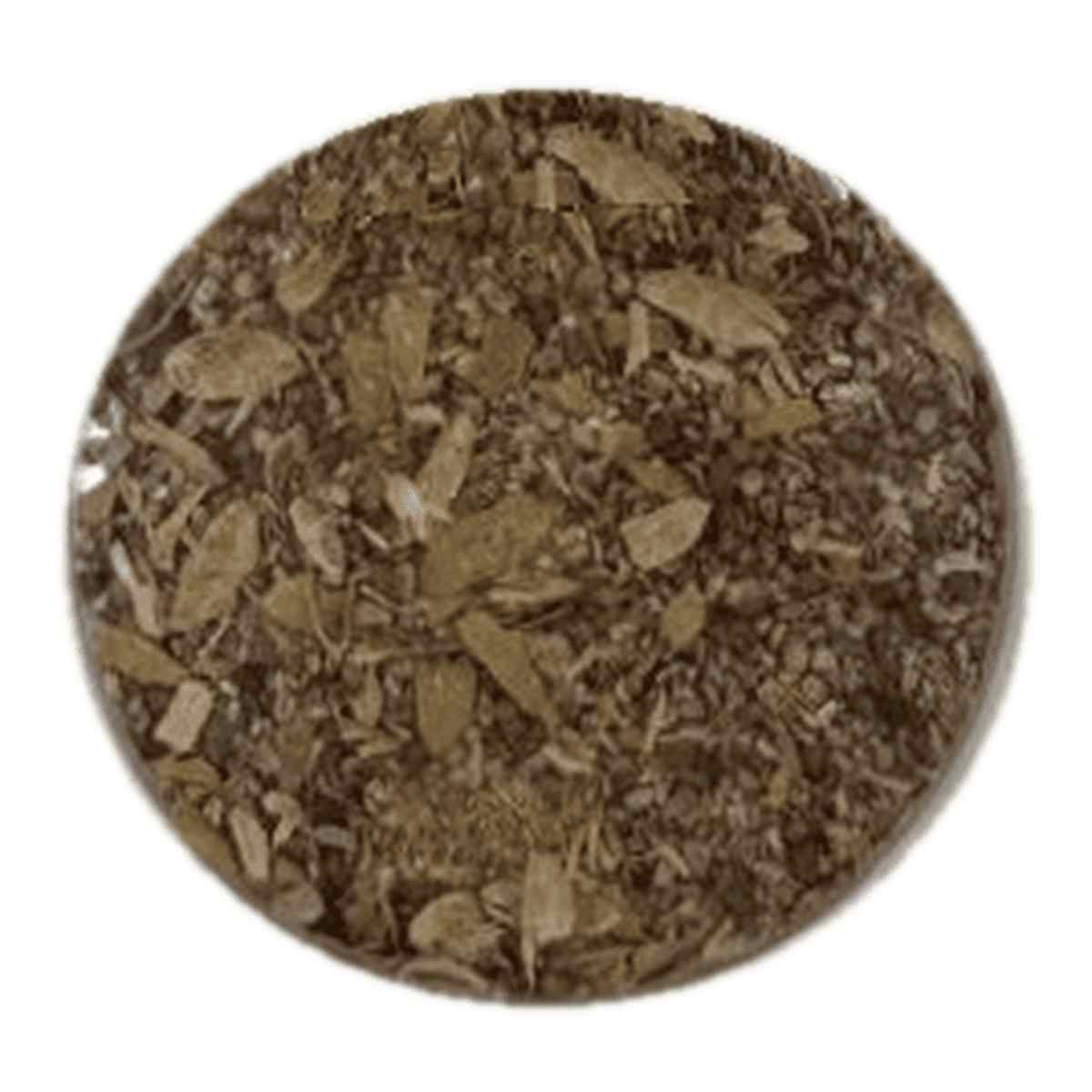
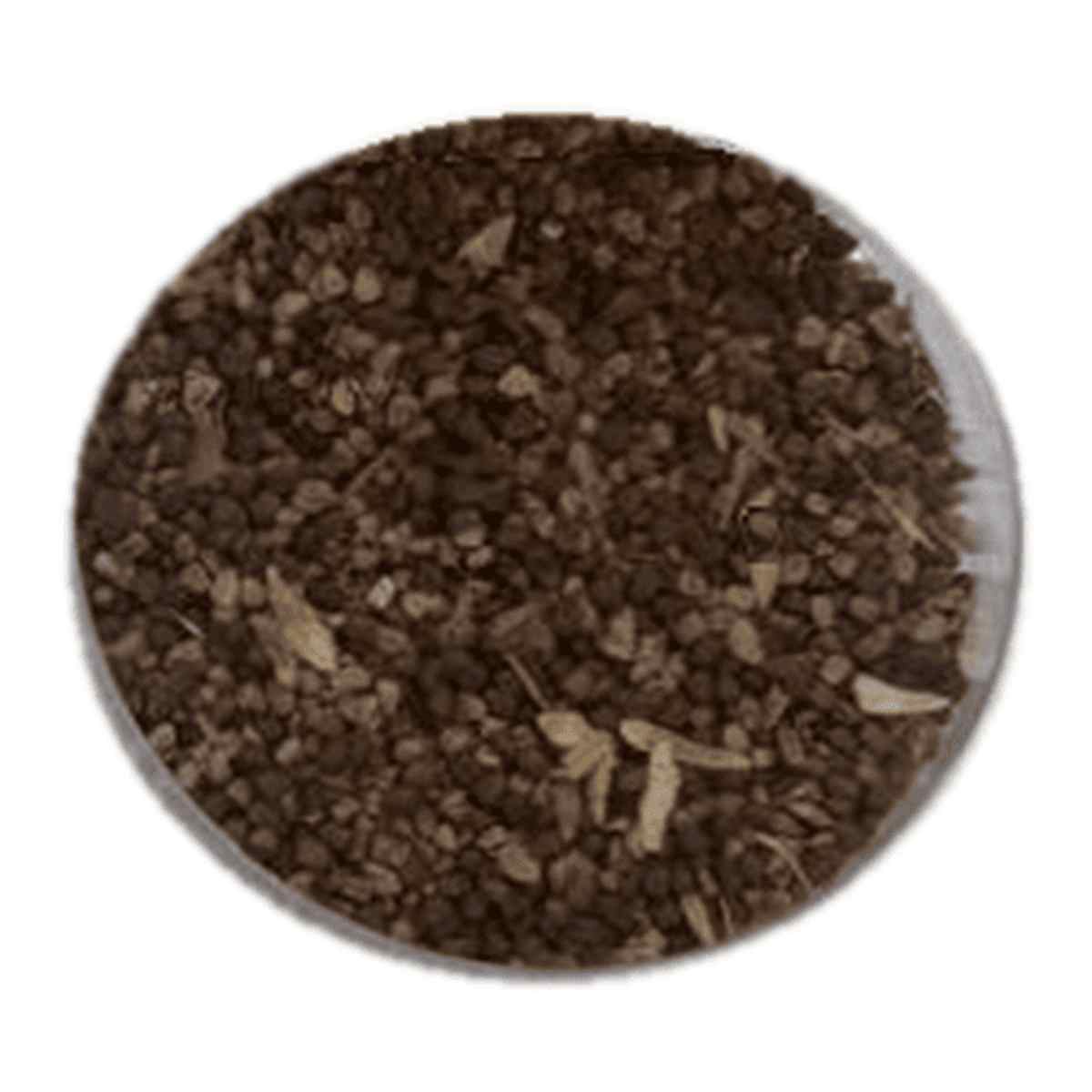
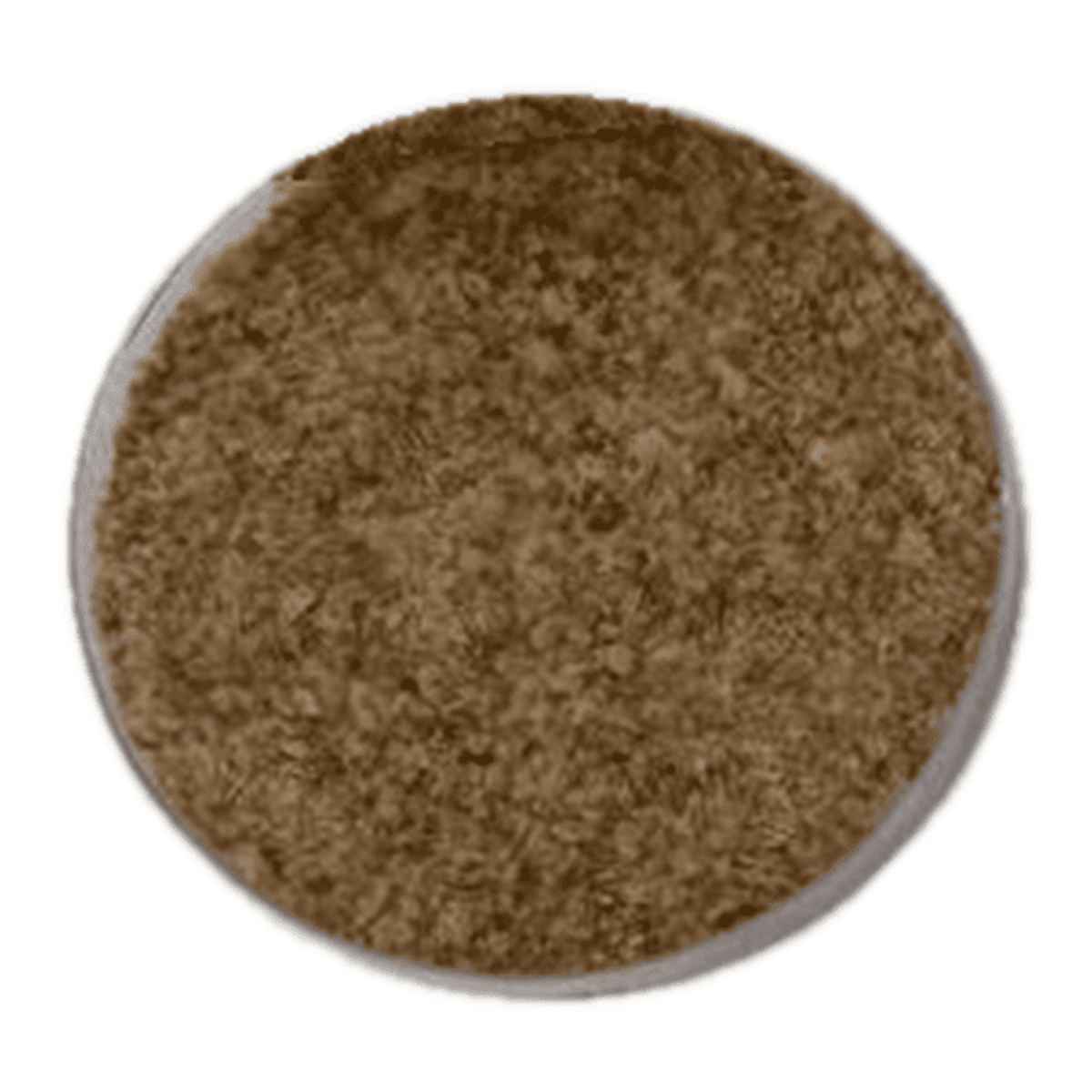
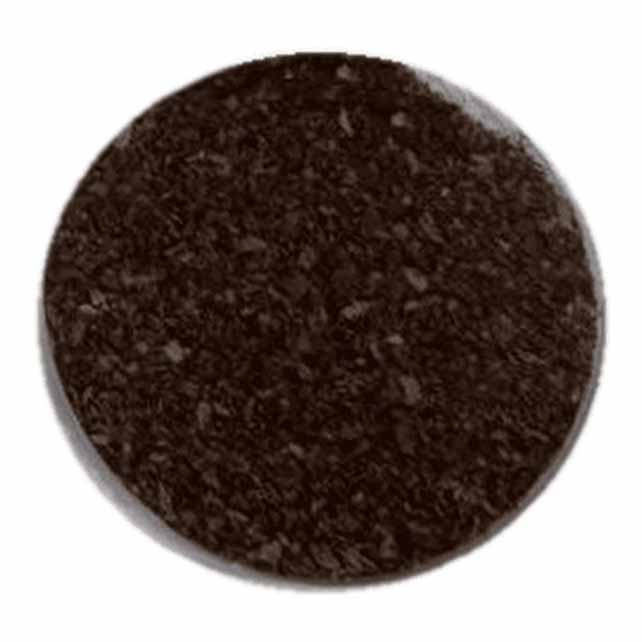
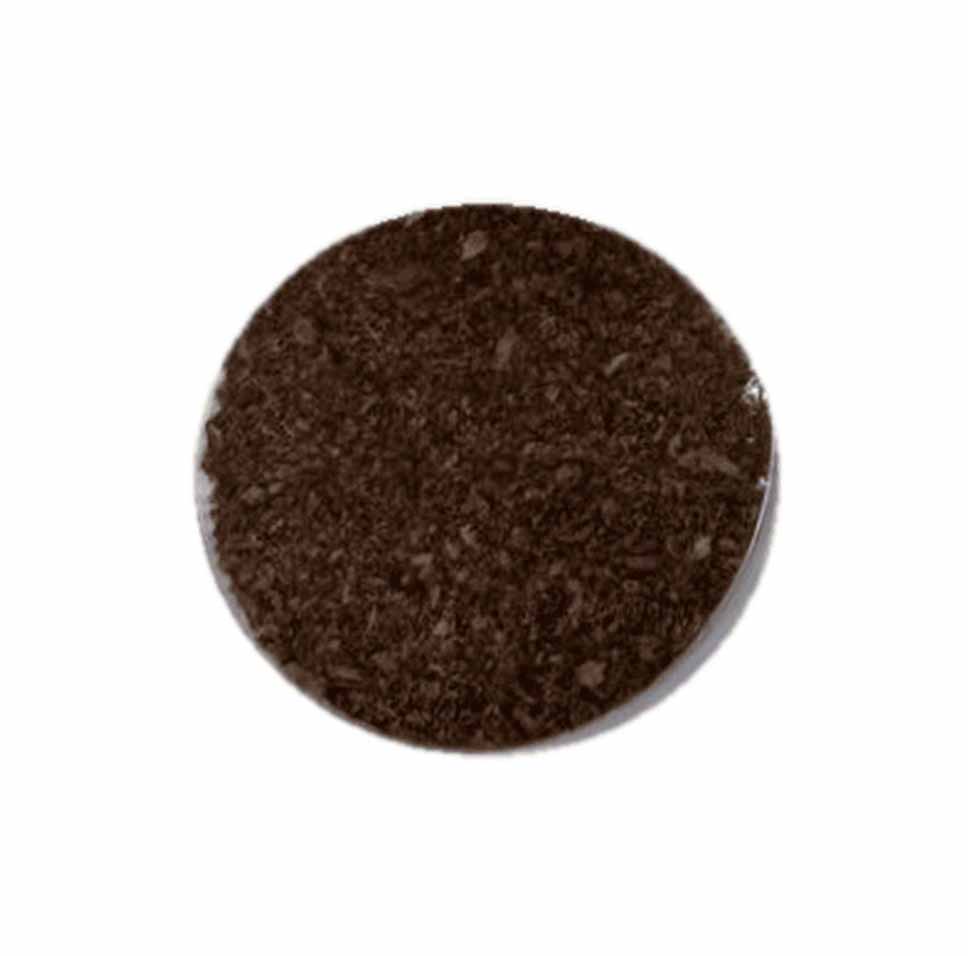
The material that I explore working with .
5. Results
I experimented with different types of coffee waste to explore how their textures, sizes, and compositions could affect the final biomaterial
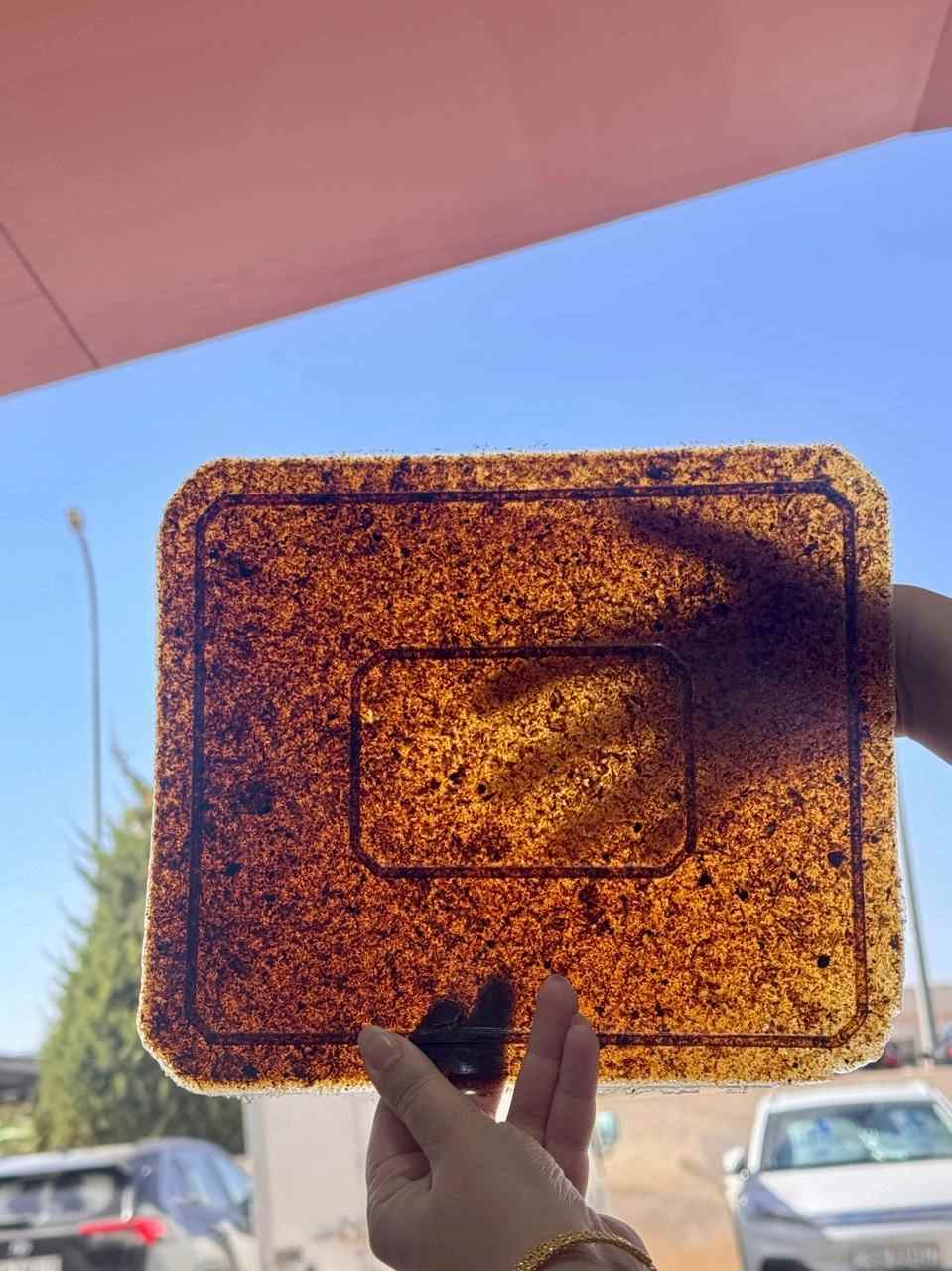
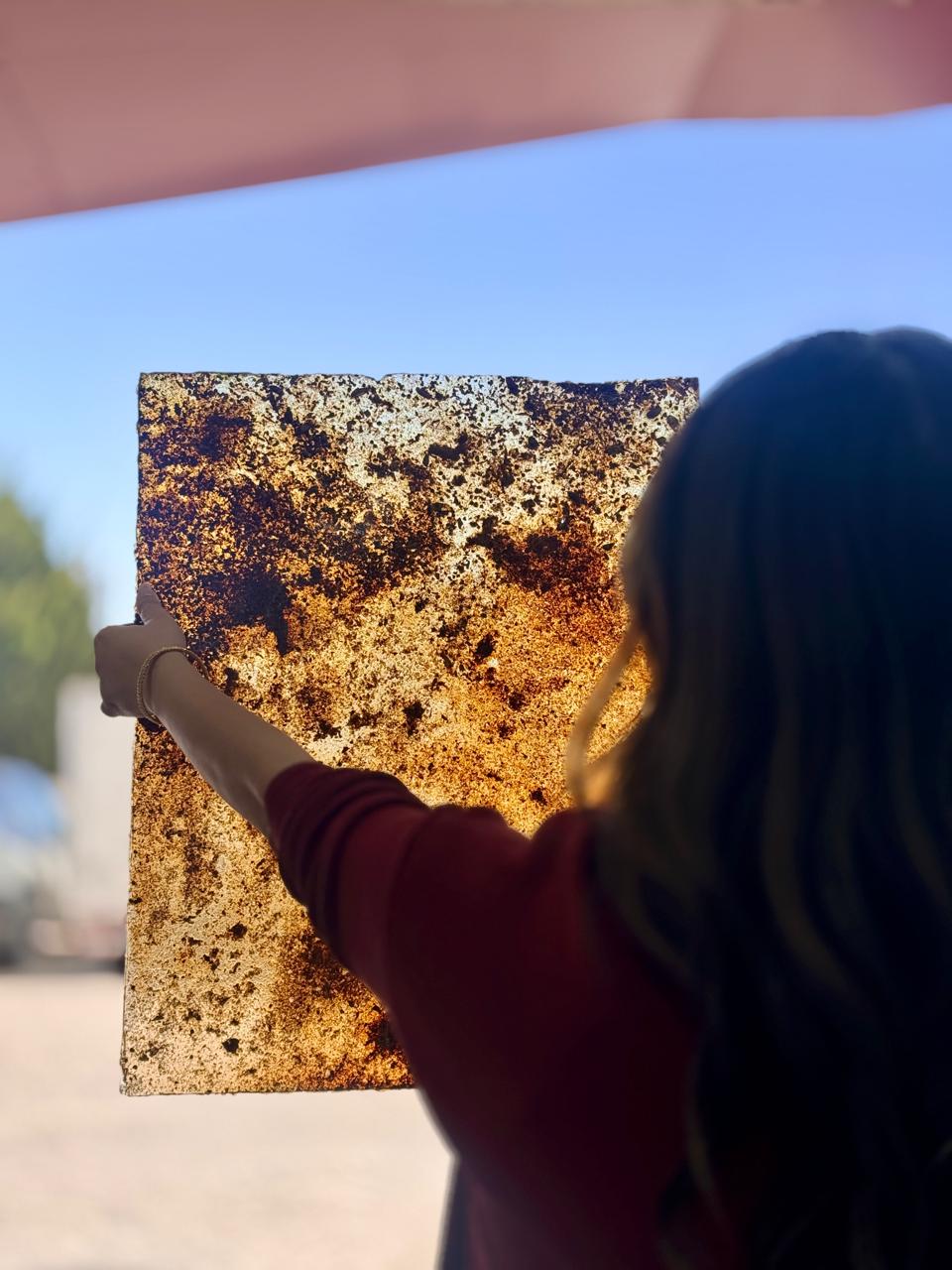
Exploring Different Types of Coffee Waste
7. Recipe files, Booklet and References
- Video references: Making Bioplastic from Orange Peel
- Video references: Grow your clothes: grass dress, algae shoes, kombucha fabric
-
Reference: Masterclass_ biomaterials_cpf - Google Slides ↩