Soft robotics
1. Objective
In our first lecture, we explored the world of soft robotics. The field focuses on creating flexible and responsive materials and robotic systems. It’s not similar to traditional robots; soft robots can bend, stretch, and adapt.
One of the main inspirations for soft robotics is nature. Nature is full of amazing designs and movements. For example the plants how it’open and close plus how marine organisms move. By observing these natural behaviors, we can transform them into innovative engineering solutions.
We also learned how to create our own molds and cast different materials, such as silicone, agar, alginate, and bioplastics. The outcome will be flexible structures that can become responsive by combining them with actuators and sensors.
Types of Sensors
. Physical sensors: Detect pressure and stretching.

. Chemical sensors: Detect chemicals or changes in pH.

. Thermal sensors: Measure temperature changes.

. Electrophysiological sensors: Detect electrical signals from the body
. Sound-wave sensors: Detect sound.

. Magnetic sensors: Detect magnetic fields.

. Hybrid systems: Combine different sensing technologies to create more complex responses.
How Can We Control Soft Robots?
Soft robots can be controlled through different mechanisms, depending on the material and the movement we want to achieve:
. Air pressure: Using pneumatic systems to inflate or deflate soft structures.

. Water or fluid: Using valves to control the flow of liquids.

. Pumps: Moving fluids to create pressure, movement or continuous actuation.
Examples

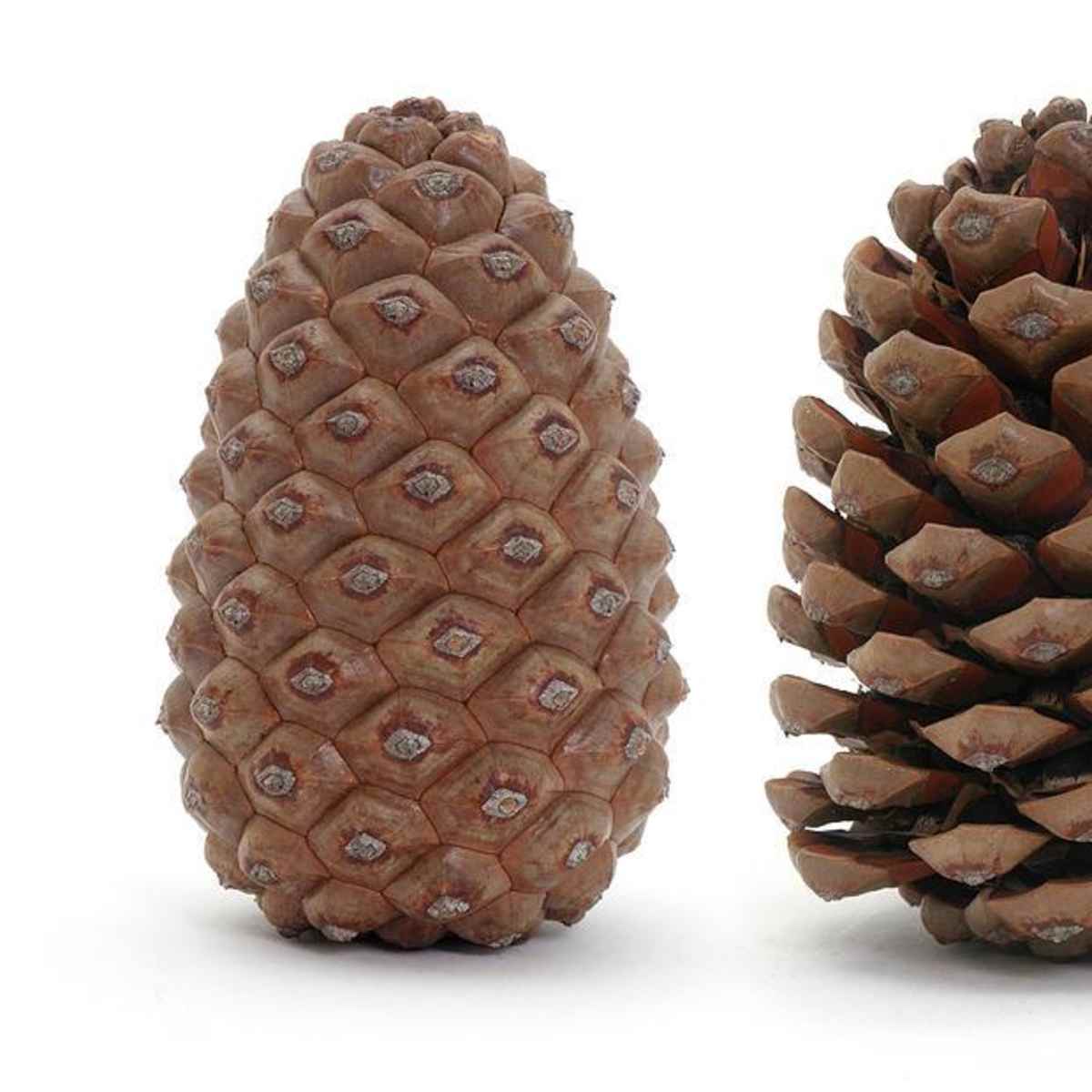
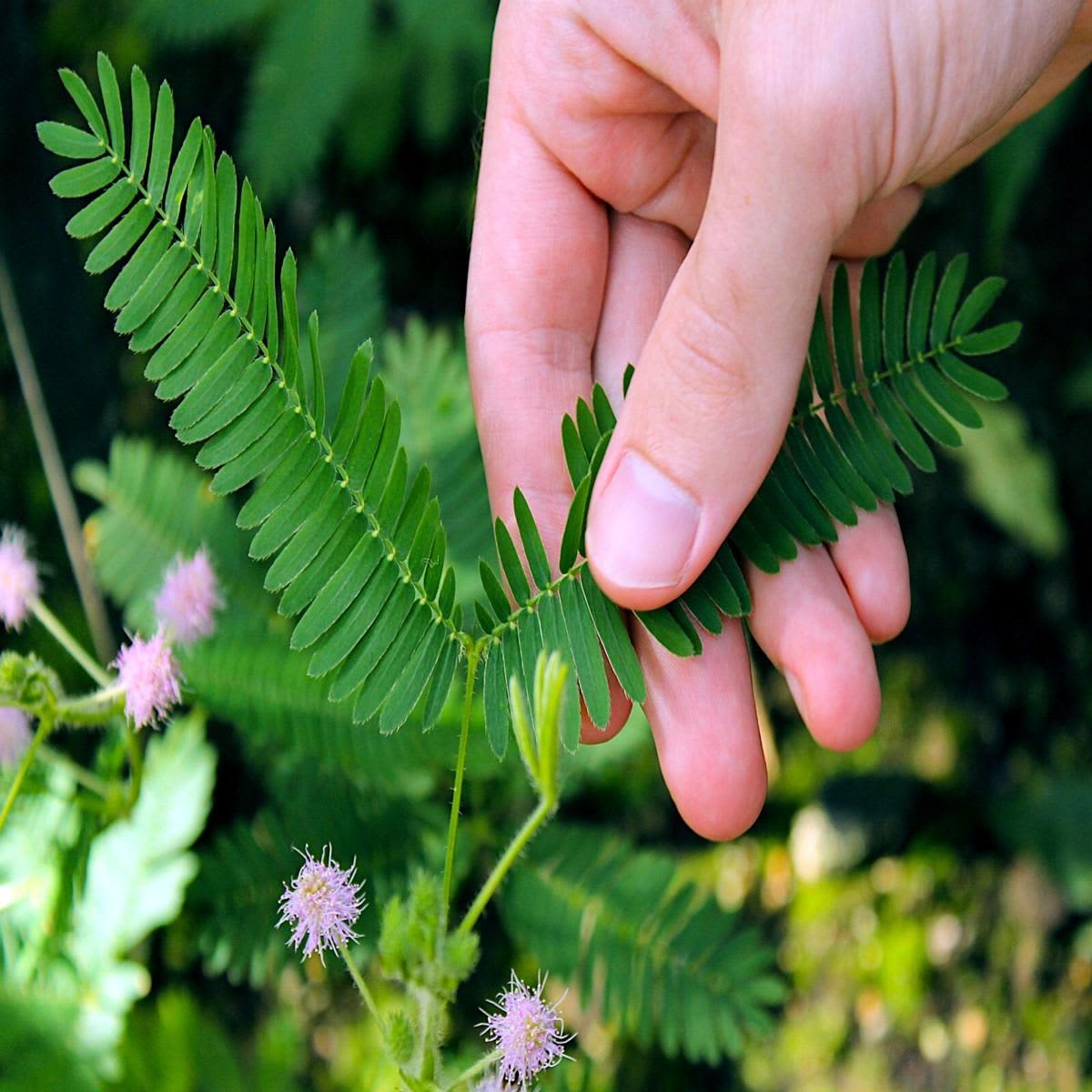
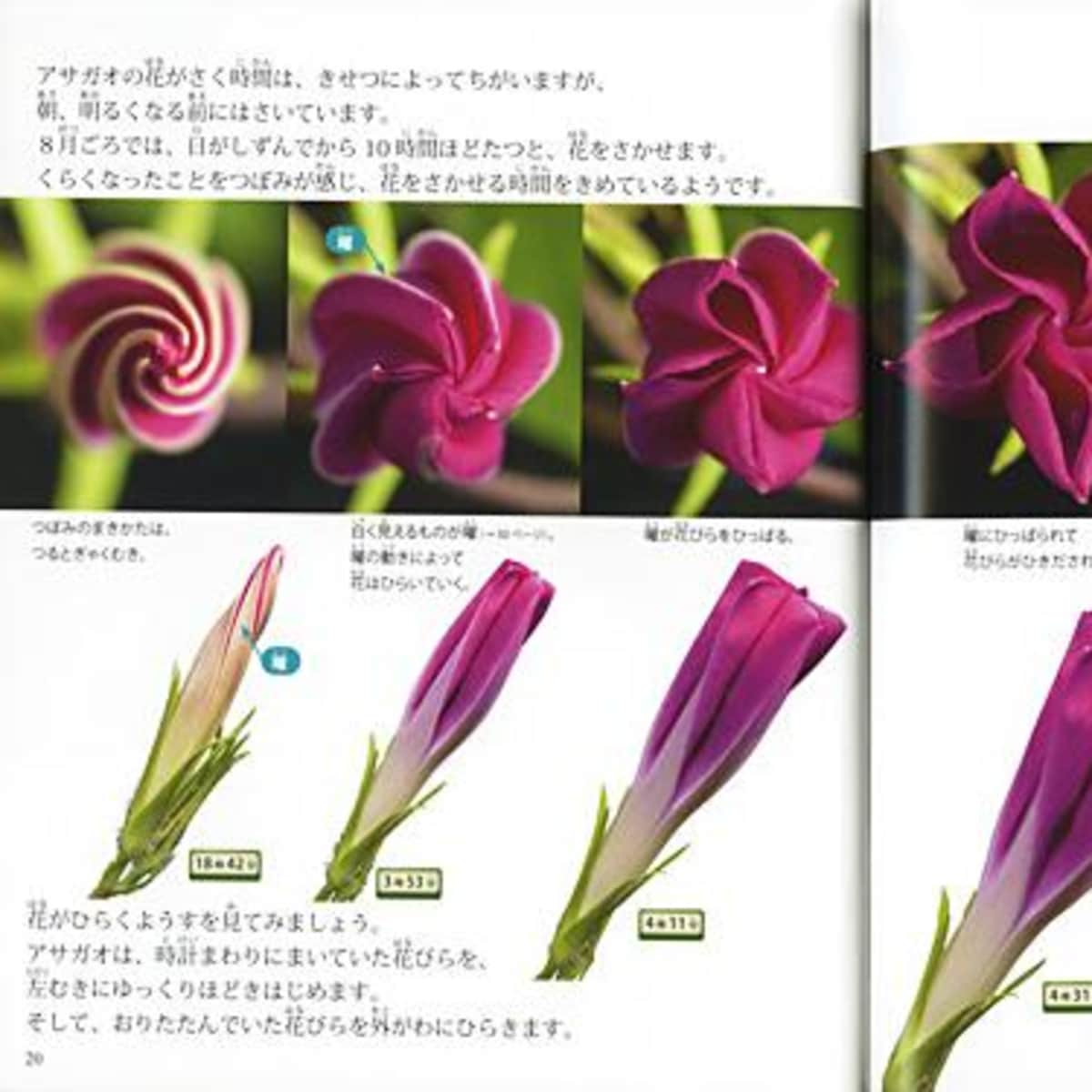

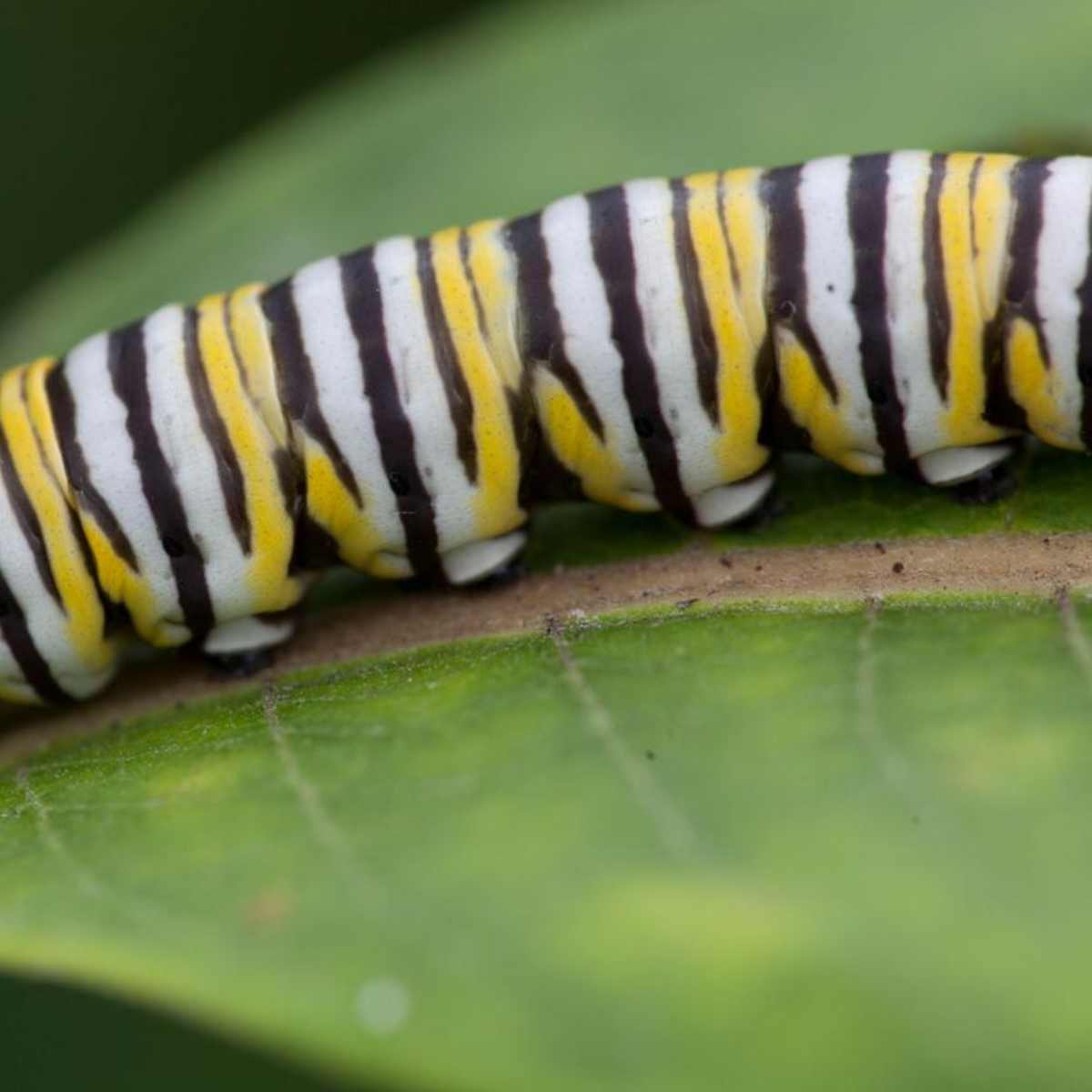
2. Research, Ideation & Inspiration
Flower movement is an excellent source of inspiration for soft robotics because flowers can change their shape, open, close, bend, and respond to environmental without rigid joints or complex mechanical systems.
I will use flower biomechanics and biological movement mechanisms to design soft robotic actuators that mimic natural opening and closing movements.
Understanding flower movement

Biological inspiration: Flower petals move outward during blooming and inward during closing.
Robotic implementation: Design individual silicone petals with internal air chambers.
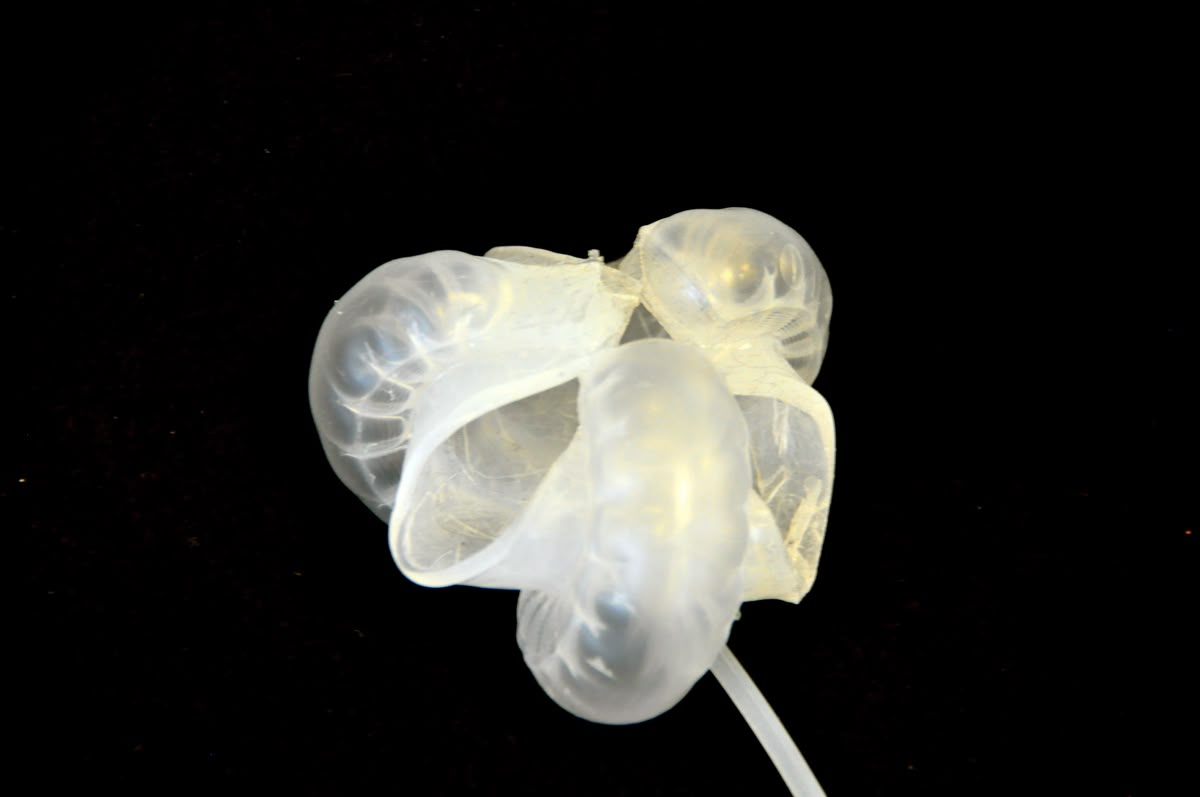
When compressed air enters the chambers:
1-The chambers expand.
2-The petals bend outward.
3-The flower opens.
When air is released:
1-The elastic silicone returns toward its original configuration.
2-The petals close.
I will design a robotic flower with 4, 5, or 6 petals.
3. Process and workflow
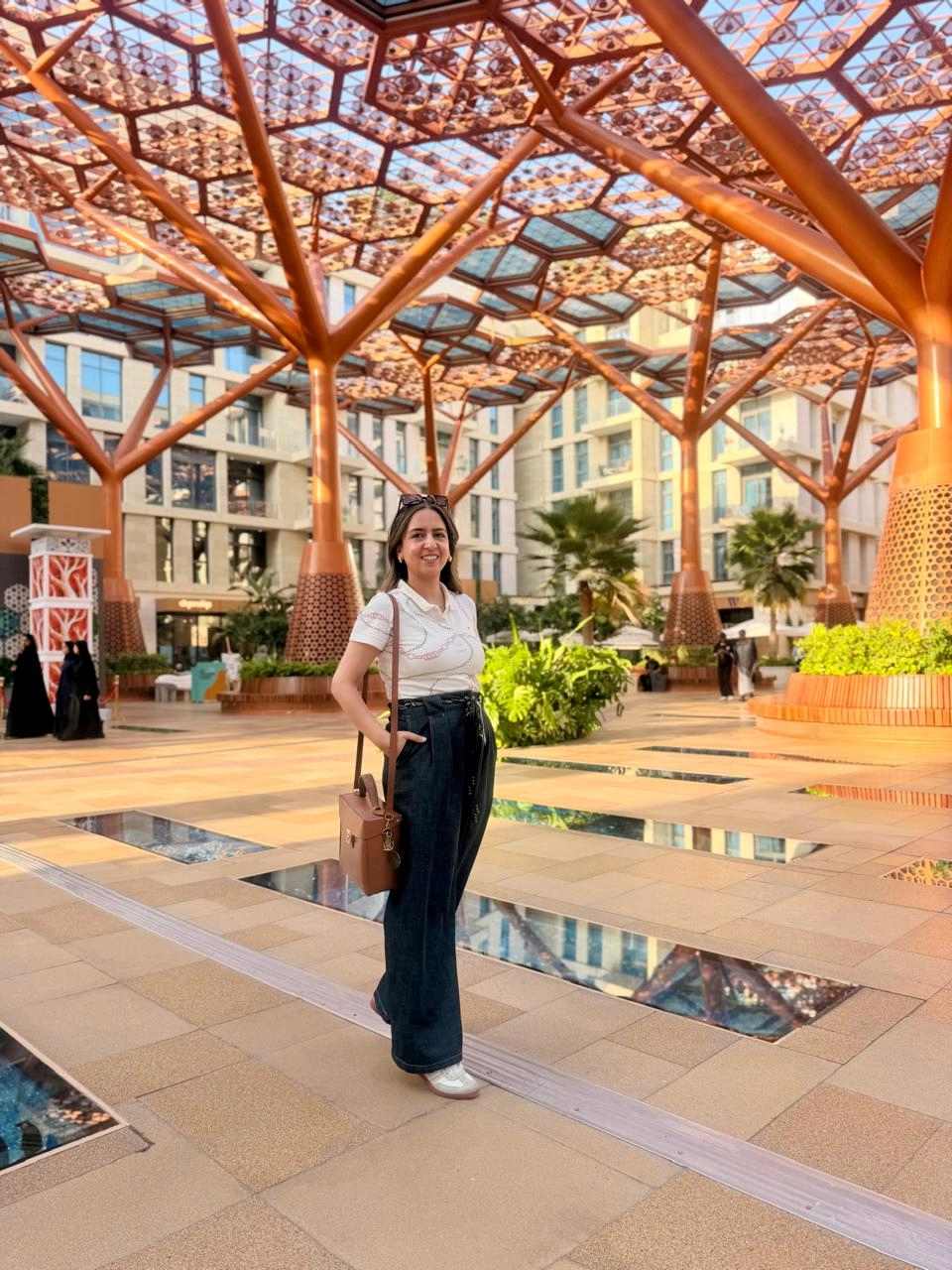
After the lecture I travelled to Qatar to visit the Design Doha Biennale and explore different design projects and exhibitions.
I enjoyed exploring the different installations, materials and creative ideas . I was especially inspired by the organic forms and flower-like structures which connected with my interest in nature design and soft robotics.
During my stay, I also tried to continue working on the assignment related to inflatable structures and sealing techniques, completing some of the work directly from my hotel room.
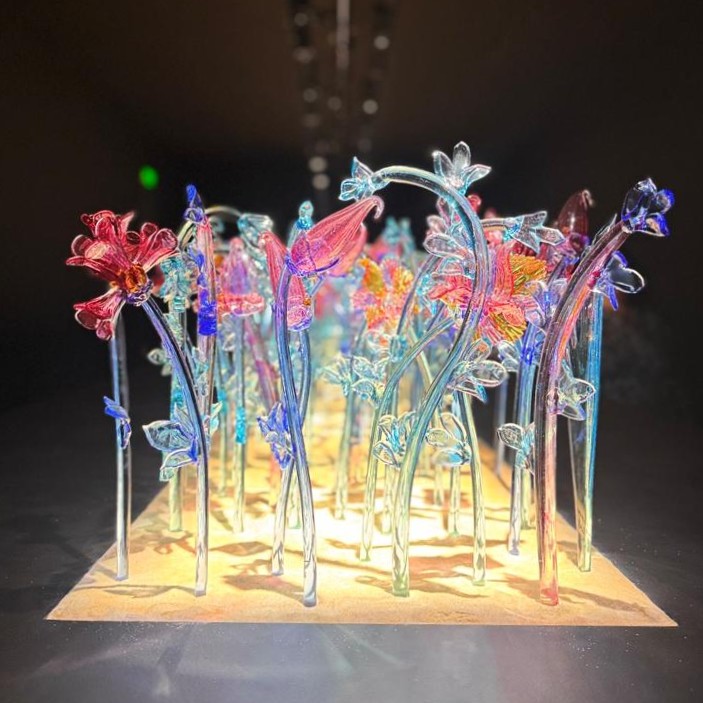
From Design Doha Biennale
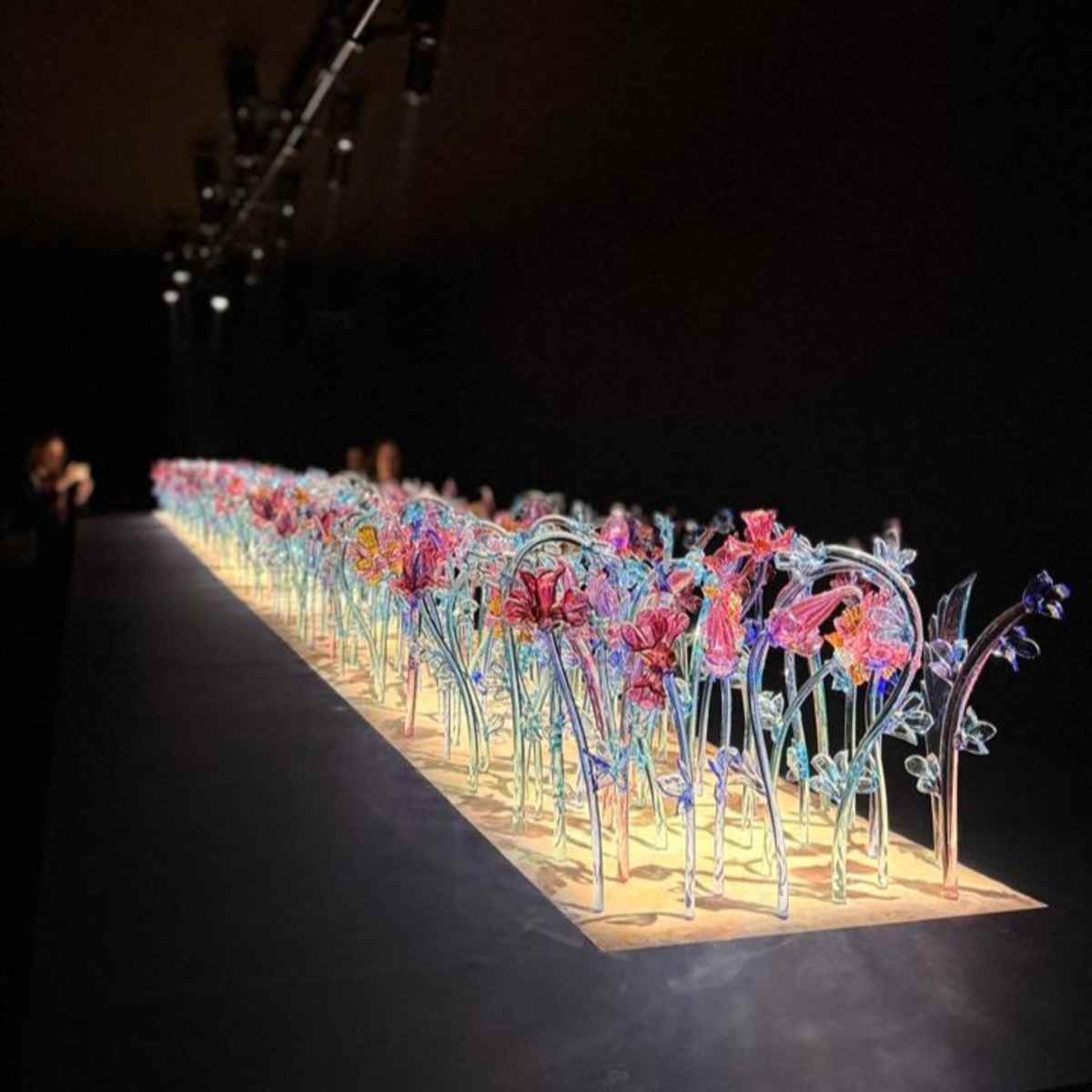
From Design Doha Biennale
3.1 Creating inflatable 01
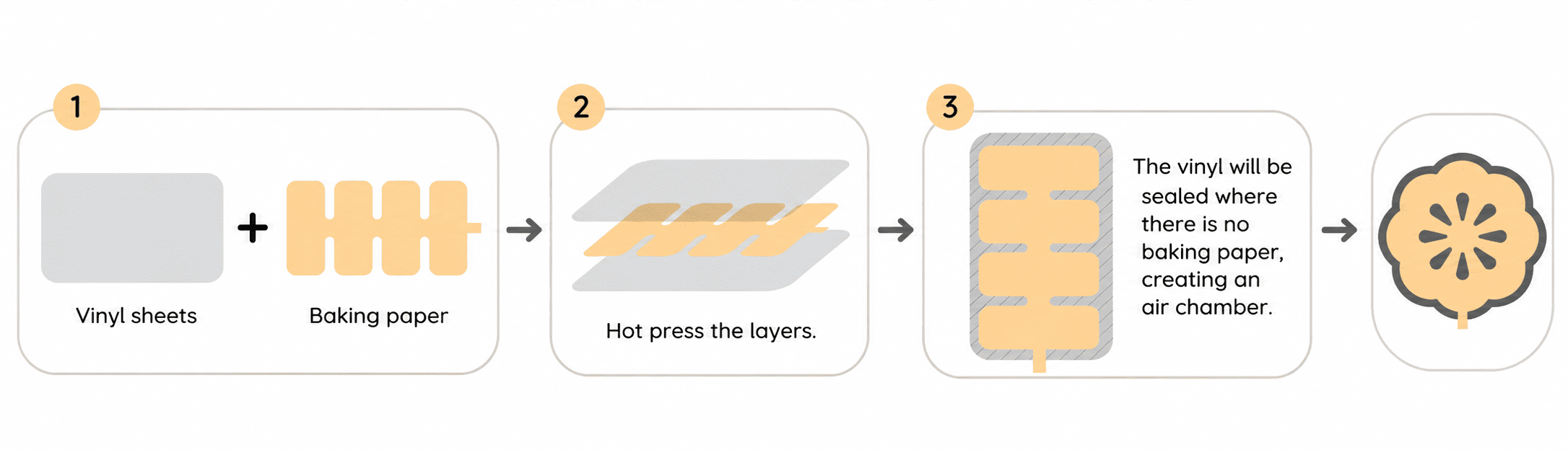
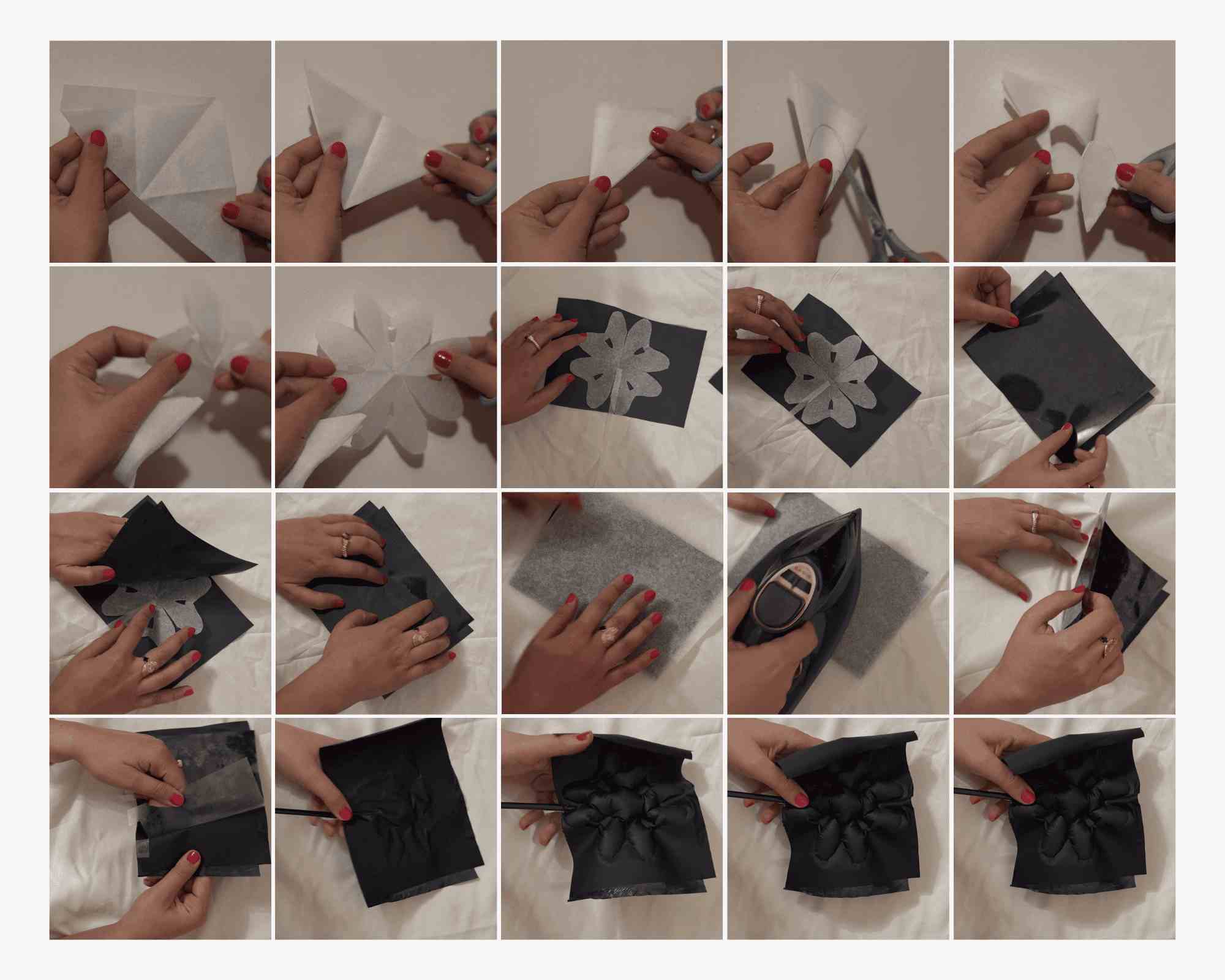
This exercise I did in a hotel room . I tried using the iron plus i bring with me vinyl sheet, parchment paper, scissors, and a pencil.
The process of making inflatable from your home or lab
The first shap that I did
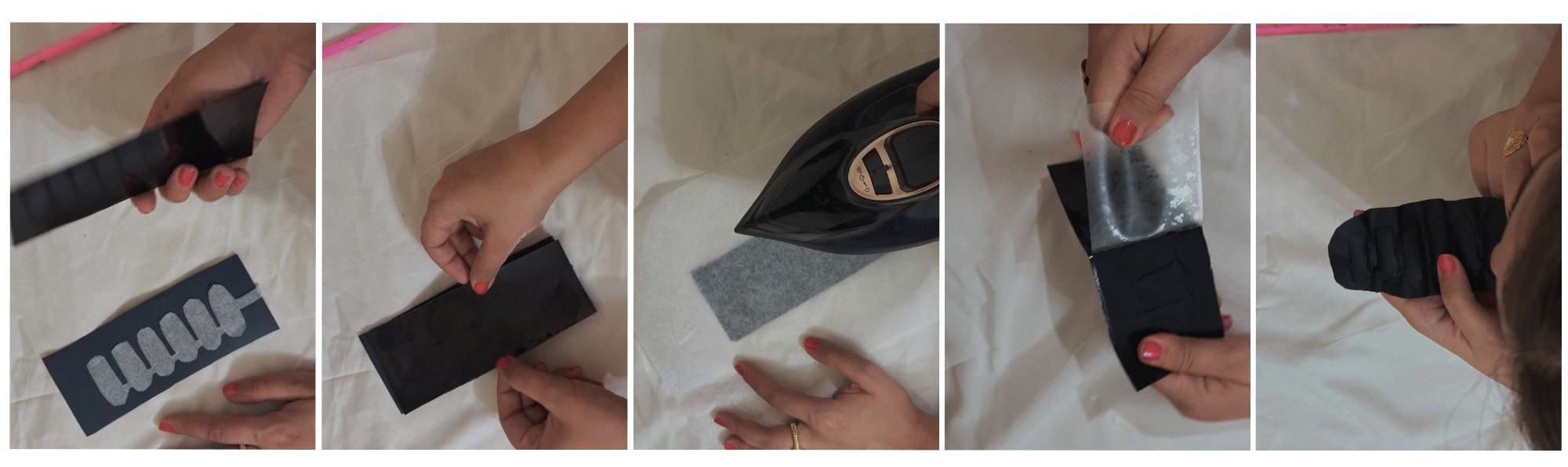
3.2 Creating inflatable 02
The second inflatable. I tried also using the iron plus i bring with me vinyl sheet, parchment paper, scissors, and a pencil.
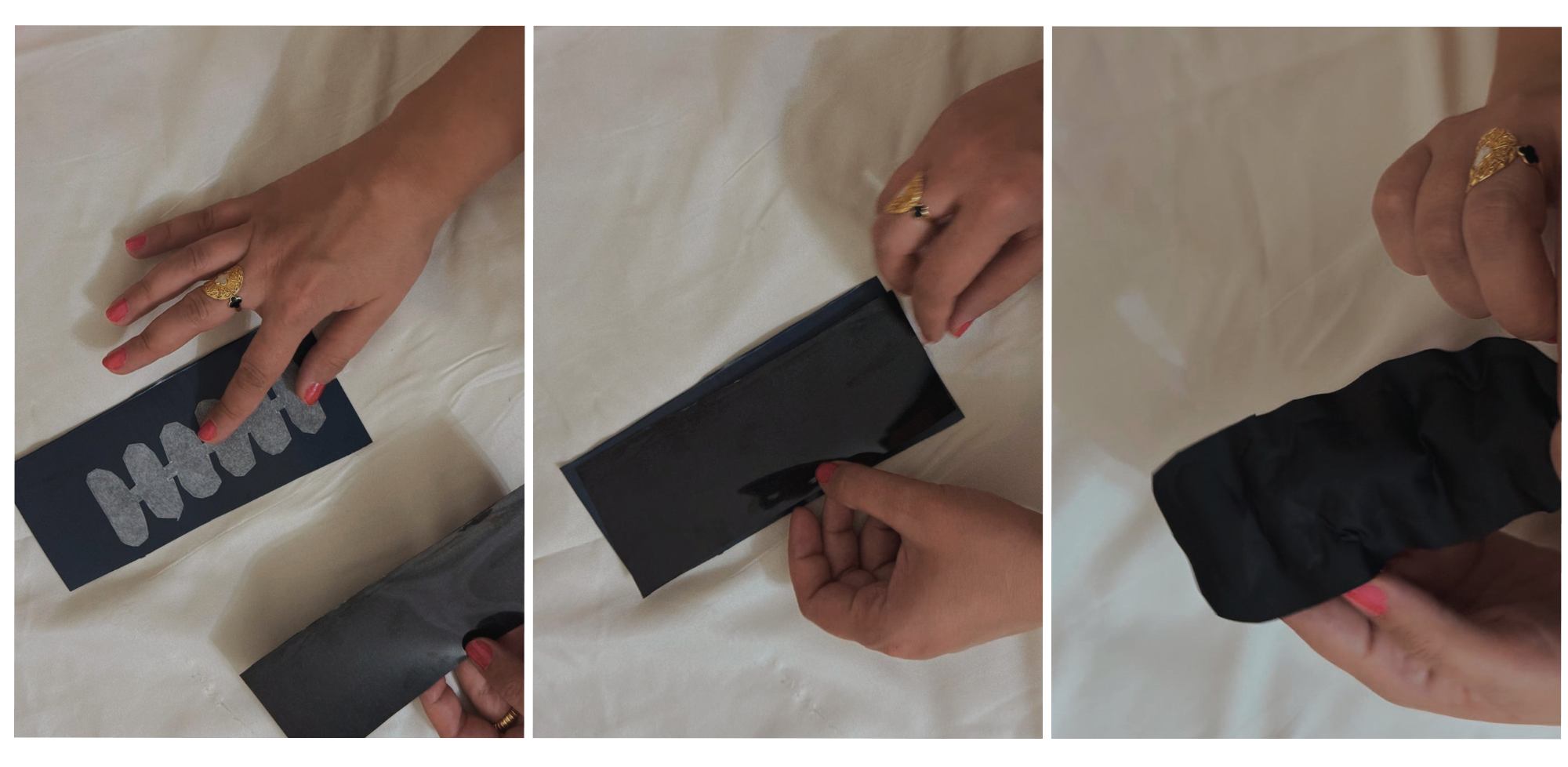
3.3 Creating inflatable 03
The Third inflatable .
3.4 Creating inflatable 04
Then, when I came back, I completed the assignment and worked on two additional projects.
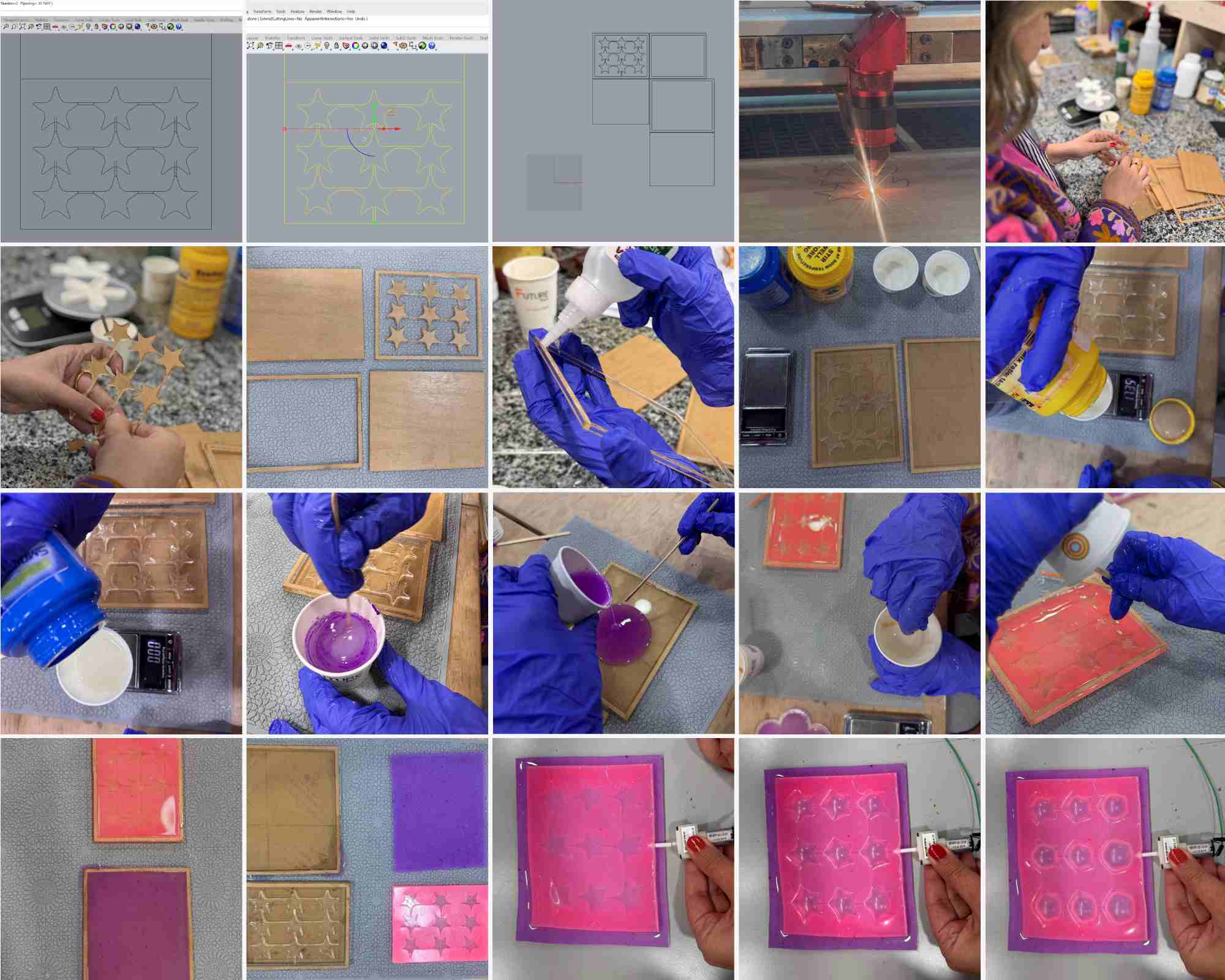
The first one , I designed molds using Blender and Rhino, then learned how to use the laser cutter to fabricate them. After completing the molds, I prepared silicone using two components, A and B, mixed in a 1:1 ratio.
I cast the first two molds and left them to cure overnight. The following day, I prepared another silicone to seal the two molds together, creating an inflatable structure.
3.5 Creating inflatable 05
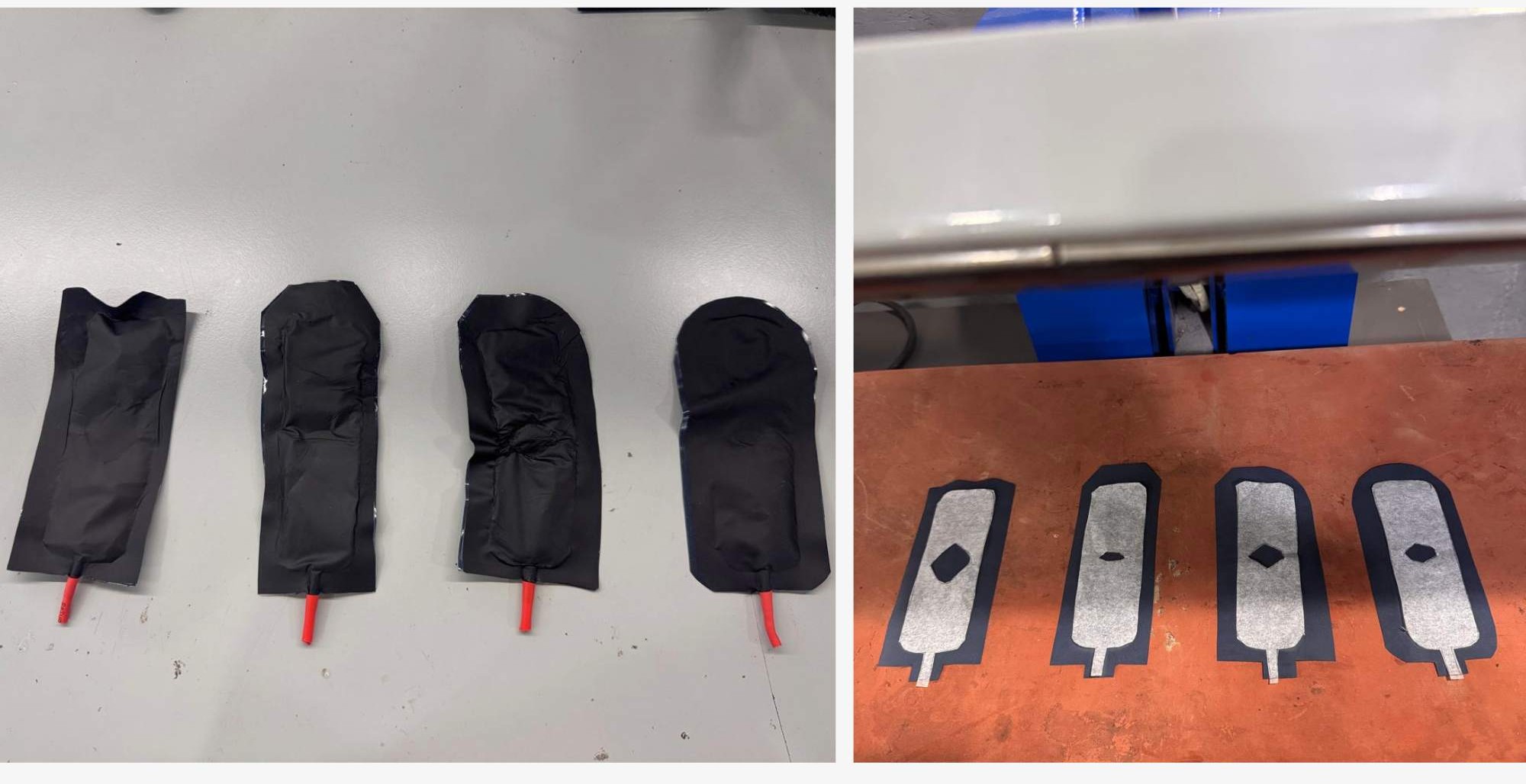
The second one was creating an inflatable using the press machine.
I did video studying the inflatable ratio for each hinge
3. Tools
- blender
- rhino
- laser cut machine
5. Results
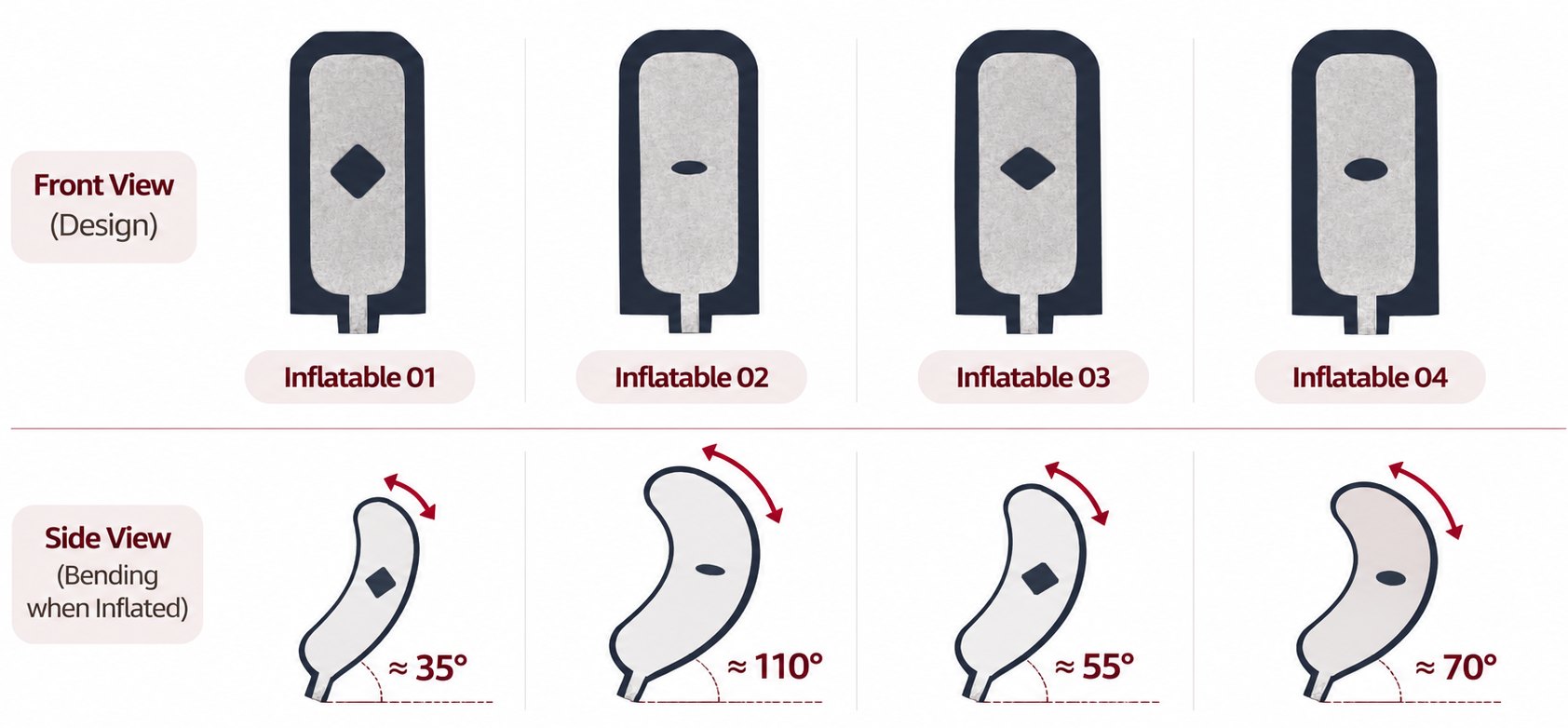
Here is the comparison with the front view in the first row and the side view in the second raw.it's showing the bending degree when inflated .
7. Fabrication files & References
-
File: Star model ↩
-
Reference: Soft Robotics Lecture ↩