BioFabricating Materials
An inspiring beginning
There was so much love in Cecilia's lecture❤️
Beyond the knowledge she shared, I was touched by the passion and enthusiasm she brought into the room. Seeing her laugh while explaining these concepts made the lecture feel alive. It reminded me that learning is not only about acquiring knowledge, but also about the energy, curiosity, and care we bring into the process of sharing it.
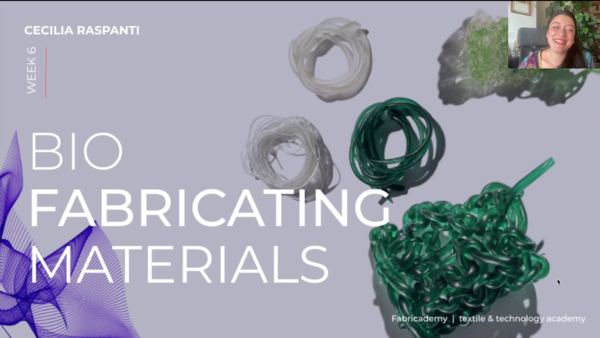 Figure 1. Cecilia sharing her knowledge and enthusiasm during the lecture.
As the lecture unfolded, I found myself connecting the topics she introduced to my own background in architecture, my recent artistic practice, and some of the questions I have been exploring throughout my journey.
1. From garment lifecycles to building lifecycles
One of the topics that caught my attention was the lifecycle of garments: where materials come from, how they are transformed into products, how those products are used, and what happens to them at the end of their lives.
In conventional manufacturing systems, materials often follow a linear path. We extract raw materials, process them, manufacture products, distribute them, and eventually discard them. But what if we reconsidered this process? What if the end of a product's life could become the beginning of something else?
The discussion made me think immediately about my architectural background.
As architects, we also think about the lifecycle of the things we design. A building is not simply an object that comes into existence when construction is completed. Its lifecycle involves material extraction, design, construction, operation, maintenance, renovation, adaptation, and eventually deconstruction or demolition.
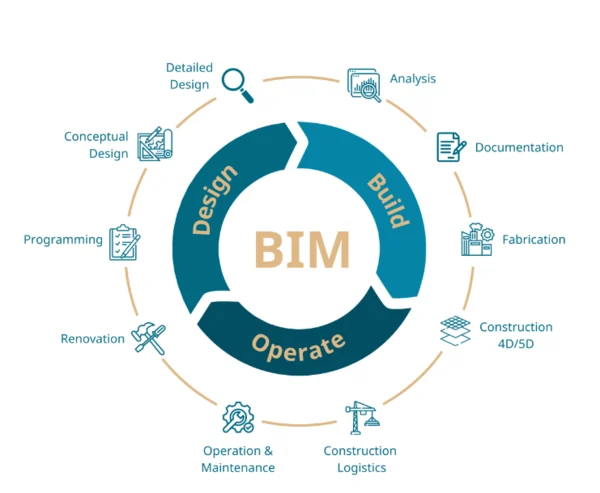
The lifecycle of a building, from material extraction and construction to use and end-of-life.
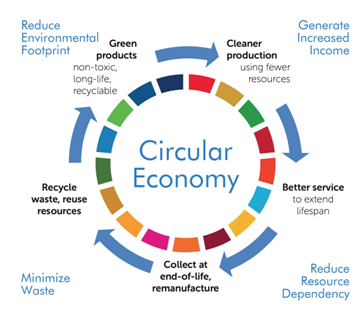
Circular economy and sustainability. Source: IC-CE.
Although buildings and garments differ significantly in scale, lifespan, and function, they share an important characteristic: both are material systems with consequences that extend far beyond their production.
In architecture, considering the lifecycle of a building encourages us to think about durability, resource consumption, maintenance, reuse, and what happens to materials when a building is no longer needed. In textile production, similar questions arise around the origin of fibres, manufacturing processes, garment use, and the possibilities for reuse, recycling, or biodegradation.
This connection reminded me that sustainability cannot be addressed by looking at a product in isolation. We need to understand the entire system in which it exists.
2. Where do our clothes go? — FabricAid Jordan
Then came a moment that connected the lecture to something much closer to home.
When we started discussing what happens to discarded garments, I thought about FabricAid Jordan, an initiative working with textile collection and reuse.
[PLACEHOLDER: Insert FabricAid Jordan logo here]

FabricAid Jordan
This connection felt particularly meaningful because I had recently used recycled fabrics in my artwork for Amman Design Week 2026.
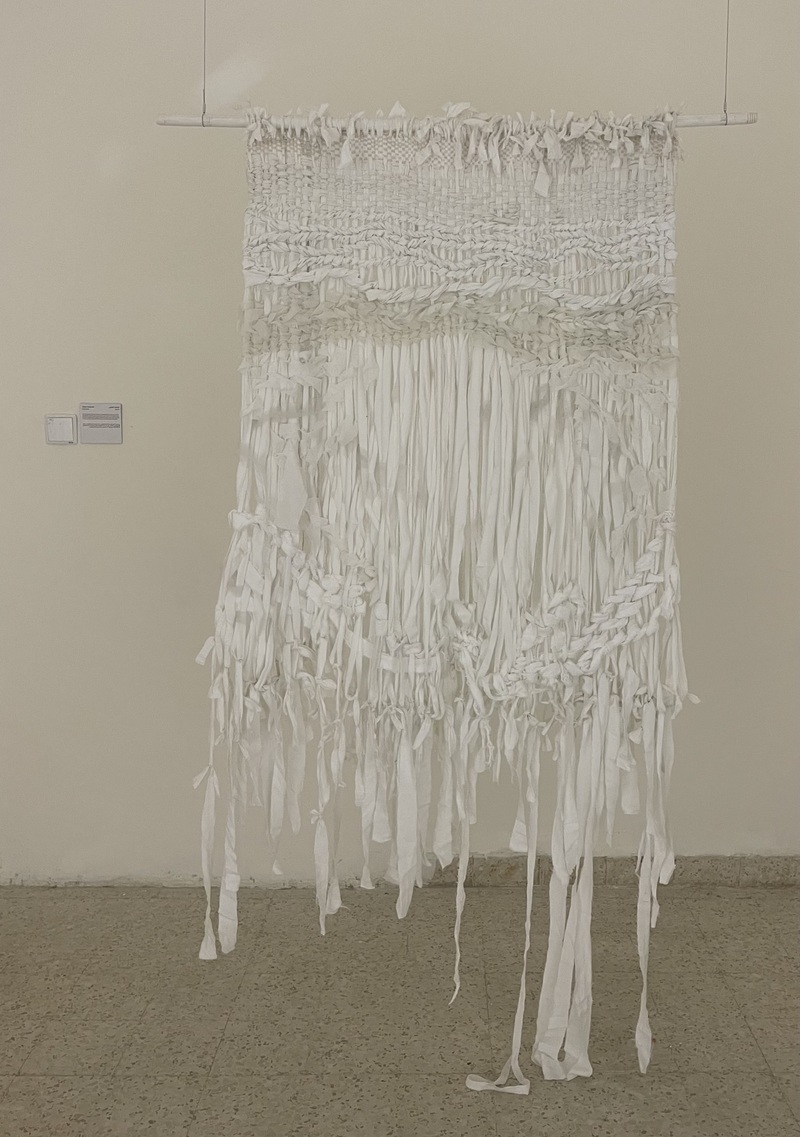
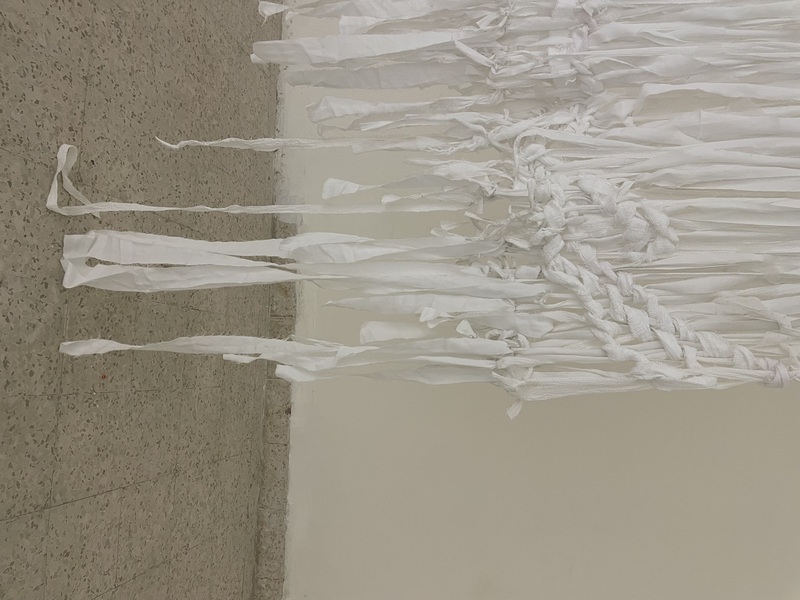
My artwork for Amman Design Week 2026, made using recycled fabric.
The fabrics I used were sourced from FabricAid and the Friday Market. Materials that had already existed in another context became part of a new artistic expression.
This experience made the idea of circularity tangible to me. Instead of treating discarded textiles as the end of a process, I could approach them as resources carrying the potential for another life.
The material had a previous history, but it was not limited by that history. Through a new process of making, it could acquire a different purpose, meaning, and identity.
Circularity, in this sense, is not only about managing waste. It is about recognising the potential that already exists within materials and creating new relationships with them.
3. Thinking holistically about materials
This brings me to a broader reflection: the importance of thinking holistically about materials.
Our relationship with materials begins long before we become designers, artists, or makers. It begins with the choices we make as consumers: what we buy, what we value, how long we use something, and what we do with it when we no longer need it.
But consumption is only one part of the equation.
We can also enter the material lifecycle as producers, designers, and end-users. We can collect existing materials, transform them, experiment with their properties, and give them new functions. In doing so, we become active participants in the cycle rather than simply the final recipients of manufactured products.
This shift in perspective changes how we approach design.
Instead of asking only, What can I make from this material?, we can also ask:
- Where did this material come from?
- What resources and processes were involved in producing it?
- What happens to it during use?
- Can it be repaired, reused, repurposed, or recycled?
- If it is designed to biodegrade, under what conditions can that happen?
- Can its next life be considered from the beginning of the design process?
These questions encourage us to look beyond the immediate outcome of making something and consider the larger network of relationships surrounding it.
They also remind us that biodegradability alone does not make a material sustainable. Its origin, processing, durability, toxicity, and end-of-life conditions all matter.
For me, this is where the discussion of biofabrication becomes particularly interesting: it invites us to reconsider not only what materials are made of, but also how we produce them, interact with them, and imagine their futures.
4. When the end-user becomes part of the production loop
The lecture also brought me back to an idea I encountered while researching my fabrication studio project during bachelor's.
During that process, I came across research exploring the relationship between production and the end-user. One of the ideas that stayed with me was that when people become actively involved in making or shaping the products they use, those products can become more meaningful and relatable to them.
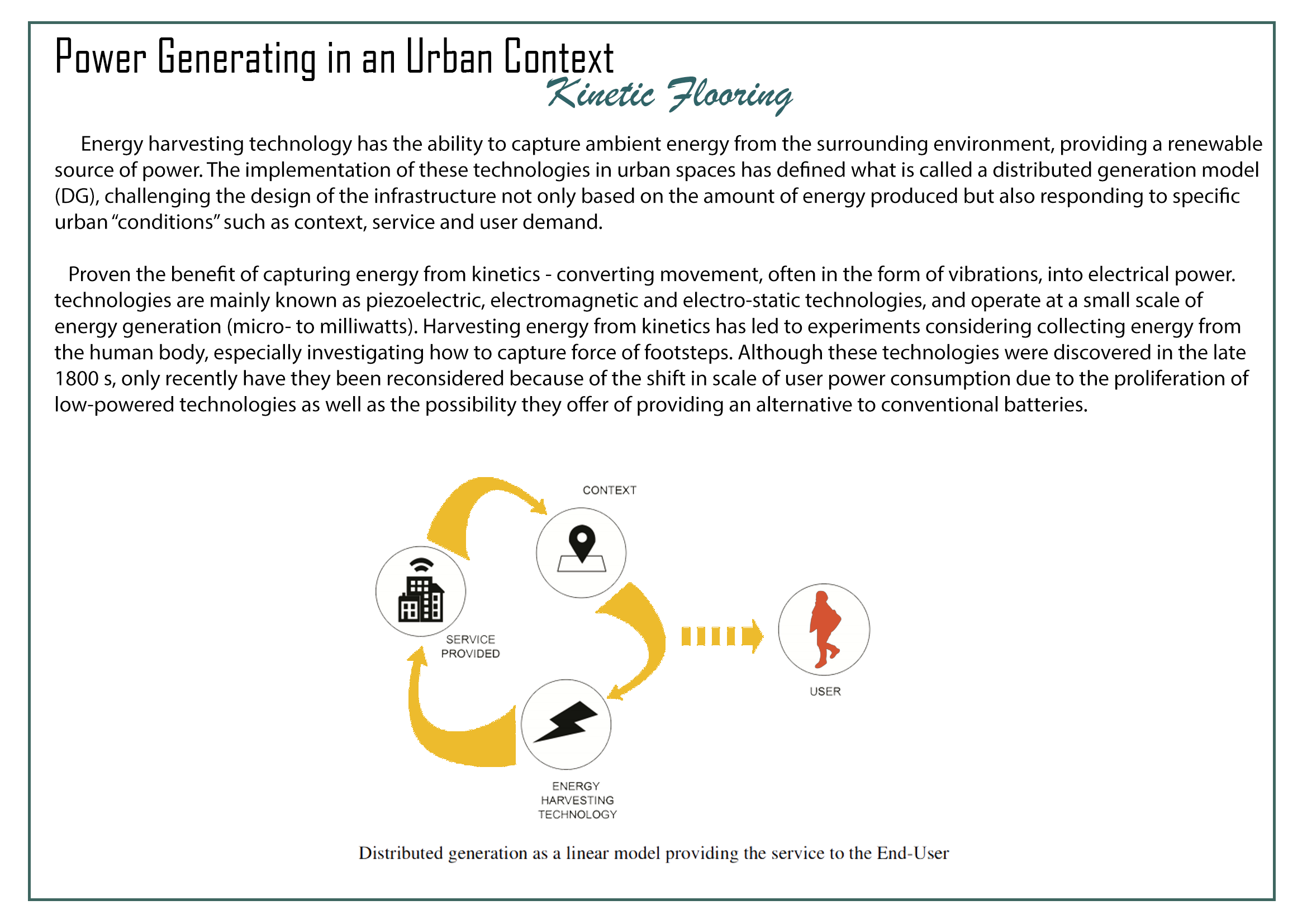
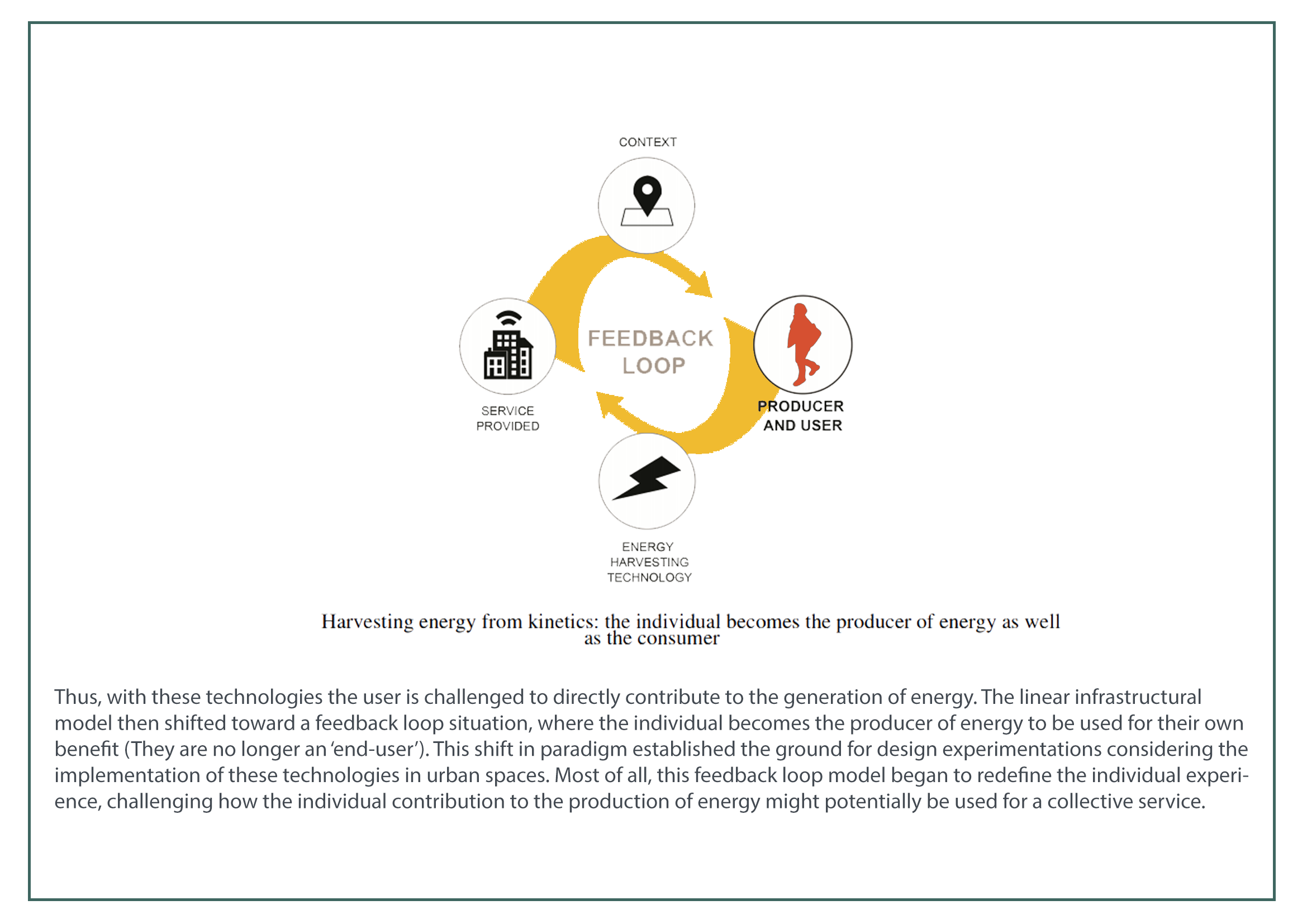
Pedestrian as Generator: Implementing a Stand-Alone Piezo Power Generating Device in the Urban Context. Research by Elena Vanz and Justyna Karakiewicz (2015), which informed my Pavilionergy project during the Fabrication Studio. Source: ResearchGate.
The relationship changes when we move from being passive consumers to active participants in a product's creation.
We begin to understand the material, the labour, the decisions, and the processes behind the final outcome. This involvement can create a stronger sense of connection with the things we use and potentially encourage us to value them differently.
Looking back, I can see how this idea connects with both my architectural background and my current exploration of digital fabrication and textiles.
Whether we are designing a building, producing a textile, or experimenting with a biofabricated material, the process does not have to be separated from the people who will eventually interact with the outcome.
What if the boundaries between designer, producer, and end-user became more flexible?
What if making became a way to build a relationship with materials rather than simply a means of producing objects?
And what if this relationship encouraged us to care for the things we create, extend their lives, and reconsider what we understand as waste?
These are questions I want to keep exploring throughout Fabricademy.
Looking ahead
This was my starting point for Week 07: connected textile lifecycles to architectural thinking, local recycling initiatives, my own artistic practice, and earlier research into the relationship between making and use.
What resonated with me most was the idea that materials should never be understood only through their immediate function or final form. Their stories begin before we encounter them and continue long after we finish using them.
As I continue exploring biofabrication, I want to approach materials with this broader perspective: understanding their origins, experimenting with their possibilities, and considering their futures as part of the design process itself.
Perhaps the real challenge is not simply to create new materials, but to rethink our relationship with materials altogether.
1. Objective
weekly assignment
Check out the weekly assignment here or login to your NuEval progress and evaluation page.
2. References, research & inspiration
2.1 Quick how-tos
remove chapter 2.1 after use
Uploading images
-
Remember to credit/reference all your images to their authors. Open source helps us create change faster together, but we all deserve recognition for what we make, design, think, develop. Use the caption and reference system examples you see in the template.
-
Resize and optimize all your images. Images are optimised in size with resolution 72dpi, a good max width for full screen is 800px and passed through tinypng for final optimisation.
-
Remove tips when you don't need them anymore!
How-to use footnotes for references or fabrication files
-
Fabrication files are a necessary element for evaluation. You can add the fabrication files at the bottom of the page and link them as a footnote. This was your work stays organised and files will be all together at the bottom of the page. Footnotes are created using 1 (without spaces, as shown in Step 1 & 2, and referenced as you see at the bottom of this page) You can reference the fabrication files to multiple places on your page.
-
Referenced footnotes are important for crediting work of others, within your documentation.
-
If you are using footnotes for both, make sure to not mix them up, work with the numbering to keep things organised
How-to compress a PDF BEFORE uploading it:
Use a compressor when uploading a PDF, you can use online tools such as ilovepdf or smallpdf
How-to encode a VIDEO BEFORE uploading it:
Use a video encoder when uploading a video it needs to be well compressed, you can download tools such as Handbrake or online tools such as this Video Converter
How-to ZIP/compress a large Fabrication file:
To zip a file on Windows, right-click the file or folder, select "Show more options," choose "Send to," then "Compressed (zipped) folder." watch On a Mac, select the file or folder and choose "Compress" from the context menu. watch
get inspired!
Check out and research alumni pages to betetr understand how to document and get inspired
-
Comparison research - Aslı Aydın Aksan - TextileLab Amsterdam
-
Comparison research - Barbara Rakovska FabLab Bcn
-
Jute research - Julija Karas - FabLab Bcn
-
Polarisation in bioplastics Viviane Labelle - EchoFab
-
Local waste streams - Marieke van Eyndhoven
Add your fav alumni's pages as references

"Lorem ipsum dolor sit amet, consectetur adipiscing elit, sed do eiusmod tempor incididunt ut labore et dolore magna aliqua. Ut enim ad minim veniam, quis nostrud exercitation ullamco laboris nisi ut aliquip ex ea commodo consequat. Duis aute irure dolor in reprehenderit in voluptate velit esse cillum dolore eu fugiat nulla pariatur. Excepteur sint occaecat cupidatat non proident, sunt in culpa qui officia deserunt mollit anim id est laborum. Lorem ipsum dolor sit amet, consectetur adipiscing elit, sed do eiusmod tempor incididunt ut labore et dolore magna aliqua."
Caption for the left image
Caption for the right image
-
Download references Links to online reference files, PDF, booklets
-
or embed your own PDF as:
- Video references: Vimeo (only when not yours)
Sound Waves from George Gally (Radarboy) on Vimeo.
- Video references: Youtube (only when not yours)
3. Tools & Ingredients
or
* xxx gr
* xxx gr
* xxx gr
* xxx ml
* xxx gr
* xxx gr
* xxx gr
* xxx gr
* xxx ml
* xxx gr
* measure - measure - measure
* add, combine, mix..
* simmer, cook, boil, freeze, burn, crush...
* mix, smash, stack, overlay..
* cast, pour, press..
* dry, aereate, dehydrate..
* remove, peel, unmold..
* finishing touches
4. Process and workflow
"Lorem ipsum dolor sit amet, consectetur adipiscing elit, sed do eiusmod tempor incididunt ut labore et dolore magna aliqua. "
How-to use footnotes for fabrication files
Fabrication files are a necessary element for evaluation. You can add the fabrication files at the bottom of the page and link them as a footnote. This was your work stays organised and files will be all together at the bottom of the page. Footnotes are created using 1 (without spaces, as shown in Step 1 & 2, and referenced as you see at the bottom of this page) You can reference the fabrication files to multiple places on your page.
4.1 Step 1
This model 3 was obtained by.. Lorem ipsum dolor sit amet, consectetur adipiscing elit, sed do eiusmod tempor incididunt ut labore et dolore magna aliqua.
4.2 Step 2
The laser cut nesting 2 was created using.. Lorem ipsum dolor sit amet, consectetur adipiscing elit, sed do eiusmod tempor incididunt ut labore et dolore magna aliqua.
4.3 Step 3
...
5. Results
Results & documentation
- Don’t forget to document the outcome including:
- Upload the photos & files on oscircularfashion
- Final result
- Photos from different stages
- Videos of movement or interaction, show how a material moves, something was assembled or the interactive
- Include measurements or a reference object to give a sense of size
- Describe the (material) properties or what you made
- Comparison between attempts, if you did multiple experiments or generated multiple files before fabricating / deploying. You can use a table as shown in week 4
5.1 Documenting experiments in a table for comparison
example from the documentation of Loes Bogers TextileLab Amsterdam 2019-20
| Biofoam |
Gelatin foil |
Bioresin |
Biosilicone |
| Starch Rubber |
Biolinoleum |
Alginate net |
Alginate foil |
| Alginate string |
Agar foil |
Bio composite |
Reused PLA |
6. Weekly reflection & critical thinking
- What did I learn? What did I personally find interesting or surprised me?
- What would I do differently? If something "failed" do I know how else to tackle it now?"
- How does this connect to my final project or my learning trajectory?
- What are implications and possible applications, think also from the ethical or environmental aspect, how it could connect to your practice and project?
NuEval — final step
Go to NuEval and fill in the checklist, when not complete notify your instructor.
7. Recipe files, Booklet and References
-
Recipe: download my recipe booklet here ↩↩
-
Recipe: Mycelium recipe pdf ↩
-
Reference: Author; Title; Source; year ↩