4. BioChromes
Research
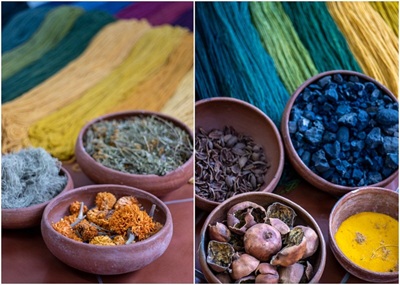
Biochromes are natural pigments derived from living organisms—including plants, insects, fungi, and microorganisms—used as sustainable alternatives to synthetic dyes and inks. Extracted from renewable sources such as pomegranate rinds, onion skins, indigo plants, turmeric roots, avocado pits, and even pigment-producing bacteria, biochromes offer an eco-friendly approach to coloration across textiles, art, biodesign, cosmetics, food, and pharmaceutical applications.
Unlike synthetic dyes, biochromes are biodegradable, non-toxic, and aligned with circular economy principles, significantly reducing environmental pollution, water consumption, and chemical waste.Their use supports more responsible production systems while preserving rich, organic color palettes that vary naturally based on source, extraction method, and material interaction.
Biochromes can be prepared as dyes—water-soluble pigments that penetrate fibers—or as inks, which are denser and suited for writing, printing, or surface applications. To ensure durability and colorfastness, textiles such as cotton, wool, or silk must undergo preparation processes including scouring and mordanting. Mordants act as binding agents that help pigments adhere to fibers and can be plant-based (such as tannins) or mineral-based (including alum or iron), each influencing the final hue and tonal depth.
Key Aspects of Biochromes
Source Variety: Derived from plant matter (leaves, roots, fruits, seeds, bark, flowers), insects (e.g., cochineal), fungi, and pigment-producing microorganisms.
Sustainability: Lower environmental impact compared to synthetic dyes, with renewable sourcing and reduced toxicity.
Versatile Applications: Used in textiles, inks, art, biodesign, and emerging material practices.
Material Interaction: Color outcomes depend on fiber type, mordant choice, and processing techniques.
Common Biochrome Color Sources:
Reds & Pinks: Cochineal insects, madder root, avocado pits and skins, pomegranate skins
Yellows & Oranges: Turmeric, onion skins, pomegranate rinds, weld
Blues & Purples: Indigo (most iconic), purple cabbage
Browns & Greens: Walnut hulls, eucalyptus leaves, spinach, black tea, coffee
Recent research highlights the growing relevance of natural dyes and pigments as sustainable alternatives to synthetic colorants.
References & Inspiration
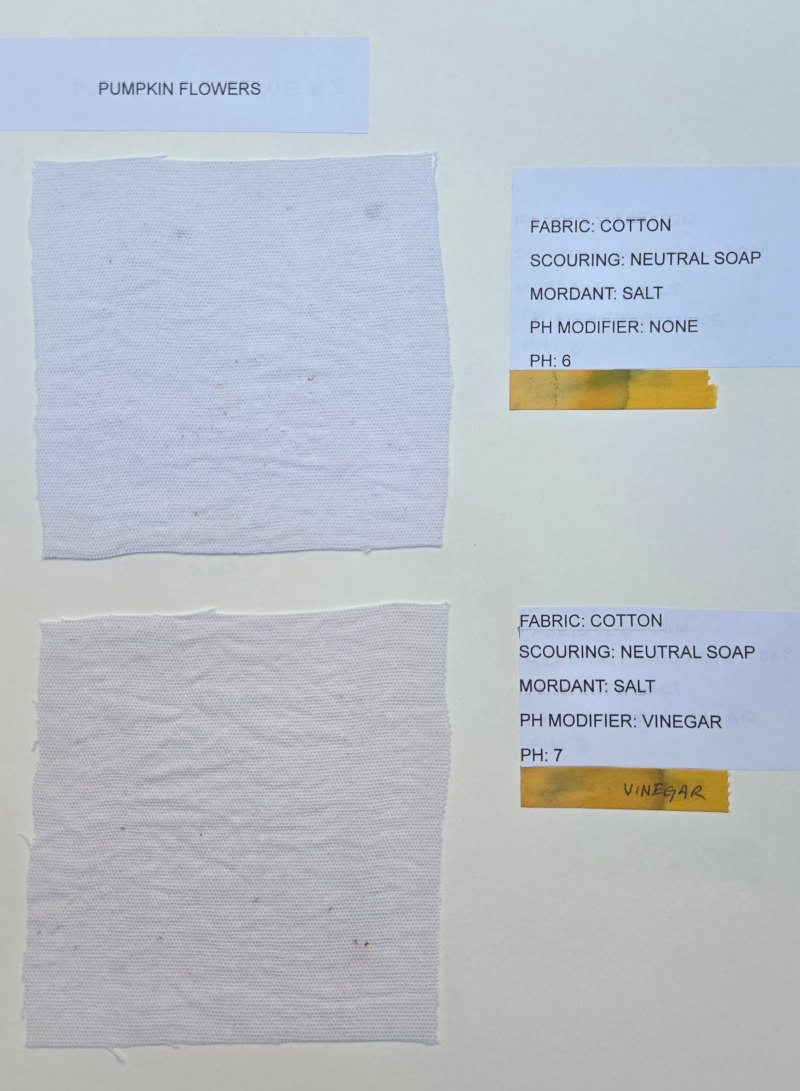
I was inspired by the natural dyeing techniques used in Oaxaca, Mexico that came from the Mesoamerical culture. I wanted to test how to dye fabrics using pumpkin flowers because is considered one ephemeral pigment hard to make it last.References: The Art of Dyeing Naturally in Oaxaca
Tools & Materials
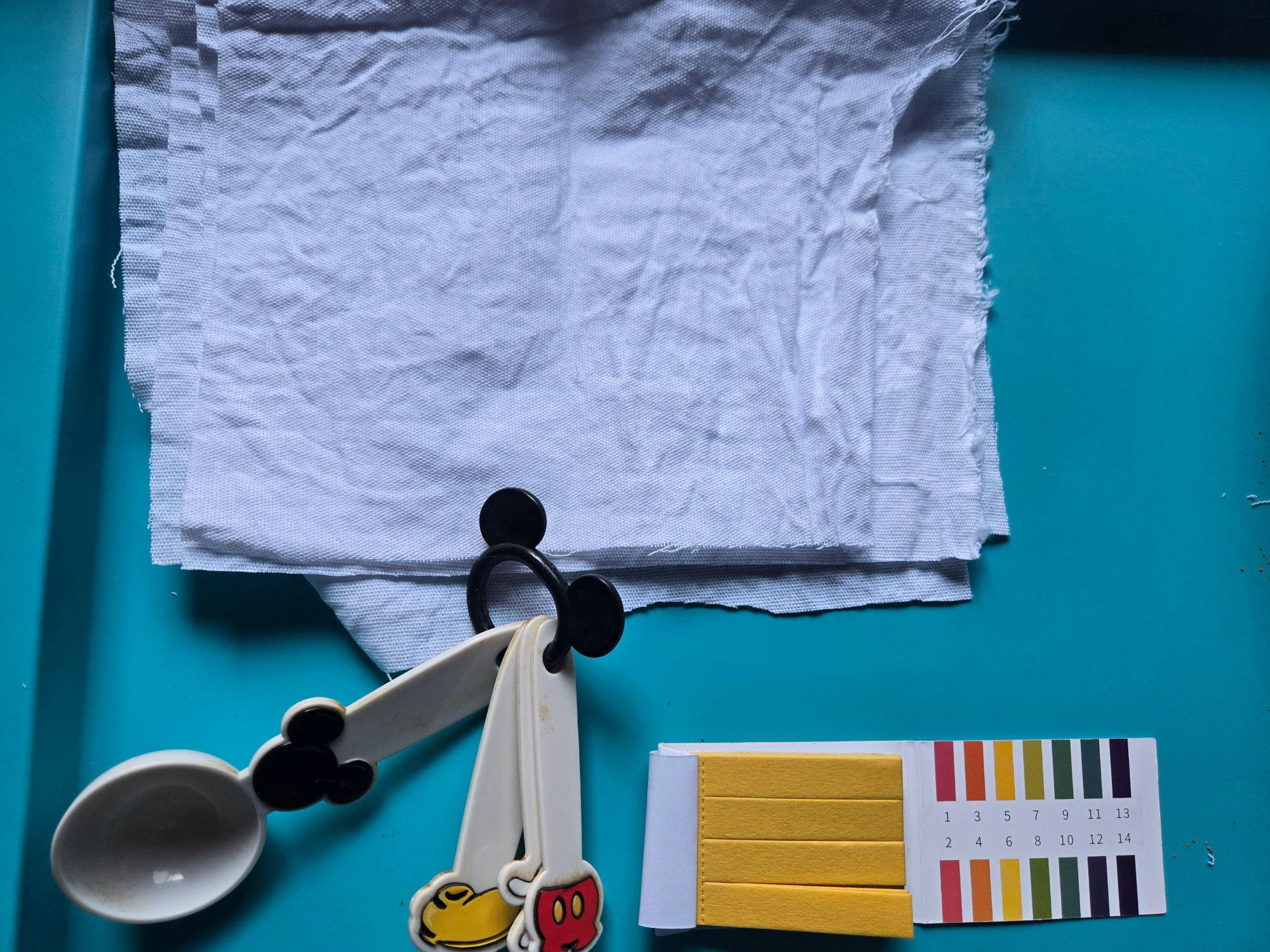
- PH strips
- cotton fabric
- pots, jars
- spoon, tongs, wisk etc
- camera
Process and workflow
Ingredients & Recipes
Natural Dye: Cotton & Wool
Fabric Cotton 100%
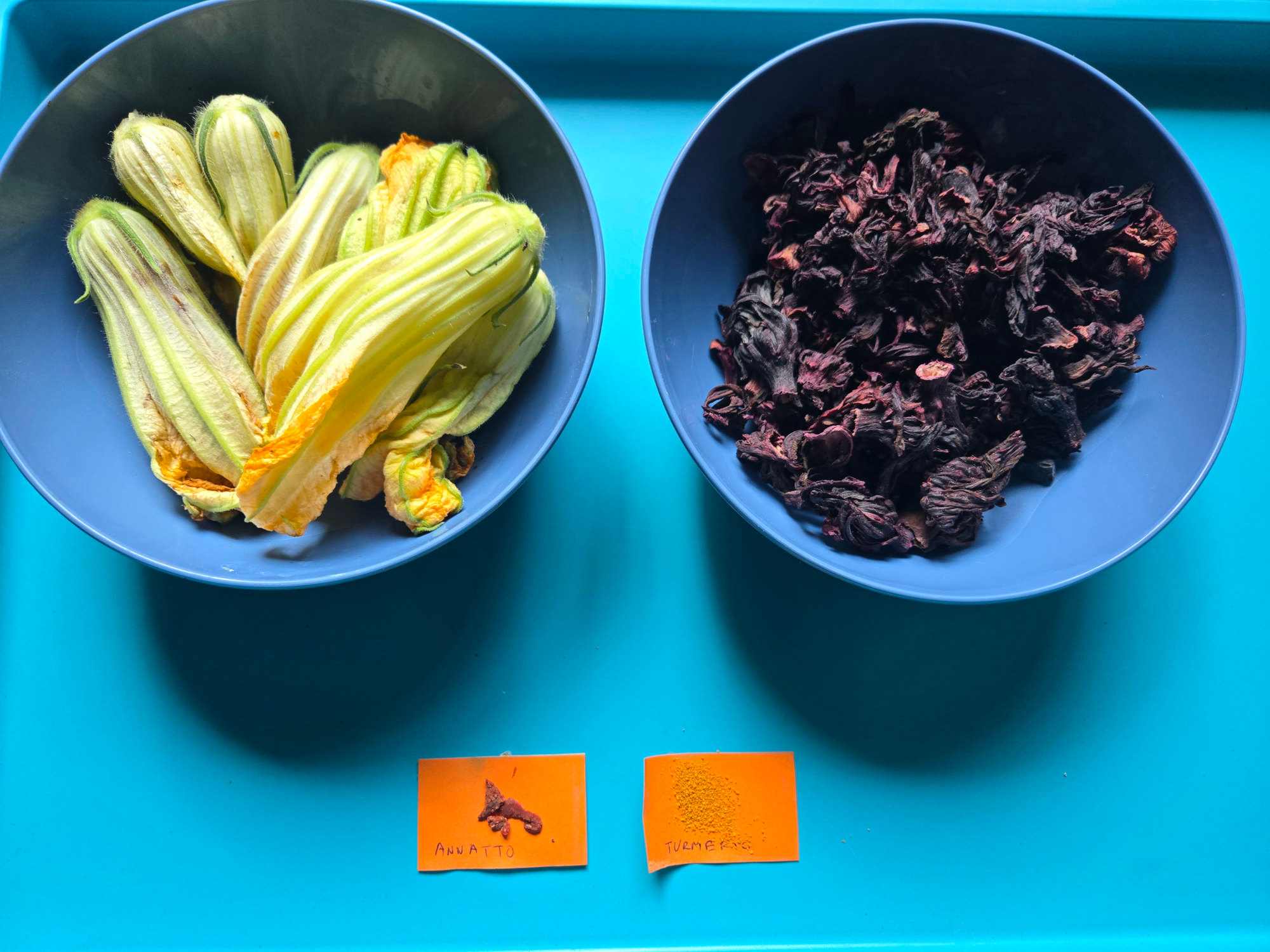
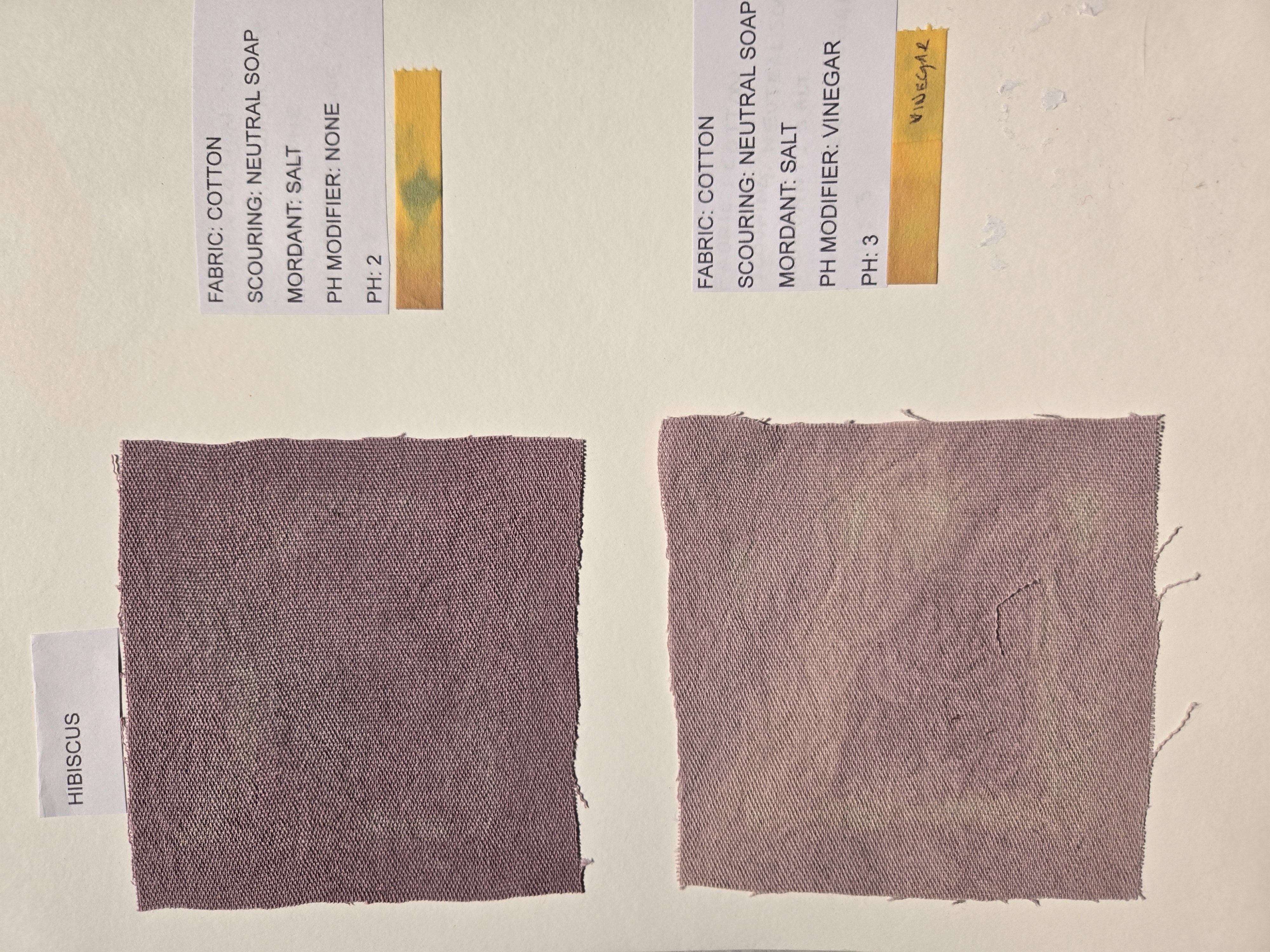
* 125 gr Hibiscus flowers
* 125 gr Pupmkin flowers
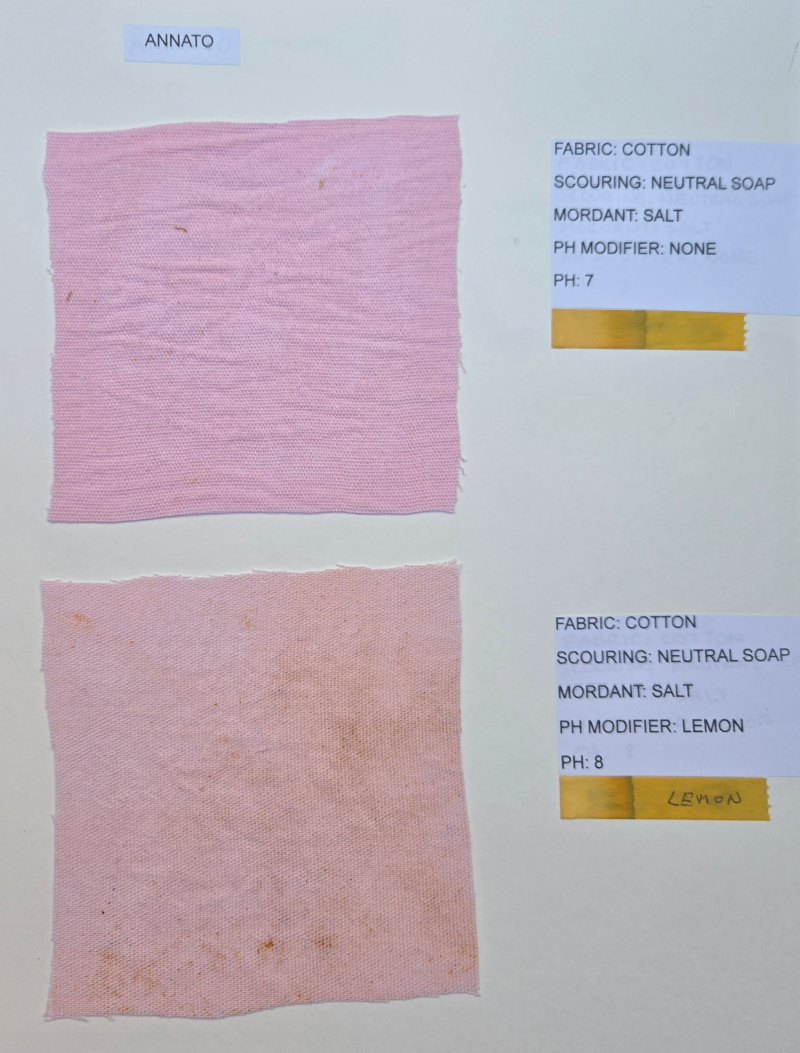
* 2 tbsp Annato
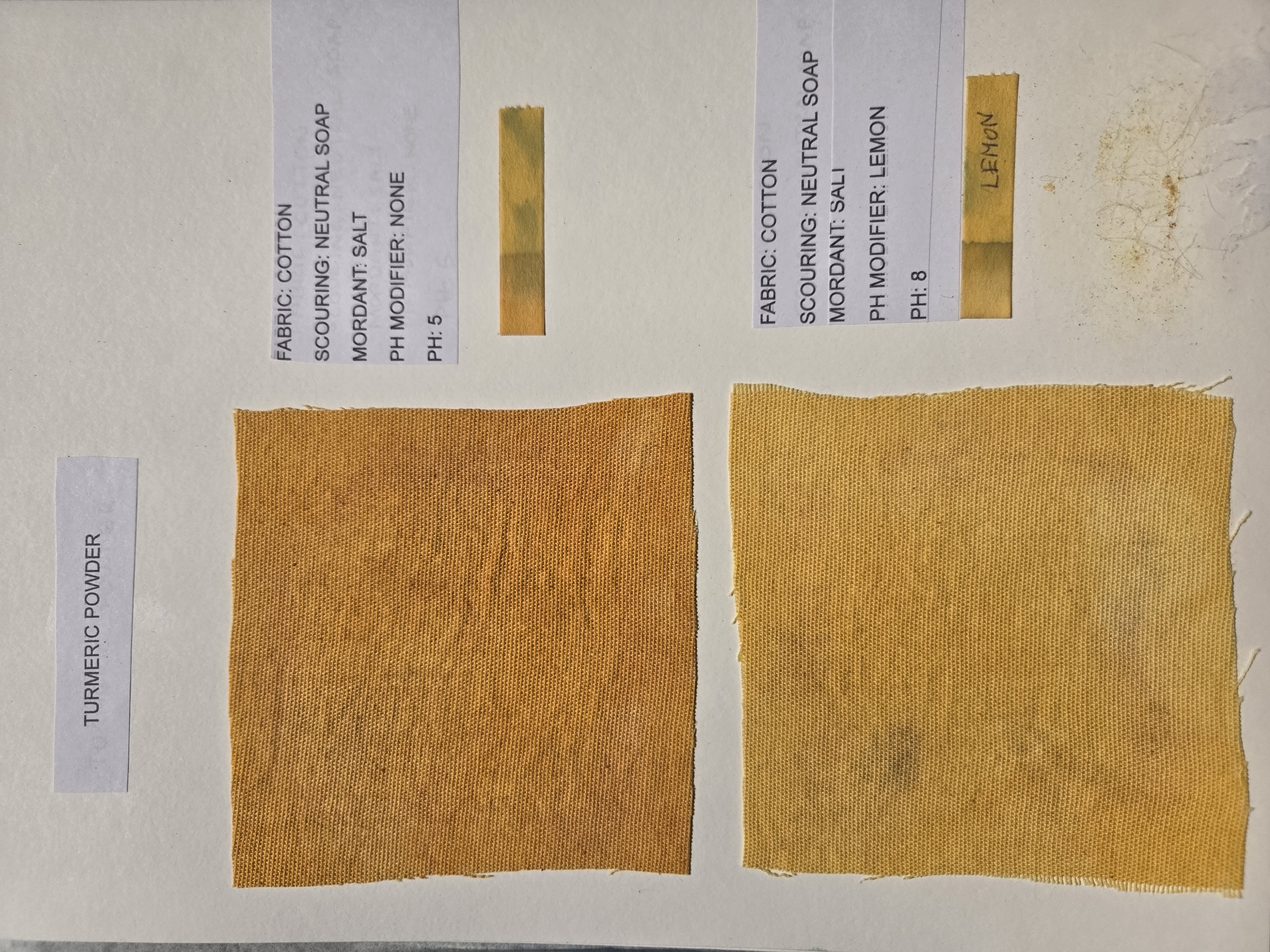
* 2 tbsp Turmeric
* Mordant: 2tbsp Salt
* pH Modfiers:
* Vinegar 1/2 cup
* Lemon 20 drops/250ml water
* Scouring: Soak the cotton fabric in ph neutral soap for 24 hrs.
* Cutting:Cut the cotton into 20 × 20 cm pieces.
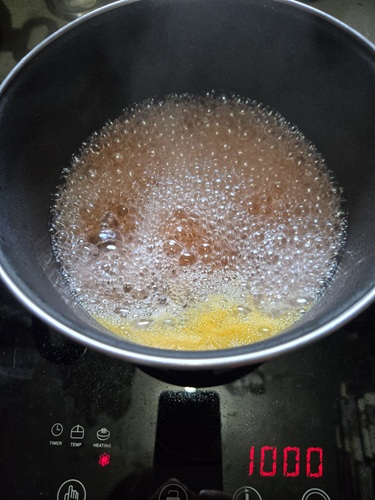
* Prepare the dye bath: In 1 liter of water, add the ingredients and bring to a boil.
* Dyeing: Submerge the fabric in the dye bath and let it simmer until it boils.
* pH Adjustment: Change the pH modifiers and measure the pH changes.
* Measured the ph.
* Drying:Hang the pieces of fabric and leit them dry.
* Prepare the swatches.
Yarn Angora Wool
* Hibiscus flowers 1/2 cup
* Coffee 1/2 cup
* Turmeric 1/2 cup
* Mordant: 2tbsp Salt
* pH Modfiers:
* Vinegar 1/2 cup
* Scouring: Soak the yarn in ph neutral soap for 24 hrs.
* Prepare the dye bath: In 1 liter of water, add the ingredients and bring to a boil.
* Dyeing: Submerge the yarn in the dye bath and let it simmer until it boils.
* pH Adjustment: Change the pH modifiers and measure the pH changes.
* Measured the ph.
* Drying:Hang the pieces of fabric and leit them dry.
* Prepare the swatches.
Annato & Pumpkin Flowers
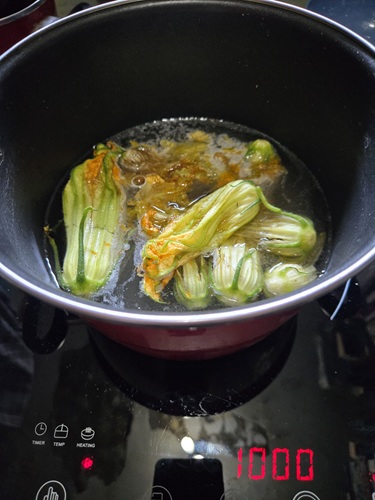
Botanical Ink: Cotton & Wool
Yarn Angora Wool
* Hibiscus flowers 1/2 cup
* Coffee 1/2 cup
* Turmeric 1/2 cup
* Mordant: 2tbsp Salt
* Scouring: Soak the yarn in ph neutral soap for 24 hrs.
* Prepare the dye bath: In 1 liter of water, add the ingredients and bring to a boil.
* Thickener preparation: Dissolve 2 tbsp of arabic gum in 50 ml of hot water and let it sit for 1 hour.
* Add thickener: Add the gum arabic solution to the dye bath.
* Dyeing: Submerge the yarn in the dye bath and let it simmer until it boils.
* Measured the ph.
* Drying:Hang the pieces of fabric and leit them dry.
* Prepare the swatches.
Fabric Cotton 100%
* Hibiscus flowers 1/2 cup
* Coffee 1/2 cup
* Turmeric 1/2 cup
* Mordant: 2tbsp Salt
* Ph Modifiers:
* Vinegar 1/2 cup
* Lemon 20 drops/250ml water
* Scouring: Soak the fabric in ph neutral soap for 24 hrs.
*Cutting*:Cut the cotton into 20 × 20 cm pieces.
* Prepare the dye bath: In 1 liter of water, add the ingredients and bring to a boil.
* Thickener preparation: Dissolve 2 tbsp of arabic gum in 50 ml of hot water and let it sit for 1 hour.
* Add thickener: Add the gum arabic solution to the dye bath.
* Dyeing: Submerge the fabric in the dye bath and let it simmer until it boils.
*pH Adjustment*: Change the pH modifiers and measure the pH changes.
* Measured the ph.
* Drying:Hang the pieces of fabric and leit them dry.
* Prepare the swatches.
Hibiscus & Turmeric
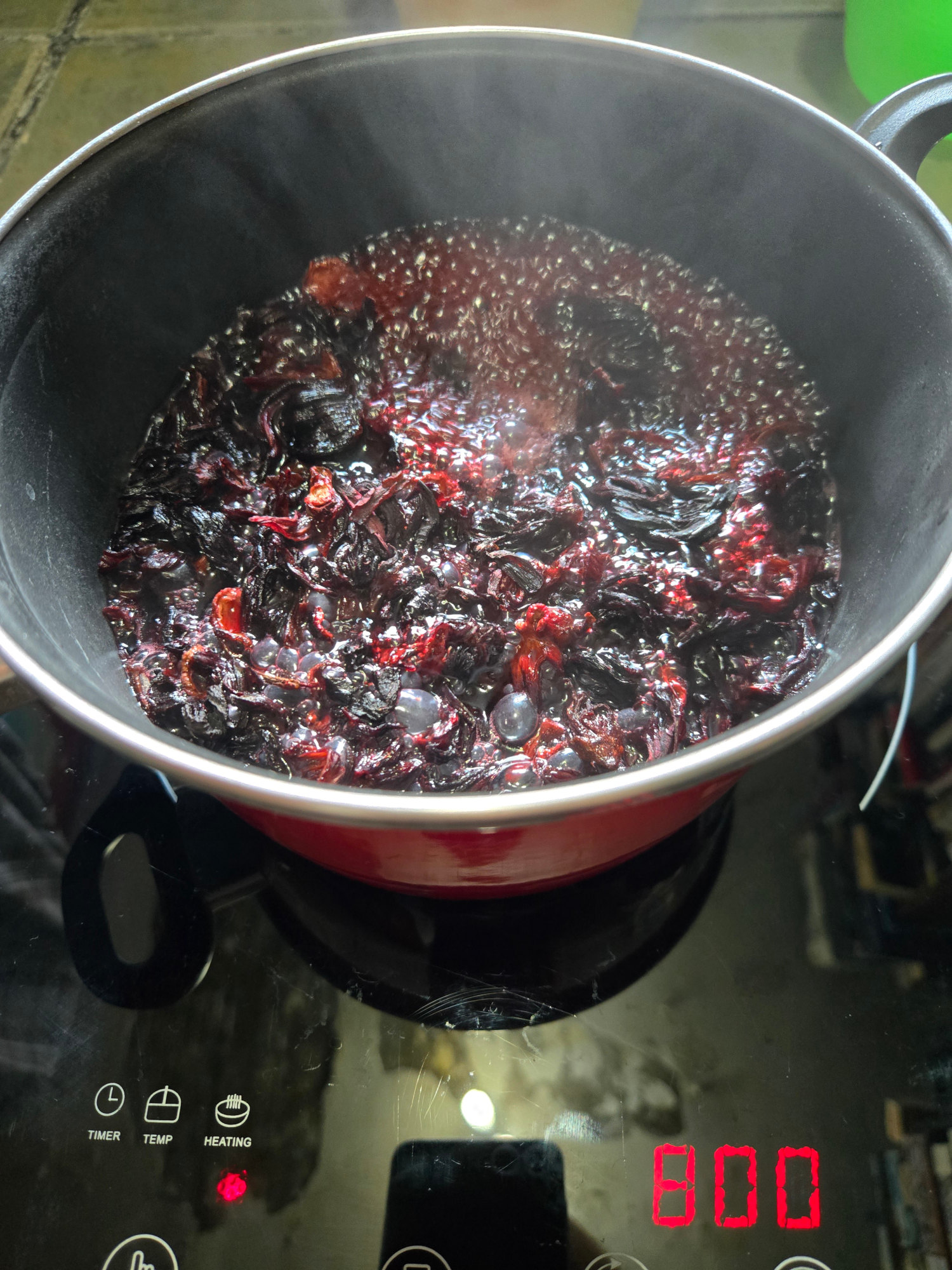
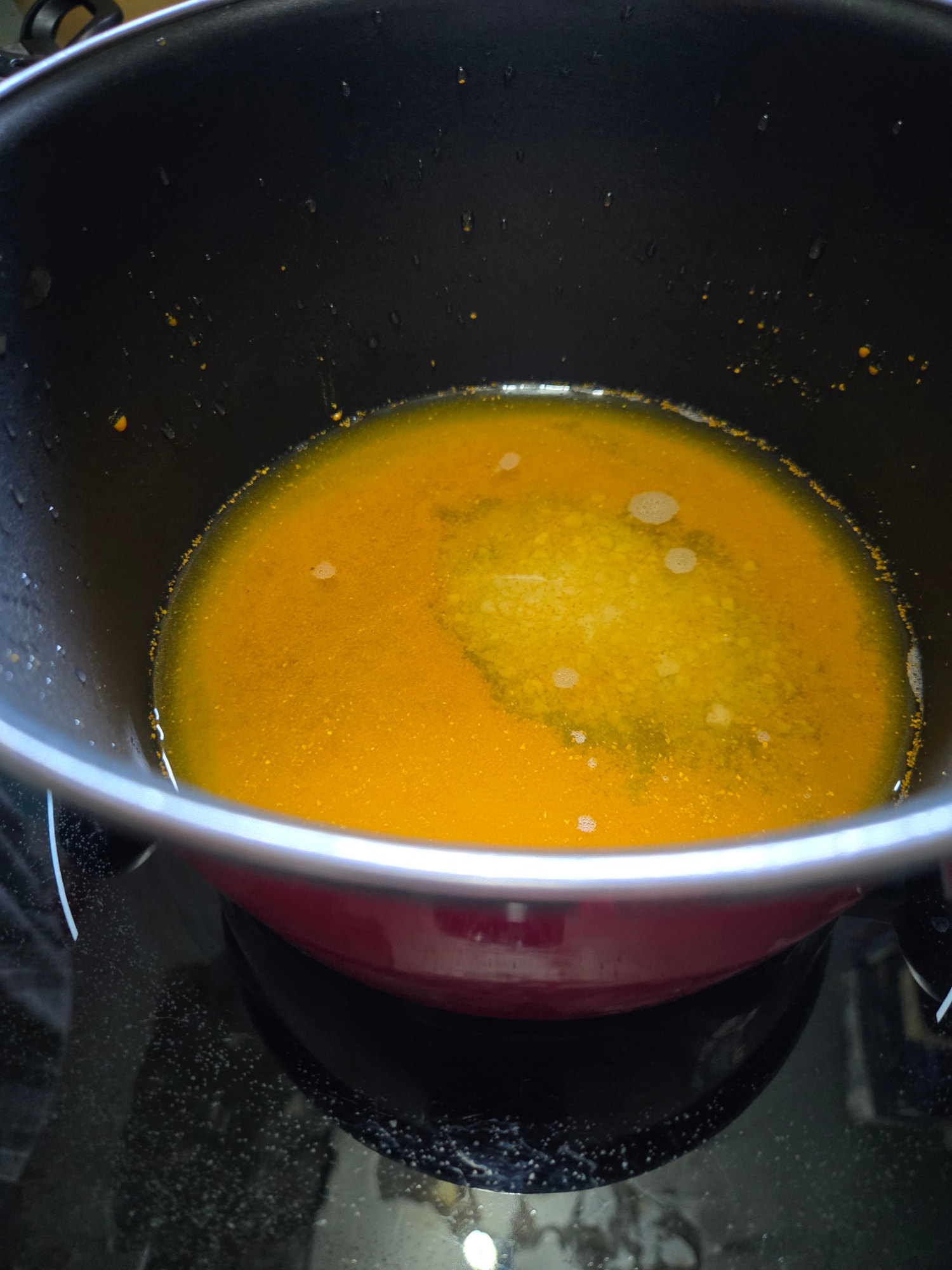
Drying..
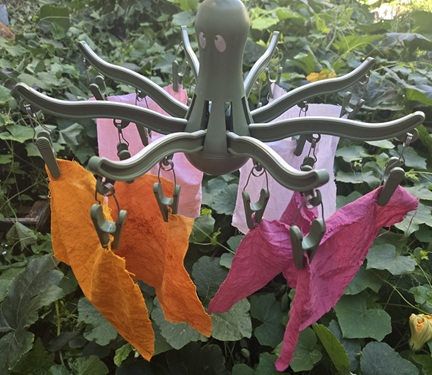
RESULTS
NATURAL DYE: COTTON FABRIC AND ANGORA WOOL YARN
RESULTS
NATURAL INK
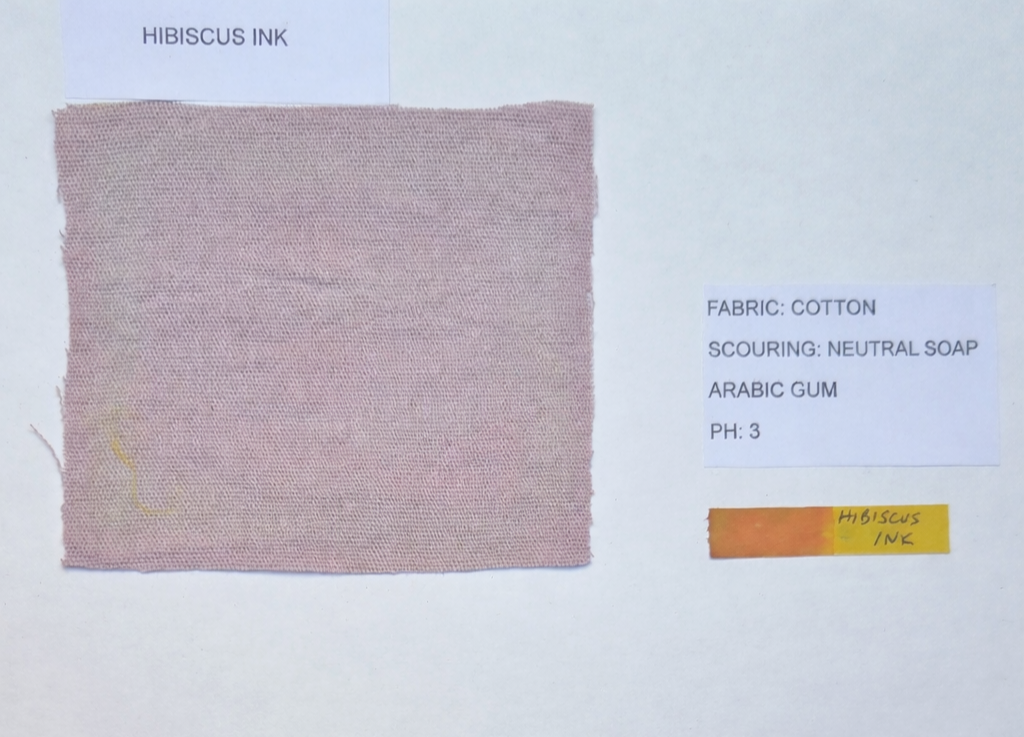
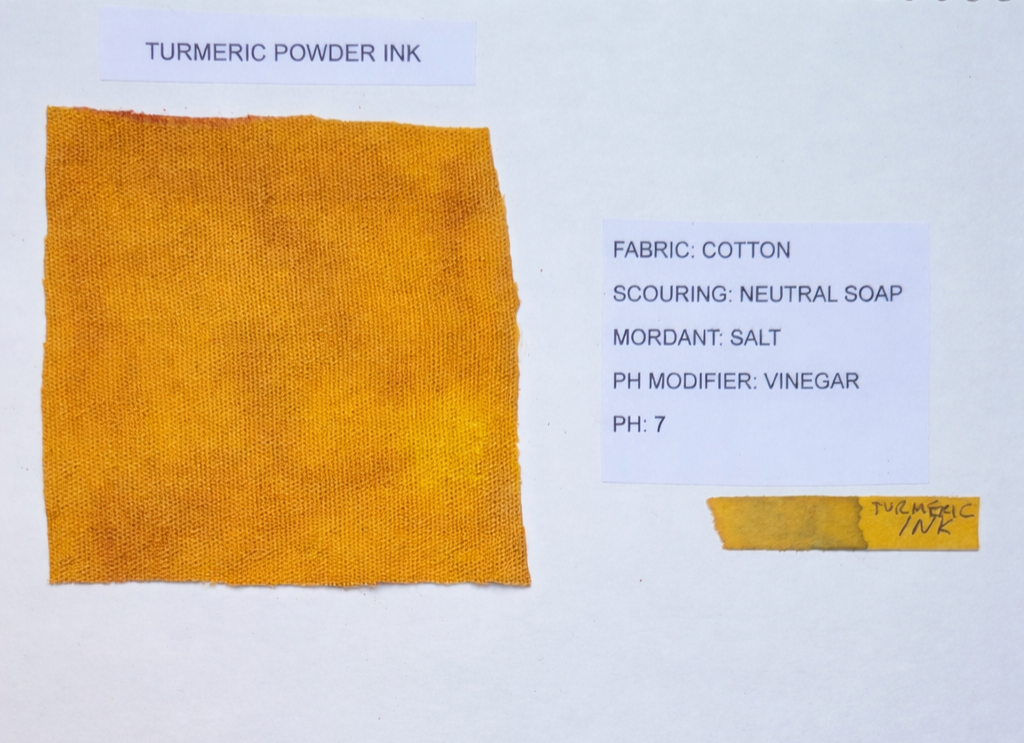
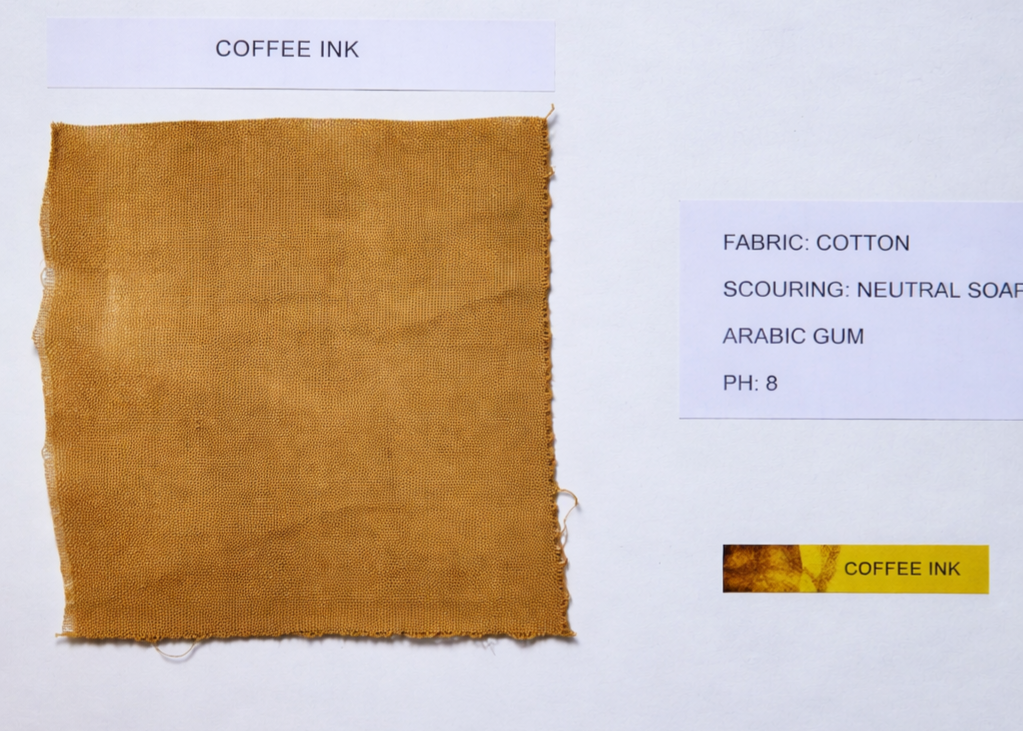
RESULTS
YARNS
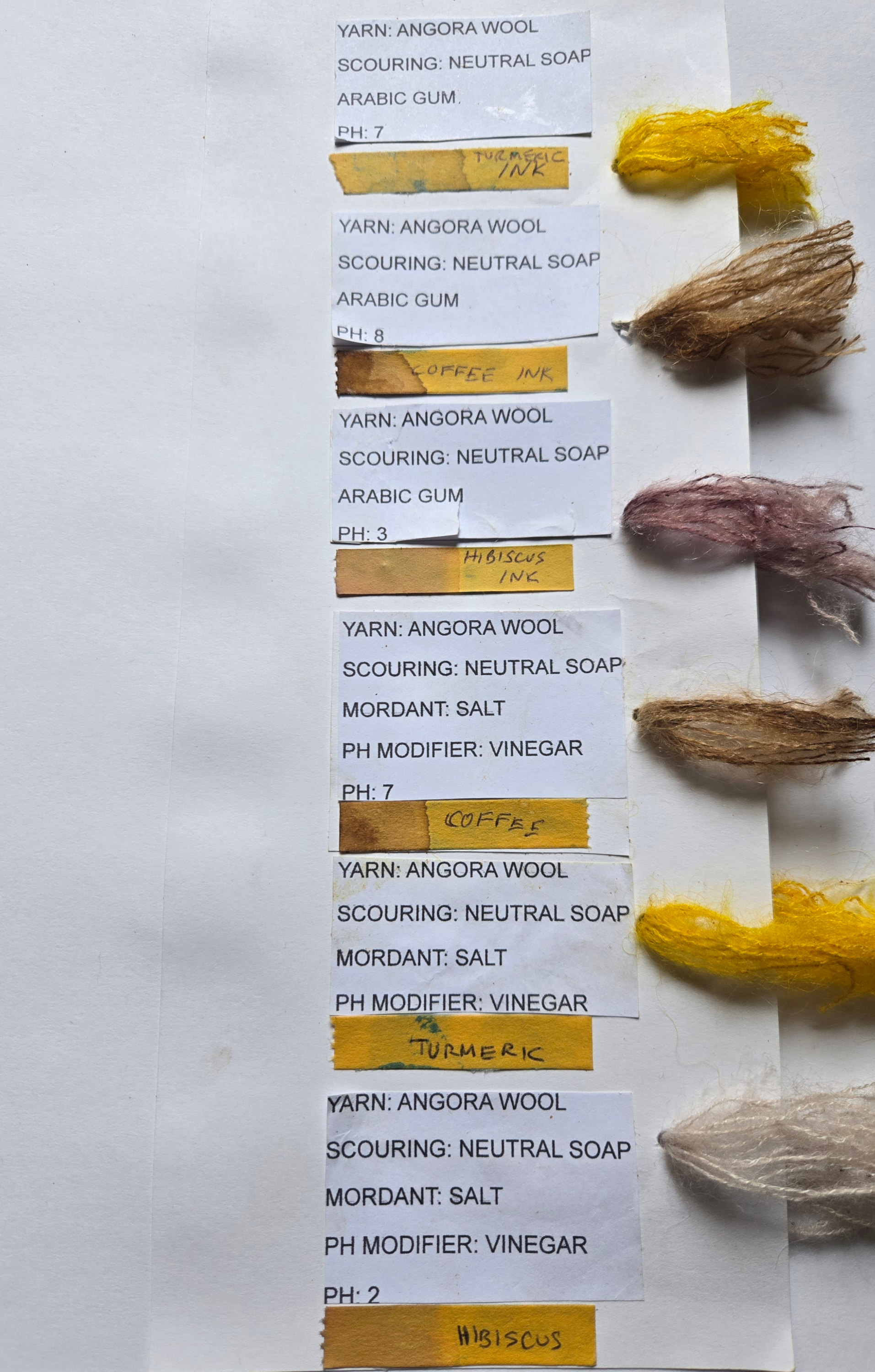
CATALOGUE
Learning outcomes and Observations
I tried using one avocado peel and seed on cotton, but the color remained almost as white as the fabric before dyeing. I observed a similar result with the pumpkin flowers. I understand that using a higher amount of these materials could improve the outcome.
I achieved much better results with turmeric and annatto. As a next step, I would like to dye a larger piece of fabric to use for sewing garments.