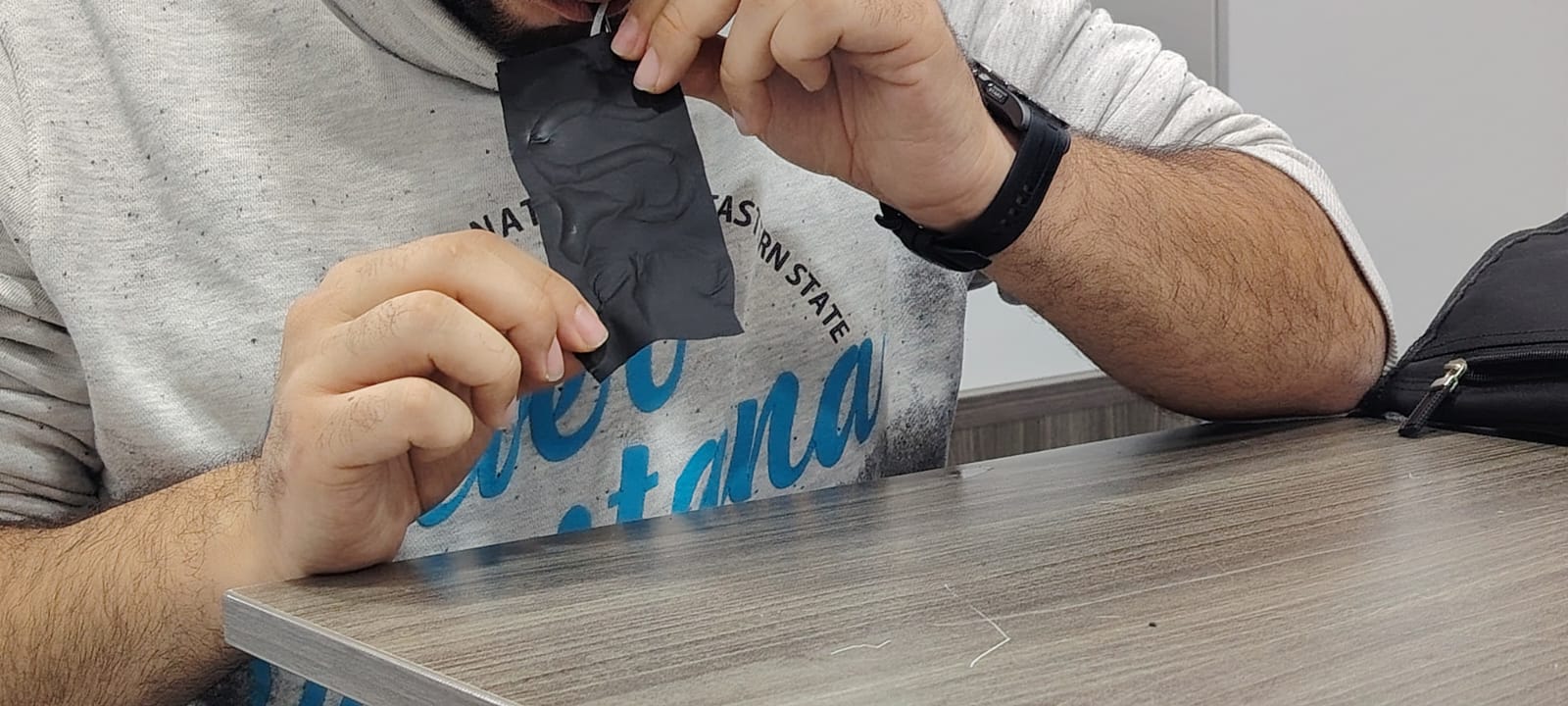
SOFT ROBOTICS
INTRODUCTION
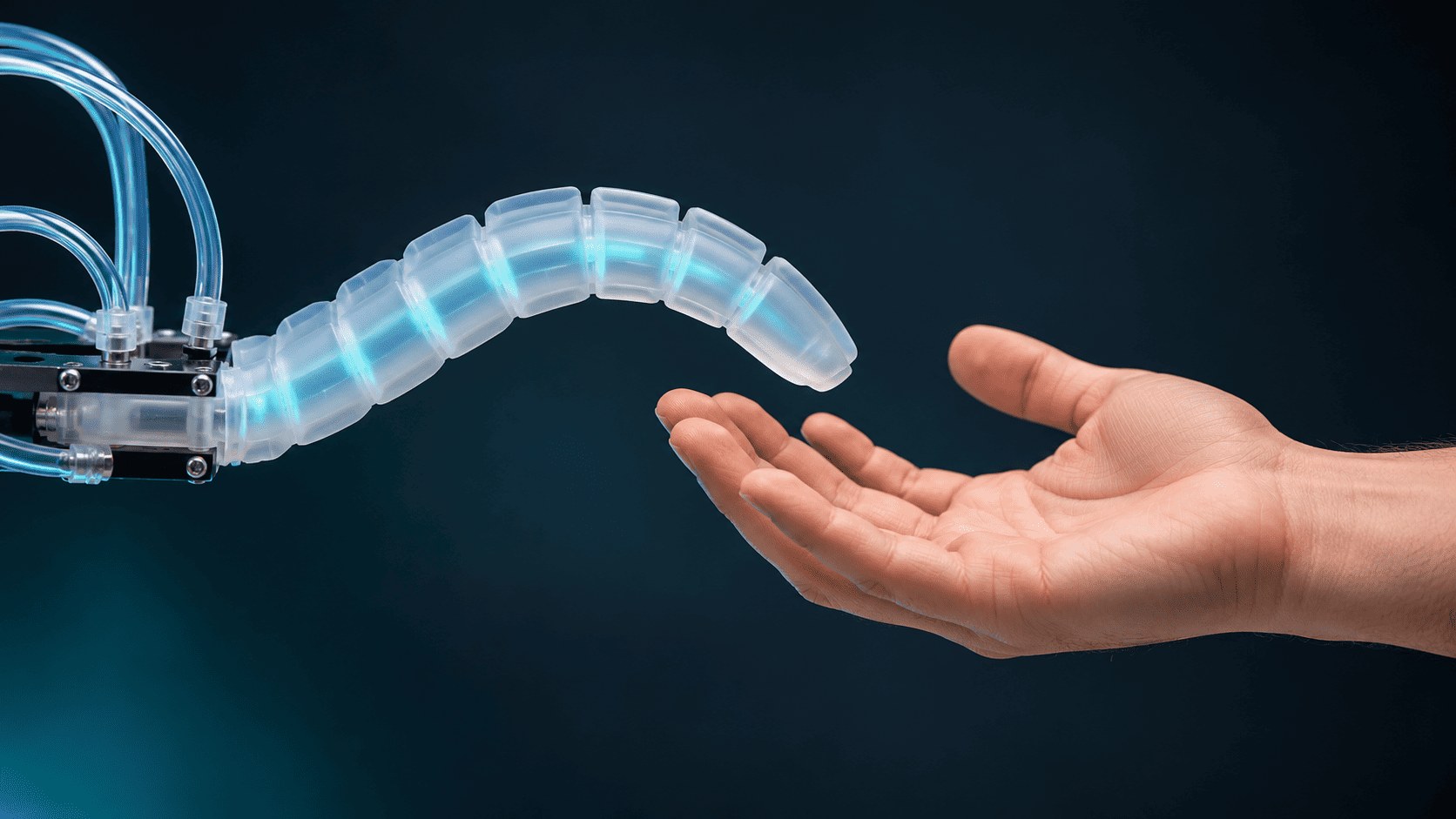
During this week, I explored Soft Robotics, a field that focuses on creating robots using flexible and deformable materials instead of traditional rigid structures. I was particularly interested in how these robots can bend, stretch, and adapt to their surroundings, taking inspiration from soft-bodied organisms such as octopuses and worms. Through this exploration, I wanted to understand how different materials and simple structures can be combined to create movement and develop new forms of robotic interaction.
2. References, research & inspiration
2.1 Research
Soft robotics owe their unique features and uses to the fact that they’re inspired by nature and living creatures, a concept known as biomimicry or bio-inspired robotics. Over millions of years, nature has created organisms with bodies that don’t rely on rigid skeletons, or that have flexible parts designed to move smoothly, all shaped by adapting to their surroundings.
Characteristics and How They Work
Soft robots stand out because they have unlimited degrees of freedom. Unlike traditional robots that are limited to specific joints, these robots can bend, stretch, contract, and twist freely along their entire body.
Their natural flexibility also makes them really safe to use. They can gently interact with delicate objects and navigate uneven environments without causing harm. This means they’re great for handling the human body and living tissue safely and without damage.
Areas of Application:
Medicine and Healthcare: Soft surgical instruments designed for safe and gentle entry into the body.
Soft Gripping and Handling: Grippers that can carefully pick up fresh food, glass, and biological tissues without causing any damage.
Exploration and Rescue: Flexible robots inspired by worms or octopus arms that can crawl through tight gaps and confined spaces during search missions under rubble or for inspecting infrastructure.
2.2 Inspiration & References
1. Programmable Soft Robotic Control Systems:
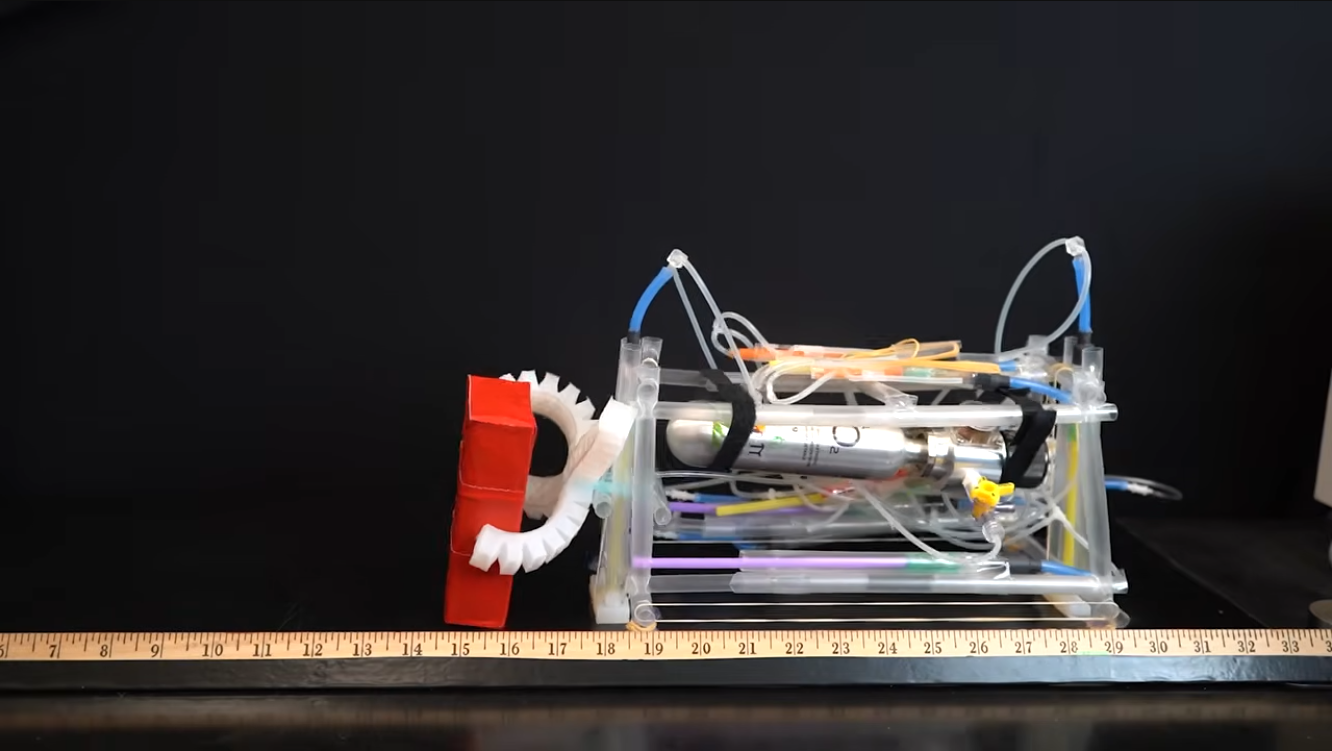
This project explores how soft robots can be controlled using pneumatic circuits instead of traditional electronic systems. Colter Decker and his research team developed air-powered components, including valves and actuators, using simple materials such as plastic drinking straws, flexible tubes, rubber bands, parchment paper, and thermoplastic polyurethane (TPU).
By controlling air pressure and airflow, the team demonstrated how these components could perform basic logic operations and control different soft robotic systems.
What Inspired Me
I was particularly interested in how everyday materials can be transformed into functional pneumatic systems. The use of drinking straws, parchment paper, and heat-bonded TPU sheets is closely related to my own experiments, showing that simple materials can be used to explore complex robotic movements and control mechanisms.
References: Programmable Soft Robotic Control Systems
2. Soft Robotic Actuation
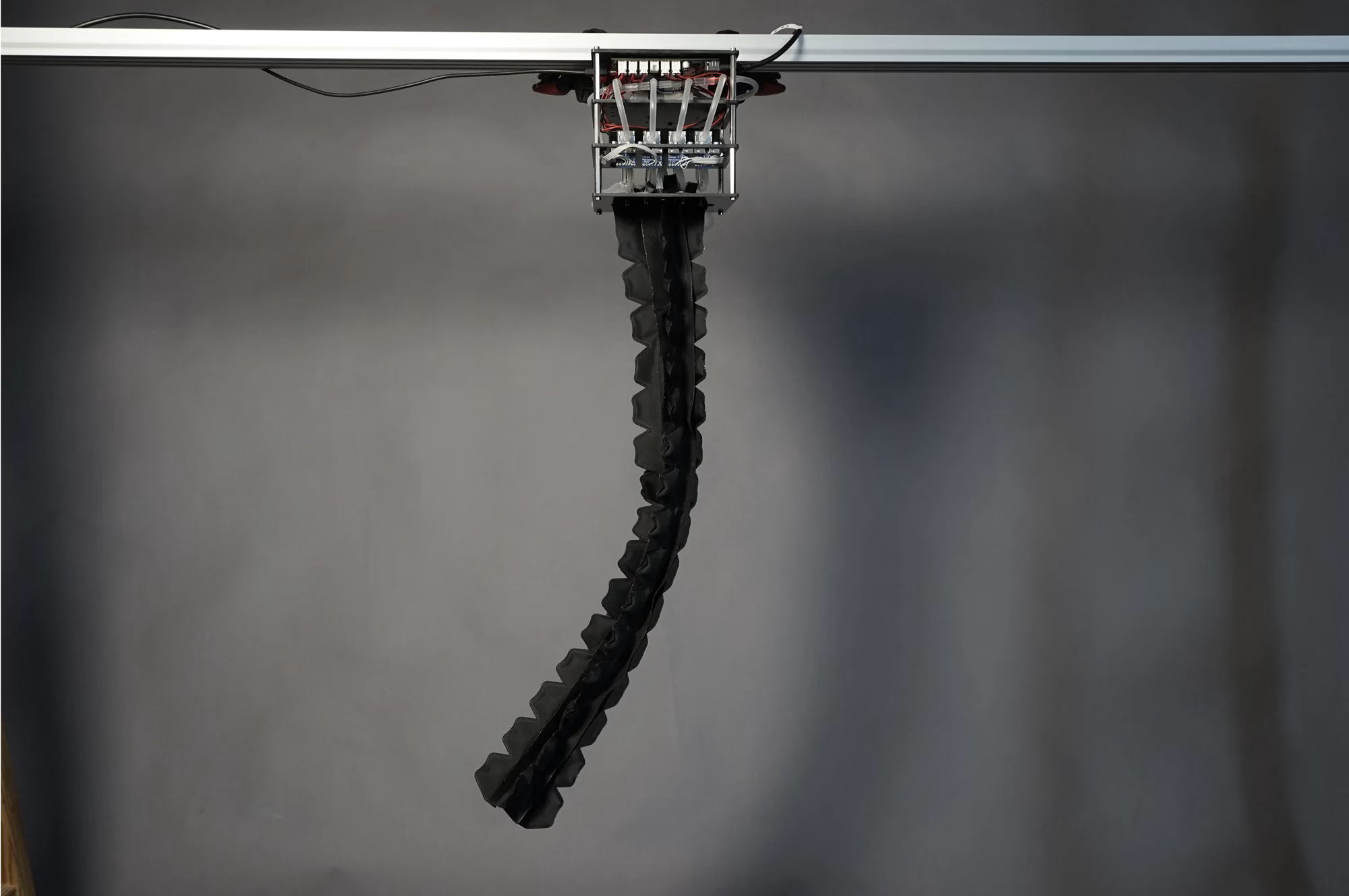
This project investigates the development of pneumatic actuators using flexible fabrics and foils to produce controlled movement. The creator experimented with different chamber geometries and material-joining techniques to create airtight structures that change shape when pressurized with air.
The project also explores how the geometry of internal air chambers affects the direction and behavior of movement. These actuators were eventually combined with pneumatic control systems to develop a larger robotic arm prototype.
What Inspired Me
What caught my attention was the relationship between material structure and movement. I found it interesting how simple flat materials can be transformed into three-dimensional structures through air pressure. This inspired me to explore how different shapes, sealing techniques, and material combinations could influence the movement of my own soft robotic prototypes.
References: Soft Robotic Actuation
4. Process and workflow
Personal Experimental
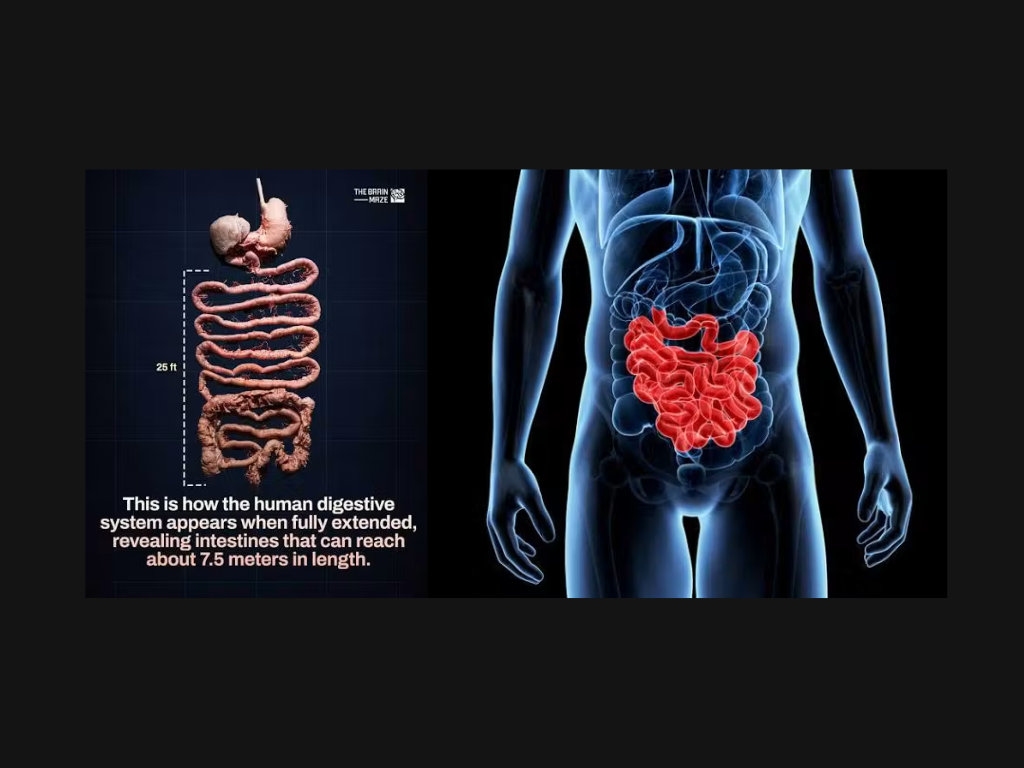
For this week's experiment, I got my inspiration from the intestine and its movement. The intestine is a vital organ with a coiled structure and a gentle, rhythmic motion that works like an efficient transport system inside the body. It uses smooth, wave-like contractions called peristalsis to push contents along its journey gently. This helps us understand how biological systems can inspire soft robots that move autonomously, smoothly, and respond to their environment.
As we can see in the picture and the video, it is very interesting to test its shape and movement during the digestion process.
Ecoflex silicone for creating lifelike soft robots
- Acrylic mold preparation:
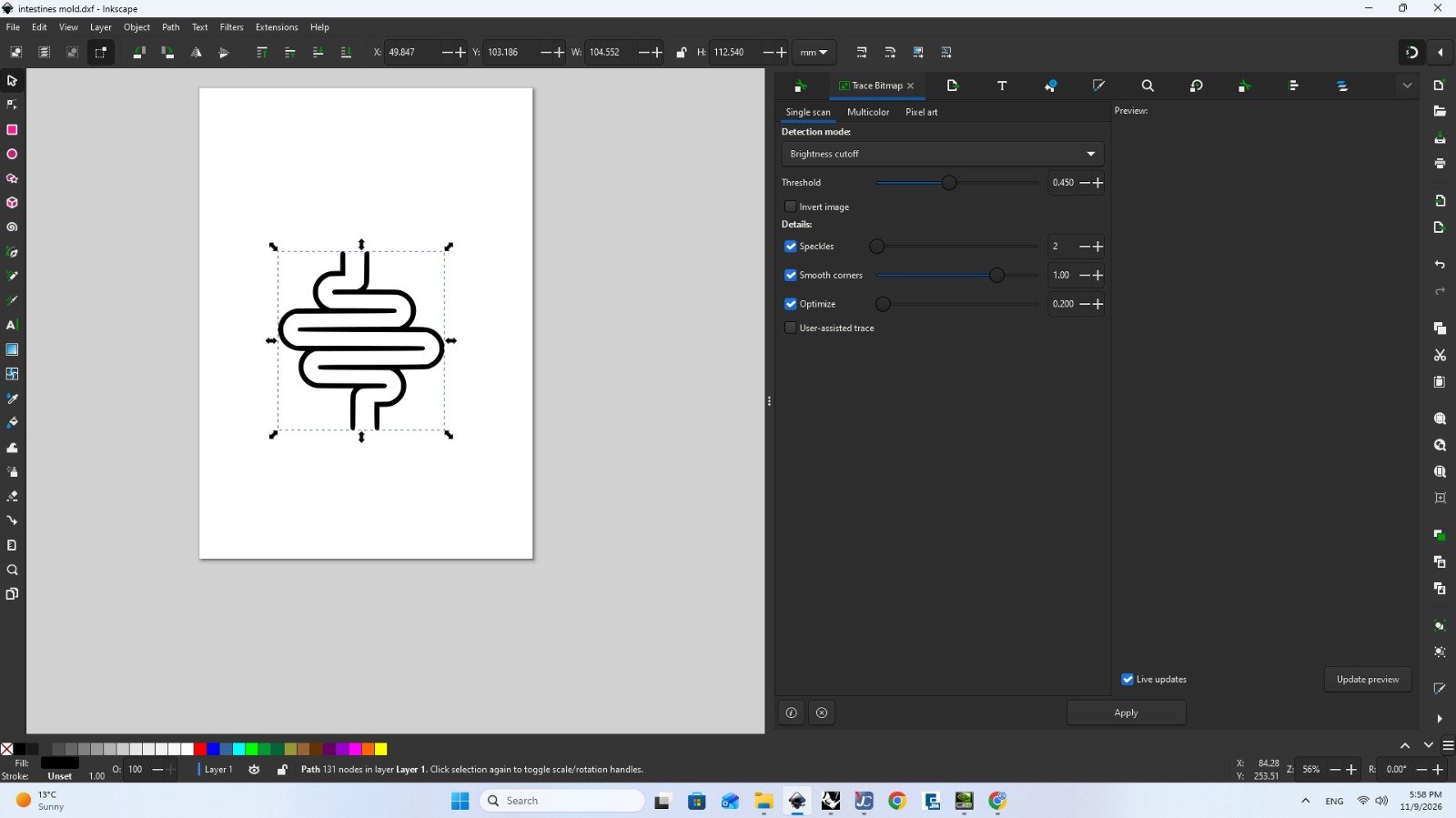
I made an acrylic mold with a shape inspired by an intestine.
As shown in the following picture of the 2D design in Rhino.
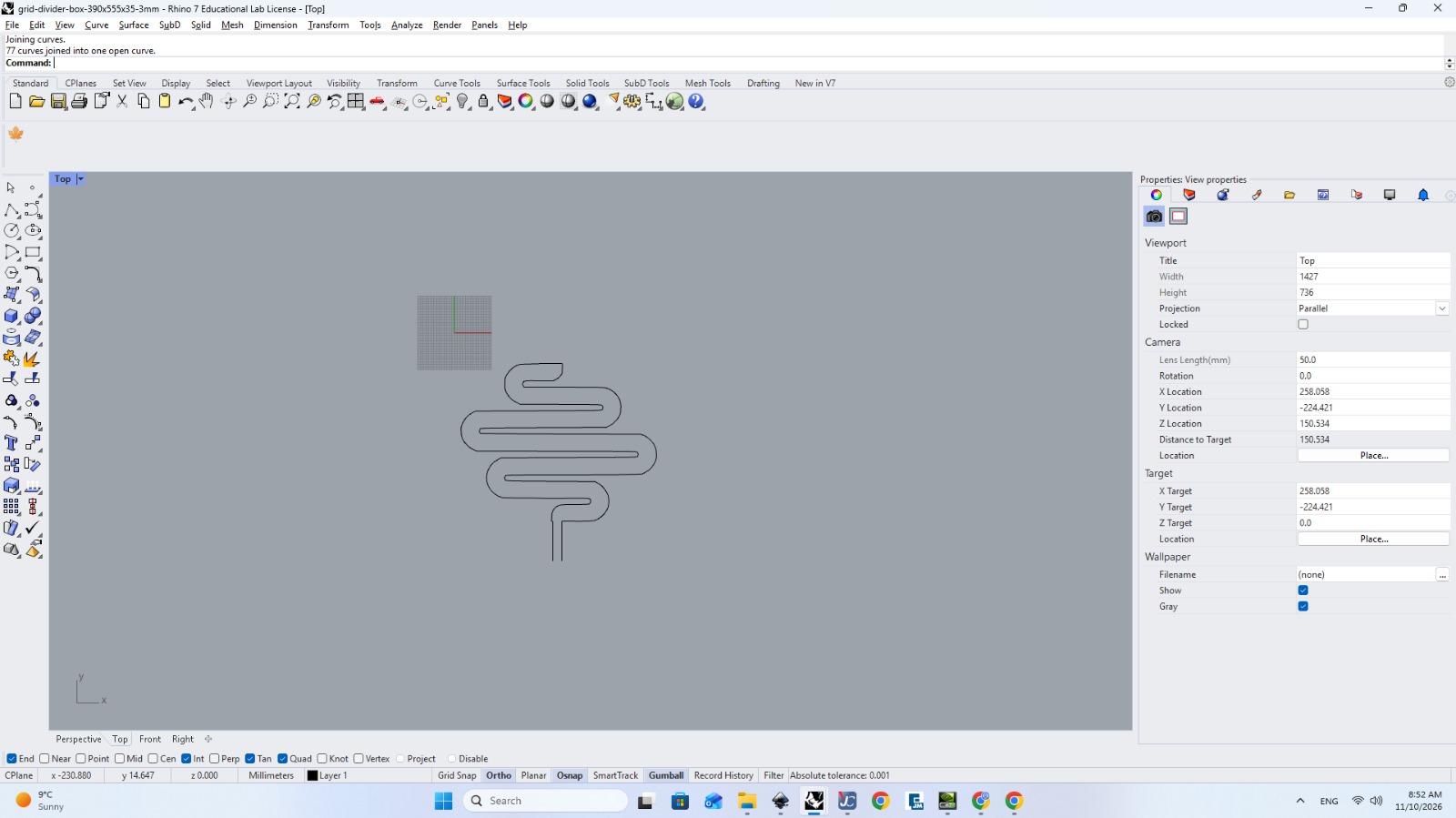
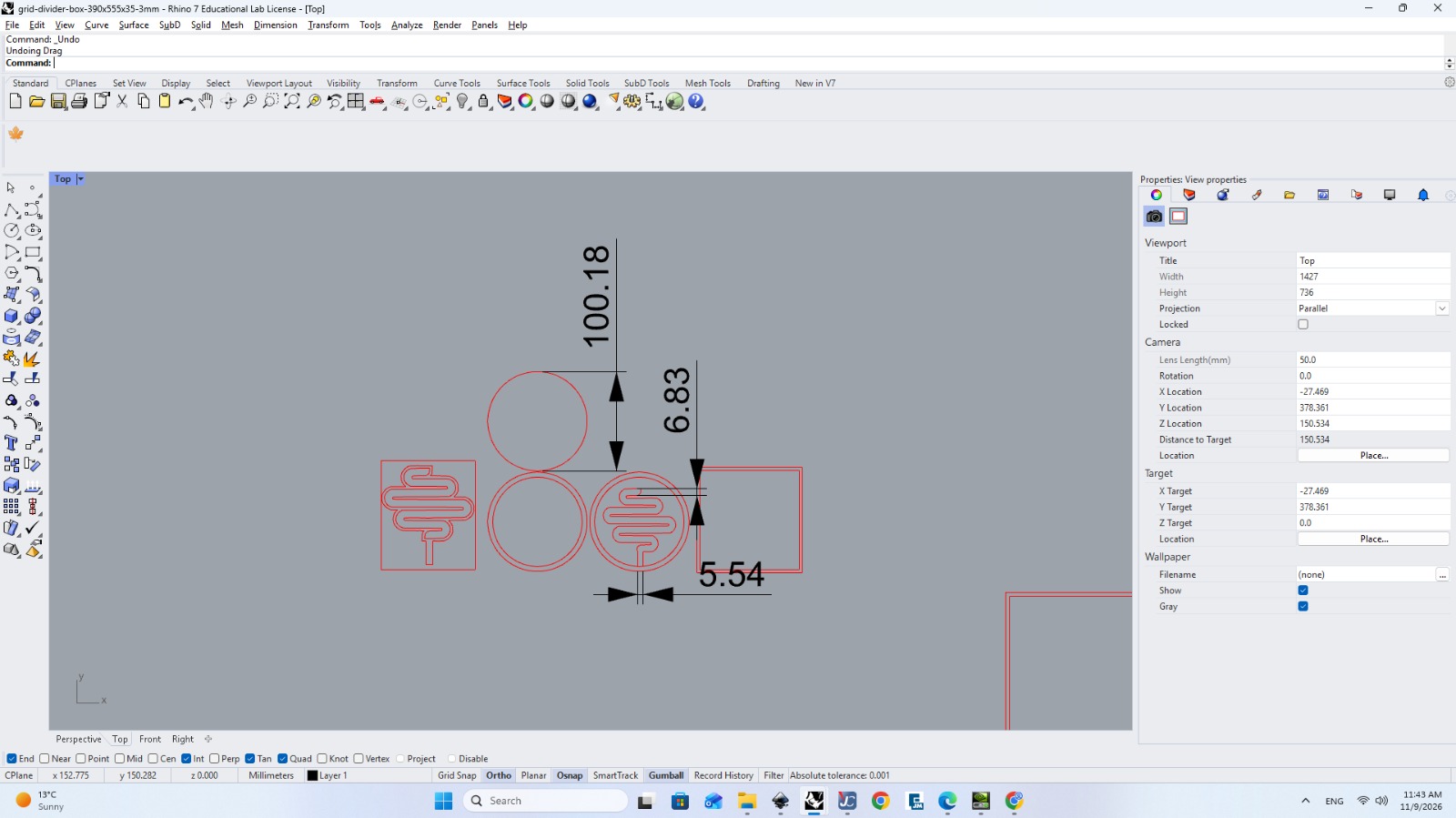
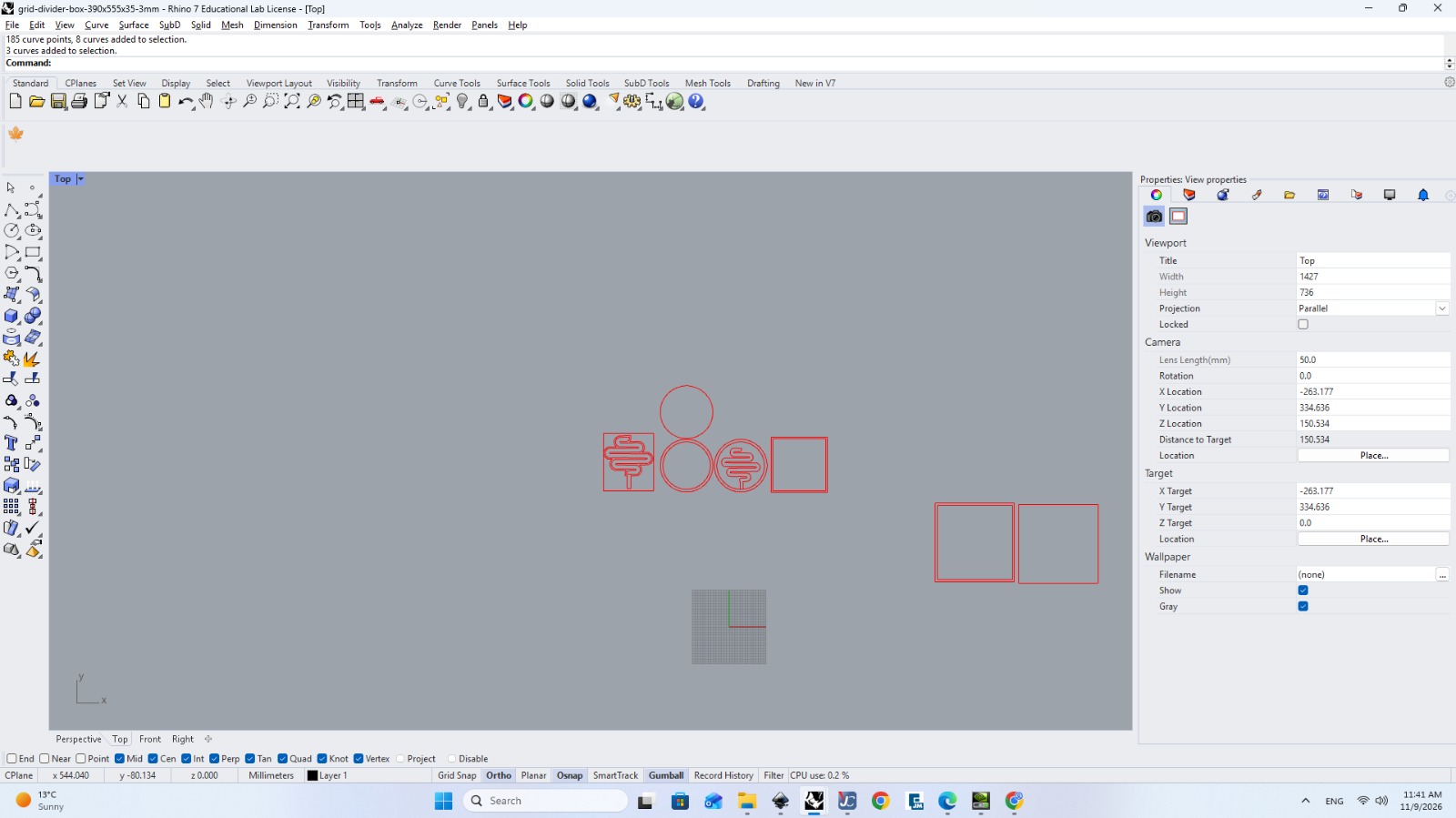
After drawing the shape, I used a laser cutting machine to cut the acrylic.
As you can see, the picture below shows the cutting machine settings, including power, speed, and frequency.
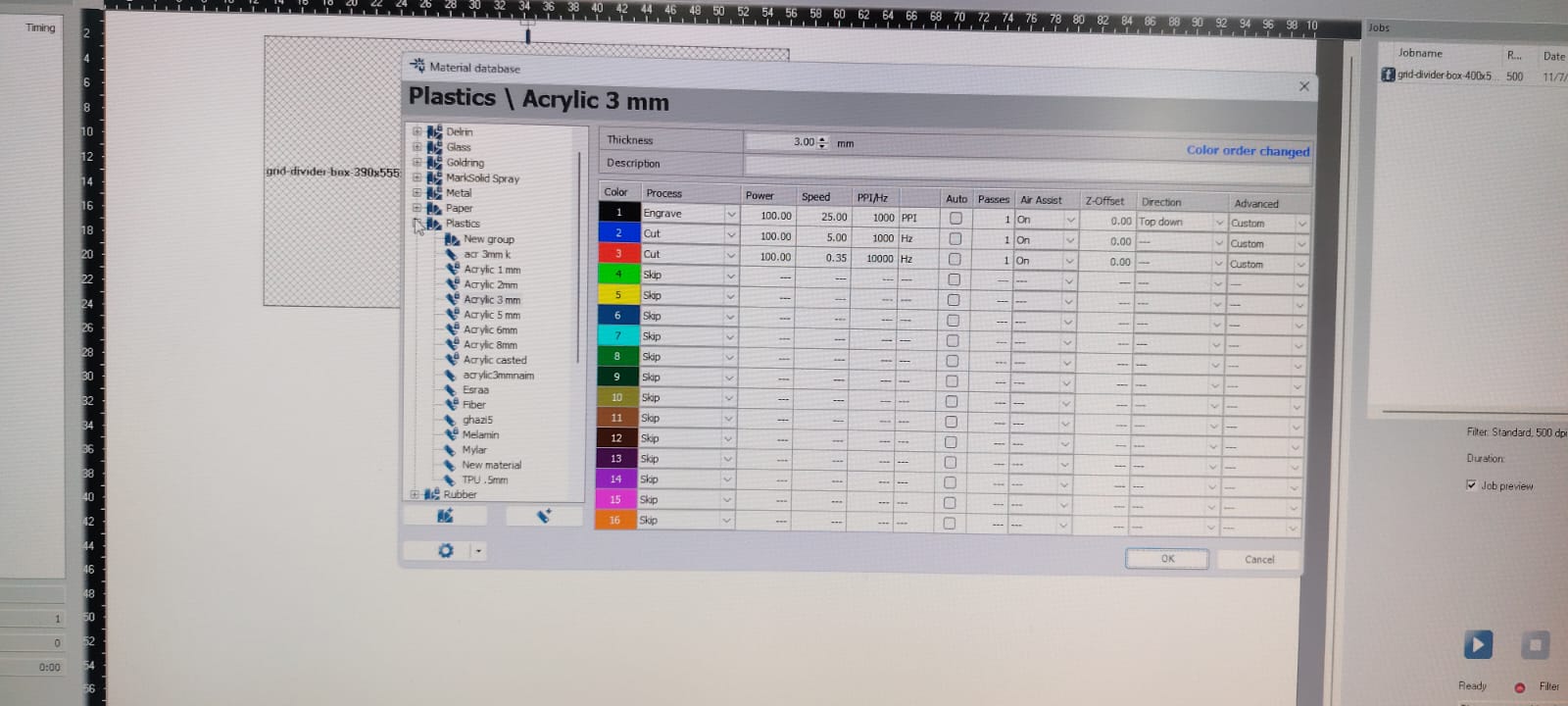
And the following picture shows the pieces of the mold that I got after cutting.
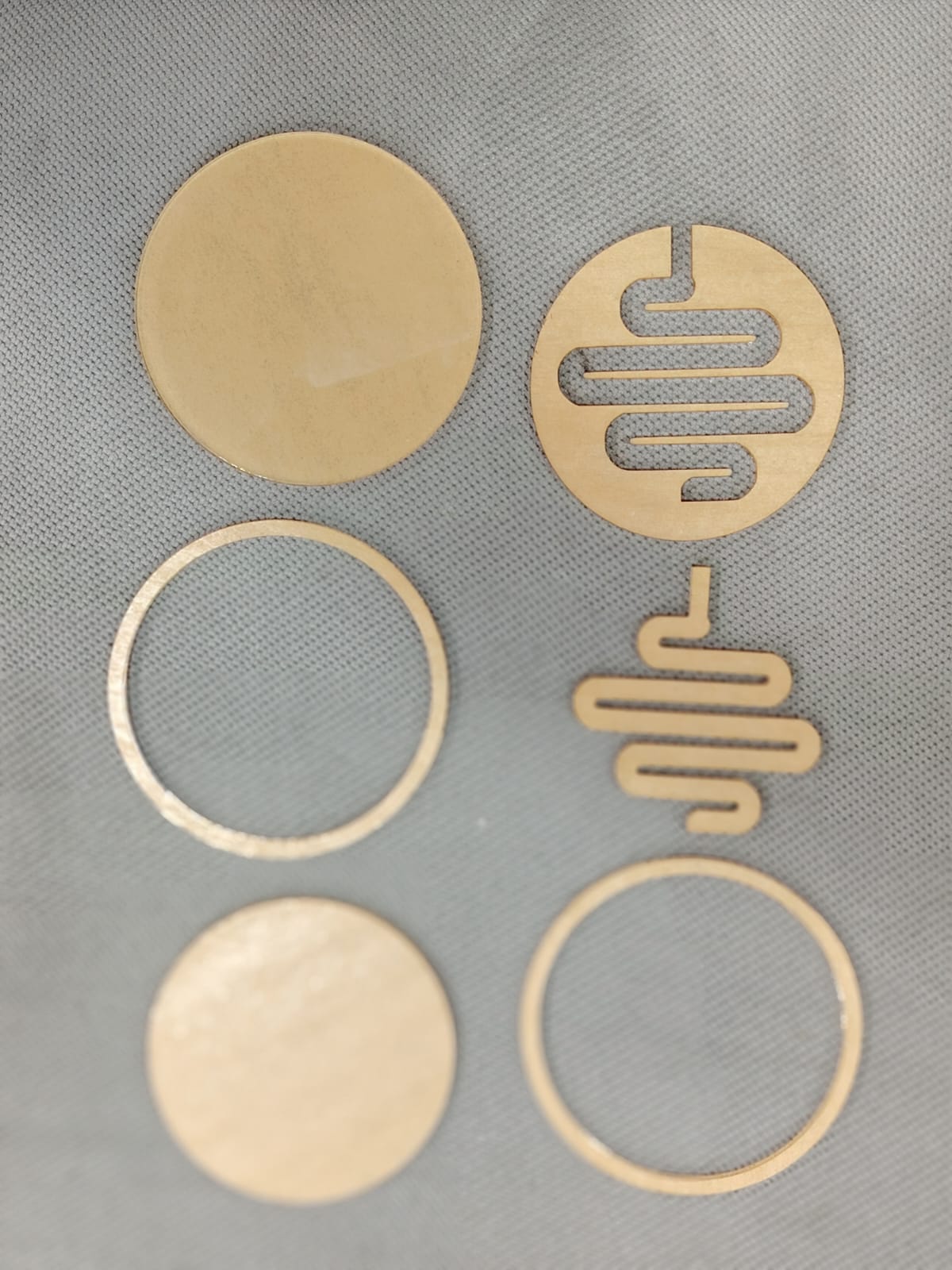
The next Step was using glue to collect the pieces of the mold.
The resulted mold after gluing:
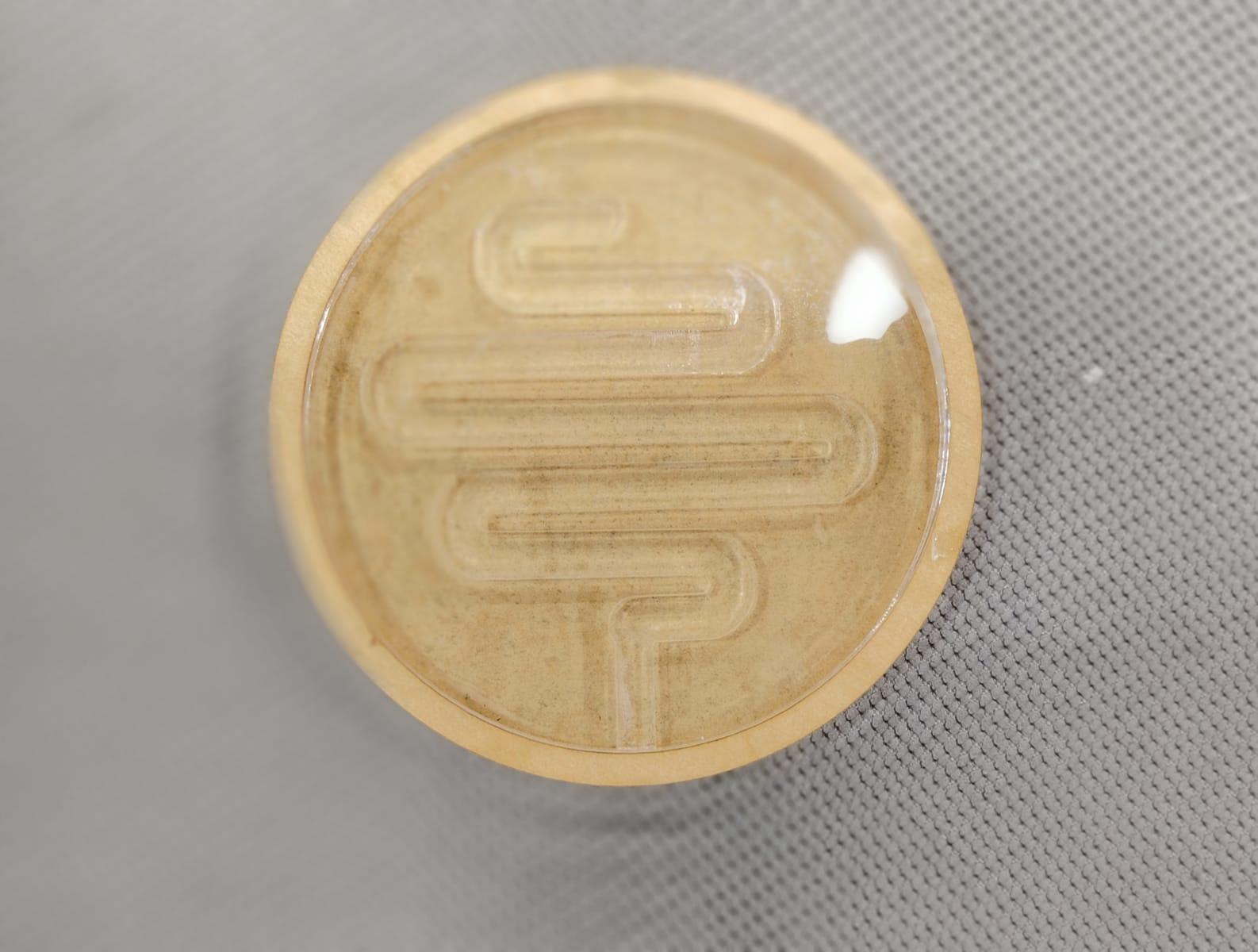
- Silicone preparation and casting:
Once I’d prepared the mold, I got started on the Ecoflix silicone using the tools in the following picture.
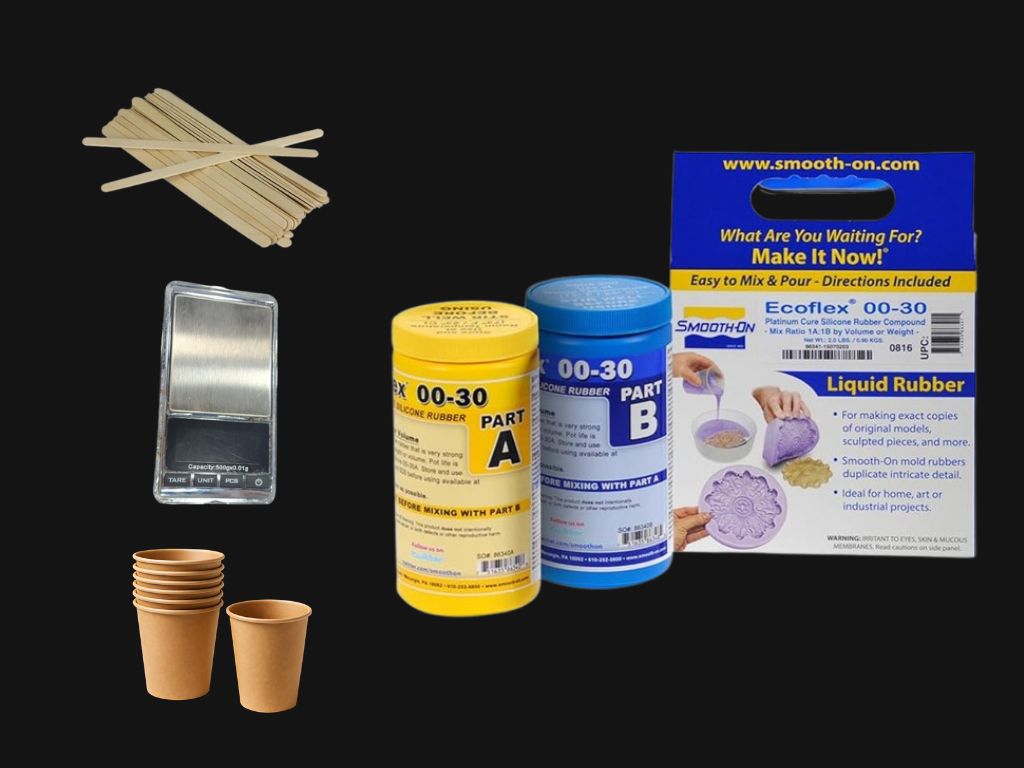
| Tools | Description |
|---|---|
| Ecoflex Selicone | by Smooth-On is a super-soft, platinum-catalyzed, addition-cure silicone rubber widely used for prosthetics, orthotics cushioning, and special effects. |
| Measuring device | To Scale and Measuring the Selicone |
| Cups | For Put and scale the Selicone |
| Sticks | For Mixing |
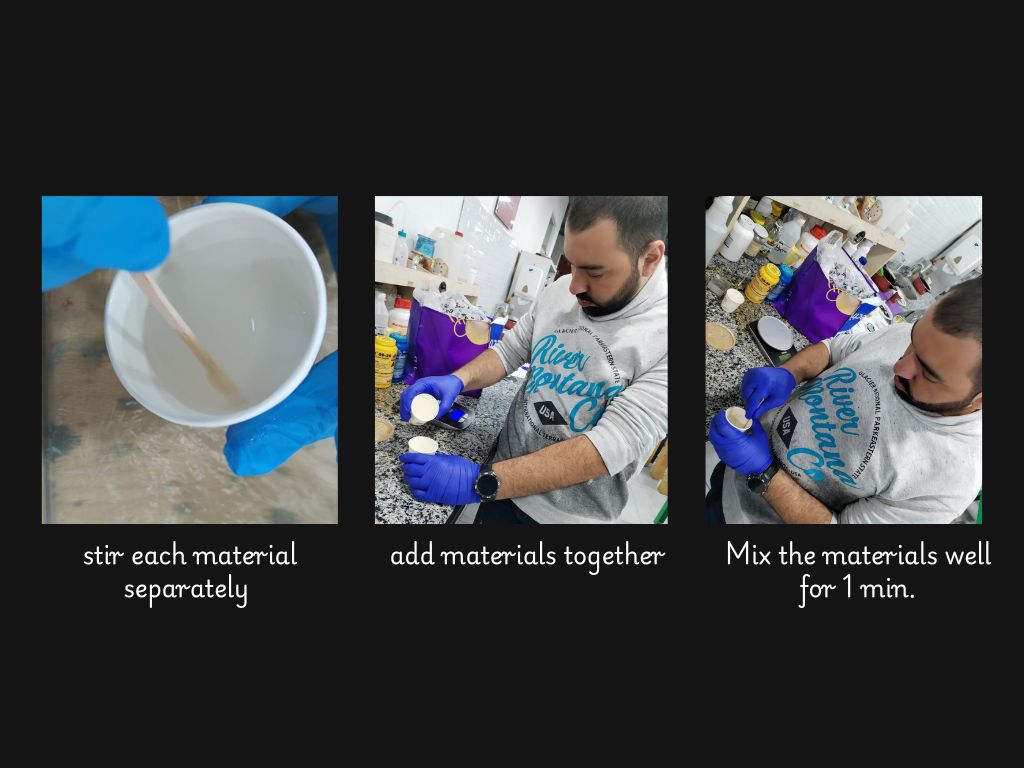
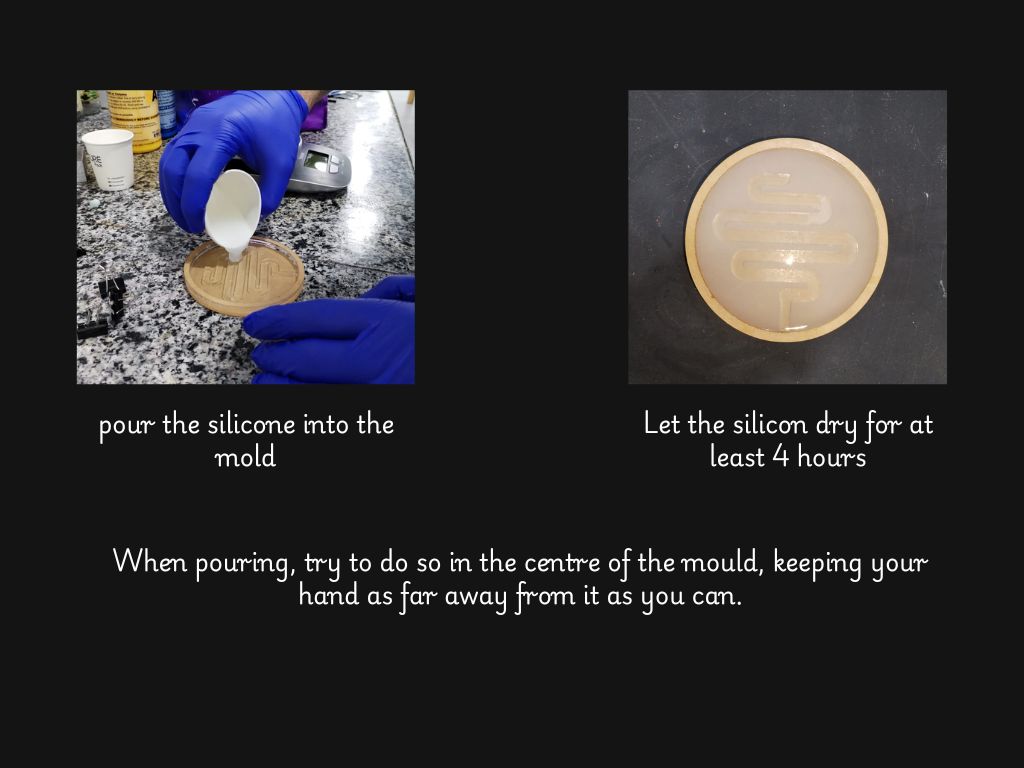
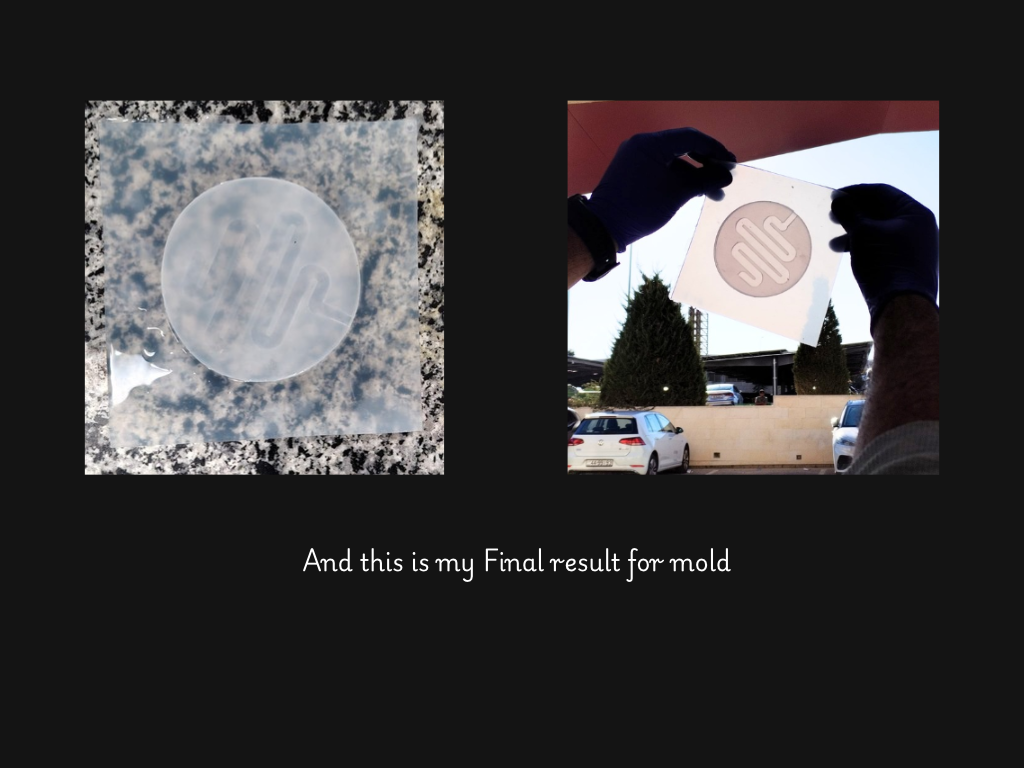
I started by weighing out( 20:20 )grams each of material A and material B for this mold.
My Experimental:
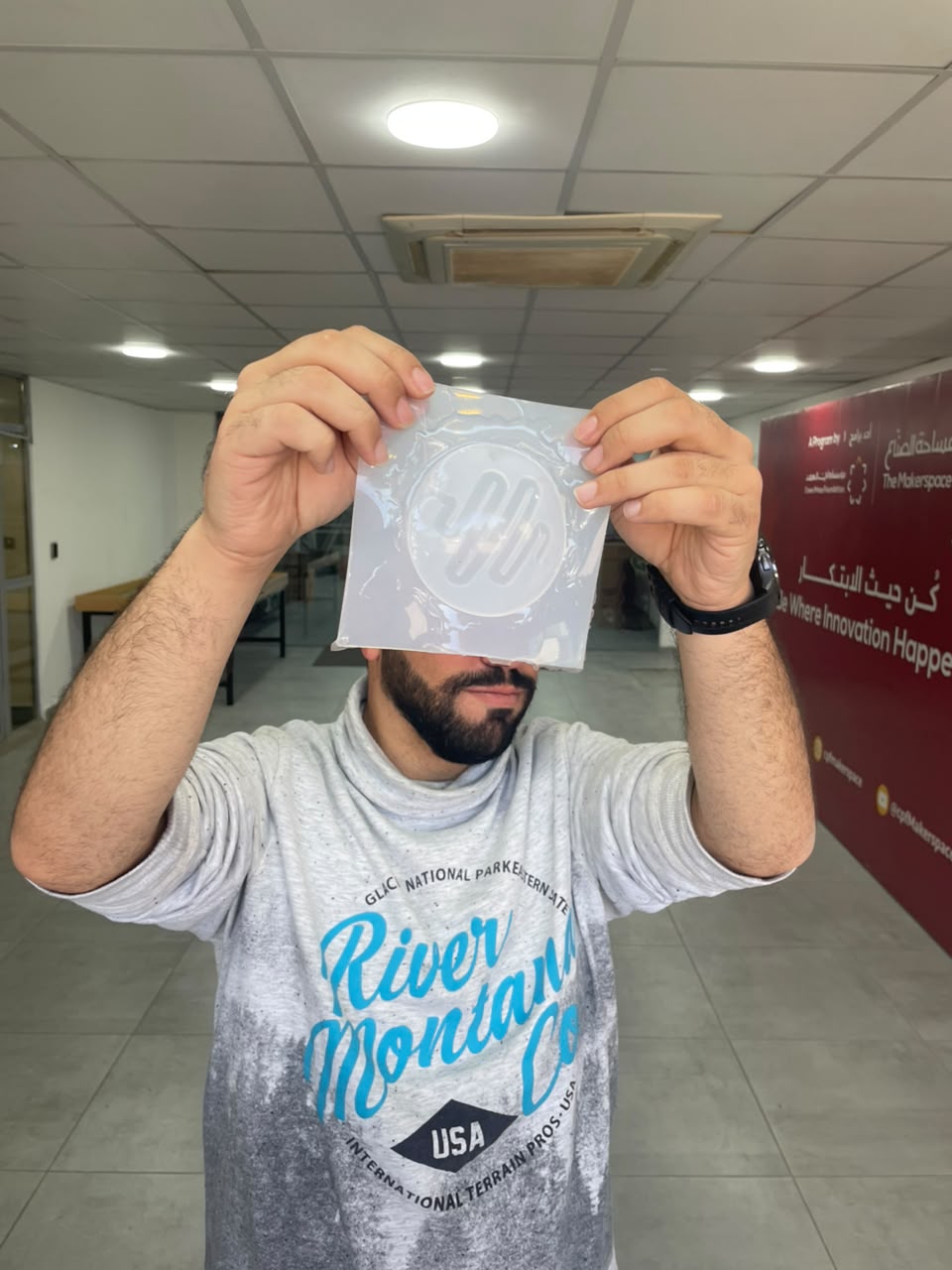
Snake Vinyl Sheet Brooch:
To test the vinyl sheet, I used the Snake Shape as Inspiration.
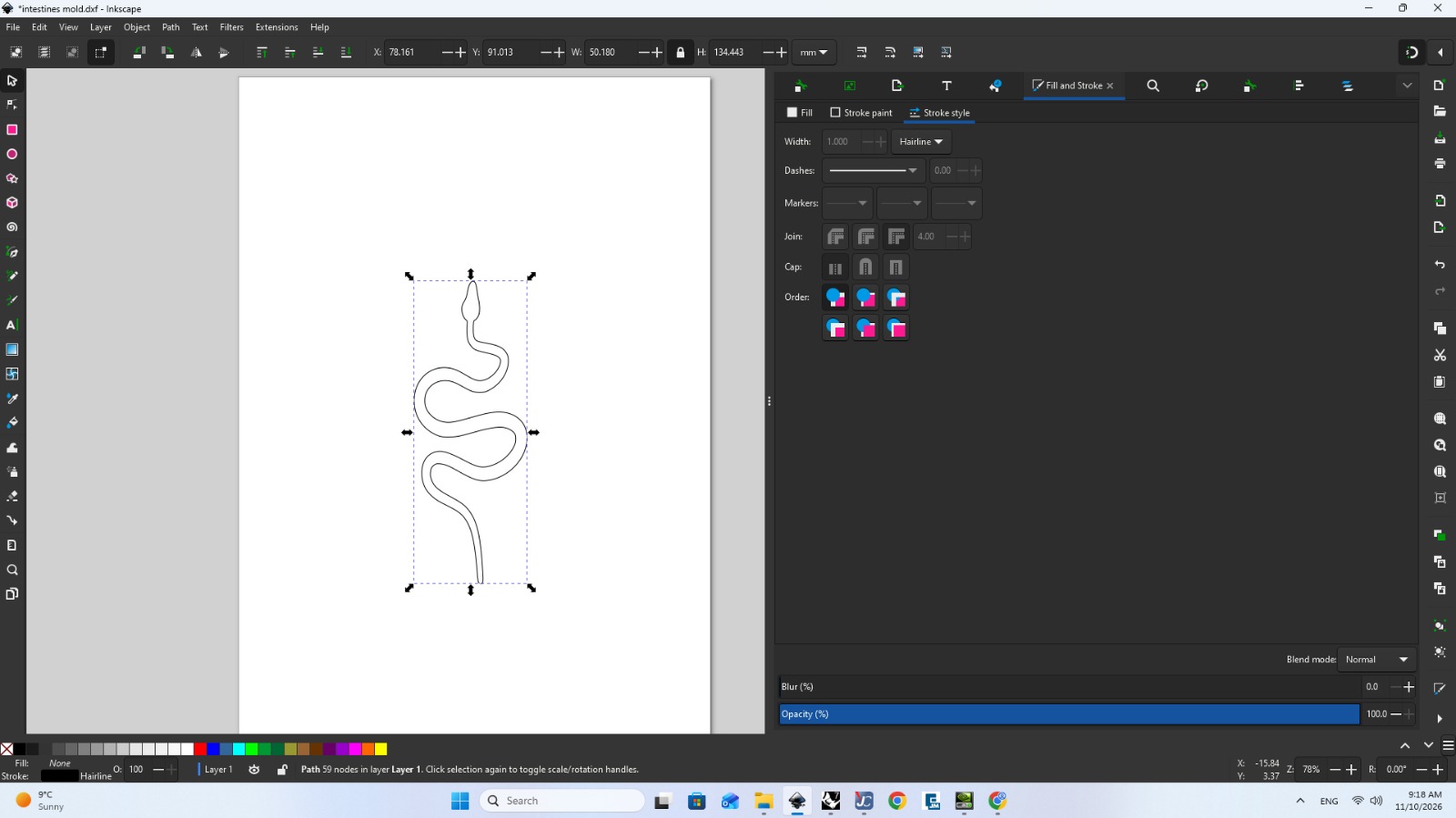
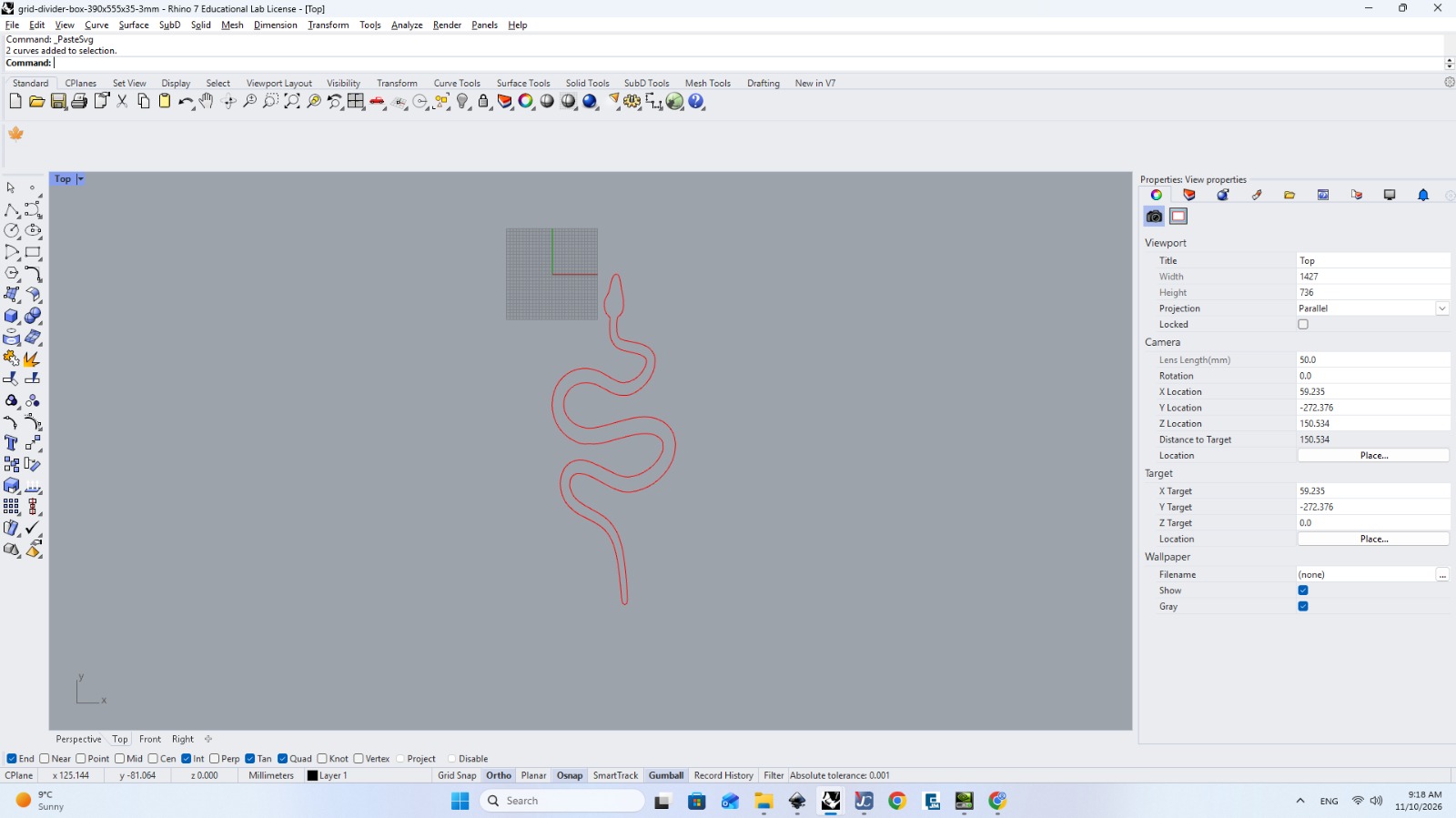
The same process I used the Rihno Software for fixed and prepared the design to cut on laser cutter machine.
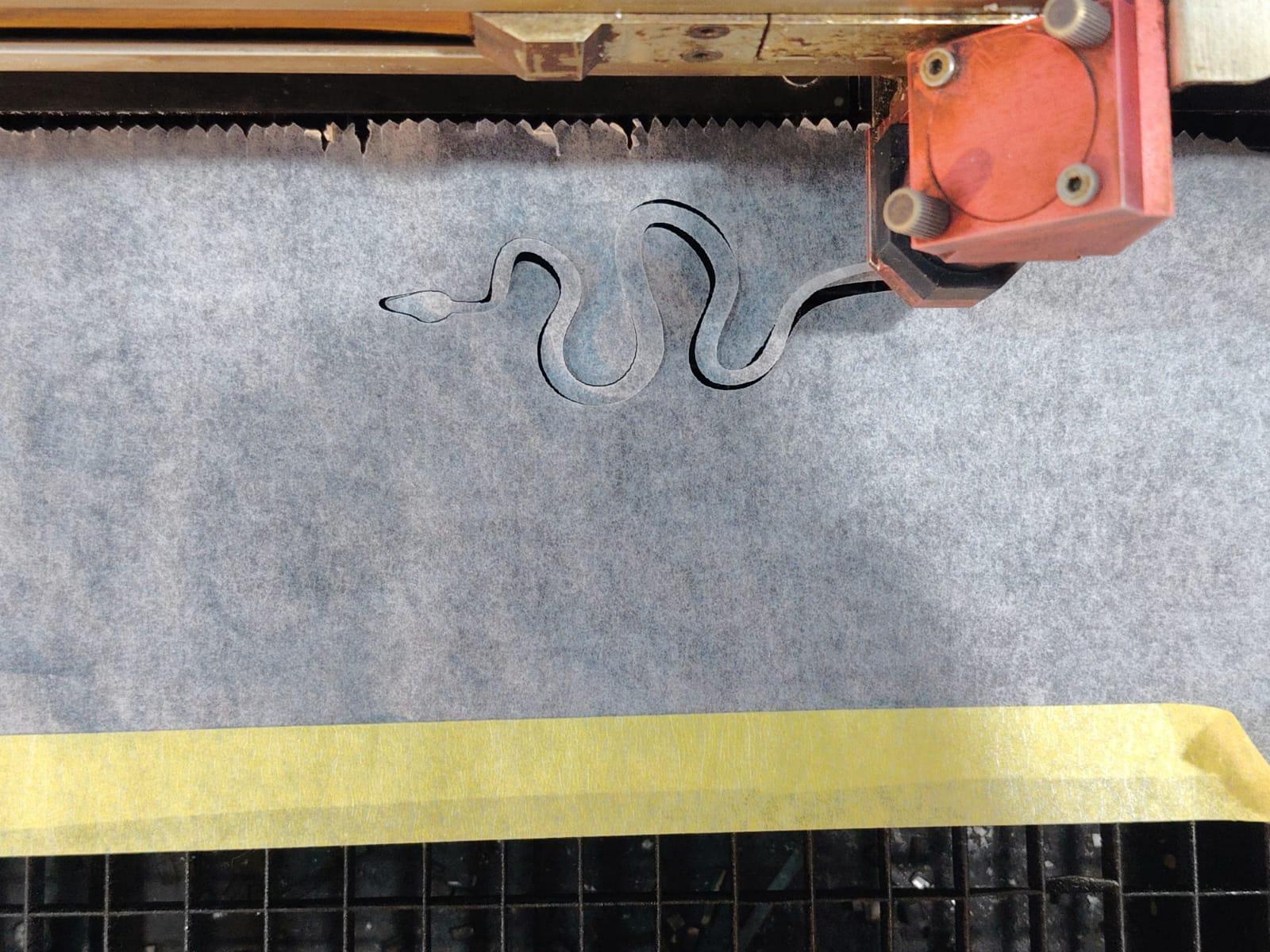
We have to draw and cut the shape on baking paper, so I used a laser cutter to finish this step.
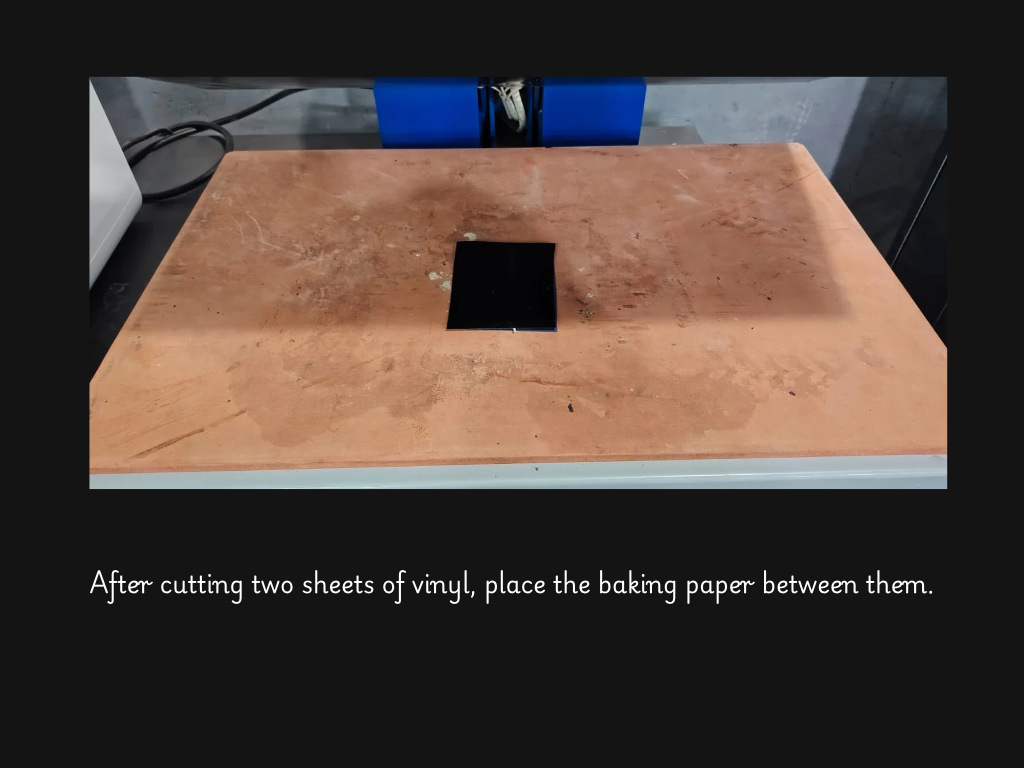
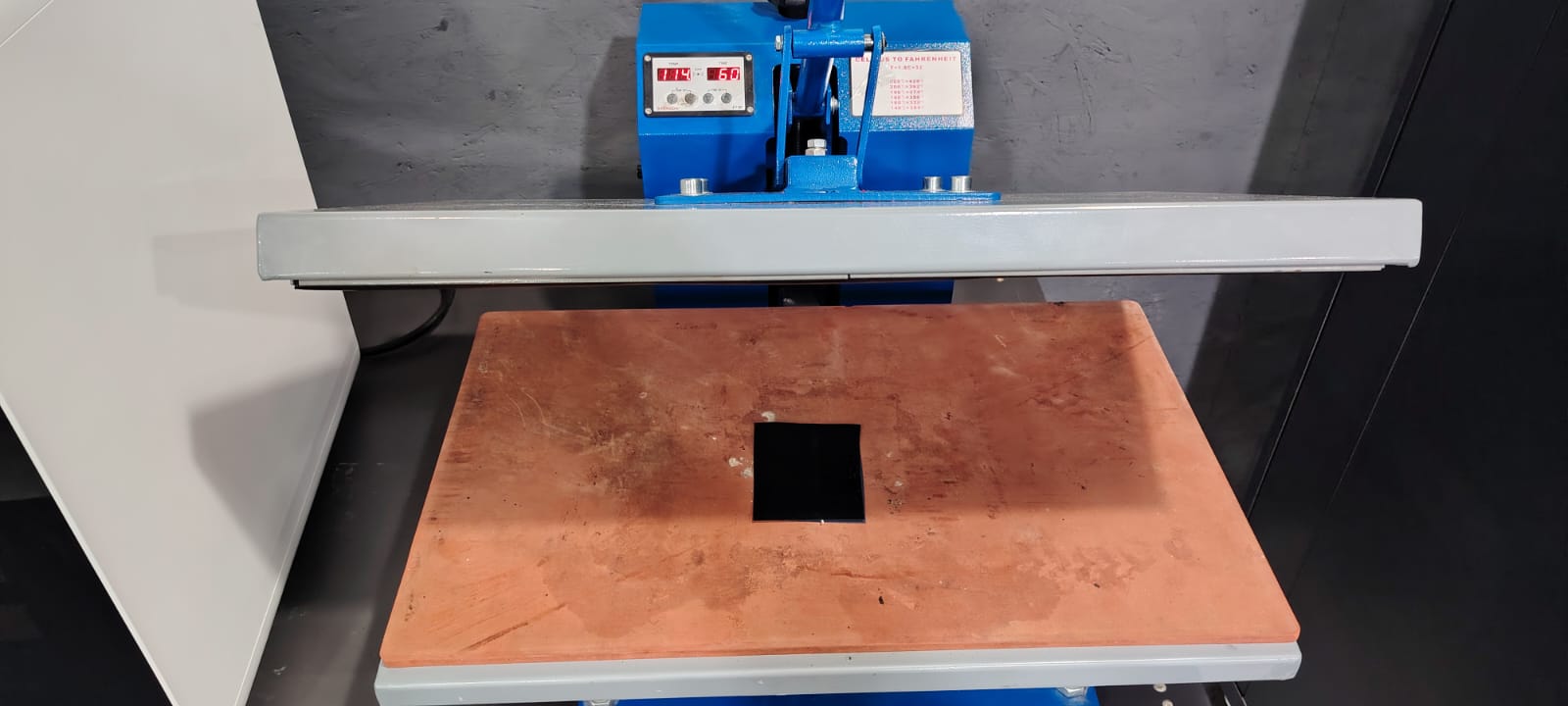
We use a heat press to apply it.
Then we take off the plastic from both sides and carefully trim the edges to get the perfect shape and add the Drink Straw
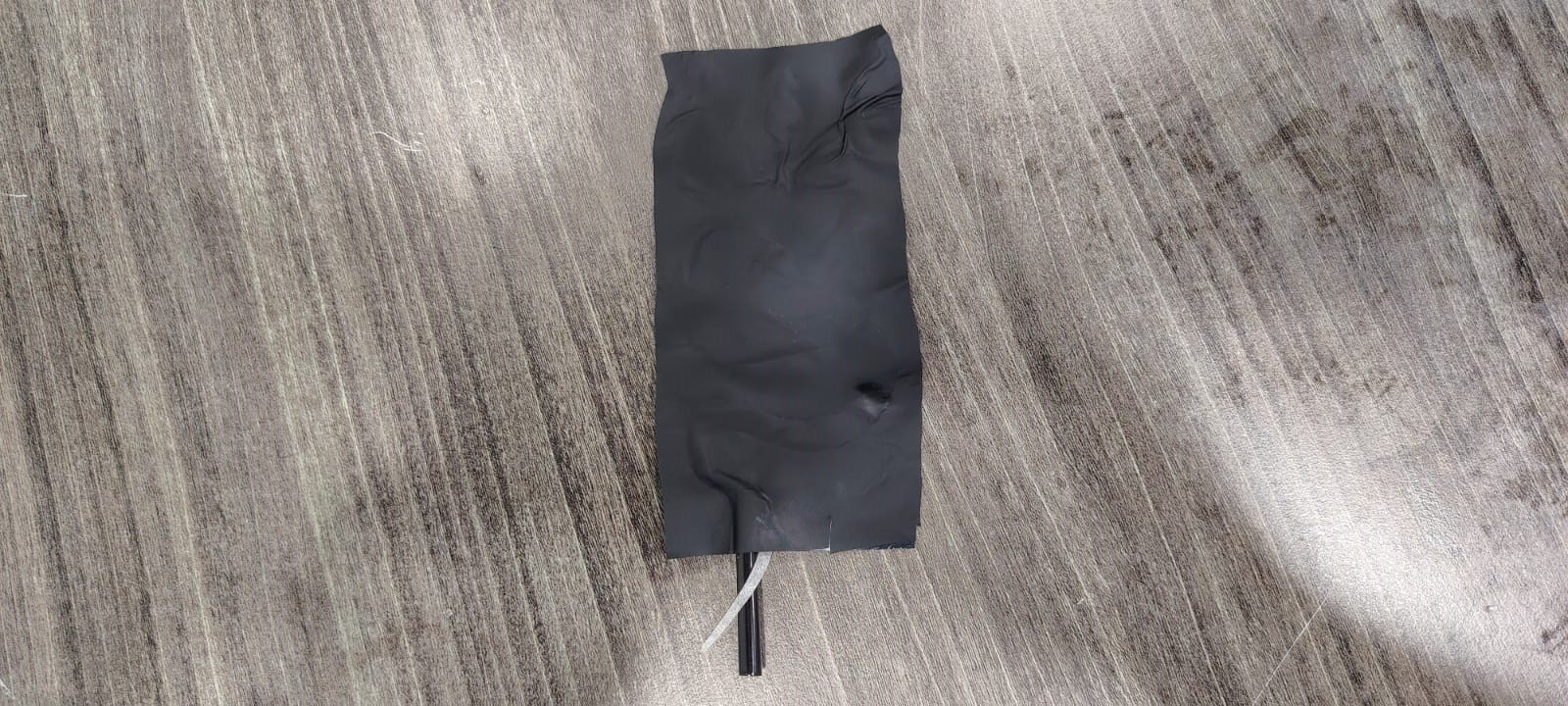
The next step was using Drink Straw.