BioChromes
Introduction
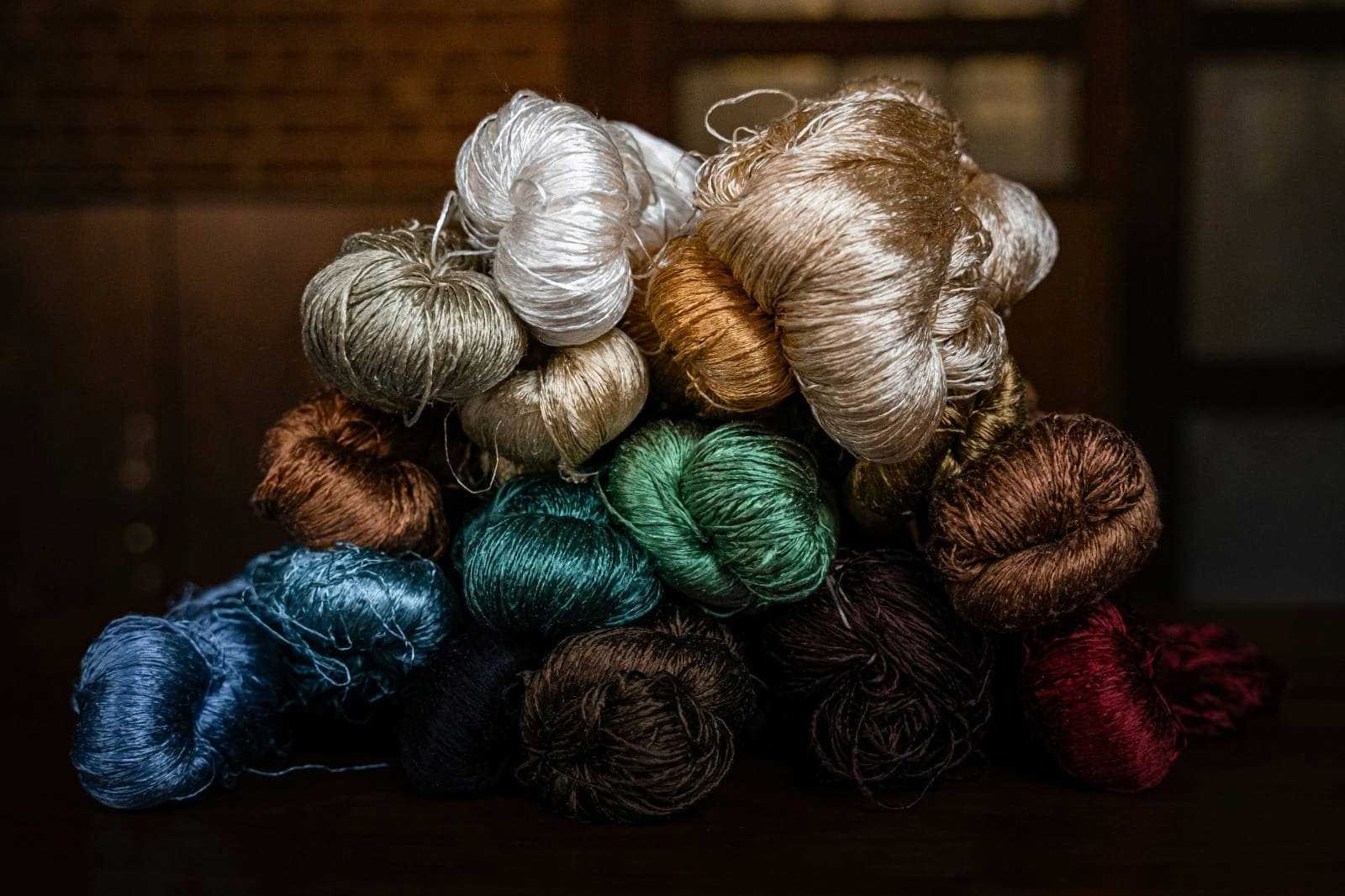 This image taken from unsplash
For thousands of years, dyes have been connected to humanity’s journey in expressing its identity and developing its materials, as ancient civilizations used colors extracted from plants, insects, and minerals to dye and decorate textiles. Their use dates back to ancient times, and archaeological evidence points to the use of cotton fabrics dyed with natural indigo in Peru some 6,000 years ago. With the discovery of the first commercially available synthetic organic dye, mauveine, by chemist William Henry Perkin in 1856, the dye industry saw a major shift toward large scale industrial production. Today, even though synthetic dyes dominate the textile industry, scientific reviews indicate that natural dyes account for about 1% of dyed fabrics; however, this percentage should be treated as a published estimate rather than a current, standardized global statistic. As interest in sustainability and material development grows, natural dyes are once again becoming an important area of research and experimentation, combining traditional knowledge with chemistry and the exploration of new sources of color, and opening the way for a rethinking of the relationship between color, materials, and the environment.
1. Research
1.1 The Concept of Natural Dyes & Sources
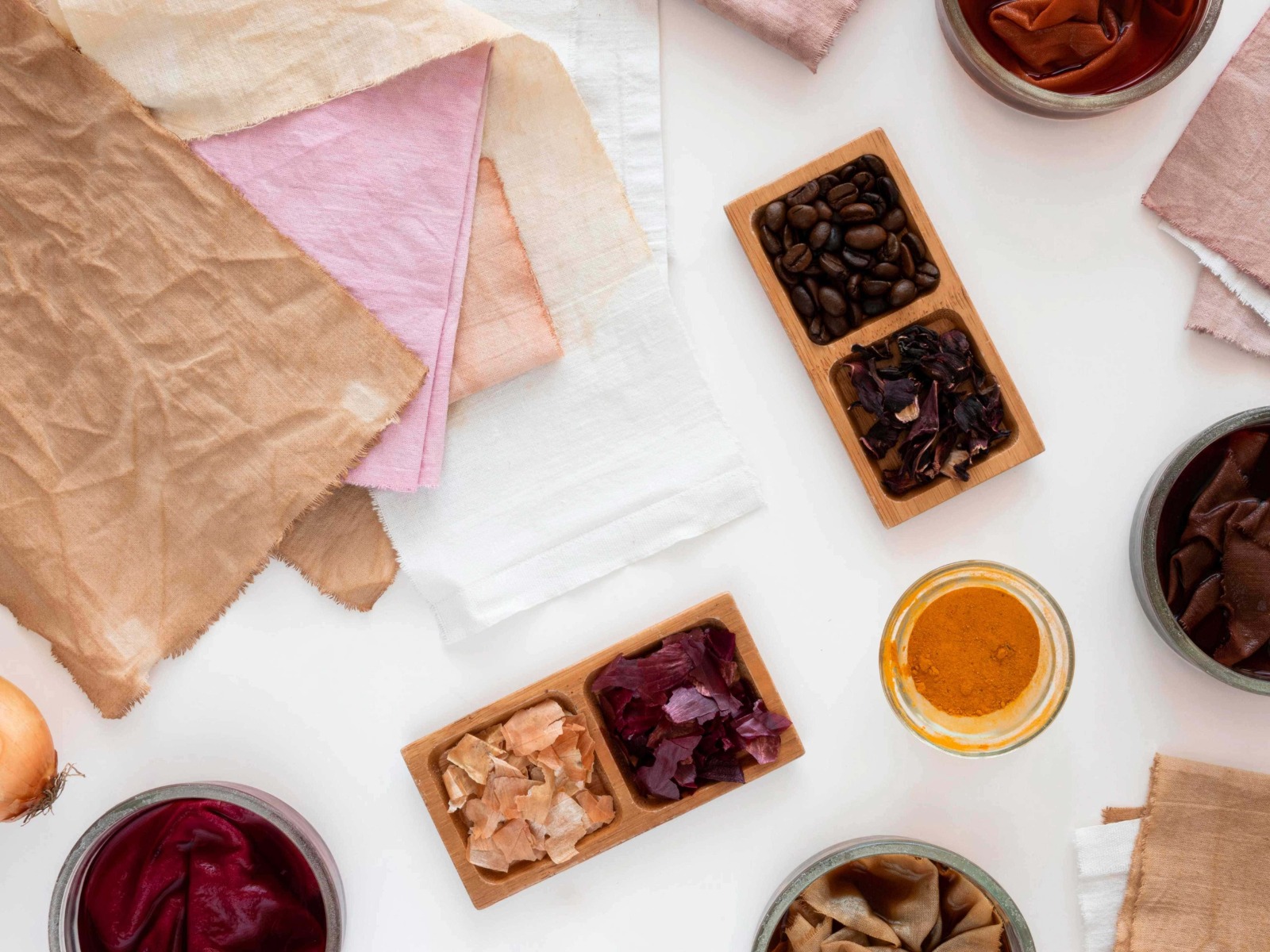
Natural dyes are coloring agents extracted from sources found in nature and contain chemical compounds responsible for producing color. These compounds vary in their composition, properties, and how they interact with the materials to be dyed, which leads to different results depending on the source used and the processing method.
This image taken from magnific
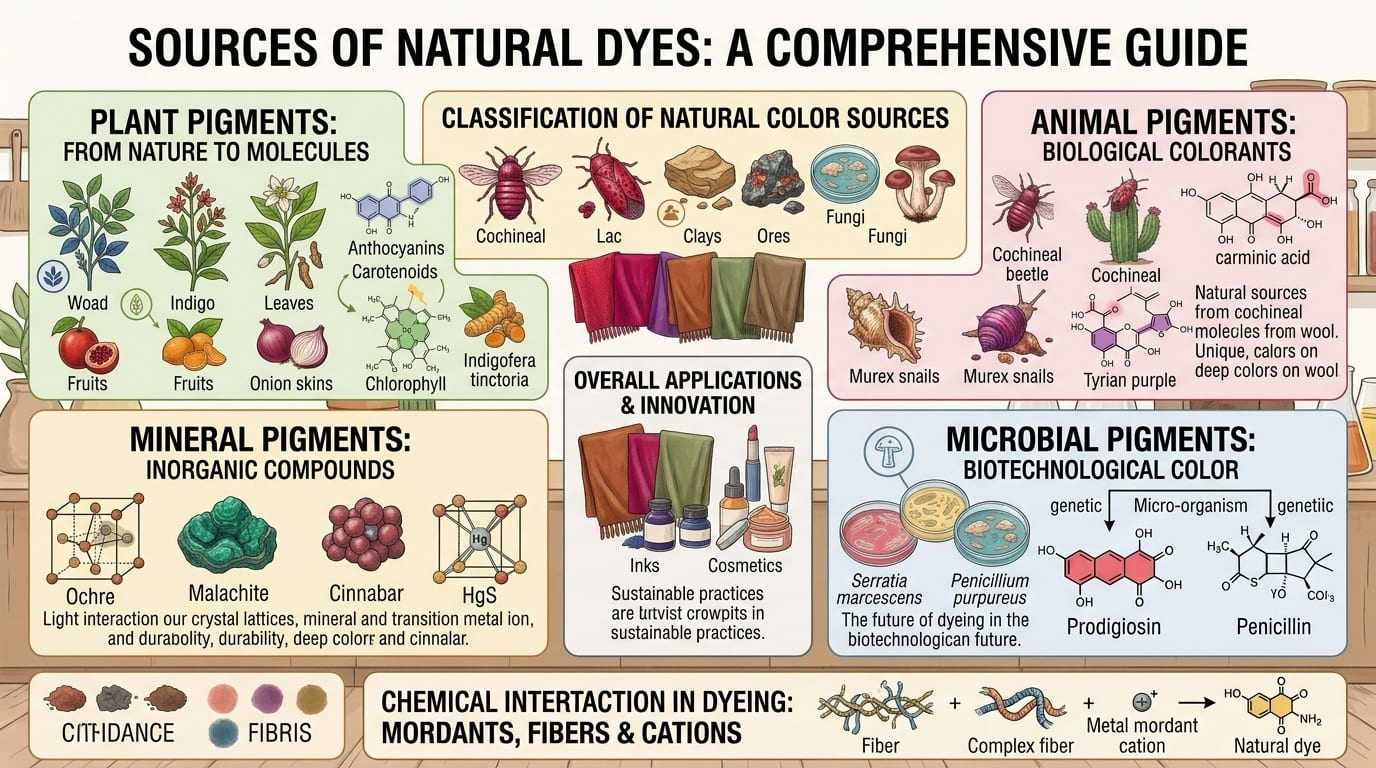
Sources of natural dyes can be classified into several main groups:
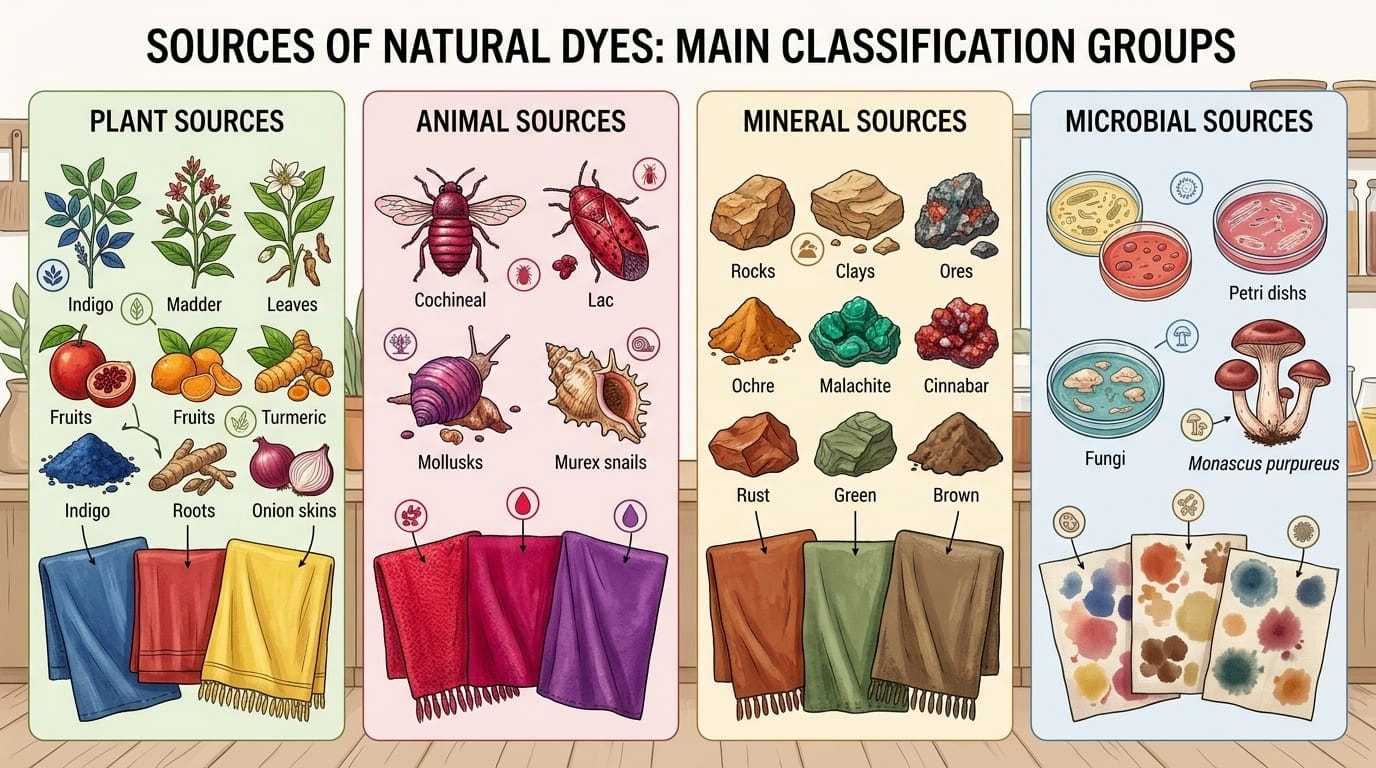 This image created by Gemini
1.2 The Chemistry Behind Natural Color
 This image created by Gemini
Most natural pigments get their color from chemical compounds that interact with light in a way that makes the substance appear a specific color. Some of the groups of these compounds include anthocyanins, carotenoids, flavonoids, and chlorophyll, as well as other compounds such as curcumin and indigo.
1.3 The Relationship Between Dye and Textile Fibers
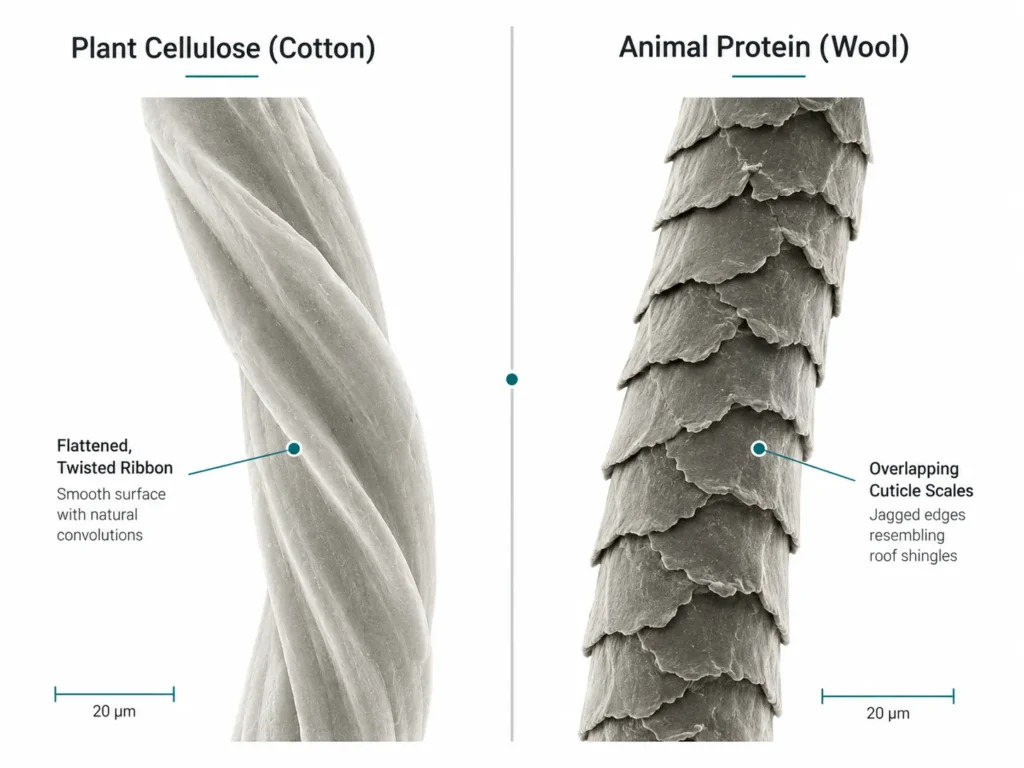
The effectiveness of dyeing depends on the nature of the interaction between the dye compounds and the textile fibers. Fibers are not identical in terms of their chemical composition or their ability to absorb or retain dyes.
There are two main types of fibers:
 This image taken from careonova
Workflow
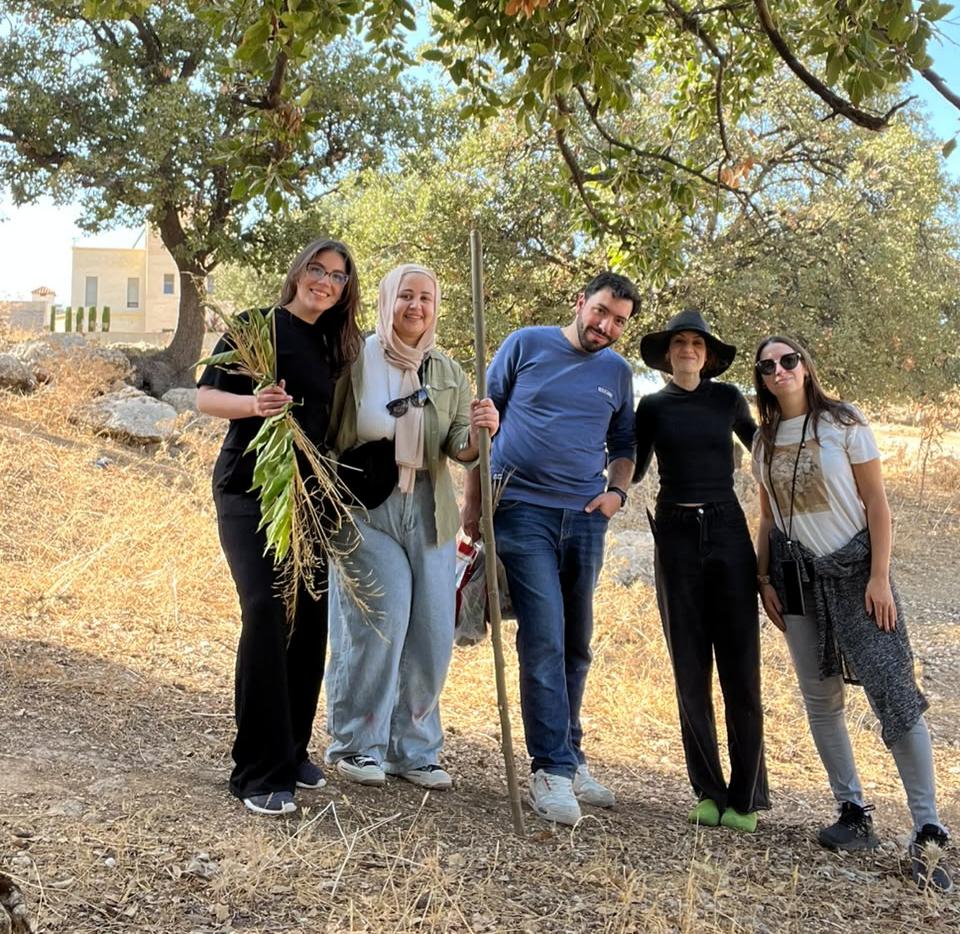
This week, we went on a short field excursion to explore the local natural landscape and collect wild plant specimens for our natural dyeing and pigment extraction experiments.
1.1 Required Materials & Reagents
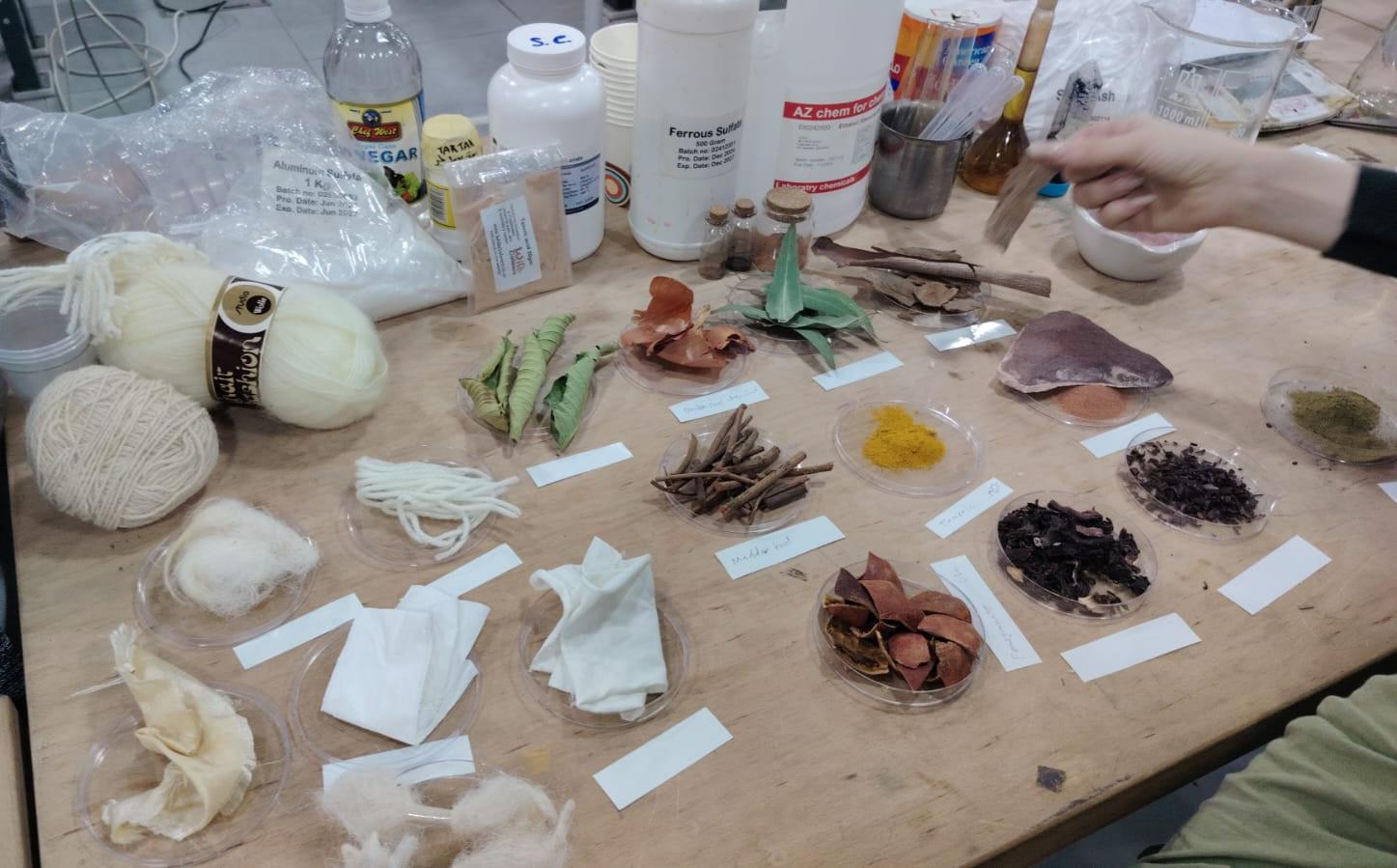
Equipment & Tools:
- Pots
- Beakers & Containers
- Electric Hob
- Precision Scale
- Spoons & Silicone Spatula
- Fine Sieve
- Clamps
- Threads
- Labels & Marker
Fibers:
-
Plant (Cellulose): Cotton fabric, Linen, Threads
-
Animal (Protein): Wool
Dyeing Reagents & Solvents:
-
Dyestuffs: Natural botanical materials (flowers, leaves, roots)
-
Mordant: Potassium Aluminum Sulfate
-
Modifiers: Ferrous Sulfate, Sodium Carbonate, Vinegar, Lemon, Henna, Ethanol
-
Solvents: Water, Ethanol
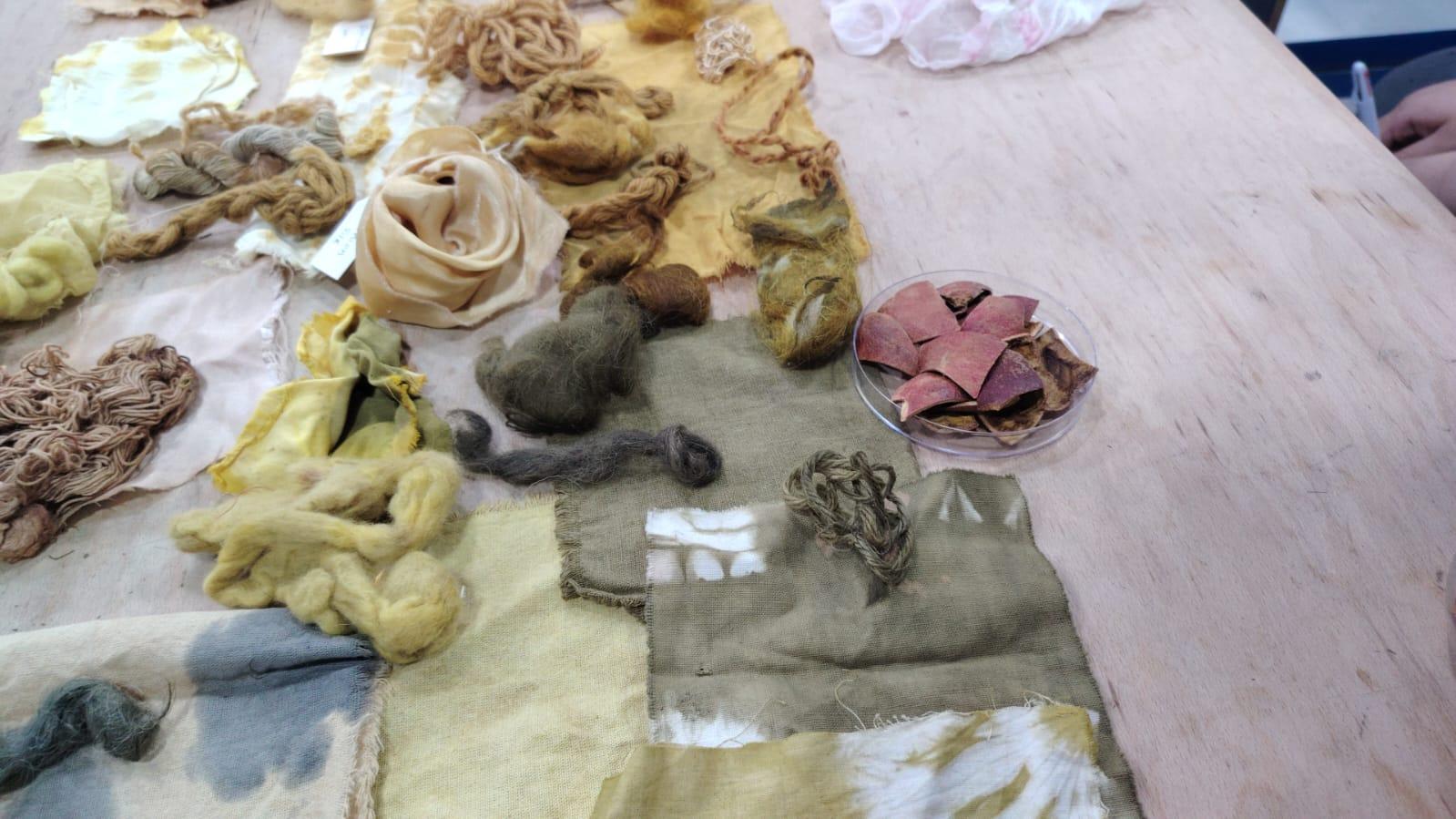
1.2 Fibers Preparing
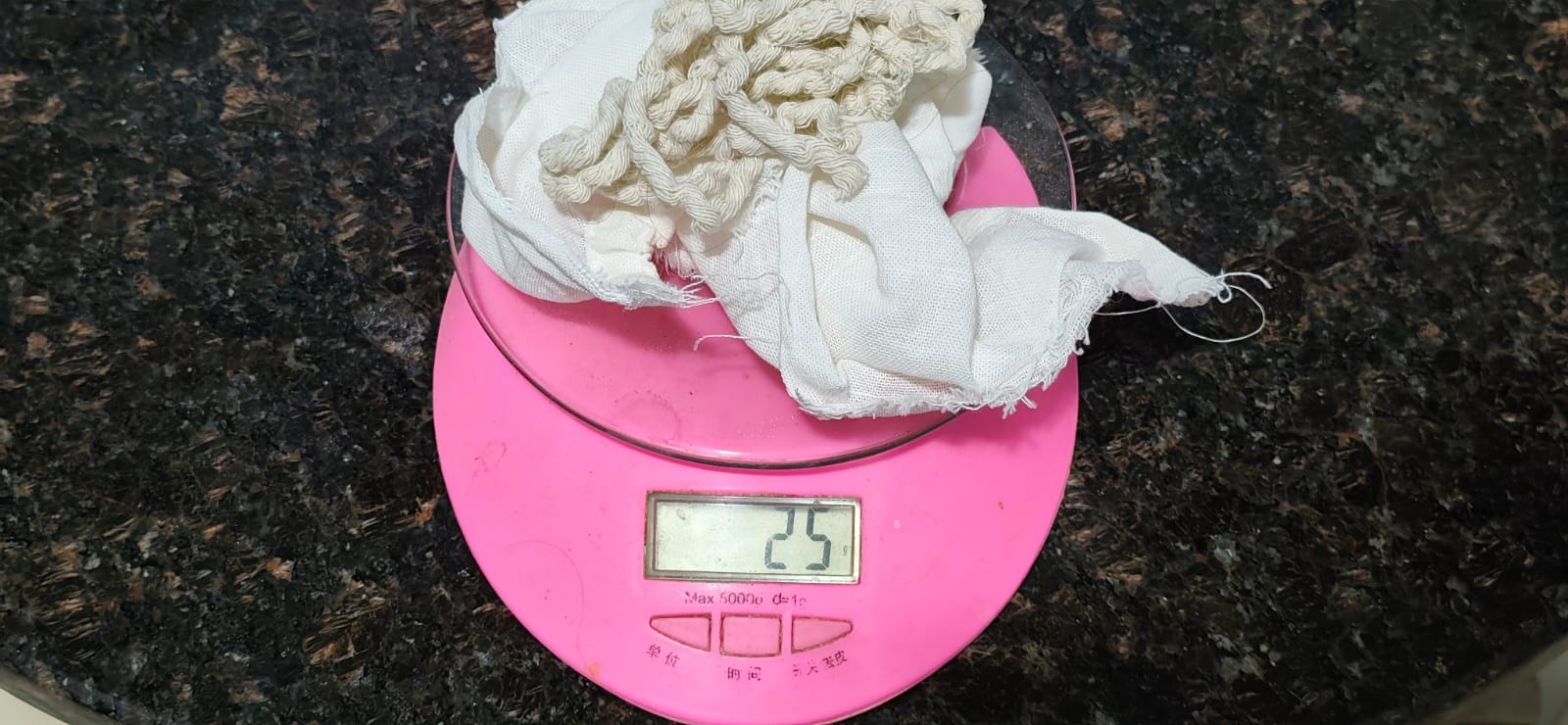
Fiber Weight Measurement (WoF)
Before proceeding with treatment, calculate the dry Weight of Fiber (WoF) to establish exact measurements for scouring agents and mordants. Plant and animal fibers must be weighed individually to accommodate their distinct preparation routines.
1.3 Fiber Scouring Methods
-
Plant Fibers: Dissolve 1 tbsp of washing soda in boiling water, submerge the fibers, and simmer for 1 hour.
-
Animal Fibers: Gently wash in warm water using 1 to 2 tbsp of mild soap, with proportions based on the WoF.
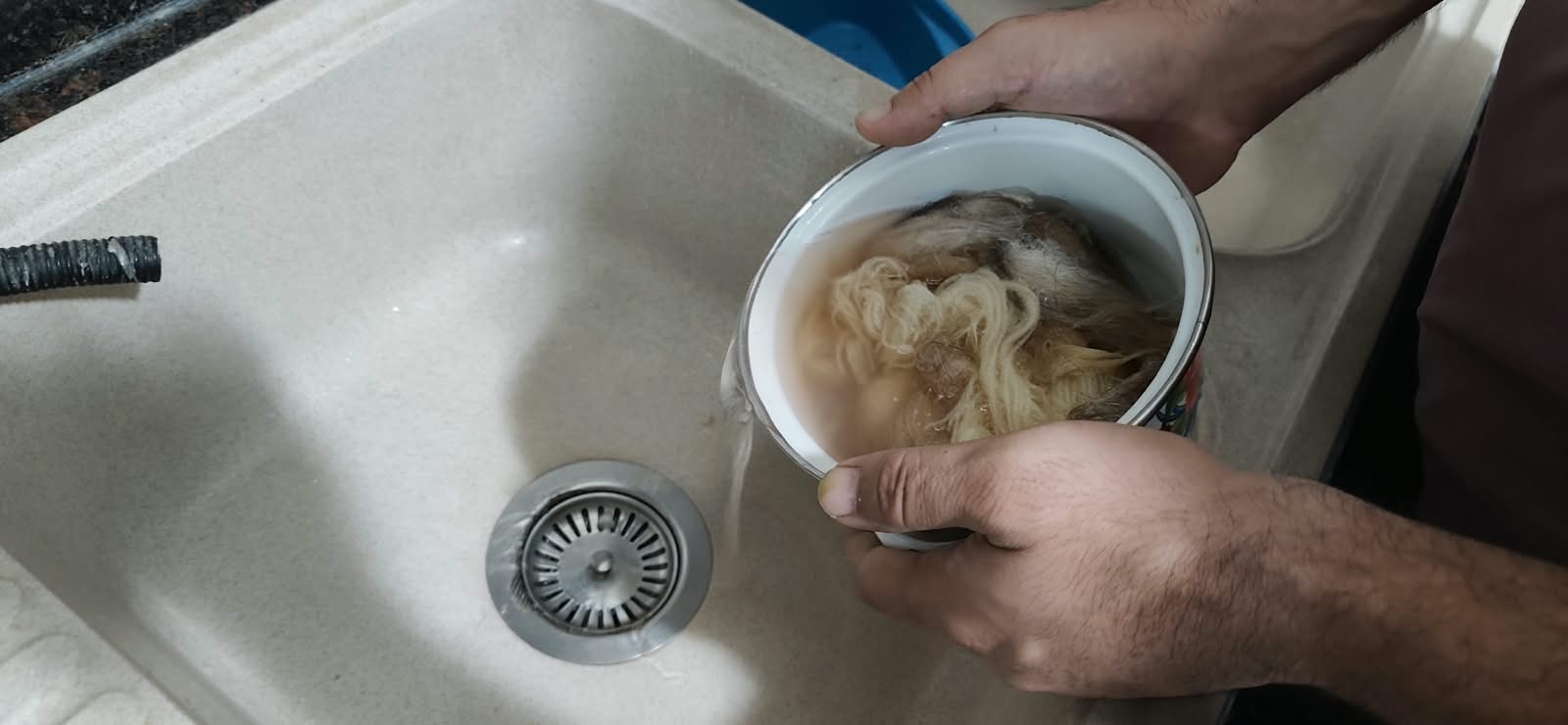
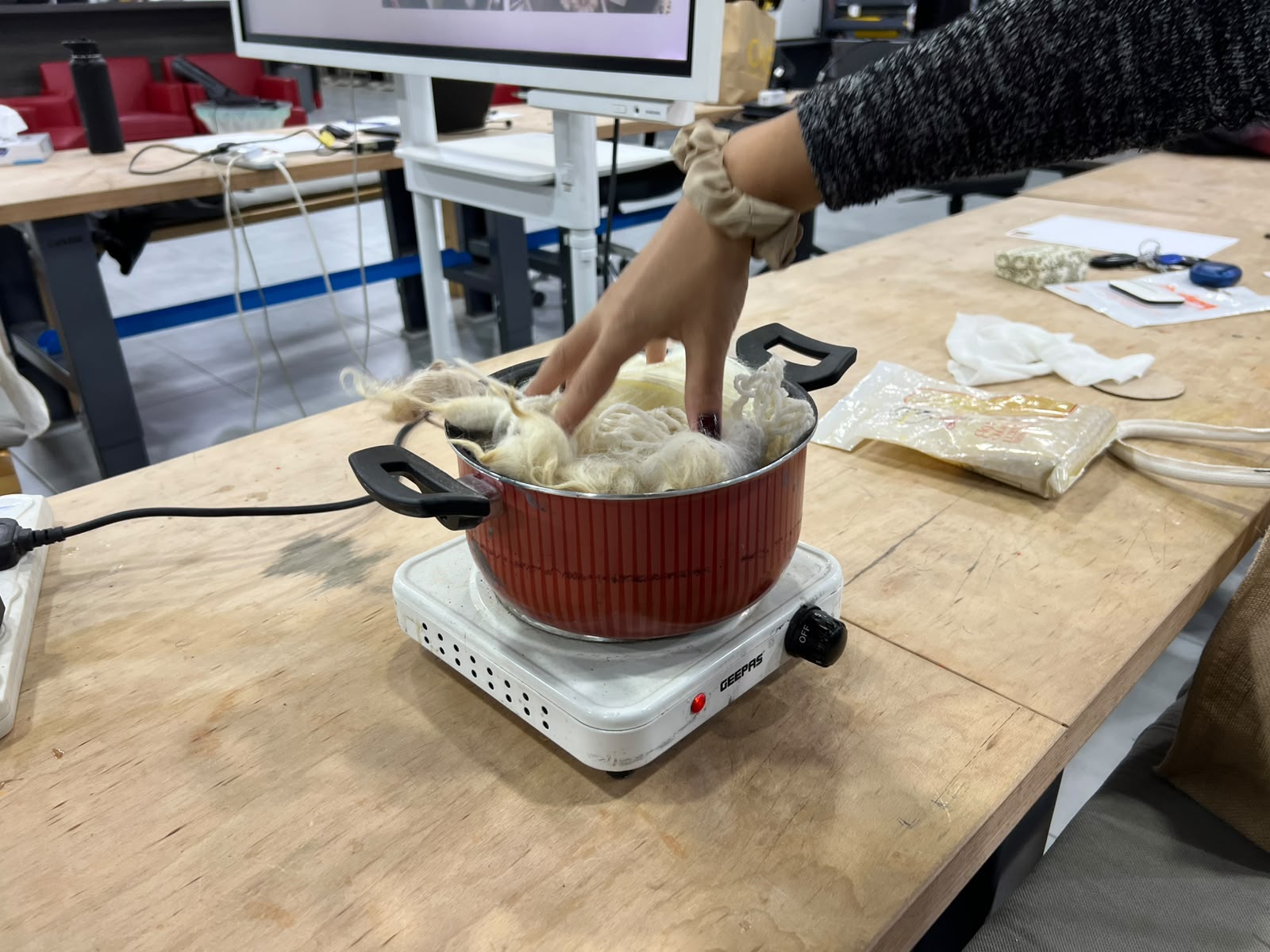
Our Experiments in The Lab
1. Dye Bath
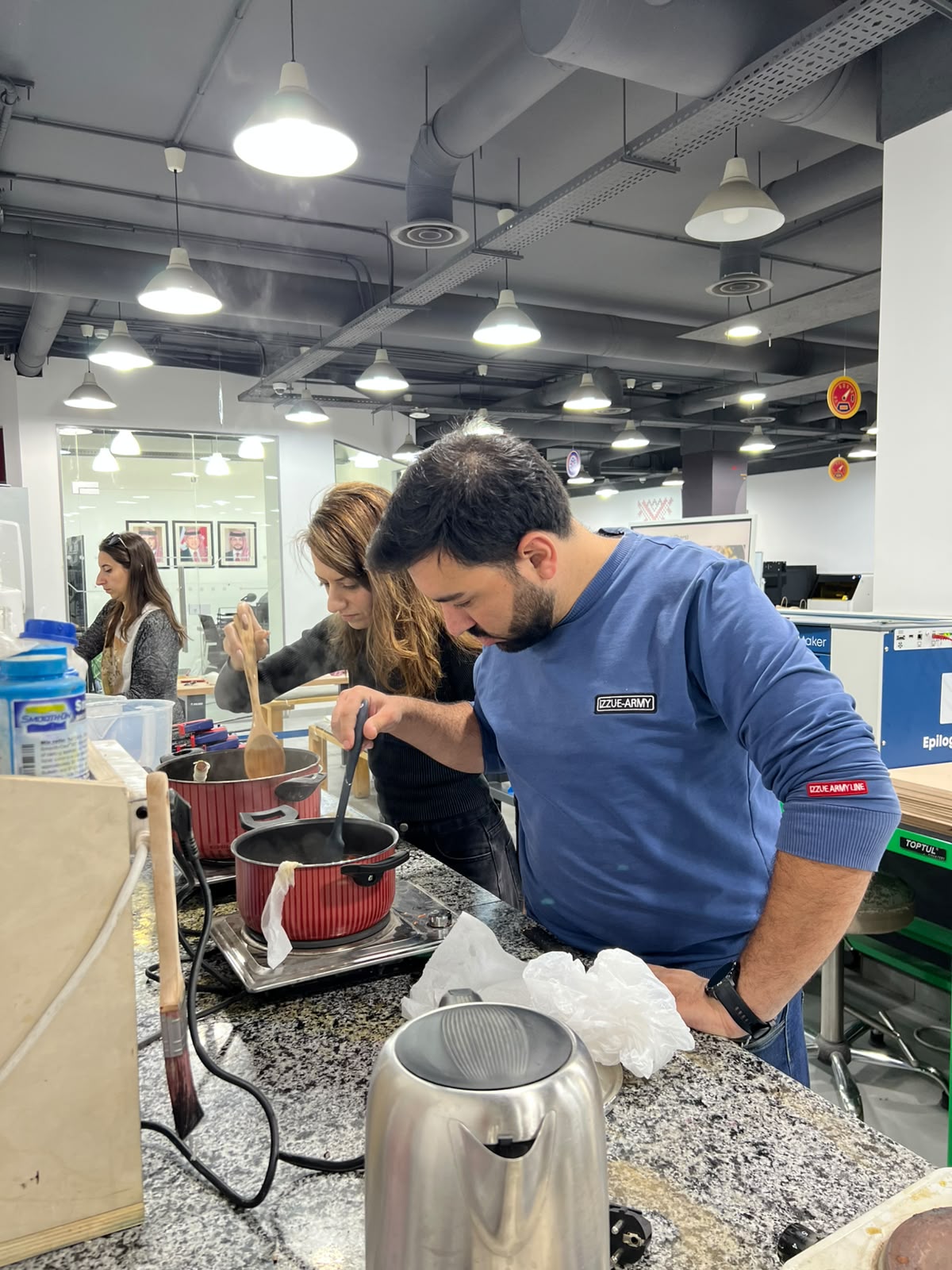
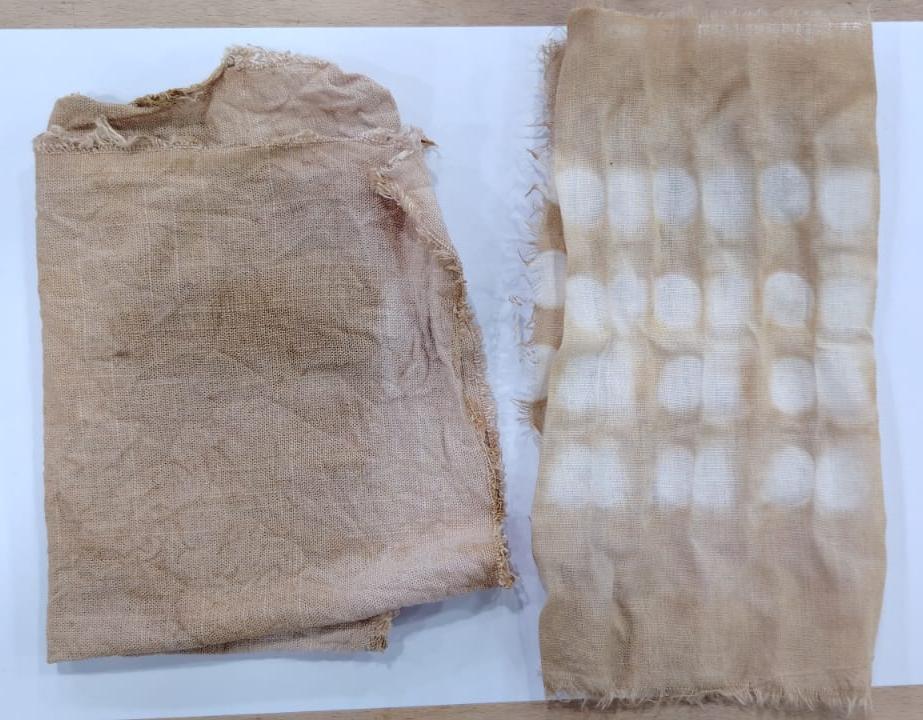
We prepared the onion peels and guava leaves, put them on the fire, added water, and left them until the water boiled.
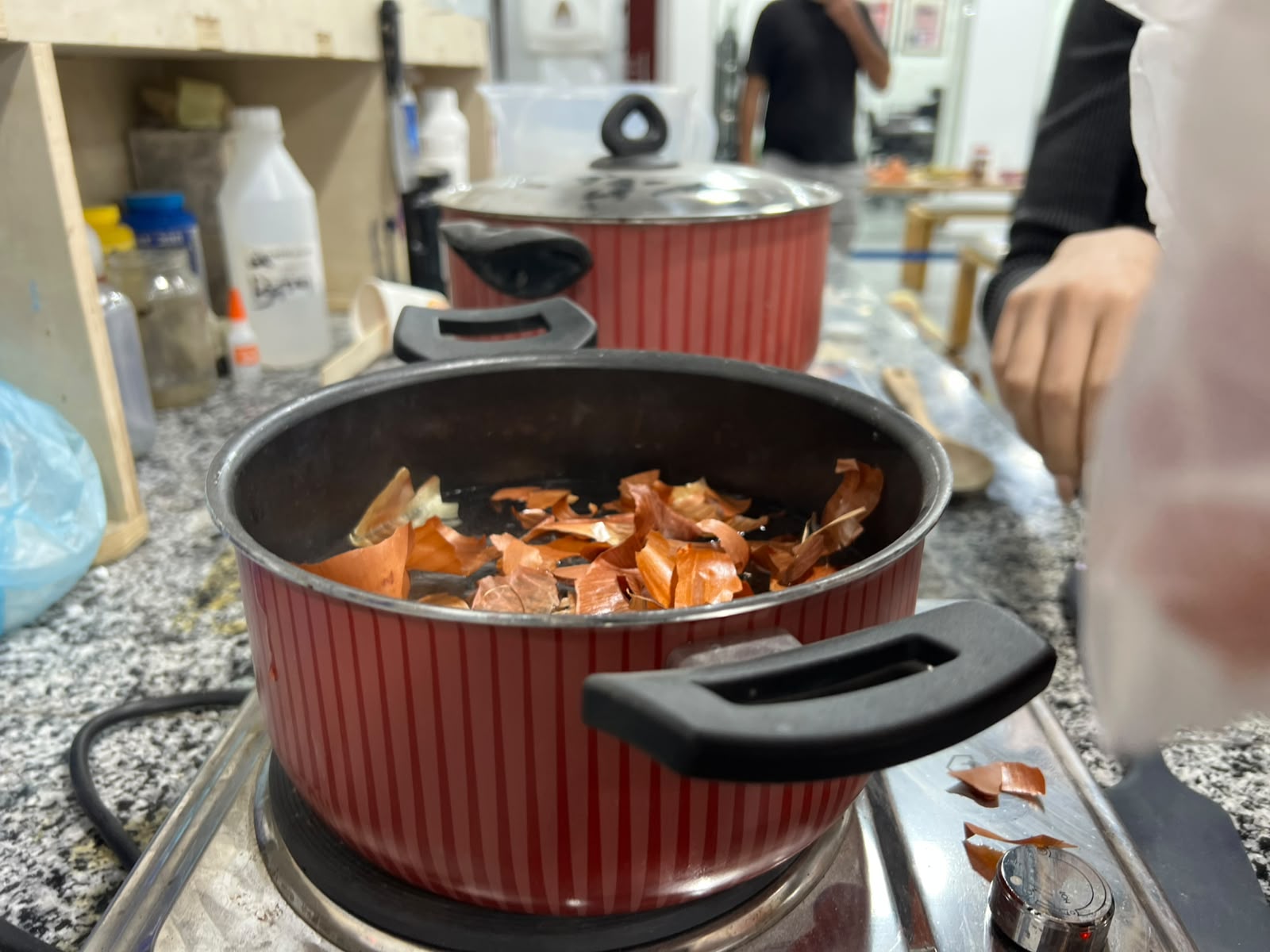
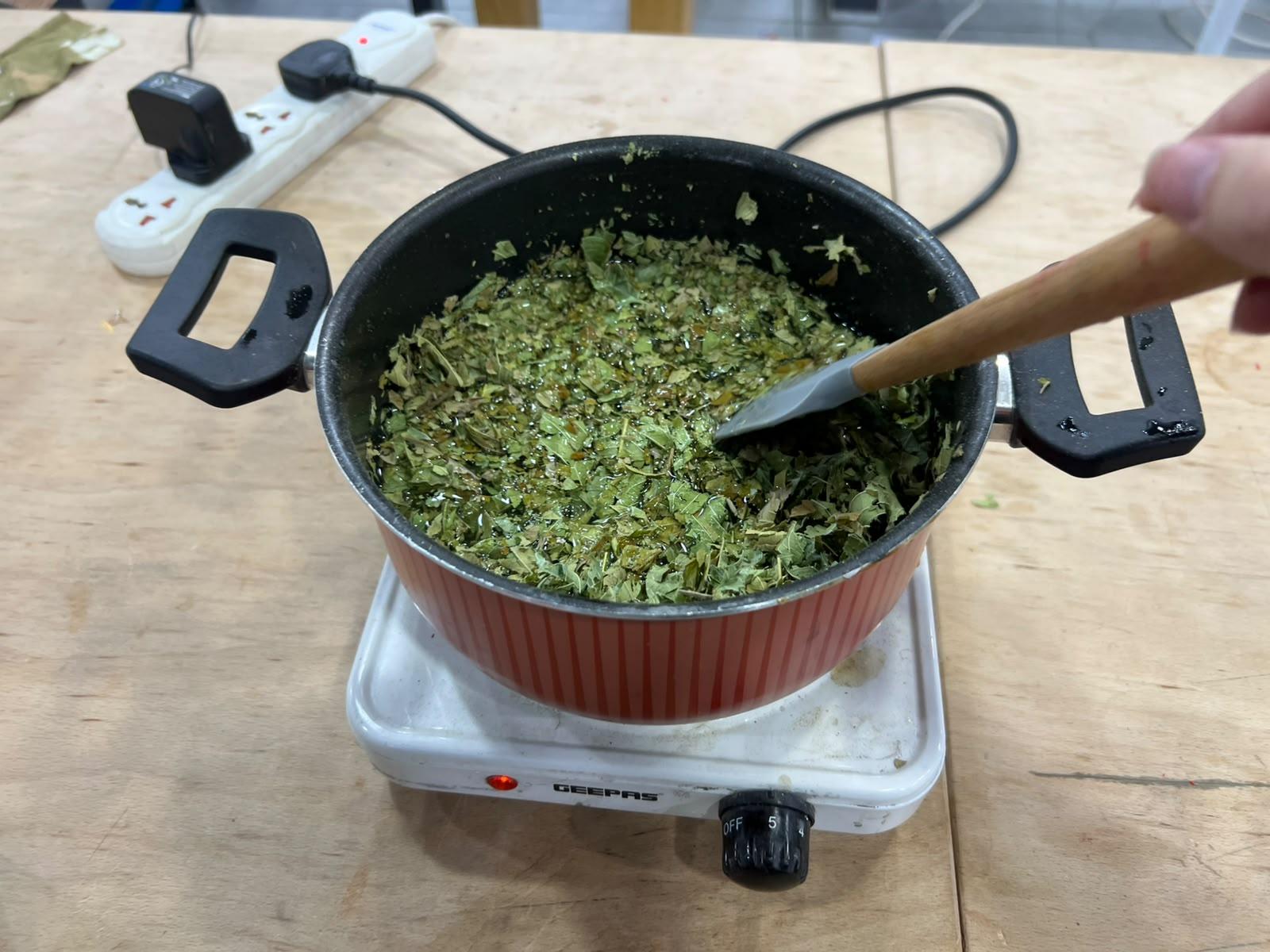
After that we created some pices shape from fabric and wool
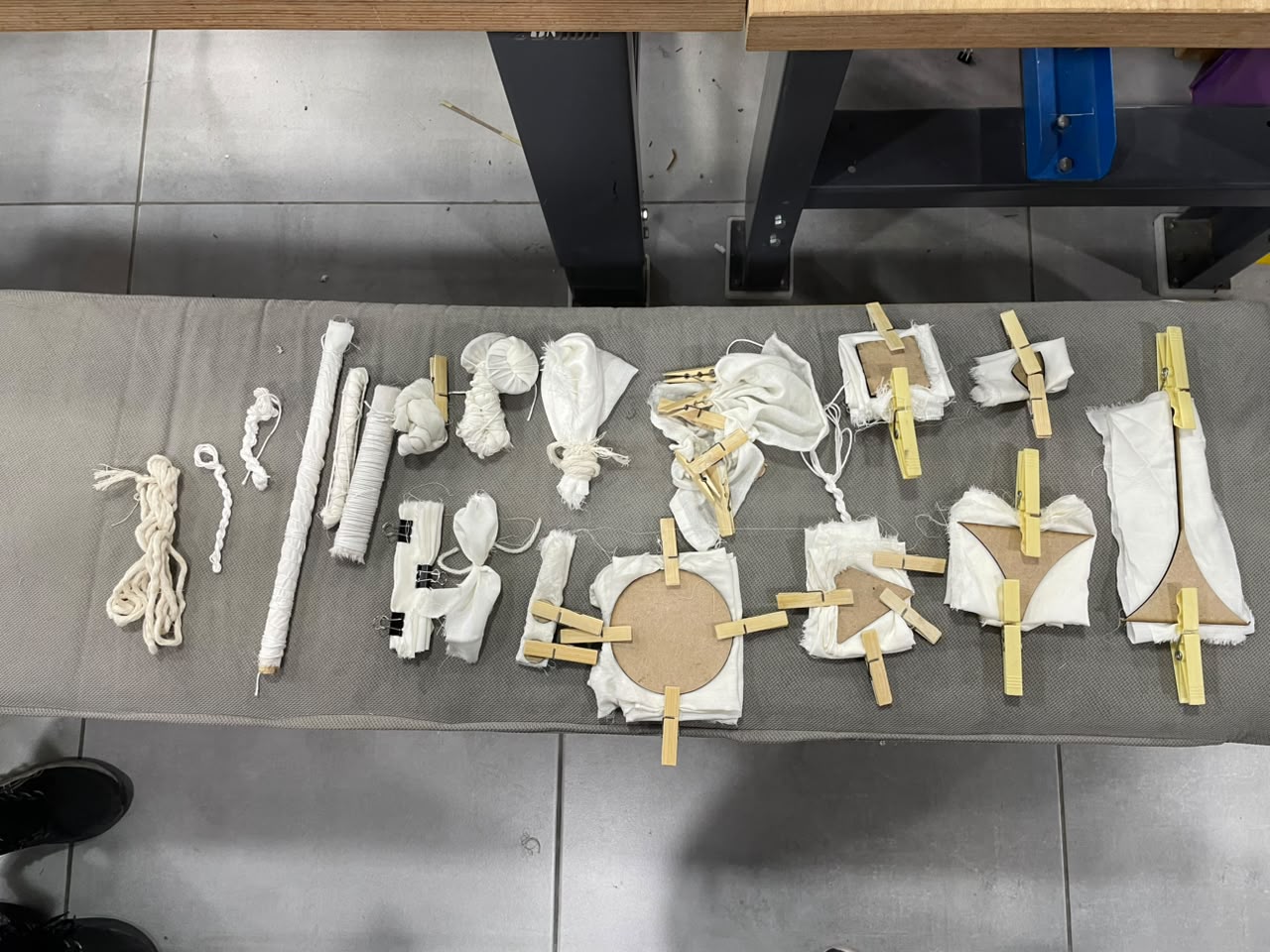
we prepare the fabric & wool
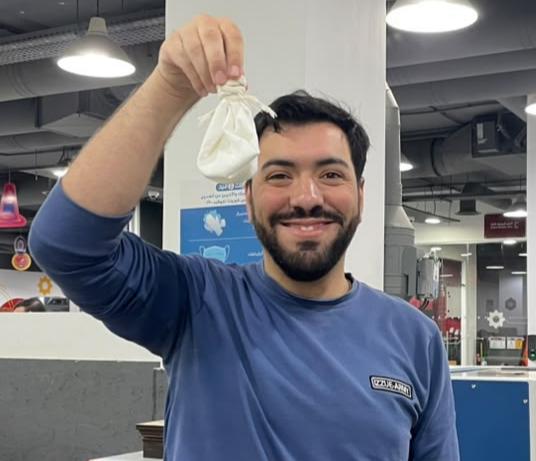
* I crreate Bundle (Bugja in Arabic word)from fiber
After when we finished from Fibers and wool we were check on onion peels and guava leaves
2. Inks
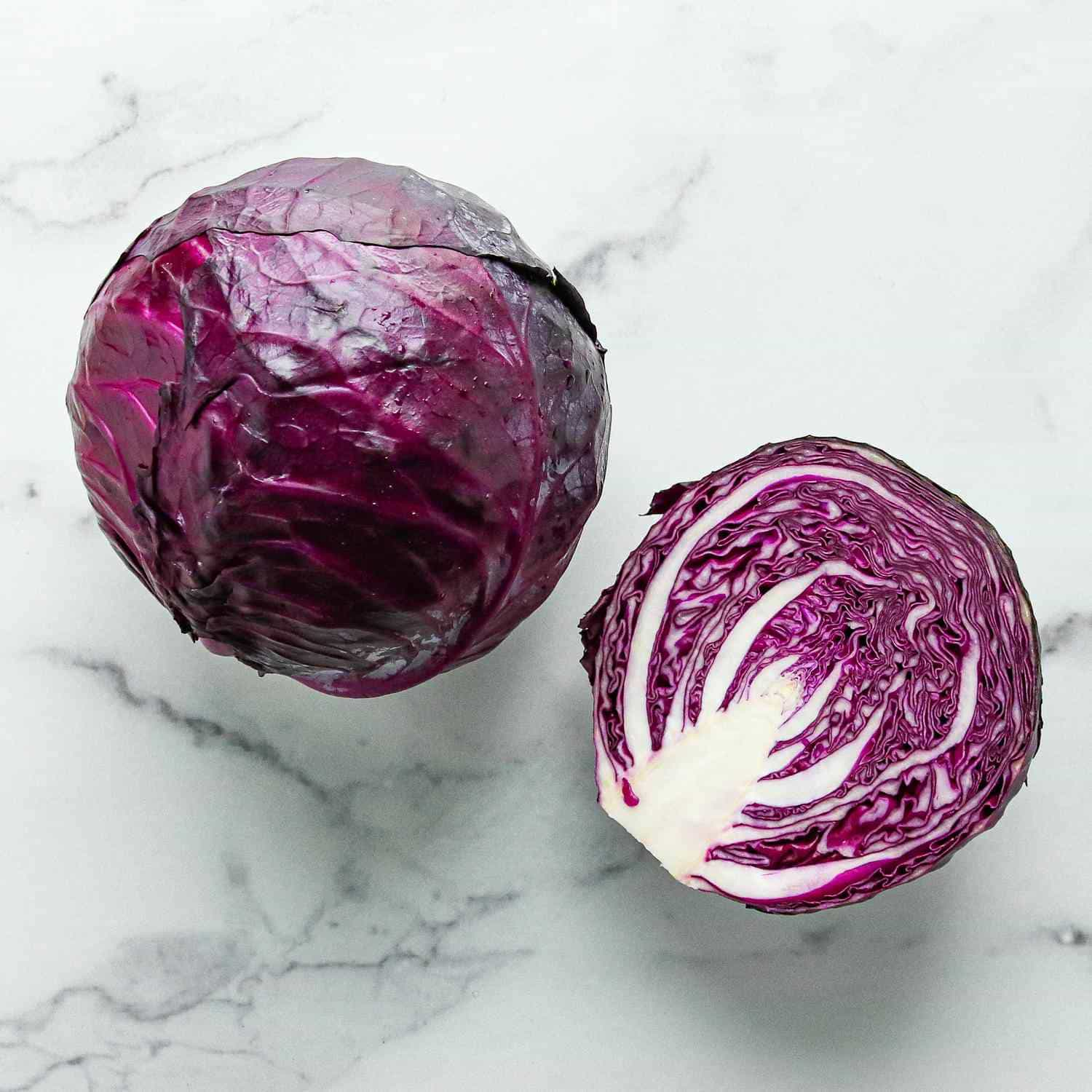
In this experiment we used Red cabbage to extract inkes in deffernt colors
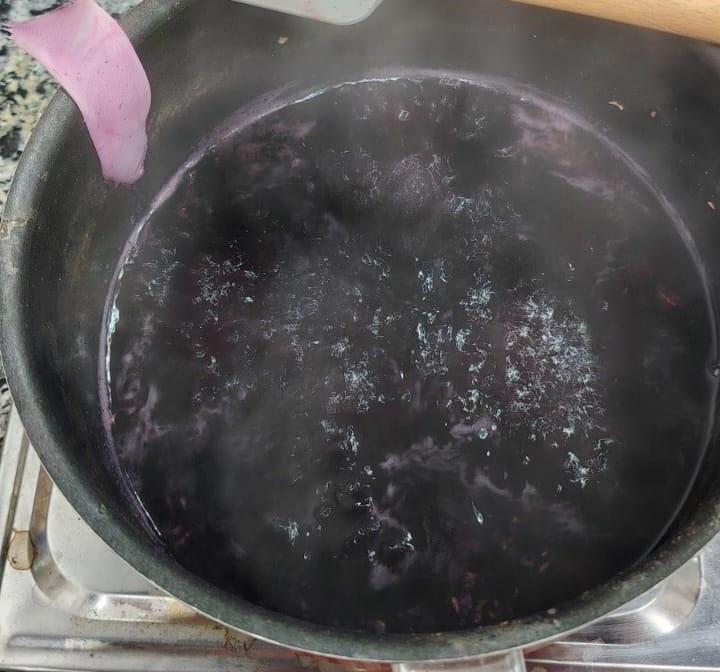
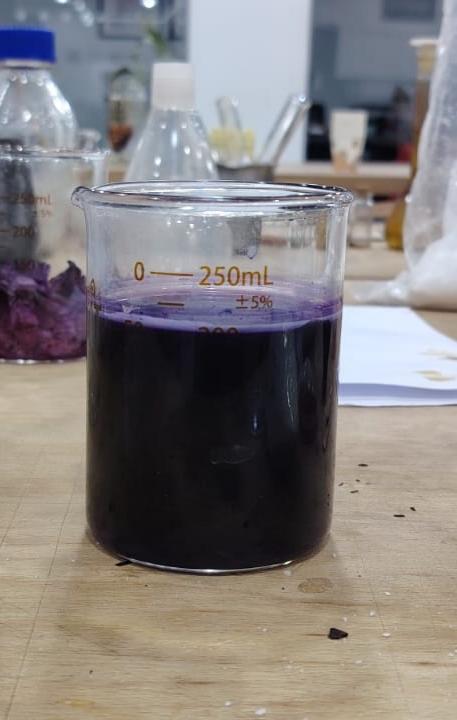
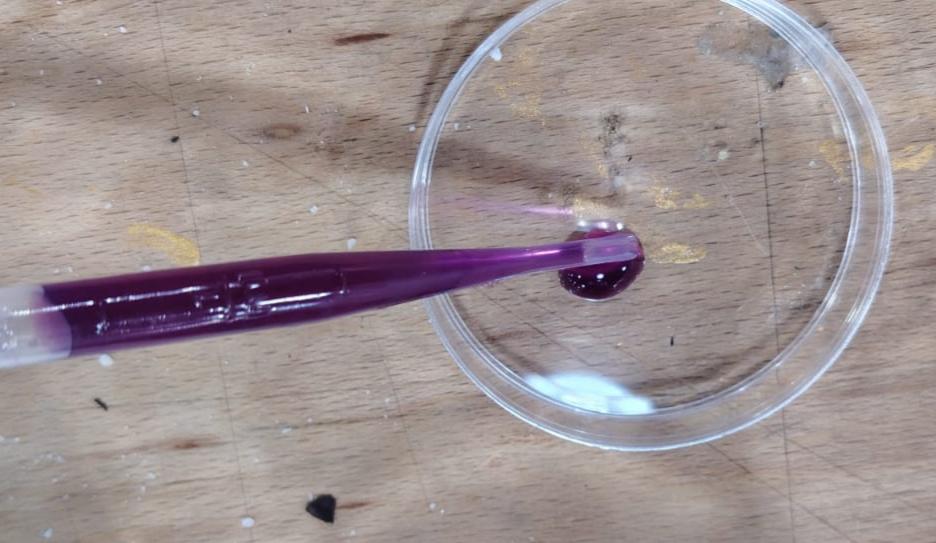
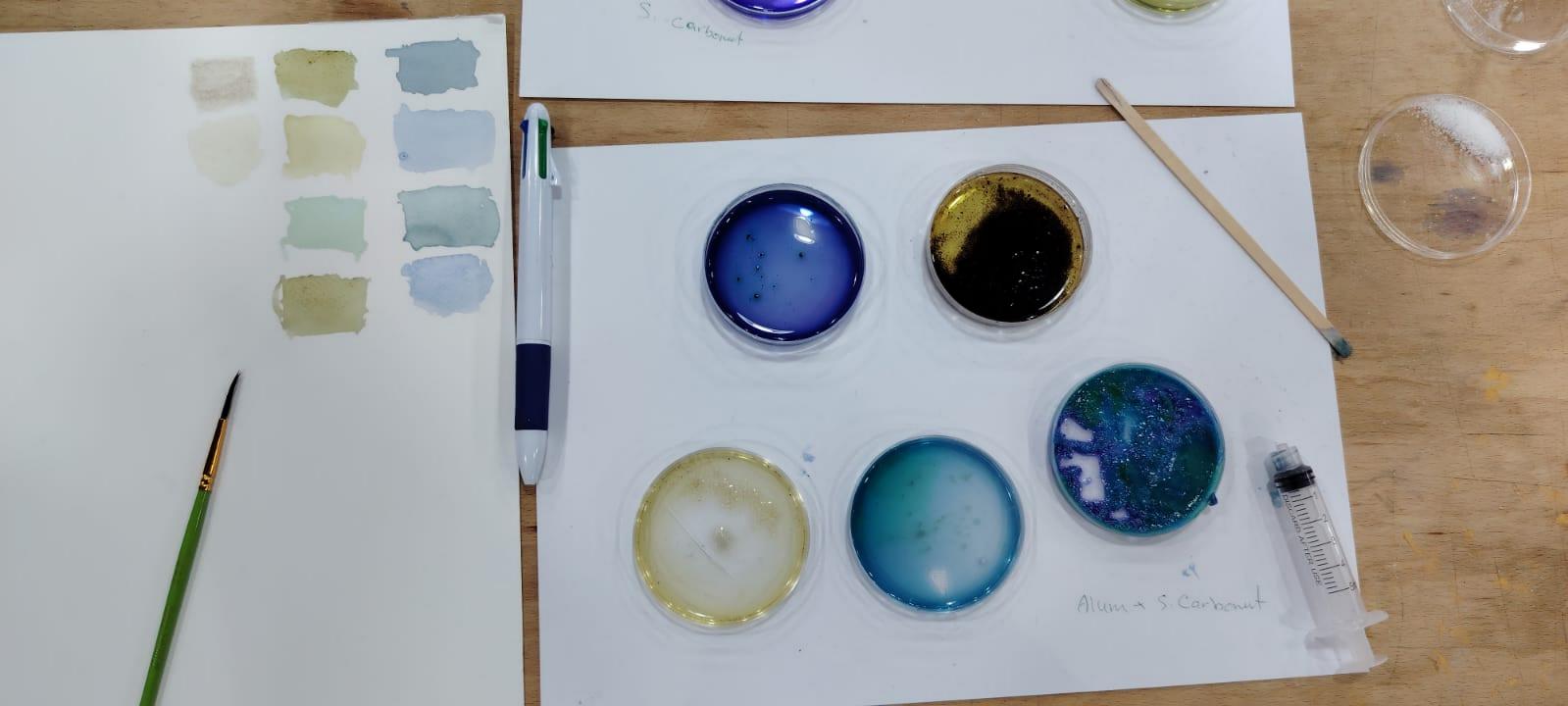
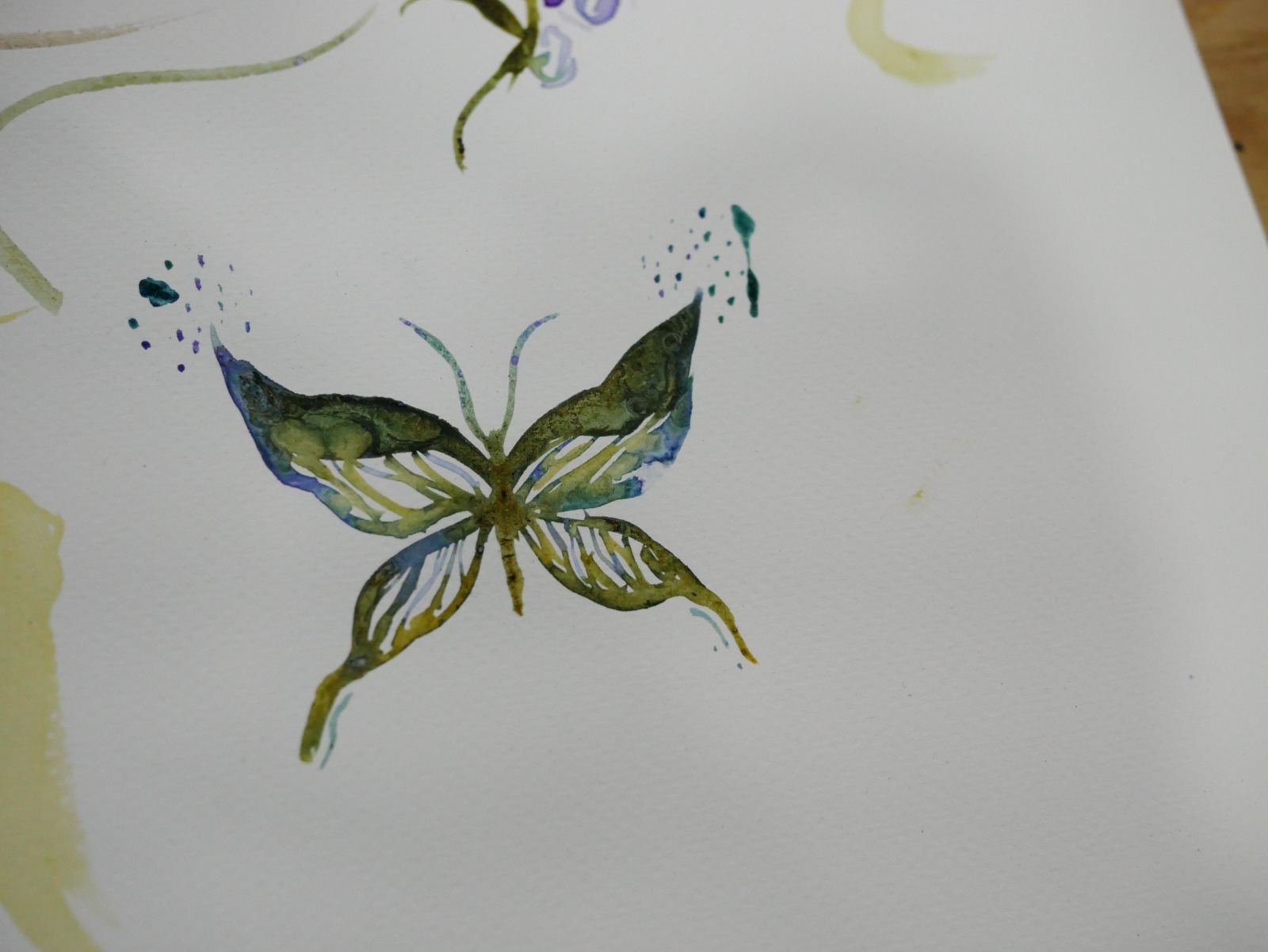
I uesed materials like
- Alum
- Sodium Carbonate
- Ferrous Sulfate
- lemon
- Ethanol
- Arabic Gum
3. Pigment
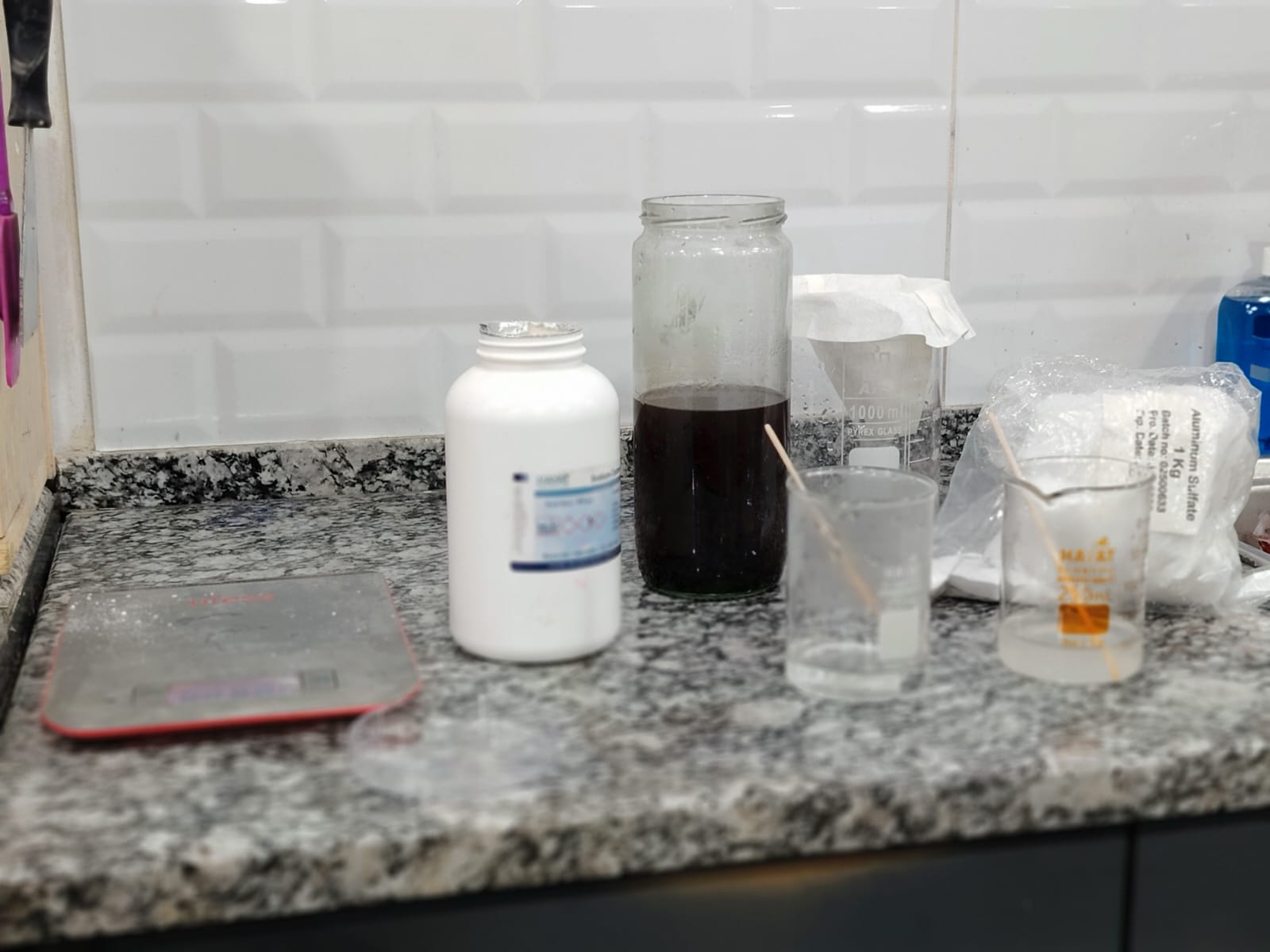
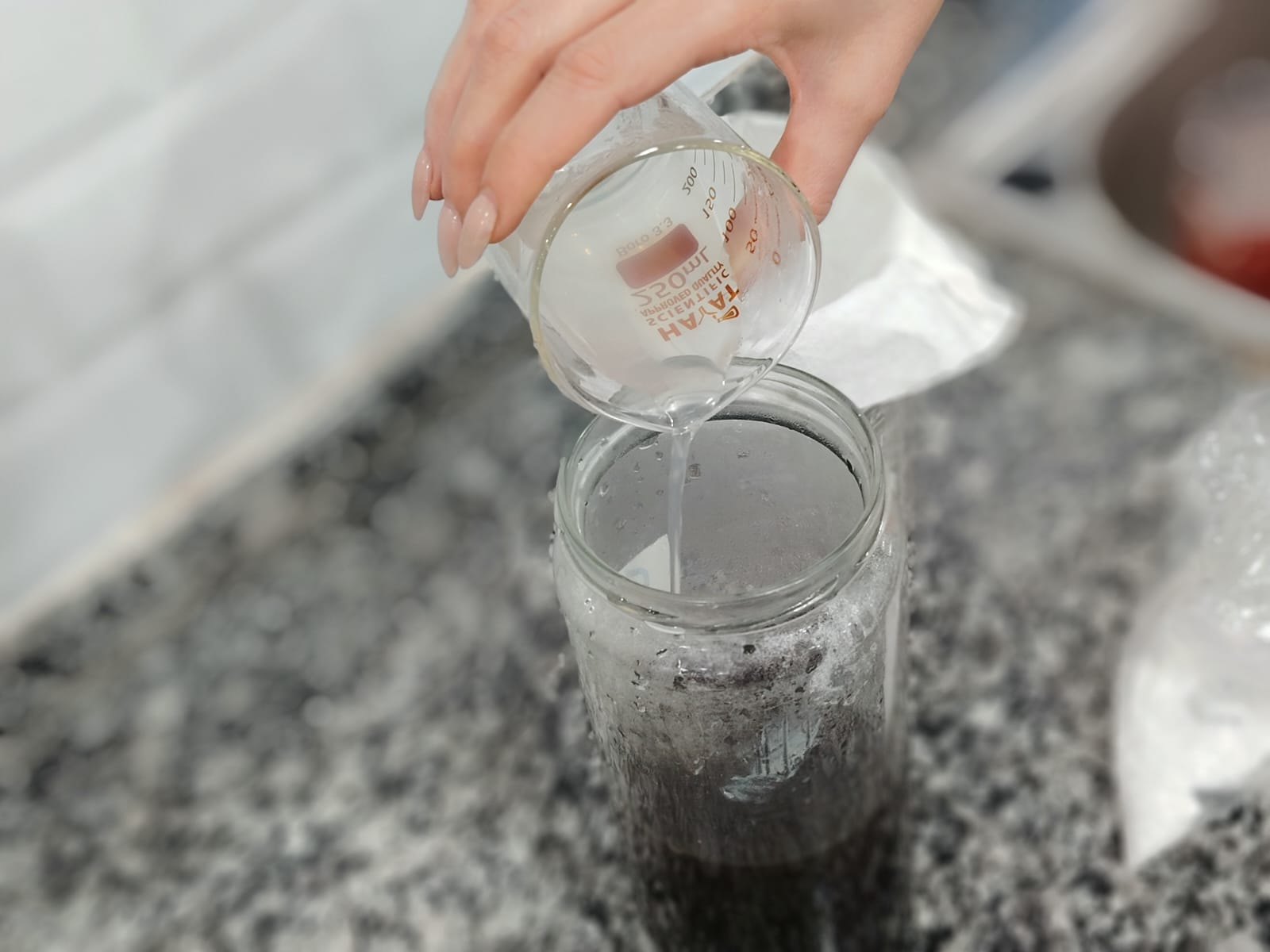
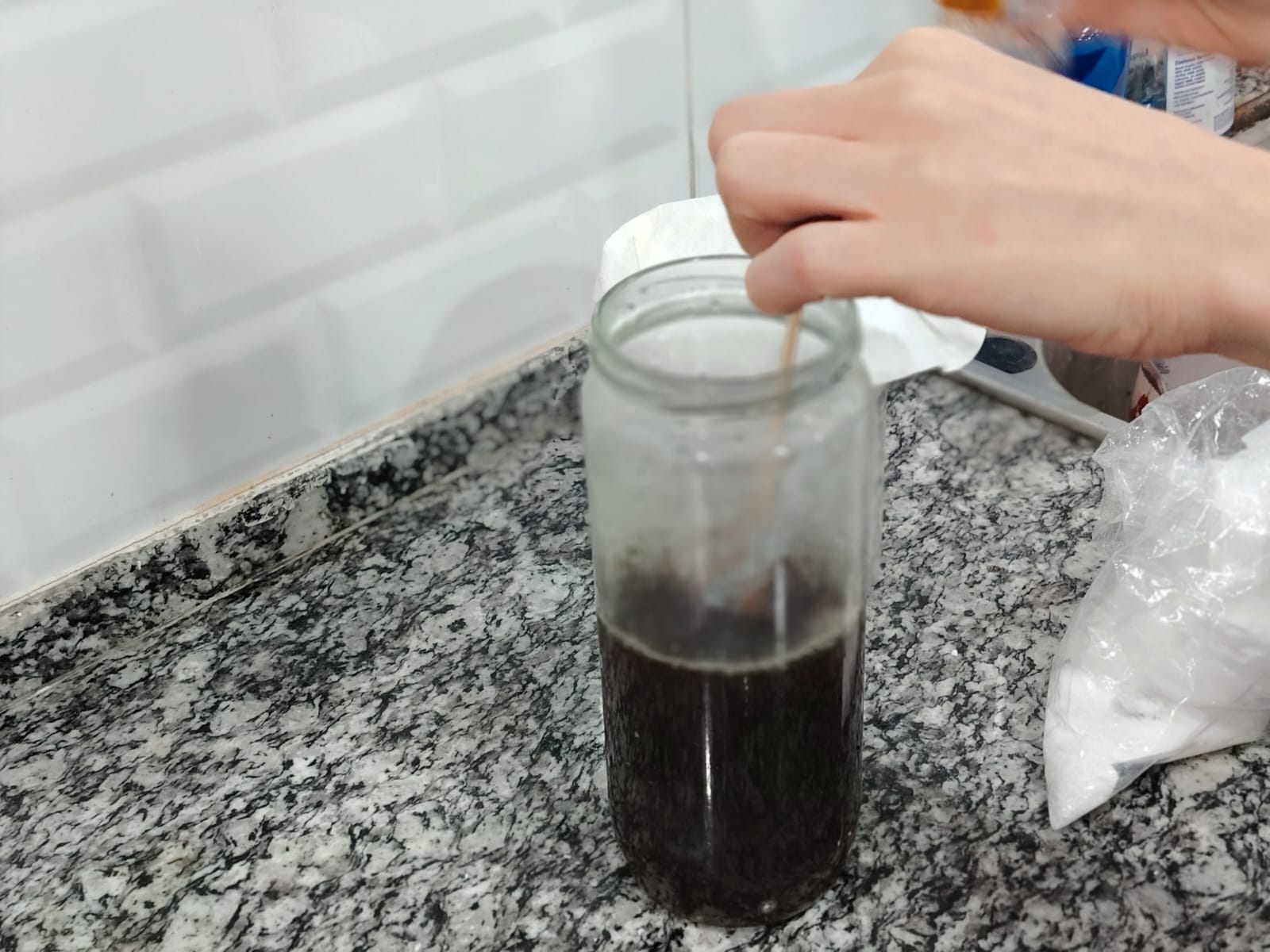
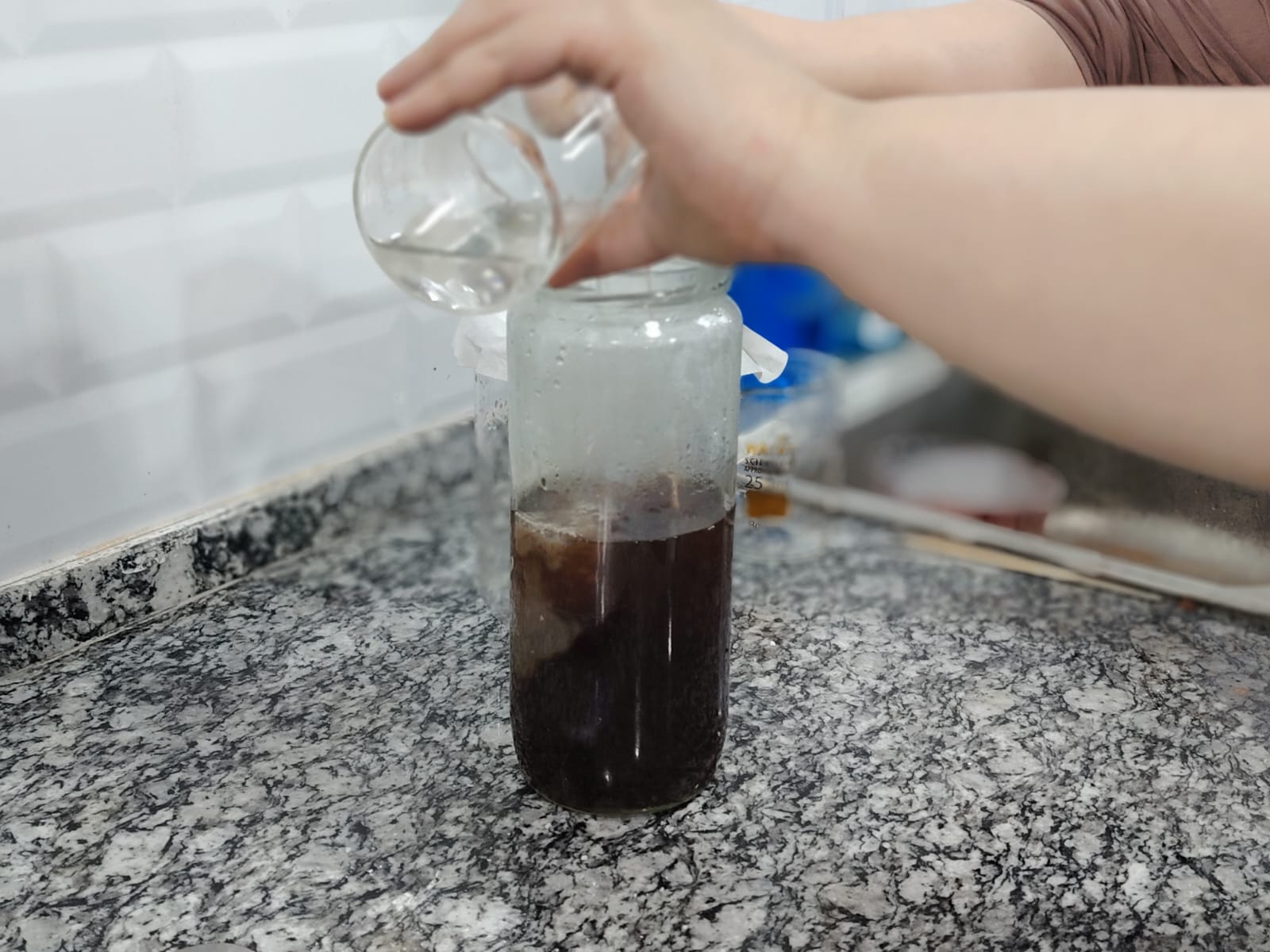
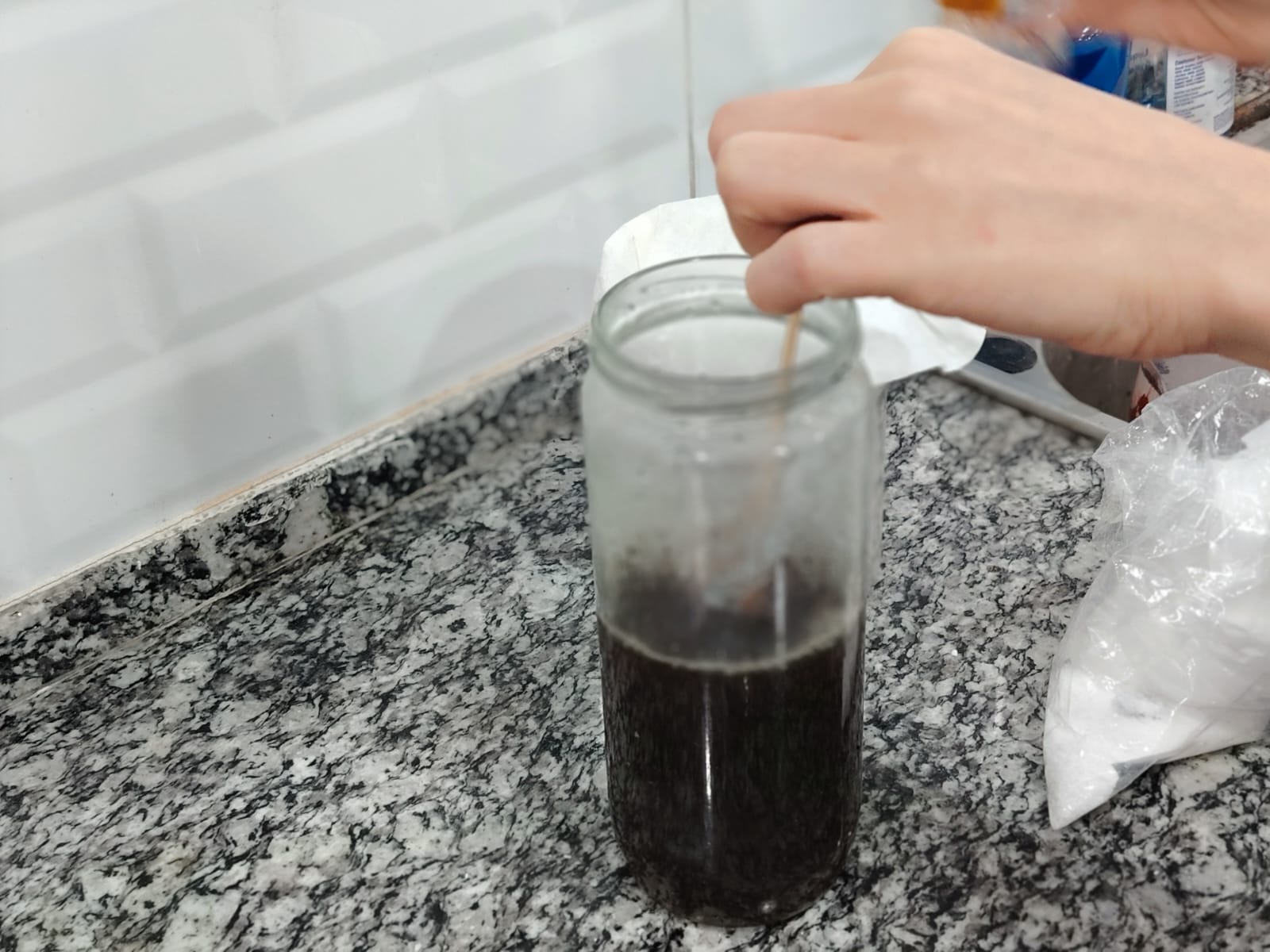
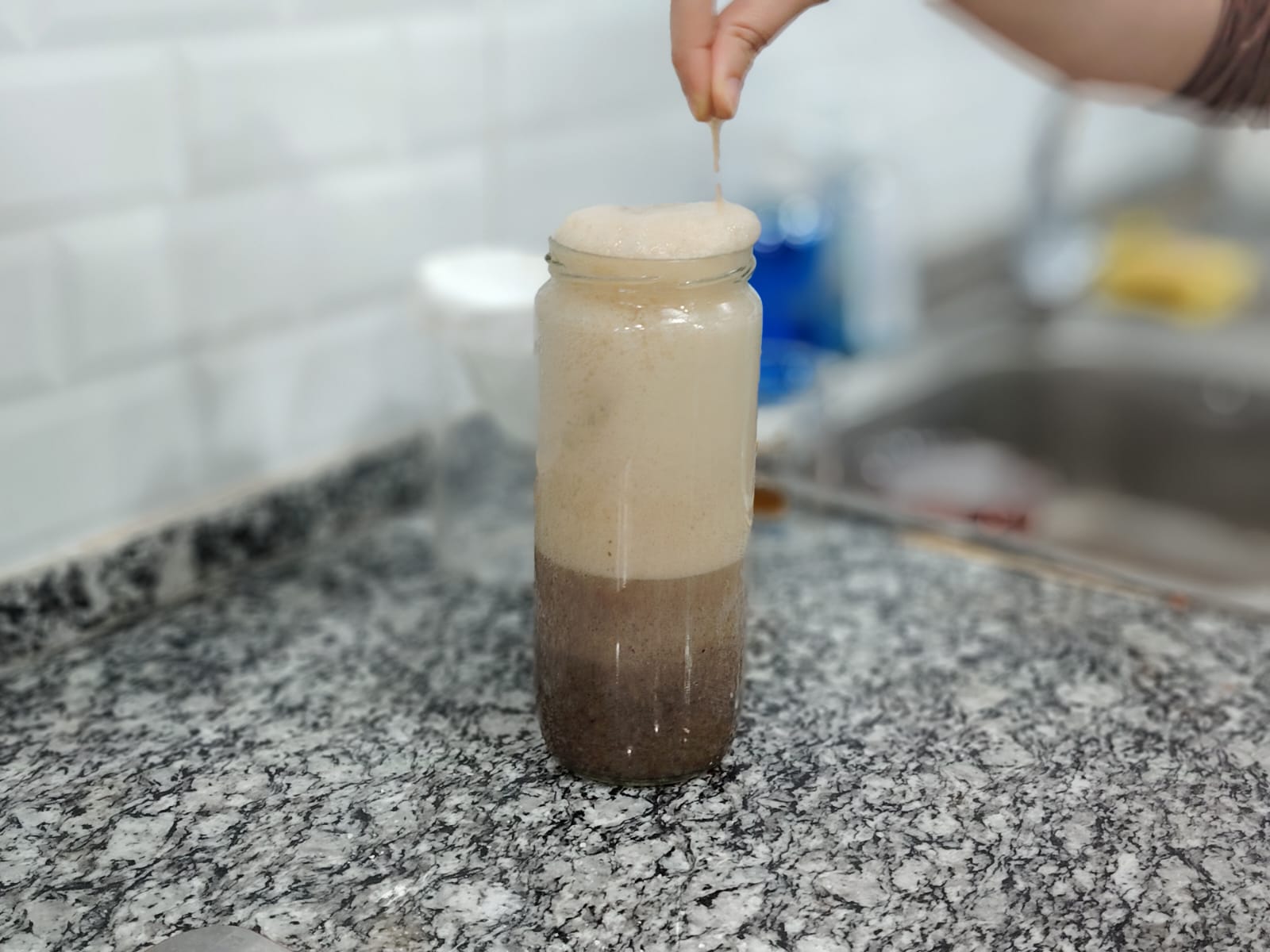
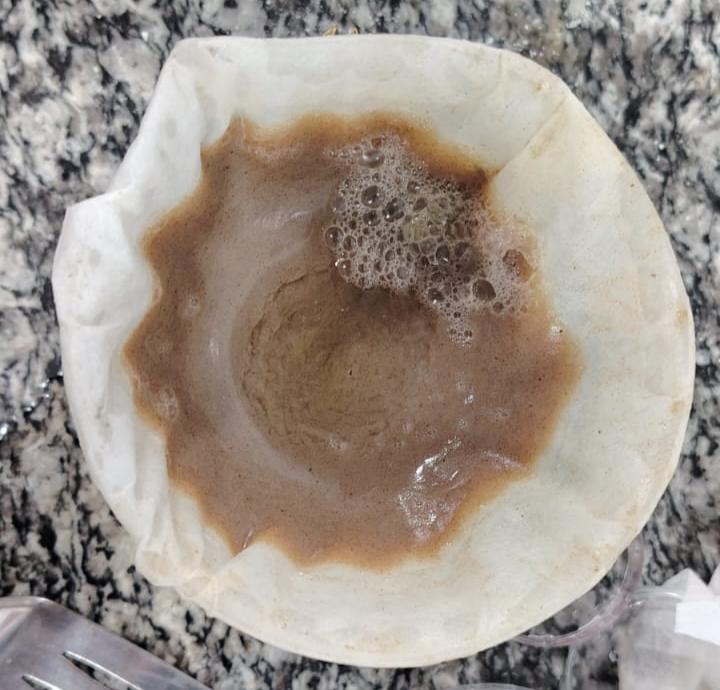
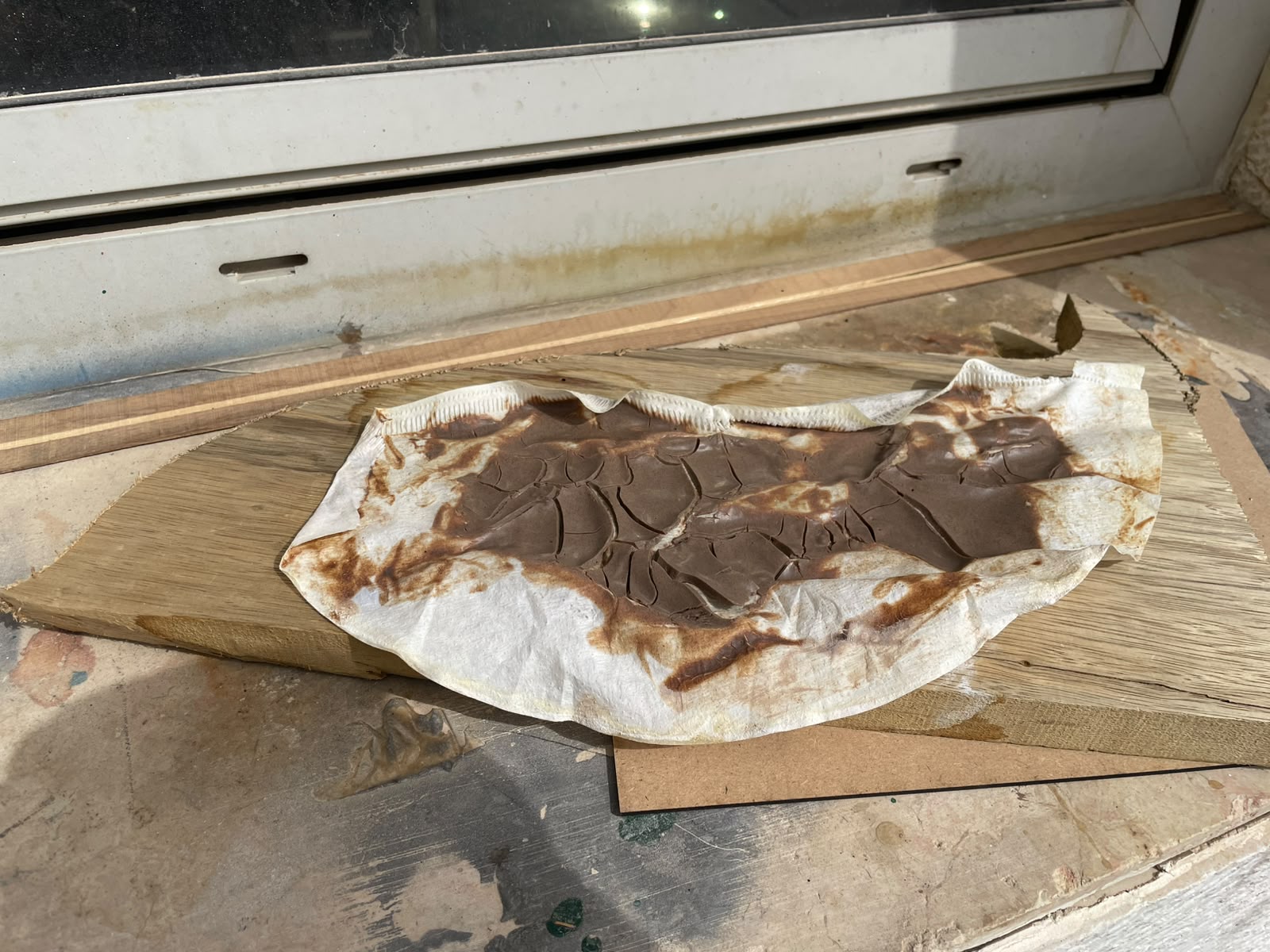
In other experiment we learnt in the lab we made powder pigment using union dye bath that we tested before.
Personal Experiments
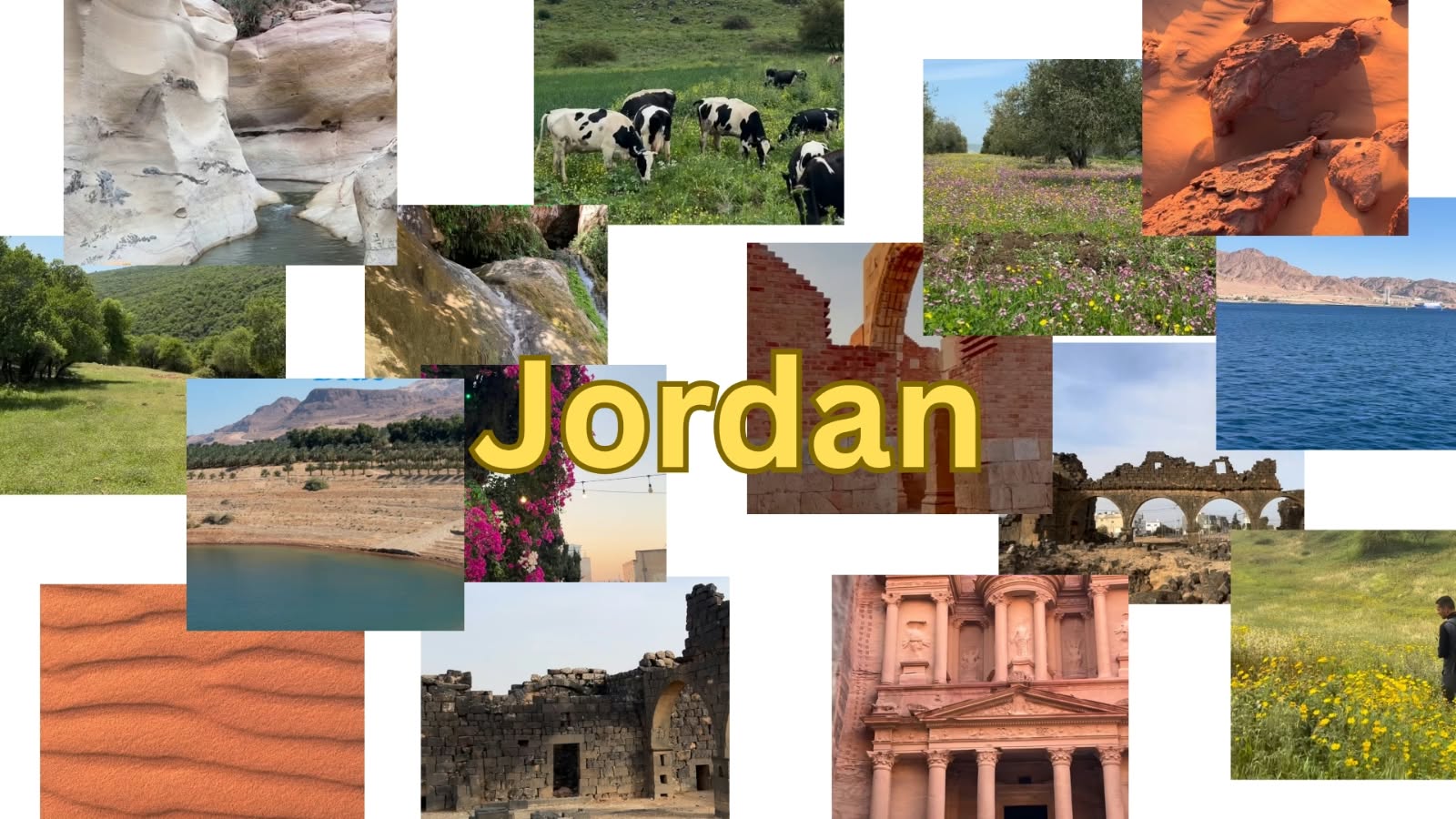
The geographical and ecological diversity of Jordan serves as the primary inspiration for this color palette. To capture this distinct environmental identity, specific plants were selected for natural dyes extraction. This process translates botanical resources into a sustainable palette that directly connects material design to the rich natural ecosystem.
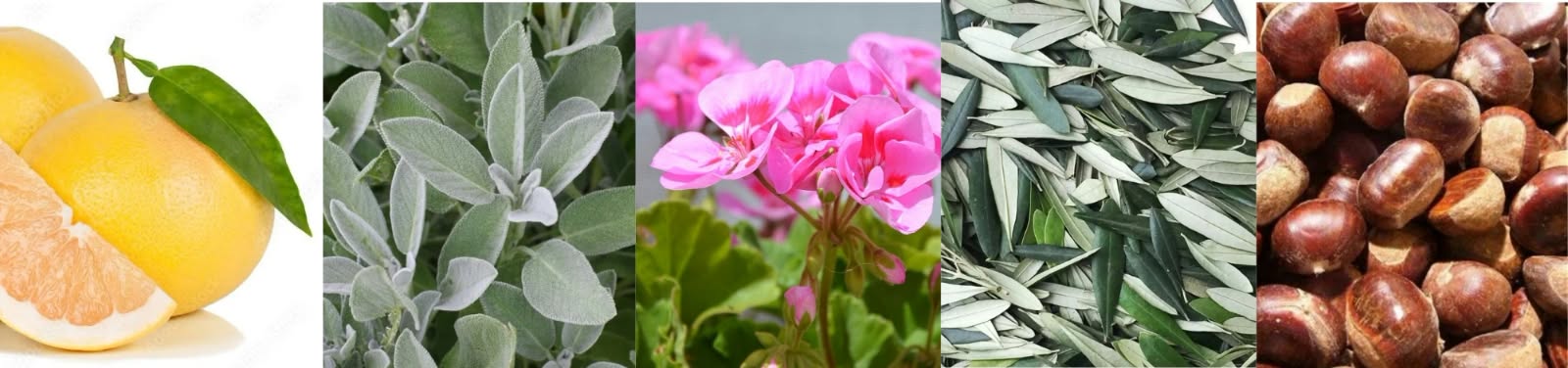
As the same process what I do in the lab I did it in my Experiments.The experiments I conducted involved:
I uesed the modifers like
- Alum
- Sodium Carbonate
- Ferrous Sulfate
- citric acid
- vingar
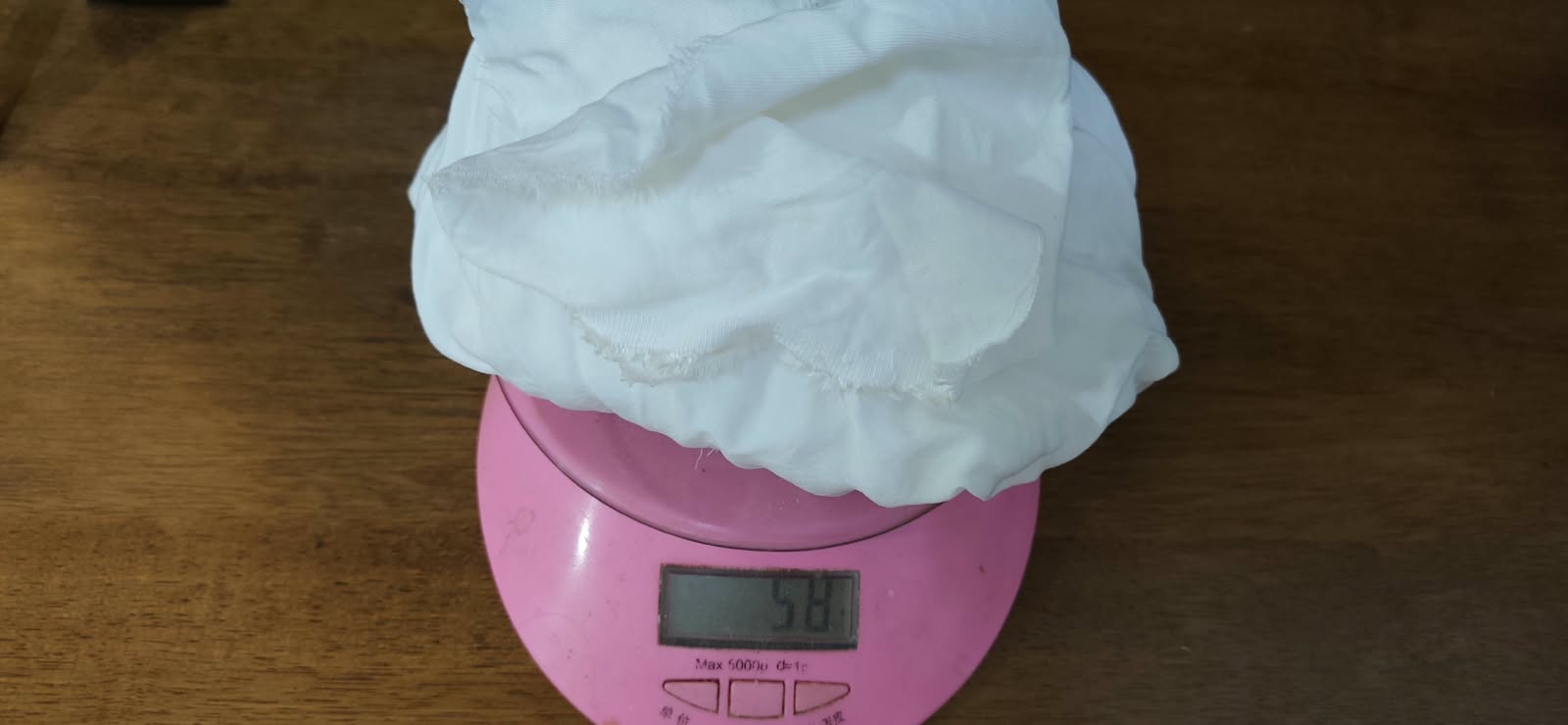
I used 58g of plant fibers for all Experiments
1 Olive leaves
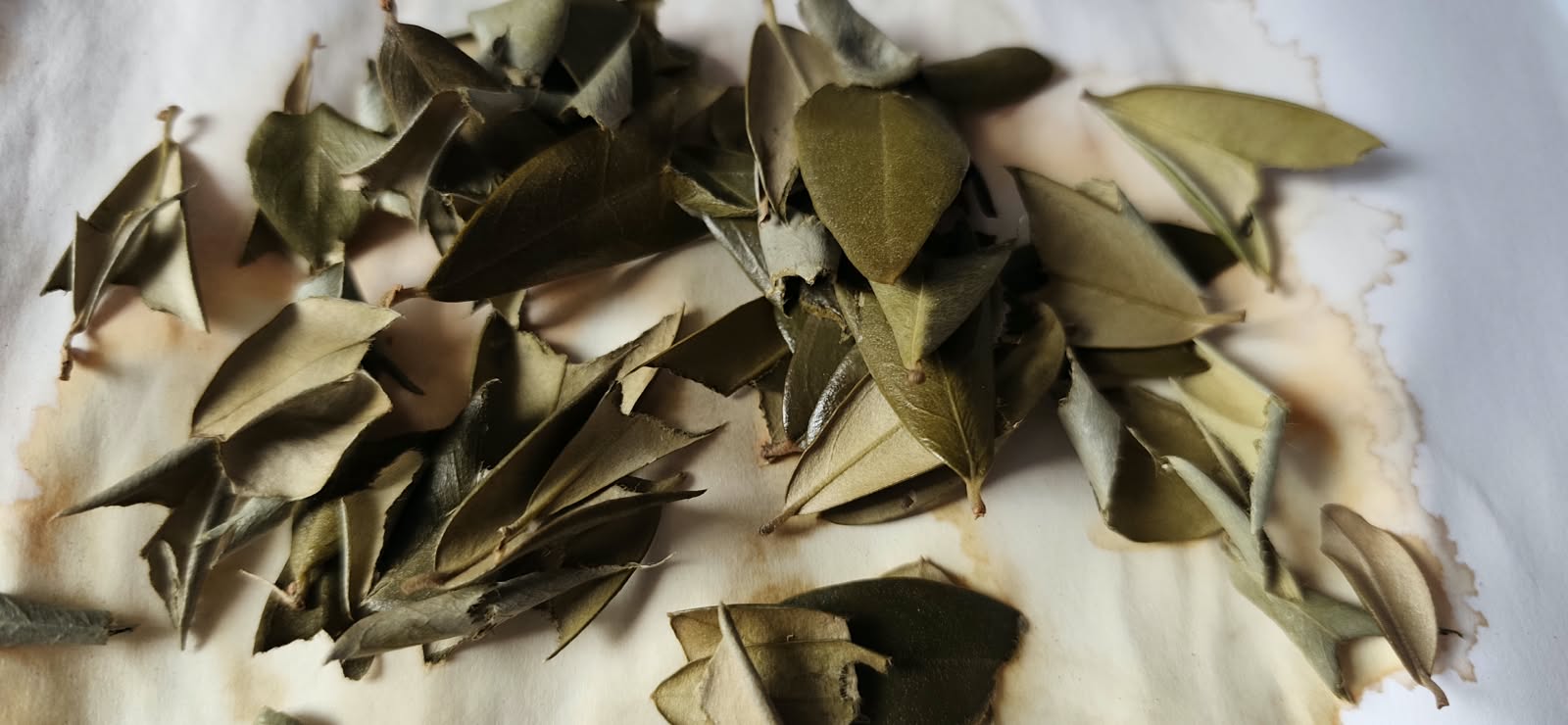
for this Experiment i collected fresh leaves from an olive tree then i boiled it for half an hour then i started testeing the resulted color with deffernt modifiers.
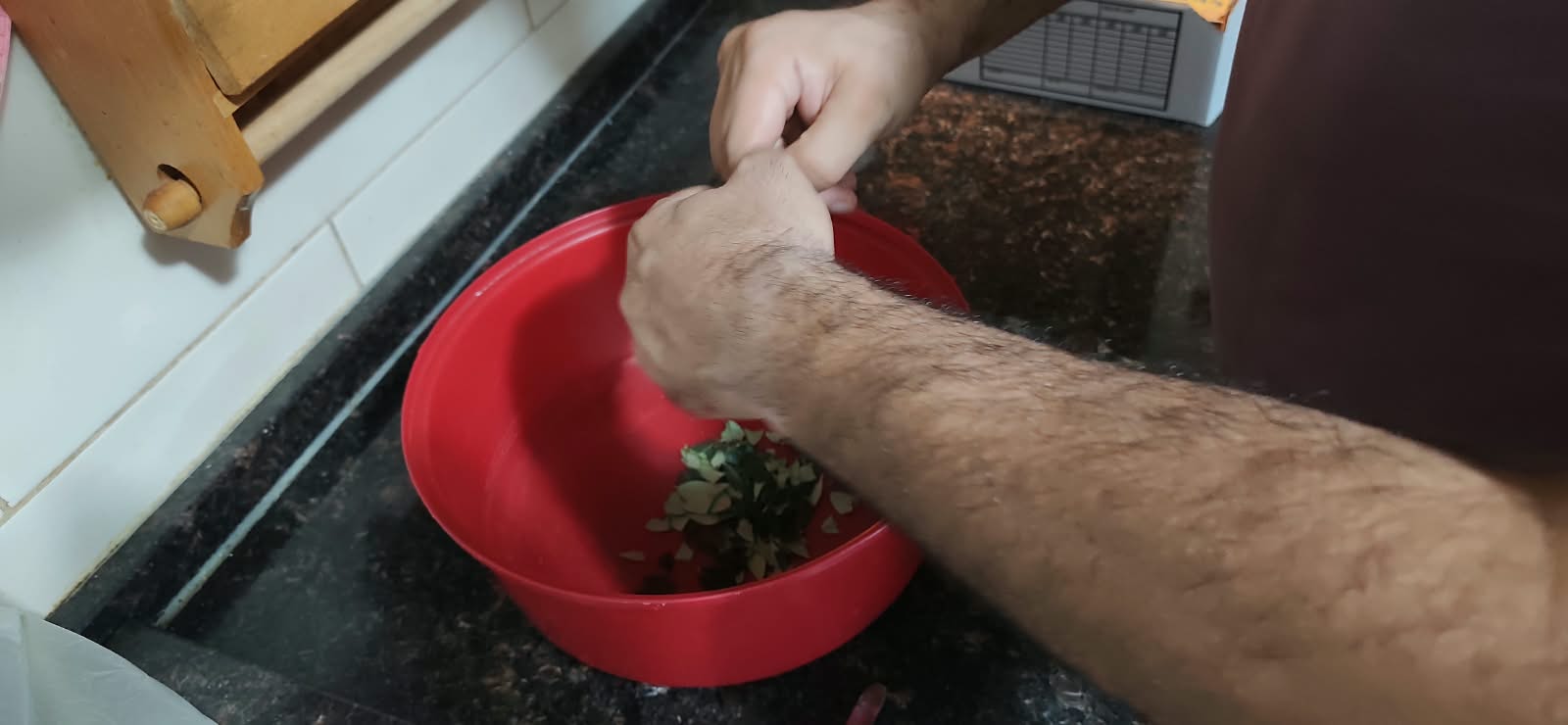
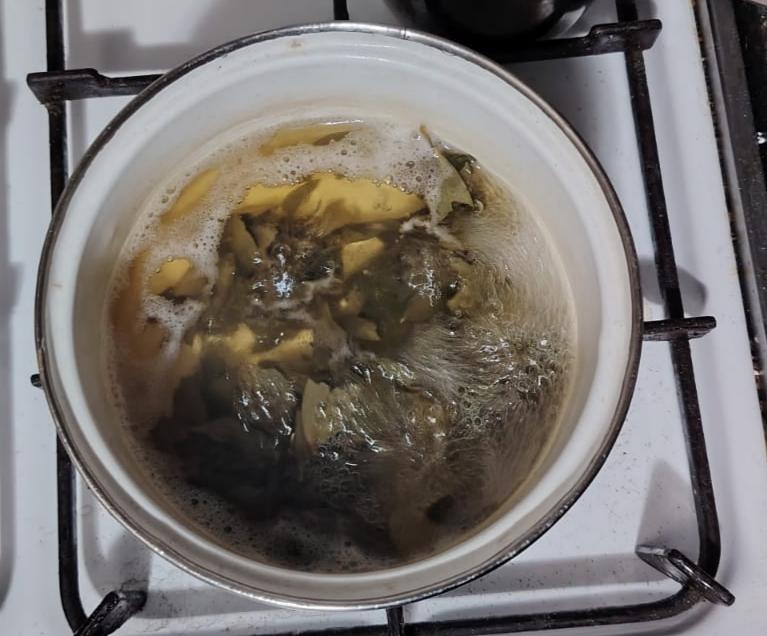
later i chose 3 resulted shades to dye the fabric swatches and next we can see the resulted.
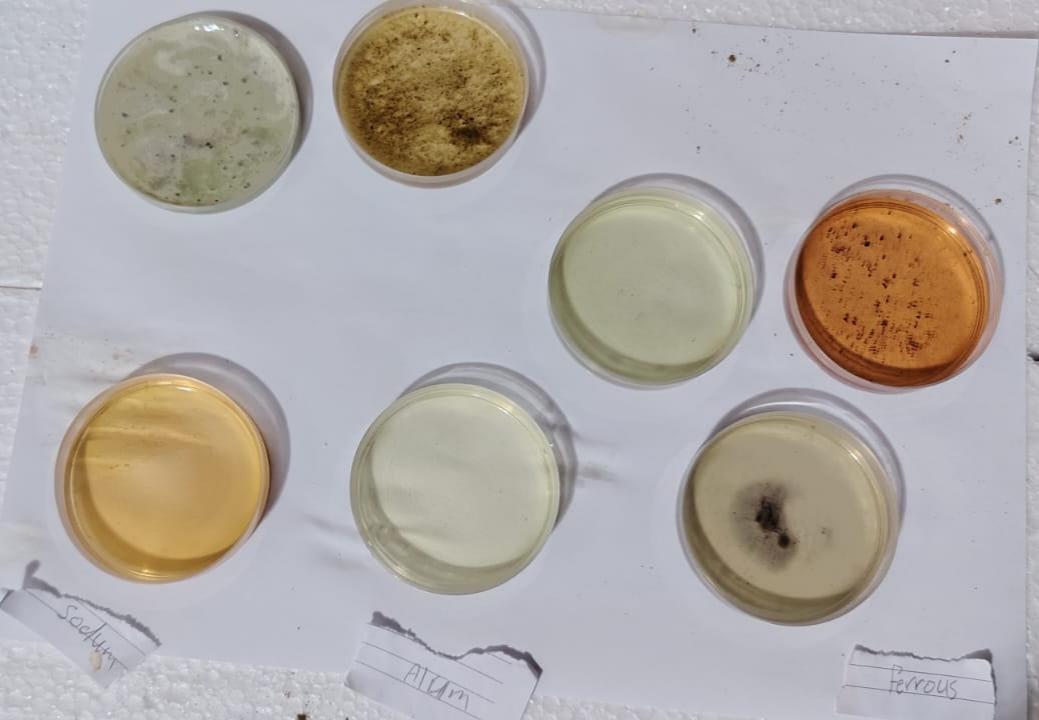
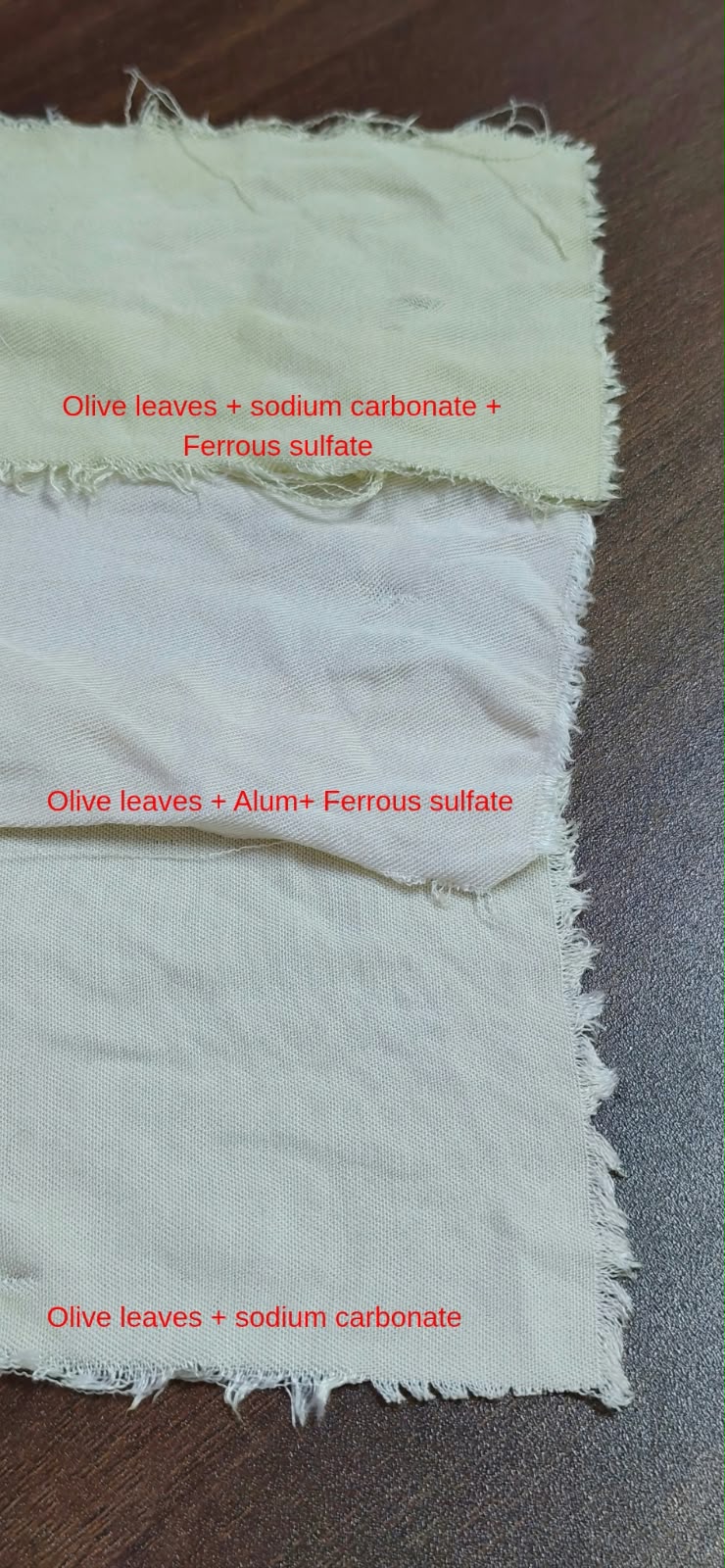
2 Chestnuts
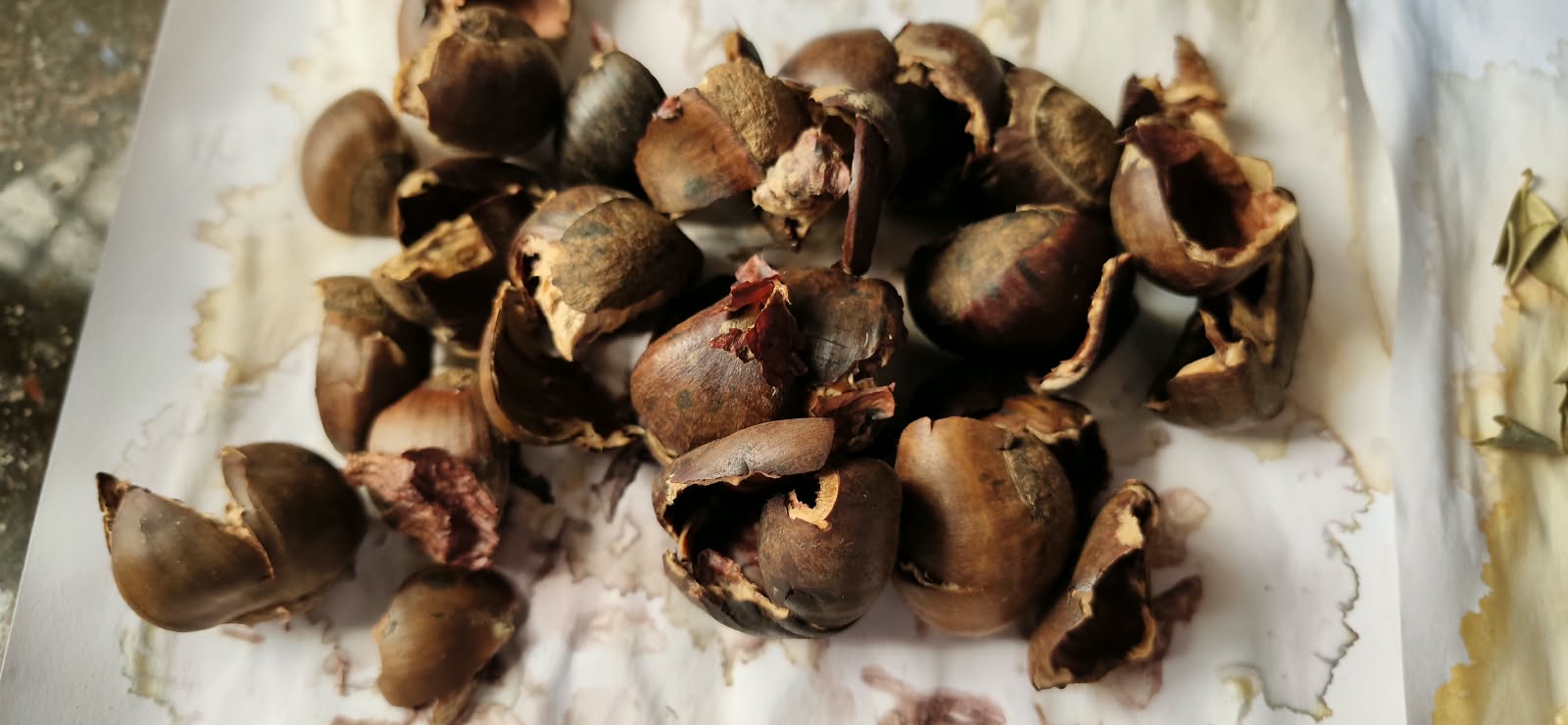
for this Experiment I found dried Chestnuts in home then i boiled it for half an hour then i started testeing the resulted color with deffernt modifiers.
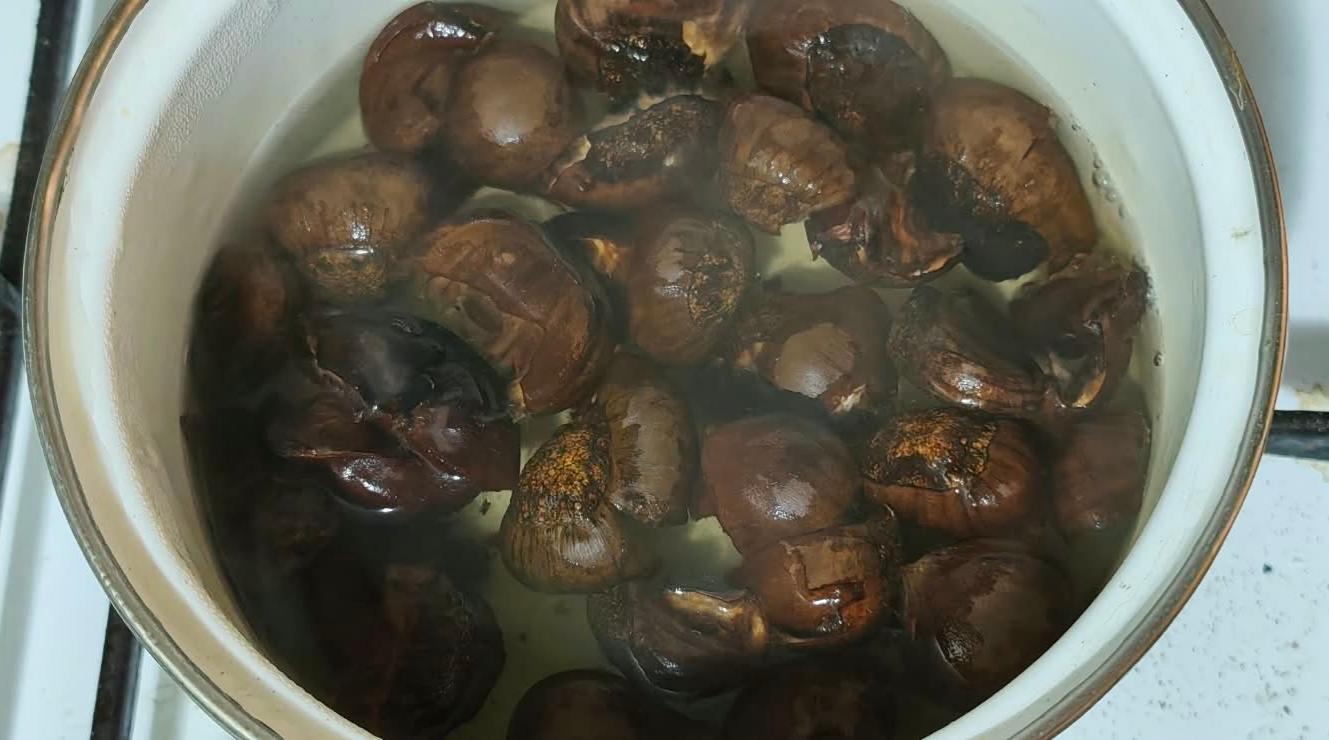
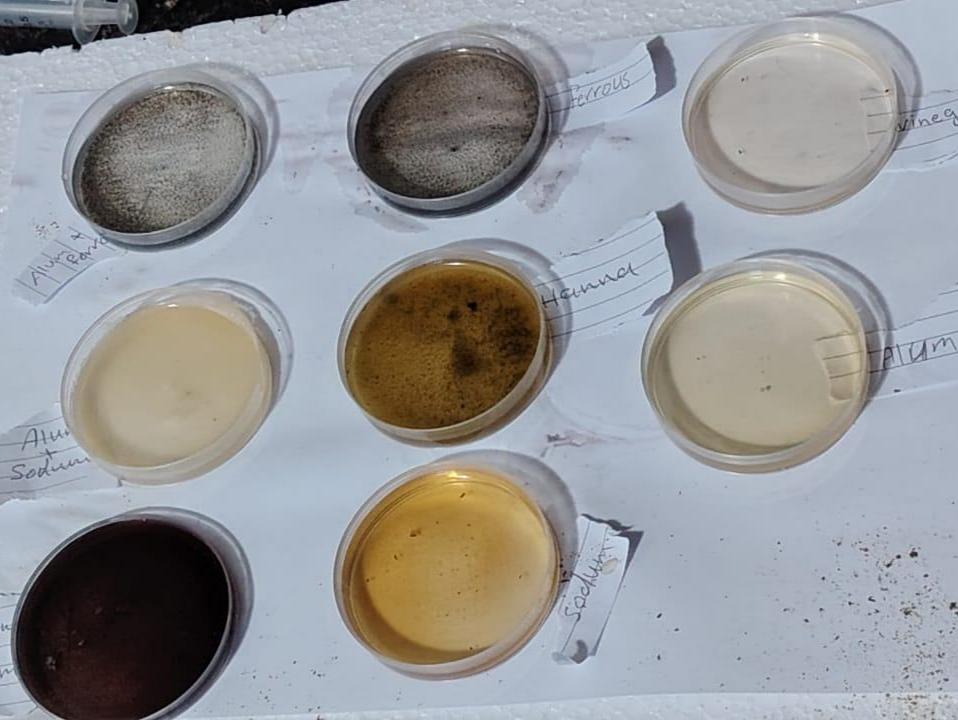
later i chose 3 resulted shades to dye the fabric swatches and next we can see the resulted.
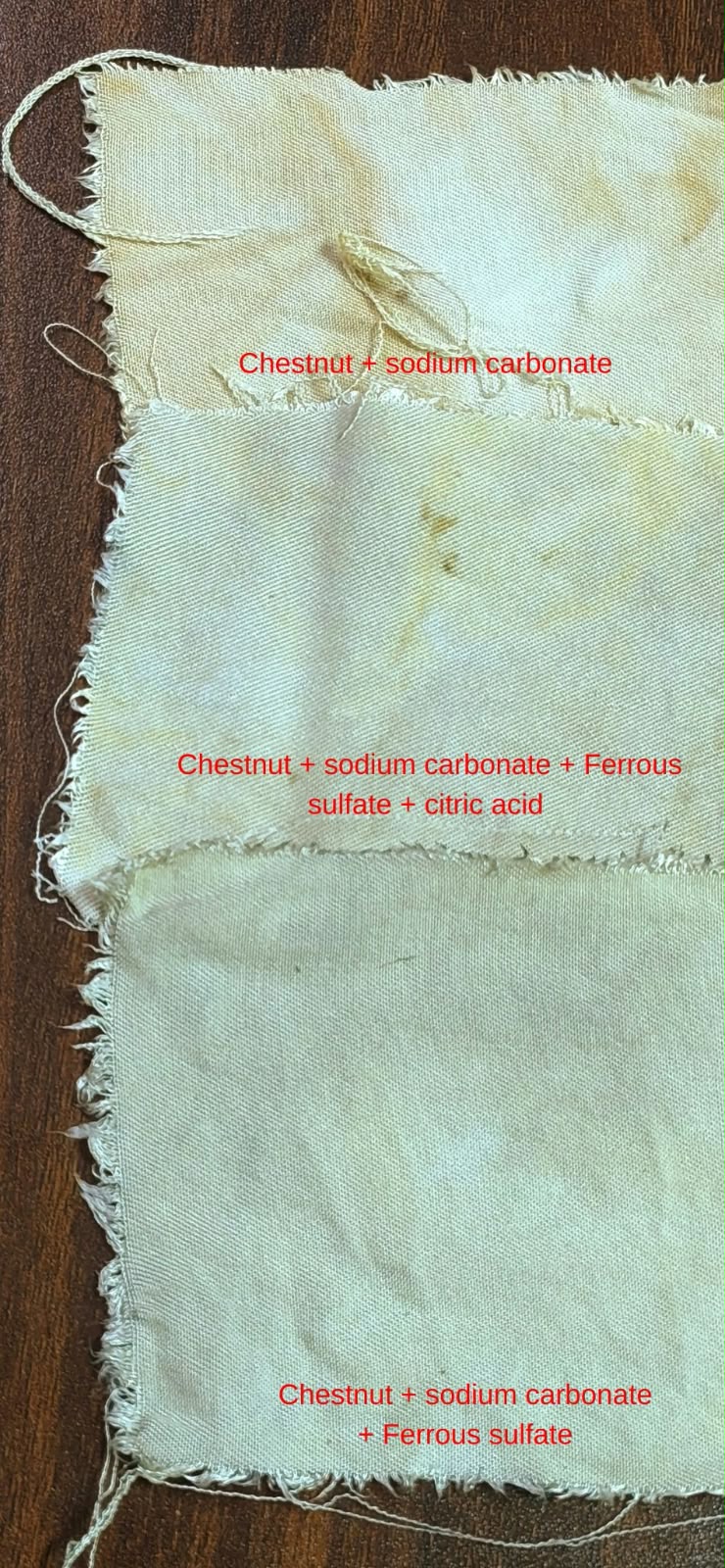
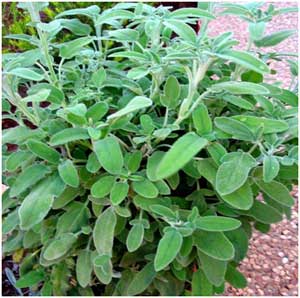
3 Sage
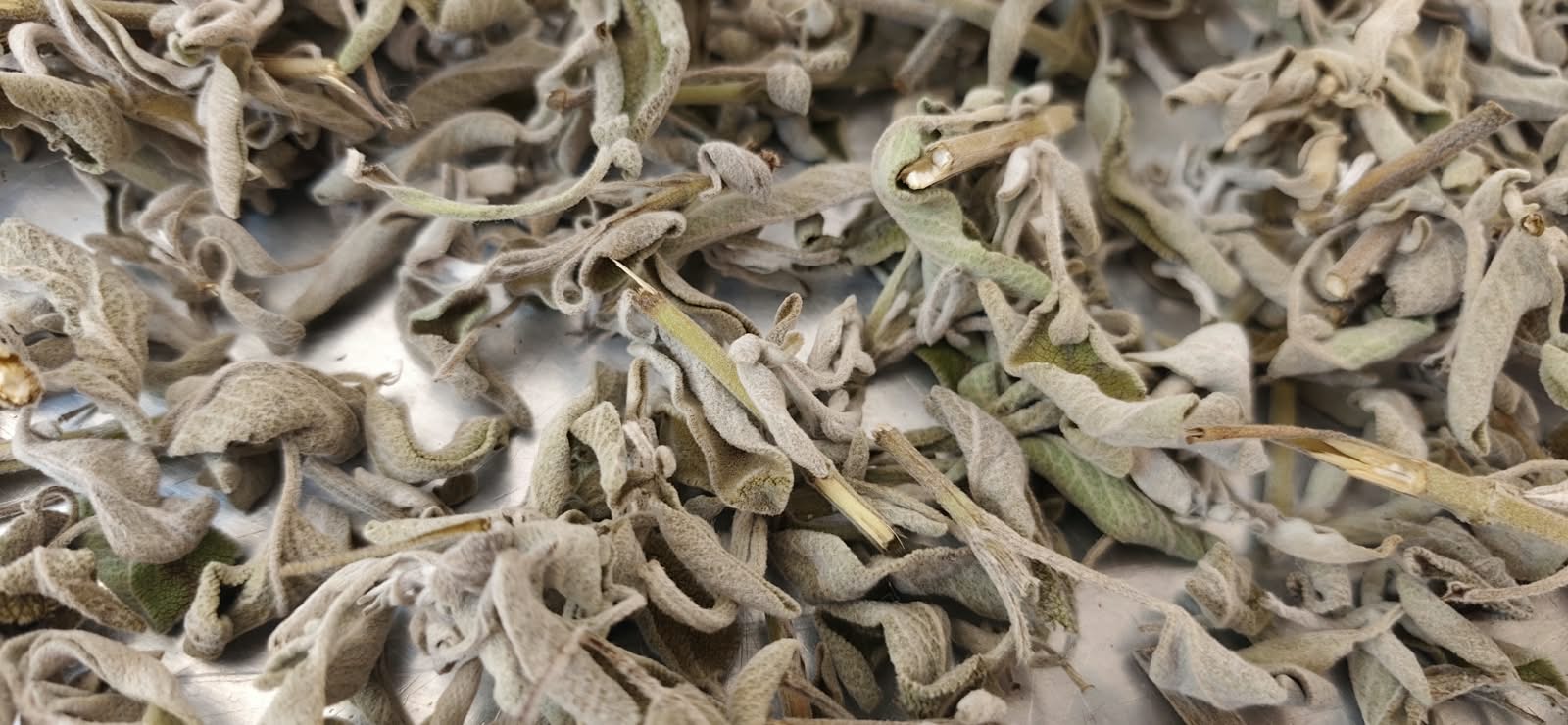
for this Experiment i founded fresh leaves from an Sage then i boiled it for 5 min then i started testeing the resulted color with deffernt modifiers.
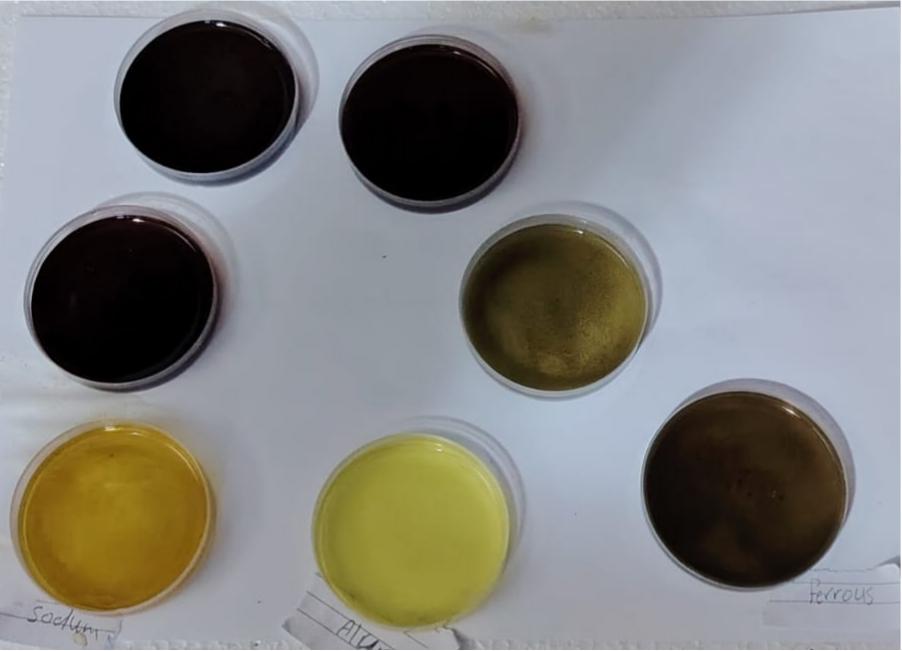
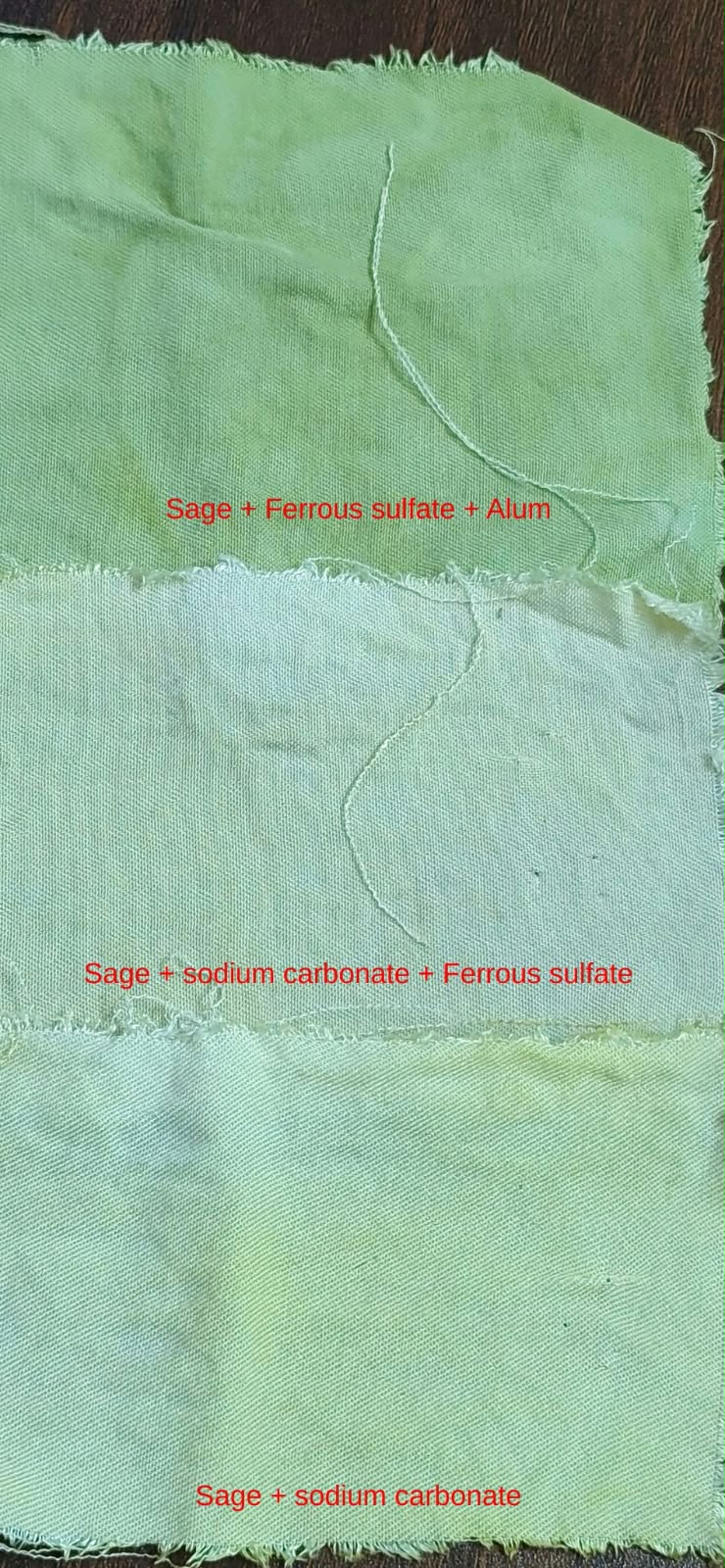
later i chose 3 resulted shades to dye the fabric swatches and next we can see the resulted.
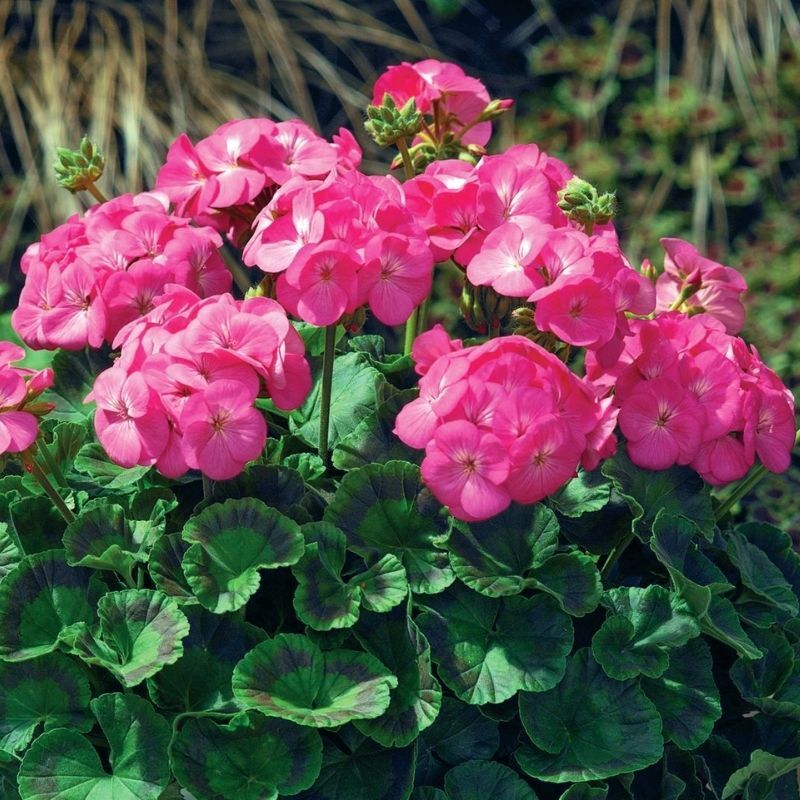
4 Geranium Petals
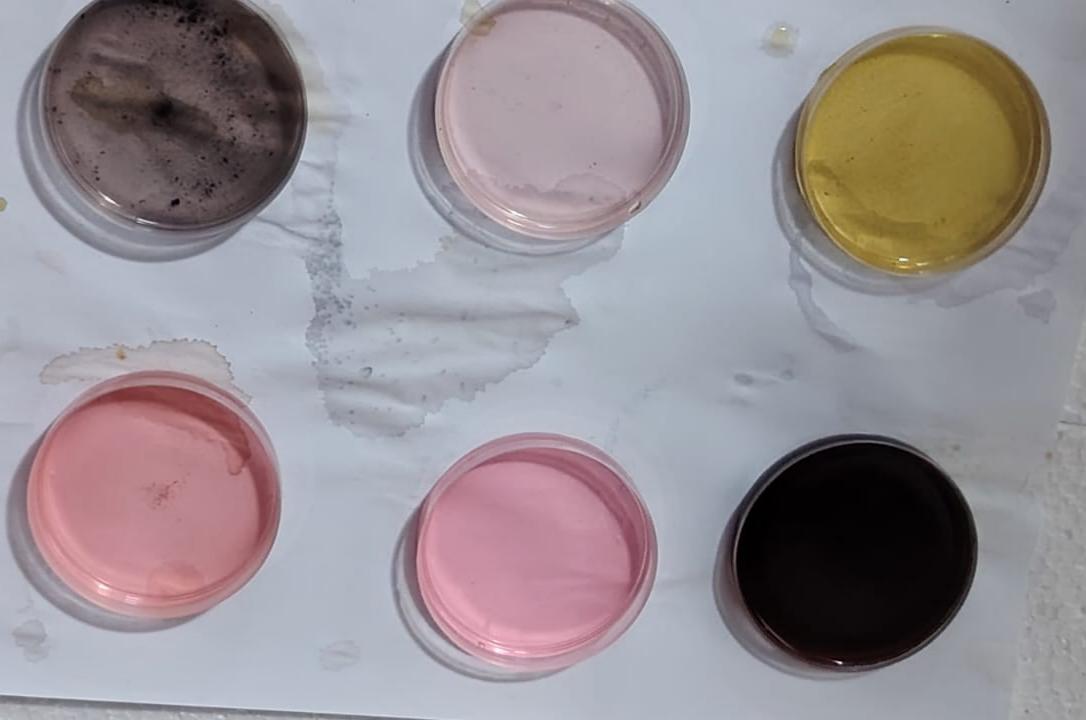
for this Experiment i collected fresh Petals from an Geranium then i boiled it for 10 min then i started testeing the resulted color with deffernt modifiers.
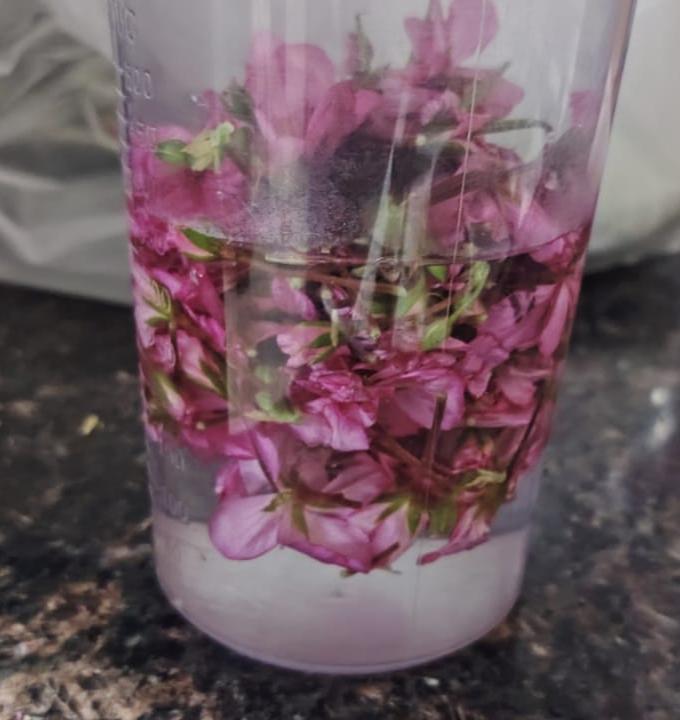
later i chose 3 resulted shades to dye the fabric swatches and next we can see the resulted.
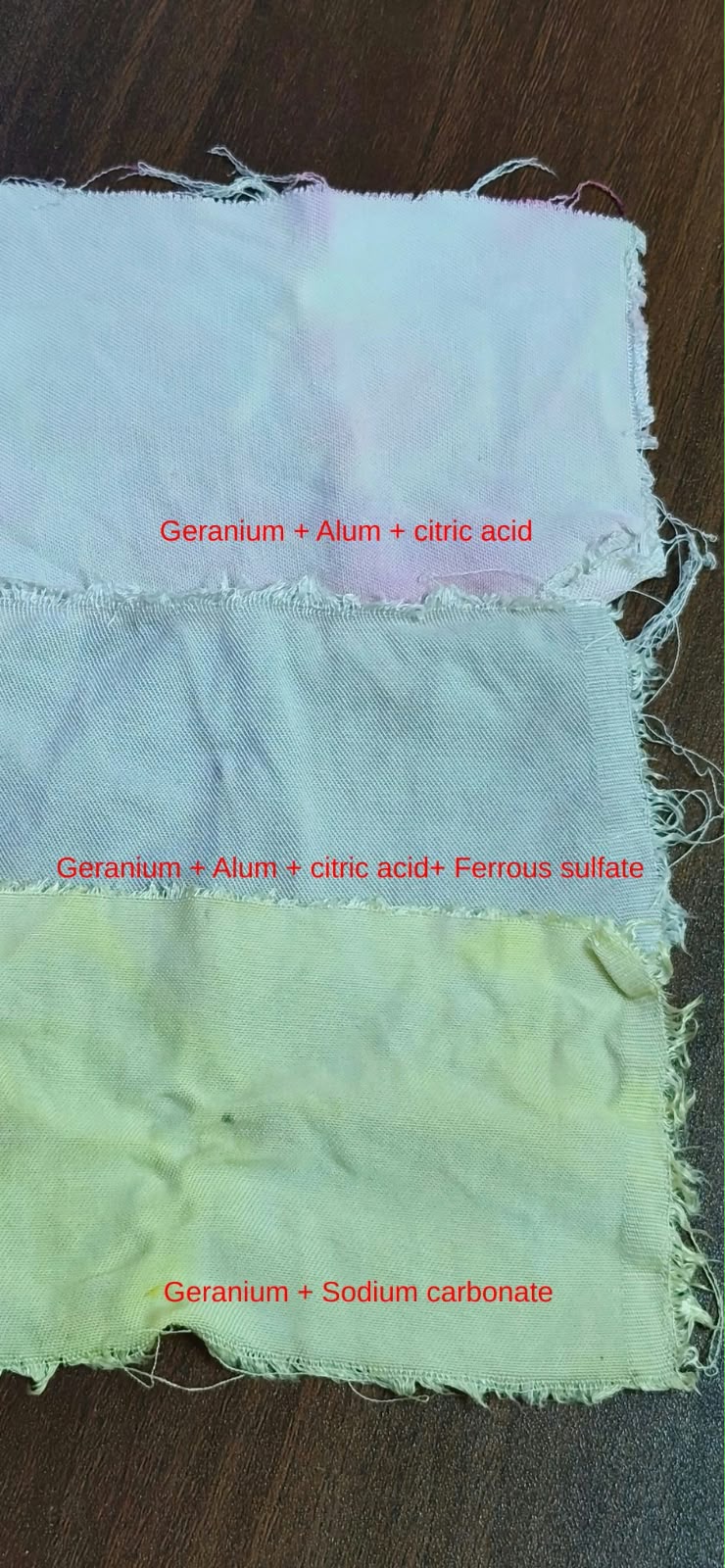
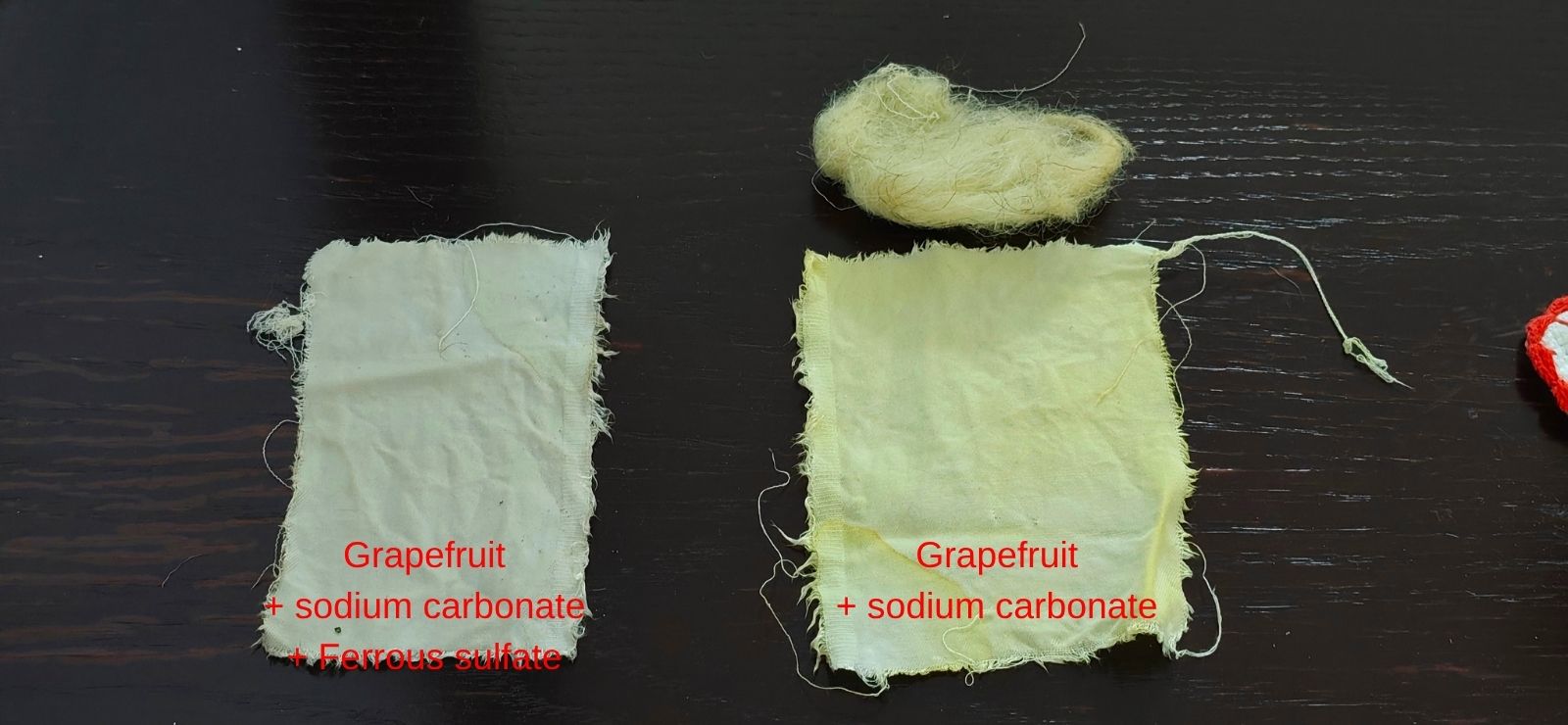
5 Grapefruit
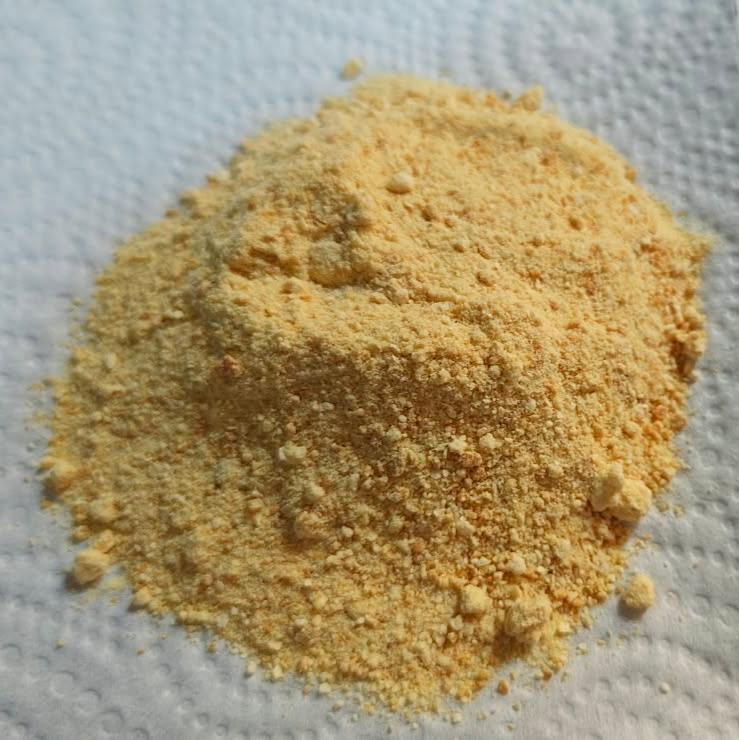
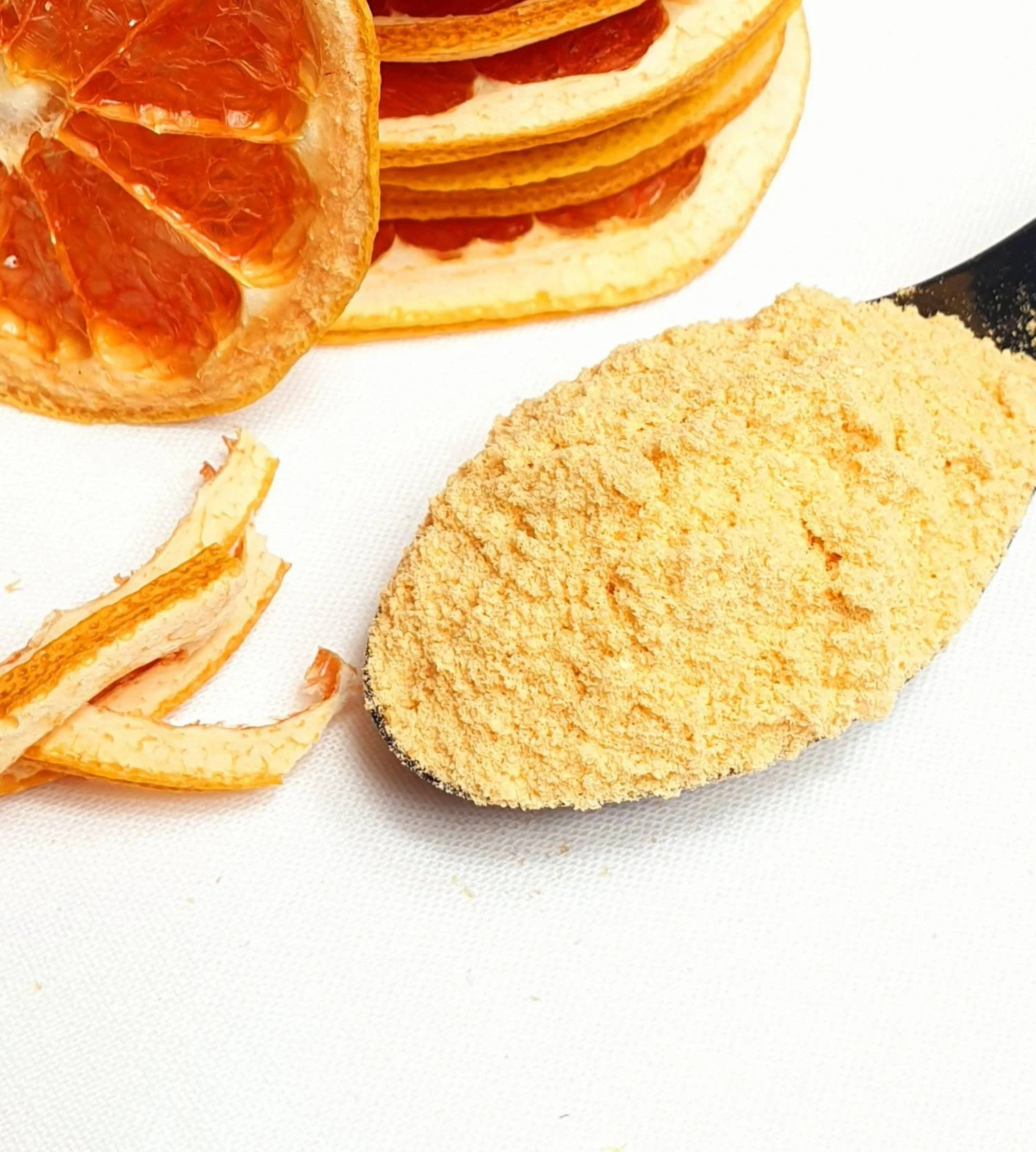
for this Experiment I found dried and ground grapefruit then i soaked it for one day then i started testeing the resulted color with deffernt modifiers.
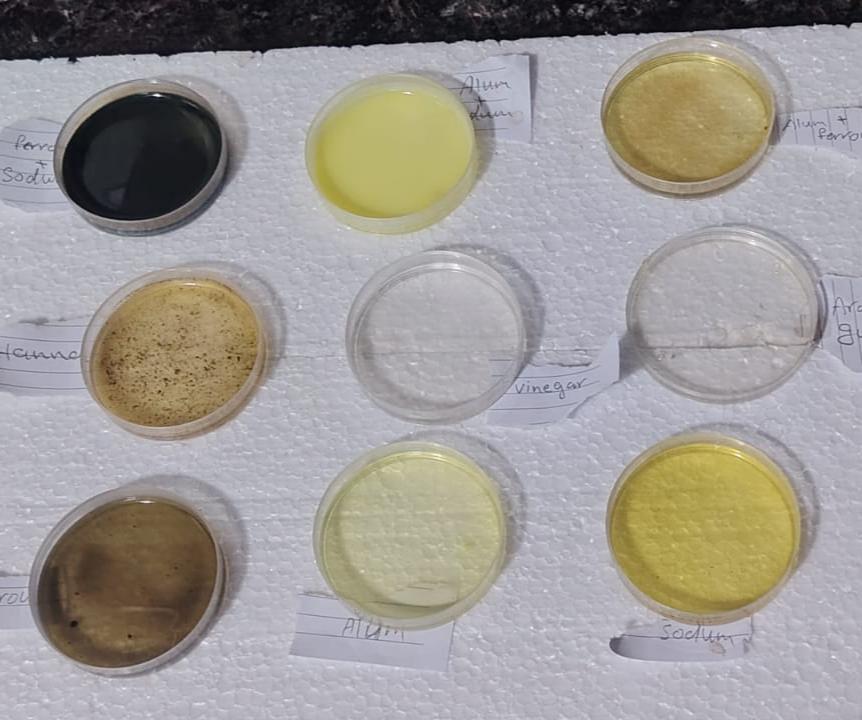
later i chose 3 resulted shades to dye the fabric swatches and next we can see the resulted.