Soft robotics
1. Objective
Weekly assignment
Learning outcomes
- Research skills: the participant has acquired knowledge through references and Concept development
- Design skills: the participant has learnt through sketches, 2D and 3D modeling, simulations and (paper) prototypes
- Fabrication skills: the participant is able of executing from file to production workflow, molding and casting, vinylcutting, laser cutting
- Documentation: Anyone can go through the process, understand it and reproduce it
- Final outcome: Is the project assembled, functioning and complete
- Originality: Has the design been thought through and elaborated?
Student checklist
- Document the concept, sketches, references (also to artistic and scientific articles)
- Make a soft robotic sample, develop the pattern for the Inflatable and draw a sketch of the air flow:
- build a pneumatic wrist brace (basic level) or
- build a Soft Gripper (intermediate level) or
- build and document a Pneumatic, digitally controlled system, electronics schematic, electronic control and code (advanced level)
- design your own version of an inflatable / soft robot
- Experiment with different materials, such as silicone, 3d printing, parchment paper, thermoadesive vynil, TPU fabrics, bioplastic, document your achievements and unexpected outcomes
- Make a small video of your inflatable/soft robot working
- Upload your digital design files (if any)
References, research & inspiration
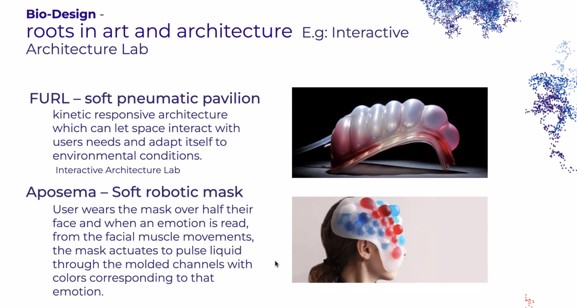
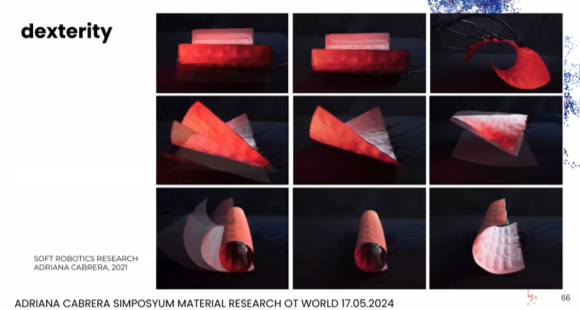
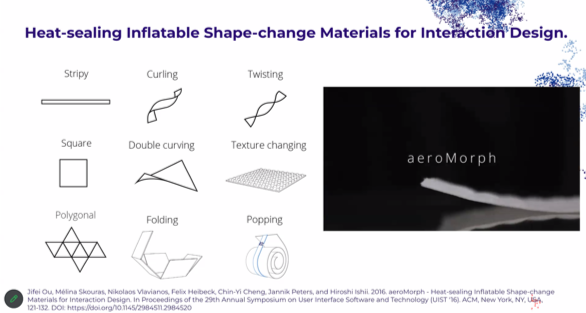
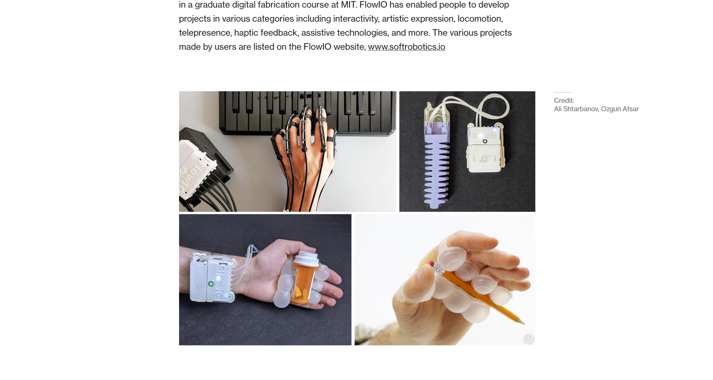
The Plan
The Process
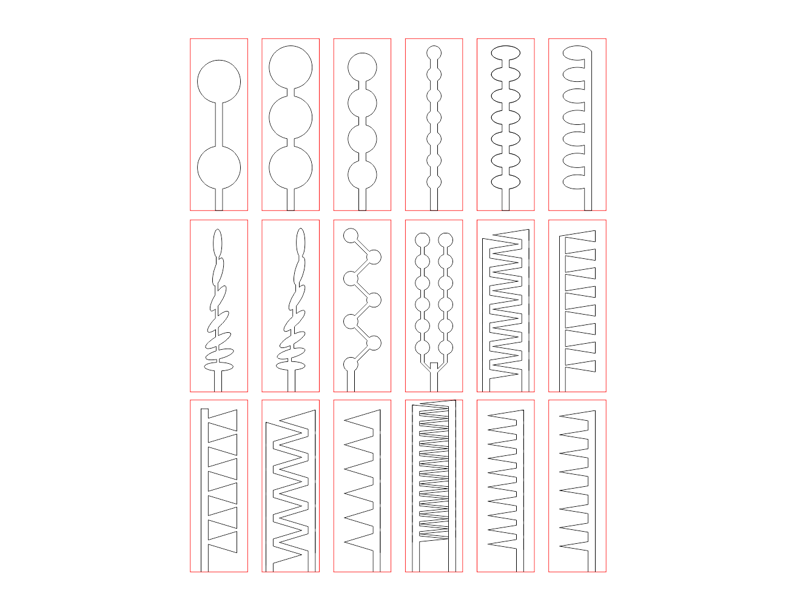
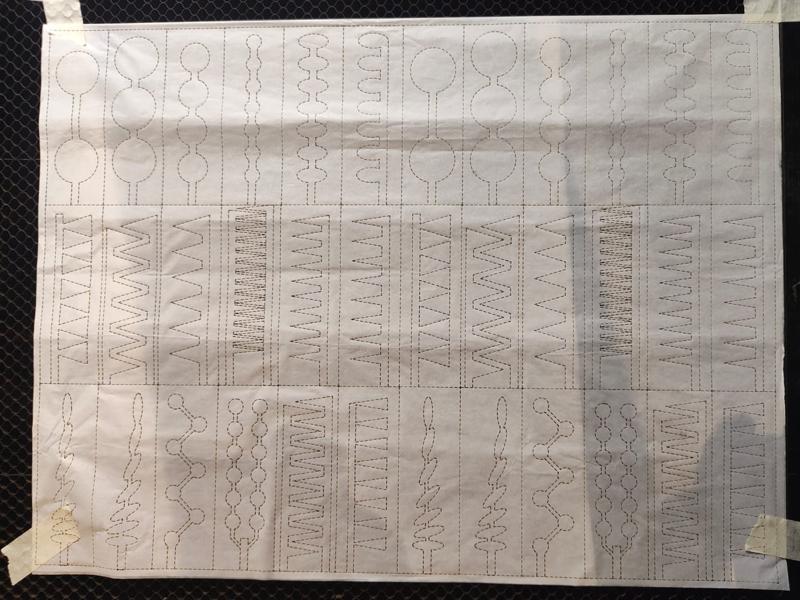
UAL- Soft robots Workshop Instuctables- Crawling Soft Robot
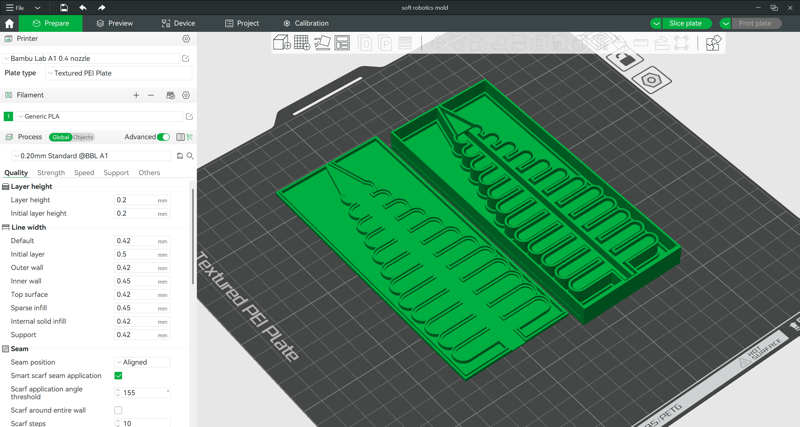
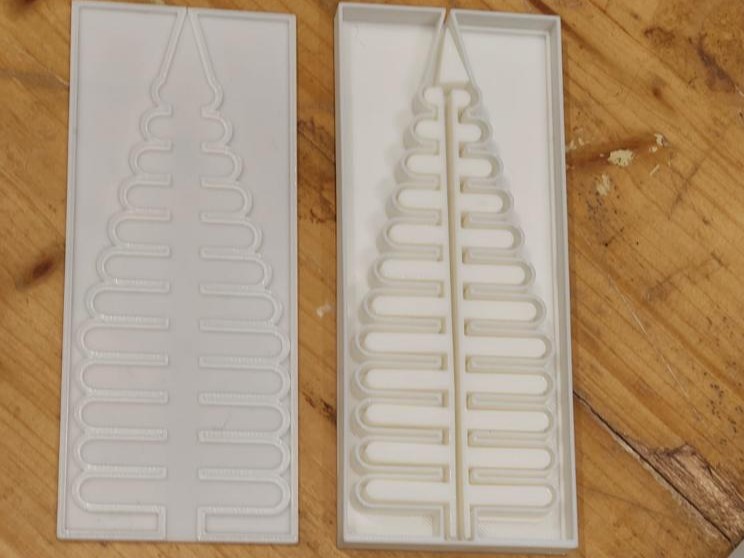
6. Weekly reflection & critical thinking
- An important learning of this week was the exposure to new ways of aproaching soft robotics, Understanding the new actuatation medthods like thermal, or chemical were interesting to know and to brainstorm their usage
- The motion of the grippers were at times hard to predict and in case of vinyl trials a certain level of corelation is now established. I would like to revisit this and experiment more to be able to create some complex multi directional motions.
- The process of mold making turned out to be the biggest challenge, since I had not worked on such level of complexity in molds. It requires not only the understanding of the required design and but also the fabrication aspects such as 3D printing, the silicone material and its properties.
- One possible idea for my project requires a wearable with body-con movements, for that purpose I will be revisiting this module in detail.
NuEval — final step
Go to NuEval and fill in the checklist, when not complete notify your instructor.
7. Fabrication files & References
-
File: Silicone Mold ↩
-
Reference: Author; Title; Source; year ↩