7. BioFabricating Materials
Research
 The exploration of biofabricated materials opens new possibilities for creating sustainable and biodegradable alternatives to conventional plastics. Gelatin bioplastic is a protein-based material made from natural ingredients, which can be formed into flexible films, sheets, or coatings. Unlike petroleum-based plastics, this material is renewable, biodegradable, and can be produced using low-energy processes.
In this experiment, I worked with gelatin, glycerin, water, and natural red food dye to produce a thin bioplastic film. The goal was to study the material behavior, flexibility, transparency, and potential design applications within fashion and craft contexts.
The goal of biofabricating materials is to create environmentally friendly, biodegradable, and renewable alternatives to petroleum-based plastics, synthetic fibers, and animal-derived leather. These innovations are not only reshaping material science but also redefining the future of fashion, architecture, medicine, and design.
References & Inspiration
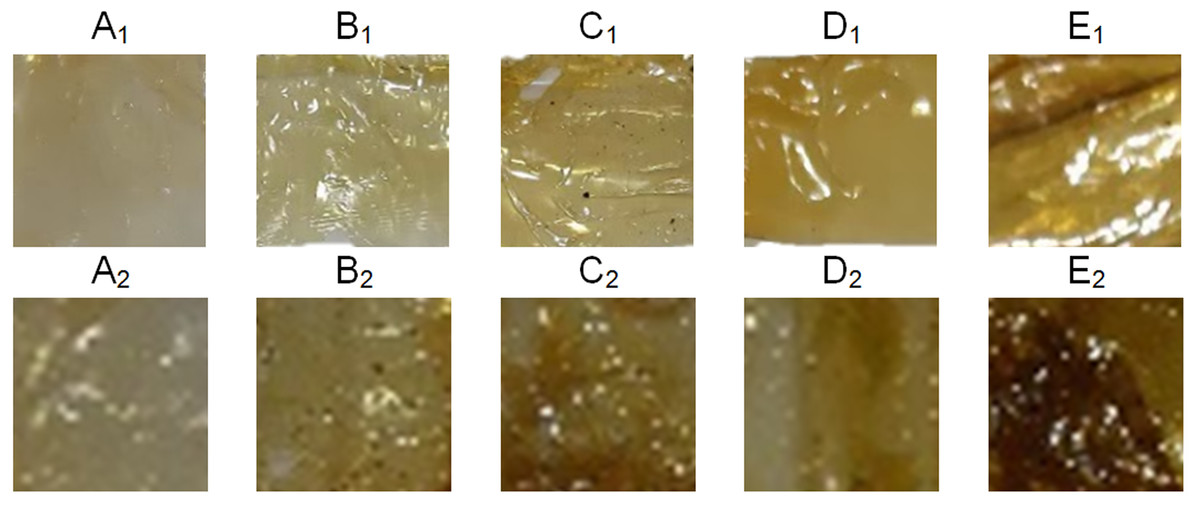
- Image reference
Overview material research outcomes
This experiment focuses on:
-
Gelatin Bioplastic Film
-
Flexible natural-based sheet material
-
Colored with red food dye
-
Tested in different thicknesses
Key observed material qualities:
-
Flexible when glycerin is added
-
Becomes stiffer as it dries longer
-
Semi-transparent surface
-
Slight glossy finish
-
Sensitive to humidity and water
Tools & Materials
Tools
-
Small pot
-
Spoon / whisk
-
Measuring spoons
-
Flat tray, glass plate, or silicone mat
Materials
-
Gelatin powder
-
Water
-
Glycerin (plasticizer)
-
Yellow food color (natural dye)
Process and workflow
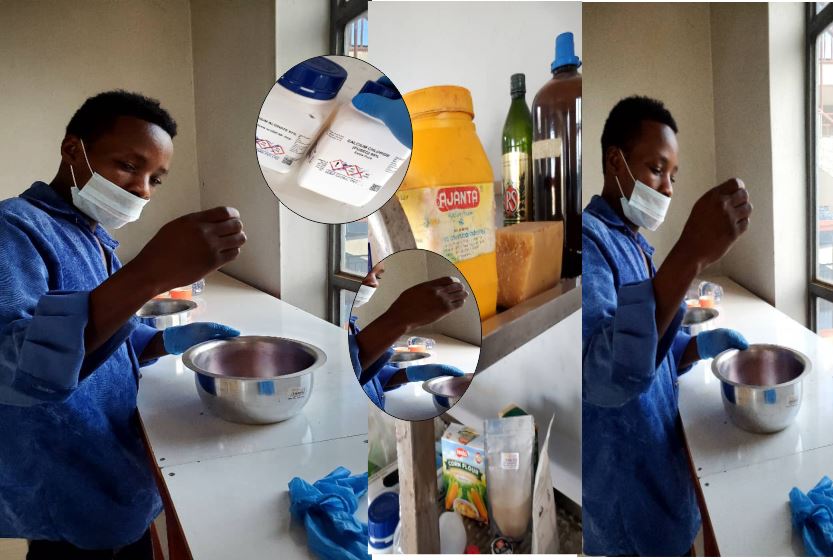
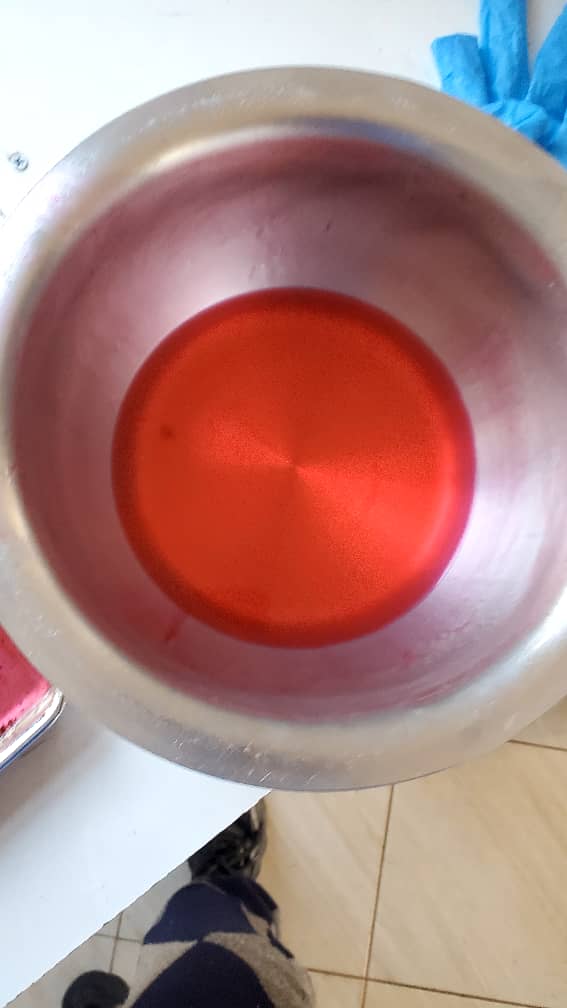
My first step was to measure the ingredients and mix the gelatin powder with water in a small pot. I gently heated the mixture on low heat while stirring continuously until the gelatin dissolved completely. I was careful not to boil the mixture.
After that, I added glycerin to make the film more flexible and mixed again. I then added yellow food color to dye the material.
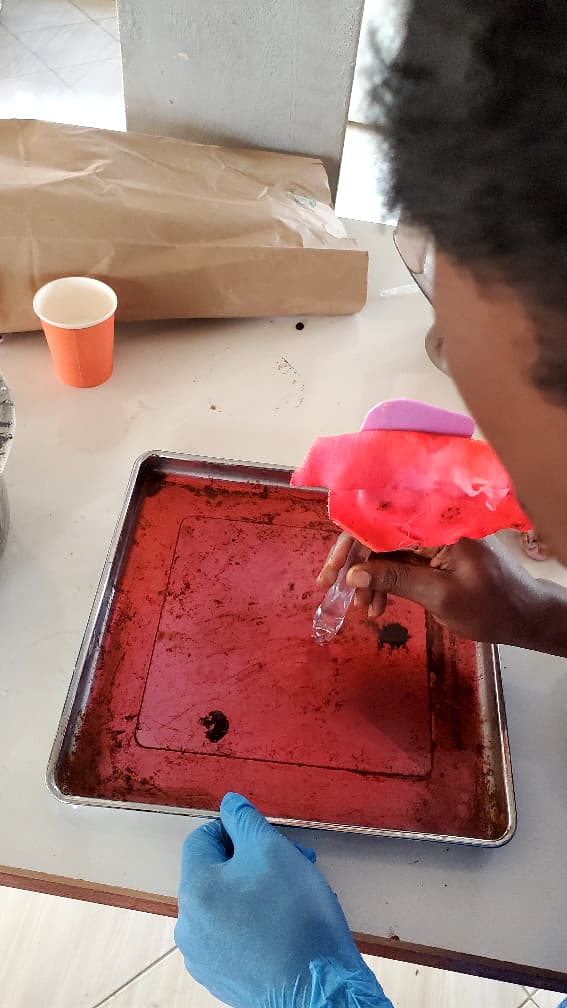
I poured the liquid mixture onto a flat tray and spread it evenly to form a thin layer. The film was left to cool and dry for several hours. Once fully dry, I carefully peeled off the sheet to obtain a thin gelatin bioplastic film.
Ingredients & Recipes
Ingredients
-
1–2 tablespoons gelatin powder
-
3–4 tablespoons water
-
1 teaspoon glycerin
-
A 5 grams red food color
Tools
-
Pot
-
Spoon
-
Flat tray
Recipe Steps
# step - 1 I Mix gelatin powder and water in a pot.
step - 2
I Heat gently and stir until fully dissolved.
step - 3
I Add glycerin and i mix well.
step - 4
I Add Red food color dye.
last
i Pour onto a flat tray in an even layer.
i Leave to dry overnight.
last is to Peel off the sheet once dry.
Documenting and comparing experiments
TEST SERIE BIO-PLASTIC
| Material pic | Material name | polymer | plastifier | dye | note |
|---|---|---|---|---|---|
 |
Gelatin Film A | Gelatin | Glycerin | red food color | Thin layer, more transparen |
 |
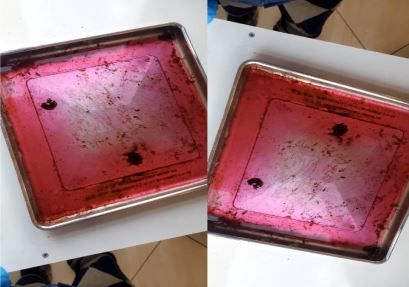
Gelatin Film B | Gelatin | Glycerin | red food color | Thicker layer, stronger color |
RESULTS
Chia Seed Growing Material
Growing Biomaterial Using Chia Seeds
Research I explored biomaterials through online references and studied how natural ingredients like chia seeds can form living materials. This helped me understand sustainable alternatives to synthetic fabrics.
Technical Skills I learned how to prepare, grow, and maintain chia seed material, including controlling moisture, light, and surface conditions to achieve different textures.
Process Skills I followed a repeatable process that others can replicate. I experimented with different quantities of water and seeds to compare results and improve outcomes.
🔍 Inspiration & Research
🌍 Biomaterial Inspiration Work inspired by sustainable design and bio-fabrication practices
🌱 Local Resources
Chia seeds (locally available) Water
🧪 Materials & Tools
Ingredients:
Chia seeds
Water
Tools:
flat container Spoon Spray bottle Fabric
⚙️ Process & Workflow
- Prepare the Chia Gel
Add 50g of chia seeds into a bowl Add 2 liters of water Mix well to avoid clumps Leave for 24 hours minutes
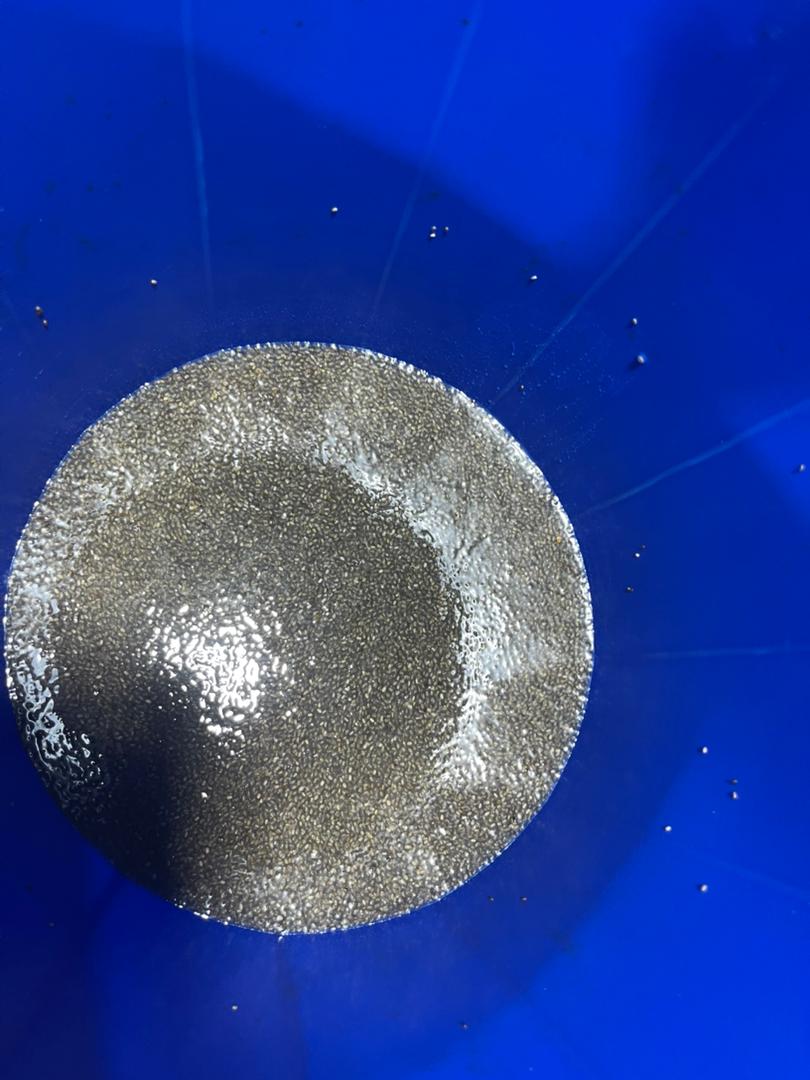
- Spread the Gel
Pour the gel onto a flat surface Spread evenly using a spoon Control thickness depending on your desired material: me i dicede to do with Thin = paper-like knitted swaches
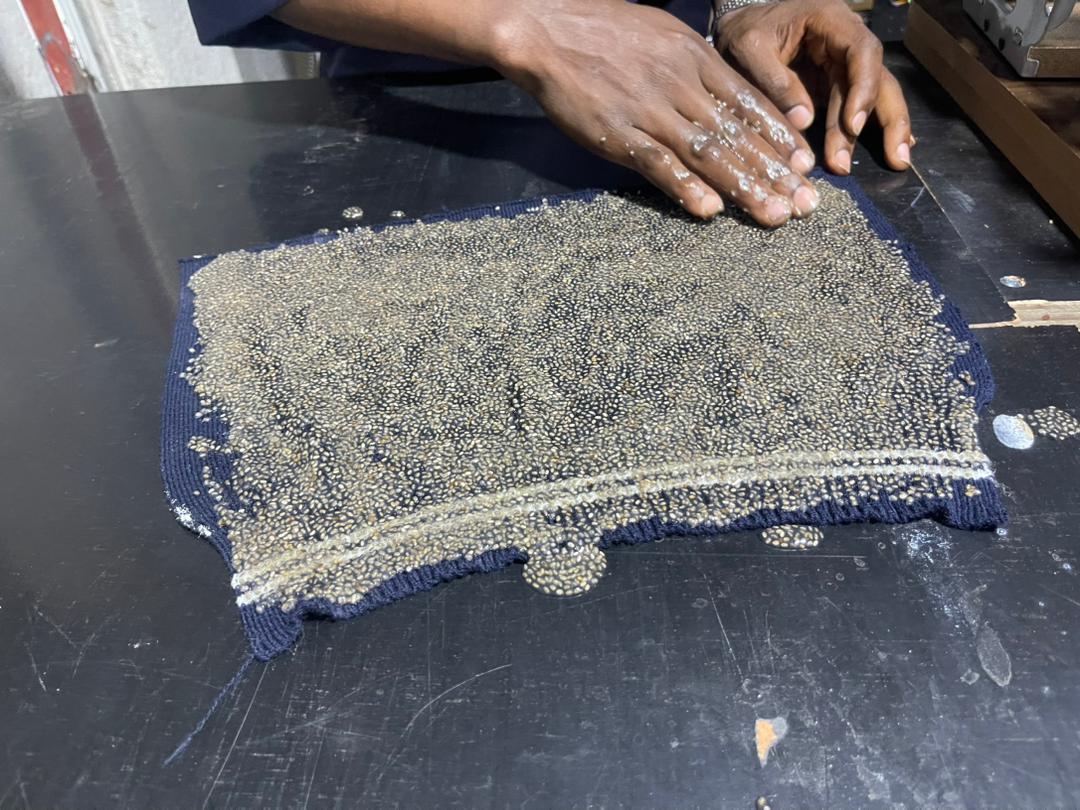
- Dry the Material Leave it to dry at room temperature and keep Watering every day with spray