11. Open Source Hardware - From Fibers to Fabric
Research & Ideation
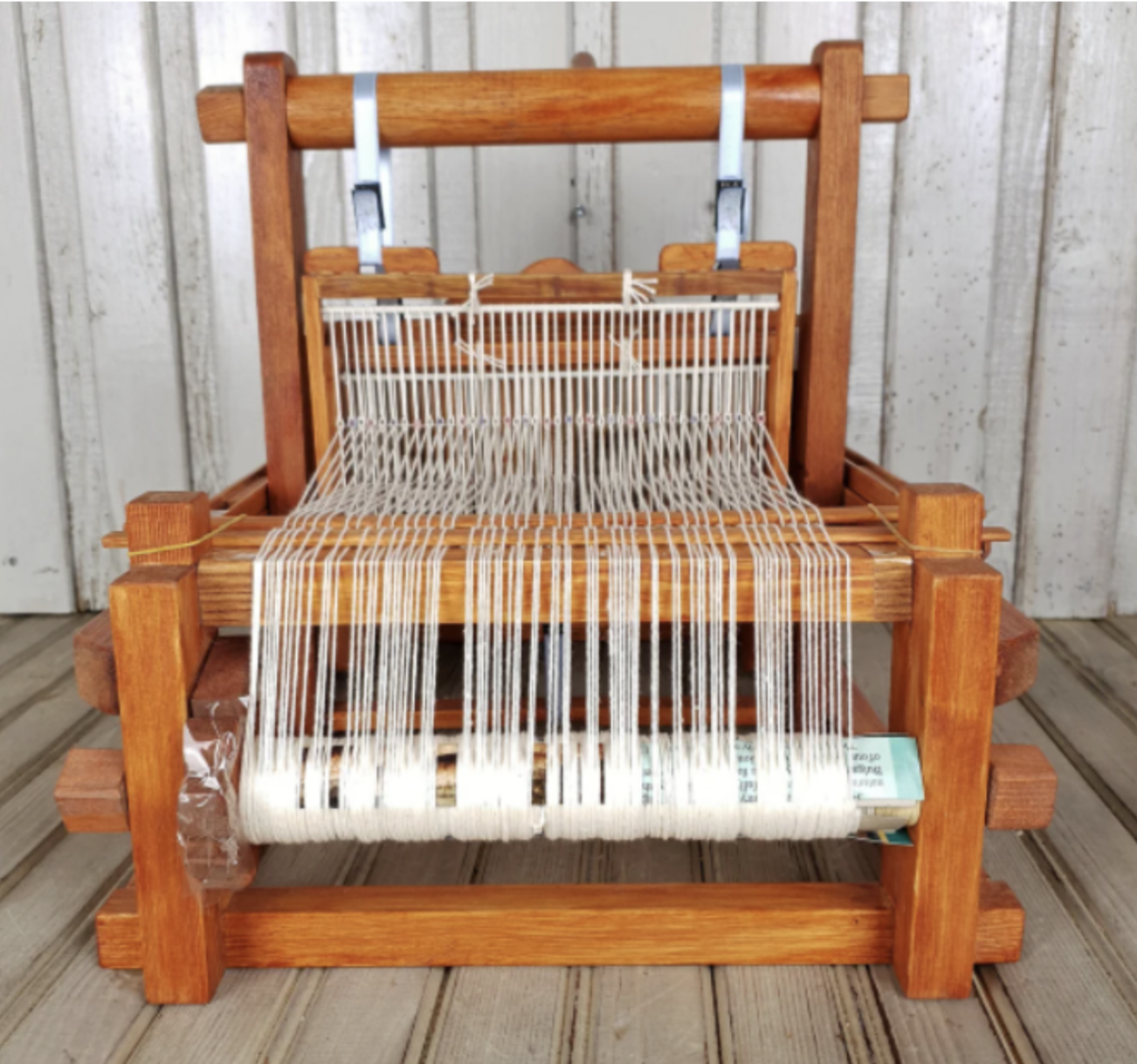
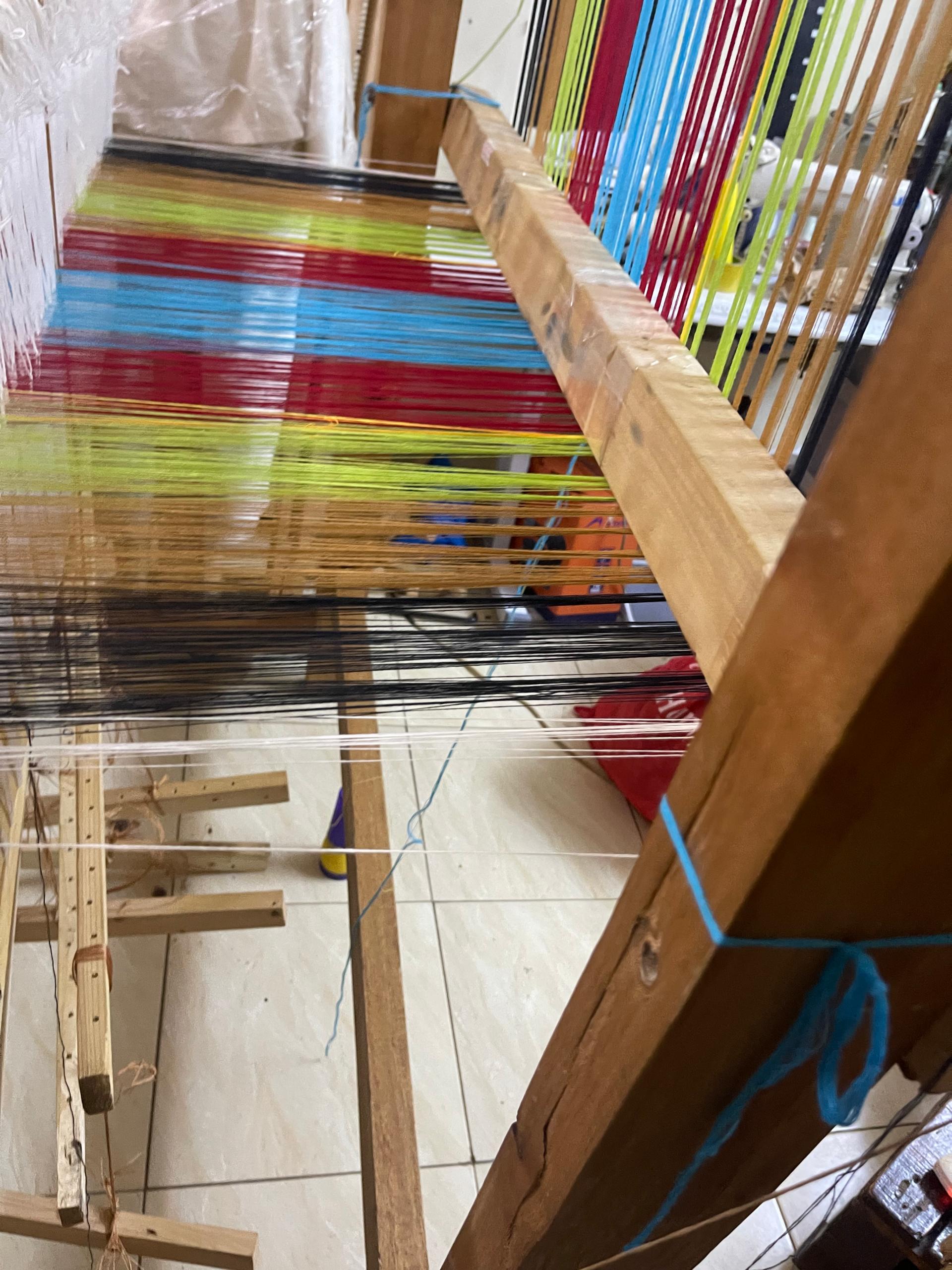
This project explores a traditional weaving room as an open-source hardware system, connecting fibers to fabric through culturally rooted, low-tech textile production. The weaving room is inspired by local handweaving practices where looms are manually operated and built using accessible materials such as wood, ropes, reeds, and natural fibers.
The idea is to document, analyze, and reinterpret the traditional weaving setup as a shared, reproducible system, preserving indigenous knowledge while making it adaptable for contemporary textile experimentation. By studying the spatial organization, loom structure, and workflow inside a traditional weaving room, this project highlights how heritage techniques can coexist with open-source principles and sustainable production.
The weaving room is not only a place of fabrication but also a space of knowledge transfer, community interaction, and cultural identity.
References & Inspiration
"Lorem ipsum dolor sit amet, consectetur adipiscing elit, sed do eiusmod tempor incididunt ut labore et dolore magna aliqua. Ut enim ad minim veniam, quis nostrud exercitation ullamco laboris nisi ut aliquip ex ea commodo consequat. Duis aute irure dolor in reprehenderit in voluptate velit esse cillum dolore eu fugiat nulla pariatur. Excepteur sint occaecat cupidatat non proident, sunt in culpa qui officia deserunt mollit anim id est laborum."
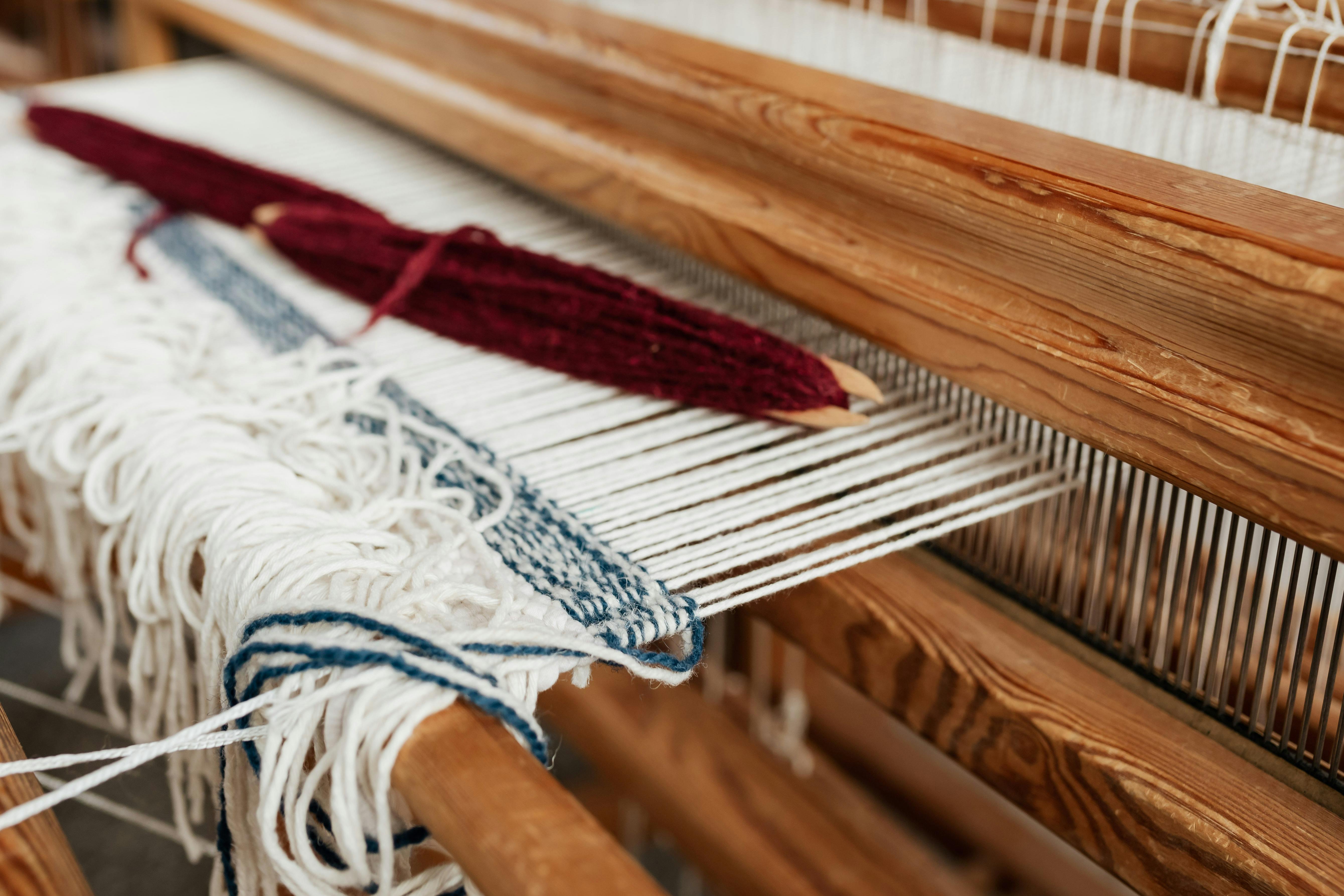
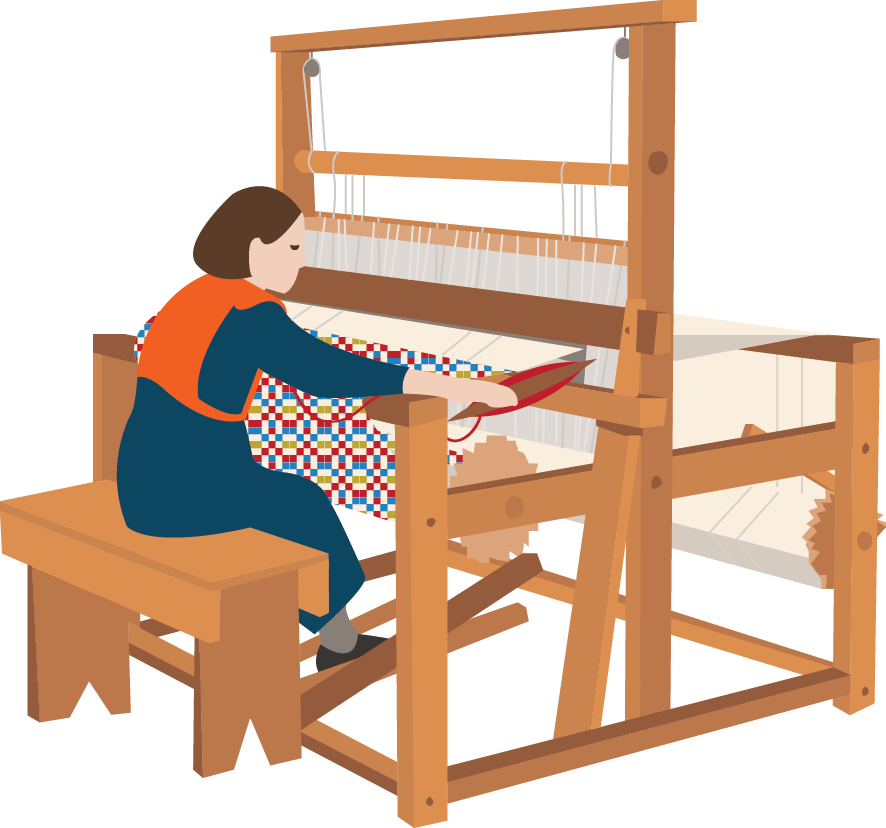
- Two images side-by-side
Tools
- timber
- Measuring tape
- cnc machine
BoM example
Materials
| Qty | Description | Price | market |
|---|---|---|---|
| 1 | timber | 400$ | kenya |
| 2 | reed | 100$ | kenya |
| 1 | strong threed | 80$ | kenya |
| 1 | transports | 100$ |
Process
2. Materials Used
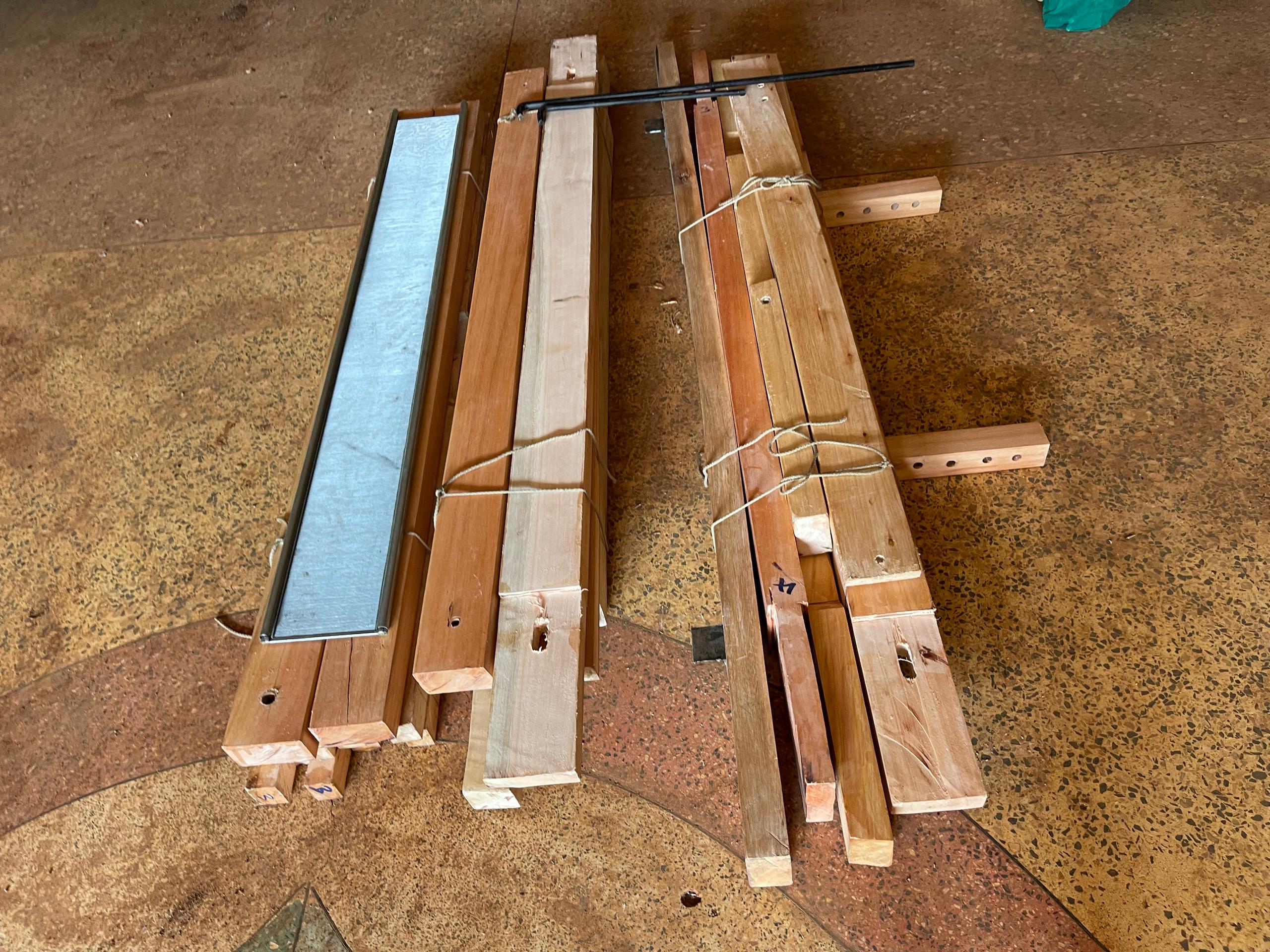
. Hardwood (e.g., mahogany, eucalyptus, or local strong timber) . Wood screws and nails . Wood glue . Metal rods (for heddles and shafts) . Nylon string or strong thread (for heddles) . Reed (metal or bamboo, sized for 110 cm width) . Sandpaper (various grits) . Wood varnish or protective finish
- Tools Used
. Measuring tape
. Carpenter’s square
. Pencil/marking tools
. Hand saw or circular saw
. Chisel set
. Hammer
. Screwdriver or electric drill
. Clamps
. Wood planer (manual or electric)
. Sanding machine or sanding block
Drill bits (various sizes)


 4. Design Considerations
Weaving width: 110 cm Stability: Strong frame to prevent vibration Ergonomics: Comfortable working height for the weaver Material efficiency: Use locally available wood Ease of assembly: Modular components
- Process of Making the Wooden Loom
Step 1
Designing the Loom Sketch the loom structure (front view, side view, top view) Define key parts: Frame Warp beam Cloth beam Heddle shafts Reed holder (beater) Set all dimensions based on 110 cm weaving widtd
Step 2
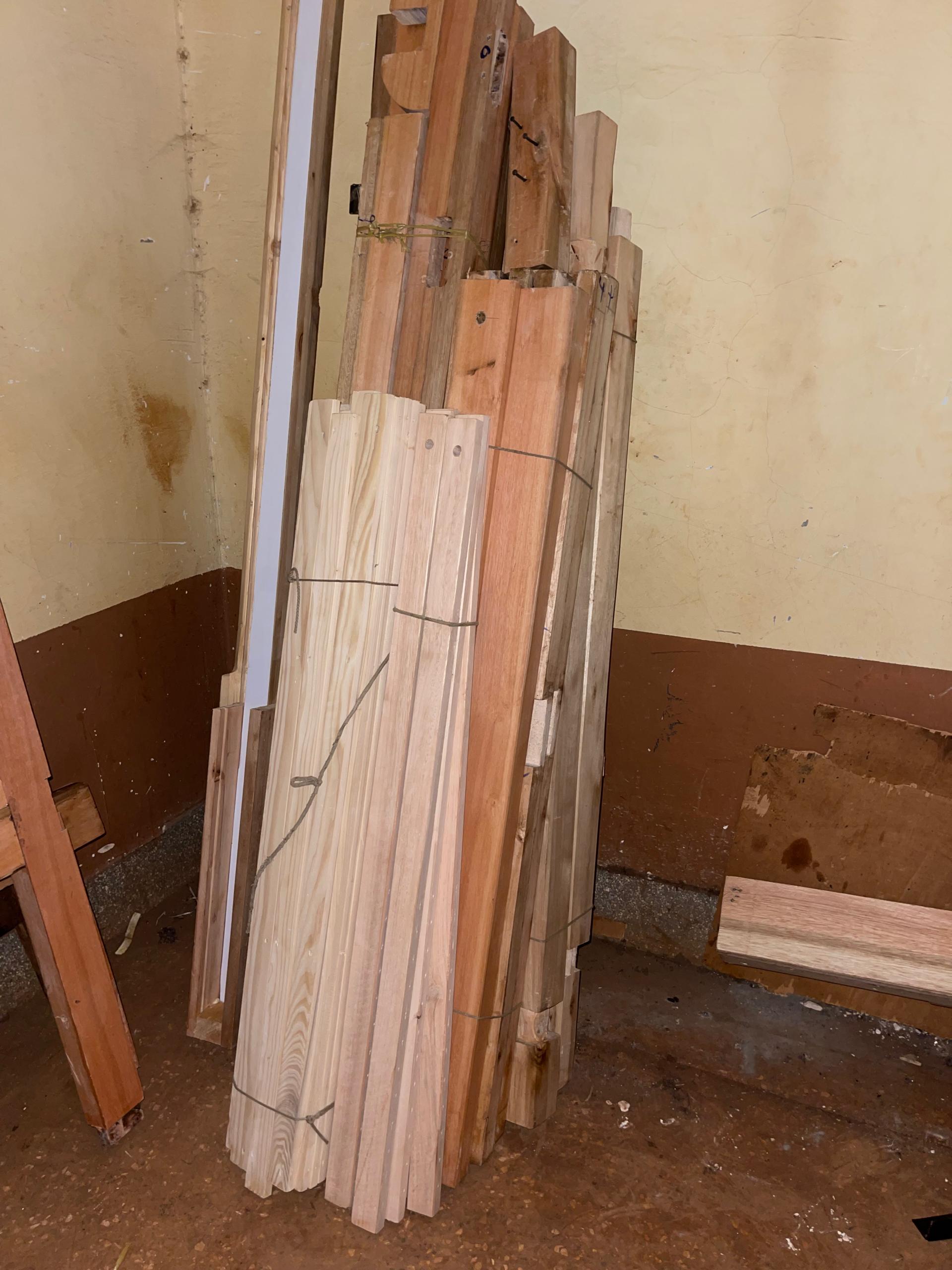
Selecting and Preparing Wood Choose strong, dry hardwood Cut wood into required sections: Side frames Horizontal beams Support legs Plane the wood for smooth surfaces
Step 3
Cutting Components Cut all structural parts according to measurements: 2 side frames Top and bottom cross beams Front and back supports Ensure symmetry for balance
Step 4:
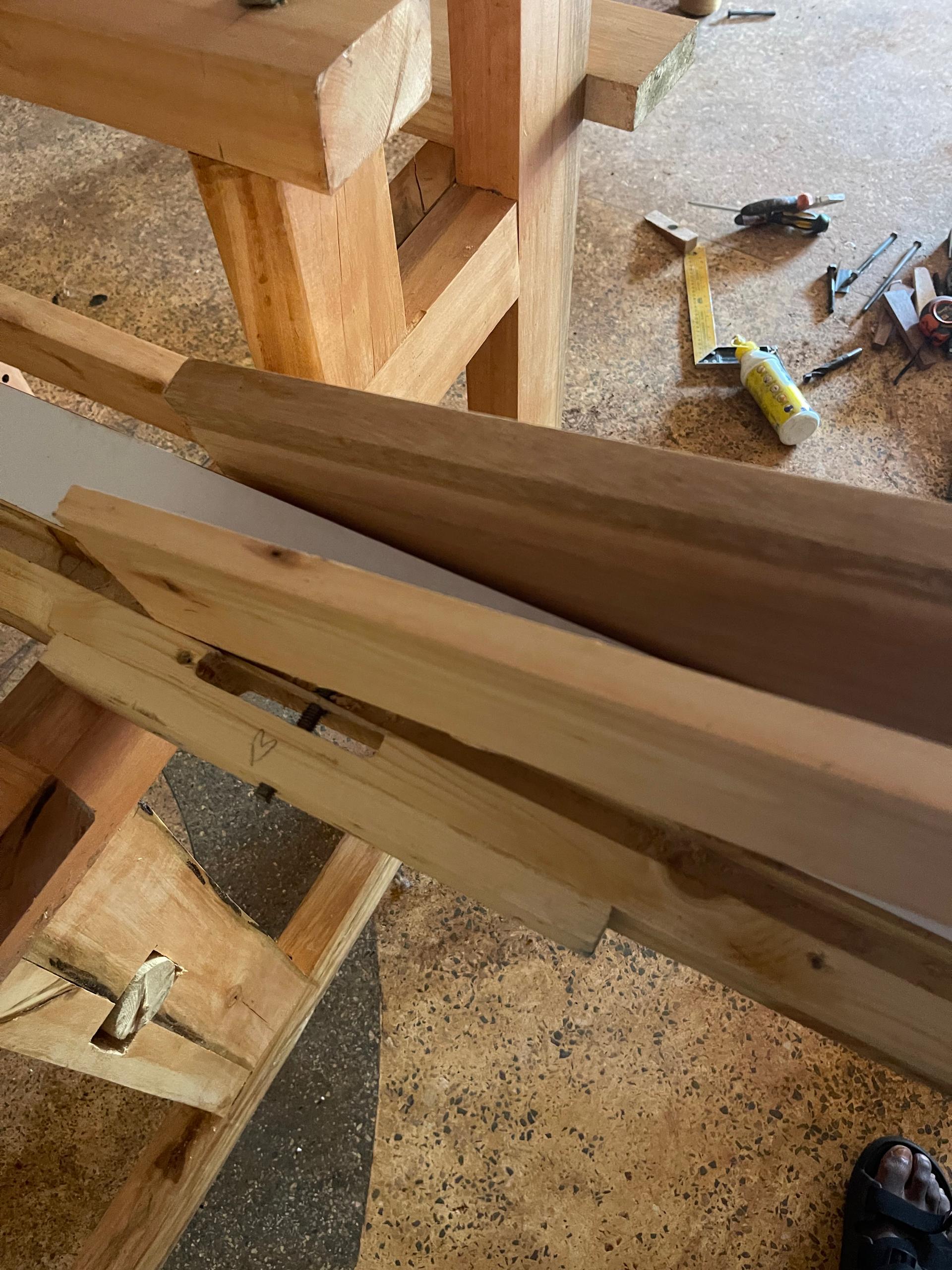
Assembling the Frame Join the side frames with horizontal beams Use: Wood glue + screws for strong joints Check alignment using a carpenter’s square Clamp and allow to dry
Step 5
Installing Warp and Cloth Beams Insert cylindrical wooden beams at front and back Drill holes for rods or axles Ensure smooth rotation
Step 6
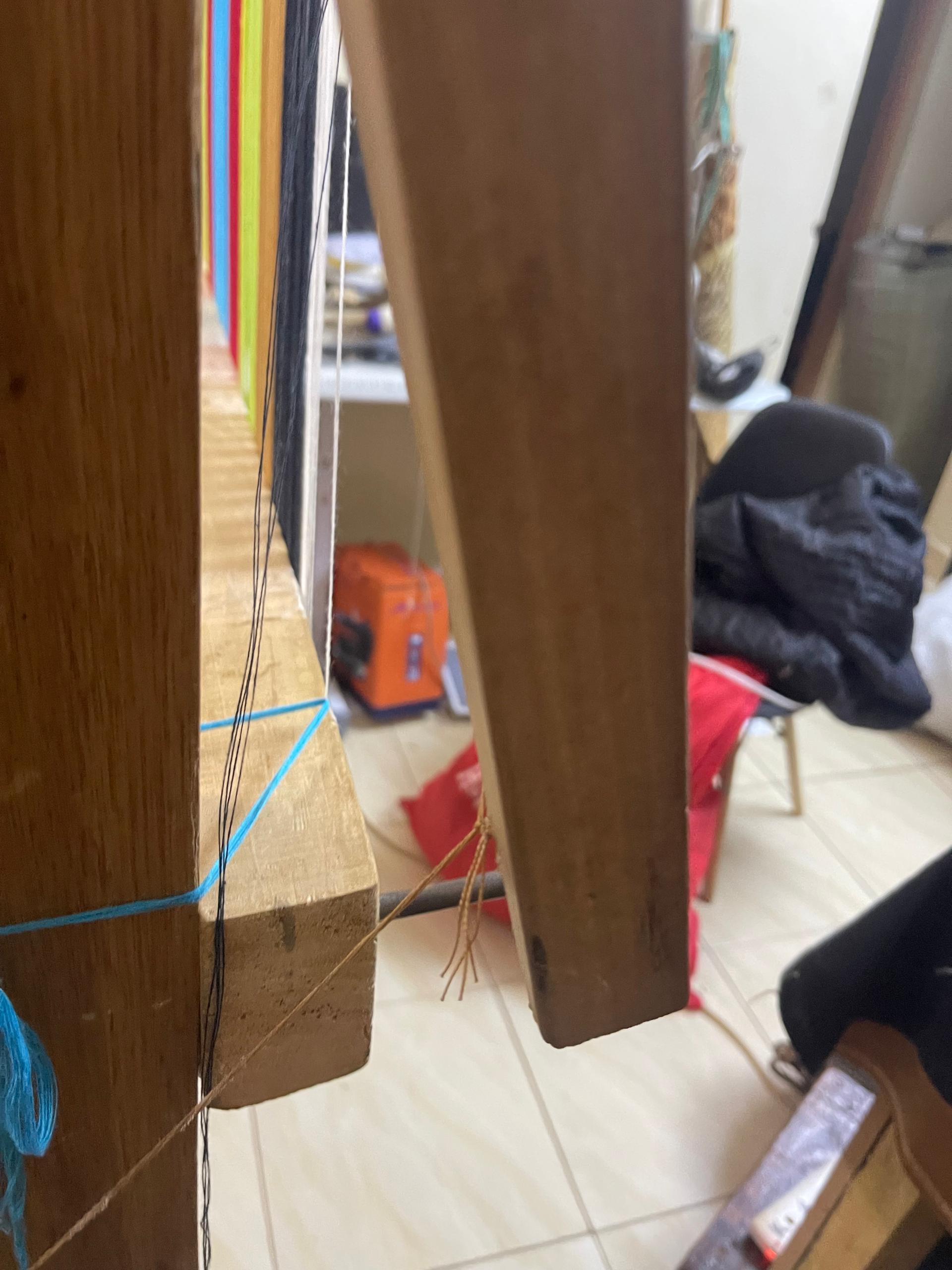
Making the Heddles and Shafts Construct rectangular wooden frames for shafts Attach heddles using nylon string or thread Ensure equal spacing for warp threads
Step 7
Building the Beater (Reed Holder) Create a swinging frame (beater) Fix the reed inside the beater Attach it to the main frame using pivots
Gallery
Video
pic 2