Concept | Meono. Talk of art
Meono Concept
I thought and researched a lot and realized that I wanted to make something more artistic, interesting, and special, not just an object. In the next parts of my research, you can find information about Shibori. In short, Shibori is a Japanese dyeing method where special patterns come from the way you fold the fabric. Origami is also Japanese, and I am diving deeper and deeper into Japanese culture; I really like it.
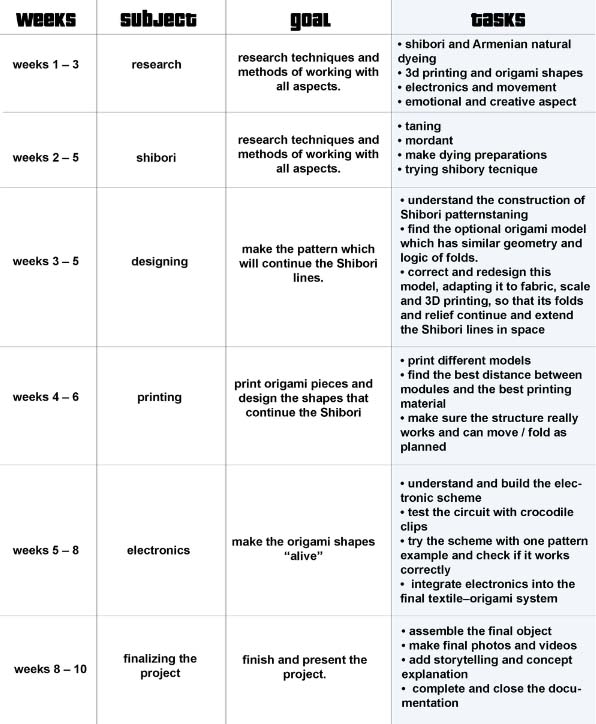
Moving to my project, which is called Modul X, I want to talk about what it will become. I want to make an art object or a part of an art space using fabrics with the Shibori technique, natural dyeing from Armenian plants, and 3D-printed origami shapes that create the Shibori pattern.
Later, if I have enough time, I want to add electronics to it to move the fabric in a way that shows the pattern made by Shibori. Maybe it won't be a 'useful' object, but it will be able to influence and leave a mark on people—surprising them or bringing peace, like the waves of the sea.
This project lets me dive into many technical, emotional, and creative aspects that interest me. It mixes traditions that might not seem mixable at first glance.
Every pattern will have its own movement path and will continue along the way told by its own pattern.
MORE RESEARCHE
Interesting Videos about Electronic Textiles
The Ohio State University: Wearable Electronic Textiles
Massachusetts Institute of Technology (MIT): Computing Fabrics
Interesting Videos about Self-assembling
MIT Media Lab: KinetiX—designing auxetic-inspired deformable material structures
Steve Mould: Self-assembling material pops into 3D
Shibori
When I started diving into these origami-shaped methods and searching about them, it inspired me more and more. I saw how interesting and effective they can be in different fields. But not only this was interesting for me – I also wanted to include natural dyeing processes in my work, before printing on material or in other working steps.
When I spoke about this with my lab team, Svetlana told me about the Shibori technique. It is a Japanese dyeing technique with very interesting shapes and patterns. So let’s understand what it is and how it works.
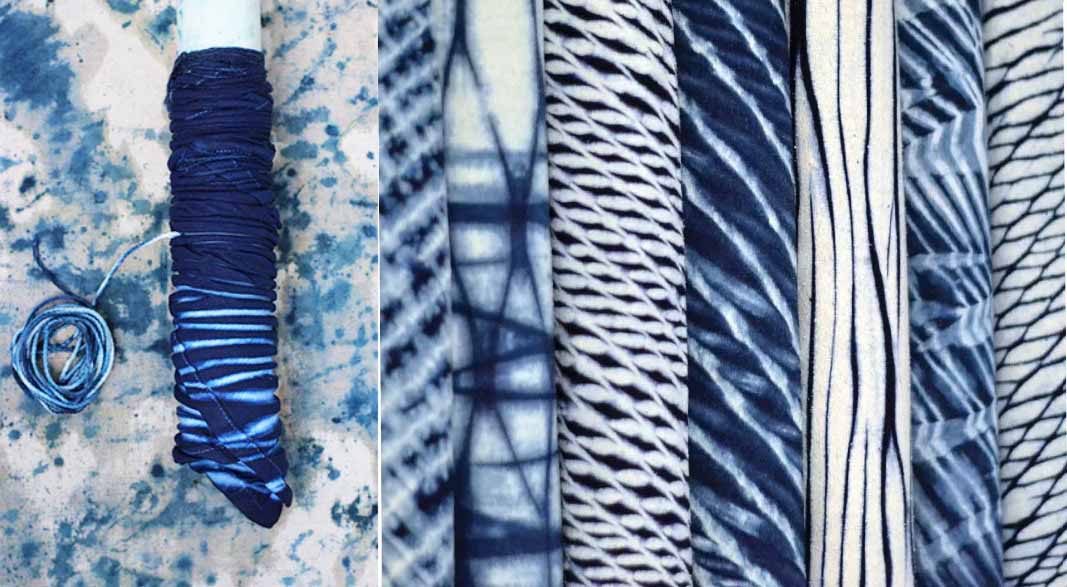
This Japanese dyeing method is full of tradition. It is called Shibori (fold / bind / twist resist dyeing). Another related technique is Yūzen, which uses paste resist for detailed designs. Very often for this dyeing method they use indigo color, and sometimes leaves or other plants to create patterns (like in Katazome).
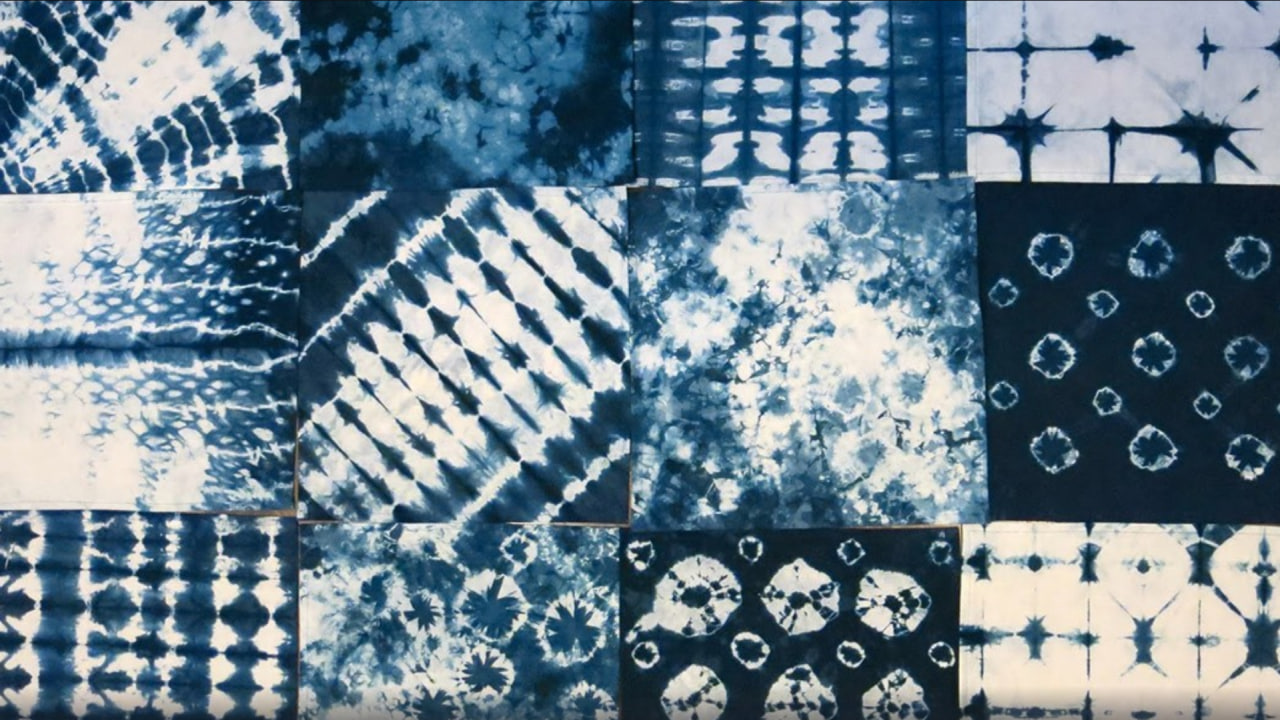
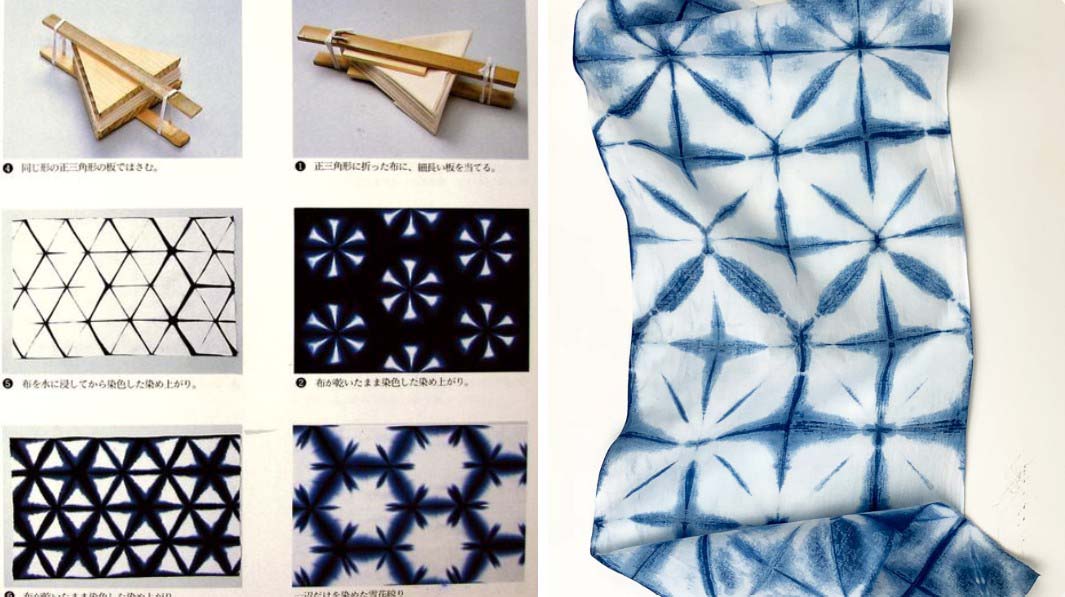
This technique creates unique and organic patterns on fabric using twisting, binding, stitching, or wax to make lines, textures, and different trajectories on the surface.
Let's see what it looks like:
The Six Traditional Shibori Techniques
Kanoko Shibori

Miura Shibori
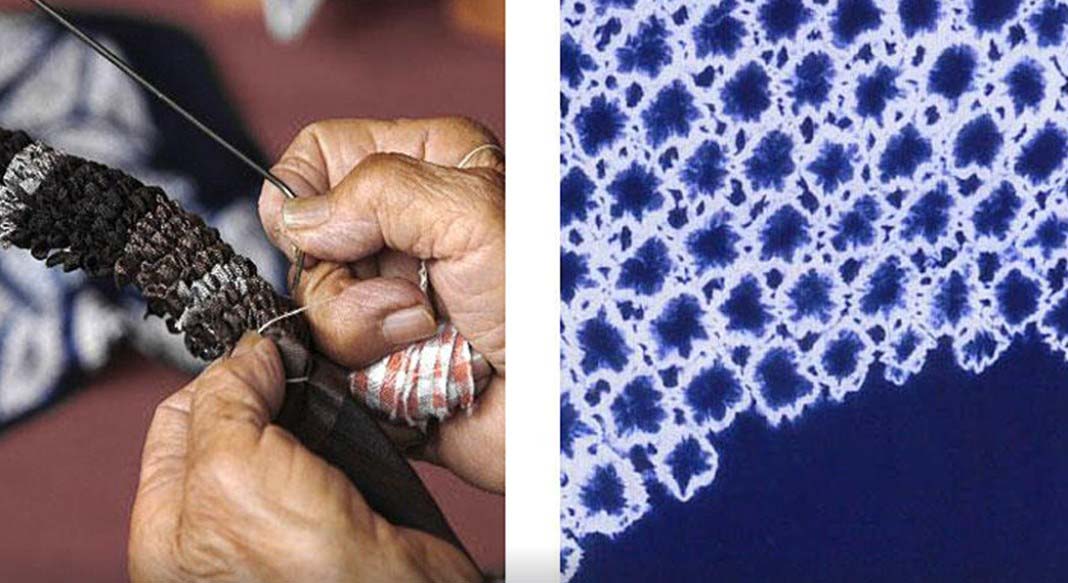
Nui Shibori
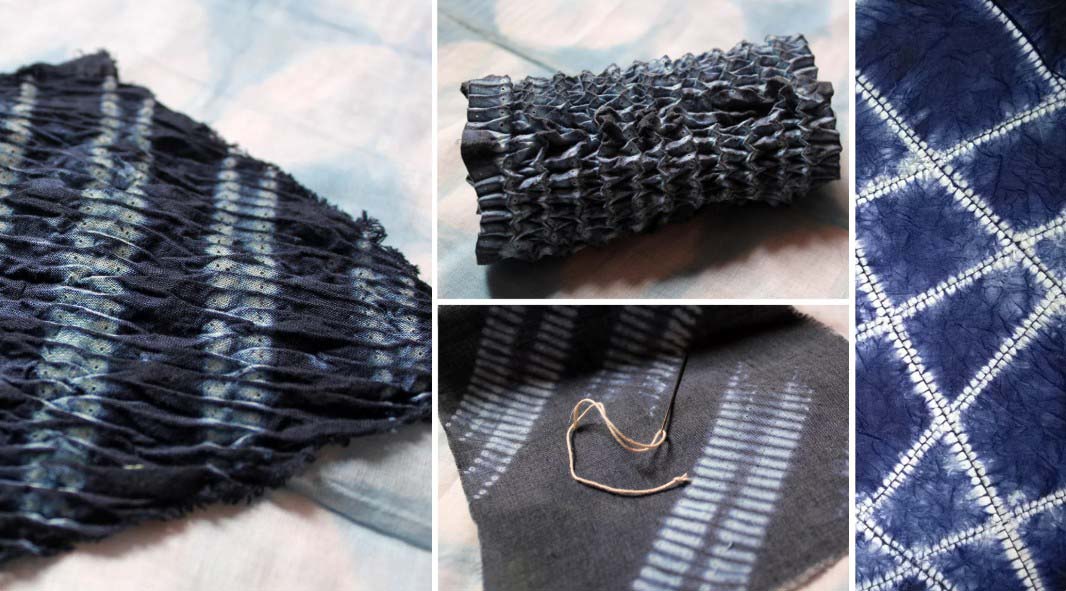
Kumo Shibori
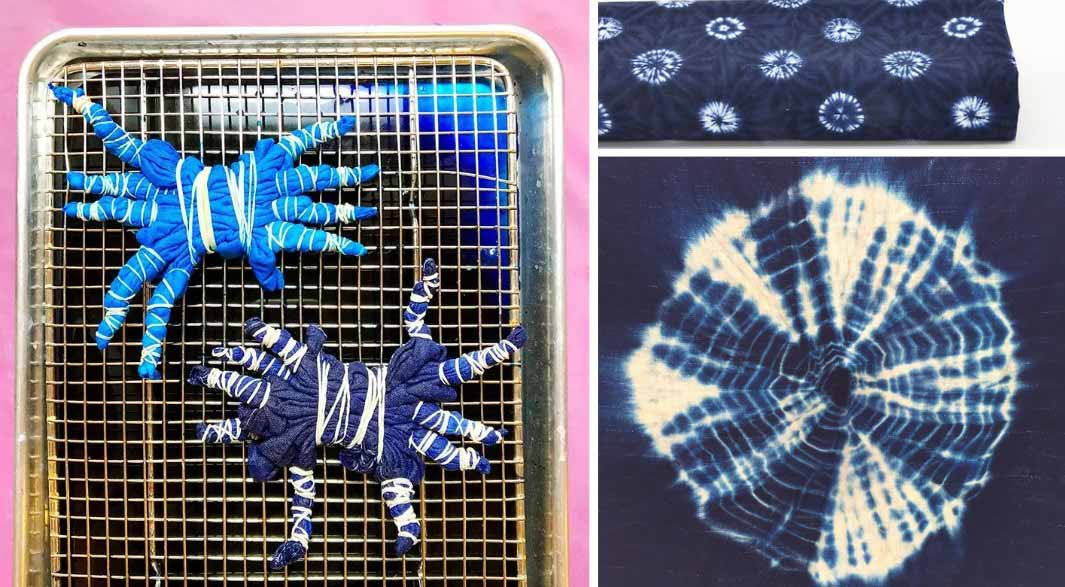
Arashi Shibori
Itajime Shibori
Chindogu
Chindogu is another Japanese design approach. It is a bit crazy and strange, but also really interesting, and maybe it can be useful for future work. It is this type of consumption when people invent something that looks useful, but not really. It is strange, a bit absurd, but it can still become popular. For example, a machine that feeds you tomatoes while you are running or walking. Or a machine that throws popcorn into your mouth by itself, finding your position by your voice. Or a T-shirt that shows how you should sleep.
Some of these strange things really became popular. For example, the selfie stick was very weird at first, and nobody thought that so many people would need it. Or this sticky dash with oil instead of glue also became popular, because it is actually very convenient.
5 Ws
Who? People who love art and art spaces. Those who look for communication and dialogue in art. Children who run around and discover beauty in unexpected movement.
What? An artwork that connects with anything alive. It welcomes people and sees them off. Its movement is created through shibori and activated by electronics. It waits for people, begins to “speak” when they arrive, and feels their absence when they leave — always waiting for their return.
When?
Where? I imagine it in an art gallery with large windows and a view of nature. But it could exist anywhere — in airports, public spaces, at the entrance of buildings, in galleries, or even in someone’s home. Especially for someone living alone, it could bring a sense of warmth — something that greets them when they return.
Why? To explore our connection with nature, art, and ourselves. An artwork that reaches out first — that waits, responds, and begins a dialogue. It makes us feel human, aware of our emotions, responding to us through movement.
How? Through extensive research and by using the knowledge I gained during Fabric Academy — combining electronics, wood construction, natural dyeing, and other techniques.