12. Skin Electronics
Research
The idea that the human body is an active component of an electronic system rather than something that wears technology is looked at in this assignment. The objective was to create a "skin-circuit" in which touch functions as an electrical and physical interaction. The body itself serves as a bridge to complete the circuit when conductive materials are applied directly to the skin.
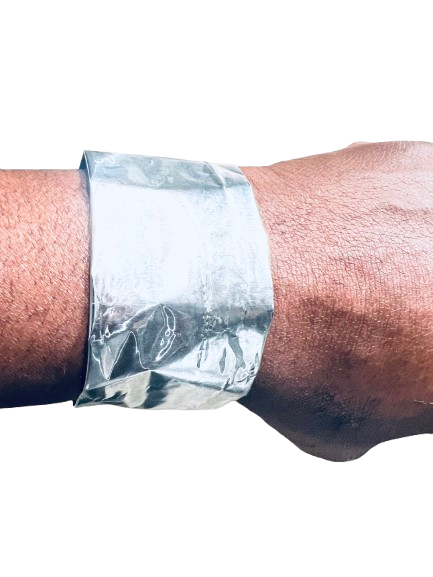
The finished product is an aluminum foil wearable bracelet with copper tape glued to the fingertips. The technology responds by turning on an LED when the wearer touches the bracelet, completing the circuit through the body. As a result, the body acts as a switch in an interaction.
The project's conceptual focus is on responsiveness and connection. The interaction is simple and doesn't require any external interface other than touch, highlighting the potential for wearing electronics to become more integrated and organic. The concept of "invisible technology," in which the system is integrated into the body rather than existing as separate thing, is also reflected in it.
References & Inspiration
Kate Vega pushed me to consider the body as a possible connection which questioned my way of thinking. This covers not just skin but also hair, nails, and facial movements. By combining materials and electronics, any conductive surface can be utilized to activate technology through buttons, sensors, or controls.
I was excited about studying Vega's unconventional conductive materials in stage production and costume design, drawing on my experience as a dancer and performer. With integrated wearable sensors sending electricity that may activate LED lights and other outputs, this reference made it easier for me to see the whole live performance experience for the audience.
The idea is also related to experimental design projects like Twinkle Nails and the Skin Masquerade Party project, which explores the integration of electronics into artistic and personal forms. These designs demonstrate how technology can be colorful and expressive without sacrificing functionality.
Along with artistic references, the project links to more general advancements in wearable computing and human-computer interaction (HCI), where touch and proximity are employed as natural input methods. Although the concept that the body can function as a conductor is based on fundamental electrical principles.
Process and workflow
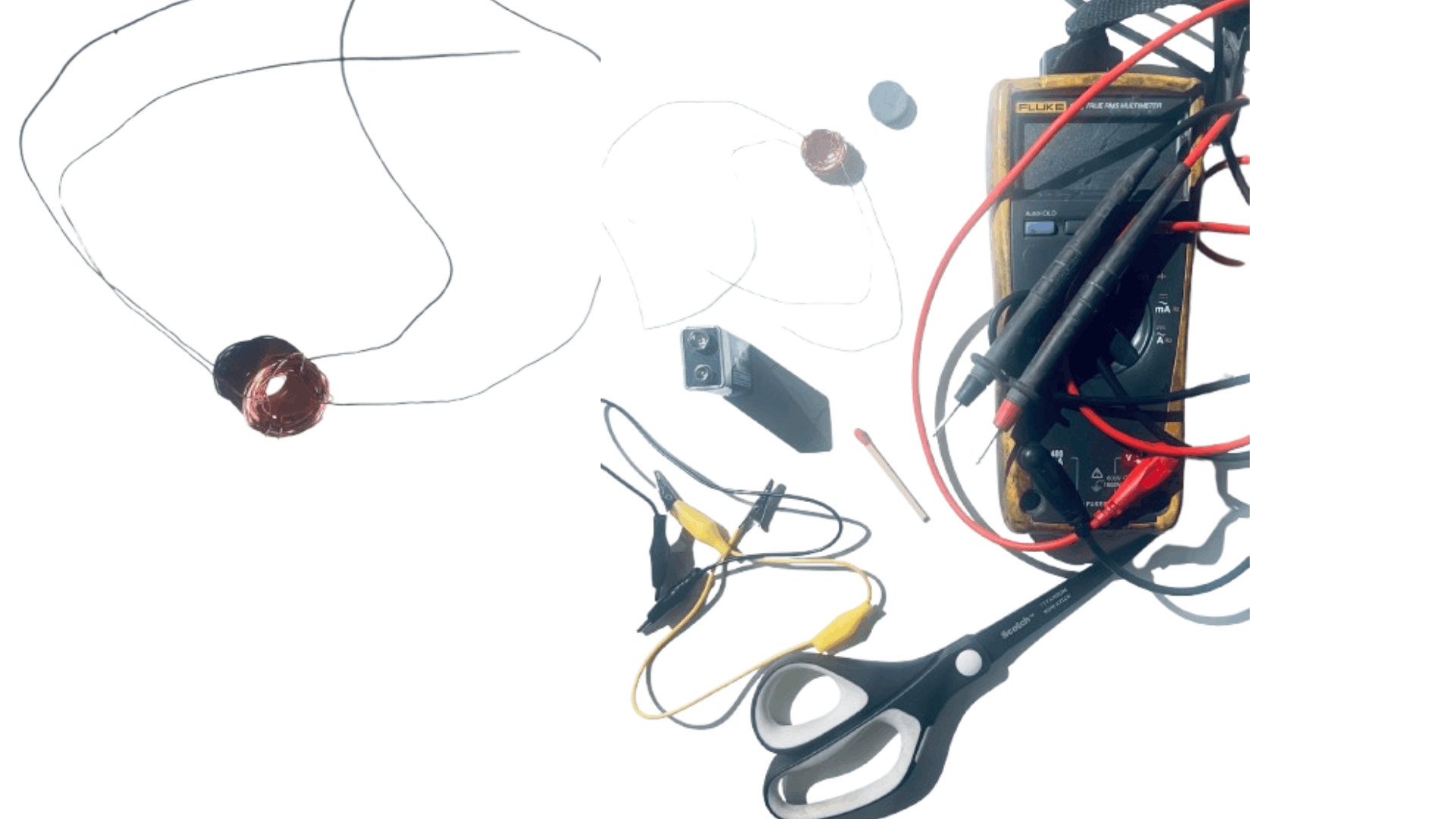
Supply List
        ⁃ Coin cell battery
        ⁃ Coin cell battery holder with on/off switch
        ⁃ LED pins
        ⁃ Scissors
        ⁃ Arduino Uno
        ⁃ Breadboard
        ⁃ LED
        ⁃ Resistor
        ⁃ Jumper wires
        ⁃ Alligator clips
        ⁃ Aluminum foil
        ⁃ Copper tape

Steps
Step 1: Build the LED Circuit
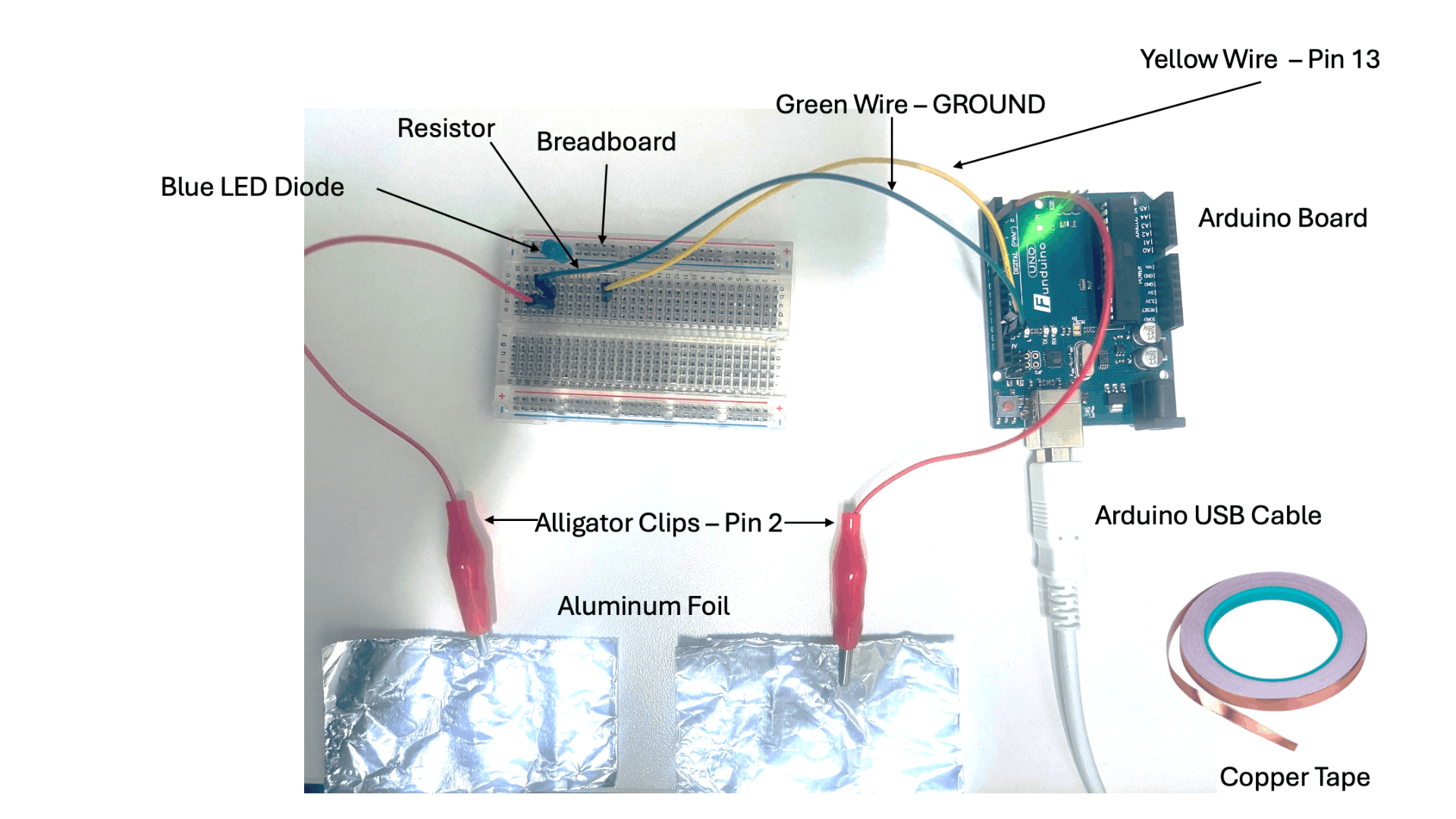
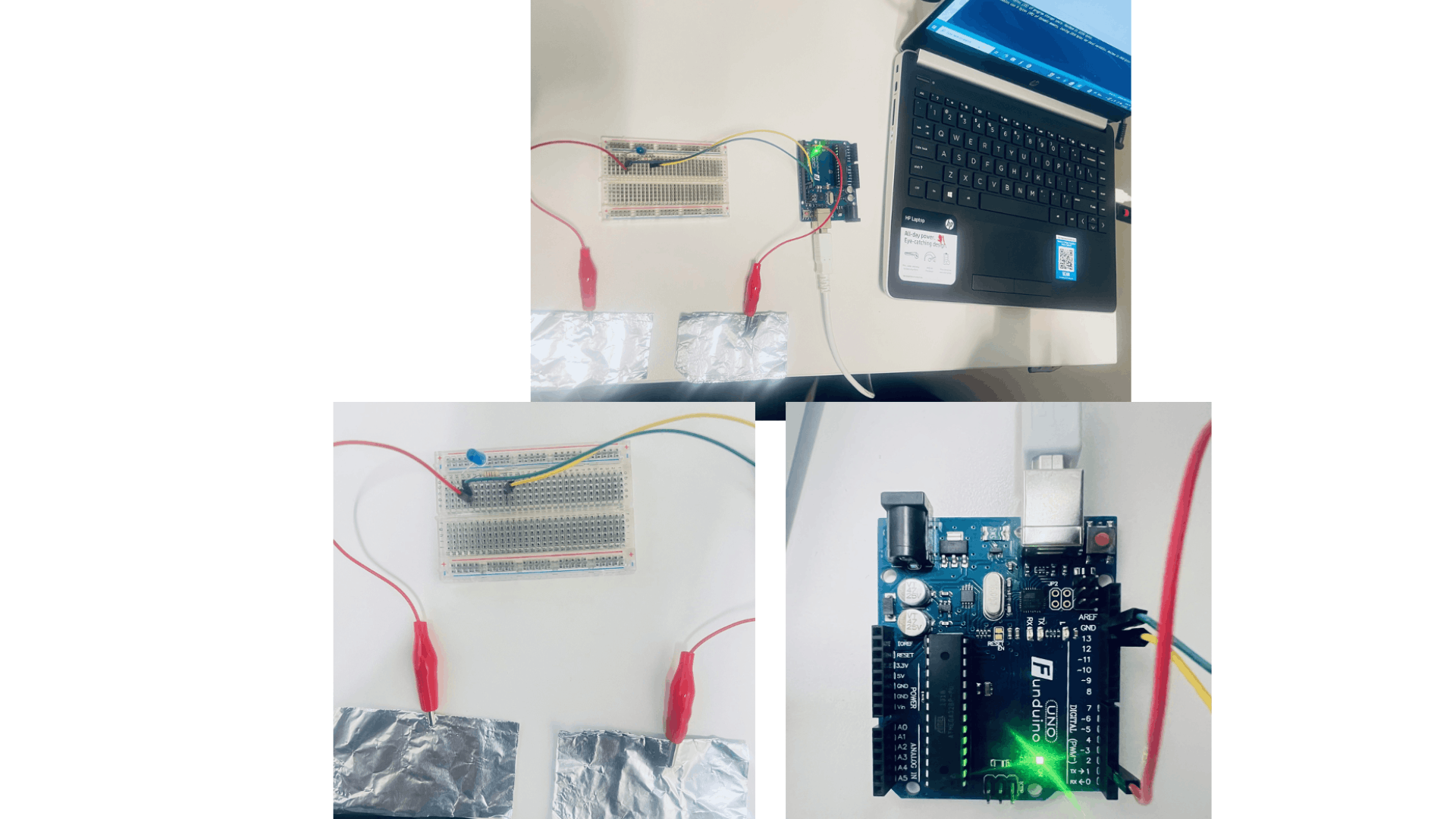
Insert the LED into the breadboard. Connect the long leg (positive) of the LED to Pin 13 on the Arduino. Connect the short leg (negative) to GND through a resistor
Step 2: Set Up the Touch Input
Connect a wire from Pin 2 on the Arduino. Attach an alligator clip to the end of that wire. Clip it to a piece of aluminum foil (this will be your bracelet). Take another wire connected to GND. Attach a second alligator clip. Clip it to another piece of foil or directly to copper tape
Step 3: Create the Wearable
Wrap aluminum foil around your wrist to form a bracelet. Place copper tape on your fingertip(s). Make sure, one side is connected to Pin 2 (input) the other side is connected to GND
Step 4: Upload the Code
Step 5: Test the Interaction
Power the Arduino using the USB cable. Do NOT touch the bracelet → LED should stay OFF. Touch the copper tape (finger) to the foil bracelet. The LED should turn ON
Code Example
const int touchPin = 2;
const int ledPin = 13;

void setup() {
pinMode(touchPin, INPUT_PULLUP);
pinMode(ledPin, OUTPUT);
}

void loop() {
int state = digitalRead(touchPin);
digitalWrite(ledPin, state == LOW ? HIGH : LOW);
}