Concept | The Anatomy of Fashion: Blood, Sweat, Tears
The Anatomy of Fashion: Blood, Sweat, and Tears
Is a material driven study of the human body as both an emotional vessel and biological system. Through bio based materials, digital fabrication, and somatic storytelling, the project translates internal functions—circulation, exertion, and release—into wearable forms. Grounded in somatic theory and the history of Black labor, the work approaches fashion as a “second skin,” where emotion, sacrifice, and ancestral memory become physically embedded within the material itself.
By materializing the often unseen cost of creation—the Blood of tradition, the Sweat of perseverance, and the Tears of vulnerability—this thesis transforms the body into both archive and testimony. The garments preserve traces of labor, endurance, and emotion, proposing fashion as a site where memory and making coexist. Ultimately, the work presents a universal language of creation that honors the physical, emotional, and spiritual weight carried by makers across disciplines.
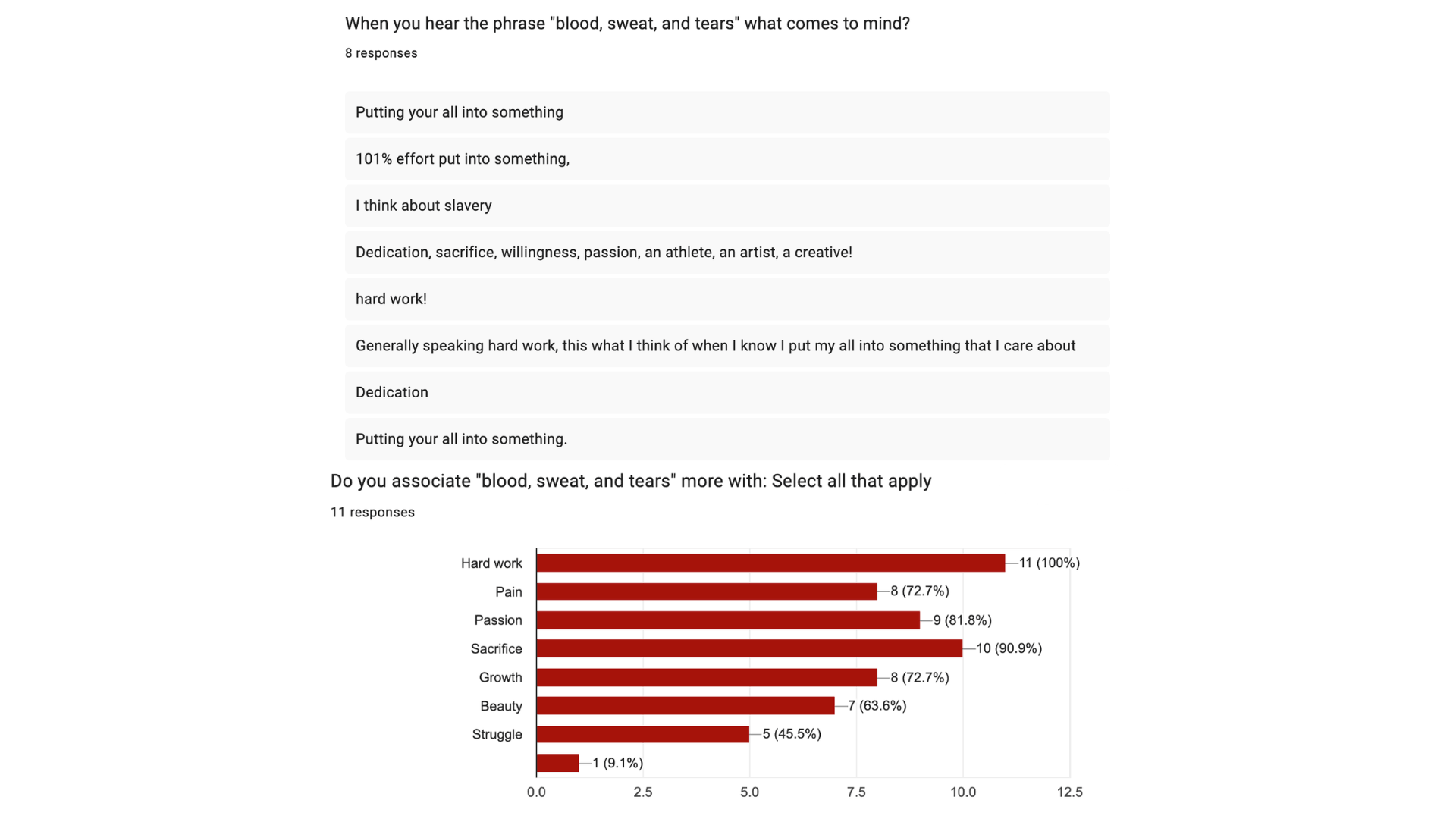
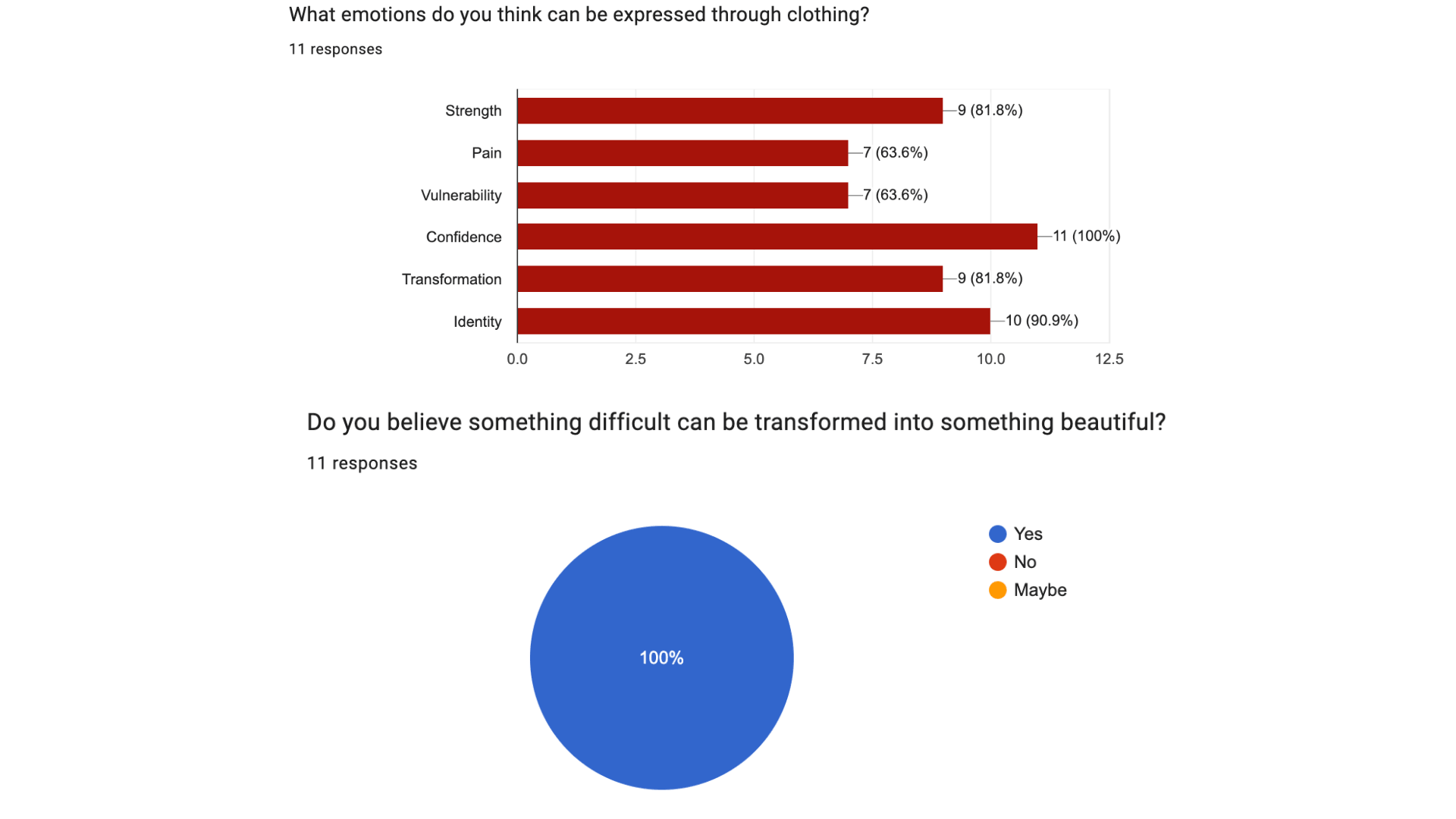
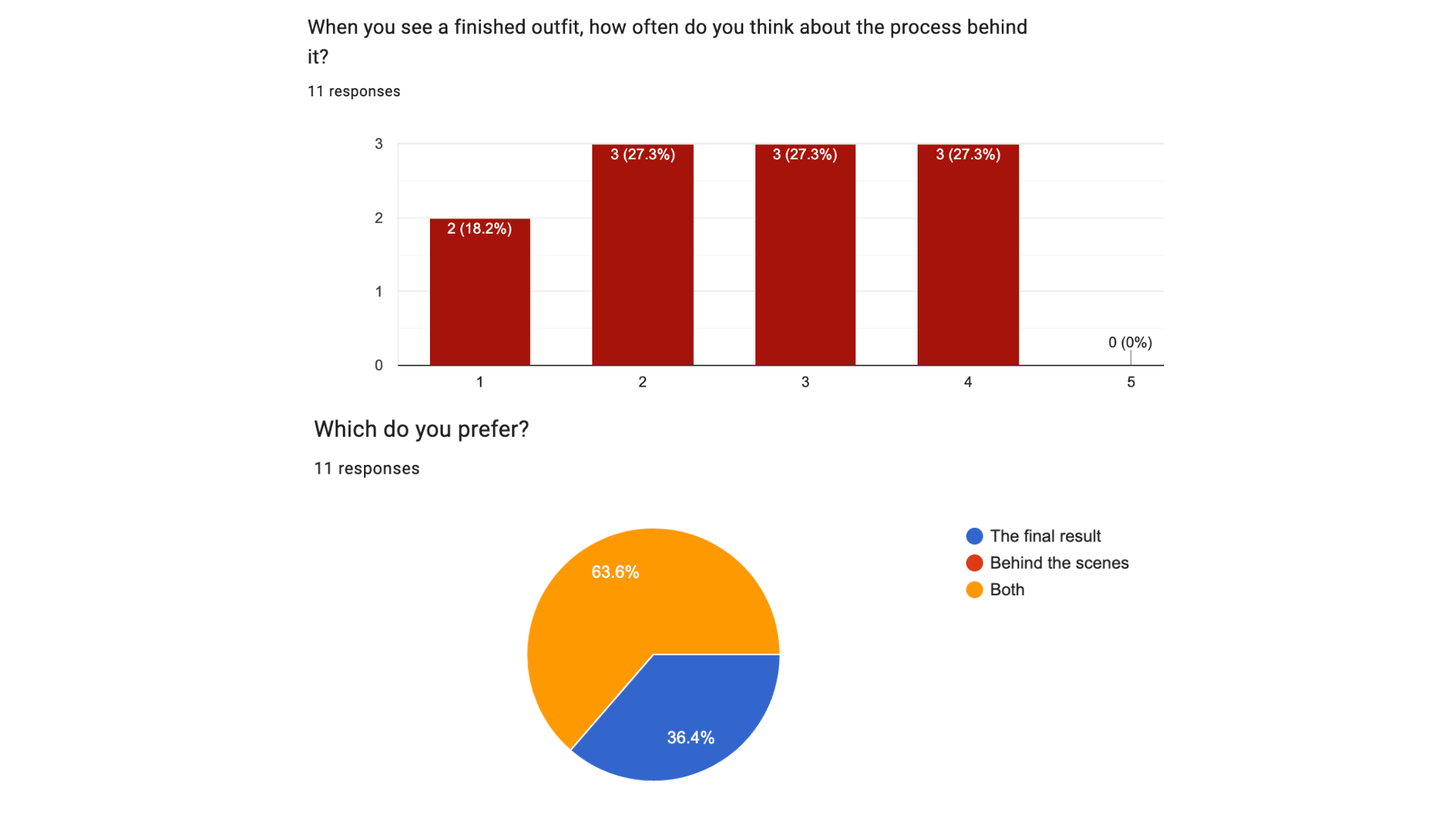
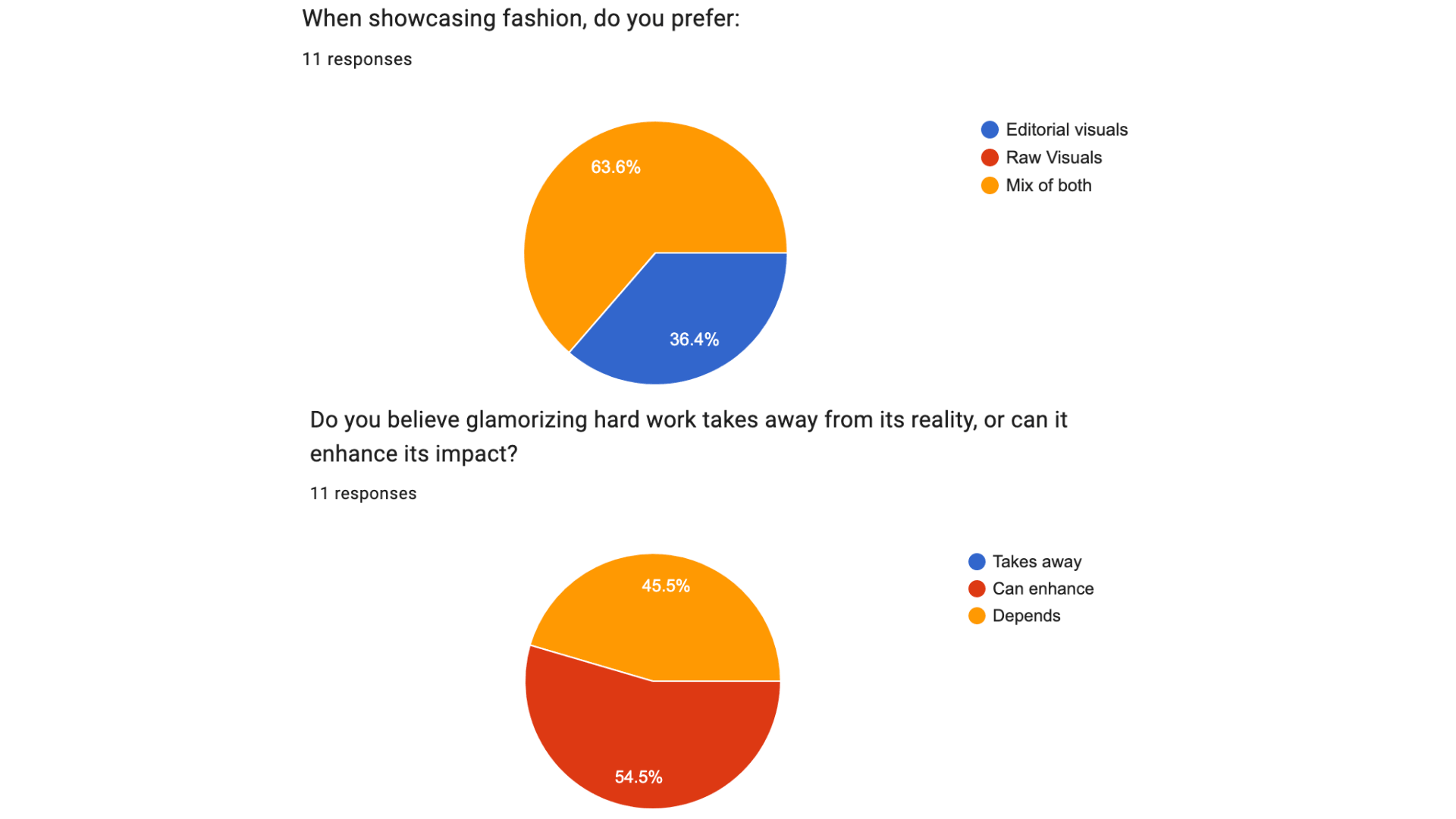
Survey Responses
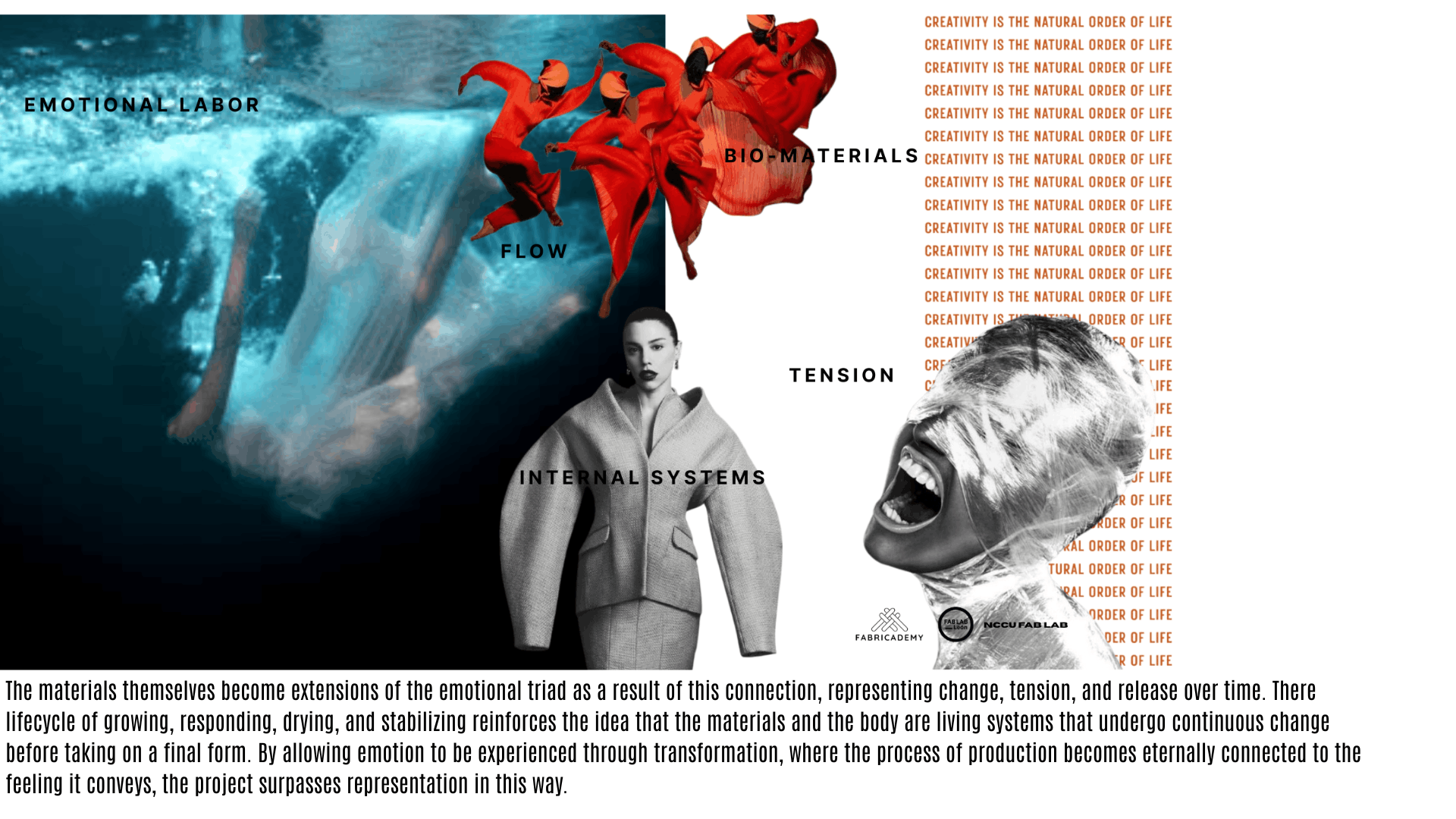
This project is grounded in the somatic theory, which acknowledges the body as a place where emotions, stress, and lived experiences are stored physically within the nervous system. In this system, the body is not stagnant. It is active, responsive, and constantly processing.
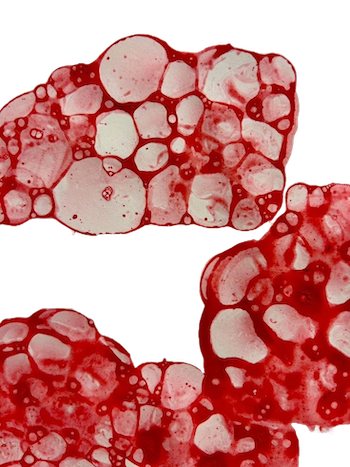
The conceptual framework is based on three main body systems consisting of the circulatory system (blood) signifies movement, vitality, and sacrifice. Muscular/skeletal system (sweat) implies the labor, endurance, and structural support. Nervous system (tears) represents vulnerability, control, and emotional release. These systems work together in an ongoing cycle of activation, strain, and release, so they are not disconnected.
This cycle is further explored through the use of bio-based materials, which introduce the idea of material aliveness. These materials, in contrast to static materials, start out in fluid, responsive states and change as a result of touch, time, and chemical activation. They change from being soft and active to being structured and fixed as they are poured, stretched, sprayed, and molded, reflecting how emotional experiences change within the body. While the final hardened state represents how emotions are finally processed and stored as memory, the time of activation, such as when a material reacts and starts to solidify, mirrors moments of intensity or tension.
Five W’s:
01:
What- This project is a study of fashion inspired by biomaterials that uses textiles to redefine the human body.
02:
Why- It looks at the problem of how designers could create textiles with a deeper meaning while being centered in sustainable techniques.
03:
How- Instead of using standard apparel construction, the project is created through biomaterial experiments.
04:
Who- This project is created by me and I am a designer fascinated with how the human body and emotional states can be translated into textiles. Anyone learning about sustainability or the human body as a source for design would benefit from this work.
05:
Where- During the last few months, the project will be developed in multiple stages at the NCCU FAB Lab in Durham, NC.
Universal Mastery
This project aims to be a visual translation for all disciplines of mastery, even though it has its roots in my background as years spent being a dancer. Every act of the highest level of creation, whether be an athlete in the stadium, a scientist at a desk, a musician in the arena, or an artist at an easel, necessitates a "tithe" that is both physical and emotional.
Since fashion is the only art form that directly touches the flesh of the worker, I am using it as a storytelling medium. I am narrating the tale of the unseen—the time between the initial effort and the finished work of art—through these bio materials. The "Blood, Sweat, and Tears" live here. I am developing a universal language that respects the price of mastery in any profession by materializing these three fluids. I suggest that the "tool" varies, but the "wound" of the creator remains the same in all professions.
Kombucha leather "Sweat", the laborer's perseverance is symbolized by this material. It speaks to everyone who has seen the salt of their own labor hardening into a second skin of fortitude, whether they are a football player or a field worker. The artisan's "Blood" through bio yarn mimics the circulation of knowledge. It is the "bloodline" of craft, handed down by the generations of makers whose hands bled to preserve the method. It stands for the bodily sacrifice necessary to uphold a tradition.
Lastly, the thinker's "Tears" through bio foil. The translucency symbolizes the mind's vulnerability. The emotional release of an artist or researcher who has shed tears over the "breaking" of a concept. It represents the moment where the mind finally surrenders to the soul.
Inspiration & Fabrication
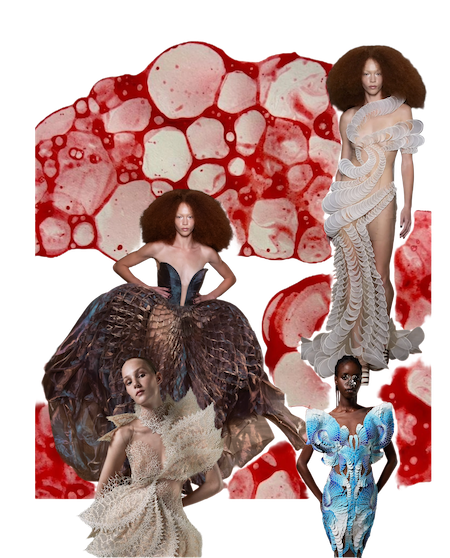
As I began incorporating bio materials into my work, I looked to designers like Iris van Herpen as a key source of inspiration. Her work explores the intersection of the body, technology, and material innovation in ways that feel alive and transformative. She treats materials as dynamic systems rather than static fabrics, which deeply influenced how I approached my own process. Studying her work helped me understand how experimental materials can still feel intentional, wearable, and emotionally impactful within fashion.
Fabrication is the process of turning an idea into a physical form through making, testing, and constructing. In fashion, this can include techniques like pattern drafting, sewing, draping, and material manipulation. In my project, fabrication goes beyond traditional methods and includes working with bio-based materials, where the process involves mixing solutions, pouring, growing, shaping, and allowing materials to transform over time. Instead of just assembling garments, fabrication becomes an active process of creating and developing the material itself before it is even applied to the body.