6. Computational Couture
Research & Ideation
Image referencesimage1 image2 image3 image4 image5 image6 image7
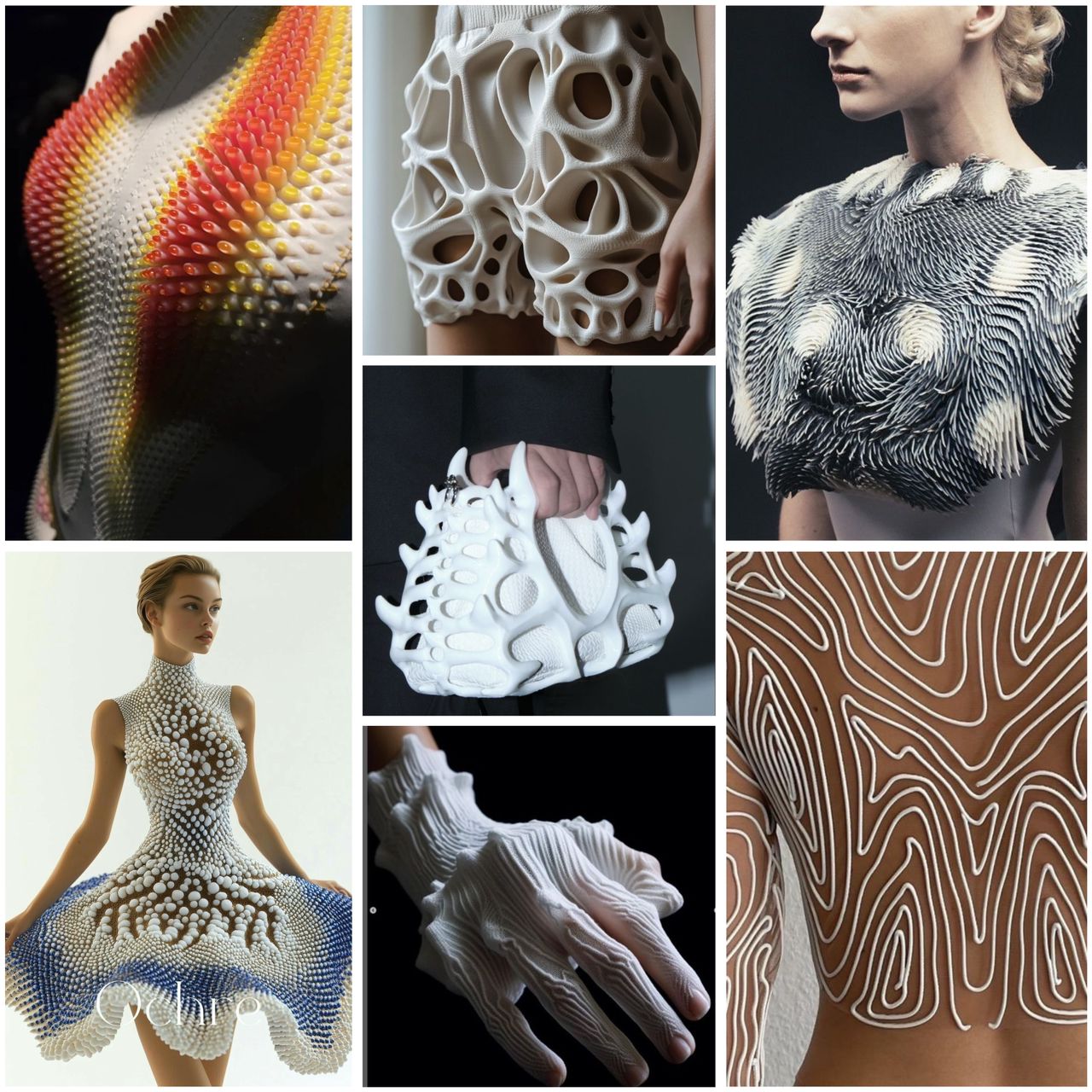 3D Printing + Textiles
In this research, I explored how 3D printing can work with fabrics to create innovative garments. By printing directly on fabric, attaching printed pieces, or embedding textiles into prints, designers can add texture, structure, and decoration. Choosing the right fabric and filament is key for comfort and wearability. This approach opens up new possibilities for wearable, dynamic, and creative fashion designs.
3D Printing + Textiles
In this research, I explored how 3D printing can work with fabrics to create innovative garments. By printing directly on fabric, attaching printed pieces, or embedding textiles into prints, designers can add texture, structure, and decoration. Choosing the right fabric and filament is key for comfort and wearability. This approach opens up new possibilities for wearable, dynamic, and creative fashion designs.
References & Inspiration
In my computational couture research, I drew inspiration from many sources, including videos and images that showcase simple 3D printing on textiles. I prefer starting with basic examples rather than complex designs, as it helps me understand the process step by step. These references guided my ideation and experimentation, showing how simple prints can interact with fabrics and open possibilities for more creative designs later.
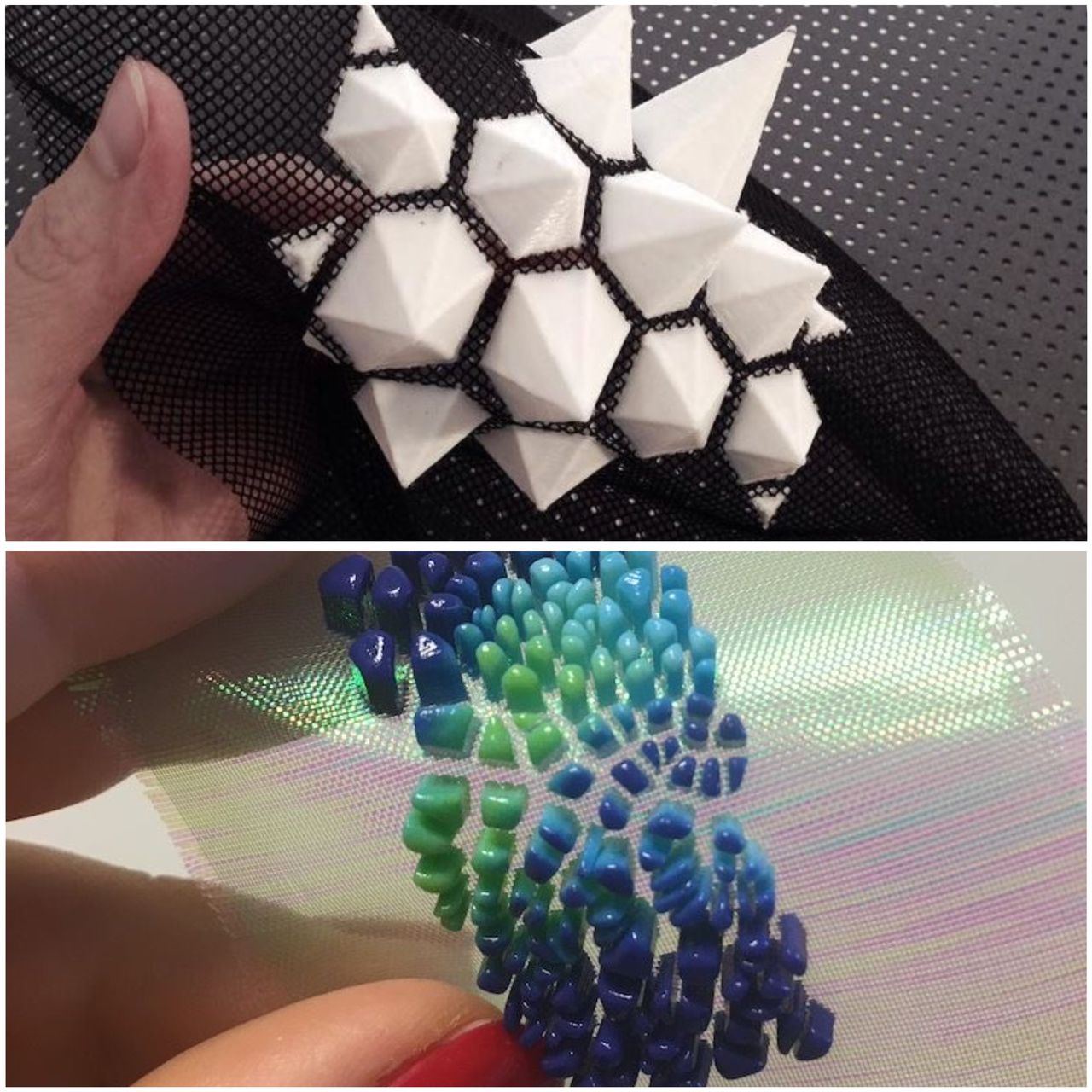
Tools
- Blender
- fabric
- 3D printer
- filaments
Process and workflow
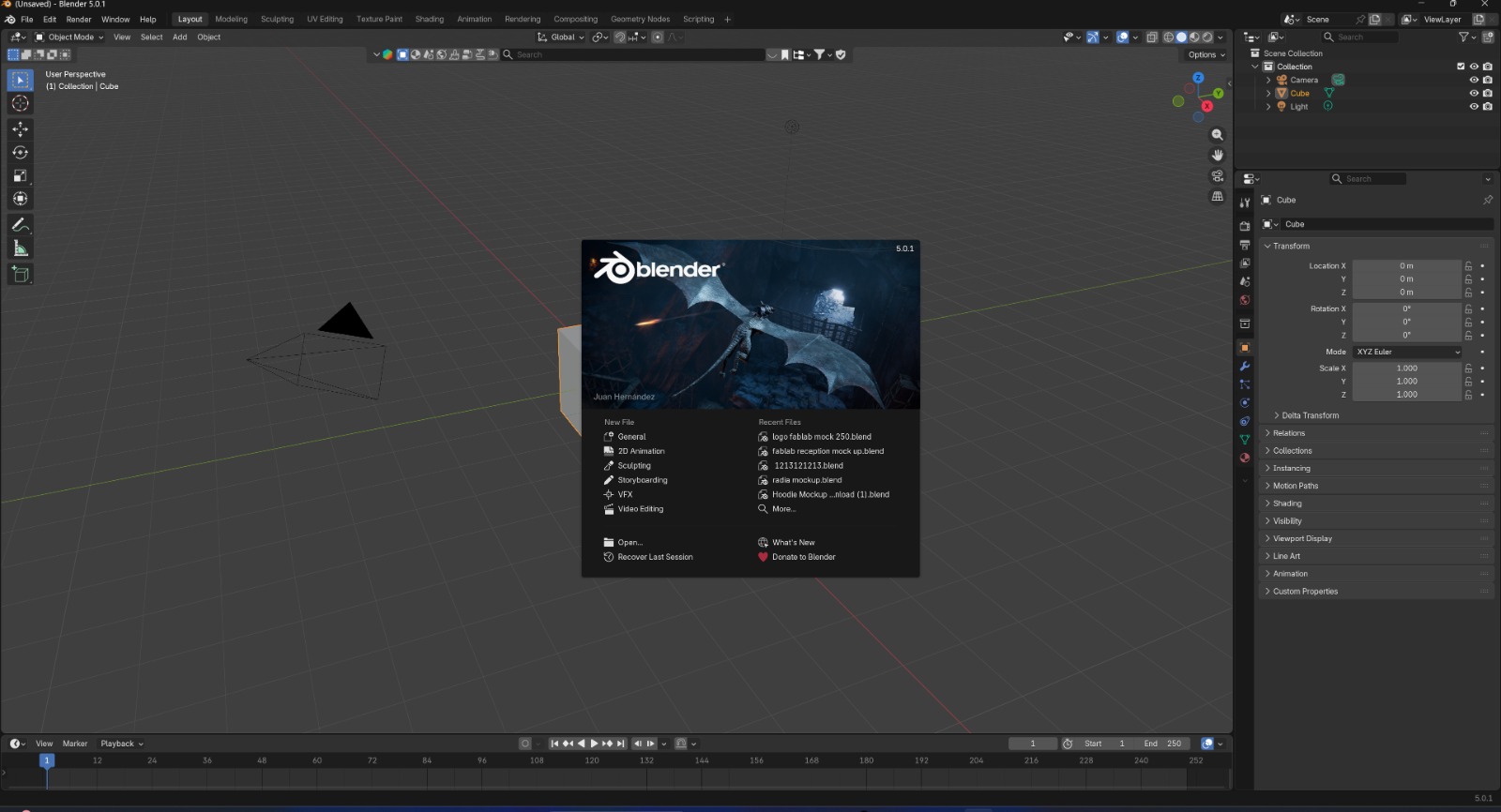
I used Blender to create a simple cube and manipulated it using basic tools and Geometry Nodes to generate multiple small pieces in an easy and flexible way. After finalizing the design, I exported it as an STL file and imported it into Cura to slice the model and generate the G-code. The G-code was then used to print the design on fabric using a 3D printer and filament.
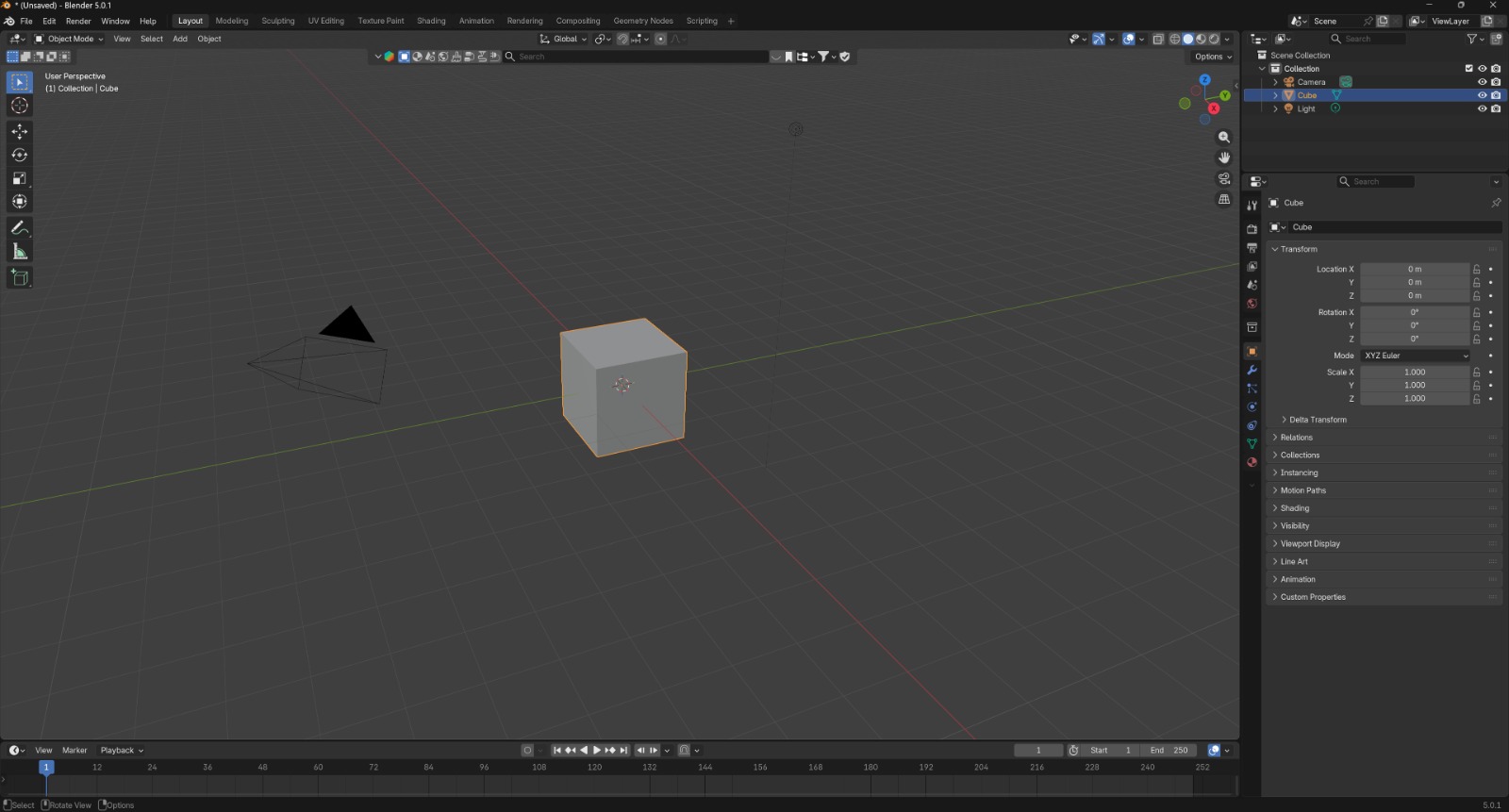
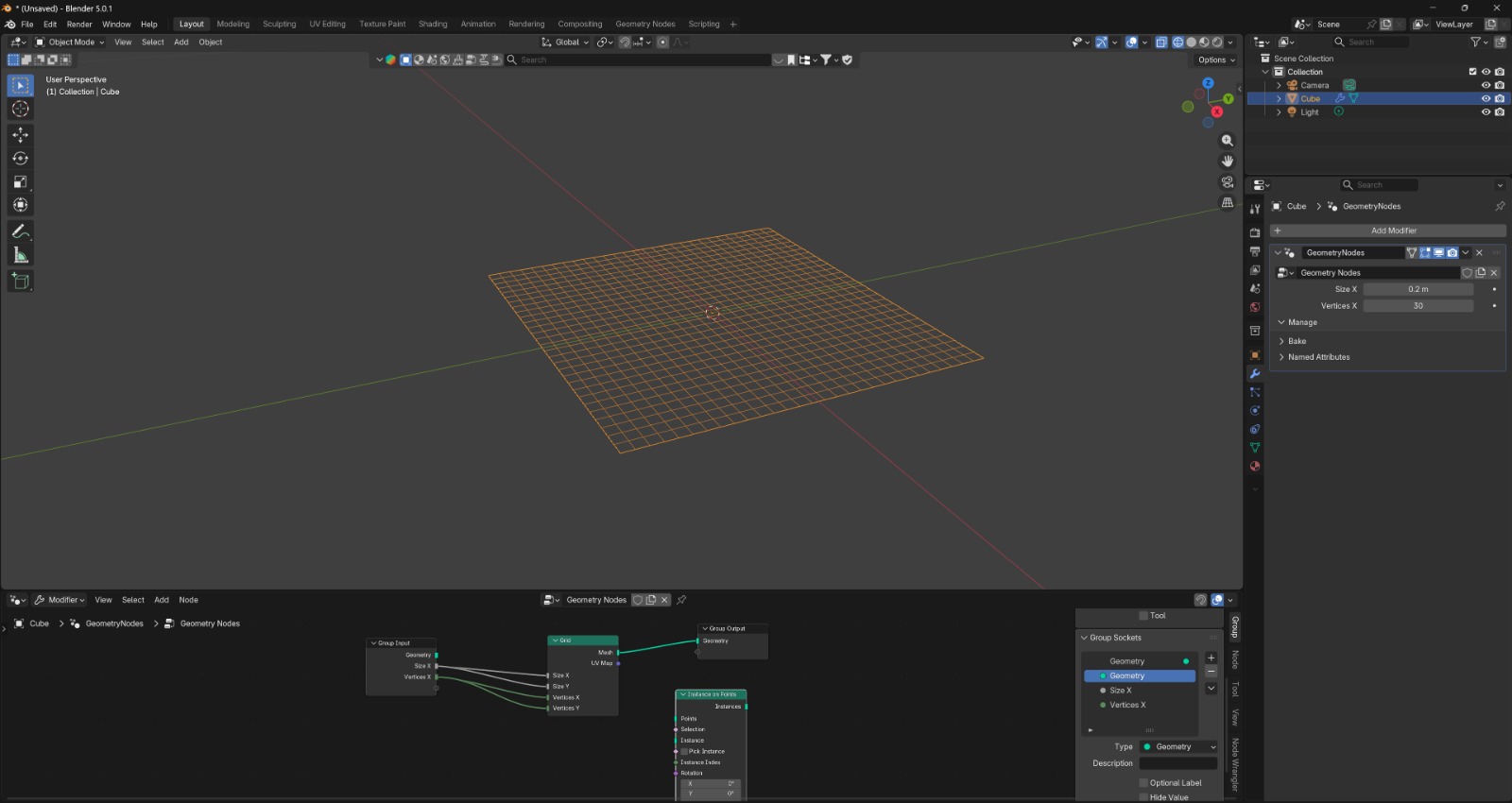
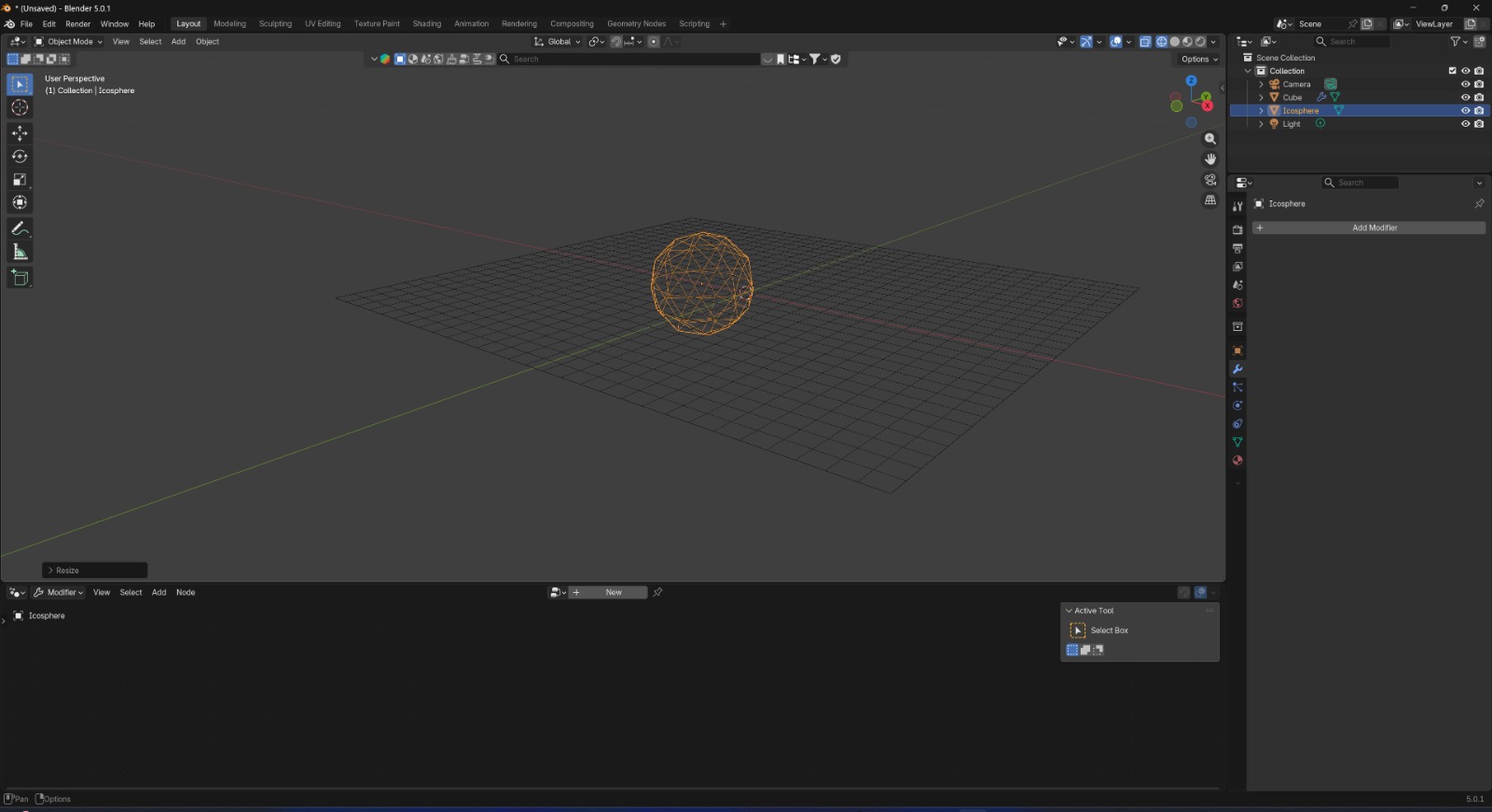
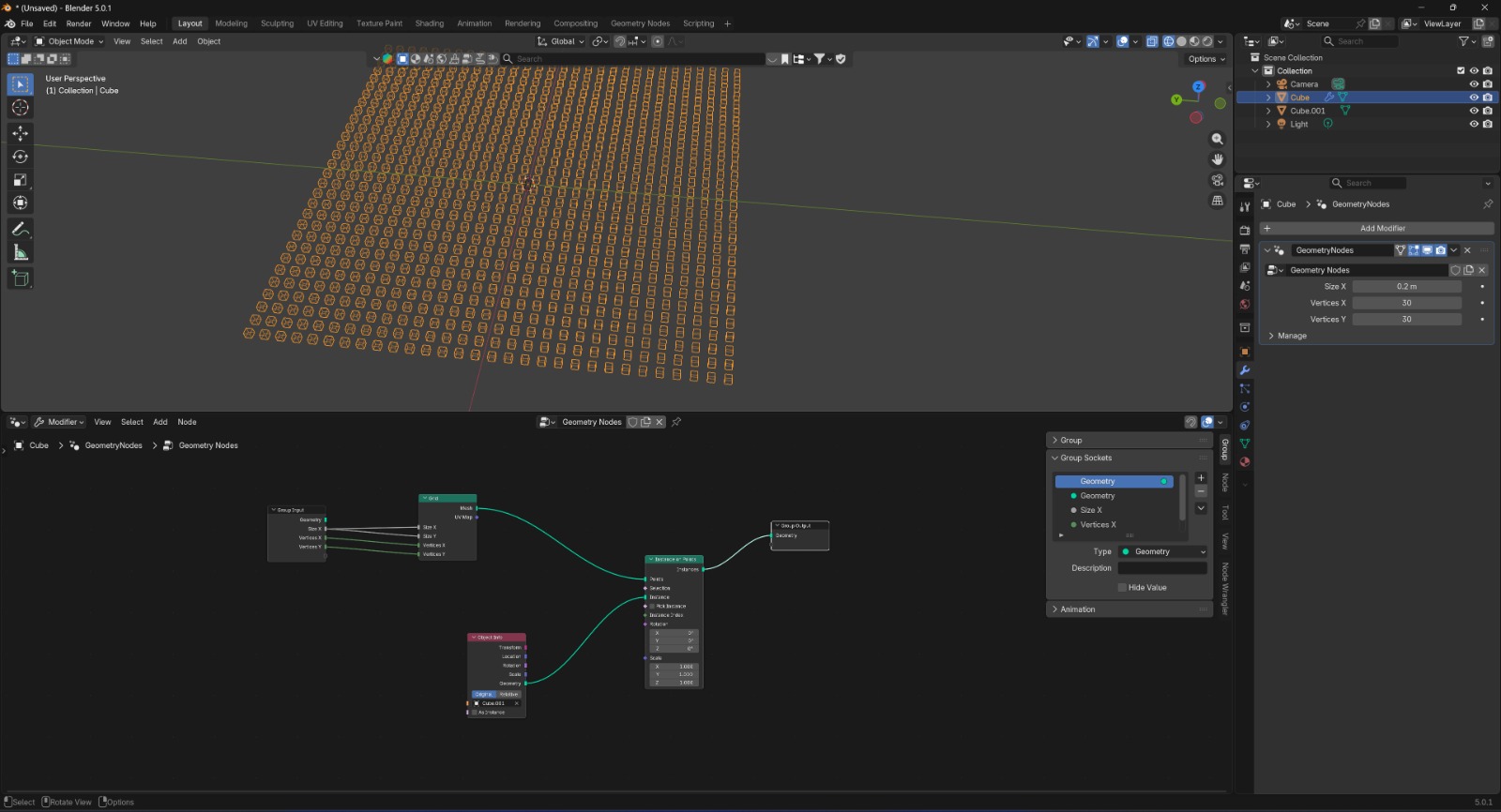
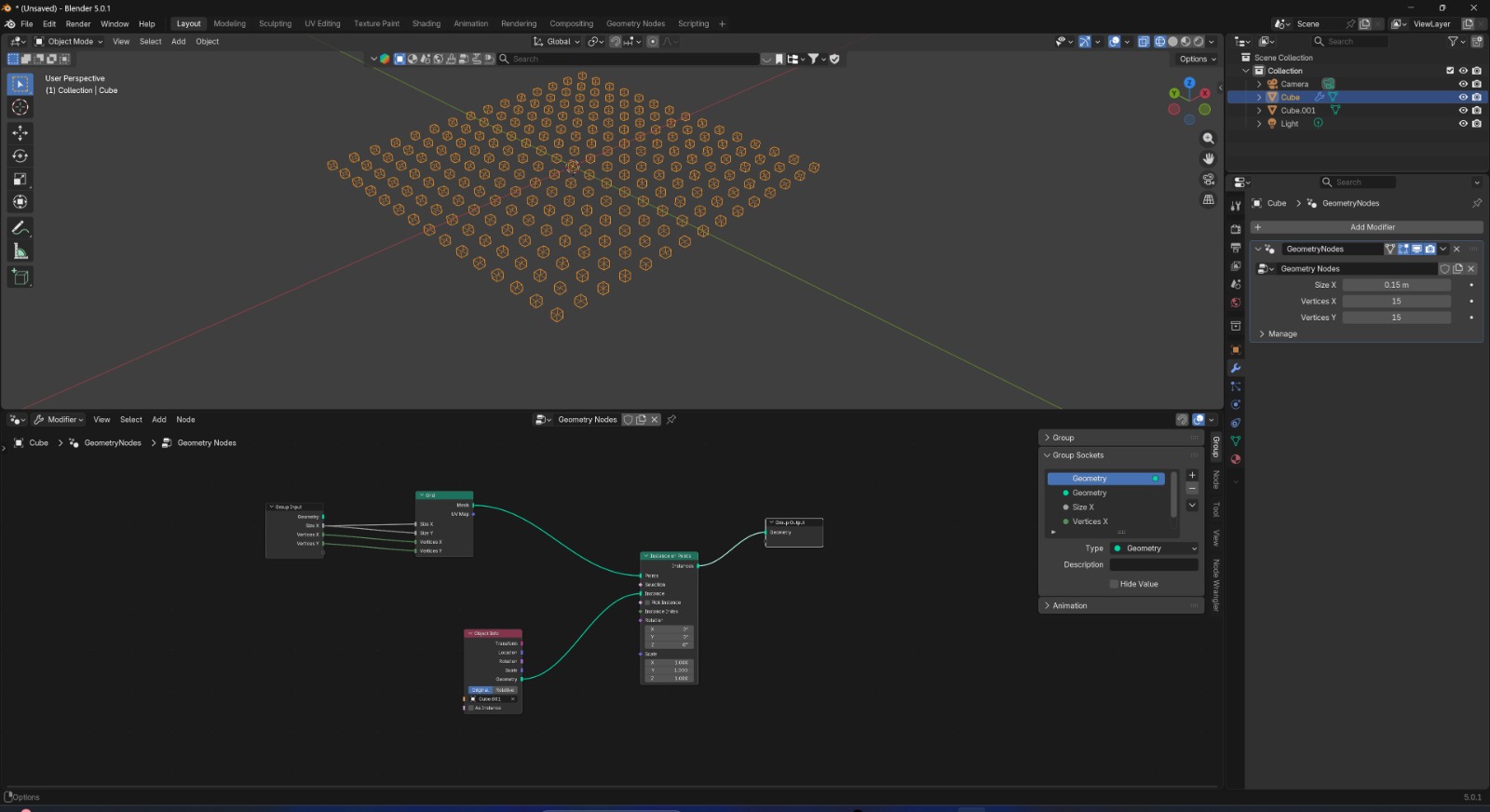
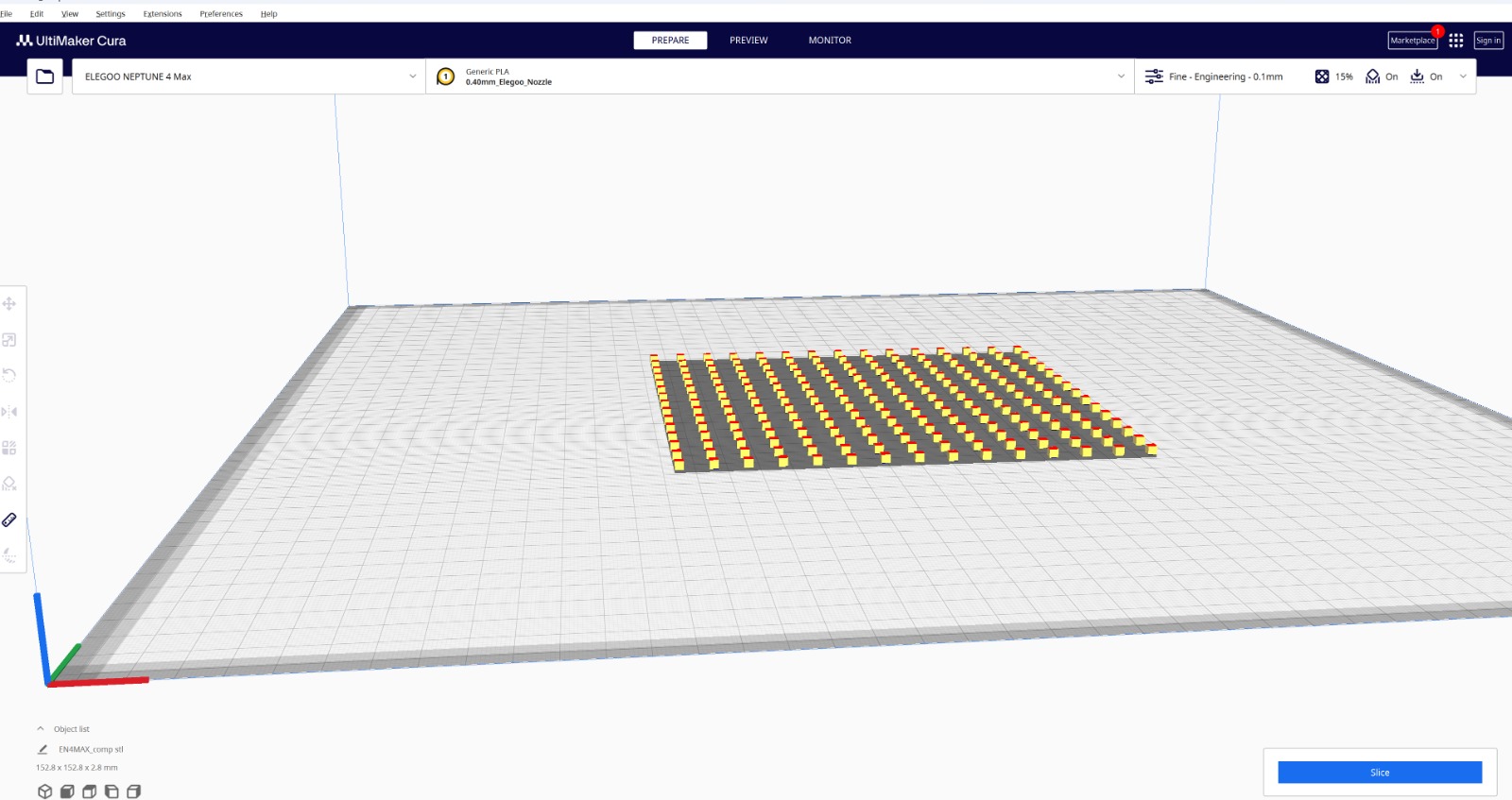
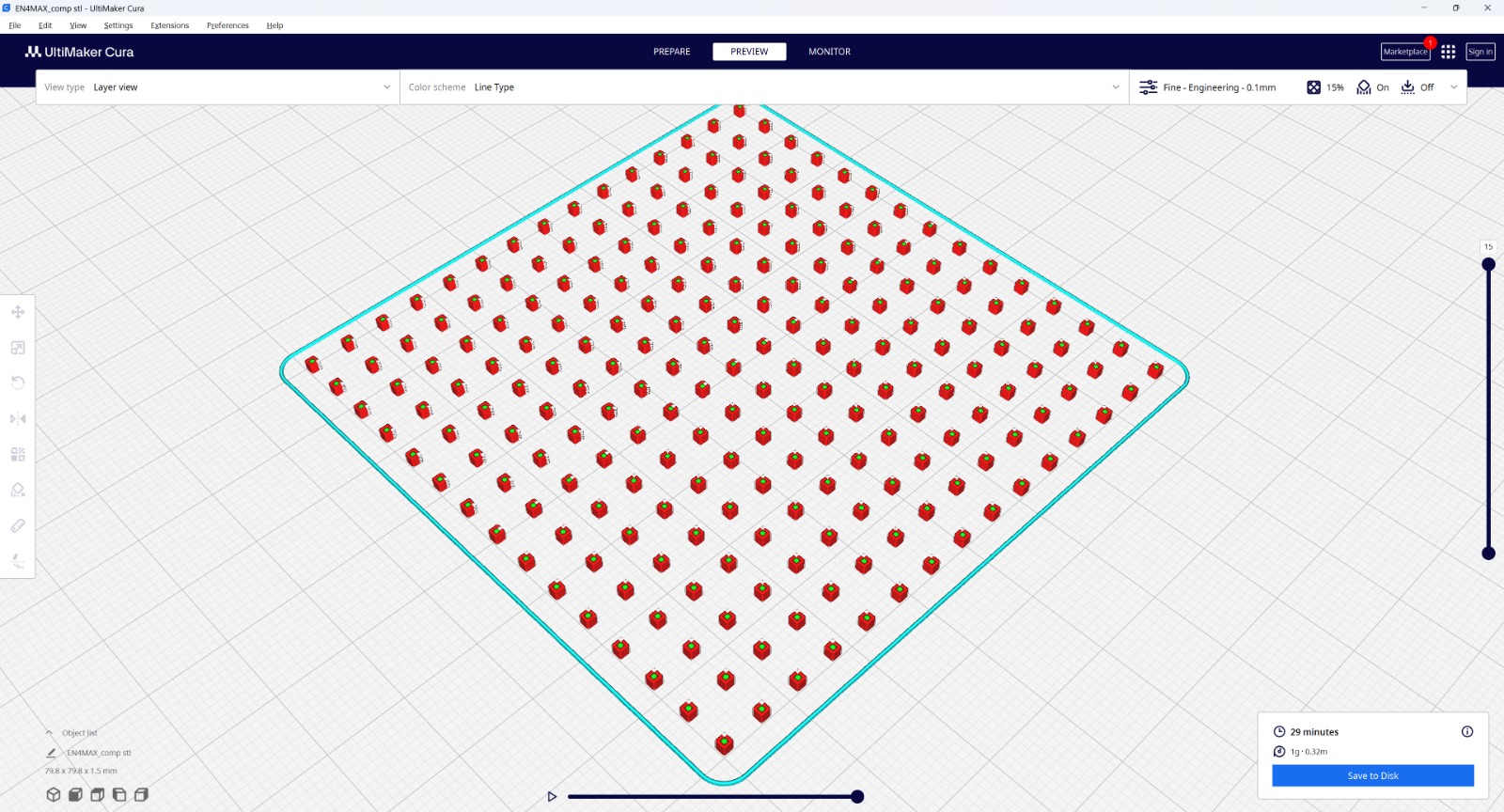 After finalizing the design in Ultimaker Cura, the pattern was transferred into the physical world through 3D printing.
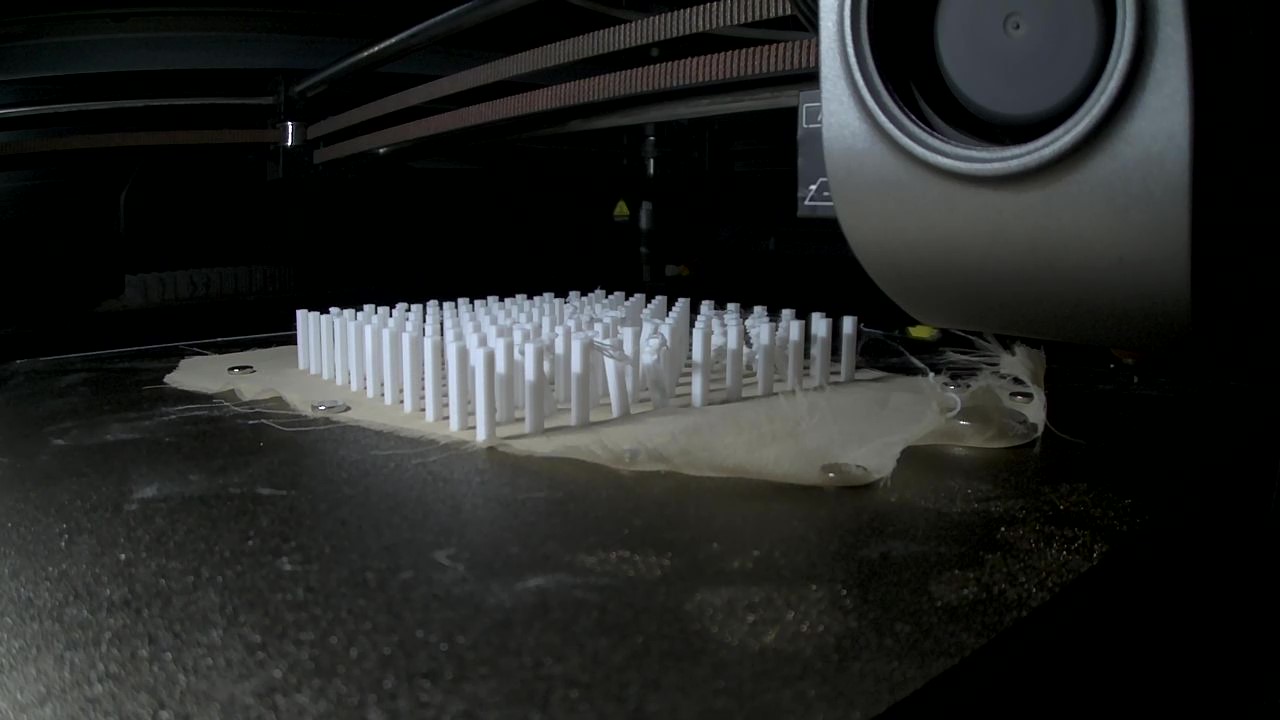
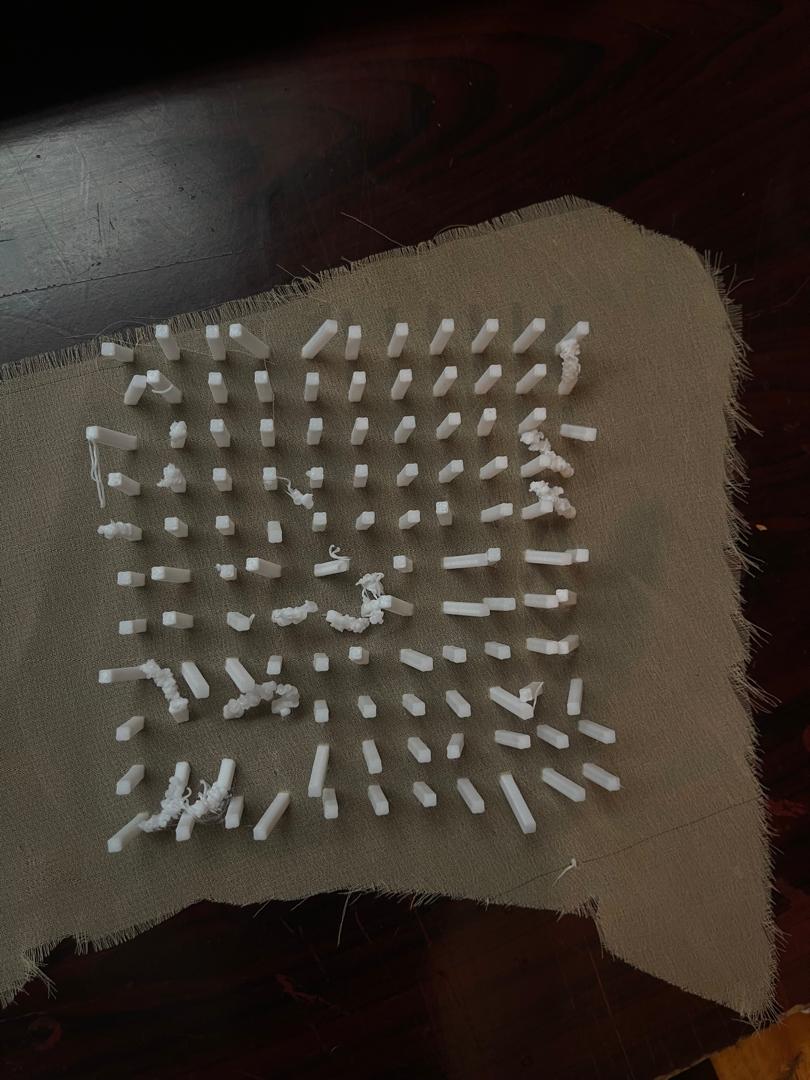
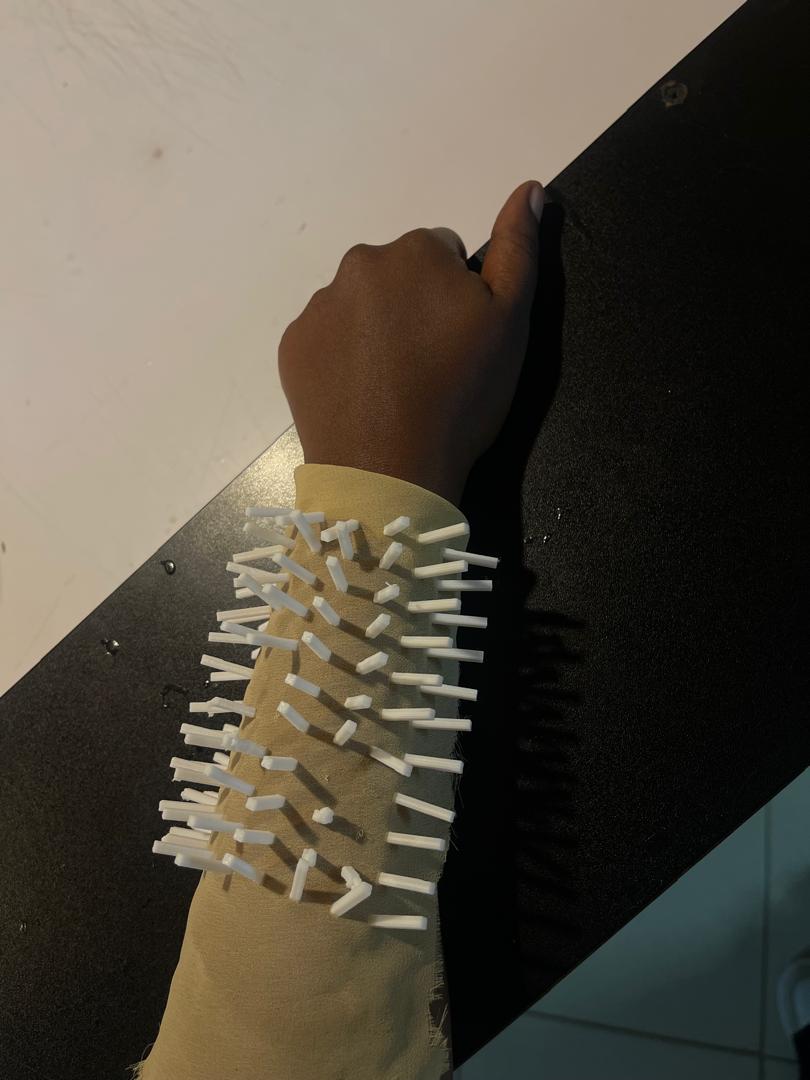
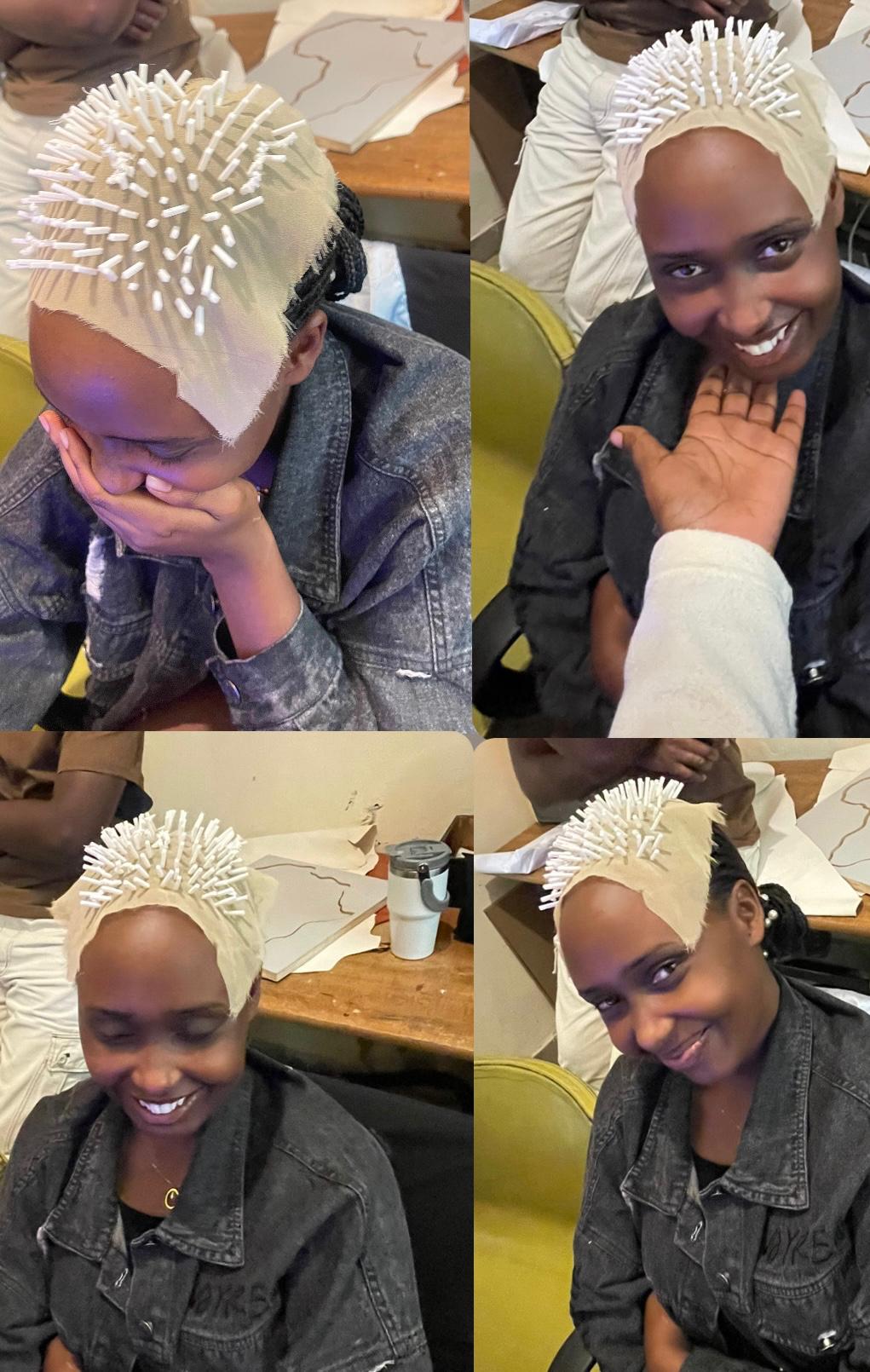
The final result demonstrates how a computational pattern can be physically embedded onto a textile surface, creating a hybrid between rigid structure and soft material.