13. Implications and applications
Research & Concept
My approach to this project builds on what I already do—working with digital fabrication and material experimentation. Instead of starting from scratch, I wanted to explore how I could push my existing practice further by introducing new materials and techniques.
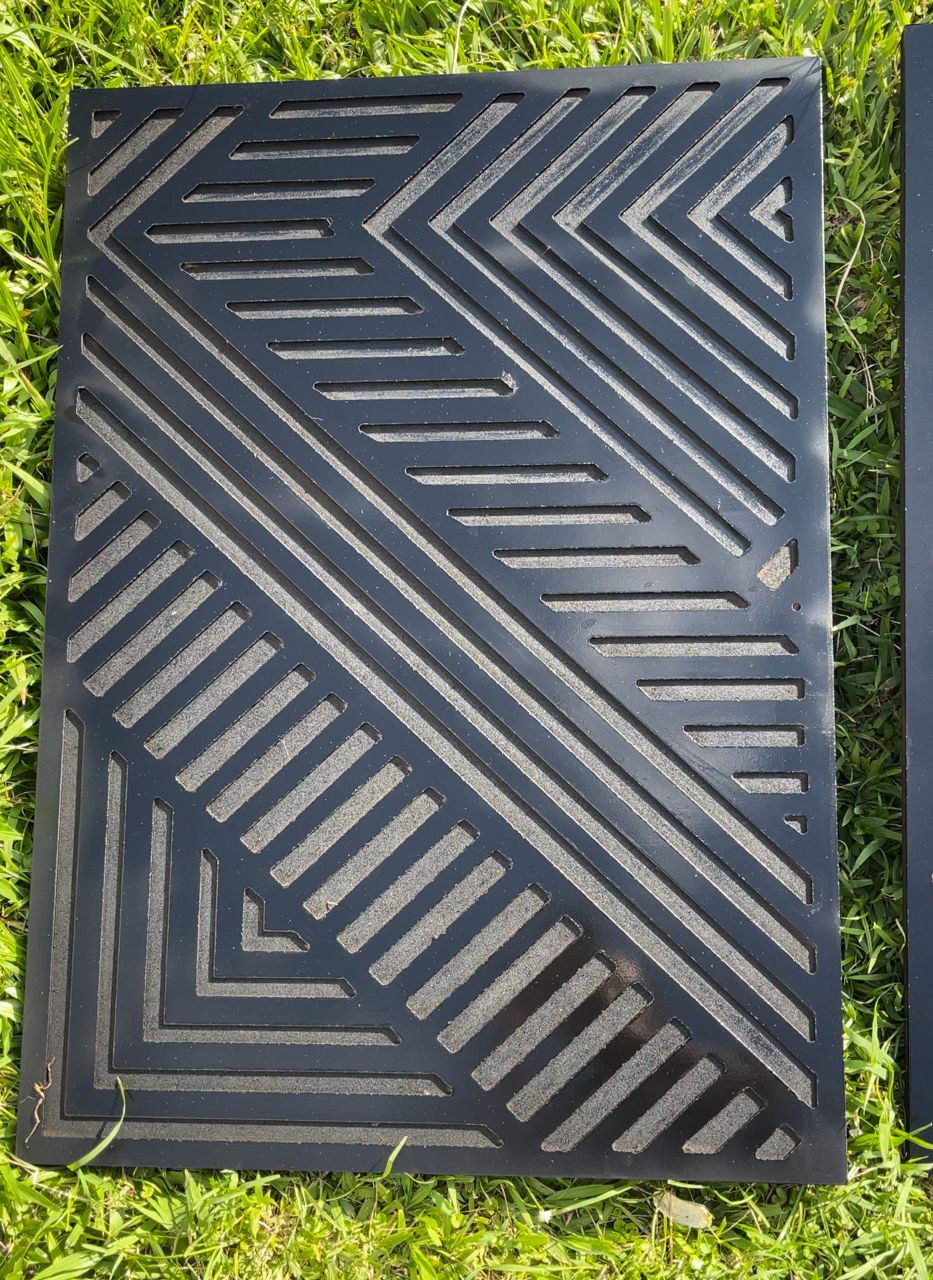
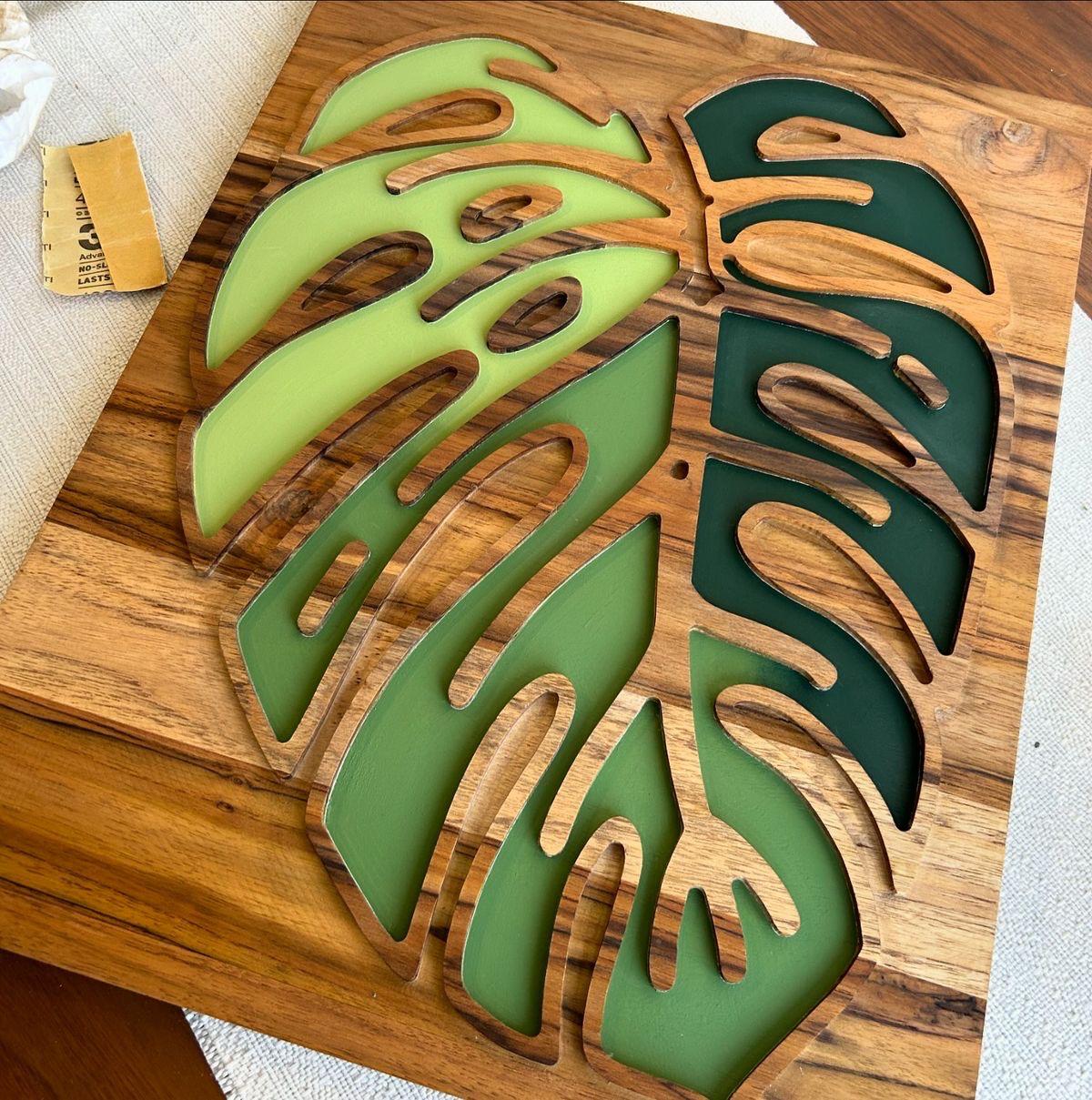
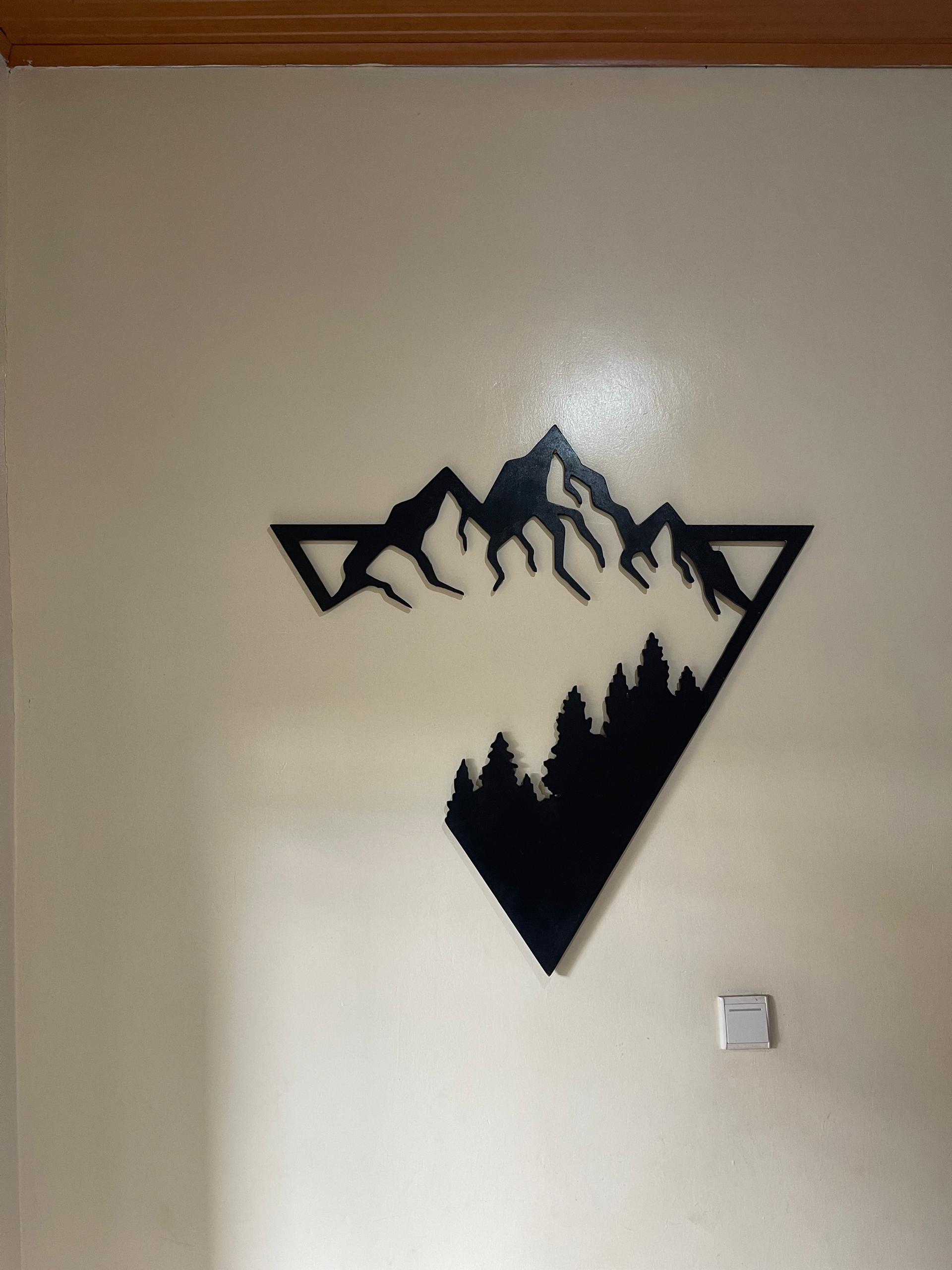
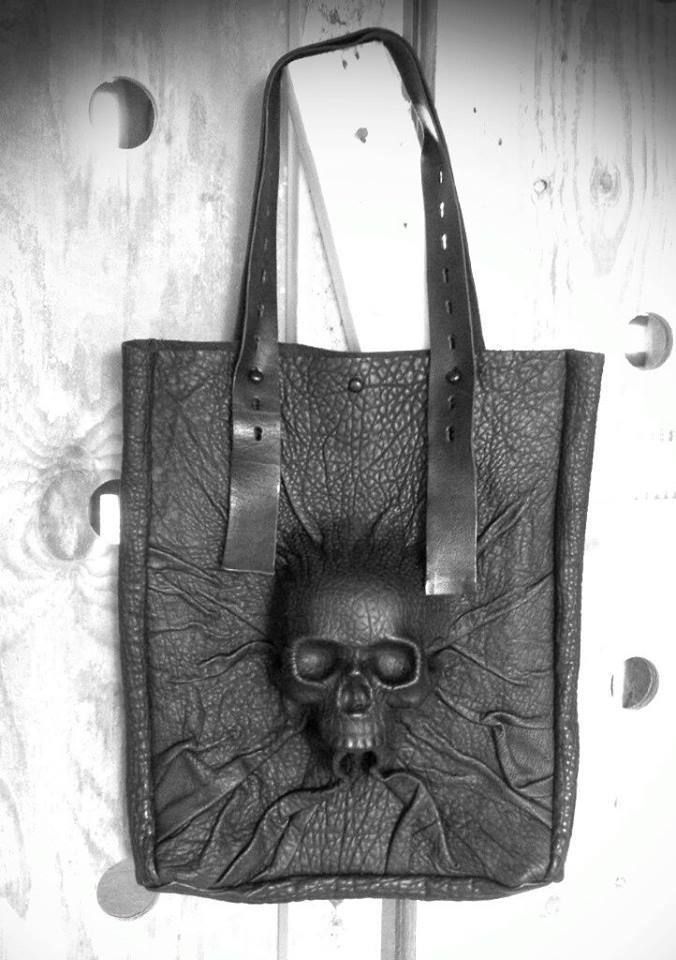
In this case, I focused on leather as a material that is usually seen as soft and flexible, and experimented with how it can be transformed into a more structured and controlled form using vacuum forming. At the same time, I integrated bio-dyeing processes to align with a more sustainable and hands-on way of working.
The concept is not just about making a final object, but about bridging digital design with physical material behavior, and understanding how traditional materials can adapt to modern fabrication methods.
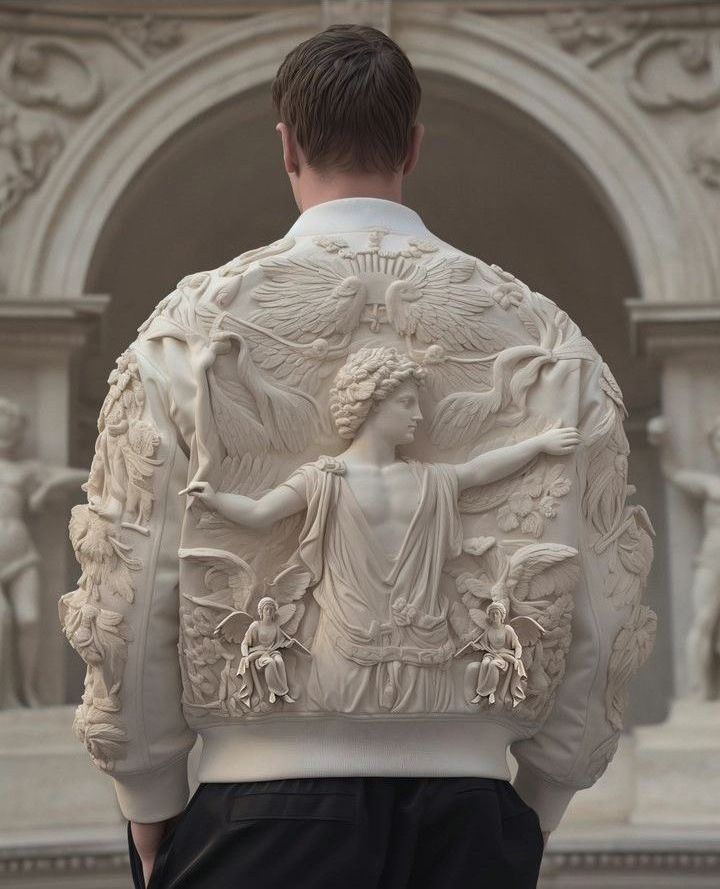
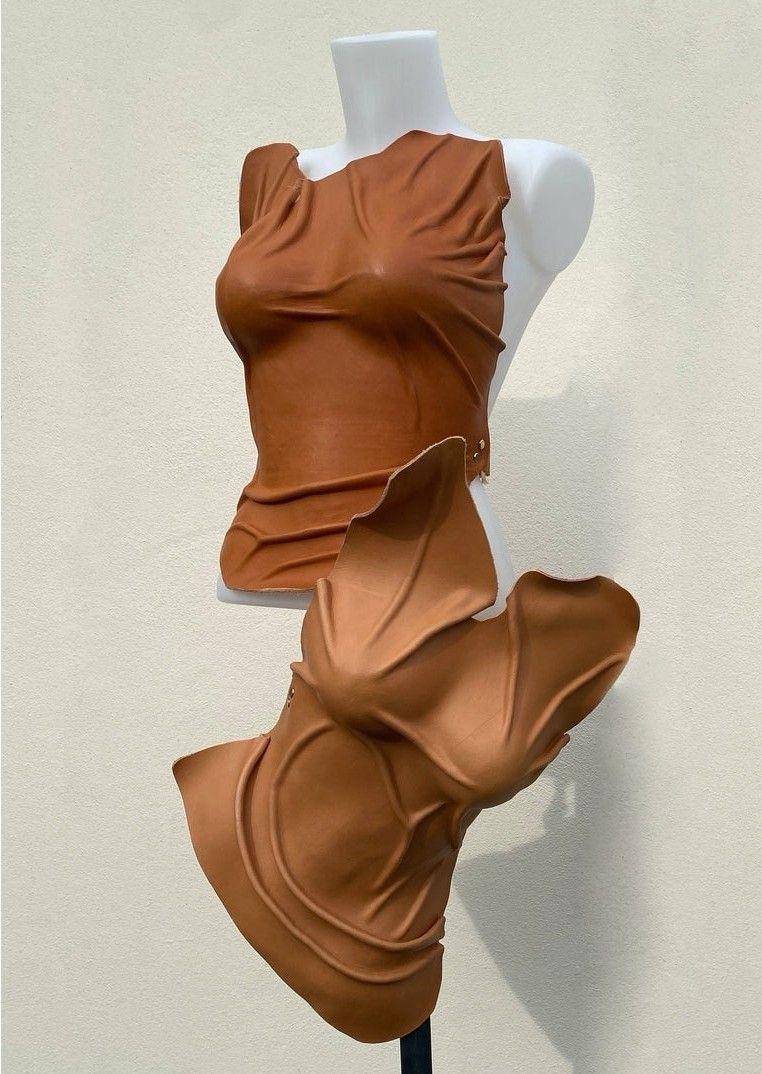
References & Inspiration
My references come from both my previous work and areas I want to develop further.
I am inspired by digital fabrication processes, where forms are designed computationally and then produced physically. I am also interested in organic and natural textures, especially how materials react when manipulated.
In addition, I am exploring ideas around bio-materials and natural dyes, as a way to introduce sustainability into my practice. This is still an area I want to develop further in the next stages.
Overall, my inspiration combines:
digital fabrication and computational design material experimentation natural processes and textures
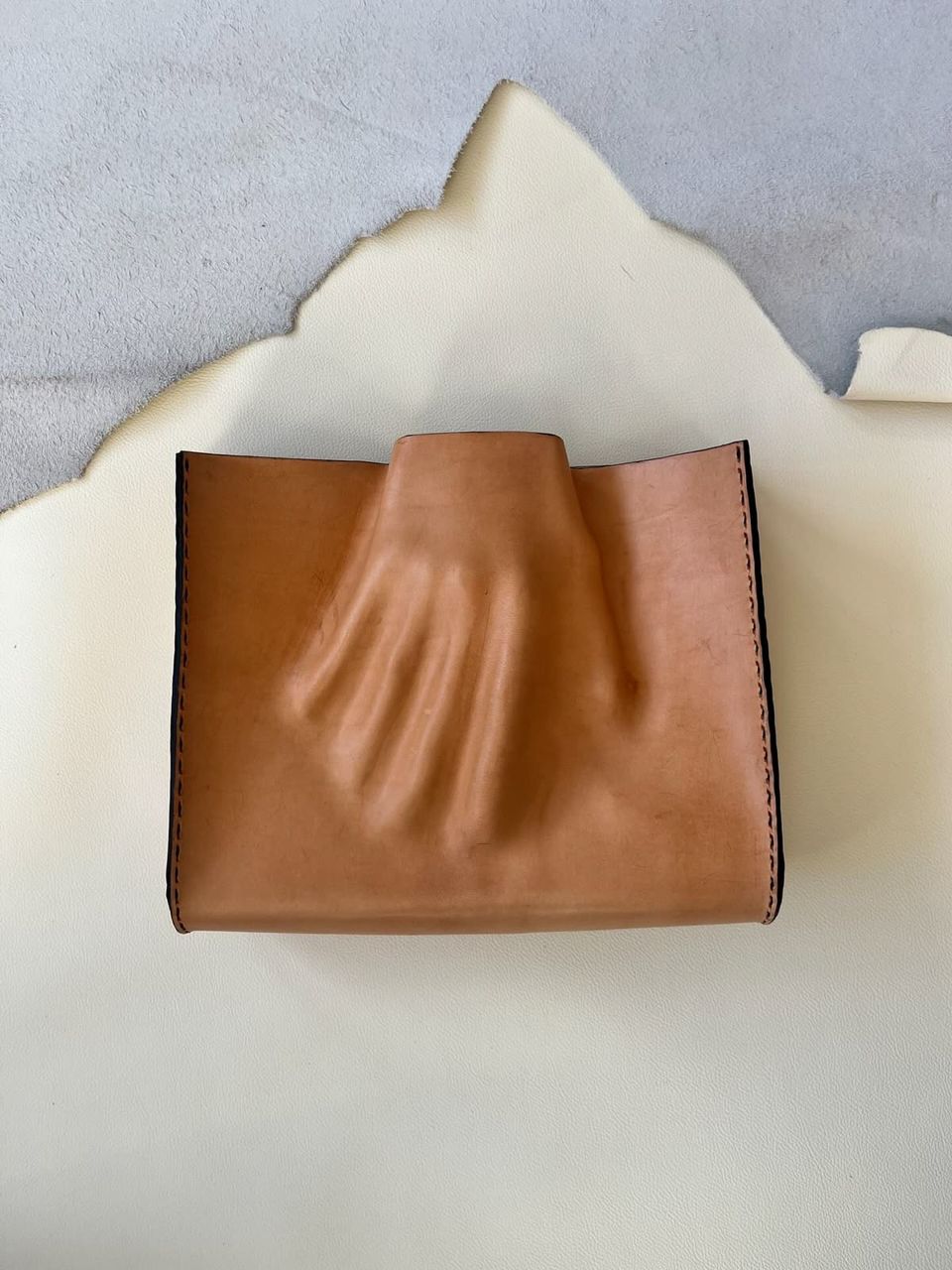
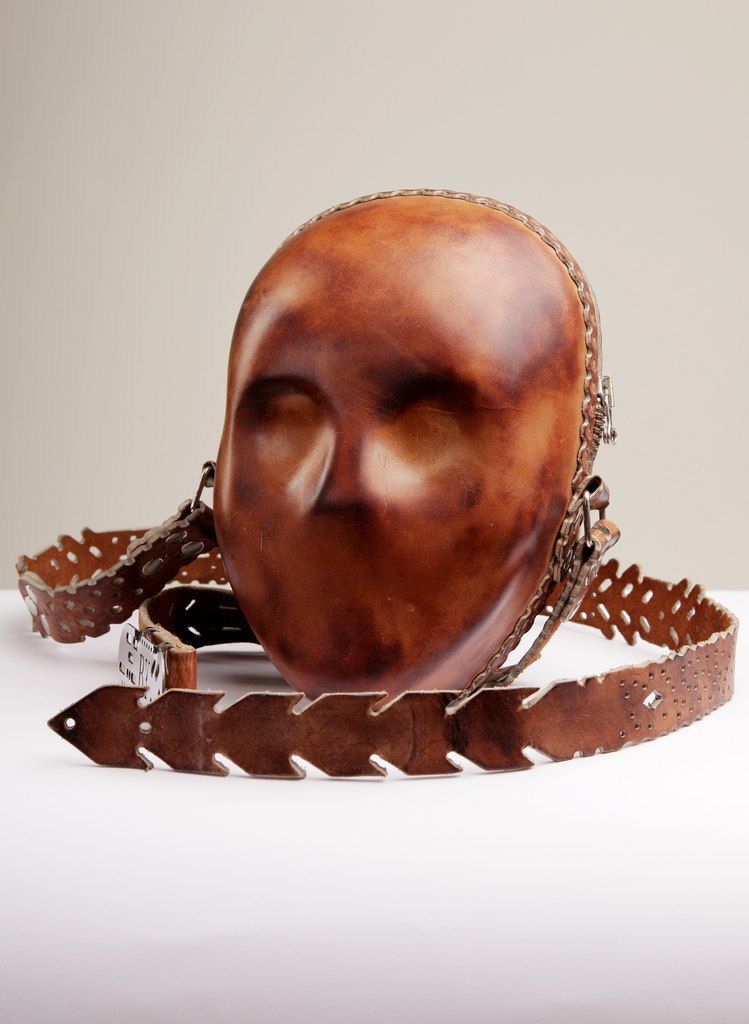
Why, What, Who, When, Where?
What ?
I will explore how leather can be transformed using digital fabrication, specifically through vacuum forming, and how it can be combined with natural processes like bio-dyeing.
why?
I want to stay aligned with my background in digital fabrication while pushing it further into material experimentation and sustainability. I’m interested in challenging how leather is usually used by testing if it can become more structured and controlled.
who?
For designers and makers interested in innovative and sustainable approaches, especially in fashion and product design.
whom?
Primarily independently, while building on knowledge and techniques learned throughout the program, and potentially exchanging with peers and instructors.
How?
By combining:
digital design (3D modeling / computational approach) vacuum forming experiments with leather exploration of natural dyes (to be tested in this context)
when?
This exploration starts now, as a transition from weekly assignments into the development of my final project, and will continue through testing and refinement in the coming weeks.
Slide show
MOLDURA LEATHER MODLING