7. BioFabricating Materials
Research
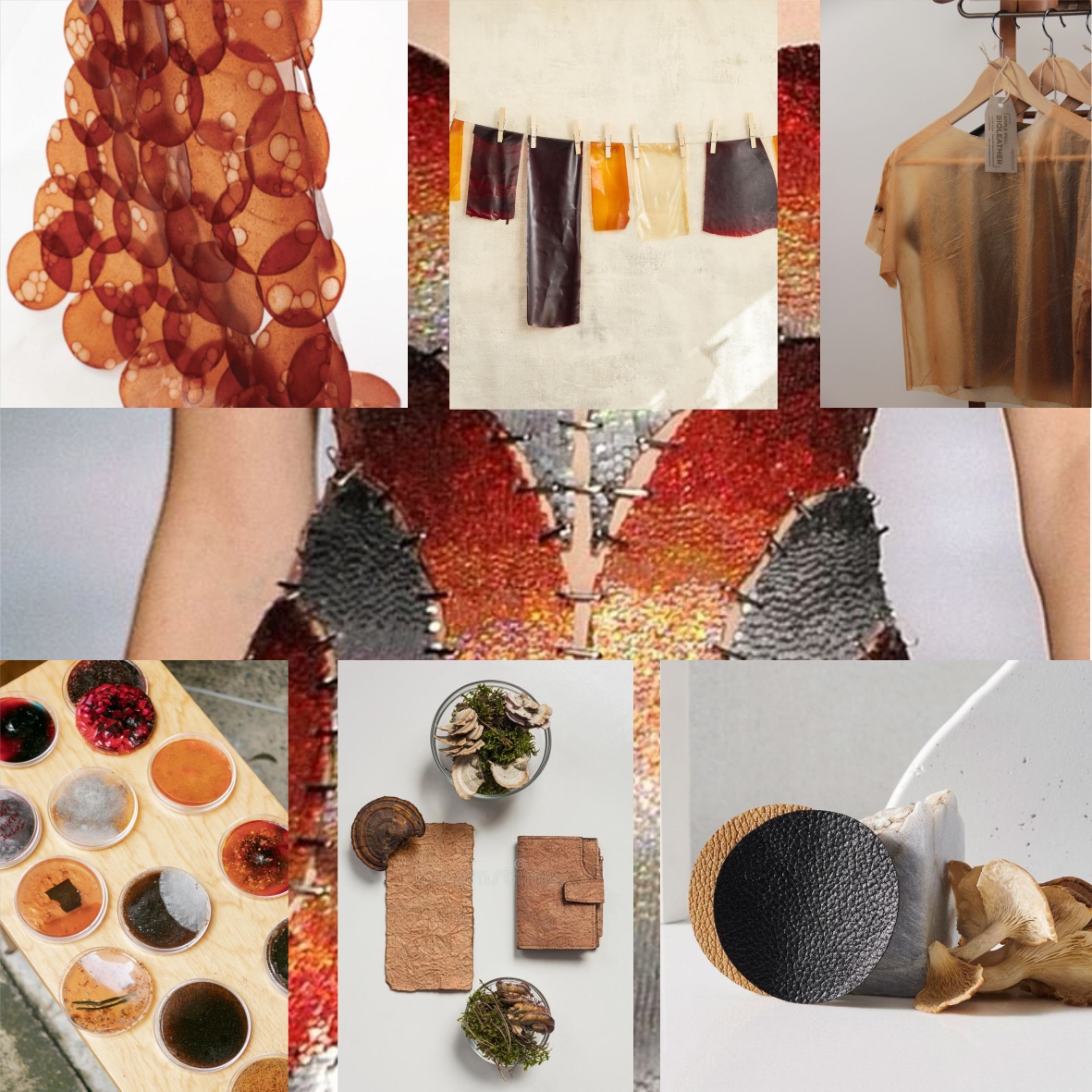 Image referenceimage1
Image2
image3
image4
image5
Image referenceimage1
Image2
image3
image4
image5
BIOFABRICATING MATERIAL
Biofabrication is the process of cultivating biological systems to form materials. It merges science, design, and sustainability. Unlike traditional materials made from petroleum or mined resources, biofabricated materials are produced through natural growth processes — transforming waste or renewable resources into new matter.
Types of Biofabricated Materials
1.  Bacterial Cellulose:
2.  Mycelium:
3.  Algae-Based Materials:
4.  Gelatin and Agar Bioplastics:
Why It Matters
•   Sustainability: Reduces reliance on petroleum-based plastics and animal-derived leather.
•   Circularity: Materials decompose back into the environment.
•   Innovation: Opens new possibilities for designers and scientists to co-create with living systems.
References & Inspiration
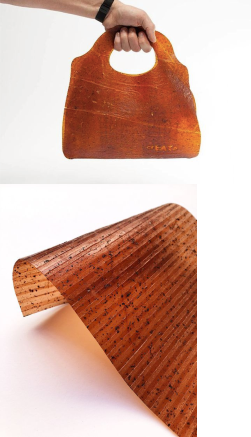
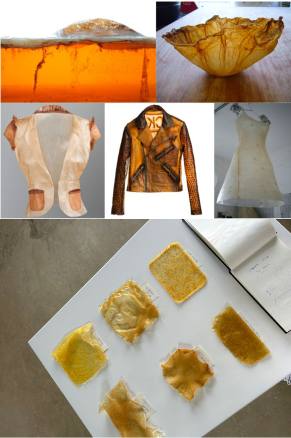
My experiment is inspired by the idea of using simple, natural materials to replace harmful plastics. I chose cornstarch because it’s easy to find, renewable, and fully biodegradable.
I was inspired by Fabricademy’s Biomaterials Week, where students explore starch-based bioplastics, and by Materiom.org, an open-source platform that shares recipes for sustainable materials. These sources encouraged me to experiment and understand how natural ingredients can create new materials for design and sustainability.
- REFERENCES
Tools
Material used
- cornflour
- Water
- Glycerin
-Vinegar
- Black tea (used as a natural colorant)
-Mixing bowl and spoon
-Heat source
-Pot

[ Chia Seeds ]
    ↓ (soaking in water)
[ Gel Formation (mucilage) ] ↓ [ Applied on Surface ] ↙ ↘ [ Fabric ] [ Wood ] ↓ [ Moisture + Light ] ↓ [ Germination ] ↓ [ Sprouts / Growth Layer ]
Process and workflow
Process \
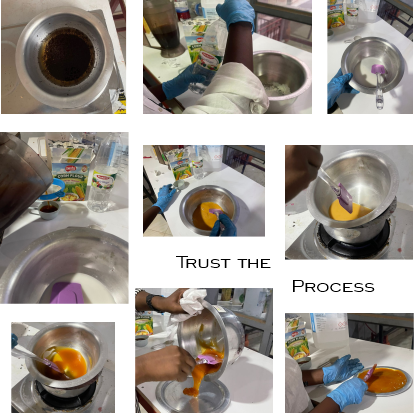
1.I first prepared black tea by boiling it in water, then left it to cool completely.
2.  In a separate bowl, I mixed cornstarch, vinegar, and glycerin together.
3.  Once the black tea was cool, I added it to the mixture instead of plain water. The tea gave the bioplastic a brown tone instead of the usual white color.
4.  I then heated the mixture slowly while stirring until it became thick and smooth.
5.  When the mixture turned into a gel-like texture, I poured it onto a flat surface and let it cool and dry.
Ingredients & Recipes
- 15ml cornstarch (1 tbsp)
- 10ml vinegar (2 tsp)
- 10ml glycerin (2 tsp) *100ml black tea (7 tbsp)
GROWING MATERIAL
Growing material means creating materials using living organisms instead of manufacturing them Instead of cutting, sewing, or assembling, the material is:
- grows over time
- develops naturally
- is shaped by biological processes
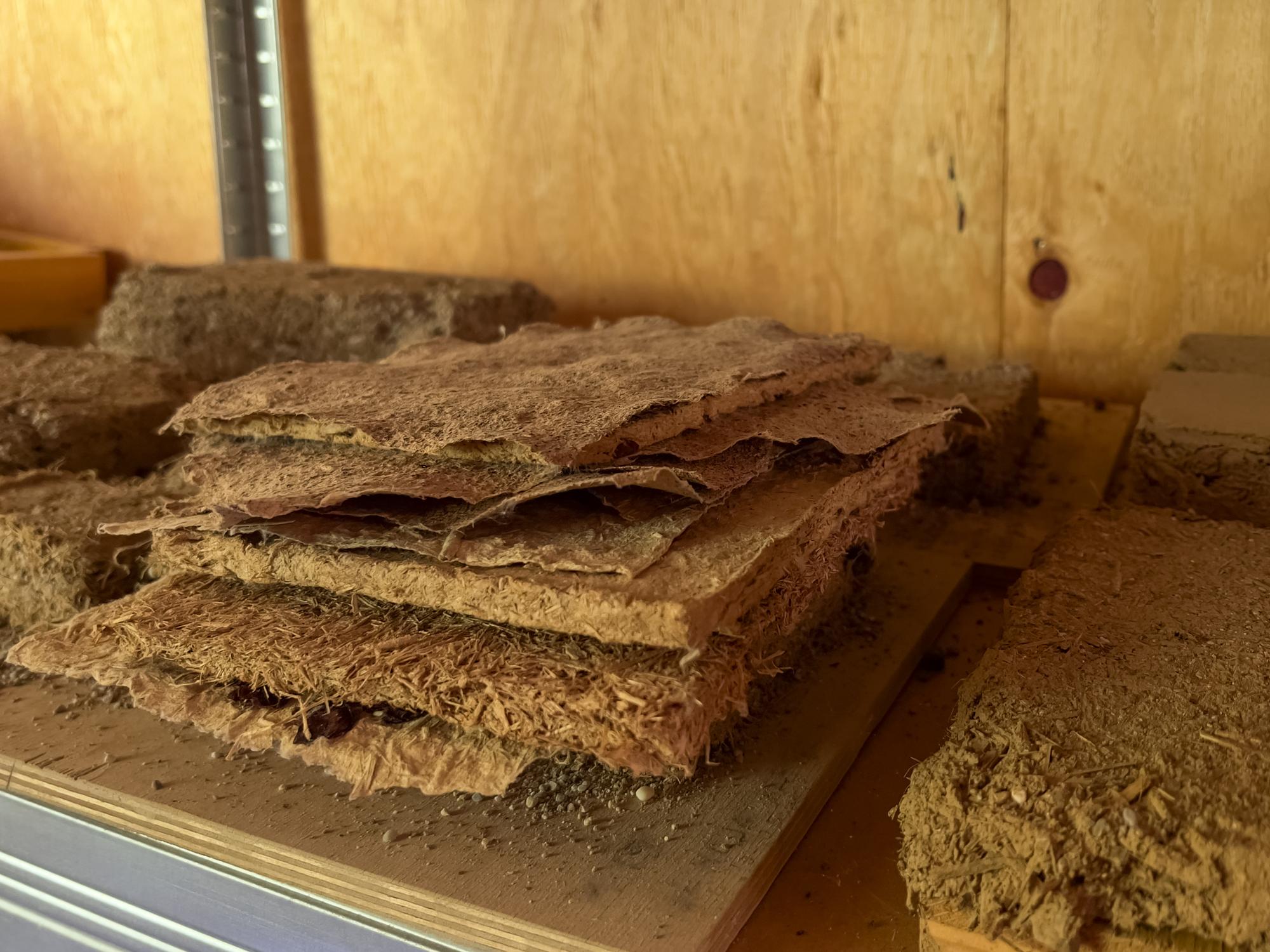
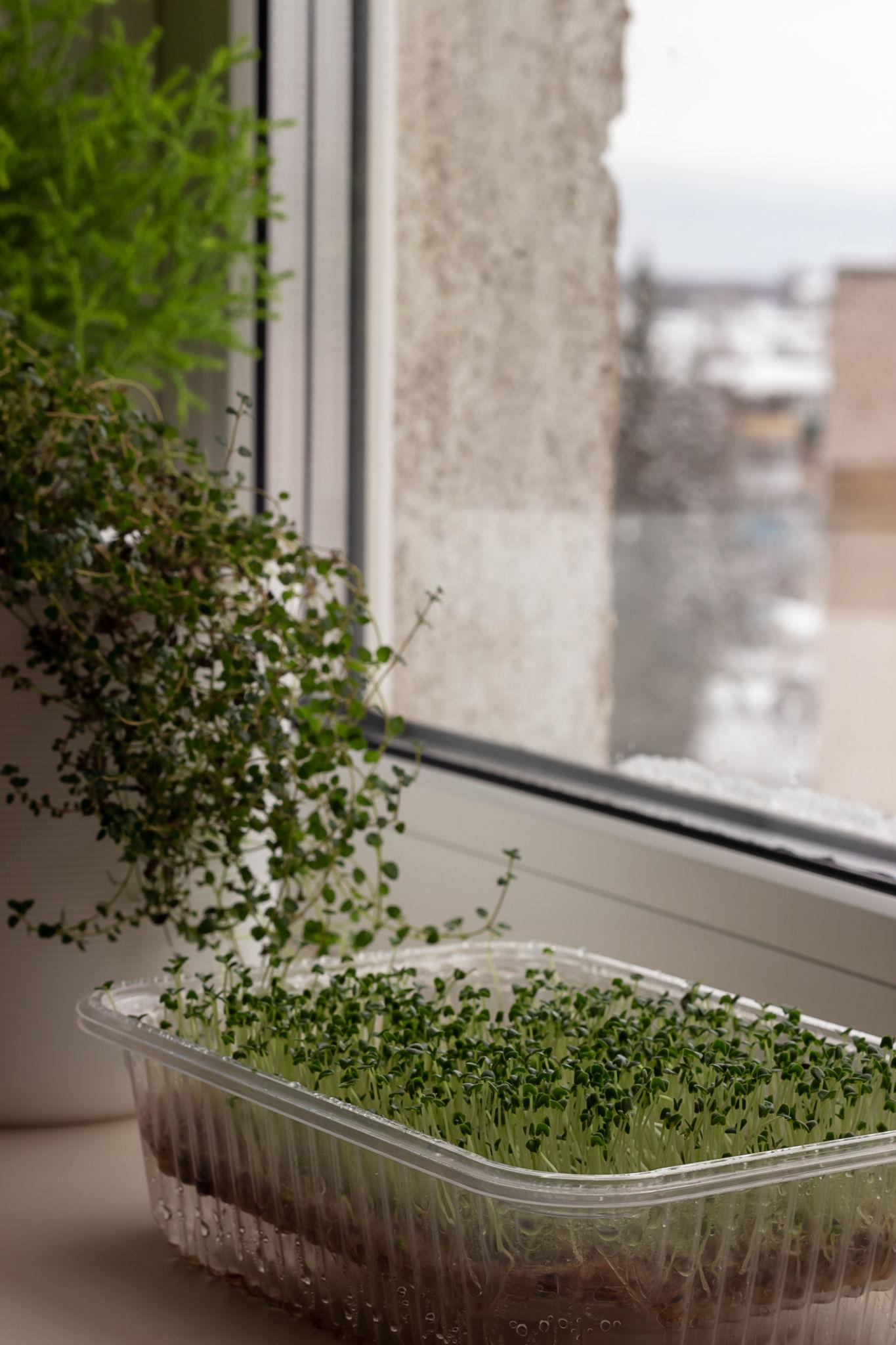
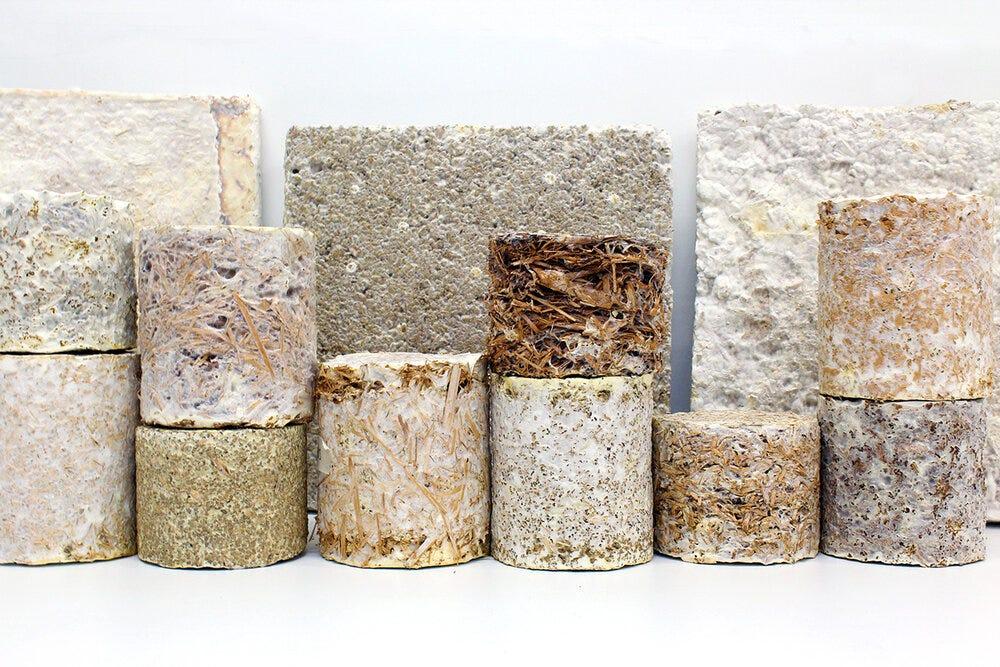
Examples:
- Mycelium (fungus-based materials)
- Bacterial cellulose (kombucha leather)
- Algae-based materials
- Plant-based growth (chia seeds)
RESEARCH — Growing Chia Seeds on Surfaces
This experiment explores how Chia seed can grow on different surfaces like fabric and wood.
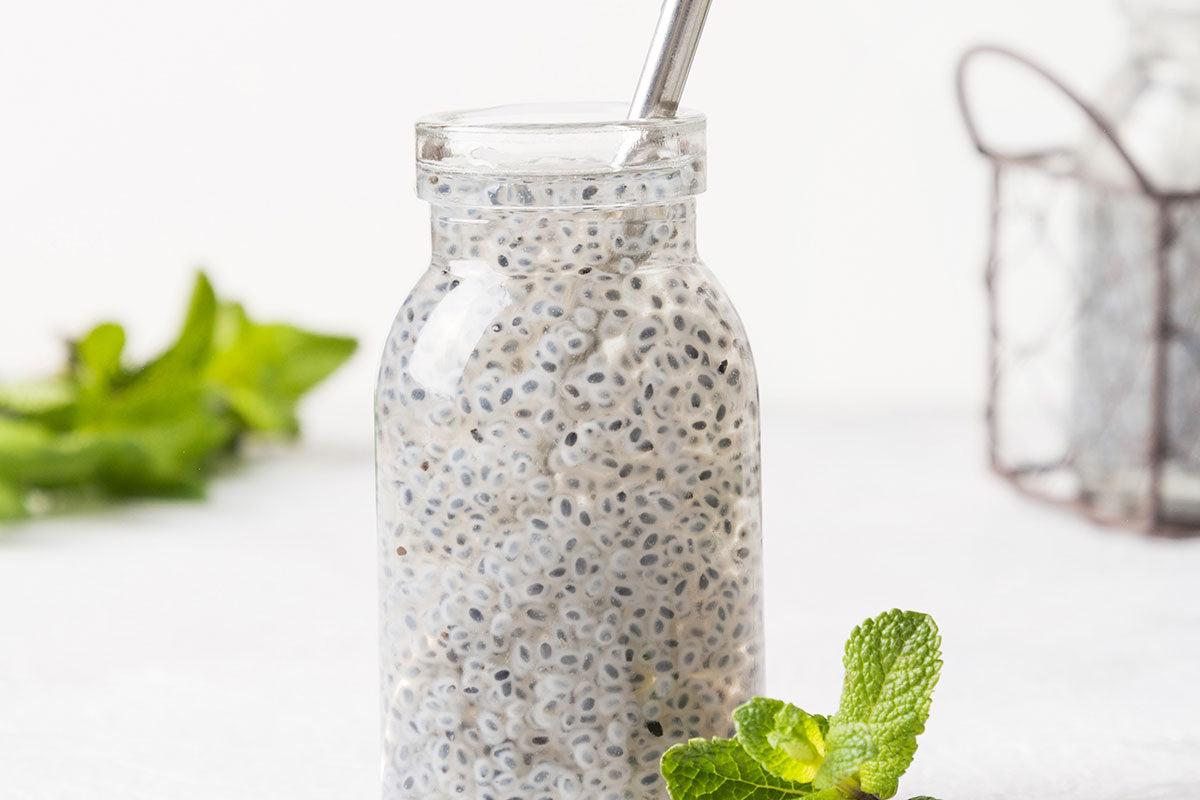
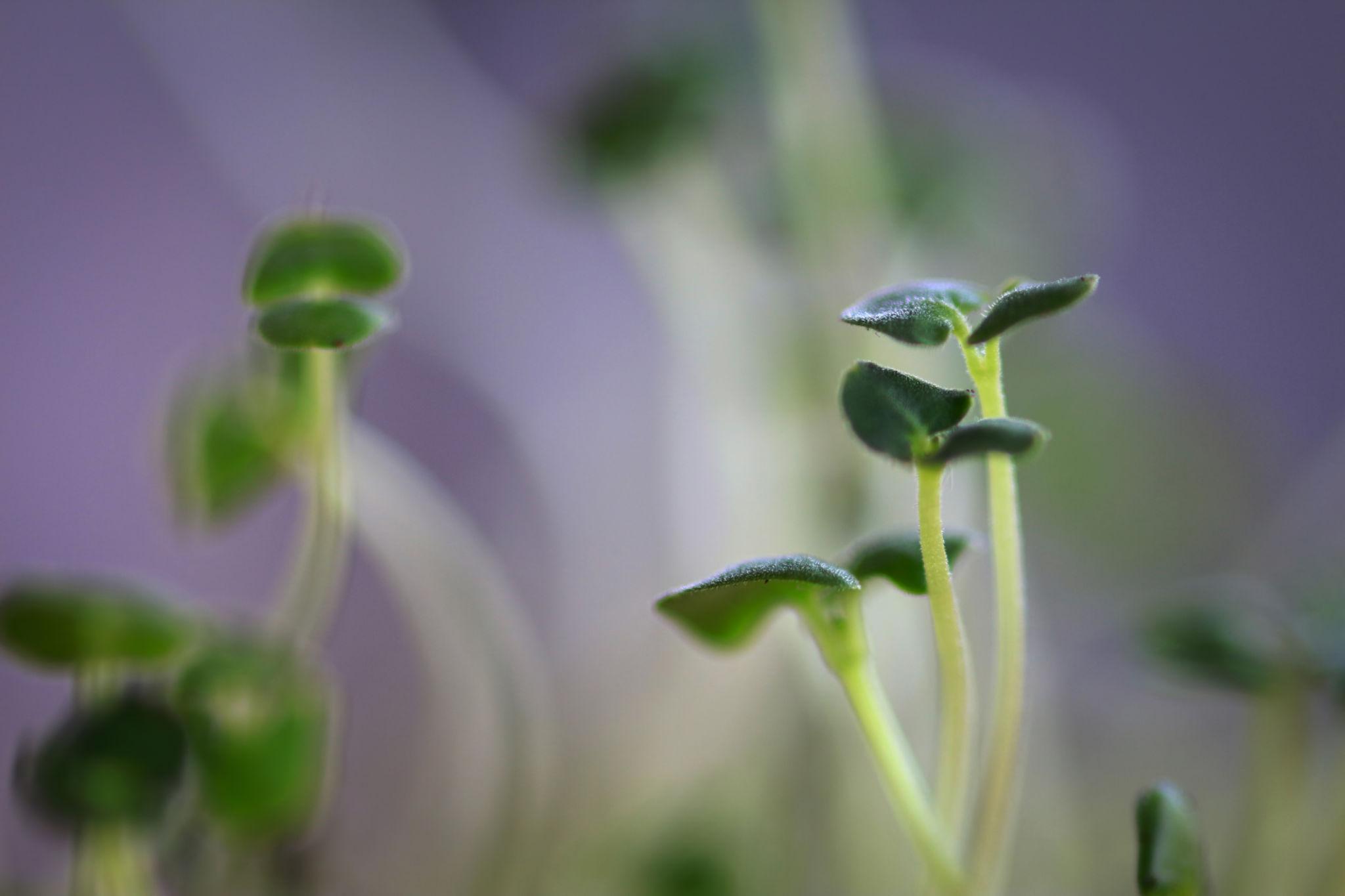
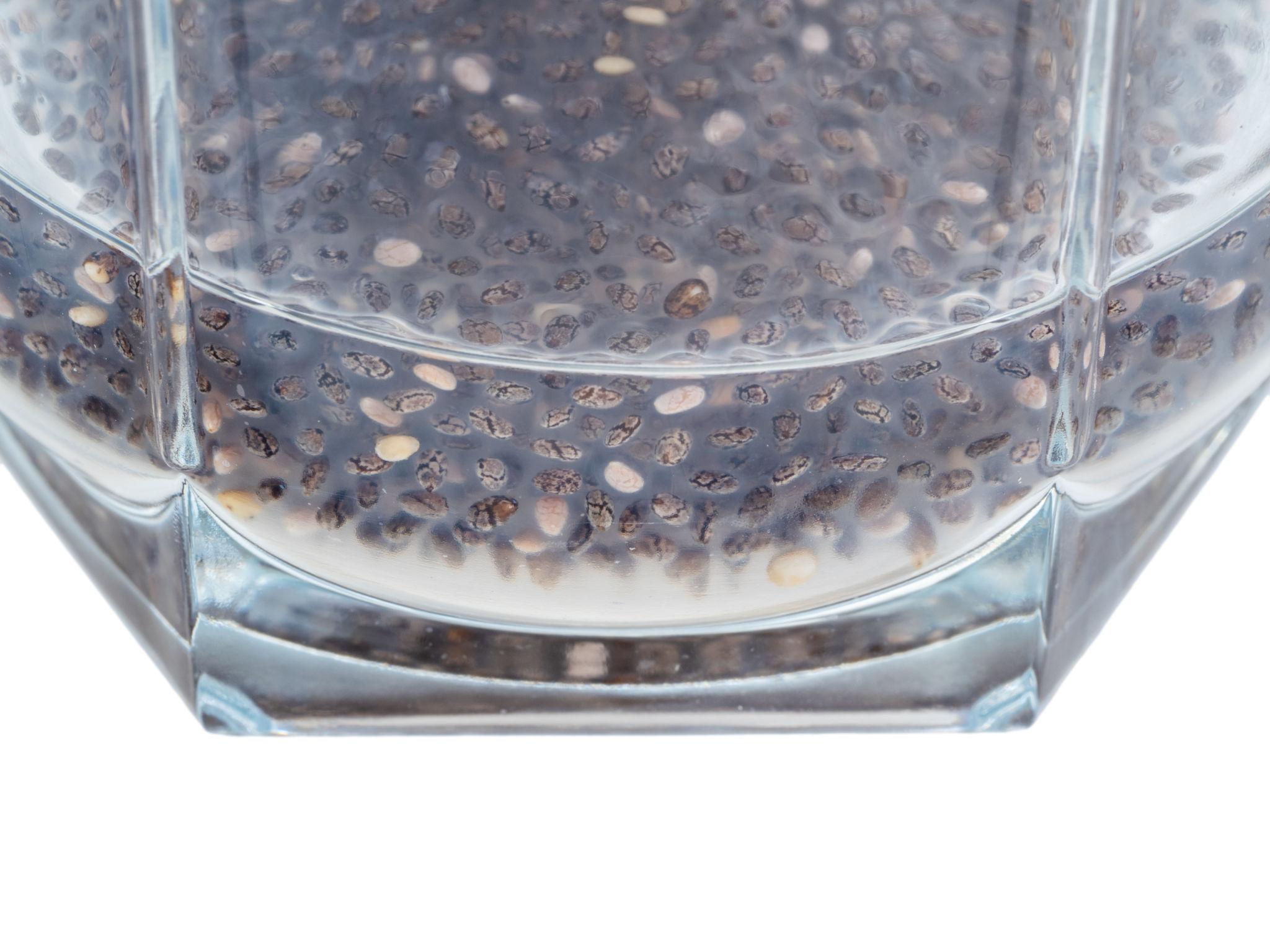
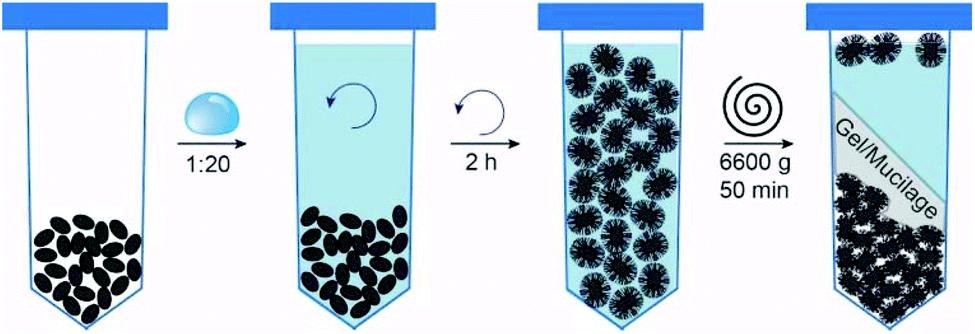
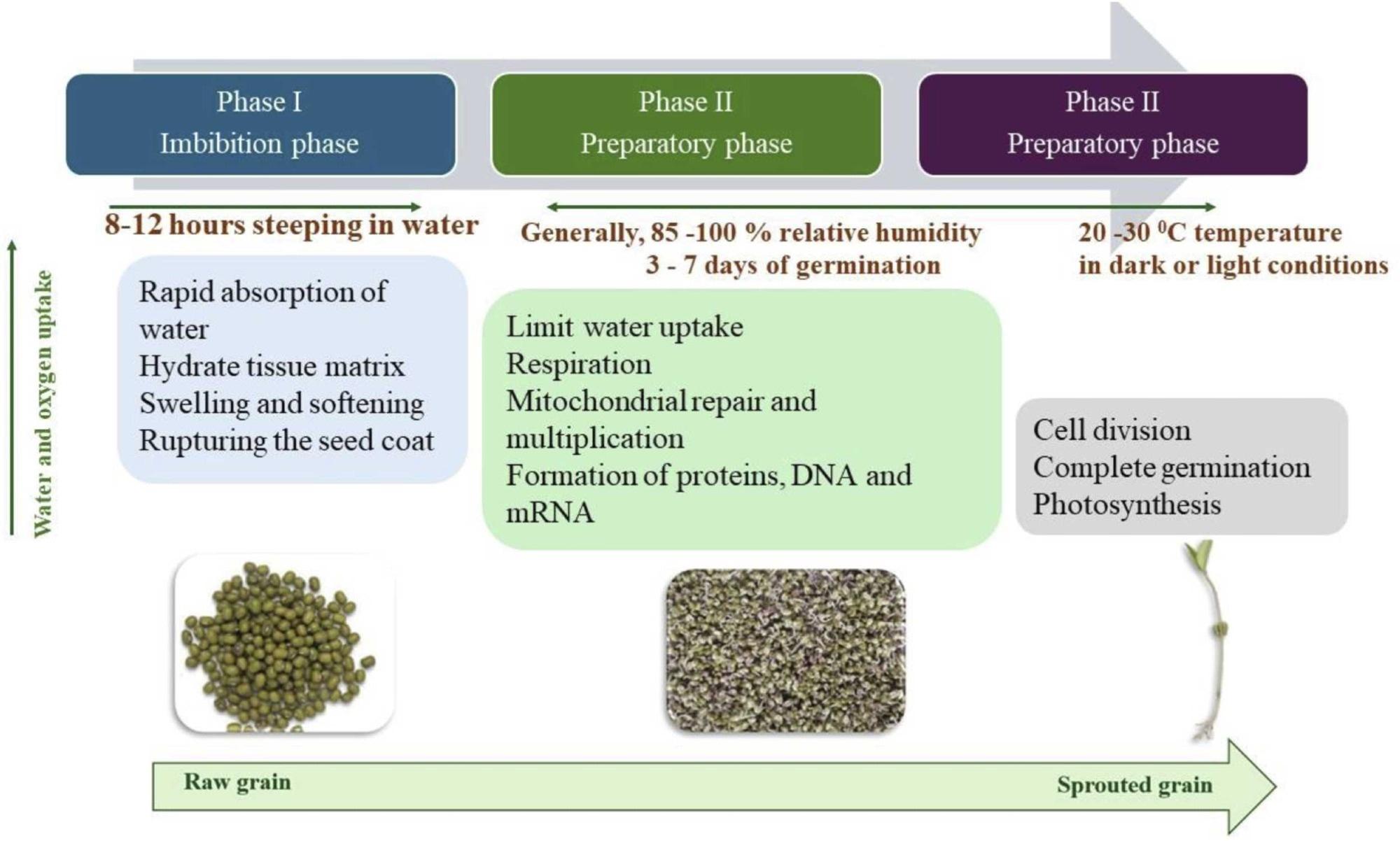
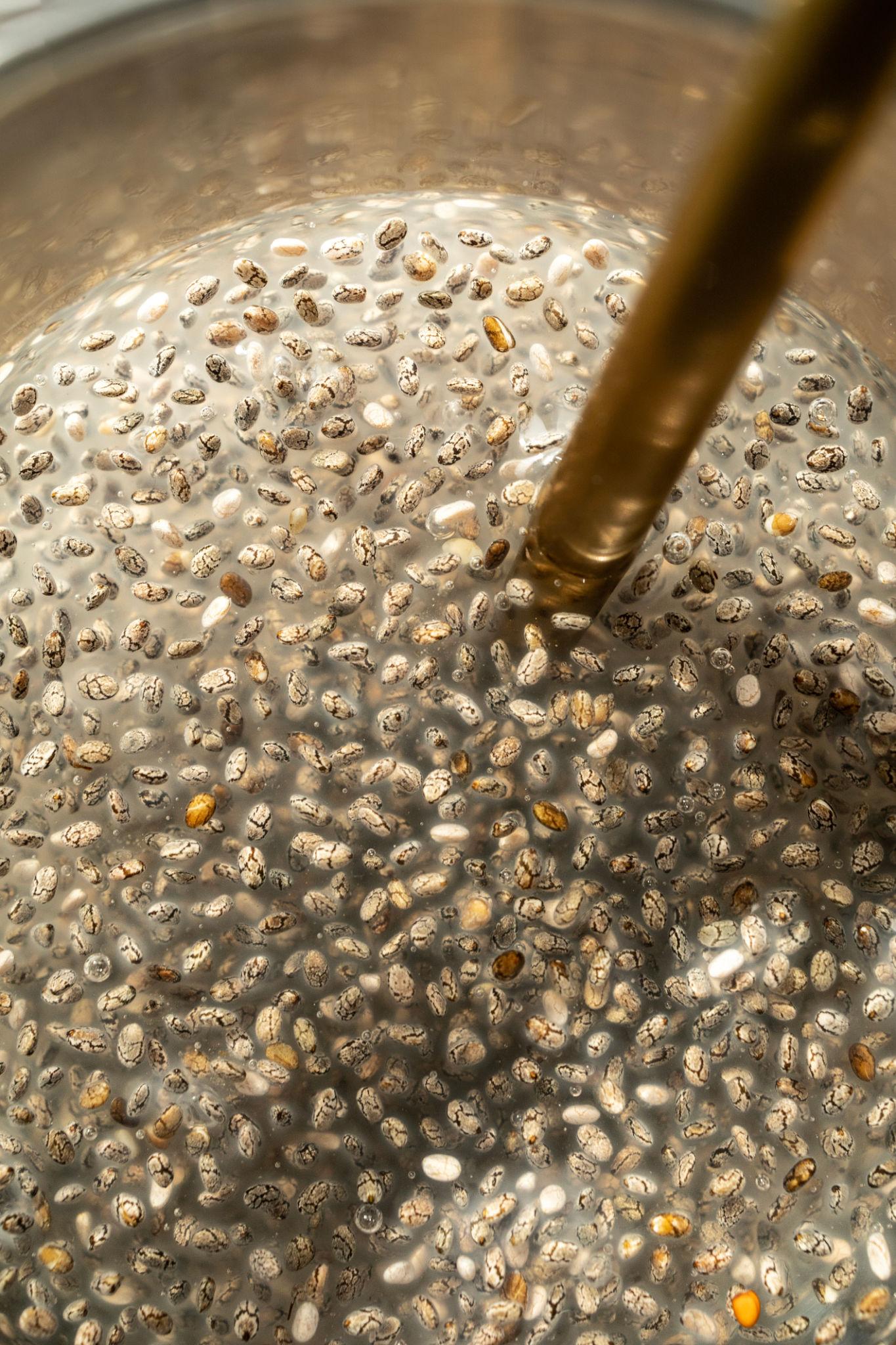
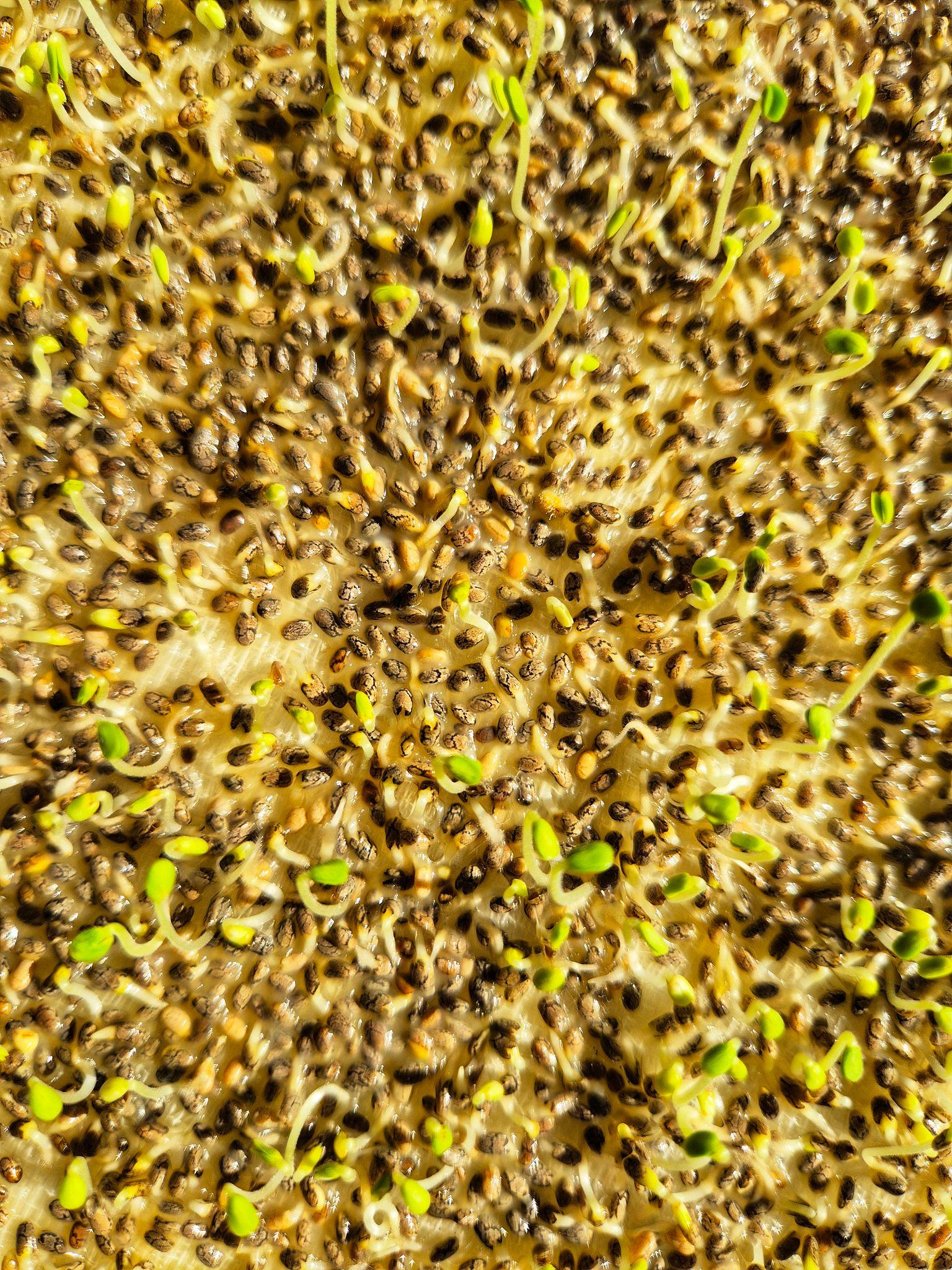
When chia seeds are placed in water:
- they form a gel (mucilage)
- this gel helps them stick to surfaces
- they begin to germinate and grow
This makes chia seeds interesting for biofabrication, because they can grow directly on materials and create a living surface.
-
HOW GROWTH HAPPENS (simple explanation):
-
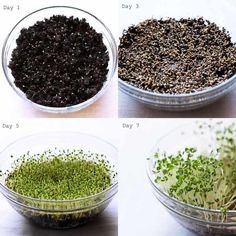
Day 1: Water absorption + gel formation
- Day 2–3: Root development
- Day 3–5: Green shoots appear
This reseach shows how living organisms interact with materials It explores natural adhesion (no glue needed) It can be used for design, texture, and experimental textiles
REFERENCES & INSPIRATION
I was inspired by the idea of growing materials instead of making them manually.
- Designers & Projects
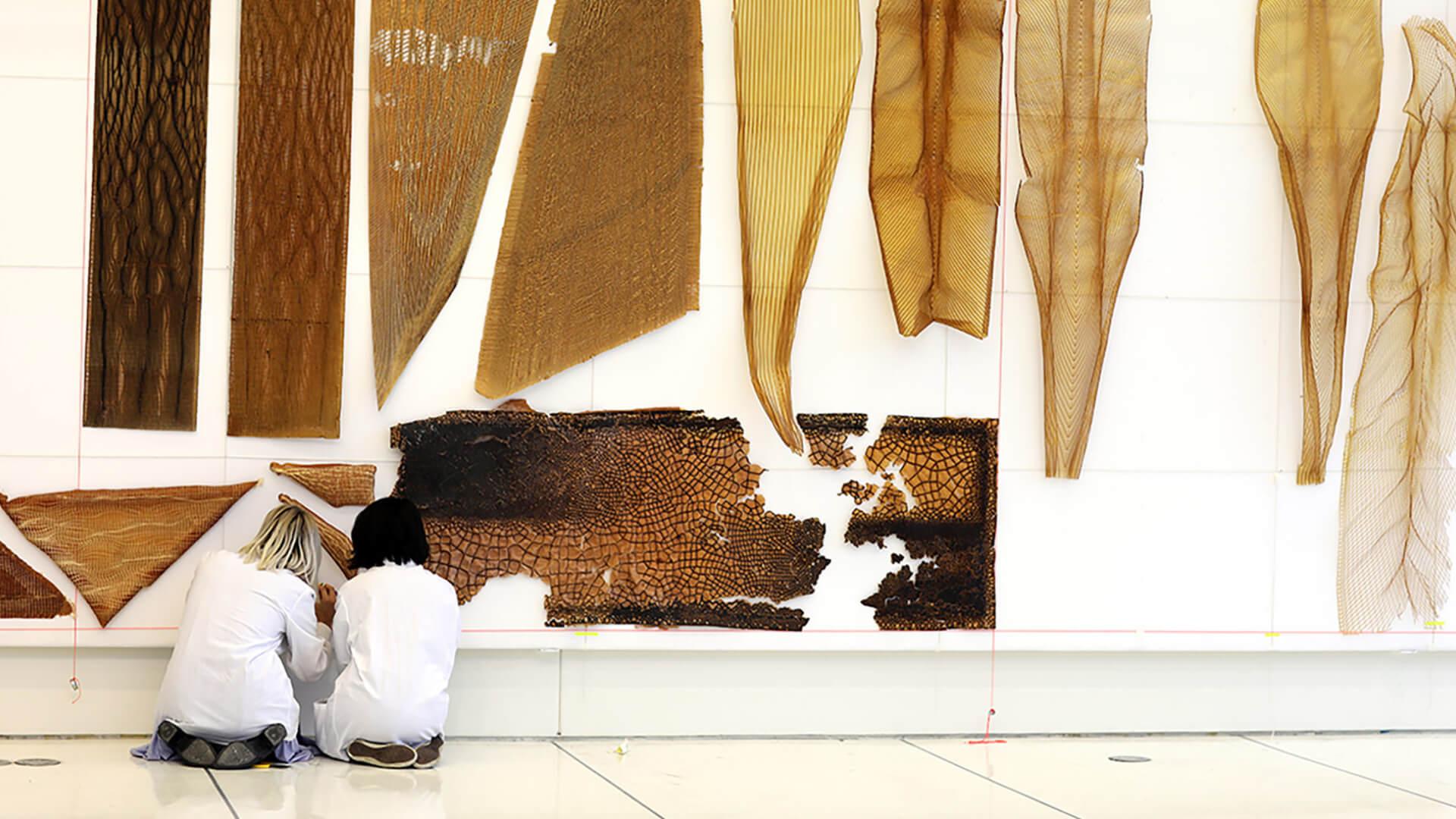
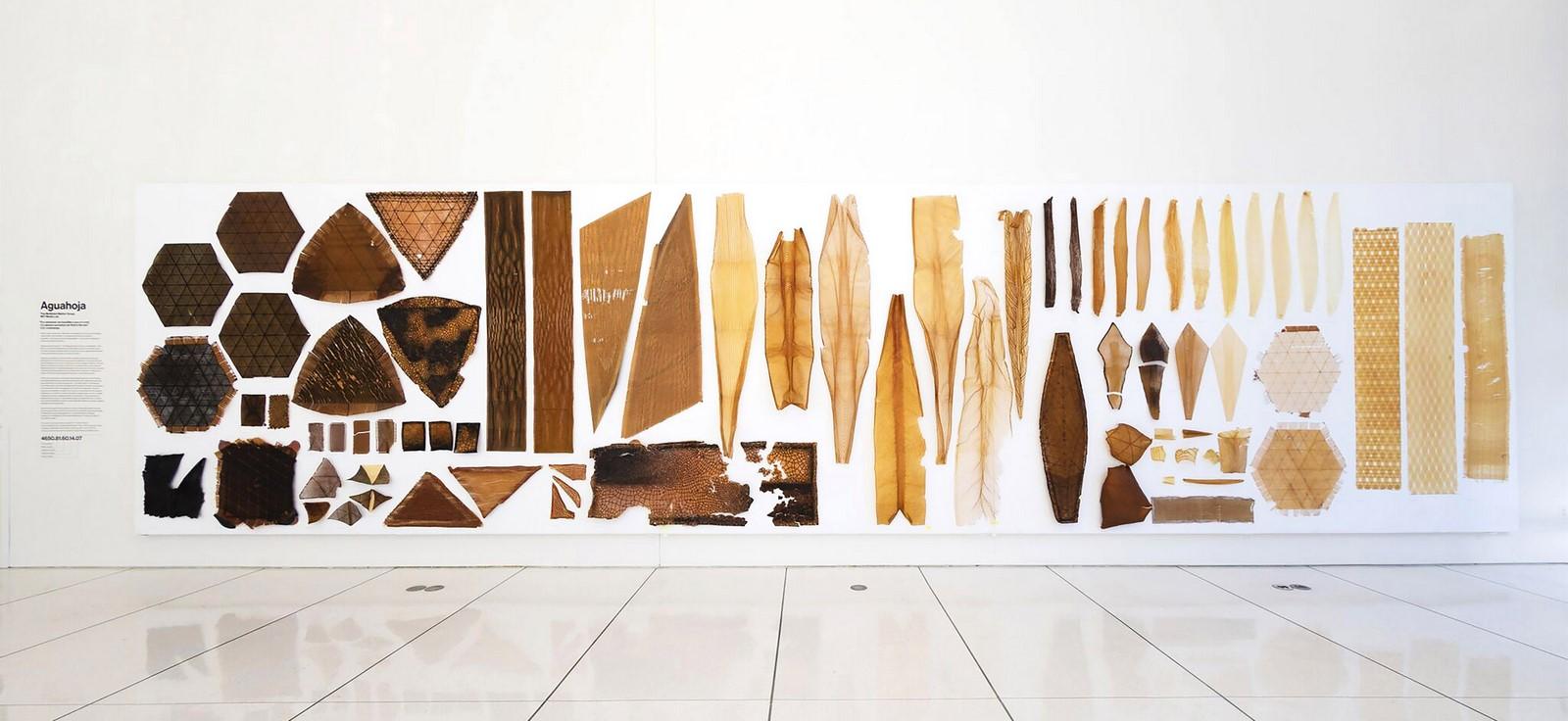

Designers & Projects
Related Ideas & Experiment
This experiment connects to ideas like Chia Pets (growing plants on objects), living textiles, and bio-design, where living systems are used as part of material creation.
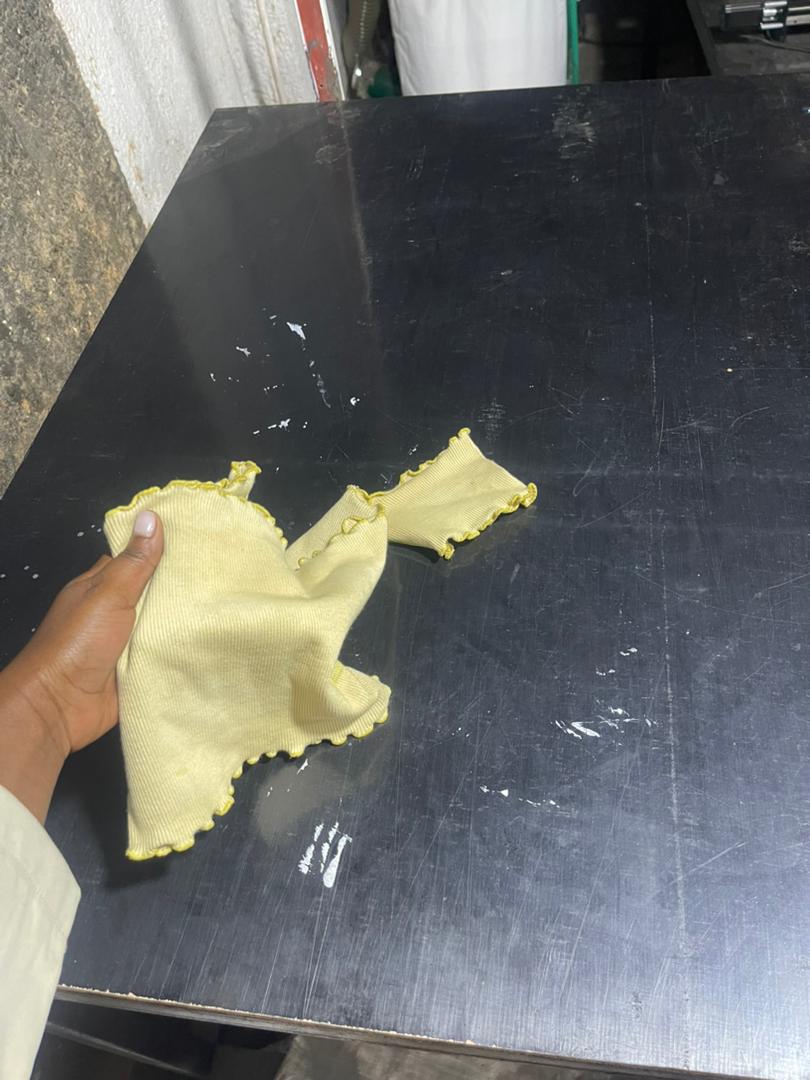
In this project, I am testing how chia seeds grow on different surfaces, specifically fabric (a top shirt) and wood. The goal is to compare how each material supports growth, observe how the seeds behave over time, and explore how living growth can become part of design and material development.
PROCESS AND WORKFLOW
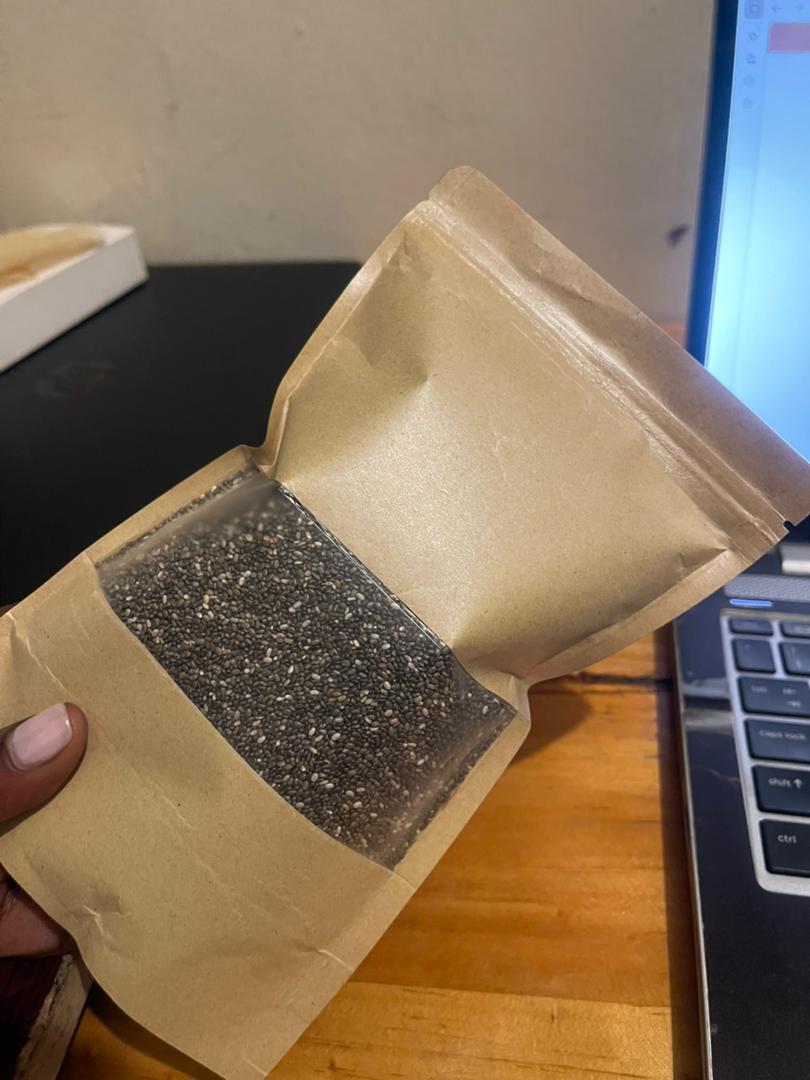
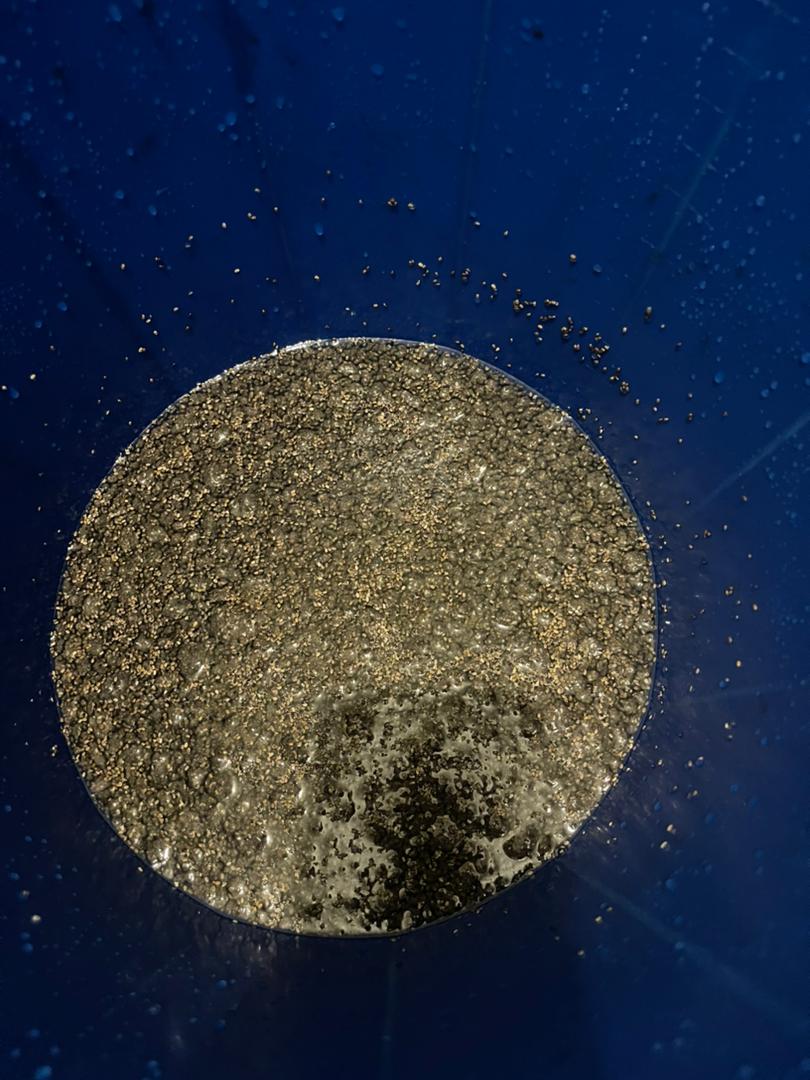
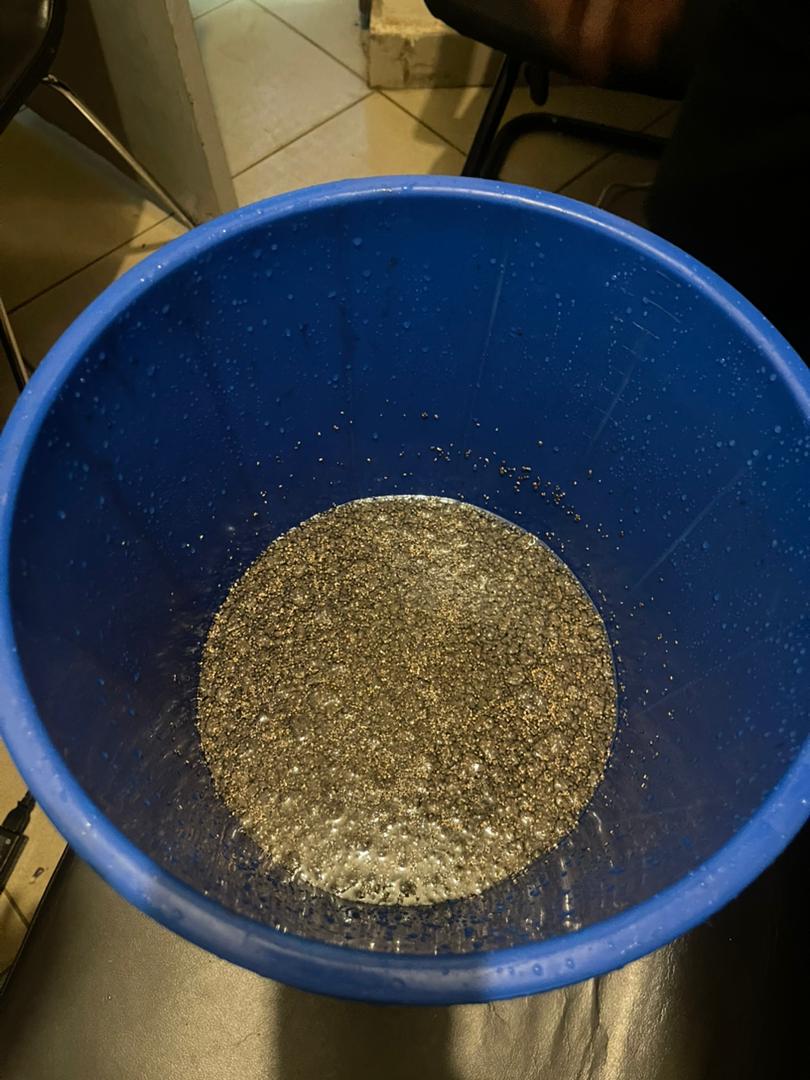
STEP 1 — Soaking
- I placed chia seeds in water
- Left them overnight
- Seeds formed a gel
STEP 2 — Applying on materials
- I spread the gel on:
- My top shirt
- A piece of wood
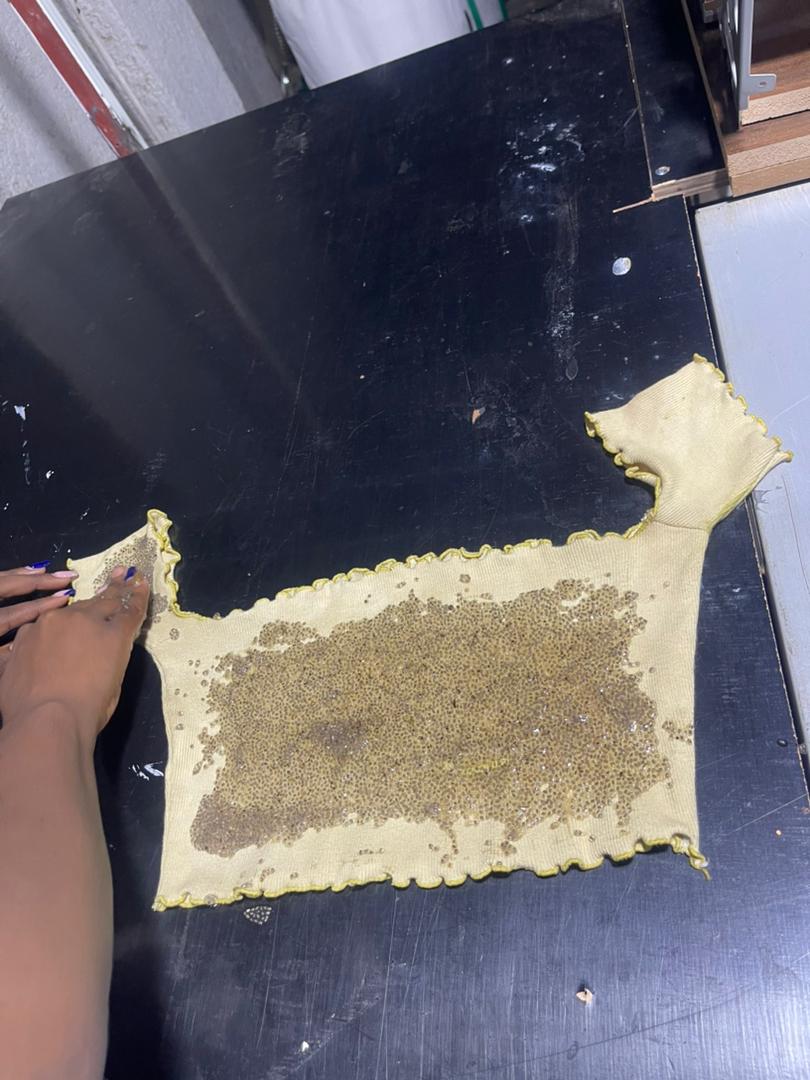
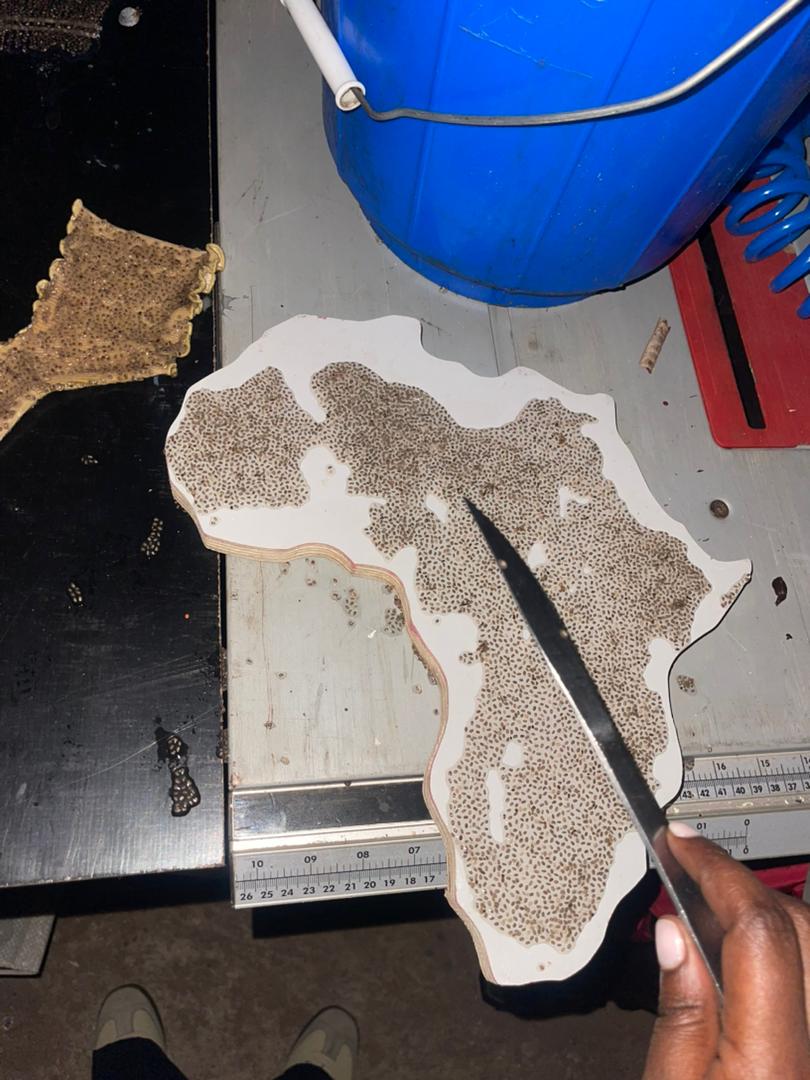
STEP 3 — Growth observation
- I left them in a light environment
- I am observing growth daily
- This is currently Day 2
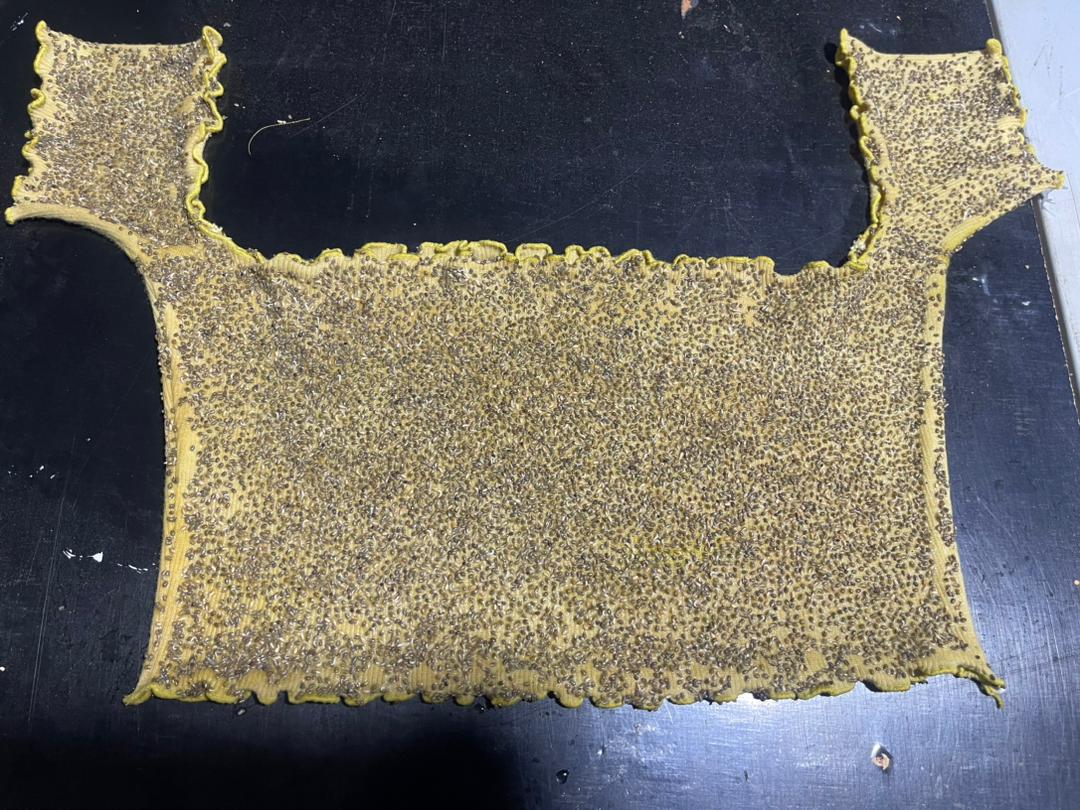
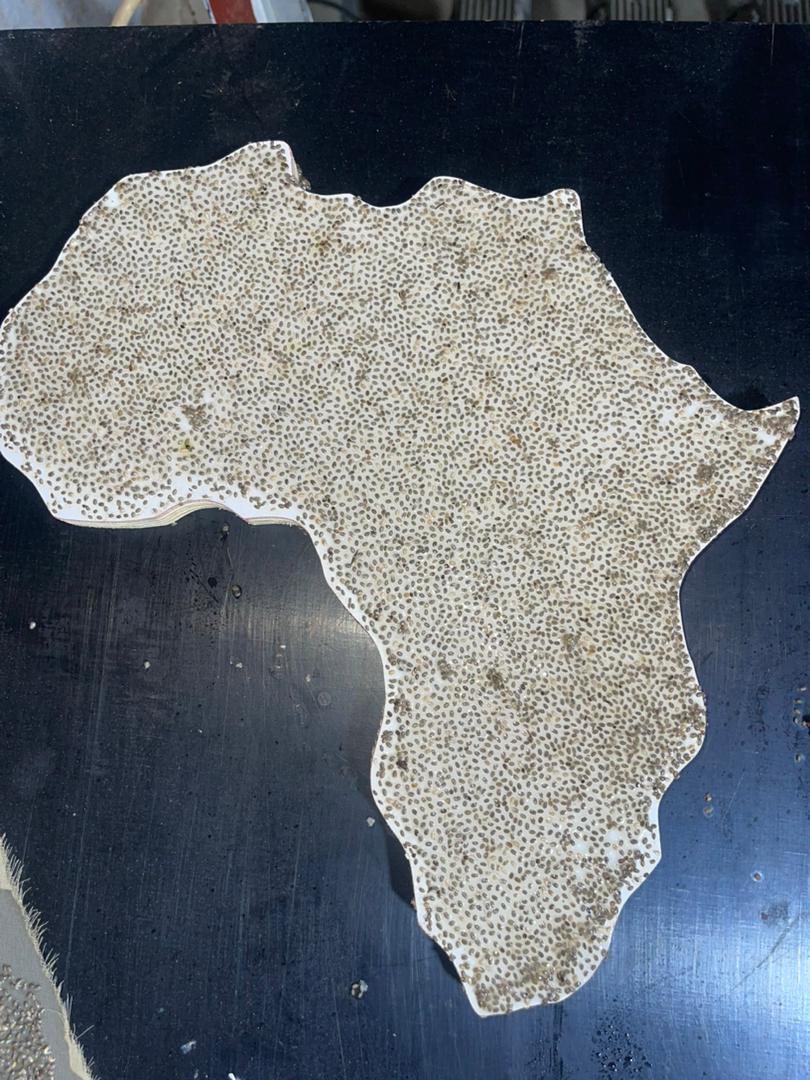
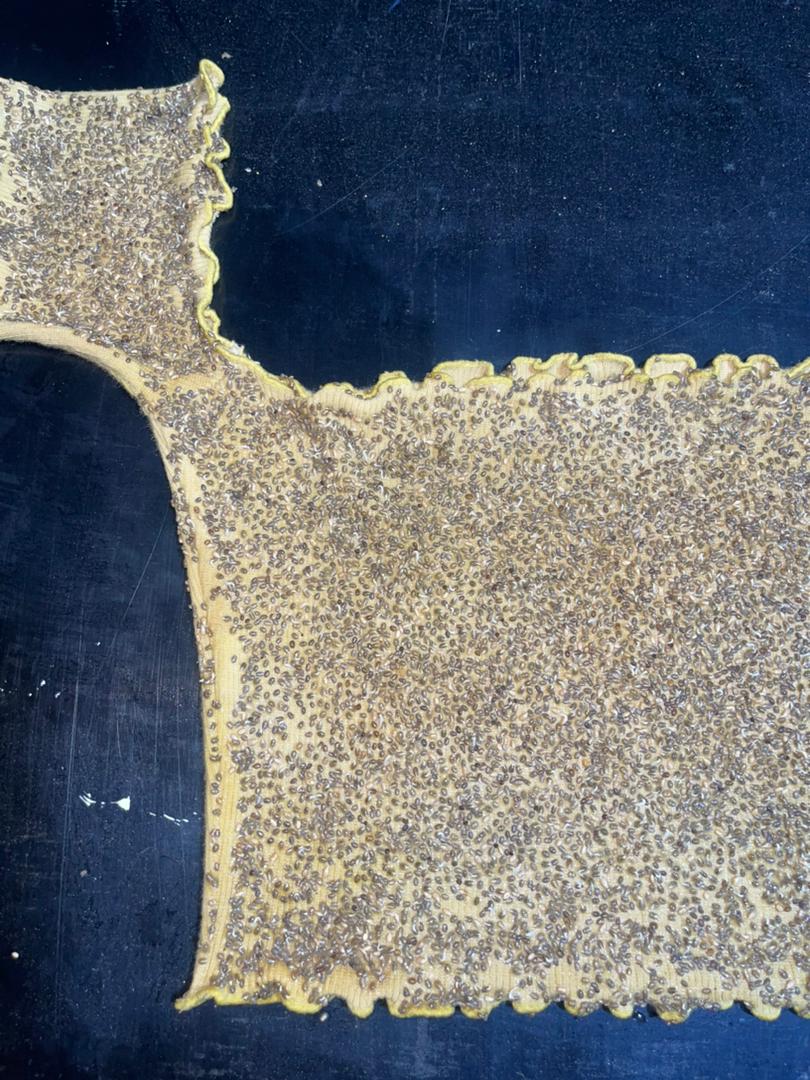
This experiment explores how living organisms can become part of materials. Chia seeds show potential for creating growing, biodegradable, and interactive surfaces.