Recipes, Experiments, Results
Recipies, Experiments, Results
Phase One
The goal of phase one is to achieve five natural colours, which can be used either on their own, or through the help of the Colour Immersion Apparatus to answer the questionnaire.
If you are new to biochromes, then I invite you to take a look at week four of fabricademy to understand the basics.
The colours which I will be working on for this phase are
red yellow blue green brown
For the following experiment, the fabrics have been scoured, tannin and mordanted in the exact same way. I have used lightweight cotton fabric, which have been cut to 30cm x 40cm, weighing 16g or 30cm x 20cm, weighing 8gr. It is also important to note that I have useed dyes at 200% WOF at least.
All fabrics have been scoured using soda ash and a drop of scour soap. While rinsing the fabrics after scouring, before submerging in the tannin bath, I have used a dash of vinegar in the water. Soda ash is highly alkaline and if there is even the slightest alkaline residue left on the fabric, it will mix with the tannin and turn slightly green. Using a a small amount of vinegar with water to rinse the fabrics avoids the formation of greenish hues.
 |
 |
 |
|---|---|---|
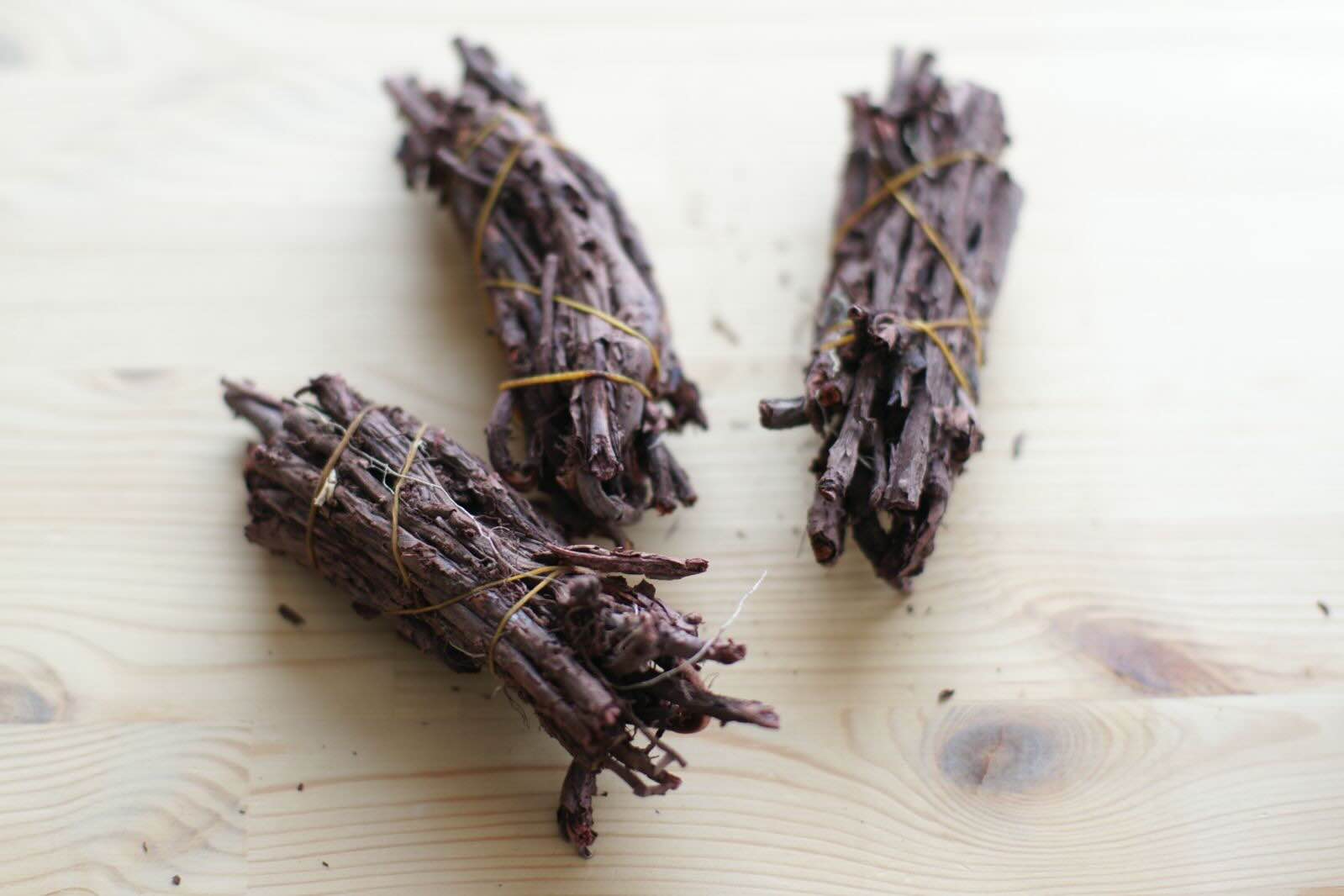
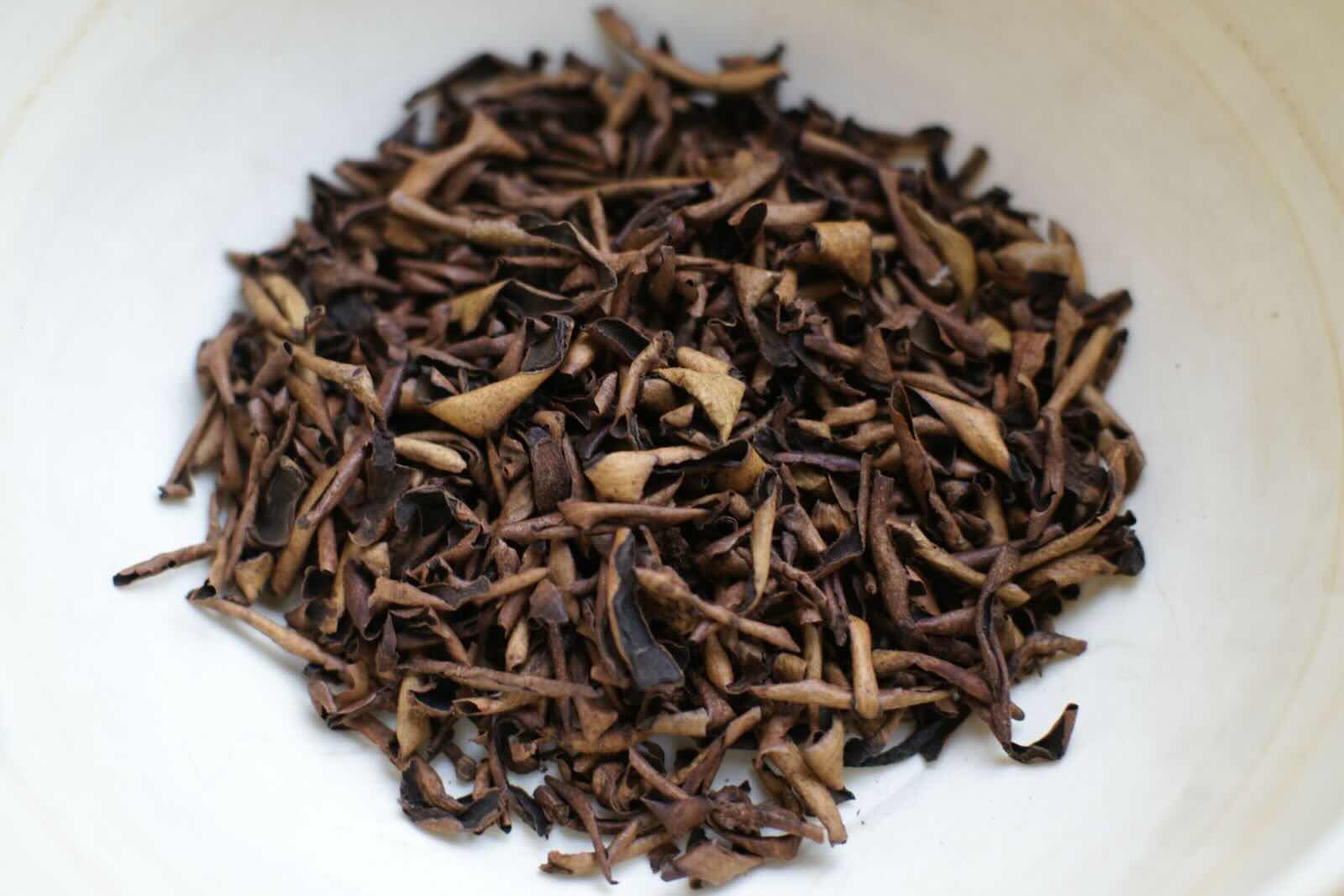
Madder Roots
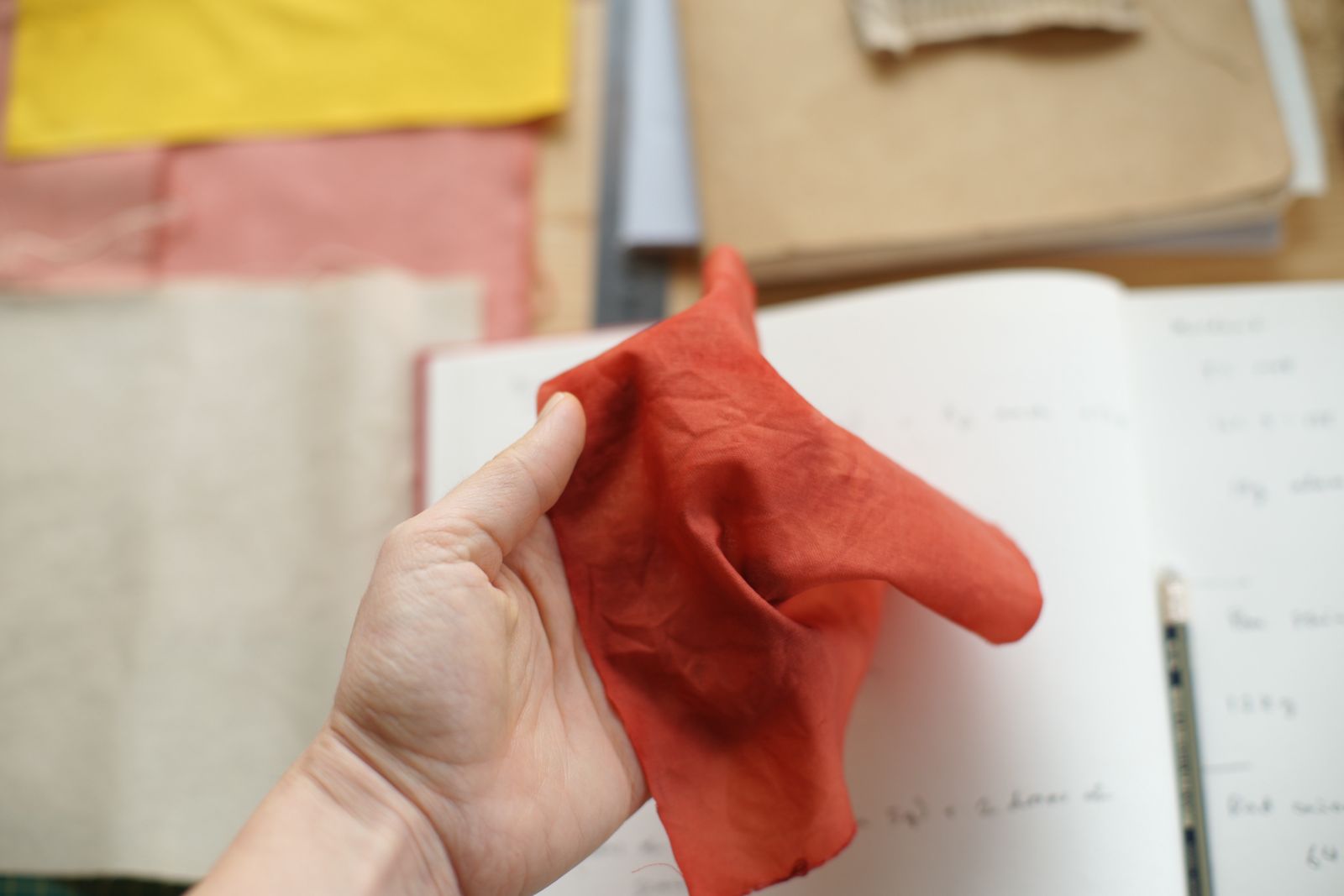
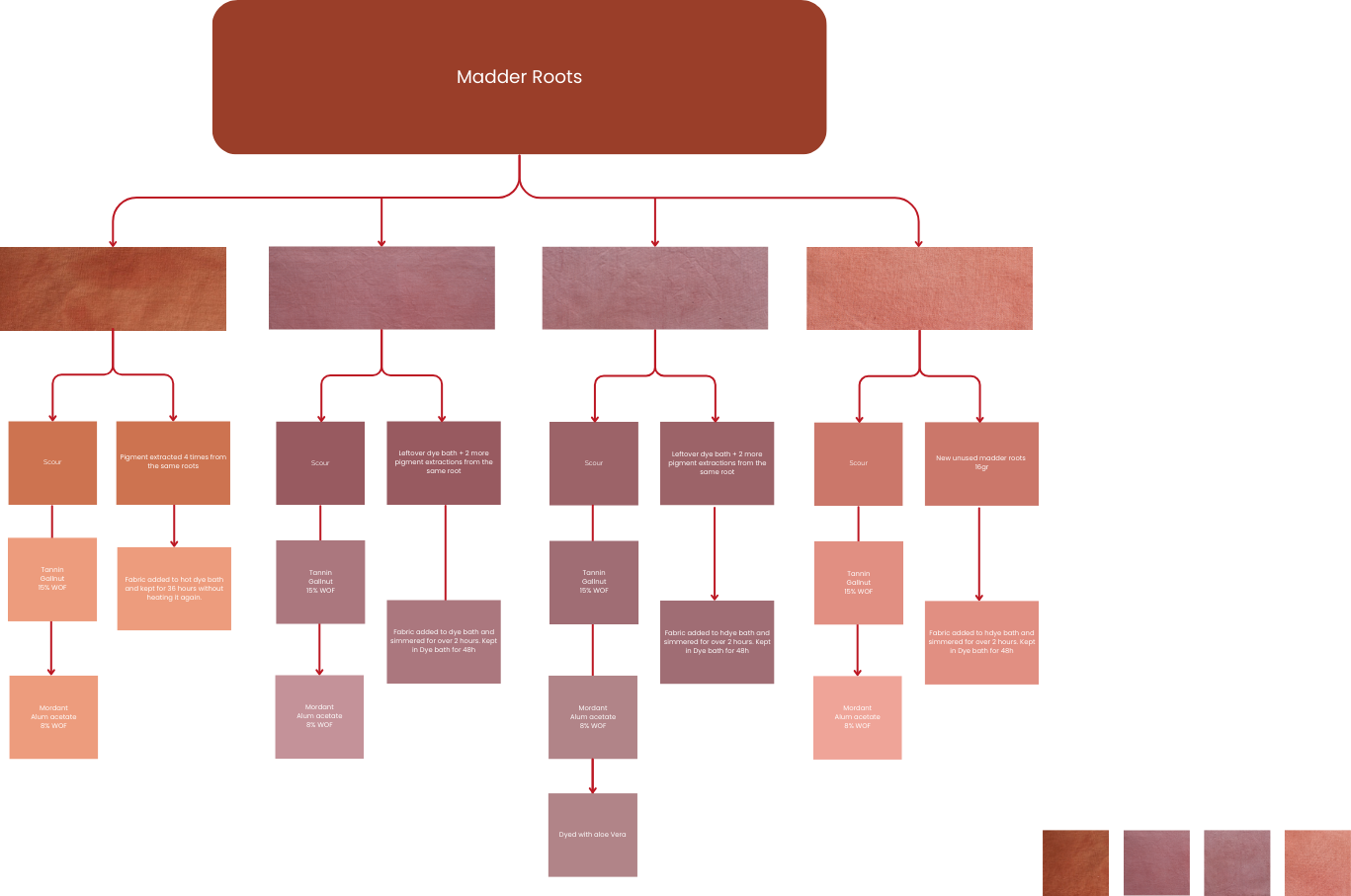
The first experiment I did to achieve "red" for my swatchbook/ research was with madder roots. For this experiment I have used 32gr of madder roots, that had been used once previously. Madder roots carry a lot of pigment and you can use the same roots many times to extract colour. Madder roots are sensitive to heat, usually advised not to raise the temperatures above 82C. For the shade of red that I wanted to achieve, I raised the temperatures to boiling point, to activate the brown pigments too. After reaching boiling point, I then simmered it for an hour. I have extracted colour from the same roots 5 times.
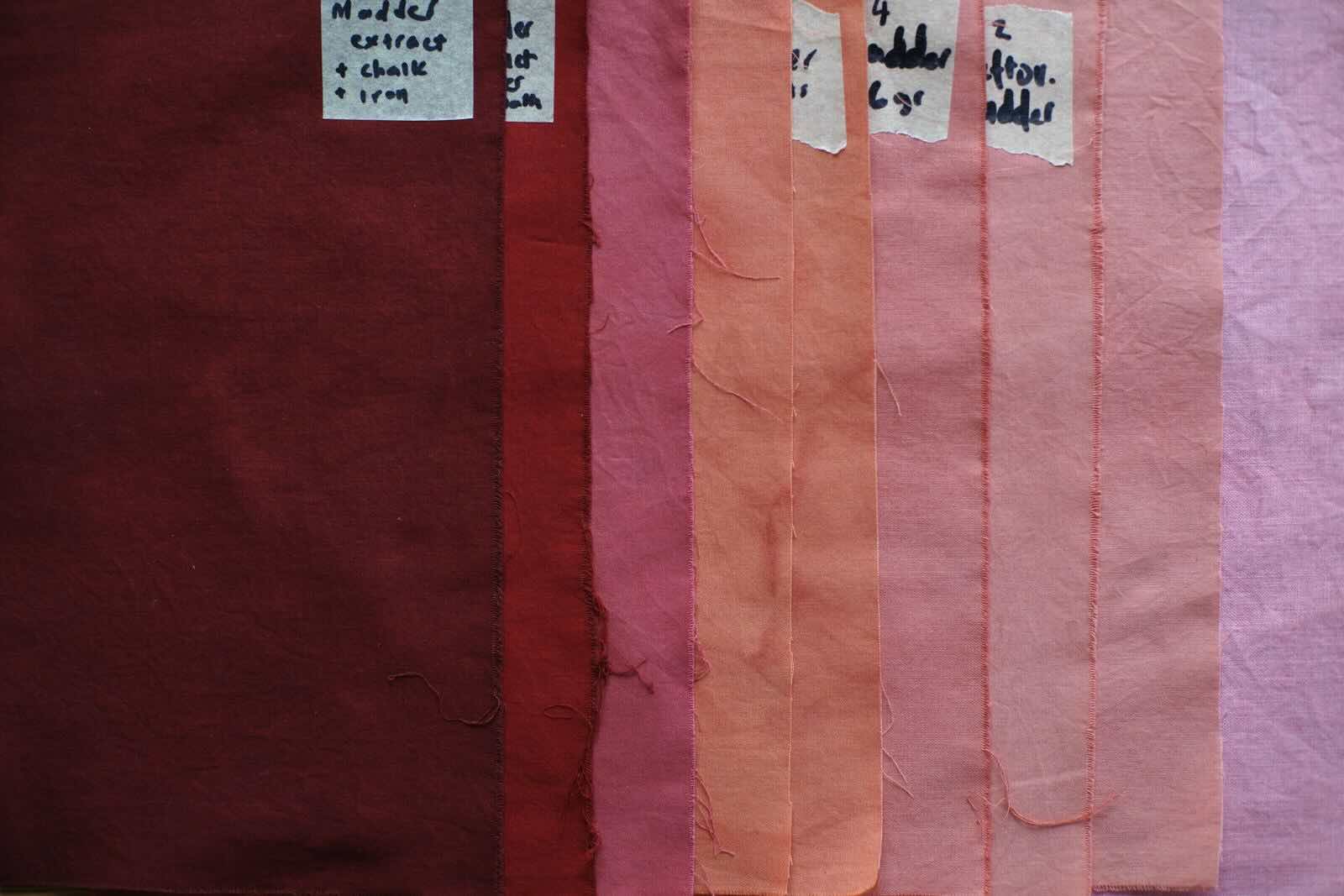
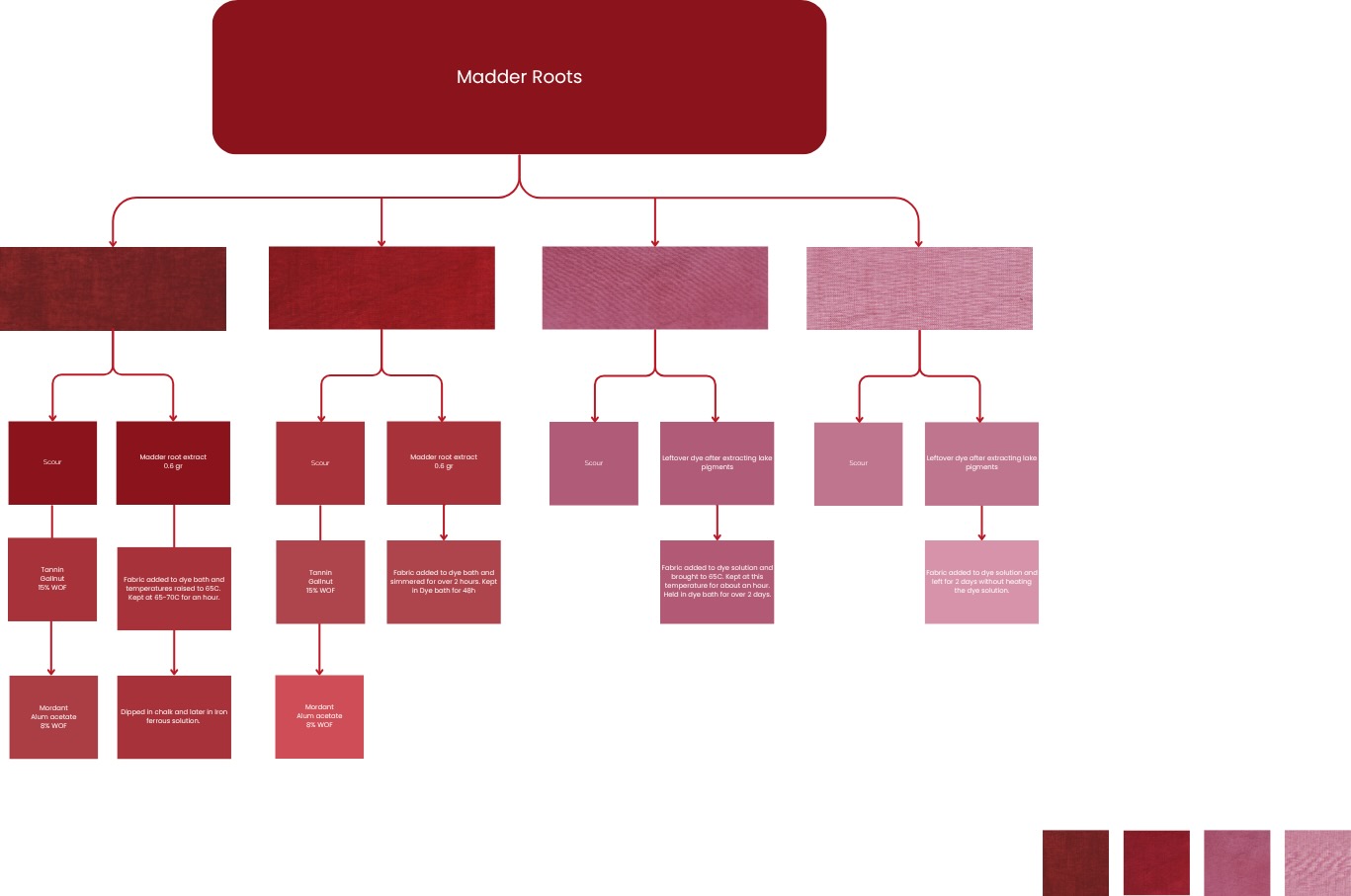
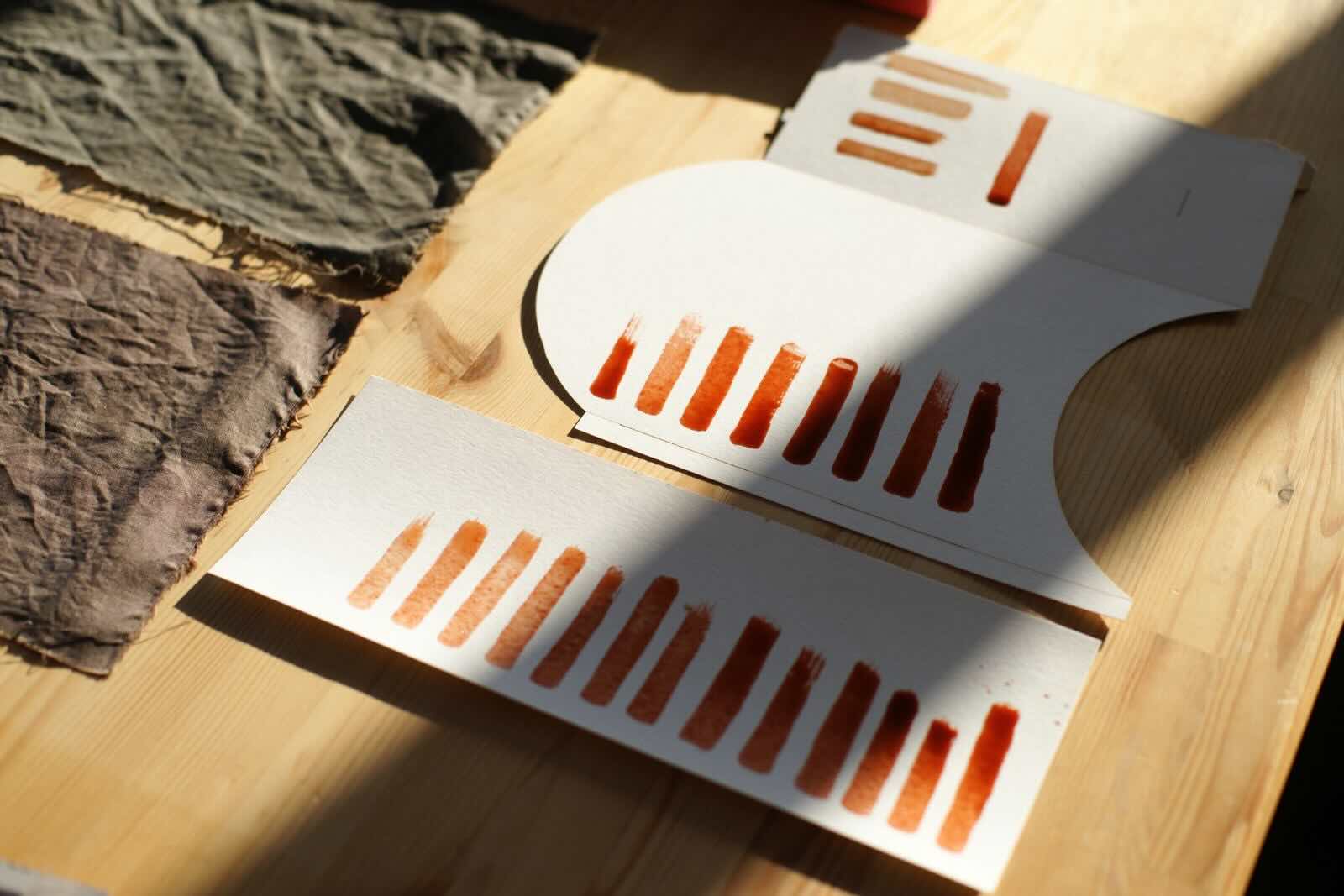
I have made four variations of madder red
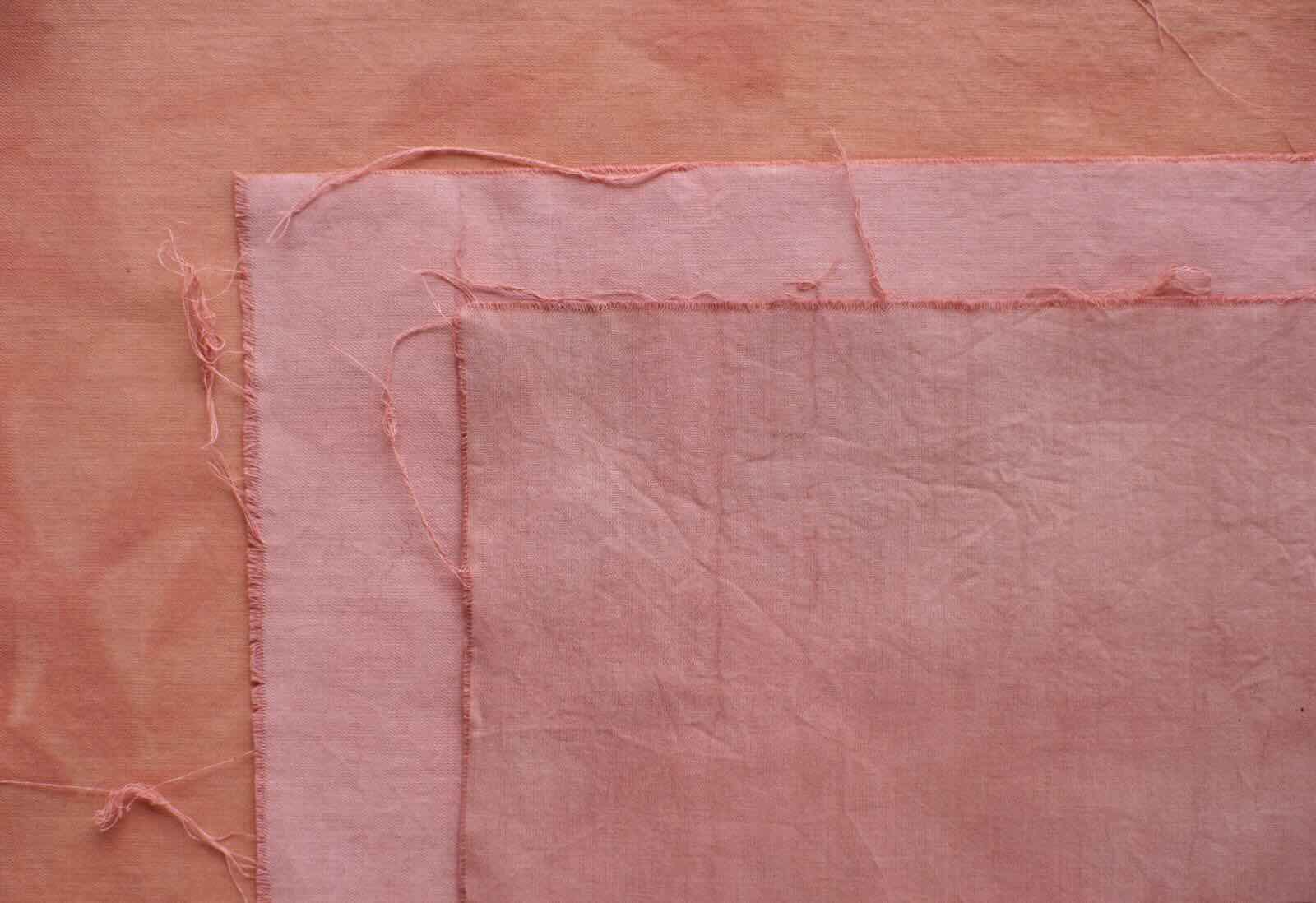
Madder Roots Extract
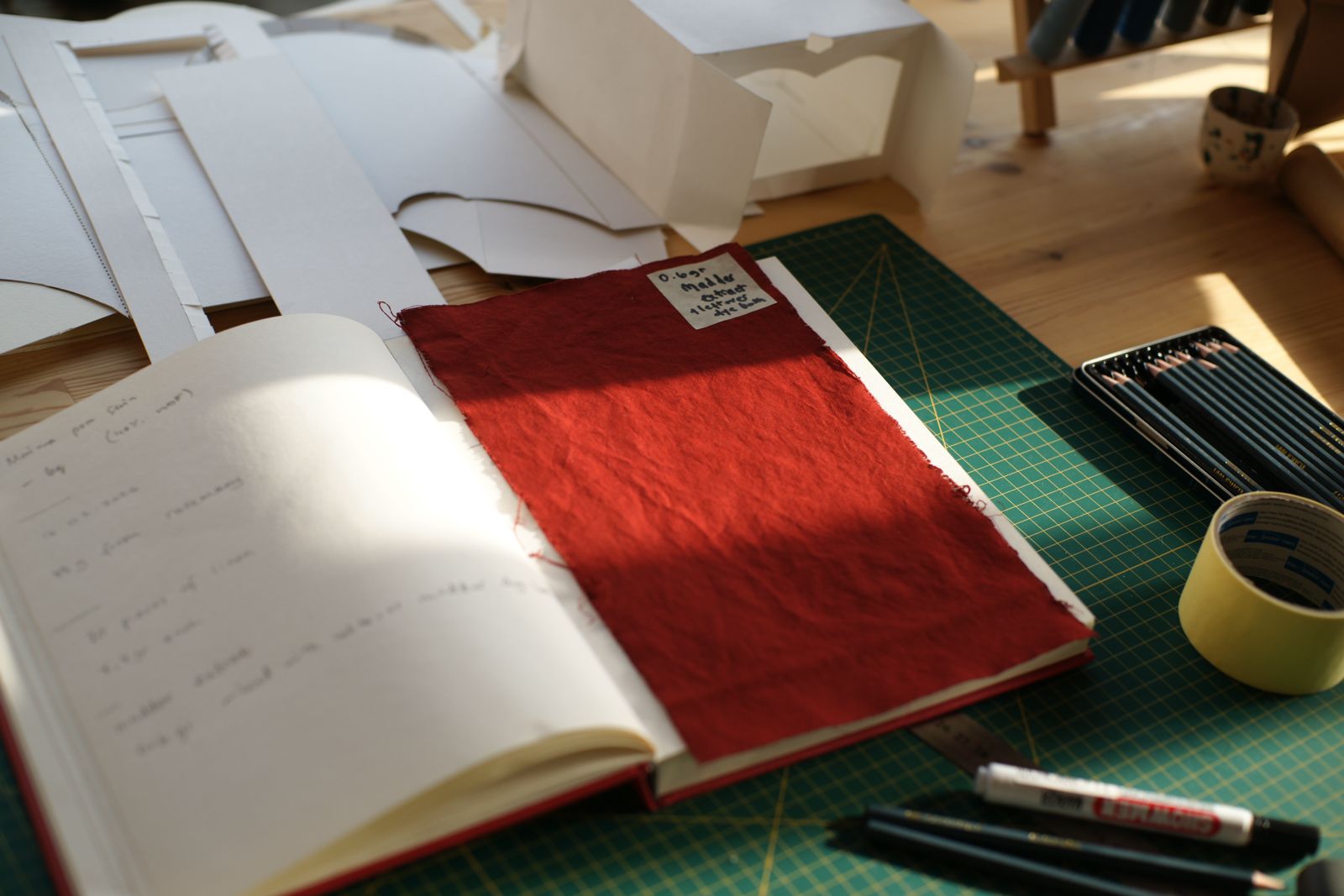
Further experiments led me to trying madder roots extract at 0.6 gr. The fabrics went through the same scour, tannin & mordant processes as before. This time instead of using local whole madder roots, I decided to use madder root extract from Botanical Colors. The goal was to chieve at least one swatch that had an intense red, as well as to have a swatch of red that could later be dipped in chalk and iron bath. Purely experimental curiosity!
A second experiment that I did with madder was with the dye solution that was left after extracting lake pigments from leftover madder dye baths. I noticed that the solution filtered out had significant orange hues in it and I decided to try and see if the colour will bind with a fabric. I only scoured the fabric for this experiment and did not do tannin and mordant baths. The extraction of lake pigments uses alum and soda ash, I decided to see if the alum in the solution would bind with the fabrics or not.
The results were surprising. One of the swatches that I also simmered for a while took on a beautiful bright pink, while the other which I only added to the solution and didn't even heat up- took a light pink shade.
I started extracting lake pigment because I didn't want the dye baths to go to waste. In this case I further used whatever pigment did not bind with the soda ash and alum. Exhausting a dye bath now has a different image for me!
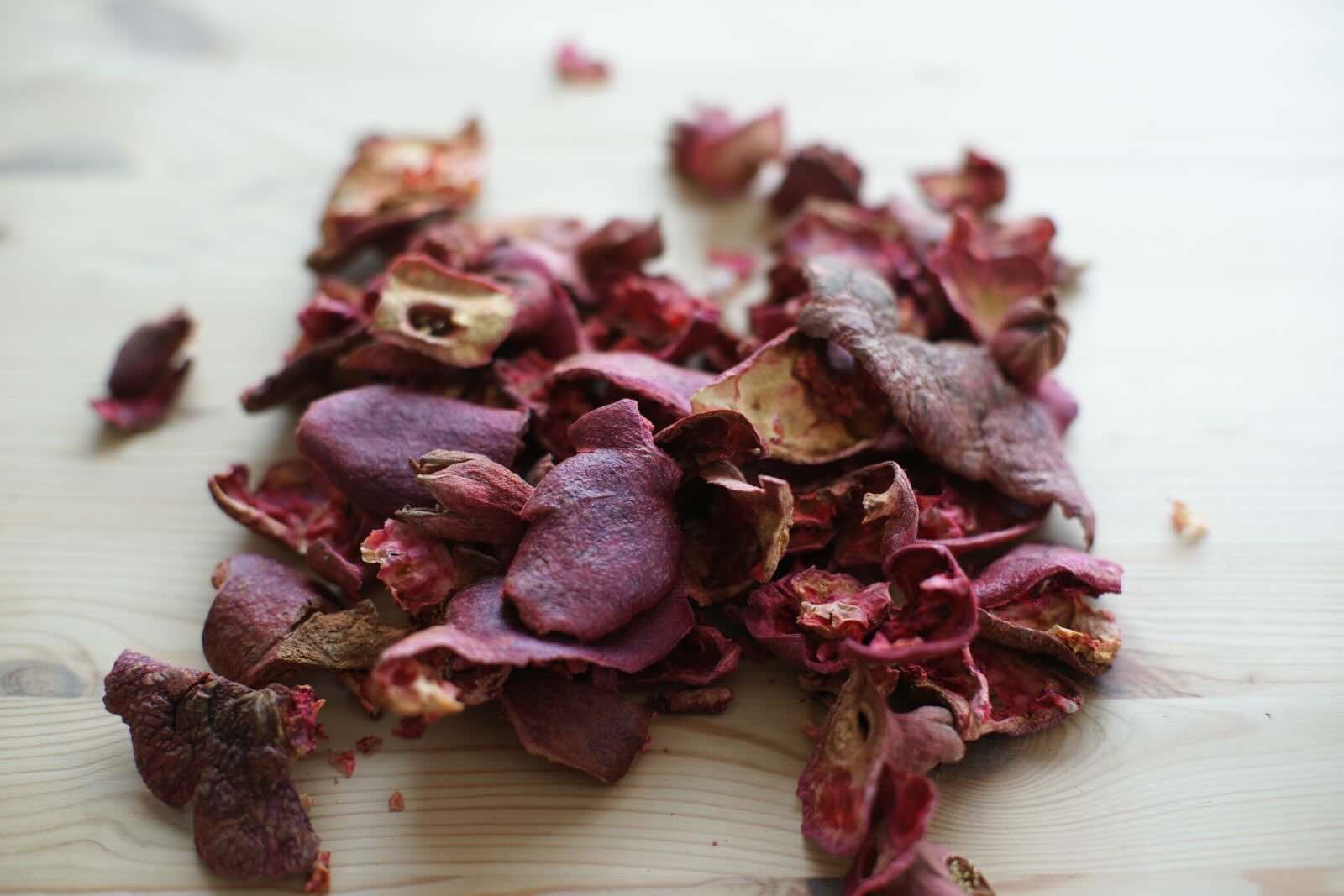
Pomegranate Skins
 |
 |
|---|---|
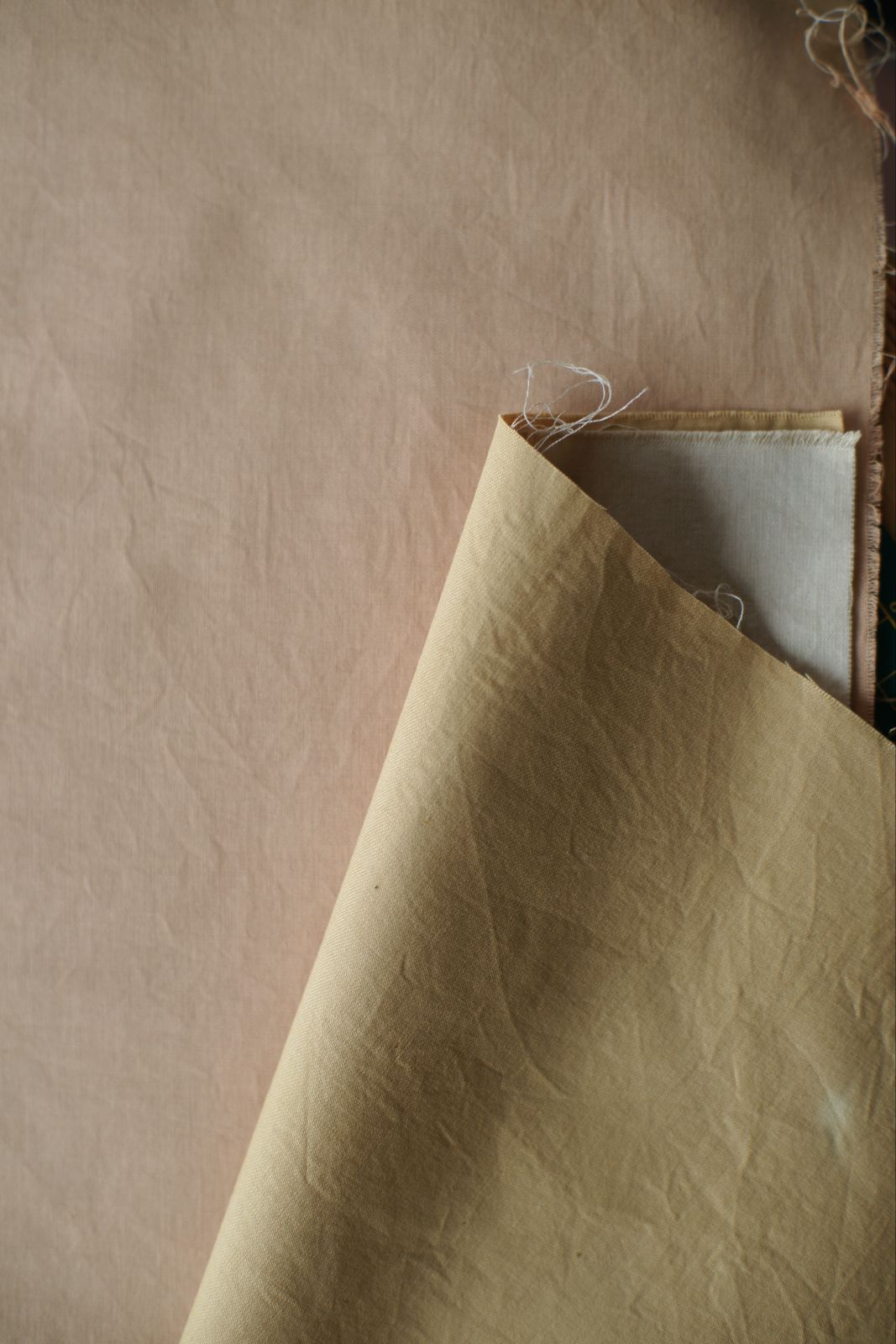
| two sahed of pomegranate |
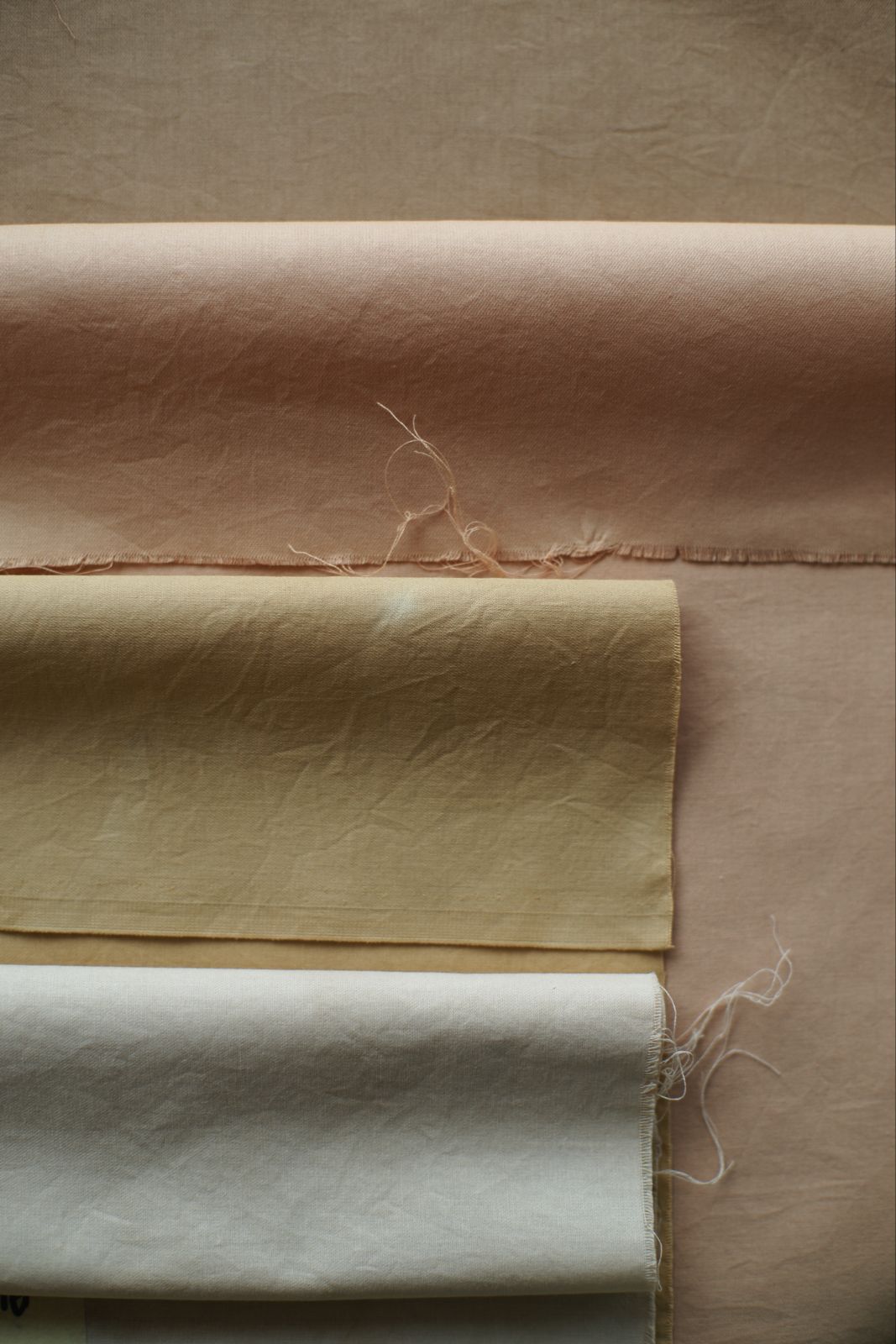
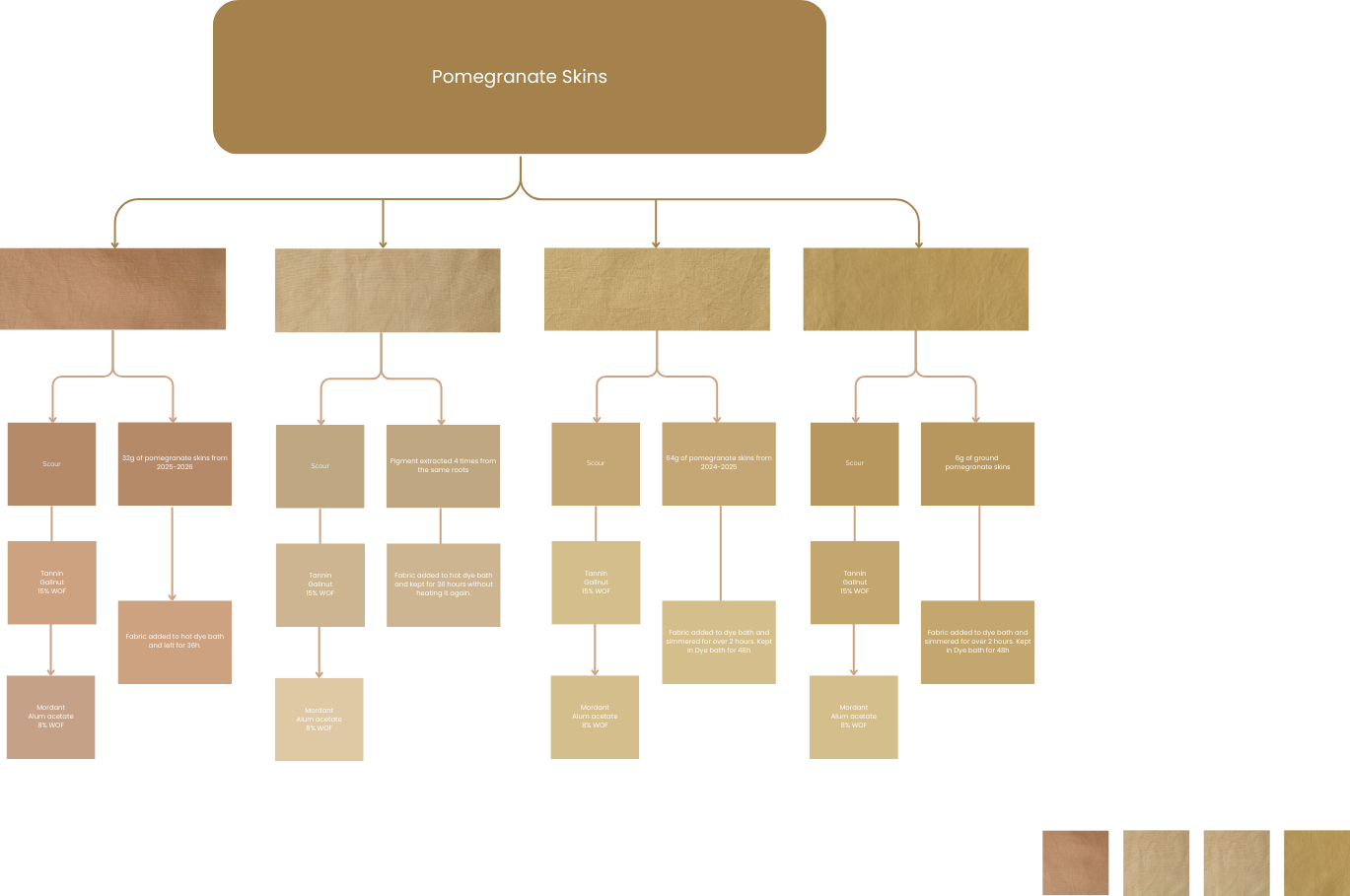
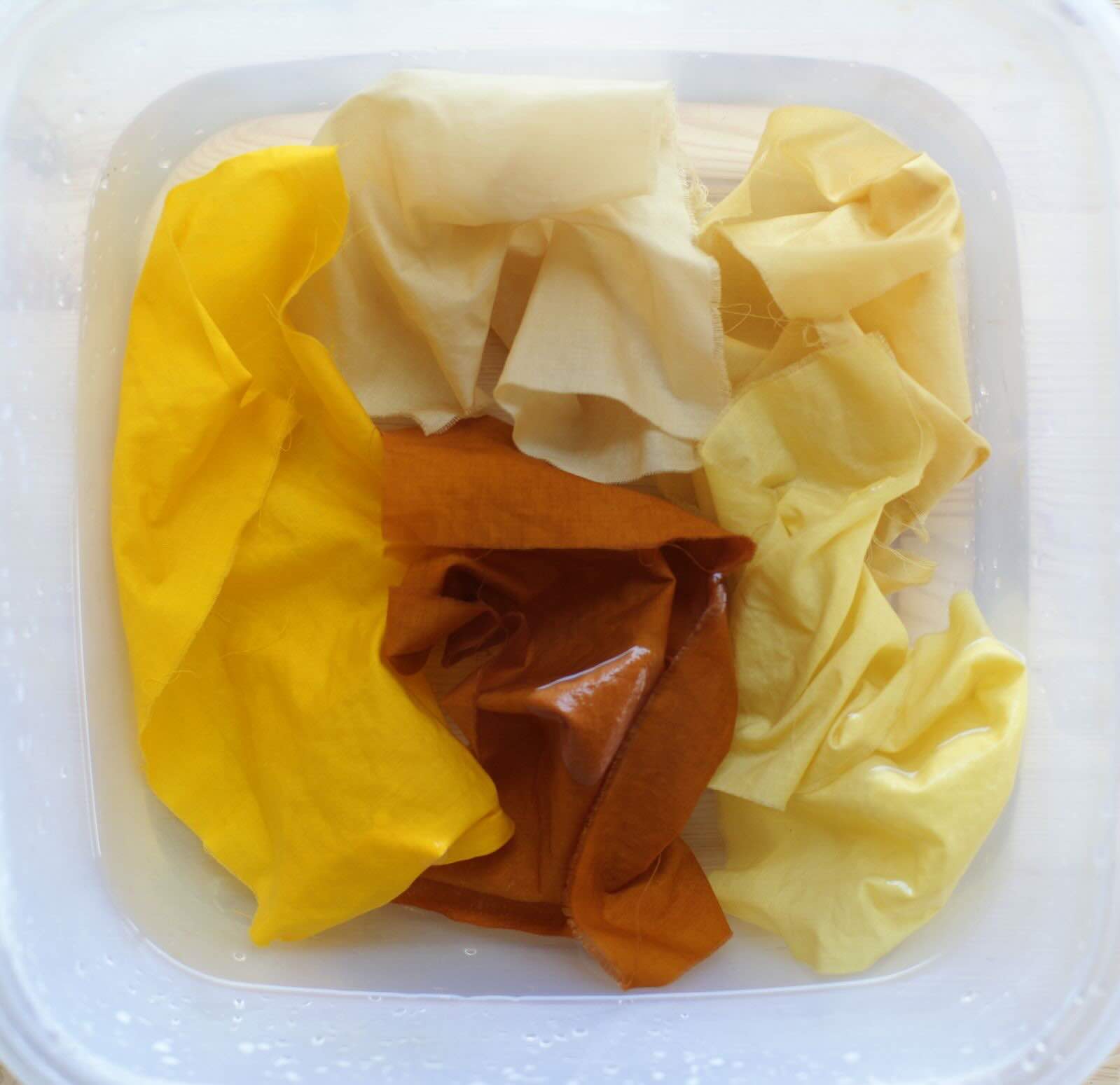
The first experiment I did for "yellow" was with 32g of freshly dried skins (year 2025-2026). I simmered the skins for over 2 hours, then immersed the pre- treated fabrics in the hot dye bath and let it cool without heating it up again.
For the second experiment I made a dye bath using 64gr of pomegranat skins that had been dried last winter (2024-2025). In this experiment I simmered the skins for over two hours. I let the dye bath cool, added the pre-treated fabric, raised the temperature to around 80C and kept it there for about 2hr.
Third experiment was done with 128gr of pomegranate skins. The rinds were simmered for over 2 hours. The dye bath steeped overnight. 16gr of fabric was used in this experiment.
Fourth experiment was done using 6gr of ground pomegranate rind. I allowed the rinds to sit in warm water for about an hour. After that I simmered the dye for about 2 hours. The dye bath was warm when I added a piece of fabric, weighing 8gr. The temperature was raised slowly.
Indigo Blues
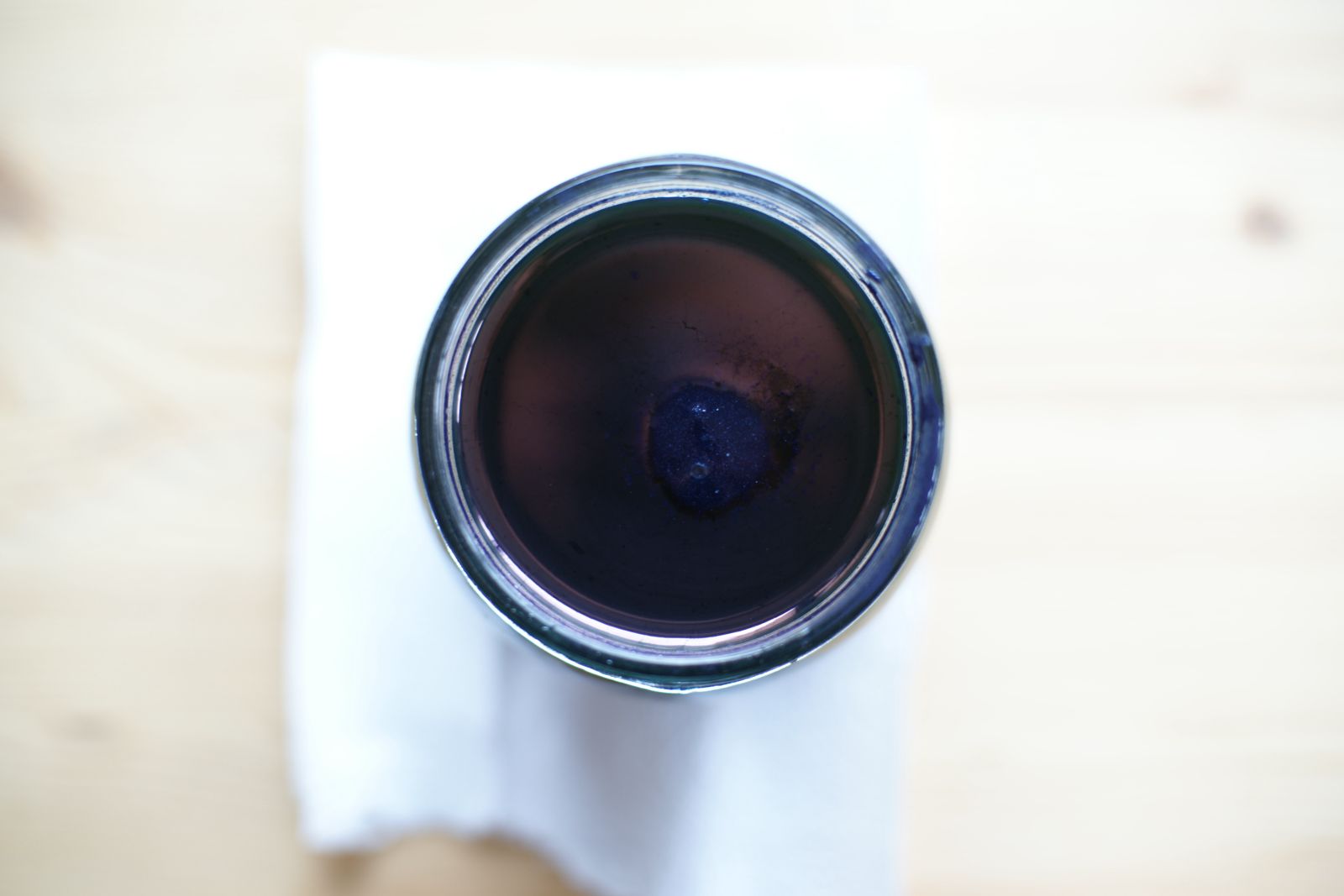
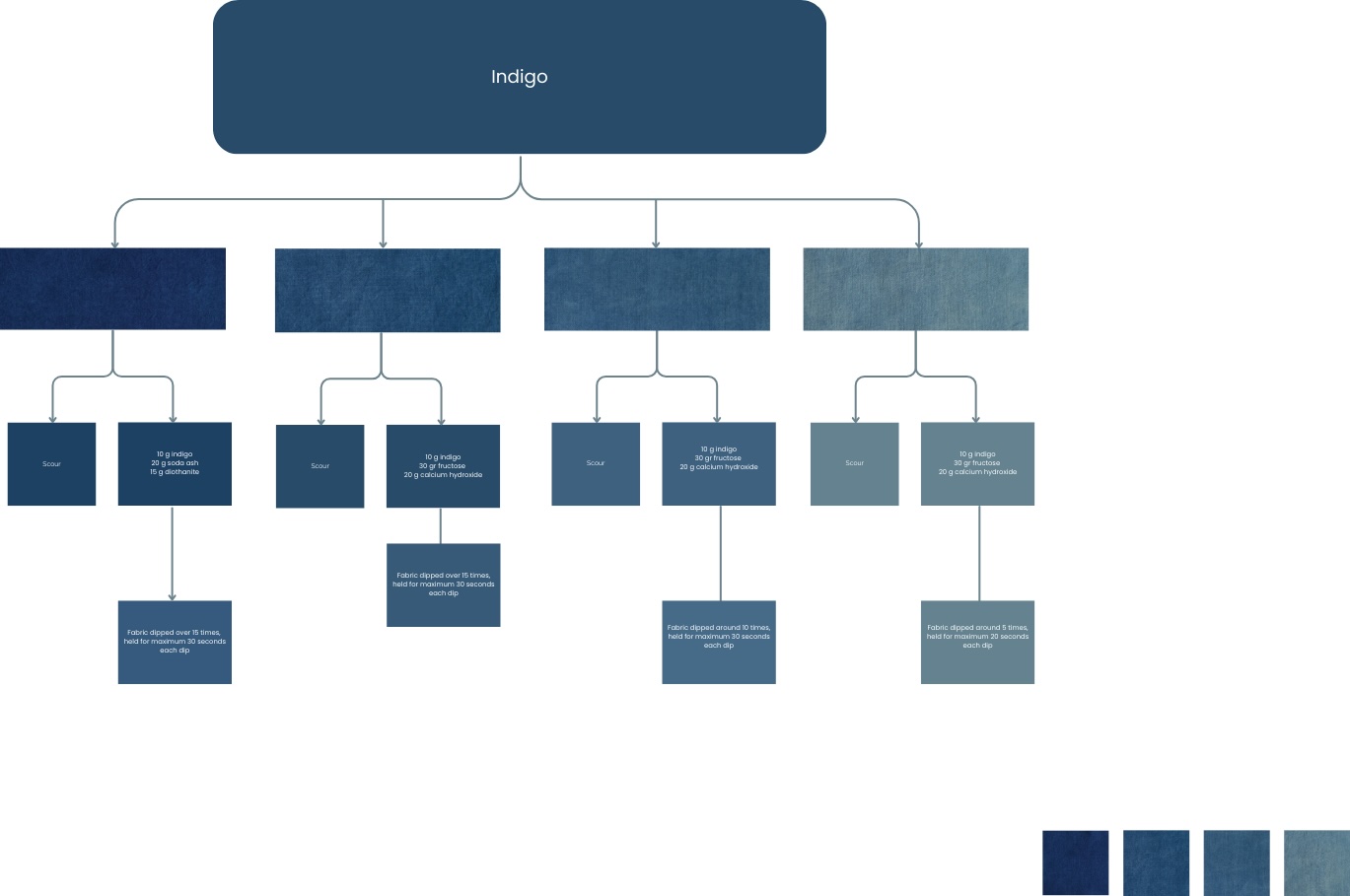
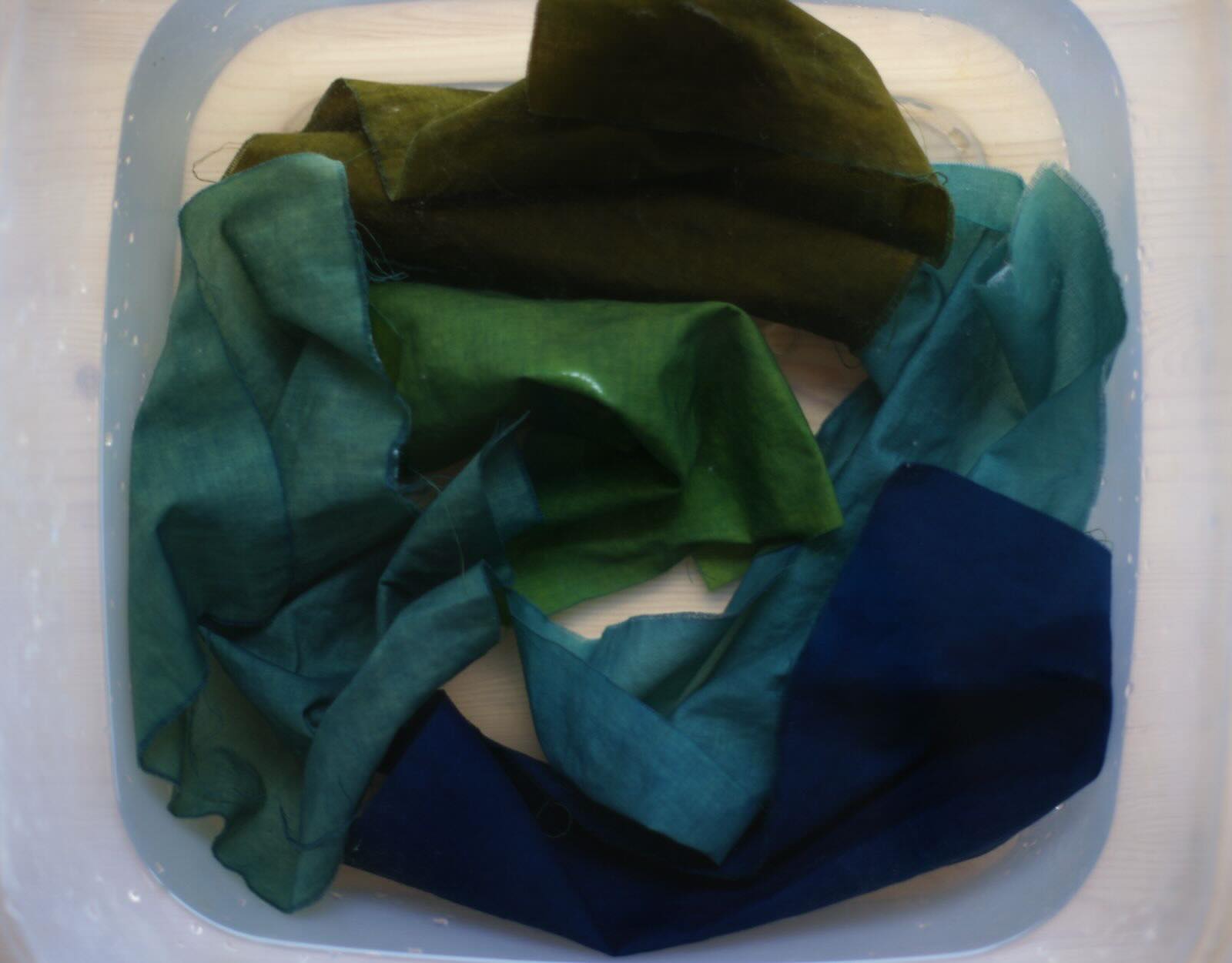
When it comes to blues, indigos are of course the depest and most poetic. For the four blue hues I used indigo from Tamil Nadu region in India and made a fructose dye vat, as well as a chemical dye vat, with the following proportions.
Fructose Dye Vat
 10 L of hot water (50C)
 10 gr Indigo
 30 gr Fructose
 20 gr Calcium hydroxide
Chemical Dye Vat
 15 L of hot water (45-47C)
 10 gr Indigo
 20 gr Soda Ash
 15 gr Sodium Dithionite
While both dye vats have similar fermentation process, I observed that the chemical dye vat yielded deeper and more even shades, than the fructose dye vat.
Greens
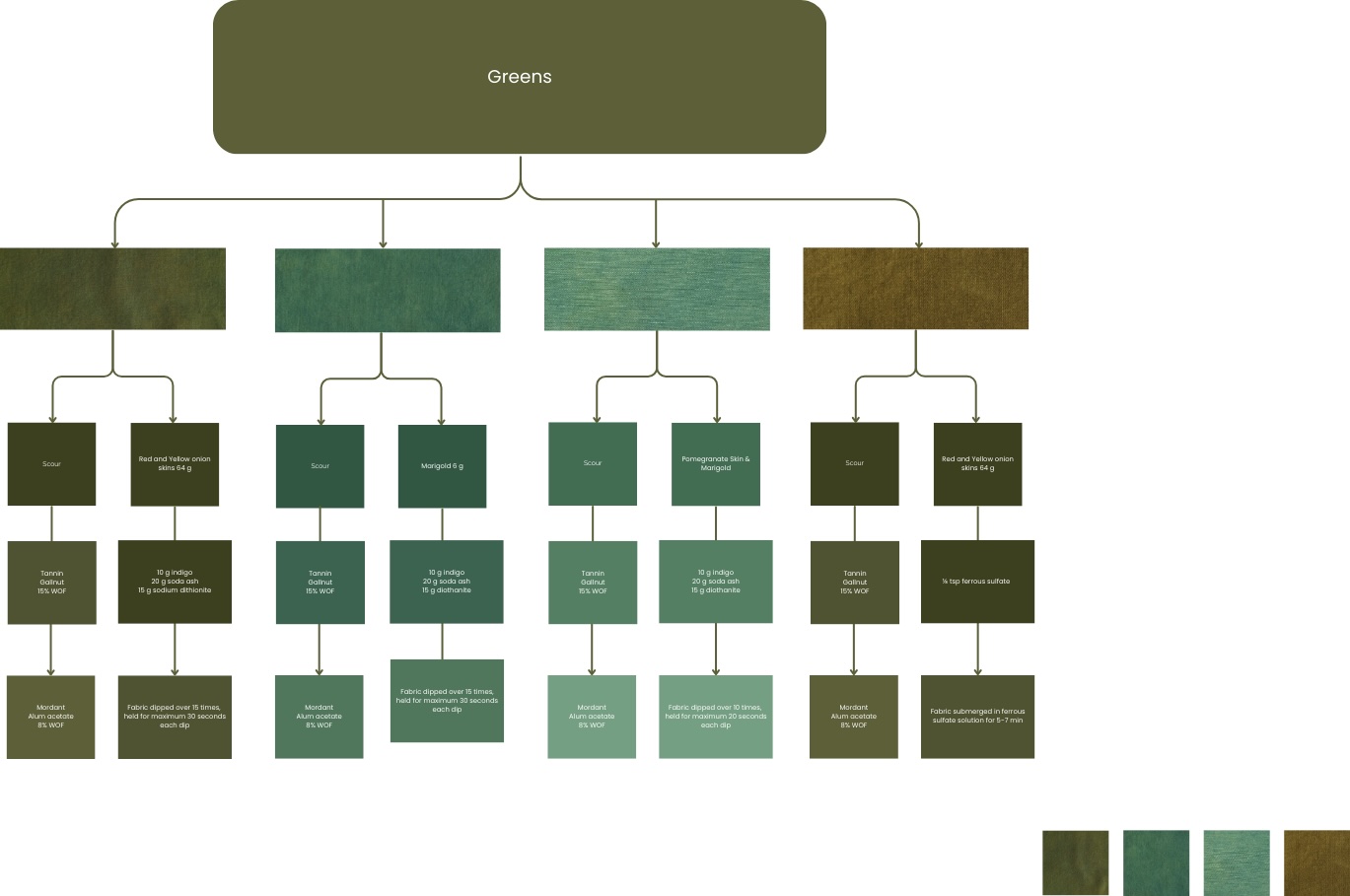
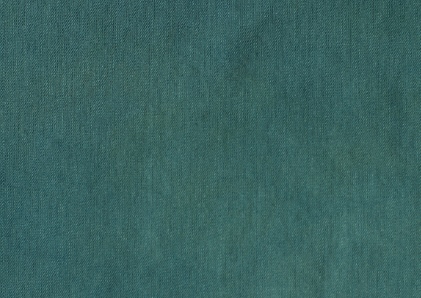
To achieve "greens" I decided to do "yellow" hues overdyed with indigo blues or modified with ferrous sulfate. I used margiold, red onion skins, pomegranate, pomegranate and marigold as you can see in the colour map below.
From yellows to greens
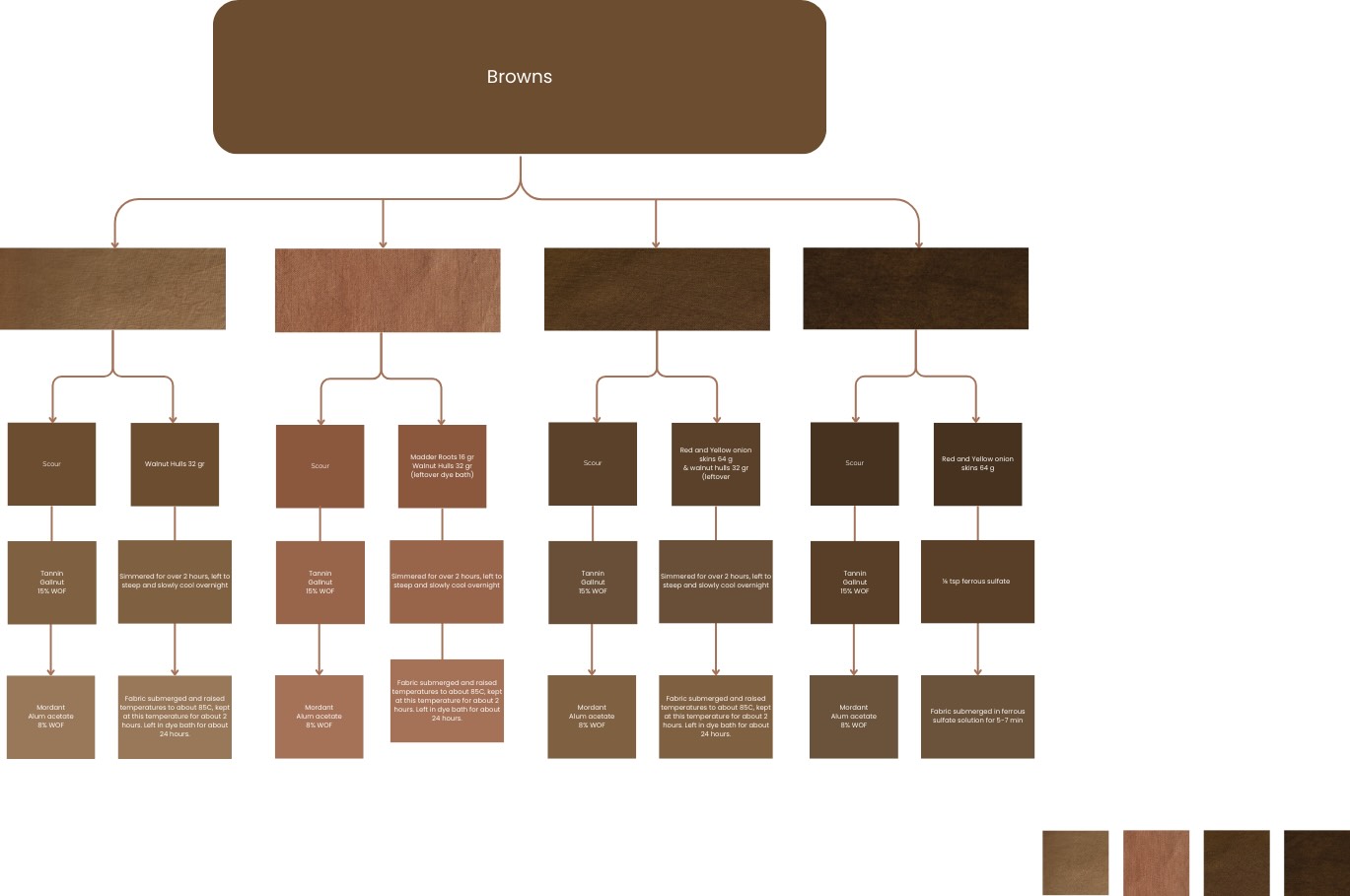
Browns
Phase Two
In search of purples and violets..
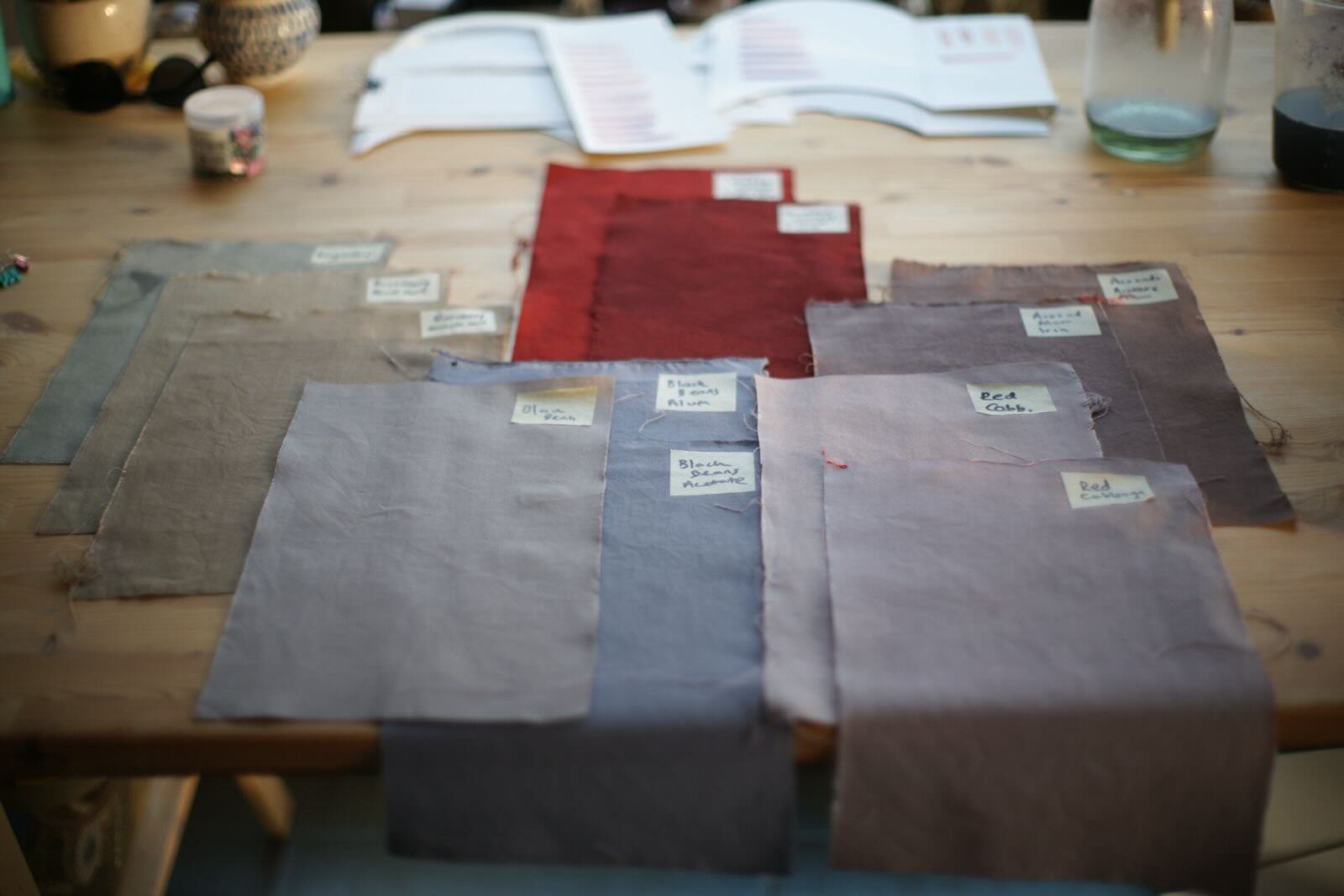
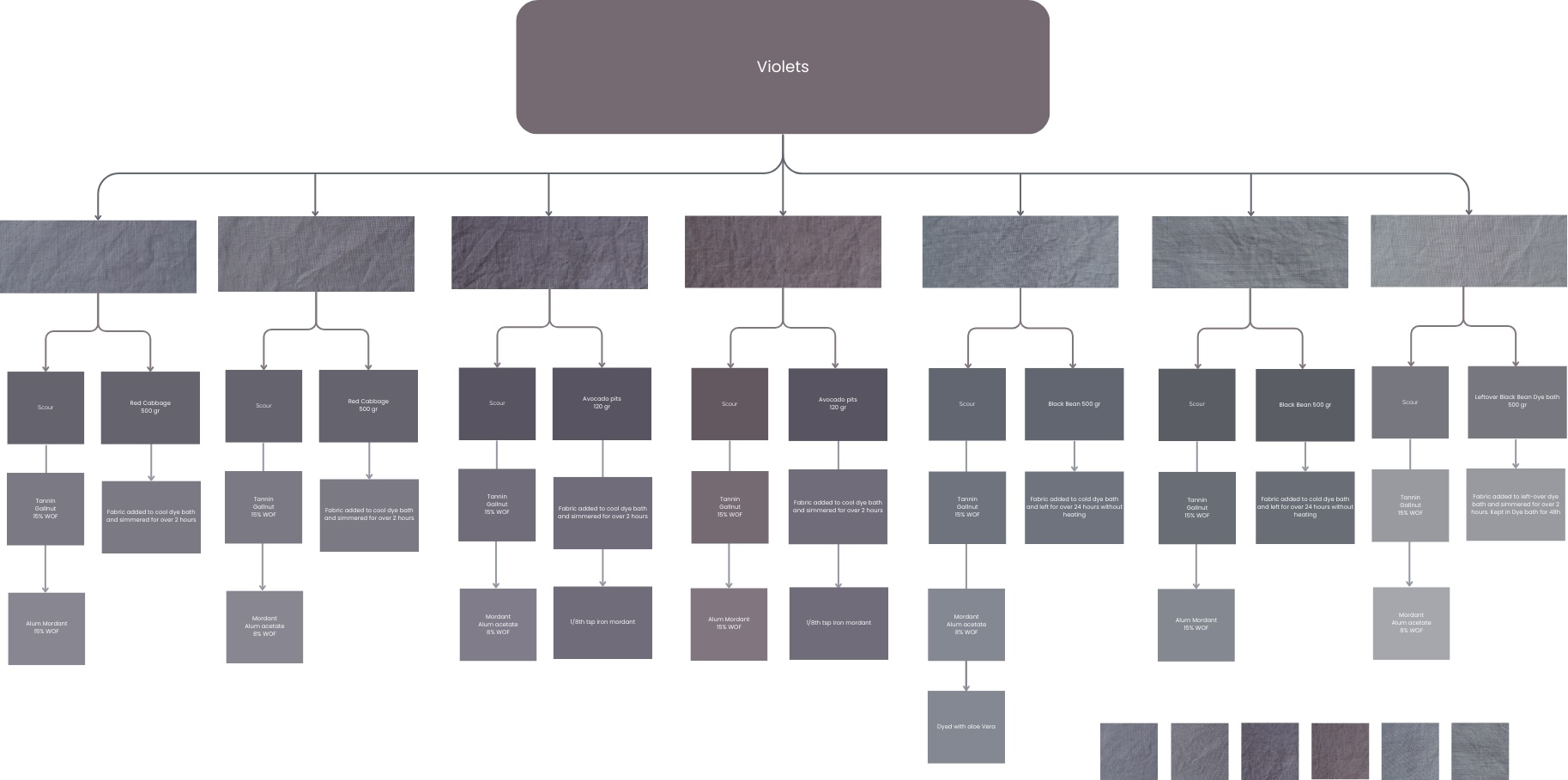
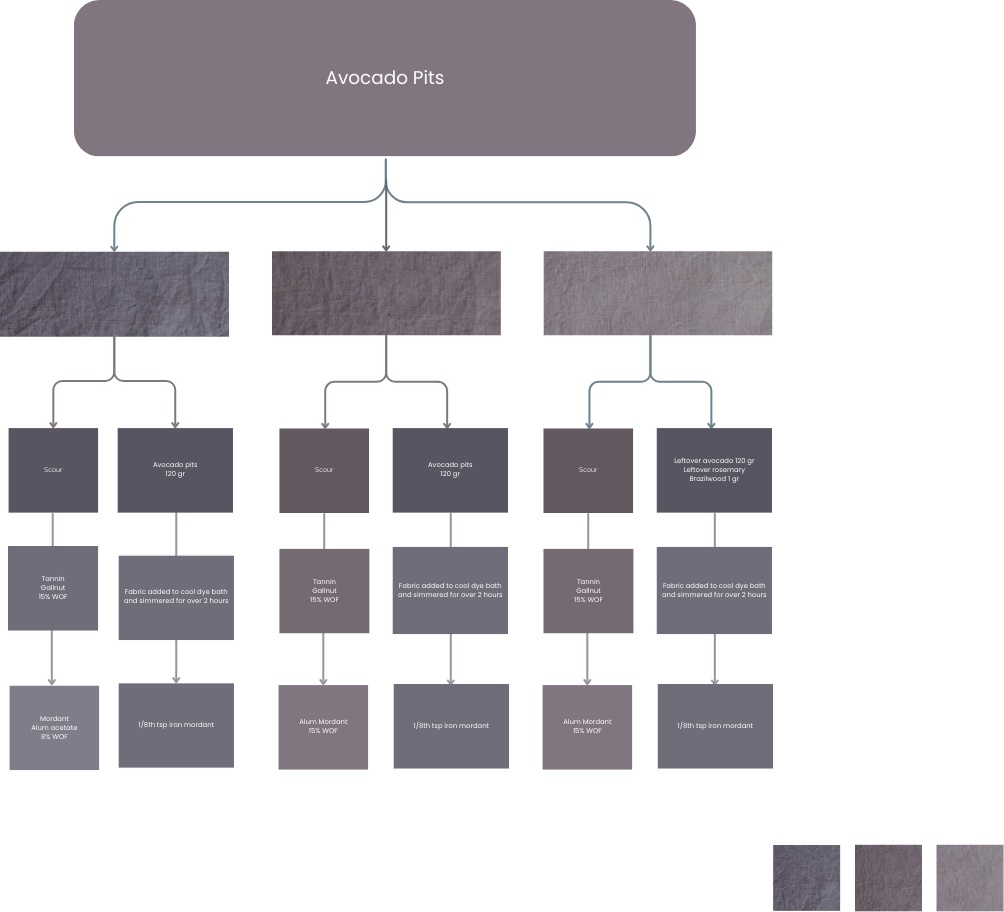
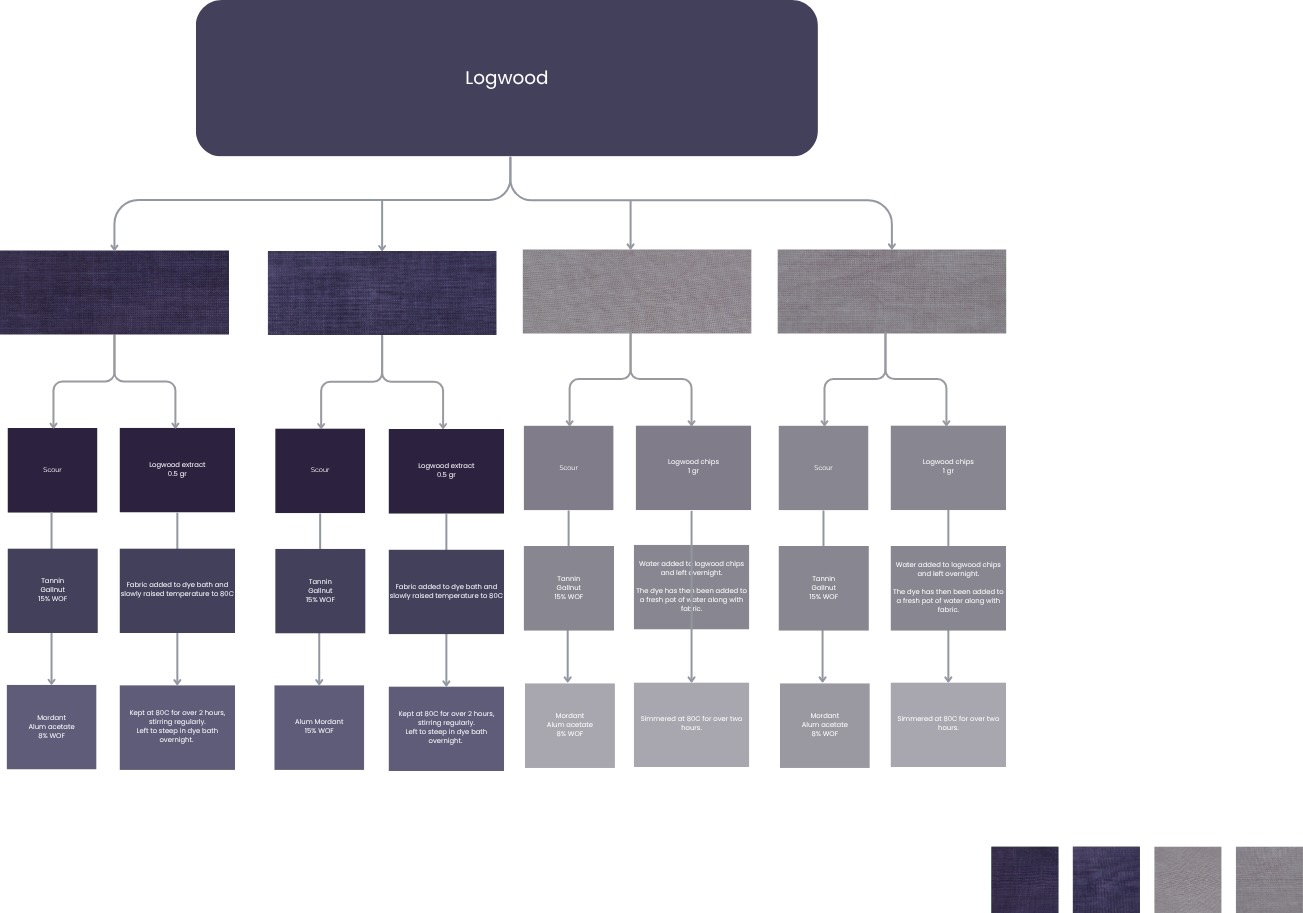
For Phase Two of experiments and research I have been exploring naturally occuring violets and purples. All fabrics used for Phase Two are the same - 100% linen. The fabrics have been scoured using soda ash and scour soap. A 15% WOF Gallnut tannin bath has been used for the tannin process. Furthermore, 10 of the fabrics have been mordanted using aluminium acetate at 8% WOF and 10 of them have been mordanted using alum at 15% WOF.
Here's an overview.
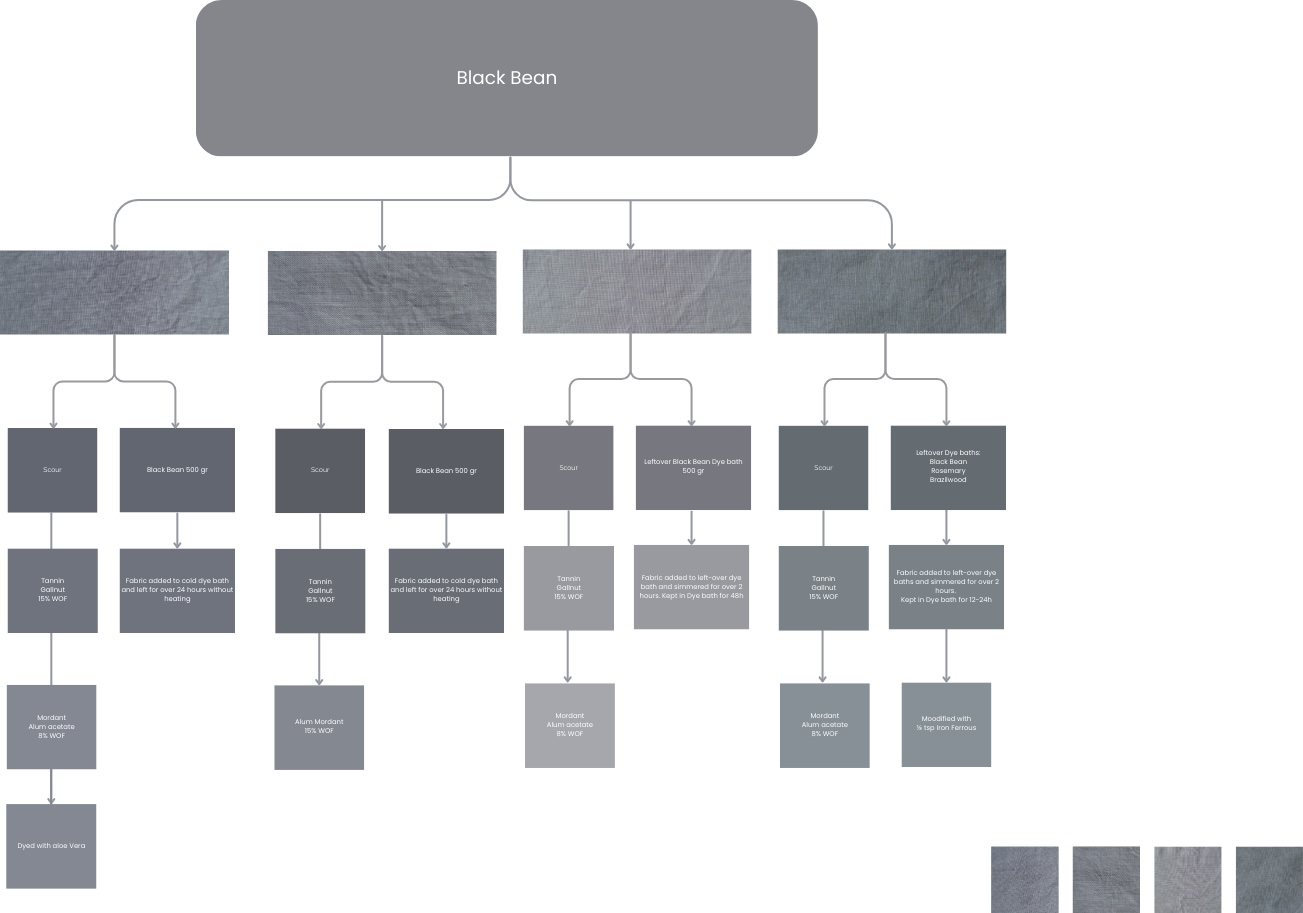
Black Beans
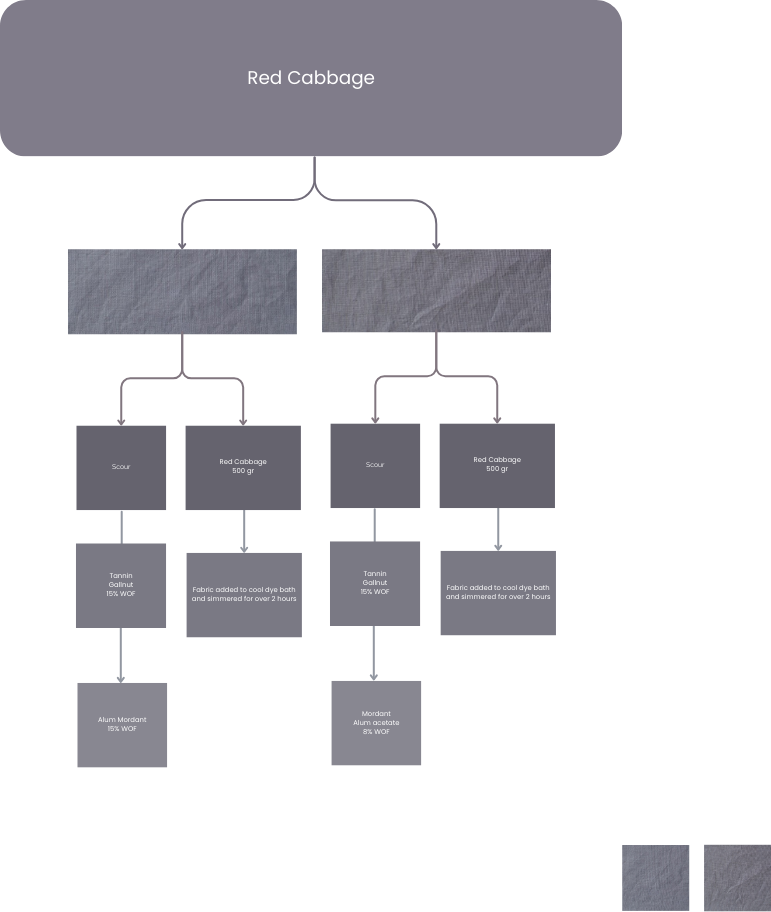
Red Cabbage
Avocado Pits
Logwood
Greige
These swatches, deemed as failures, are beautiful shades of greys and beige.
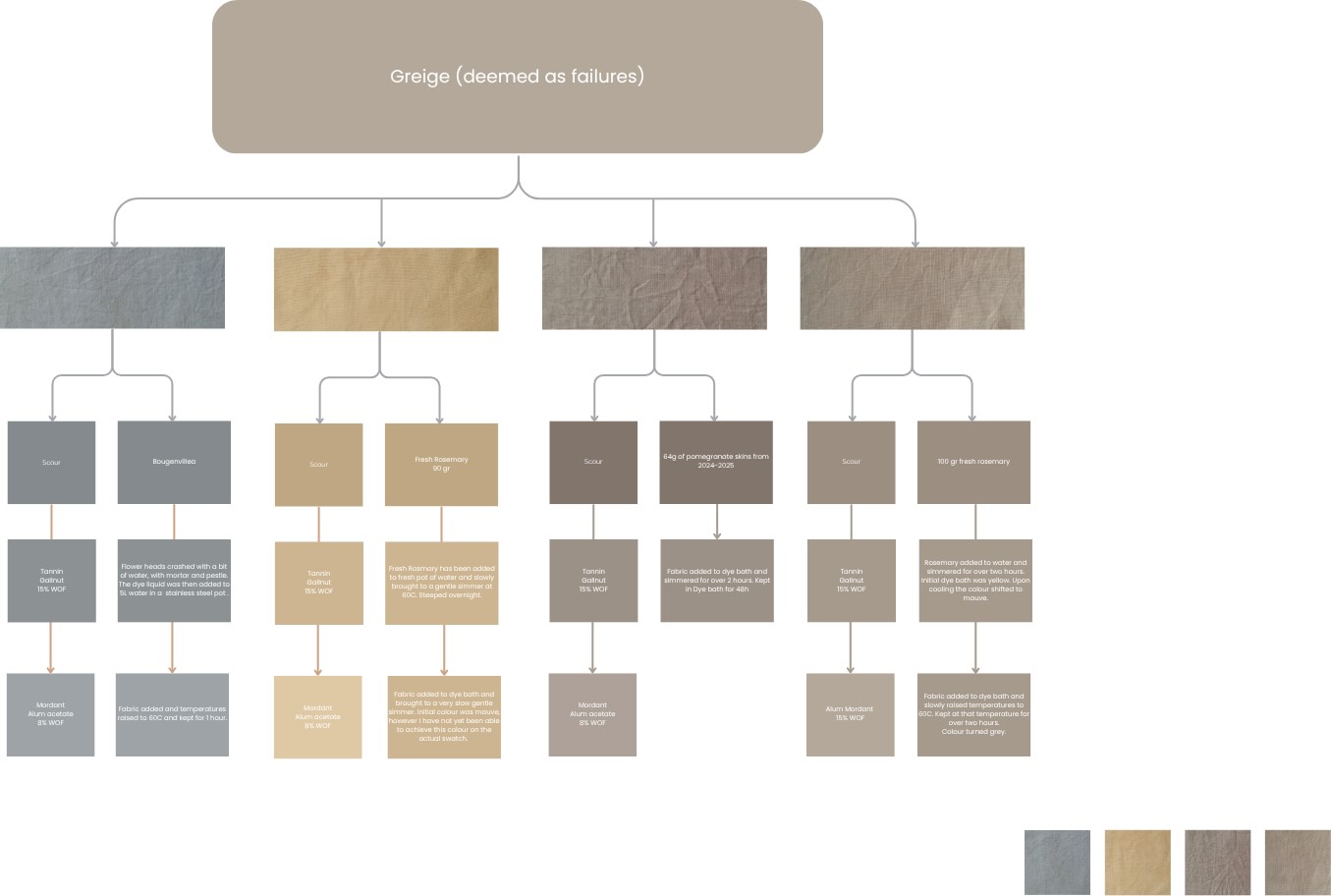
Natural dyes can be extremely unpredictable and so many factors will affect the way they behave.
Swatch Books
| Swatch Book One | Fibre | Tannin | Mordant | Dye |
|---|---|---|---|---|
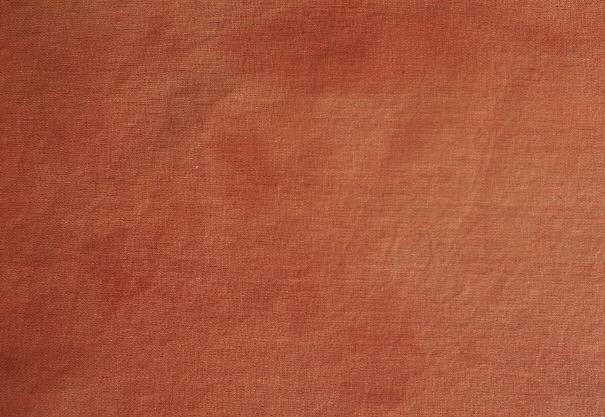 |
cotton | gallnut 2.5 gr | aluminium acetate 1 gr | madder roots 32 gr |
 |
cotton | gallnut 2.5 gr | aluminium acetate 1 gr | pomegranate skins 32 gr |
 |
cotton | gallnut 2.5 gr | none | indigo 10 gr |
 |
cotton | gallnut 2.5 gr | aluminium acetate 1 gr | pomegranate skins 32 gr, marigold 5 gr & indigo |
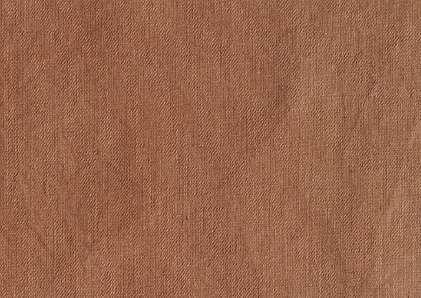 |
cotton | gallnut 2.5 gr | aluminium acetate 1 gr | walnut hulls 32 gr, madder roots 16 gr |
| Swatch Book Two | Fibre | Tannin | Mordant | Dye |
|---|---|---|---|---|
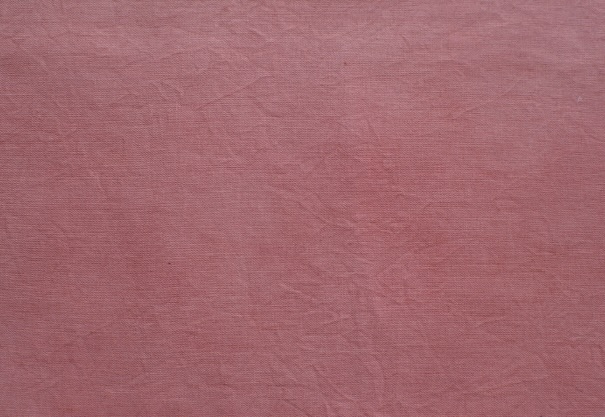 |
cotton | gallnut 2.5 gr | aluminium acetate 1 gr | madder roots 32 gr |
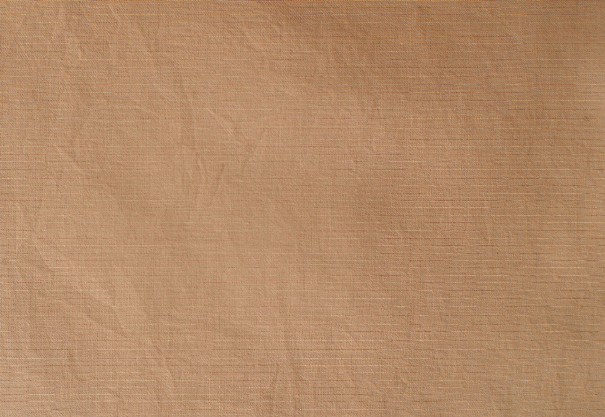 |
cotton | gallnut 2.5 gr | aluminium acetate 1 gr | pomegranate skins 32 gr |
 |
cotton | gallnut 2.5 gr | none | indigo 10 gr |
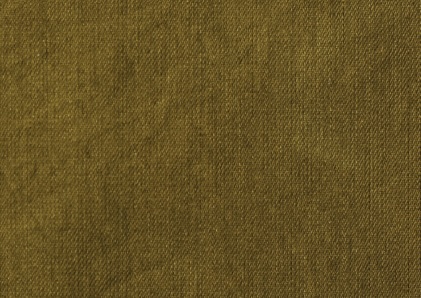 |
cotton | gallnut 2.5 gr | aluminium acetate 1 gr | onion skins 64 gr & ⅛ tsp ferrous sulfate |
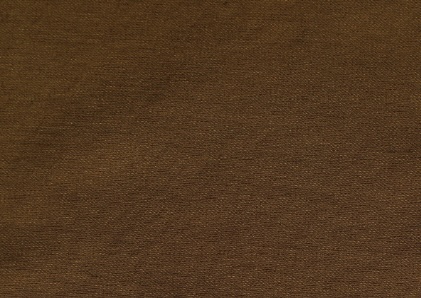 |
cotton | gallnut 2.5 gr | aluminium acetate 1 gr | onion skins 64 gr & walnut hulls 32 gr (leftover) |
| Swatch Book Three | Fibre | Tannin | Mordant | Dye |
|---|---|---|---|---|
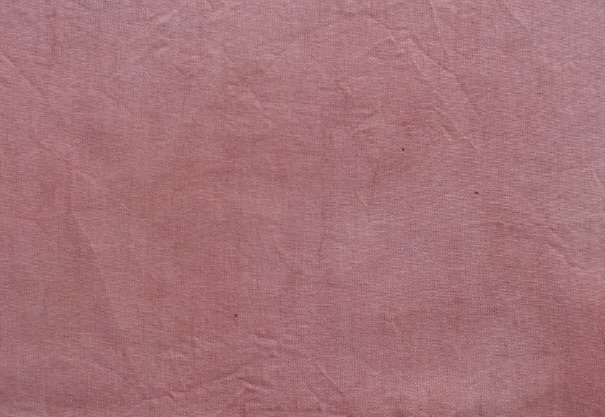 |
cotton | gallnut 2.5 gr | aluminium acetate 1 gr | madder roots 32 gr |
 |
cotton | gallnut 2.5 gr | aluminium acetate 1 gr | pomegranate skins 32 gr |
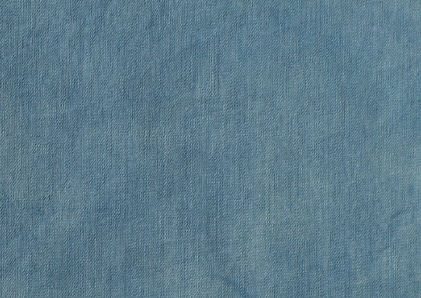 |
cotton | gallnut 2.5 gr | none | indigo 10 gr |
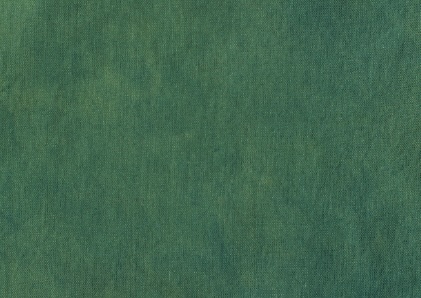 |
cotton | gallnut 2.5 gr | aluminium acetate 1 gr | pomegranate skins 32 gr, marigold 5 gr & indigo |
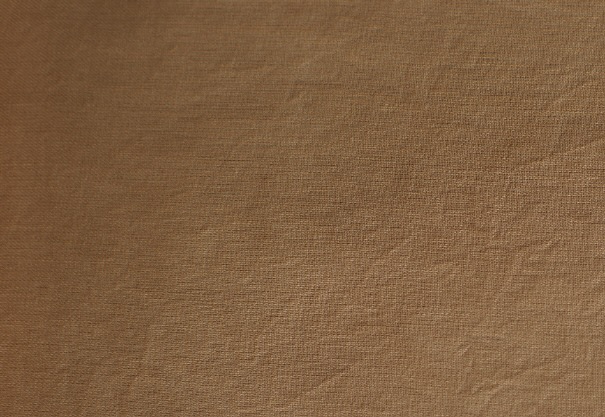 |
cotton | gallnut 2.5 gr | aluminium acetate 1 gr | walnut hulls 32 gr, madder roots 16 gr |
| Swatch Book Four | Fibre | Tannin | Mordant | Dye |
|---|---|---|---|---|
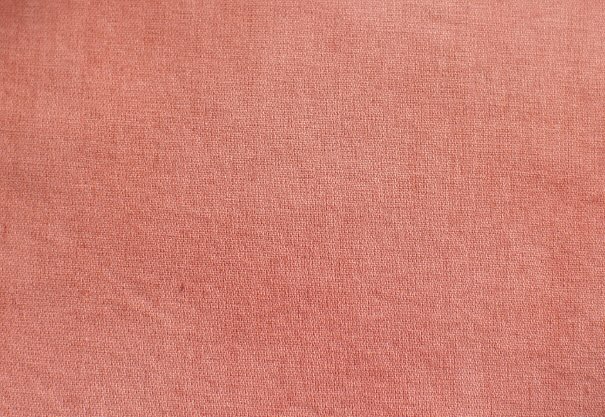 |
cotton | gallnut 2.5 gr | aluminium acetate 1 gr | madder roots 16 gr |
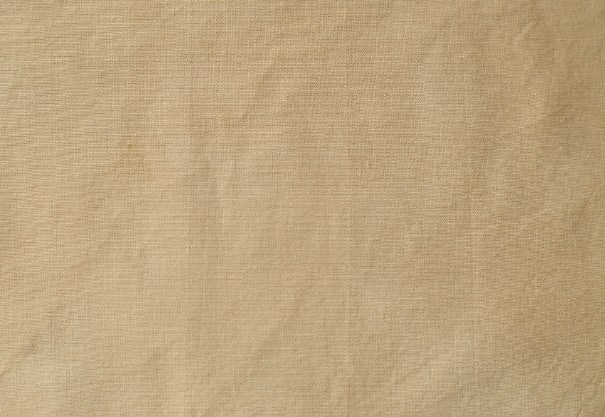 |
cotton | gallnut 2.5 gr | aluminium acetate 1 gr | pomegranate skins 64 gr |
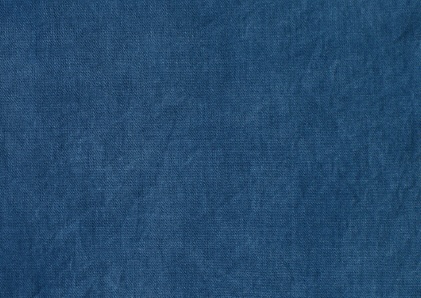 |
cotton | gallnut 2.5 gr | none | indigo 10 gr |
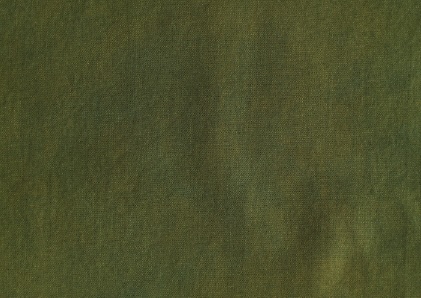 |
cotton | gallnut 2.5 gr | aluminium acetate 1 gr | onion skins 64 gr & indigo 10 gr |
 |
cotton | gallnut 2.5 gr | aluminium acetate 1 gr | onion skins 64 gr & ferrous sulfate |
Once the colours of Phase Two where created, the swatch book browns got replaced by violet / purple variations.
Lake Pigments
Madder Lake Pigment
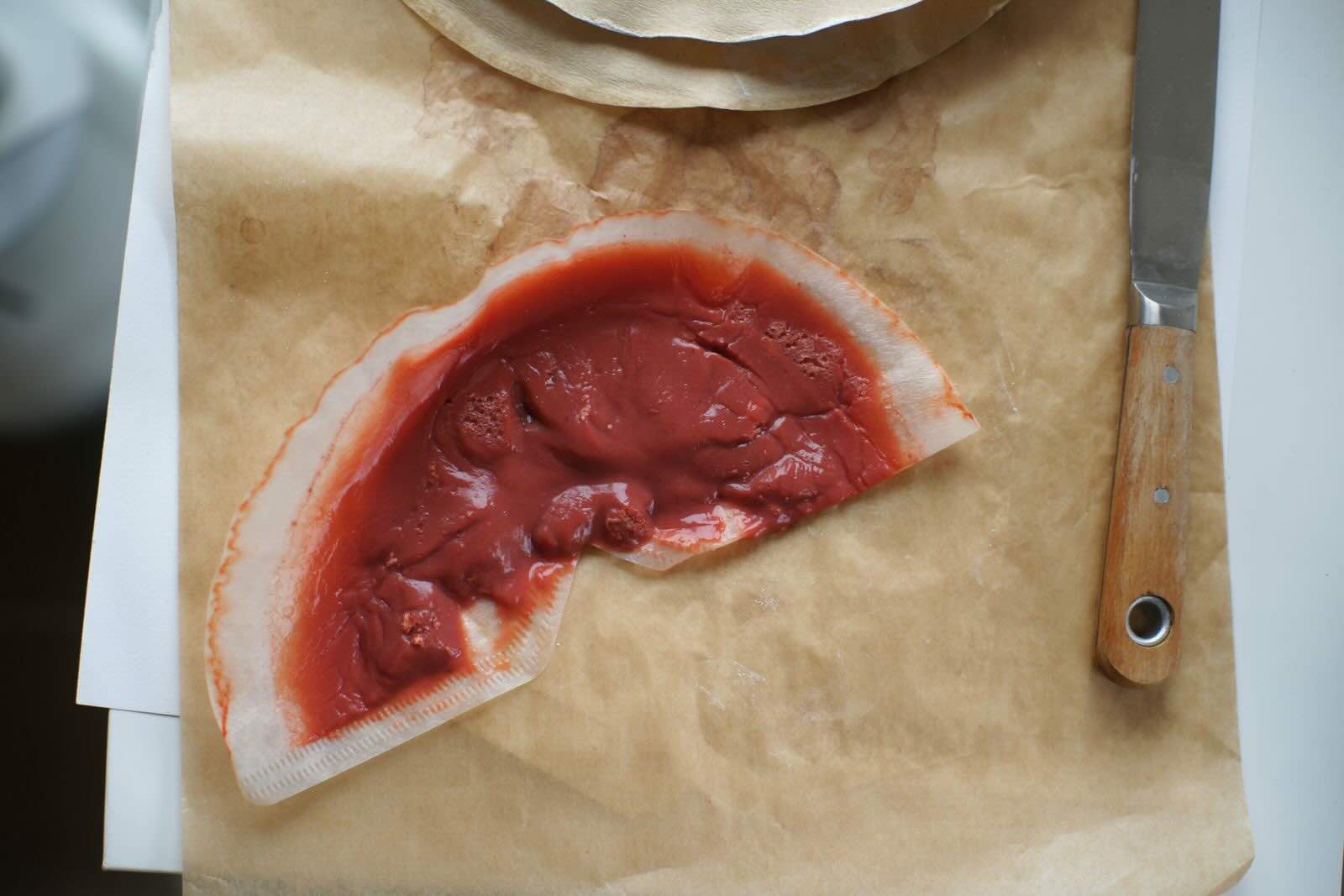
To make lake pigment with leftover dye bath I have used:
 500 ml madder root dye
 10  gr aluminium sulfate
 5   gr soda ash
 200 ml hot water
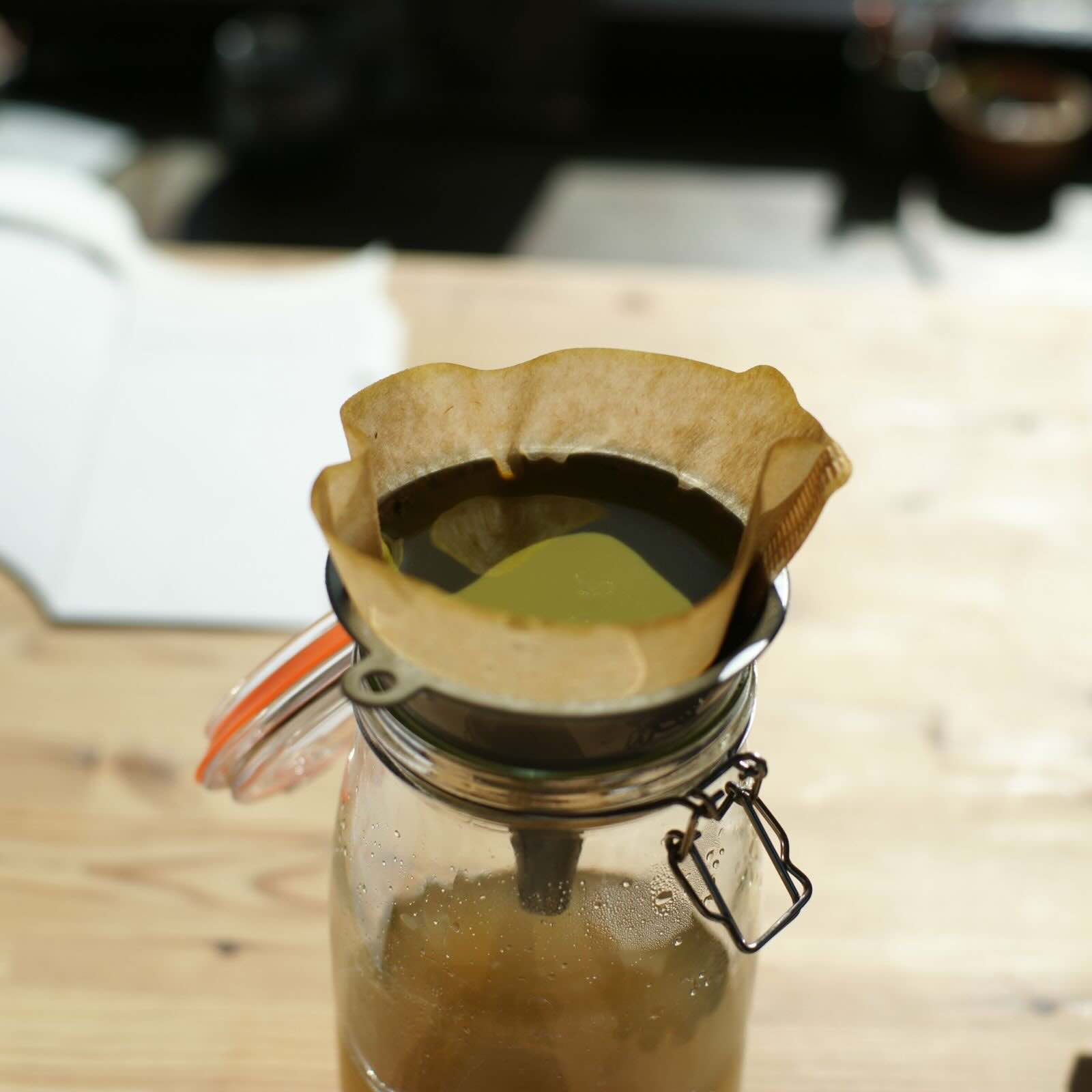
Raise the temperature of the dye bath to about 70C. Add the alum and mix so it fully dissolves. In a separate jar, mix the 200ml hot water and 5gr soda ash. Slowly add the soda ash to the dye bath. It will create foam, so best to add slowly and mix in between. Using a coffee filter, you can filter the sediment, which will dry into a lake pigment.
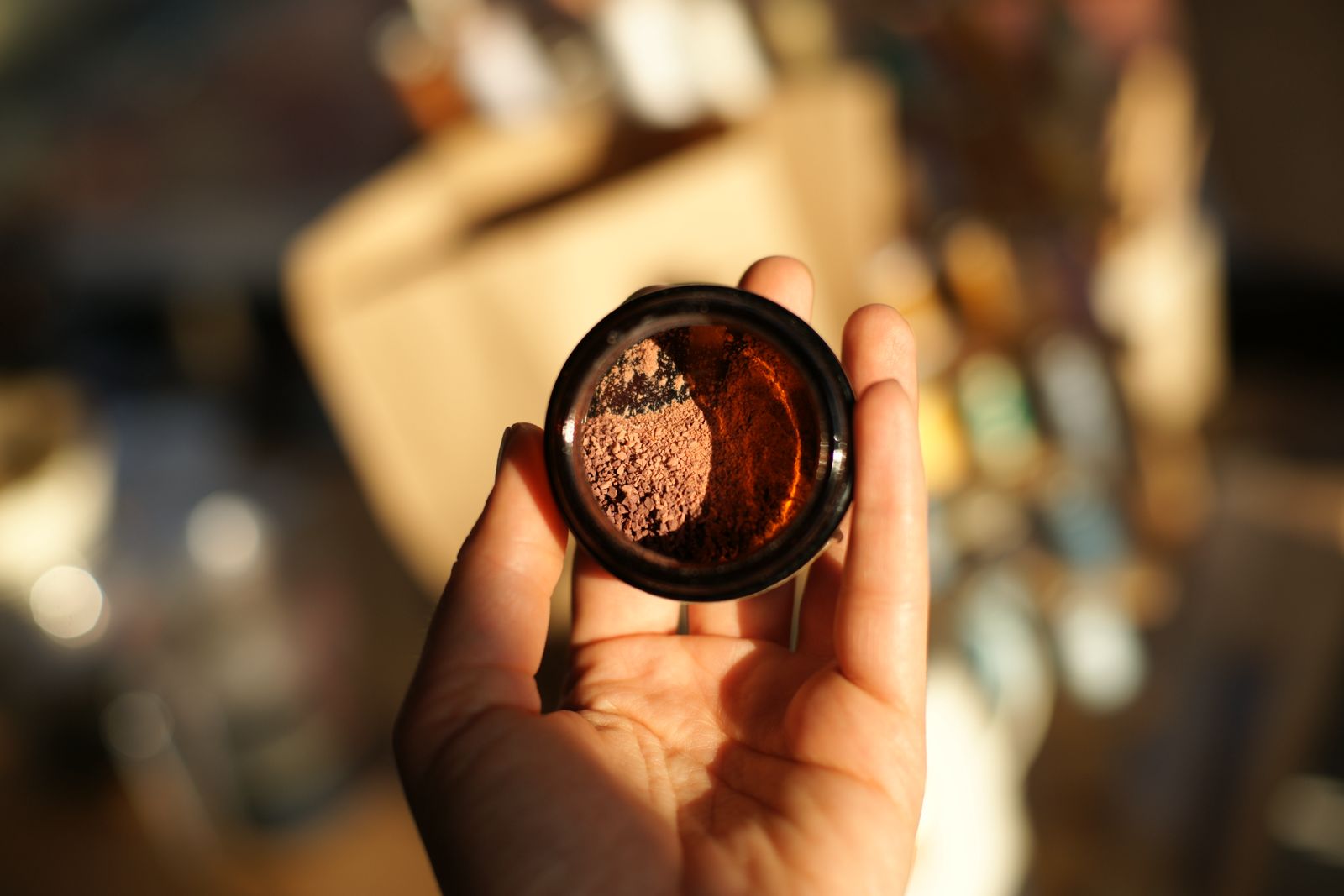
To make simple oil paints, I used a mortar and pestle to make the pigment into fine powder and mixed it with linseed oil.
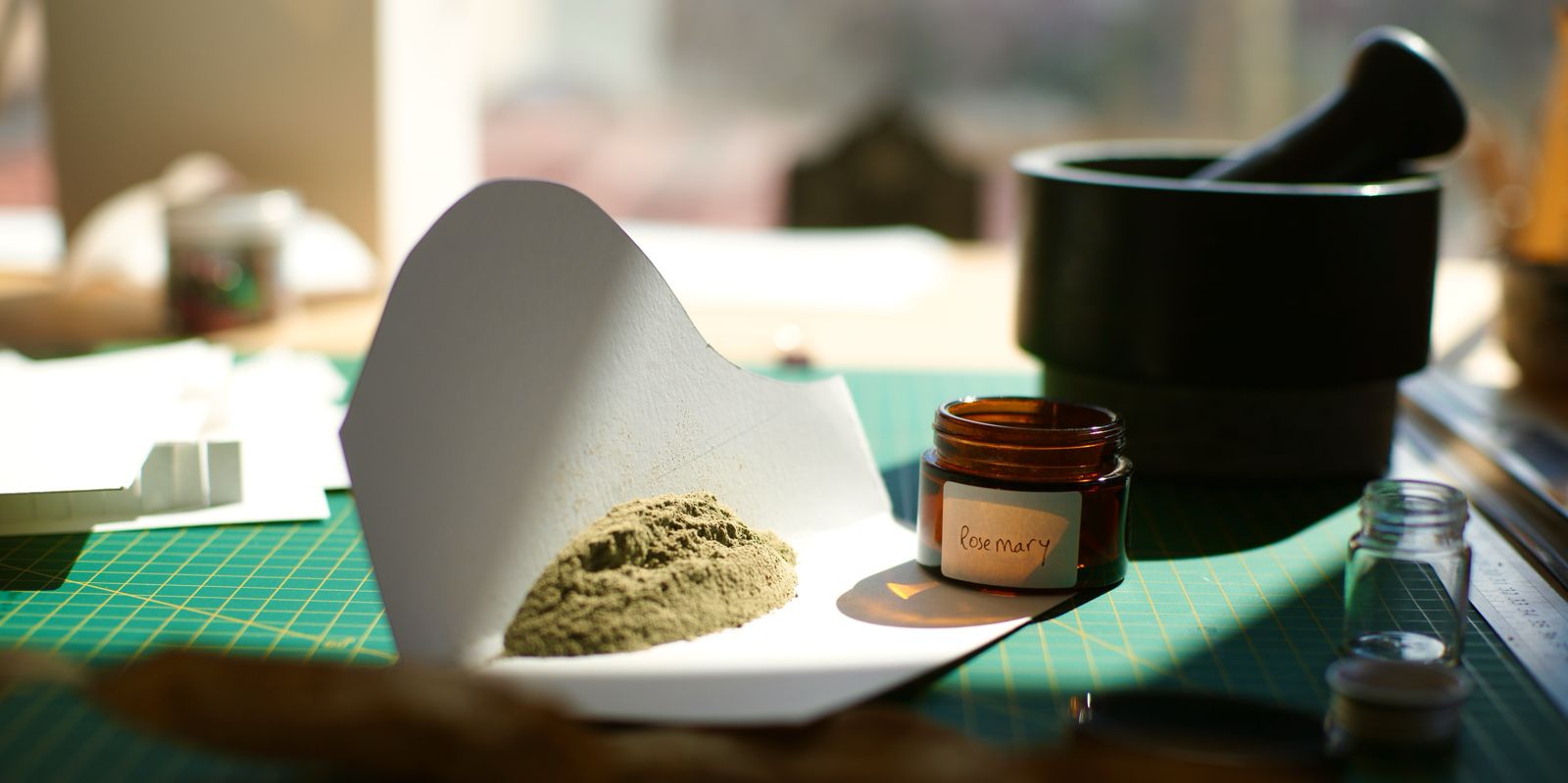
Rosemary Lake Pigments
My failed attempts at achieving mauve colour on my fabrics using fresh rosemary resulted in leftover dye baths.
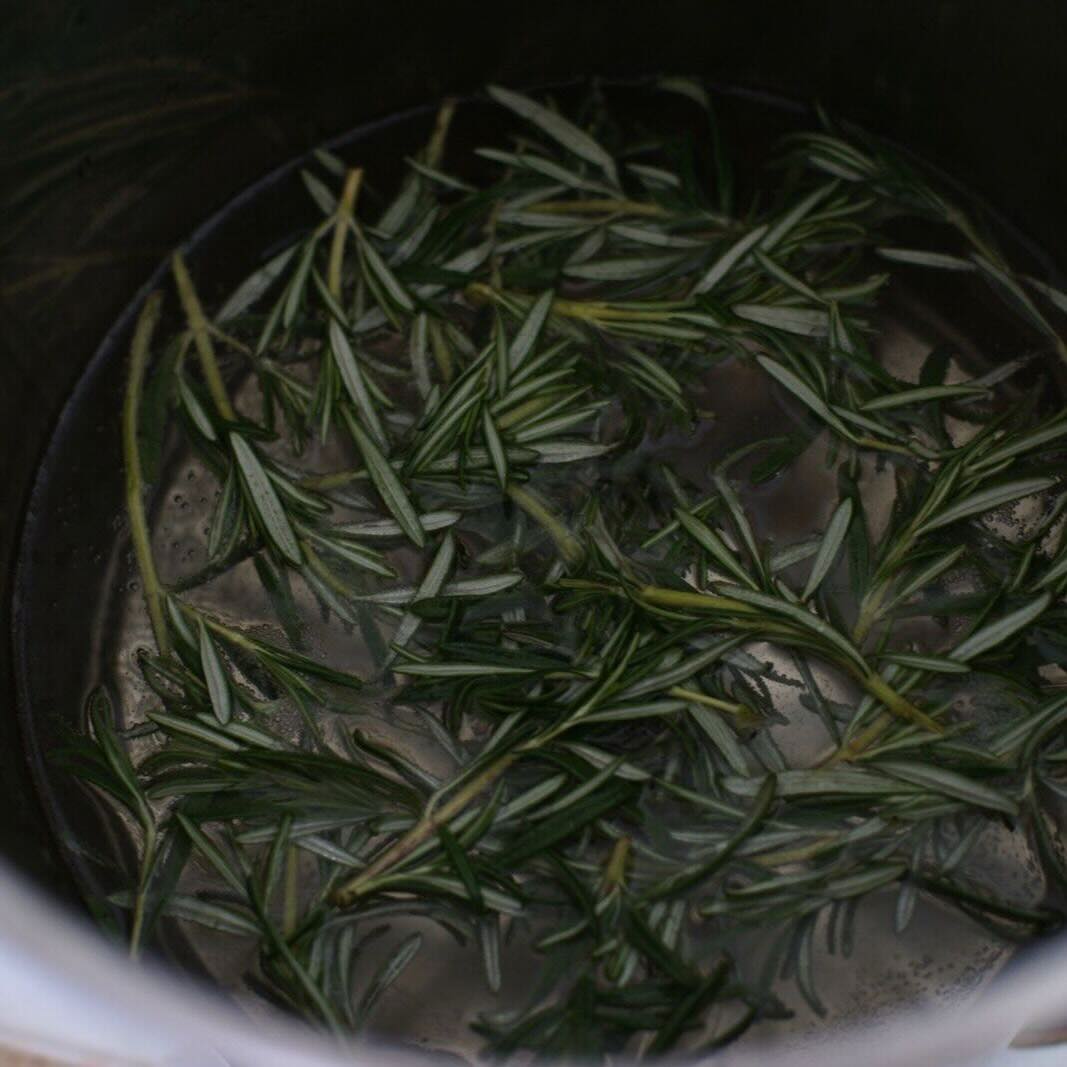
From this dye bath I extracted lake pigments following the same recipie as for madder roots.
From one plant I discovered and experienced three colours - light golden yellow, mauve and green.
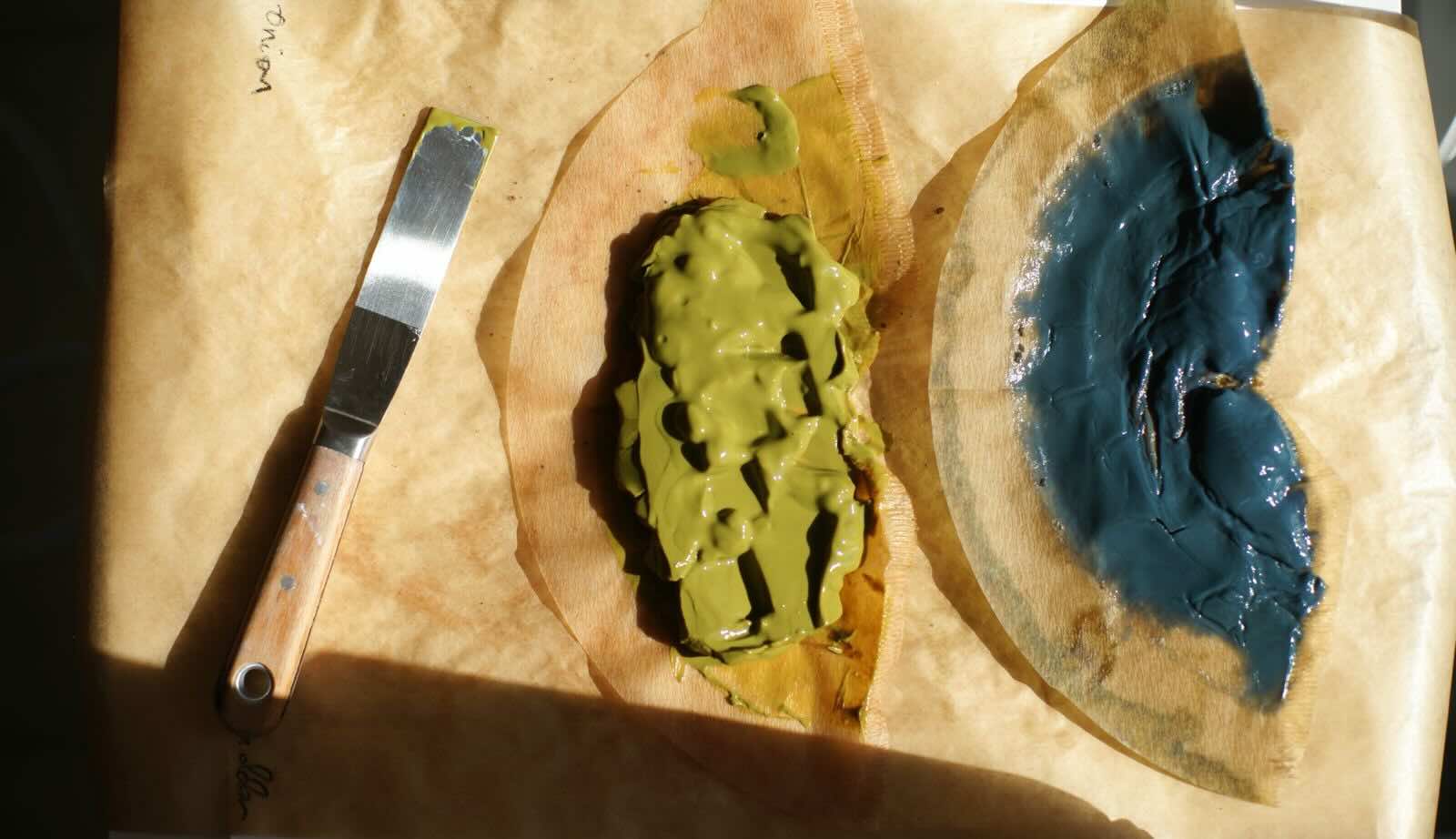
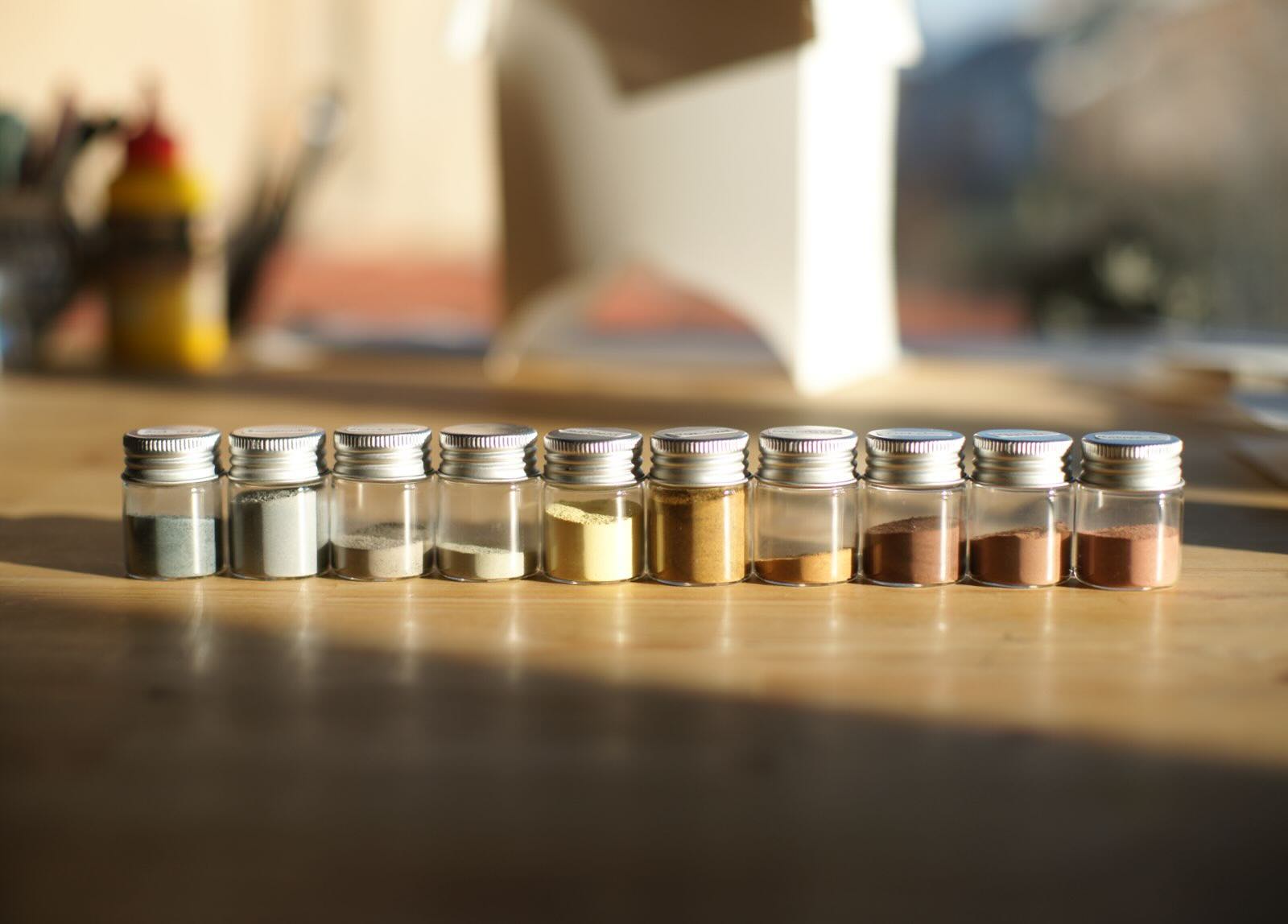
A lake pigment library from the experiments conducted for Aísthi̱ma looks like this.