Digital bodies: Wool Pixels
1. Ideation
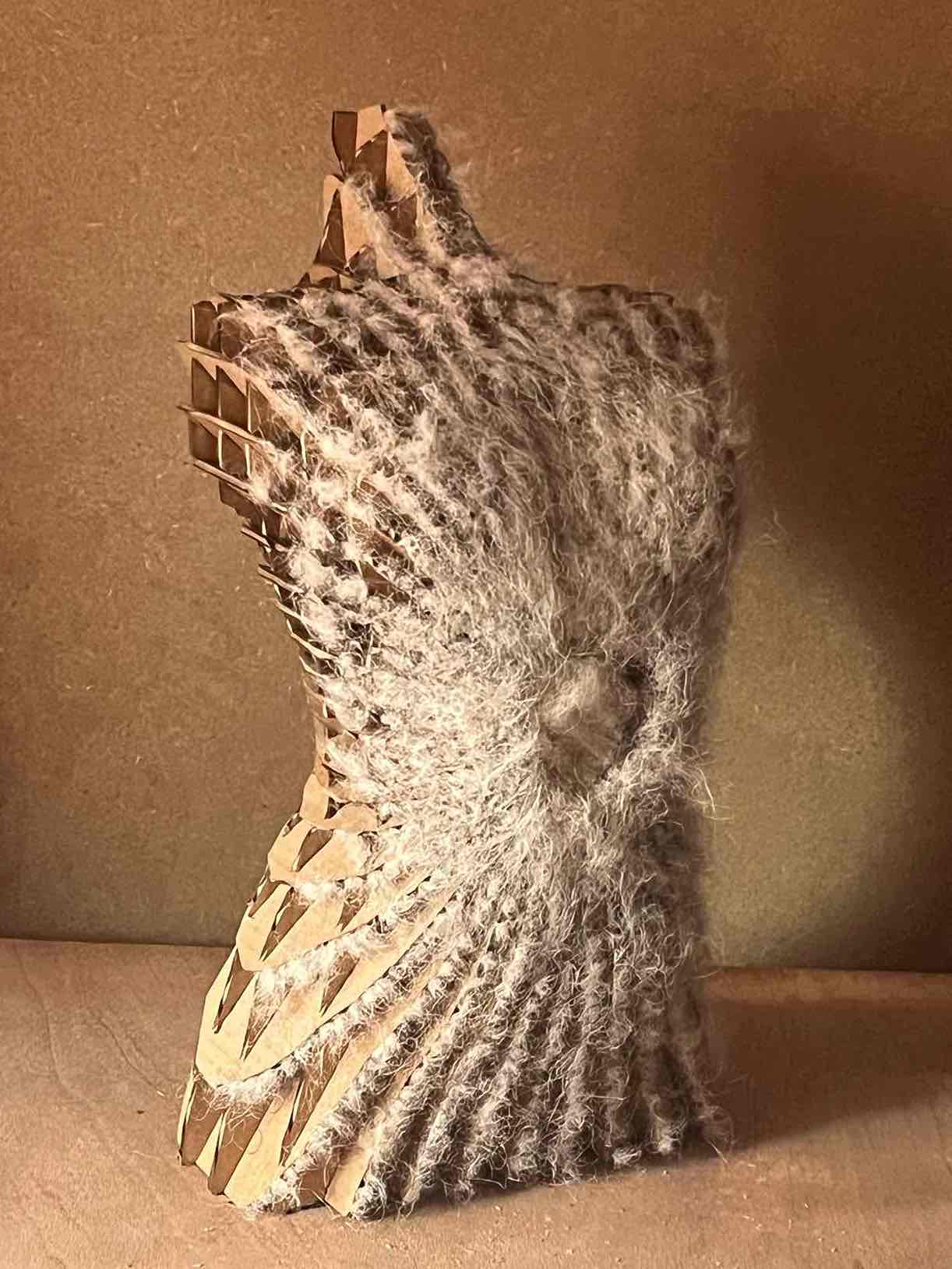
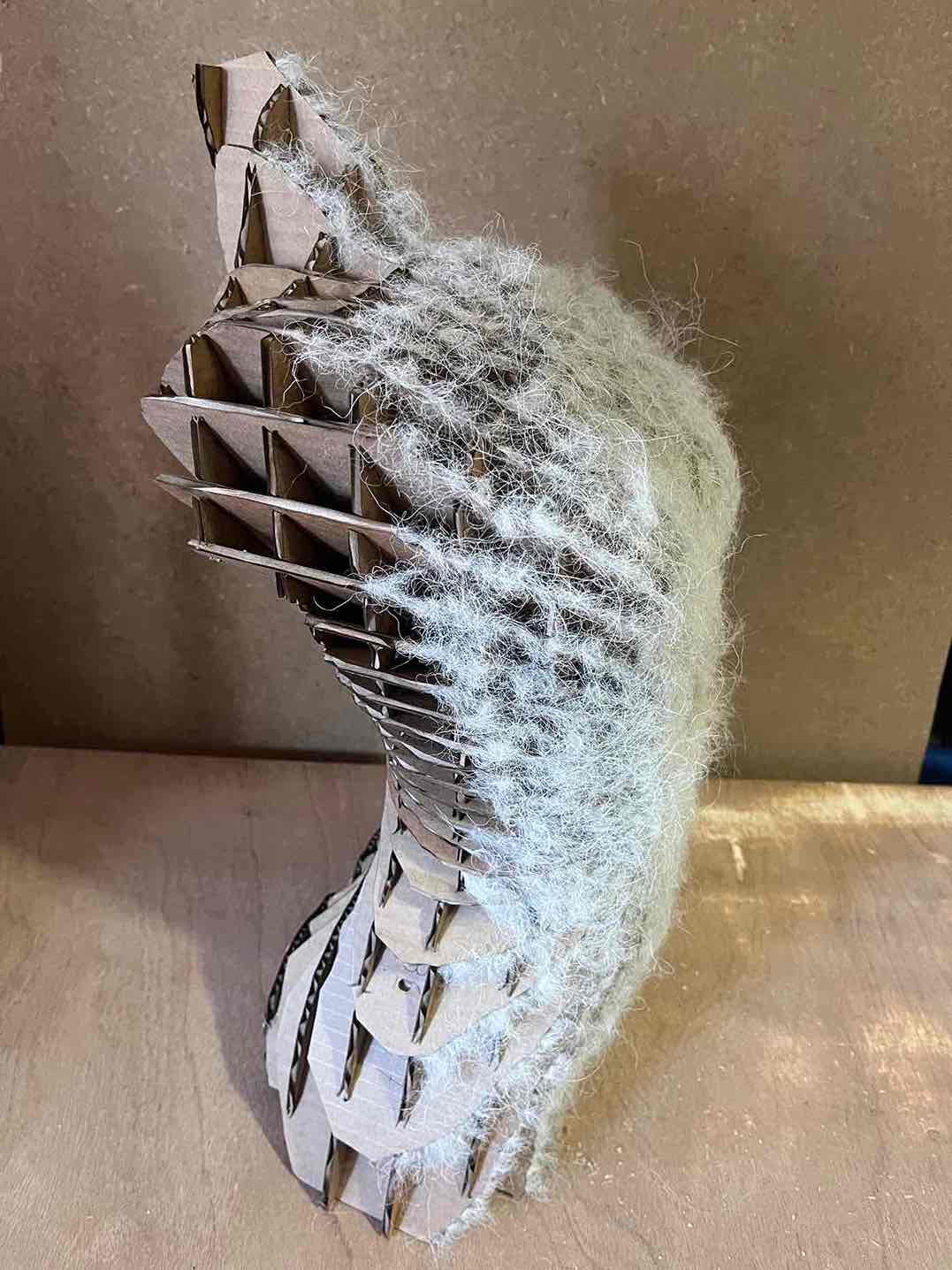
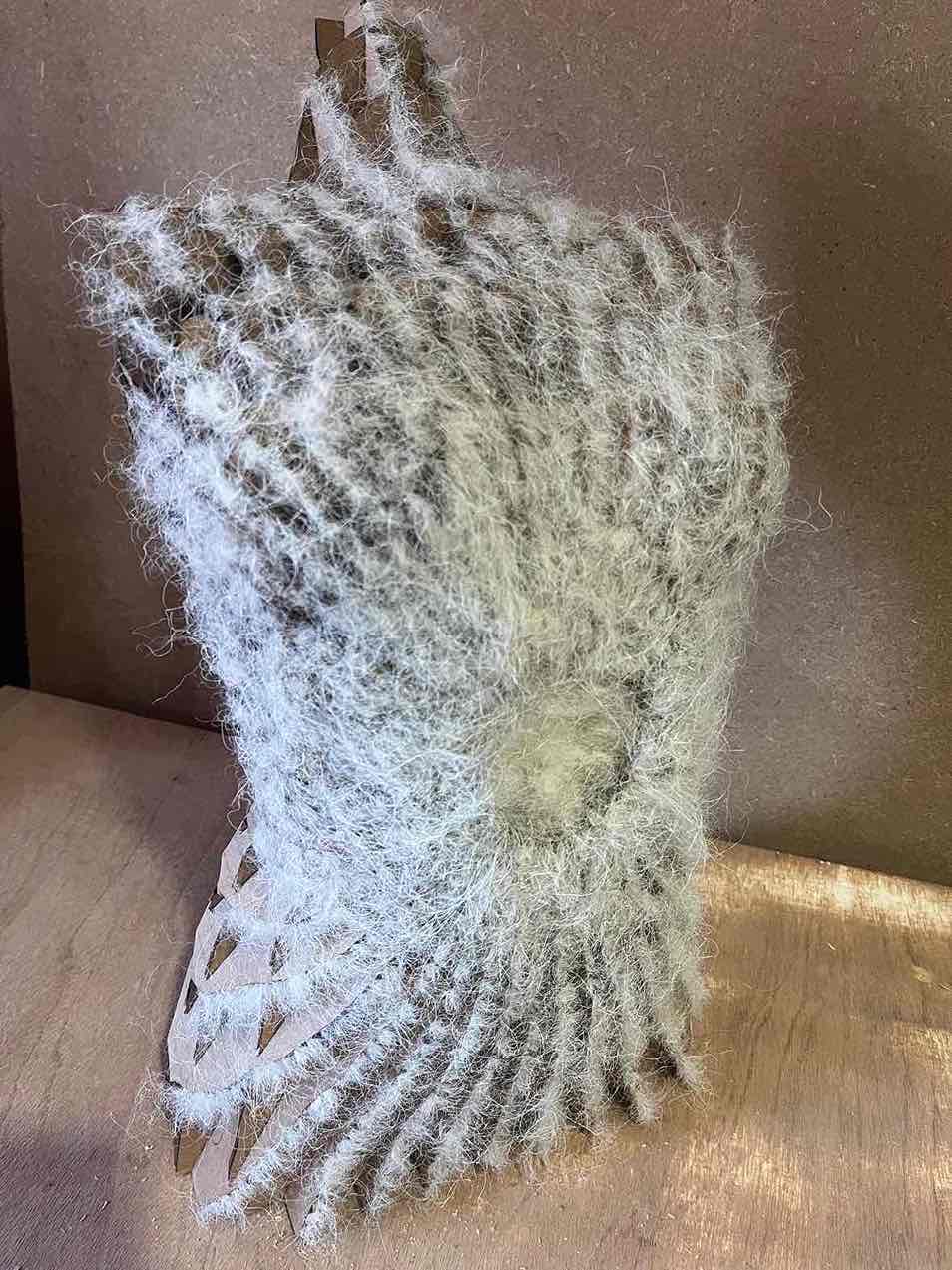
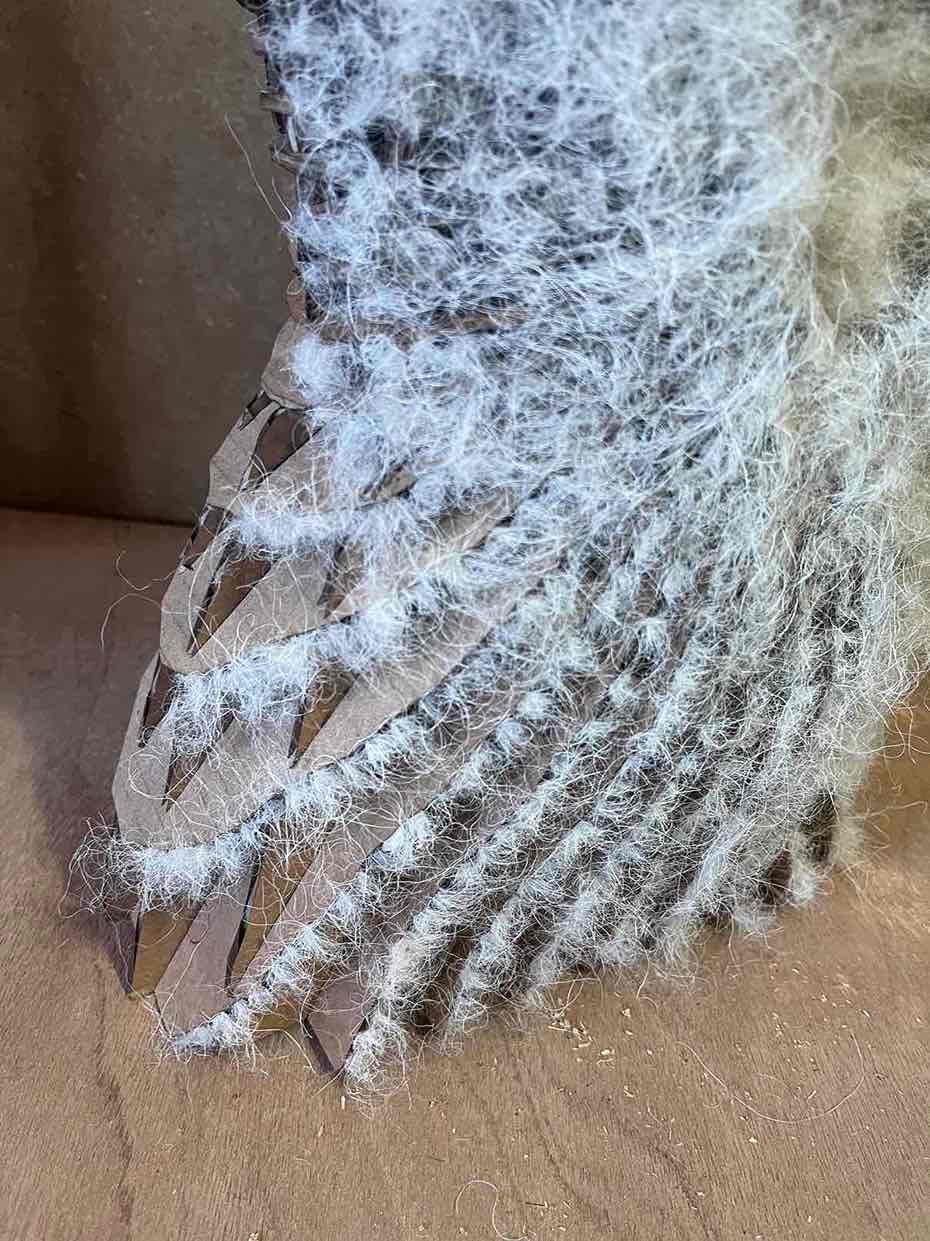
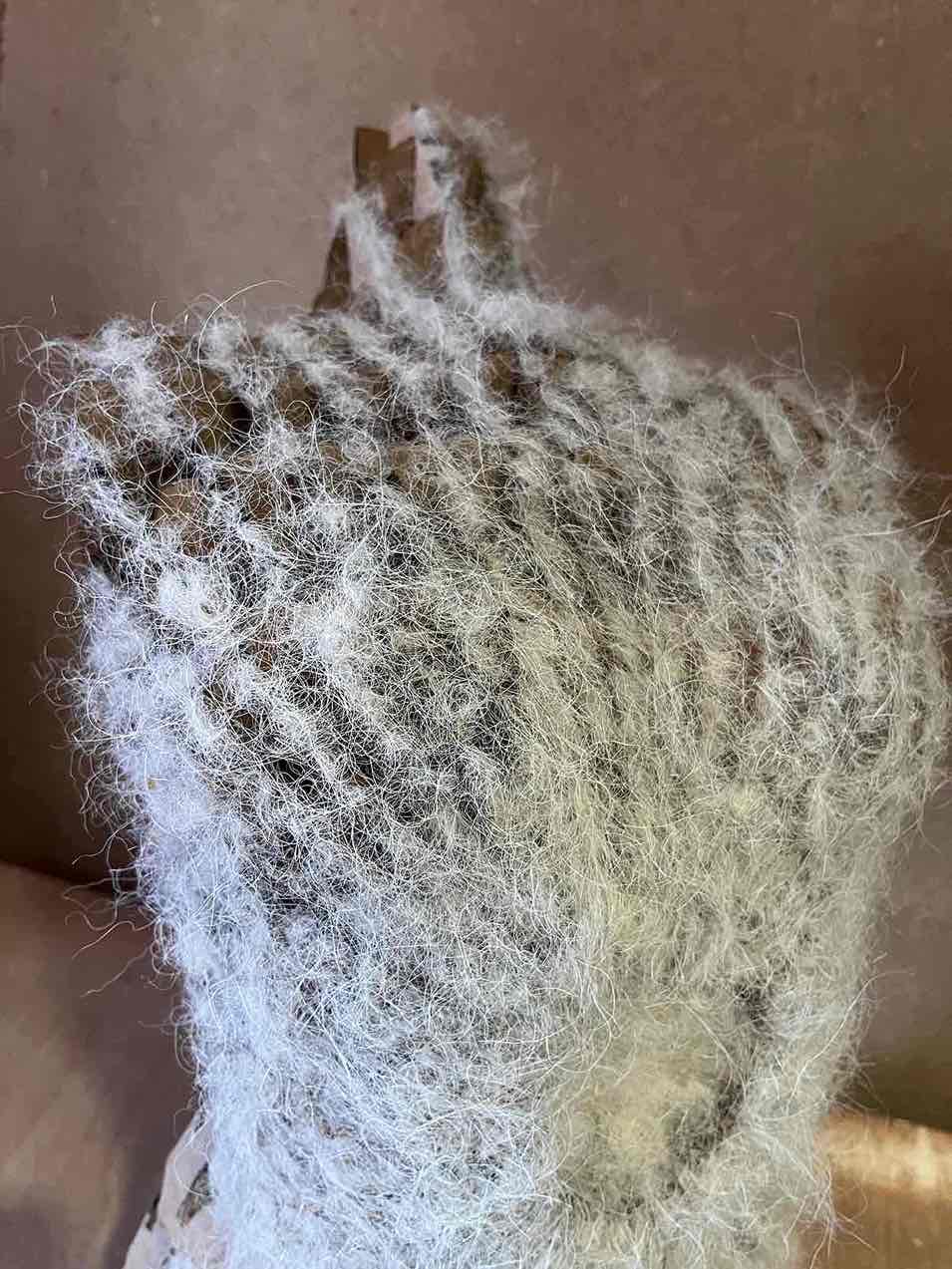
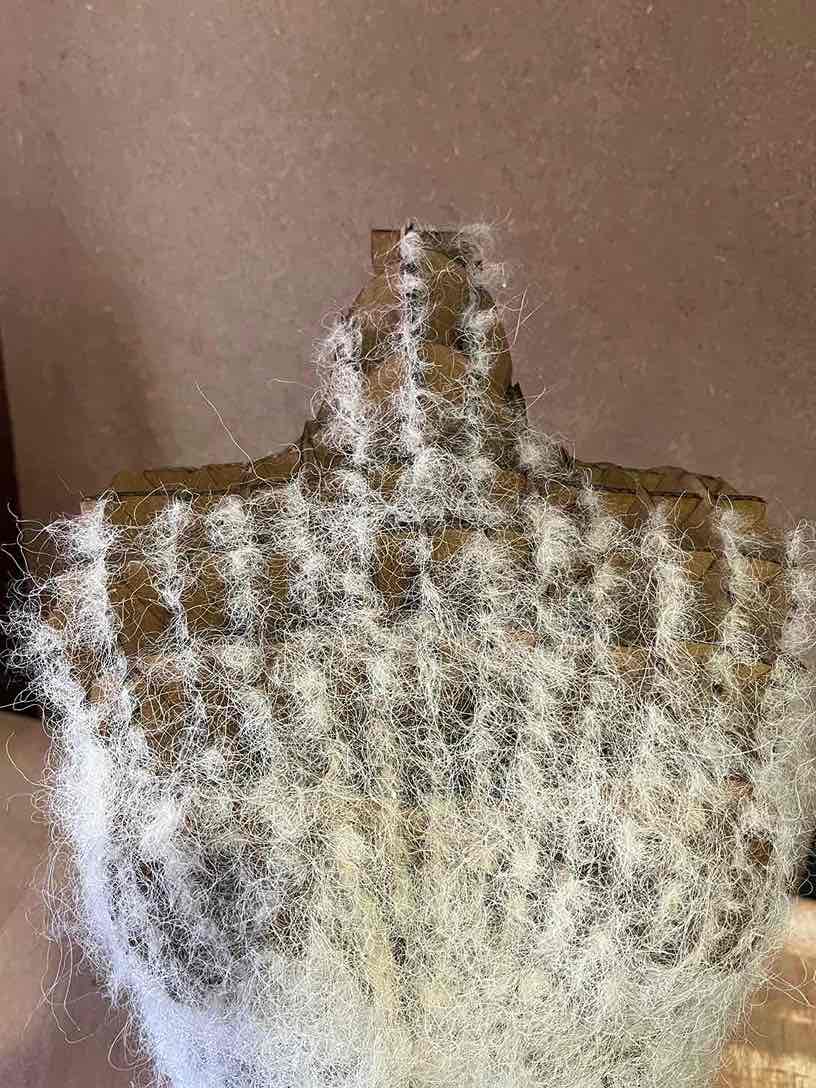
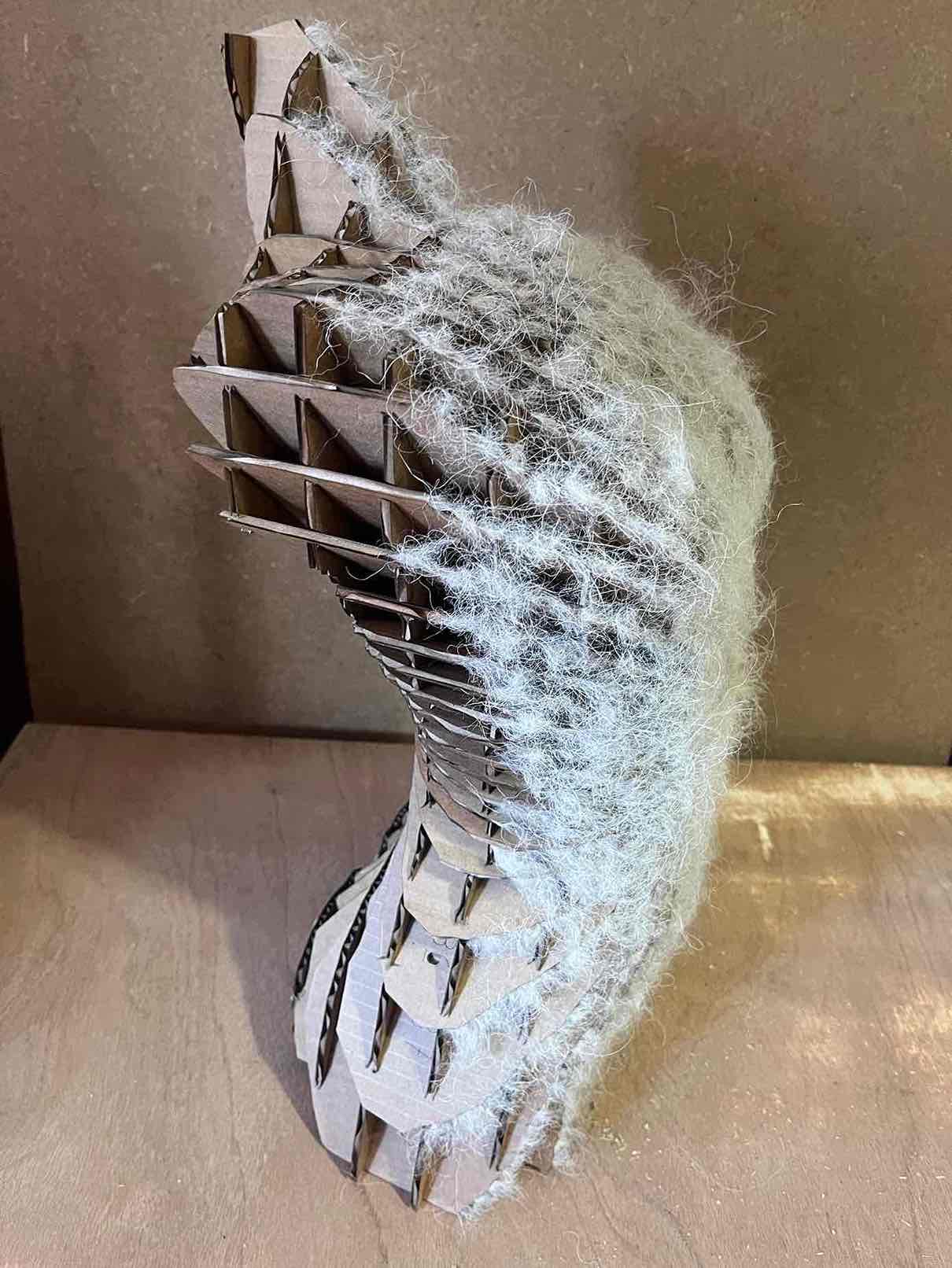
For this project, I wanted to experiment with the combination of both materials cardboard and wool. Cardboard is rigid and utalitarian. Camel wool is rough.
- How to incoporate wool in a meaningful way?
- How can I make a rough material like camel wool from rough to delicate?
- How can the grid become part and parcel of the design?
- How the choice of the grid soften the rigidity of the cardboard and even suggest dynamism?
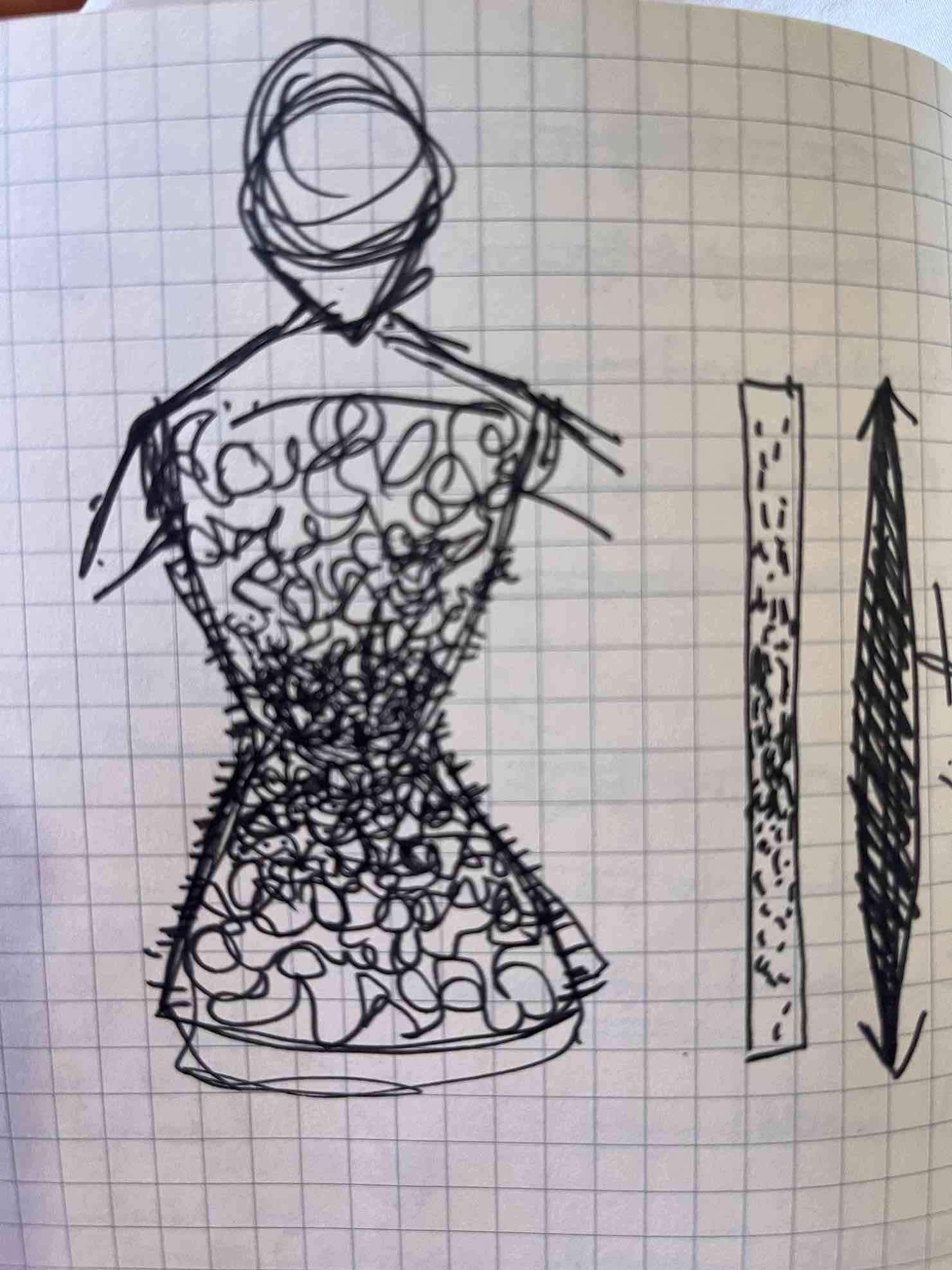 |
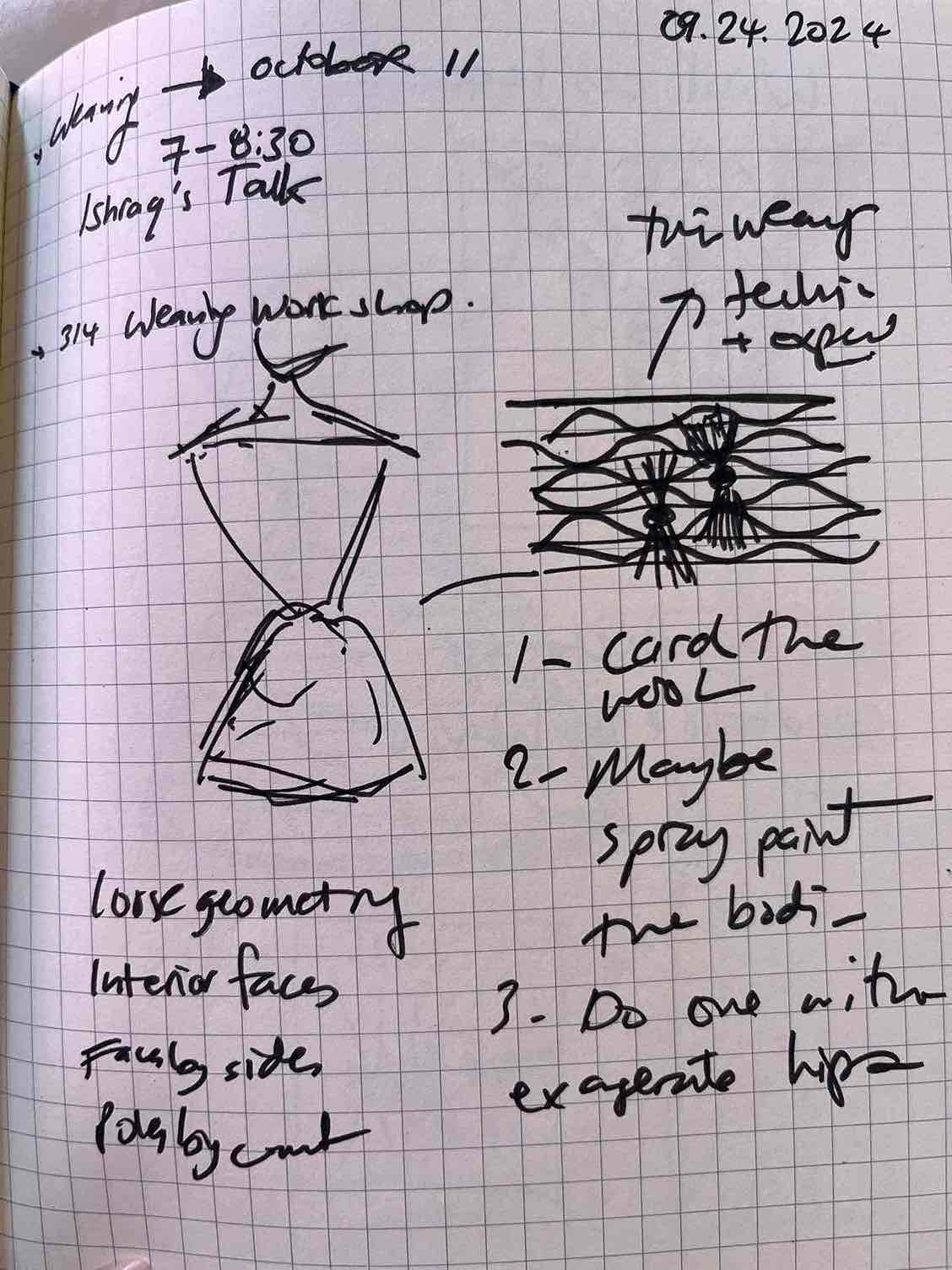 |
|---|---|
Sketches of the bust the gradient of the wool punching
Material Experiments
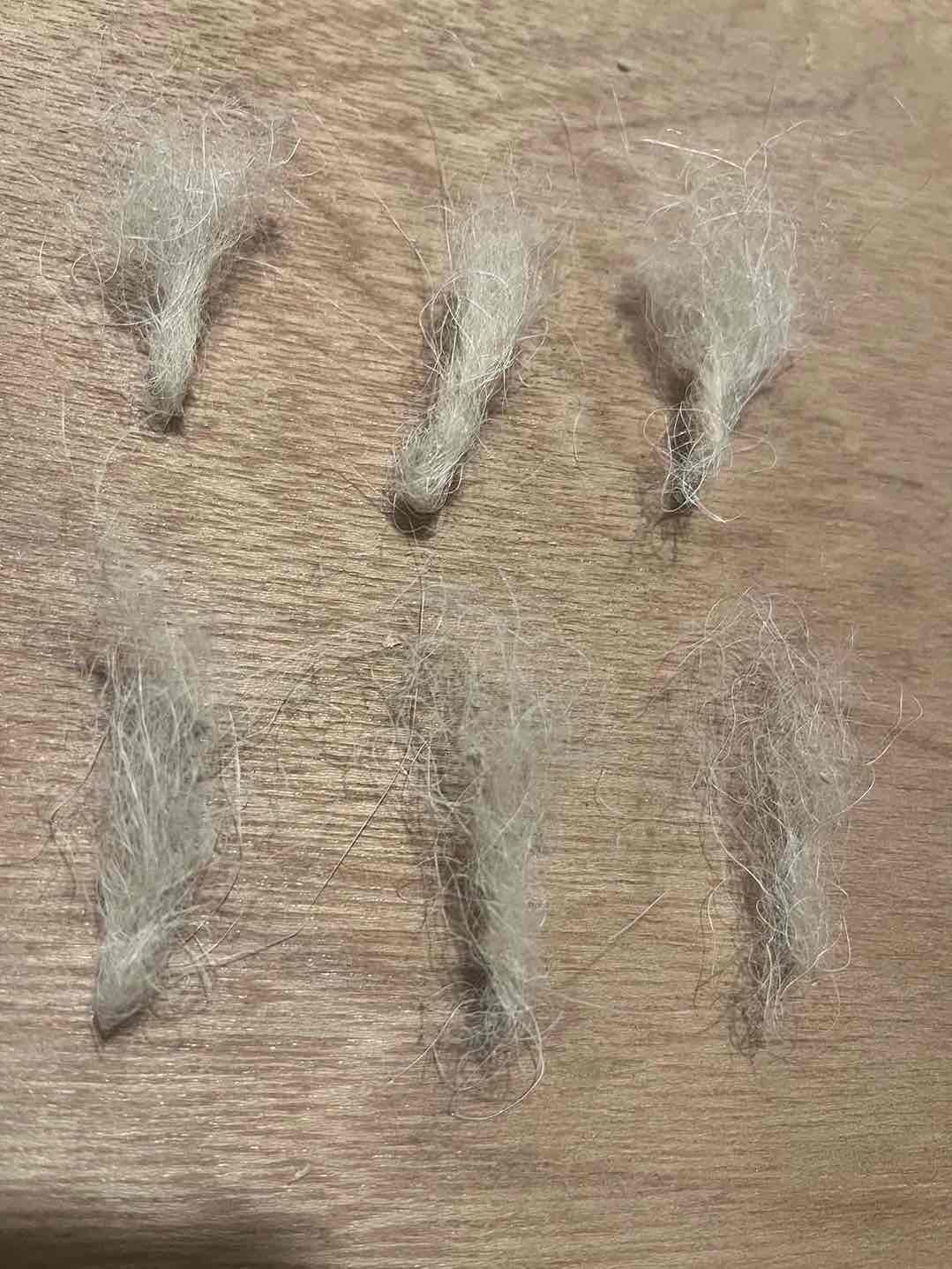
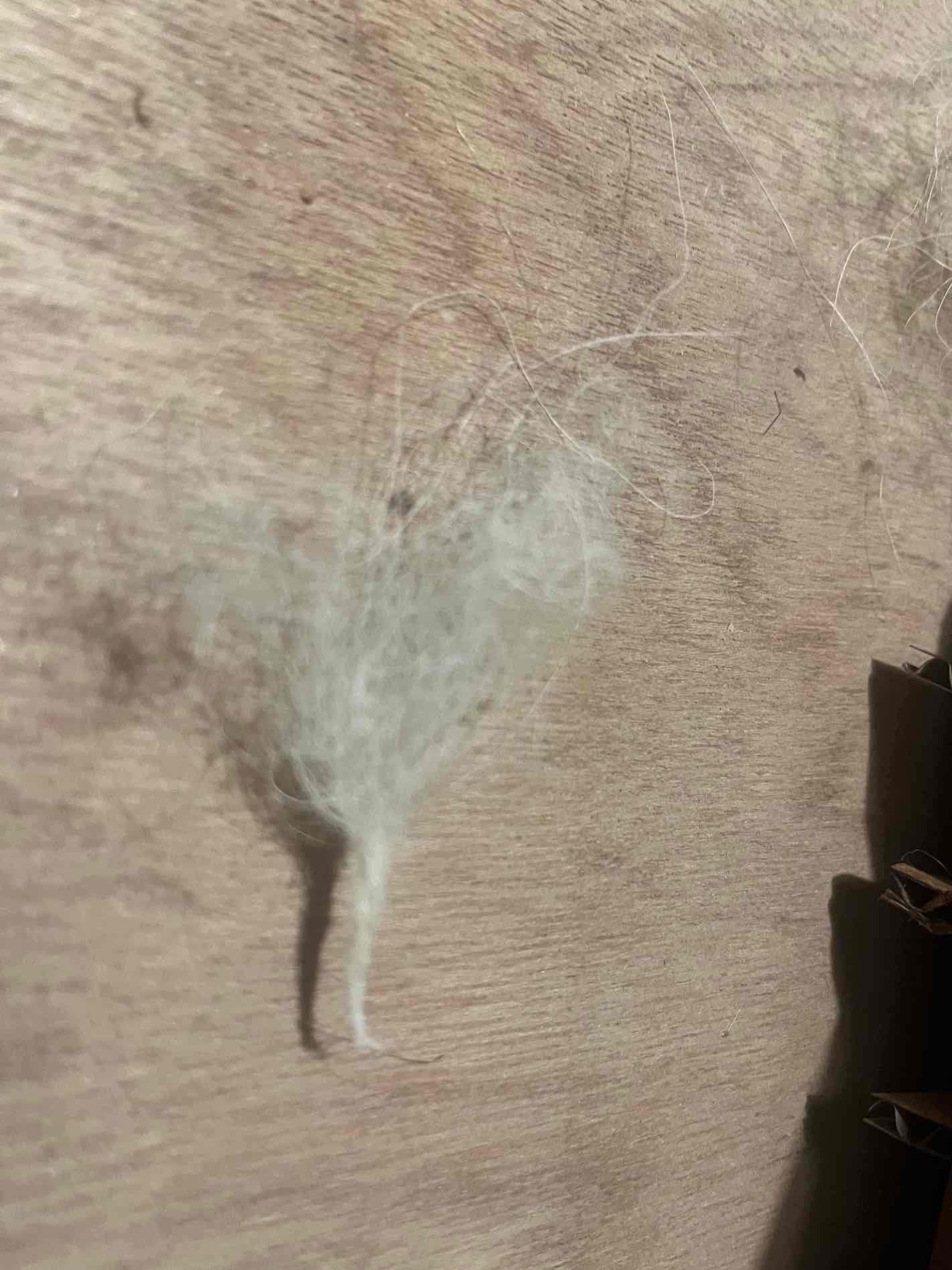
I wanted to use the affordances of the cardboard, with the its natural grid and perforations. I experimented withtechnique, and the volume of the wool bundles, and the rythm of the wool in the cardboard. But most important, was the volume of wool and the kind of effect it produces. The dromedary wool is a combination of soft and course fibers that tend to be longer, which produces a whispy effect and an extension outwards of the cardboard.
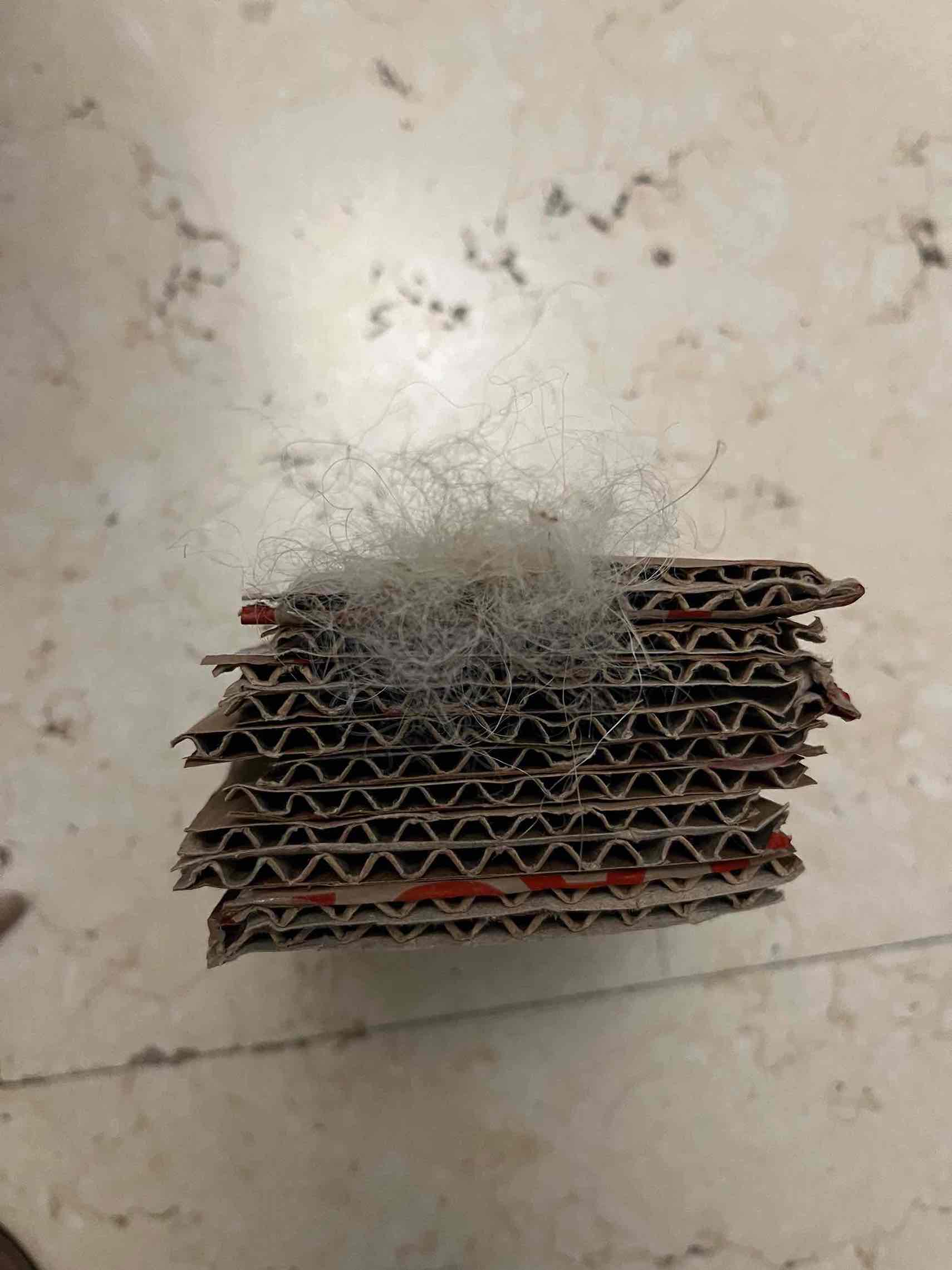
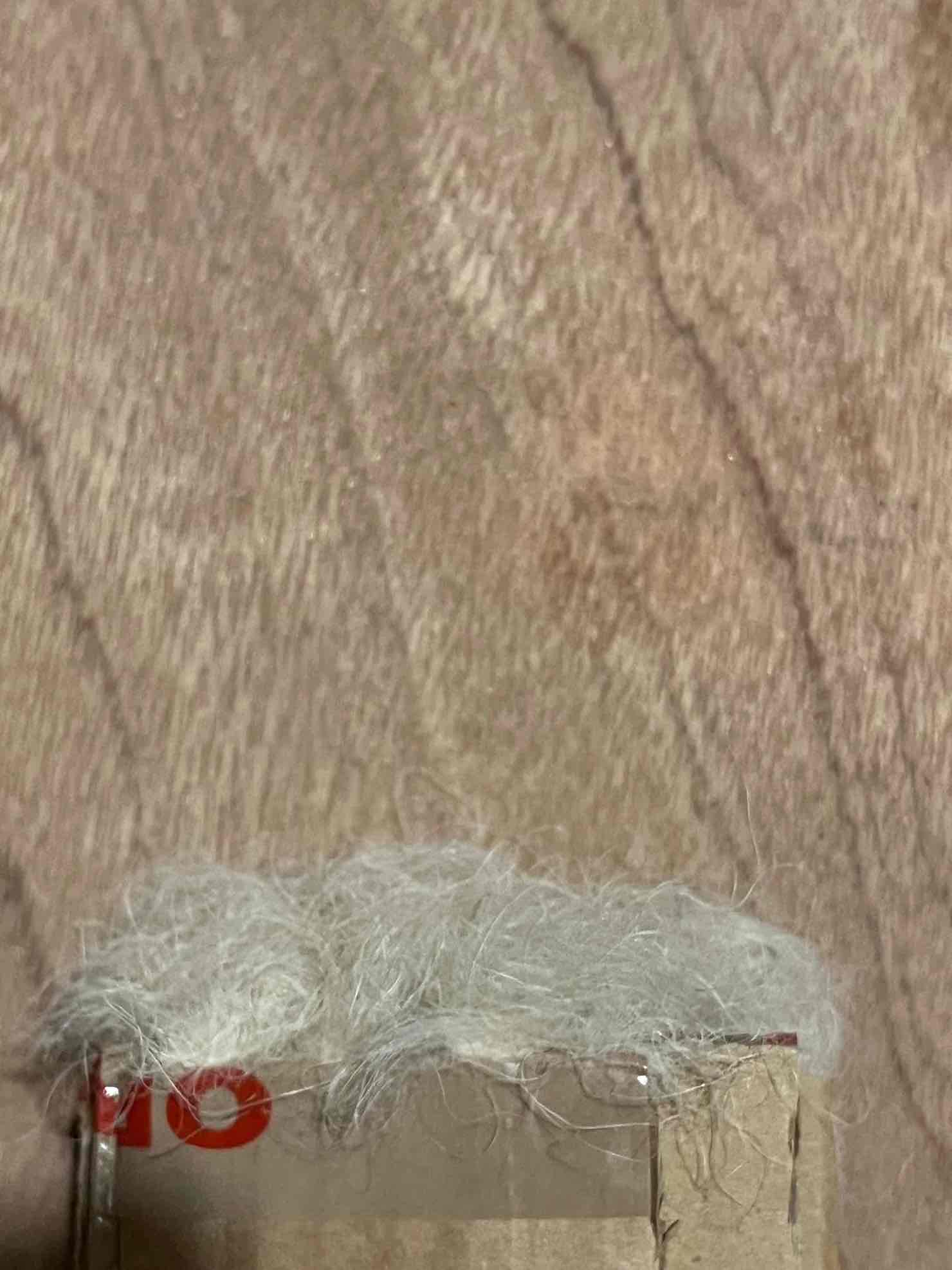
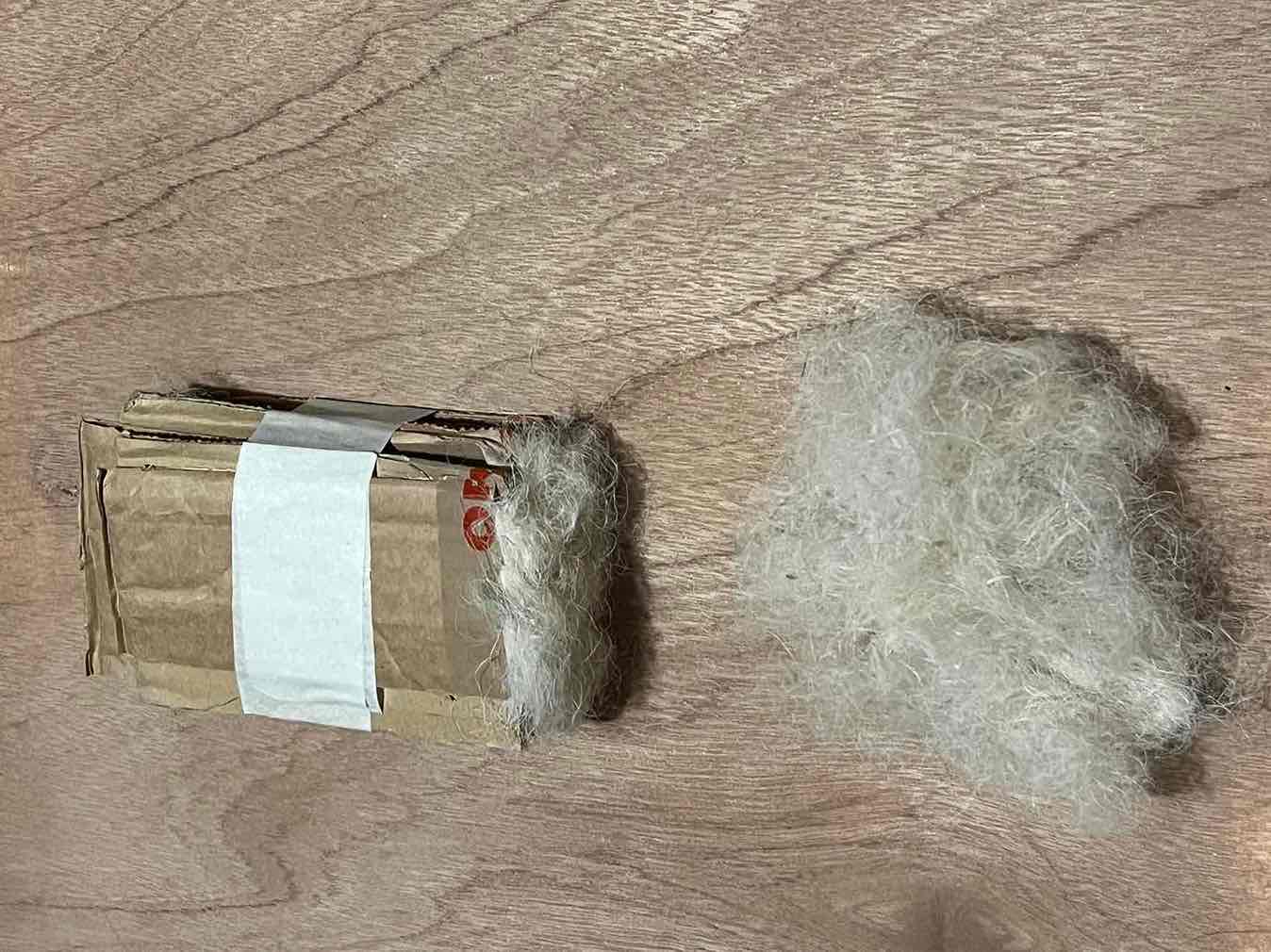
Form Experiments
2. Inspiration & References
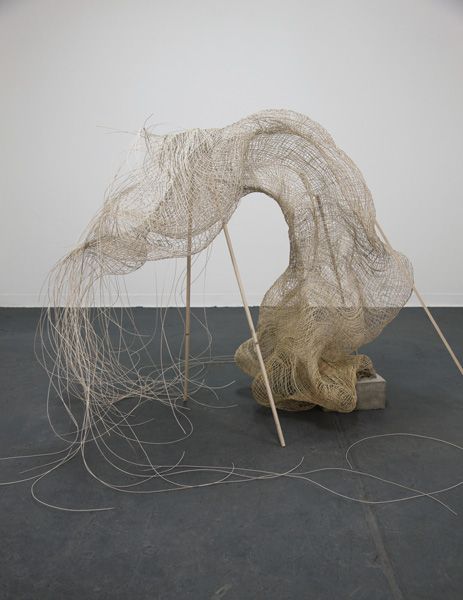
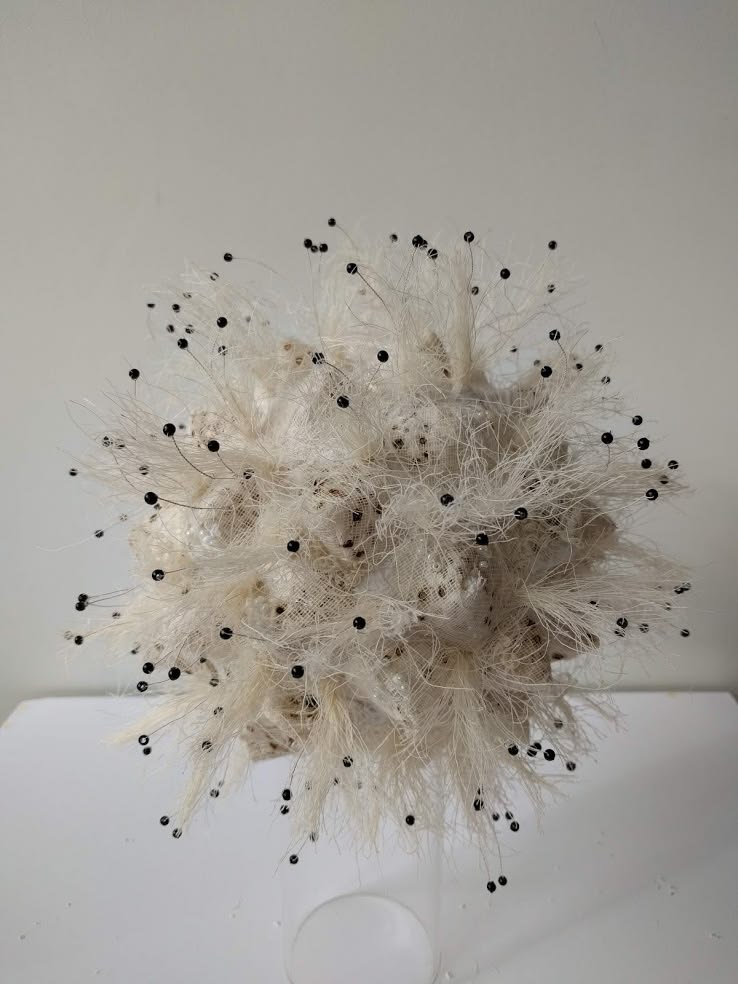
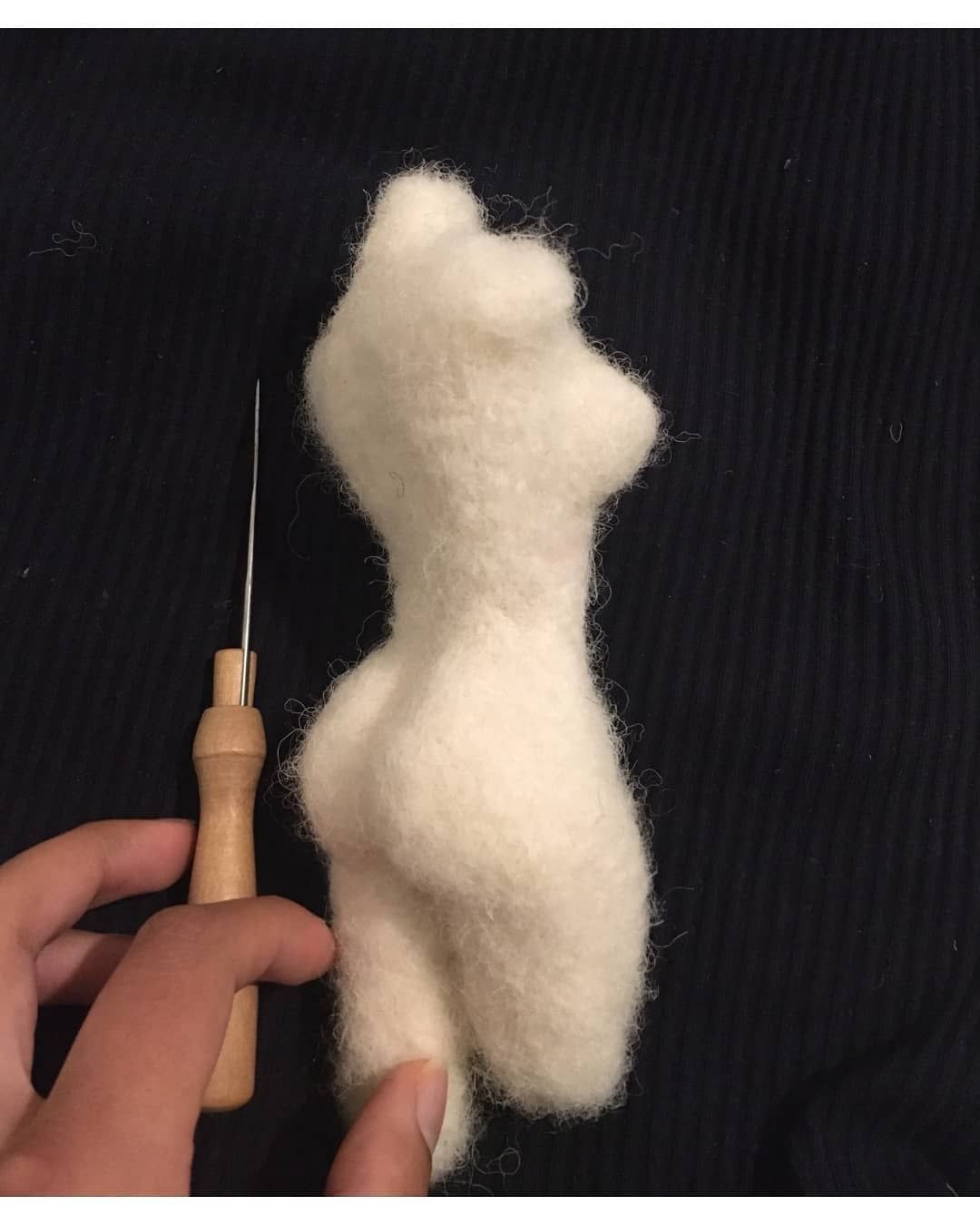
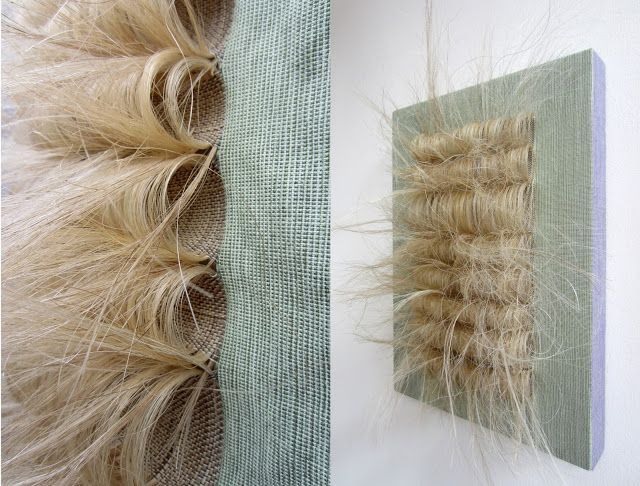

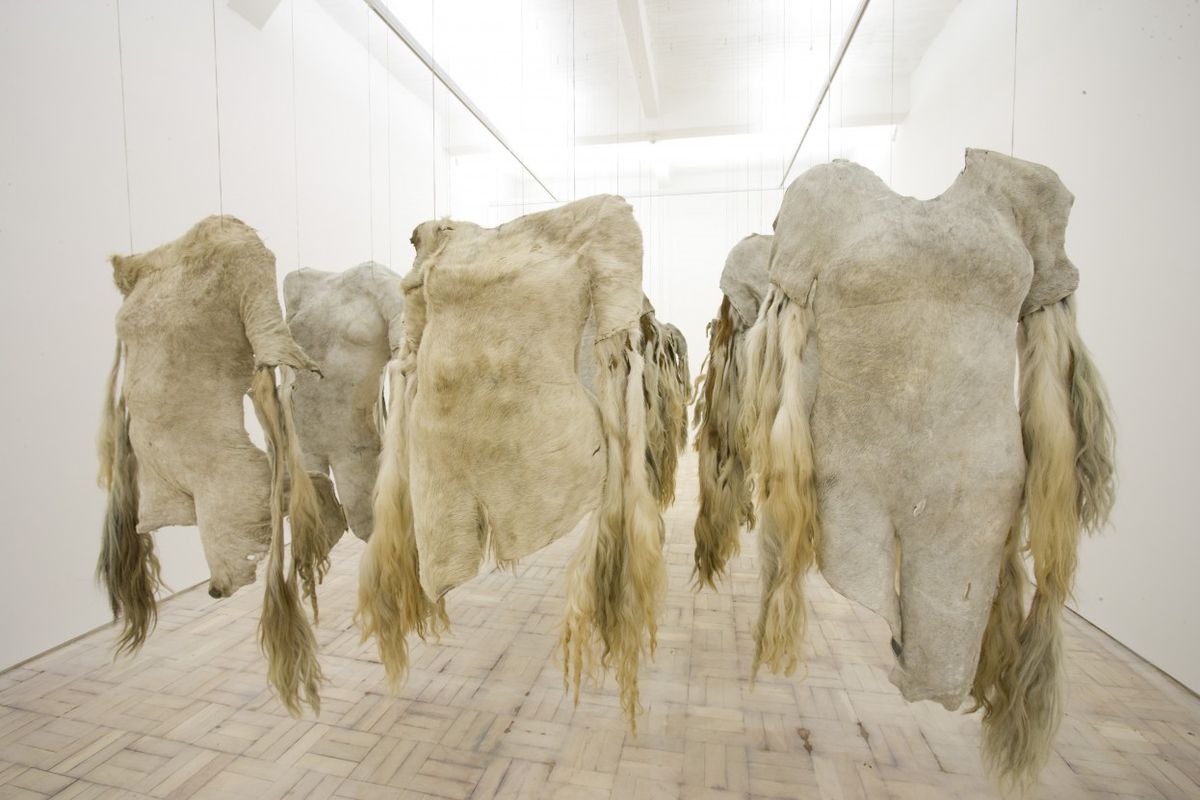
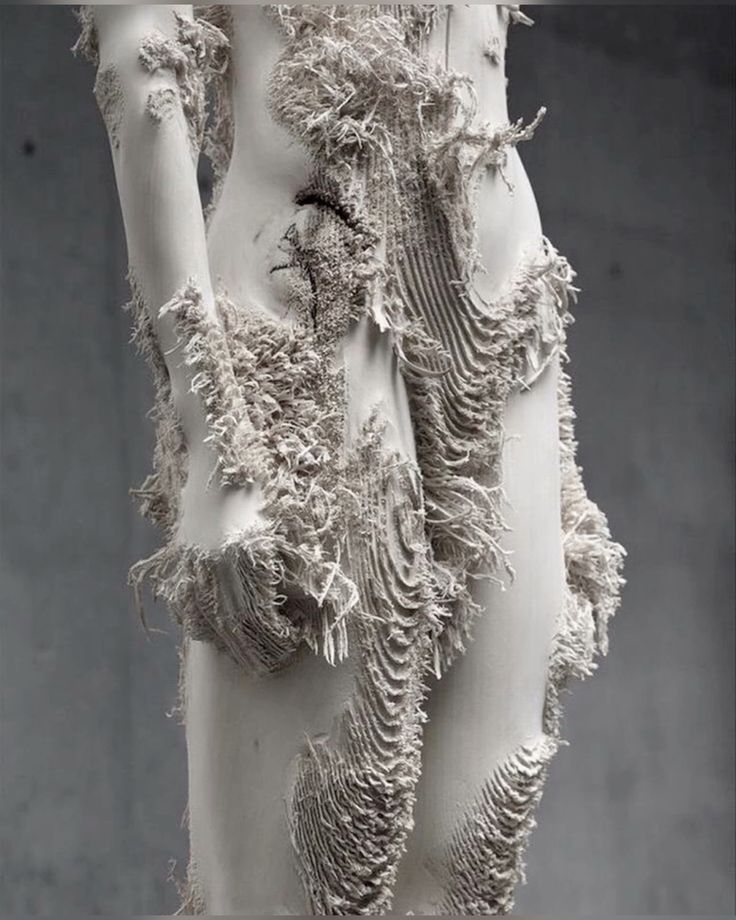
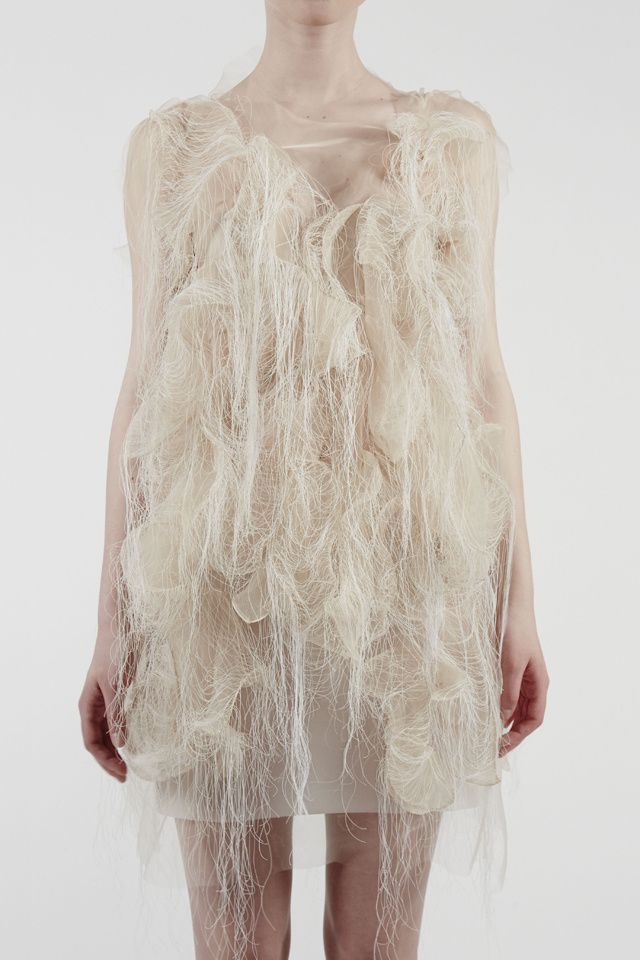
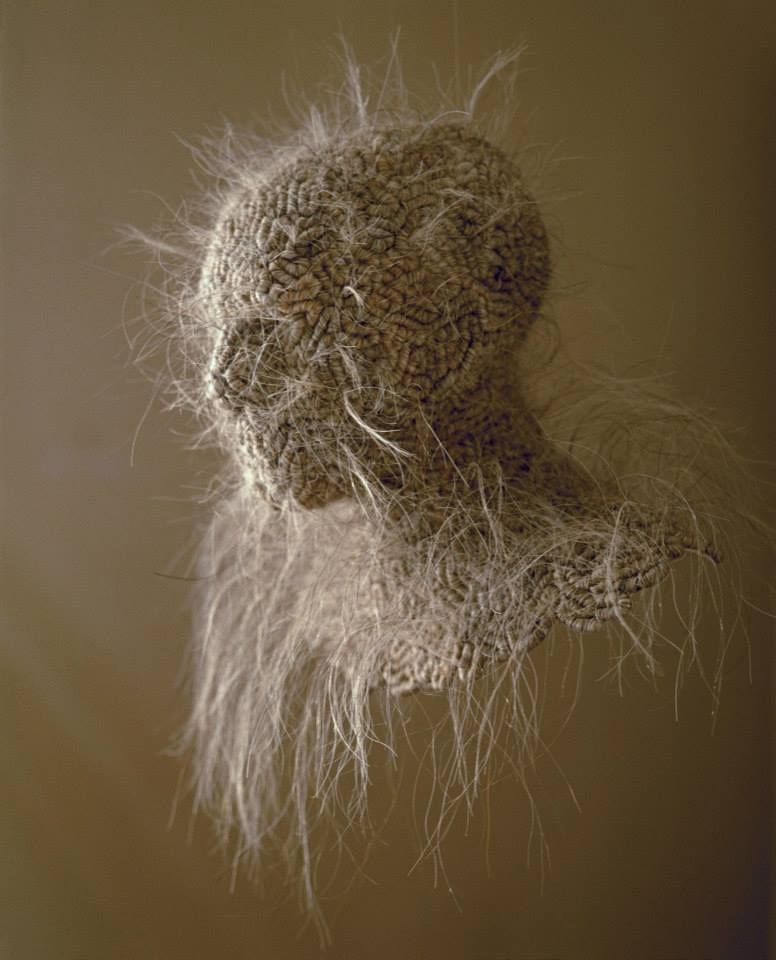
Image References of AArtists by order: VeroniqueDEntremont, Marian Jazmik,Emmapereiraart,Marianne Kemp, McQueen, Nandipha Mntambo, rippedwoolonemissing, Ying Gao, Javier Perez
3. Fabrication Process
Tools
- Blender
I used the MakeHuman extension in blender and I modified it as follows:
- Changing the pose but adjusting the extremeties using the built-in rig functions
- Cutting off at desired position using the knife function
- Arched the bust
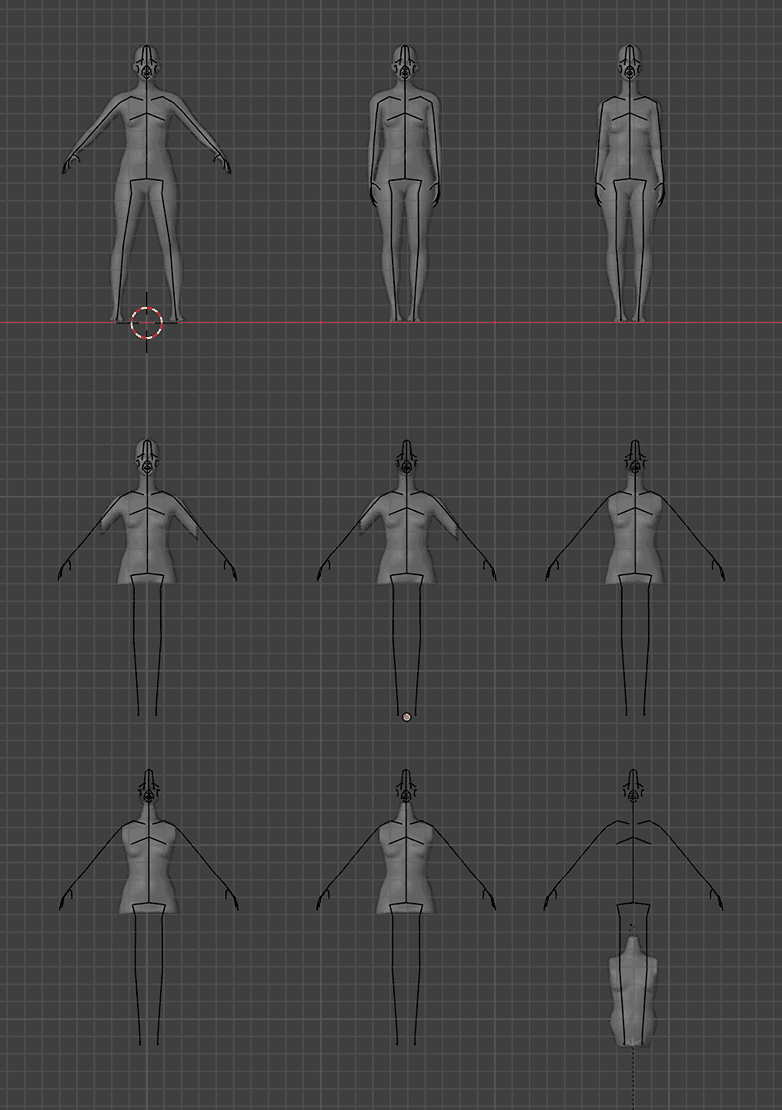
Using the rig to change the poses of the bust from MakehHuman extention
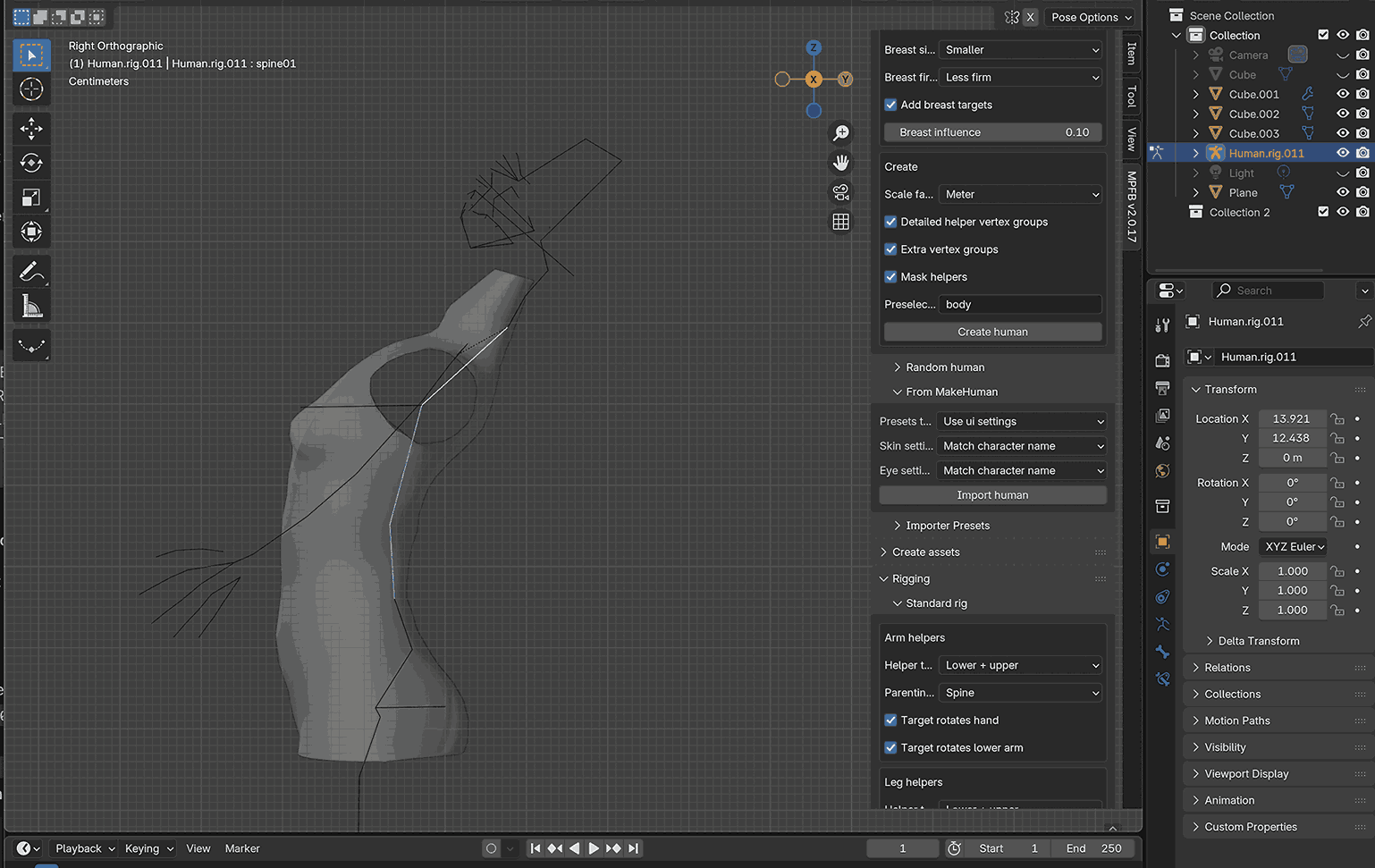
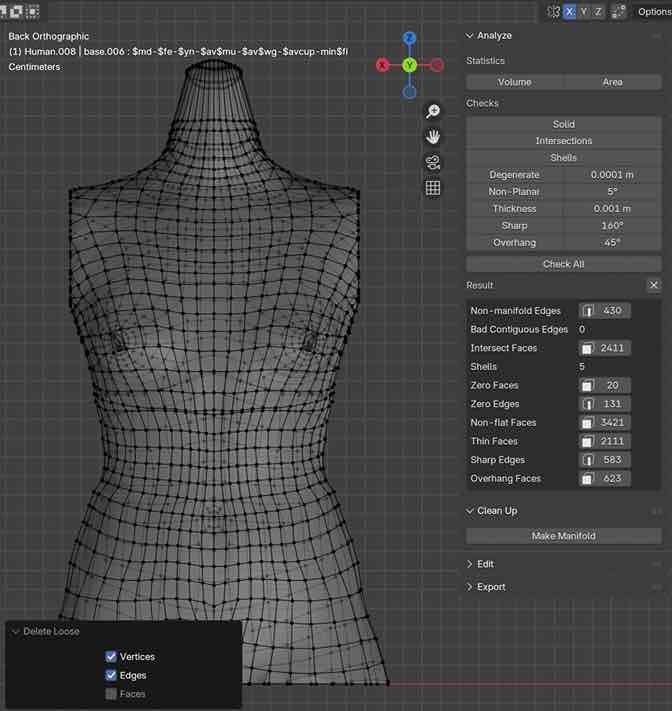
Modifications
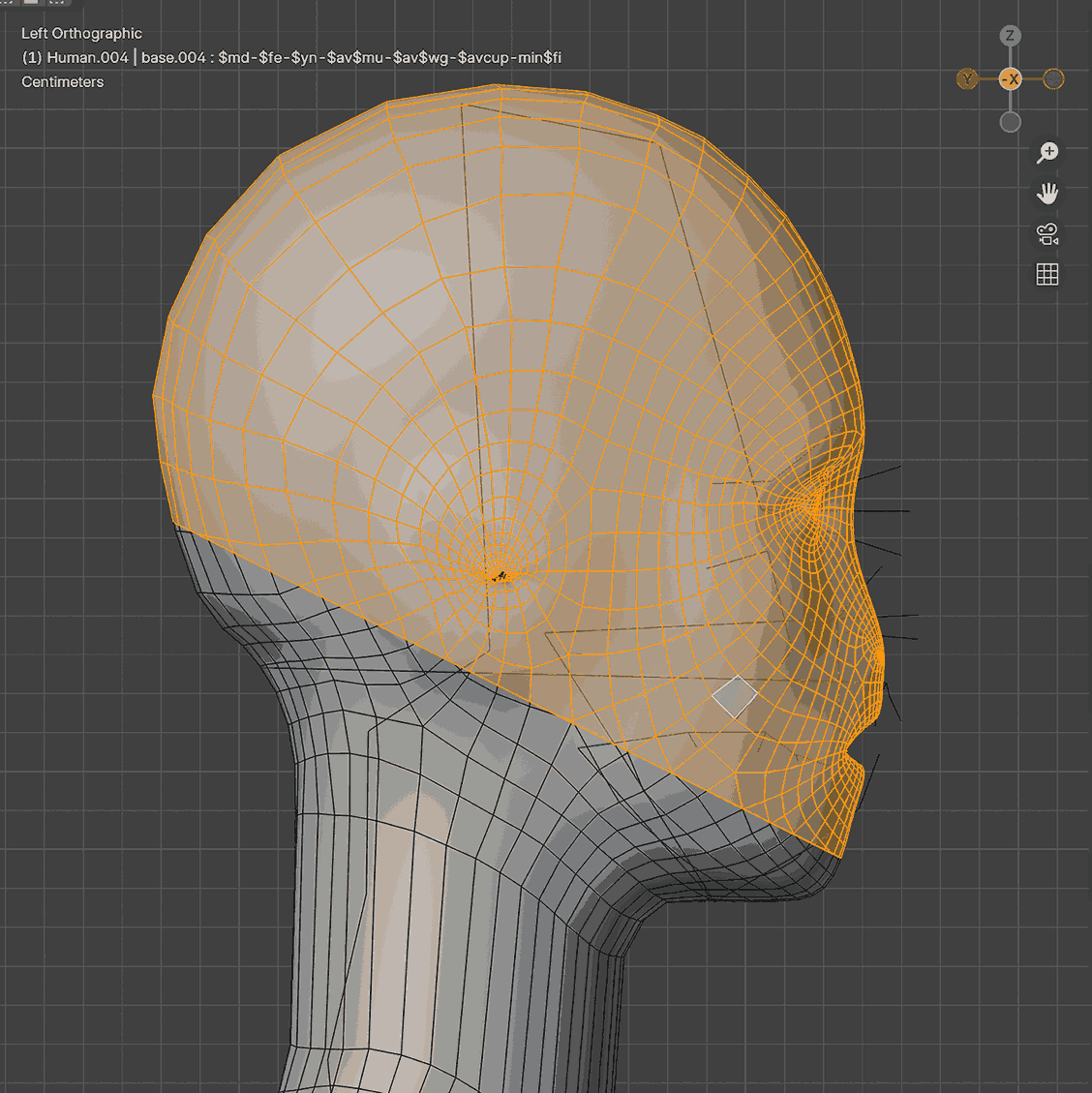
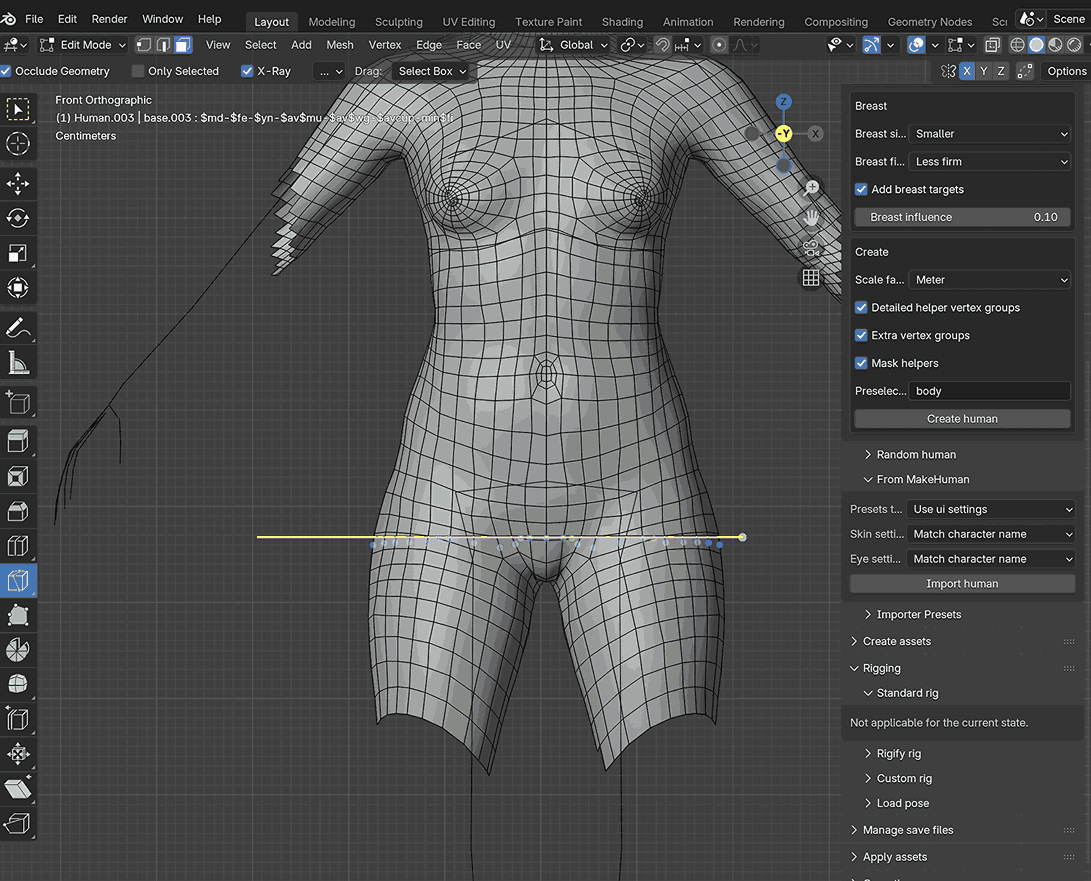
Cutting the bust using the slice tool
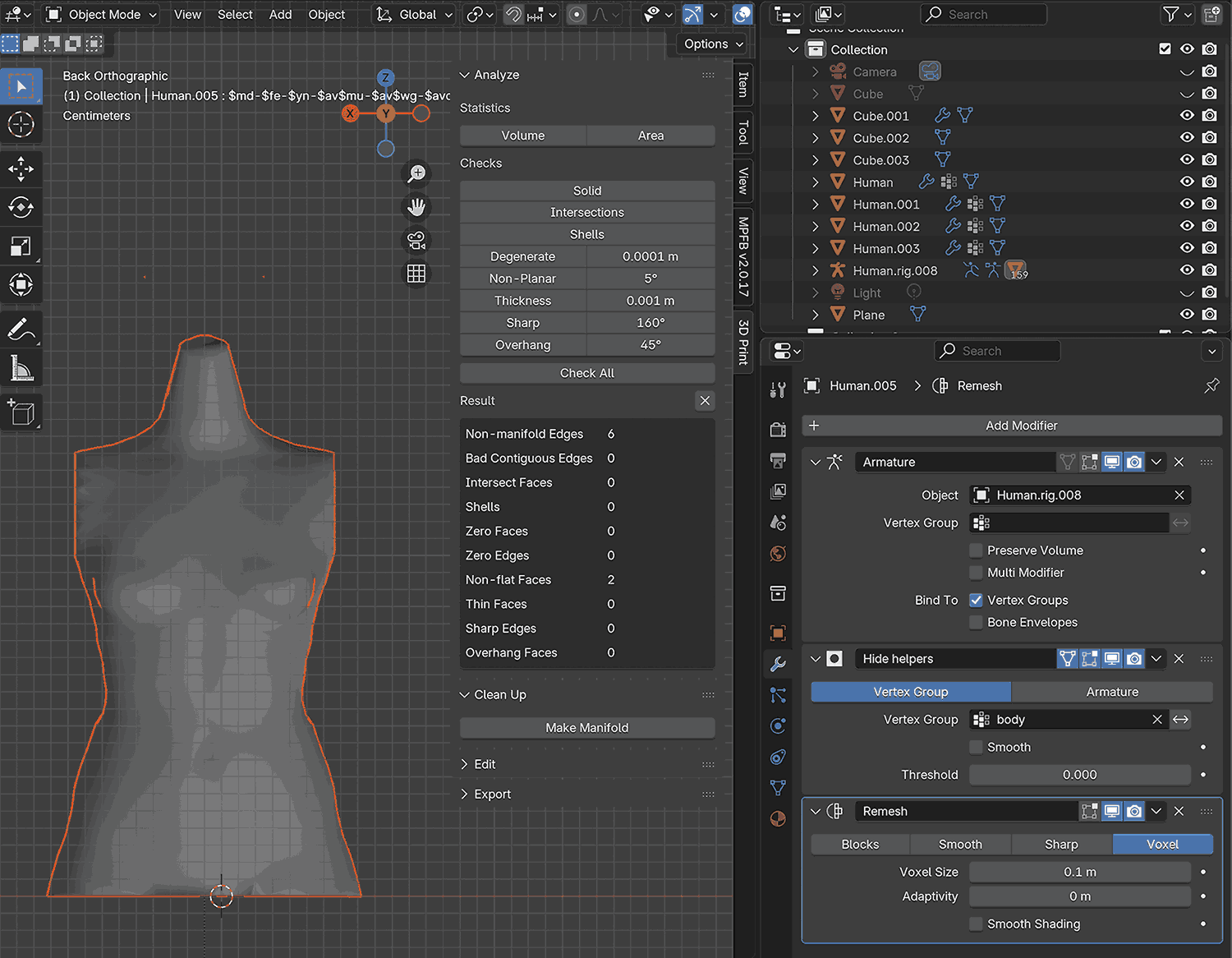
In order to use the bust in Slicer for Fusion I needed to improve the mesh. First I tried using the Remesg extension which didn't work, but then I used Object > Mesh which worked.
- Slicer
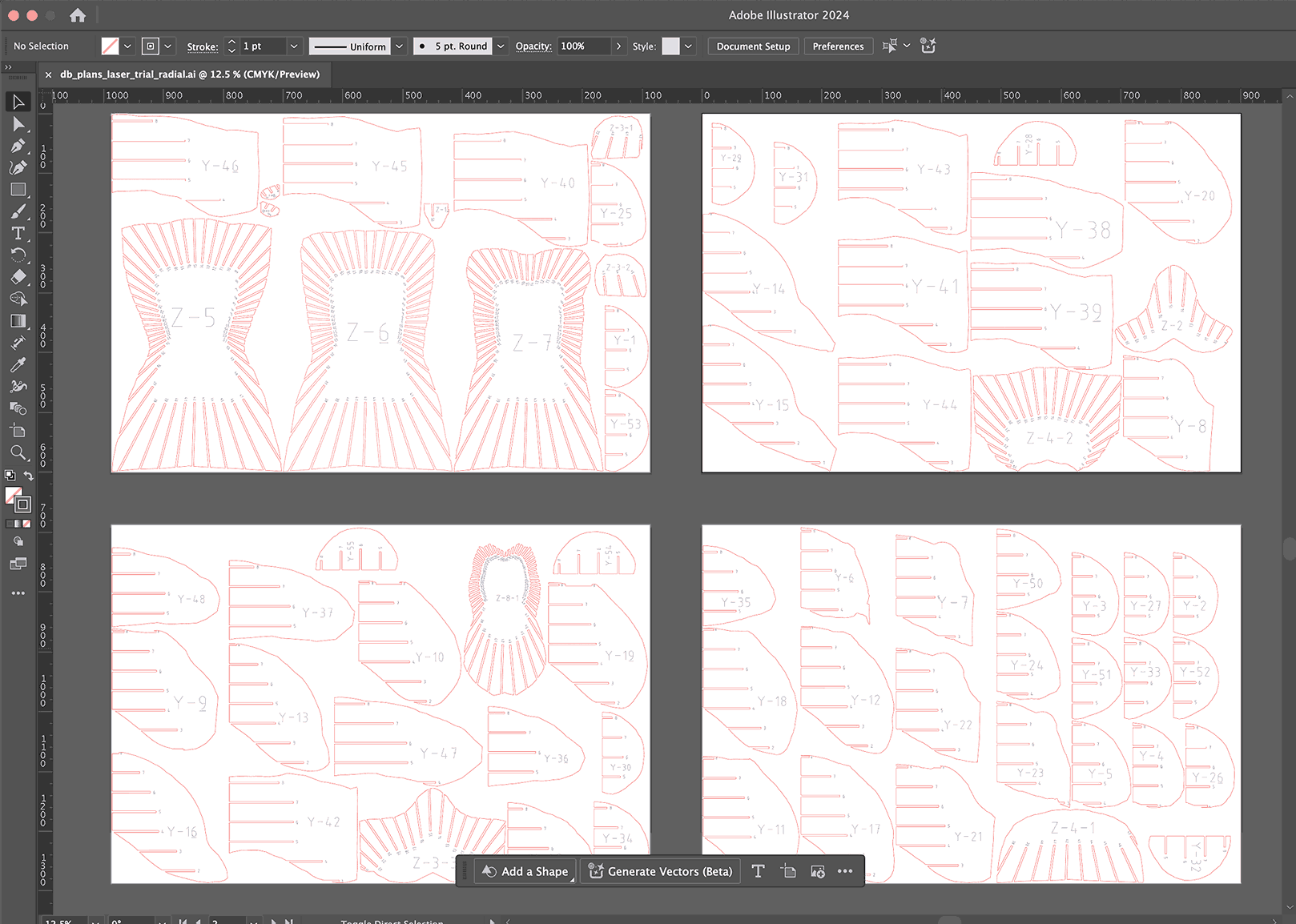
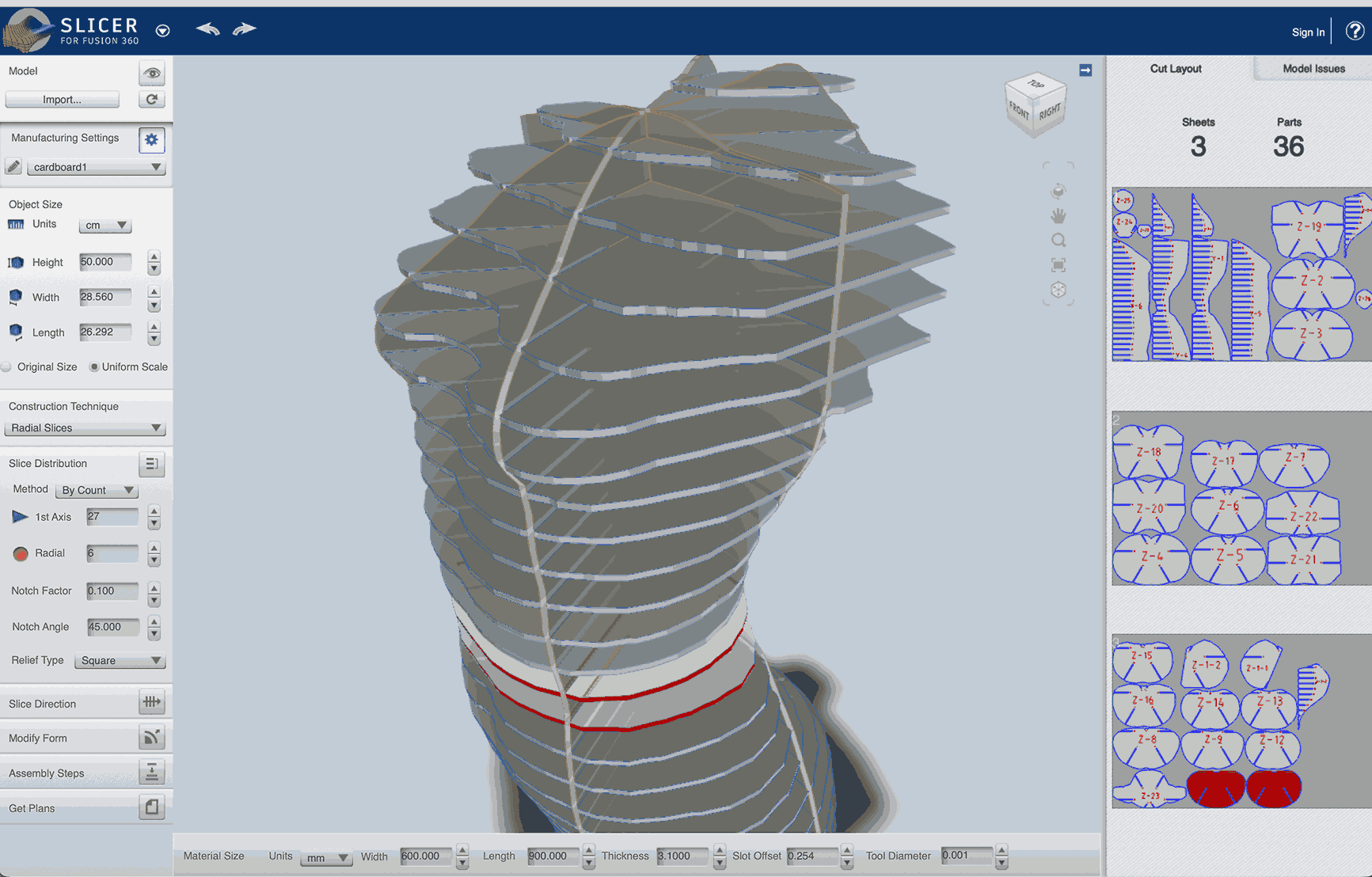
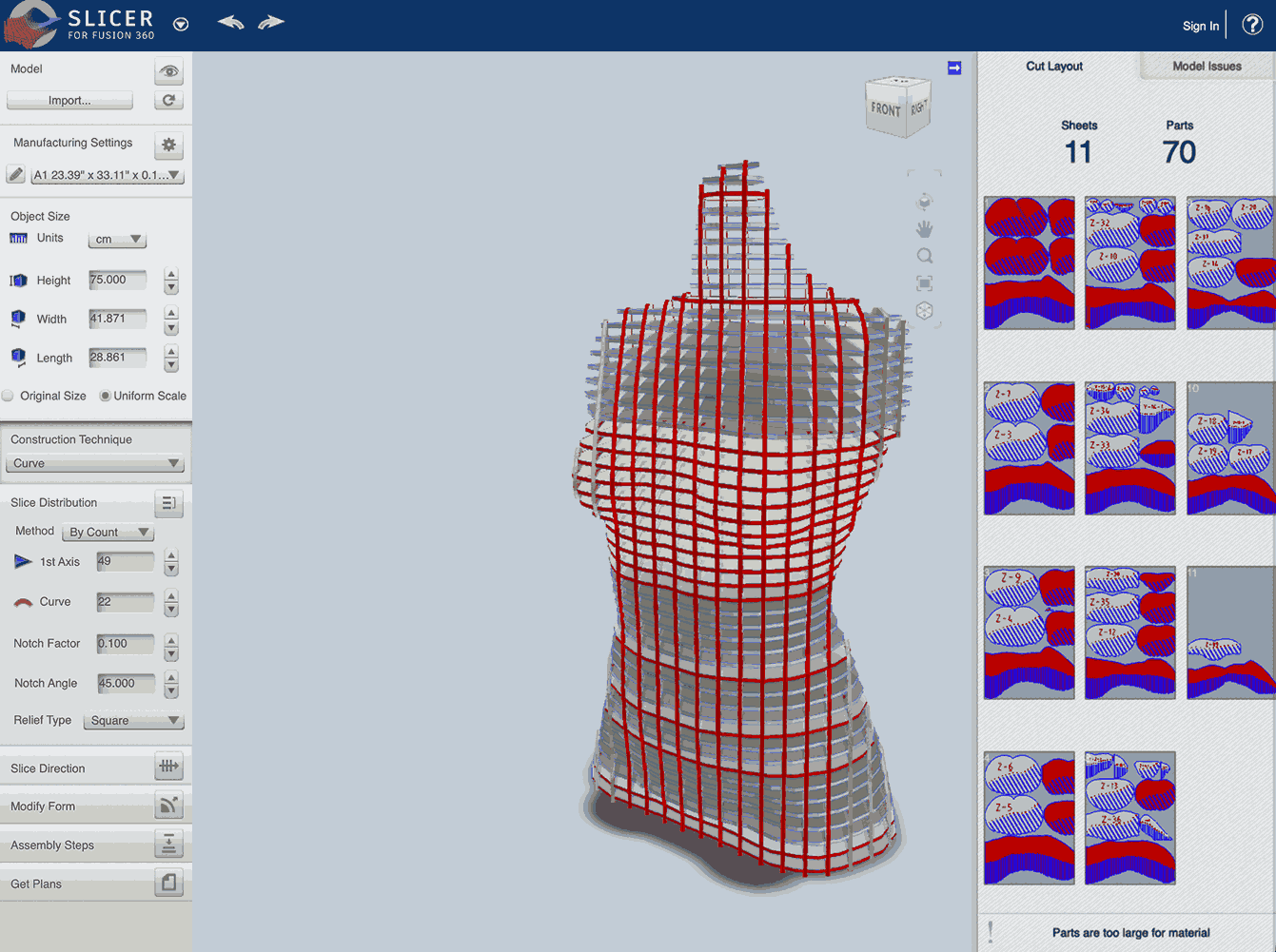
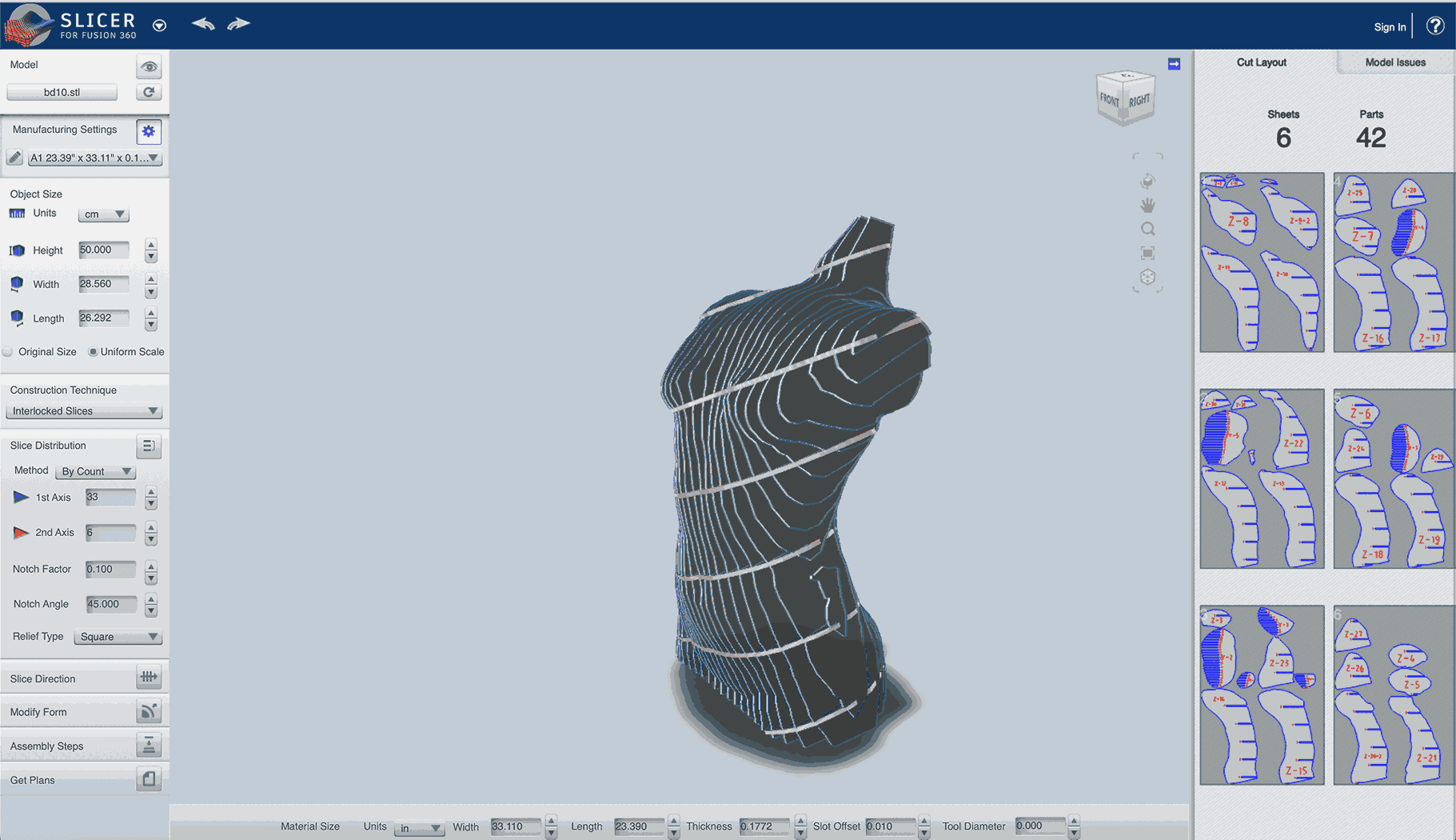
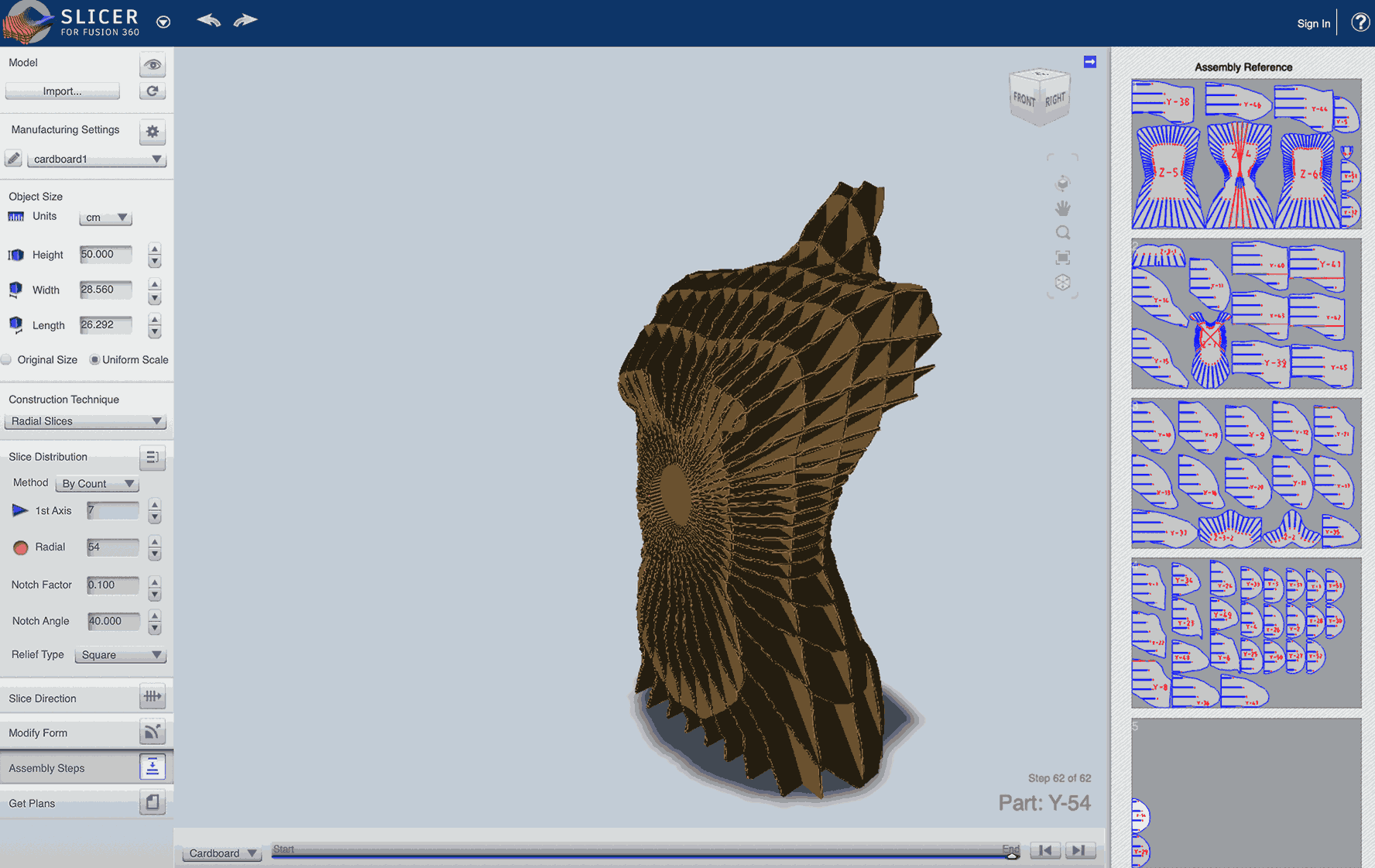
I experimented with Construction techniques, mostly with Interlocked Stacks. I found that Radial Slices served the design the best. I also experimented with the Slice Direction along the x-axis and I rotated it by 90 degrees.
- Illustrator
In Illustrator, I reassembled the Slicer plans, because, in the first attempt, the bottom of the carboard was missed.
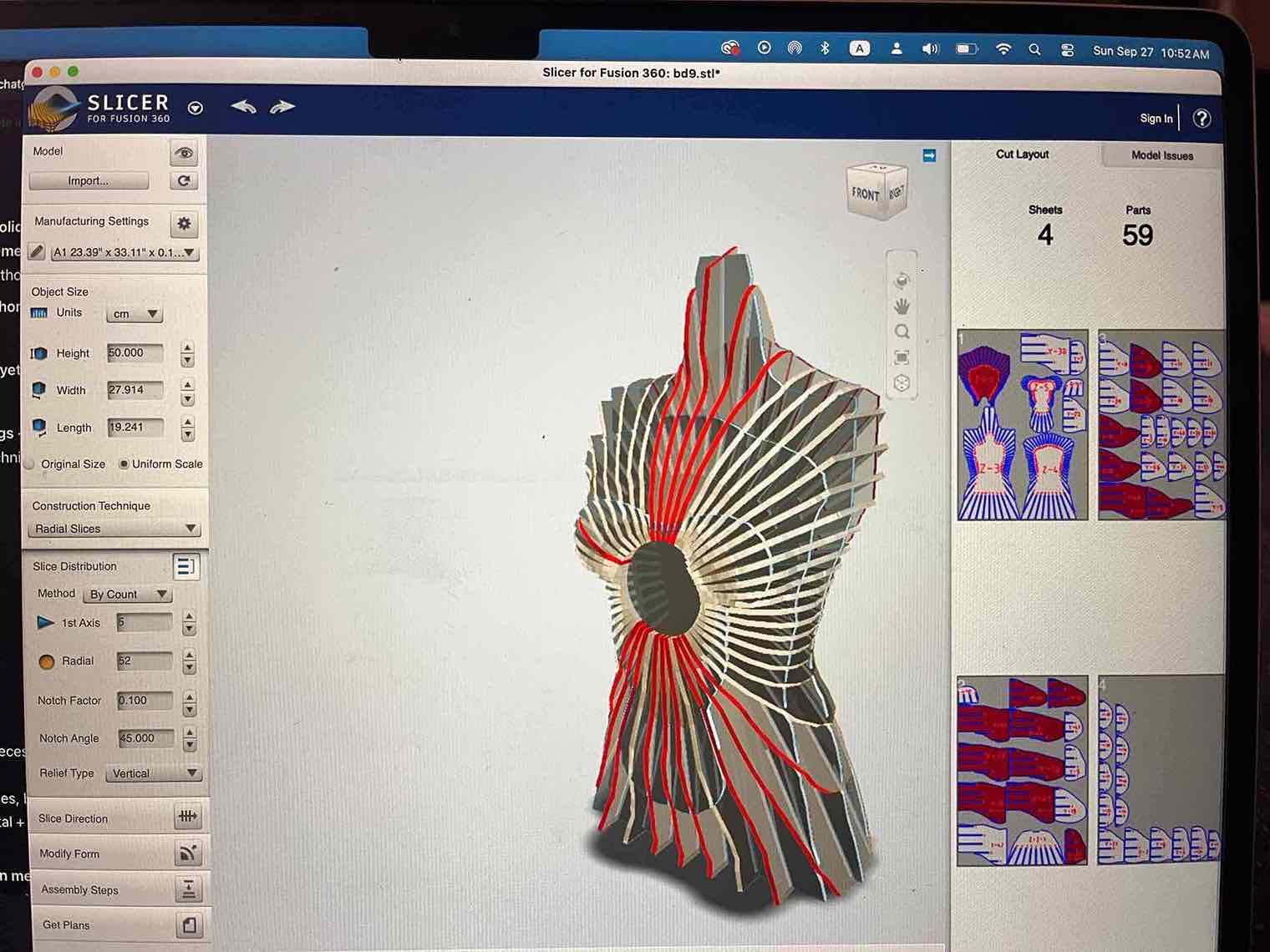
- Rhino
After exporting the plans from Slicer, I imported the PDFs into Rhino, and prepared them for cutting by:
- Changing the color of the layers (red for cutting and blue for engraving)
- I changed the line to continous
-
I changed the line type to Hairline
-
Laser Printer
 Cutting the first board
4. Assembly
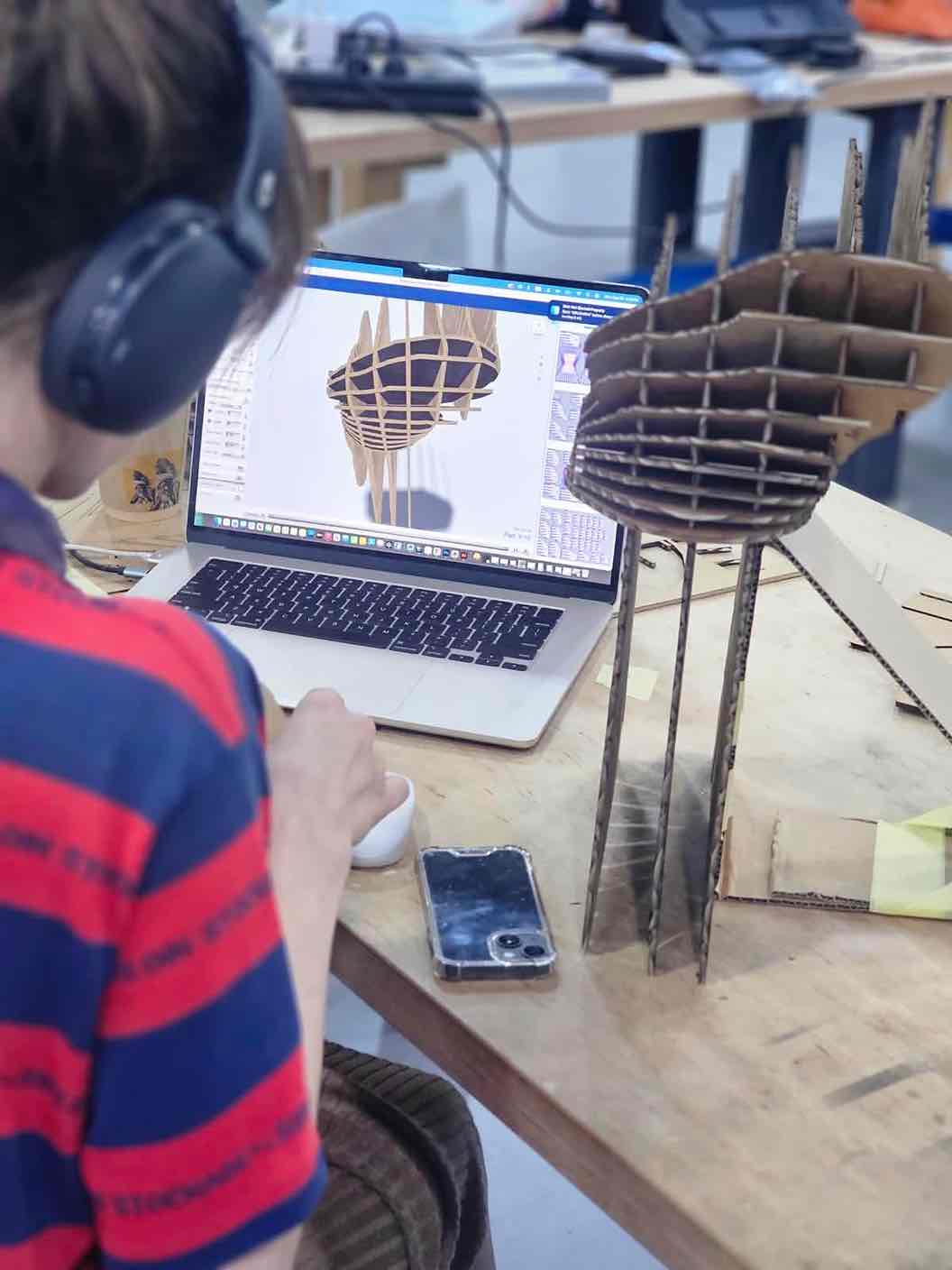
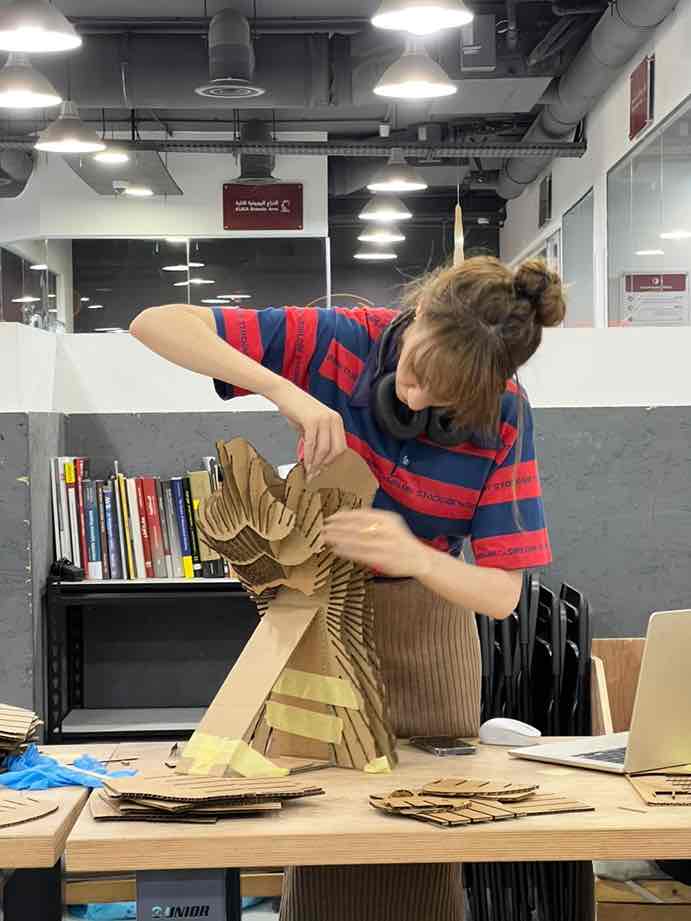
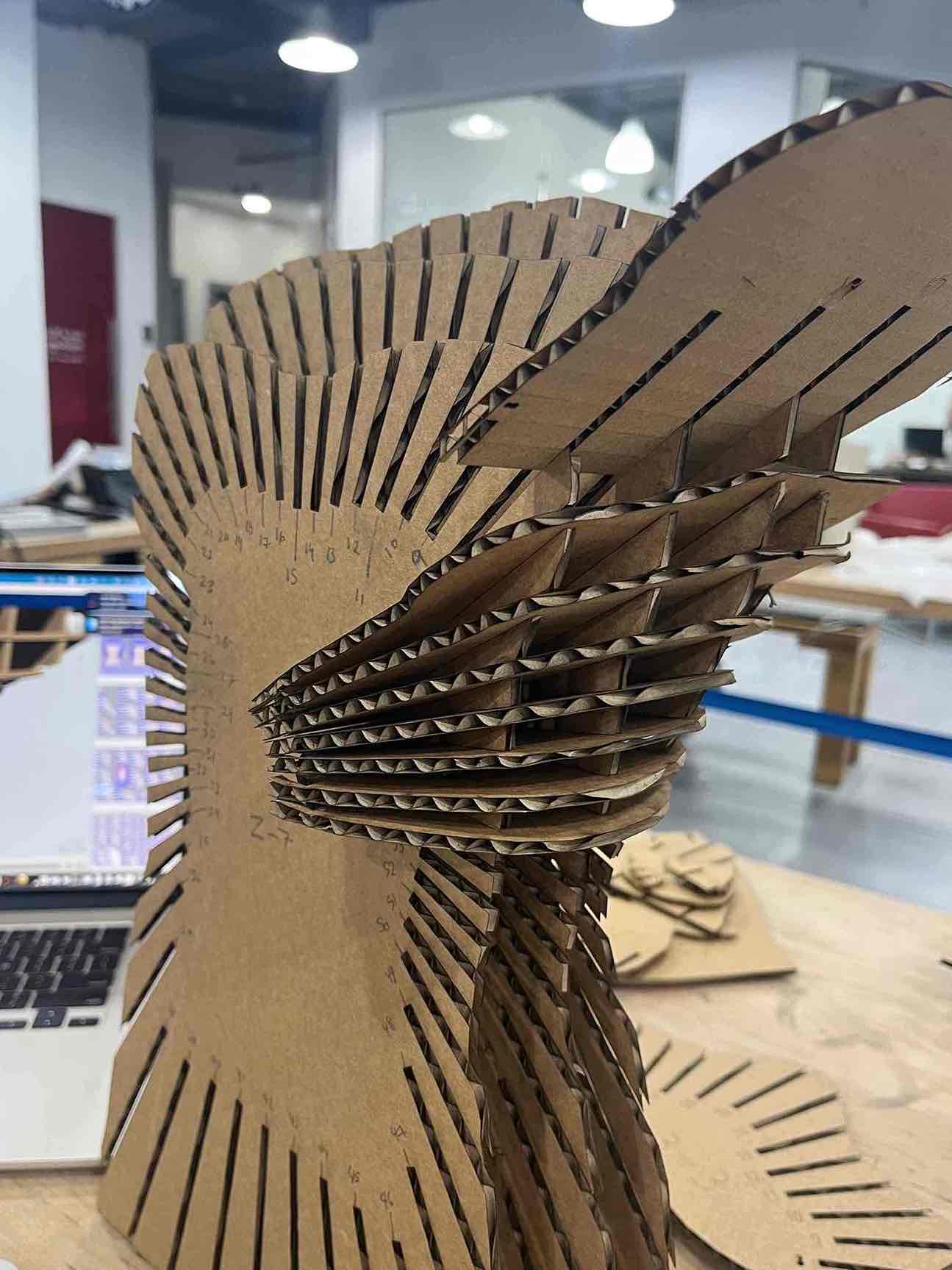
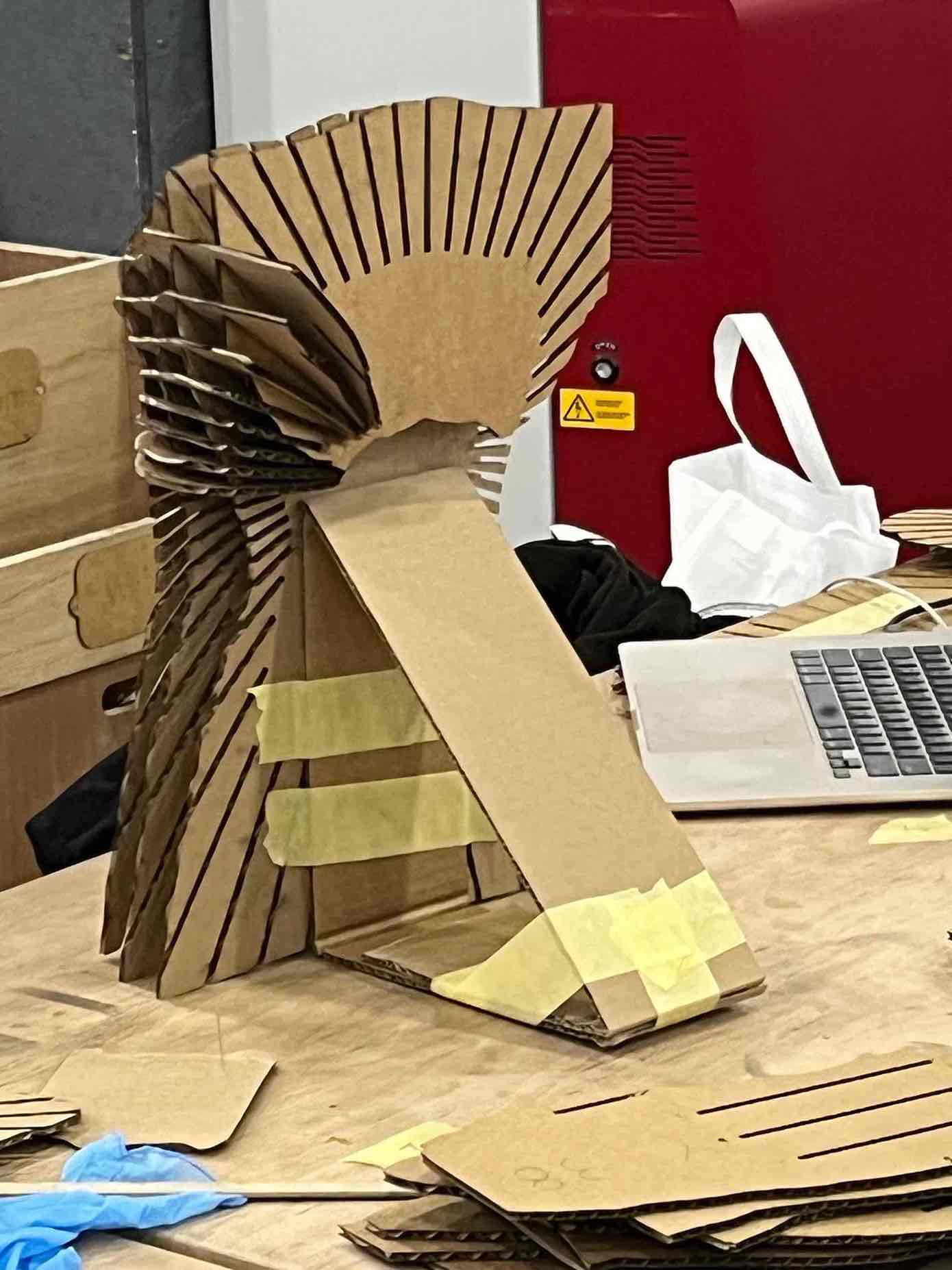
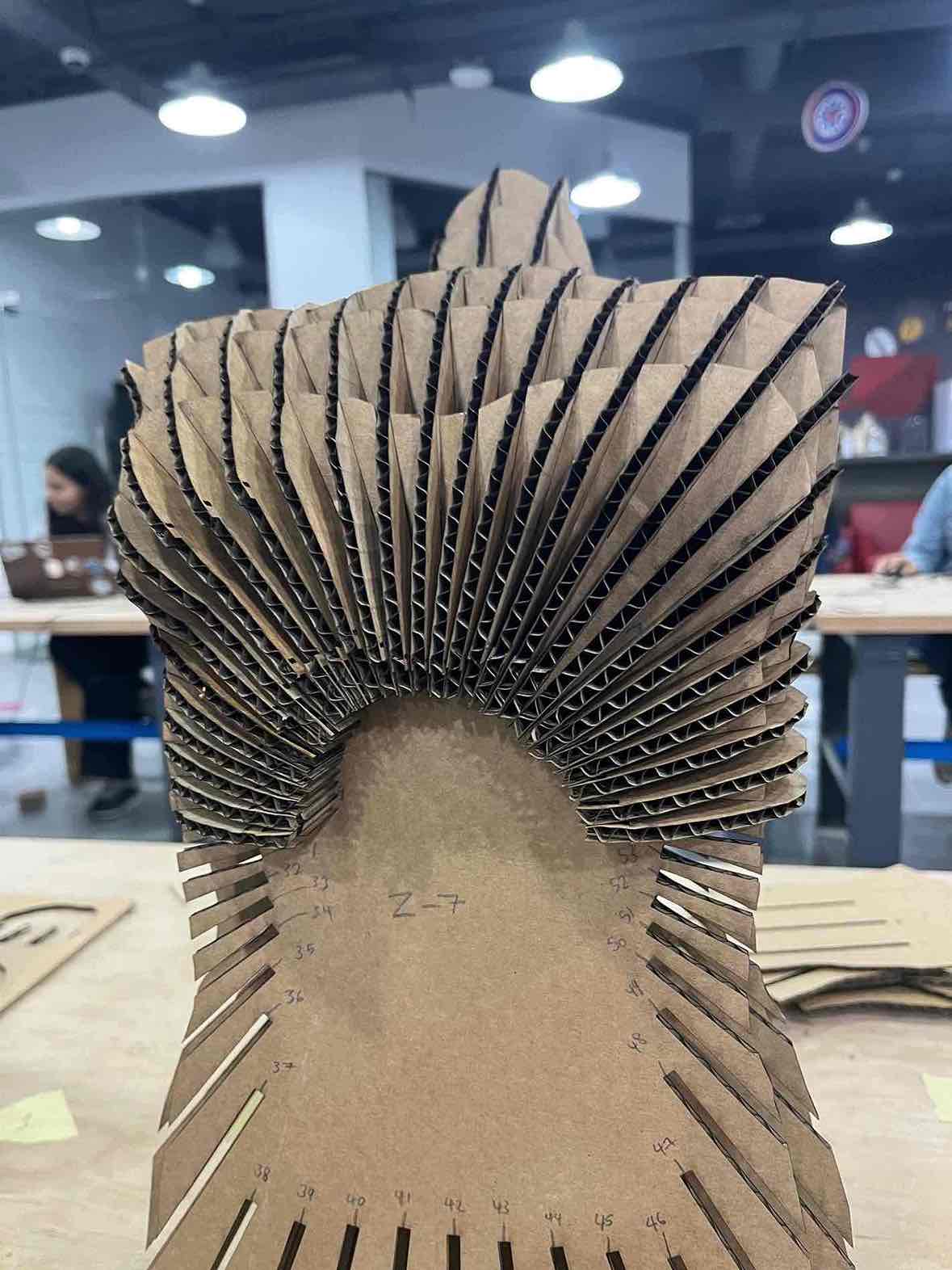
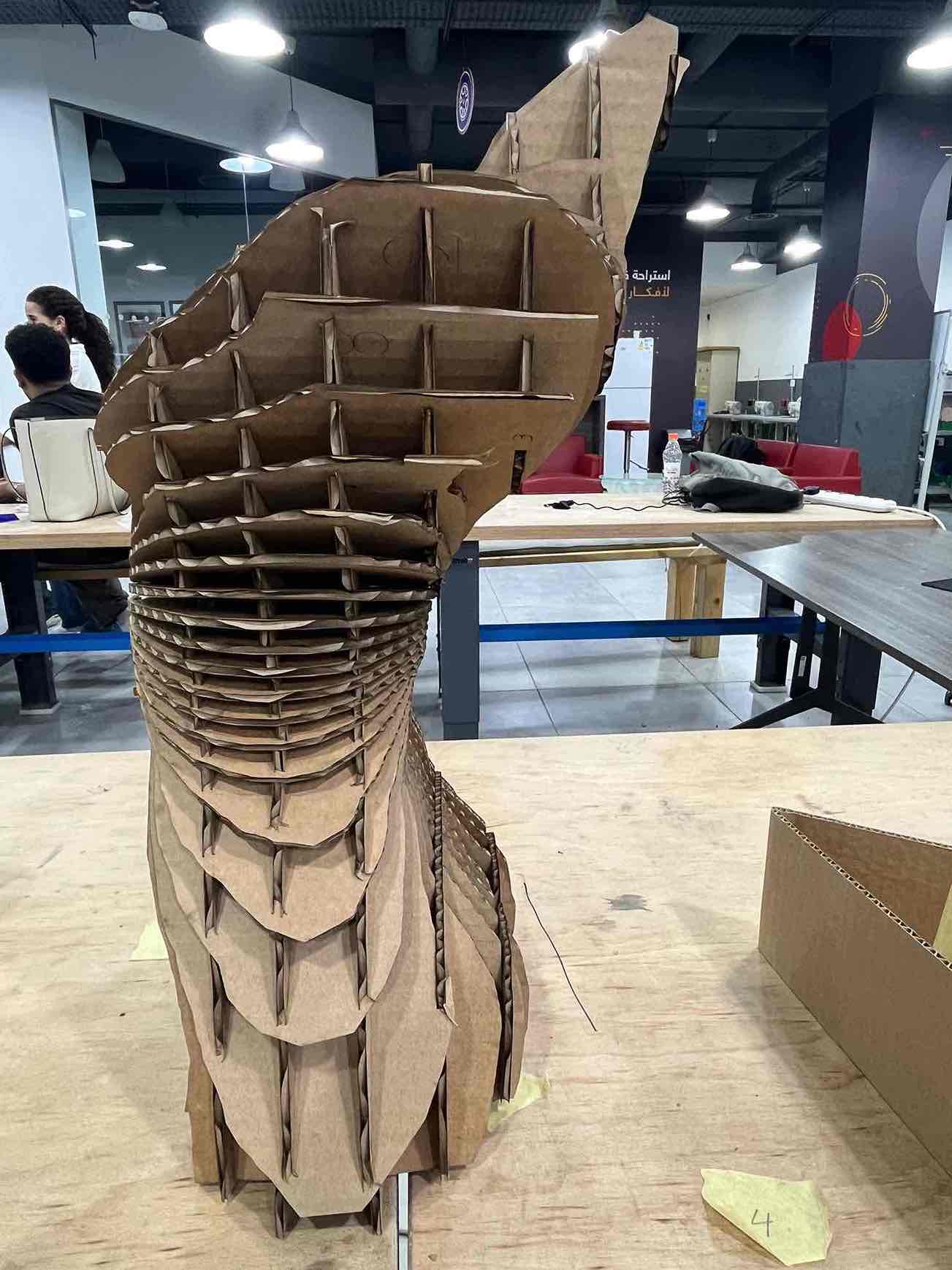
Wool Preparation
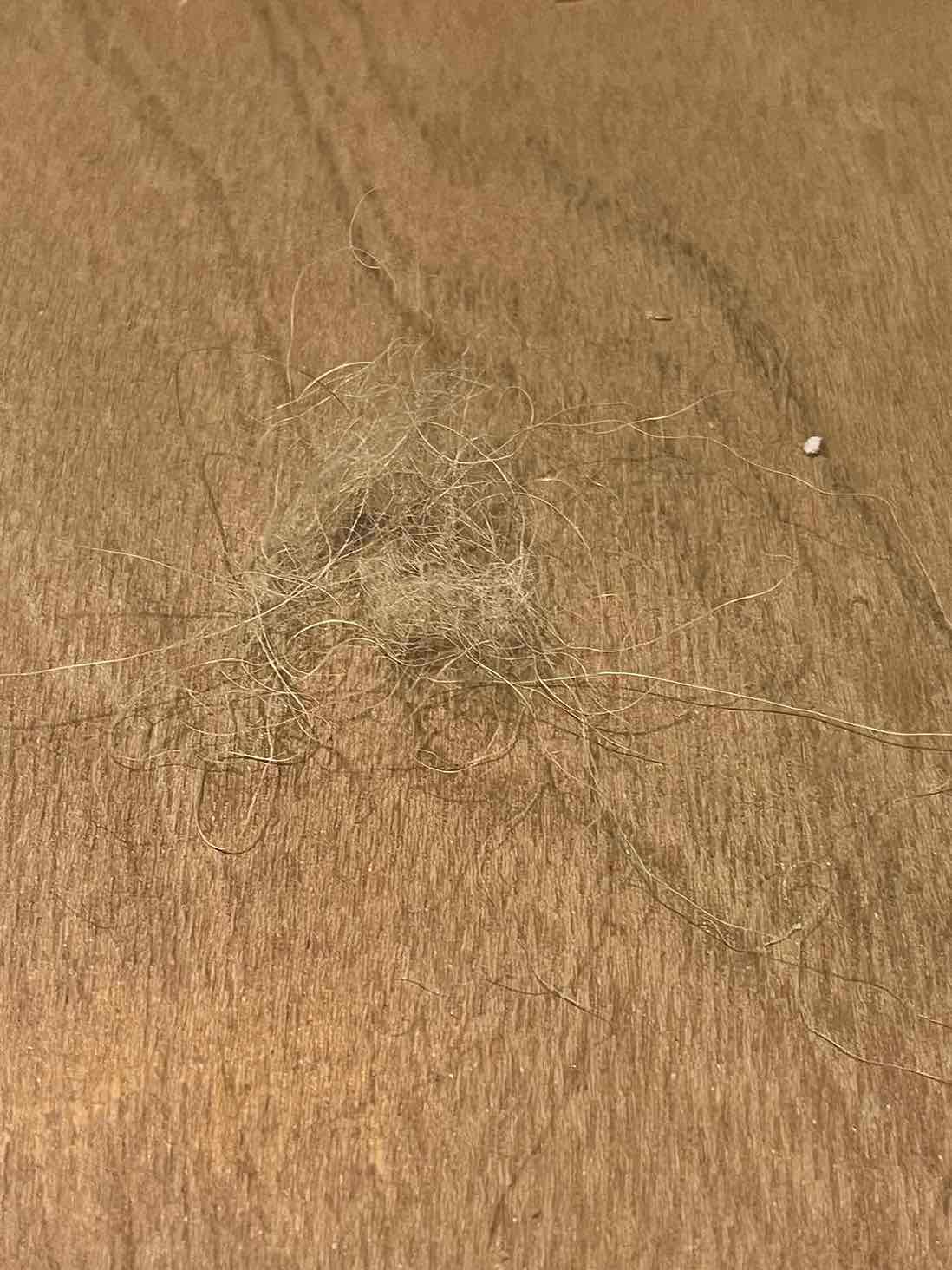
I manually carded the cleaned dromedary wool ro prepare it for punching.
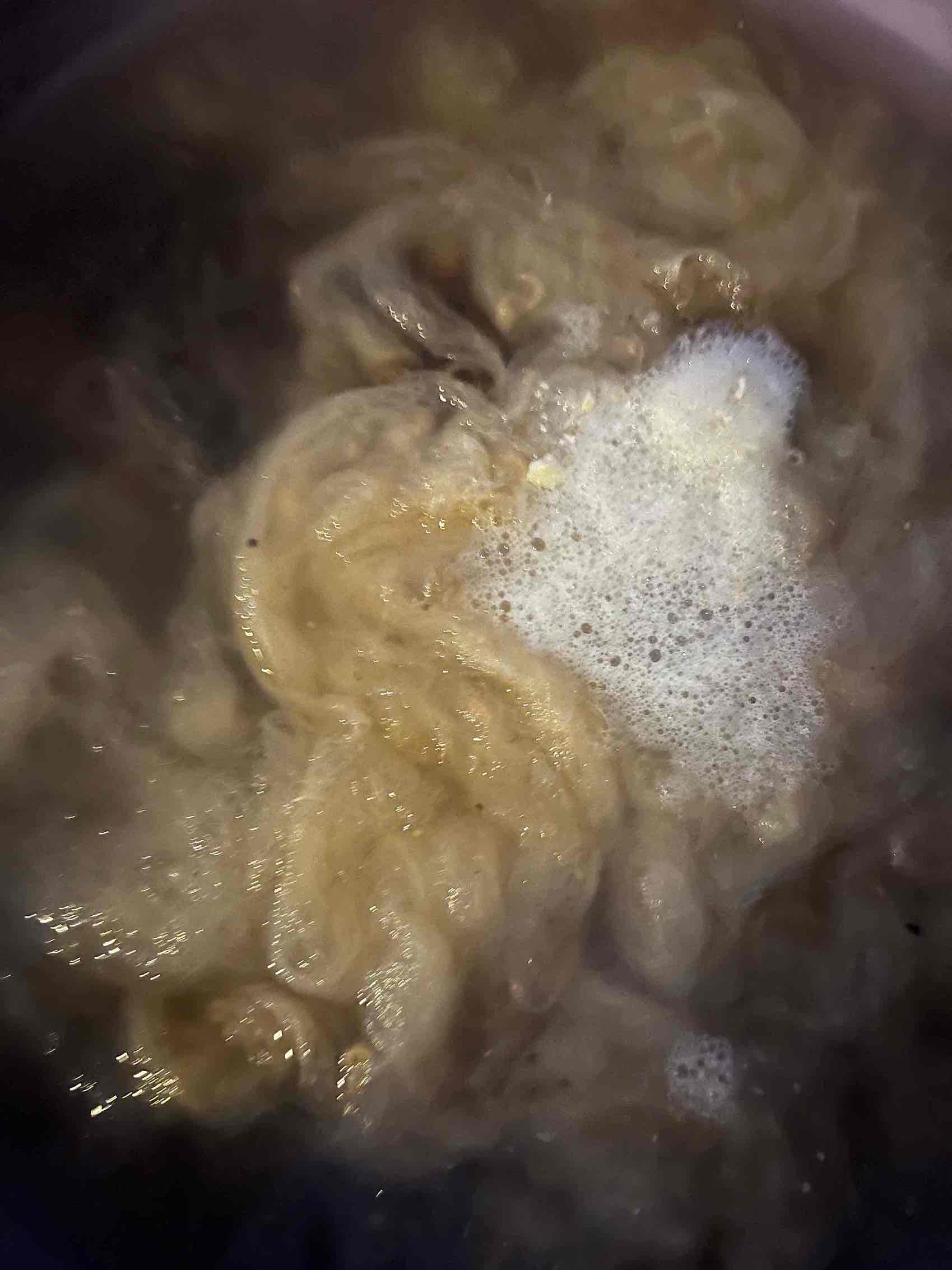
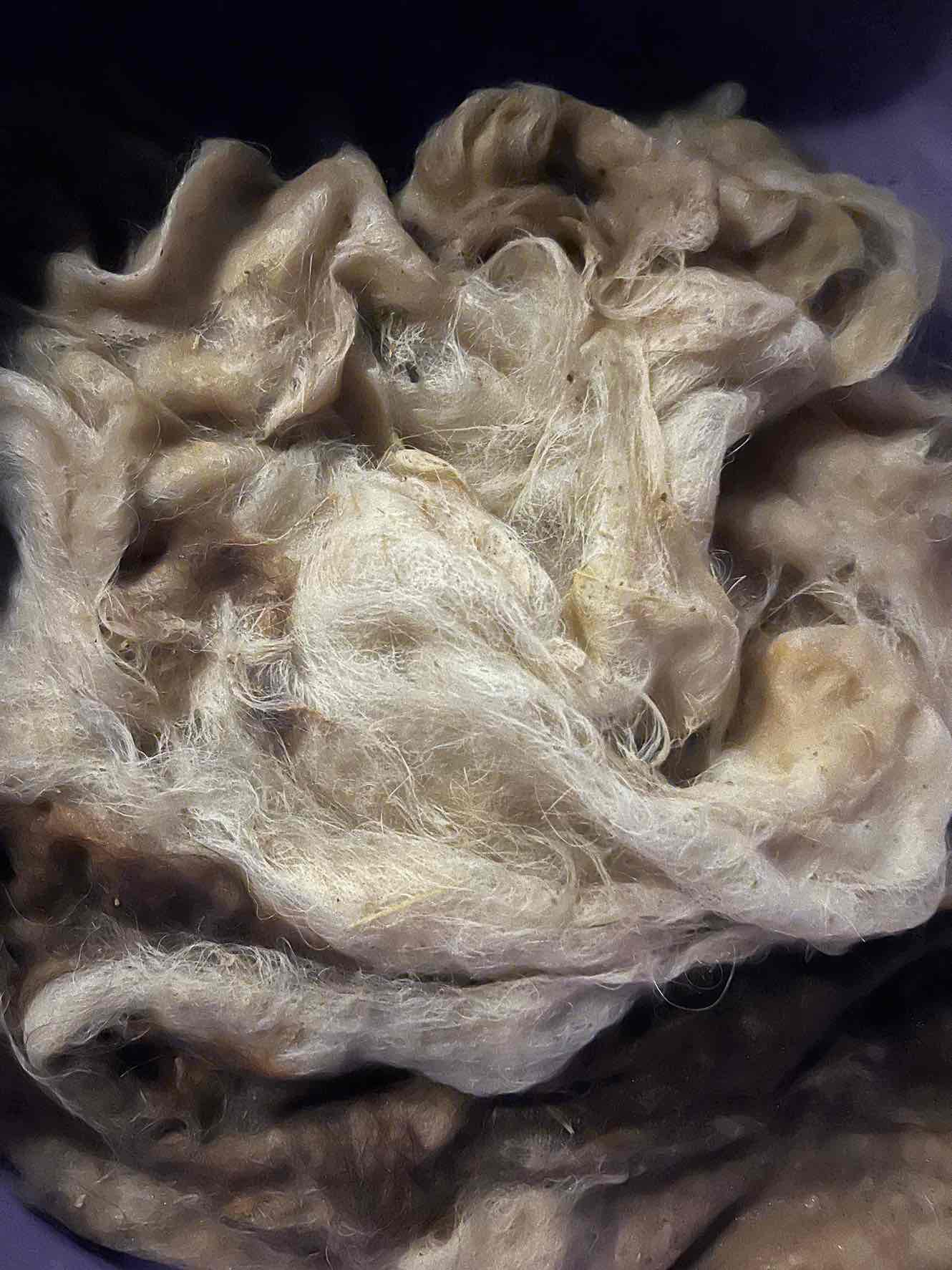
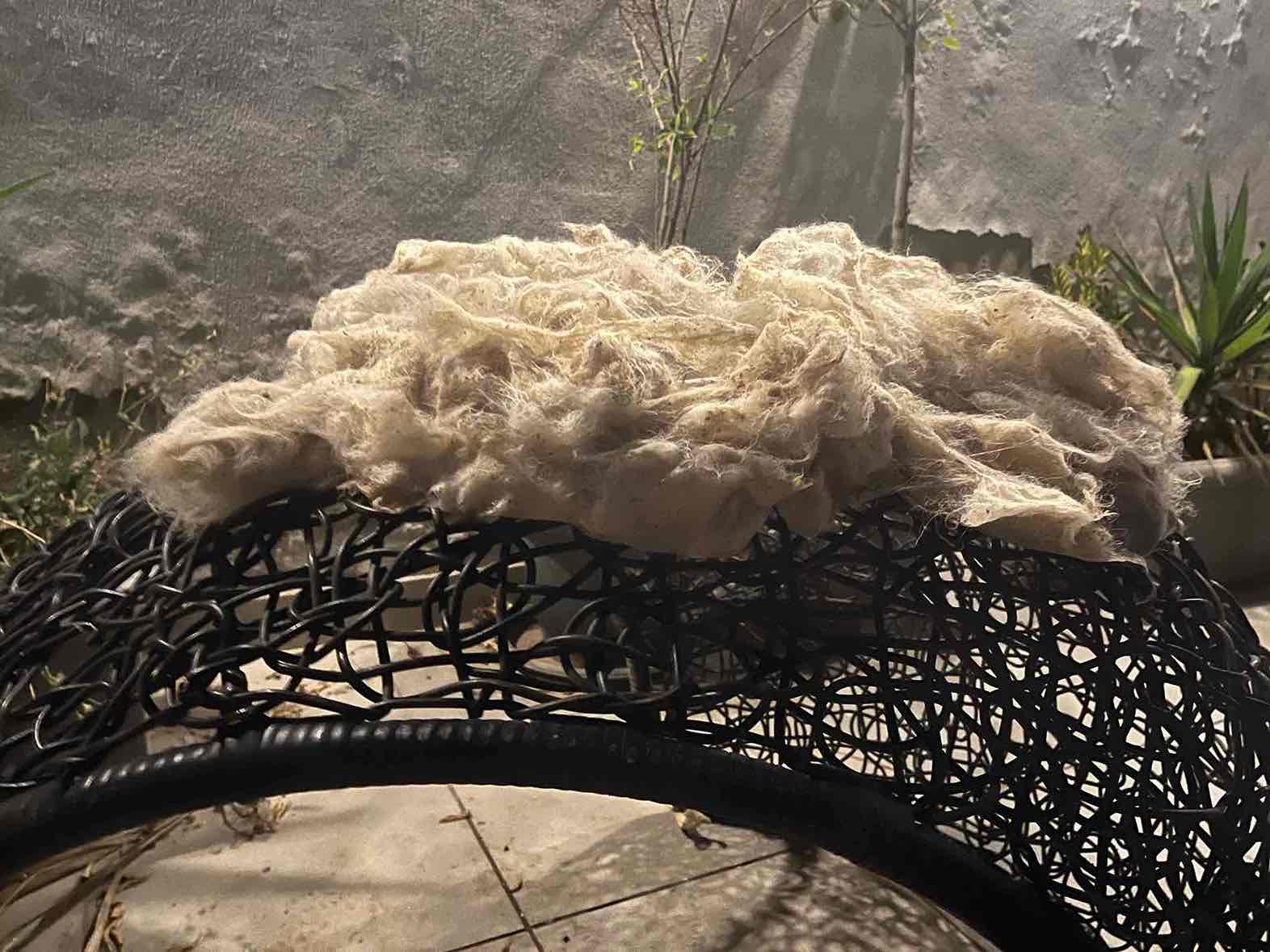
Wool cleaning and drying
|  |
|  | |
| |  |
|---|---|---|
|
|---|---|---|
Wool Punching
5. Final Product
6. 3D & 2D files
Final Blender Model
2D Fabrication Files
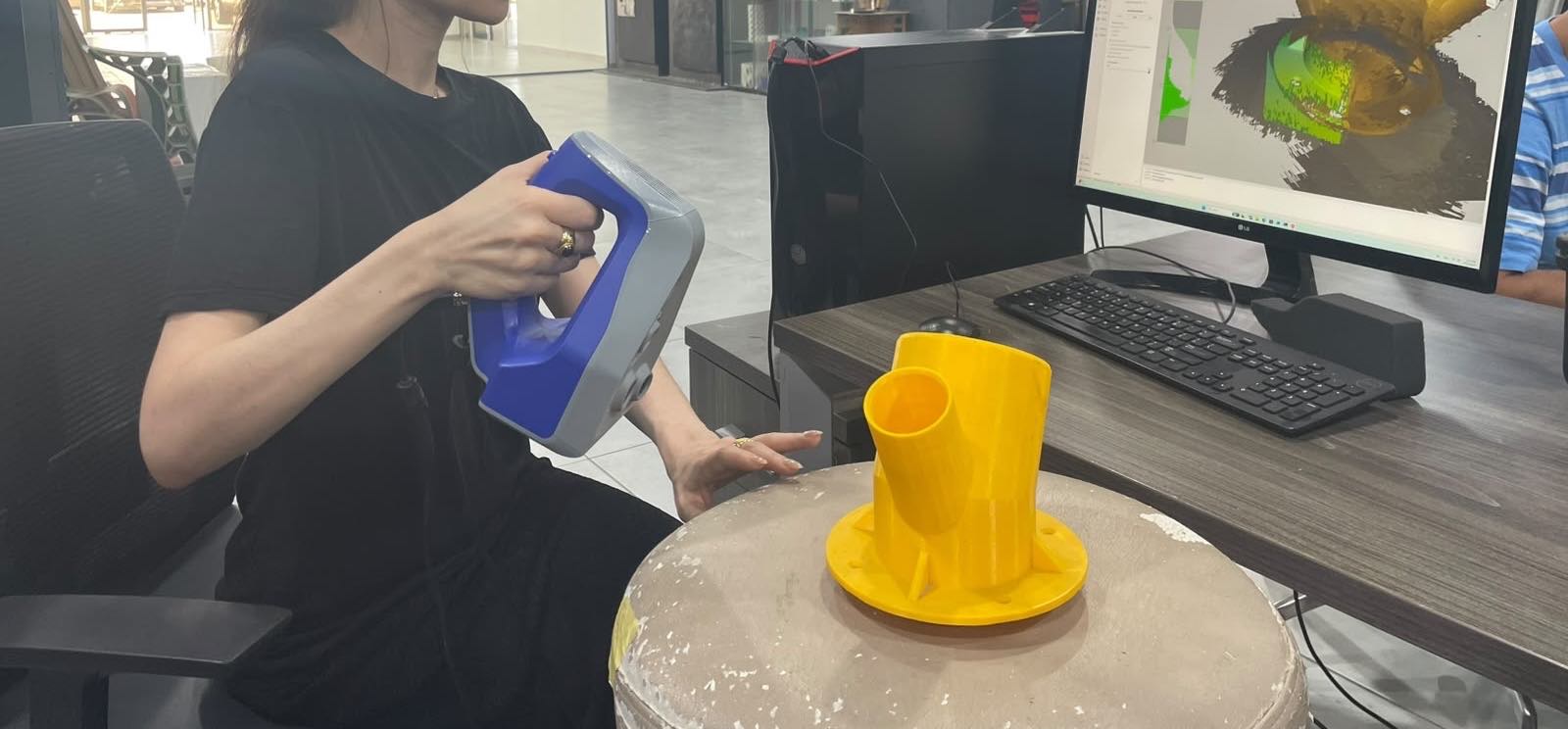
7. Using the 3D Scanner previously
Here is some of the trials with the 3D scanner. I initially thought I could scan my body or someone else's, but this process proved to be time consuming for this assignement.