Soft robotics
Objective
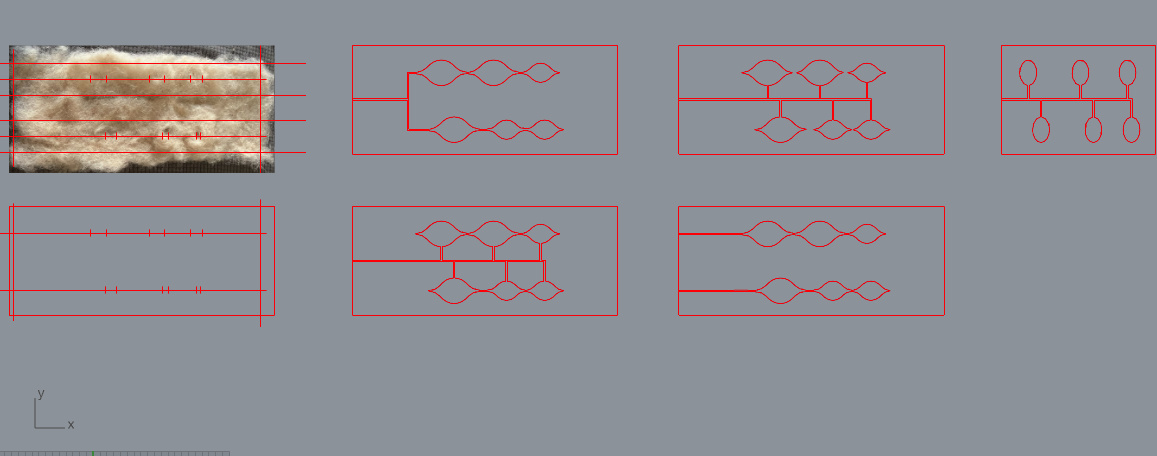
Make a soft robotic sample, develop the pattern for the Inflatable and draw a sketch of the air flow:
- build a pneumatic wrist brace (basic level) or
- build a Soft Gripper (intermediate level) or
- build and document a Pneumatic, digitally controlled system, electronics schematic, electronic control and code (advanced level)
- design your own version of an inflatable / soft robot
Persnal Objective:
- Use bio-material
- Explore bio-mimicry
2. References, research & inspiration
Notes from local lecture
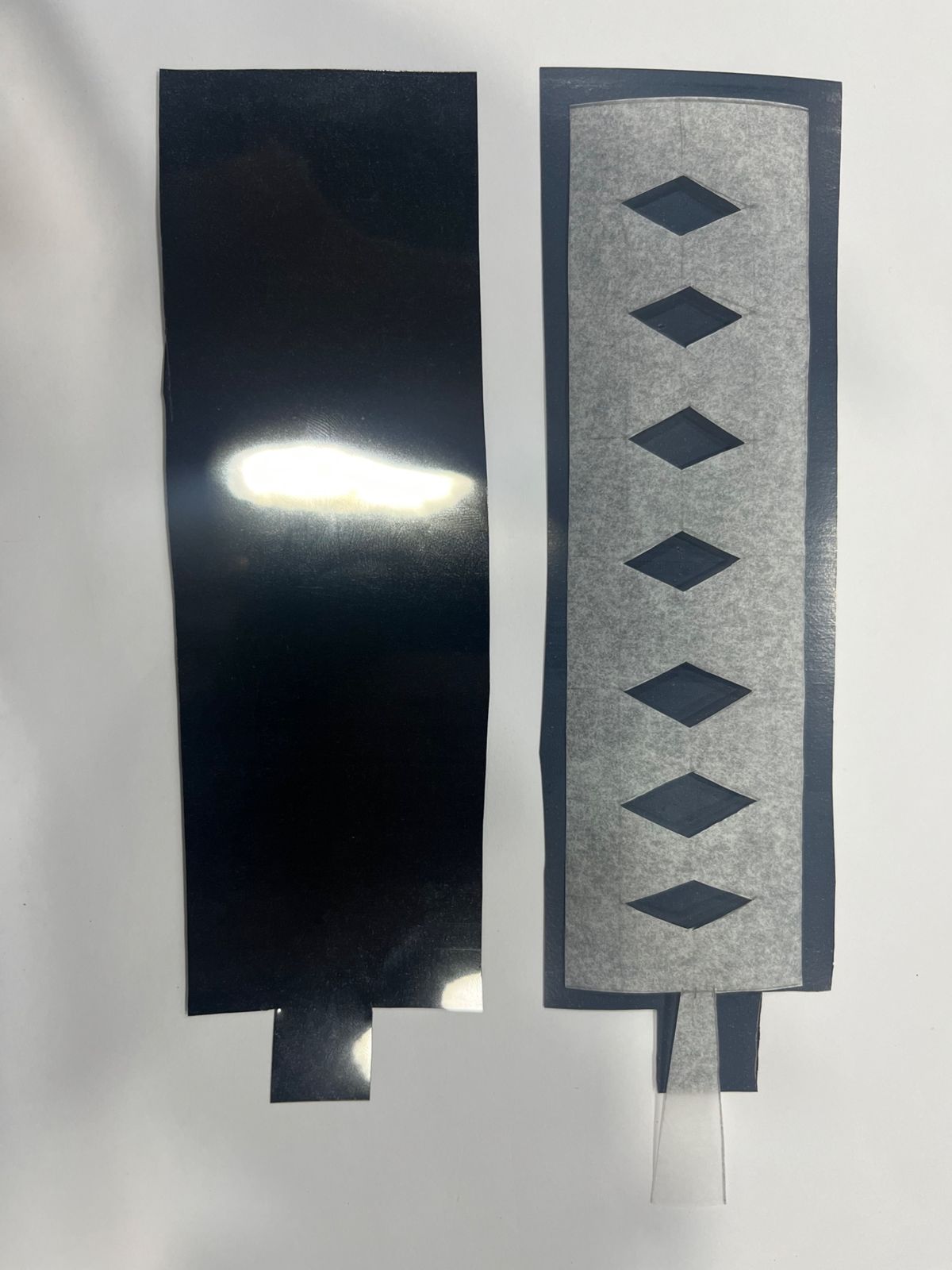
- Heat-transfer vinyl (TPU), shiny side is up
- Biomimicry inspiration
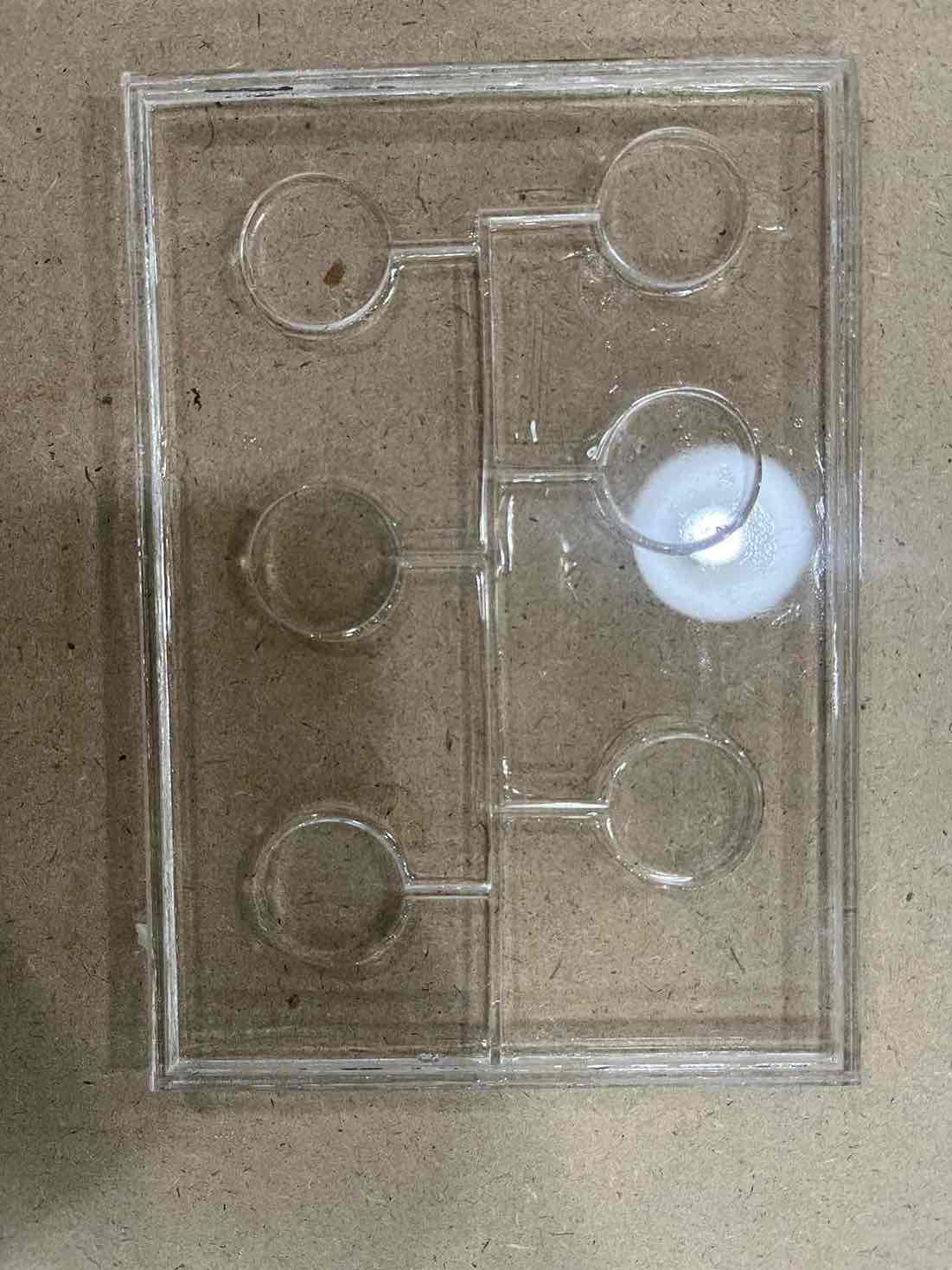
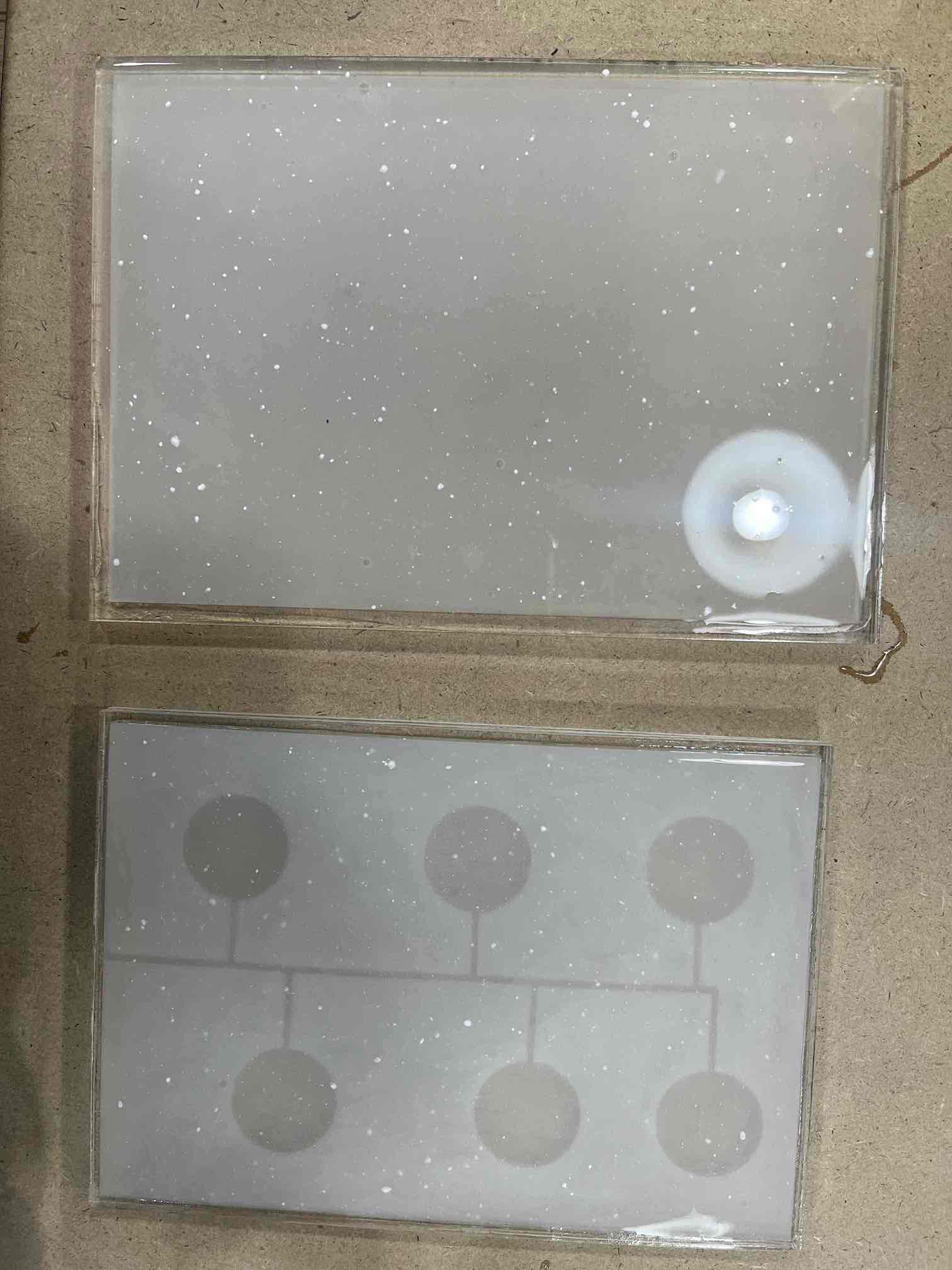
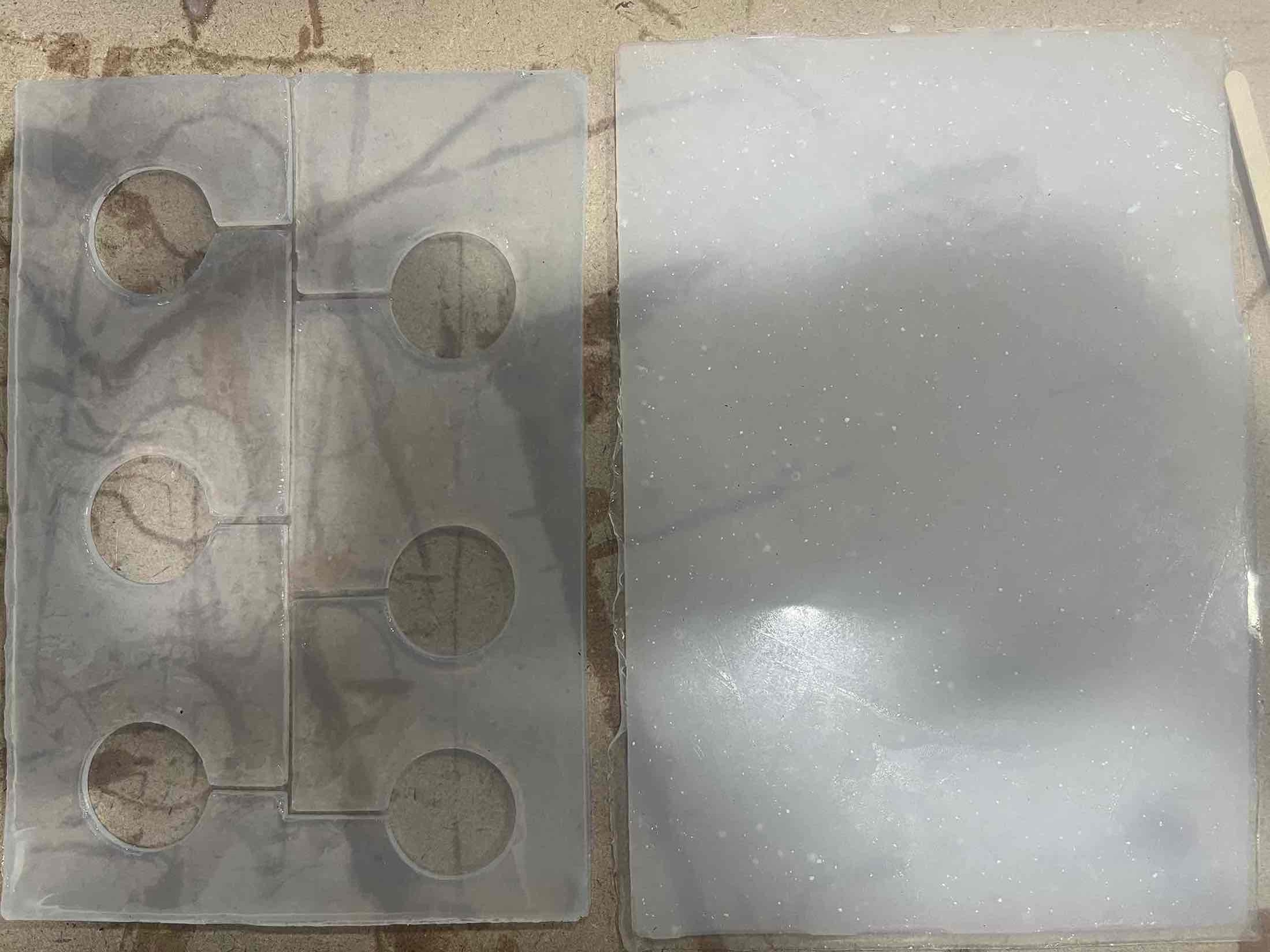
- we're making inflatable-actuation-gripper from eco-flex
- A piece of fabric is sometimes added to make 'grippers' a bit stiffer
- The diamond hinge concept seems
- Physics panel in blender > pressure > cell collisions for a simulation
- Ultrasonic sensor (distance activated)
- Bio-botics requires a lot o glycerine
- eco-flex data sheet
References
At the start of this week, I delved into Saskia Helinska's work. She worked on creating a typology library for soft robots. She based her work on bio-mimicry and analysed the movement of birds and animals. I spent quite sometime with her project to understand the relationship between the structure and the movement. I
I was also inspired Isobel Jo Leonard's work, particularily the idea of using bio-materials for this week. I kept her recipe for her alginate in mind and I intend to use the lettuce water.
- 200g water
- 50 gelatine
- 100 glycerine
Research
I started watching this documentary about sea life and shortly after starting, anemones showed up. I was automatically fascinated. I have honestly never really thought about them before, and I wanted to incorporate their movement somehow.
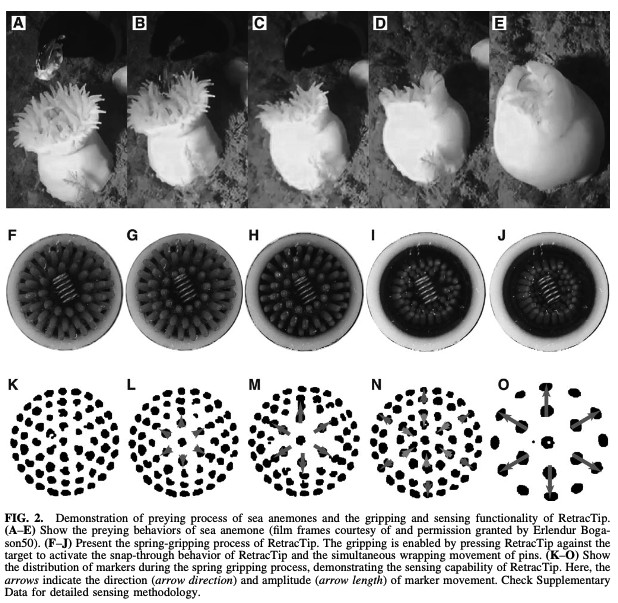
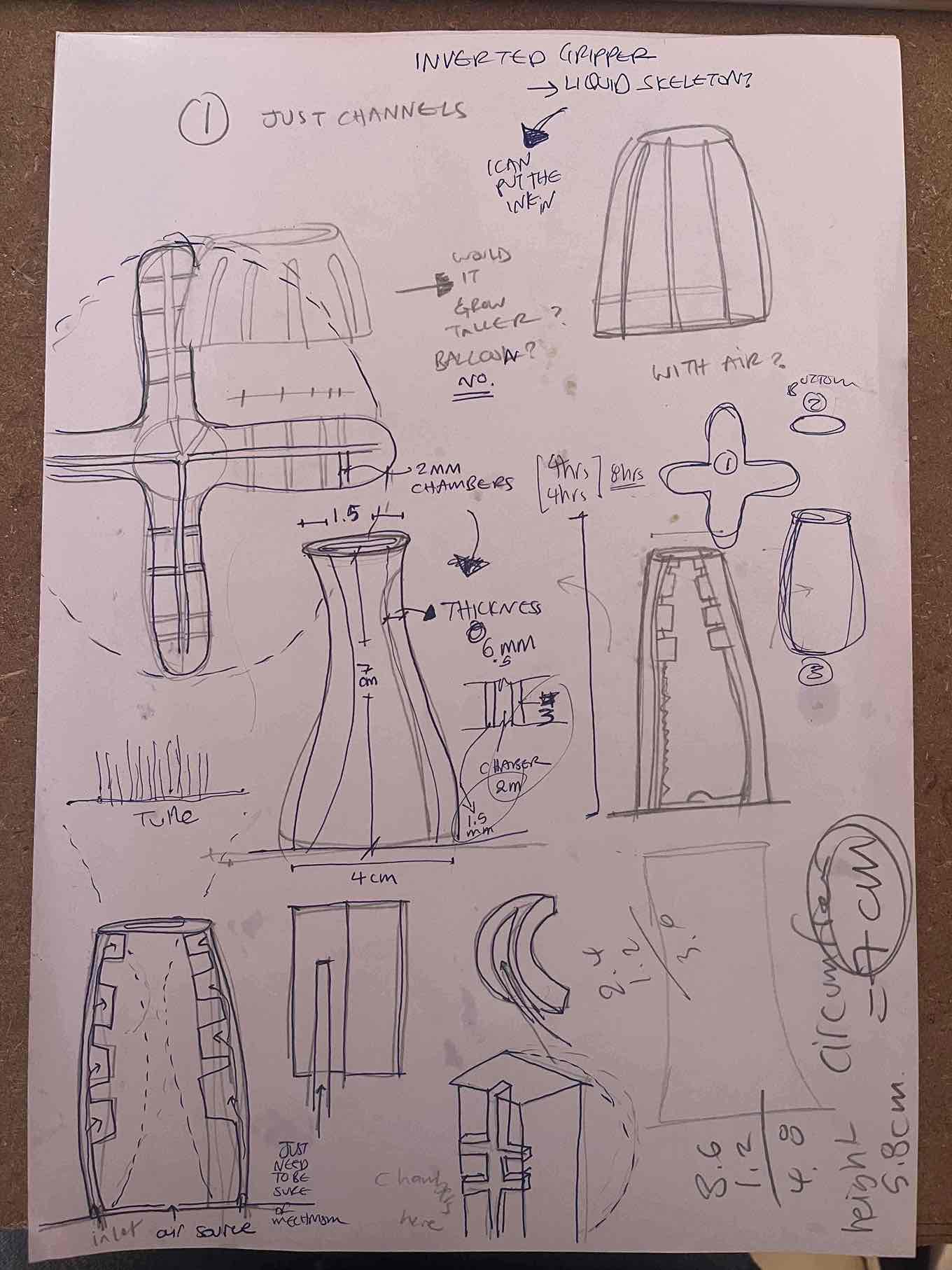
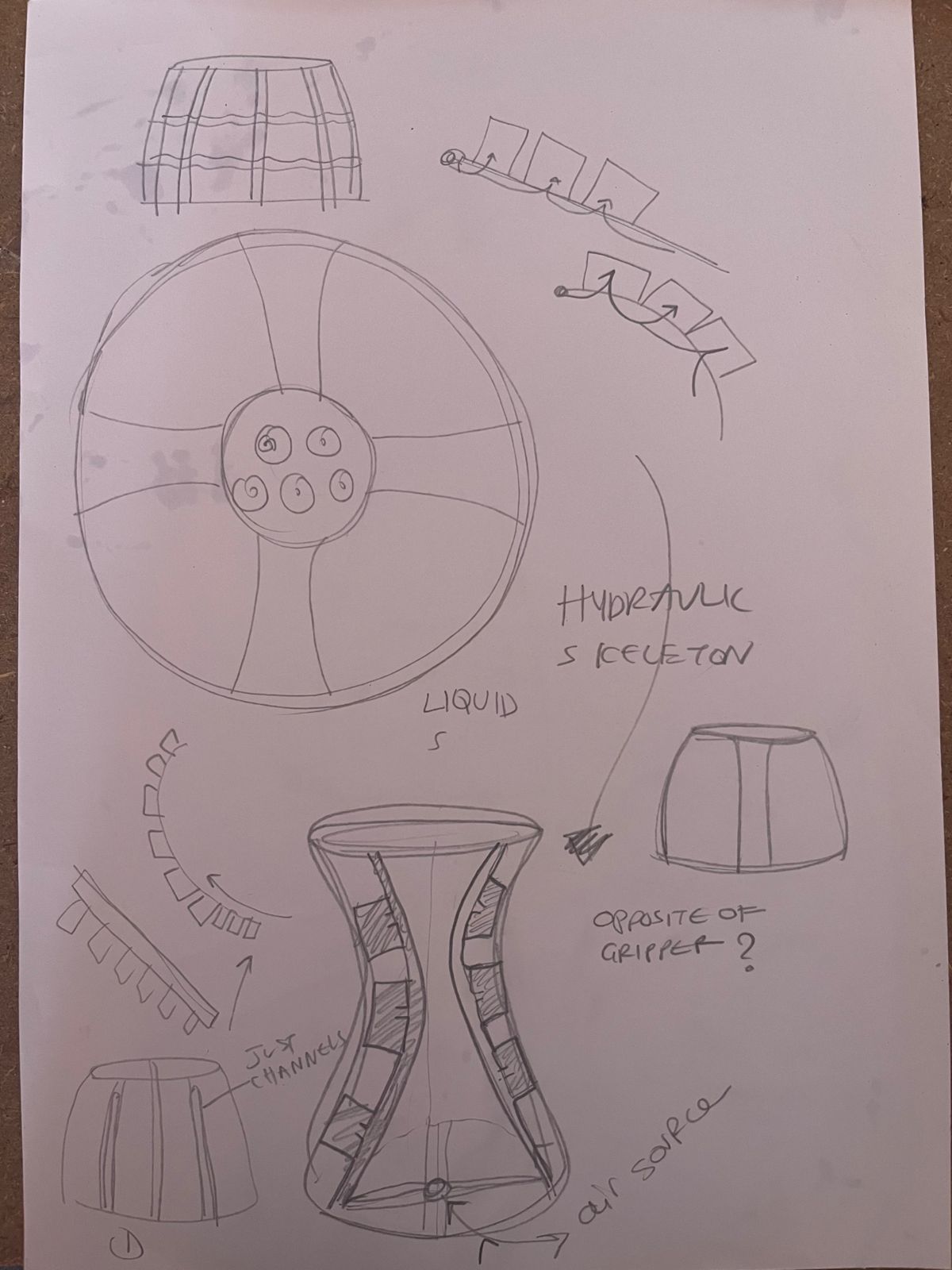
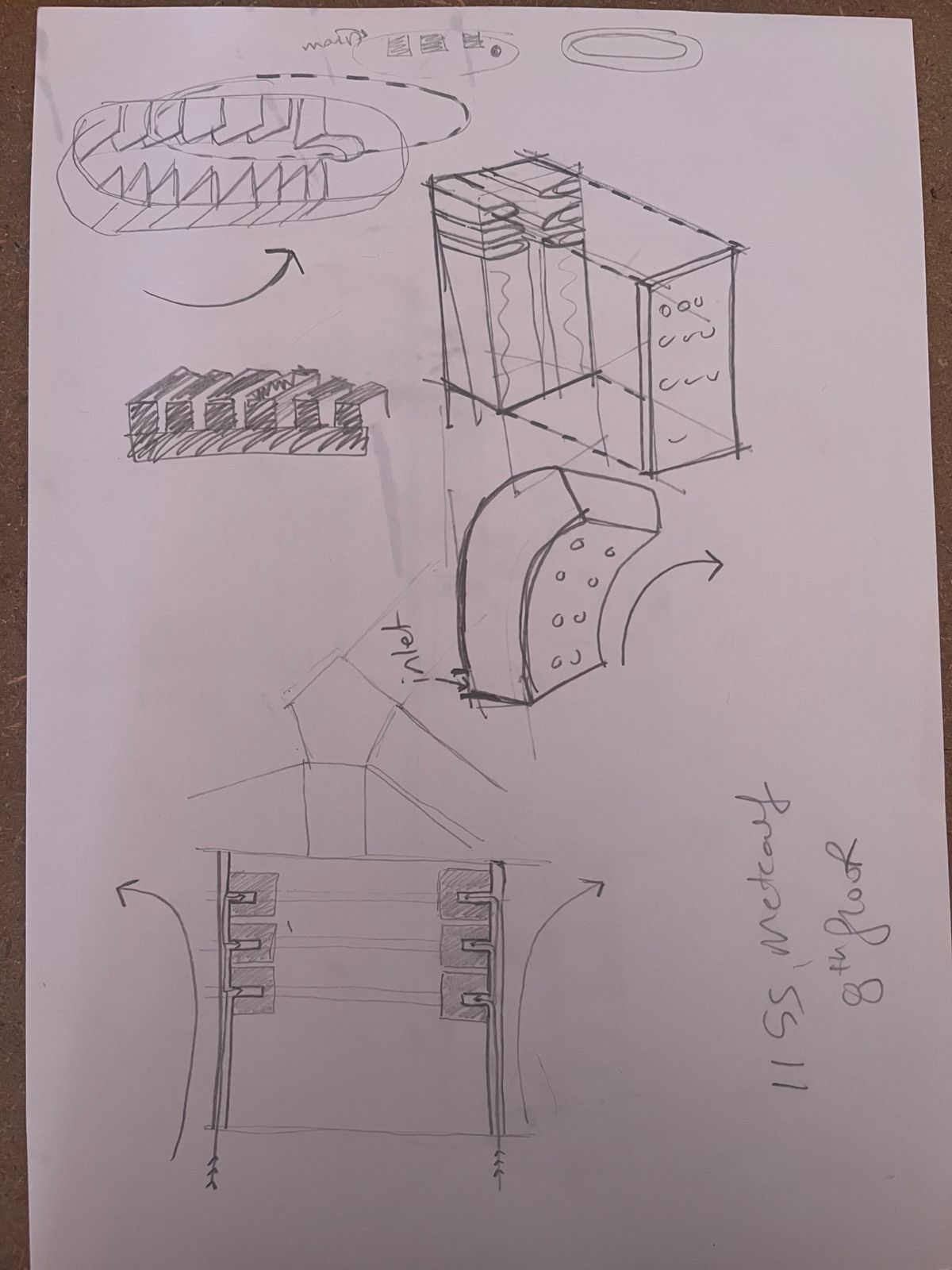
In this paper , the authors epxlore the grippers based on the movement and anatomy of a sea anemone. They designed something called a bistable gripper that combines sensing and gripping. In this design, the gripping relies on the pins (as tentacles) on a dome on a cylindrical structure. The movement relies on suction mechanism upon sensing mimicking the 'sense-and-retract' mechanism of the anemone. When 'sensing' occurs, a penumatic vaccum is activated pulling the dome-like strucrture into the interal vaccum.
(Videos of the mechanism are at the bottom of this page .)
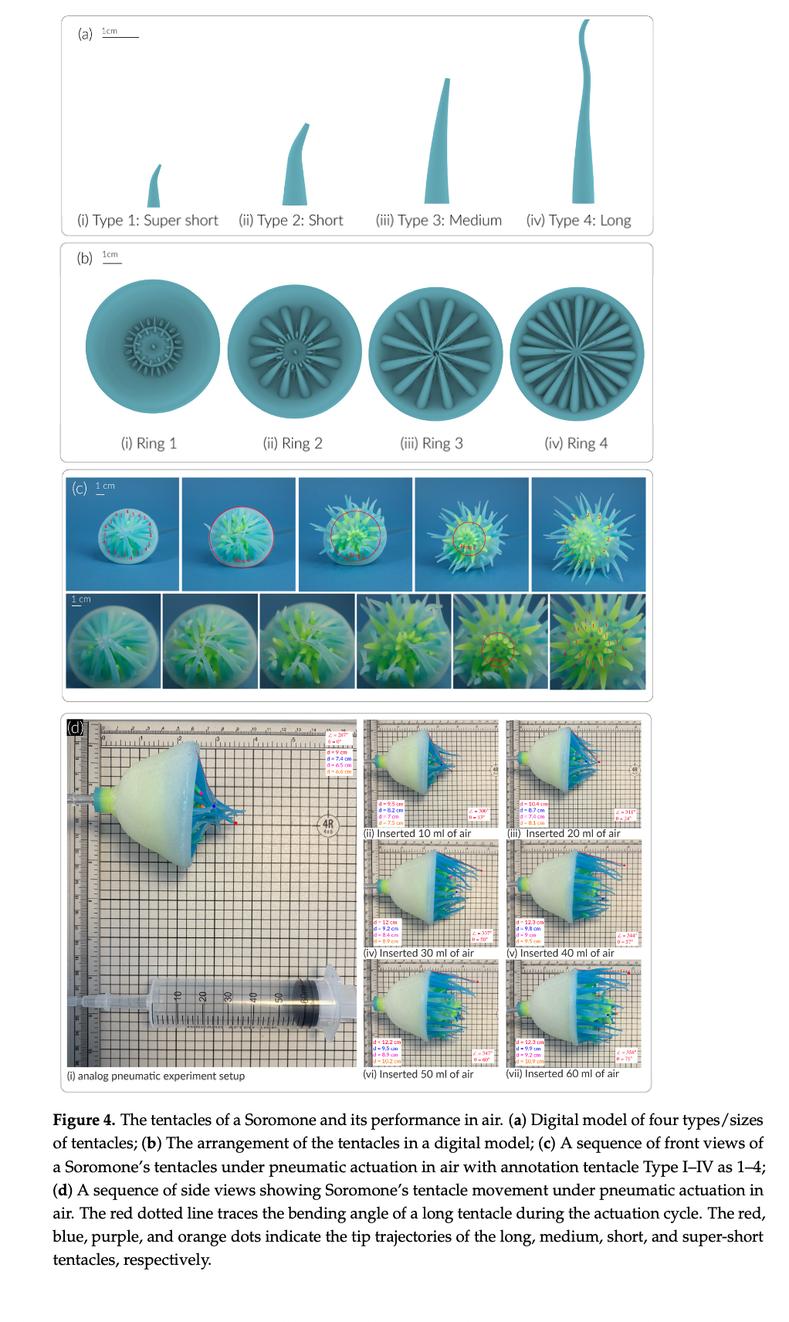
Another study that I found, with the purpose of replicating the movement of the sea anemone. This is mostly based on the movement of the tentacles and it is also power-based.
3. Tools
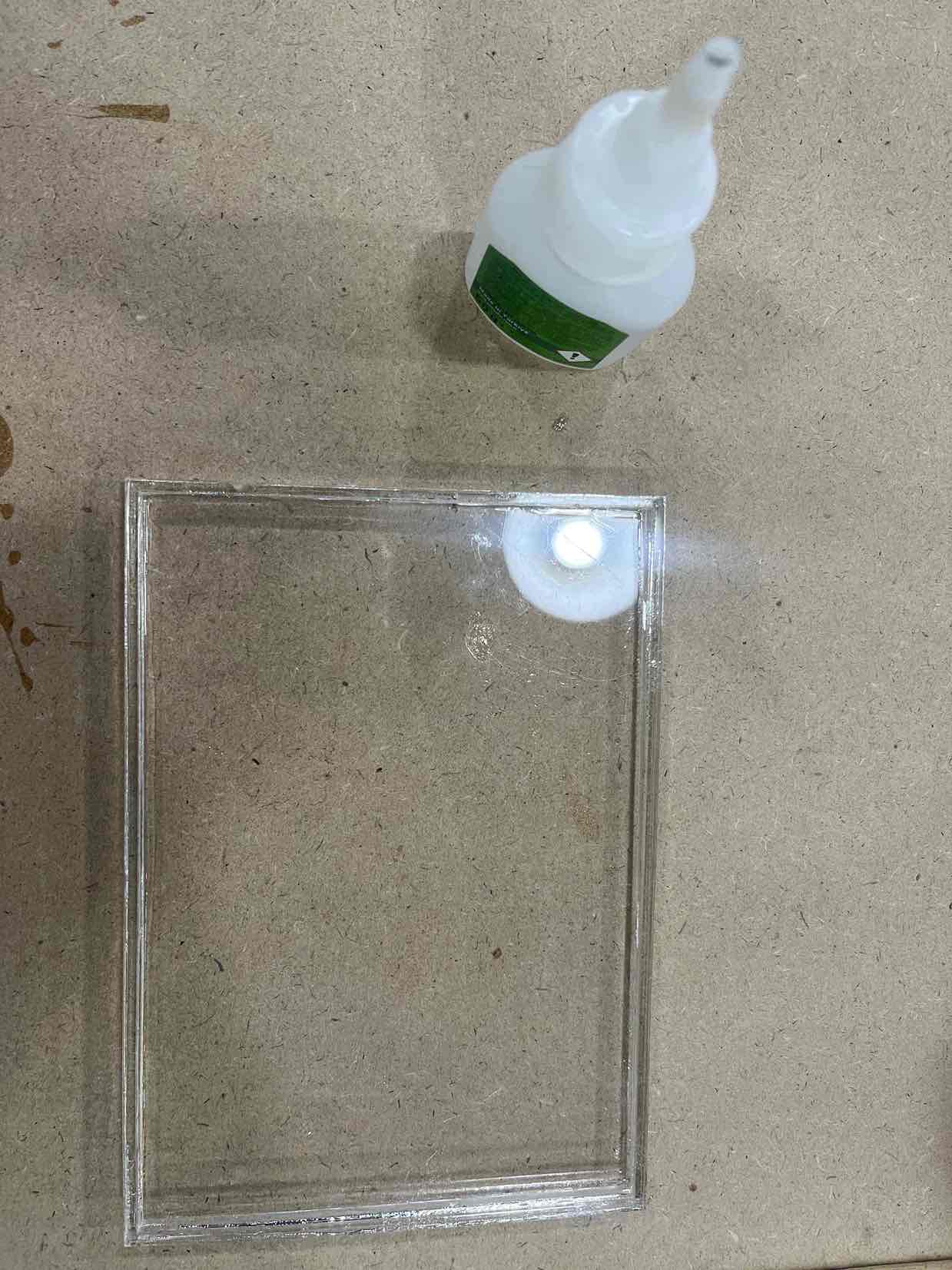
- Eco-flex Silicon
- Acrylic Glass
- Scale
- Laser Cutter
- 3v battery
- Heat-transfer vinyl (TPU)
- Heat Press
4. Process and workflow
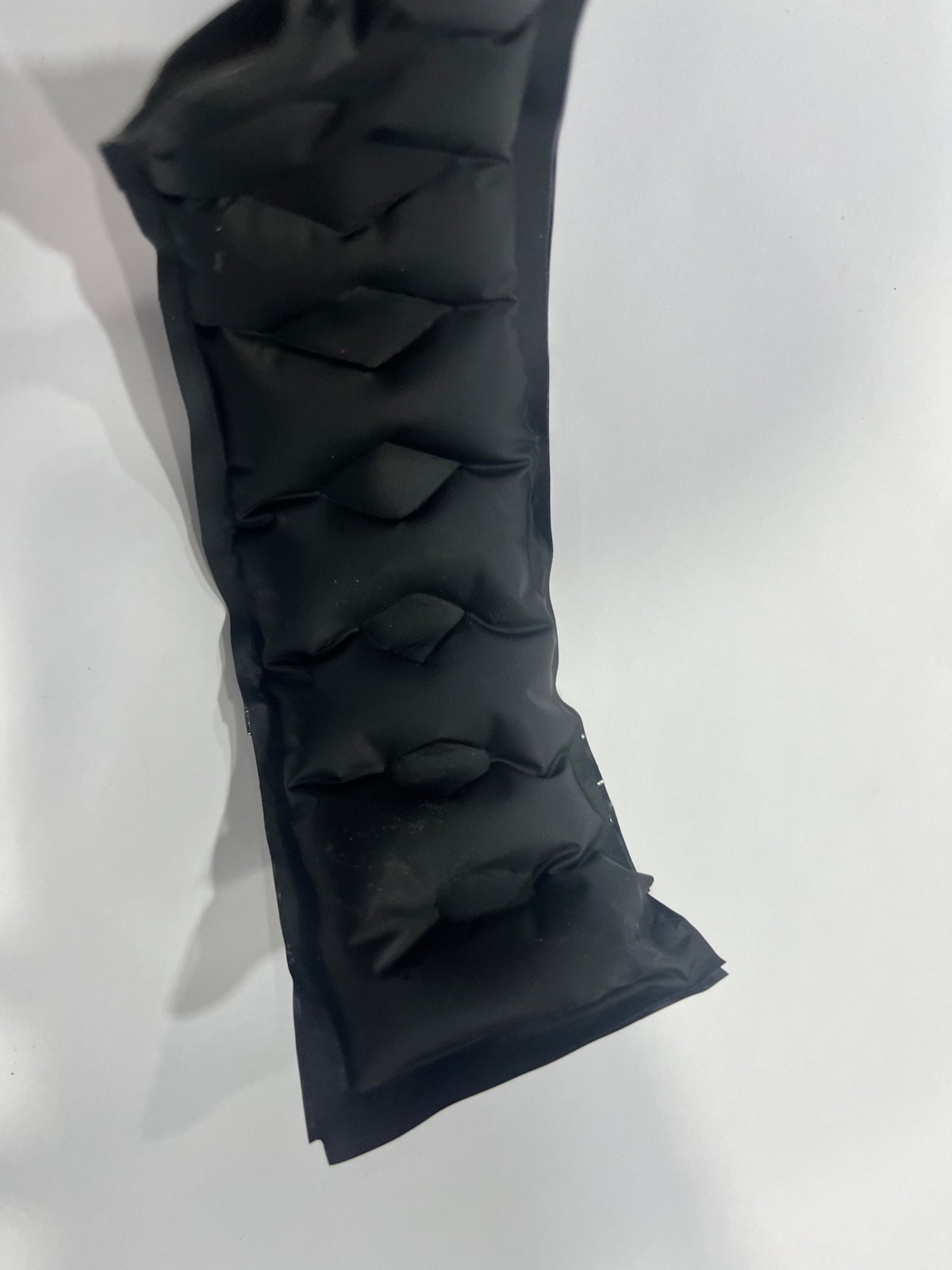
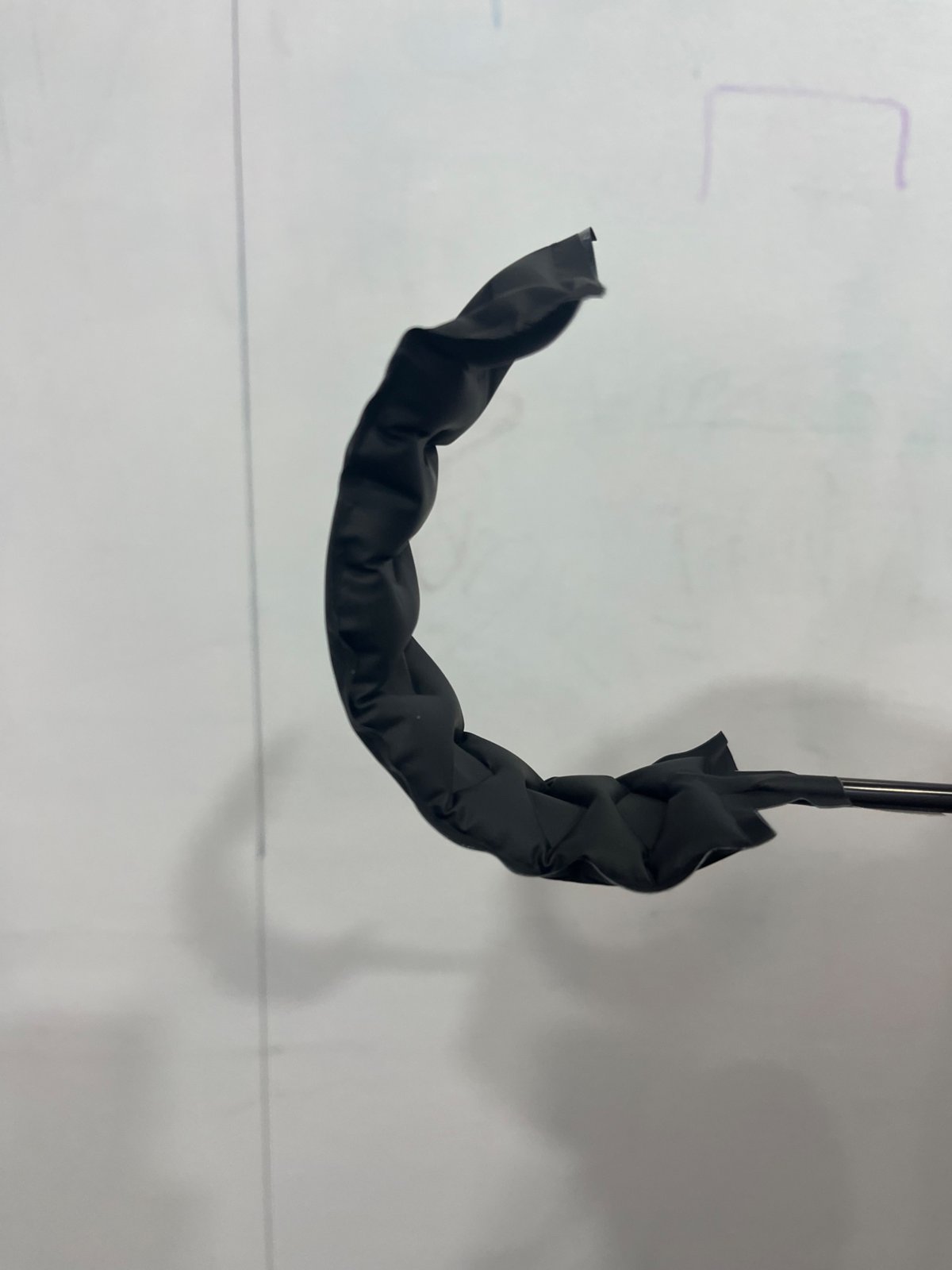
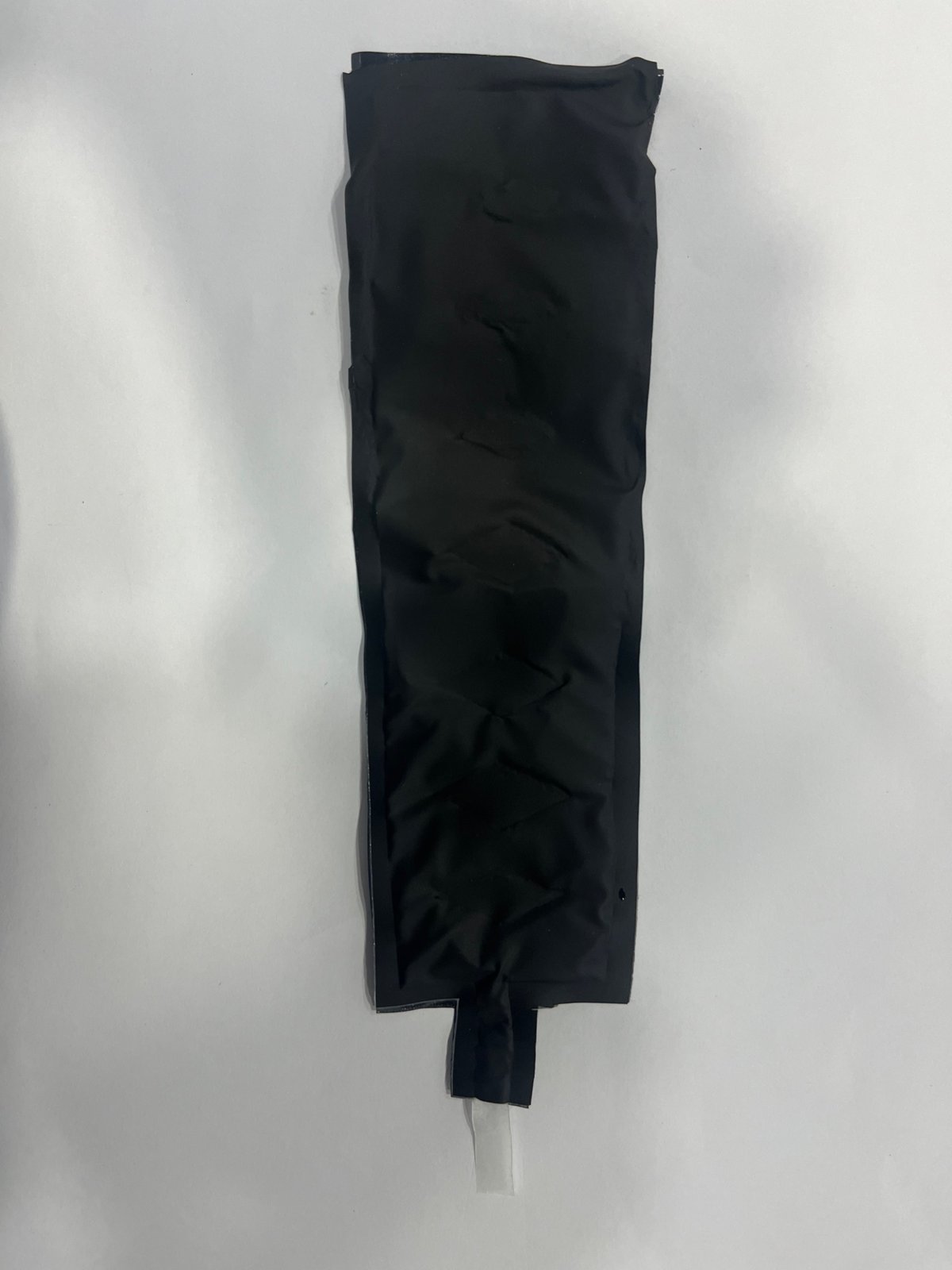
Inflatable using TPU
Lettuce Alginate
Felt Lungs


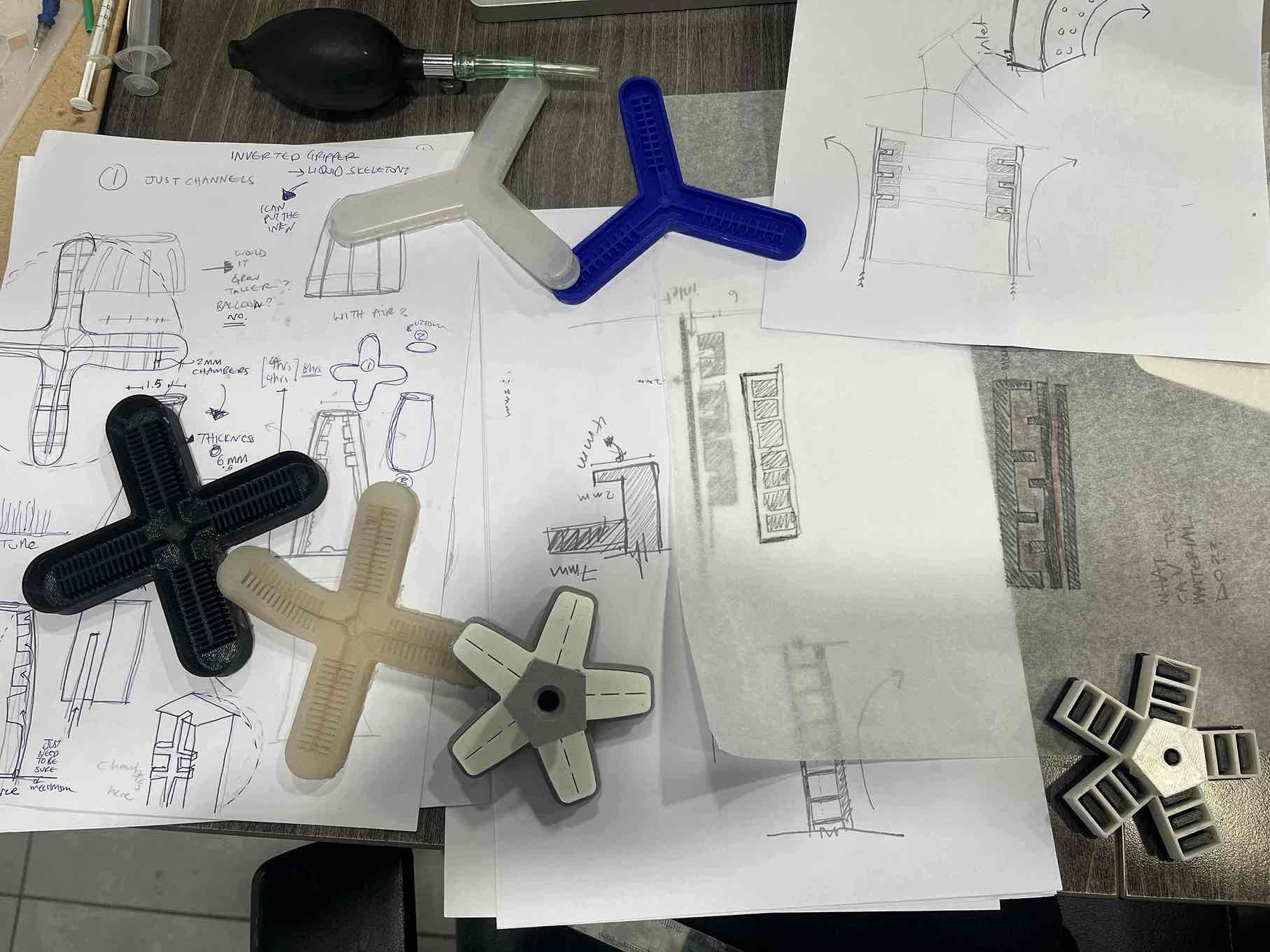
Gripper
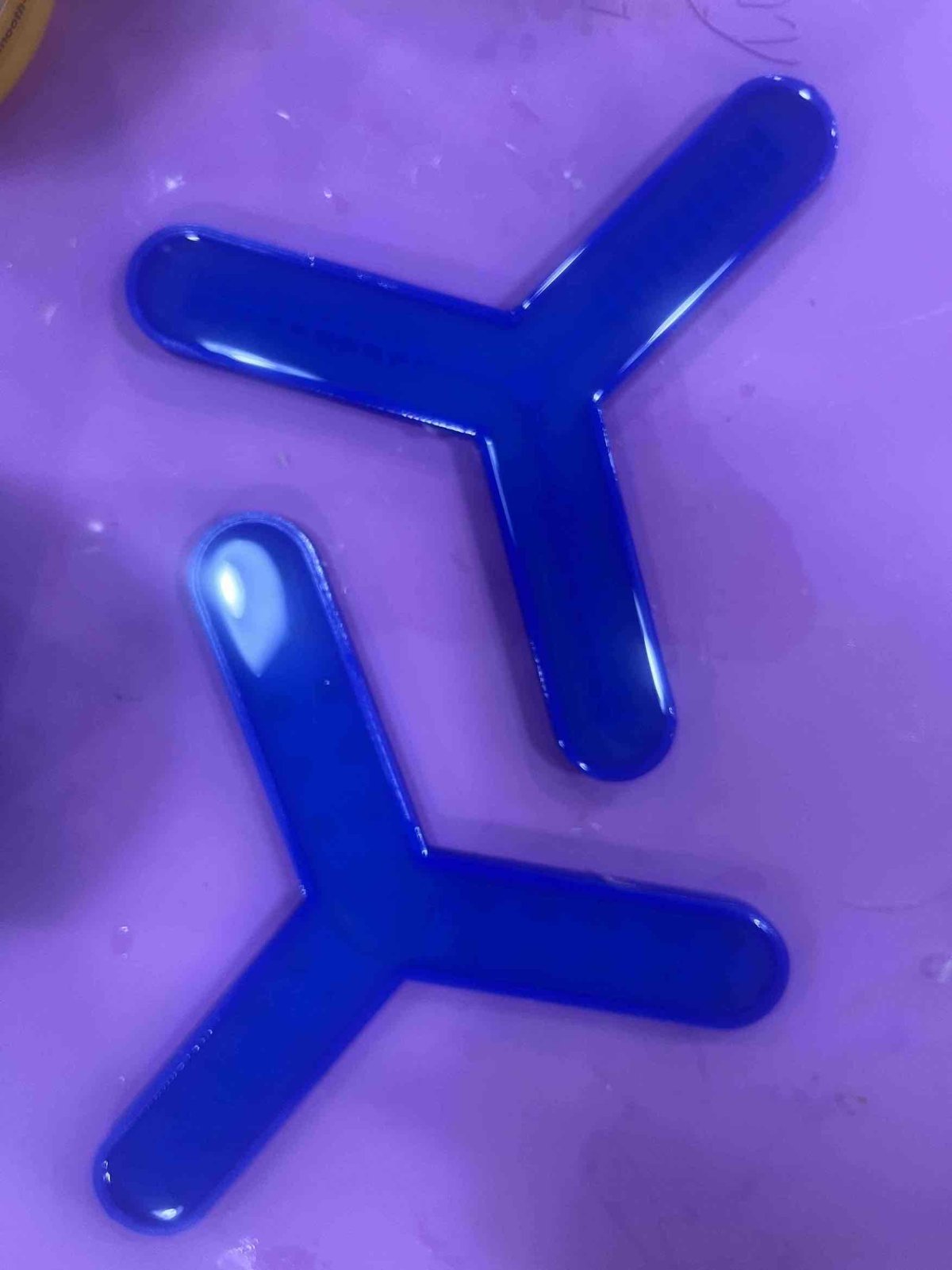
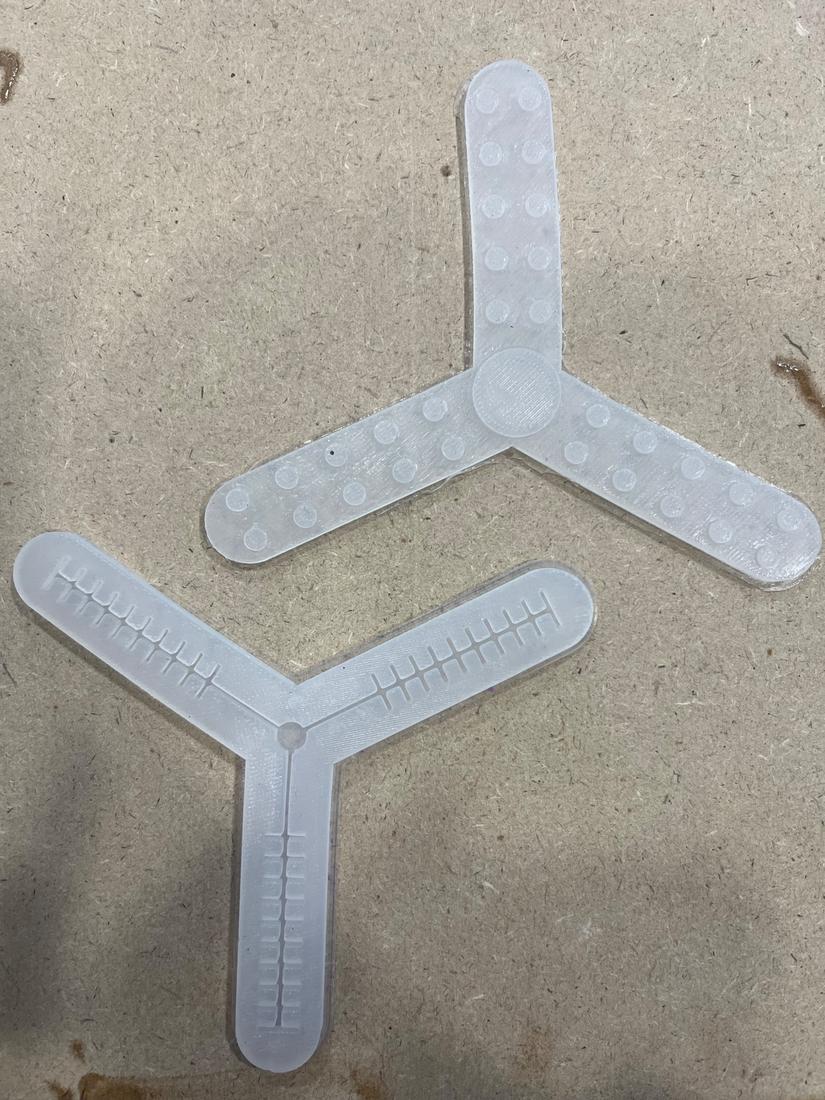
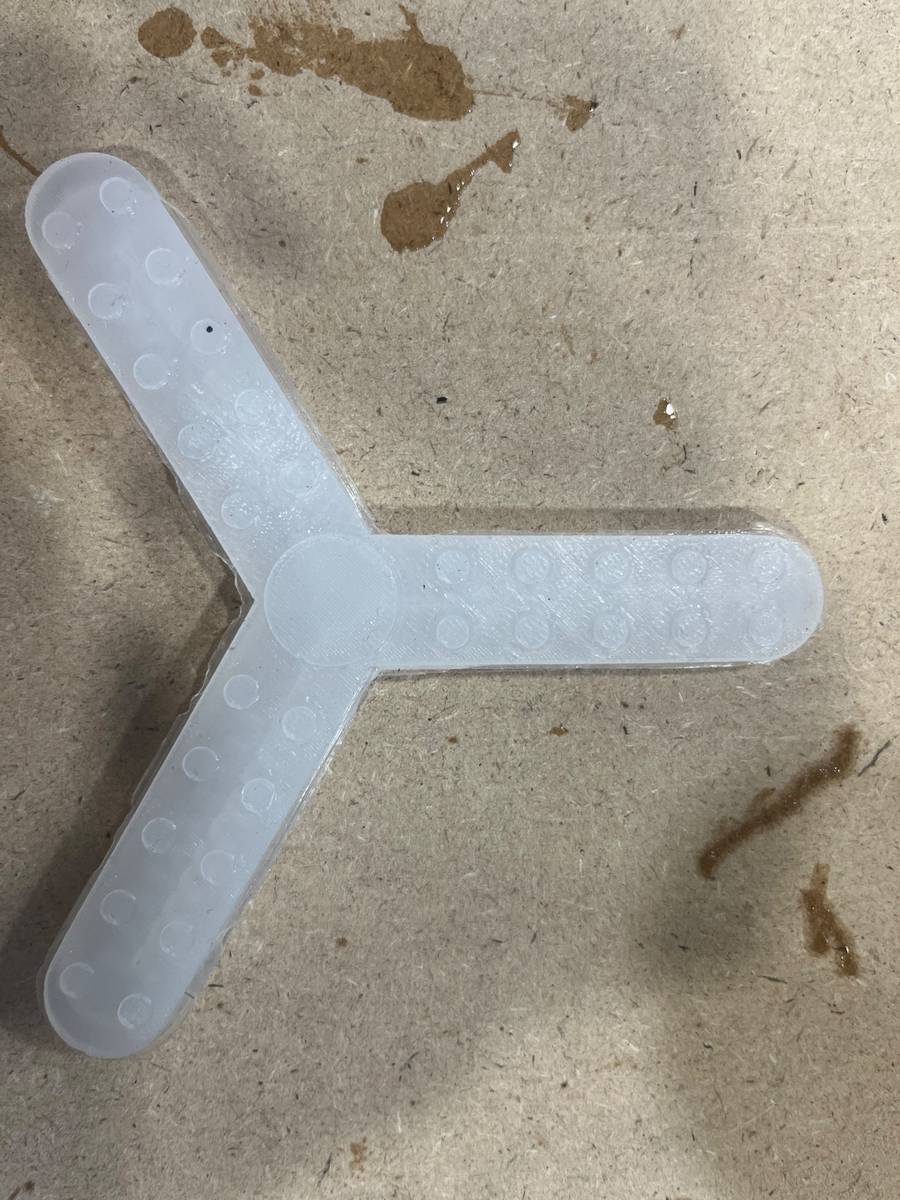
Sea Anemone
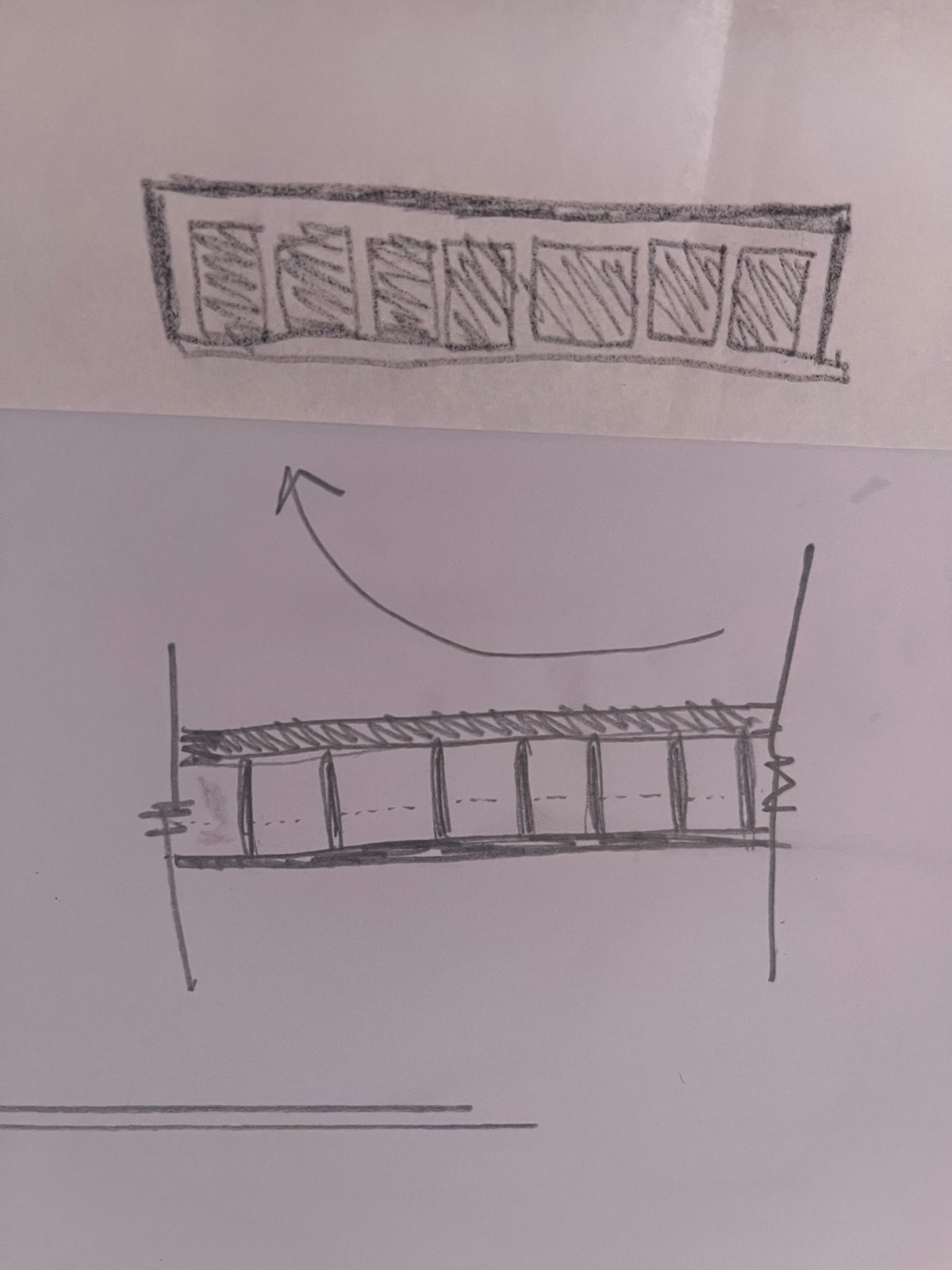
The body of the sea-anemone consists of [tentacles, body, membrane with retractor muscles, and internal cavity]
5. Results
Inflatable using TPU