BioChromes: Madder Root and Sage
Objective
This week's technical objectives include learning how to dye naturally and how to create natural inks and pigments. For the natural dyeing, it incudes plant and animal-based fabrics.
2. Dyeing
Foraging
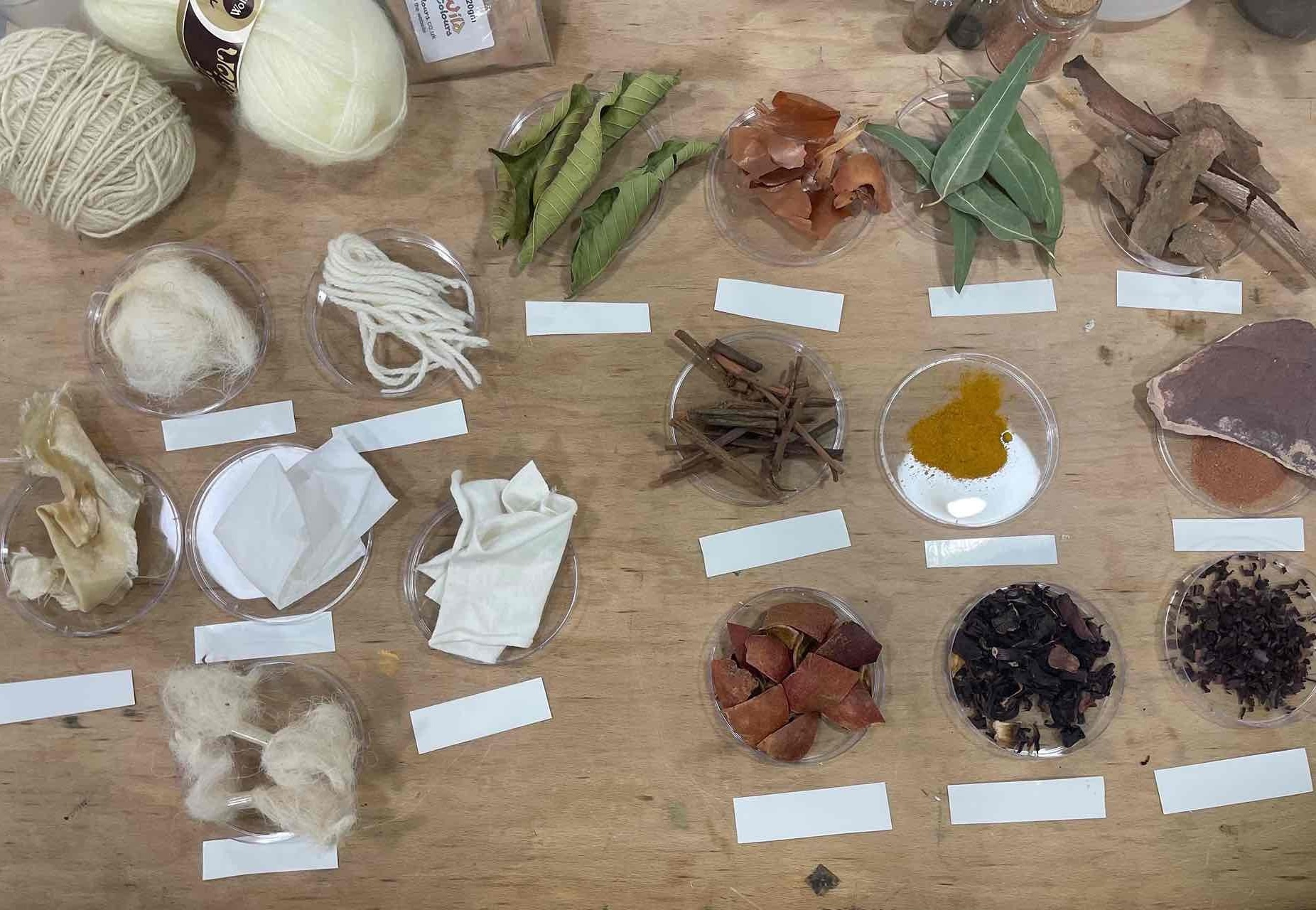
Natural Dyeing is best when using local materials. These need to be used sparingly so as not to deplete natural resources. In Amman, some of the plants, herbs, and trees that have dyeing potential include the following, which we foraged for in the Um il Soos area:
- Eucalyptus
- Guava Leaves
- Acorns from Oak trees
- Tobacco Leaves
- Cochineal Insects
- Pomegranate Berries
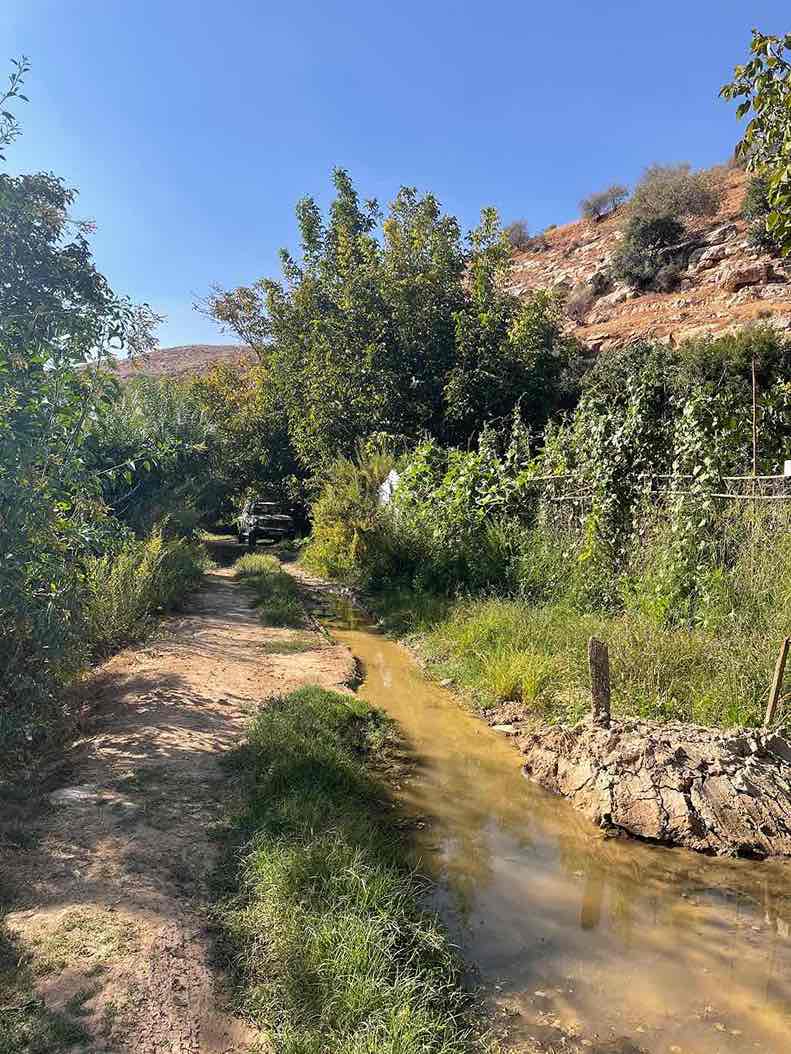
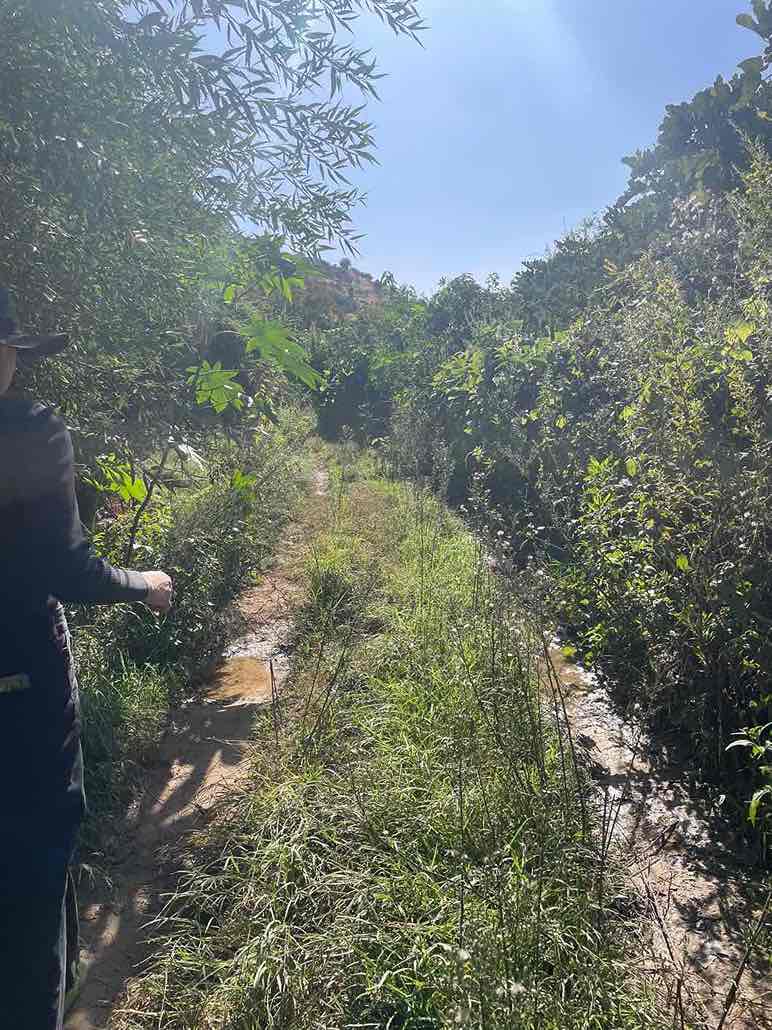
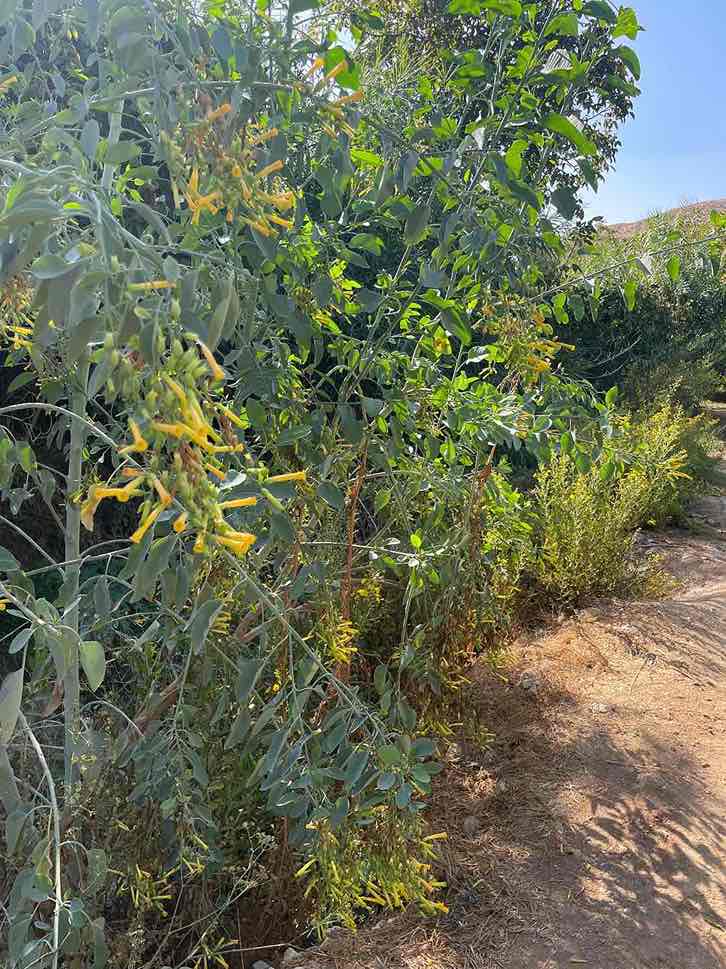
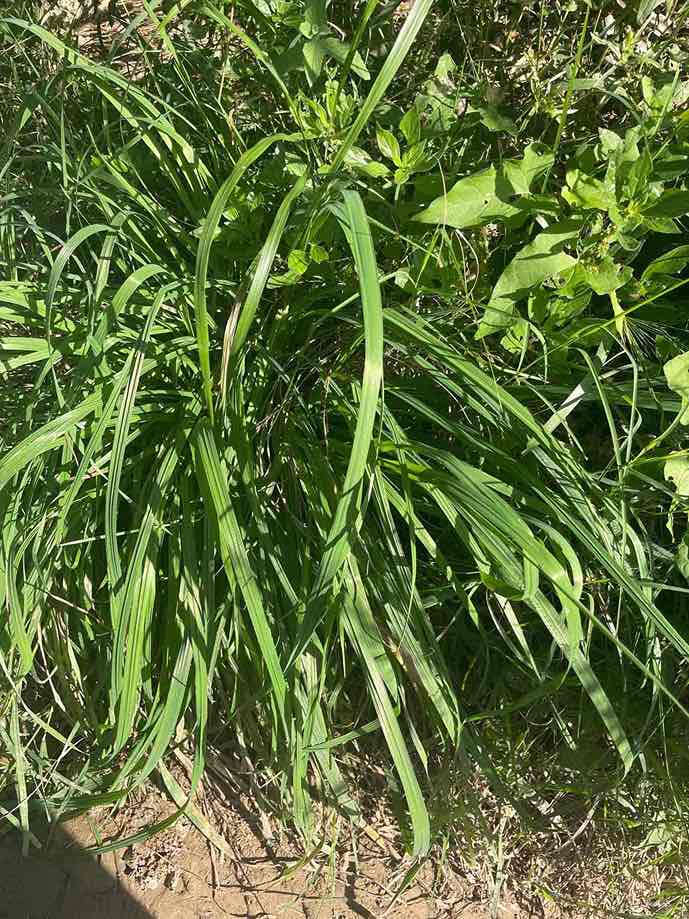
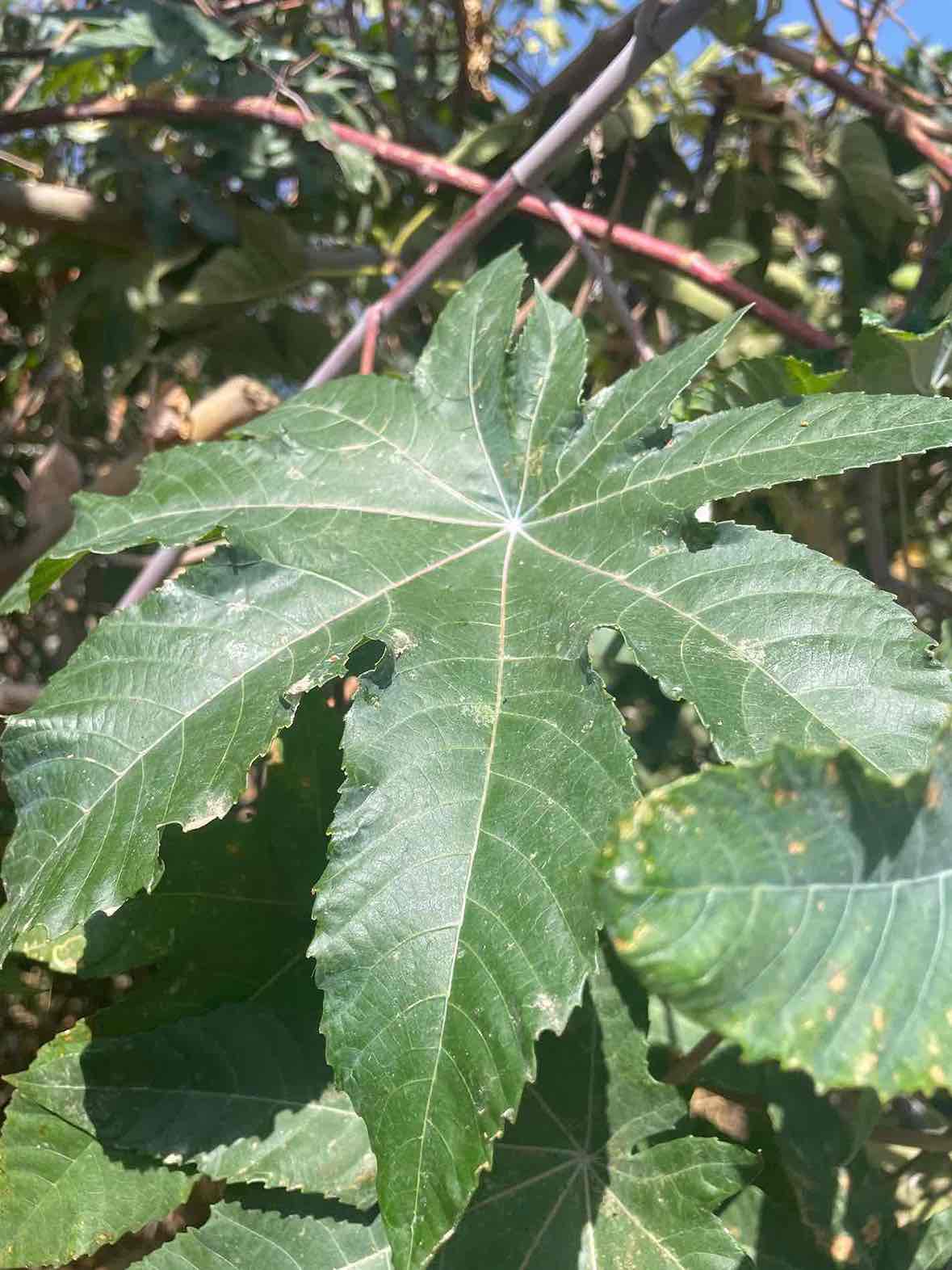
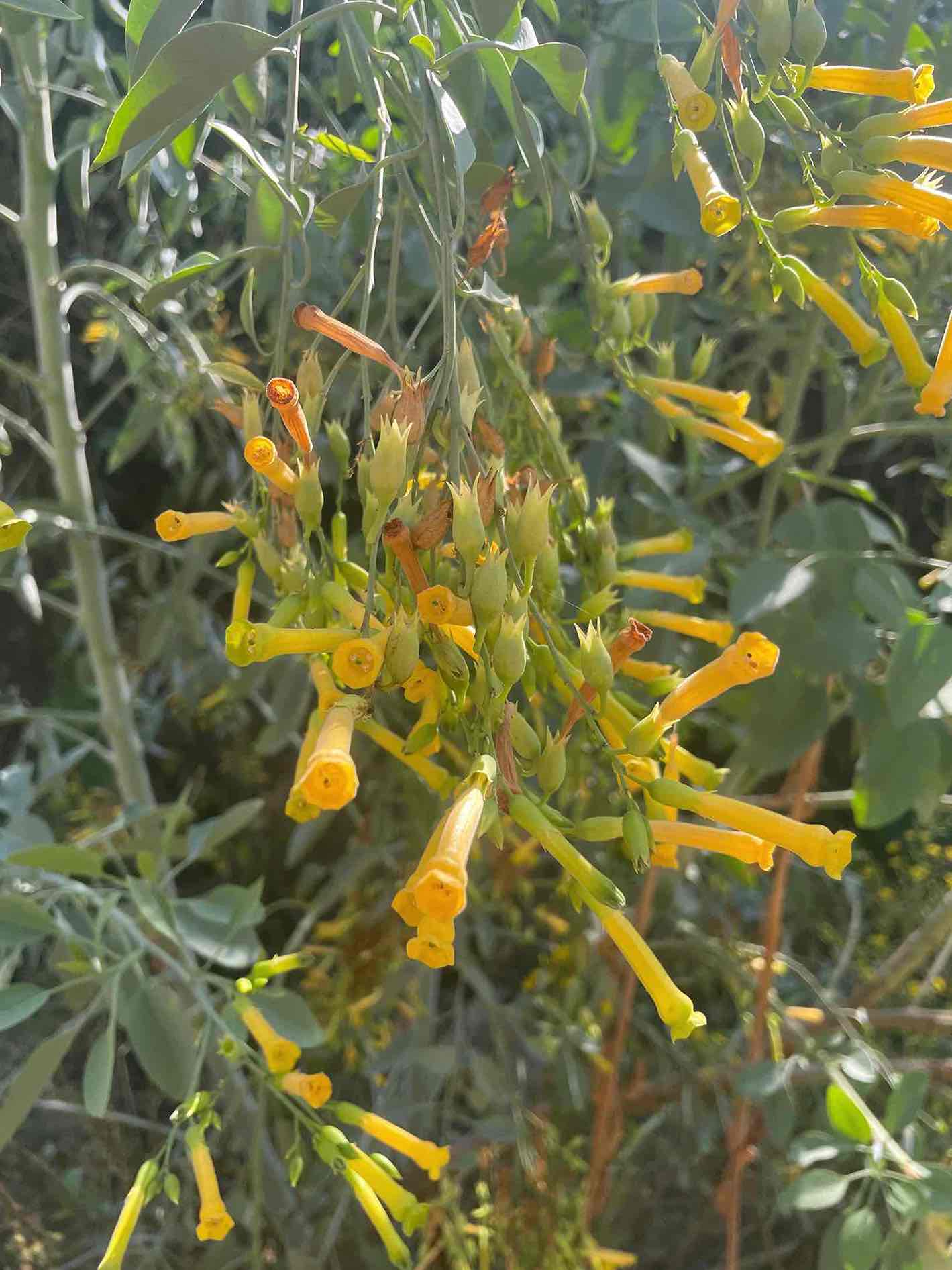
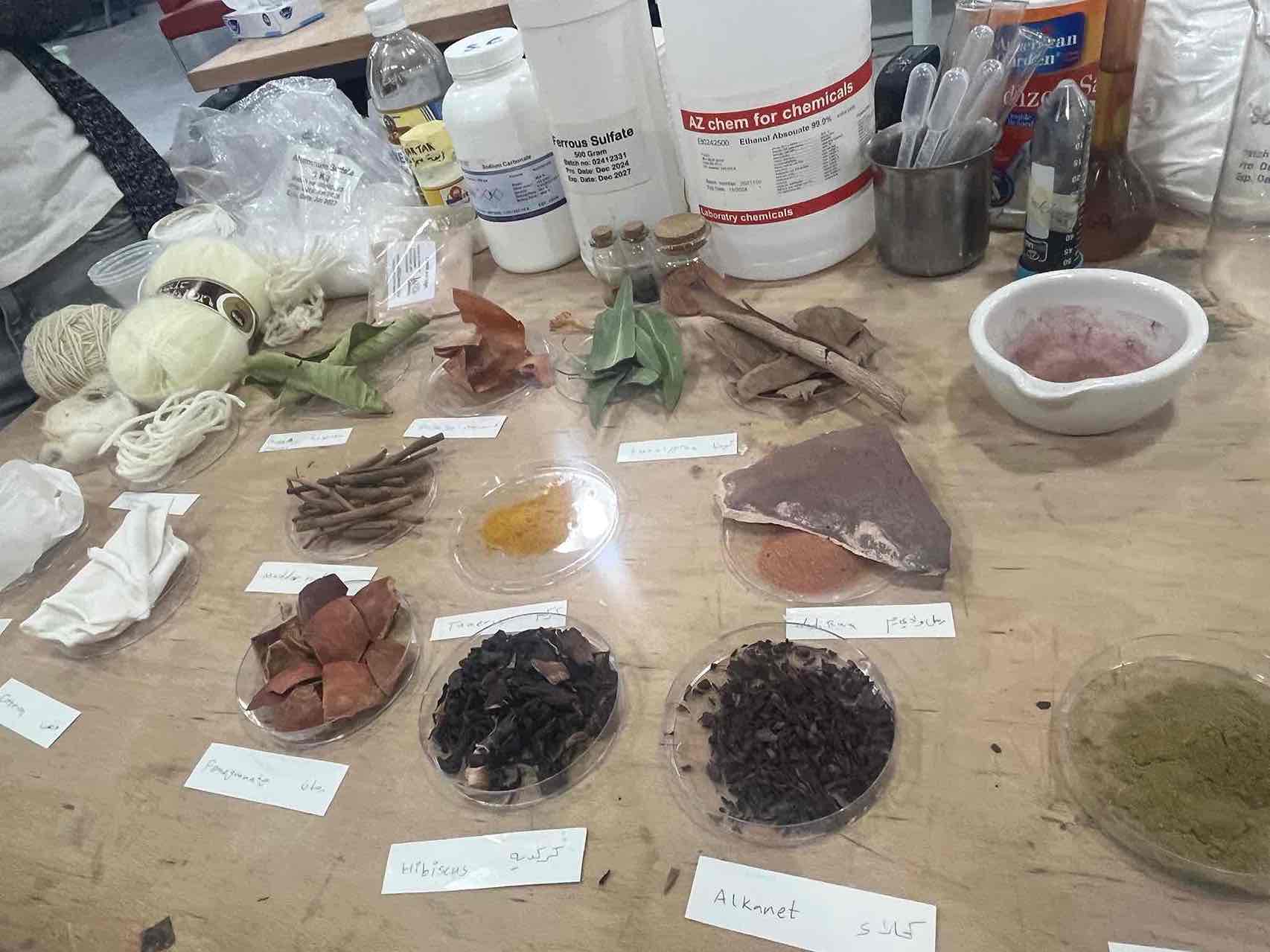
There were other dye stuff that were available in the lab, like the following:
- Madder Root
- Sage
- Henna
- Pomegranate skins
- Alcanet
- Hibiscus
- Sand for Wadi Rum
- Onions
- Cabbage
Class
Dyeing Process
In order to start the dyeing process, we must:
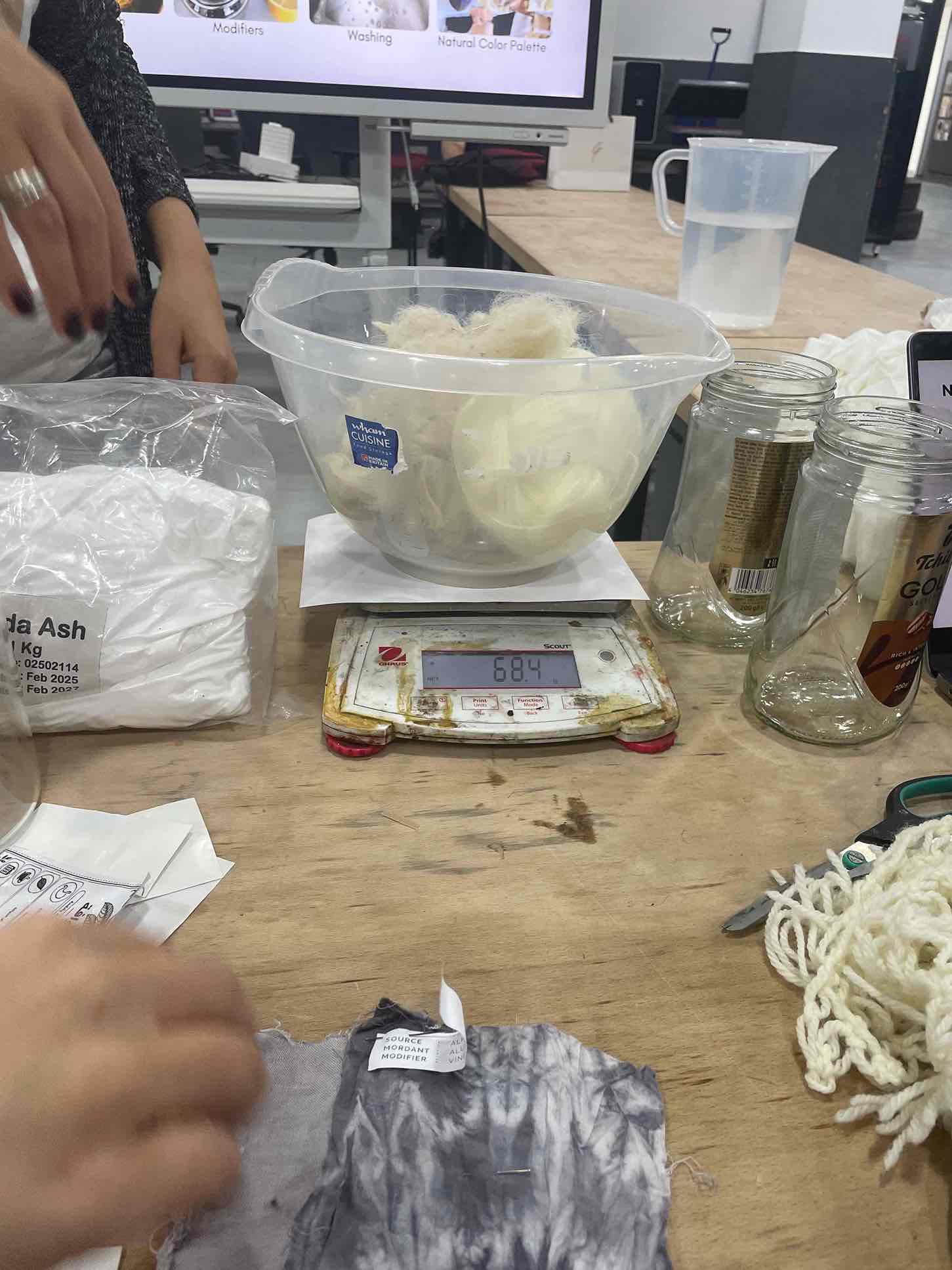
- Weigh the fabrics
- Scour the fabrics, for plant-based fabrics that means boiling and for animal-based ones, that means cleaning them while avoiding damaging them (feting for wool happens at high temperatures)
- Soaking the fabrics in mordant, in this case it is Aluminum Sulfate for 45-60 minutes
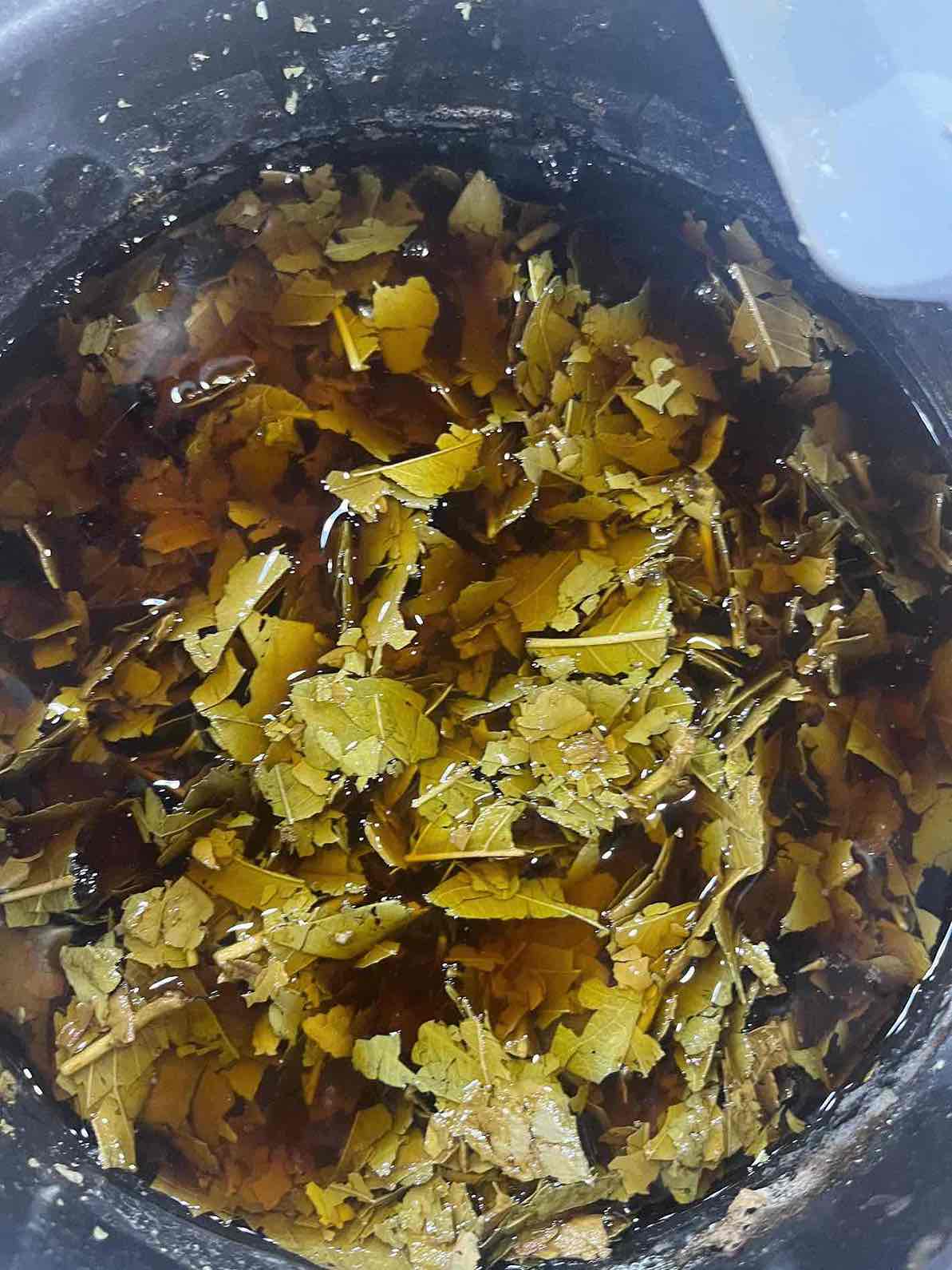
- Preparing the dye stuff according to type, this could include cold or hot soaking
- Boiling the plant-based fibres with the dye stuff water, and the animal-based fibres in a Bain-Marie
The dyeing process:
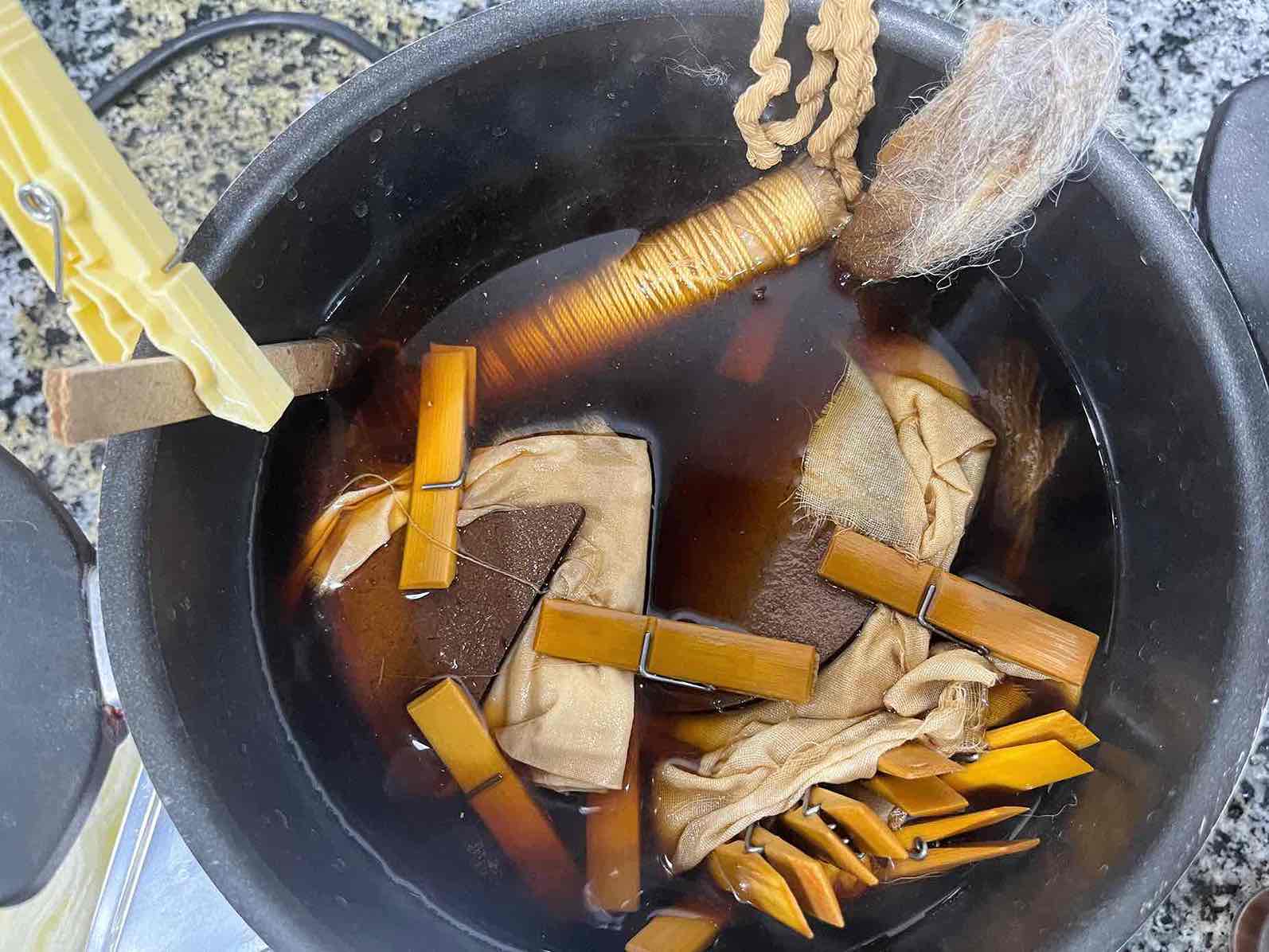
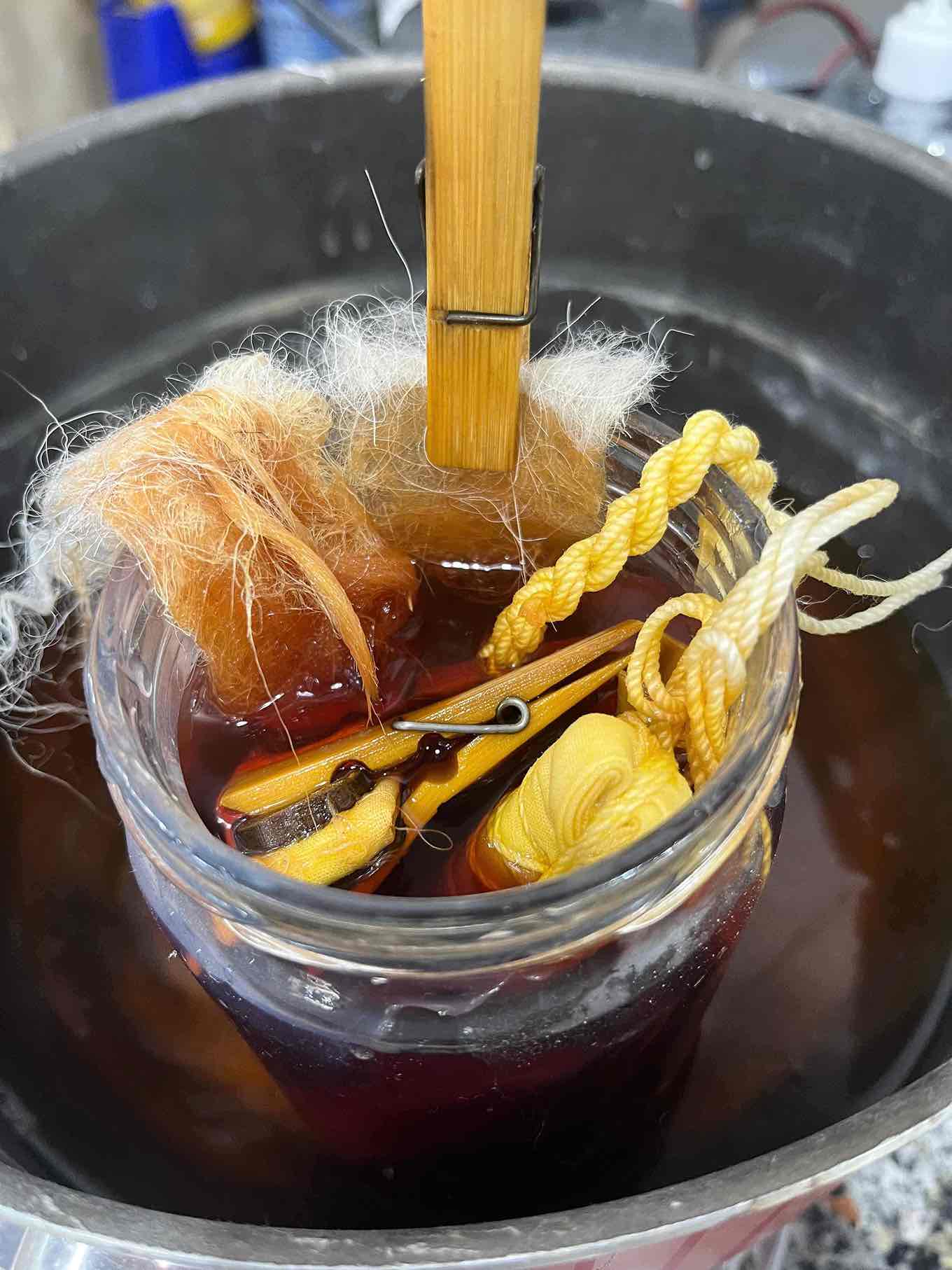
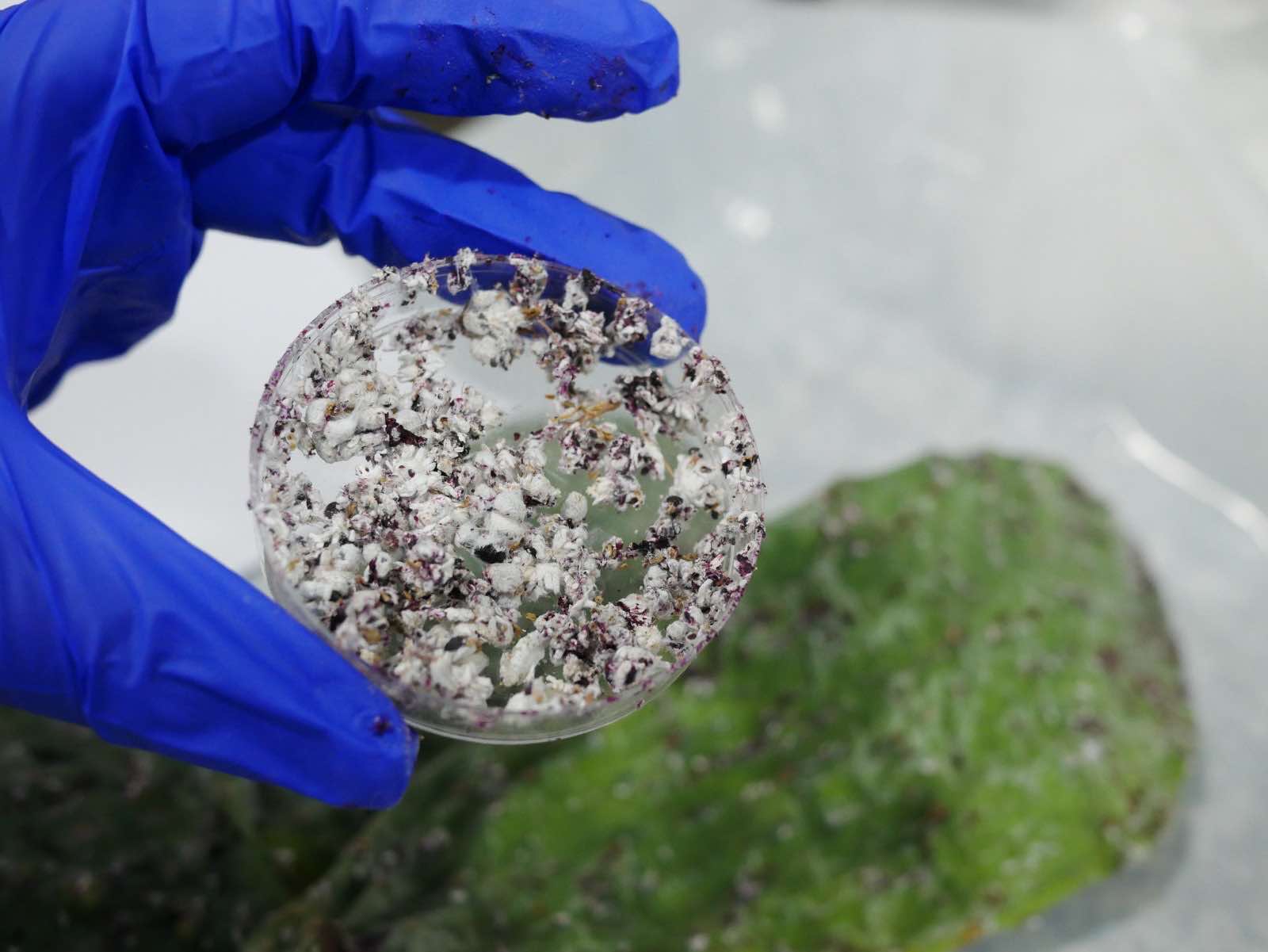
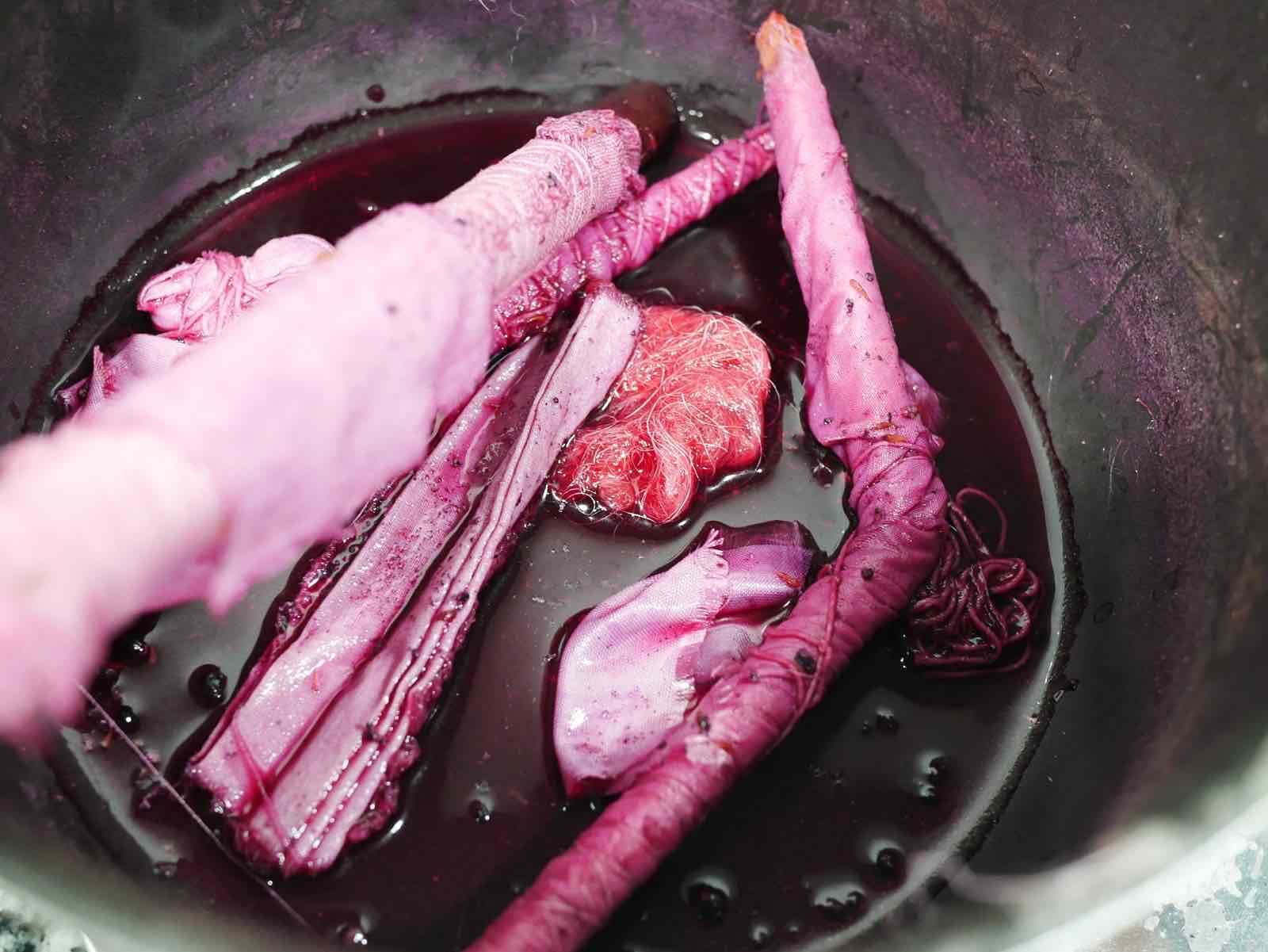
Dyeing the fabrics can include:
- Bundle Dyeing
- Binding-resist Dyeing
- Fold-and-Clamp-resist Dyeing - Itjame Shibori
- Arashi Shibori
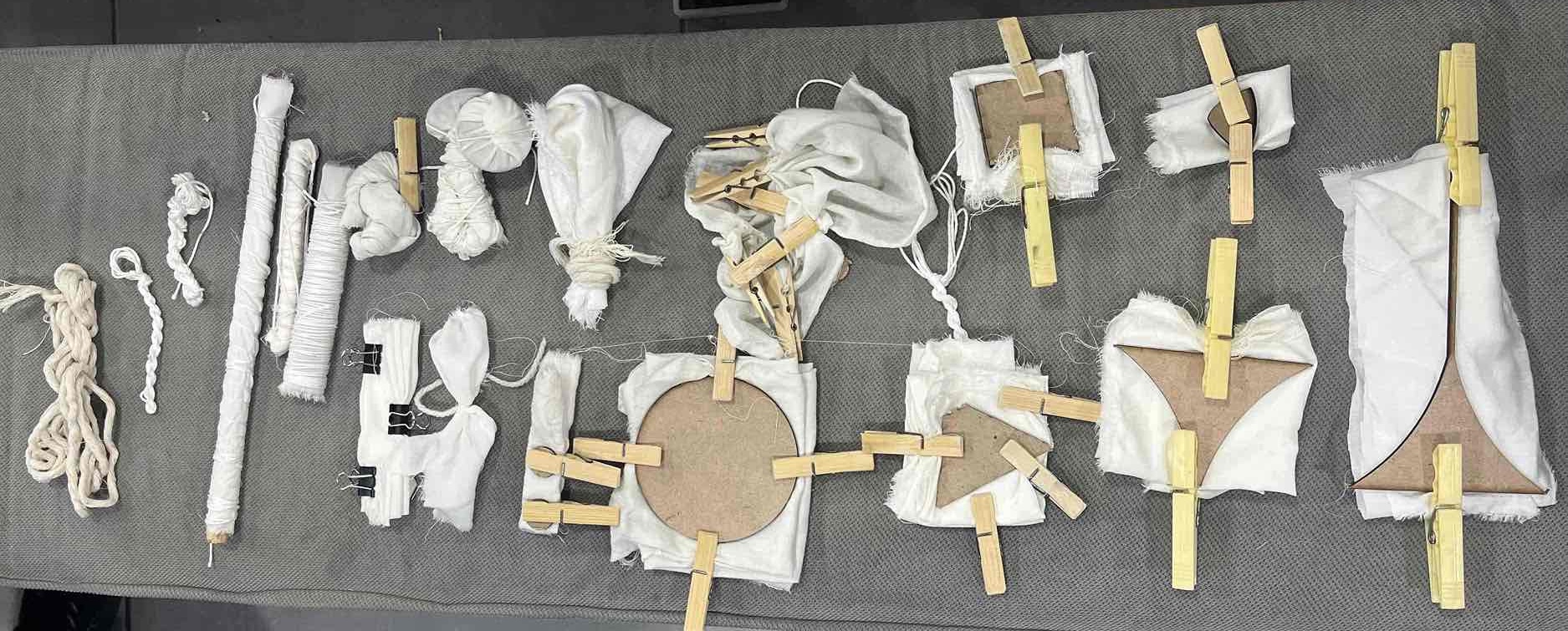
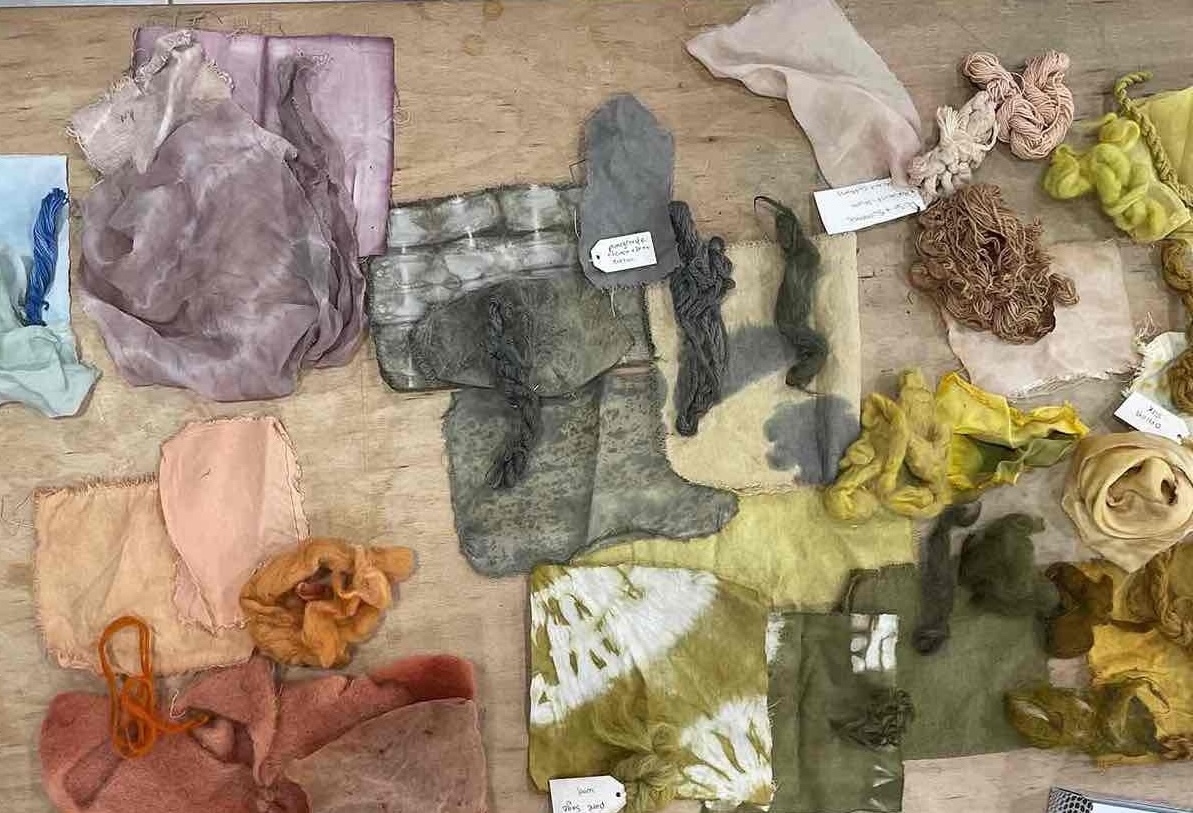
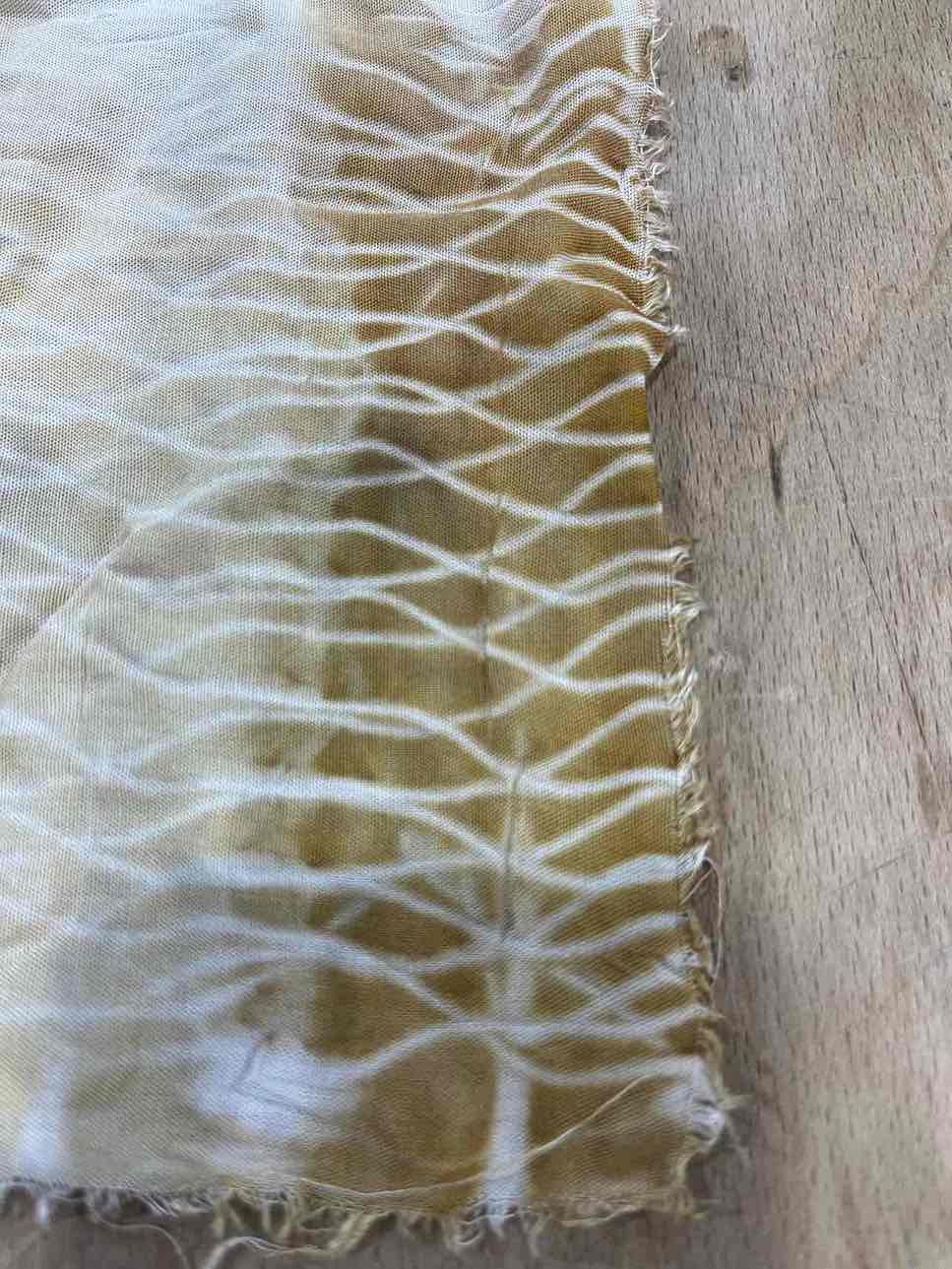
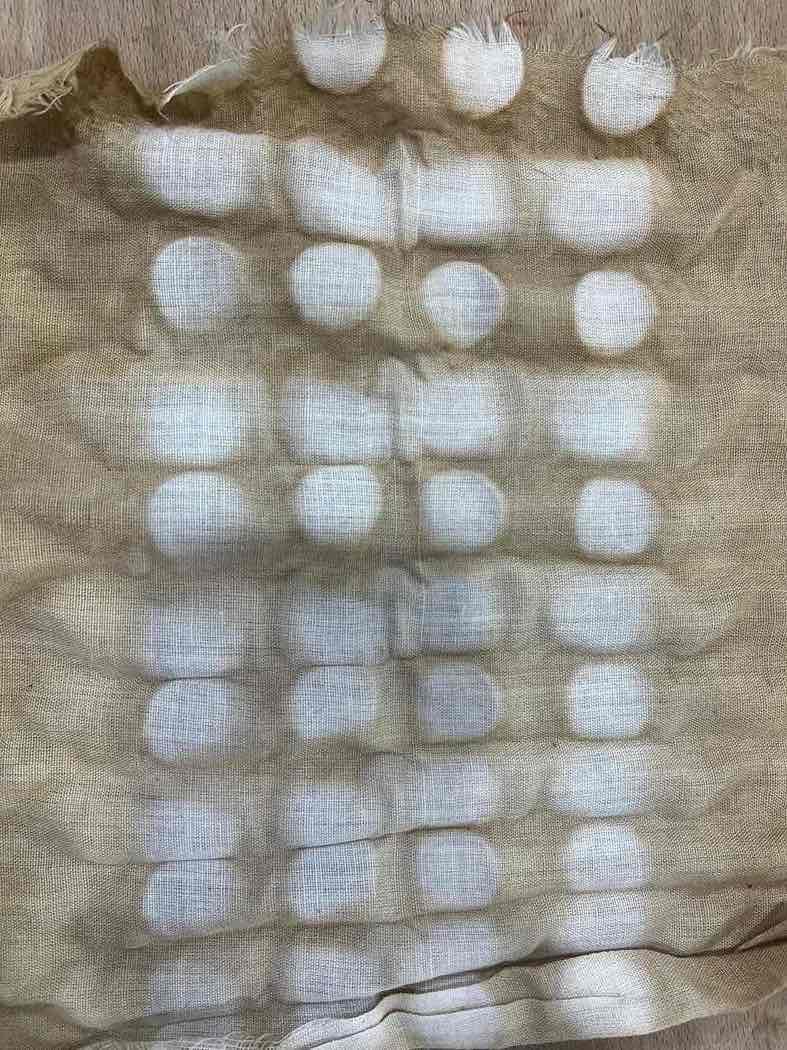
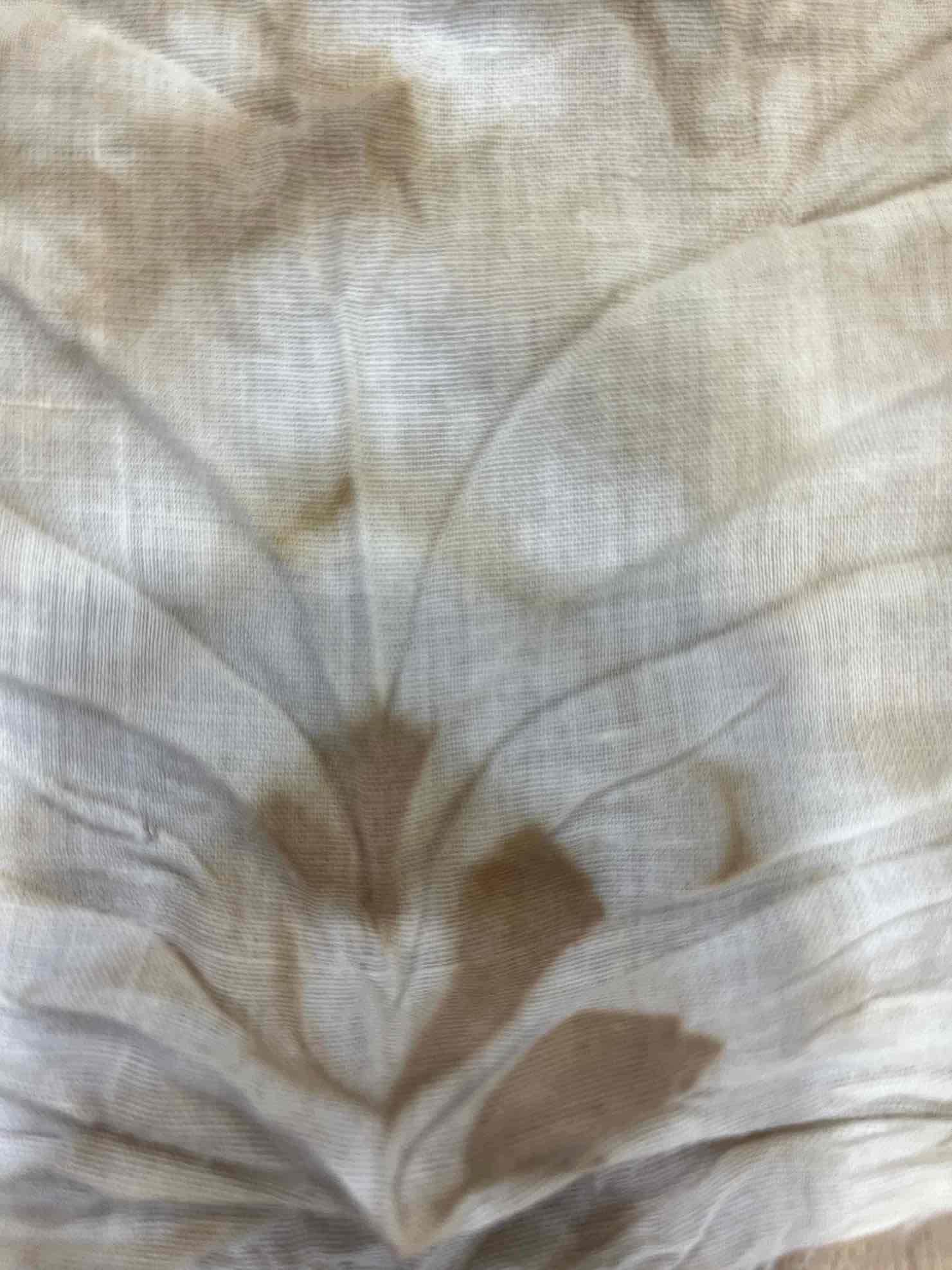
Some the results of the pattern dyeing
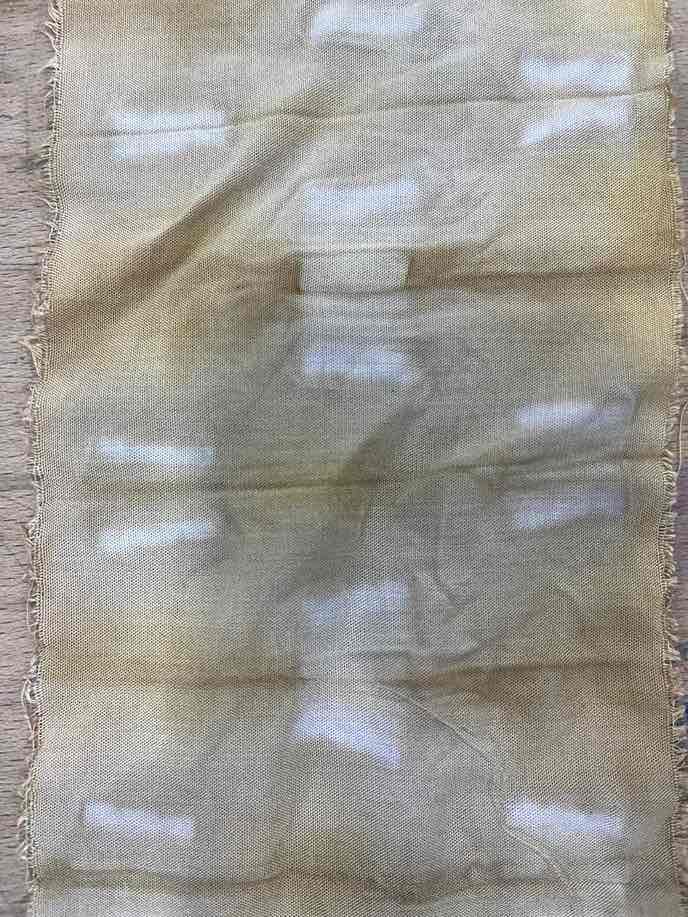
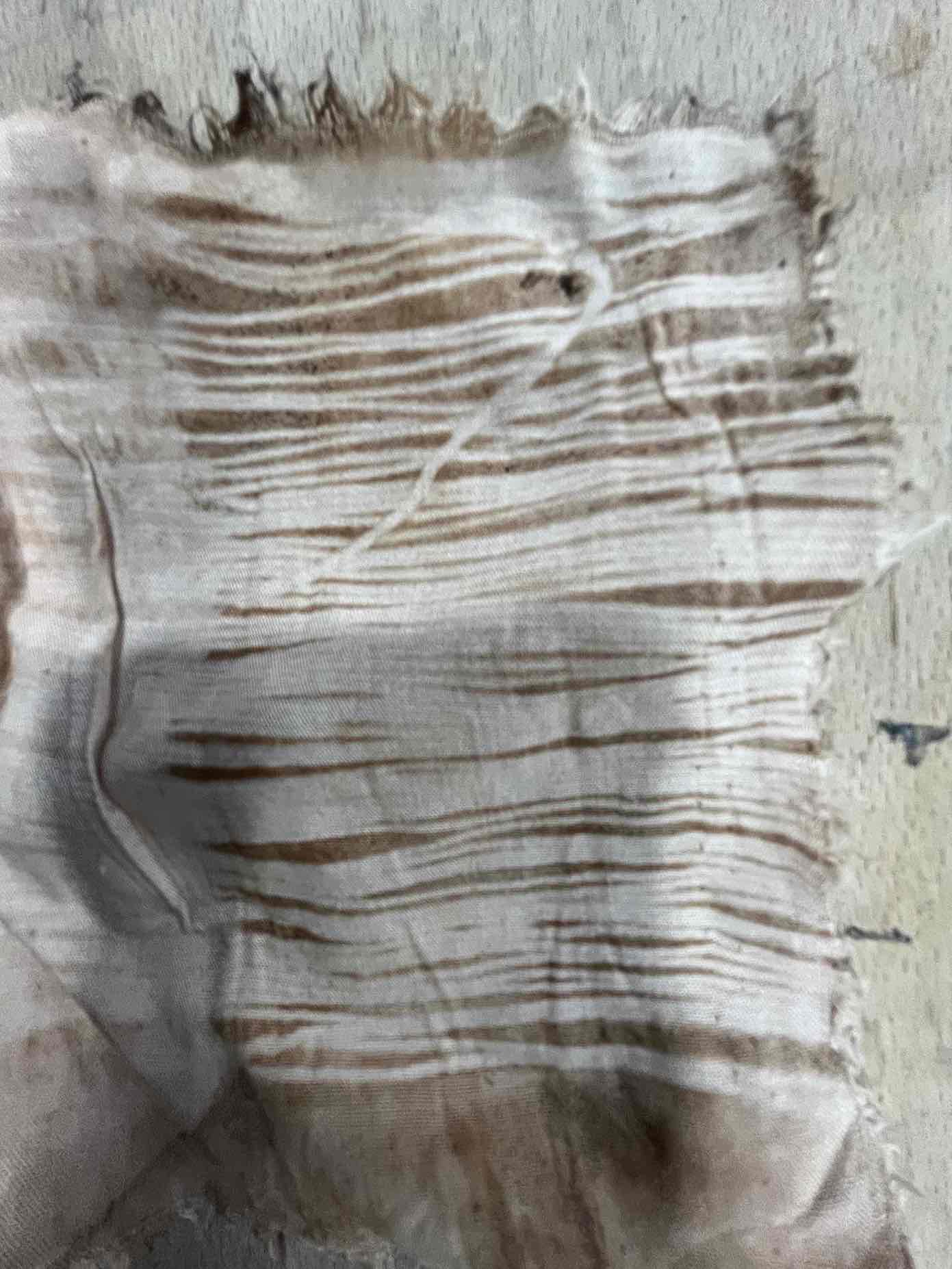
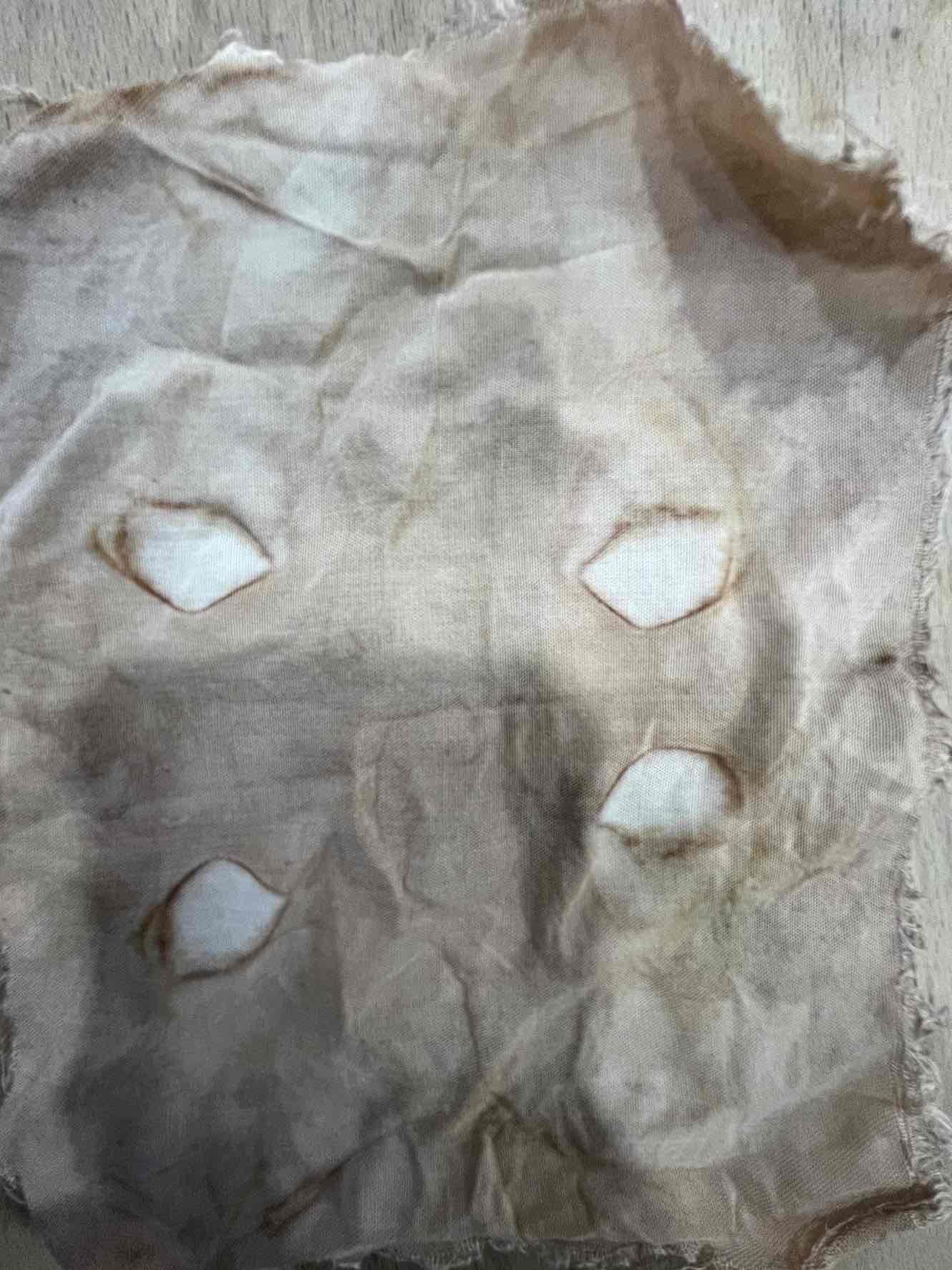
3. Ink
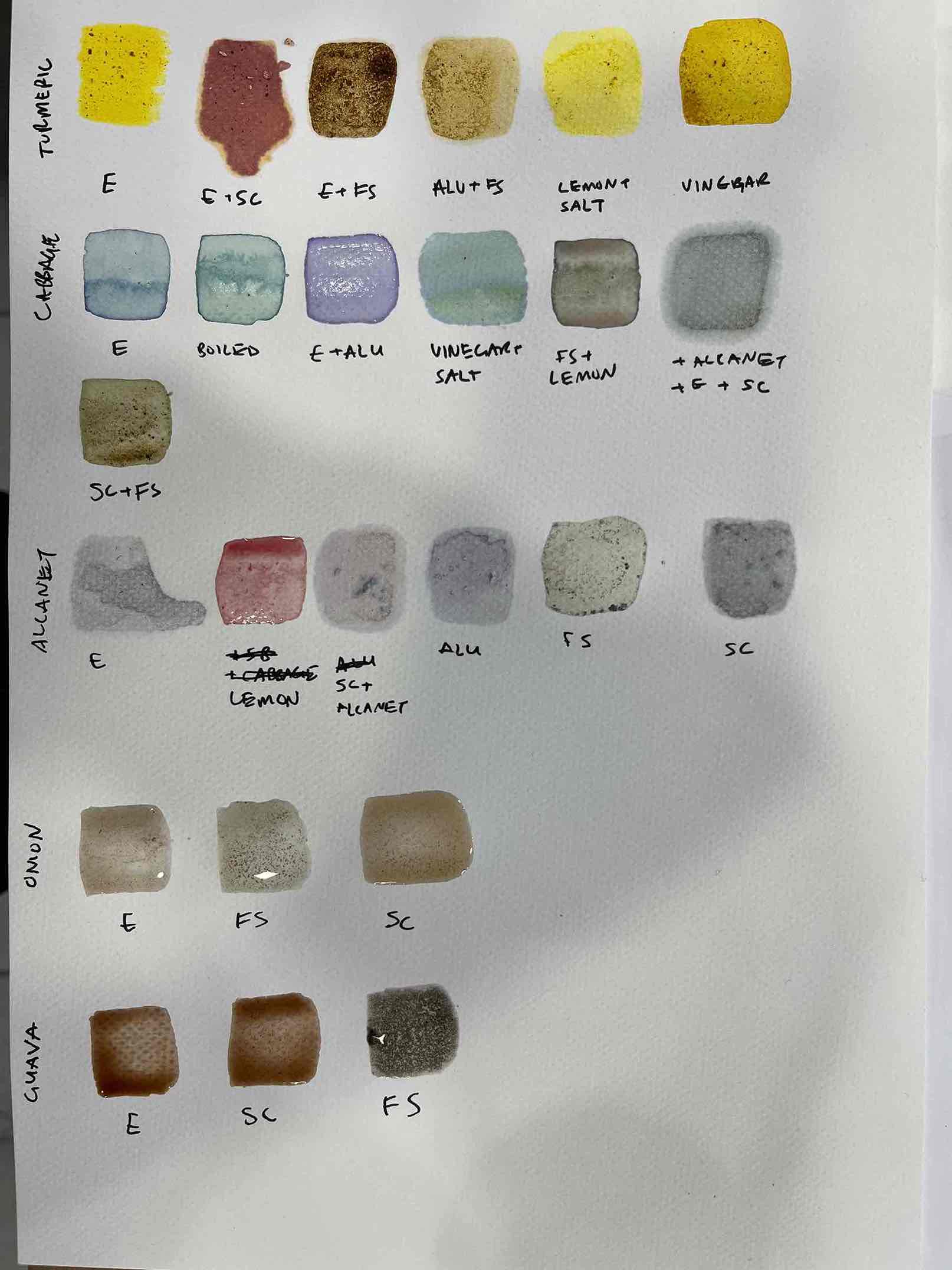
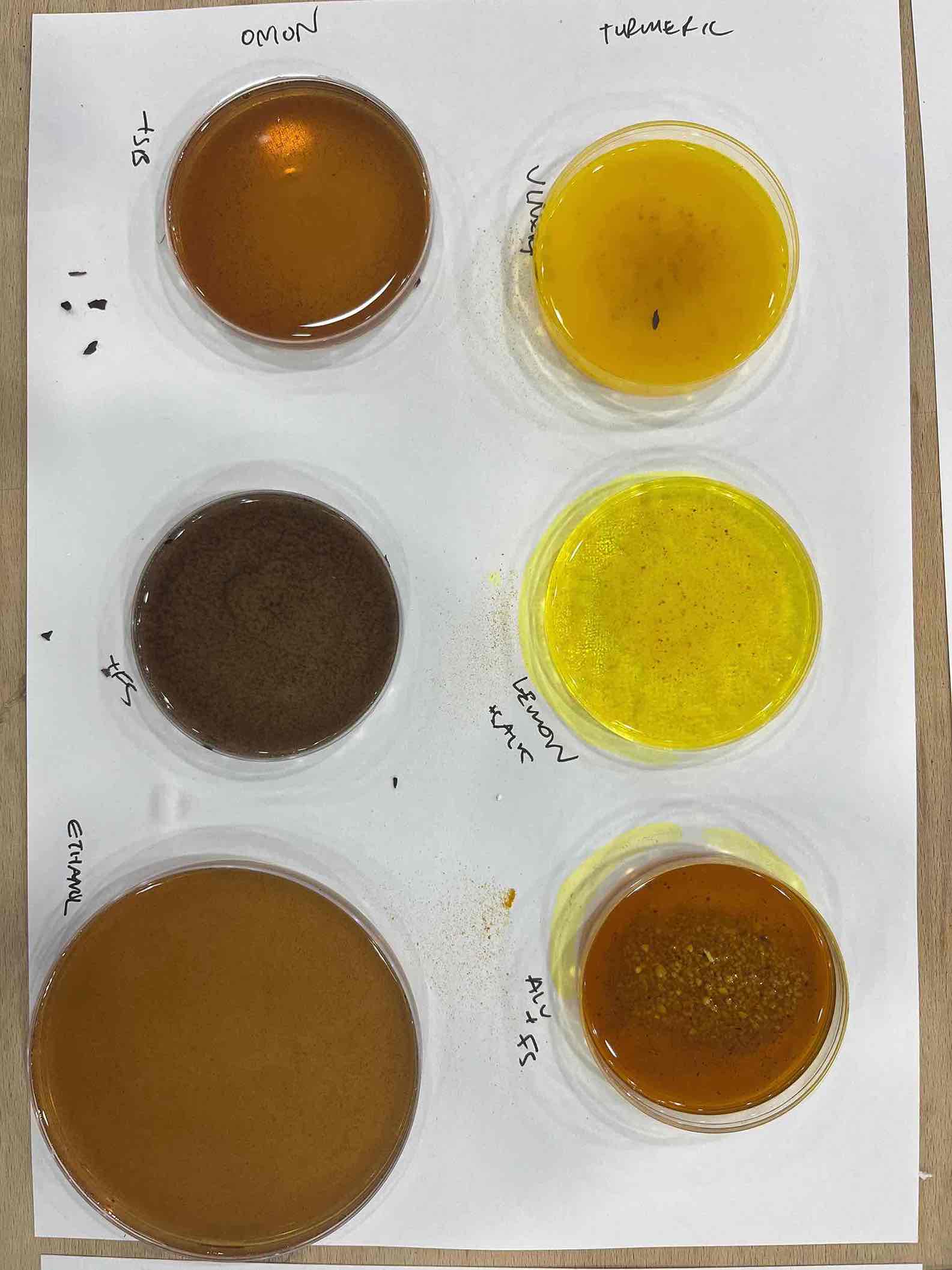
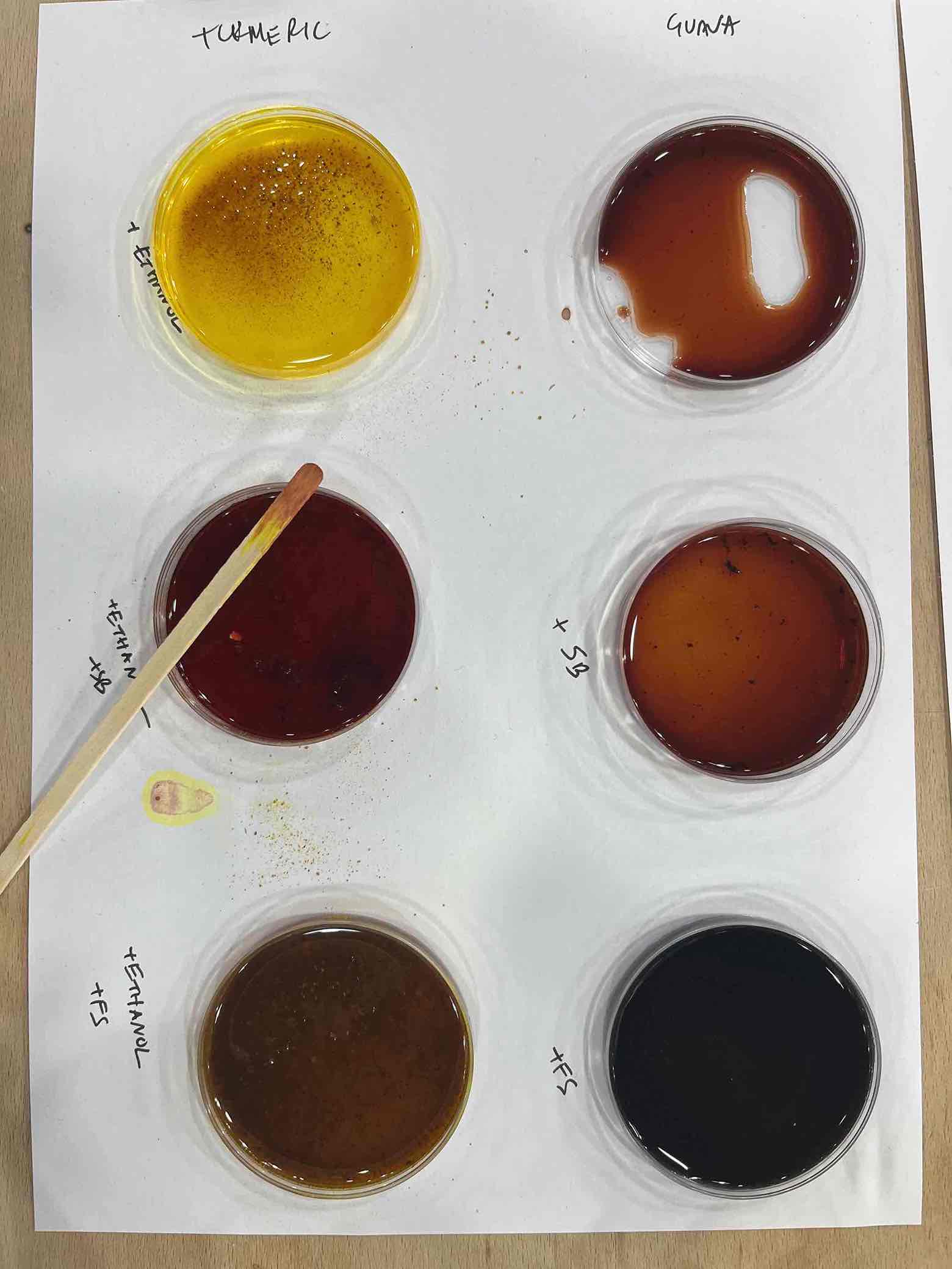
Each dye stuff was mixed with modifiers:
- Sodium Carbonate
- Aluminum Sulfate
- Ferrous Something
- Salt
- Vinegar
- Lemon
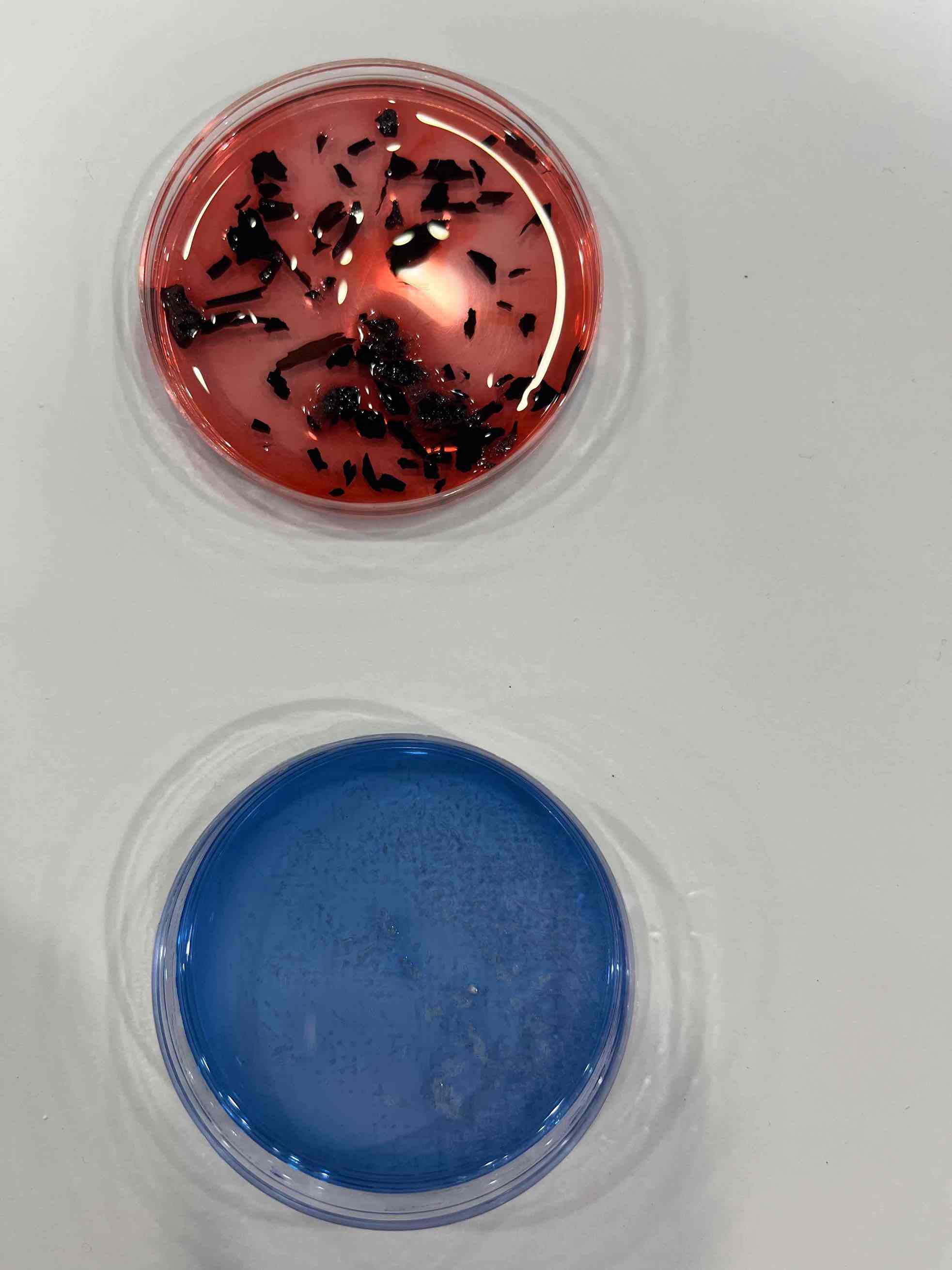
I chose to work with Onion, Guava Leaves, Alcanet, and Turmeric as dye stuff. The process looks like this:
4. Dyeing Project
Choices and Research
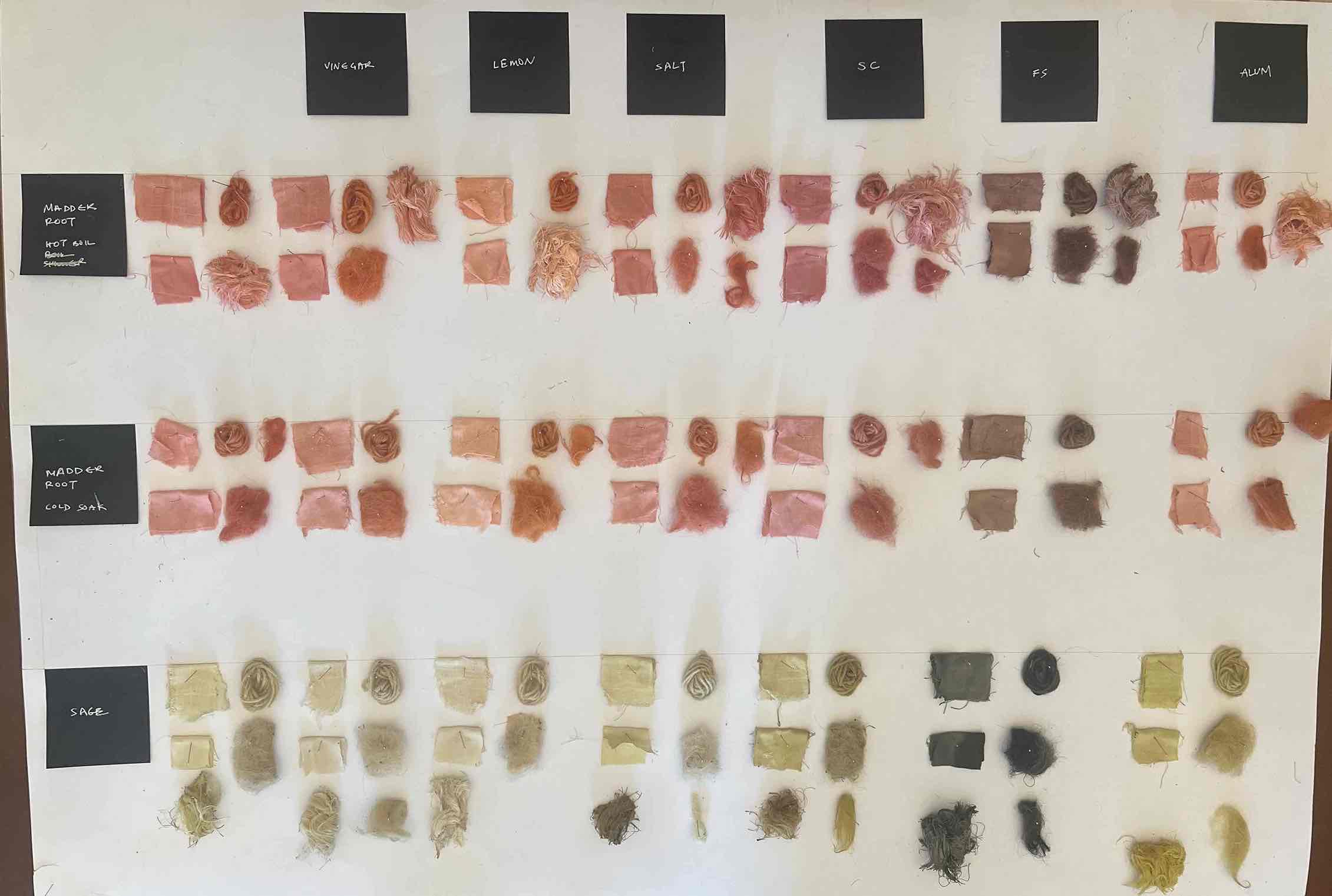
For this week I chose to use Madder Root and Sage as dye stuff.
Tools
- Lab scale
- Non-reactive containers (glass, stainless steel)
- Tongs
- Dye Stuff (Madder Root Stems, Sage Leaves)
- Water
- Mordant: Aluminum Sulfate
- Modifiers: Sodium Carbonate, Ferrous Something, Lemon, Vinegar, Salt
Workflow and Process
Scouring and Weighing
The first step of the dyeing process is to weigh the fabrics. I forgot to do that before the scouring step. So I weighed the fabrics after scouring and I used ChatGpt to estimate dry weight by fabric. This method is far from perfect, but with the time constraint, I thought this would be the best way to move forward.
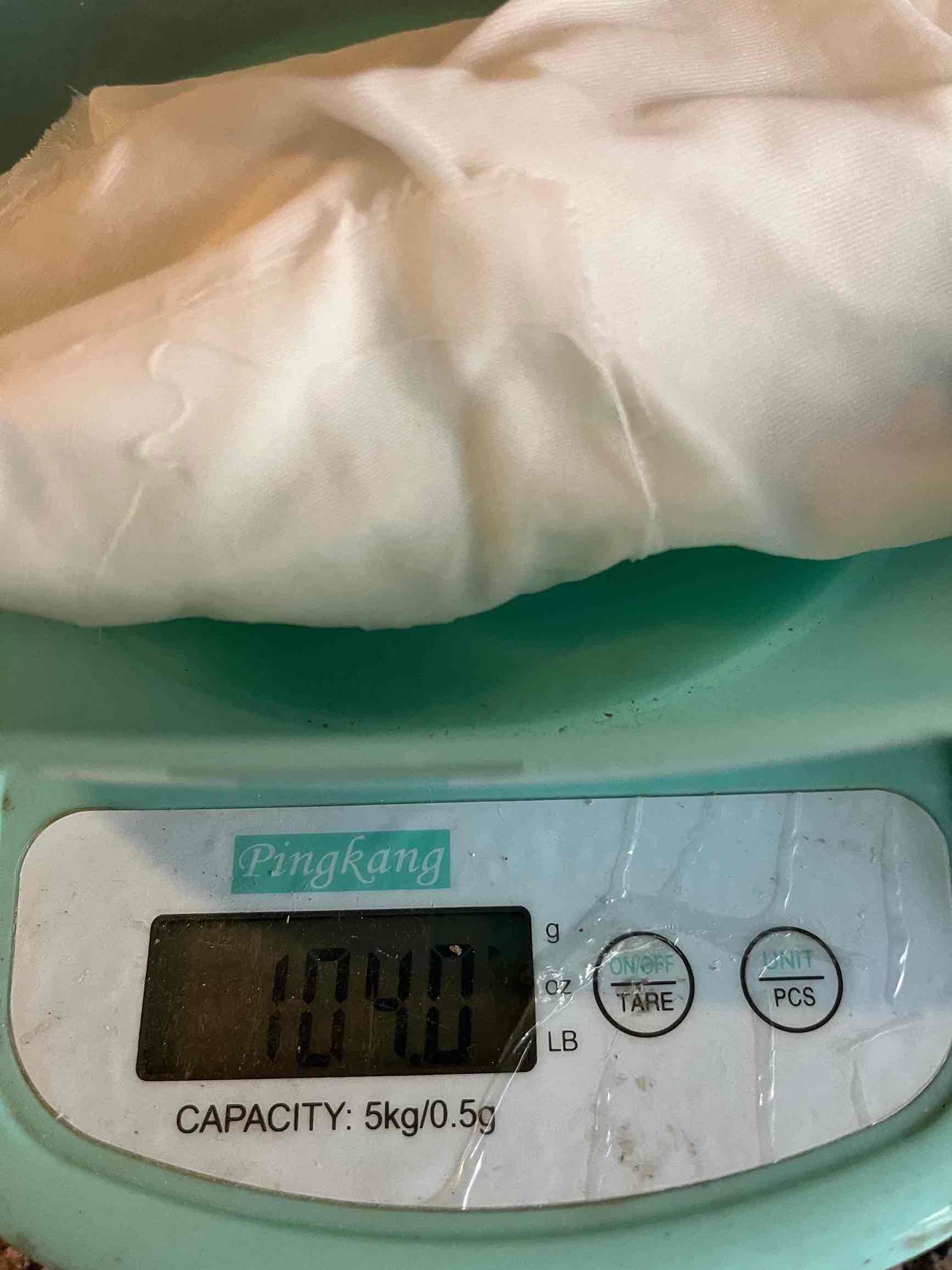
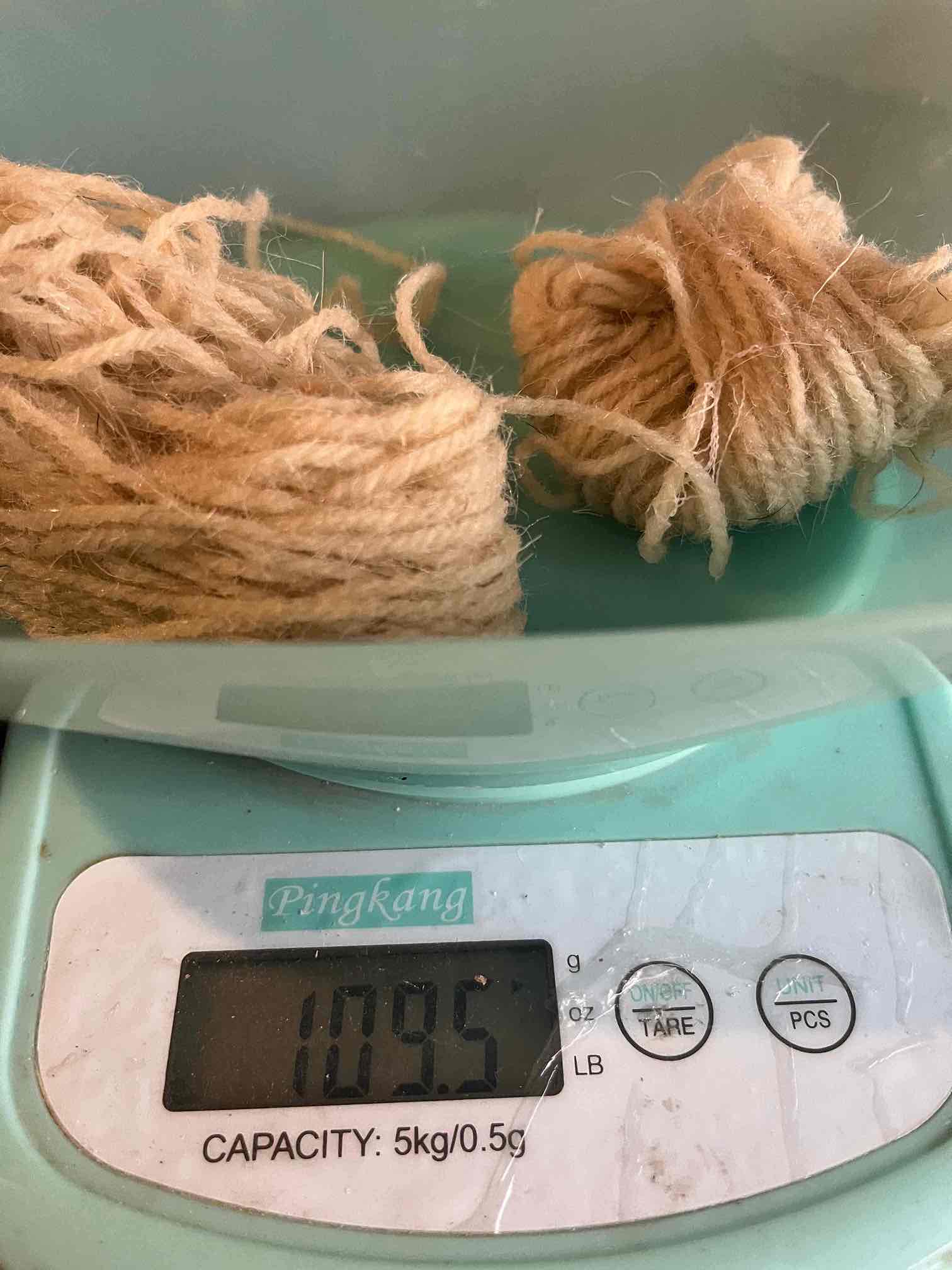
The dry weight estimates are as follows:
| Material | Wet Weight | Dry Weight |
|---|---|---|
| Wool | 109 g | 65.4 g |
| Cotton | 130 g | 91 g |
| Linen | 30 g | 24 g |
Mordanting
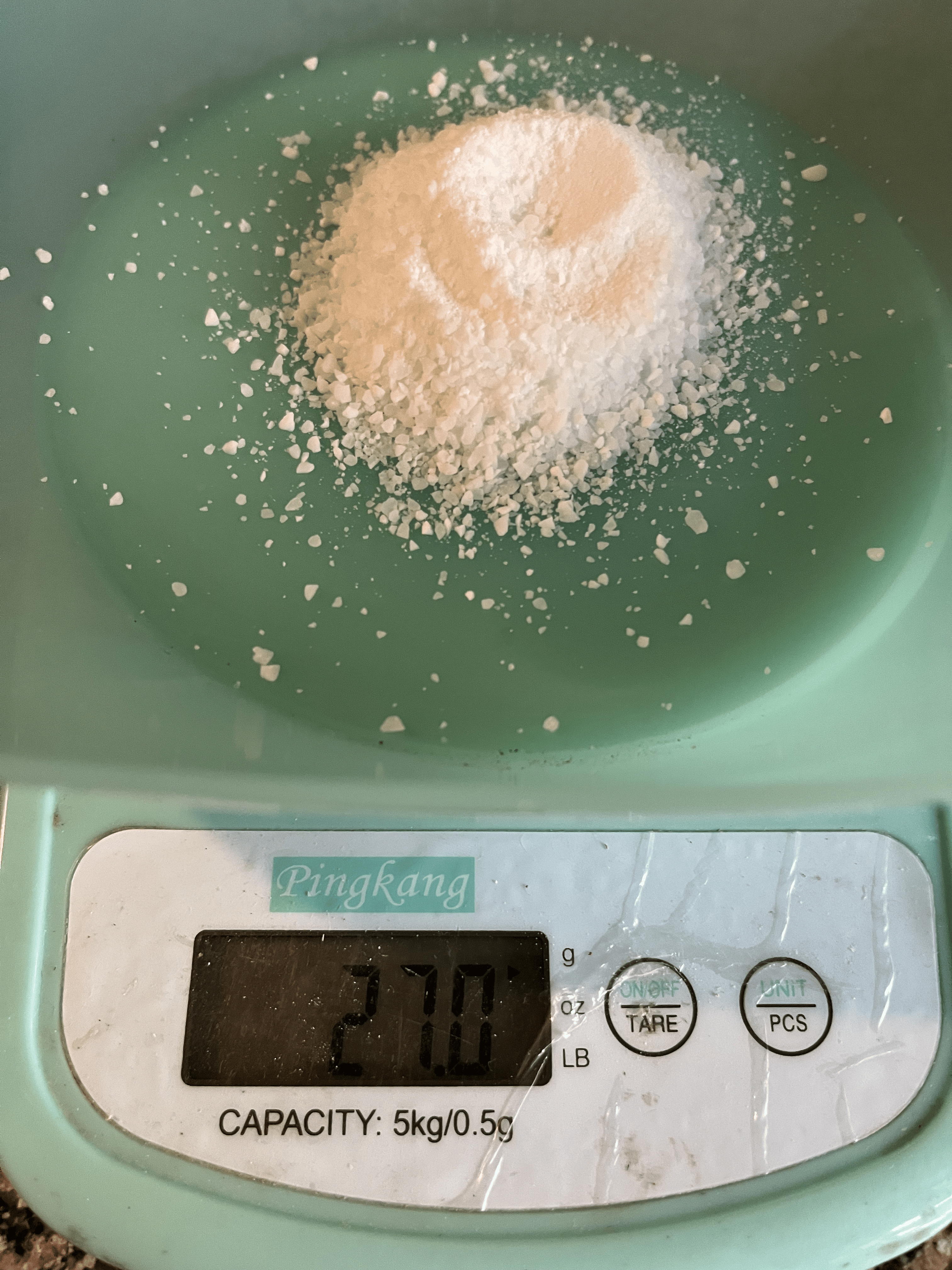
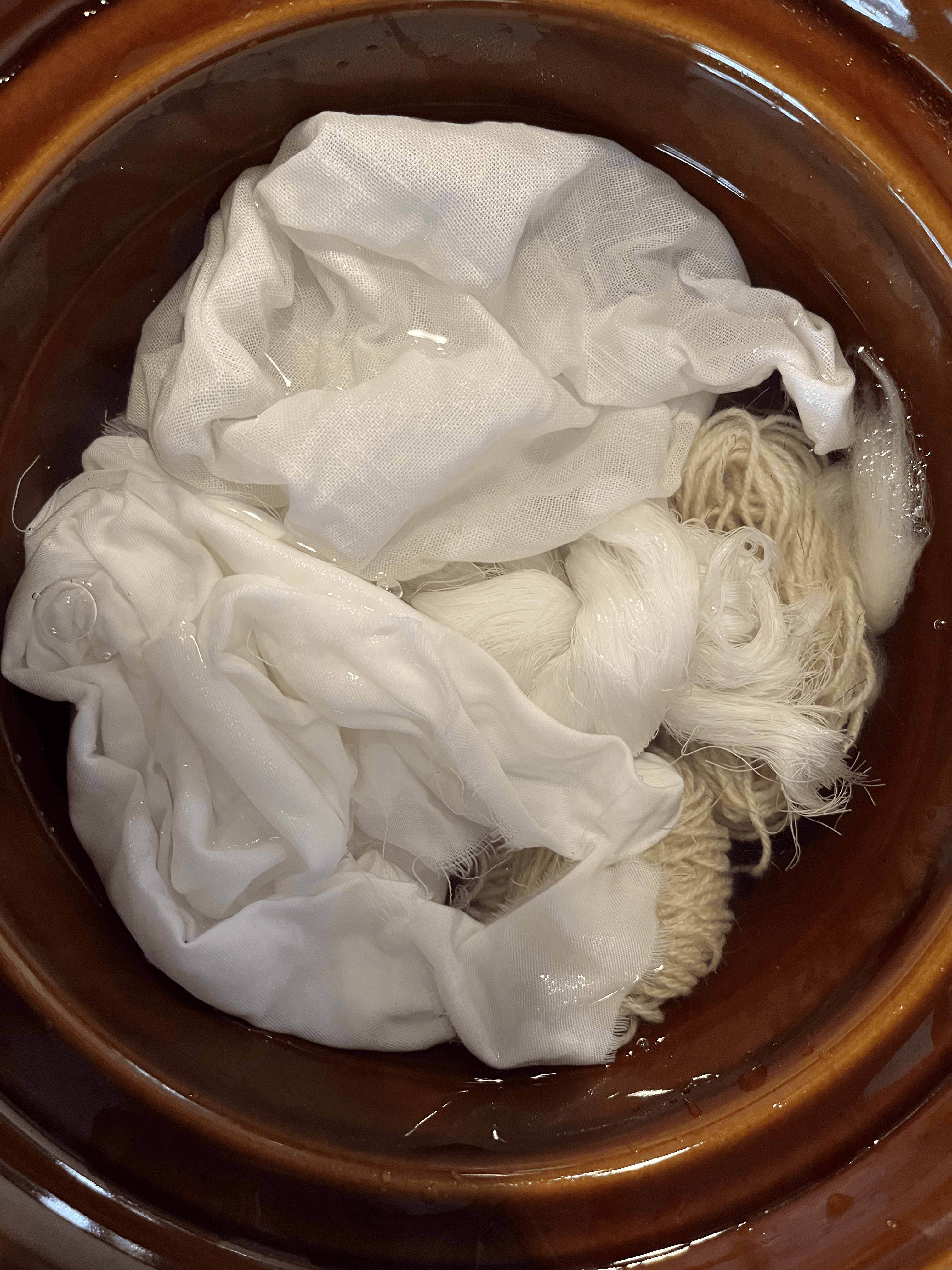
I used the dry weight of the fabrics and I added 15% mordanting agent "Aluminum Sulfate" in warm water and let the fabrics soak for about 60 minutes.
Preparing the Dye Stuff
For the madder root, I tried two methods. I used the root as stems and soaked them in cold water for 48 hours, then brought them to a simmer and let them soak again for 45 minutes. For the second method, I broke the stems of 20 grams of the roots and let them simmer in about 1.5 litres of water for about 60 minutes.
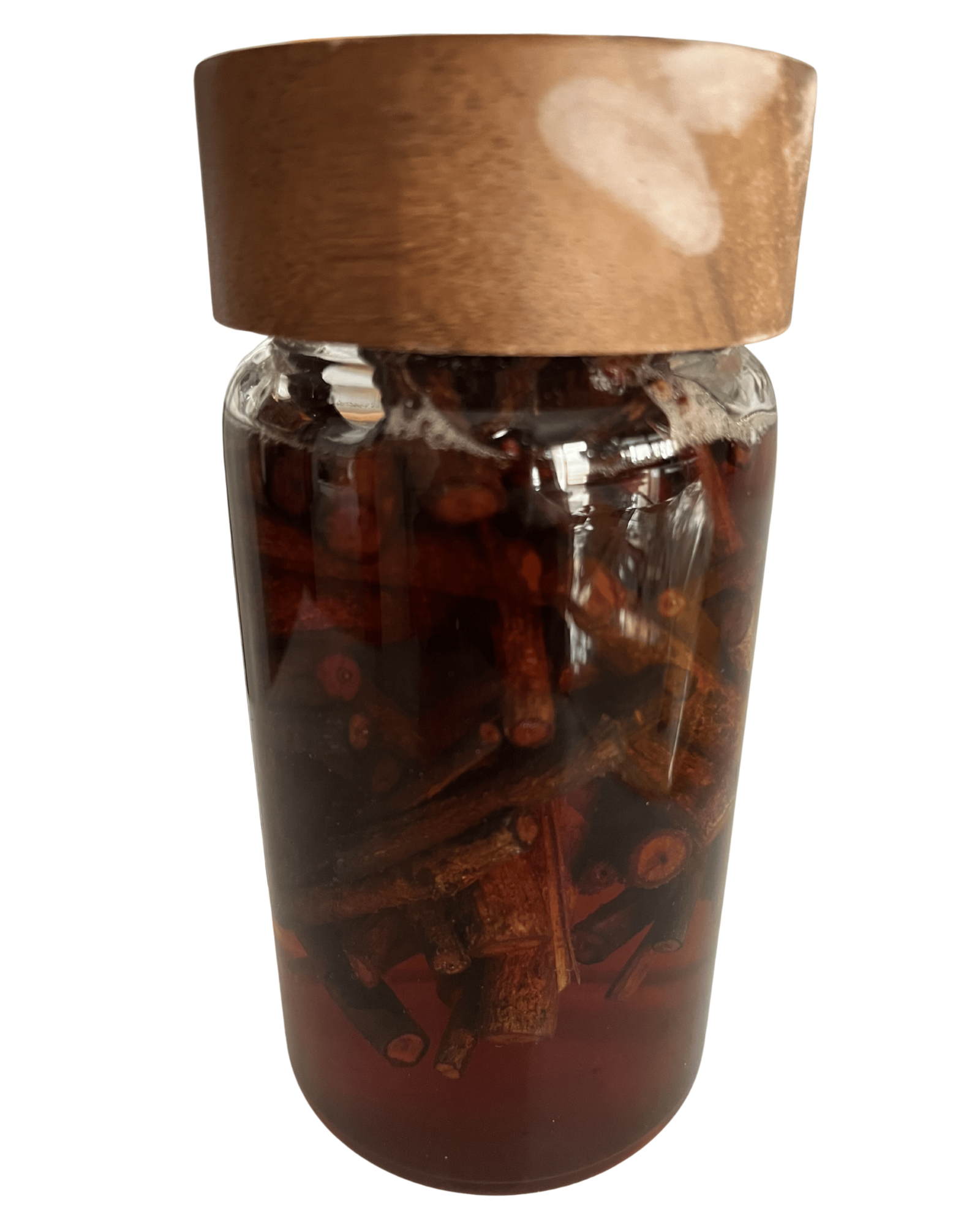
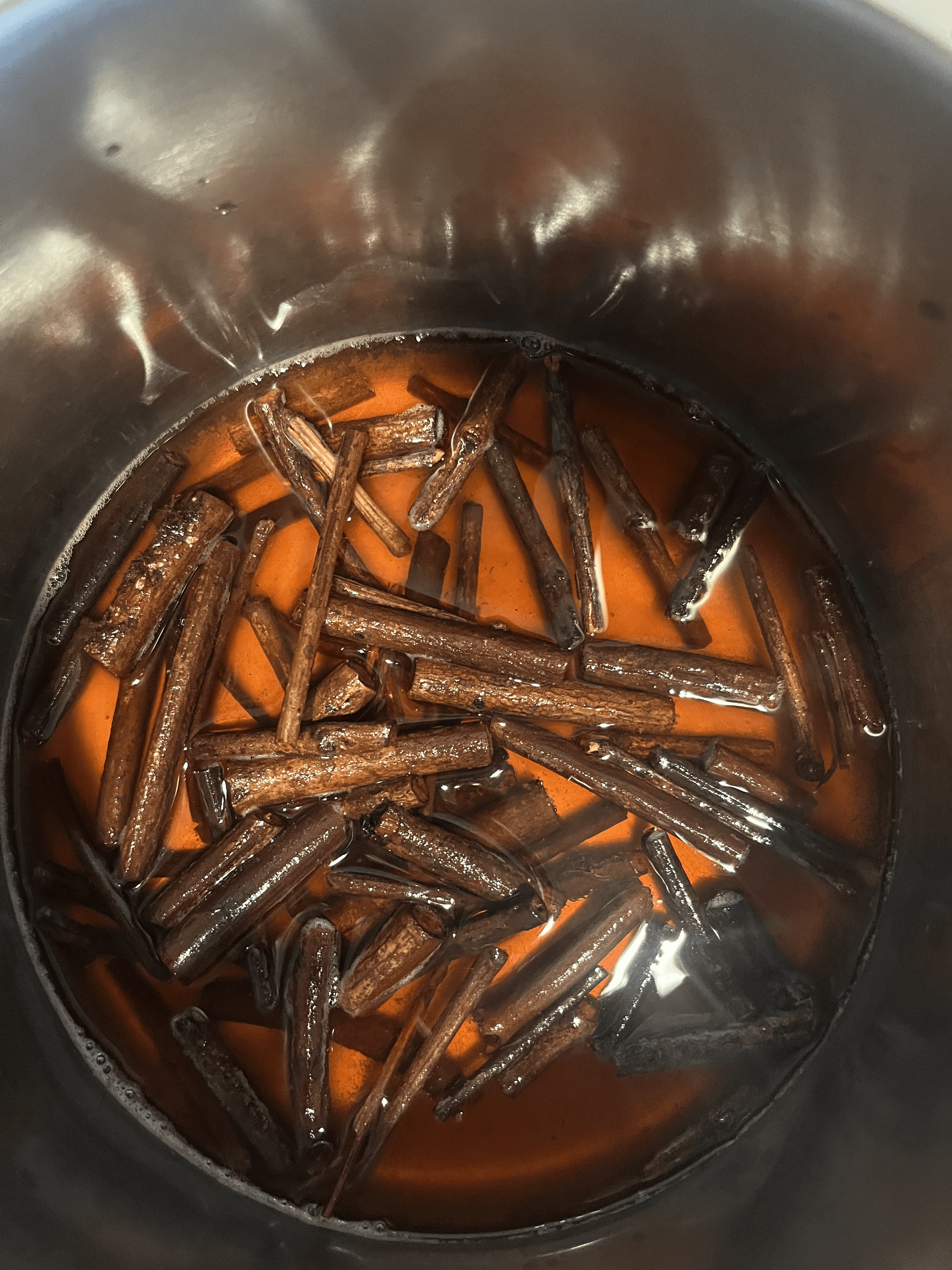
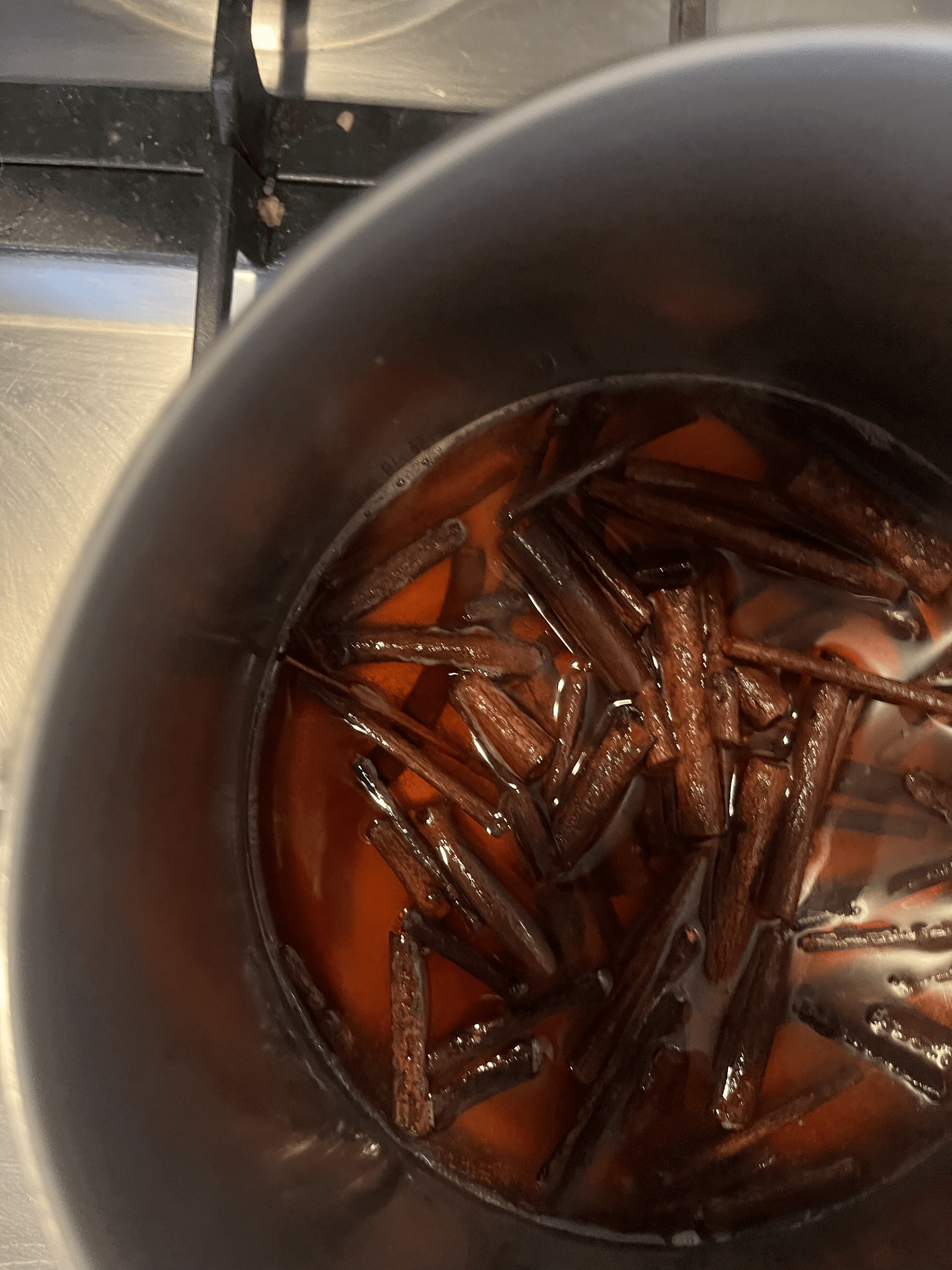
As for the sage, I put 75 grams of dried sage in 2.5 litres of water and let the mixture simmer. I let it soak for about 60 minutes then I removed the leaves.
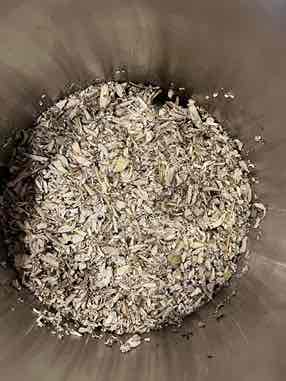
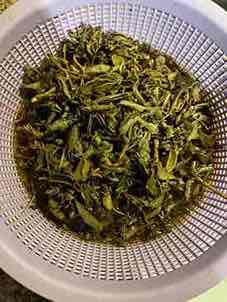
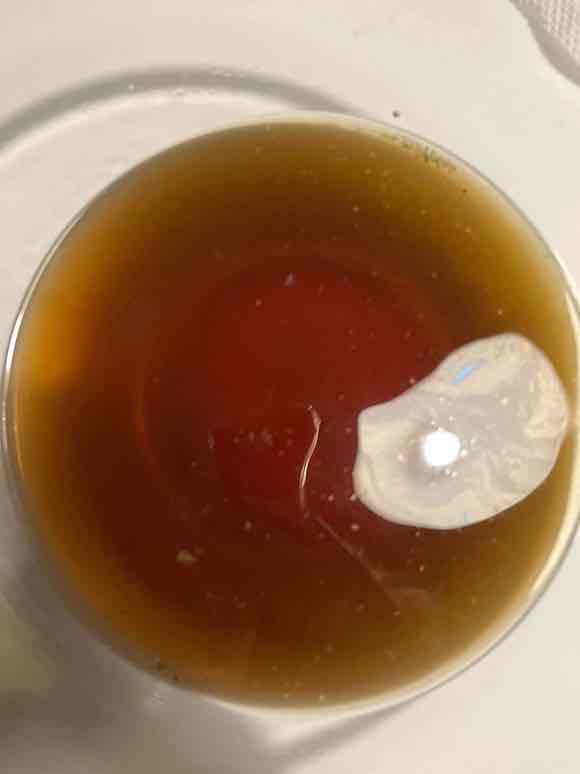
After filtering out the madder root stems and the sage leaves, I put the fabric and brought all the liquids to a simmer. I let the plant-based fabrics soak for about 60 minutes. I placed the animal-based fibres in a Bain-Marie for the same period of time.
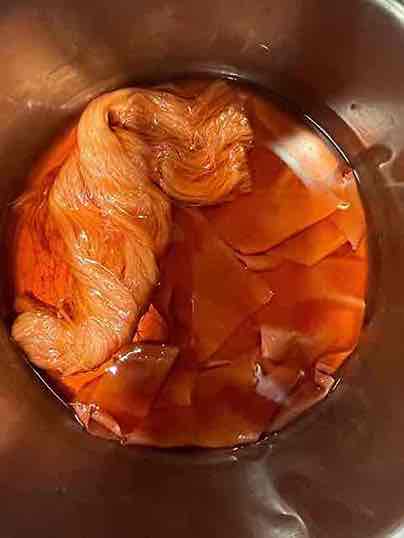
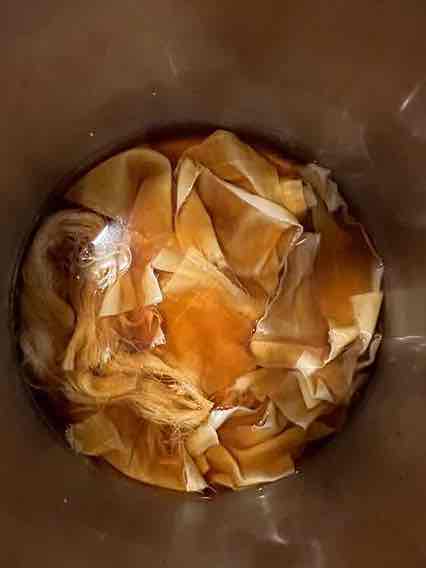
To test the modifiers, I prepared a matrix and divided the fabrics between the different containers. Then I added the modifiers. For the powder-based ones I used roughly a tea spoon. I used a syringe to add the liquid ones. I also added a bit of warm water to all to dissolve the powedered modifiers. I let the fabrics soak for around 24 hours.
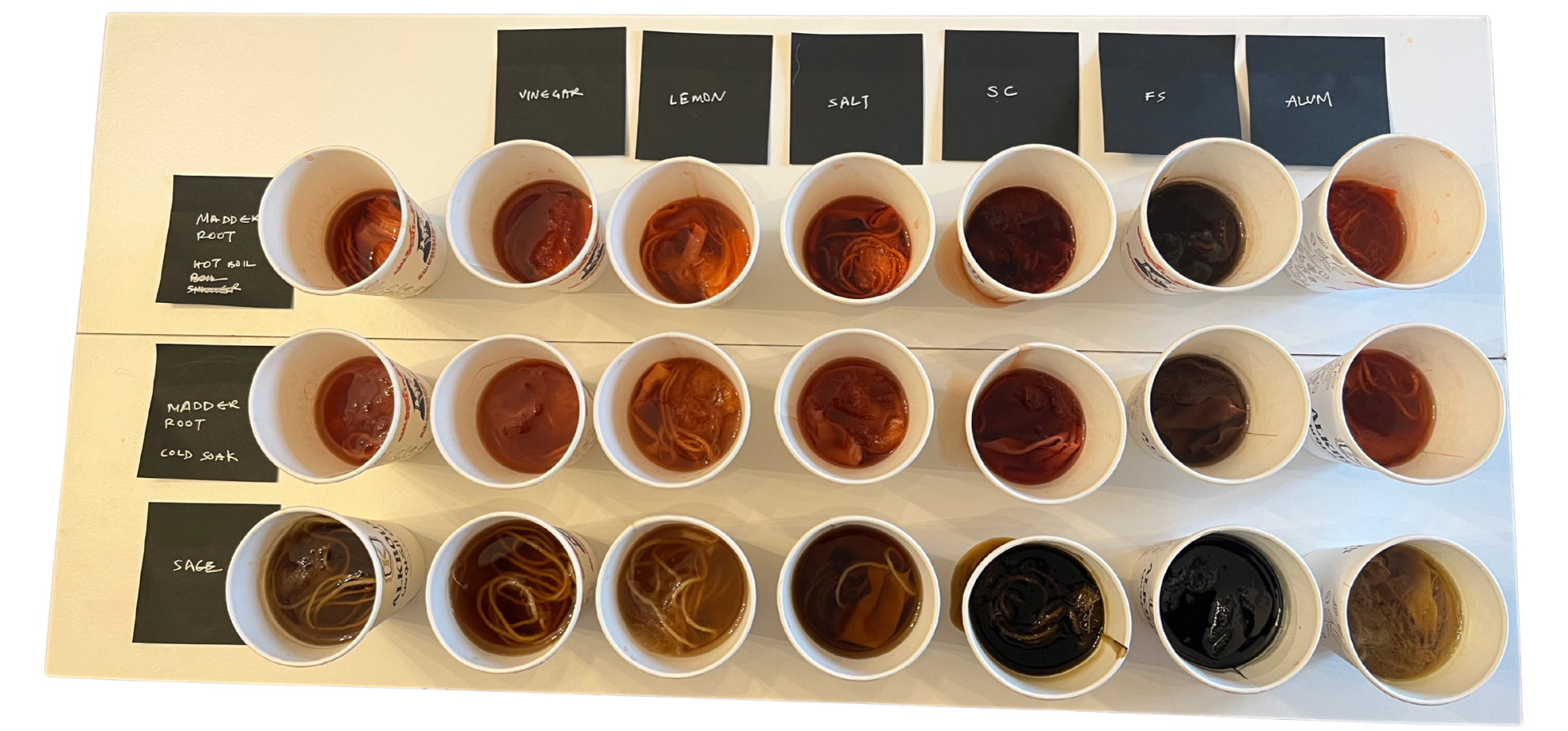
Results
Group Installation Unit
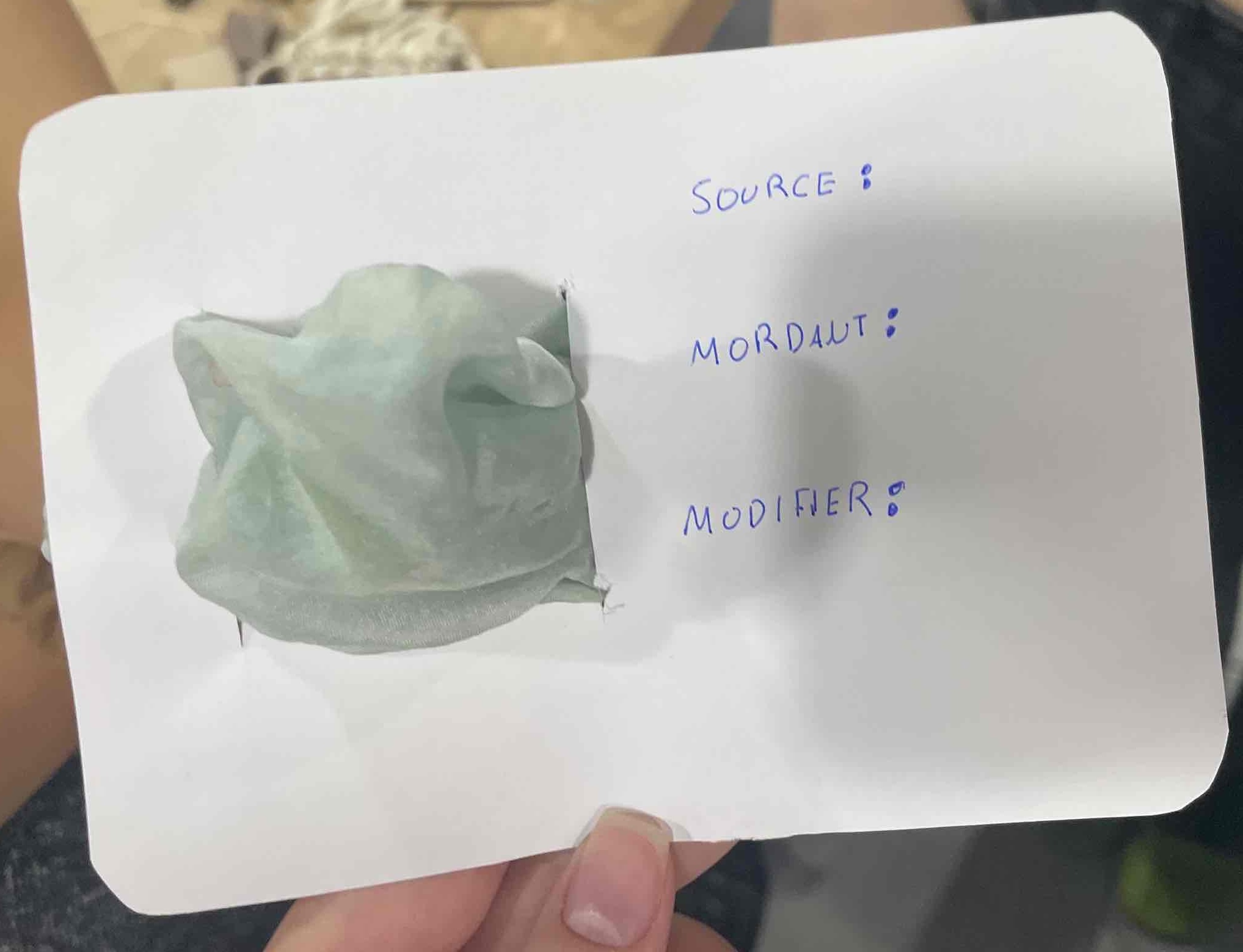
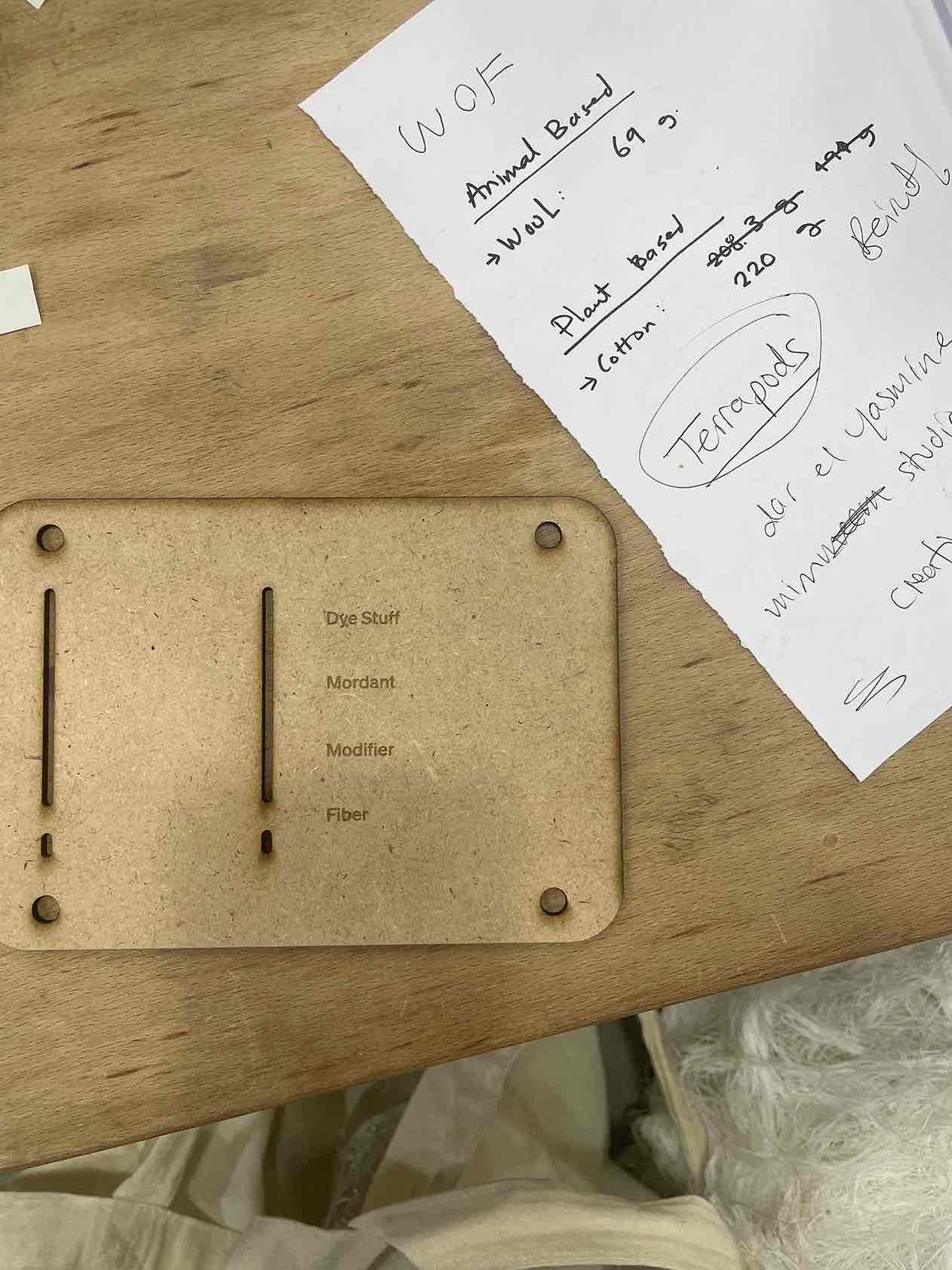
As a lab, we decided to display our work using a modular units that we would attach together to form an installation.
5. Weekly Reflection
I really enjoyed the natural dyeing process. I would like ot have more knowledge of local plants that are good dyes.