13. Implications and applications
Research & Concept
Finally week 13. This has been one of the hardest task that I have encountered in a very long time. I definitely feeling my age and most of my brain cells are depleted:(). Trying to figure out a final project has been very challenging. I saw something on Instagram that should someone creating a dress from braided bubble gum pink braiding hair. I was intrigue and thought that may be some possibilities.
Rooted In Hope! Botanical Crown Collection project explores the creation of sustainable, culturally expressive wigs (crowns) using naturally dyed yarns as an alternative to traditional hair systems. The concept reimagines hair as both material and identity, transforming biochrome-dyed fibers such as turmeric, black walnut, onion skins, madder root, and blackbean into sculptural, wearable forms. The process combines natural dyeing, textile manipulation, and digital fabrication. Yarns are first dyed using different type of biochromes, then transformed through techniques such as braiding, coiling, wrapping, and pin curling to mimic and celebrate African American women textured hair. The outcome is a series of crown-like wigs that function as both wearable art and personal expression, blending woven textile approaches, braided structures, and sculptural couture. Each piece embodies sustainability, cultural identity, and innovation, resulting in vibrant, textured crowns that honor the beauty and resilience of Black women.
Inspirations
Laetitia Ky
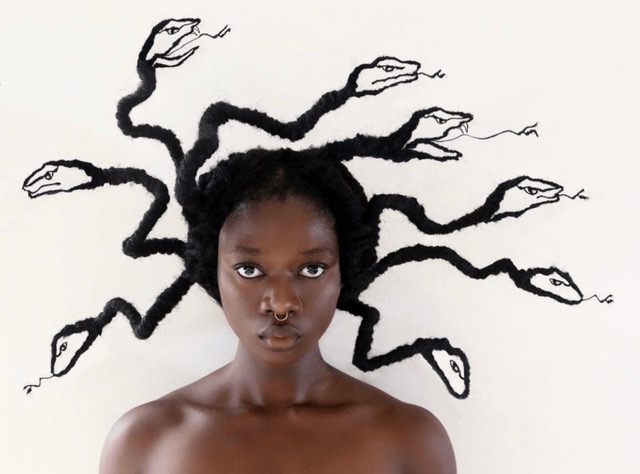
This image by Laetitia Ky presents natural hair sculpted into branching, serpentine extensions that radiate outward from the head, evoking organic systems such as roots, vines, and living networks. The hair transcends its conventional role as a marker of identity and becomes an expressive, structural medium—one that embodies motion, growth, and transformation. Through this sculptural manipulation, hair is reimagined as a symbolic and material language, communicating themes of power, ancestry, and resilience. The branching forms suggest a deep connection to lineage and origin, while their outward expansion gestures toward futurity, imagination, and self-determined identity. This work situates the body as both site and source of creation, where hair operates as a bridge between the personal and the ecological. It challenges dominant narratives of beauty and material value, positioning natural hair as a dynamic medium capable of storytelling, resistance, and innovation within both artistic and fashion contexts.
Zsofia Kollar
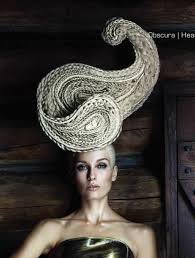
This project draws inspiration from the Human Material Loop, an innovative framework that reimagines human hair as a viable textile resource. By transforming hair waste into material for design, the project challenges conventional notions of fiber, sustainability, and value within the fashion system. At its core, the Human Material Loop proposes a globally adaptable model in which discarded hair—an abundant yet overlooked material—is repurposed into sustainable textile products. This approach reduces dependence on resource-intensive fibers such as cotton and petroleum-based synthetics while simultaneously addressing issues of waste and environmental impact. Building on this concept, my work explores the intersection of bio-based materials, natural dye processes, and digital fabrication. Through experimentation with naturally dyed yarns, fiber manipulation techniques, and textile construction, the project investigates how unconventional materials can be transformed into expressive, wearable forms. Ultimately, this work positions hair not simply as waste, but as a culturally and materially rich fiber, capable of contributing to a more circular, sustainable, and inclusive future for fashion.
Zanele Muholi
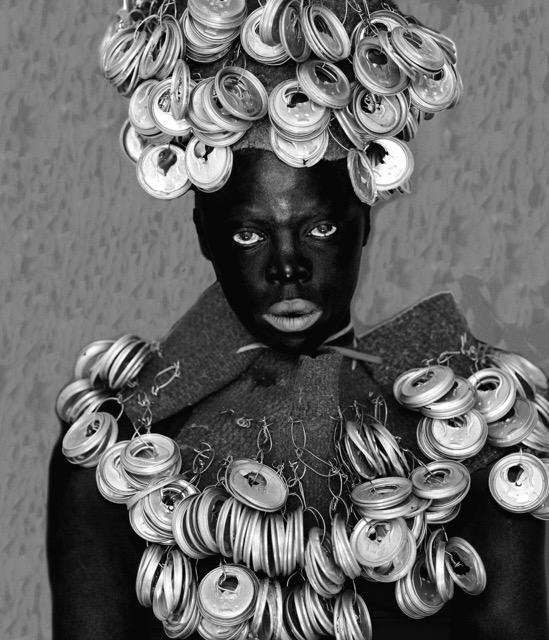
This striking black-and-white portrait by Zanele Muholi presents the body and adornment as a unified sculptural form, where layered, looped materials echo the texture, density, and rhythm of natural hair. The composition blurs the boundary between garment, body, and object, transforming adornment into an extension of identity and presence. The repetitive, coiled structures evoke the visual language of hair—braided, twisted, and accumulated—while simultaneously referencing systems of protection and containment. In this way, the form operates as both armor and adornment, embodying strength, resilience, and self-definition. Muholi’s work draws on themes of ritual, ancestry, and cultural memory, positioning the body as a site of both resistance and reverence. The monochromatic palette heightens contrast and texture, emphasizing materiality while stripping away distraction, allowing the sculptural elements to speak with clarity and intensity. Within a fashion and cultural context, this image challenges conventional hierarchies of material and beauty, elevating hair-inspired structures as powerful carriers of meaning—simultaneously protective, ceremonial, and expressive.
Nick Cave
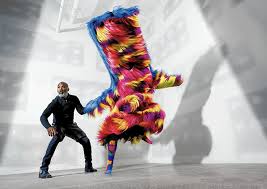
This image captures a dynamic performance moment from Nick Cave’s Soundsuit series, in which a brightly colored, fur-covered sculptural costume moves with explosive energy. The work dissolves the boundaries between fashion, dance, and performance art, transforming the body into a site of movement, sound, and visual intensity. The exaggerated textures—dense, tactile, and highly animated—echo the qualities of hair and fiber in motion, amplifying themes of transformation and embodied identity. As the performer moves, the garment activates, shifting from static object to living form, emphasizing how material responds to gesture, rhythm, and space. Cave’s Soundsuits are rooted in ideas of ritual, protection, and visibility. By fully concealing the body, they obscure markers of race, gender, and class, allowing identity to be reimagined through movement and material expression. In this way, the work positions clothing as both armor and performance, a responsive system that engages with the body to produce meaning. Within a fashion and material context, the Soundsuit challenges traditional notions of garment function, demonstrating how textile-based forms can operate as active, expressive systems—capable of sound, motion, and transformation—rather than passive, decorative objects.
The W's
WHO: Stakeholder groups (fashion designers, beauty/wig industry, healthcare stakeholders, and consumers)
This project engages four primary stakeholder groups, each united by a shared need for safer, more sustainable, and culturally responsive hair solutions, yet driven by distinct priorities and motivations.
Fashion Designers
Fashion designers are driven by innovation, aesthetics, and storytelling, continuously seeking new materials and forms that expand the boundaries of creative expression. Within this context, biochrome-dyed yarns and textile-based wigs introduce a compelling design language that merges fashion, sustainability, and identity. These materials provide access to sustainable alternatives, including naturally dyed fibers and yarn-based structures, while enabling experimental, sculptural, and concept-driven work. They also align with the growing demand for ethical and eco-conscious fashion practices, allowing designers to create pieces that are both visually impactful and environmentally responsible. Importantly, these materials support culturally rich, narrative-driven design, positioning hair and textiles as powerful storytelling mediums. Ultimately, designers gain a competitive edge in an evolving fashion landscape where sustainability and innovation are essential to relevance and impact.
Beauty and Wig Industry
The beauty and wig industry—encompassing manufacturers, distributors, and retailers within a multibillion-dollar global market—is under increasing pressure to address concerns related to toxic materials, environmental waste, and consumer safety. As awareness grows, the need for innovation that aligns with regulatory expectations and shifting consumer values becomes more urgent. Bio-based wigs and naturally dyed textile alternatives offer a pathway forward by providing non-toxic, sustainable substitutes for traditional synthetic fibers. These innovations enable the expansion of environmentally responsible product lines while strengthening brand positioning around health, safety, and sustainability. Additionally, they create opportunities to meet the rising demand for transparency and ethical production practices. By embracing these advancements, the industry can achieve long-term viability through innovation, regulatory alignment, and meaningful market differentiation.
Healthcare Stakeholders
Healthcare stakeholders—including dermatologists, oncologists, medical providers, and patient advocacy groups—play a critical role in supporting individuals experiencing hair loss due to medical conditions. Many existing wigs are made from synthetic materials that may irritate sensitive scalps, particularly for patients undergoing treatments such as chemotherapy or managing chronic conditions. This highlights the need for safer, more health-conscious alternatives. Bio-based, naturally derived wig solutions offer significant value by reducing the risk of irritation and allergic reactions while prioritizing patient comfort. Beyond physical health, these solutions support dignity, identity, and psychological well-being—key components of holistic care. By integrating wellness with aesthetics, these innovations enhance recovery experiences and address both the emotional and physical dimensions of healing. Ultimately, healthcare stakeholders gain the ability to offer more patient-centered, compassionate, and health-aligned solutions that extend beyond traditional clinical care.
Consumers (Primary End Users)
Consumers, as the primary end users, include individuals navigating beauty, identity, culture, and health in their daily lives. This group is increasingly informed and intentional, with heightened awareness of the health risks, environmental impact, and cultural significance of the products they use. As a result, there is growing demand for alternatives that are both safe and meaningful. Bio-based and naturally derived wig solutions provide non-toxic, breathable, and comfortable options that prioritize physical well-being and ease of wear. These products also support cultural identity and self-expression, allowing individuals to engage with hair as a powerful form of personal and collective storytelling. Transparency in materials and sourcing builds trust, while sustainable practices align with consumers’ values and lifestyles. Ultimately, consumers gain empowerment through choice, safety, and representation—access to products that are not only aesthetically compelling but also aligned with their health, identity, and ethical standards.
WHY: The “why” of this project emerges clearly from the convergence of health risks, social impact, and environmental urgency outlined in your background. At its core, the widespread use of synthetic hair products introduces serious concerns about toxic chemical exposure. Research showing that popular braiding hair contains carcinogens such as methylene chloride, lead, and volatile organic compounds (VOCs) signals a critical public health issue—especially given that these toxins can be released through everyday styling practices like heat application. This positions synthetic hair not simply as a cosmetic product, but as a potential site of prolonged chemical exposure, particularly affecting communities who regularly use these products.
Hair Loss: This project is grounded in the lived experiences of individuals with alopecia and other forms of hair loss, where wigs function far beyond aesthetics. For these individuals, hair is deeply tied to identity, dignity, and psychological well-being. Existing wig solutions, however, often prioritize appearance over comfort and safety, neglecting the needs of sensitive scalps and long-term wear. This creates a gap in the market—and in care—where individuals are forced to choose between self-expression and physical comfort.
Environmental: The environmental dimension further strengthens the urgency of this work. The current life cycle of synthetic hair products—characterized by resource-intensive production, limited recyclability, and significant waste—reveals an unsustainable system. The lack of infrastructure for reuse or remanufacturing exacerbates environmental harm, while the industry continues to rely heavily on virgin, petroleum-based materials. This highlights a pressing need for circular design strategies and alternative materials that reduce ecological impact.
Natural Dyes: In this context, natural dyes and bio-based materials emerge as a compelling solution pathway. As your research shows, plant- and microbe-derived pigments offer biodegradable, non-toxic alternatives that align with both environmental sustainability and human health. While challenges such as color stability remain, the trajectory of innovation in this space suggests that these materials are not only viable, but essential for the future of textiles and wearable design. This positions your project at the forefront of material innovation, bridging traditional knowledge with contemporary sustainability practices.
Finally, the cultural and historical framing—particularly through references to hair as material in contexts like Victorian mourning jewelry—underscores that hair has always carried deep symbolic, emotional, and social meaning. By reimagining hair through sustainable, textile-based approaches, your project is not just solving a technical problem; it is redefining how hair functions as a medium of identity, memory, and expression.
WHEN: the January–April timeline.
WHERE: Context & Application Ecosystem
This project operates at the intersection of fashion, healthcare, sustainability, and research, with applications across multiple spaces:
- Fashion + Runway Contexts (Sustainable wig and fiber innovations are showcased through fashion shows, exhibitions, and digital runway presentations—positioning the work within contemporary and future-forward design practice).
- Beauty & Retail Industry (Integrates into wig production, beauty supply chains, and consumer markets—offering safer, non-toxic, and sustainable alternatives to synthetic hair products).
- Healthcare & Therapeutic Spaces (Serves individuals experiencing hair loss (e.g., alopecia, chemotherapy patients) by providing healthier, non-irritating, and more ethical hair solutions—bridging beauty and wellness).
- Academic & Research Environments (Lives within Fab Labs, textile labs, and university research spaces (like your Fabricademy work), contributing to innovation in bio-based materials, natural dyes, and wearable design).
- Community & Cultural Spaces (Engages communities through workshops, storytelling, and culturally responsive design—especially within Black hair culture and identity-centered practices).
Ultra-personalized product service system (UPPSS)
The Botanical Crown Collection functions as an ultra-personalised product-service system that integrates sustainable design, digital fabrication, and community-based engagement. The system operates through a hybrid model where production is led by the designer (Dr. E-B), supported by students, Fab Lab participants, and, in the future, trained community population. Using natural dye processes, yarn-based fiber construction, and techniques such as laser cutting and handcrafting (braiding, wrapping, and pin curling), the crowns are created through a decentralized and collaborative approach. Distribution can occur through university hubs, workshops, community events, and future online platforms, offering made-to-order crowns, DIY kits, and co-creation sessions that allow users to actively participate in the making process. At the core of this system is personalization, where each crown is tailored to the user’s needs, identity, and experiences. This includes variations in hair length, texture, and styles such as coils, braids, locs, or bobs as well as color selection through biochromes like turmeric, black walnut, madder root, onion skins and black bean, chosen based on aesthetic preference and emotional expression. The system also prioritizes condition based customization, particularly for individuals experiencing hair loss or conditions such as alopecia, by offering lightweight, breathable, and non-toxic designs that ensure comfort and full coverage when needed. Beyond the physical product, the service layer emphasizes education, co-creation, and emotional support through workshops, storytelling, and sisterhood building experiences. Sustainability is embedded throughout the lifecycle, with natural, biodegradable materials, opportunities for re-dyeing or repair, and a focus on reducing waste. Ultimately, the transformation of traditional wigs (crowns) into a meaningful, participatory experience by empowering users to reclaim their identity, express their culture, and engage in a collective process of healing and creativity.
I have uploaded the slideshow to pitch my final project.
Slide Show
The presentation documents my exploration of biochrome-dyed yarn and hair as sustainable materials for natural hairstyle wigs.