Concept
5 Ws who, what, when, where, why
how is what you will start defining in your process pages
who
This project is designed to serve a diverse yet interconnected set of communities whose needs intersect across identity, health, sustainability, and innovation. It supports individuals experiencing hair loss—such as those affected by alopecia or chemotherapy—by offering comfortable, lightweight, and affirming alternatives that uphold dignity and self-expression. It also centers people seeking culturally authentic, natural hair options, particularly those who value Afro-textured aesthetics and heritage over Eurocentric beauty standards. At the same time, the project engages the sustainable fashion community by advancing the use of natural dyes, biodegradable materials, and circular design practices. It further connects with textile and Fab Lab innovators, including makers, students, and researchers exploring the fusion of traditional craft and digital fabrication. Importantly, the work prioritizes Black women seeking safe, non-toxic hair alternatives, addressing long-standing exposure to harmful chemical products while promoting wellness, beauty, and self-definition.
what
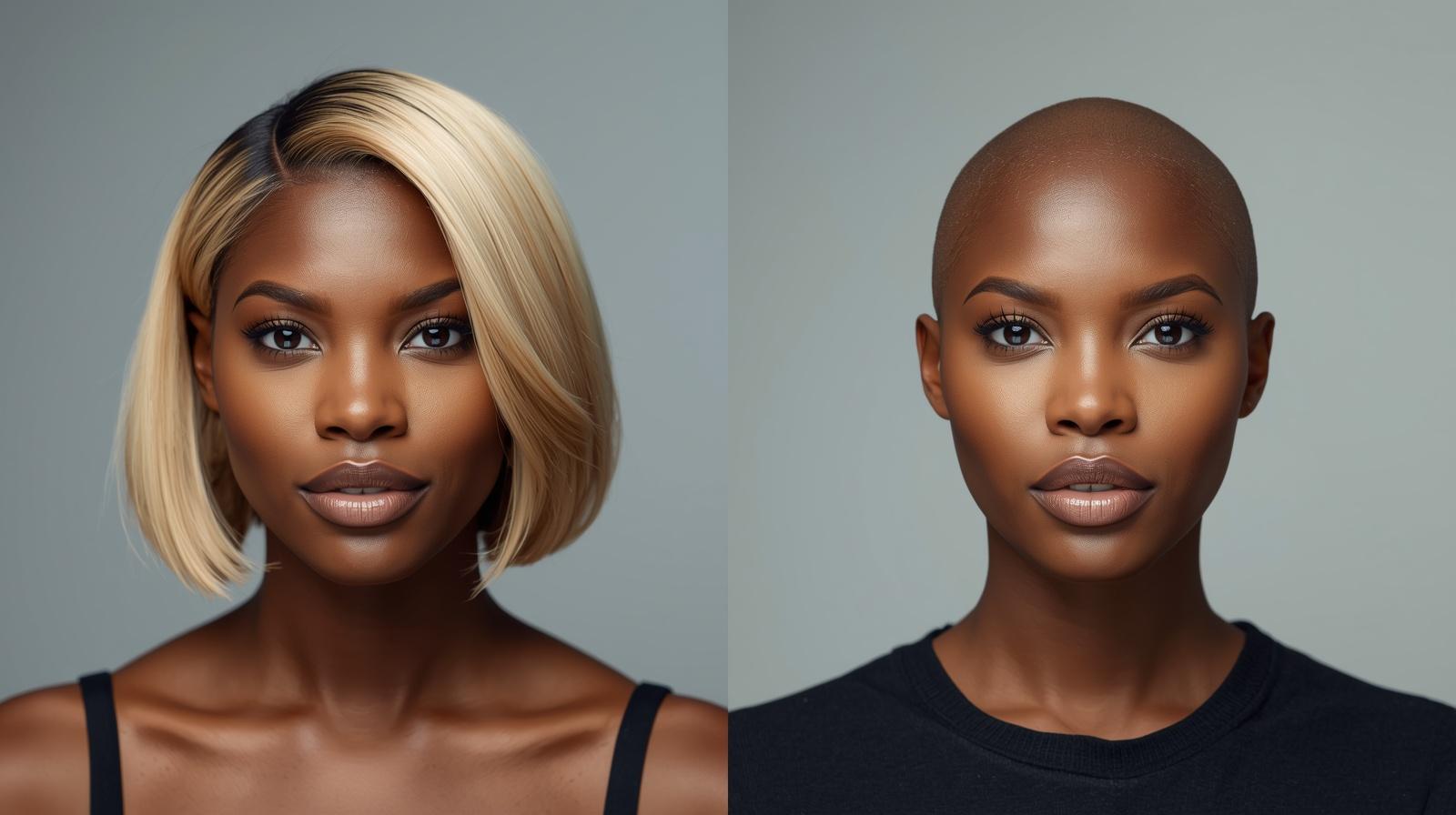
Creating culturally representative, sustainable wigs made out of yarns from biochrome (natural) dyes. This project focuses on designing and fabricating culturally representative, sustainable wigs (“crowns”) created from yarn-based fibers that are dyed using biochromes (natural dyes such as turmeric, onion skins, black beans, and indigo). These wigs are developed as an alternative to conventional synthetic hair products, emphasizing non-toxic materials, environmental responsibility, and cultural authenticity. The work combines traditional textile practices such as dyeing, fiber manipulation, and hand construction with digital fabrication methods including laser cutting, 3D-printed structures, and e-textiles. The result is a collection of wearable pieces that not only reflect Afro-textured hair aesthetics but also integrate innovation through form, structure, and, in some cases, interactivity. Ultimately, this project reimagines crowns (wigs) as more than beauty accessories—they become platforms for storytelling, identity, and sustainable design at the intersection of fashion, technology, and culture.
when
January to April 2026
where
NCCU Fab Lab

Physically produced in a lab environment combining: • Natural dye extraction • Yarn processing • Wig construction
why
This project is grounded in the urgent need to reimagine how crowns and hair products are designed, produced, and experienced, with a focus on health, sustainability, and cultural integrity. Conventional hair products often rely on synthetic dyes and chemical treatments that can irritate the scalp, trigger allergic reactions, and pose long-term health risks, while also contributing to environmental pollution through toxic runoff and waste. The broader hair industry further compounds this issue by generating significant non-biodegradable waste, as many synthetic wigs are petroleum-based and designed for short-term use. In response, this project offers a safer, more holistic alternative for individuals experiencing hair loss, prioritizing comfort, breathability, and emotional well-being. It also promotes cultural representation by centering Afro-textured aesthetics and challenging dominant beauty norms, creating space for authentic, self-defined expression. By incorporating natural dyes and fiber-based materials, the project advances sustainable, biodegradable design practices that consider the full product lifecycle. Additionally, it explores accessible, cost-conscious approaches, aiming to make non-toxic, culturally relevant hair solutions available to a broader and more diverse community.
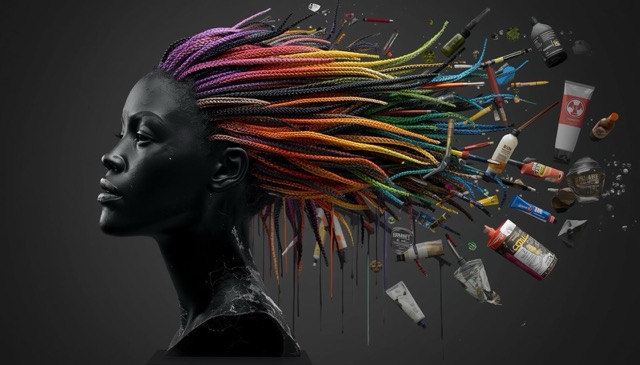 

References
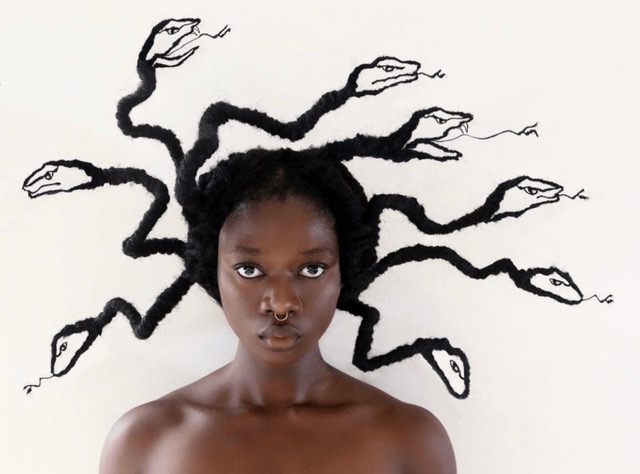
Laetitia Ky
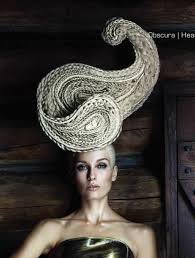
Ky’s sculptural hairstyles transform hair into expressive forms that communicate political and personal narratives. Her work reframes hair as both medium and message—capable of speaking to gender, power, and self-definition. This project is inspired by her ability to use hair as a living, dynamic sculpture, influencing the creation of wigs that move, gesture, and communicate meaning beyond aesthetics.
⸻
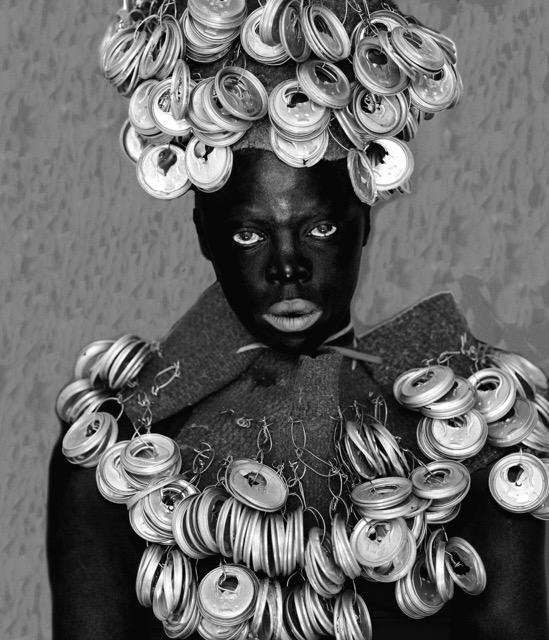
Zanele Muholi
Muholi’s photographic work centers Black identity, visibility, and self-representation. Through carefully constructed portraits, including the use of hair and adornment, Muholi challenges dominant narratives and elevates Black presence. This project draws from Muholi’s emphasis on visibility and empowerment, positioning wigs as tools of identity affirmation and cultural storytelling.
⸻
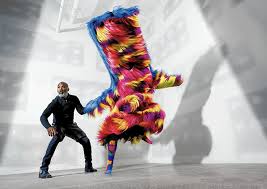
Nick Cave (Soundsuits)
Nick Cave’s Soundsuits use found materials to create immersive, wearable sculptures that conceal identity while amplifying movement and sound. His work inspires the integration of texture, motion, and performative presence within the wigs—encouraging designs that are not only worn but activated through movement, potentially incorporating actuators, fringe, and responsive elements.
⸻
Zsofia Kollar
Kollar’s experimental textile practice explores unconventional materials and fabrication techniques, often pushing the boundaries of what textiles can be. Her work informs the project’s focus on material innovation, particularly in using yarn, natural dyes, and bio-based processes to construct alternative hair forms that are both sustainable and structurally unique.
Moodboard
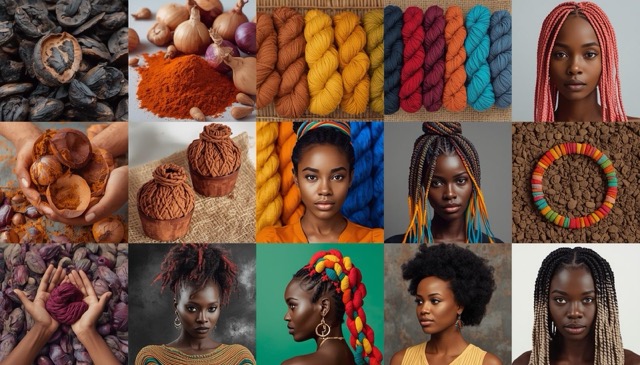
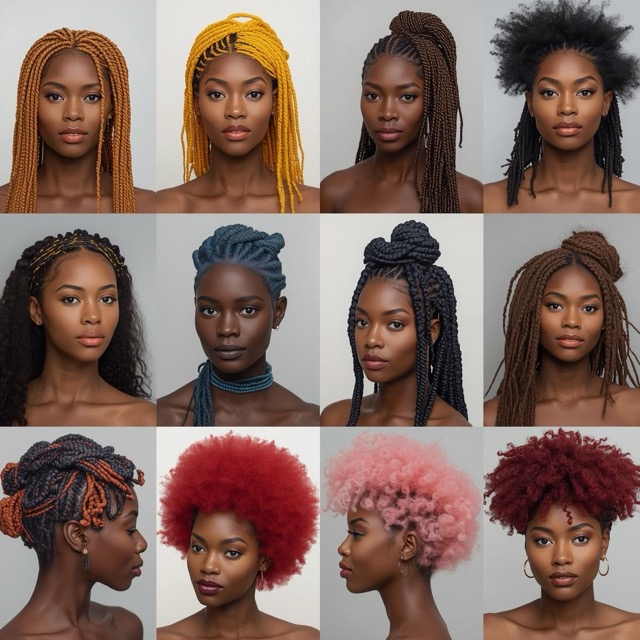
Digital Roots: Botanical Crown Collection explores the transformation of natural materials into expressions of identity through Afrocentric wig design. Rooted in biochromes—derived from sources such as turmeric, onion skins, and black walnut—this work reimagines hair as a textile medium. Yarn becomes a stand-in for hair, allowing for sculptural, vibrant, and culturally resonant forms that celebrate Black beauty and heritage. By merging traditional dyeing practices with digital fabrication and experimental textile techniques, the project challenges the environmental impact of the conventional hair industry while centering non-toxic, sustainable alternatives. These wigs function as crowns—symbols of power, self-definition, and cultural pride—bridging fashion, technology, and storytelling.
Ideation & sketches
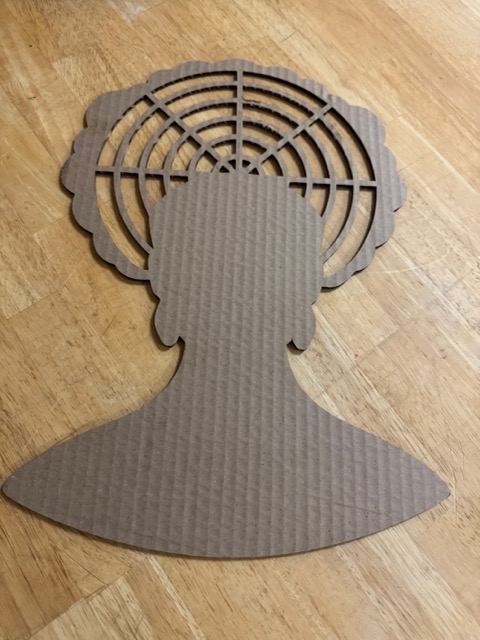
The images document my iterative design process, beginning with hand-cut cardboard silhouettes and laser-cut structural frames that explore form and scale for the wigs (crowns). Early prototypes test how a grid structure can support yarn as hair. Material experiments include naturally dyed yarn (turmeric and onion skin), wrapped around rods to create texture and curl patterns. Initial placement of yarn on the structure demonstrates how the crown will take shape. These steps show my progression from concept to material testing and structural development, providing insight into how I am refining both form and technique for my final project.
Design & Fabrication
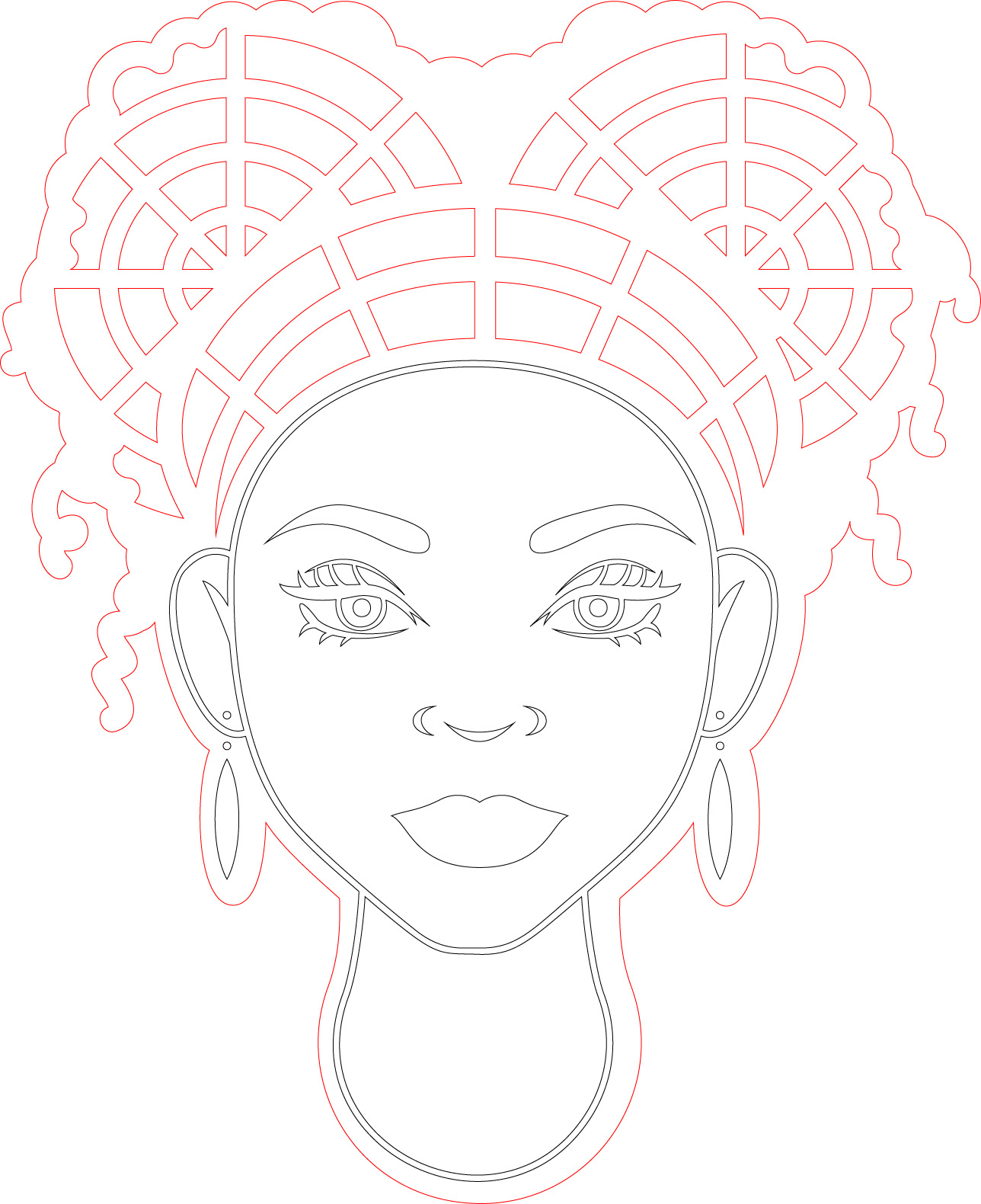
Laser Cutting Process: Wig (Crown) Structure
This piece was created using a laser cutter to translate my digital design into a physical structure that supports the wig (crown) concept.
Design Preparation
The silhouette of the head and crown structure was first designed digitally (vector format). The crown portion includes radial and grid patterns, which function as a scaffold for attaching yarn-based “hair.” The design balances both aesthetic form and functional structure.
Machine Setup (Epilog Laser)
The file was sent to the Epilog laser cutter, where settings were configured in the print driver:
- Job Type: Combined (raster + vector)
- Resolution: 600 DPI
- Vector Settings:
- Speed: ~50%
- Power: ~50%
- Frequency: ~2500 Hz
- Material: Corrugated cardboard
These settings allowed for clean cuts while preventing excessive burning of the cardboard.
Cutting Process
Once settings were confirmed:
- The cardboard was placed flat in the laser bed
- The machine was focused to the material height
- The job was sent and executed
- The laser followed the vector paths to precisely cut the silhouette and internal grid
The prototype was cut in a single pass, creating a lightweight yet stable structure.