4. BioChromes
Research
This week we explore how to obtain colour from nature, studying how different molecules interact with with textile fibres. We learned the methods for preparing the textile, and even preparing and modifying the dye.
Colour has always been an extension of the body: a chemical language hidden in flowers, roots and spices. Natural dyeing is a collaboration: the fibers absorbe that which the living matter releases. And the most interesting part is that the result is not perfect nor fixed, it breathes, evolves and changes with time, as any organism.
Inspiration
Fortunately for me, México is a very colourful place, and it has a long tradition of extracting bright and saturated colours from nature.
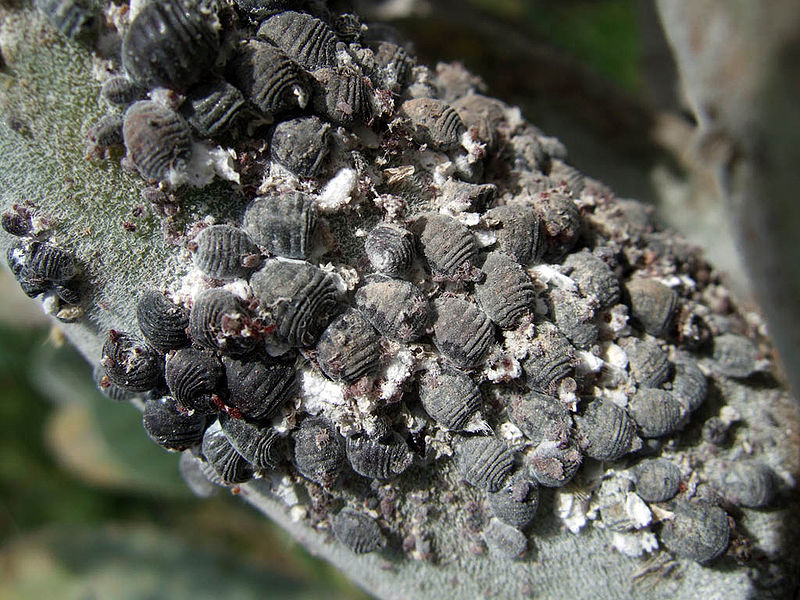
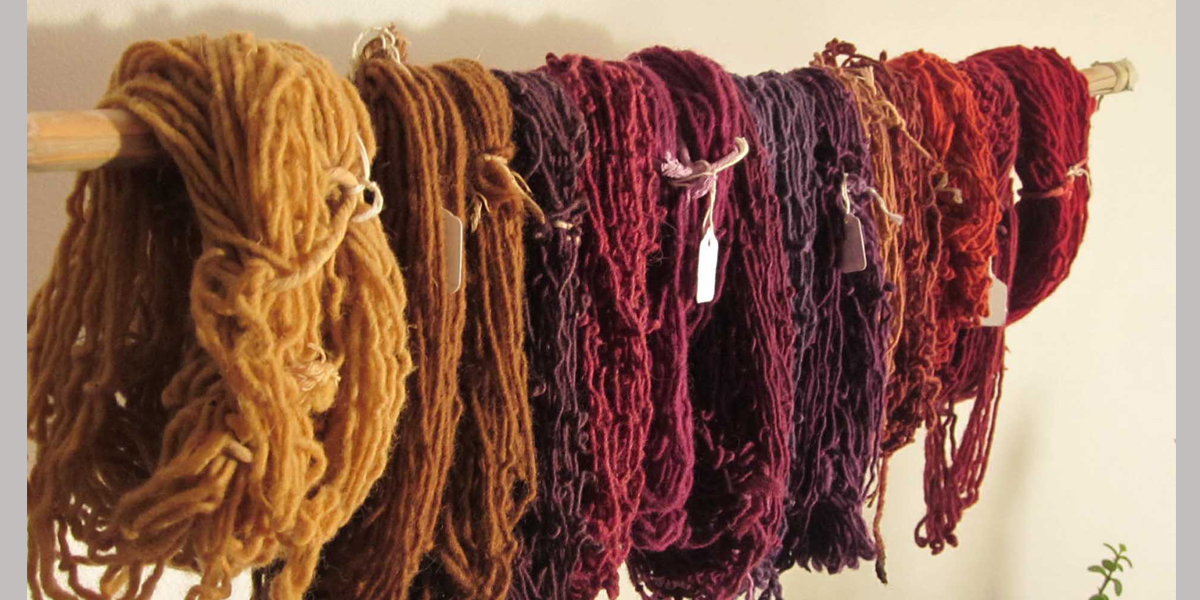
For example we have Grana cochinilla (Dactylopius coccus) which is a parasitic insect that infects a particular edible cacti called nopal. This insect is sun dried and then powdered using an ancestral traditional grinder made from volcanic rock called metate. It provides a very recognizable deep red colour, and depending on its concentration and Ph, it is possible to have yellowish colours.
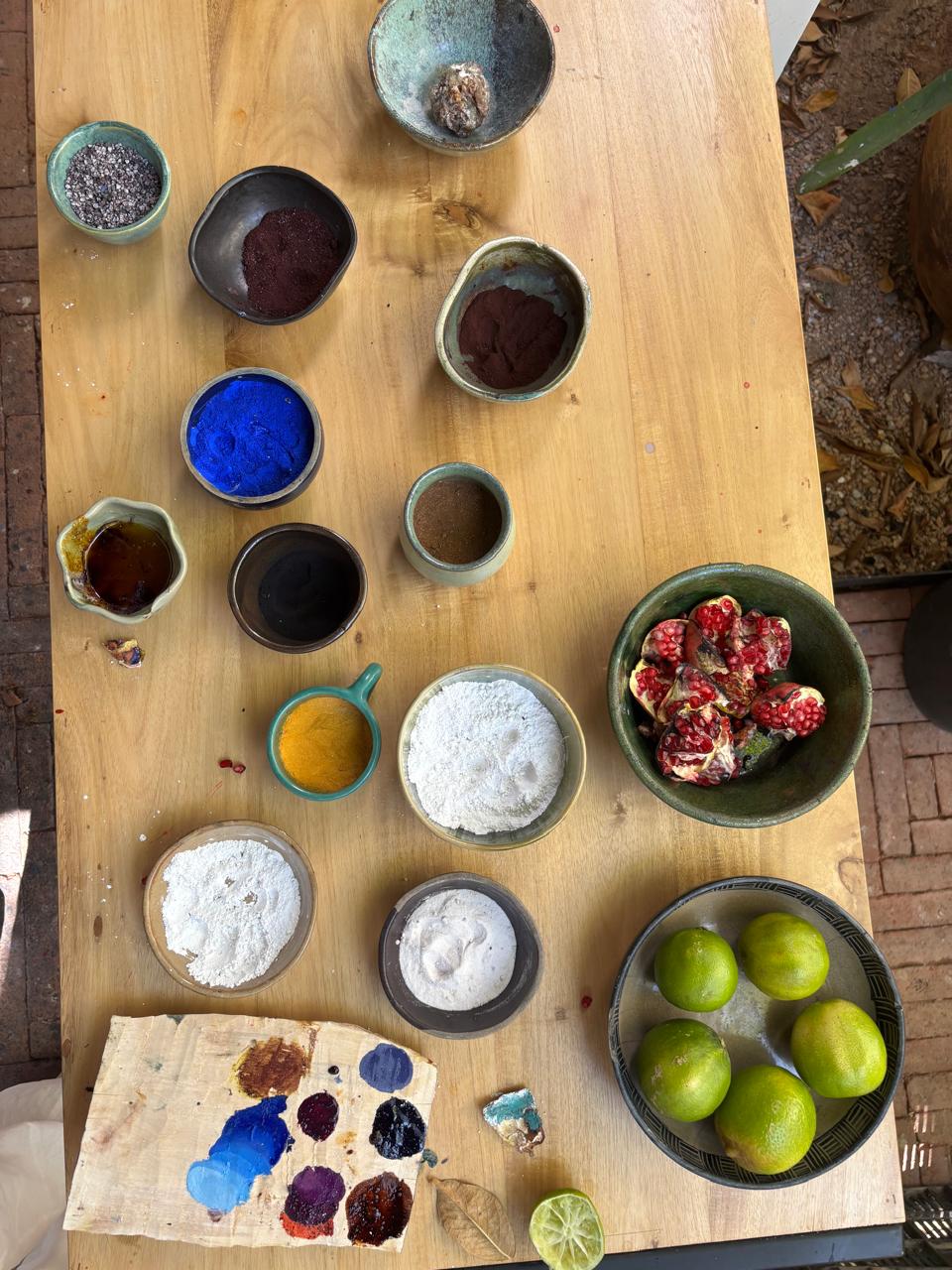
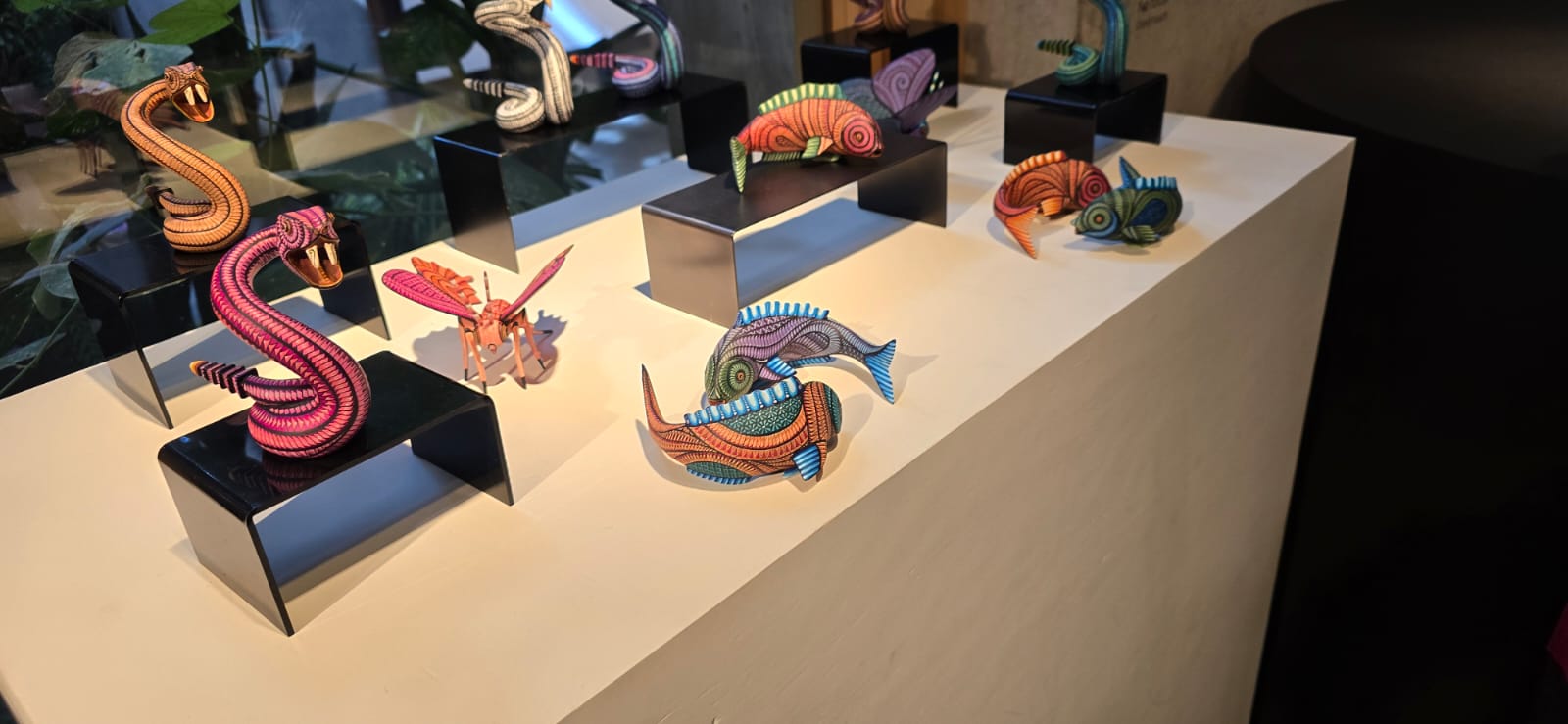
I also had the fortune to visit the Jacobo and María Ángeles alebrije workshop in Oaxaca, where they explained how to get some of the brightest colour pigments from combinations of lime stone and pommegranate, different kinds of wood, ash and how to extract some tannins from the bark of some trees. Most of the pigments they use nowadays are sinthetic, but they still share the ancient knowledge through courses and tours.
Dyeing
BioDyeing is the process of colouring textiles with colorants derived biologically, or from living organisms capable of producing dyes or pigments, such as algae, living fungi, some bacteria, and even yeasts. It relies on biological processes and renewable resources to reduce the impact on the environment from the textile industry.
Natural dyeing is also the process of colouring textiles, but this colorants are obtained directly from plants, insects or minerals.
Dye vs pigment
What is the difference between a dye and a pigment?
The dye dissolves easily, and penetrates the fiber, it can even have physical and chemical bonds with it. The pigment is tiny solid particles that need an extra binder to adhere to the surface of the material.
How can we get this materials?
Well the basic theory is to grab something colorful, like petals for example, then dry it, you could use a dehydrator machine for more replicable results, but the sun will do just fine. Having this dried materials, and voilá, for the dyeing process go further on the page.
Rose Petals
Let's start from the beginning, we have to find colorful natural materials, i will be using rose petals, which give a purple-violet colour on the fabric.
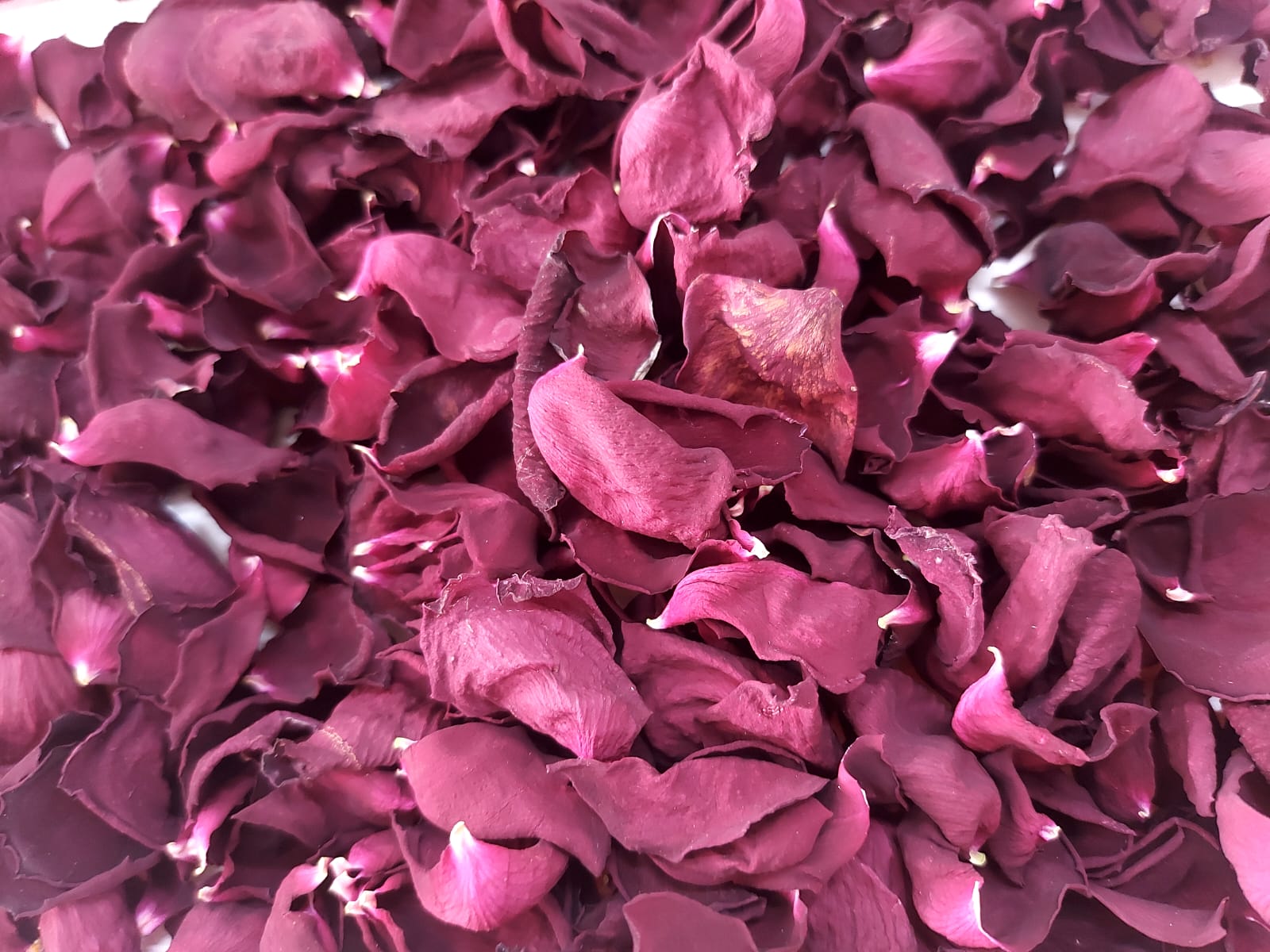
We could air dry the petals, but because it is a slow process, the petals get oxidized and the colour becomes opaque. In order to preserve most of the colorful properties from the petals, we can use both a convection oven, or a dehydration machine. * The Convection oven process should be around 50°C (122°F) for 2-4 hours. * Using the dehydration machine the parameters should be around 35°-40°C (95°-104°F) for 8-10 hours.
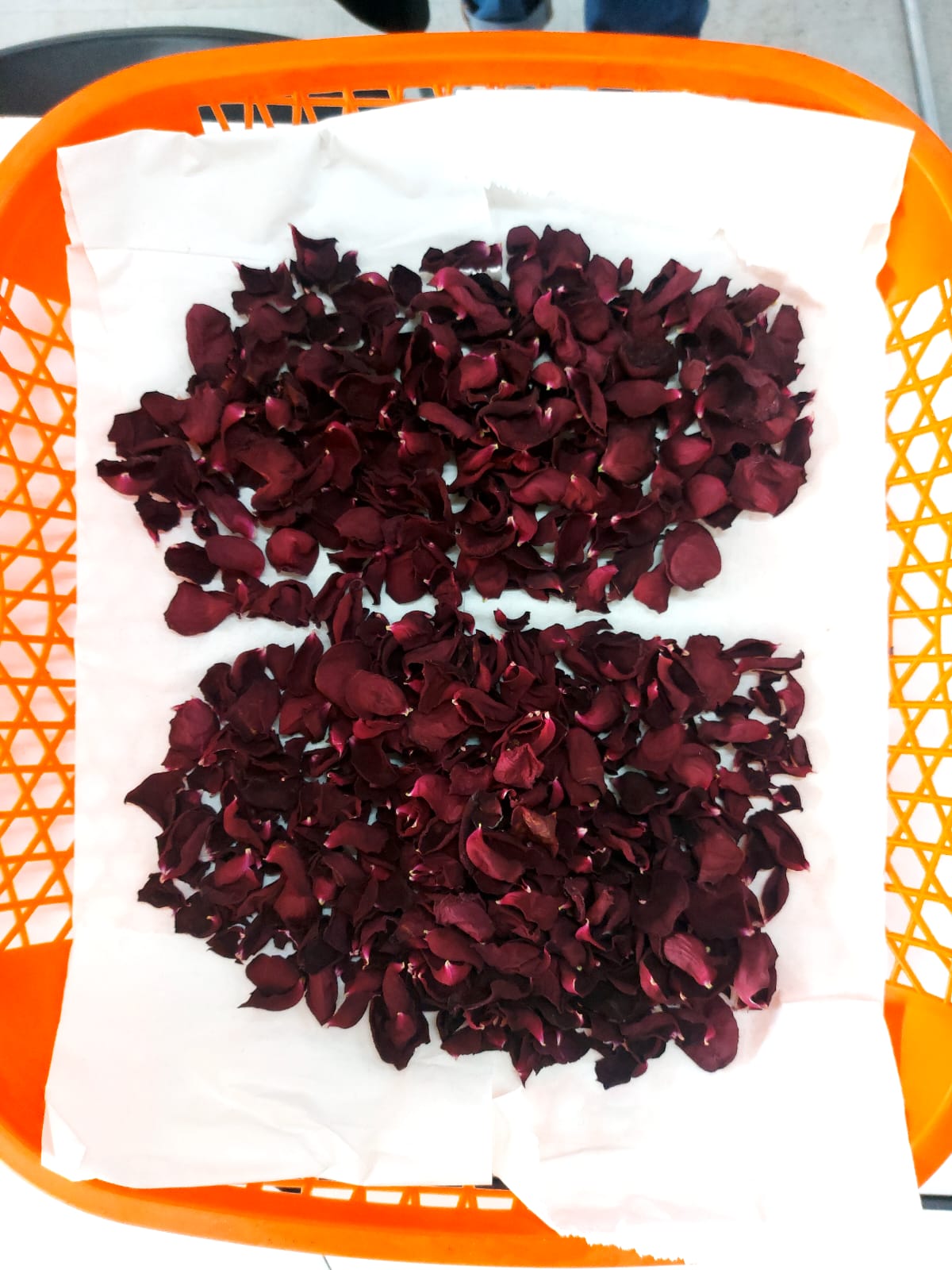
The drying process turned the redish petals into a purple-ish mixture.
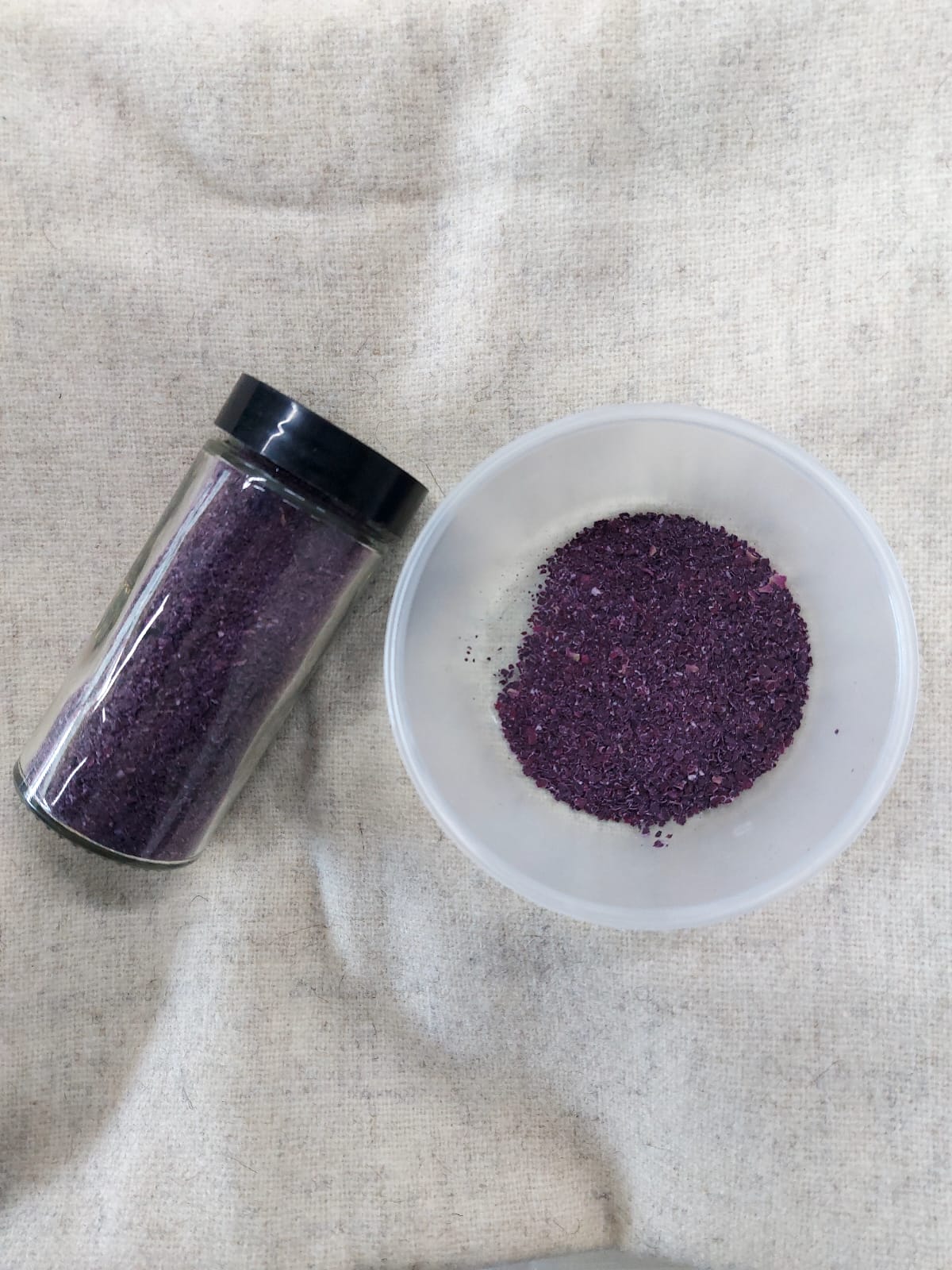
After having the petals dried, we used a blender in the softest setting so we got small pieces, but not powder. This coarse mixture will be used for dyeing on the next steps.
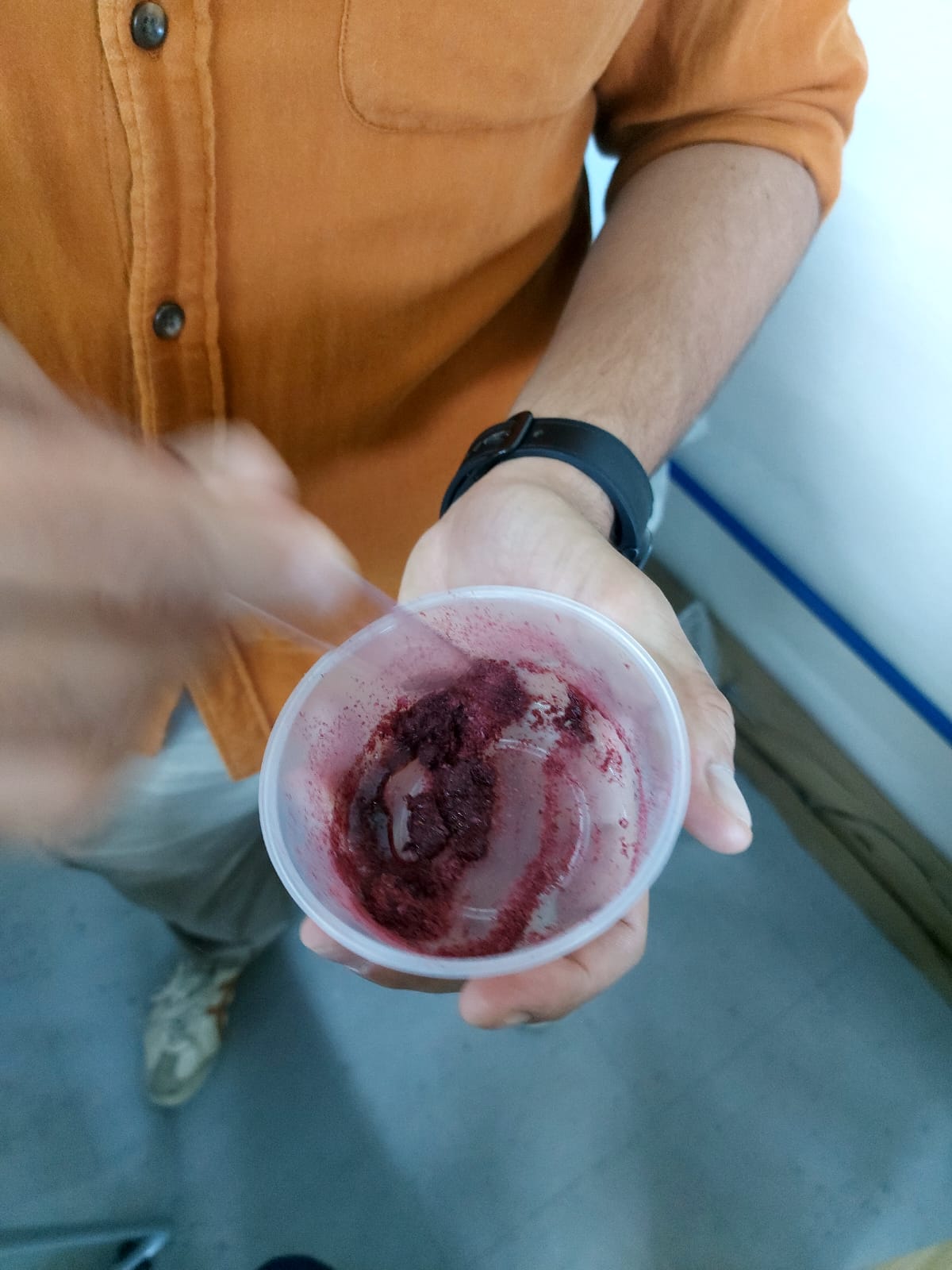
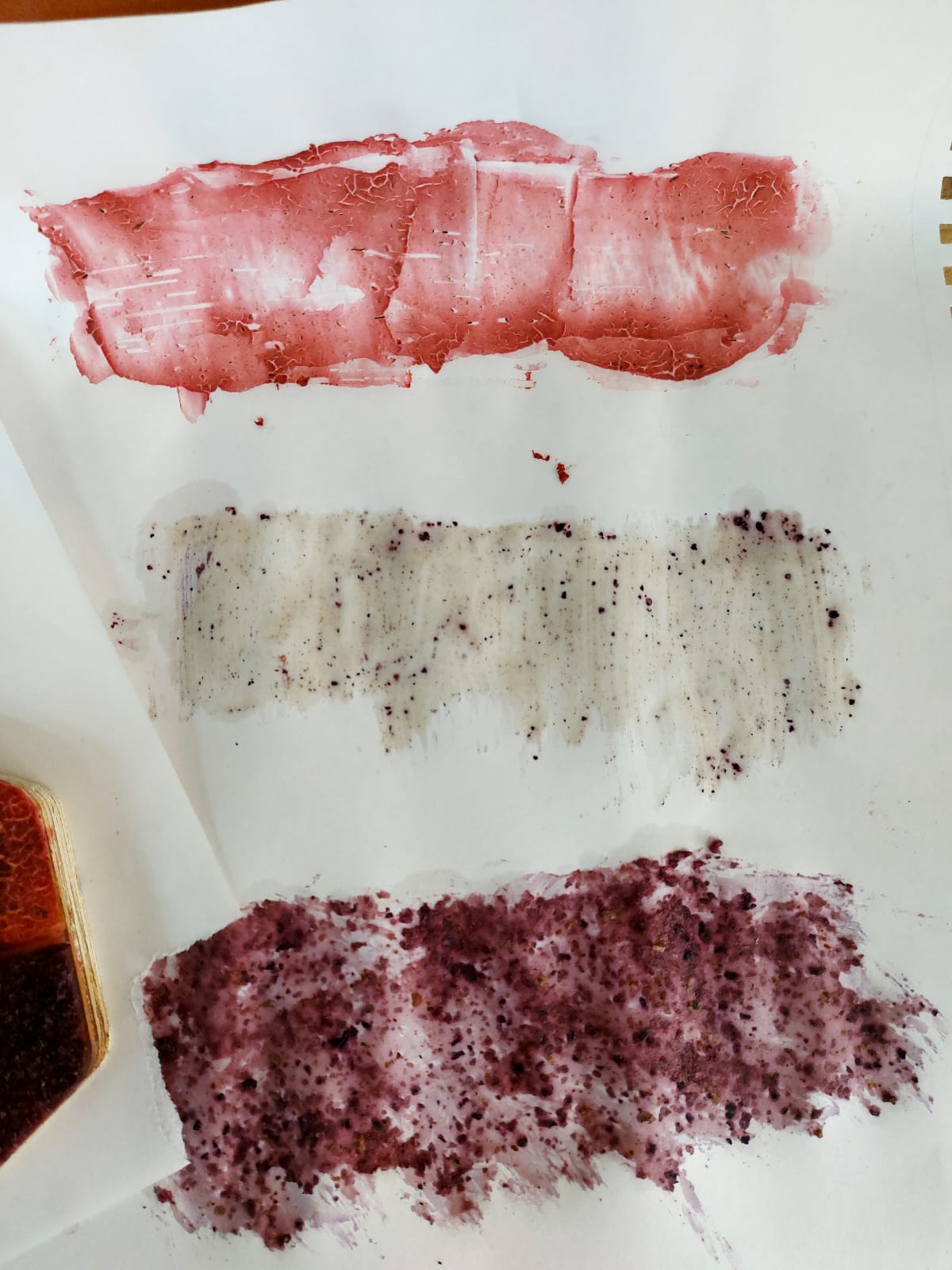
Just for a test we added linseed oil to try to recreate some kind of ink or oil paint. Not the best result but it was interesting. The examples bellow show the different materials experimented by my colleagues Sam, Dany, and Monse, who used also flower petals and leaves (that didn't colour much).
Ink
As another experiment, I decided to recreate a kind of ink with basic ingredients, in this case alcohol:
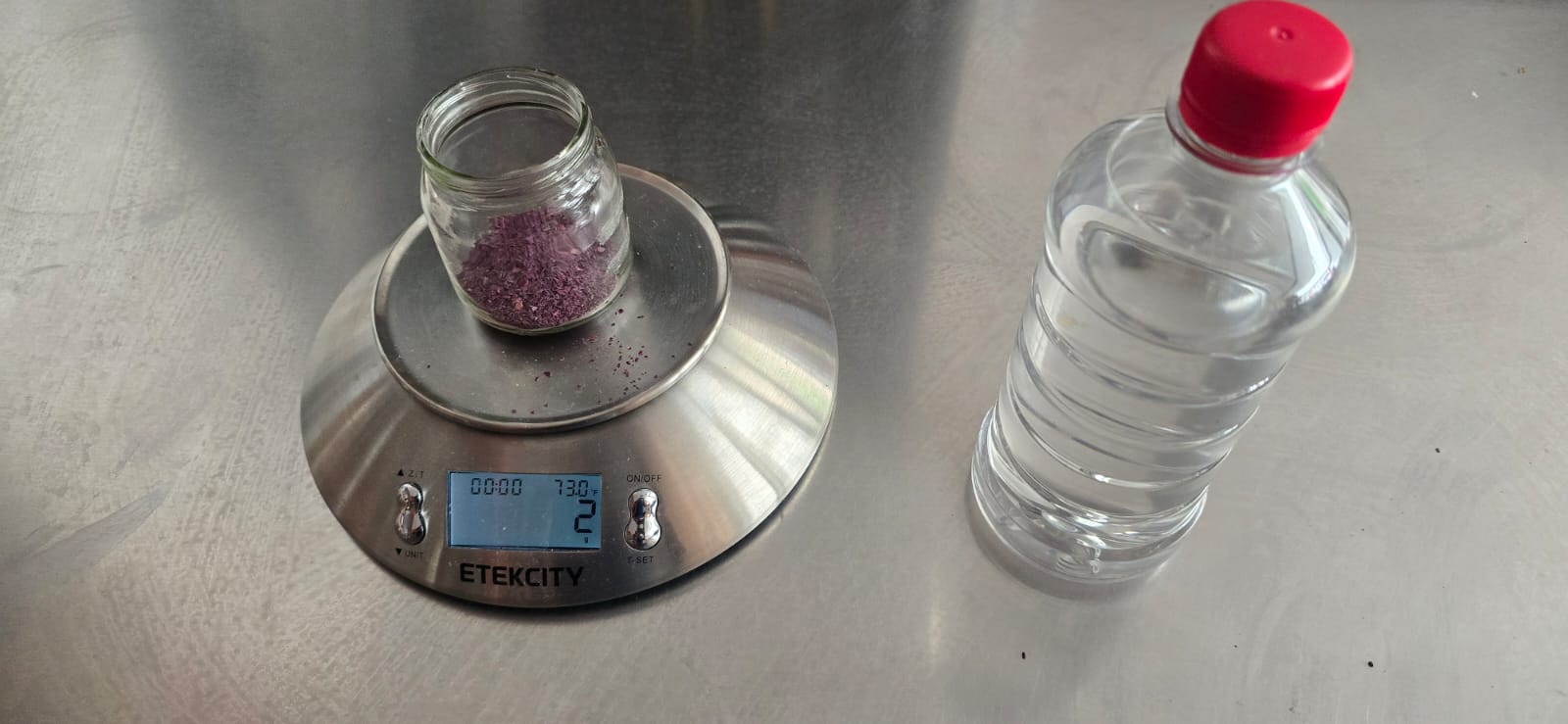
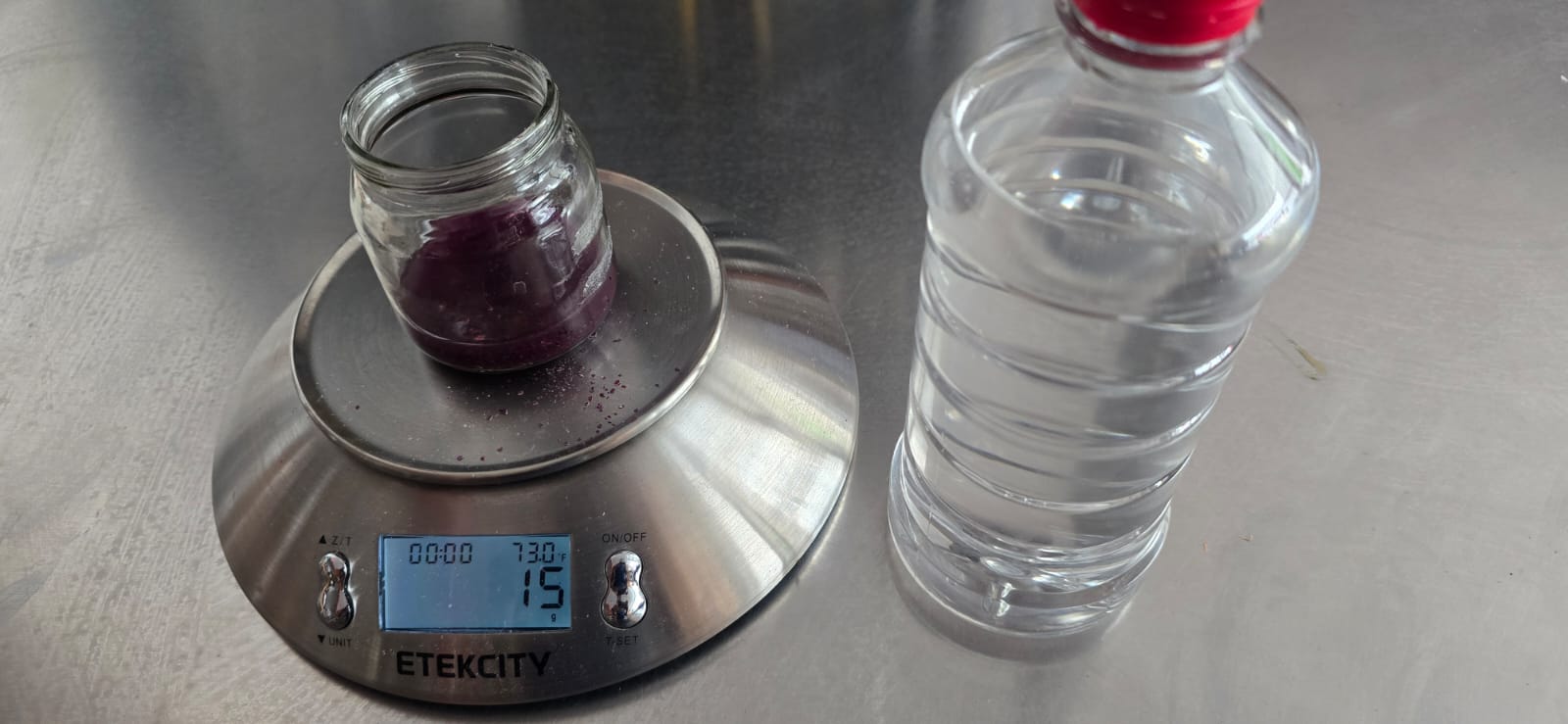
- 2g of dried and shredded rose petals
-
15g of 96° natural sugarcane alcohol
-
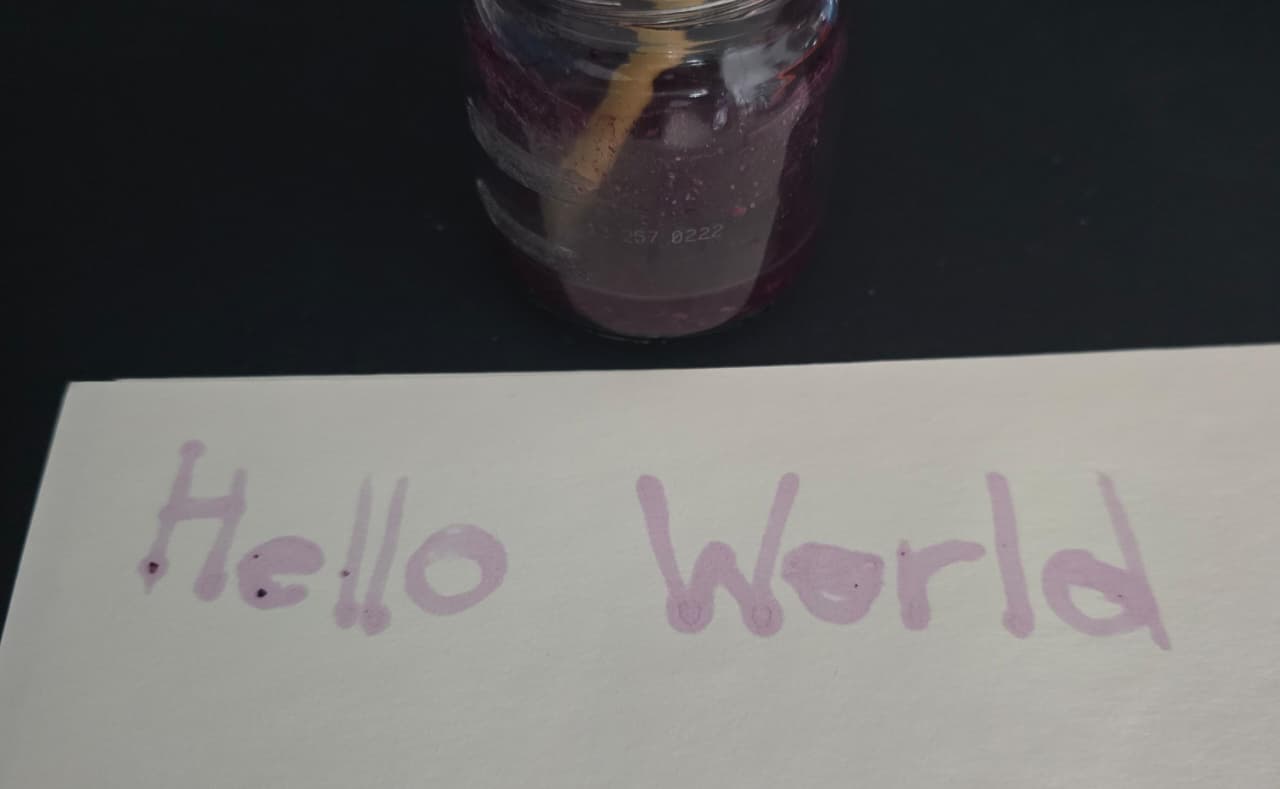
Mixing both ingredients and leting it rest for some time (I did 1 hour but i guess if you wait longer, the colour will be deeper), the alcohol should extract the colour and, as it evaporates quickly, it leaves behind the colour on the paper, as it is shown on the example bellow.
Lake pigment with precipitation
This process will allow us to get a Pigment, in other words, solid particles that can colour. In this case I am using the following ingredients:
- Turmeric powder - 5g
- Warm water - 100ml
- Sodium bicarbonate (Baking soda) - 5g
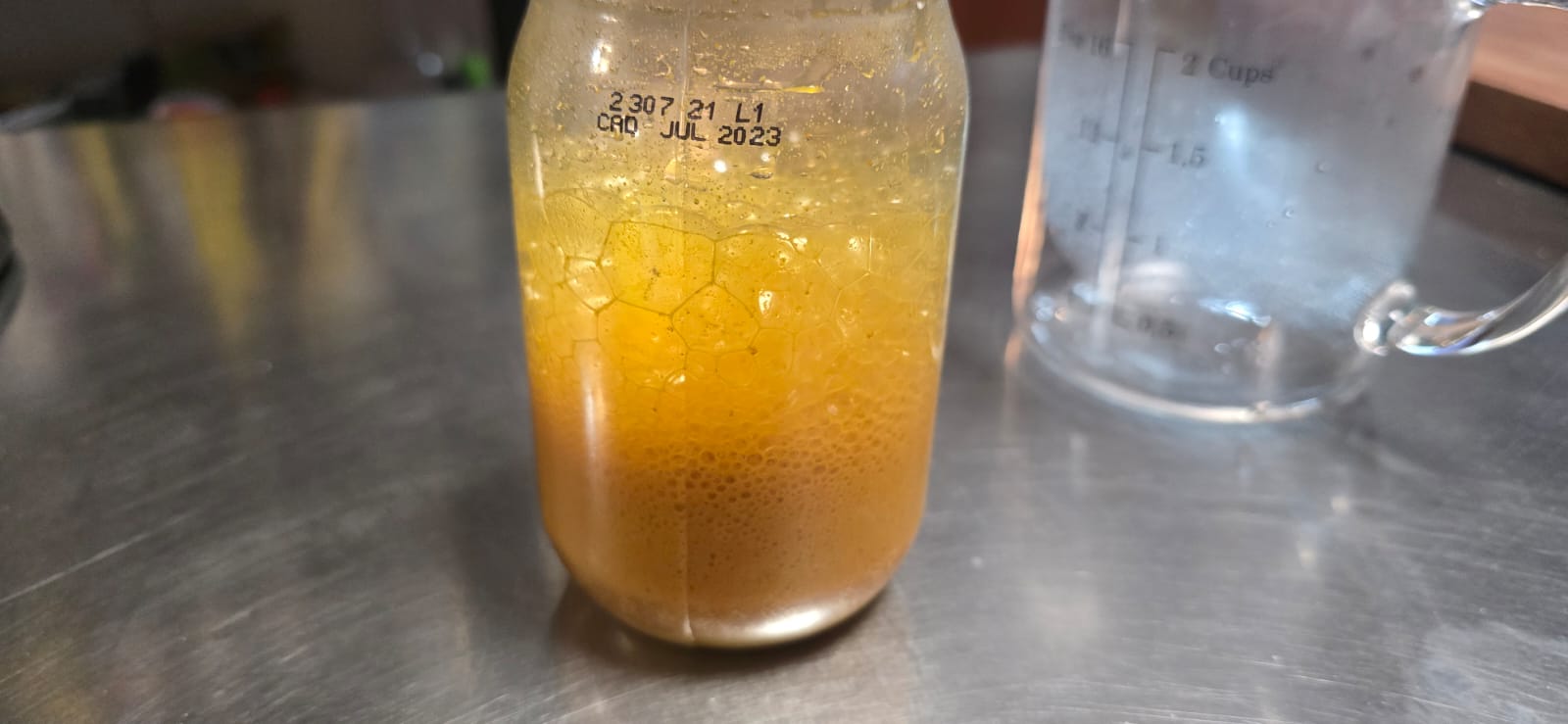
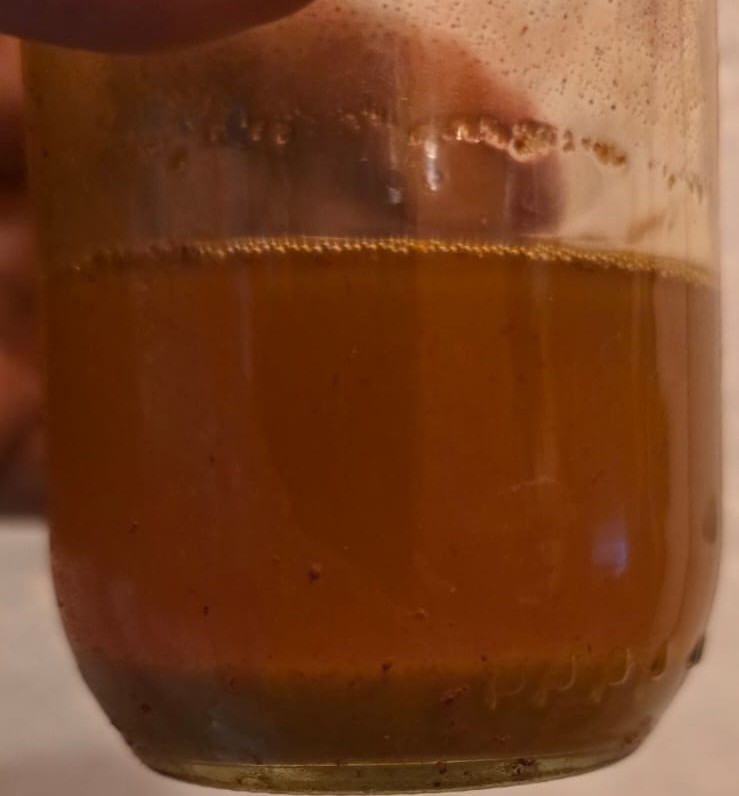
First we dissolve the turmeric powder in the warm water, by mixing thoroughly, after the mixture looks solid yellow, the sodium bicarbonate is added, and it will react creating bubbles. The next part is to wait for the solids to precipitate. After waiting for some time (30 minutes will be ok) I used a coffee filter to remove the water, and only keep the solids, in this case our own natural yellow turmeric pigment!
But what happened here? The colouring molecules from the curcumin in the turmeric react with metallic salts, in this case the Sodium bicarbonate and bonded into an insoluble powder, AKA a pigment!
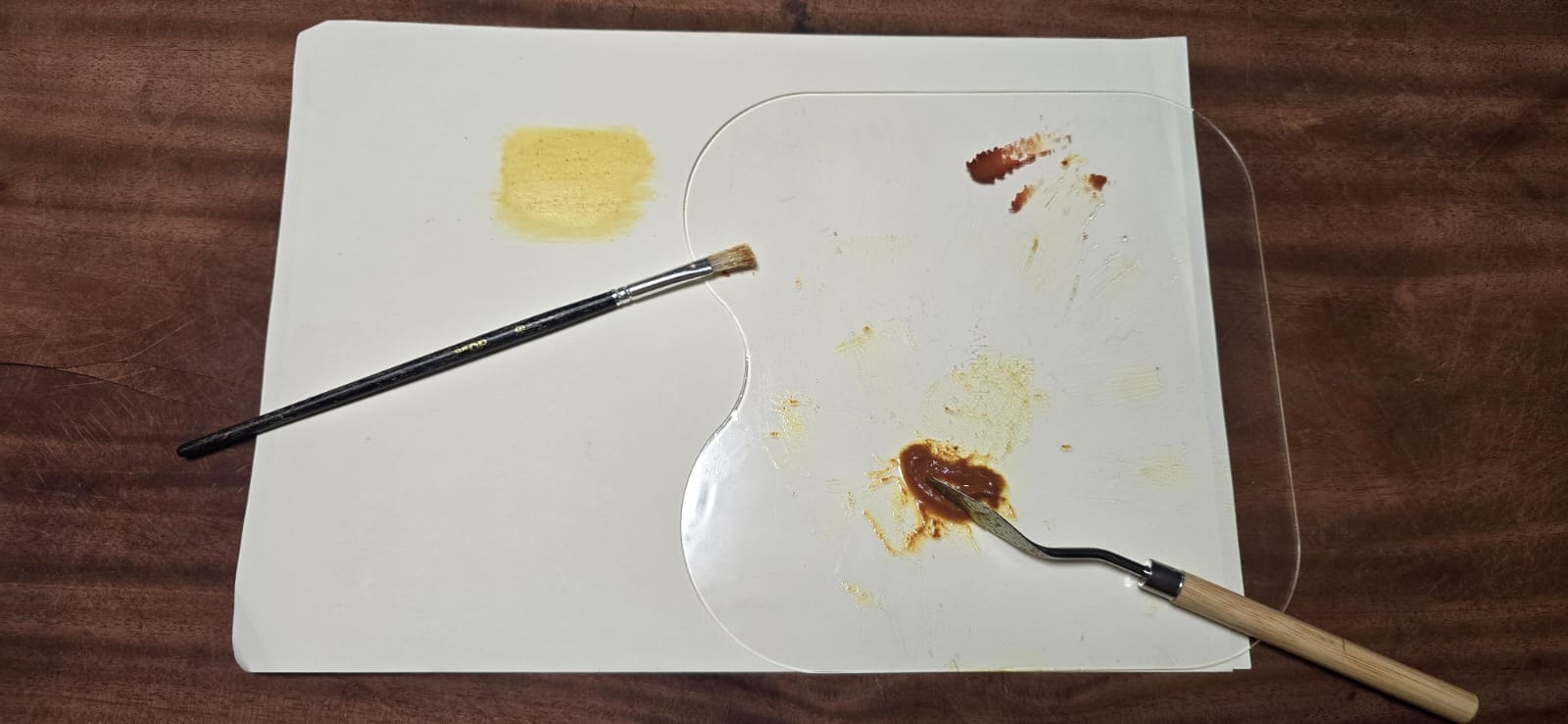
I Mixed the solids with linseed oil to create some kind of oil painting, and the results are as follows.


Dyeing
Dyeing means to fuse the colour on the fabric, in this case, for such process we use these techniques:
- Washing: The process of washing the fibers removes oils, waxes, and impurities from the material.
- Mordanting: This is the process for preparing the fibers so the pigment adheres better, somewhat like chemical bond.
- PH Modification: With different compounds it is possible to change the PH of the pigments, changing the colours.
So that is how we did it.
Washing
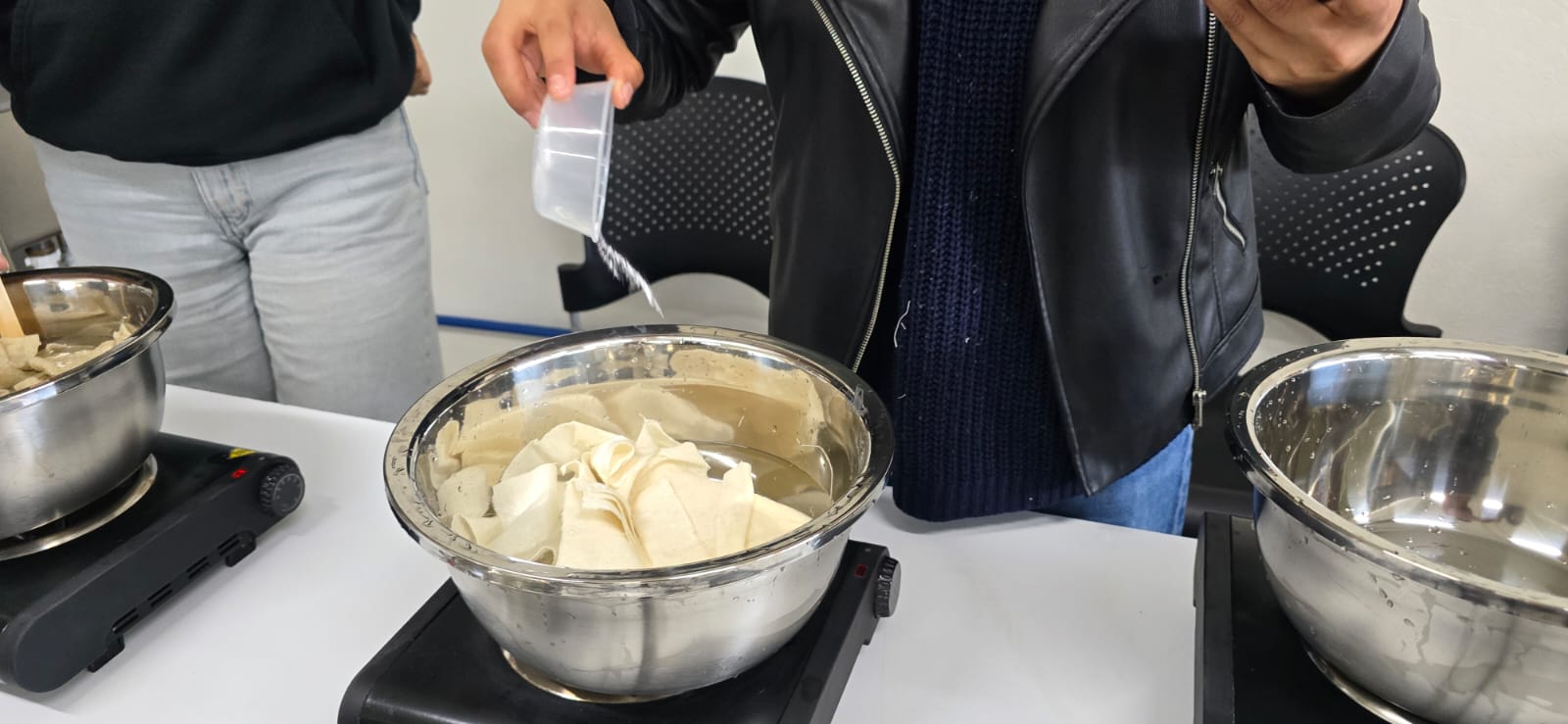
We wash the textile patches with neutral soap, to remove all the impurities and natural oils, and also to mantain the Ph without modifications, as this can change the colours, as we will see with the next tests. Th neutral soap we could find here in México is called Zote, and it is standard for both home and industrial use. It is also recommended, in order for the dye to remain longer, to use some natural tannins, like avocado skin, grape seeds and skins, or even black tea leaves. In this case we didn't do it as it was recommended after we finished.
Mordanting
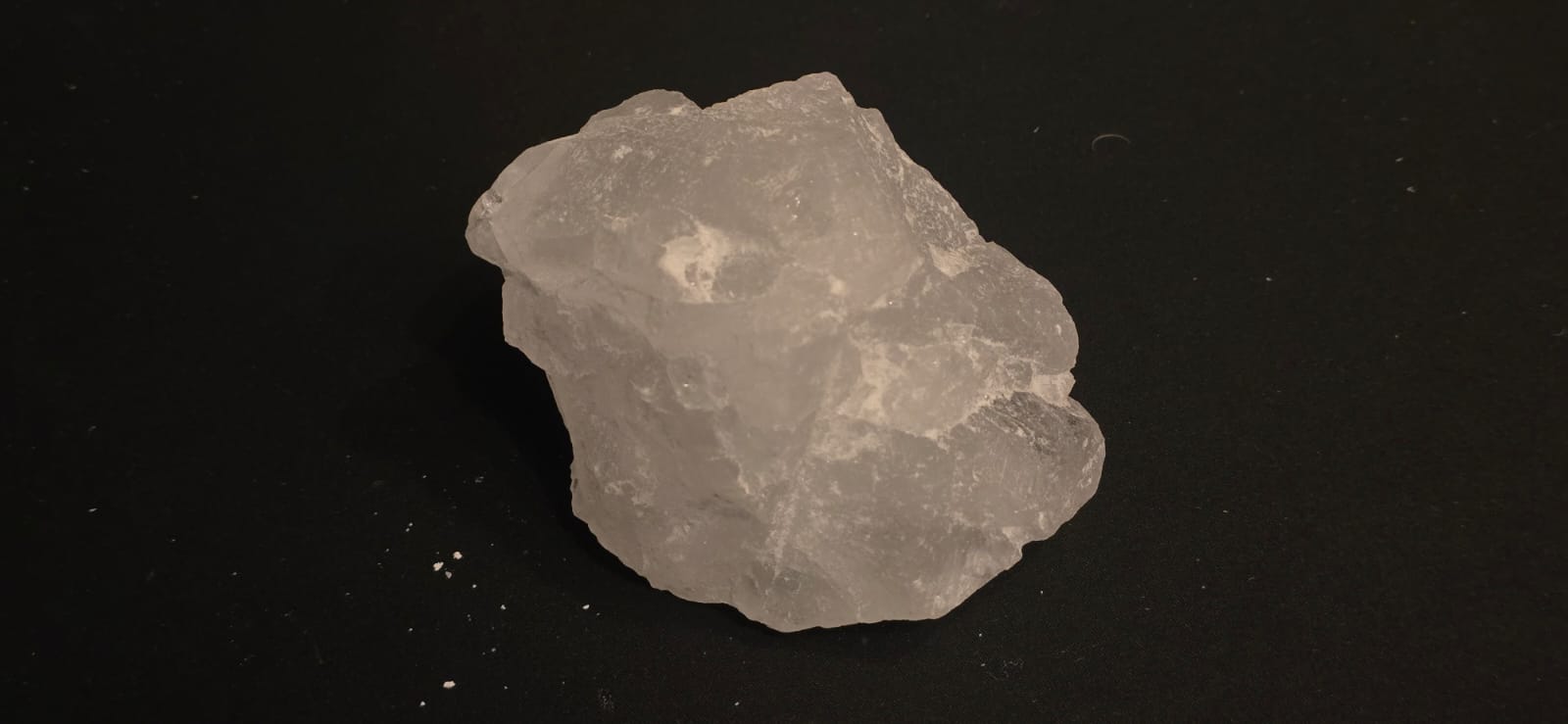
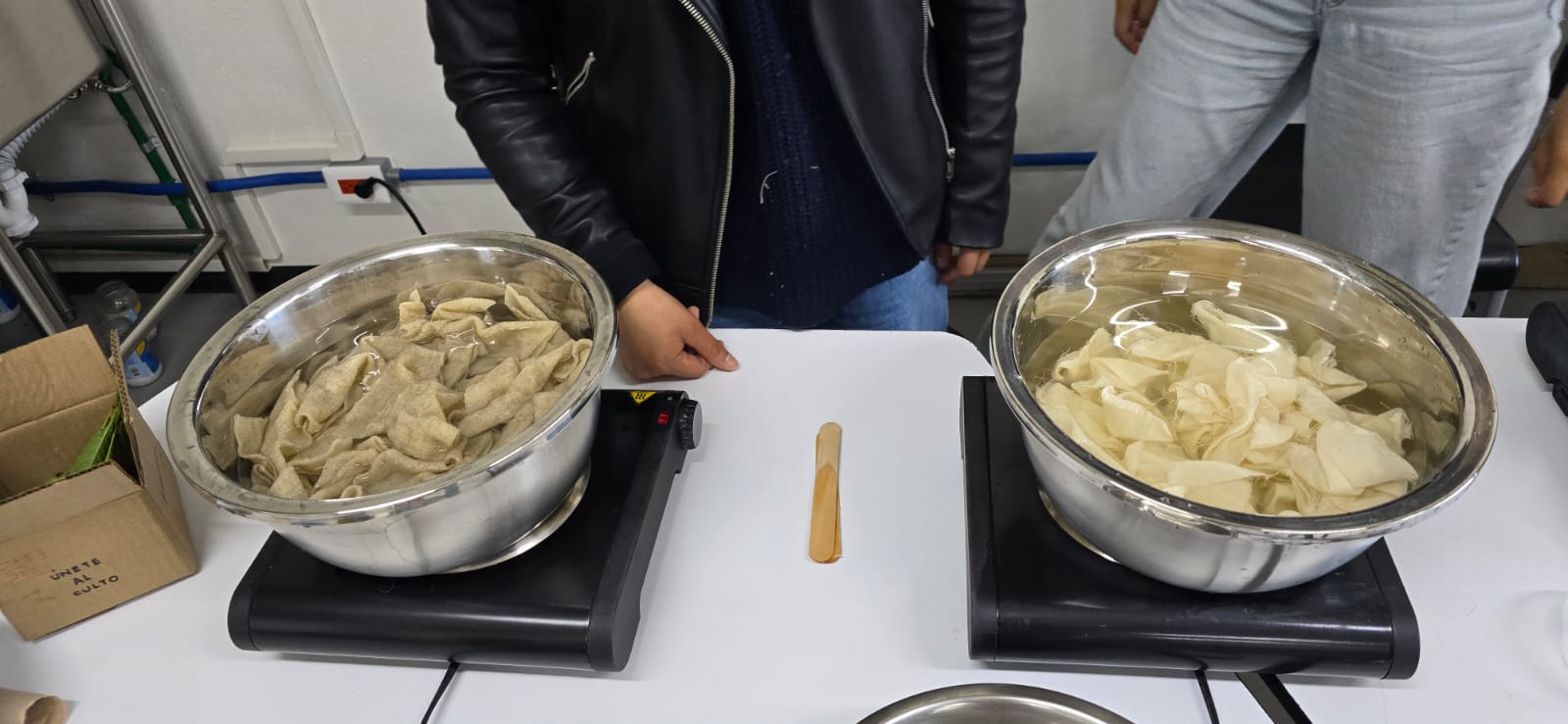
- This process is easy but long and tedious, first we boil water and add alum stone, a semi transparent mineral, until it is disolved in the water, with a ratio of 15%-20% of the weight of the wool, and around 15% of the weight of the natural fibers like cotton or linen.
- In this case the Wool weighted 152g, and the concentration of alum was 3.2g disolved on 1l of water. Also the linen cloth weighted 60.8g, and the alum concentration was 1.2g on 1l of water.
- After everything is disolved, we soak the textiles for 1 hour in the low-simmering mixture.
- After this is done, we squeeze out the liquid and let to cool down to room temperature.
Dyeing
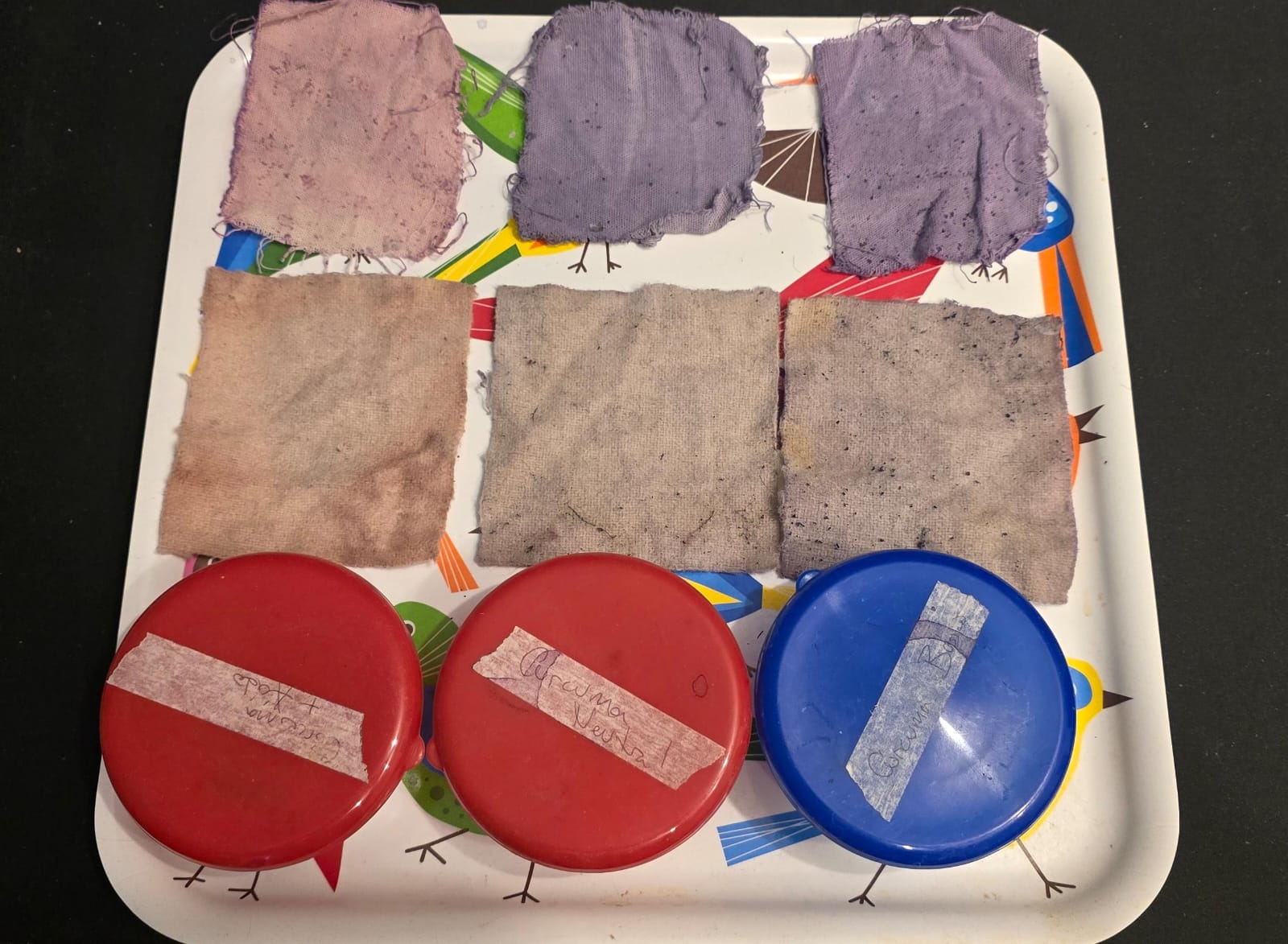
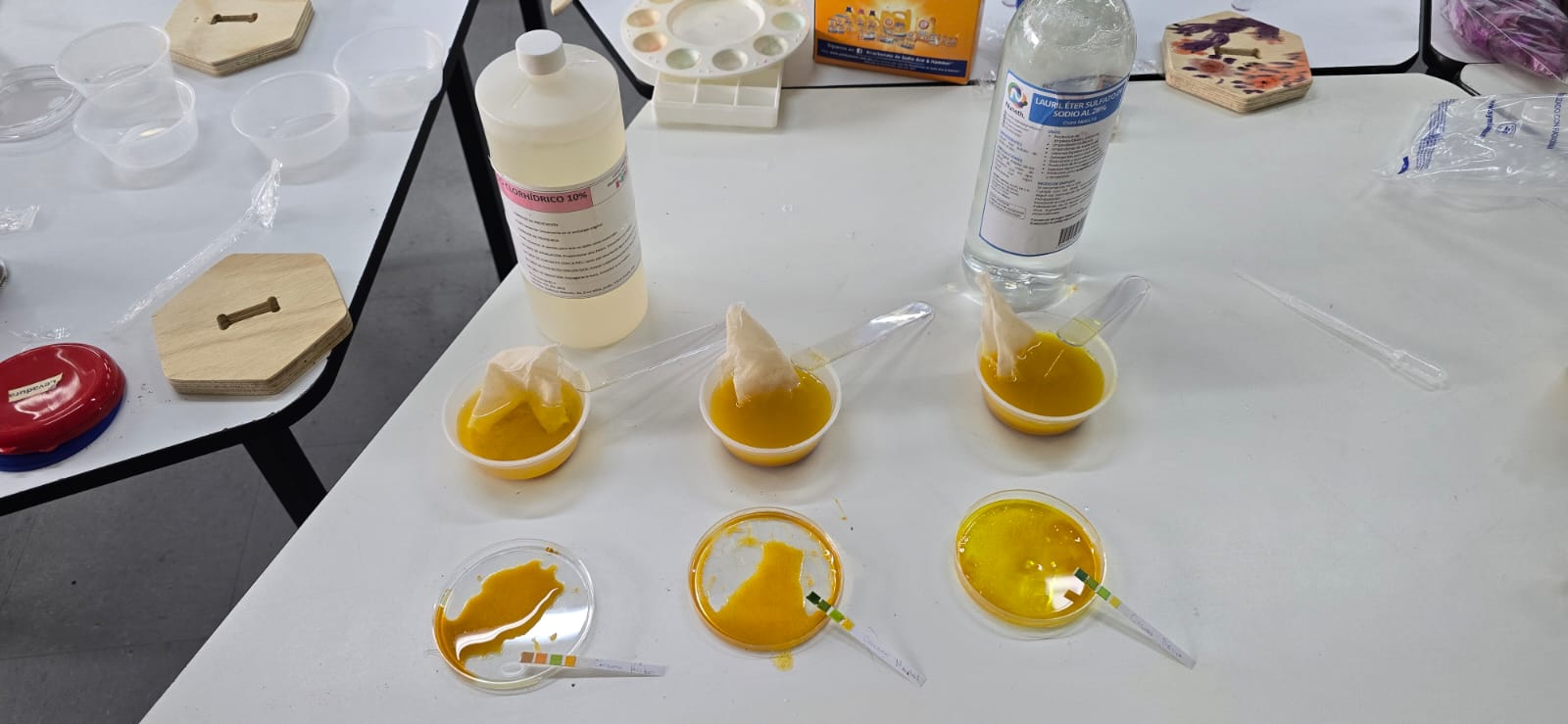
- For this part, there were two different batches of colours, yellow with turmeric, and purple with the dried rose petals, for each batch, 3 different samples of the colour were used in both materials, so at the end we had 3 different turmeric yellow wool squares, 3 different turmeric yellow linen squares, 3 different rose purple wool squares, and 3 different rose purple linen squares.
- For each colour, 3 different mixtures were prepared, one with lowered Ph with added clorhidric acid, one with higher Ph with added Sodium Sulfate, and the neutral one with just water.
- The acidic yellow turmeric mixture was a bit orange, the alkaline mixture ended up being more saturated and earthy, the natural one was a middle point between these two.
- The purple-ish colours were accomplished with the dried rose petals, and the same procedure was done.
- The acidic mixture was very red and the alkaline was blue-ish in tone, the natural one was more pink in general.
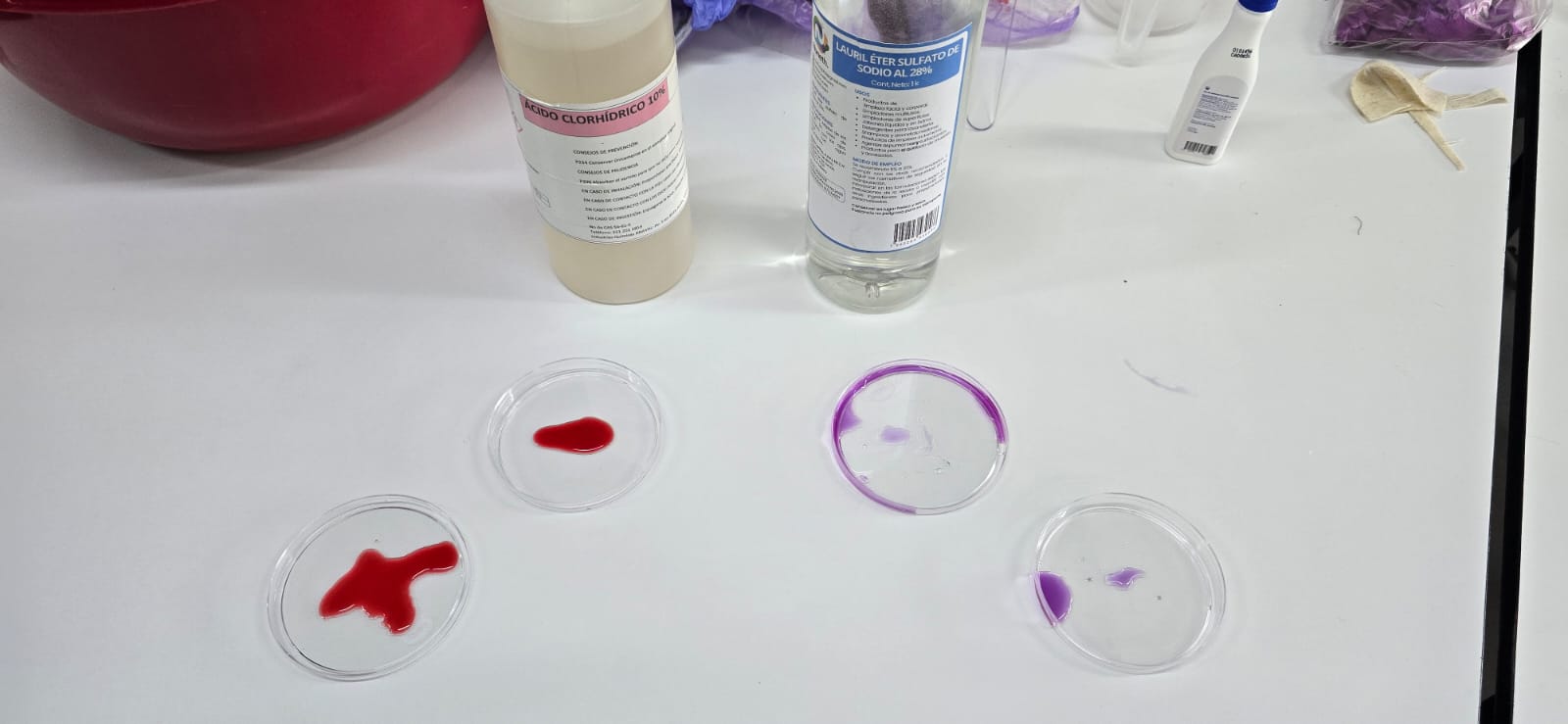
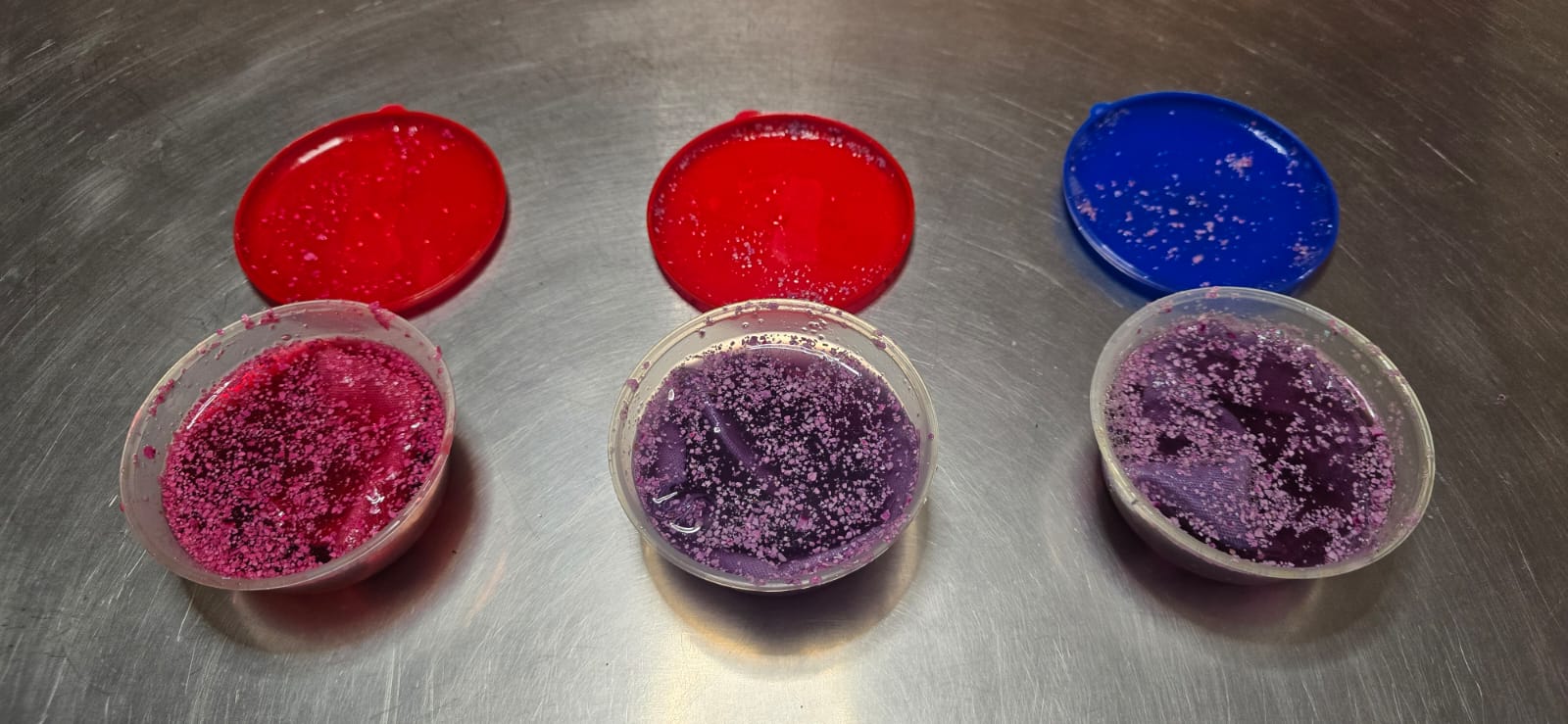
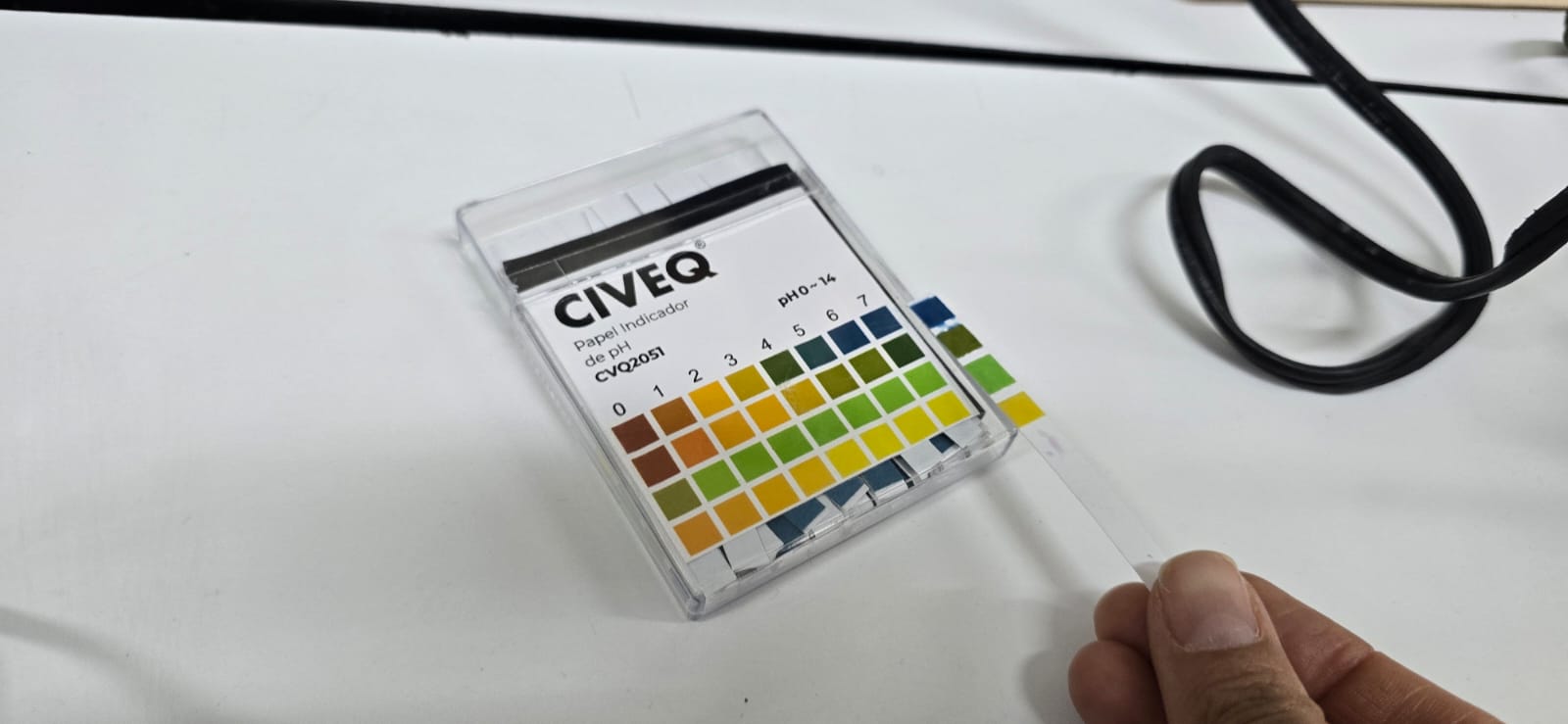
During the whole process for both dyes, the Ph was measured using Ph measuring strips that change colour deppending on the Ph of the liquid they absorbe. These twelve samples were donated to the bio-dyeing collection of the FabLab for further reference.