13. Implications and applications
Project Overview (Concept Definition)
At first, when the final project was being planned, I found 3 possible courses of action: A soft-robotics based adaptative jacket, a climate responsive garment, and a biomaterial living textile piece. These ideas came both from my background in digital fabrication and textiles, and analizing existing projects and the research developed from the fabricademy ecosystem.
Evaluating the potencial reach, technical exploration, relevance to future projects and the alignment with the fabricademy course, I decied to focus in a signle final project, but instead of an object, it will be a structured research project. This project will center on experimentation and documentation of inflatable textiles as soft actuators, with the possibility of developing a functional garment prototype.
The inflatable jacket is one of the many case-uses of the information to be found through the research and experimentation: Technical investigation, material testing, digital fabrication, and most importantly transfering this knowledge so it can later be applied to garments, medical devices, etc.
Context and motivation
Textiles have been mostly thought of as passive materials, providing fixed levels fo protection, insulation, even compression. This has been proven to be ineffective as modern environments have rapid and extreme climate changes, we face issues like mobility, international travel, and indoor-outdoor lifestyles, among others.
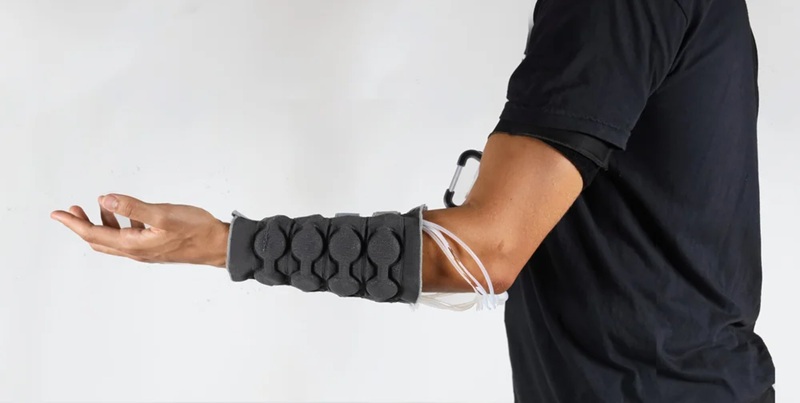
Inflatable textiles could offer this adaptability, as air is lightweight, reversible, controllable, and insulating, to name a few properties. This would allow textiles to vary between different states of insulation, pressure, fit and even flexibility, without adding weight. These inflatable textiles could be used not only for clothing, but also assistive devices for medical and rehabilitation purposes.
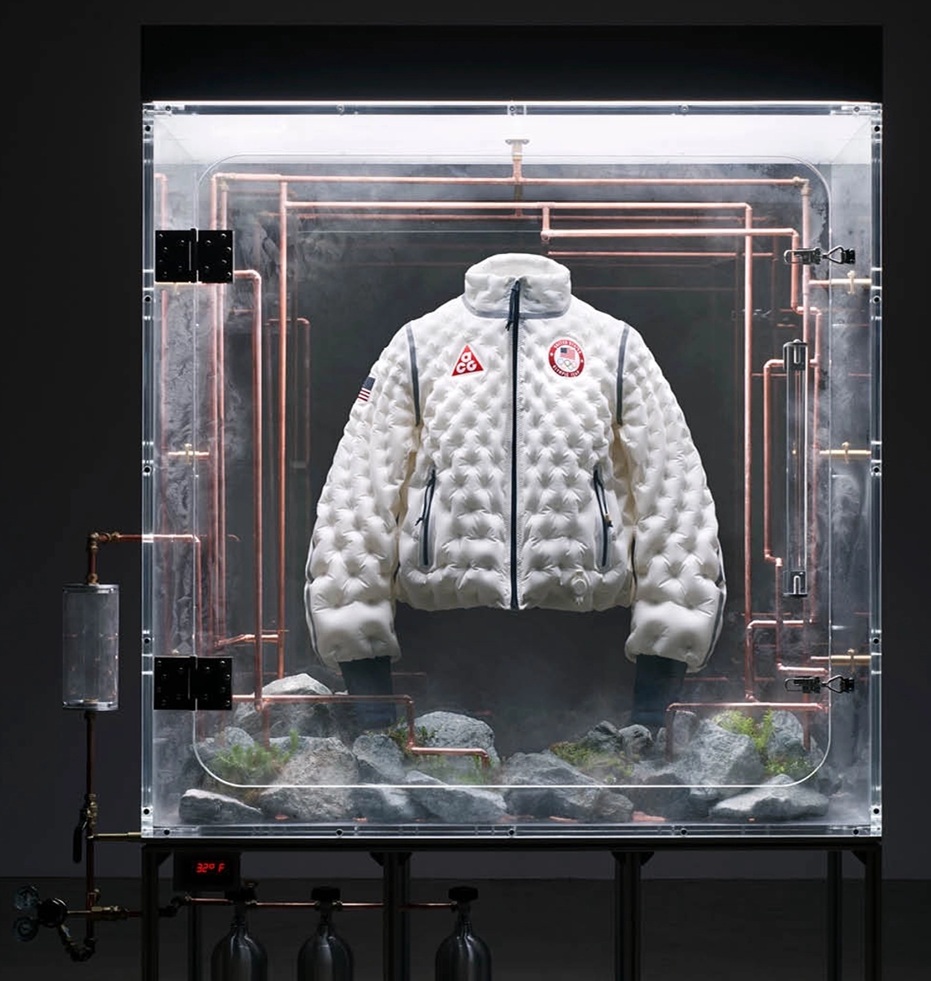
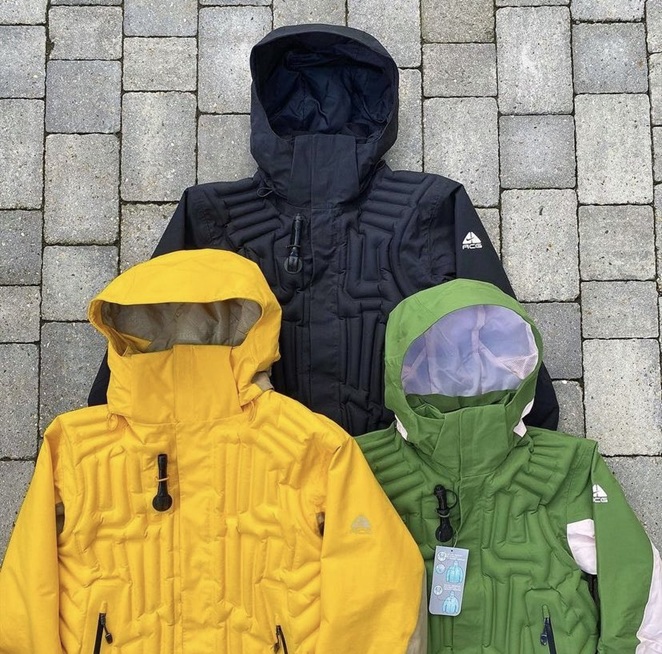
Some big sport brands, like Nike, have been interested in this topic, with projects such as the Nike Therma-FIT ADV Milano Jacket and the Nike ACG Gore-Tex AirAdvantage jacket, which integrate air-based structures for both performance, insulation, and aesthetics. Unfortunately these examples remain concept-specific and secretive in their development and fabrication processes.
In theory, this project tries to minimize the gap of knowledge and results for fabricating these kind of projects, instead of focusing in a single "commercial" piece, the plan is to build transferable knowledge that can be applied across disciplines and contexts.
Applications (Real world uses)
The reach of this research might be defined and applied in multiple themes and disciplines, for example:
- Wearable and apparel
- Adaptative clothes that could respond to external/internal temperature changes.
- Multi-season clothes
- Lightweight insulation
- Medical and rehabilitation applications
- Adjustable compression devices
- Post-operative or therapeutic wearbles
- Prototyping platform for wearables
- Educational material for textiles and materials
- A first step for architectual or product design with inflatable structures
(WHAT) The project per se
Adaptive Inflatable Textiles.
The vision and mission of this project is to research inflatable textiles and the fabrication methods behind them, for easy reproducibility everywhere, with affordable materials and machines, following the open-source philosophy.
(WHAT) Project overview
This project explores the fabrication methods of inflatable textiles, by combining different materials, digital fabrication machines, design methodologies, and open-source shareable knowledge, the expected output is:
- Documented library of inflatable textile samples
- Experiments with geometries, materials and sealing
- Integration of digital fabrication machines
- Bio-mimetic designs focused on movement
(WHY) Inspiration & state of the art
The project gathers information across several fields:
- Inflatable structures in aerospace and architecture
- Inflatable garments in sports
- Inflatable systems for medicine and rehabilitation
- Open-source labs methodologies
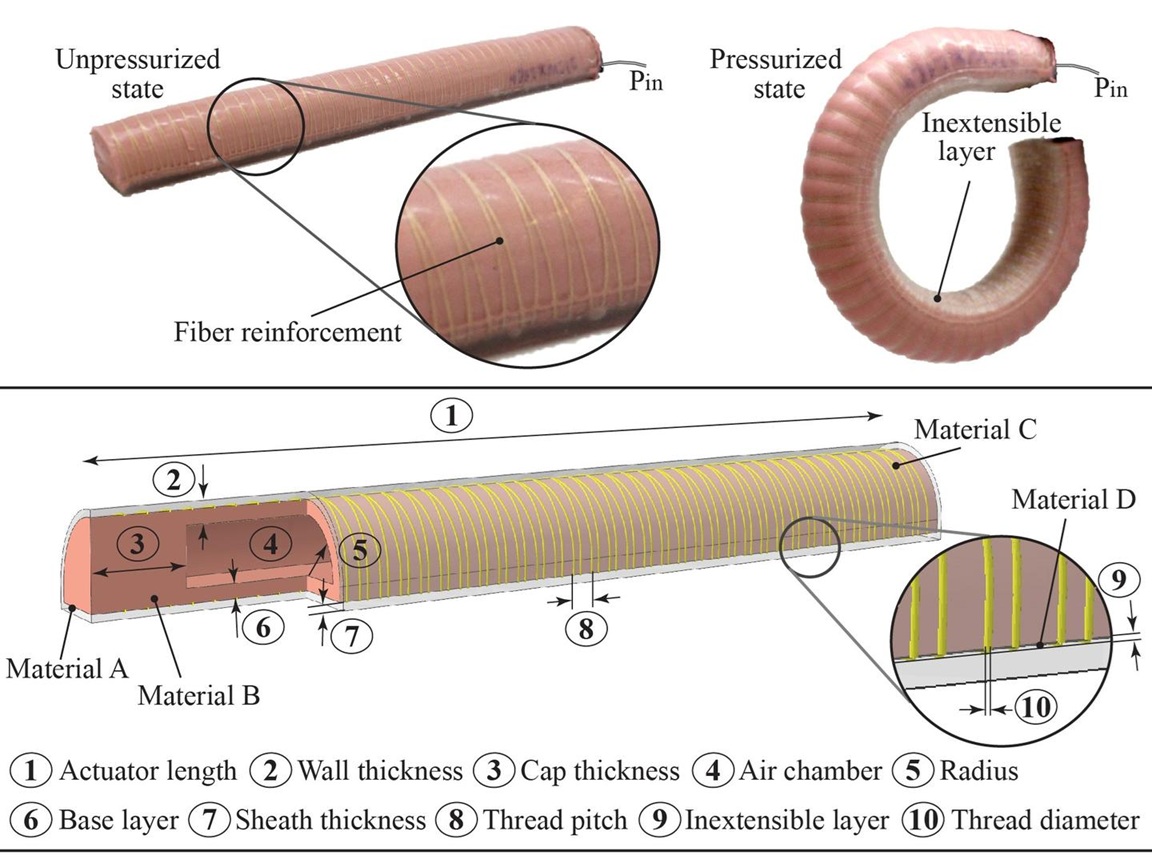
- Soft robotics and pneumatic actuators
(WHY / WHO) Numbers & context
- Markets demand multi-season, versatile garments.
- Medicine/rehabilitation has shifted it's interests to automation and machines as support systems
- Hard-to-find information about fabrication methods for inflatable textiles
- Design inspiration has turned to nature and bio mimetics.
(WHY / WHO) References
- MIT Self‑Assembly Lab - Programmable and inflatable structures.
- Harvard Soft Robotics Lab - Soft actuators and wearables.
- Nike ISPA experiments - Adaptative and experimental clothes
- Ying Gao Studio - Adaptative garments that respond to environmental data
- Adriana Cabrera - Easy and fun processes for designing and fabricating soft robots and actuators.
- Bioinspired and biohybrid soft robots: Principles and emerging technologies - A fascinating approach of designing soft robotics and actuators inspired in nature.
- Gutenberg.org - Open-source library of over 75,000 books
- Swatchbox - Kind of open-source library of material samples for design and architecture
(FOR WHO) Case study
-
Users: Persons interested in digital fabrication and inflatable textiles, with access to makerspaces/FabLabs and curious about learning.
-
Scenario: Creative ecosystems, open-source communities, knowledge sharing projects.
(HOW) Project contribution
Instead of proposing a product, this projects will try to contribute in:
- Comparative research of inflatable textiles construction methods
- Insights into sealing methods, digital design/approach, materials and uses
- Open-source documentation for shared replication, adaptation and community building.
(HOW) Technical research outline
This project will be developed with iterative experiments:
- Material selection
- Bonding techniques
- Geometry design / Biomimetic design
- Inflation methods
- Growing content
Each part will be thoroughly documented
(HOW / DOCUMENTATION) Some kind of user manual (Prototype Level)
The documentation includes:
- Material specs
- Machine and tools list and How-to
- Parameters and files for reproduction
- Guidelines for designing the chambers
- Safety, maintenance and repair tips
Validation Strategy
This project is focused on knowledge instead of product optimization, instead of testing a product per se, it will build a "booklet" with the information gathered from the systematic experimentation and analysis, for example:
- Prototyping of inflatable samples with controlled variables
- Comparative testing of different materials, bonding methods and geometries
- Observation and documentation of behaviour, air retention, deformation, and valves
- Failure analysis of materials and sealing methods
This project can be meassured by the clarity, usefulness, and reproducibility of the findings.
Implications
Through research and documentation instead of the fabrication of a finished product, this project aims to share knowledge and support, create a community worldwide of interested people, and use this knowledge in cross-disciplinary projects.
Conclussion
With this project, it would be interesting to see people using air/inflatable textiles as foundation for projects, and not only as features. This is the goal, sharing this knowledge so it is easier for everyone to at least try.
Slide show
Unable to display PDF file. Download instead.