Textiles under pressure | Inflatable Textiles
Concept
If unable to display PDF file, Download instead.
Introduction
Planning
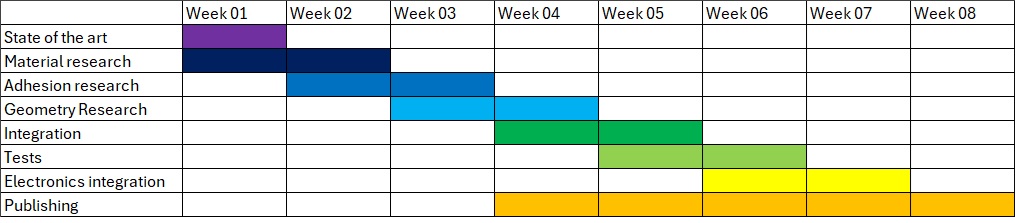
The first and hardest part of this project was deciding the focus: it could be garments with biomaterials, inflatable jackets, new ways of growing or developing fabrics. Those were very interesting topics I would love to research further, but during this process of deciding and researching what has already been done, I fell into a rabbit hole regarding inflatable textiles, as much of the information was scattered, some of it contradictory, and most of the manufacturing methods were very industrial, needing specialized tools and machines, so the idea of trying to facilitate the informacion and experimentation to the Fab community began. Another interesting approach to be done is, after finding out how the materials and processes behave and work, to imitate nature, as shown on the research paper Bioinspired and biohybrid soft robots: Principles and emerging technologies, classifying the type of movement and actuation as different animal groups. The original planning was a bit different, but it got updated during the work process, and ended up looking like this:
What is this project about?
This booklet is a practical and experimental guide to inflatable textiles: materials and shapes that hold air, change form, and expand (no pun intended) the possibilities of what textiles can do, while maintaining a biomimetics approach.
This project is a reference tool. It can be used as reference for consulting selectively, or be read linearly from start to finish. It is focused to help designers, engineers, artists, or researchers to understand existing approaches, test new ideas, and adapt the inflatable textiles to their own contexts and projects.
This booklet is structured around three main sections:
-
Research: In this part, materials, fabrication methods and existing applications are shown.
-
Experimentation: In this part, the experiments and hands-on testing are promptly documented, with successes and failures.
-
Results: This part synthesizes the findings into insights and design considerations, while trying to create a product with the knowledge acquired.
This is not a rigid manual that provides a single correct way of fabricating and working with inflatable textiles, instead is an invitation to experiment, reintepret and adapt the content.
And having researched as much as possible the possibilities of these processes and materials, the focus will shift into creating a garment with inflatable parts, and integrating wearable technology for its use.
What?
This is a research toolkit/book with samples and information, it is open-source and also open for growing, all focused on inflatable textiles. It includes how different materials, methods for sealing, fabrication methods and design of the geometries can be used to create airtight, flexible, reactive structures, using accesible tools and machines found easily in Fablabs and makerspaces.
The physical outcome is a modular booklet with samples, information surrounding inflatable textiles, tests and parameters for reproducing the samples and examples in each person's/lab's context, and an inflatable garment that can support/help its user.
This project’s output is a garment that provides temporary support in two key areas of the body: The neck, and the lumbar region, by using inflatable parts and an integrated electronic/pneumatic system for providing the inflation. During the Fabricademy course, I had the opportunity to work and experiment with various processes that led to this final project, for example the inflatable textiles were directly influenced by the Soft robotics assignment, and the electronic integration was based on the E-textiles, Wearables and Skin electronics assignments.
Why?
As the research shows, inflatable structures are widely used in fields such as architecture, fashion, medicine, robotics, etc. However the processes to fabricate them are often industrial, inaccesible, needing of specialized machines/tools, or poorly documented, even secretive.
This issue is, hopefully, addressed by the booklet by:
- Translation of industrial techniques into FabLab/Makerspaces compatible processes
- Easing the experimentation with inflatable systems
- Providing understanding through hands-on experimentation
- Focusing the efforts to biomimetics in design
Based on the philosophy of Open-source projects and FabLab ecosystem, this project tries to democratize access to inflatable textiles fabrication, while trying to encourage a culture of open and distributed material research, while also taking into account the biomimetic design.
The garment is a way of condensing all the information gathered during this initial phase of research (the book), while focusing also in user comfort and support.
For who?
This Book is for:
- FabLabs and Makerspaces interested in expanding their experimentation acapabilities
- Students and educators in engineering, architecture, textile and industrial design, and interdisciplinary programs
- Researchers, creatives and even hobbyists exploring soft inflatable systems, wearables, or materials
- Learning by doing ecosystems, persons, and programs
- Communities of collaborative knowledge building and open-source projects.
Modern lifestyles and jobs are increasingly requiring people to remain in uncomfortable and static positions for extended periods. These positions can be harmful for the body as they can lead to muscular fatigue, pain, discomfort, and poor posture. This is the main focus of the garment.
How?
The research is divided into four stages:
-
Research
-
Study of existing systems in different applications, materials that are available and compatible with the processes, and the fabrication techniques for sealing.
-
Design the samples for usability, movement and classifying them into animal-like behaviour
-
Experimentation
-
Testing of Materials: polymer sheets, textiles, hybrids
- Sealing processes with machines: Laser, 3D printer hot end, heat press
- Structural behaviour: Inflation, deformation, durability
- Movement: expanding and contracting, bending and becoming stiff
All these tests will be documented with parameters, observations and outcomes.
-
Results & Development
-
Physical and digital booklet online
- Material samples
- Simple and biomimetic geometries samples
-
Fabrication files and processes documentation
-
Manufacturing
-
Research, design and manufacturing of a garment
- Integration with technology/wearables
- Corrections, reparability, open-source sharing
The garment to be designed and manufactured must have the following characteristics:
- Can be worn under regular clothes.
- The inflatable part must provide support for the body in two key places: neck and lumbar area.
- Must inflate/deflate automatically or with a simple interface like a button.
- The automatic inflation/deflation system must be rechargeable and removable.
What are inflatable textiles?
Inflatable textiles are structures that can contain air, based mostly in textile-like materials. Through inflation and deflation, this objects can change volume, stiffness, shape, or insulation capacity.
Unlike the traditional textiles, these inflatable ones behave as dynamic systems, in other words, air inside of them becomes a design parameter: by controlling its flow, containment and distribution, it is possible to make the piece react in a way that's intentional and designed.
Inflatable textiles are based on: - Flexible materials capable of trapping air without letting it escape. - Methods of sealing/joining different layers of such materials in specific parts. - Internal or external parts for introducing or releasing air.
With this "principles", the applications for this structures can be classified into:
- Apparel and wearables: Air provides adjustable insulation, cushioning, or fit
- Medical/therapeutical uses: This devices provde compression, pressure distribution or support
- Architecture: Lightweight and easy to deploy structures
- Soft robotics: Inflation and flow causes movement and actuation
- Outdoor use and equipment: Adaptability and weight reduction
Brief History
The use of air to shape flexible materials predates modern textiles, for example, early inflatable structures appeared in military and maritime applications, looking for devices that float and are rapidly deployed. Rubberized and coated textiles facilitated the creation of temporary shelters, lifeboats and other protective systems.
In the second half of the 20th century, experimental design movements began exploring air structures in product and architectual design. Artists and architects used inflatable structures to challenge ideas of scale, permanent vs ephemeral constructions, and even rigidity.
Thanks to the advances in material development, digital fabrication, and robotics, the topic of inflatable systems has been reintroduced into contemporary design. Lightweight fabrics, better sealing techniques, or even embedded electronics, no let inflatable textiles move from the novelty to functional, aesthetic and repeatable systems.
This research project is a work in progress and will continue to be so.
Research (Theory)
This part of the project lays the foundations for the experimentation and results that follow. Before the inflation, sealing and testing, it's important to understand what has been done, what materials are available, how air behaves inside the chambers, and how can this "movement" be classified
The behaviour of these pieces not only depends on the textile, but the geometry of the chambers, how are they sealed, and how it performs over time. This section builds a framework that will be tested, challenged, and expanded.
State of the art
This is a photograph of the current uses of inflatable textiles. The focus is not to replicate the solutions that already exist, but analyze patterns, materials and design strategies, and their limitations. This is a starting point about what can actually be done with the materials and methods.
Architecture
The use of inflatables in architecture is not something new, this has been experimented since the introduction of commercial polymers. Some very interesting examples of the uses are documented below:
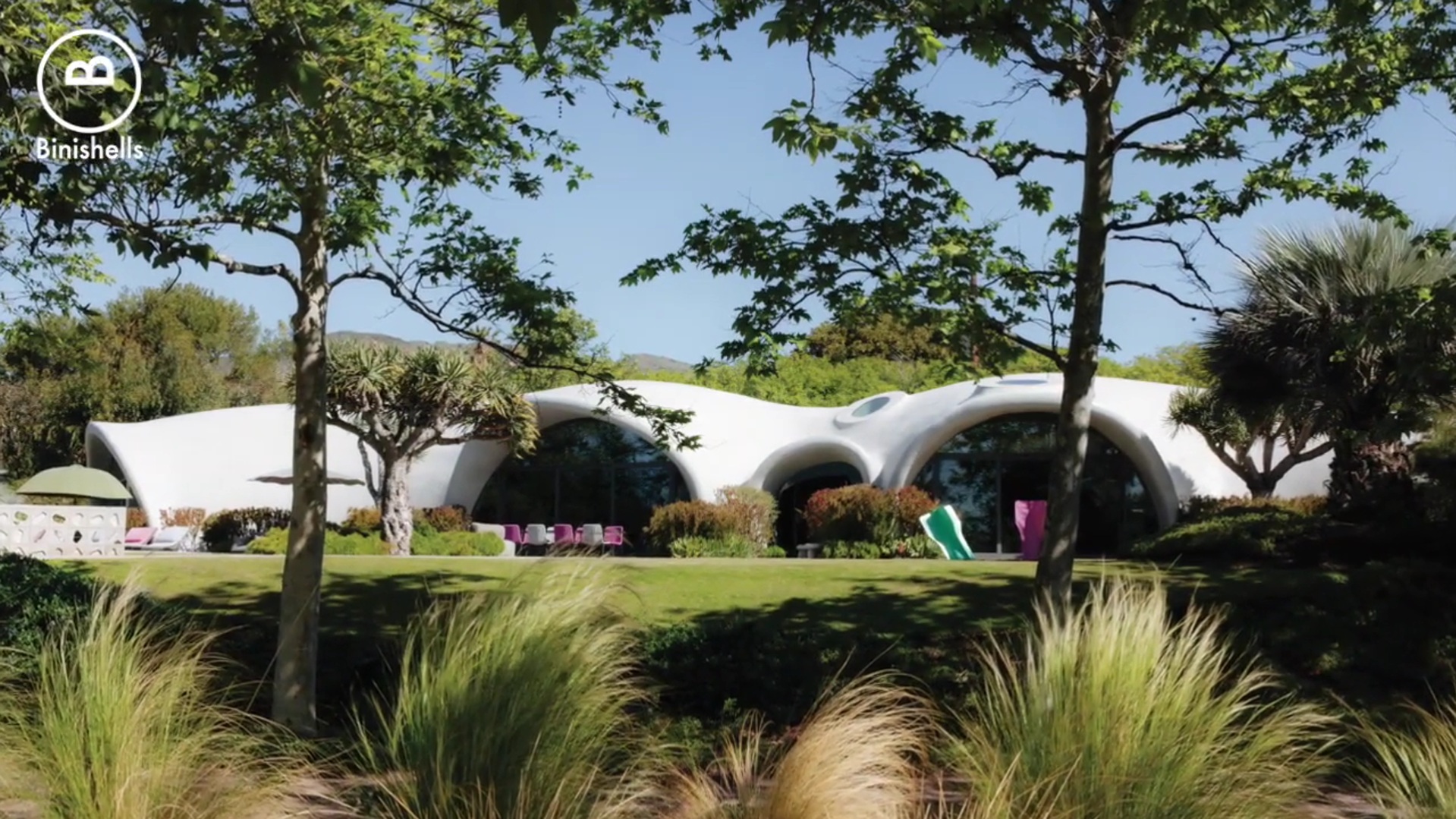
Binishells
This architecture firm utilizes inflatable balloons as molds, that are then covered with a building mixture, creating organic shapes for habitable space. One of the most recognizable examples of their work is Robert Downey Jr.'s home in Malibu.
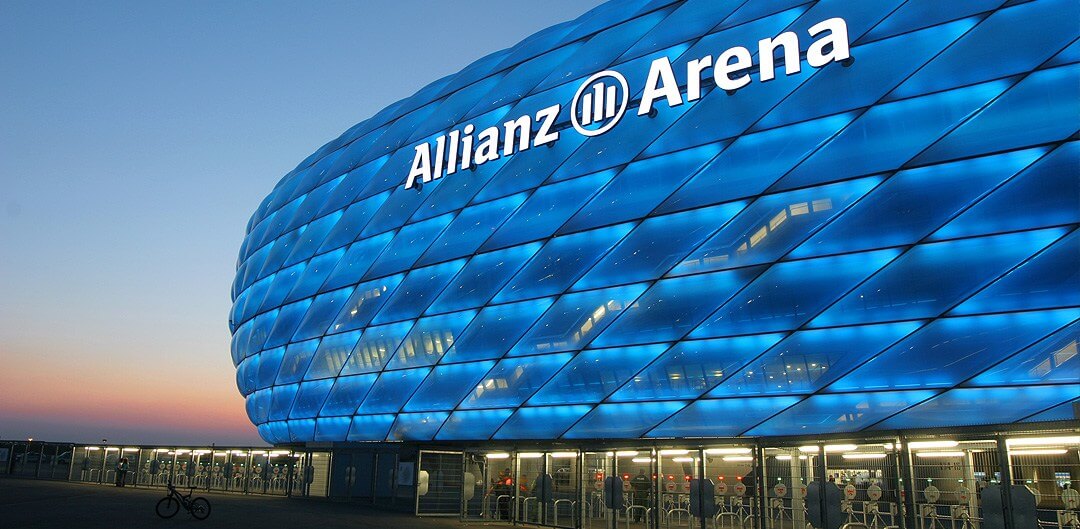
ETFE Cushions
ETFE ,or Ethylene Tetrafluoroethylene, membranes are pressurized and sealed for its use in buildings, as they provide high light transmision, thermal insulation, very low weight, and extreme durability. One of the biggest examples out there is on the outside of the Allianz Arena.
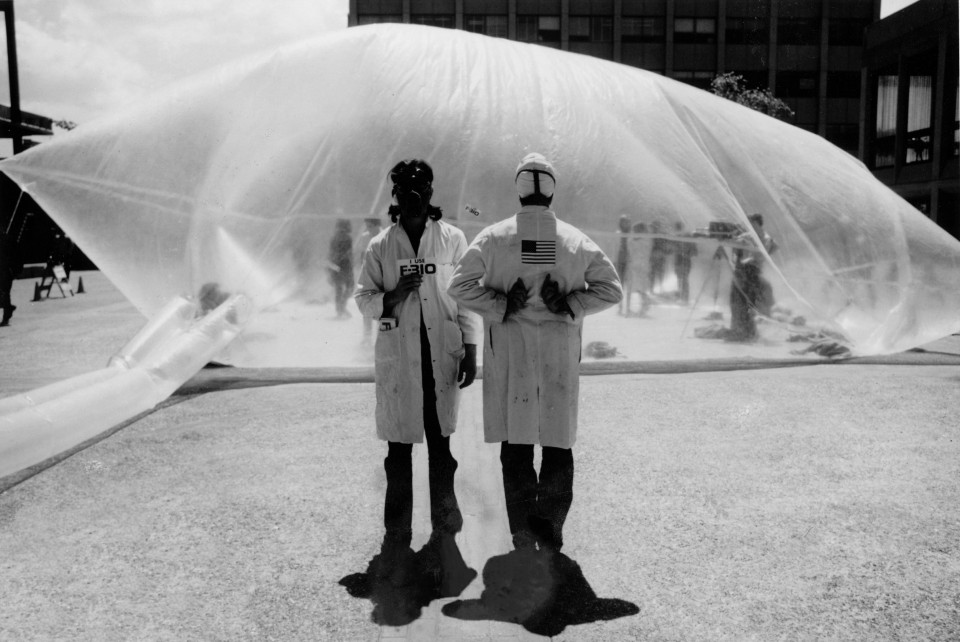
Ant Farm collective
The Ant farm collective was a group of artists and architects during the 60s and 70s, considered pioneers in the use of inflatables for architectonic experimentation, artistic instalations, and cultural critique. Their publication Inflatocookbook from 1971 described accesible methods for designing and constructing ephemeral structures.
NASA’s Bigelow Expandable Activity Module (BEAM)
This NASA experiment is an inflatable module that was coupled to the ISS (International Space Station) in 2016. It was visualized to be expanded once it reached orbit. Living-proof that this kind of inflatables can offer resistance, insulation and protection in harsh and extreme environments.
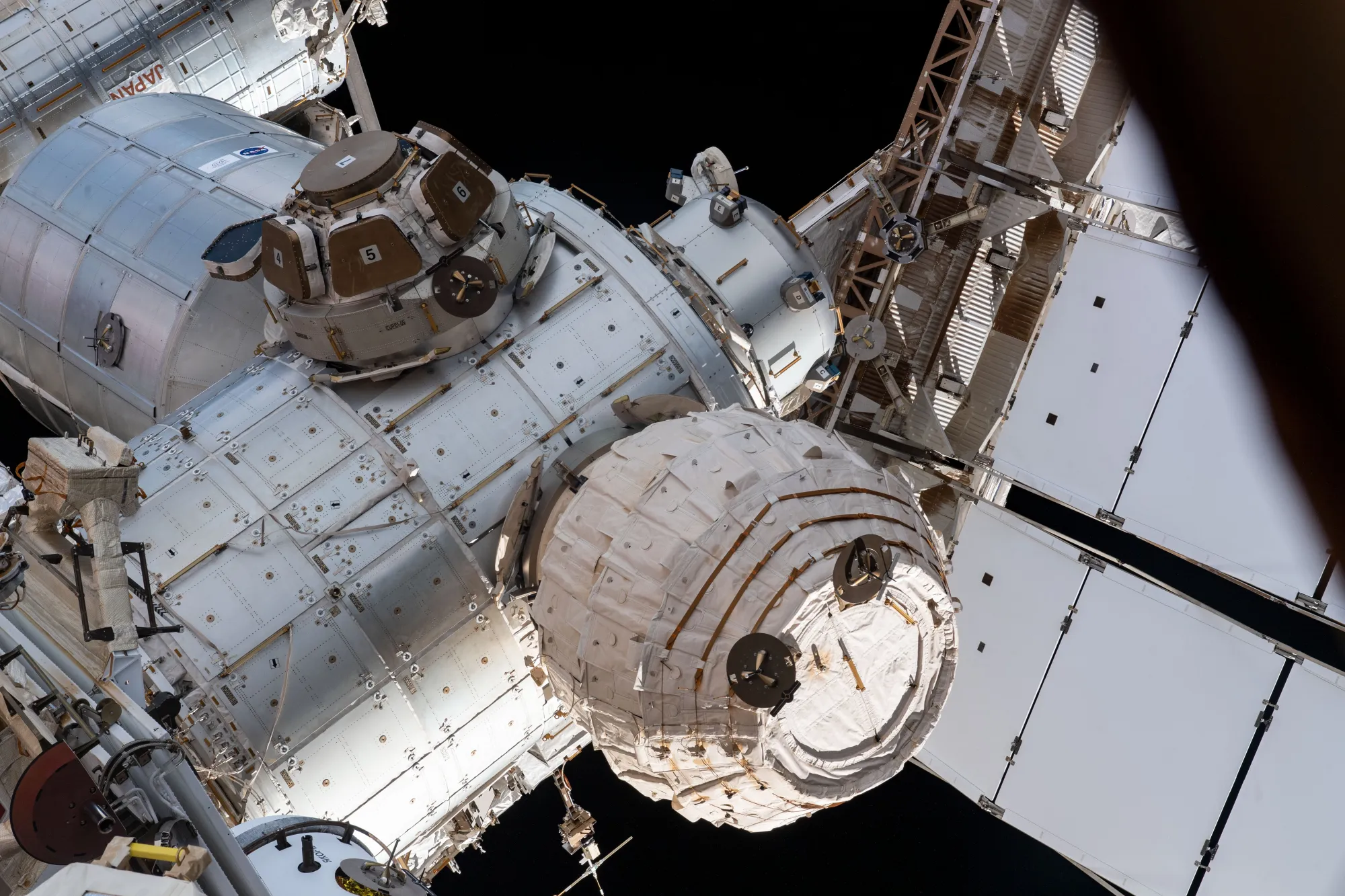
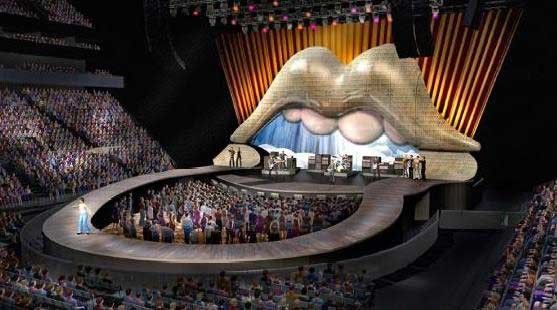
Mark Fisher
He was an architect and designer who specialized in inflatable structures and sculptures, mostly used as scenography and concerts. He worked for U2, Roger Waters, The Rolling Stones, Cirque du Soleil, Pink Floyd, Elton John, Lady Gaga, Madonna, Metallica, among others.
Fashion
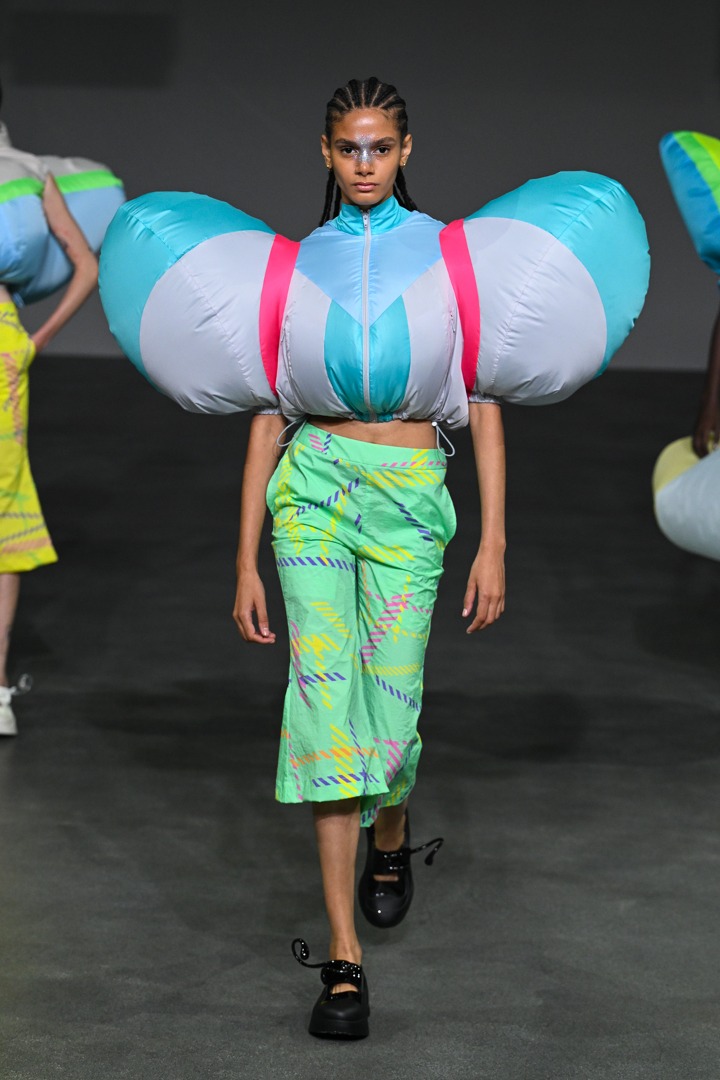
Inflatables have expanden (pun intended) into the world of fashion by using air as a design "ingredient". Beyond the spectacle, these kind of wearables explore themes of adaptability, portability, and the relationship between the body and the piece. Advances in materials, processes and electronics have enabled designers to experiment with garments that can expand, contract, reshape.
Anrealage “WIND” Inflatable Jackets
Japanese designer Anrealage created this series of clothes with fans that inflate certain parts, to transform the silhouette and functioning.
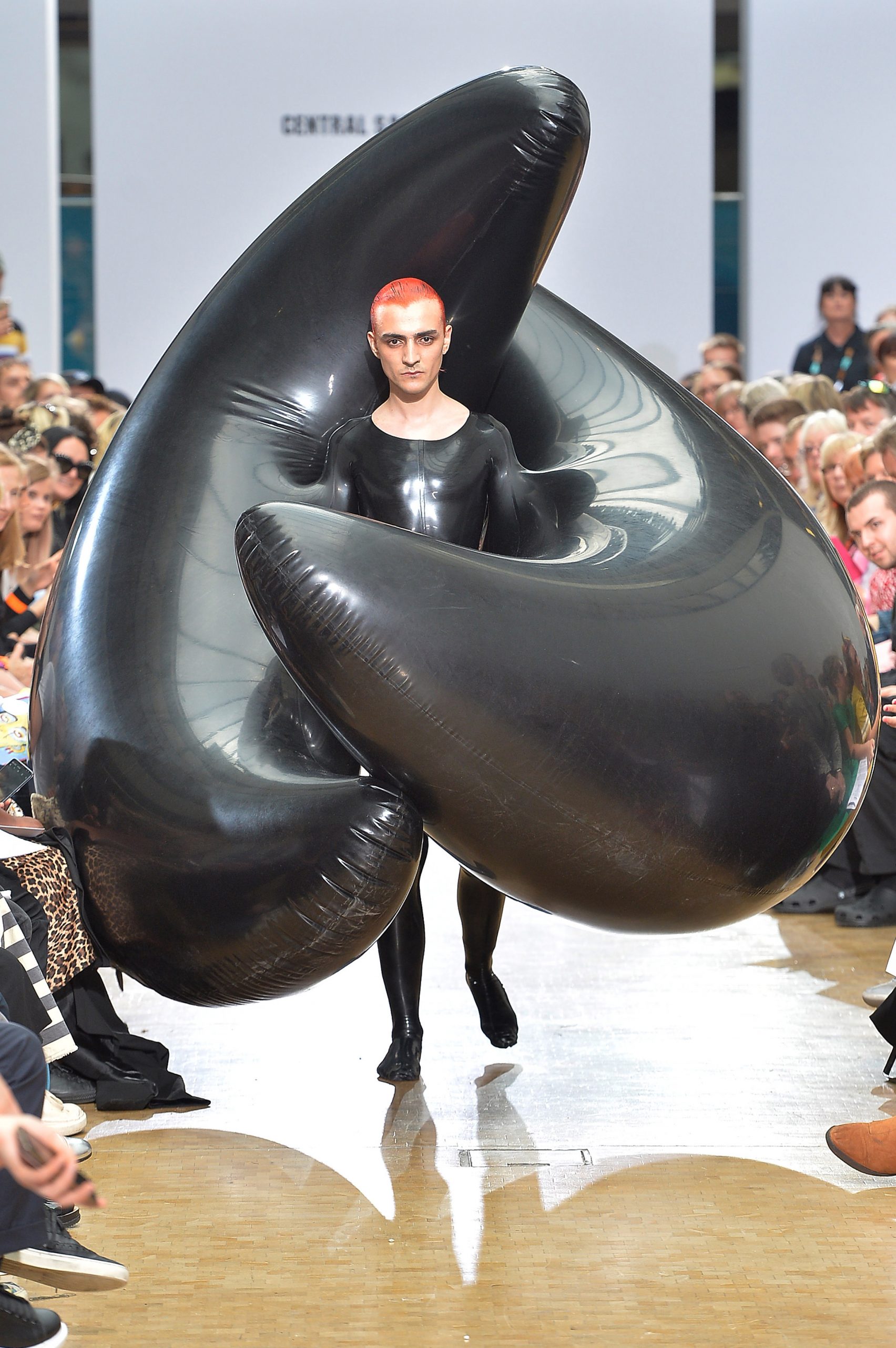
Fredrik Tjærandsen Balloon Dresses
Shows from graduates have shown the inflatable baloon dresses by Tjærandsen that expand for this dramatic and sculptural manner.
Diesel & Dingyun Zhang Inflatable Style Pieces
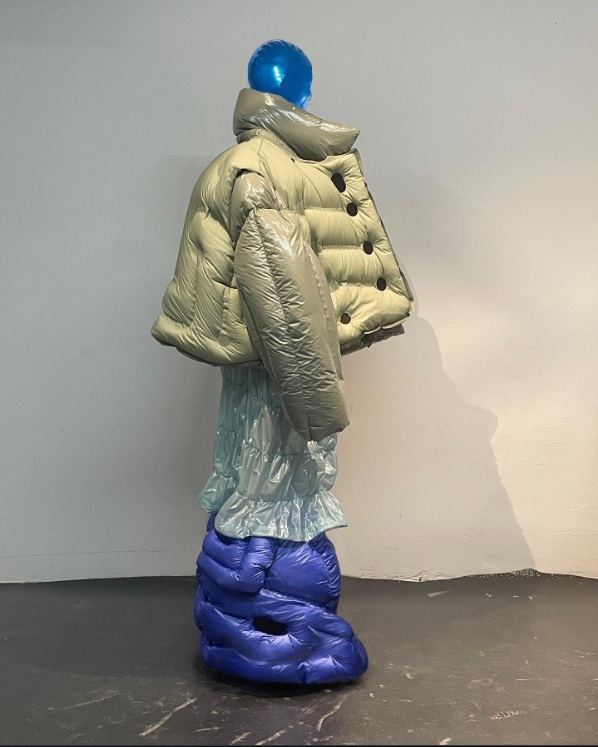
This wearable items are more as an statement, or runway art, as an exploration of air as a material for shaping and expressing.
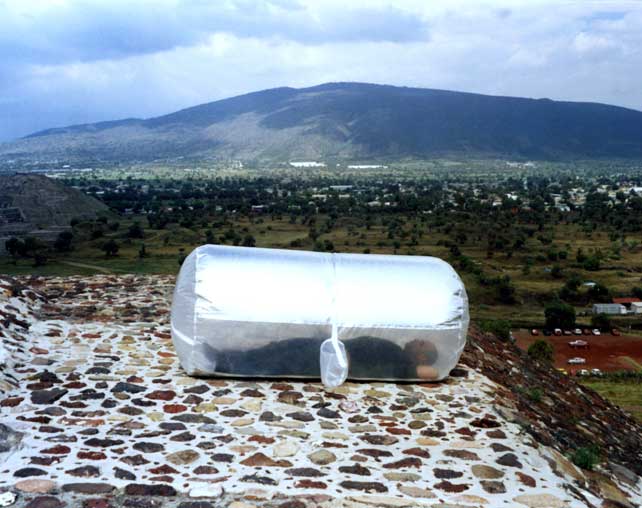
“Sleeping Bag Dress” by Ana Ręwakowicz
This conceptual piece can change from a wearable garment to a sleeping module through inflation, clothing = Temporary shelter.
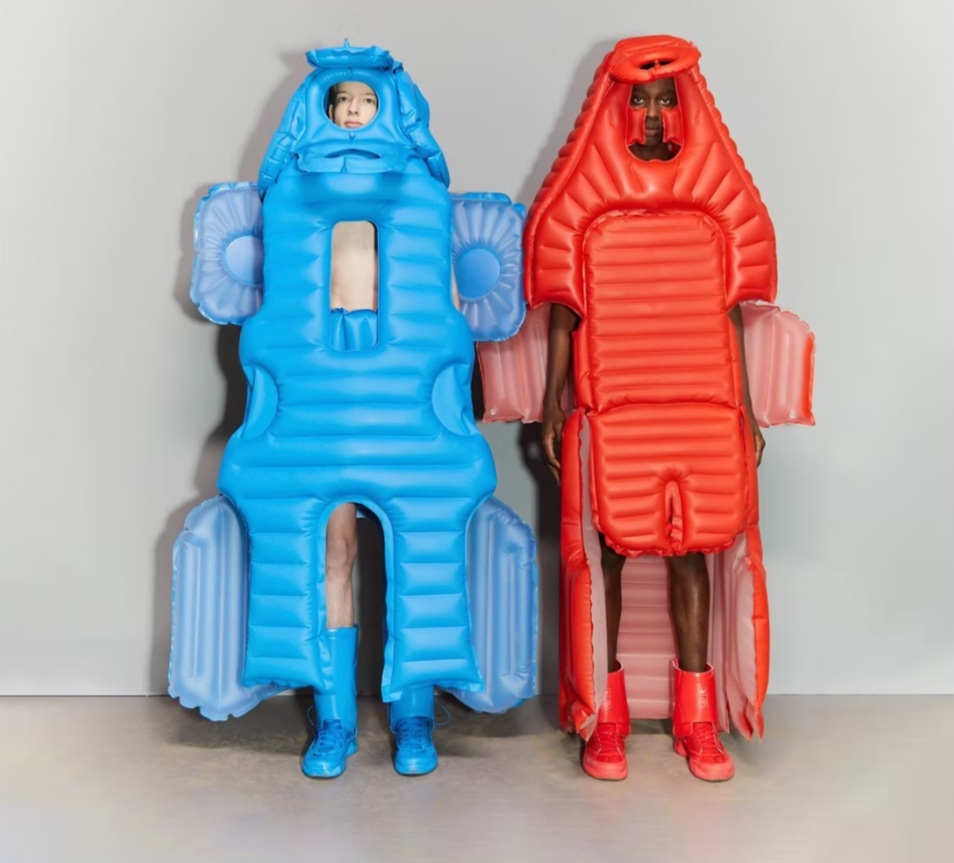
Inflatable Custom Apparel for Luxury Fashion Houses
The exploration of couture show pieces and structures with inflatable garments have been done by specialized studios.
Sports
Air structures can provide specific properties like protection, cushioning, weather insulation, better fit, or compression when needed, in sports context. These are some examples of their use:
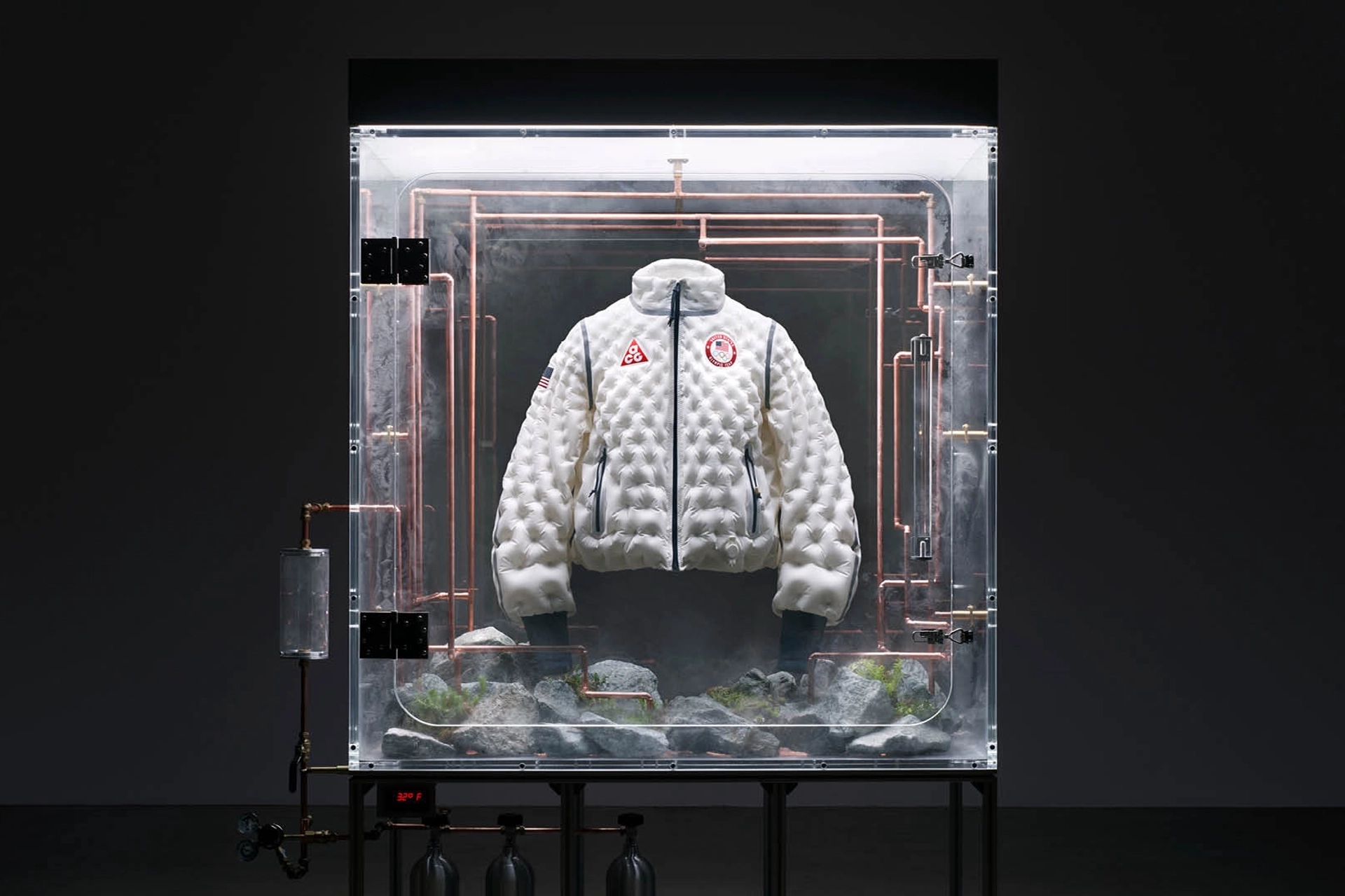
Nike Therma-FIT ADV Repel Down Jacket Milano
This jacket uses structures tu provide insulation on cold weather situations. While the design is very discreet, a pump can inflate, or deflate the garment on command.
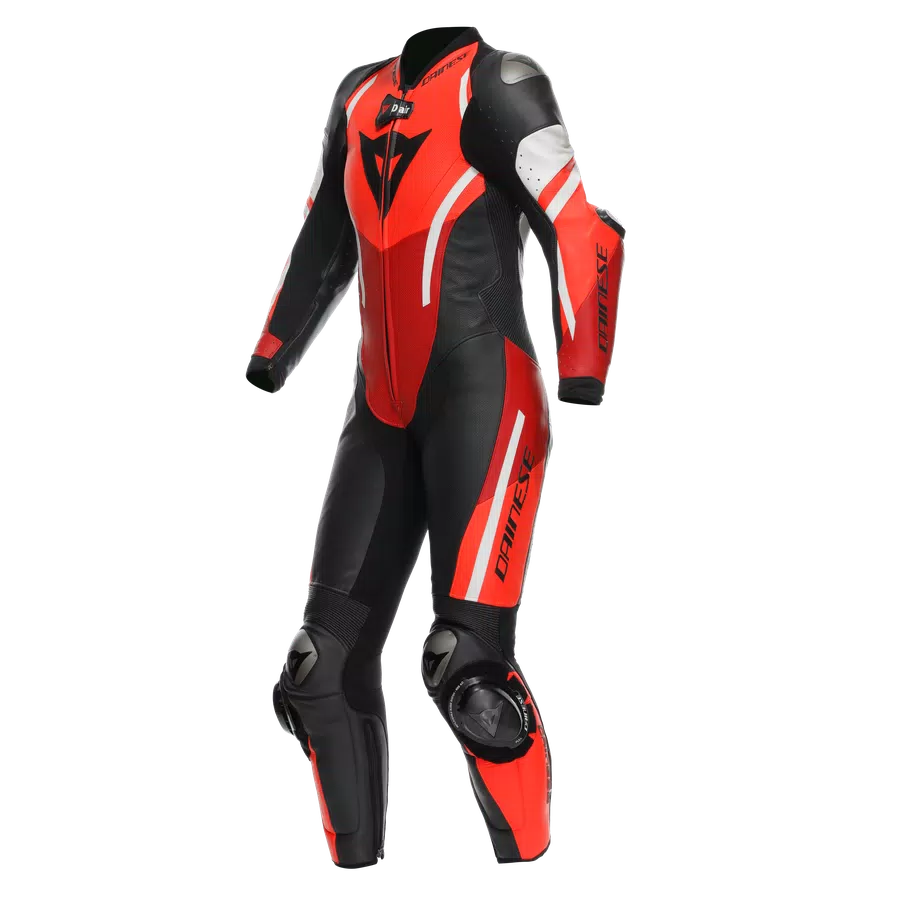
Dainese D-air Racing Suit
This professional racing suit integrates an inflatable airbag that deploys instantly in the event of a crash, offering protection of critical body parts, without being heavy or unconfortable.
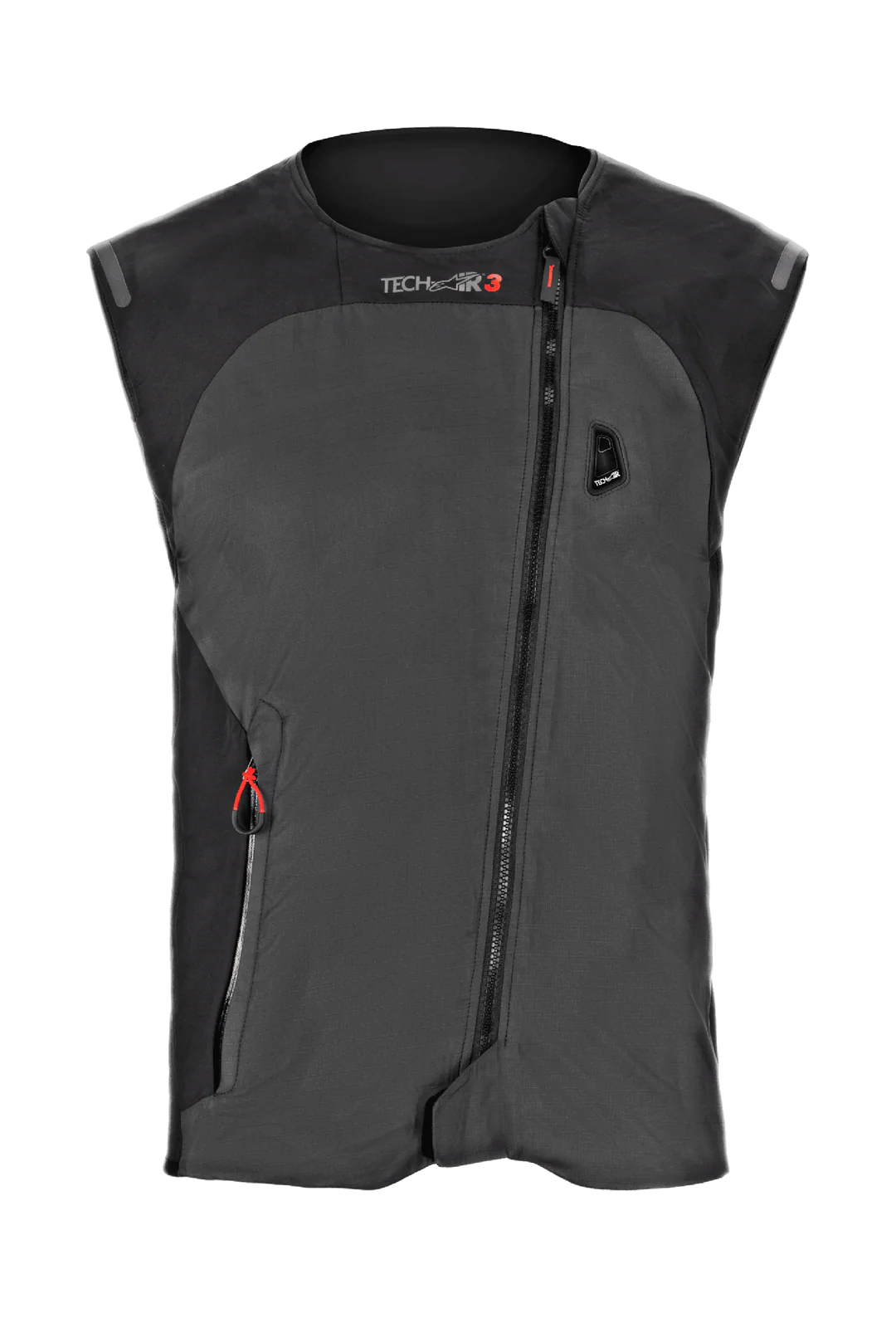
Alpinestars Tech-Air System
This vest has an inflatable airbag that protects the user when it detects an impact. This is used underneath the racing suits.
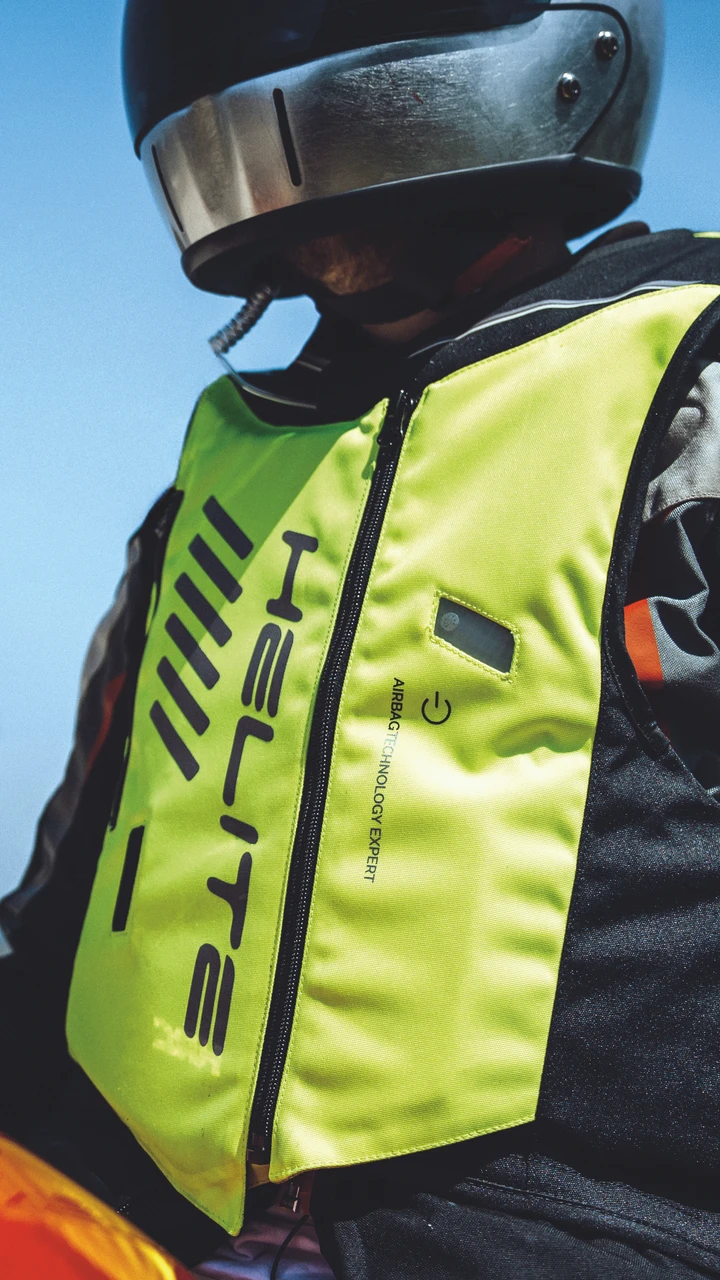
Helite Airbag Vest
This is another example of protective vests used in extreme sports that also deploys during an accident. It is also used underneath the racing suits.
Medicine
The applications of inflatables in Medicine are focused on the direct interaction with the human body, providing anatomical support, immobilization, or rehabilitation. Since the objects can distribute pressure evenly and adjustable.
Wearable Soft Pneumatic Actuators for Rehabilitation
This kind of inflatables can assist limb movement in soft robotic "sleves" used often for rehabilitation and mobility aid.
Wearable Airbag Protection Systems
As mentioned before, medical-inspired wearable airbags can inflate upon sensing an accident or impact to protect the user.
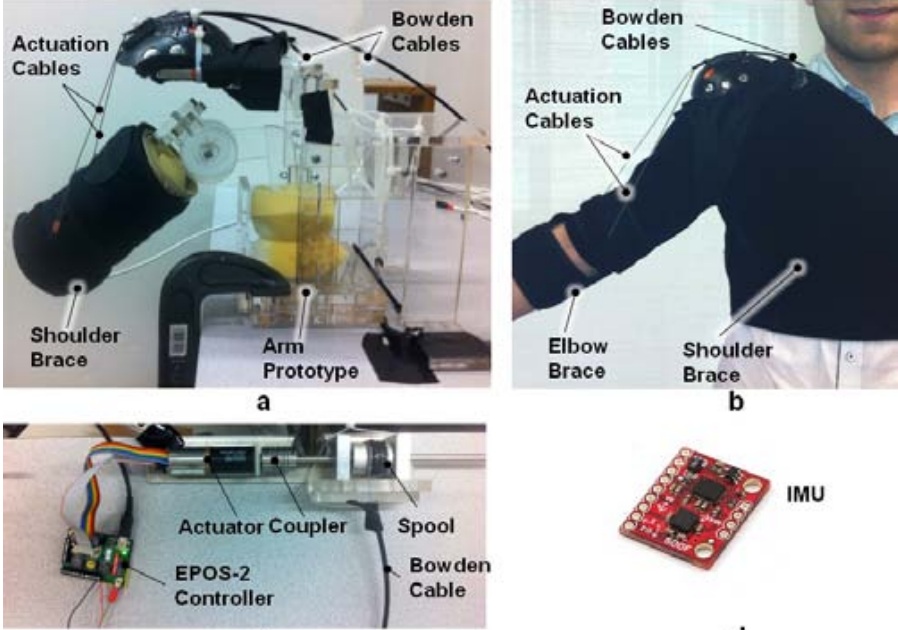
Textile Inflatable Actuators for Shoulder Assistance
These actuators are integrated into the garments for assisted movement therapy, for muscle activation.
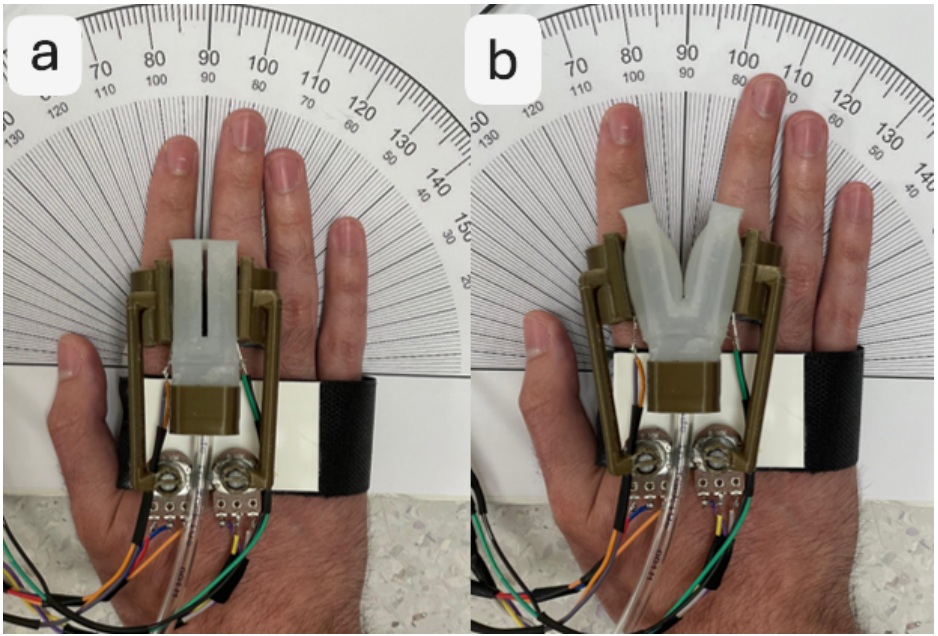
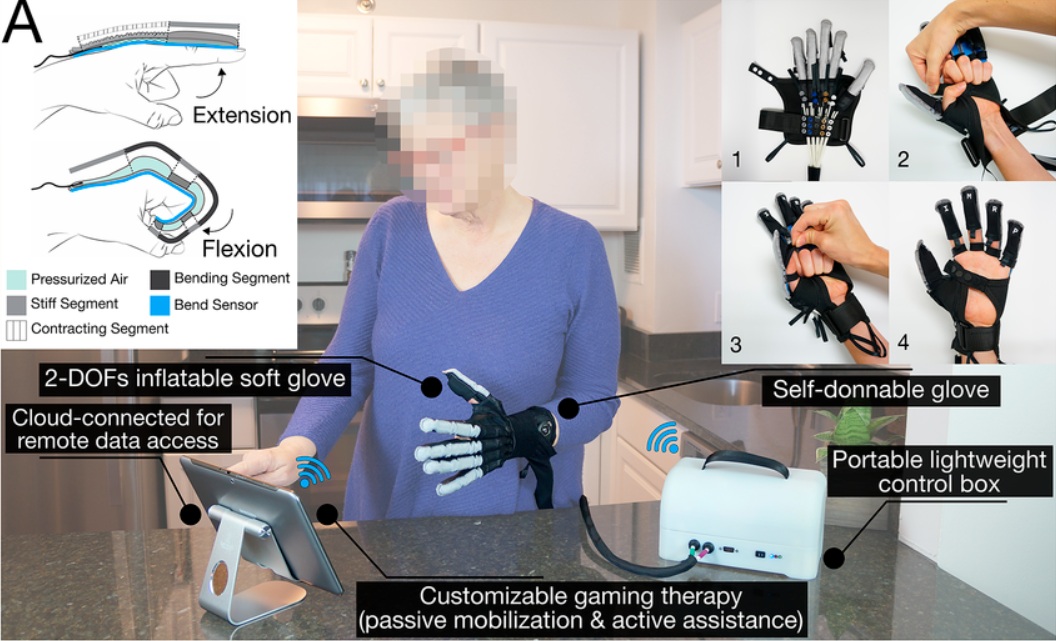
Soft Inflatable Glove Devices for Hand Rehabilitation
The soft actuators inside of gloves can, via inflation and deflation, assist in hand extension and flexion for movement therapy and recovery.
Soft Robotics
This kind of robots instead of using rigid joints, gears and motors, use lightweight, flexible pneumatic chambers, that are controlled with air, and throught inflation and deflation, move in a determined and designed manner. These kind of actuators are safer for human interaction, and mimic natural biological movement better, while also being easier to fabricate than their mechanical counterpart.
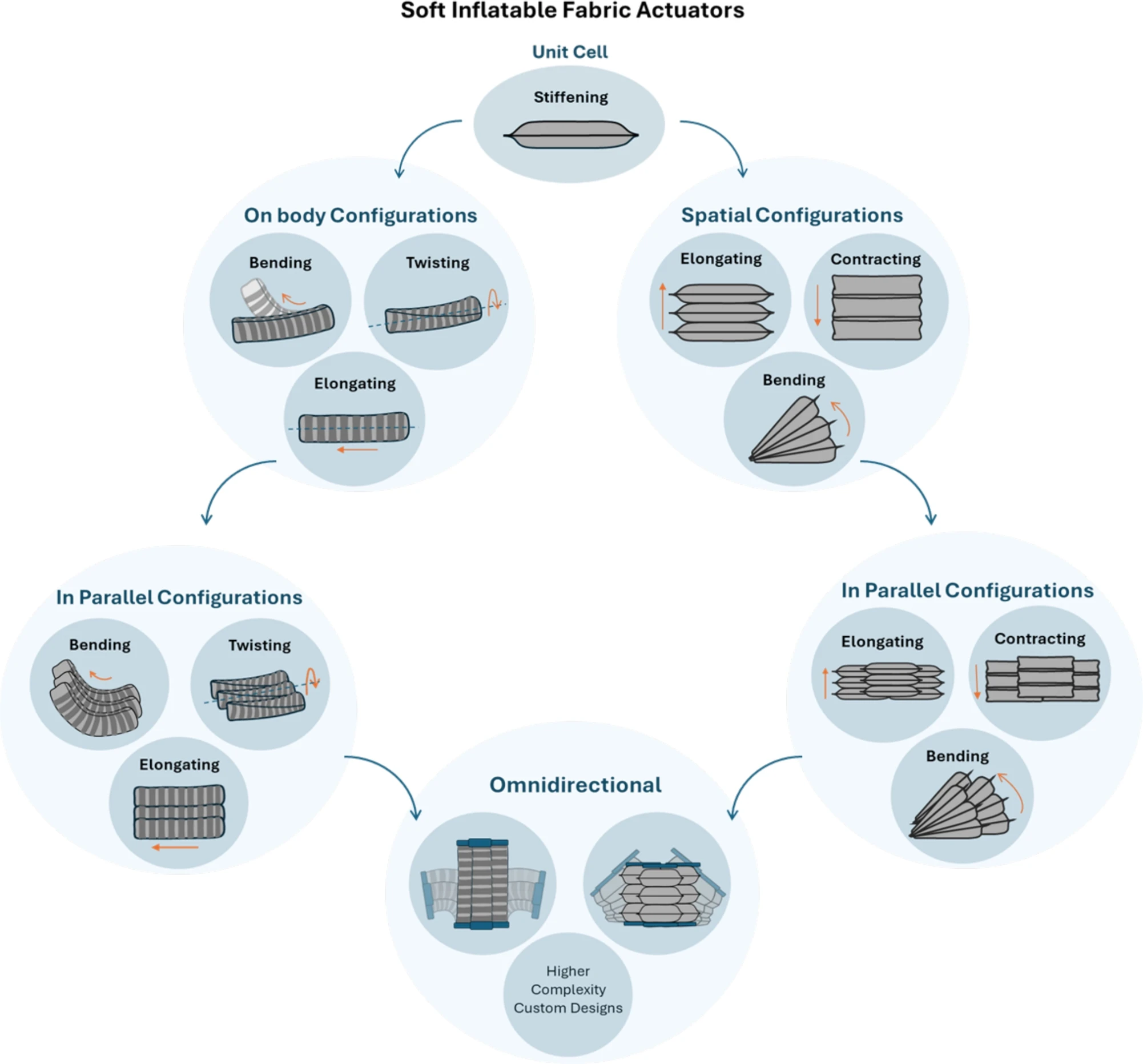
Unified Framework of Soft Inflatable Fabric Actuators
This modular inflatable actuators bend, contract and move with airflow.
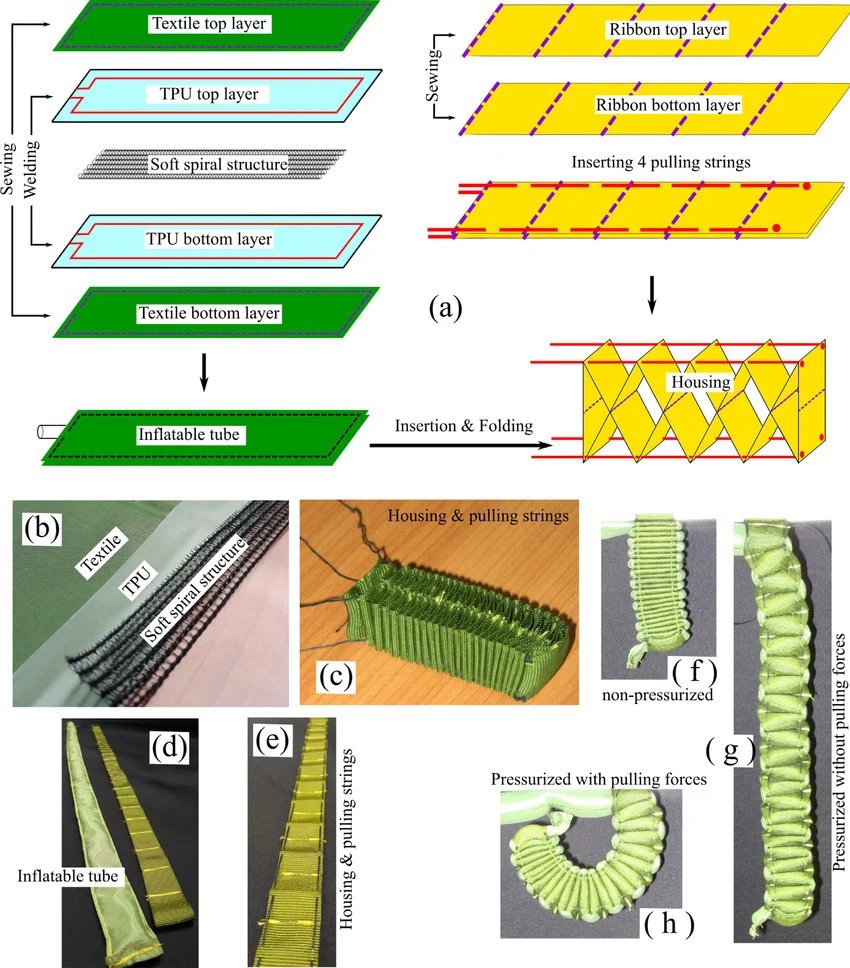
MOSAR Fabric Inflatable Soft Actuators for Wearables
Pneumatic actuators form bending and extending mechanisms to assist in motion.
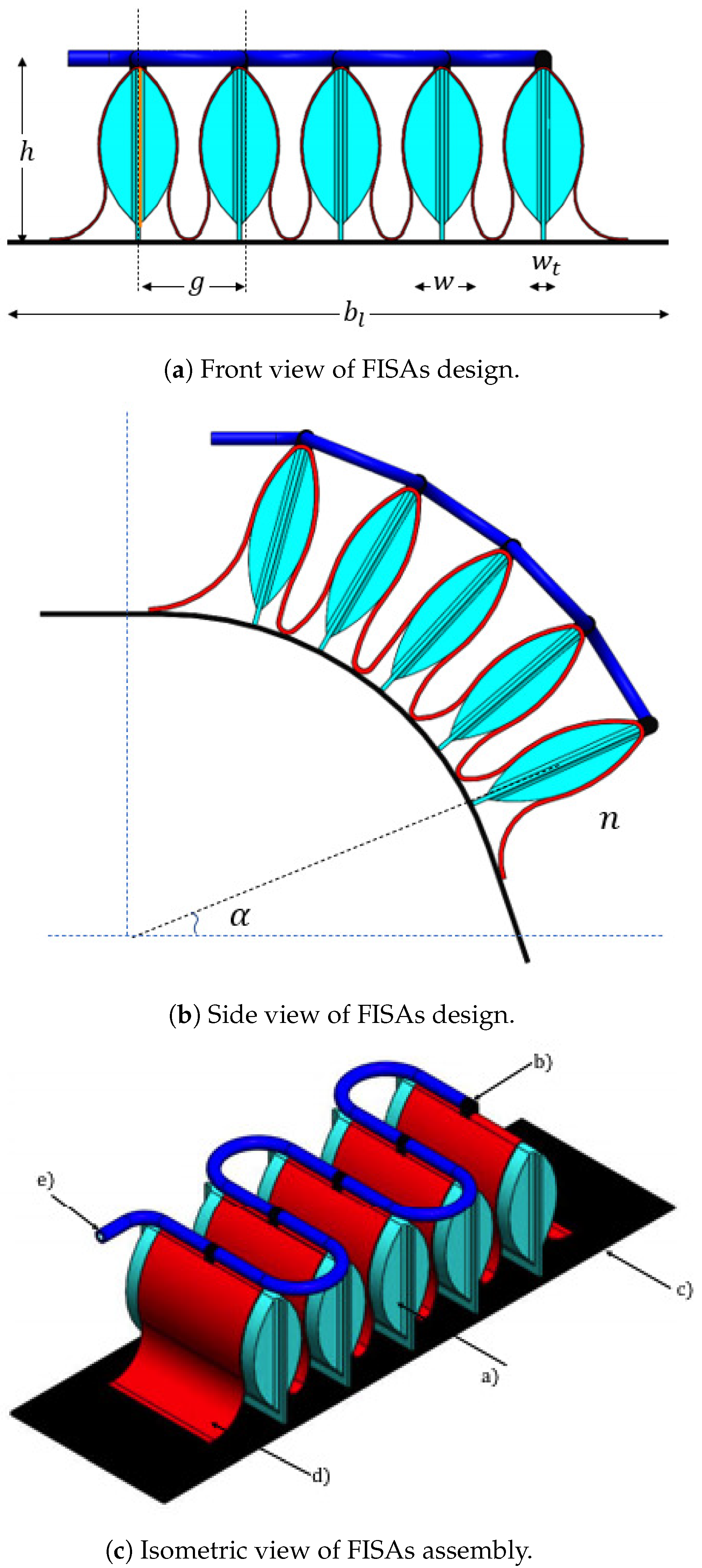
Marionette-Based Programmable Textile Inflatable Actuators
The behaviour of these inflatables is defined by the design of the air chambers, which is 100% customizable for each application.
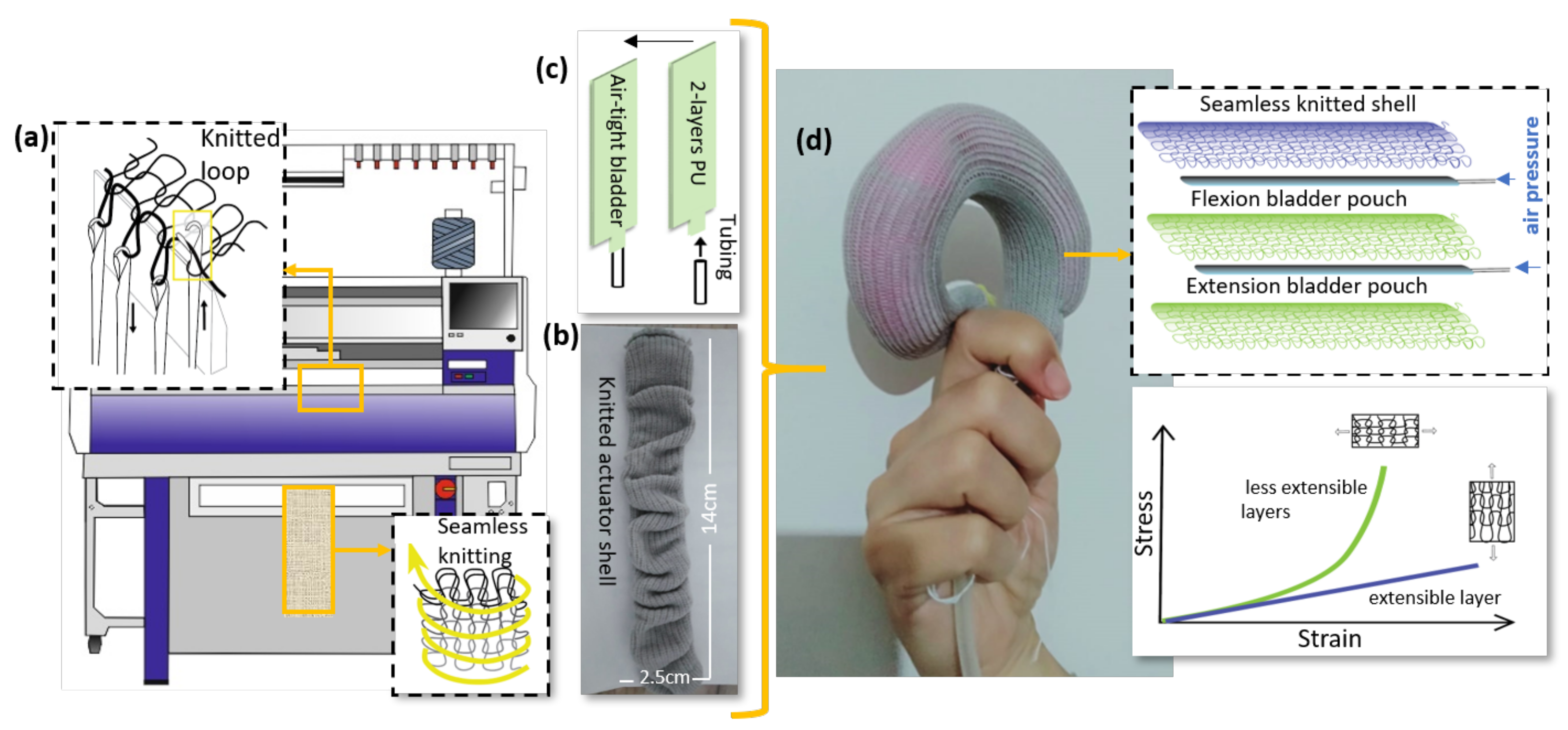
Knitted Pneumatic Textile Actuators for Wearable Robots
The advantage of this kind of inflatables is that they can deliver motion while conforming to the body, for assistive robotics for example.
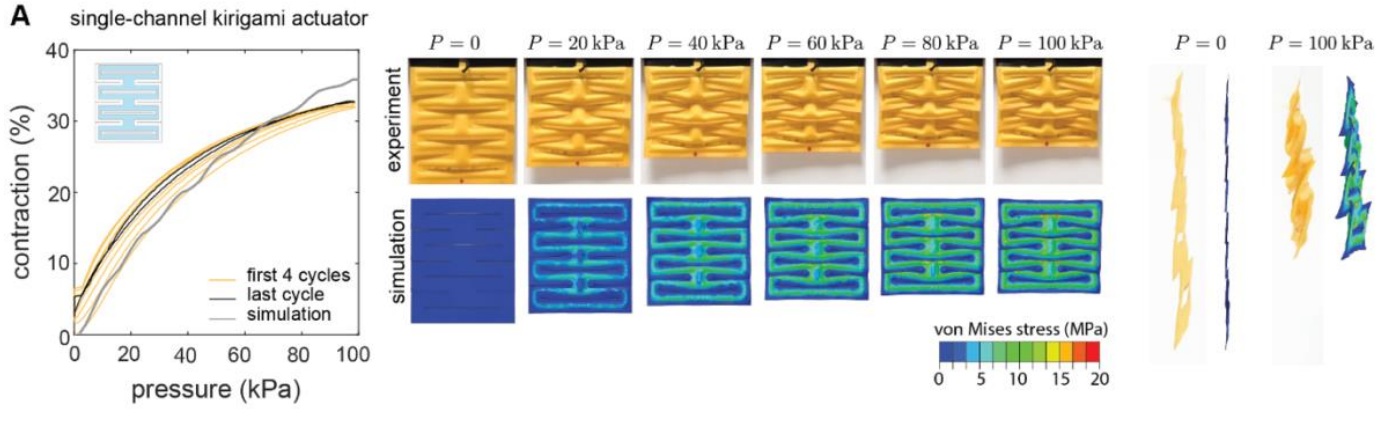
Inflatable Kirigami Crawlers
By using this geometric patterns found in kirigami, the inflatables are capable of defined movement.
Art
In the art and design world, the inflatables are used to explore and express scale, interaction with audiences, ephemerality vs permanence, etc. Because inflatable structures are lightweight and movable, large-scale instalations in public spaces are easier to create.
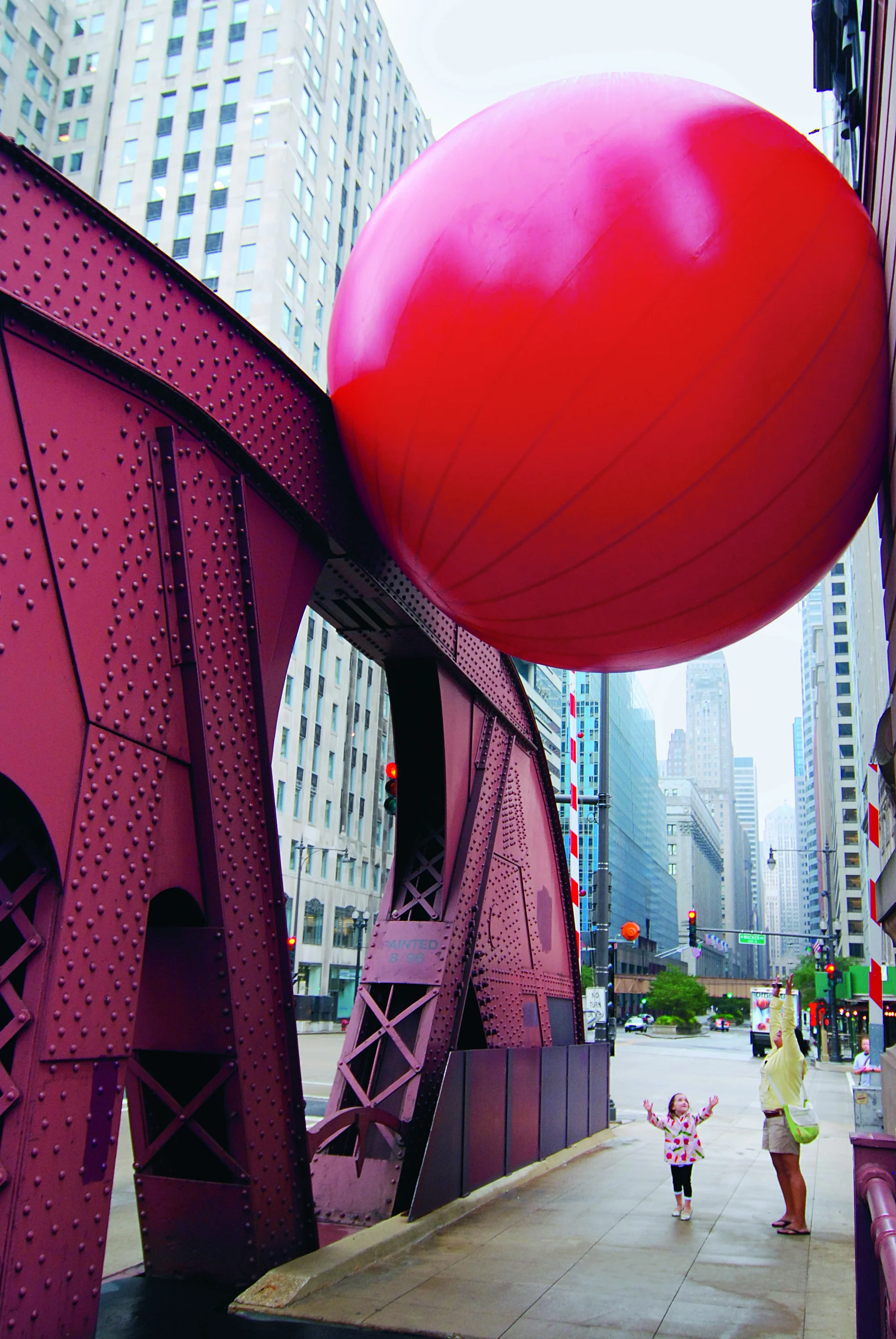
Bubbletecture Work & RedBall Project
The artist Kurt Perschke defined the Bubbletecture with air filled balloons and textiles as massive public art instalations.
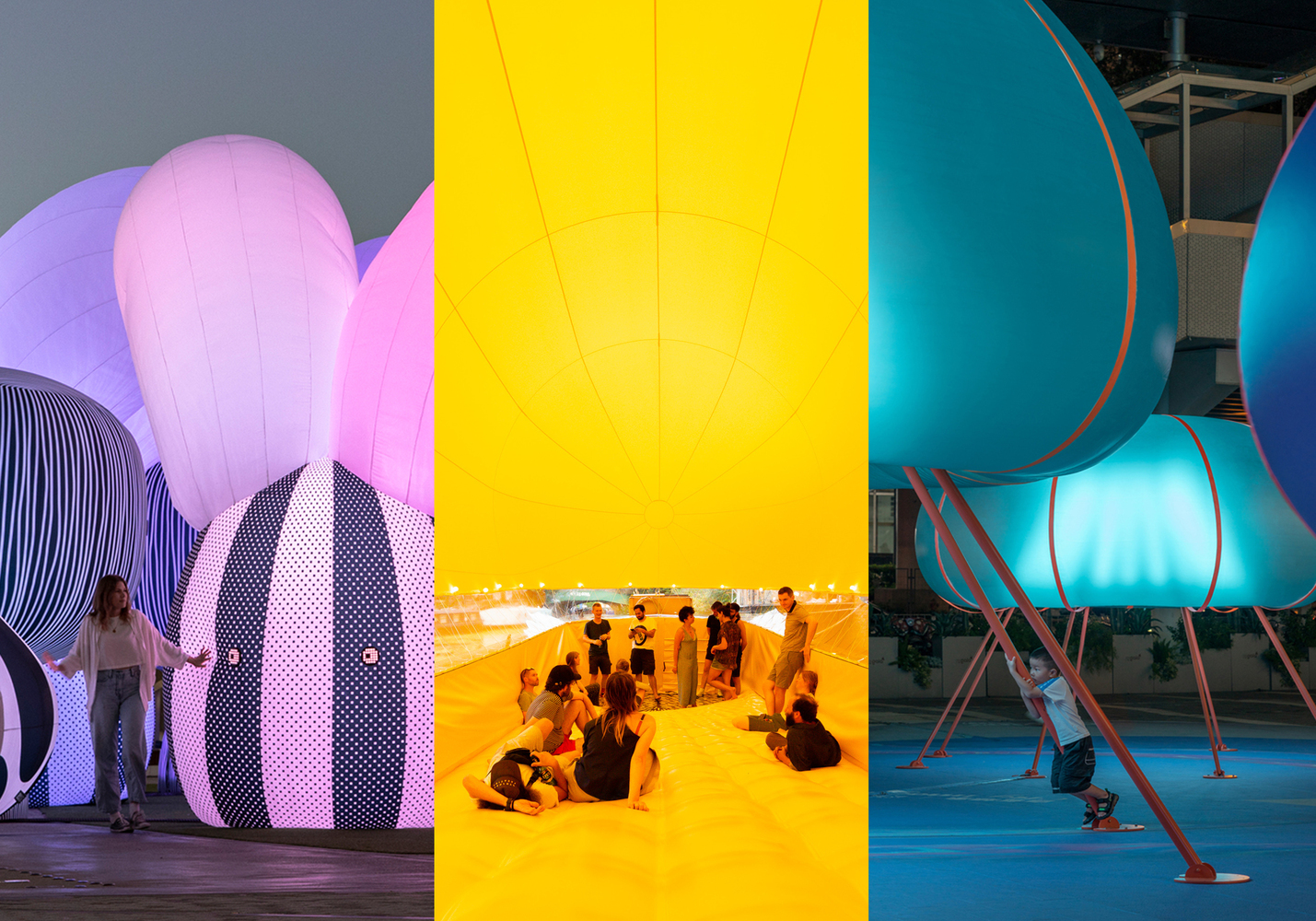
Pneumocell
Interactive art experiences in festivals, or urban contexts, can be accomplished with the use of inflatables, as shown by the architecture studio Pneumocell.
Temporary Inflatable Art Pavilions
Ephemeral galleries or art pavilions have been deployed using inflatables to create a spatial experience.
Inflatable Latex Sculptures by Sasha Frolova
Artist/Designer Sasha Frolova has created expressive pieces with latex/textile inflatables, as shown below.