Portfolio
Textiles Under Pressure concept
The project developed here works in two aspects: first the research part, both theoretical and hands-on, that works with materials, methods, and machines, to deliver a "booklet" with examples, samples, and information on this inflatables. The second part is a materialization of this acquired knowledge through an integrated garment, using what has been done on the whole Fabricademy Course.
The What?
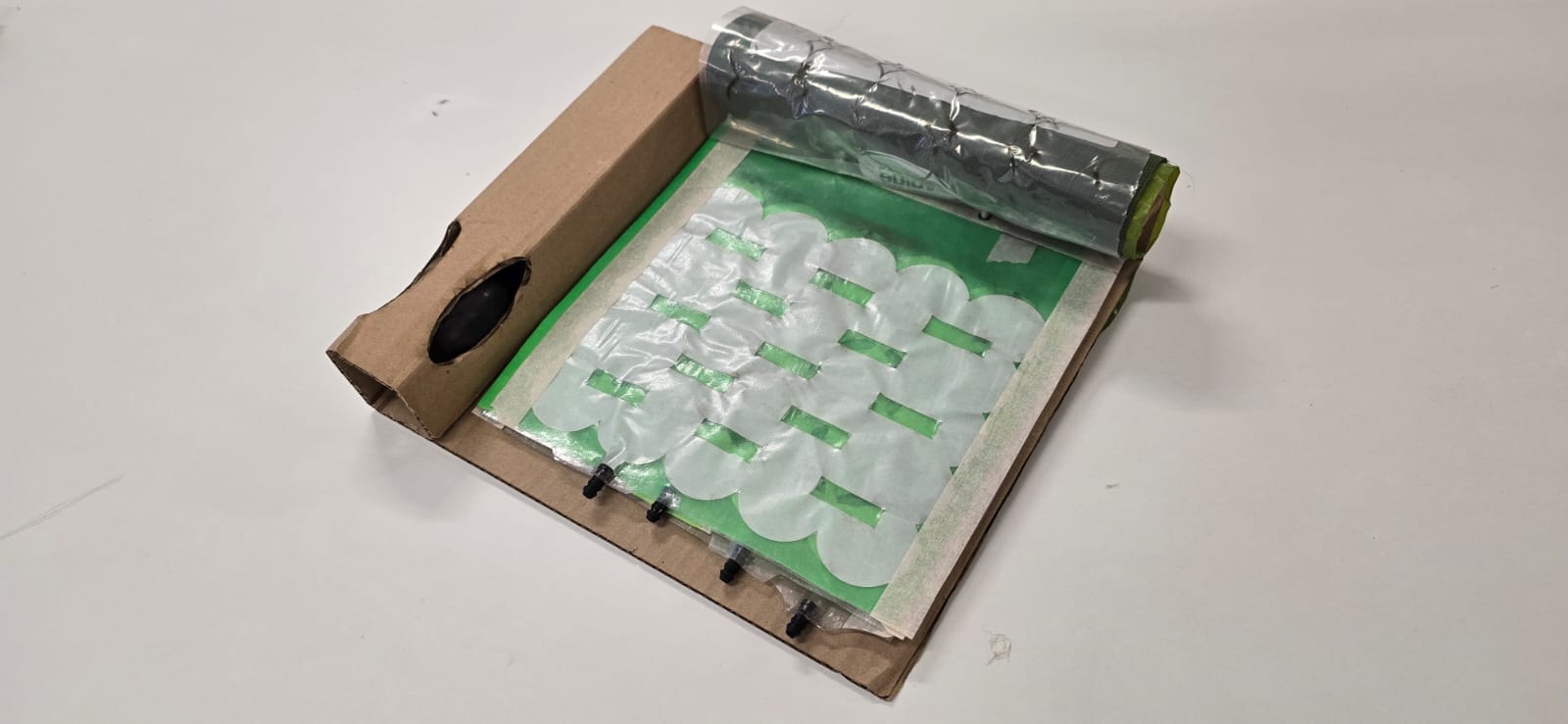
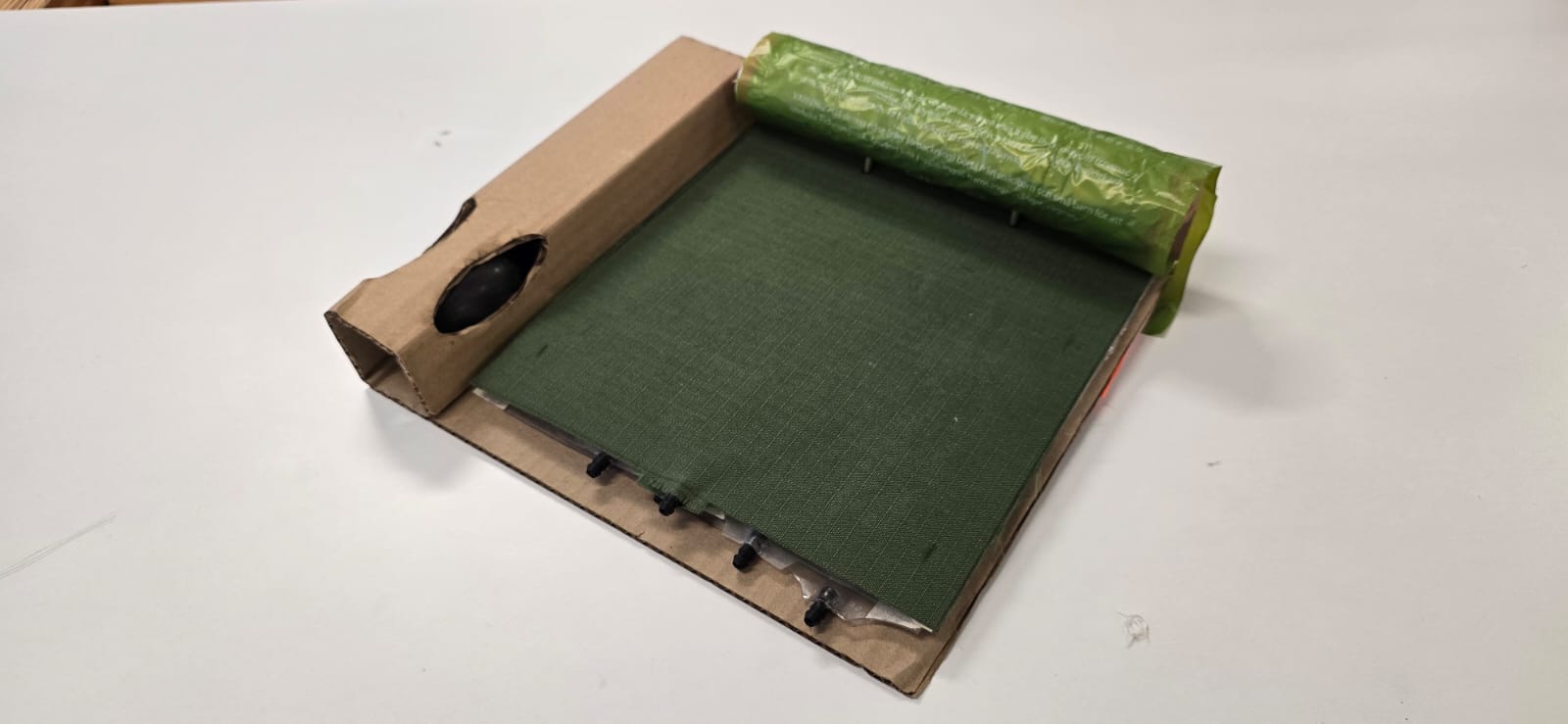
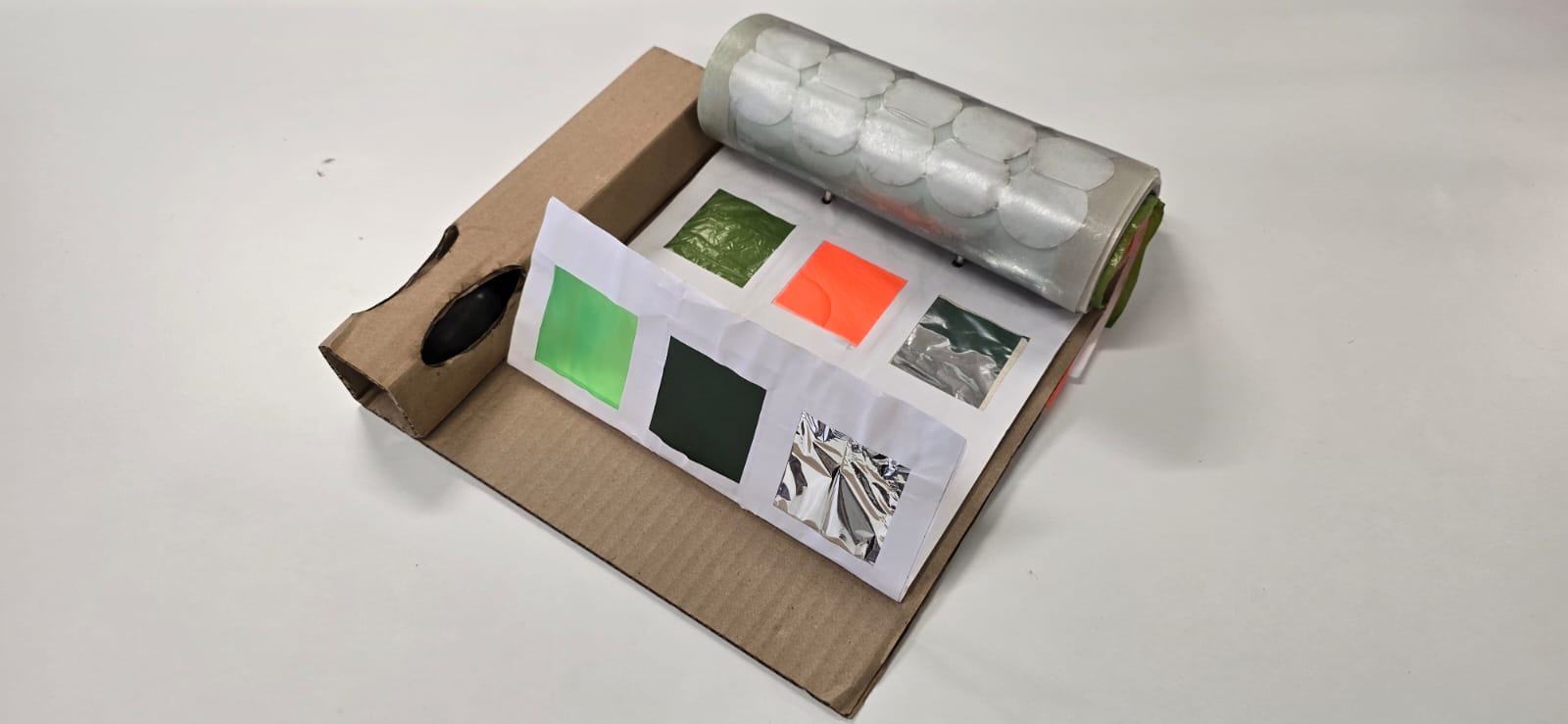
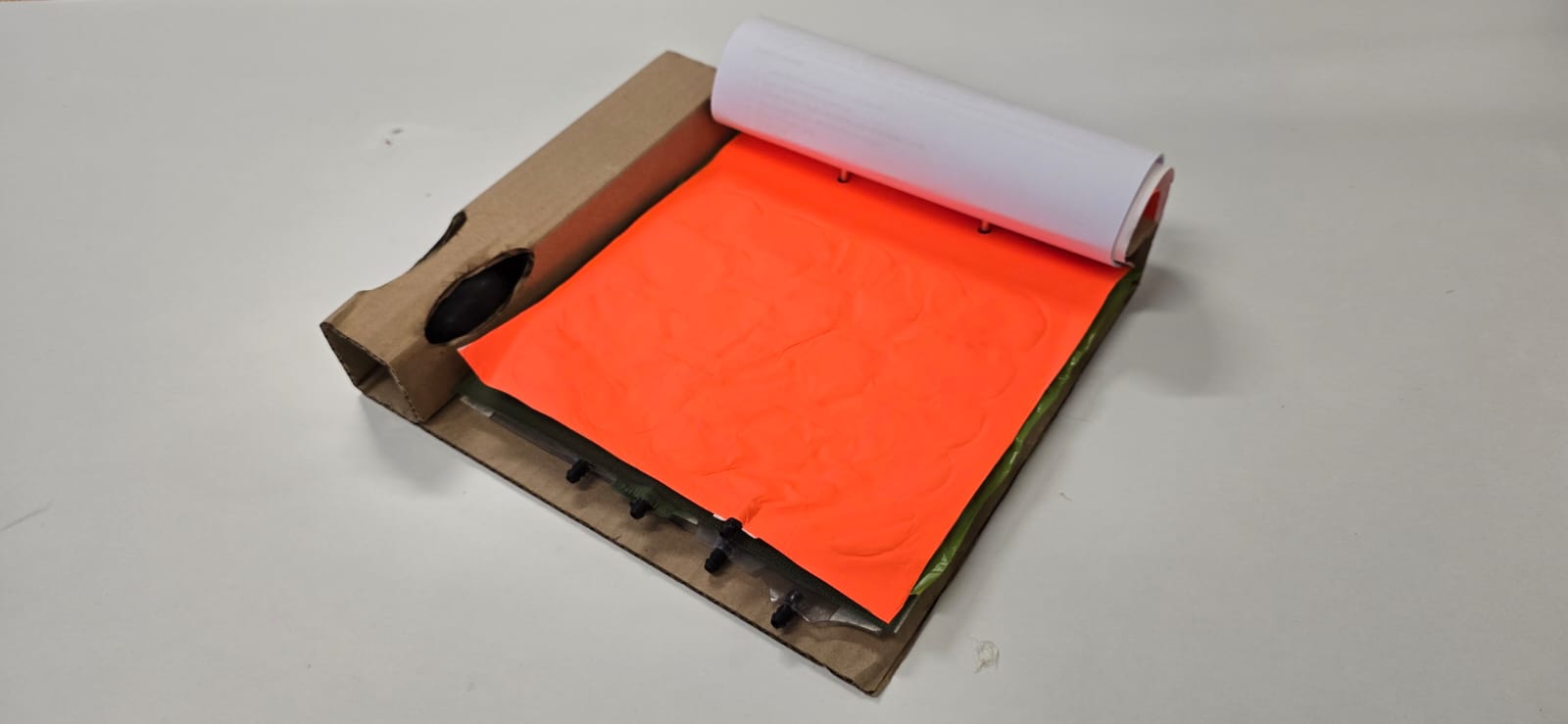
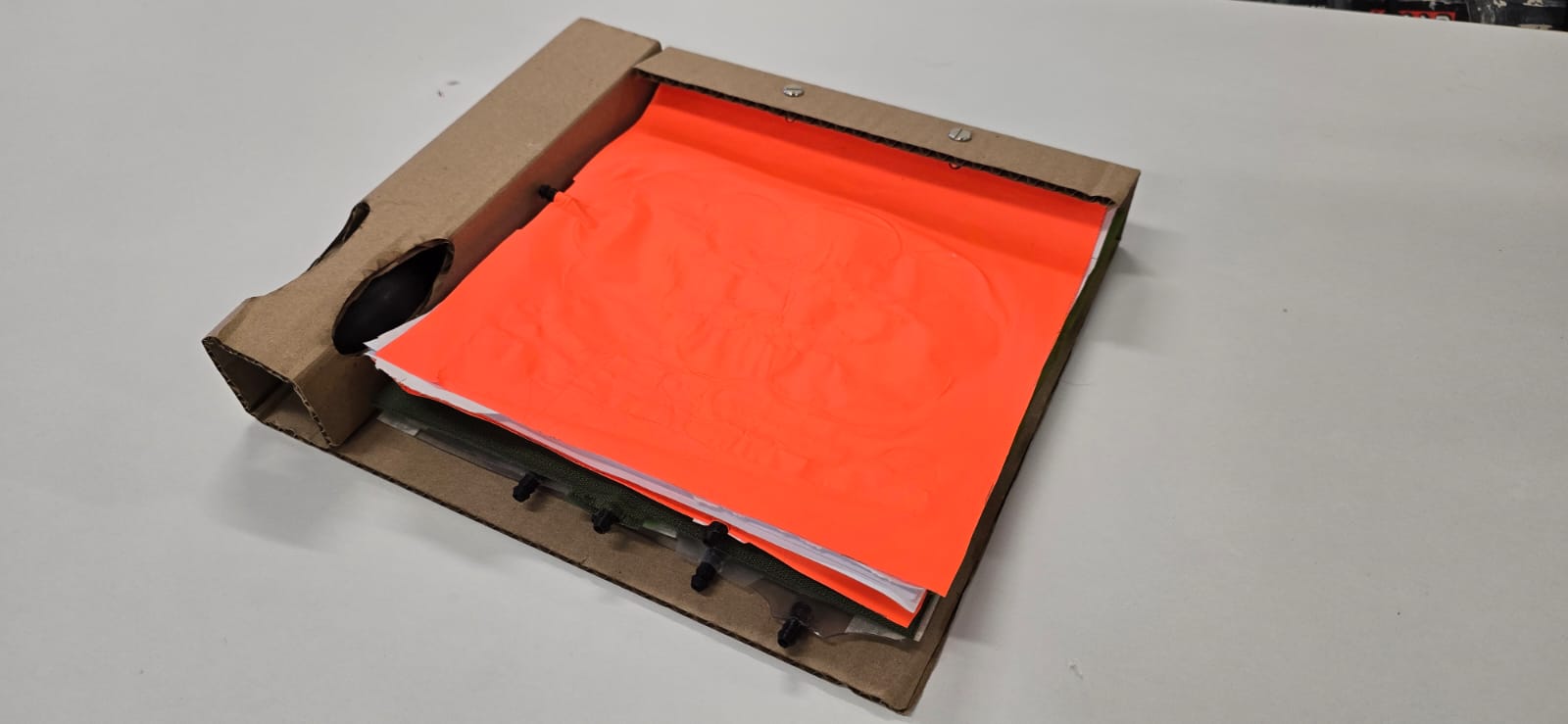
The first part of the project is an open research and sample toolkit that exposes the fabrication and design of inflatables using digital fabrication tools, this outcome is a replicable book and material sample library with the purpose of helping others understand, test and produce inflatable systems.
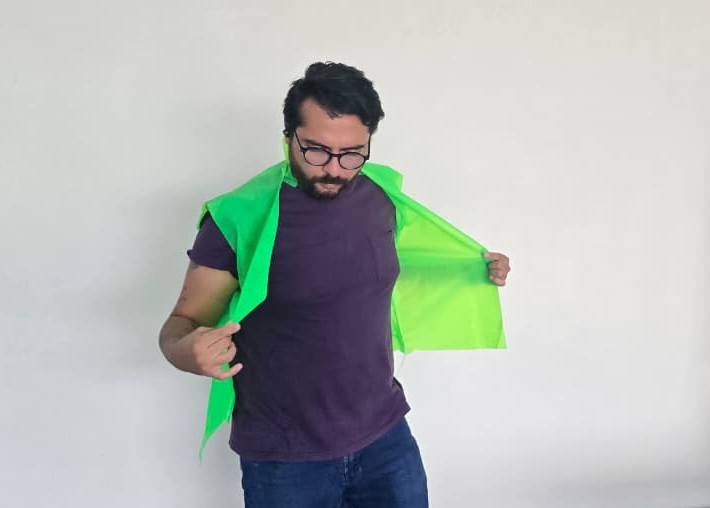
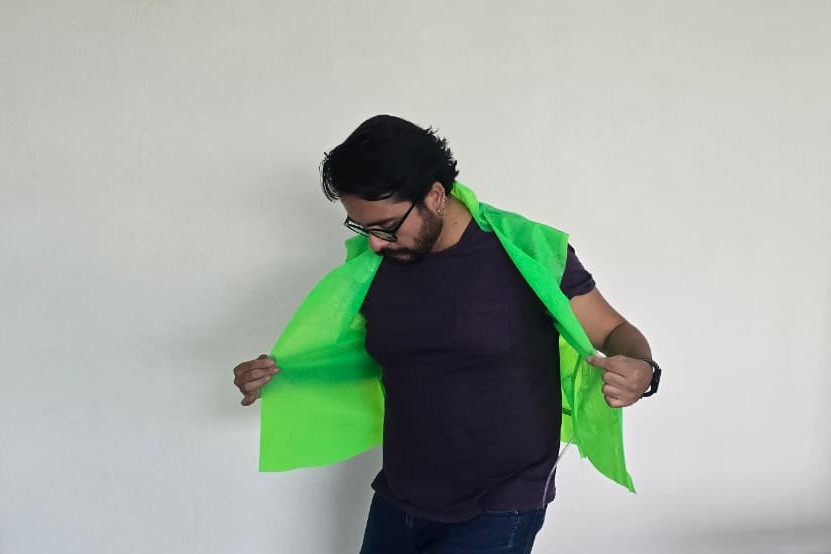
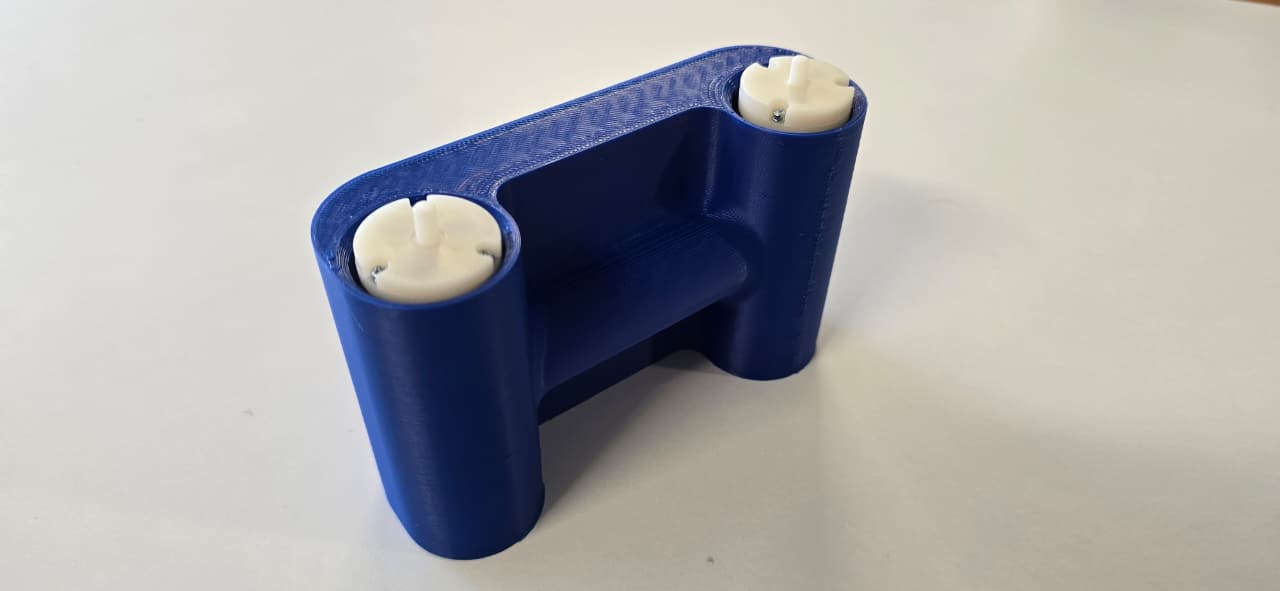
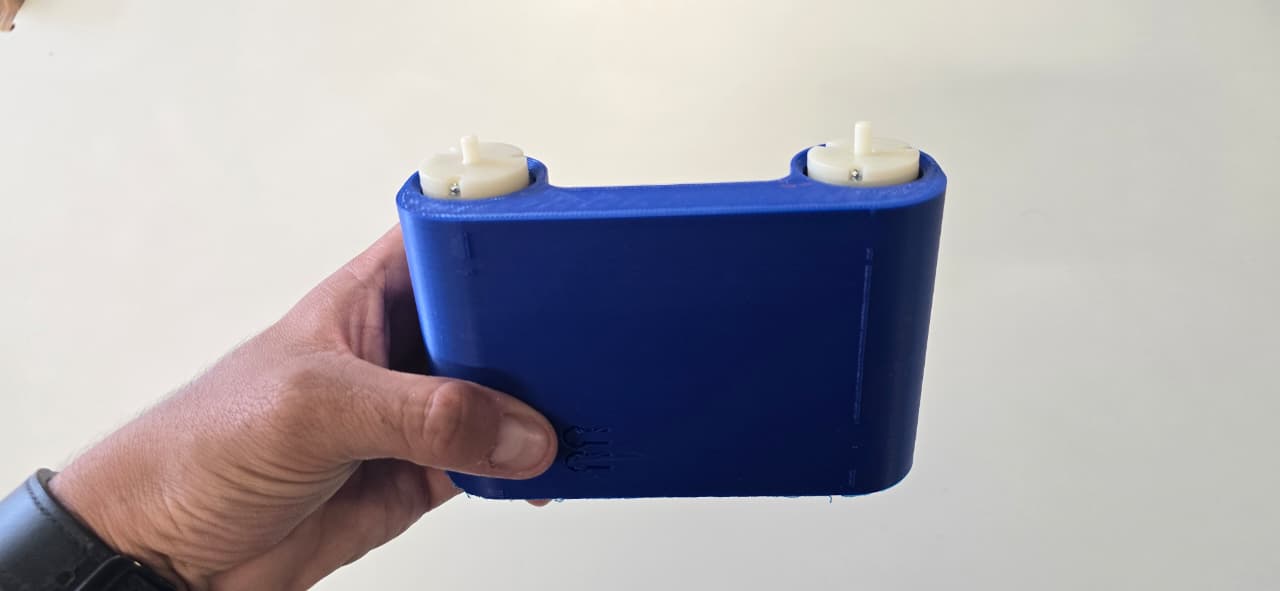
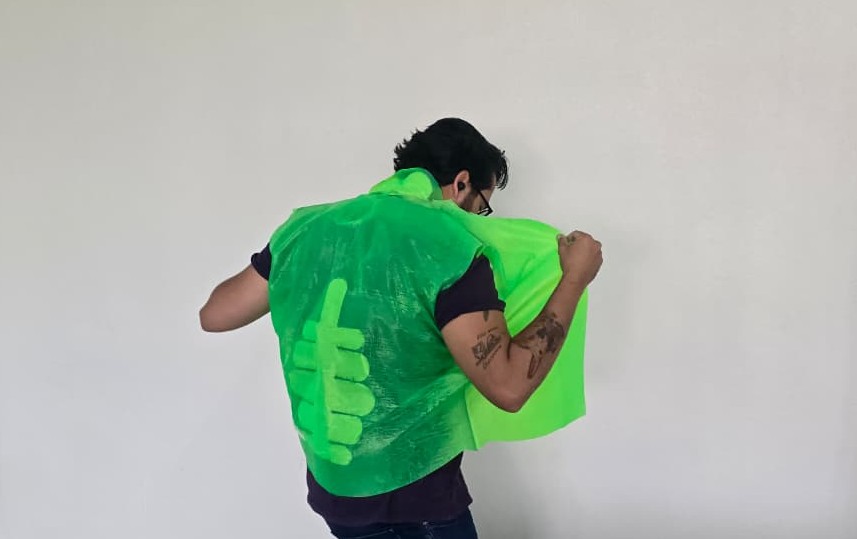
The second part of the project is a garment that provides temporary support in two key areas of the body: The neck, and the lumbar region, by using inflatable parts and an integrated electronic/pneumatic system for providing the inflation. During the Fabricademy course, I had the opportunity to work and experiment with various processes that led to this final project, for example the inflatable textiles were directly influenced by the Soft robotics assignment, and the electronic integration was based on the E-textiles, Wearables and Skin electronics assignments.
The Who?
The booklet is intended for individuals and communities engaged in hands-on learning and material experimentation, particularly within FabLabs, makerspaces, and educational environments. It benefits students, educators, designers, engineers, and researchers who seek to explore inflatable textile systems without access to specialized industrial processes.
The Garment is focused into a more specific user: modern lifestyles and jobs are increasingly requiring people to remain in uncomfortable and static positions for extended periods. These positions can be harmful for the body as they can lead to muscular fatigue, pain, discomfort, and poor posture.
The Why?
The book exists to address the lack of accesible knowledge around inflatables, it's purpose is to help others learn, replicate and expand the work with the tools and materials available to them. The garment, on the other hand, is focused to people who remain in statics positions for extended periods of time. According to the paper: Impact of lumbar support on pain reduction in low back pain patients: A systematic review and meta-analysis of randomized control trials by Akbar et all, the overall quality of life and reduction of pain in patients can be improved through appropriate lumbar support, which can be translated directly to people who remain in static in long periods of time like office-work related jobs, or long-distance travelers.
And, the article by Kaur: Reasons to carry a travel neck pillow for your next trip in the Dr. Ortho website, highlights the advantages of having neck support during long trips, for example better posture, or it can even help with fatigue levels. So that is why this project is focused on the lumbar and neck areas.
The Where?
The project is developed within a FabLab environment equipped with accessible digital fabrication tools such as laser cutters, sublimation hot presses, textile machines, and desktop 3D printers.
Book development
The Booklet initially emerged from an exploration of inflatable garments developed during the Soft robotics assignment. The goal was to create wearable systems that could inflate, respond, and adapt. However, early experimentation revealed a key challenge: while inflatable textiles are widely used, there is a lack of consolidated, accessible information on how to fabricate them using FabLab tools.
This limitation shifted the focus of the project. Instead of pursuing a single garment, the work evolved into the development of a systematic sampler: a structured way to test materials, sealing methods, and fabrication strategies. The objective became not only to make, but to understand and document.
During a tutoring session, this approach was further refined through the idea of a pop-up book format, transforming the sampler into an interactive and tactile object. This format allowed the research to be experienced physically: inflatable samples embedded within the pages could be activated, making the booklet both a documentation tool and a hands-on learning device.
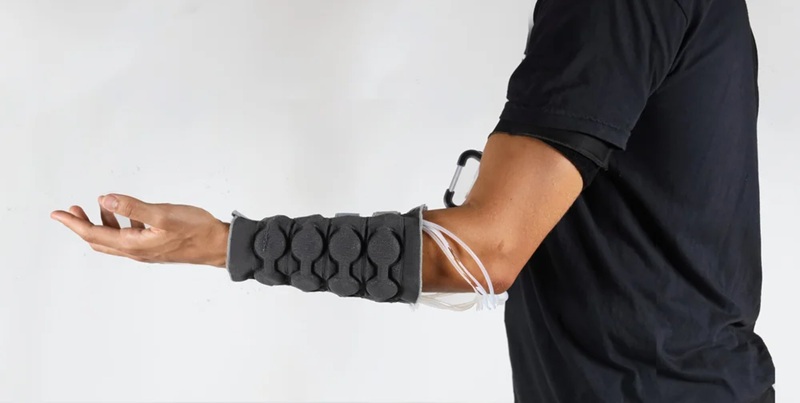
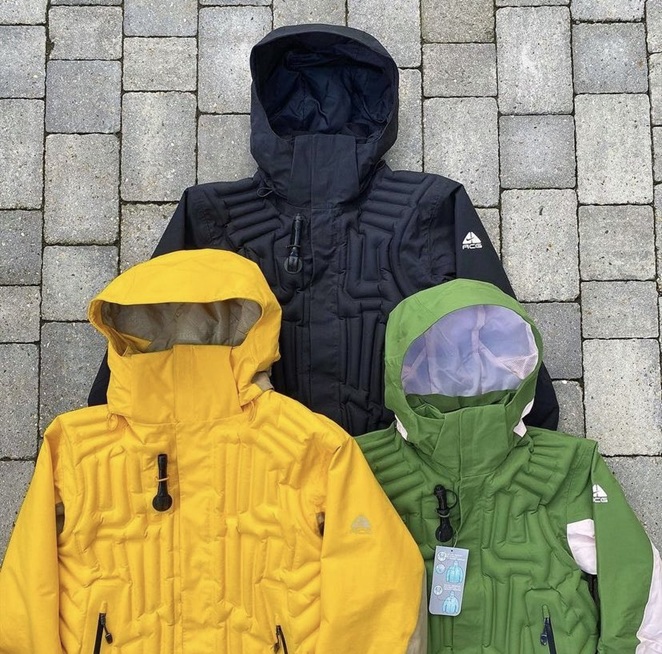
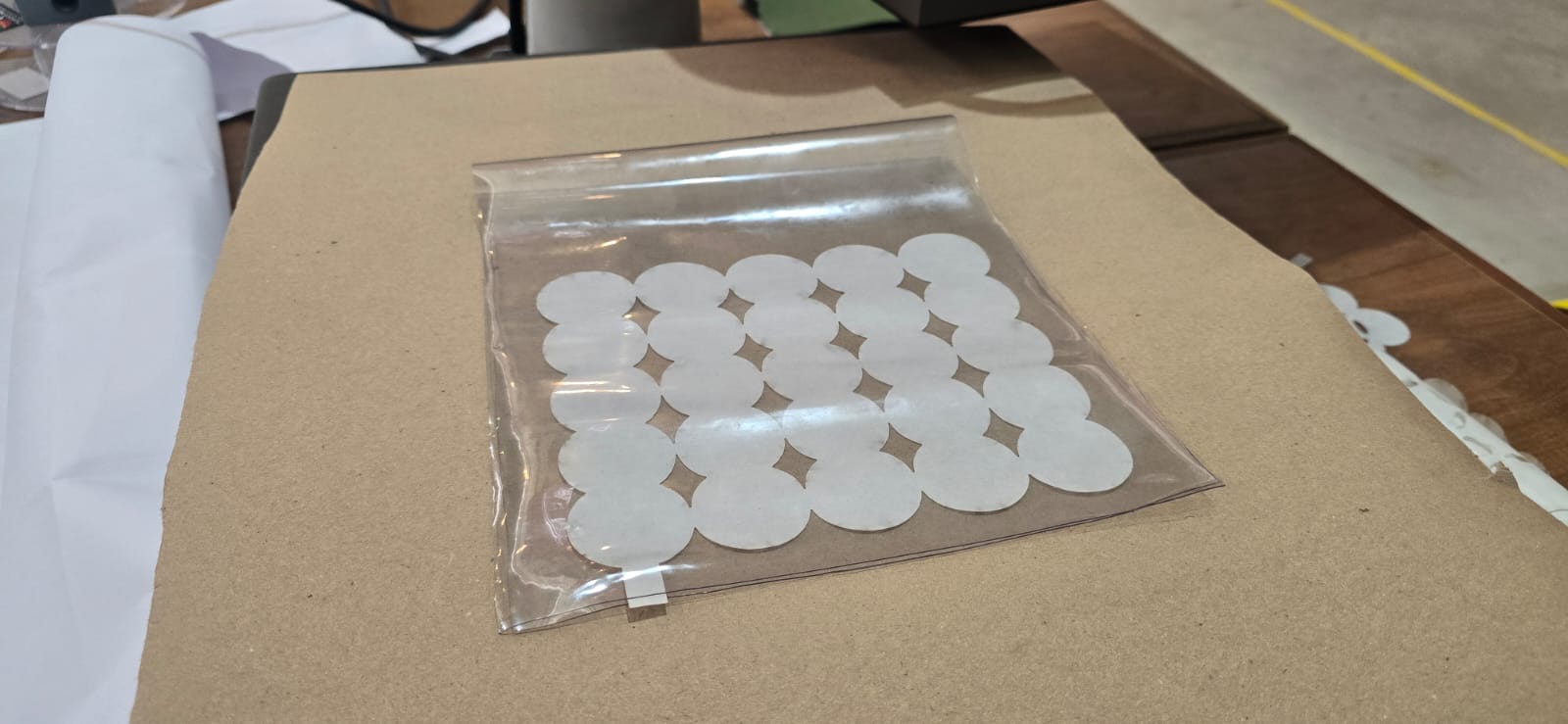
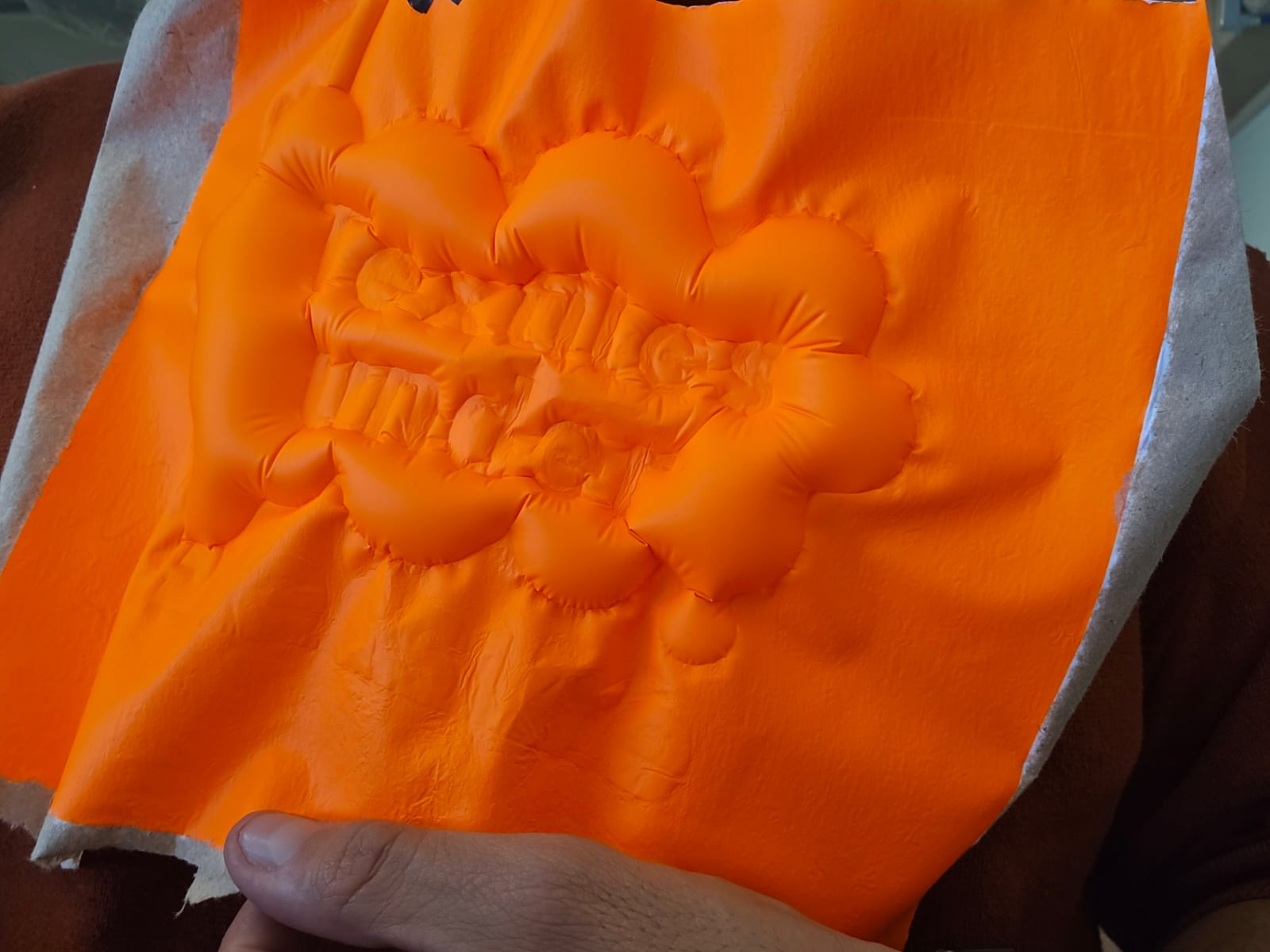
A significant part of the process involved identifying the correct fabrication parameters for different materials and machines. This required iterative testing to find optimal combinations of temperature, speed, pressure, and repetition when using tools such as laser cutters and modified 3D printers. Small variations in these parameters had a direct impact on the quality of the seals: too much heat would damage the material, while insufficient heat would result in weak or non-airtight seams.
Through systematic experimentation; adjusting one variable at a time and carefully documenting the results, the project established a set of reliable parameter ranges for different material combinations. These findings became a core component of the booklet, enabling others to replicate the processes with greater confidence.
This project evolved from designing objects to designing tools for sharing knowledge, making inflatable textile fabrication more accessible.
The garment
This garment, as mentioned before, is the culmination of the research that the booklet , in other words, an example of what can be done with the knowledge previously presented on the booklet. Using the Fabricademy Course's assignments, it was possible to integrate electronics into the final garment.
How?
The garment to be designed and manufactured must have the following characteristics: * Can be worn under regular clothes. * The inflatable part must provide support for the body in two key places: neck and lumbar area. * Must inflate/deflate automatically or with a simple interface like a button. * The automatic inflation/deflation system must be rechargeable and removable. * To review this process check the Development part of this project.
Gallery


Presentation
This is a slideshow that represents the final project and its development.
Download presentation here
Video / Movie final project
This video showcases the final project and its use, apart from the possible application in a product.
Thesis PDF
Download thesis here