4. BioChromes
I. Introduction to Biochromes
Biochromes are natural pigments produced by living organisms such as plants, fungi, bacteria, and algae. This week began by leaving things behind and turning to what nature offers, bringing it into the kitchen for experimentation, an experience that challenged how I perceive color and how I will use it in the future as a designer.
Biochromes Sources
-
Botanical: Seeds, fruits, leaves, flowers, bark, wood, roots, berries.
-
Animal: Insects, mollusks.
-
Mineral: Oxides, ochers, clay, soils.
-
Fungal: Mushrooms, Molds.
-
Bacterial: Bacteria.
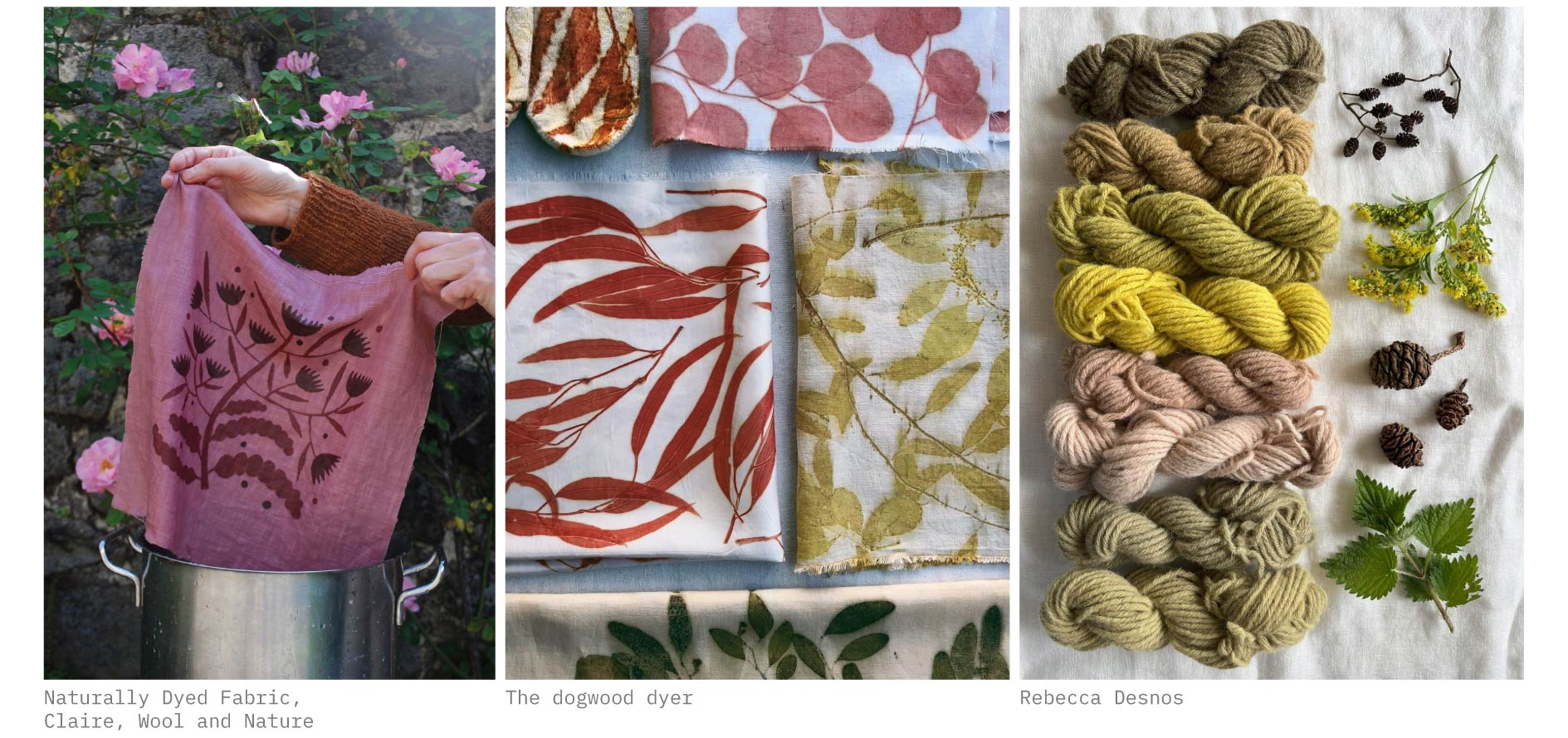
II. References & Inspiration
III. Class Experimentation
Basic Biochromes Forms
Ink: Dense Liquid - Soluble/Dispersed - Into the material, onto the material
Dye: Liquid Bath - Soluble in water, into the material
Pigment: Powder - Insoluble in water - Onto the material
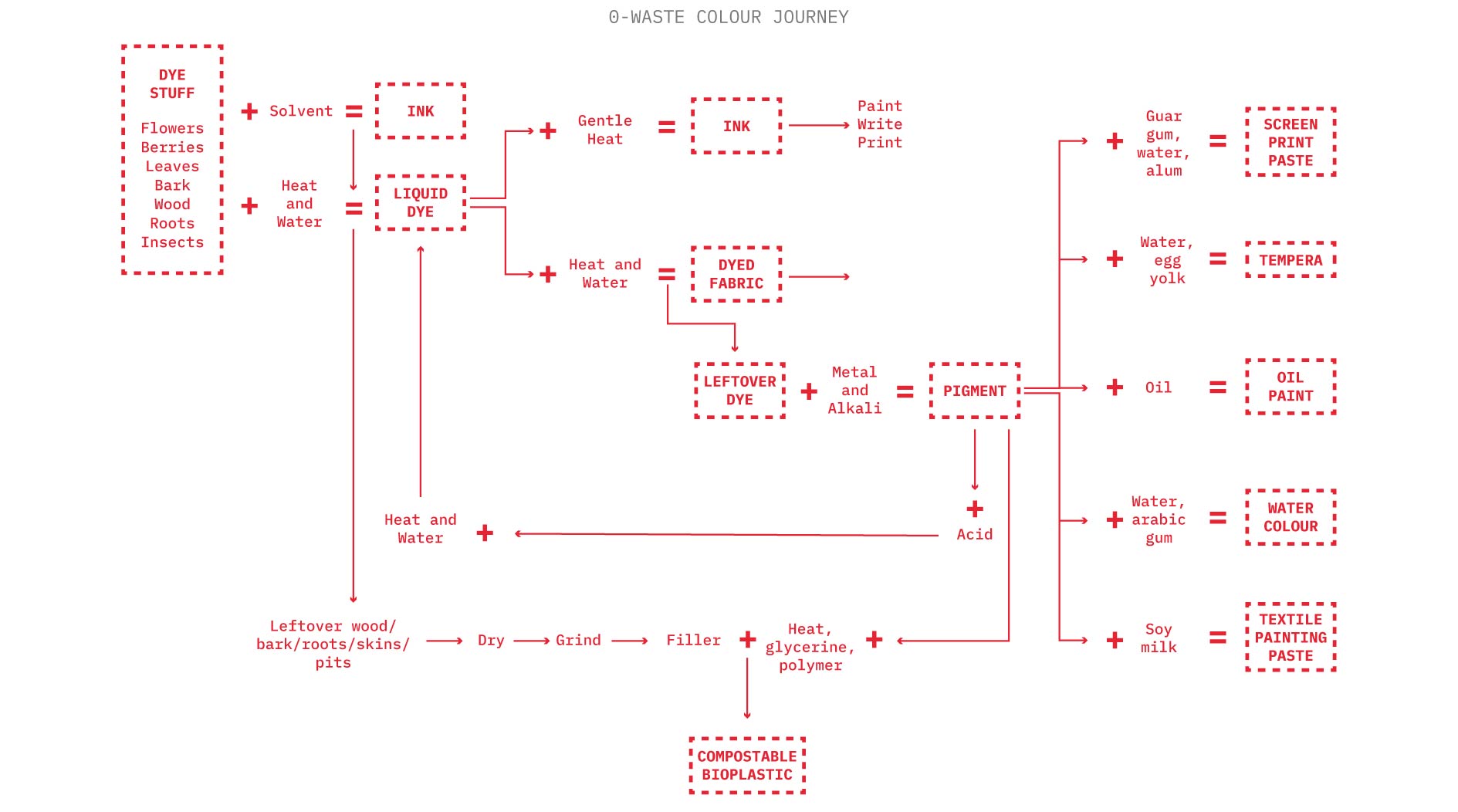
A key reference throughout the process was Cecilia Raspanti’s zero-waste color journey diagram, highlighting how natural resources can function as biochromes without producing waste.
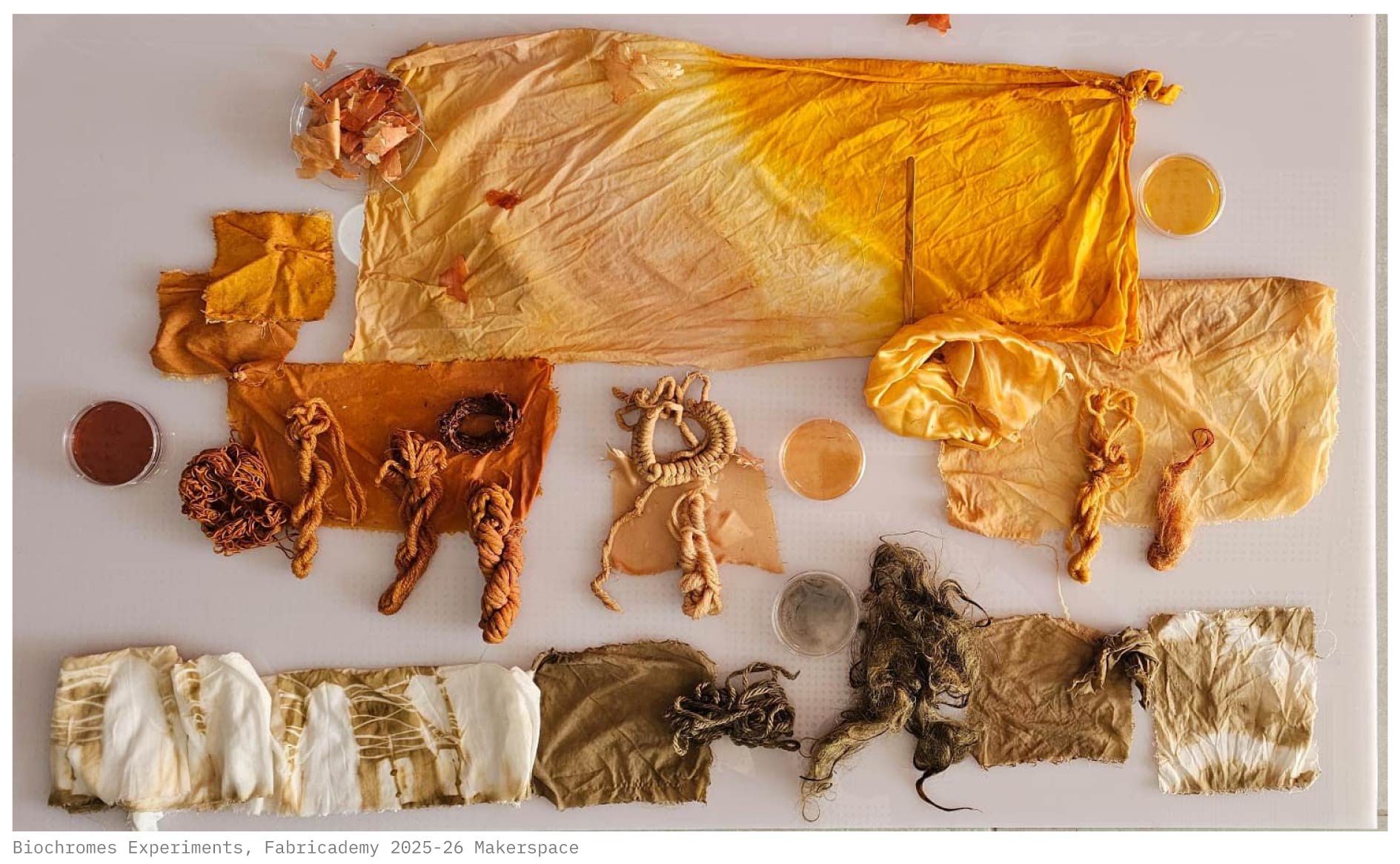
The week started with an overview of the three main biochrome forms; dyes, inks, and pigments, and the natural color journey between them. Drawing inspiration from previous Fabricademy work at Makerspace, we moved directly into hands-on experimentation as follows:
A. Liquid Dye Bath Experiment
What are dyes? A dye is a colored substance that chemically bonds to the substrate to which it is being applied.
Important Terminology
Scouring: Before dyeing can begin, fibers must be properly prepared through scouring, a step that removes surface build-up and improves the material’s ability to take on color. This process typically involves simmering the fibers in water combined with sodium carbonate and a little bit dish soap or similar cleansing agents to strip away oils, waxes, and leftover processing residues. Plant-based fibers, such as cotton, demand a stronger and longer treatment to fully open the fibers, while animal fibers like wool require lower temperatures and shorter exposure to prevent damage. Effective scouring plays a key role in achieving even coloration and reliable dye results.
Mordanting: is a preparatory process in natural dyeing where a substance, called a mordant, is applied to fibers to help the dye bind more effectively. The mordant creates a chemical link between the fiber and the dye, improving color fixation, durability, and resistance to fading. It can also influence the final color outcome, allowing different shades to be achieved from the same dye source.
Example on Mordants:
Alum, maintains color clarity.
Iron Sulfate, which deepens and darkens tones.
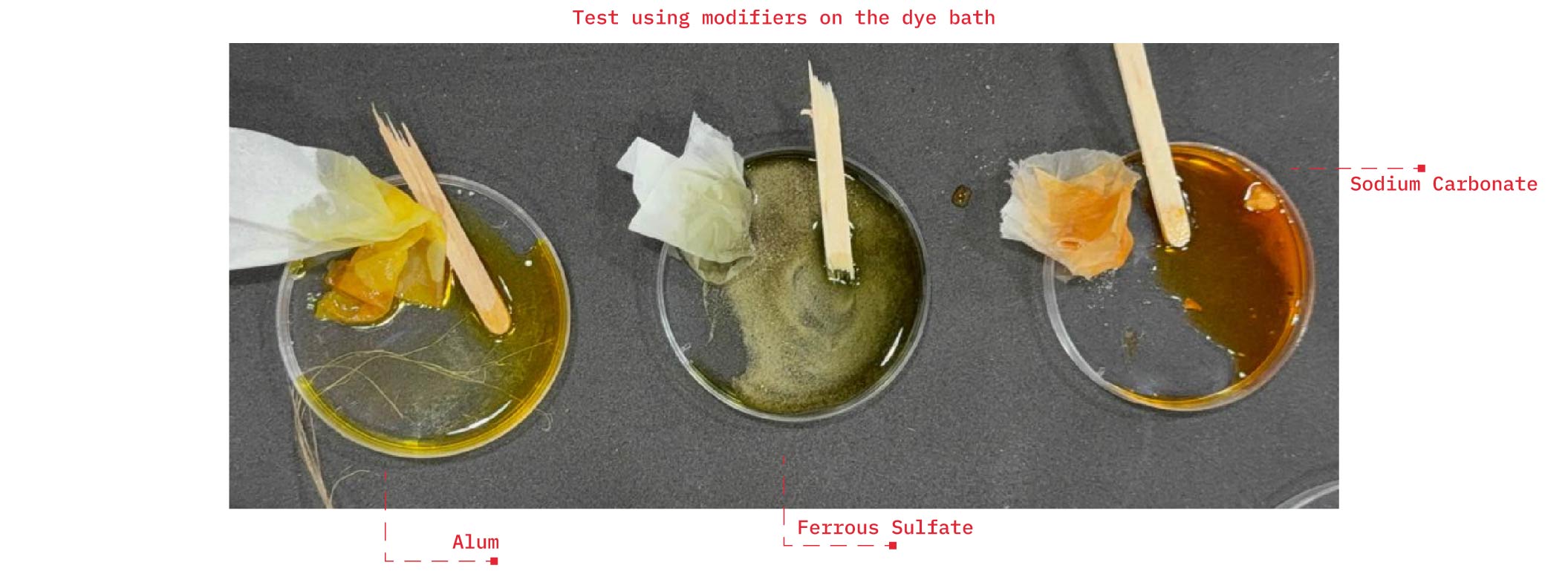
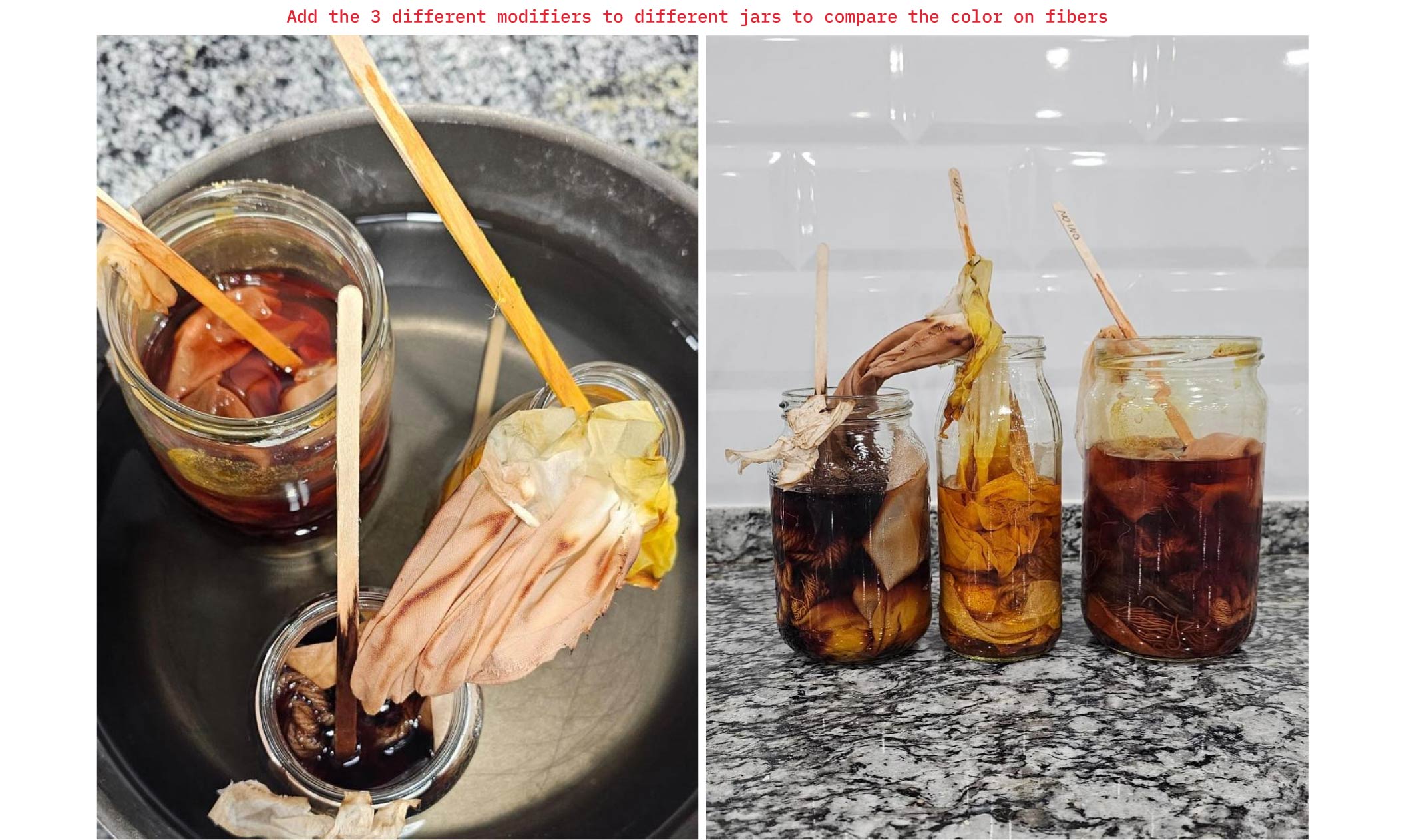
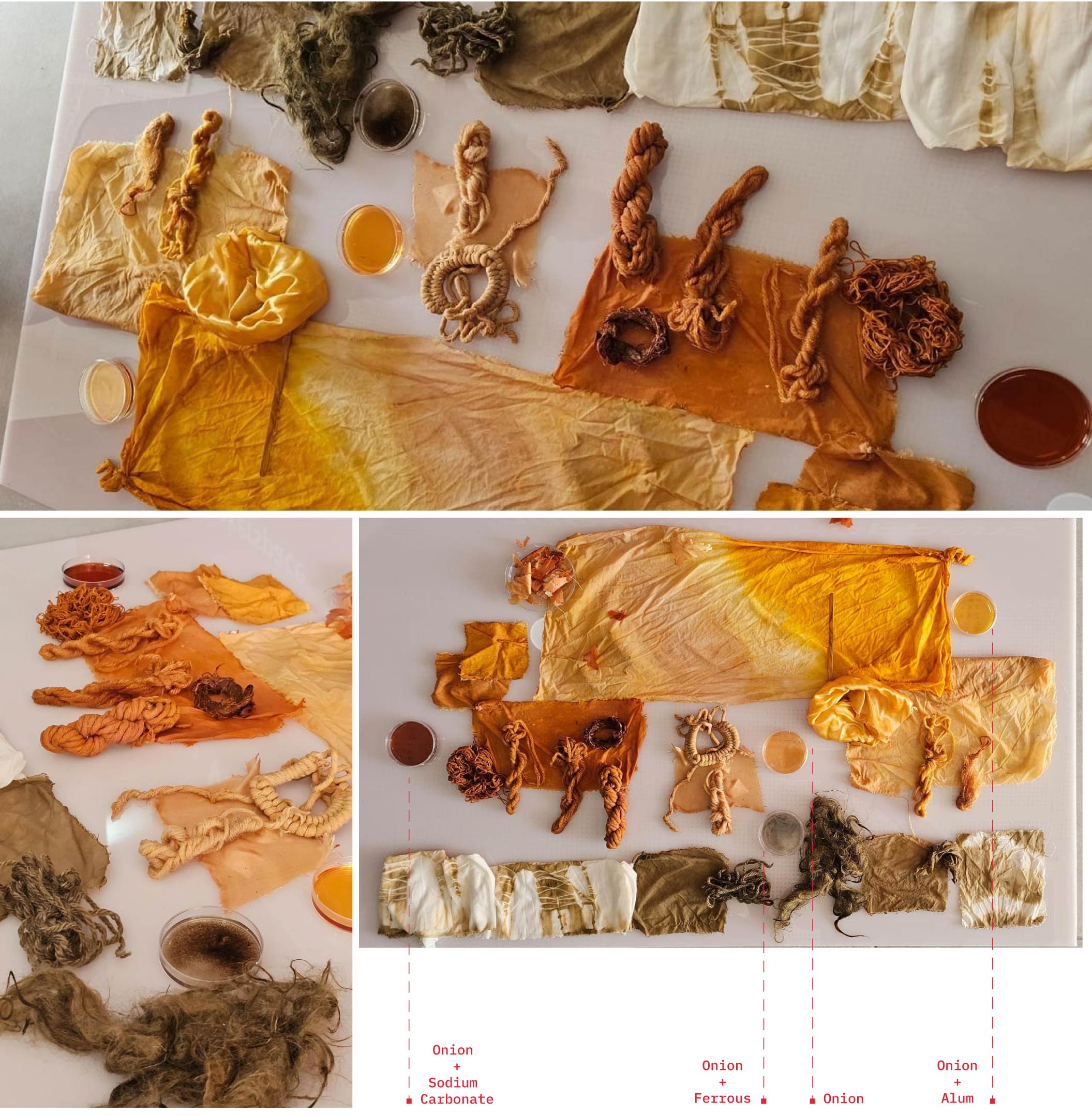
Modifiers: are chemical or natural substances added directly to the dye bath to influence color development. Through the use of alum, sodium carbonate,vinegar iron sulfate, and lemon juice, we observed significant variations in hue emerging from the same dye source.
Dyeing techniques can be applied to individual fibers, fiber blends, yarns, fabrics, and finished garments. However, it is important to note that all of these materials ultimately fall into one of three categories: plant-based, protein-based, or synthetic fibers. Understanding the fibers you work with is a crucial step for successful dying.
Plant-based Fibers: Plant fibers consist of cellulose. They are harvested from plant materials, such as seed balls, leaves, stems, barks, and wood. Cellulose fibers do not always bond fully with mordants; therefore, they are often first combined with tannins to increase affinity.
Examples: Cotton, Linen, Ramie, Hemp, Sisal, Jute, Viscose.
Protein-based Fibers: Animal fibers consist largely of proteins and they are generally the easiest to dye, giving bright and deep colours. The proteins within them are ready to absorb and react both acids and alkalis, but they also can create strong bonds with the mordants, which then is able to bind with the dyes. Animal fibers absorb color easily, while plant fibers requires extra care to hold onto dye.
Examples: Wool, Silk, Angora, Mohair, Alpaca, Camel.
Synthetic Fibers: Made fibers are “made by people” and do not exist in nature by themselves. They often consist of chemically extracted forms of cellulose, which is harvested from plant materials such as leaves, stems, barks, and wood from trees like eucalyptus or faggio, but also tomatoes and paprika. The plant matter is chemically processed, and the thread is extruded and wet spun. They behave similarly to natural plant fibers when prepared for dyeing or dyed.
Examples: Tencel lyocell, Monocel lyocell, Modal, Saxcell, Beechwood, Bamboo wood, Eucalyptus, Cane sugar, Recycled cotton.
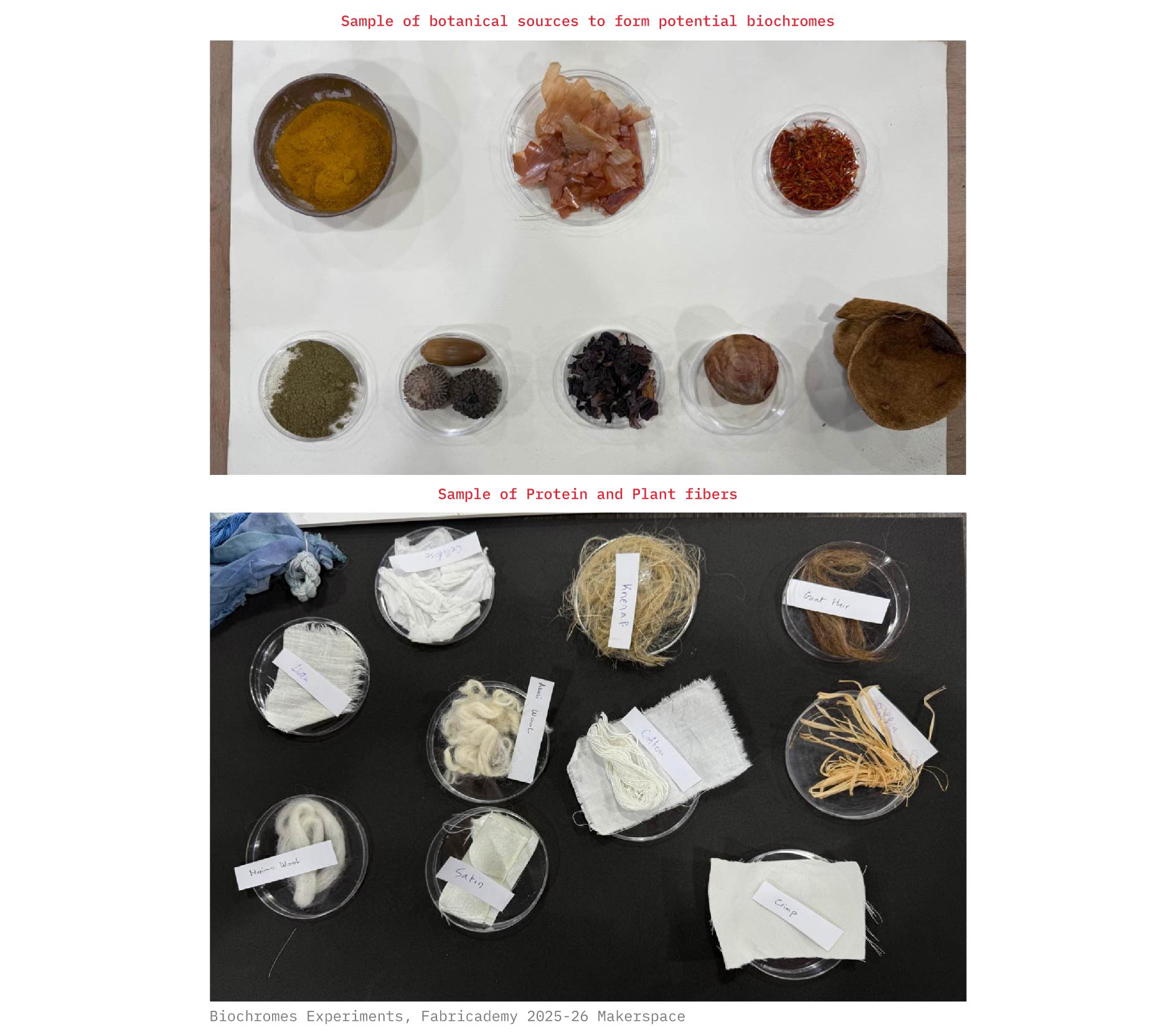
We explored group dyeing on both protein and plant-based fibers through the preparation of a natural dye bath using onion peels following the processes below:
1. Onion Peels Liquid Dye Bath Experiment:
Dye Preparation Process
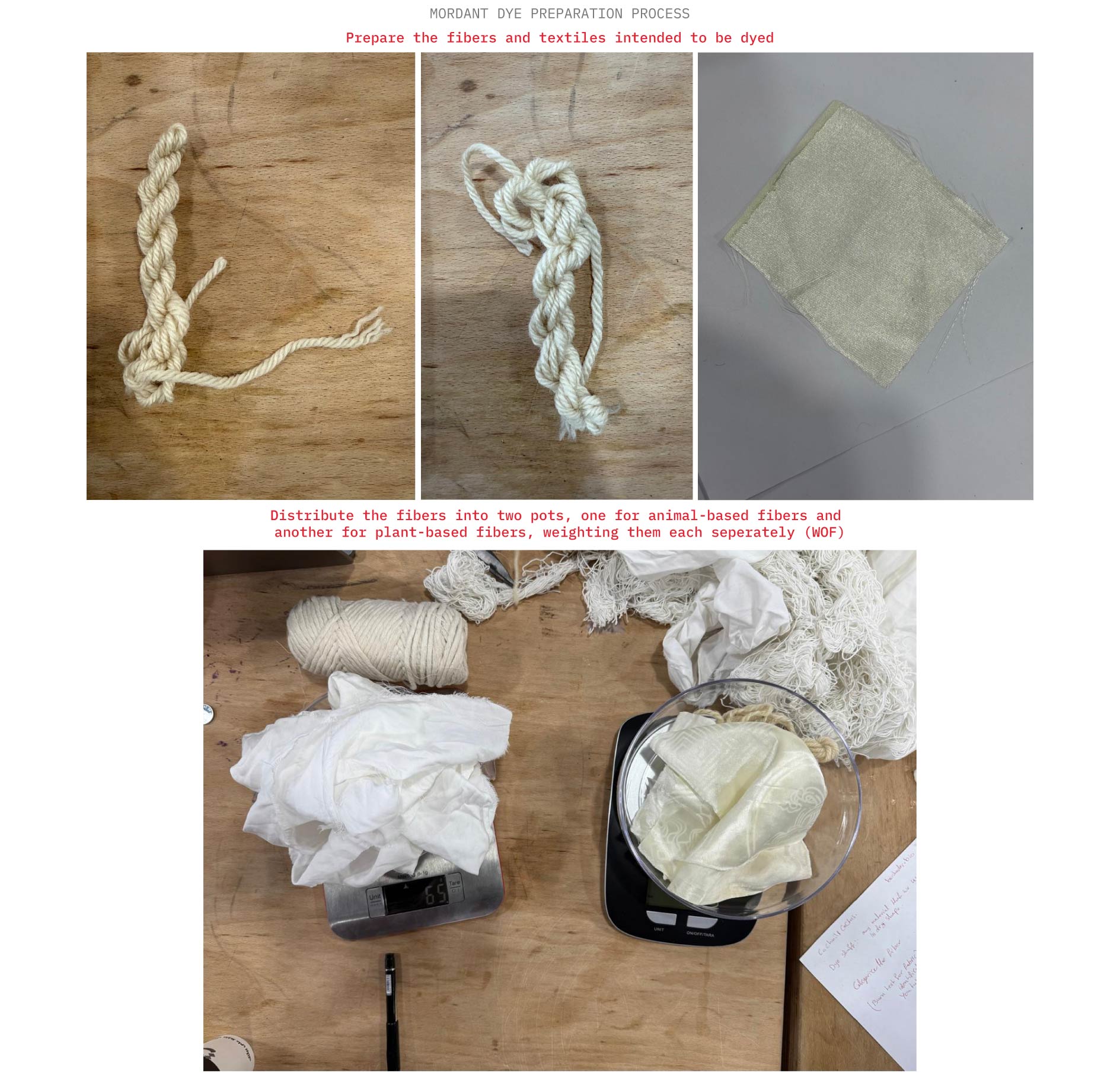
1- WOF: Start by weighting your dry fibers and textiles distributing them between two pots, one for animal-based fibers and another for plant-based fibers.
2- Calculate scouring agent 2% of the WOF, mordant and dye stuff.
3- Weight scouring agent mordant and dye stuff.
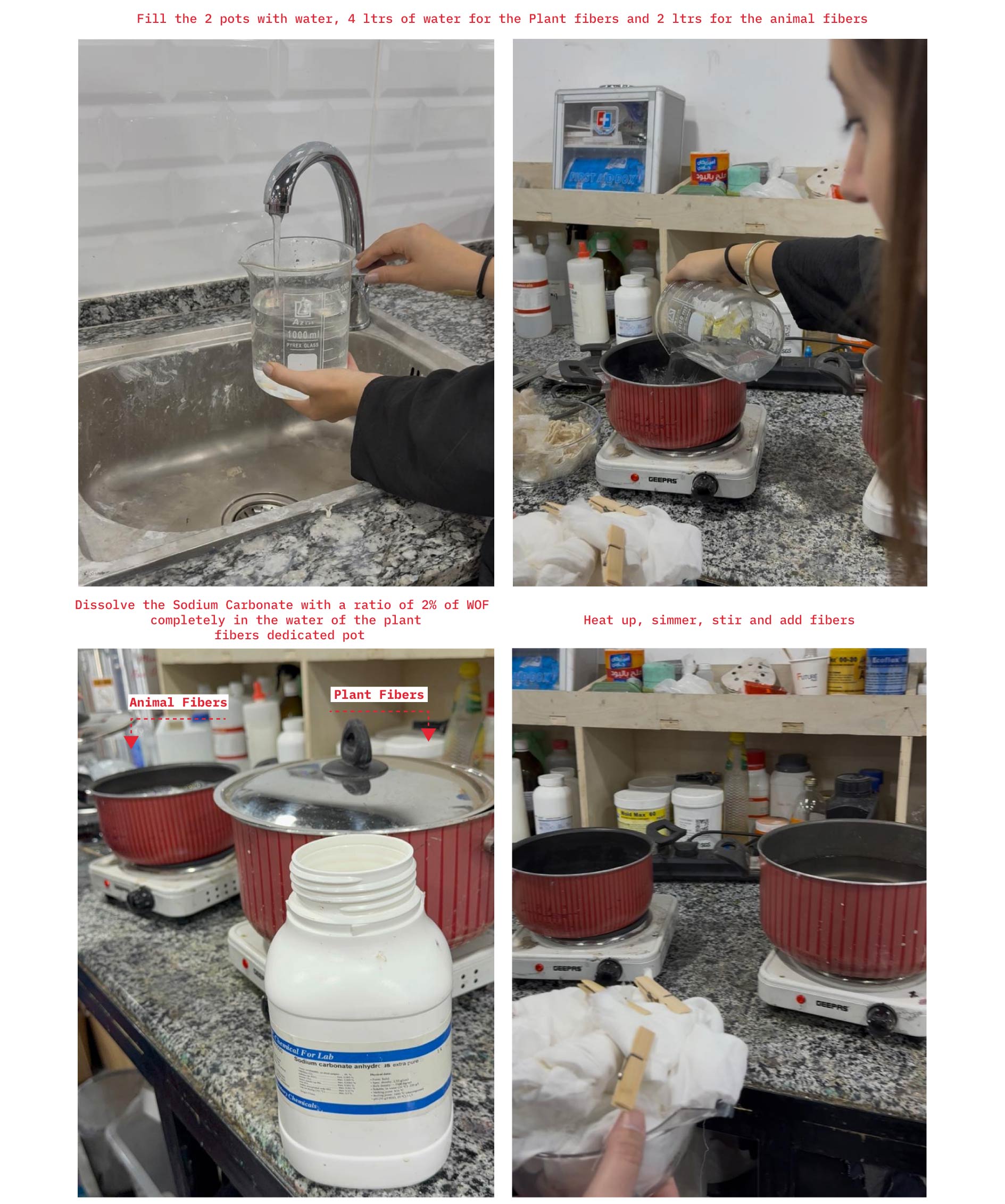
4- Scouring Stage: For the plant-based fibers: Heat the water up to 60 °C and combine the water with scouring agent (1 spoon Sodium Carbonate for every 2 ltrs of water and a little bit of dish soap) and stir until fully dissolved. For the protein-based fibers heat the water to luke warm and add a little bit of soap only.
Note: The ratio for scouring must be 2% sodium carbonate of the WOF.
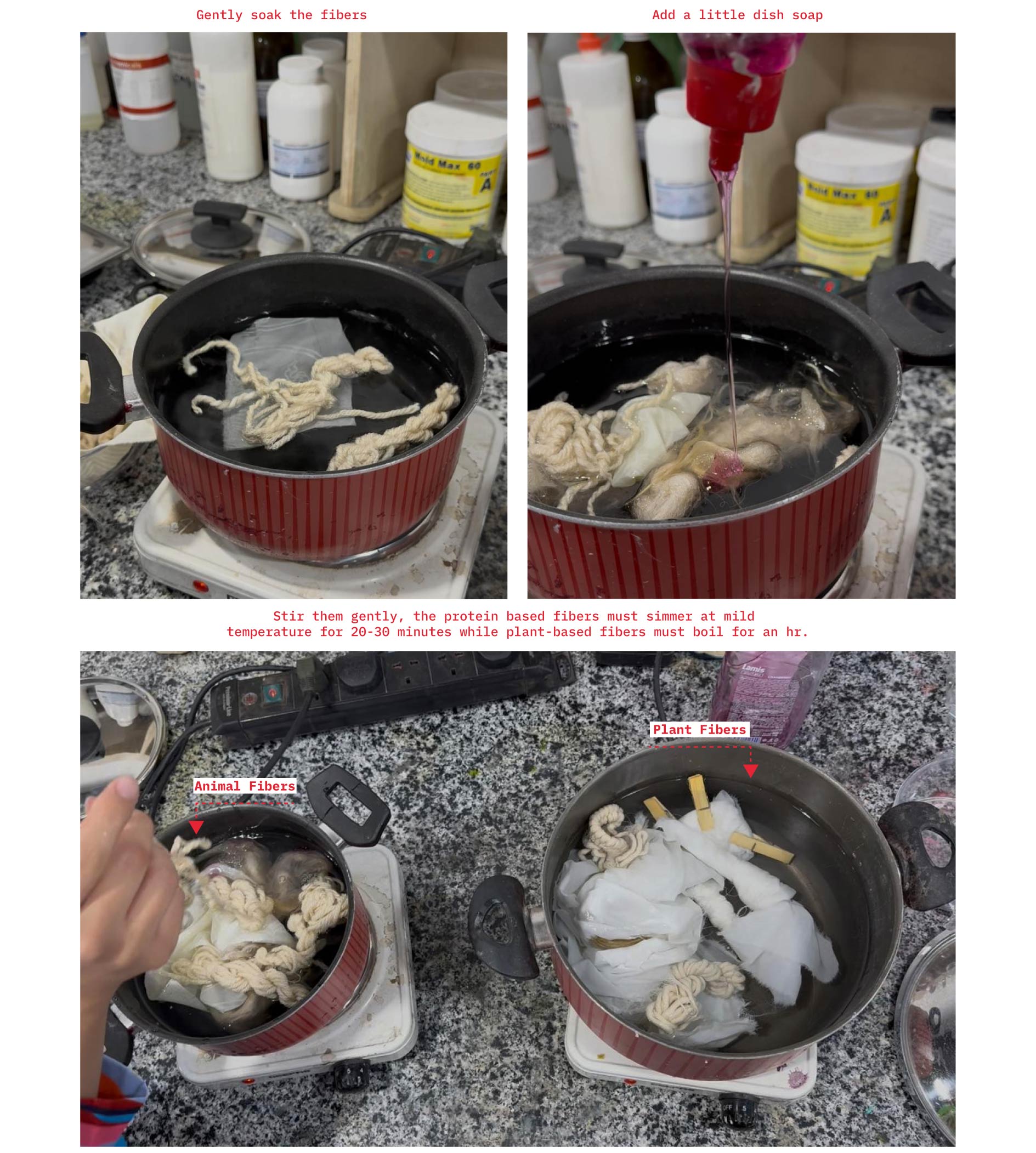
5- Add the fibers to each pot (one for animal-based and the other for plant based) and stir them gently, the protein based fibers must simmer at mild temperature for 20-30 minutes while plant-based fibers must boil for an hr.
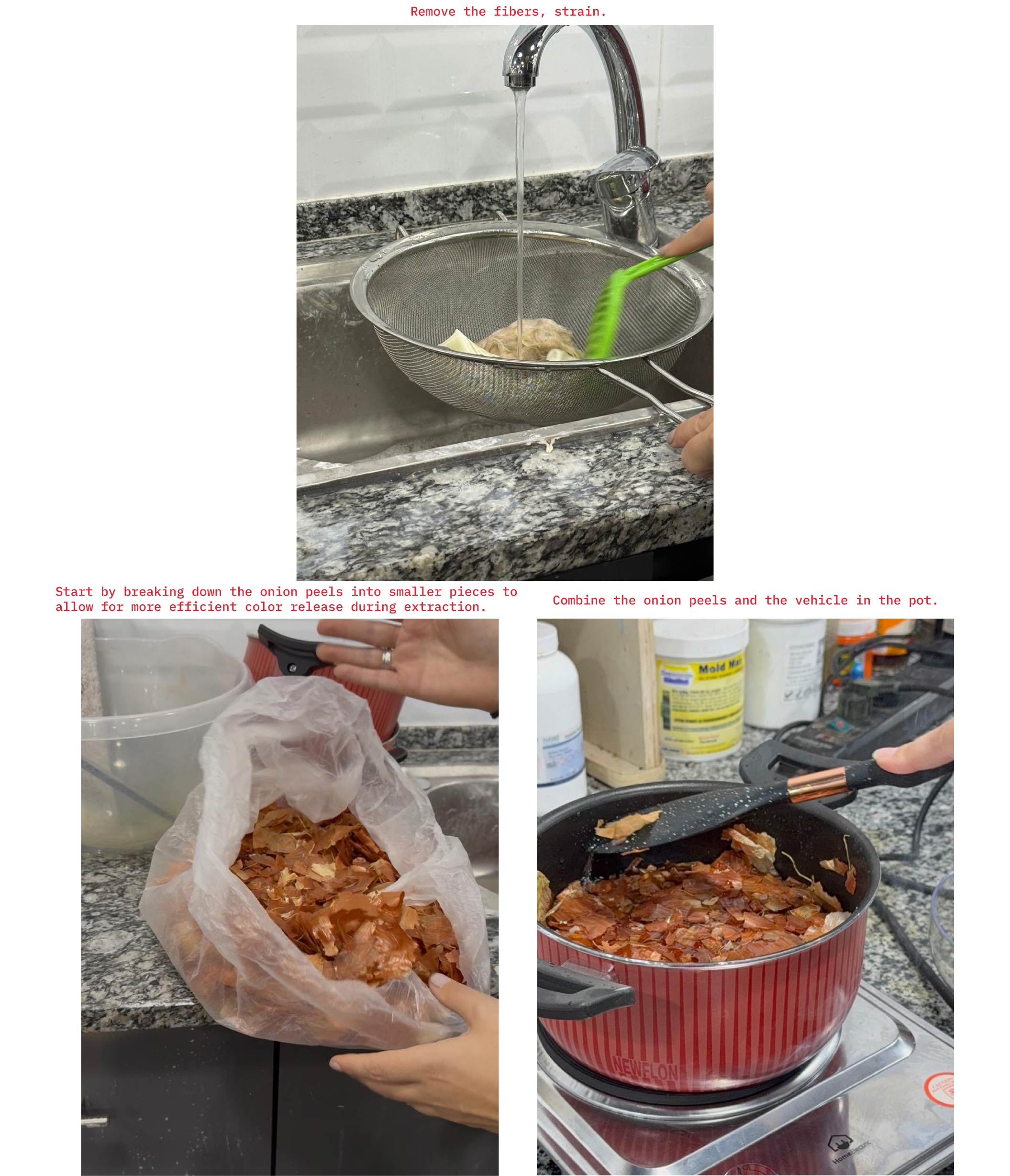
6- Remove the fibers, wash from any impurities then strain and rinse.
7- Mordanting Stage: Combine water with mordant.
11- Heat up, simmer, stir and add fibers.
12- Remove the fibers, strain.
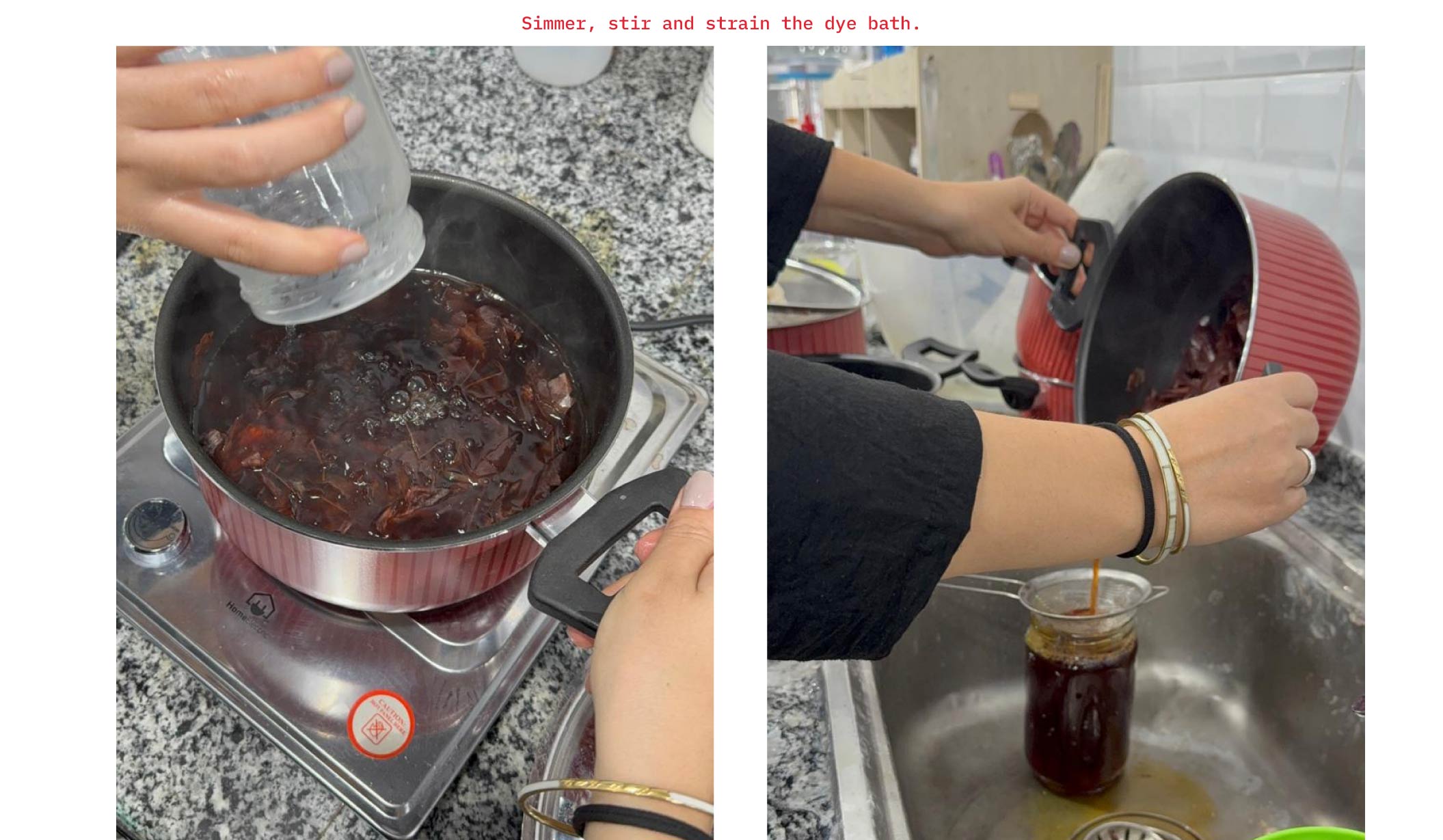
13- Combine dye stuff and vehicle.
14- Simmer, stir and strain.
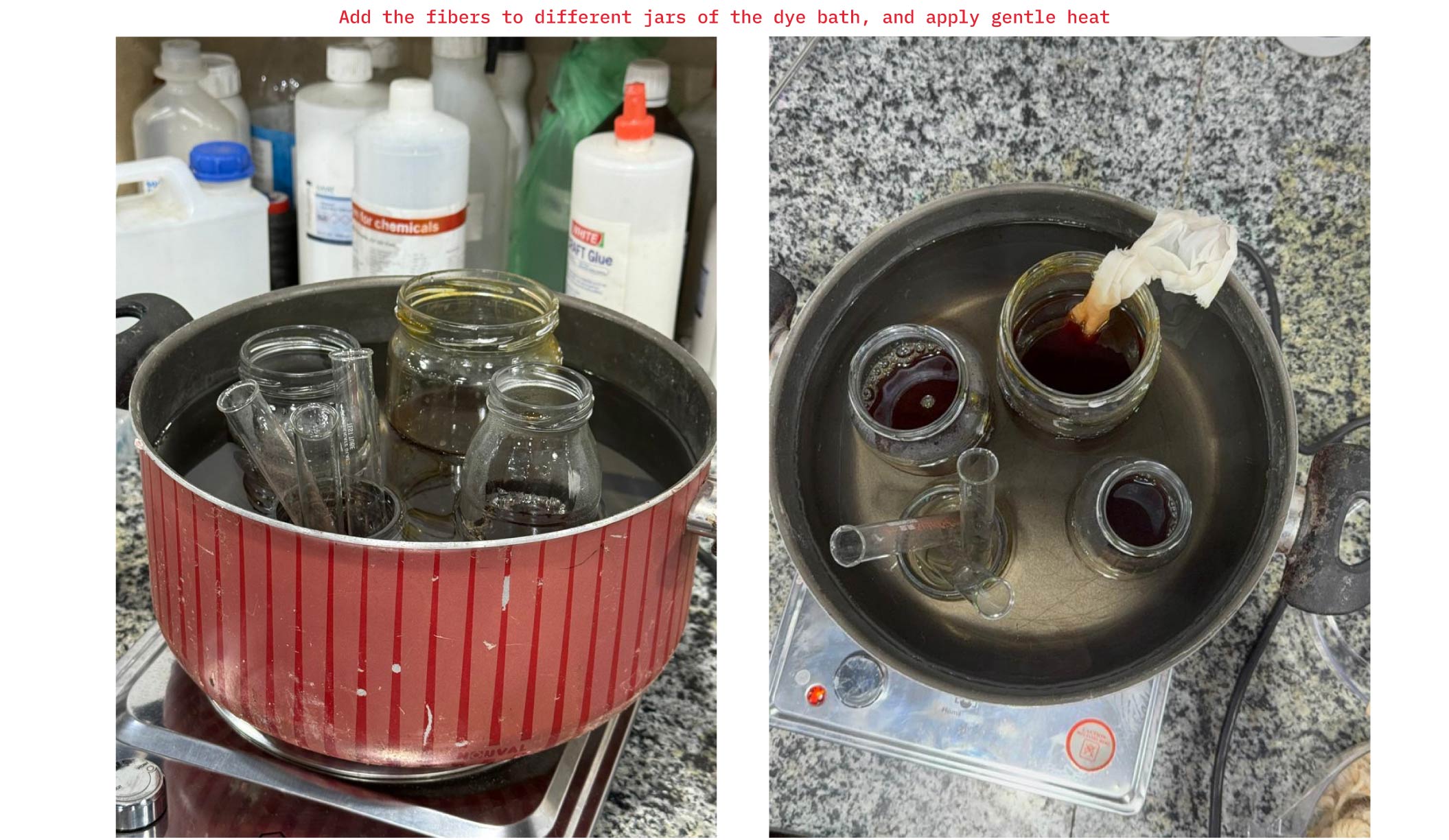
15- Add fibers in dye bath.
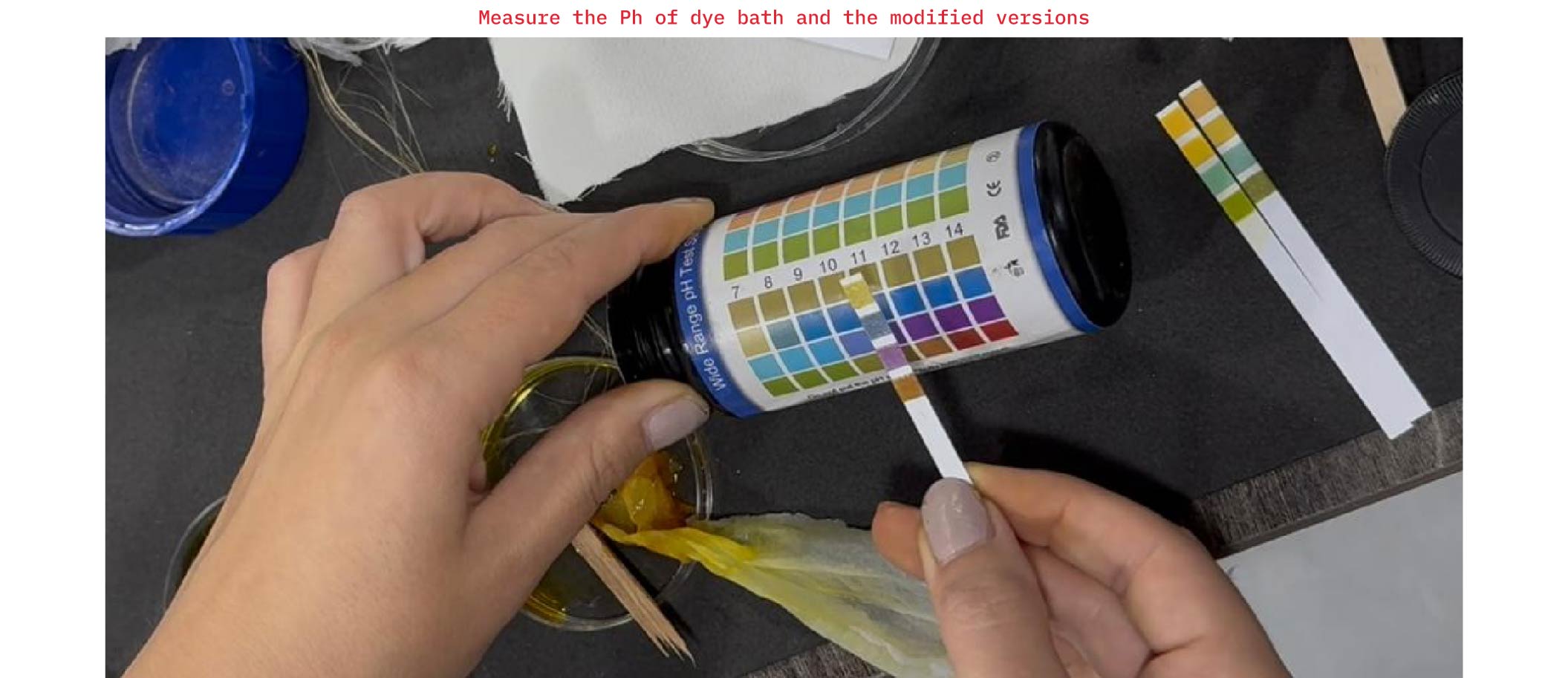
16- Measure the pH of your dye.
17- Choose between: mordanting again, color change by mordanting, or by modifying the pH of your rinse water and preserving it for later.
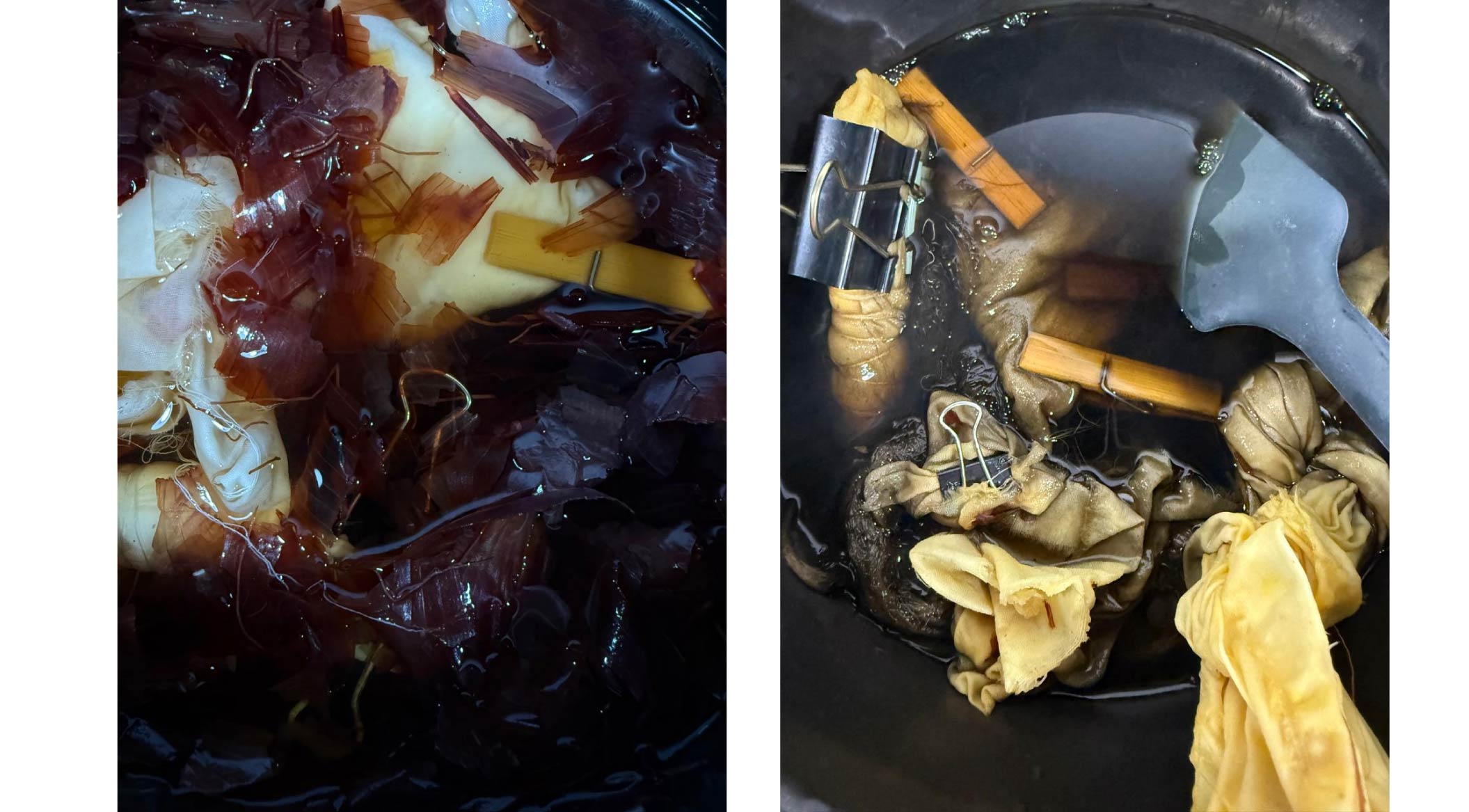
Result:
Shibori Experiment with Onion Peel Dye + Ferrous Sulfate:
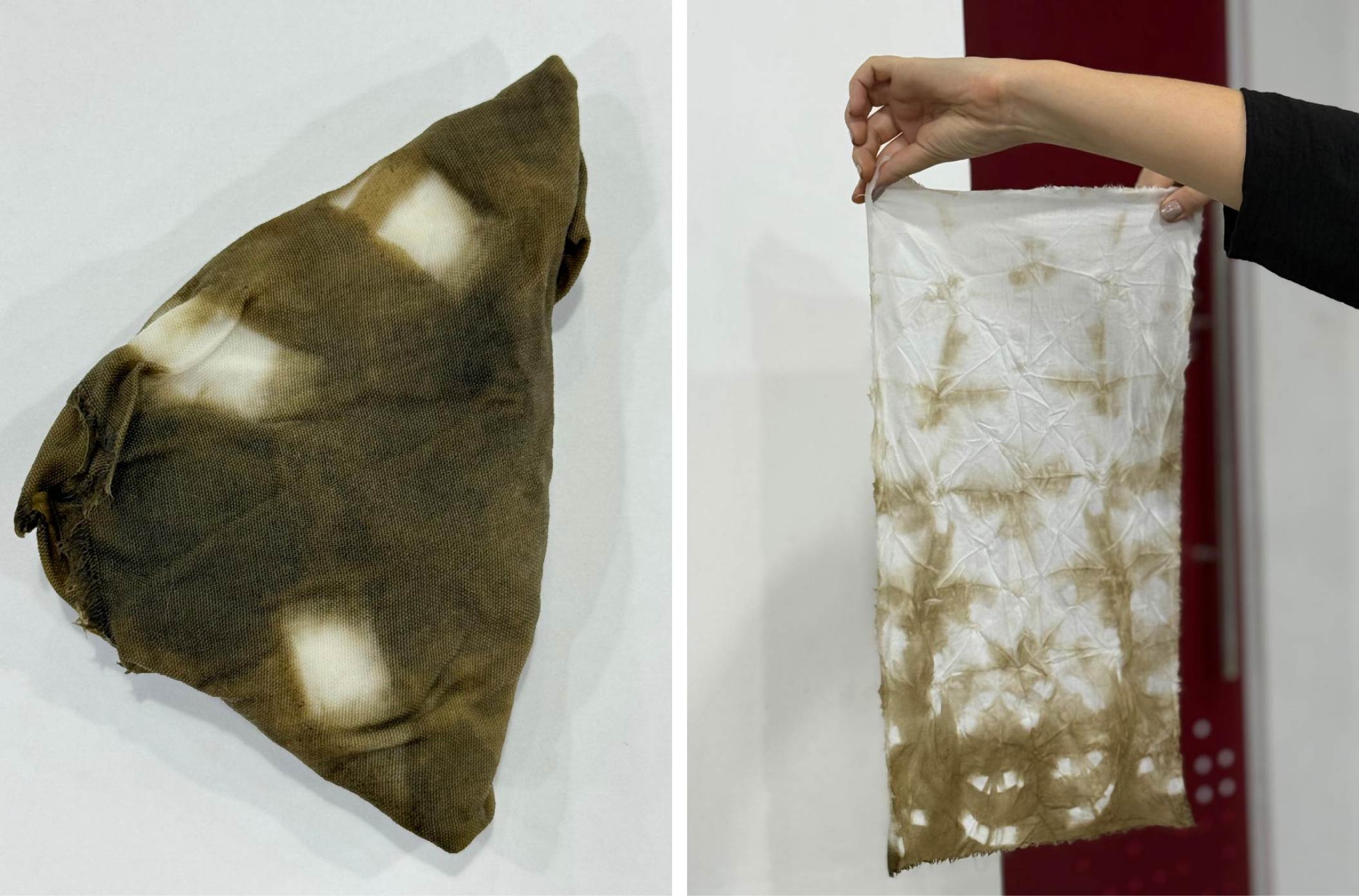
Swatches:
| Dye Matter | Modifier | Mordant | Image |
|---|---|---|---|
| Onion Peels | N/A | Alum | 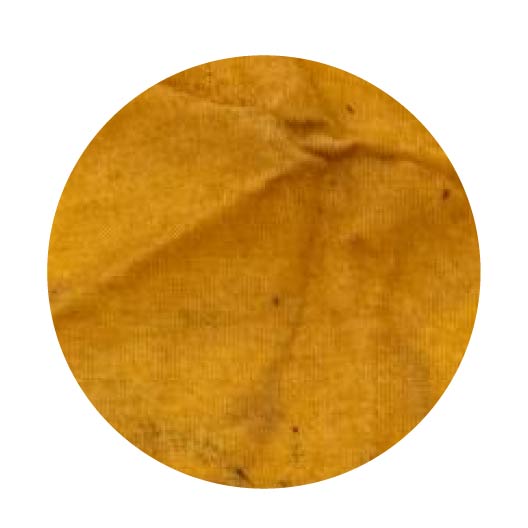 |
| Onion Peels | Alum | Alum | 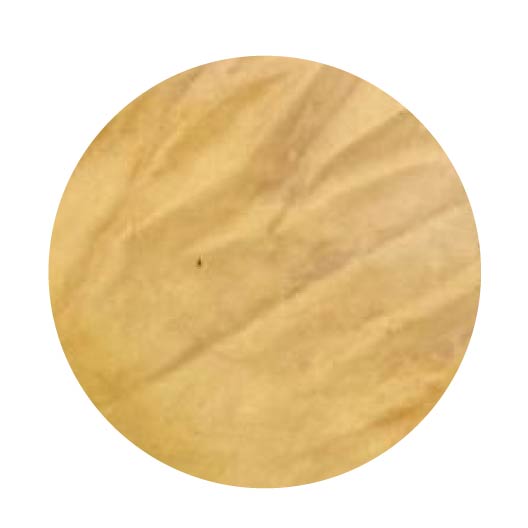 |
| Onion Peels | Ferrous Sulfate | Alum | 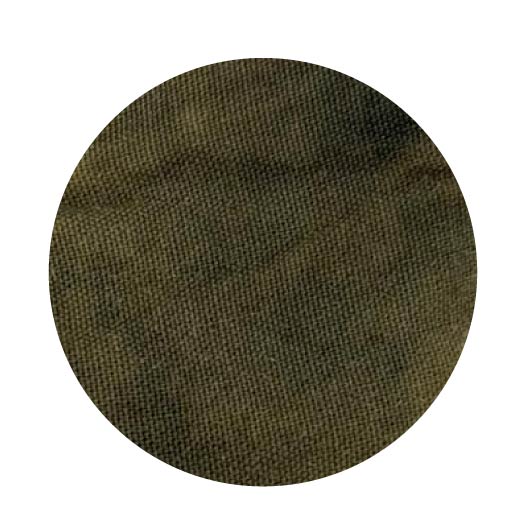 |
| Onion Peels | Sodium Carbonate | Alum | 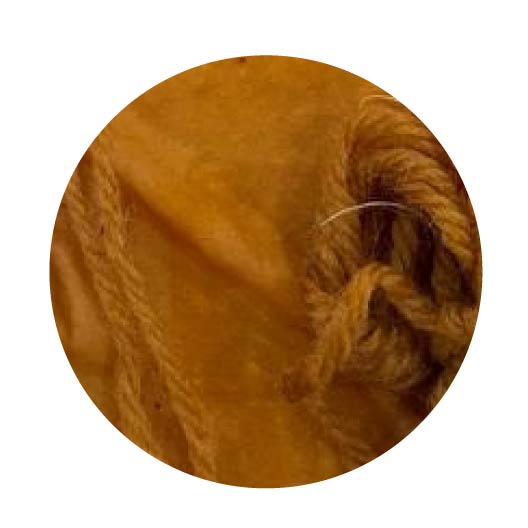 |
B. Ink Experiments:
Ink preparation was relatively quick, as it could be achieved through simple experiments by adding warm water, ethanol, or a combination of both to the dye material, or by reusing and modifying leftover dye baths.
Ink Preparation Process
-
Combine dye stuff & vehicle: When producing regular inks we use water to extract the colour, while when producing marker inks we use ethanol 96%.
-
Boil / stir / disperse (mull): When producing water-based inks, it is important to boil down the dry dye stuff into a dense liquid.When producing marker inks, we simply need to stir and keep extracting colour by mixing the dye stuff with new ethanol multiple times, while letting the excess evaporate.
-
Preserve / thicken / modify: To stabilise and preserve water-based ink, salt is a great addition. Acids and alkali can be used to change the appearance of the colour, while arabic gum helps to thicken and stabilise the inks. Marker inks do not require salts or guar gum to be added.
1. Turmeric Ink Experiments
Started with a random experimentation with Turmeric:
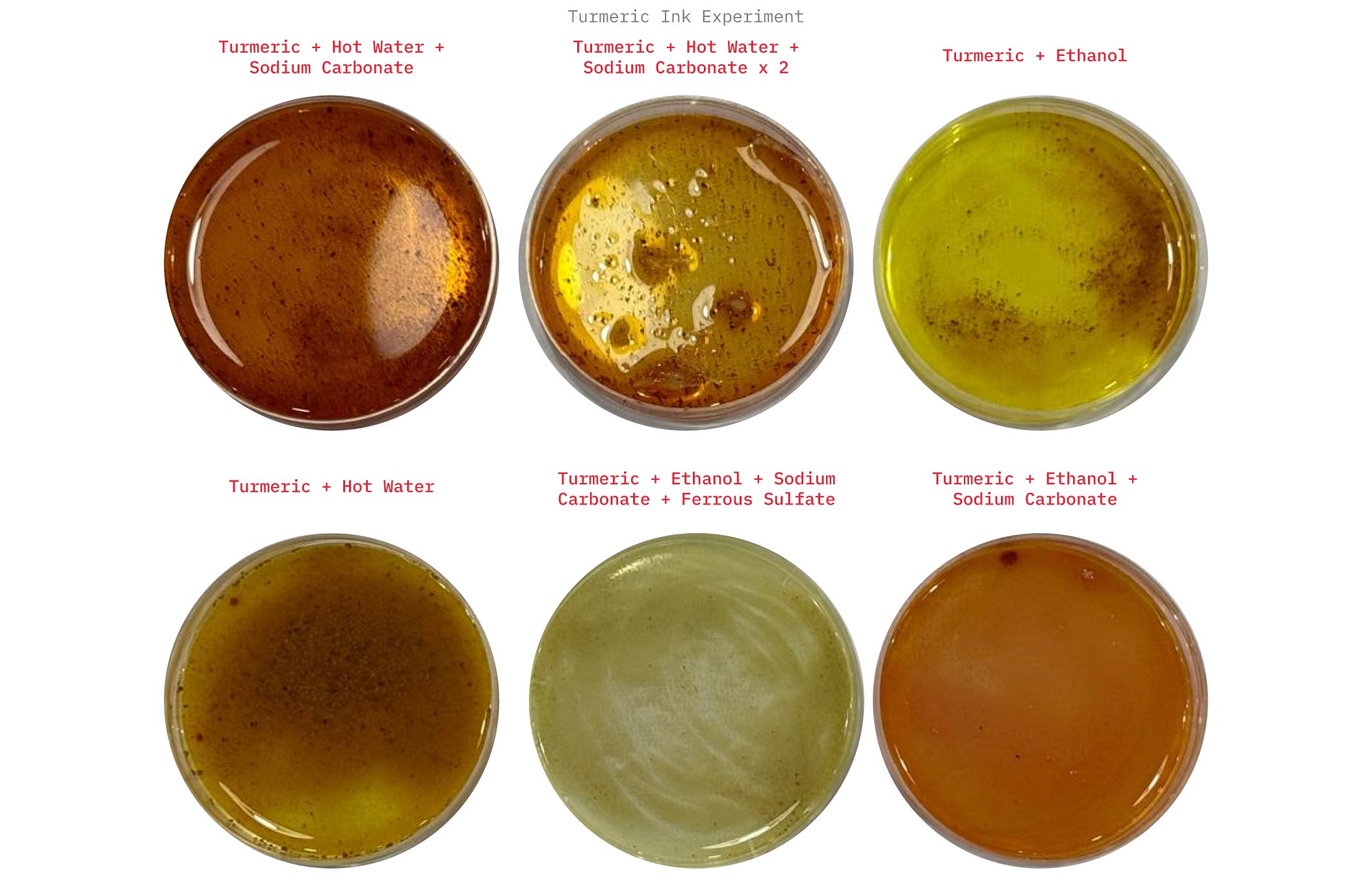
Process:
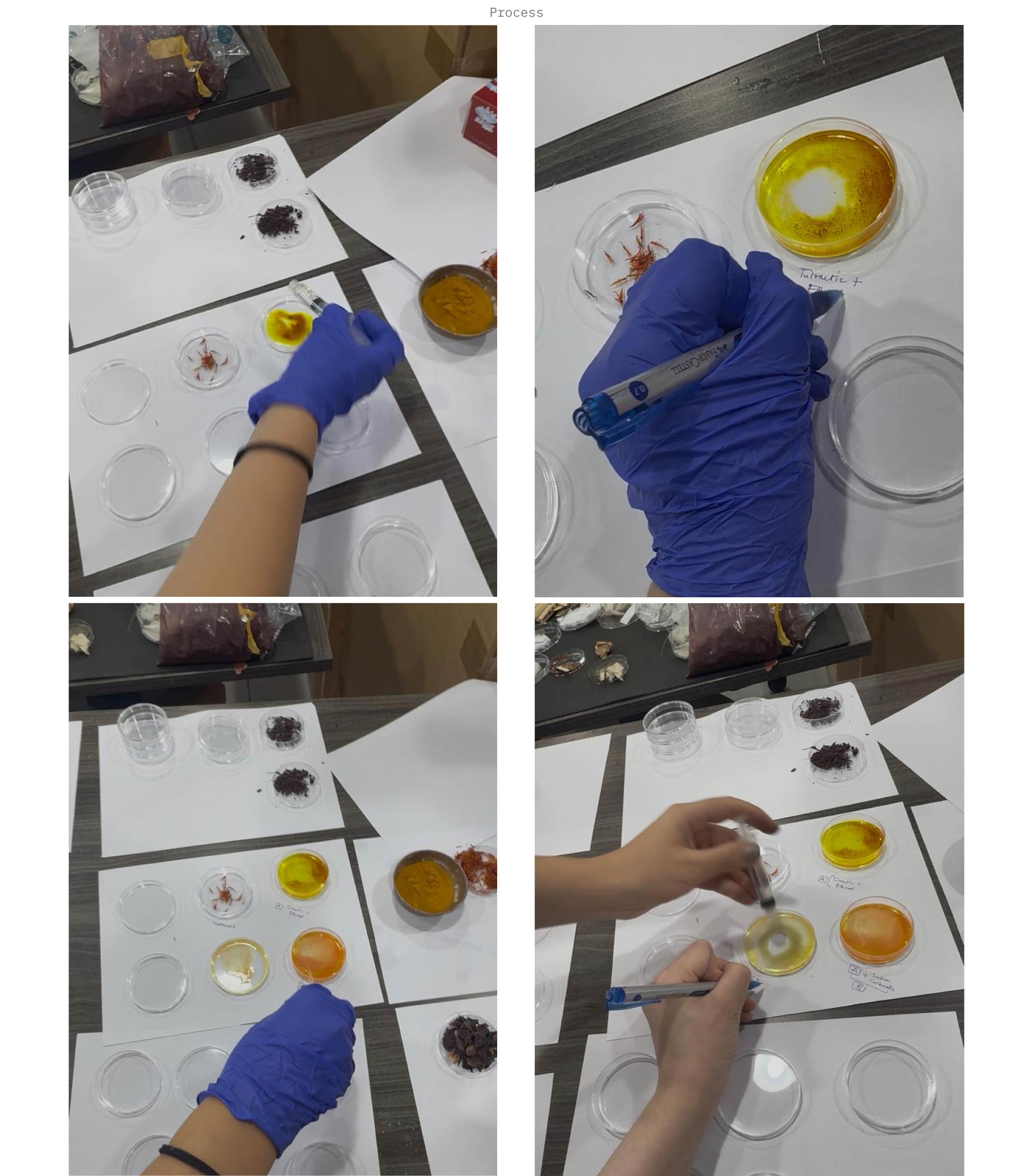
Step-by-step Process
-
Prepare multiple petridishes.
-
Mix 0.25% Turmeric to 1% Water in the first one.
-
Continue experiments with Ethanol, Ferrous Sulfate and trying the ready mixtures with different modifiers.
2. Red Cabbage Ink Experiments
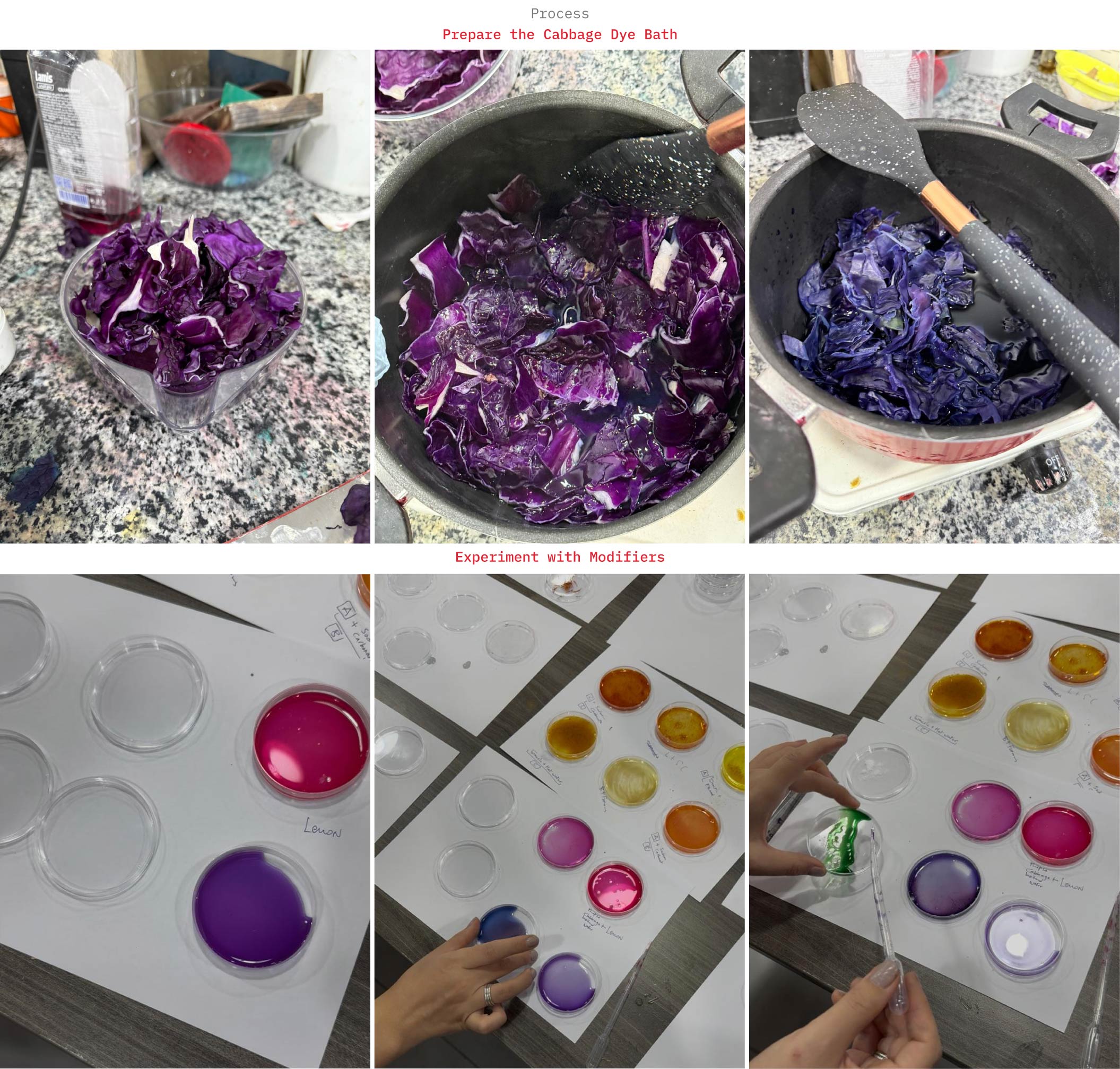
We prepared the red cabbage dye bath and then experimented with the different ink formation.
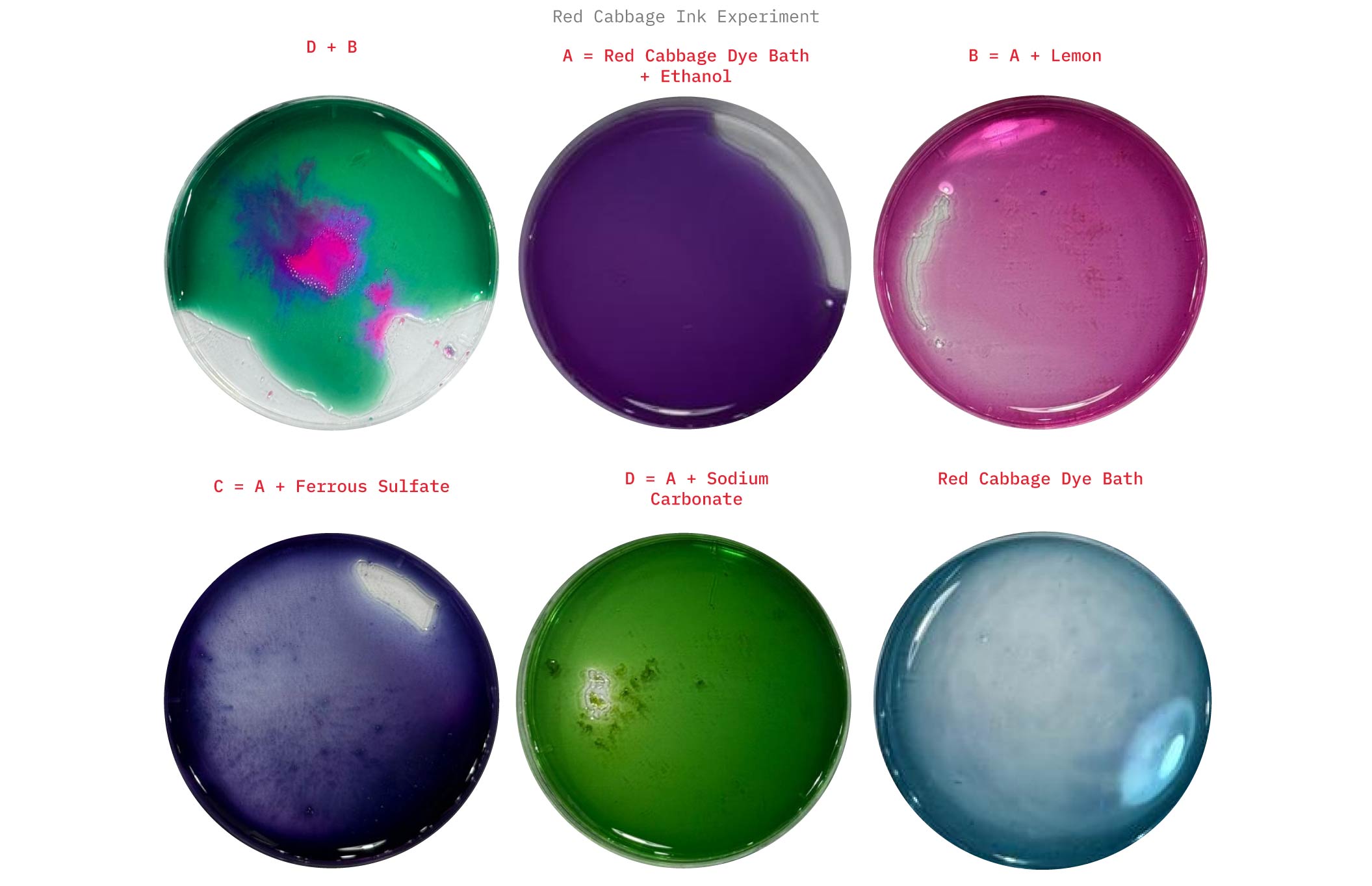
Process:
Step-by-step Process
-
Prepare multiple petridishes.
-
Prepare the Red Cabbage Dye bath by boiling 400 gm of red cabbage in 1 ltr water.
-
Experiment the ready dye bath with Ethanol, Ferrous Sulfate, Lemon and trying the ready mixtures with different modifiers.
C. Onion Lake Pigment Experiment:
Lake pigment is a colorant made by turning a soluble dye into an insoluble pigment by binding it to a solid base (usually a mineral like alum).
Process of Preparing Lake Pigment
-
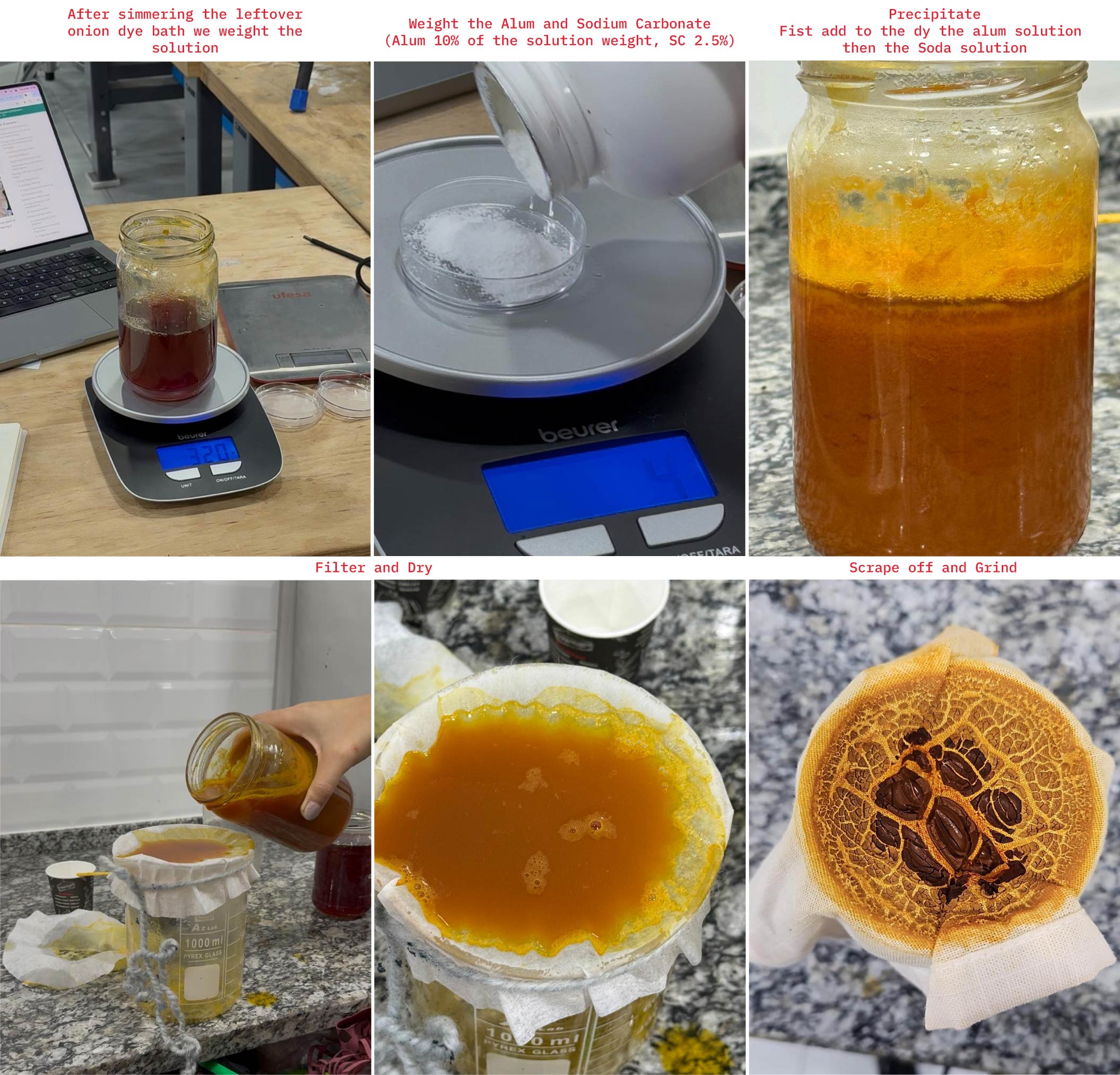
Precipitate: Simmer down your leftover dye bath – be careful with temperature sensitive dyes. Pour your leftover dye bath into a tall narrow container, filled by half maximum. Melt 20 grams of alum in a little bit of hot water, stir and add water until dissolved. Repeat the process with 5 grams of sodium carbonate. Add the alum solution to the dye bath. Add the soda solution slowly to the dye bath and stir until the effervescence seizes.
-
Filter and Dry: Let the lake pigment fully separate from the leftover water by keeping your container still. Once completely settled, pour out the water without disturbing the pigment. Prepare a paper coffee filter in a funnel or sieve, and position it in a bottle or bowl to collect the liquids. Pour the lake pigment onto the coffee filter and drain slowly out all the water.Once filtered, place the filter and pigment to dry.
-
Grind and Mix: Once the pigment is dry, carefully scrape it off the coffee filter. You can use a spatula to stay flat against the paper. Grind the collected pigment with a mortar and pestle.Pigments can be mixed with each other to create clear shades and colors. To create paints and watercolors, mix the pigment with arabic gum, soy milk, or linseed oil.
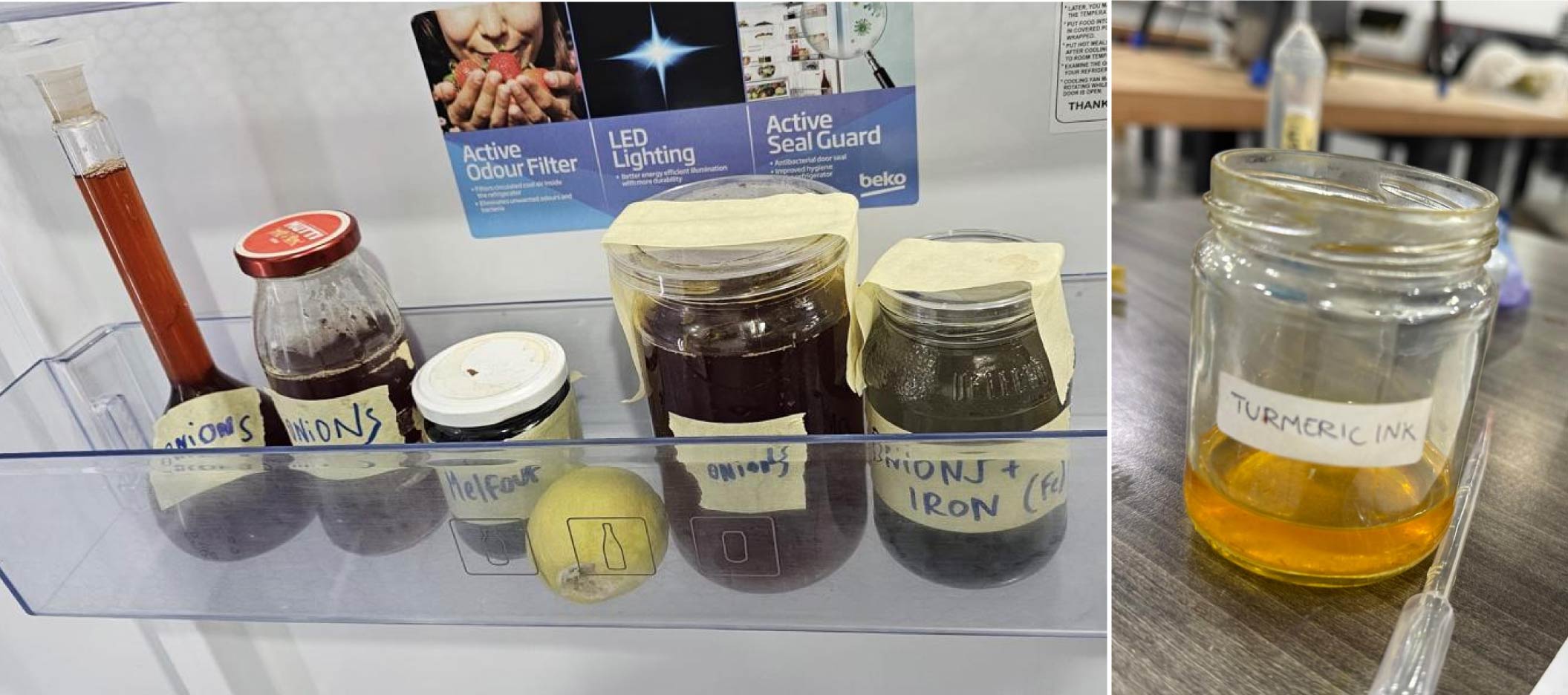
After completing all the experiment store the leftover dye baths and inks accordingly for later use.
IV. Personal Experimentation
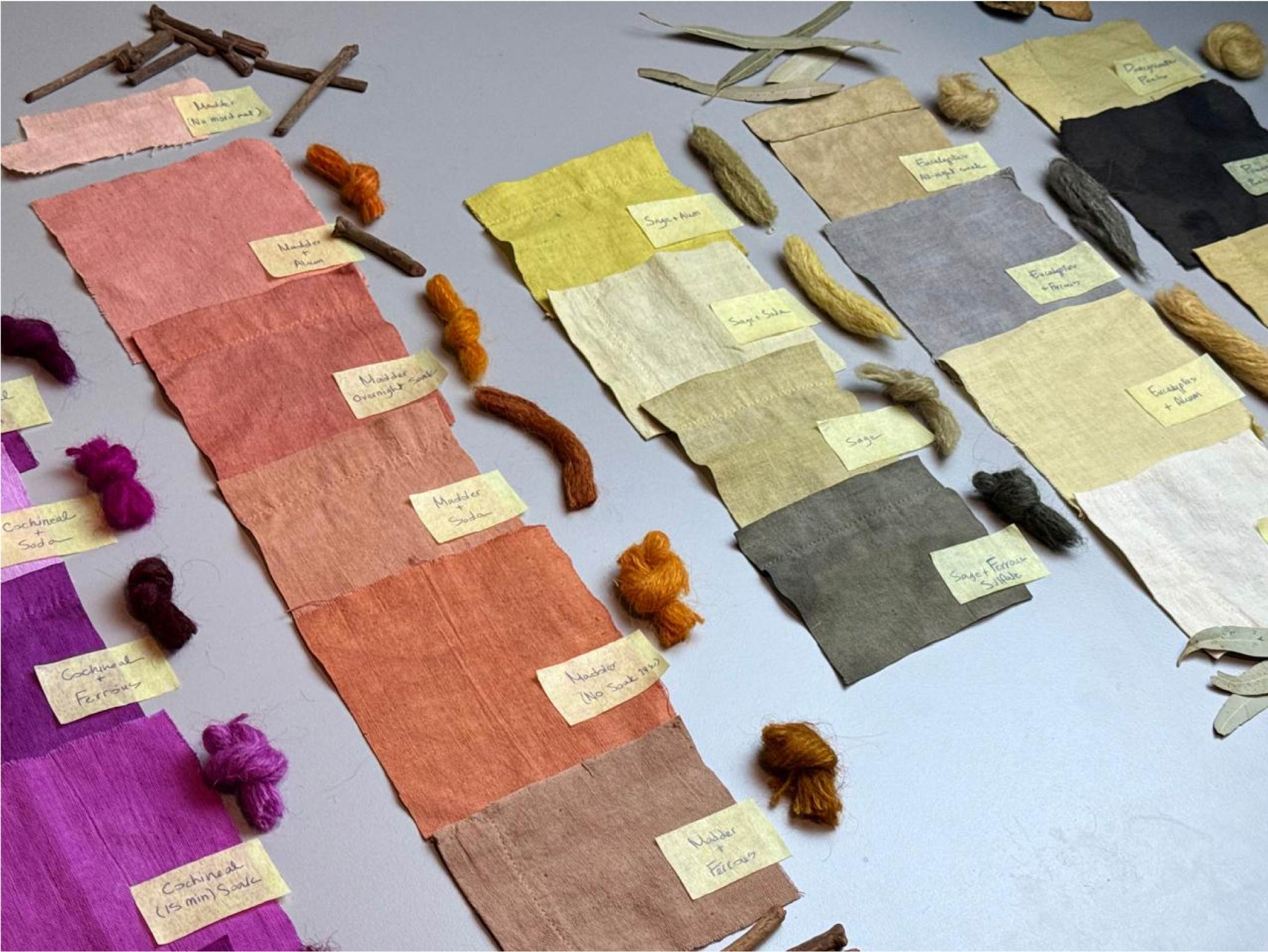
My personal experimentation was organized according to the dye material, exploring a range of botanical and animal-based sources including sage, dried pomegranate peels, eucalyptus, madder roots, and cochineal. Each material was used to develop a distinct dye bath, tested on both cotton and wool fibers.
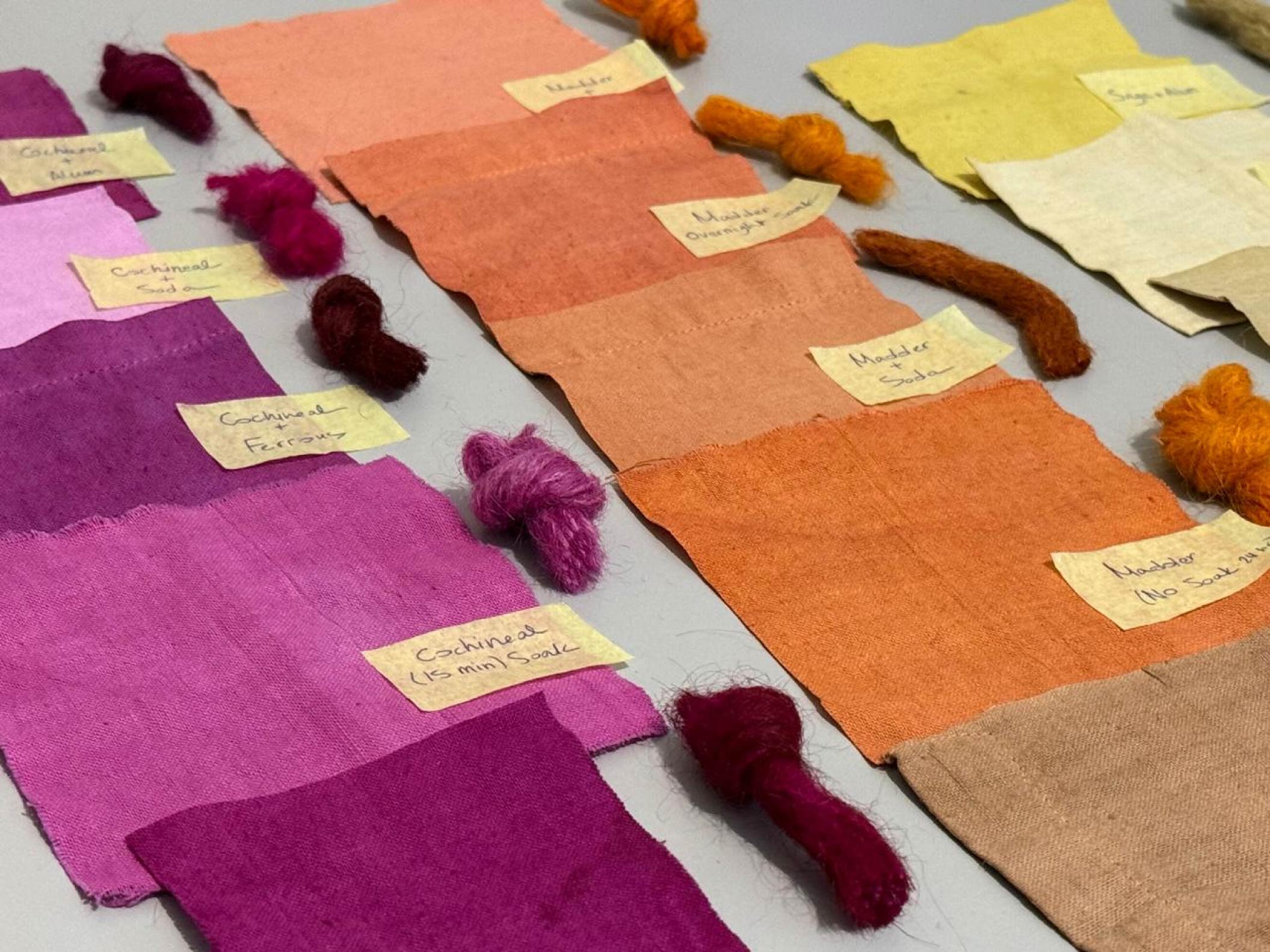
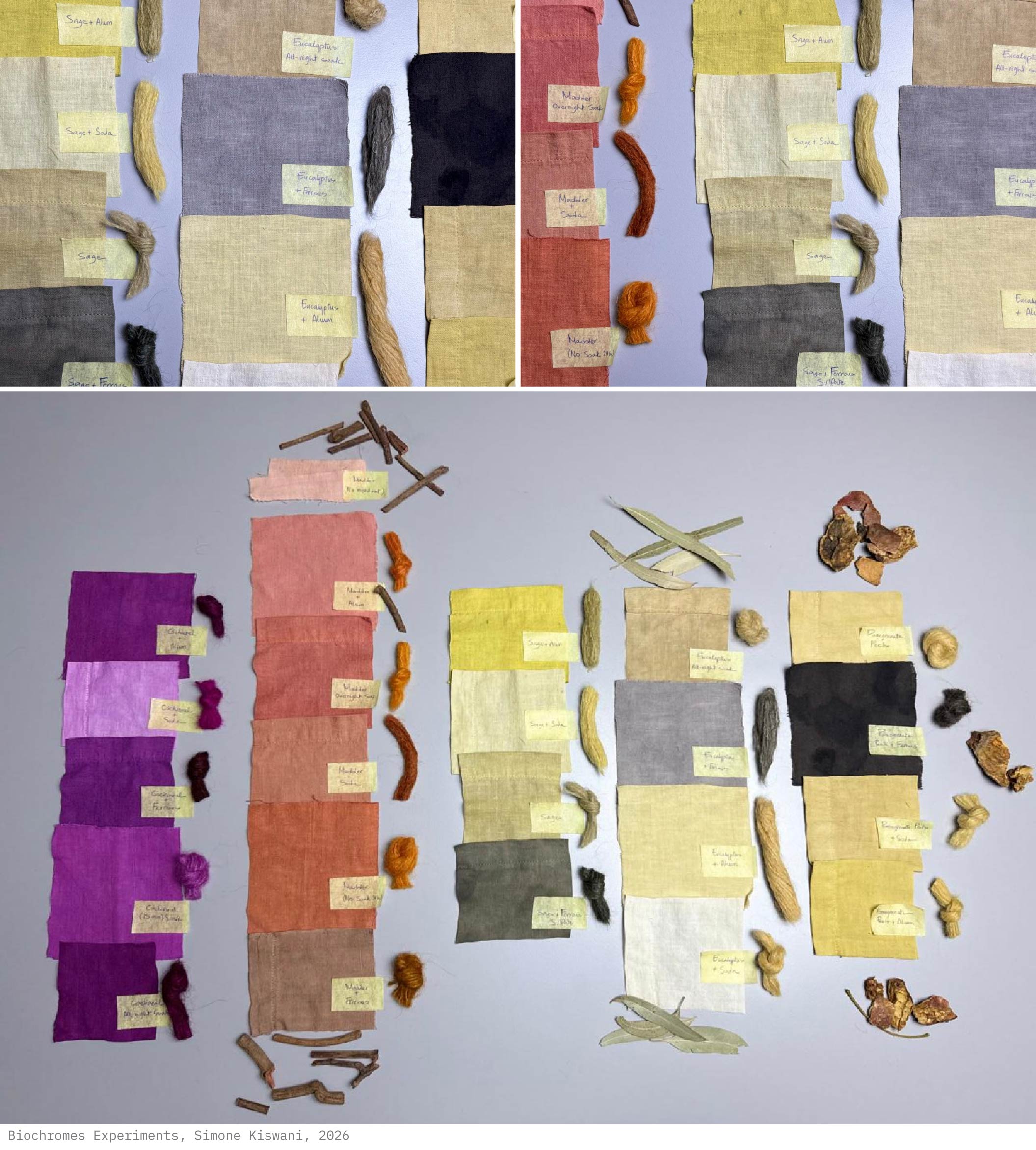
1. Botanical Based Dye Baths
Each of the four botanical based dye experiments were conducted using the same process, as detailed below:
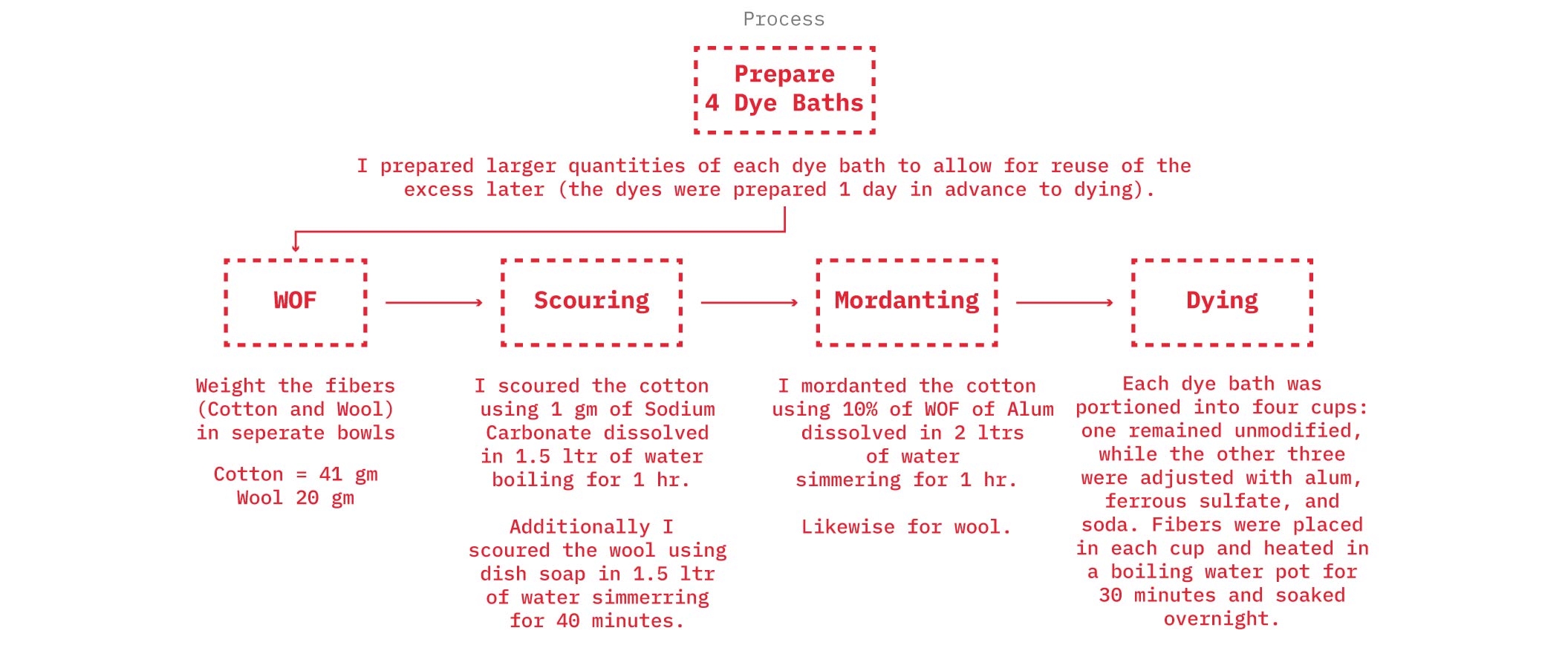
Process:
- Prepare the Fibers:
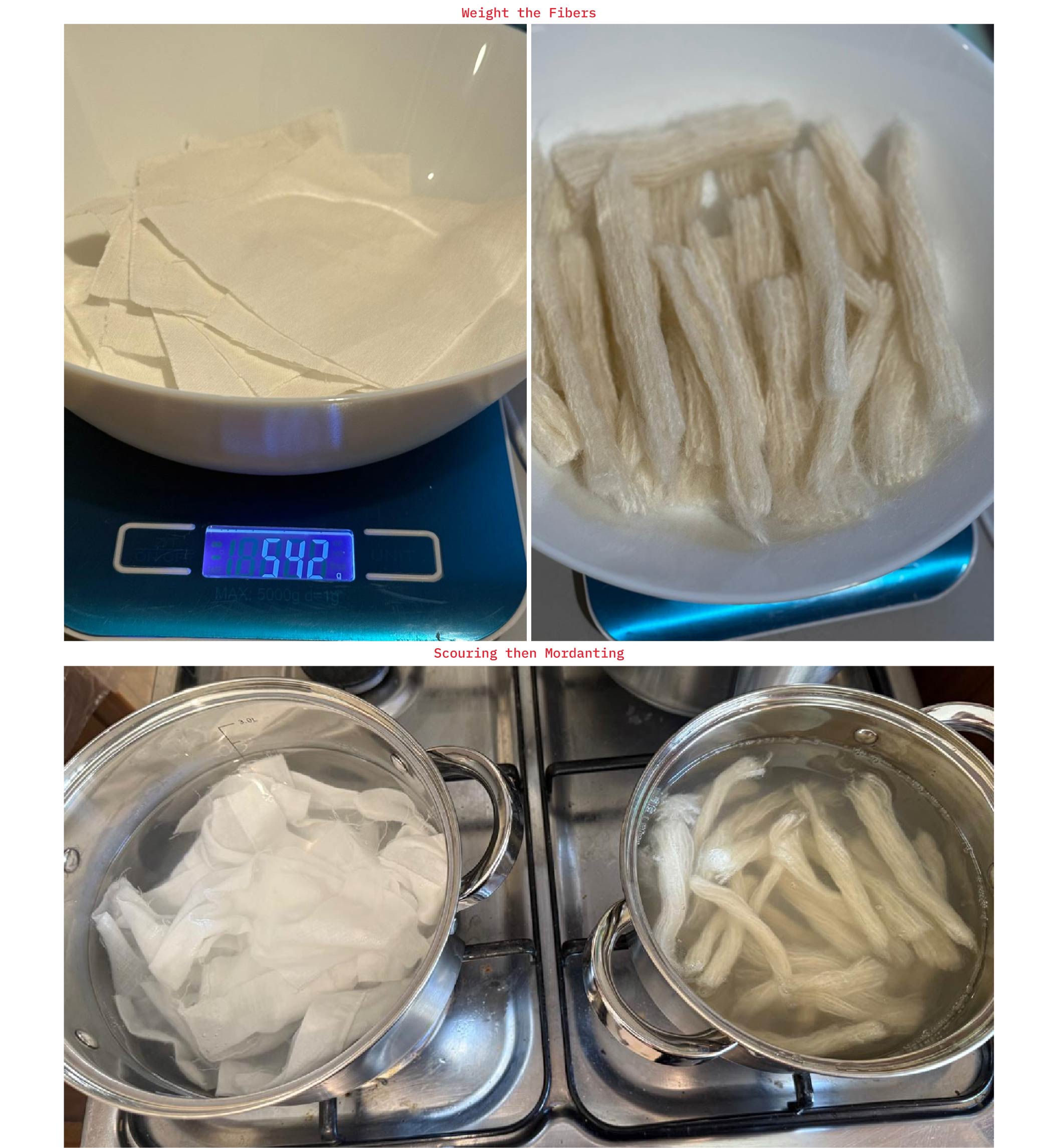
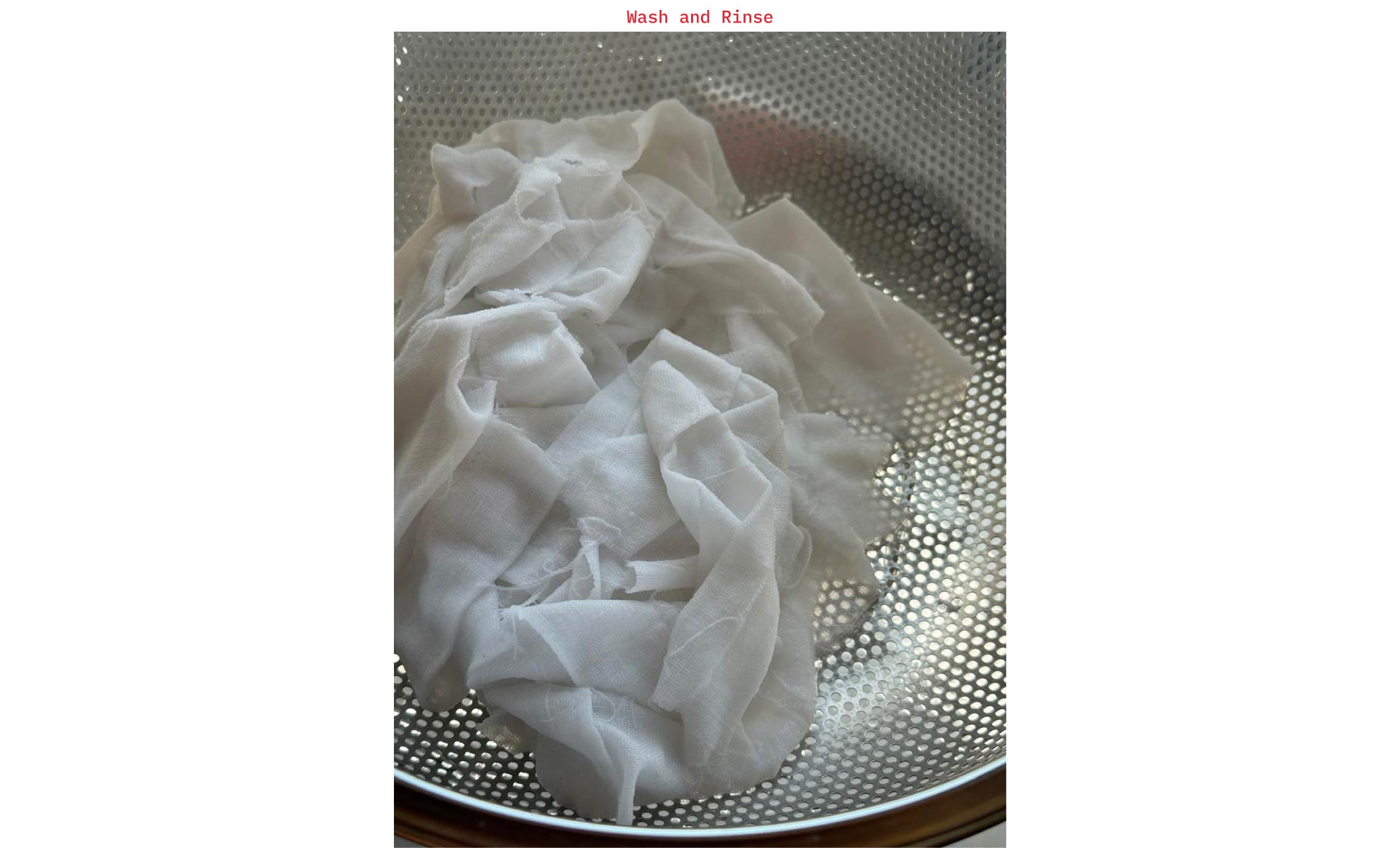
- Prepare the Dye Baths:
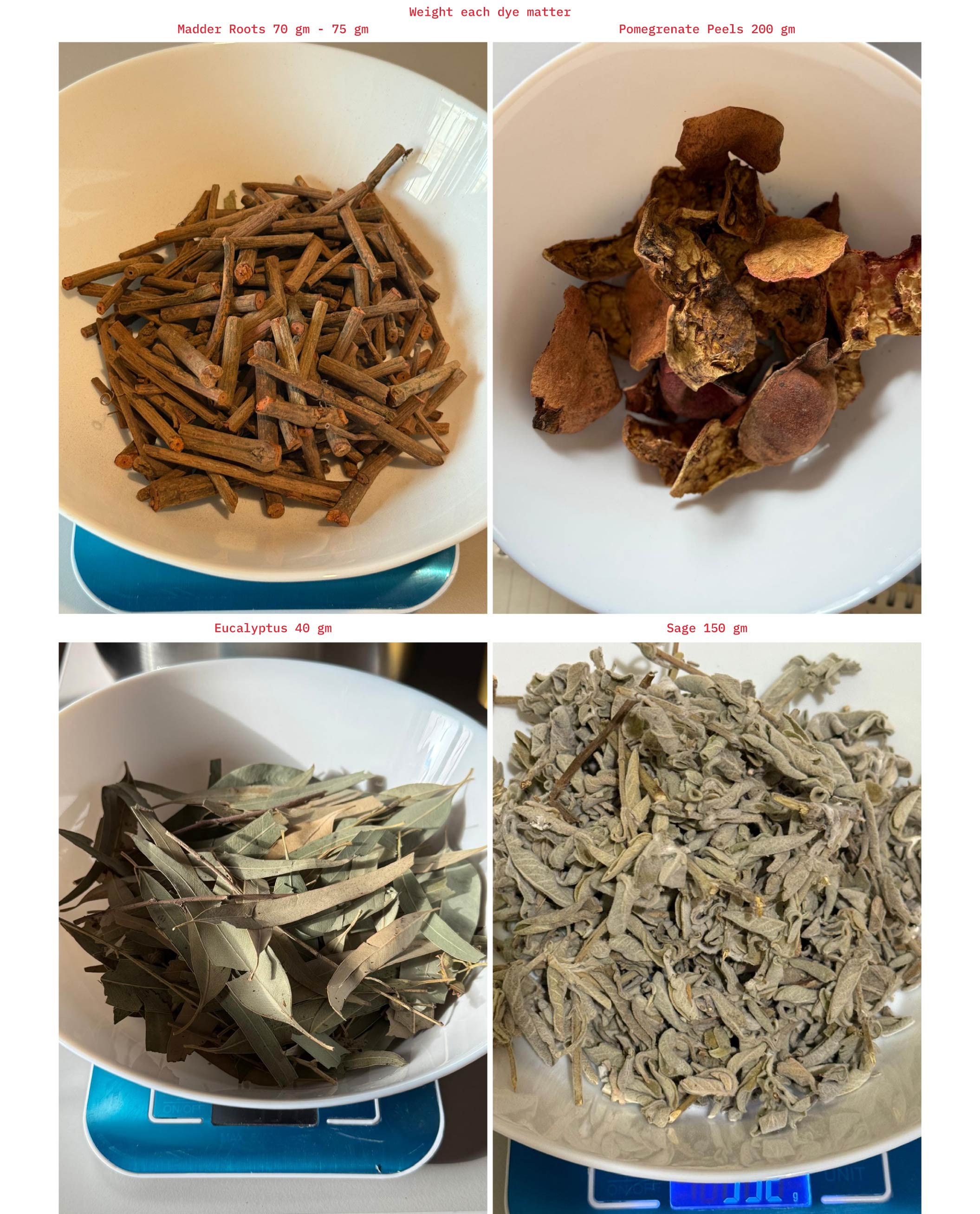 Prepare each dye bath according to experiments below.
- Submerge mordanted fibers in each dye bath.
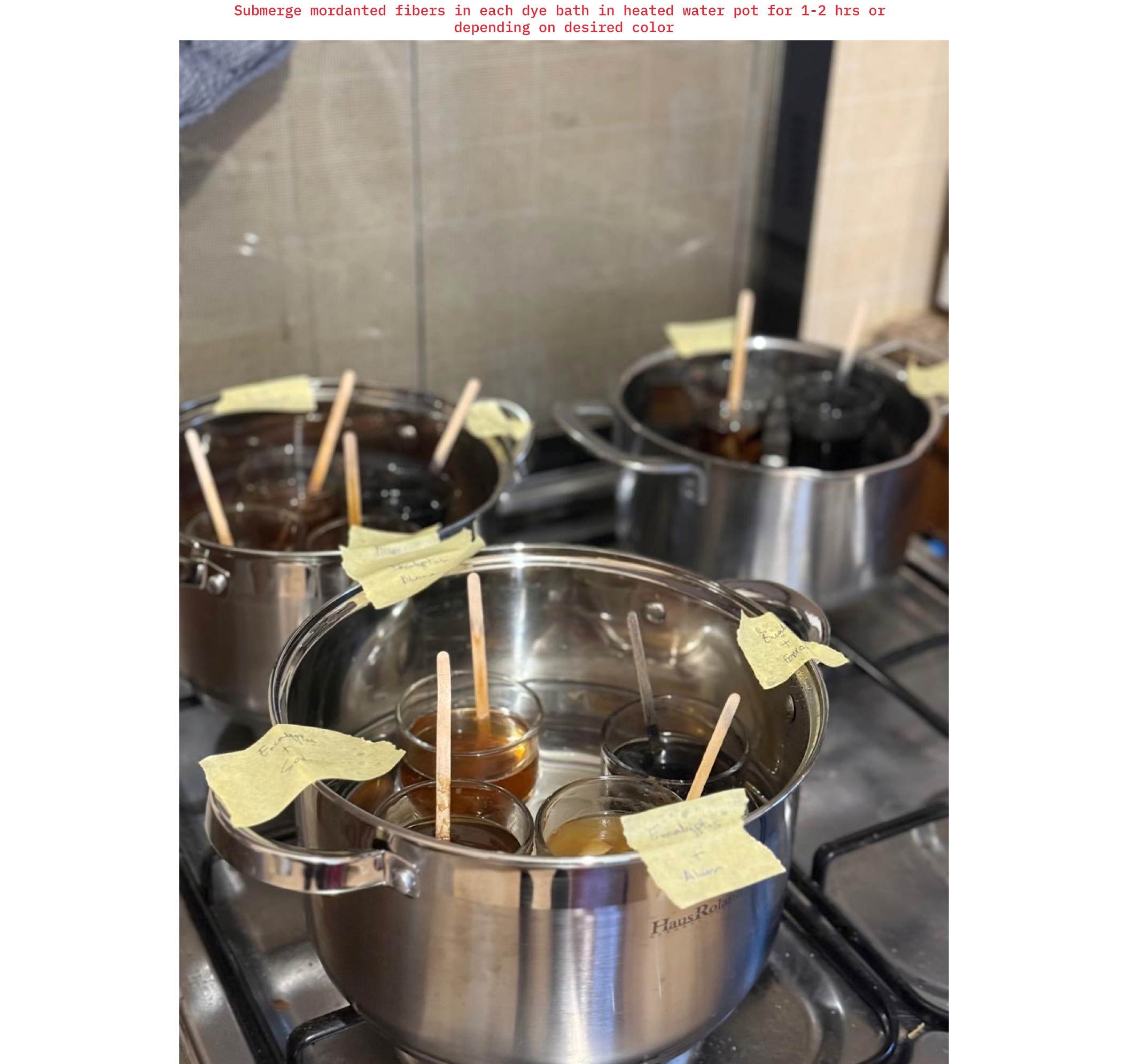
- After 24 hrs, rinse and wash well.
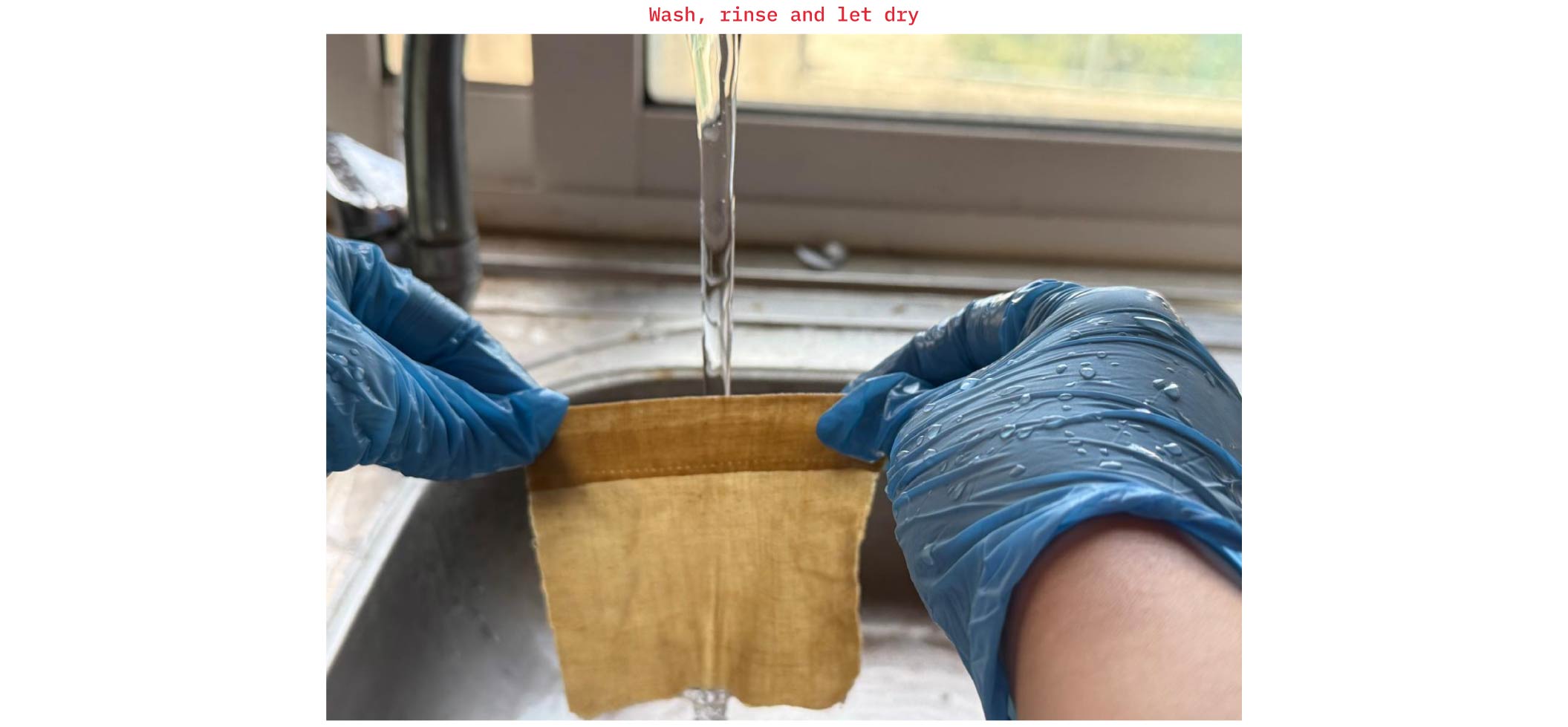
A. Madder Experiment:
Dye Bath Process:
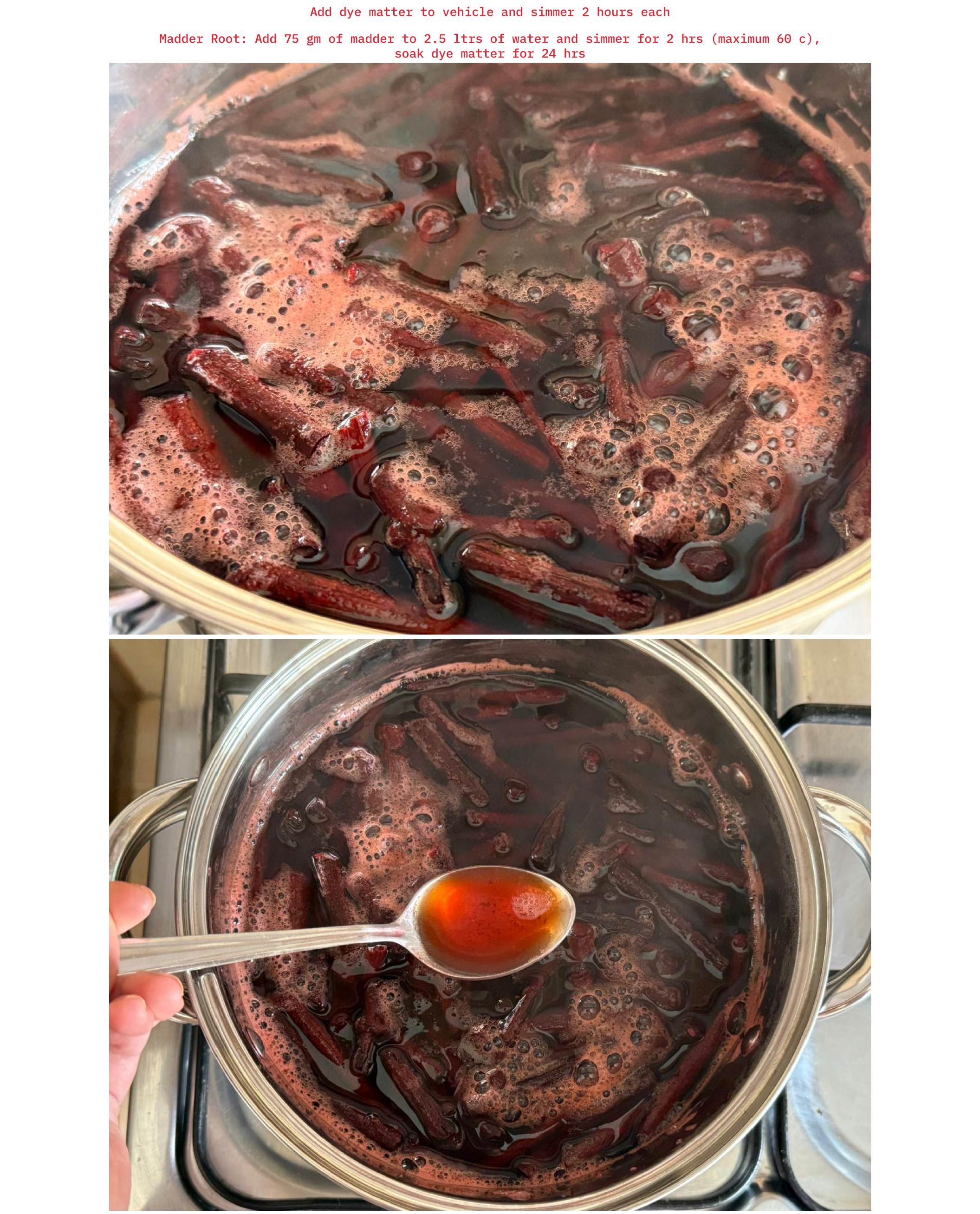
Dye Bath Recipe
Add 75 gm madder roots to 2.5 ltr of water and bring to simmer. (no more than 60 C)
Simmer for 2 hrs
Soak the roots in the dye overnight.
Filter the Dye bath and save the dye matter to be repurposed.
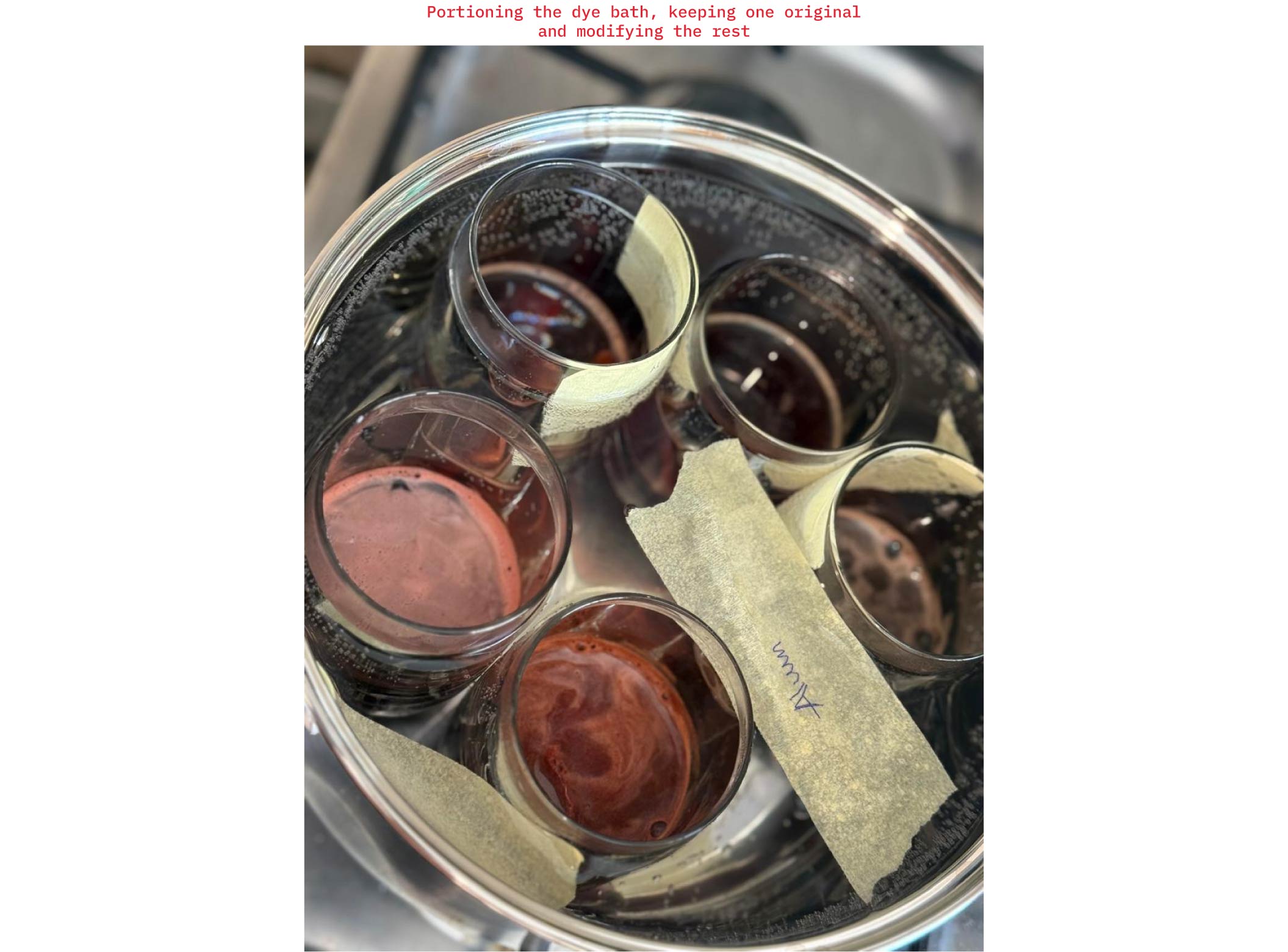
Portion the dye bath to 4-5 portions , keep 1 original and modify the rest with Alum, Ferrous Sulfate and Soda.
Soak the fibers in each dye bath in a heated water pot.
Keep the fibers soaked overnight.
Wash and rinse.
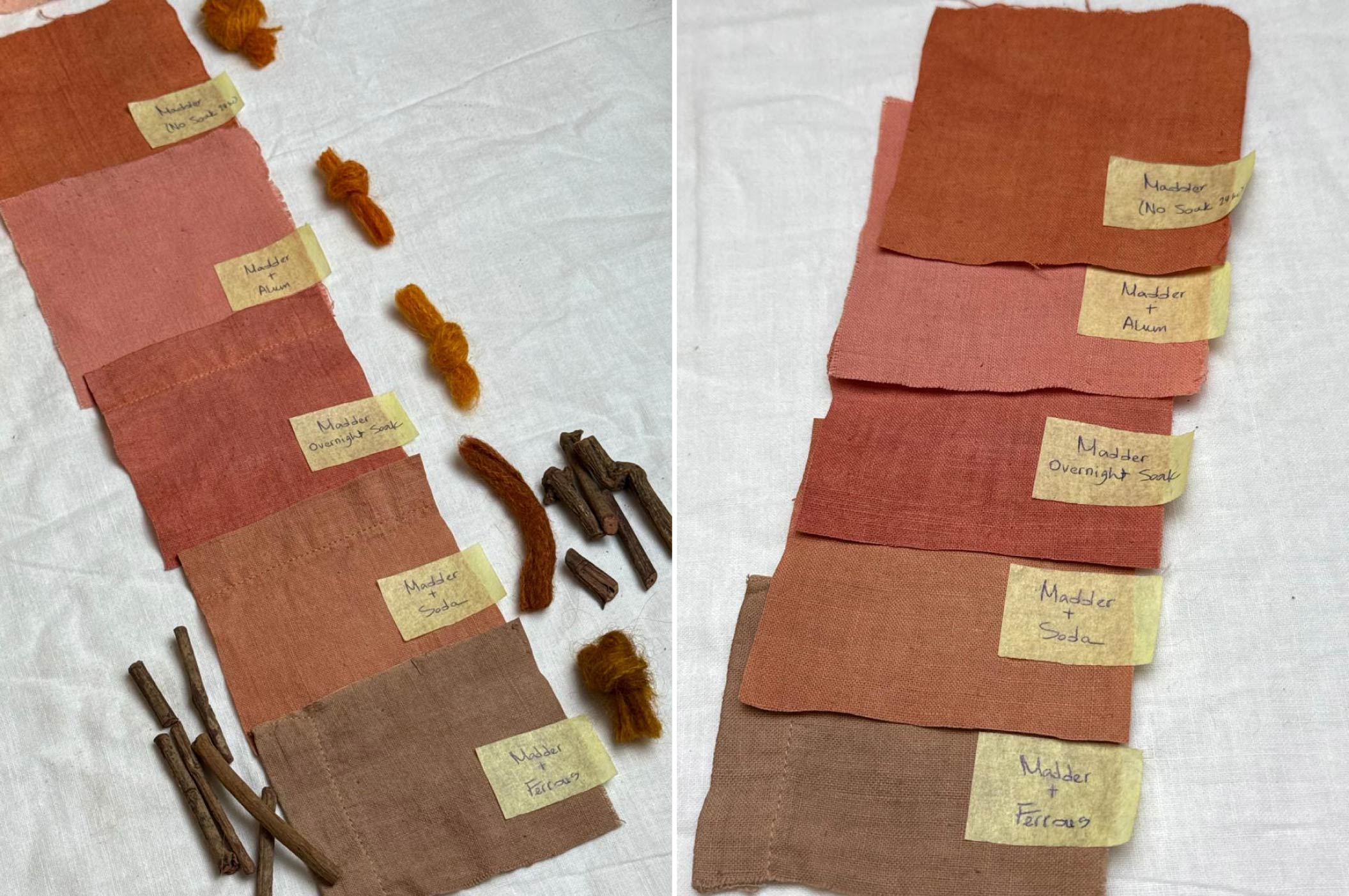
Final Swatches:
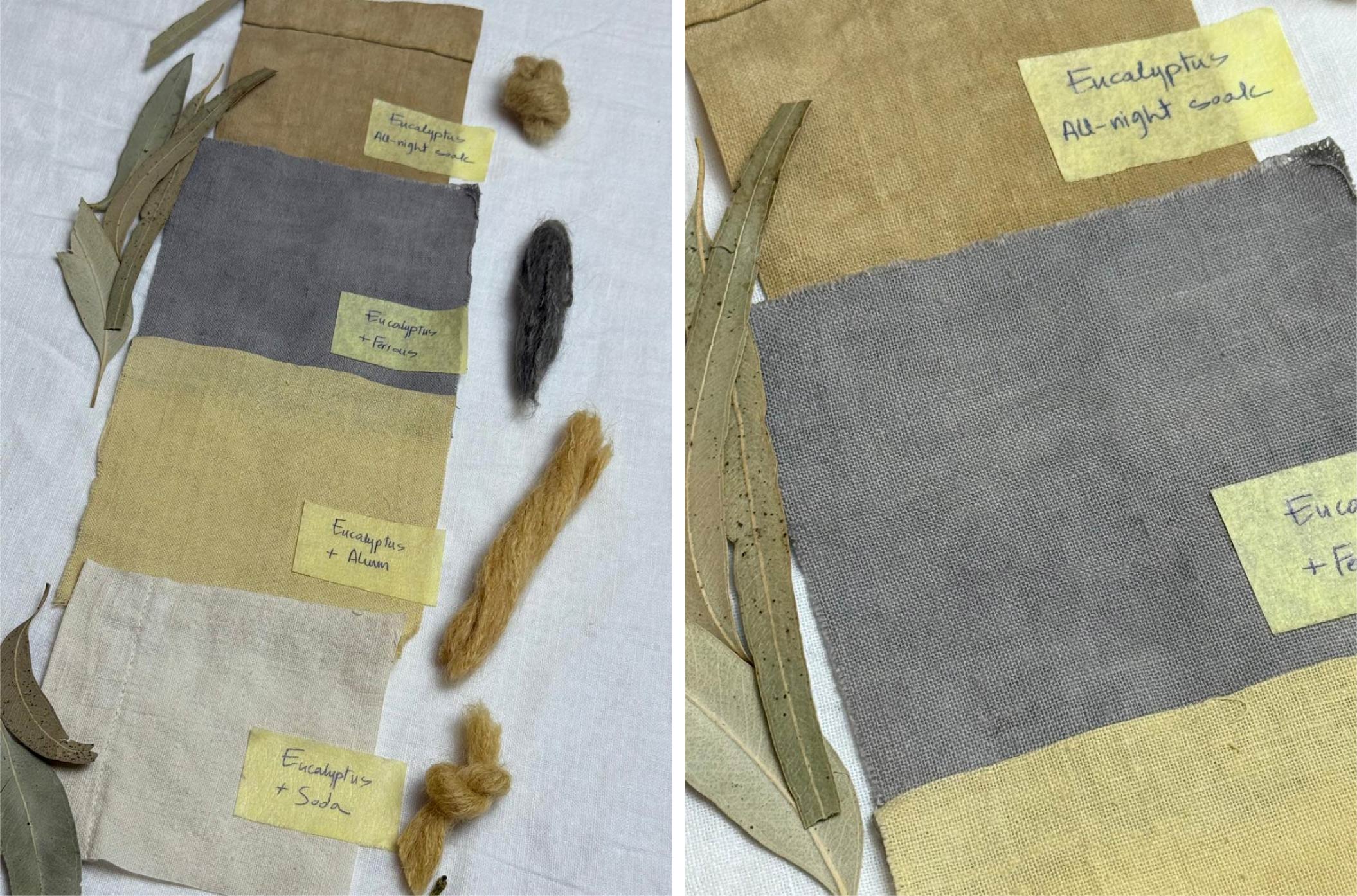
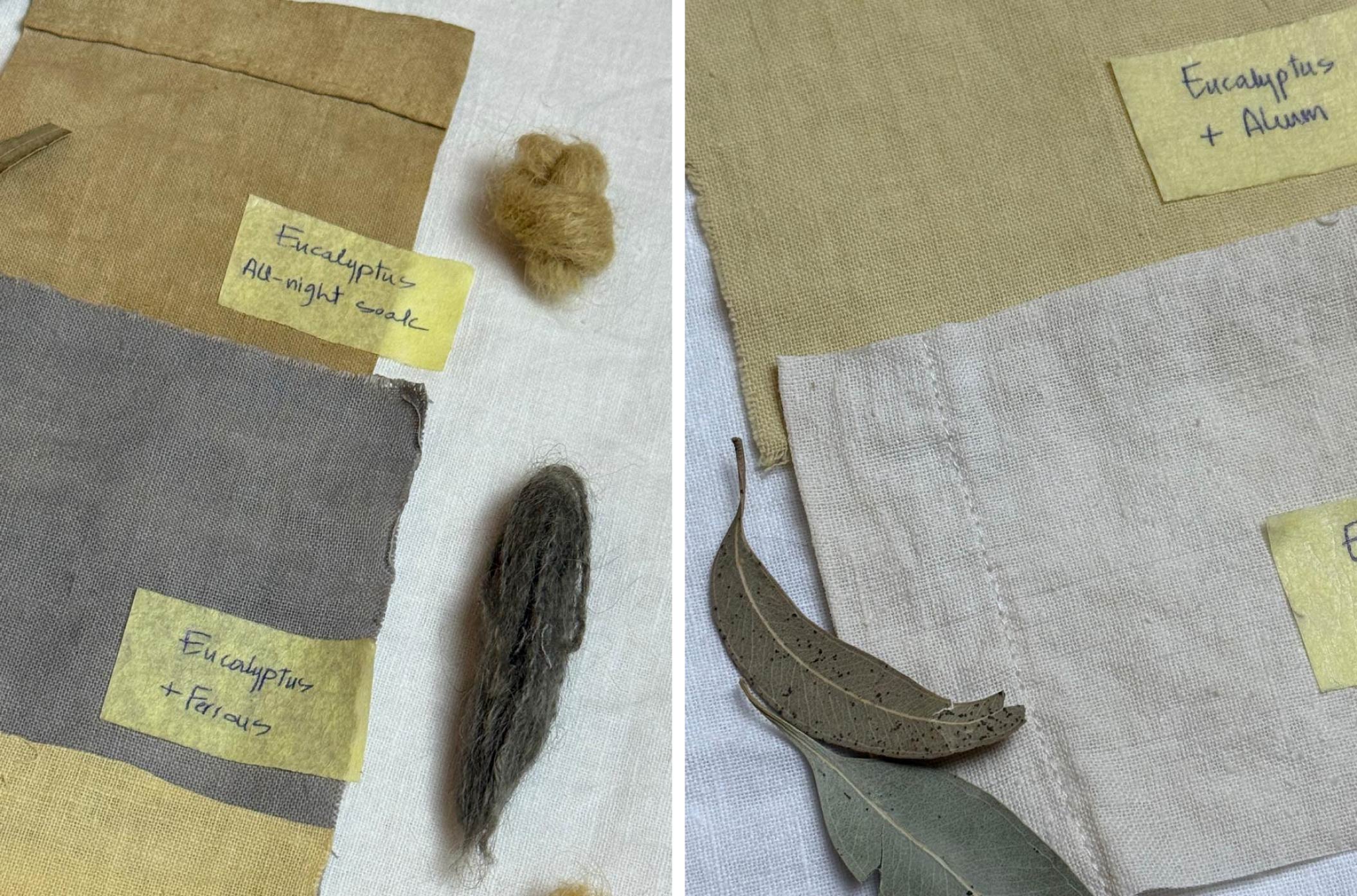
B. Eucalyptus Experiment:
Dye Bath Process:
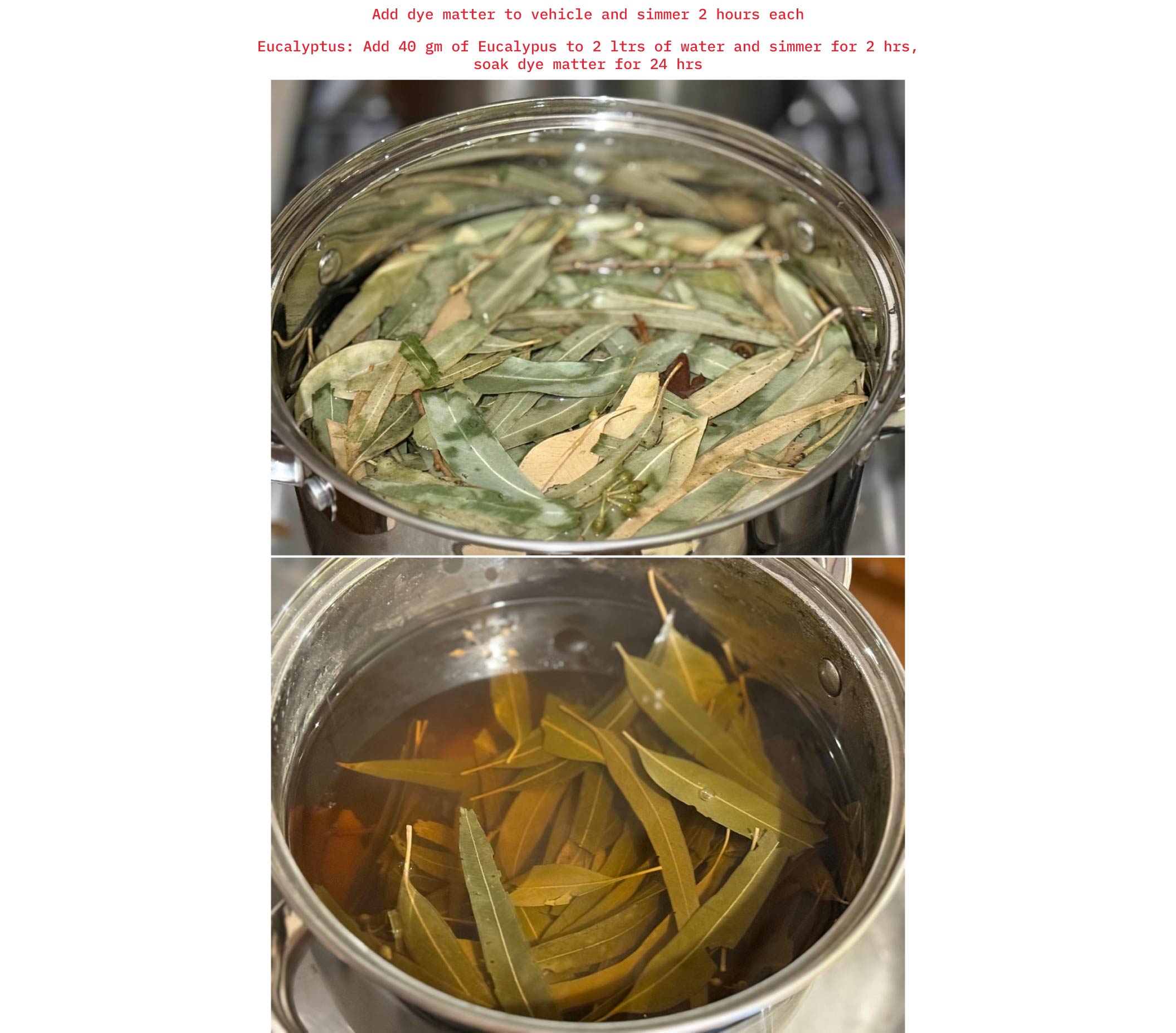
Dye Bath Recipe
Add 40 gm Eucalyptus to 2 ltr of water and bring to simmer.
Simmer for 2 hrs
Soak the leaves in the dye overnight.
Filter the Dye bath and save the dye matter to be repurposed.
Portion the dye bath to 4 portions , keep 1 original and modify the rest with Alum, Ferrous Sulfate and Soda.
Soak the fibers in each dye bath in a heated water pot.
Keep the fibers soaked overnight.
Wash and rinse.
Final Swatches:
C. Sage Experiment:
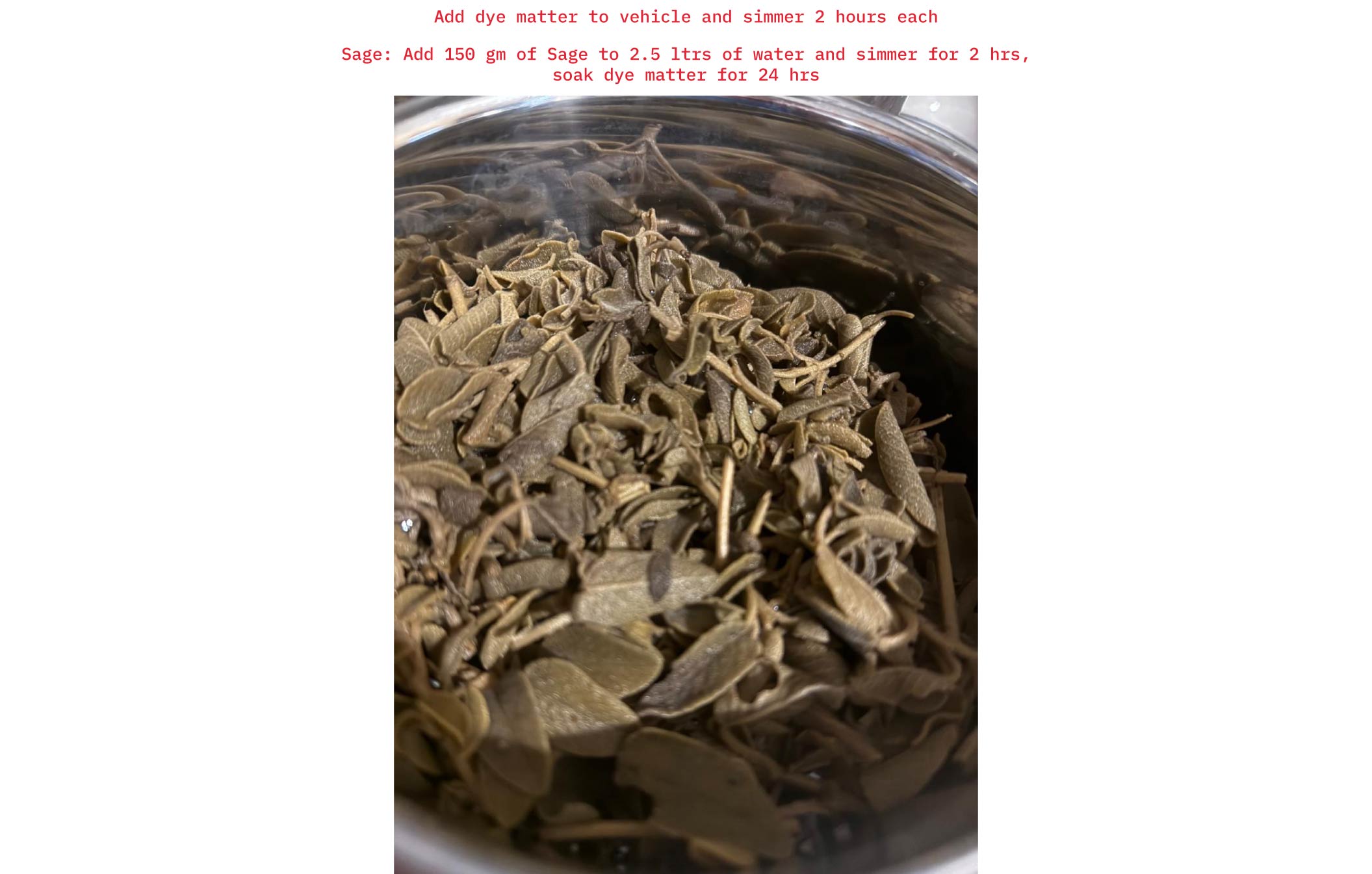
Dye Bath Process:
Dye Bath Recipe
Add 150 gm Sage to 2.5 ltr of water and bring to boil.
Simmer for 2 hrs
Soak the sage leaves in the dye overnight.
Filter the Dye bath and save the dye matter to be repurposed.
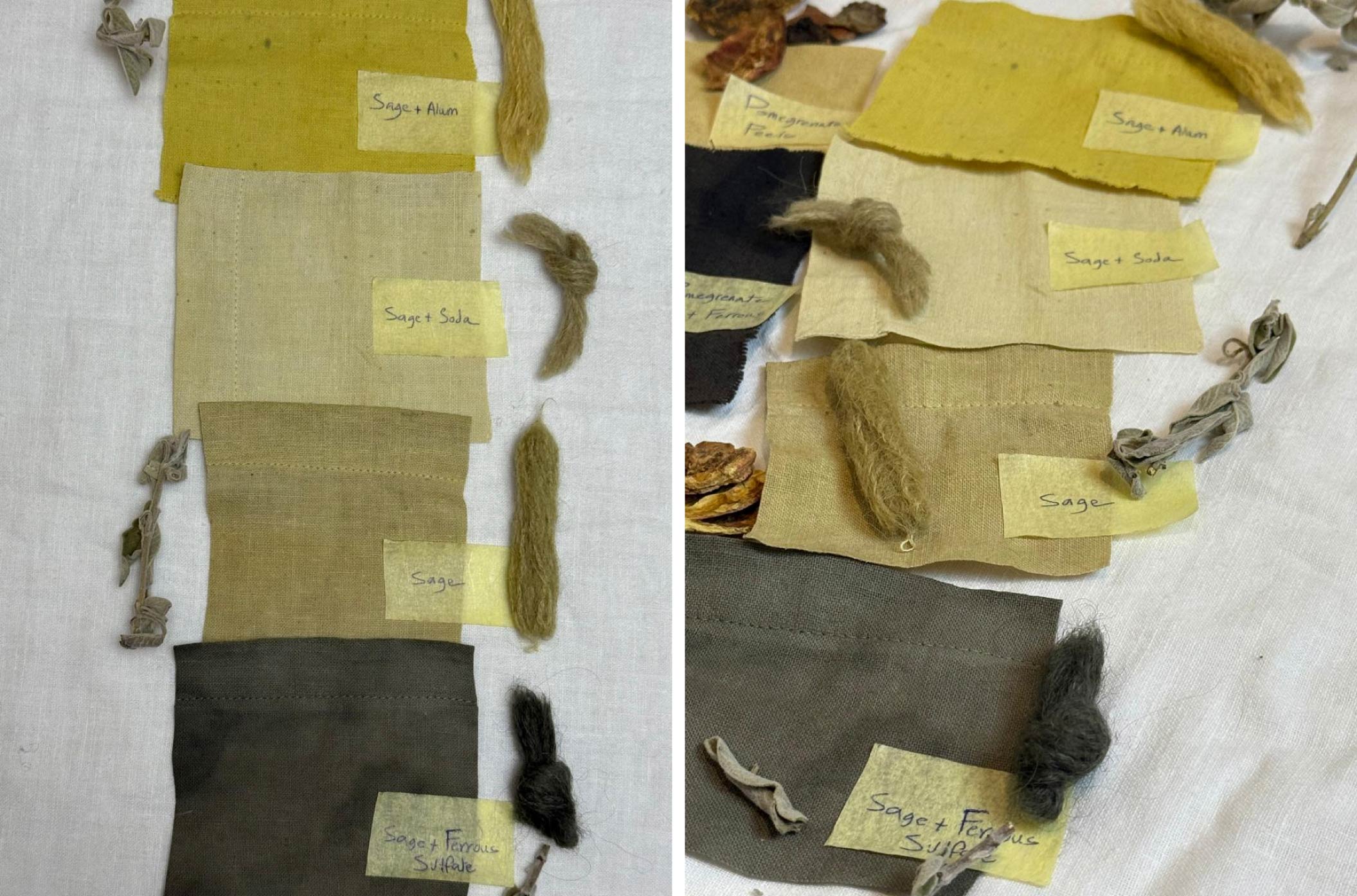
Portion the dye bath to 4 portions , keep 1 original and modify the rest with Alum, Ferrous Sulfate and Soda.
Soak the fibers in each dye bath in a heated water pot.
Keep the fibers soaked overnight.
Wash and rinse.
Final Swatches:
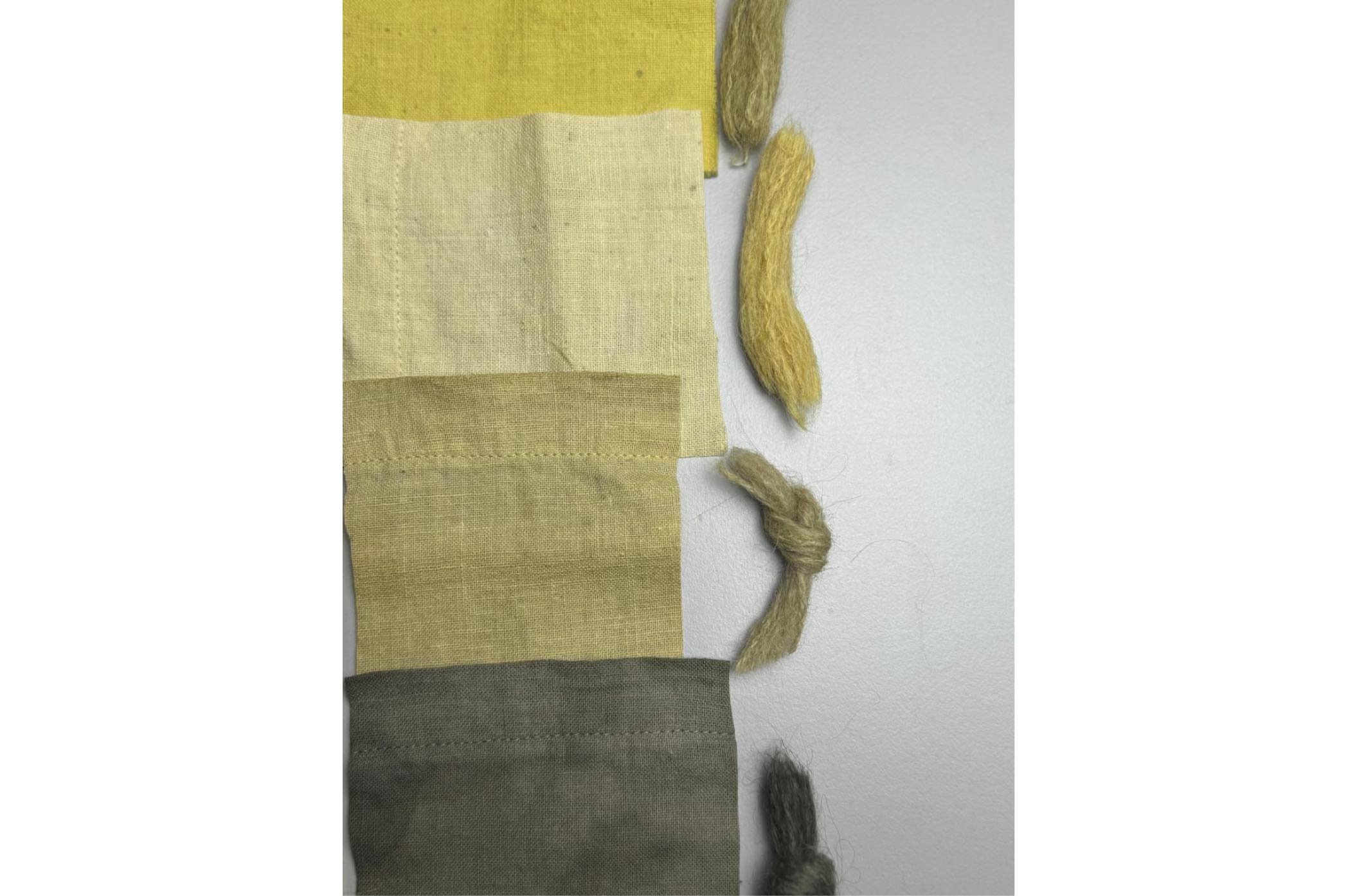
D. Pomegrenate Peels Experiment:
Dye Bath Process:
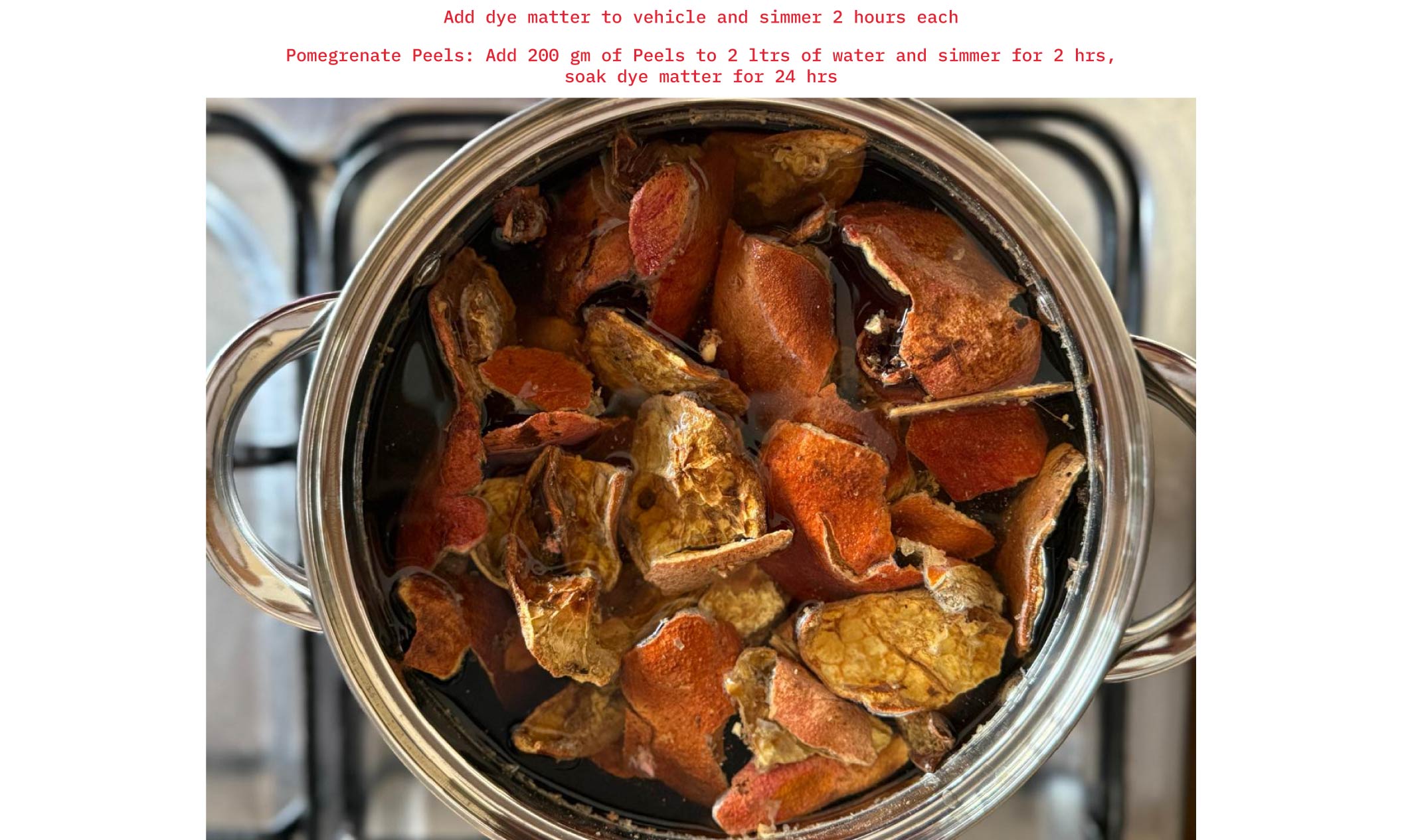
Dye Bath Recipe
Add 200 gm Pomegrenate Peels to 2 ltr of water and bring to boil.
Simmer for 2 hrs
Soak the peels in the dye overnight.
Filter the Dye bath and save the dye matter to be repurposed.
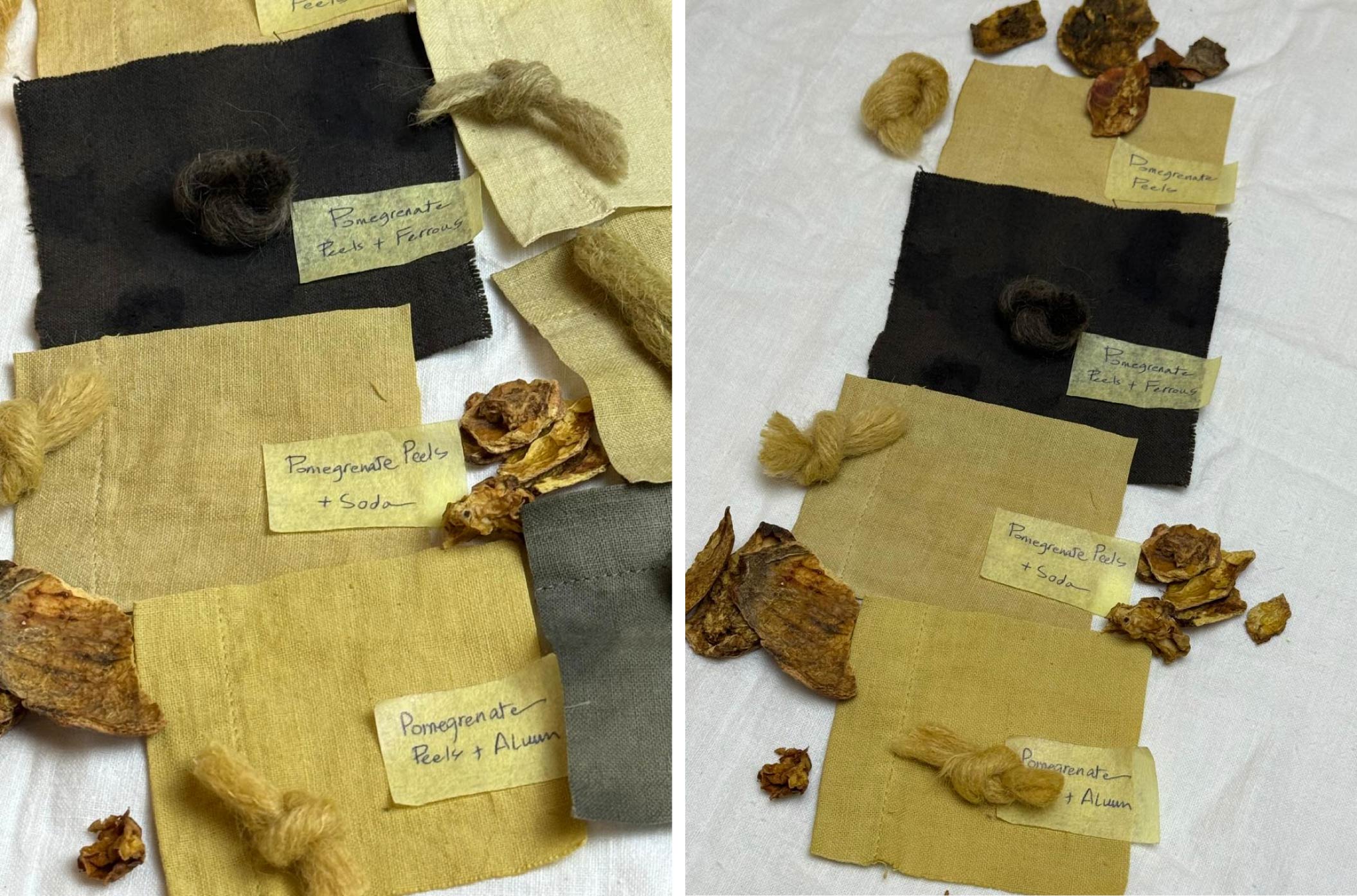
Portion the dye bath to 4 portions , keep 1 original and modify the rest with Alum, Ferrous Sulfate and Soda.
Soak the fibers in each dye bath in a heated water pot.
Keep the fibers soaked overnight.
Wash and rinse.
Final Swatches:
2. Animal Based Dye Baths
A. Cochineal Experiment:
This test pushed me beyond my comfort zone. As someone who is deeply afraid of insects and has multiple allergies, I kept postponing the experiment until the final deadlines. However, after discovering cochineal growing on one of my grandmother’s cacti, and realizing how rare this is in Jordan, I seized the opportunity. The results were ultimately very rewarding.
Process:
- Harvesting the Cochineal: Slowly scraped the cochineal from the cactus and gathered it in a container.
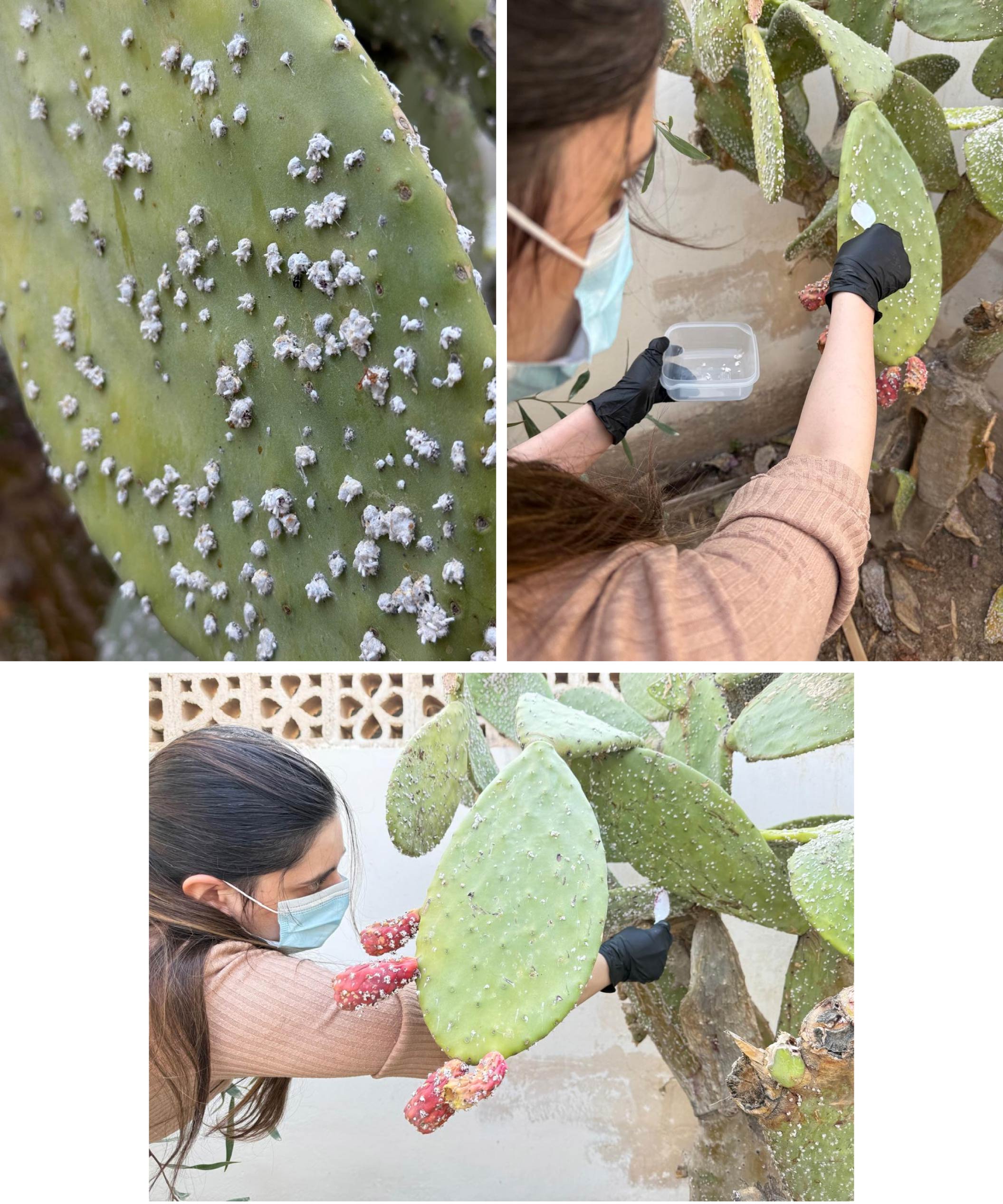
- Dry and grind the gathered insects: Dry the insects on the balcony for 2 days then grind finely.
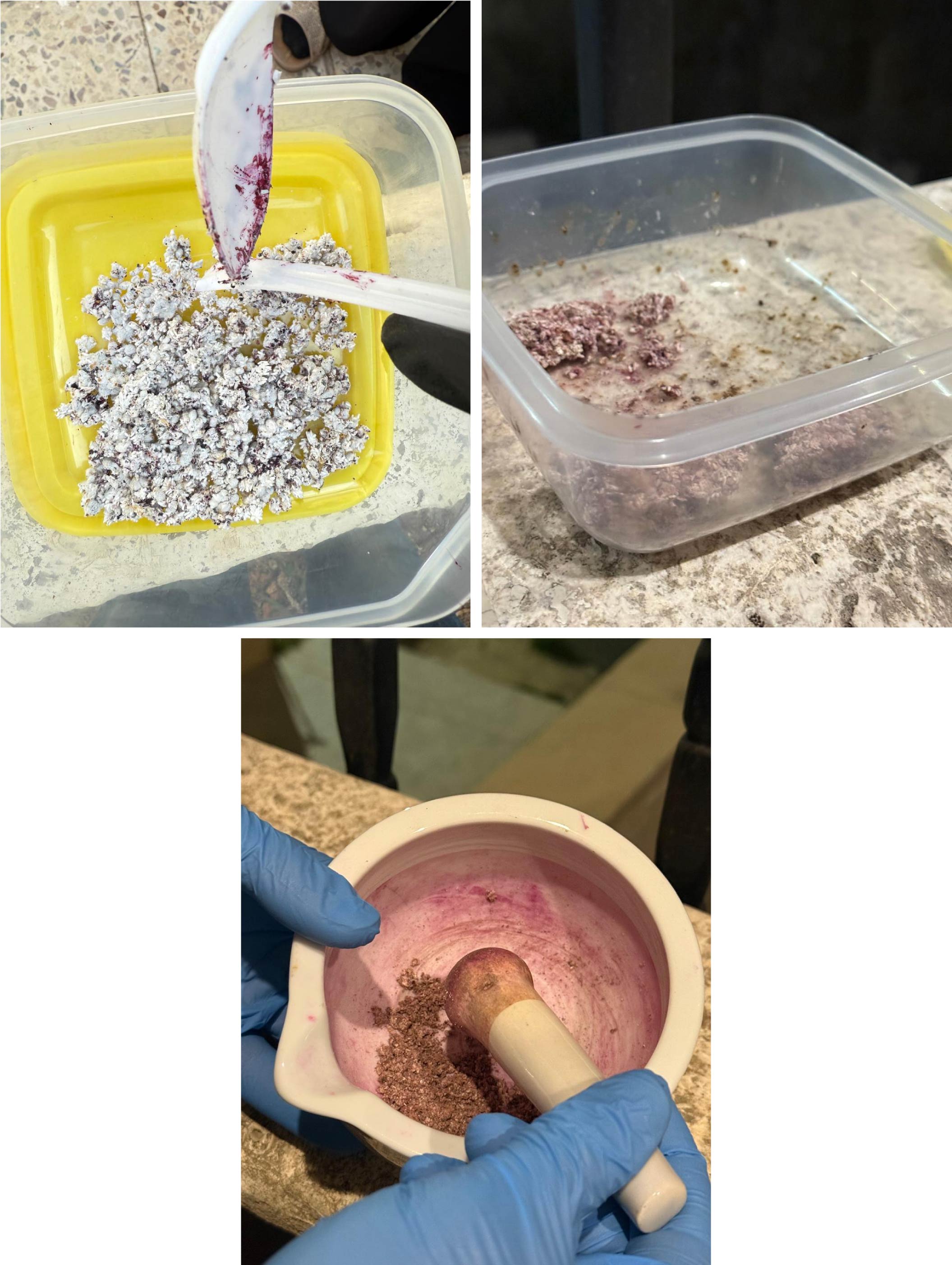
- Simmer the produced powder in 1.5 ltr of water for 30 minutes, I went for the entire powder as I wanted full saturated color and was still trying to discover ratios.
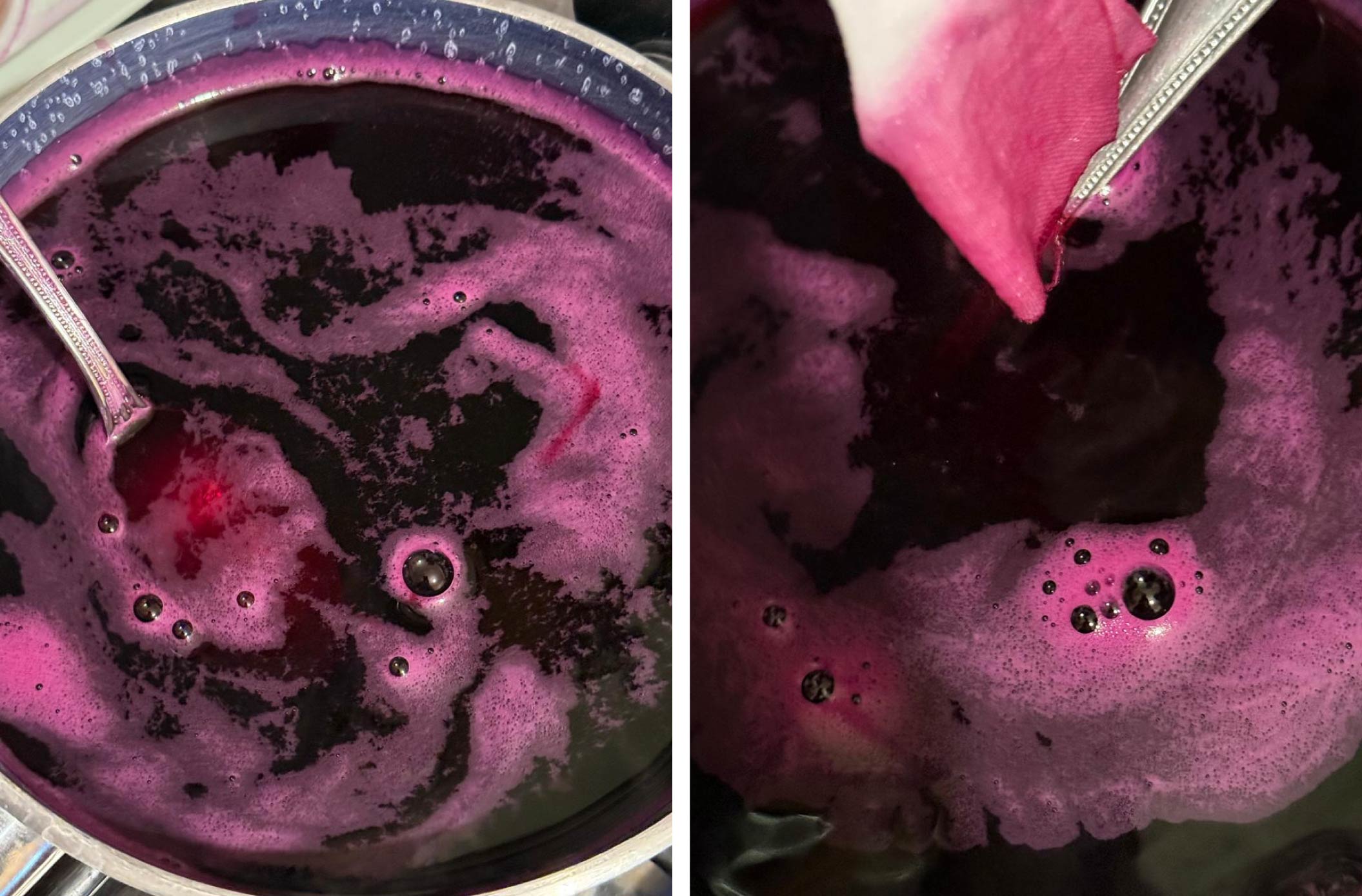
Dye Bath Recipe
Add the dried and grinded cochineal powder to 1.5 ltr of water and bring to simmer.
Simmer for 30 minutes
Filter the Dye bath and save the leftover risidue to be repurposed.
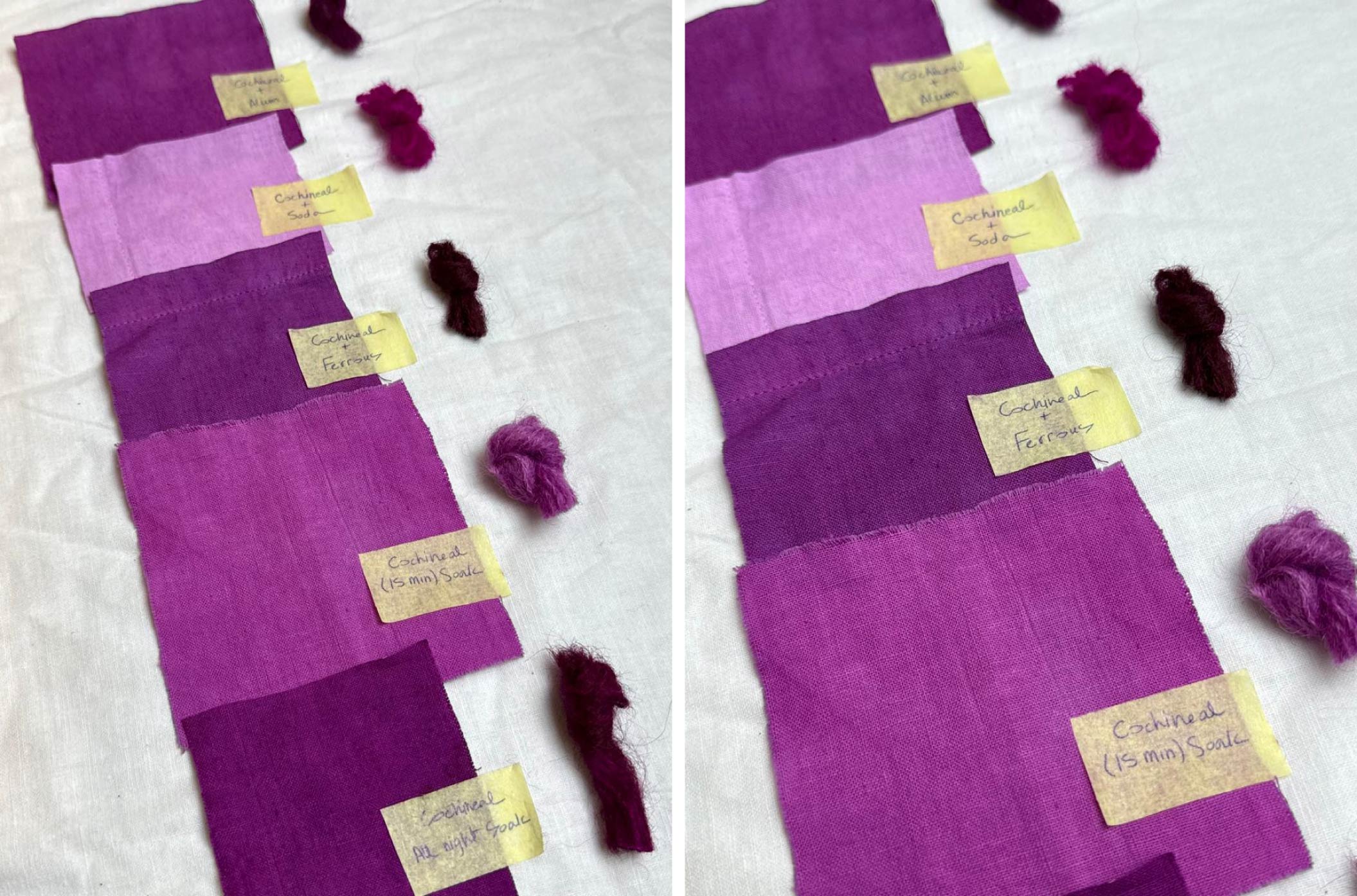
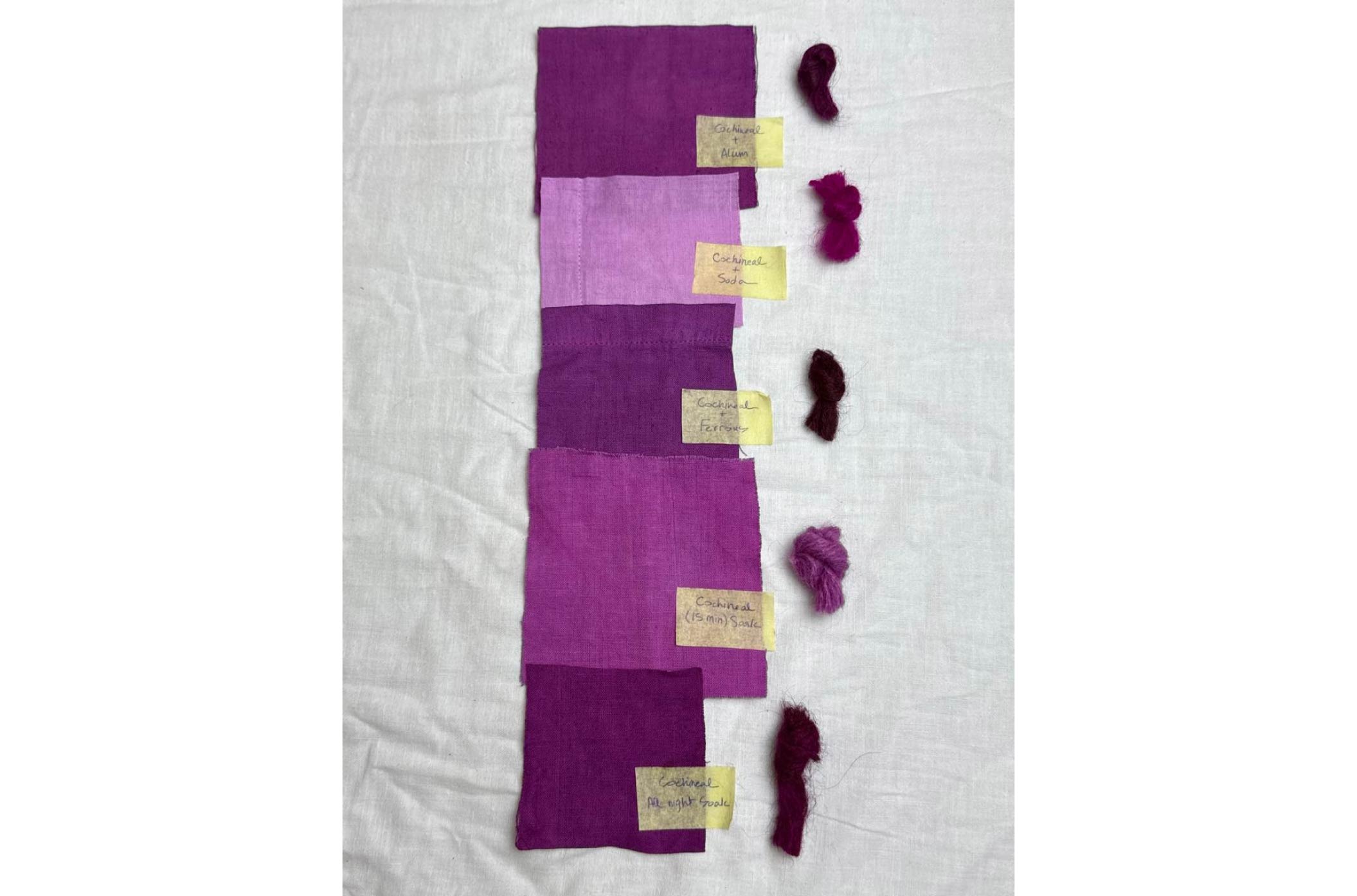
Portion the dye bath to 4 portions , keep 1 original and modify the rest with Alum, Ferrous Sulfate and Soda.
Soak the fibers in each dye bath in a heated water pot.
Keep the fibers soaked overnight.
Wash and rinse.
Final Swatches:
3. Personal Experiments Documented
| Dye Matter | Modifier | Mordant | Notes | Image; Dyed Cotton Fabric |
|---|---|---|---|---|
| Madder | N/A | Alum | Soak Overnight | 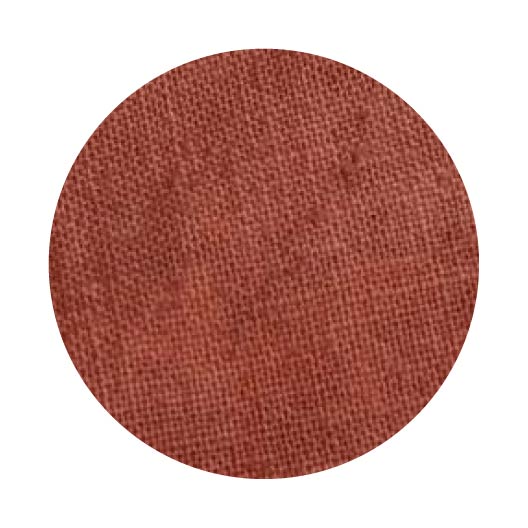 |
| Madder | N/A | Alum | No Soak overnight, only simmer for 2 hrs | 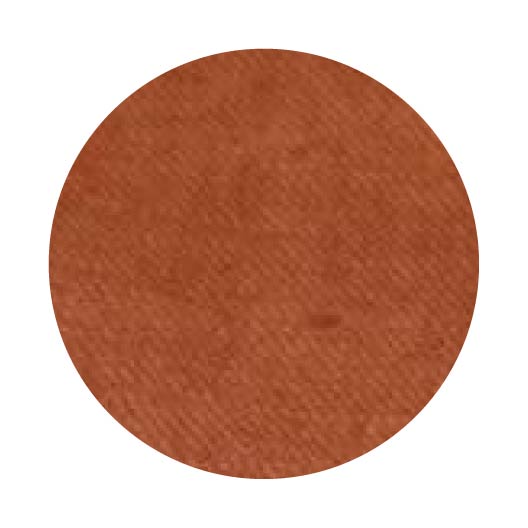 |
| Madder | Ferrous Sulfate | Alum | N/A | 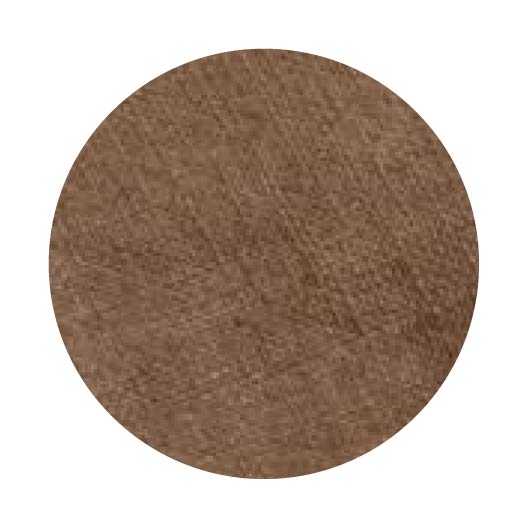 |
| Madder | Sodium Carbonate | Alum | N/A | 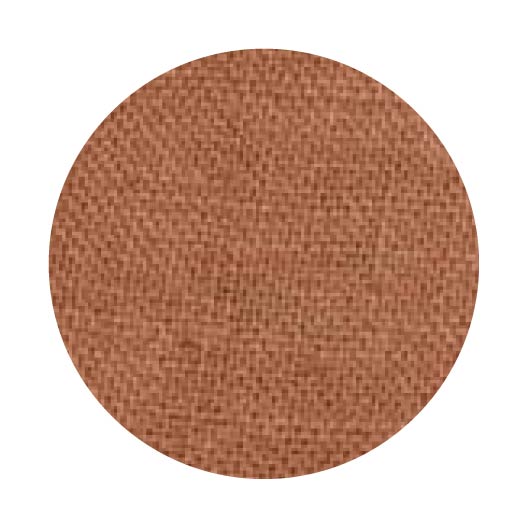 |
| Madder | Alum | Alum | N/A | 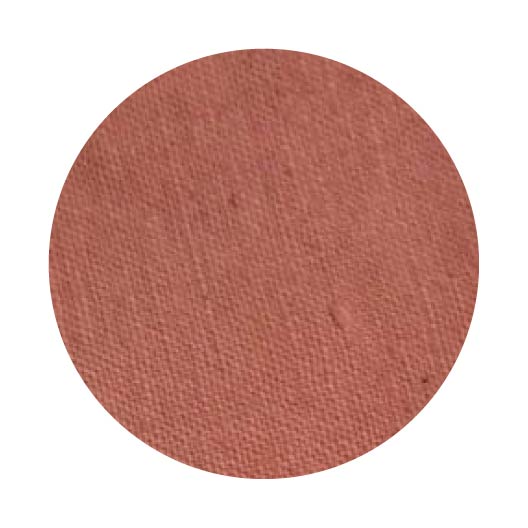 |
| Eucalyptus | N/A | Alum | Soak Overnight | 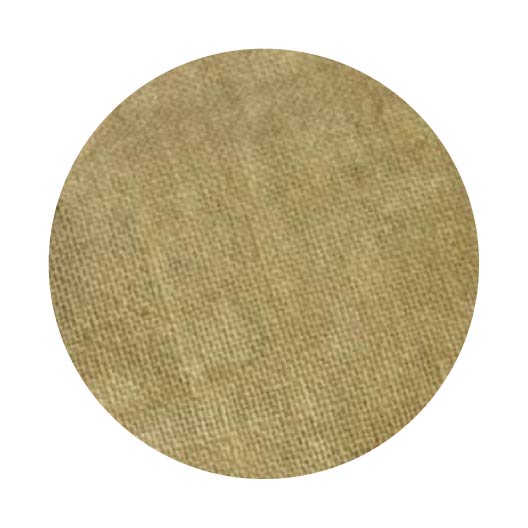 |
| Eucalyptus | Ferrous Sulfate | Alum | N/A | 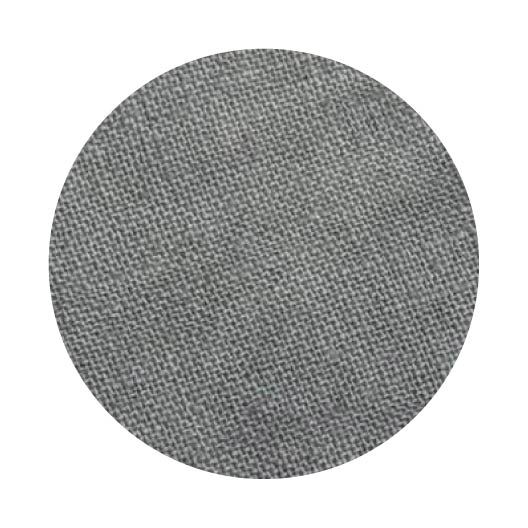 |
| Eucalyptus | Sodium Carbonate | Alum | N/A | 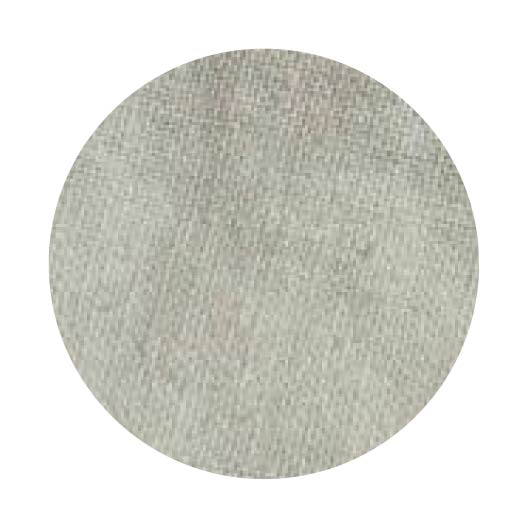 |
| Eucalyptus | Alum | Alum | N/A | 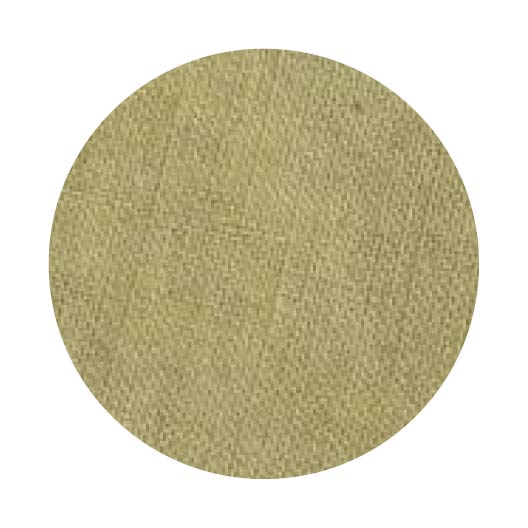 |
| Sage | N/A | Alum | Soak Overnight | 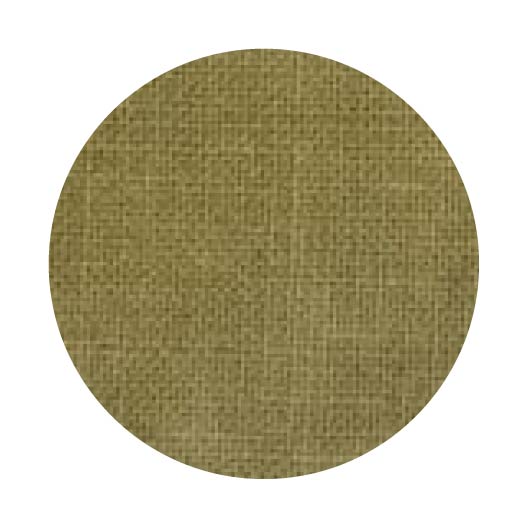 |
| Sage | Ferrous Sulfate | Alum | N/A | 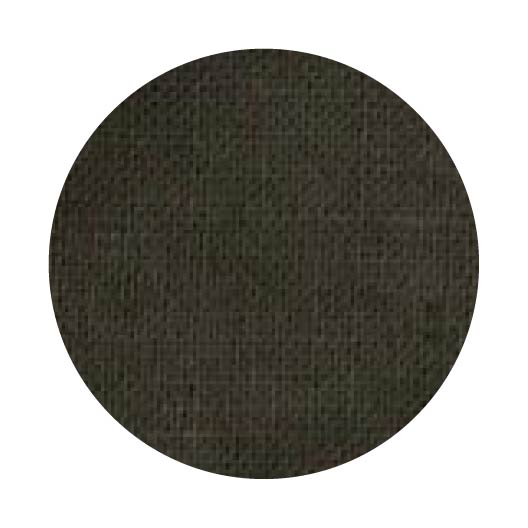 |
| Sage | Sodium Carbonate | Alum | N/A | 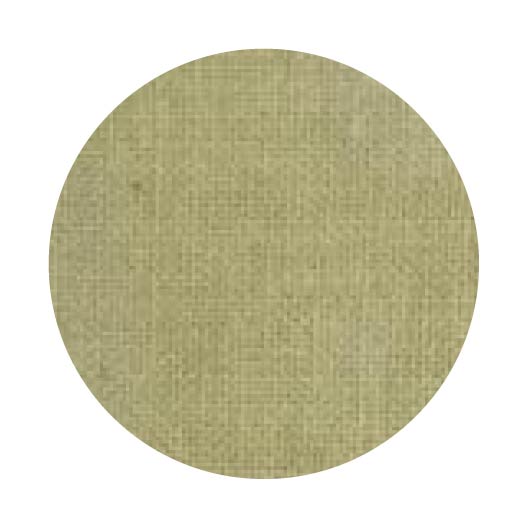 |
| Sage | Alum | Alum | N/A | 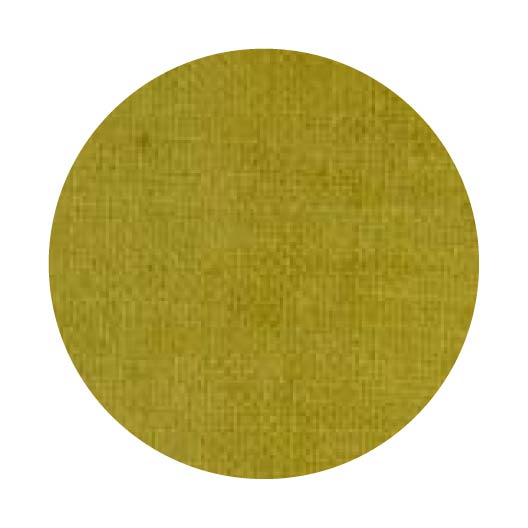 |
| Pomegrenate Peels | N/A | Alum | Soak Overnight | 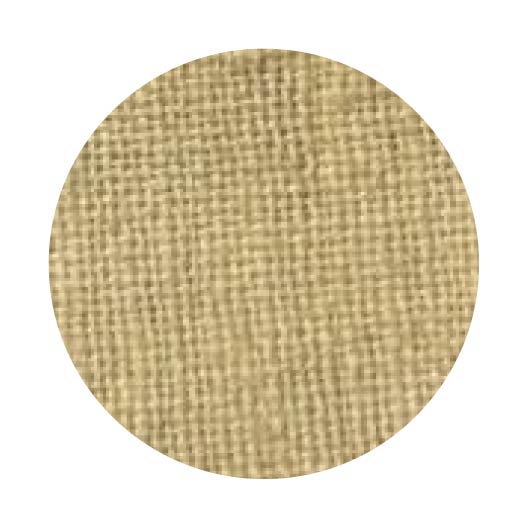 |
| Pomegrenate Peels | Ferrous Sulfate | Alum | N/A | 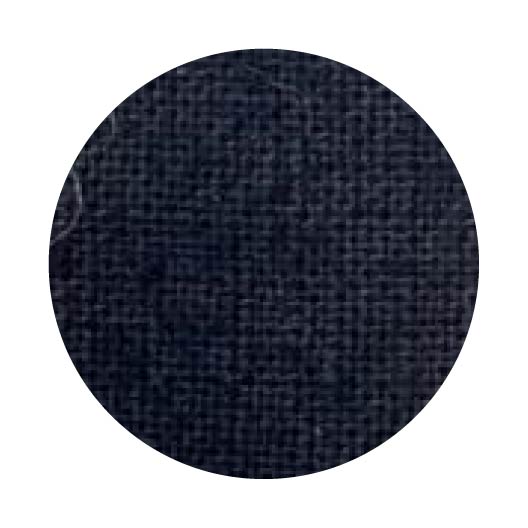 |
| Pomegrenate Peels | Sodium Carbonate | Alum | N/A | 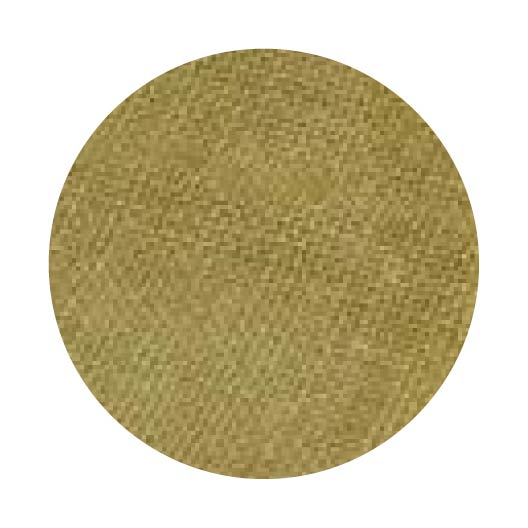 |
| Pomegrenate Peels | Alum | Alum | N/A | 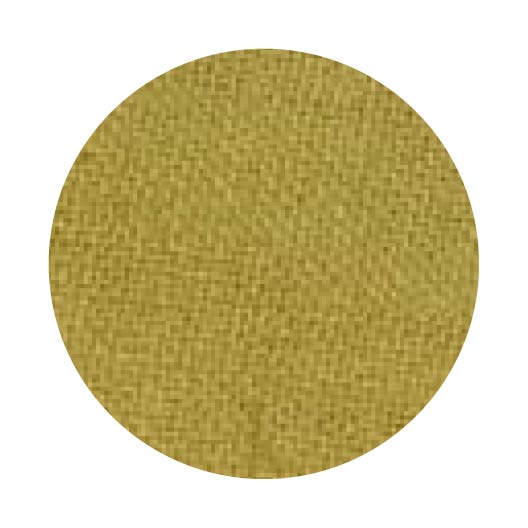 |
| Cochineal | N/A | Alum | Soak Overnight | 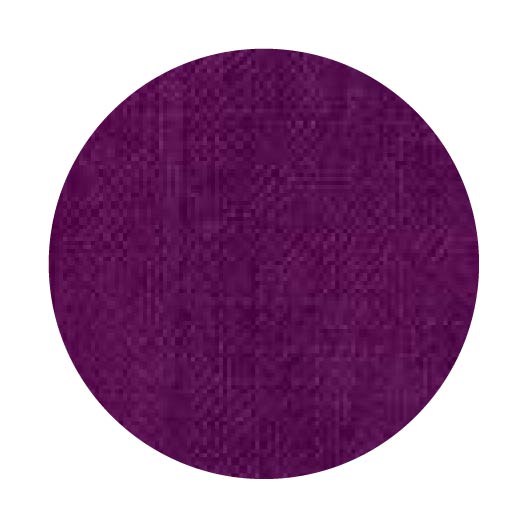 |
| Cochineal | N/A | Alum | Soak for 15 minutes | 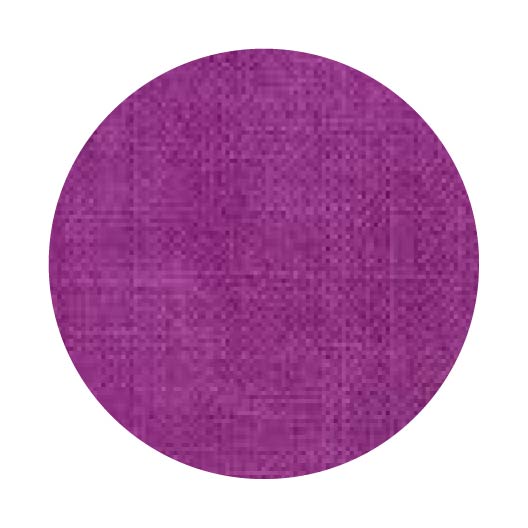 |
| Cochineal | Ferrous Sulfate | Alum | N/A | 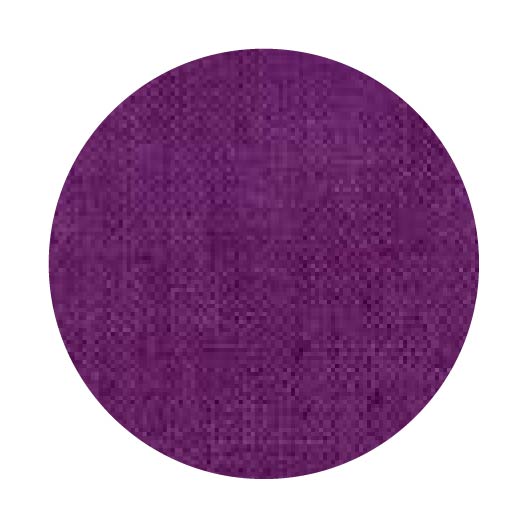 |
| Cochineal | Sodium Carbonate | Alum | N/A | 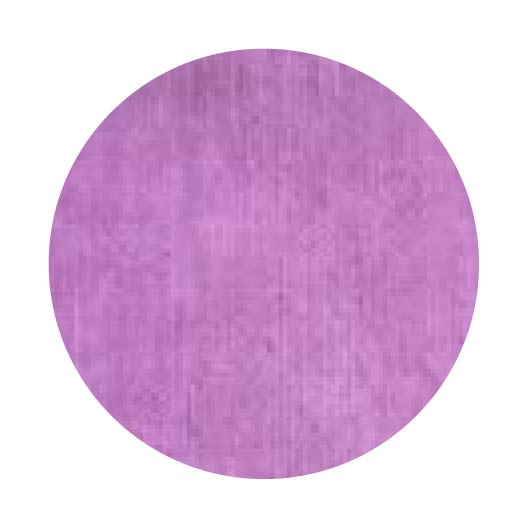 |
| Cochineal | Alum | Alum | N/A | 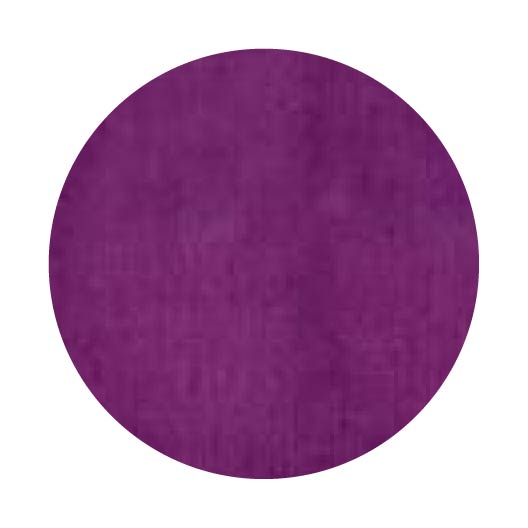 |