Circular Open Source Fashion
1. References, research & inspiration
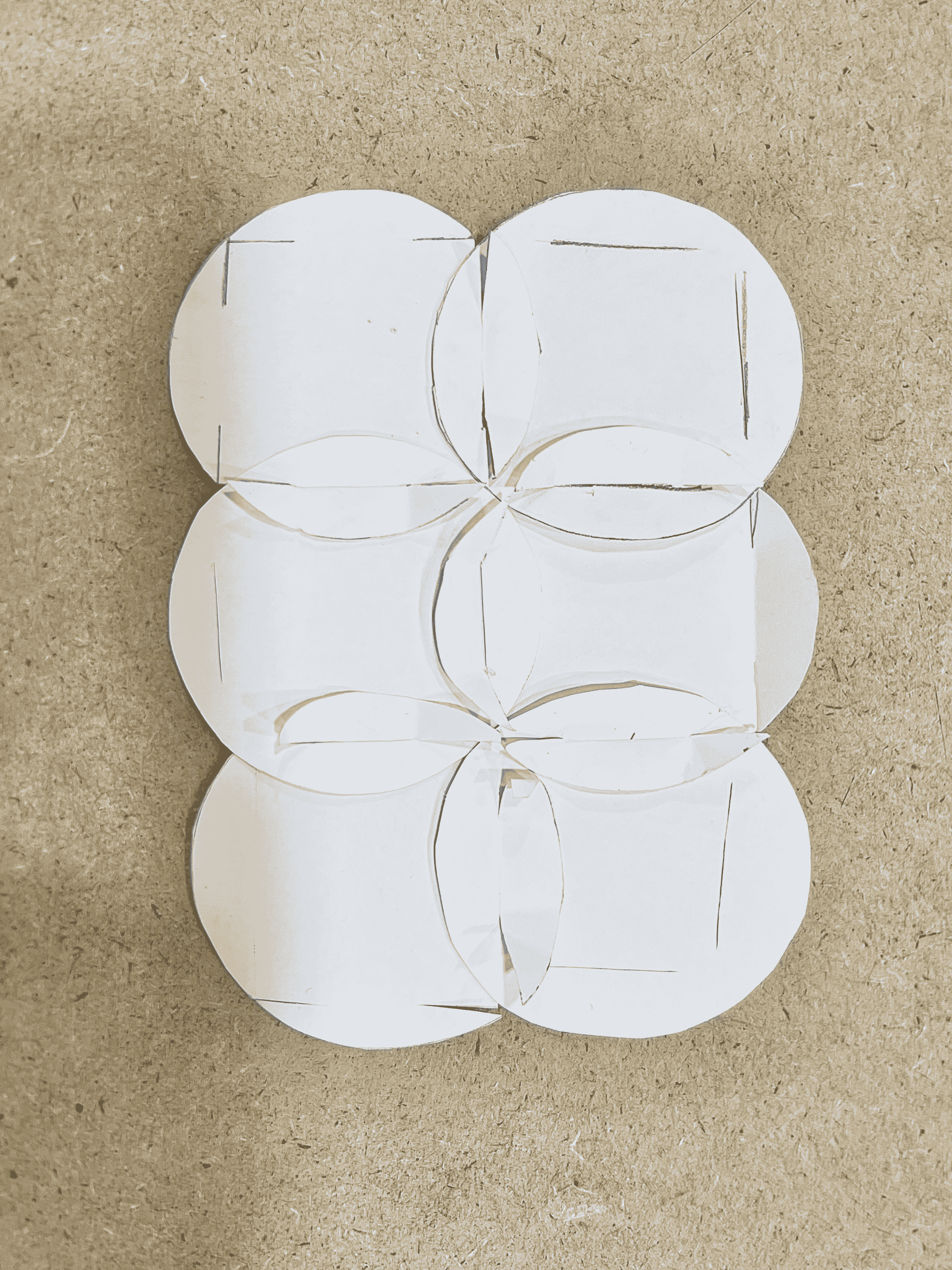
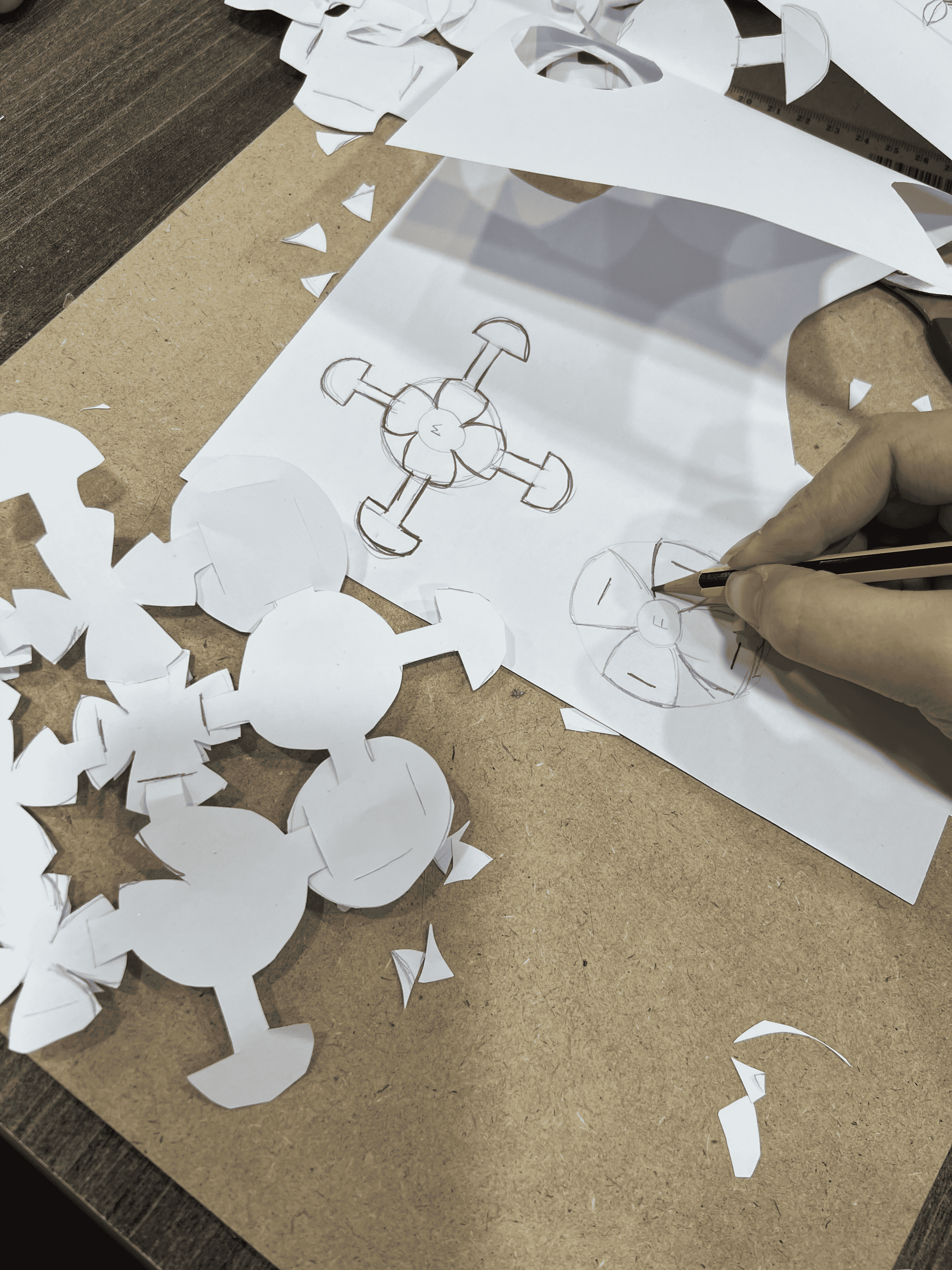
This week, I explored circular fashion through modular design and ways to reduce textile waste. At first, I found the concept difficult to understand, so I took it as a challenge and gave myself time to experiment. I started by cutting basic shapes and trying different ways to connect them into a larger surface without sewing. Working with my hands helped me make sense of the idea before moving on to my own design.
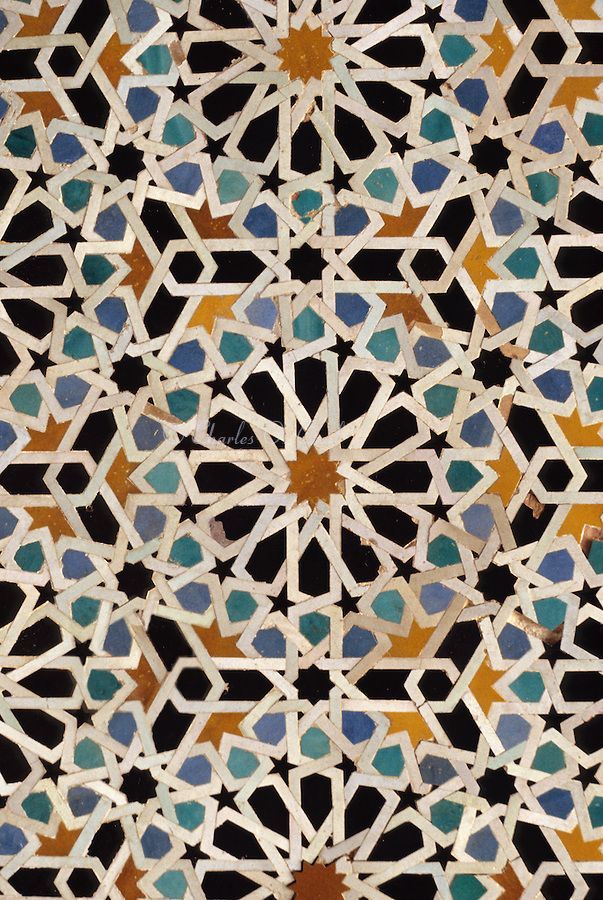
Once the concept became clearer, I started seeing possibilities in something I have always loved: Islamic geometric patterns. I am fascinated by how a simple shape can become an intricate composition through repetition, rotation, and careful arrangement. This time, I began looking beyond the appearance of the pattern, thinking about how the shapes could connect and how the spaces between them could become useful pieces rather than discarded material.
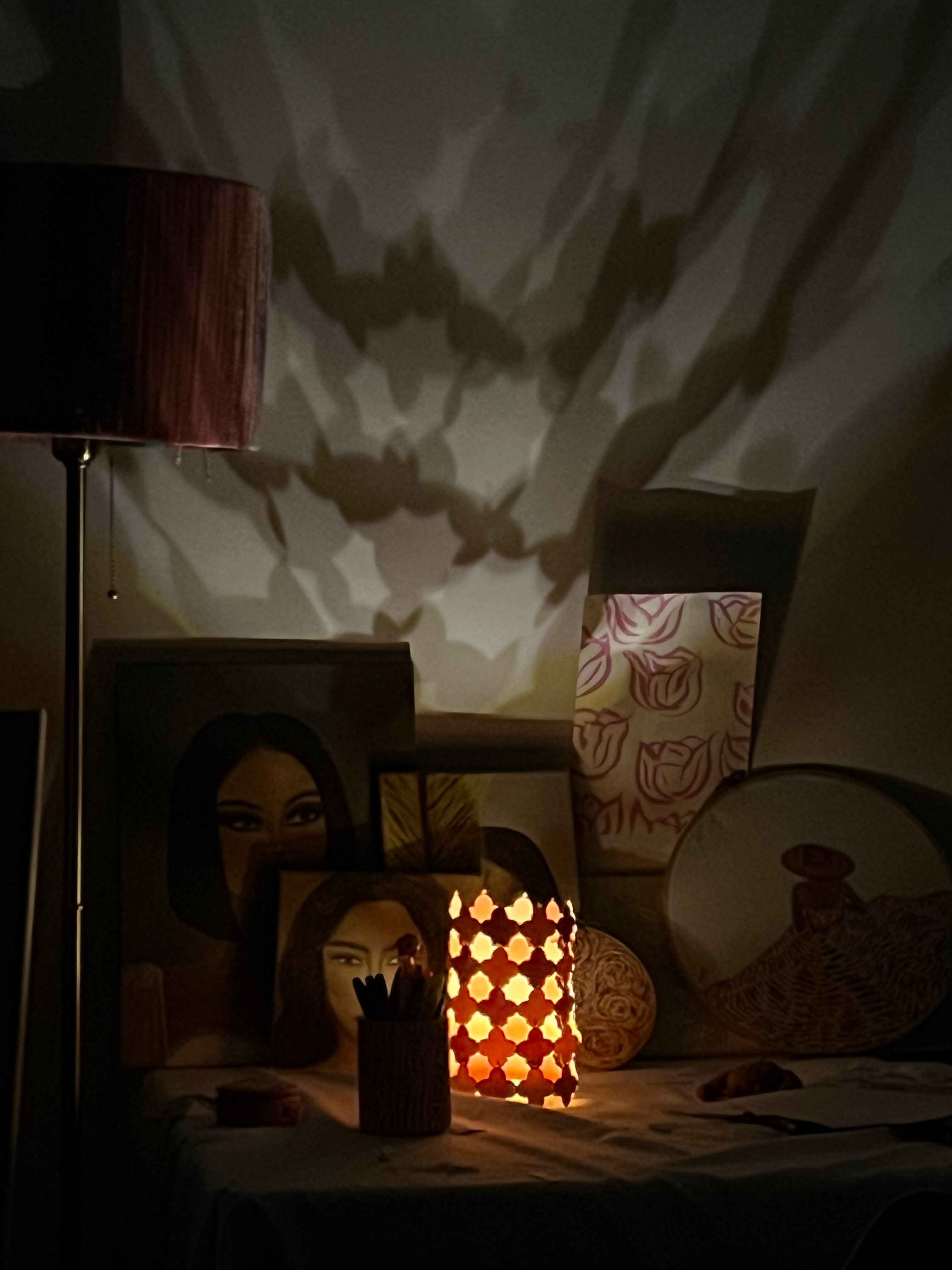
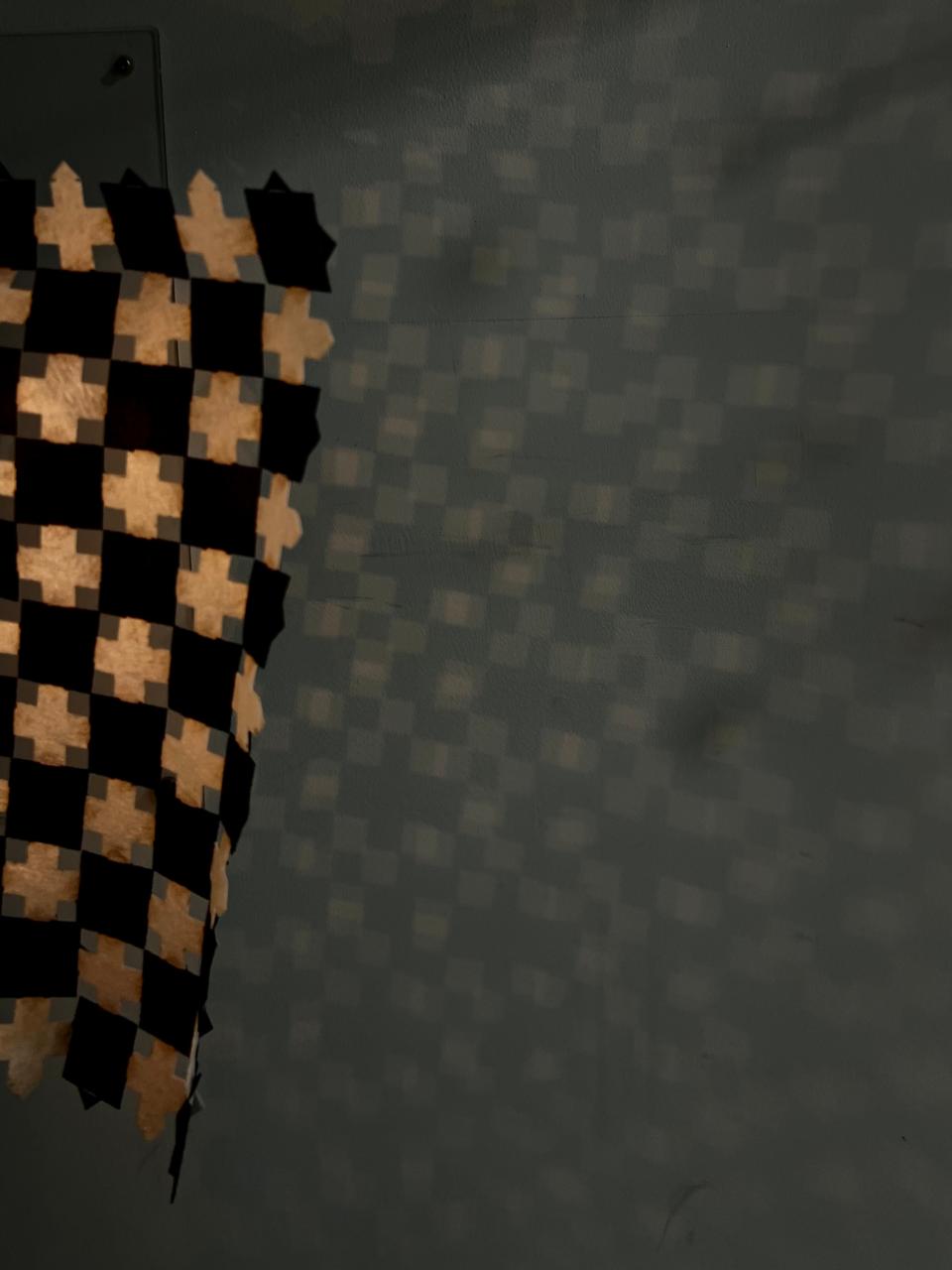
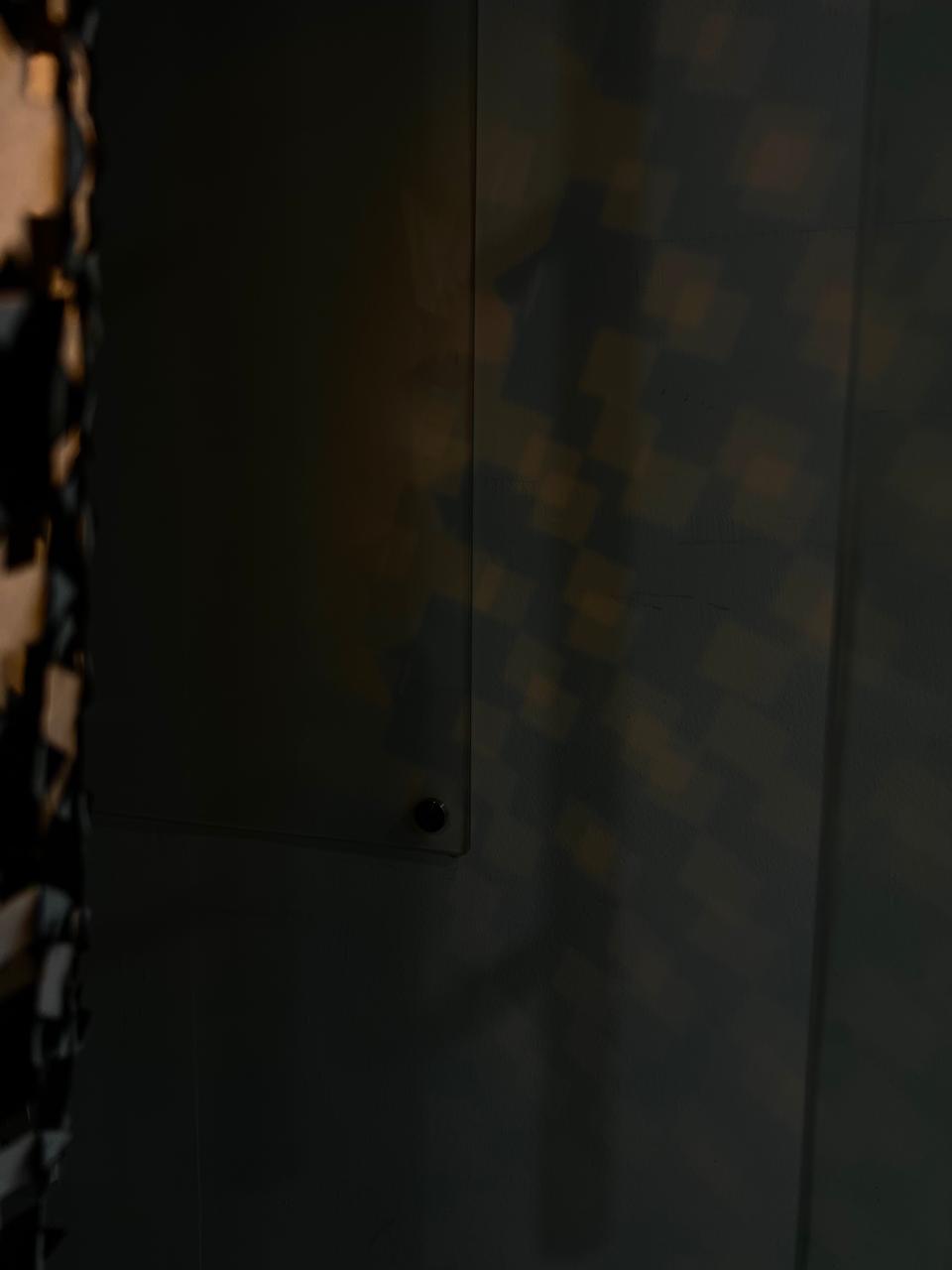
As I explored these possibilities, I kept coming back to light. I wondered what would happen if I turned the modular surface into a lampshade. How would light pass through it? What shadows would it create? How would the connections behave when the flat pattern curved into a three-dimensional form?
These questions led me toward a lamp inspired by al-mashrabiya. I wanted to create a pattern that could hold together through its connections while shaping the light around it. What began as a concept I struggled to understand became an opportunity to bring together my interests in geometry, making, and light design.
What is Al-mashrabiya (المشربية)
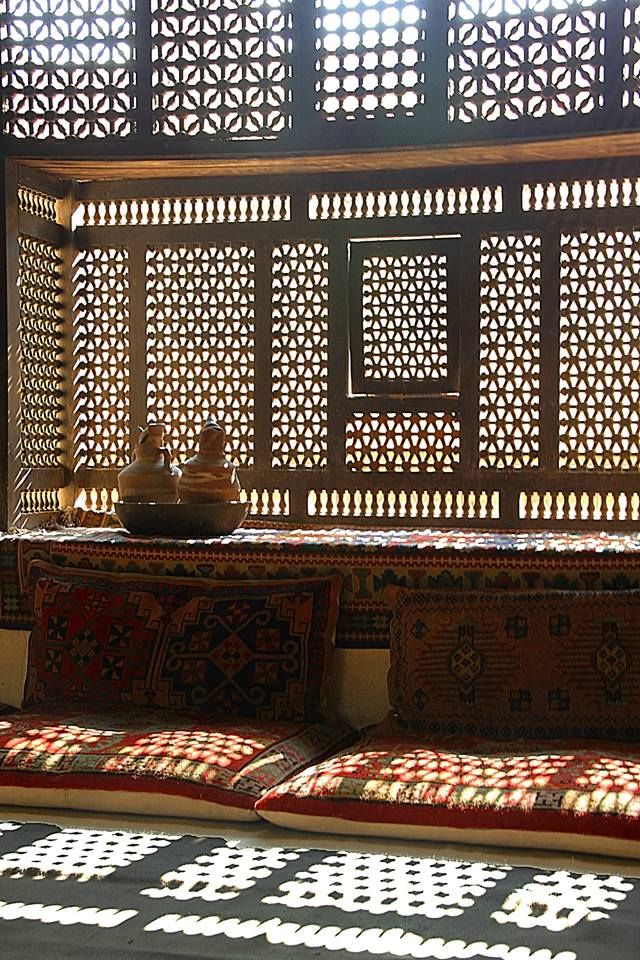
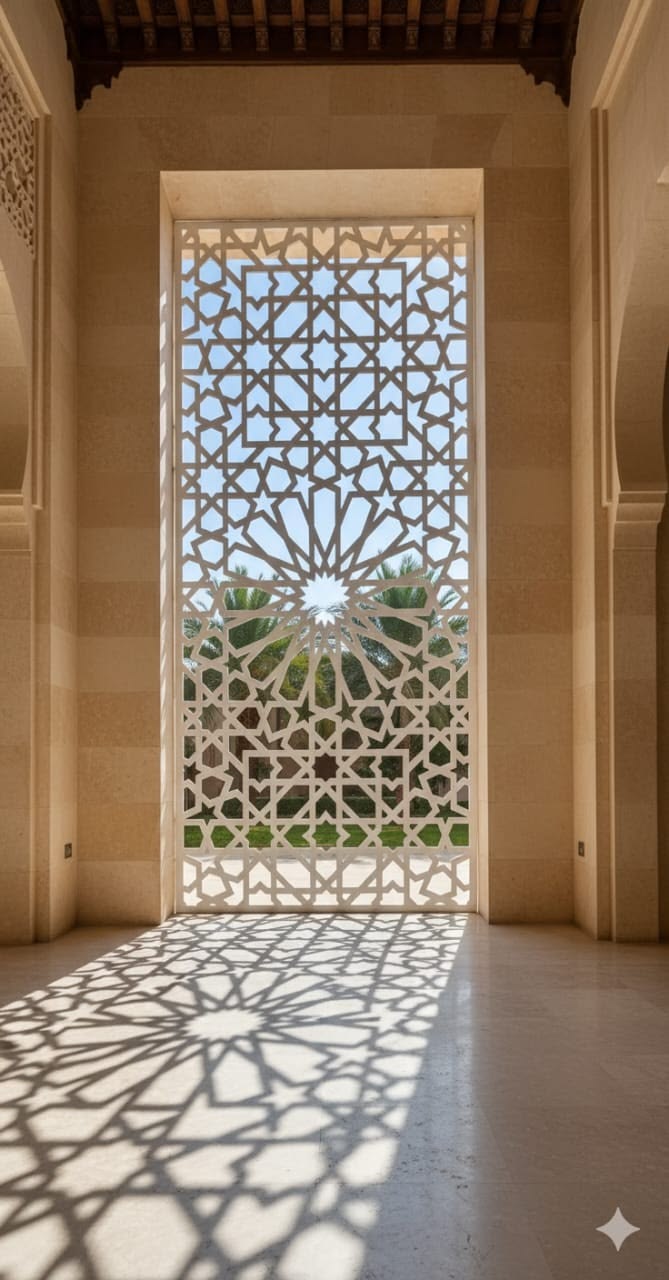
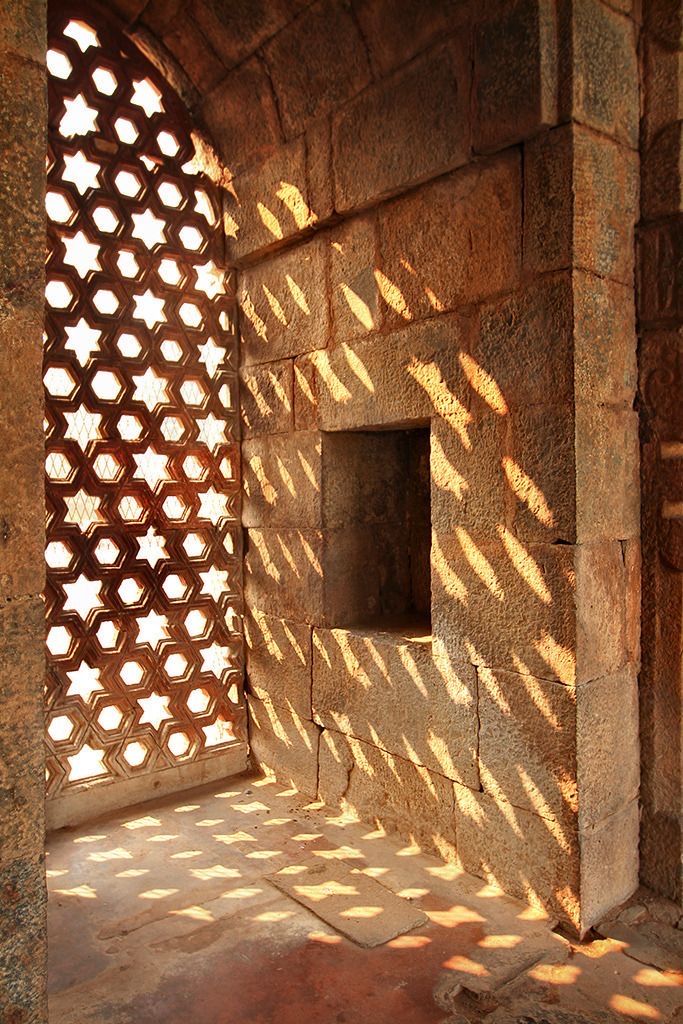
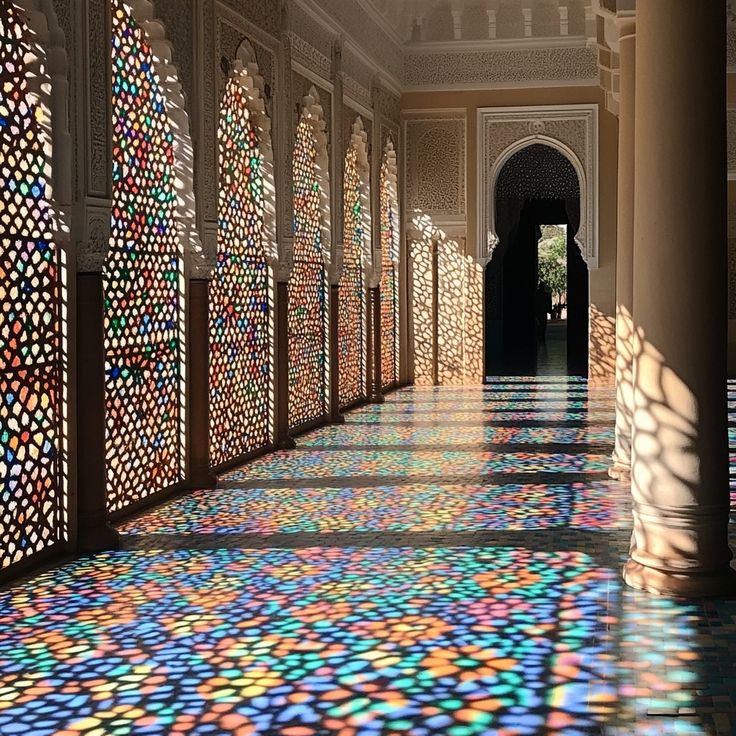
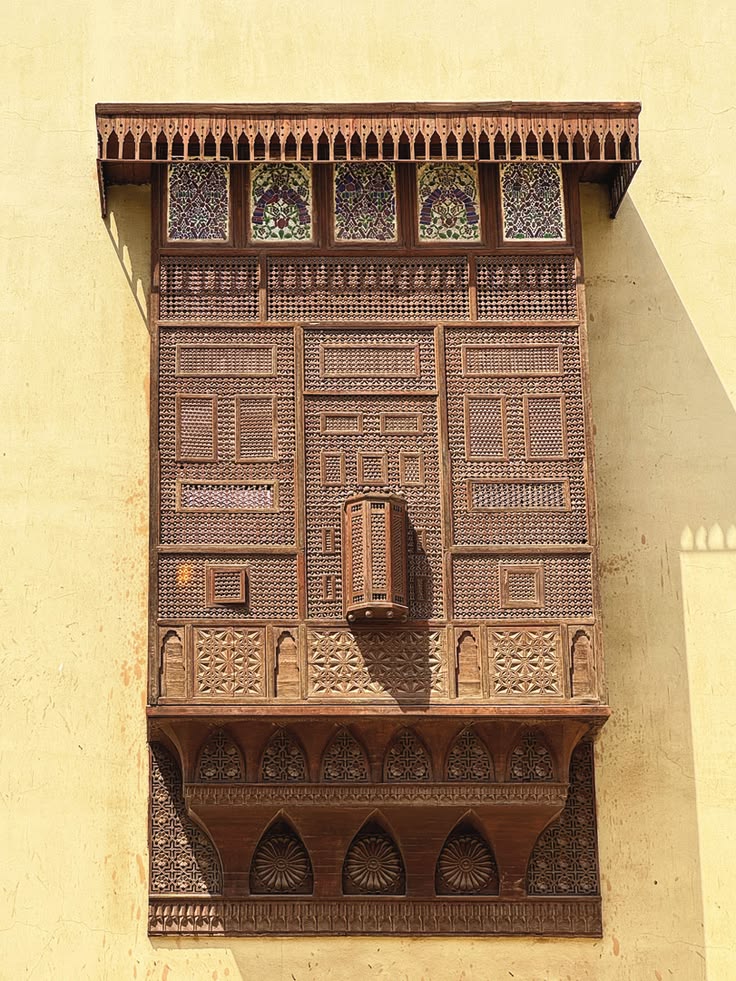
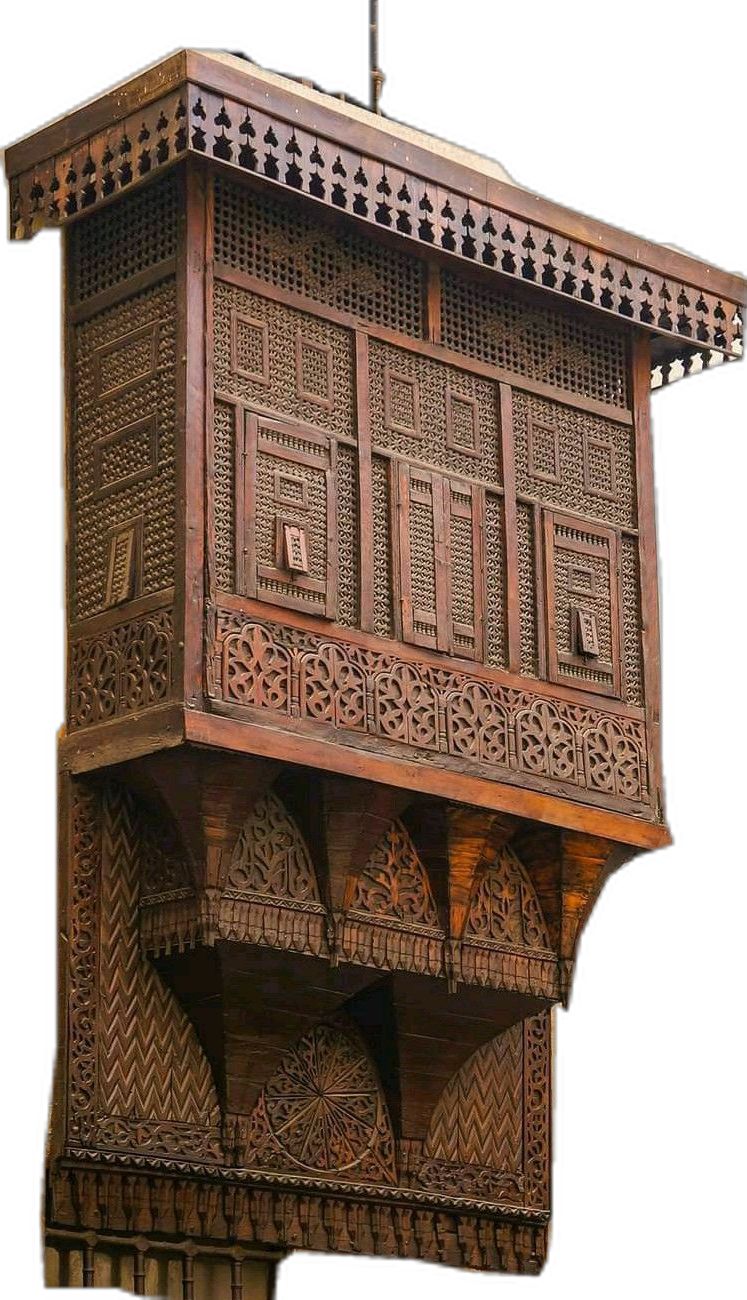 Al-mashrabiya (المشربية) is a traditional wooden lattice screen used in windows and balconies in Arab and Islamic architecture. Its intricate patterns filter sunlight, allow airflow, and provide privacy, creating a beautiful interplay of light and shadow inside the space.
2. Design Workflow
Explore Islamic geometric patterns and shapes
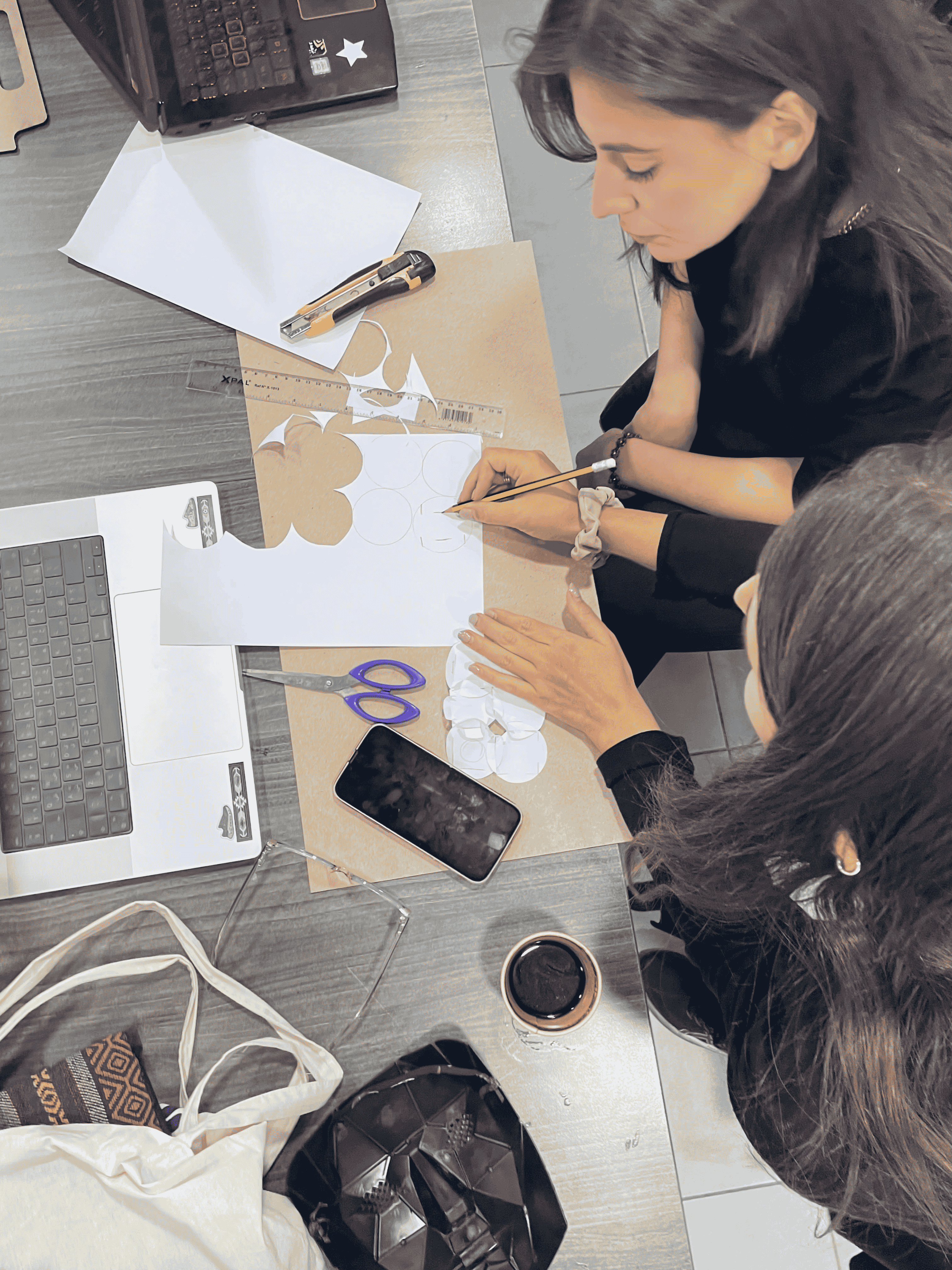
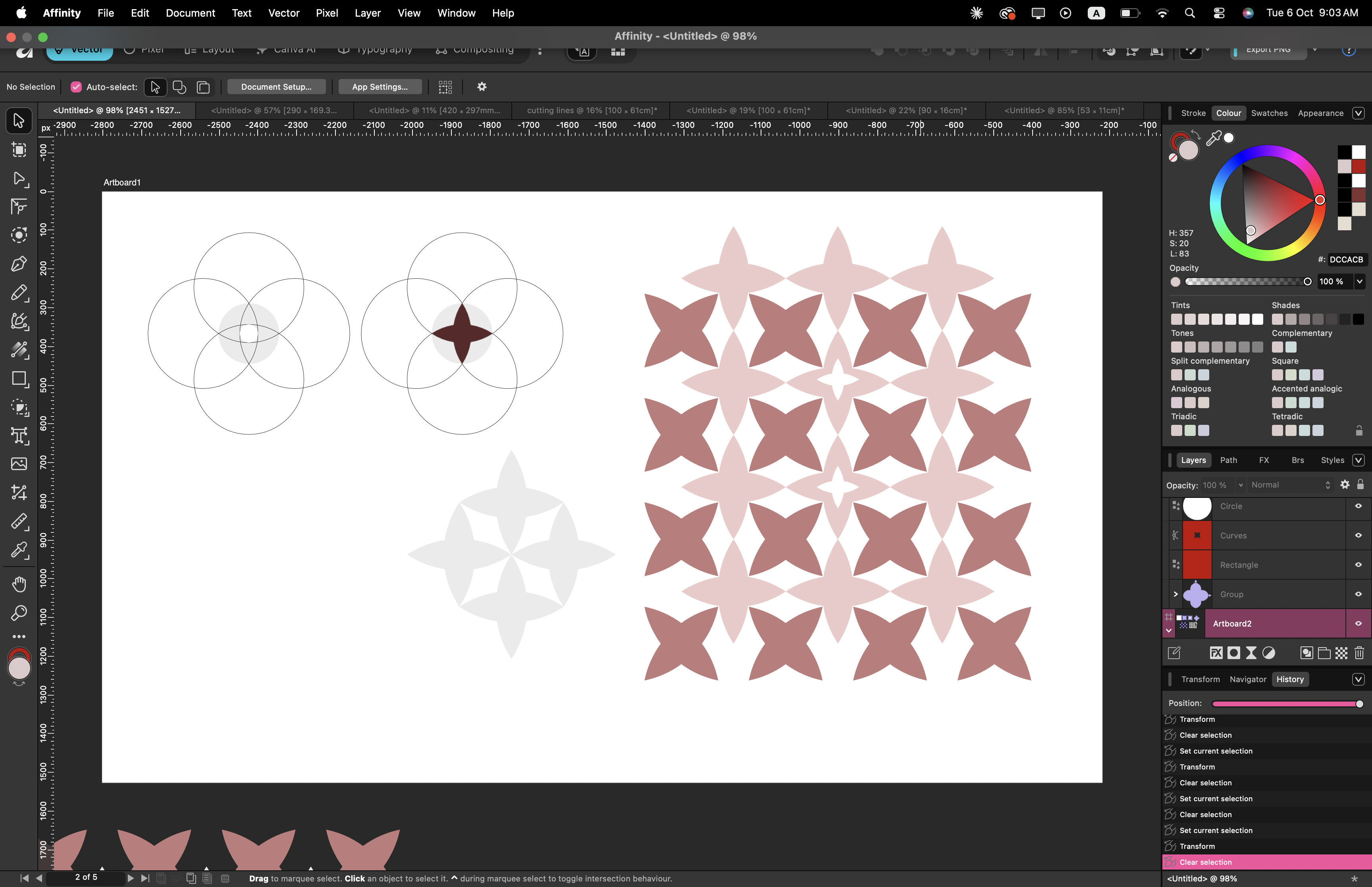
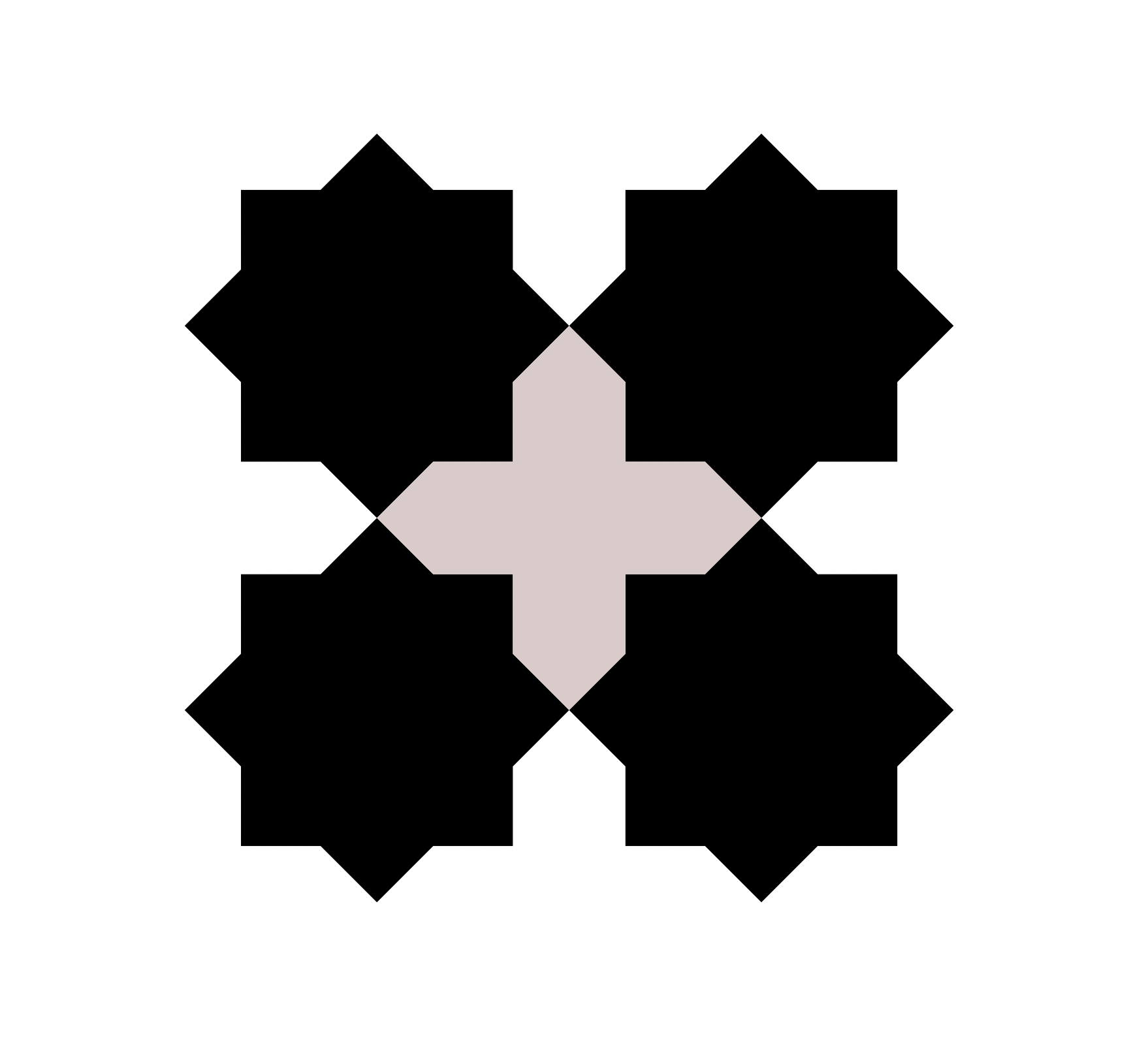
I explored different directions, wondering whether to go for geometric patterns or softer, more floral and curved shapes. As I sketched, I became focused on the shadows the lamp could cast. I kept creating gaps between the shapes to let light through, but this also limited how I approached the design. I was enjoying the flower-shaped pattern so much that I almost lost sight of the zero-waste goal. This made me pause and reconsider how I could create an interesting light effect while using the material more efficiently. Returning to Islamic geometry, I began to see the patterns differently. Instead of focusing only on the main motif, I looked at the shapes formed between the motifs. What I had seen as empty space could become another module. The connections started to feel clearer—I just needed to look at the whole pattern, including the spaces in between.
What will I create?
Modular lamp with zero-waste pattern
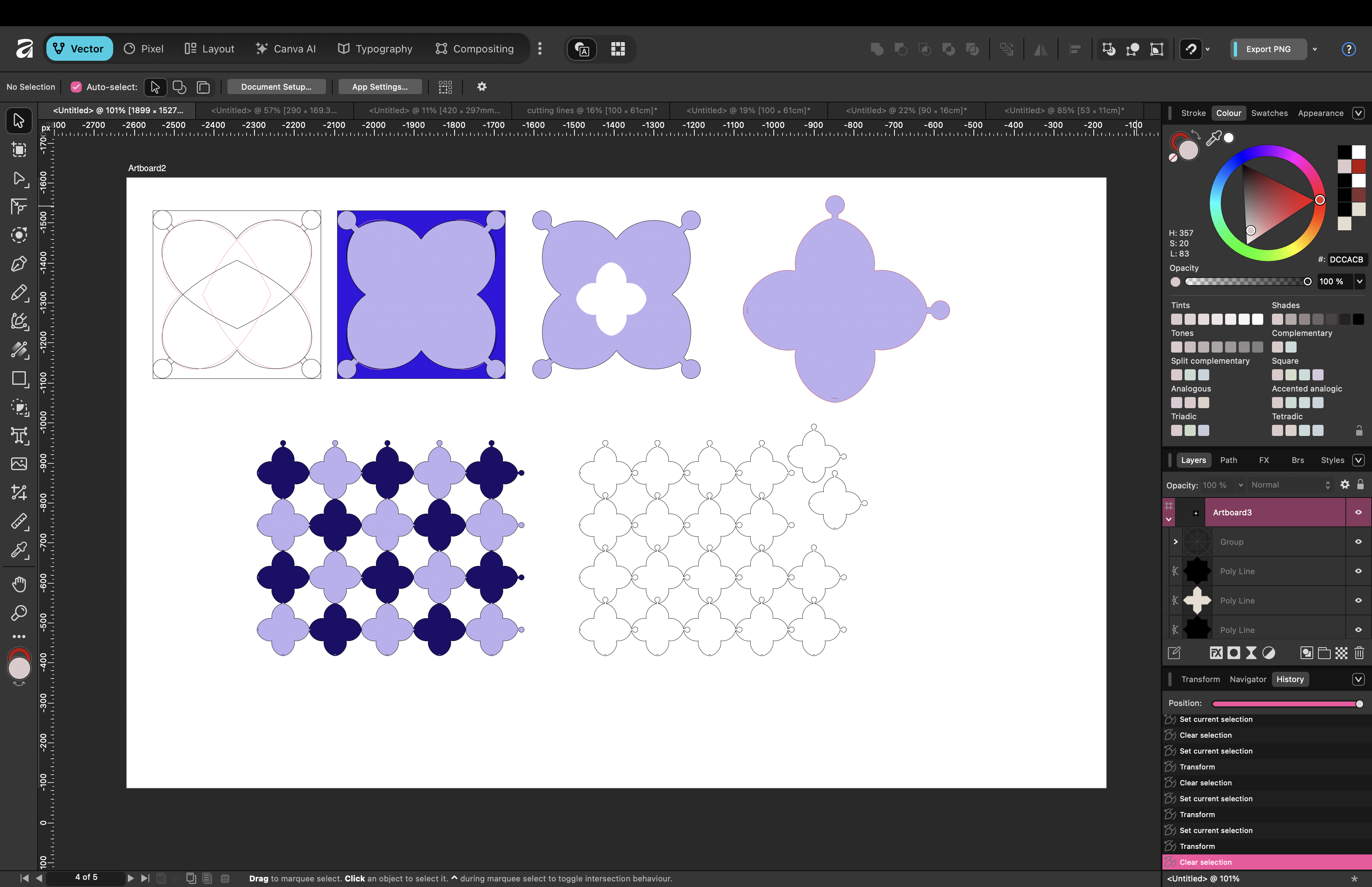
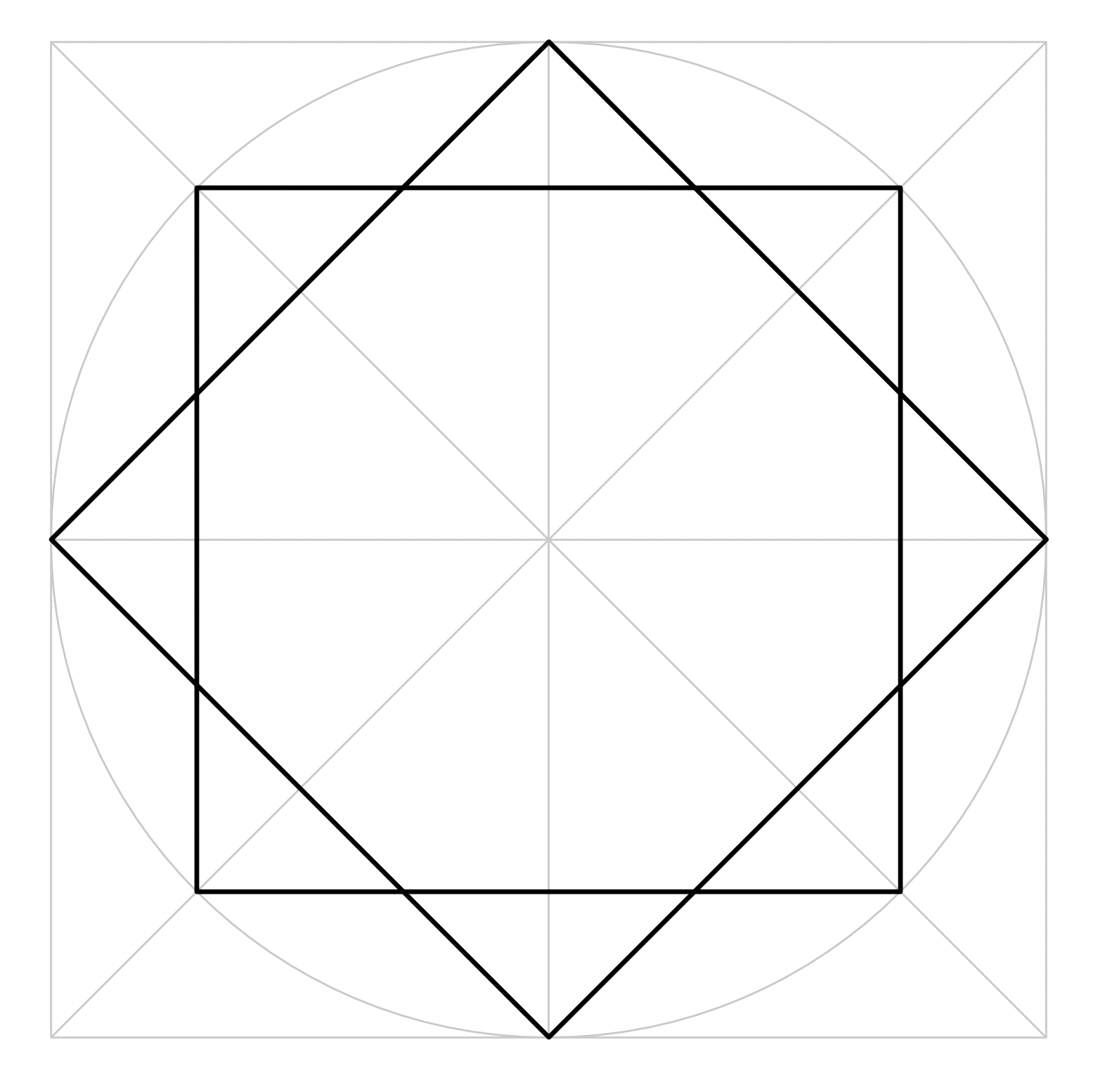
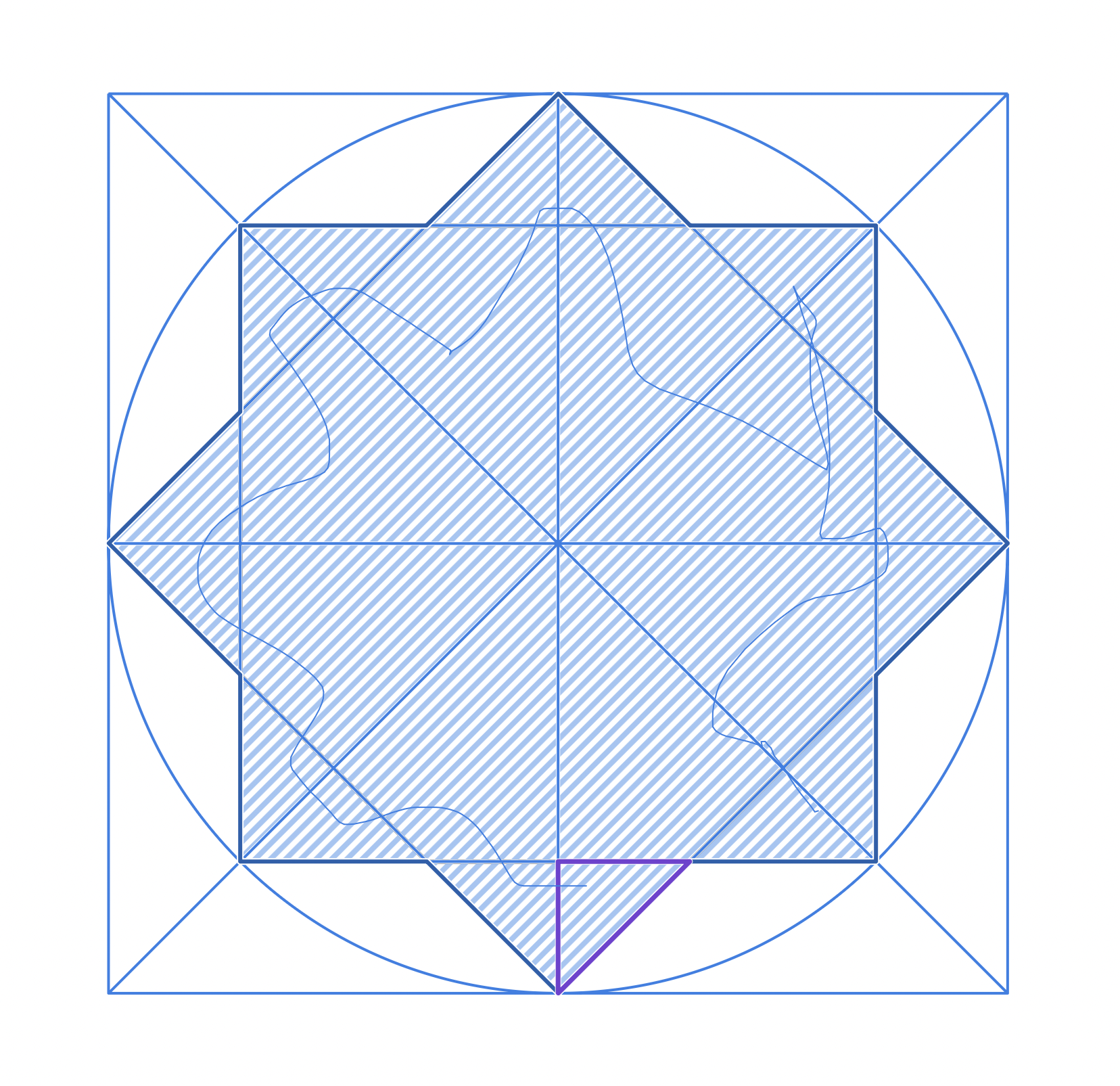
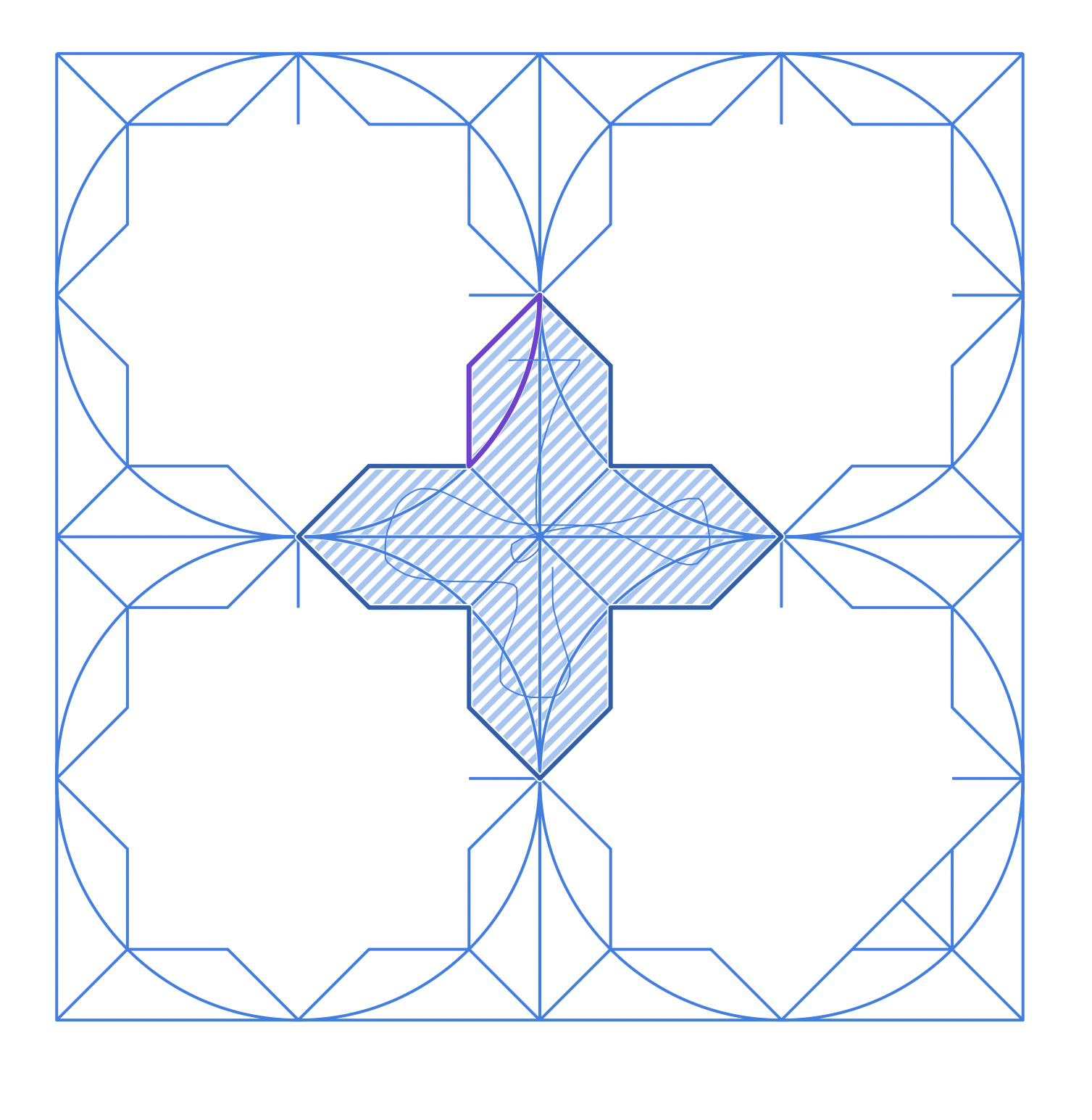
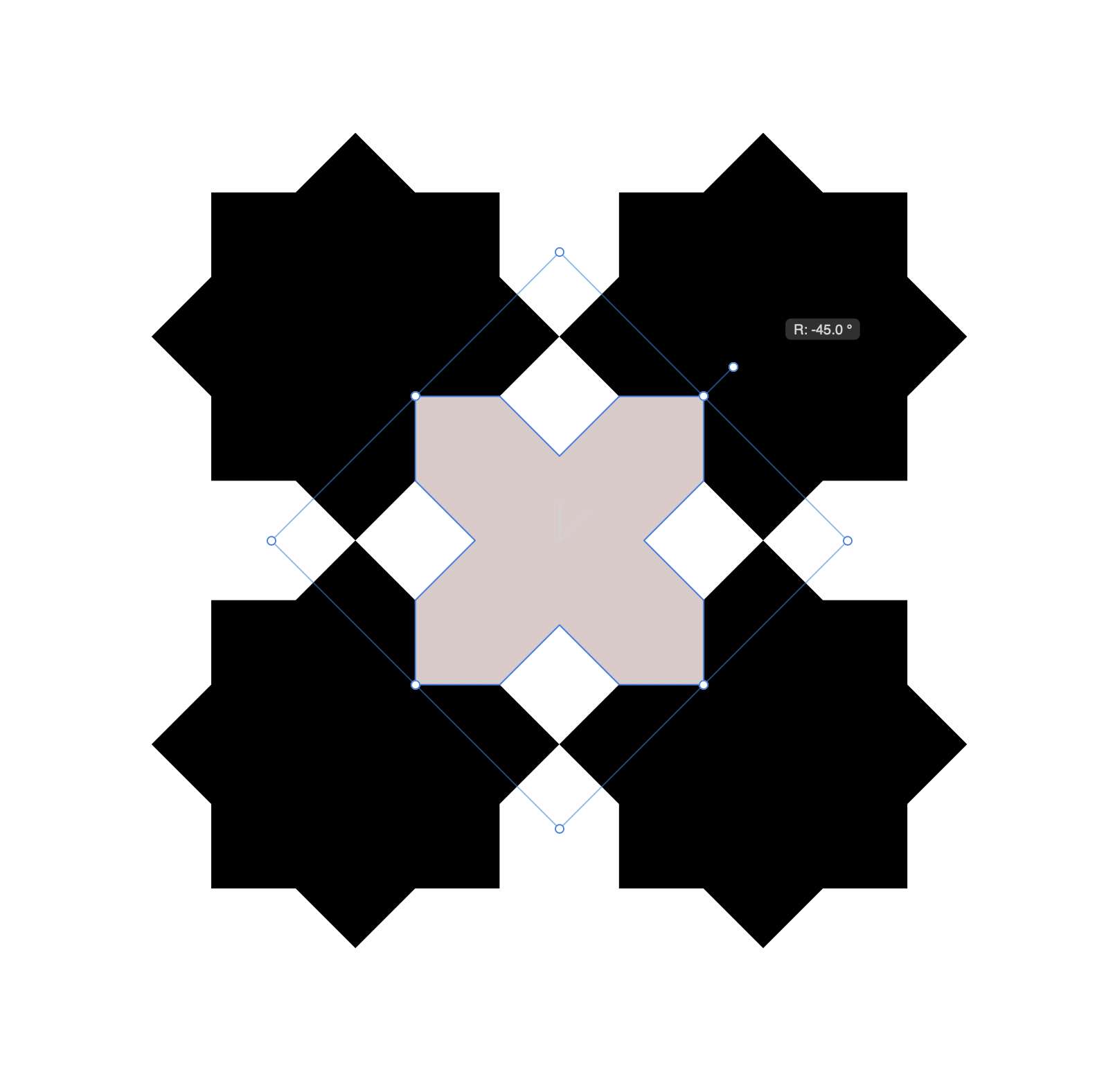
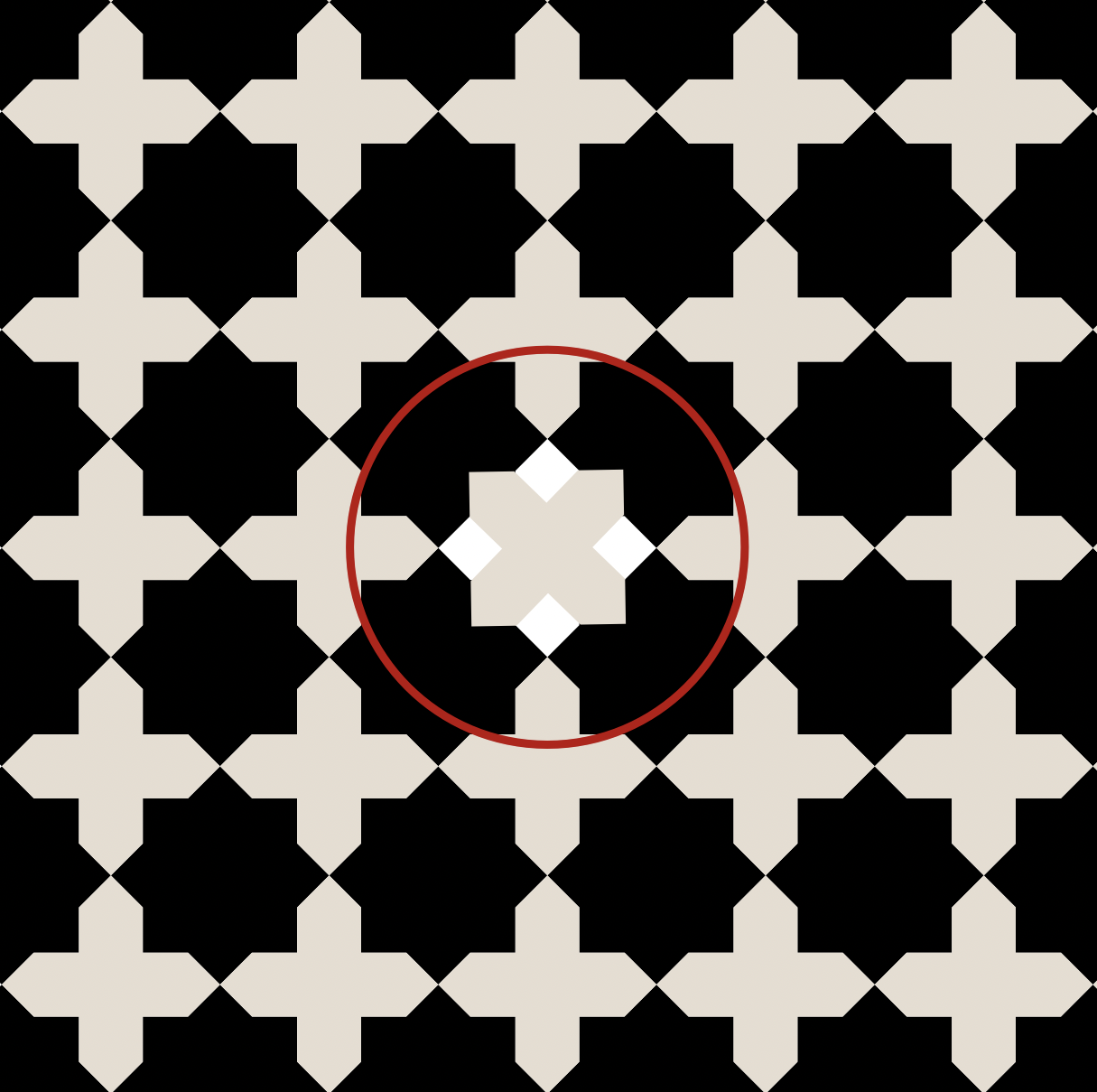
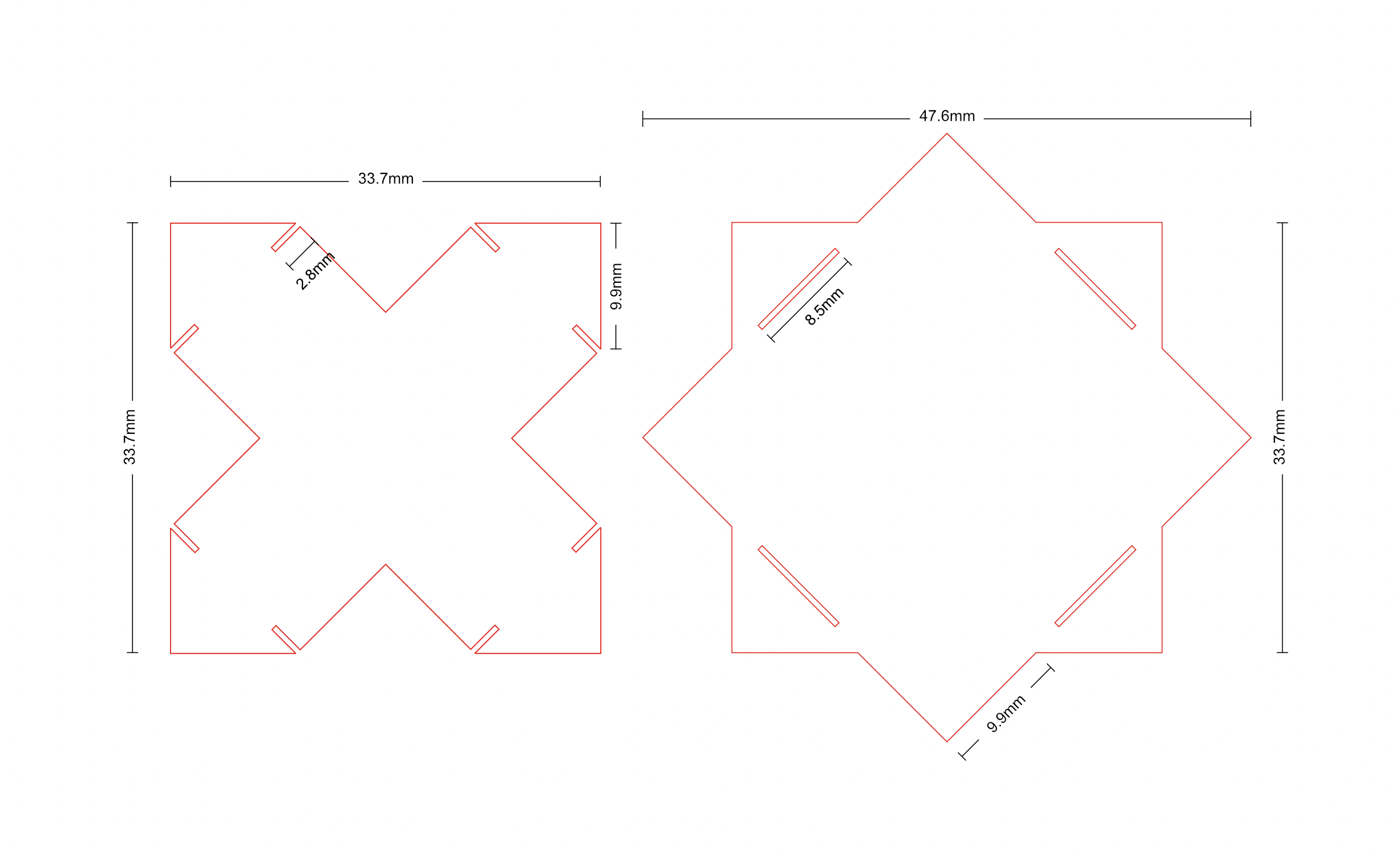
I want to create a lamp inspired by al-mashrabiya. My design will combine eight-pointed stars with the cross-shaped pieces that fit between them, using interlocking connections to build the lampshade without sewing.
The challenge is to make the pattern work as both a structure and a way to filter light. By treating the spaces between the stars as useful pieces, I aim to reduce fabric waste while exploring the shadows and atmosphere the assembled lamp can create.
Constructing 8-pointed star shape and creating the pattern
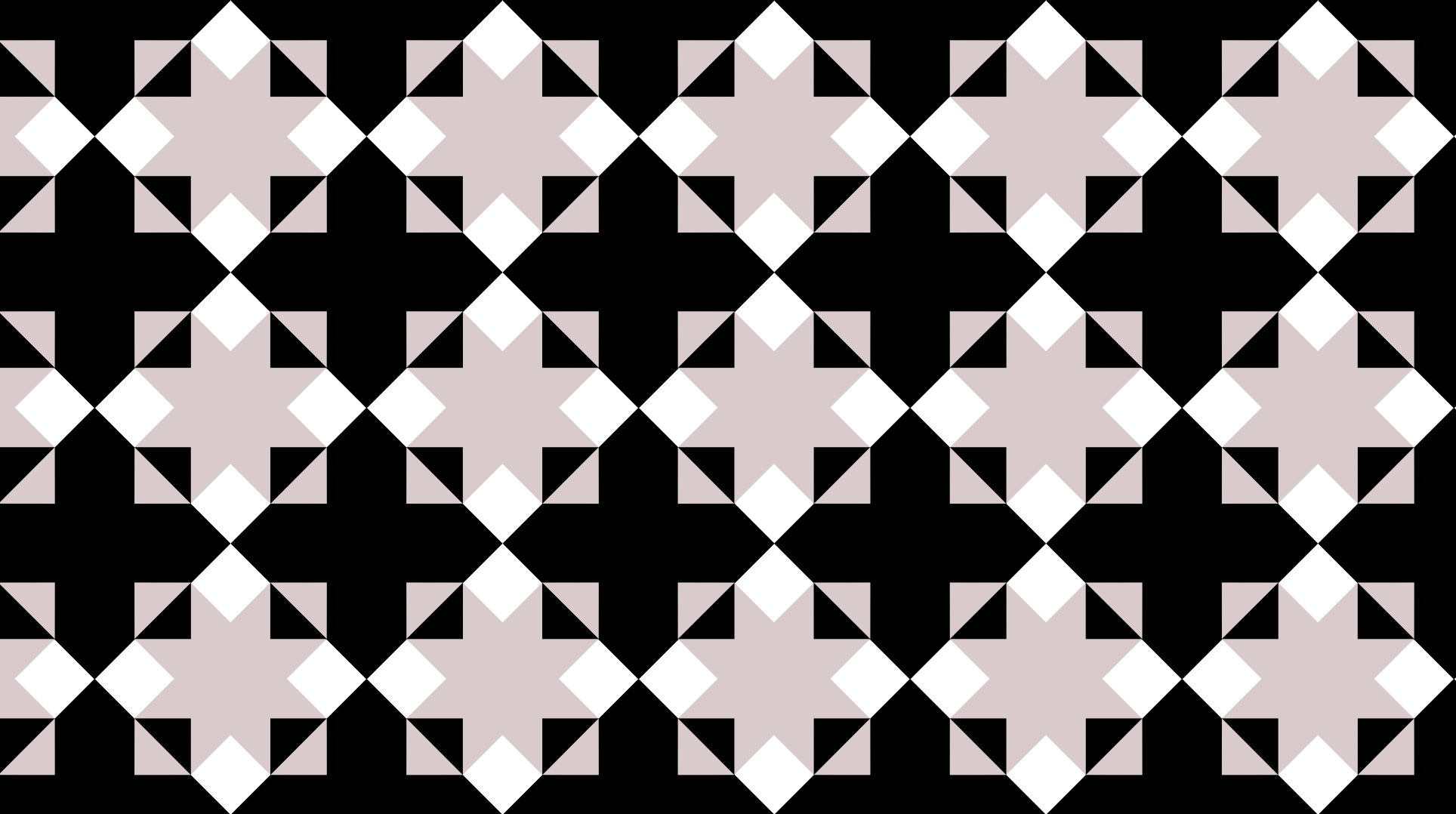
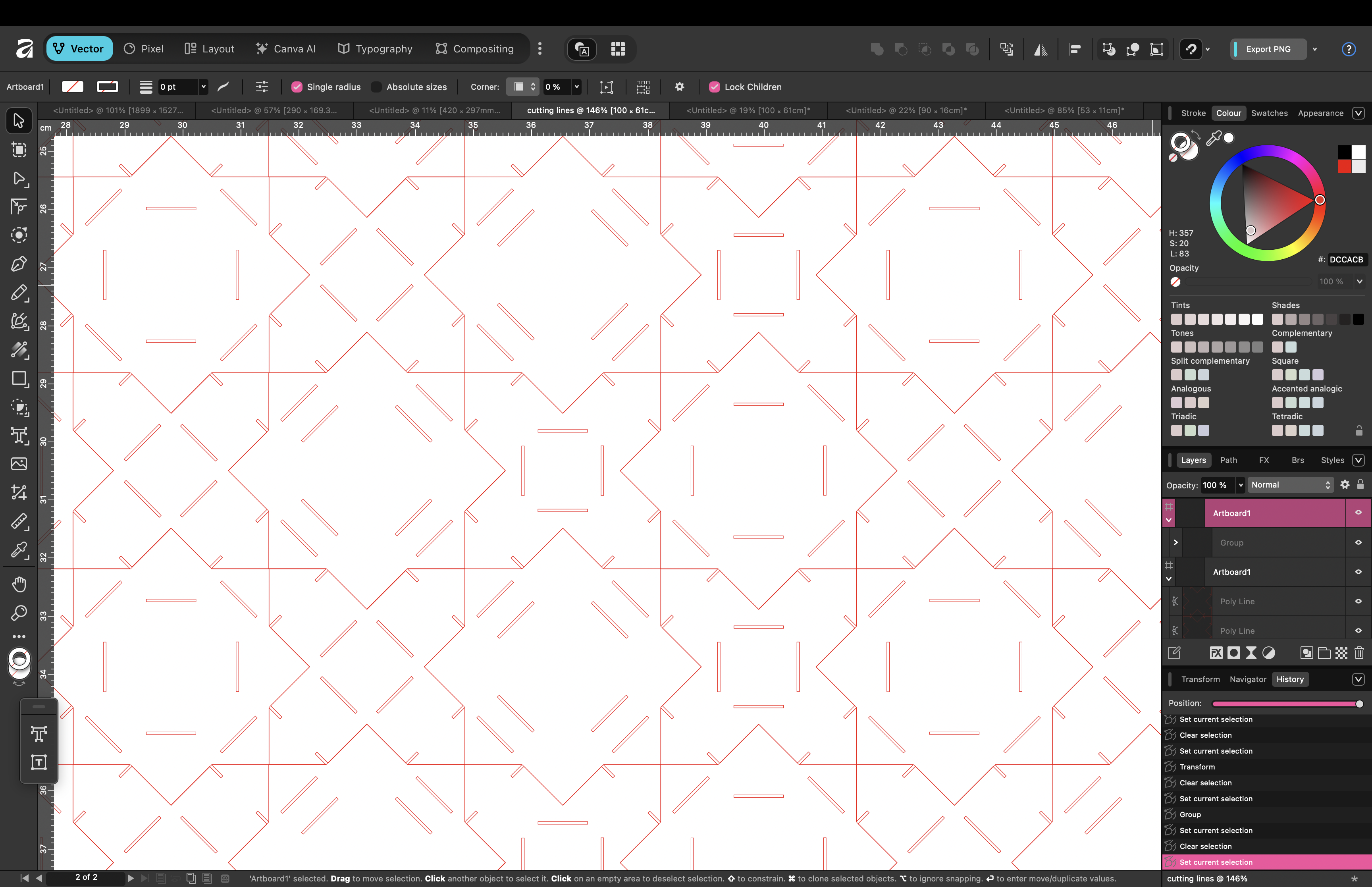
Add cutting lines for connectors
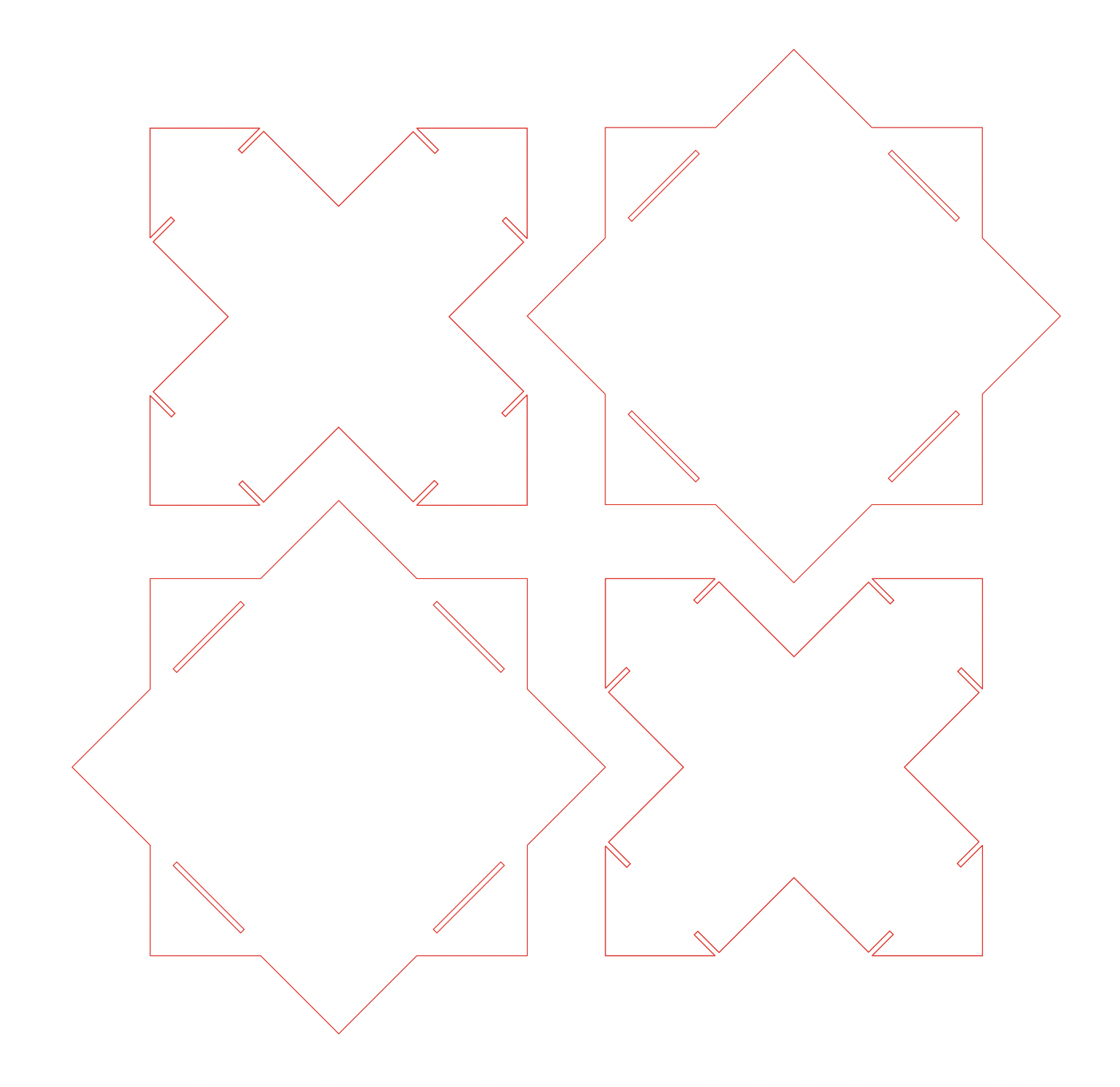
I used Affinity to draw the modules, develop the repeating pattern, and prepare the layout for laser cutting.
The main tools and commands I used were:
- Pen Tool: To draw the shapes and add cutting lines for the interlocking connections.
- Duplicate: To repeat the modules and build the pattern.
- Rotate: To adjust the orientation of the shapes and explore different arrangements.
- Align and Distribute: To position the modules consistently.
- Snapping: To match edges precisely when arrang DXF file for laser cutting.
Material selection
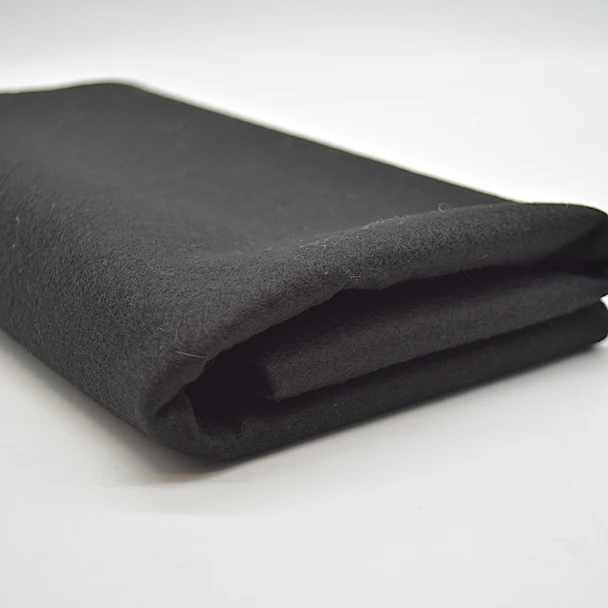
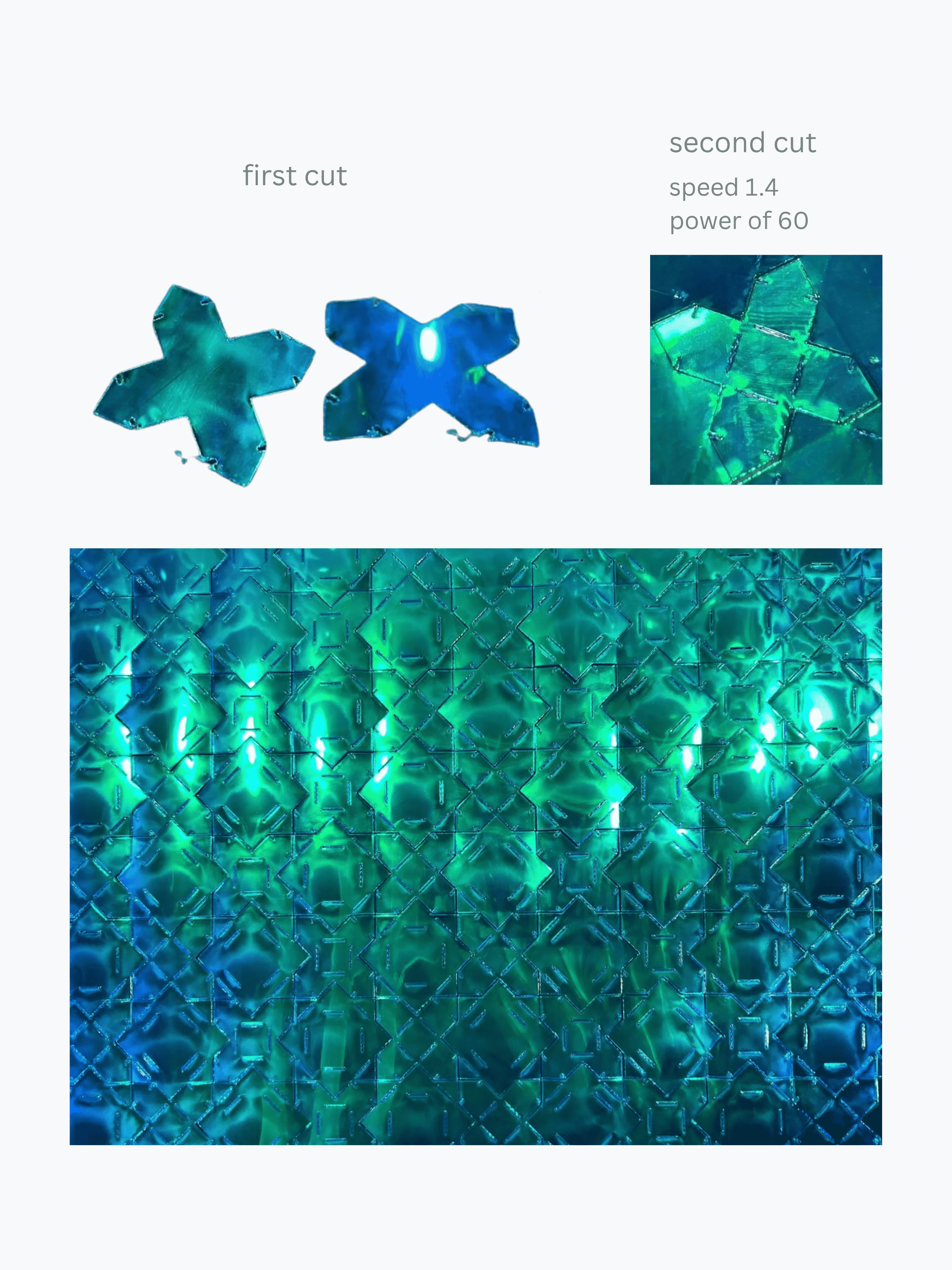
I started exploring the materials available at the lab and found some leftover pieces that I wanted to reuse in my design. I considered felt because it is soft and flexible, yet has enough body to potentially support the shape of the lampshade. and I explored washable paper fabric Kraft-tex. I also explored TPU on a laser cutter, but make sure that you have the right settings because it requires extreme caution due to toxic fumes.
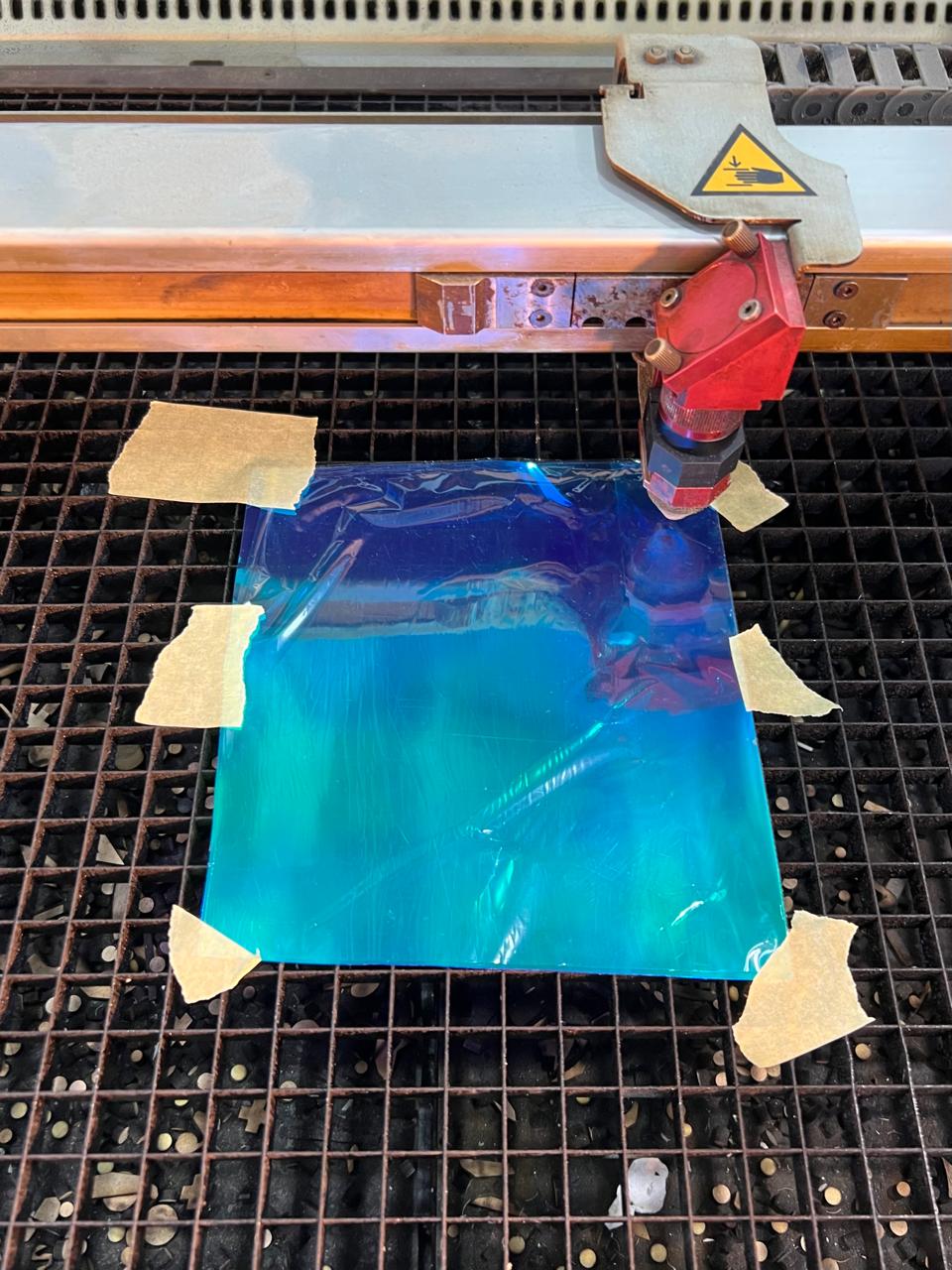
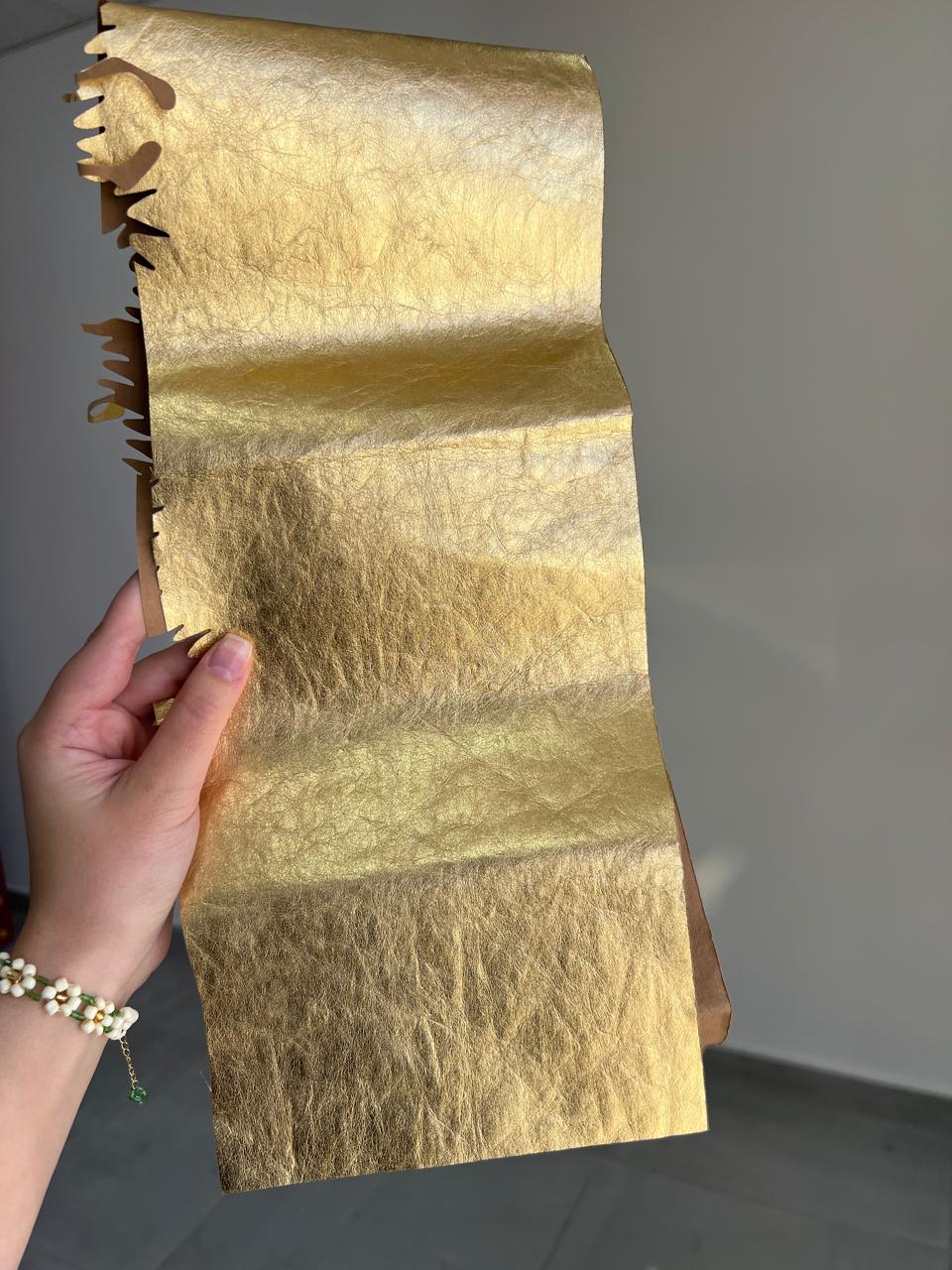
Important note: I cut the TPU sheet using the TPU material preset, with a speed of 1.4 and power of 60
Laser cut
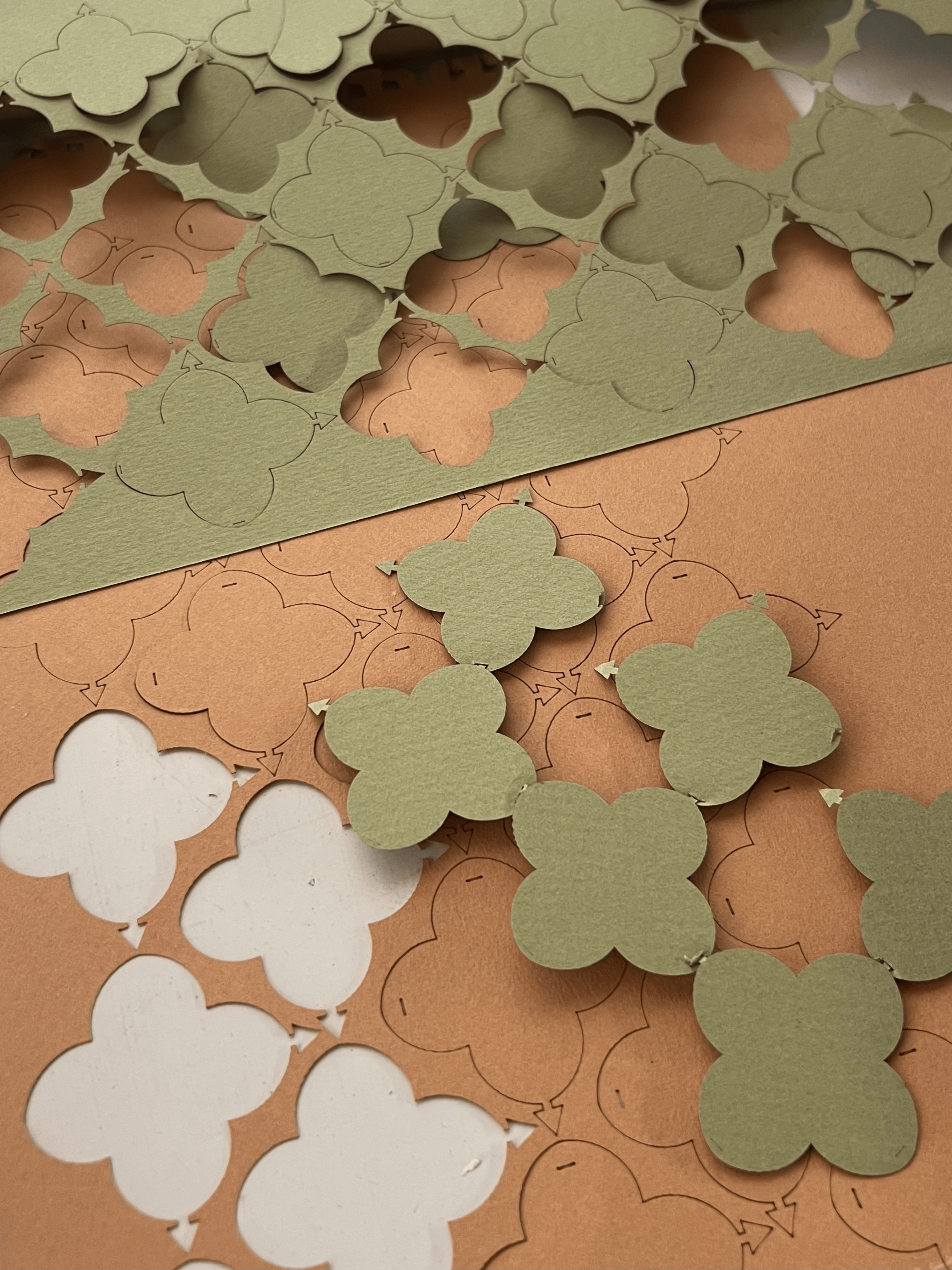
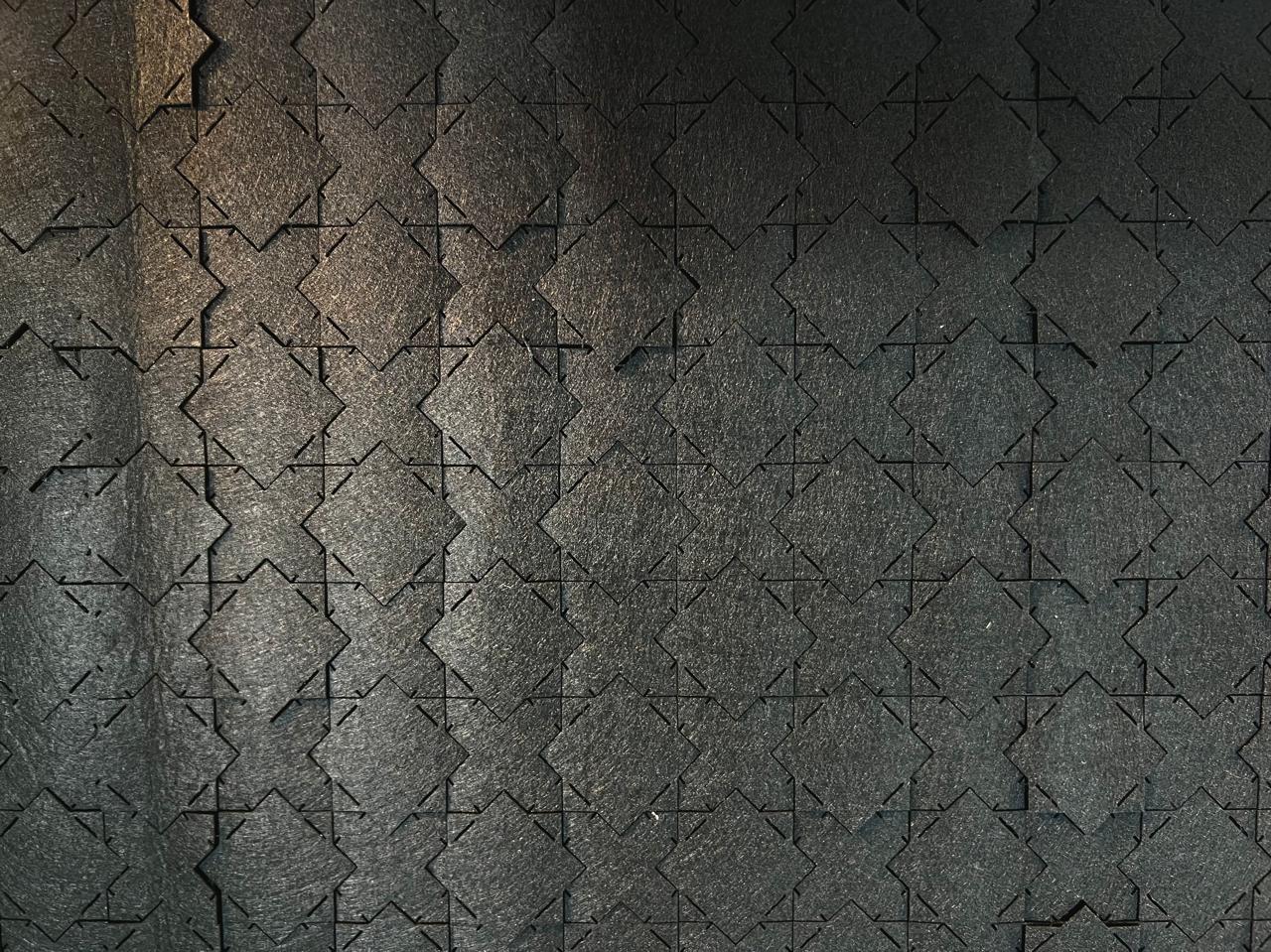
I started by testing my design on different materials, beginning with felt. I wanted to check whether the dimensions and cutting lines allowed the pieces to connect securely, while giving them enough flexibility to overlap
zero-waste material
Assemble
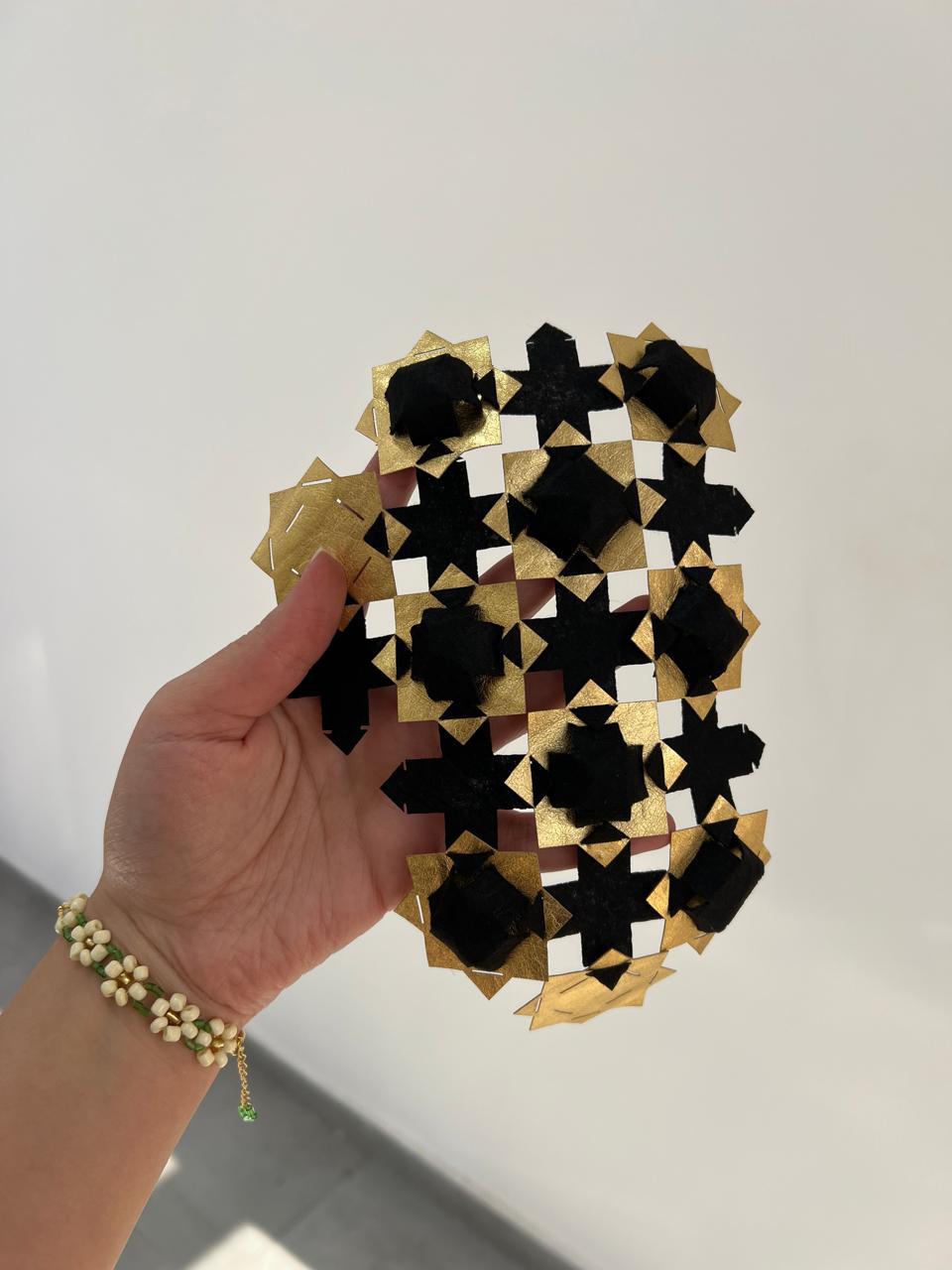
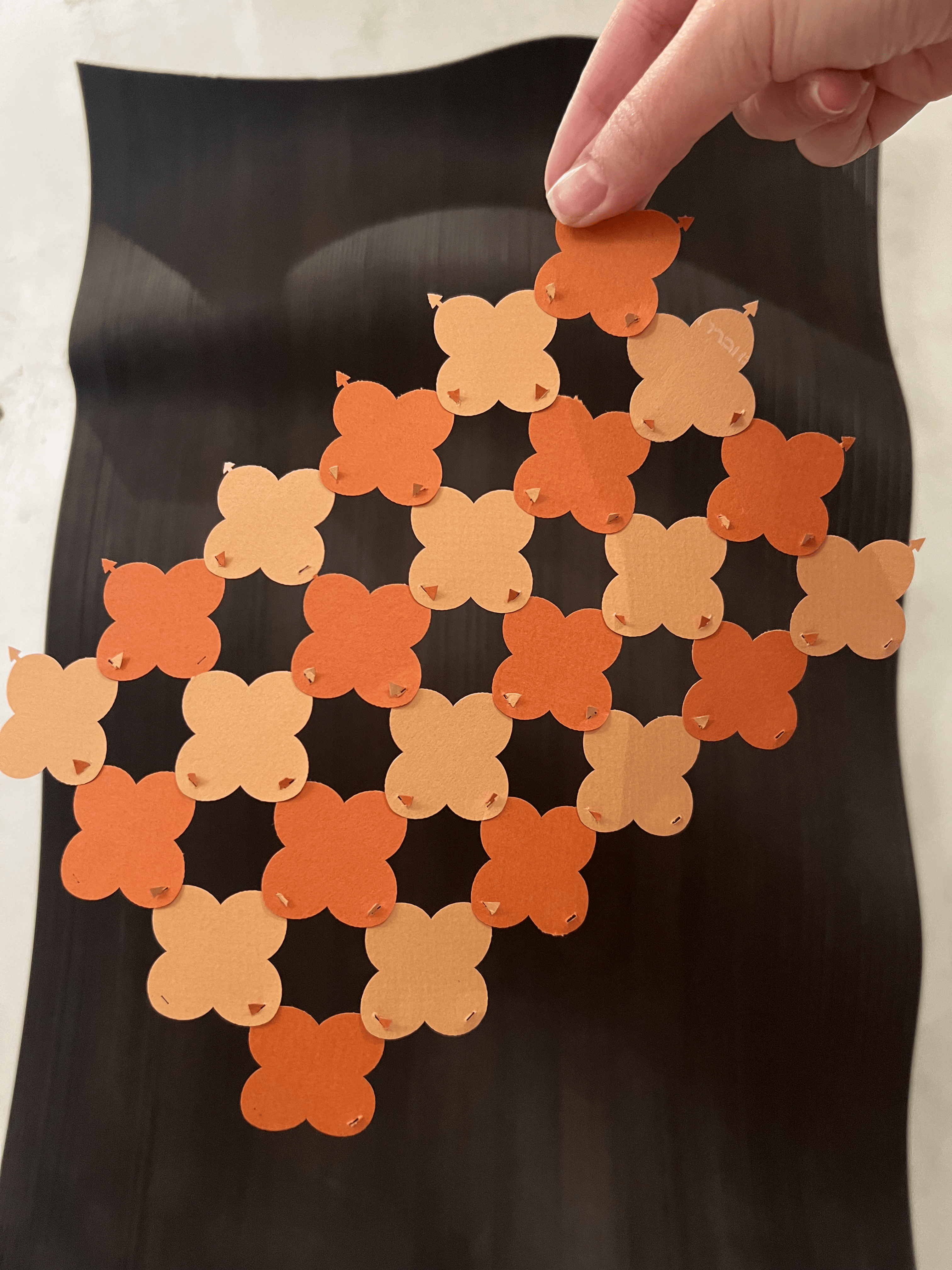
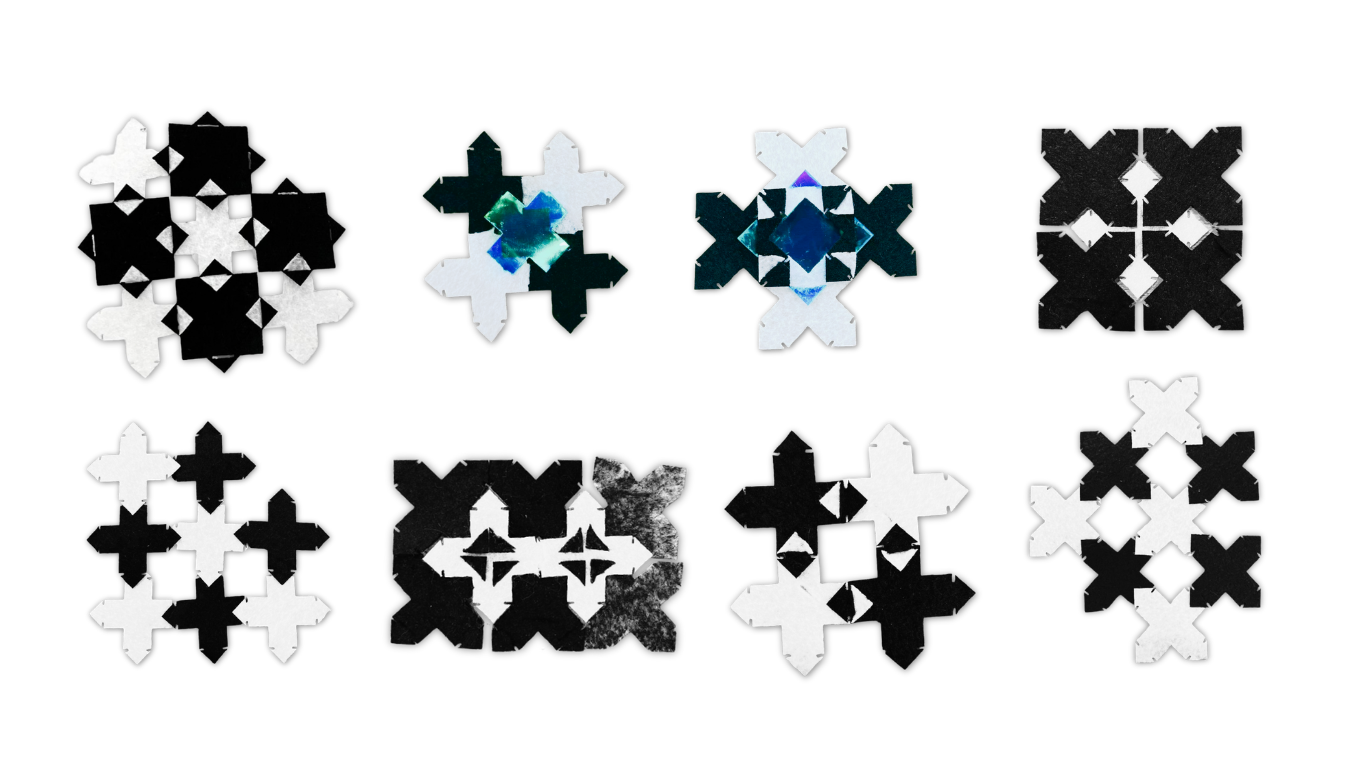
While assembling the pieces, I experimented with a few additional cuts and discovered how one simple shape could create many interesting patterns. This led me to revise the design file again, adding more cuts to give me greater flexibility when connecting and arranging the modules.
Re-design the pattern
I went back to my design file and added more cutting lines, giving me greater flexibility to connect the pieces in different ways and create overlapping shapes.
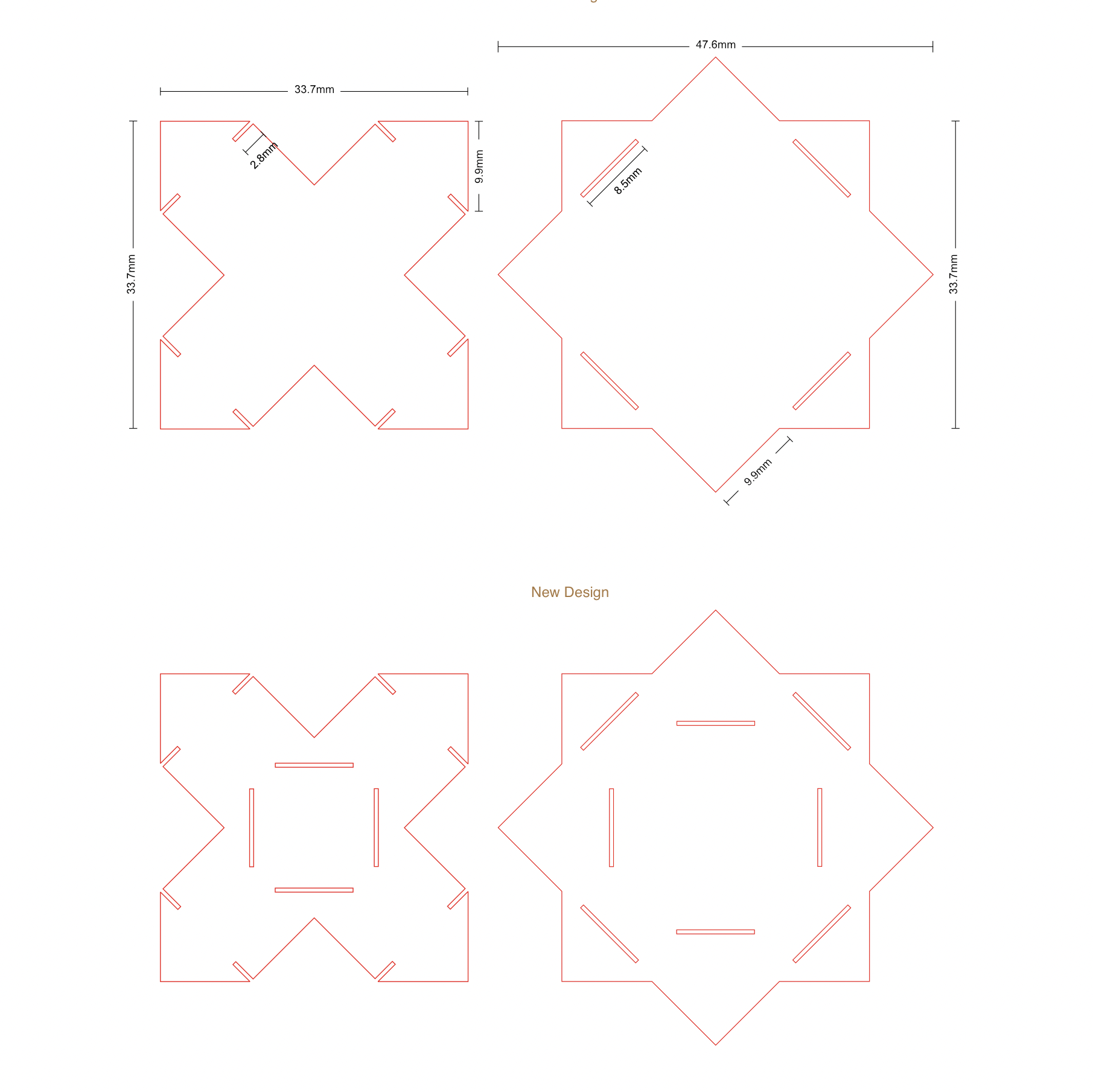
The material used is 0.5 mm thick, and the interlocking cuts were designed to suit this thickness. The fit and ease of assembly may vary depending on the material’s thickness, flexibility, and the laser’s cutting width (kerf). When using a different material, test a small sample first and adjust the connections as needed
Nestting
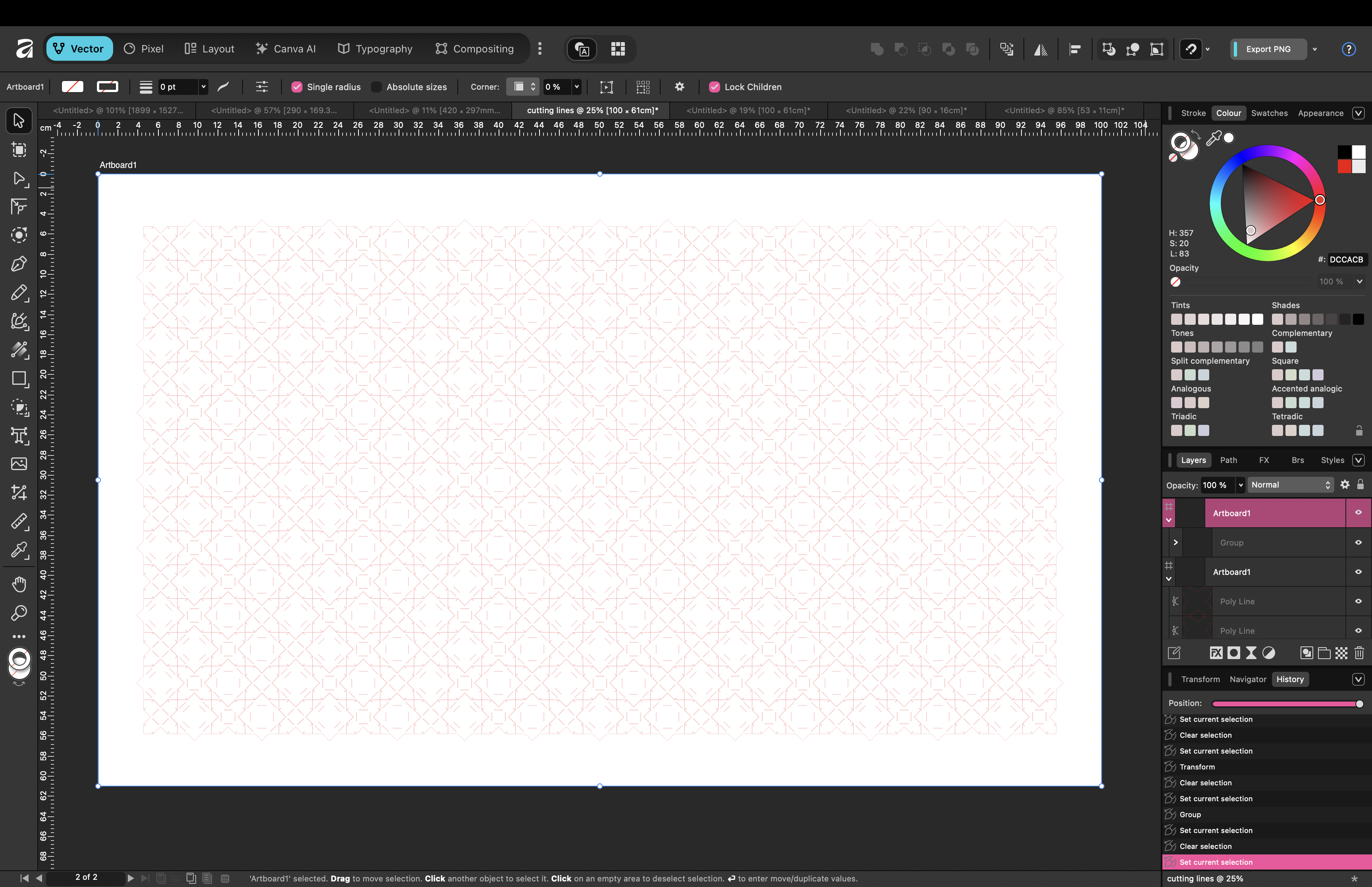
The shapes are designed to complement each other and are nested together to minimize material waste during cutting.
Final Outcome
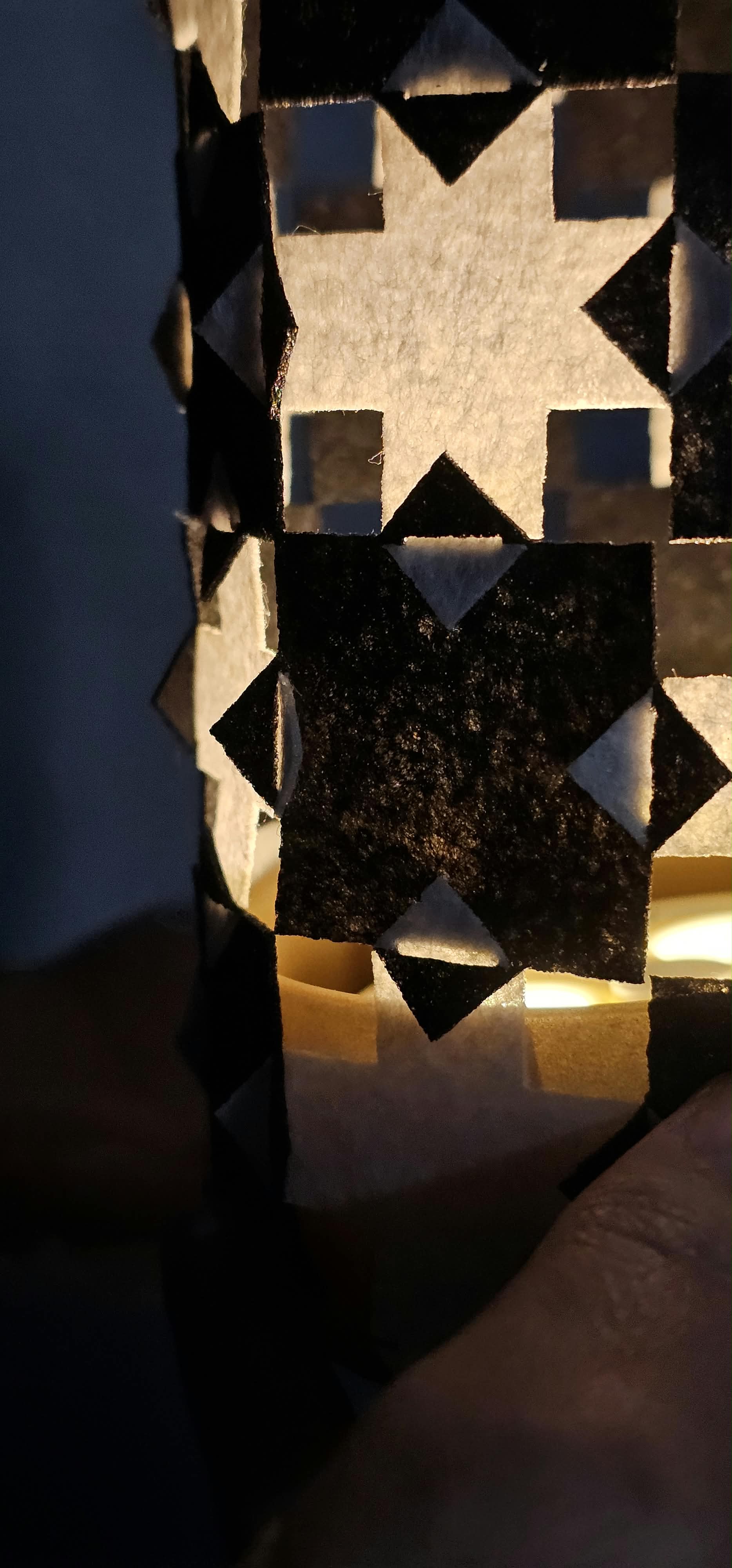
I’m really satisfied with the final result, especially because I found the project challenging at first. Seeing the patterns come together with light, and discovering how many different outcomes I could create from a single shape, made the process rewarding.
This project encouraged me to think more carefully about how I use materials, how I can minimize waste, and how leftover pieces can become something functional and beautiful. I’m excited to keep developing this skill and explore more possibilities through pattern, structure, and light.
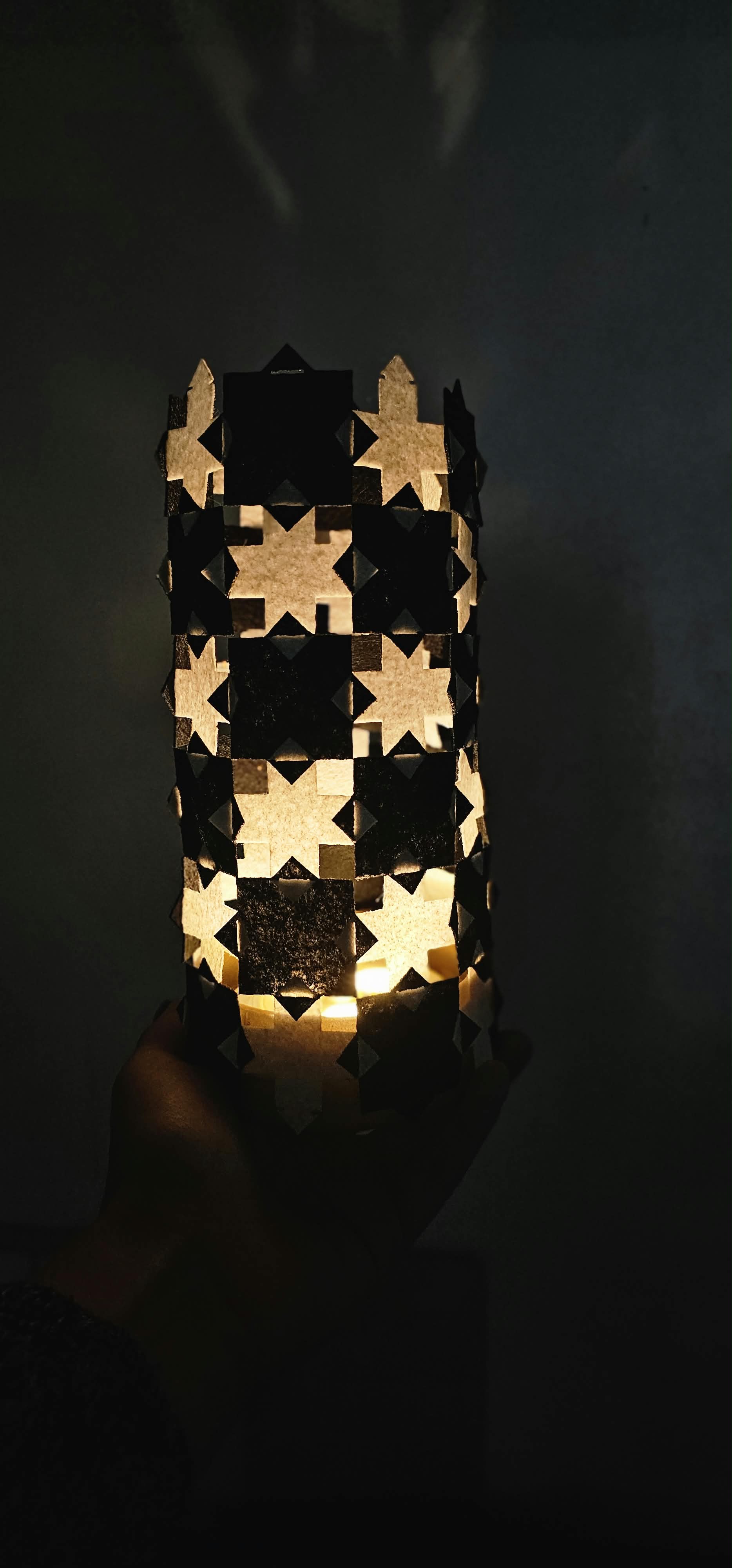
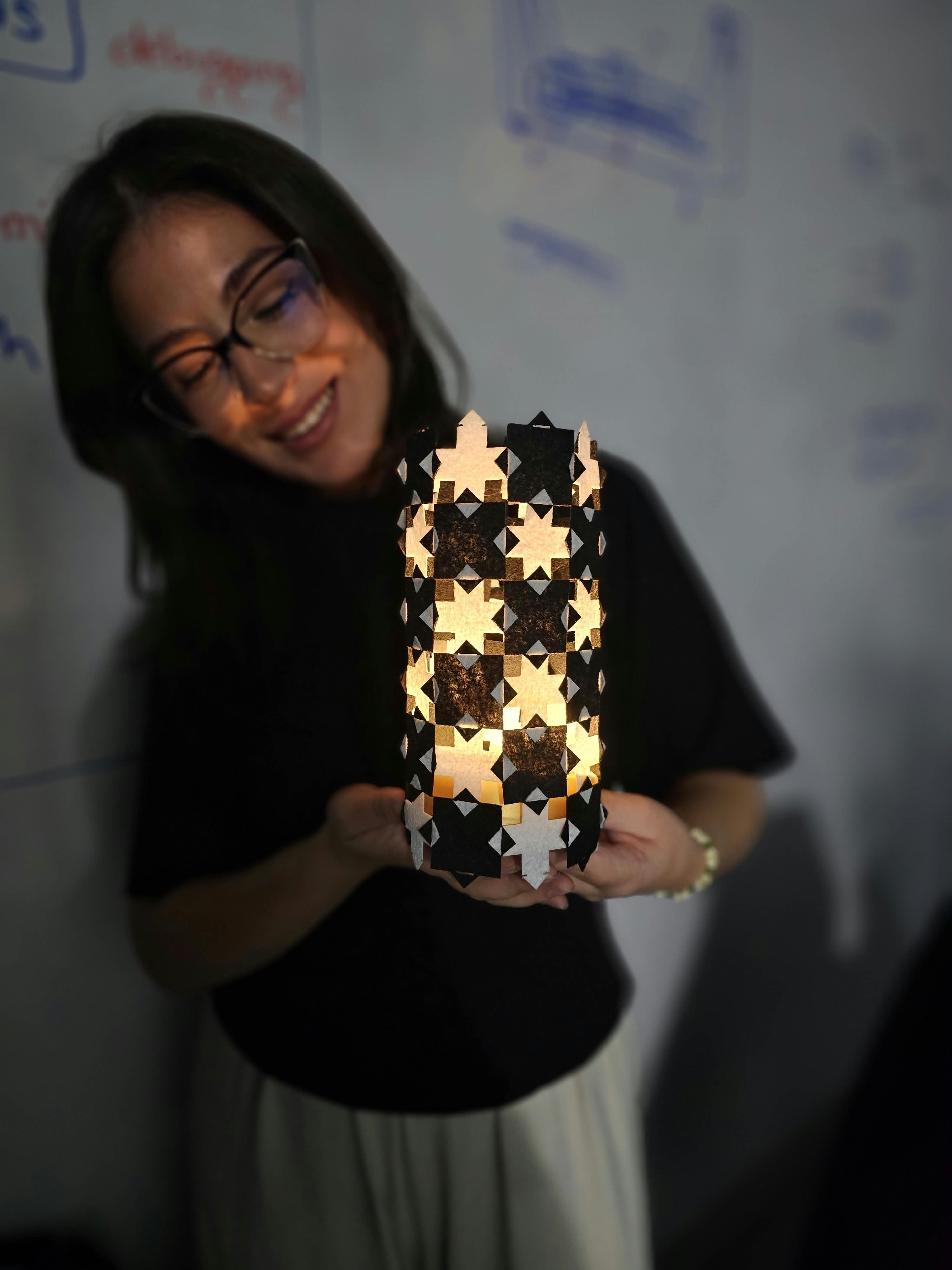
Find the lamp on oscircularfashion
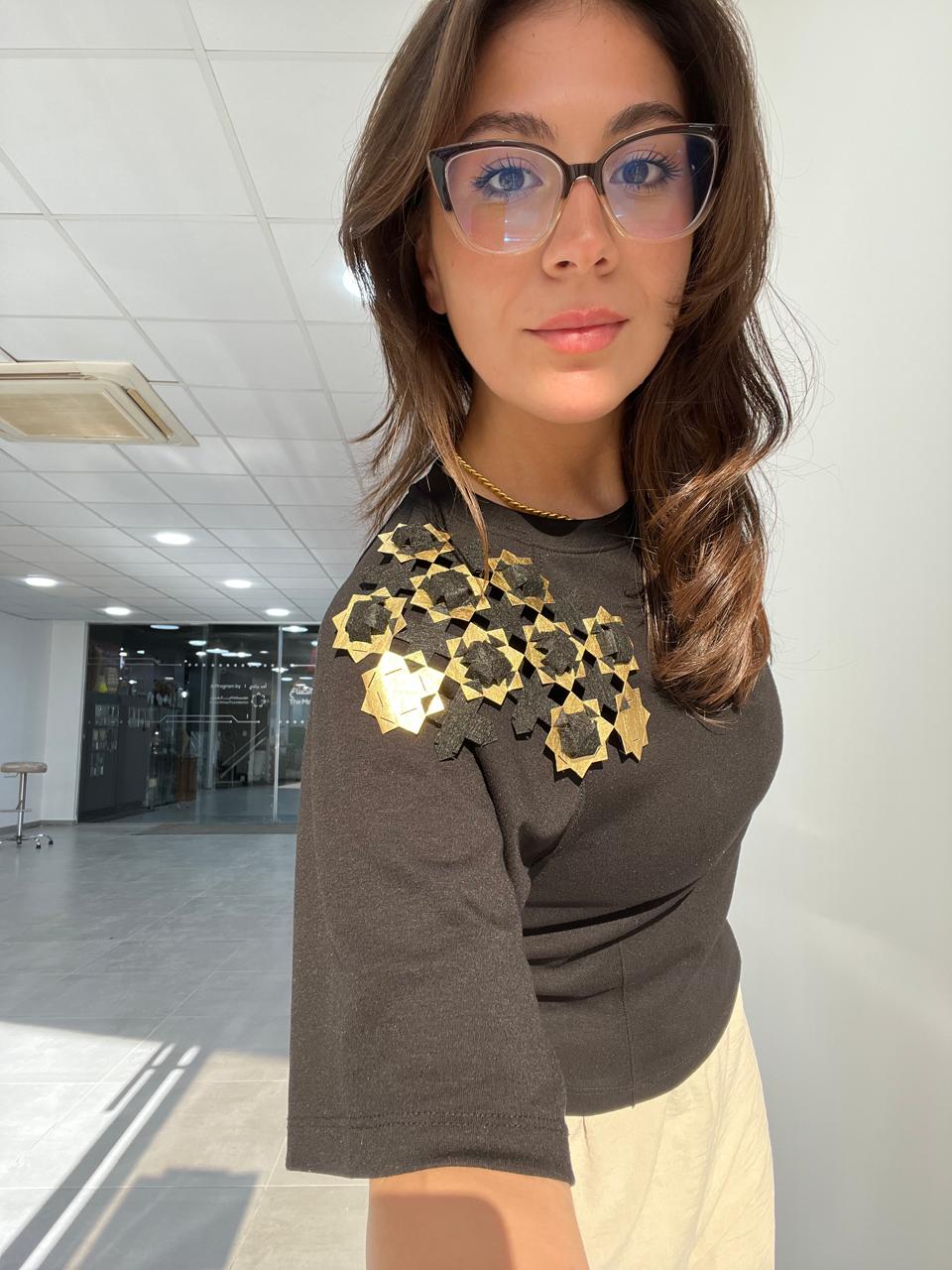
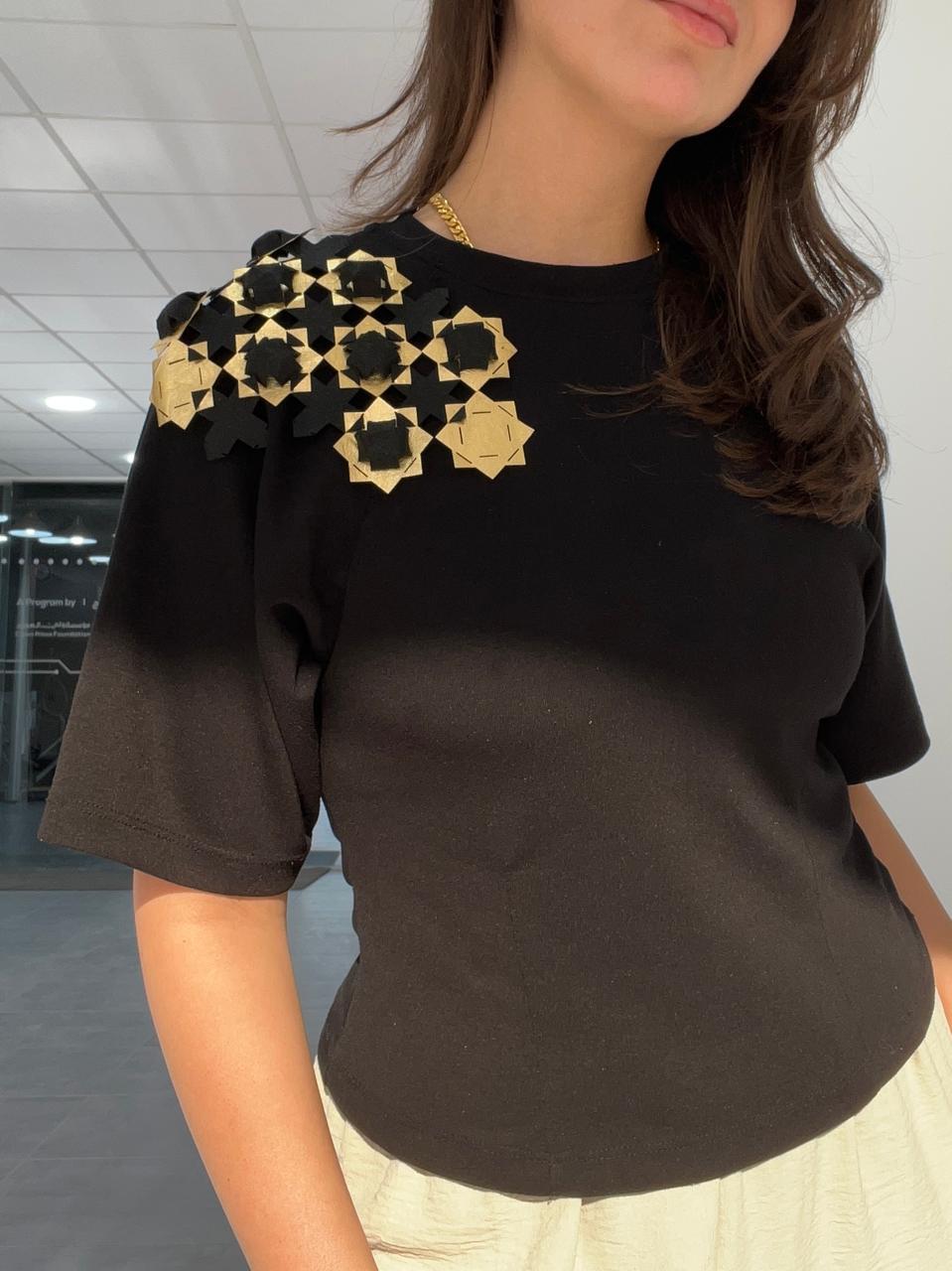
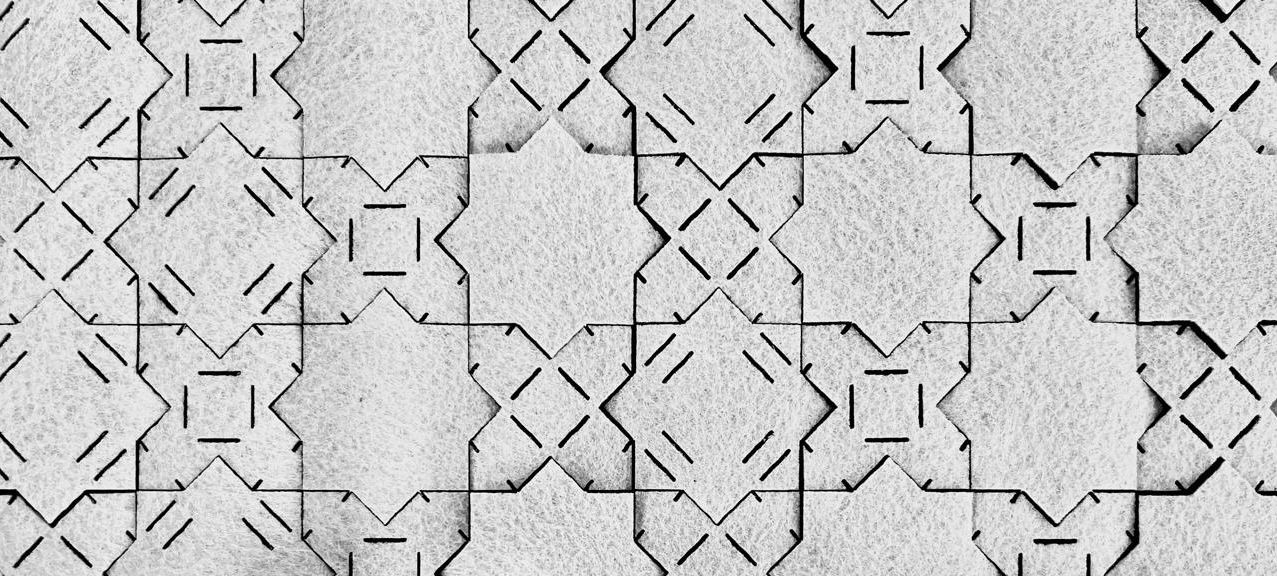
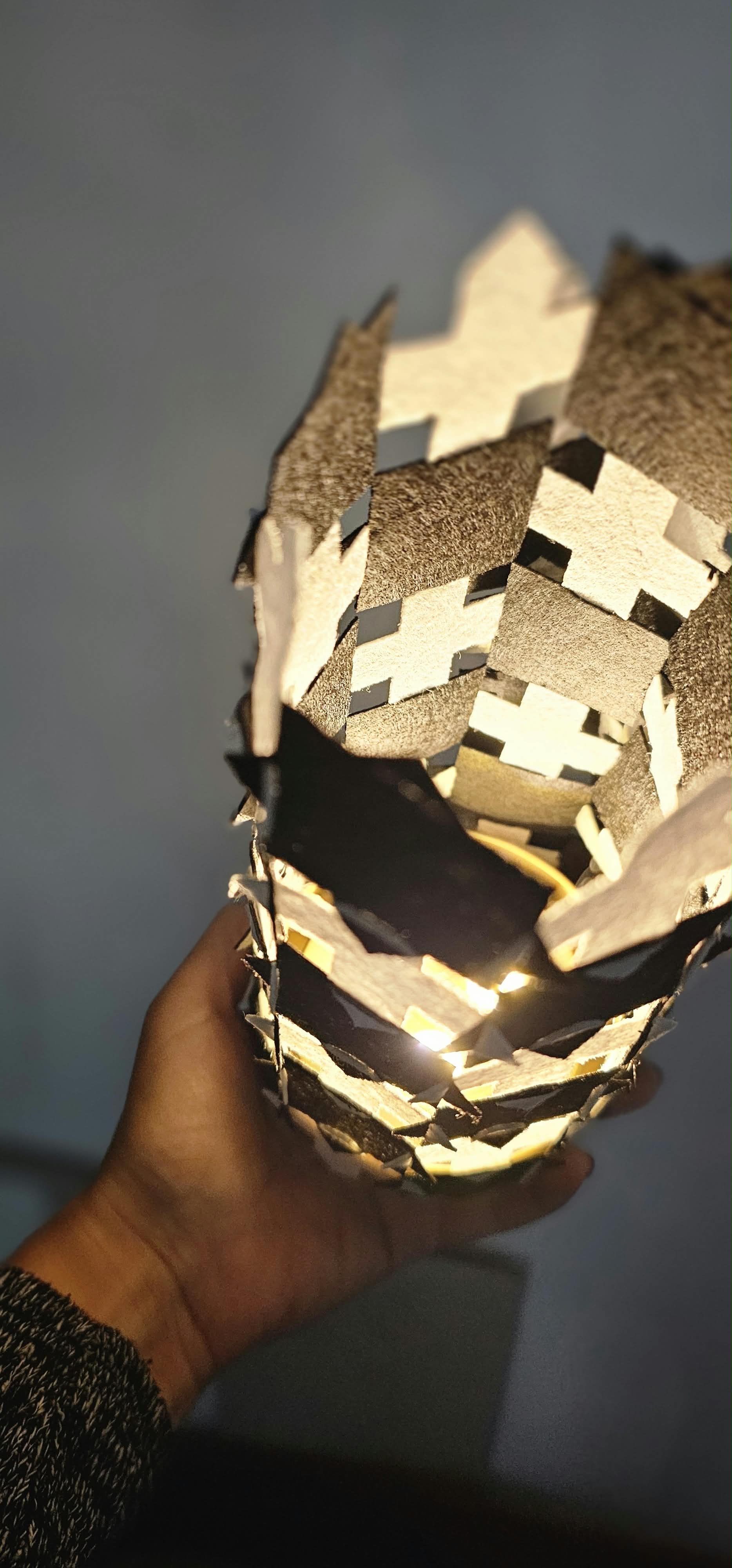
I also experimented with creating a three-dimensional effect by overlapping the modules and connecting them through different cuts. This made parts of the pattern lift away from the surface, creating a pop-up effect.