Soft robotics
Introduction
This week, I explored soft robotics and how flexible materials can be designed to move through inflation. I had never worked with soft robotics before, so I started by researching the topic and its applications to better understand the possibilities. From there, I experimented with two main techniques: heat-sealed vinyl inflatables and cast silicone actuators.
What Is Soft Robotics?
Soft robotics is a field of robotics that uses flexible, deformable materials to create movement and interaction. It can bend, stretch, twist, or adapt its shape through the deformation of its material.
In our experiments, we explored pneumatic actuators, which use pressurised air to create movement. What I found interesting is how air can bring a simple shape to life. As it enters a sealed chamber, it pushes against the walls, making the material expand and move. The way it moves depends on the material, the shape of the chamber, and where expansion is restricted.
This means that designing the shape also means designing its movement. By allowing some areas to stretch more than others, we can make a structure bend instead of just puffing up.
Applications of Soft Robotics
Soft robotics offers possibilities wherever adaptable movement or contact with the body is useful.
- Wearable assistance and rehabilitation: Inflatable textile structures can support body movements. Harvard’s soft wearable research includes devices that assist upper arm and shoulder movement.
- Hand assistance: Soft pneumatic actuators have been explored in assistive gloves for hand rehabilitation.
- Interactive products and shape changing surfaces: Inflatable structures can introduce movement into wearables, toys, packaging, and physical interfaces. The aeroMorph project explores these possibilities through heat sealed materials.
2. References, research & inspiration
PneuNet silicone actuators are made up of a series of channels and chambers inside an elastomer. These channels inflate when pressurized, creating motion.
I also went back to our coleges documentations and checked them out
The Two Techniques We Are Exploring
| Technique | Basic fabrication approach | What I want to investigate |
|---|---|---|
| Heat-sealed vinyl inflatables | A cut-out butter-paper insert is placed between two compatible vinyl sheets. During heat pressing, it acts as a mask that prevents the layers from bonding in selected areas, leaving an inflatable space | How the outline, sealed areas, and air-channel layout affect the inflated form |
| Cast silicone actuators | Silicone is cast in a mould to create a body with internal chambers. The actuator is sealed and connected to an air supply. Moulds can be fabricated through 3D printing or suitable laser-cut construction | How chamber geometry, wall thickness, and restrictions on stretching influence movement. |
Heat-sealed vinyl inflatables
draw the shape on a butterpaper and cut it out,and then place it on a vinyl sheet
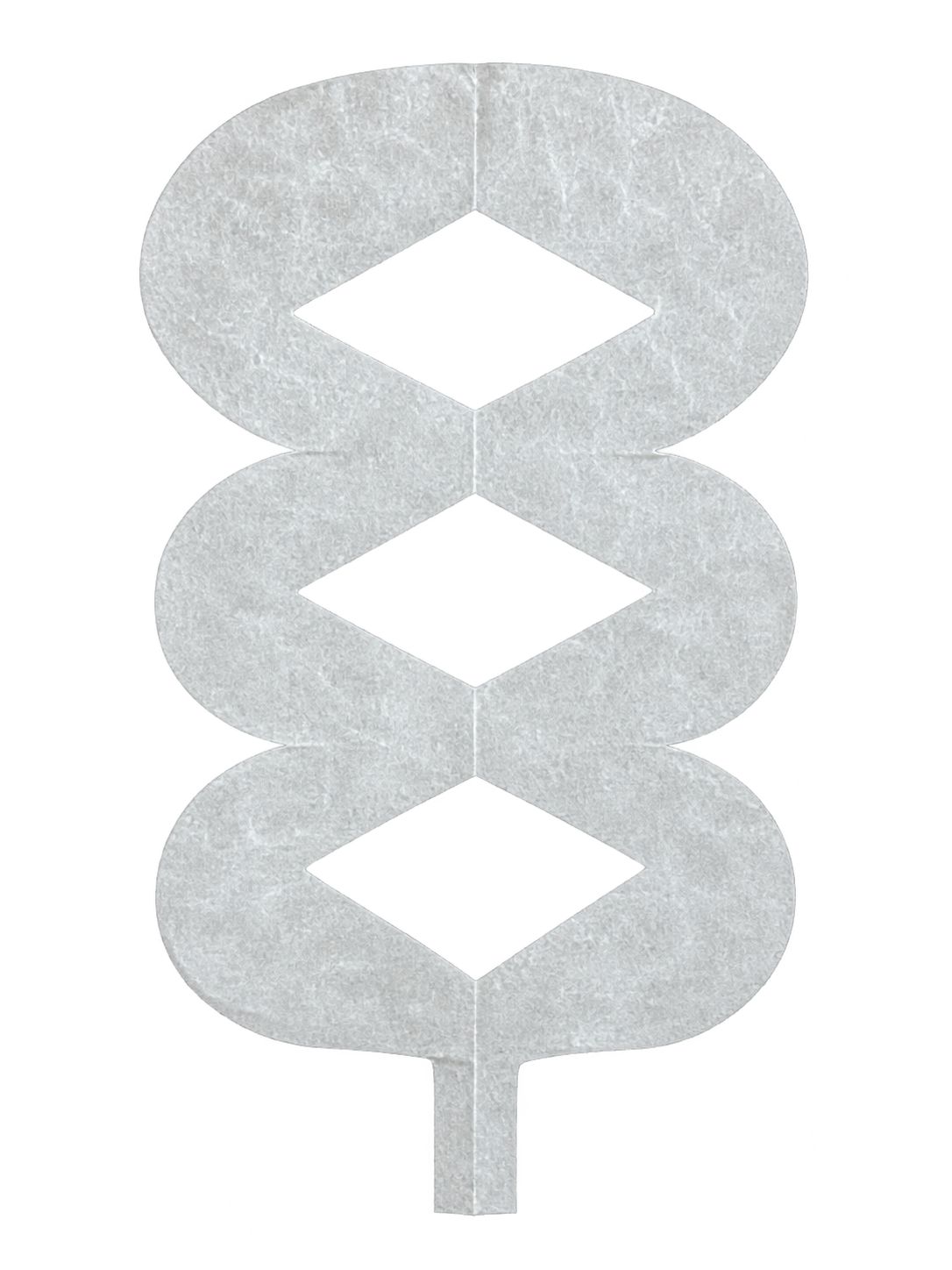
sketch on a butter paper and cut it out
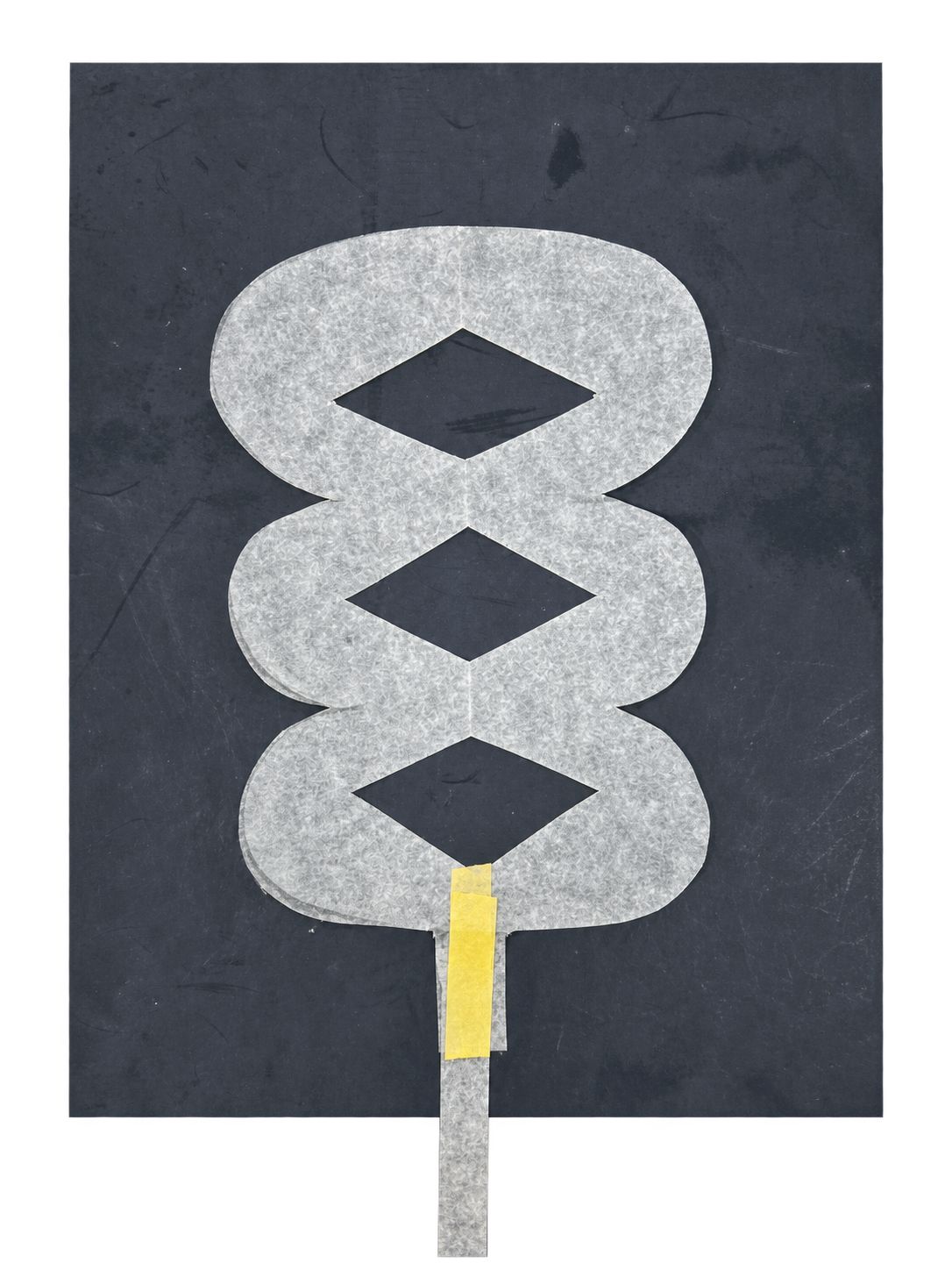
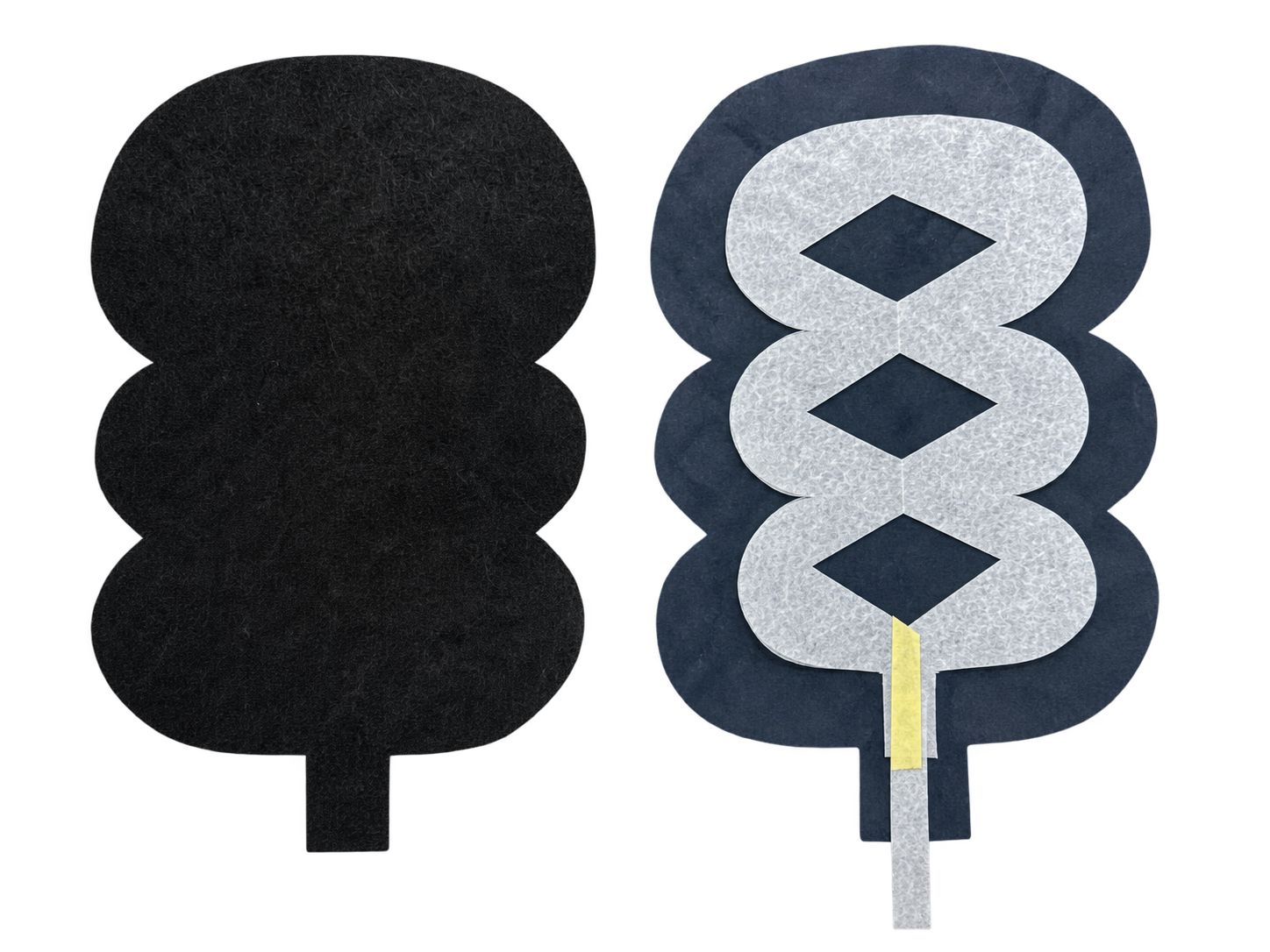
place it on a vinyl paper and cut an ofset of the shape
using a heat press
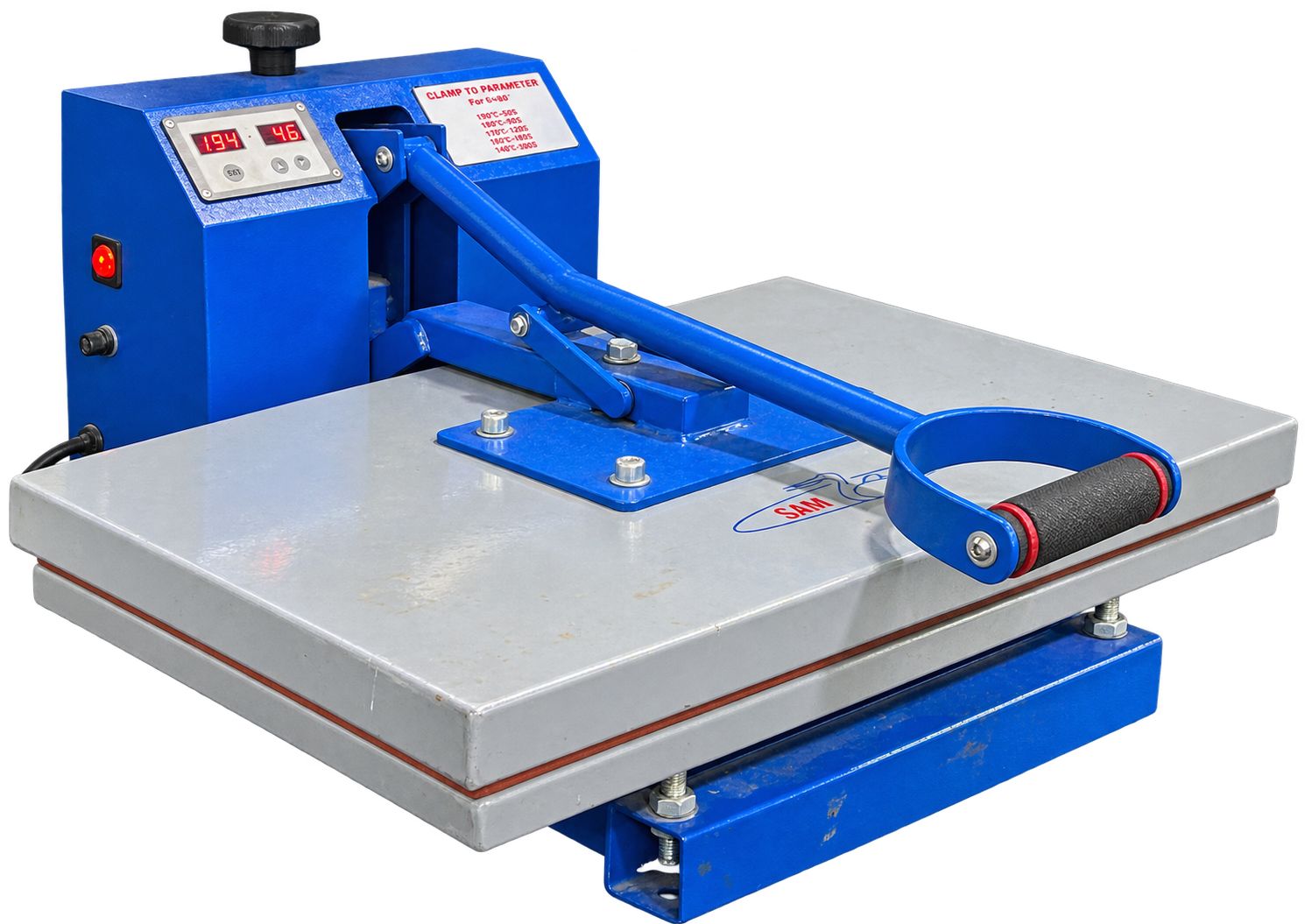
using a heat press seal the tvinyl paper together
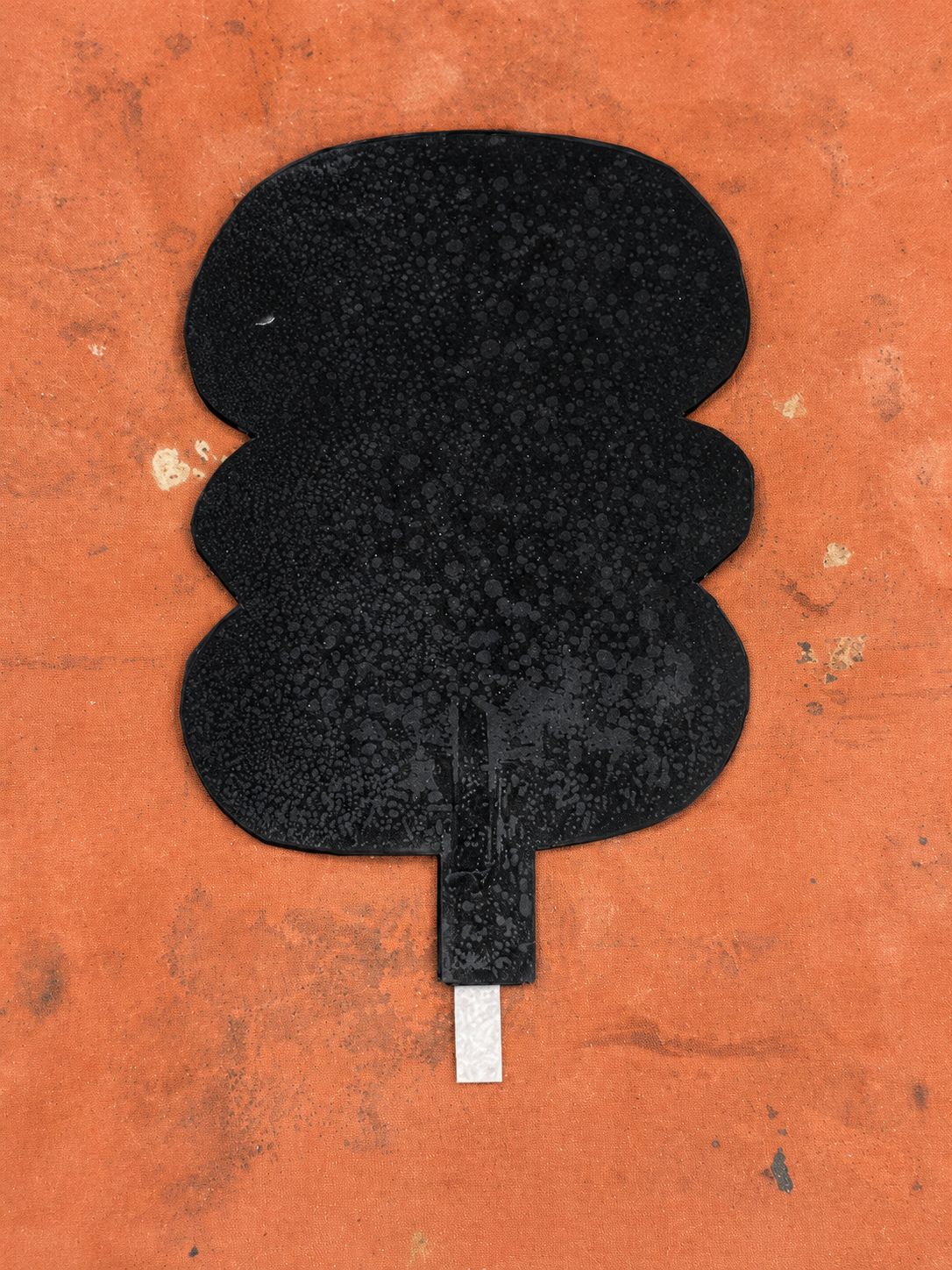
remove the top shiny layer
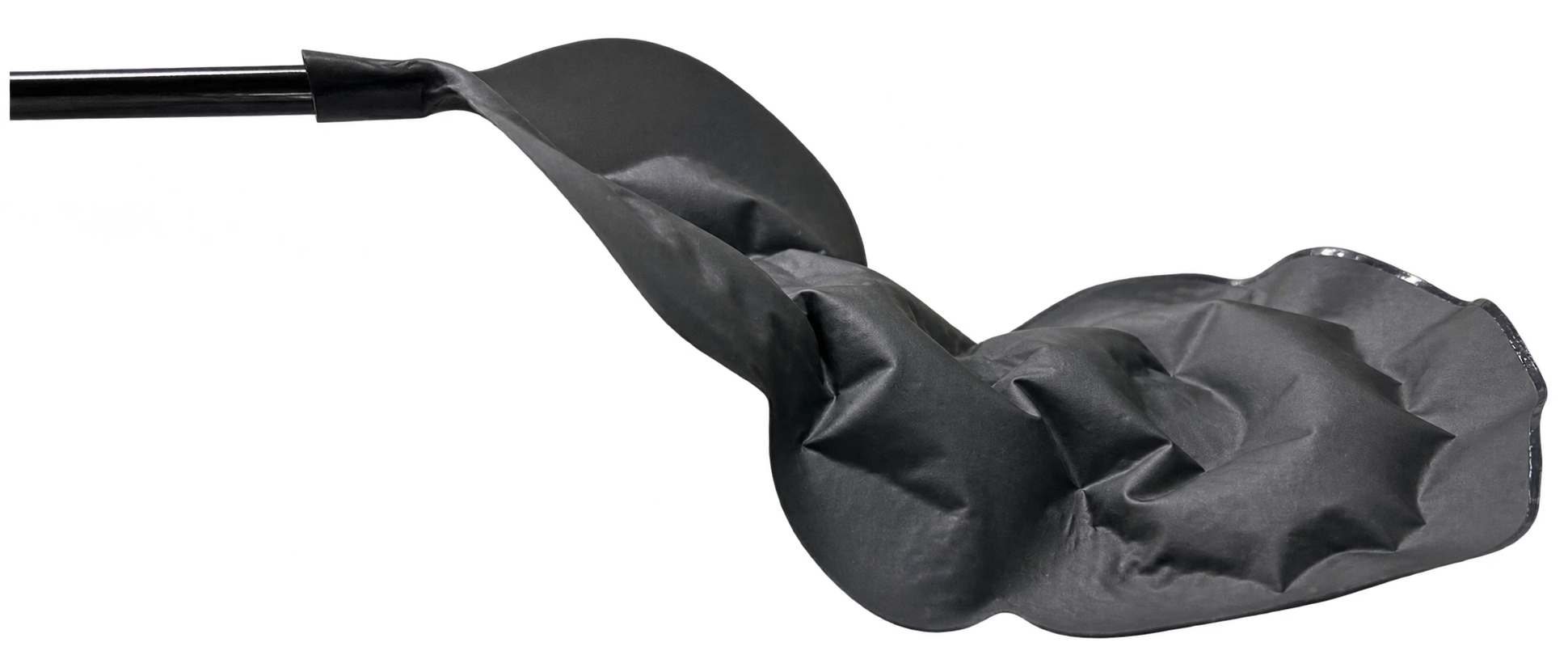
inflate it using an air pump or a straw
Casting the silicone
Safety instructions for silicone casting
- Work in a well ventilated area, “room size” ventilation.
- Wear safety glasses, long sleeves and rubber gloves to minimize contamination risk
- Store and use material at room temperature (73°F/23°C)
Measuring & Mixing
 Ecoflex™ 00-50
 Mixing Container
 Wooden stick
 Digital weighing scale
 Mould or any cating surface
 - Before you begin, pre-mix Part B thoroughly
 - Add amounts of Parts A and B into mixing container. Ratio (1A:1B by volume or weight)
 - Mix thoroughly for 3 minutes making sure to scrape the sides and bottom of the mixing container several times.
 - Leave the mixture for few minutes, and let the trapped air bubbles to escape or use a vacuum pump if available.
 - Pour your mixture in a single spot at the lowest point of the mould.
 - Allow rubber to cure for a minimum time of 4 hours at room temperature (73°F/23°C) before demolding.
- Video references: Vimeo (only when not yours)
Sound Waves from George Gally (Radarboy) on Vimeo.
7. Fabrication files & References
-
File: Laser cut matrix ↩
-
Reference: Author; Title; Source; year ↩