State of the art, project management and documentation
Week 01: Students checklist
Coming from a maritime background, operating under strict Standard Operating Procedures (SOPs) and detailed checklists is second nature to me. This disciplined, methodical approach is a vital asset in digital fabrication, ensuring safety, precision, and consistency within the lab. I will be starting each week with adding the weekly students checklist.
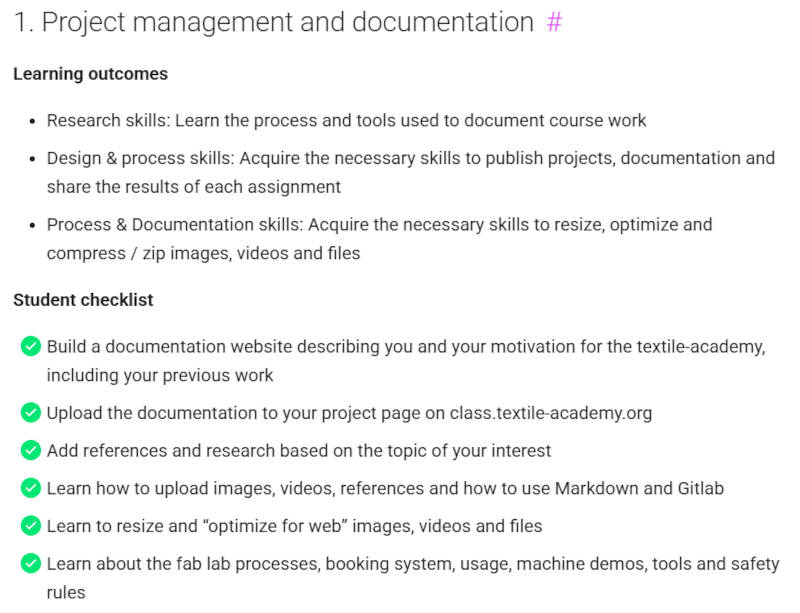
Image Source: Fabricademy Handbook
As I embark on my Fabricademy journey, I am applying this structured mindset to navigating new software, mastering version control in GitLab, and setting up my digital portfolio. Below is the documentation of my first week, tracking the tools and workflows that will form the blueprint for my upcoming textile innovations.
1. Objective
We had a really good presentation from Claudia Simonelli about how to approach the setup of our documentation website. One of the things that really stood out to me was the importance of making the website personal and using it to document everything we do throughout the Fab Academy process. The idea that “without documentation, it didn't happen” is something I want to keep in mind throughout the project. The website is not only a place to present the final results, but also a place to show the process, experiments, mistakes, changes and things I learn along the way. Claudia also talked about the importance of preparing images correctly for the website. This includes compressing image files so that the website does not become unnecessarily heavy, as well as remembering to credit the people who own or created the images. This is something I am trying to incorporate into my documentation from the beginning. Slides from first tutorial
Getting started with my website
After the presentation about documentation, we had an introduction to coding and setting up our own website by Julian Gallimore. This is definitely an area where I am outside my comfort zone. I am more used to working with WordPress, so the way of thinking about building a website with GitLab, Markdown and code is quite different for me. But very healthy for me to learn.
I felt a little lost during the process, especially because I had not checked beforehand how I was supposed to log in and get everything set up. Looking back, I probably could have saved myself some confusion by preparing a little more before the session. My brain needs some time to adjust to this new way of working.
I have been searching for inspiration and examples of how to write the correct Markdown and structure the pages. Luckily, there is already a lot of useful information and pre-written material available in the website setup, which has made it easier to understand what I am supposed to do.
I am still learning how everything fits together, and I am trying to allow myself to experiment instead of expecting to understand everything immediately.
Tools I have used
Based on Claudia's presentation, I have started using several different tools as part of my documentation workflow:
Inkscape – for preparing and arranging images and graphics.
GIMP – for compressing images and preparing my moodboards and other visual material.
Photocollage – an online tool I used to create a moodboard.
Pinterest – for collecting visual inspiration and reference images.
I have also made an effort to link to relevant websites, references, people and projects that I have previously been involved with. This makes it easier to see where inspiration and information comes from and gives some context to my work.
Experimenting with the website structure
I am not completely finished with the layout of my website yet. I am still trying different ways of organising the content and finding out what works best for me.
I have been experimenting with the different possibilities in GitLab and also tried switching from Zensical to MkDocs just to see how the two systems differed. It was useful to try both and get a better understanding of how the website is structured. After experimenting with MkDocs, I quickly changed back to the new Zensical setup. For now, it feels more natural for the way I want to work with my documentation.
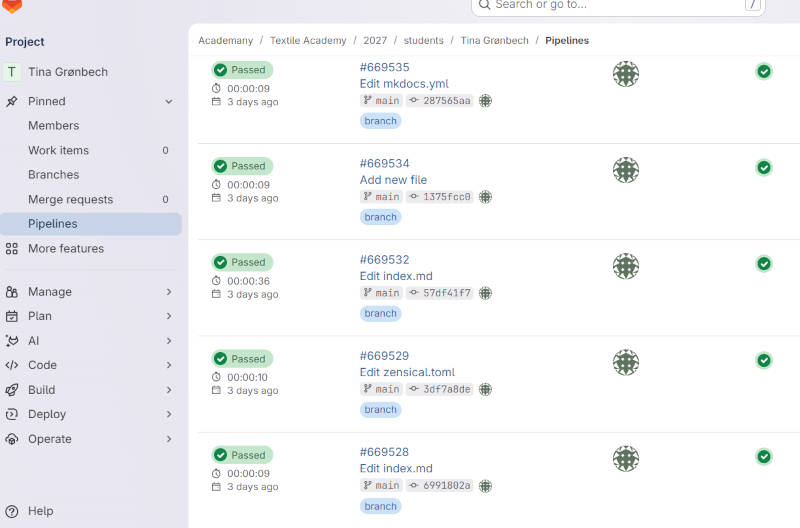
Image Source: [screenshot]
This first week has therefore been as much about learning how to document my work as it has been about learning the technical side of building the website. I still have a lot to learn, but I am starting to understand that the website itself is part of the project — not just something I have to make afterwards.
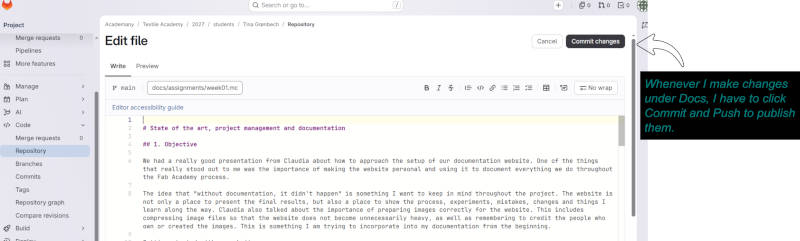
Image Source: [Inkscape]
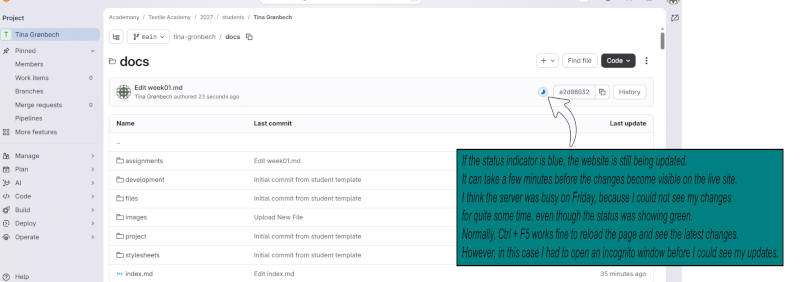
Image Source: [Inkscape]
Using Ai I’ve used AI like Gemini.google.com to help me get started with understanding Markdown and to fix any code I’ve had trouble getting to work. Typically, there was a missing closing tag or a missing line (enter) after a code block. Since I’m new to GitLab, it’s helped me save time getting started. I’ve also used AI to shorten text so I don’t lose the content in my journal entries. I’ve also used Deepl to translate from danish text i have already in my documentation.
Using Gimp for resizing photos before uploading them to the Gitlab image folder:
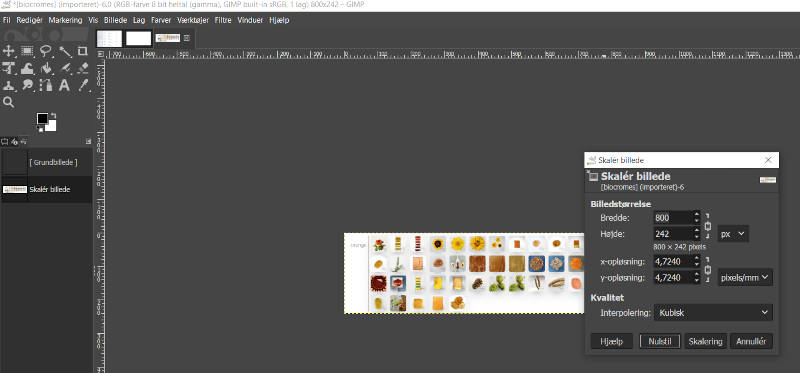
Image Source: [screenshot]
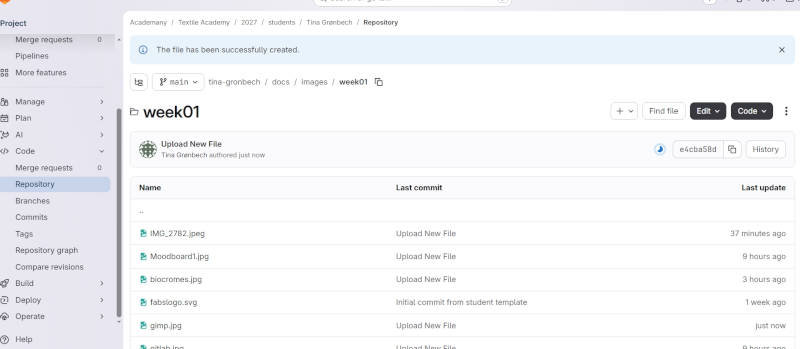
Image Source: [screenshot]
2. Research, inspiration and references
My research approach
Throughout Fabricademy, I want to keep a strong connection to the local nature, heritage and history of the Faroe Islands. I will use these topics as a source of inspiration and try to carry a red thread through the different exercises and projects. From our local materials and landscapes to traditional knowledge and stories, I want to explore how they can influence my work and connect the different parts of my Fabricademy journey.
Navigating Textiles
My relationship with materials is deeply rooted in my life at sea. As a seafarer, I have always valued clothing made to work, endure, and be repaired. From the rough-woven boiler suits worn on board to thick, hand-knitted woolen sweaters, clothing was never about appearance; it was about protection, durability, and resilience against harsh conditions.Moving to the Faroe Islands from Denmark deepened this connection. Learning to knit traditional Faroese patterns and sweaters using local wool, sparked my fascination with how materials intertwine with tradition, place, and craftsmanship. There is a profound familiarity in the smell of a seaman's smock, waterproof canvas, hemp, and ropework. These tactile elements carry stories of physical labor and remind us that resources hold innate value long before they are discarded.
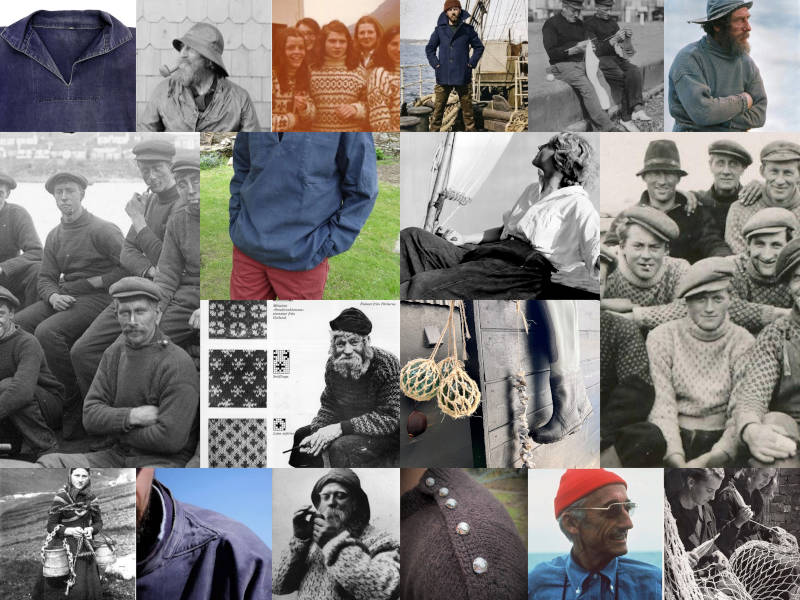
Image Source: Moodboard [Pinterest, Tina and no credits found]
Today, this personal journey directly shapes my vision for textile innovation. By entering Fabricademy, I intend to bring this deep-seated respect for historical values and materials into a new era. At Fab Lab Vágur, my goal is to fuse traditional knowledge and local resources like Faroese wool with digital fabrication, open-source technology, and bio-based experimentation to redefine how we make and reuse textiles.
Inspirations & Collaborative Roots
My creative journey is deeply shaped by collaboration and the inspiring work of talented women around the world. Although I am just beginning my Fabricademy journey, my vision is already fueled by incredible makers and international collaborations:
- Svetlana Khachatryan: During our first "State of the Art" presentation, we were introduced to Svetlana’s final project from Svetlana´s Fabricademy journey Her structured approach and textile exploration instantly became a major inspiration for how I want to document and work. She makes it look so natural.
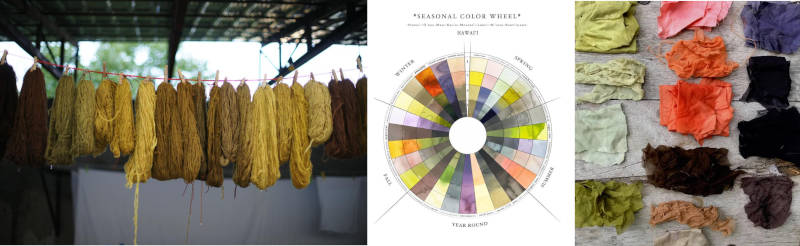
Image Source: Svetlana Khachatryan
- Cecilia Raspanti: I was lucky enough to meet Cecilia in May this year at the Fabricademy bootcamp in Dundalk, Ireland. I was deeply fascinated by her work, and her clever and structured approach to working with natural colorants, which she documents beautifully via the BioChromes Color Archive. Meeting her was a turning point; I became so inspired that I spent some time this summer collecting and drying local Faroese flowers, preparing raw material for our upcoming bio-chromes and natural dyeing workshops.
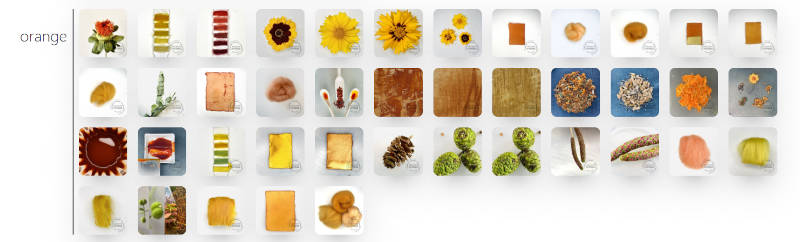
Image Source: Biocromes archivesofthefuture
- Eva Bullens: A talented artist and graphic designer based at Het Hof van Cartesius in Utrecht—a pioneering circular workspace for sustainable makers. She also works with the local UP Utrecht, a central circular center focused on material reuse, repair, and upcycling. When she is working with us here at the lab, she brings valuable expertise in circular design and visual storytelling. She is coming back to work with us again here at the fab lab next year! To better understand the circular and creative ecosystem where Eva Bullens works, this short documentary highlights the community spirit and sustainale workspace design at Het Hod van Cartesiuns in Utreacht, Holland: Watch the video] and there is more to read here: https://www.up-utrecht.org/
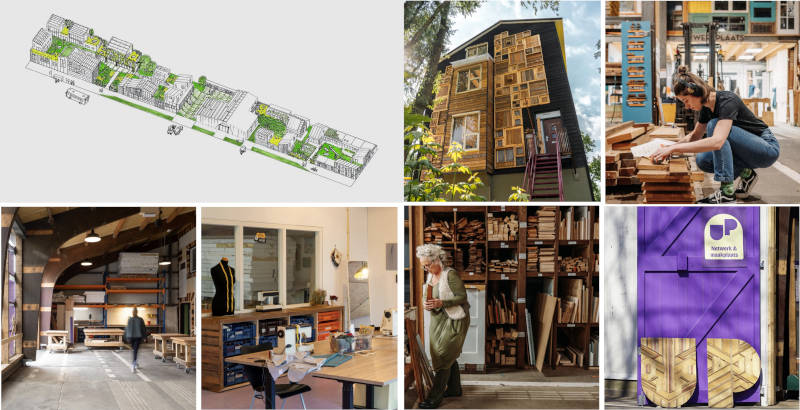
Image Source: Collage [Instagram]
- Alberte Holmø Bojesen & Floortje Zonneveld: I am incredibly excited to welcome my close friend Alberte back to Fab Lab Vágur for a residency this october, alongside my wonderful collaborator Floortje Zonneveld. Having their shared energy, diverse expertise, and fresh perspectives in the lab creates a powerful community space. Exciting times ahead! I will share our collaboration here.
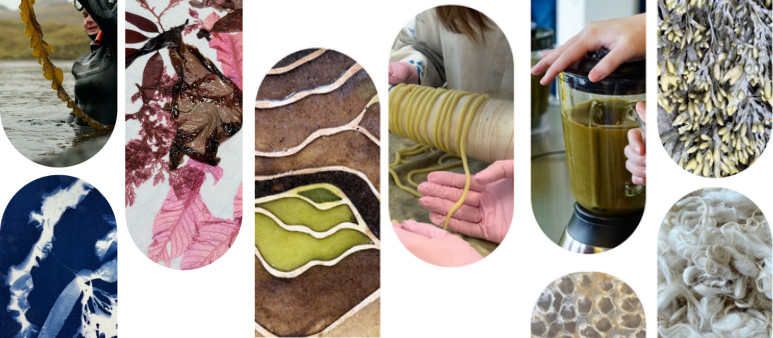
Image Source: [Alberte Bojesen]
Note: You can find direct links to both Alberte and Floortje and their inspiring work and projects via my portfolio pages here on this site. Portfolio
Together, these global and local connections inspire me to push the boundaries of digital fabrication—fusing biomateriales and Faroese wool with modern, circular textile innovation.
3. Lab safety and preparation:
As the manager of Fab Lab Vágur and a marine engineer, safety and maintenance are very important to me. We have not worked with the machines this week, but we begin tomorrow in Week 02. We have safety rules and prepared guidlines for the different machines, so everything should be ready for the upcoming machine work.
4. Weekly Reflection & Key Takeaways
During this first week, I received a comprehensive introduction to getting started with GitLab. I learned a digital terms like Markdown and learned the mechanics of inserting images, structuring layout alignments, and embedding external media. All new knowledge for me.
Crucially, I have also learned the importance of properly citing images and information that I reference, ensuring my documentation aligns with academic standards.
I have deliberately enriched this page with detailed insights and information, so that my background, my values, and my vision for the work moving forward come through with clarity.
__