MURJAN
Murjan - Aqaba Coral reef
My project explores a sustainable solution for marine ecosystem restoration through the fusion of architecture, computational design, and fabrication technology.
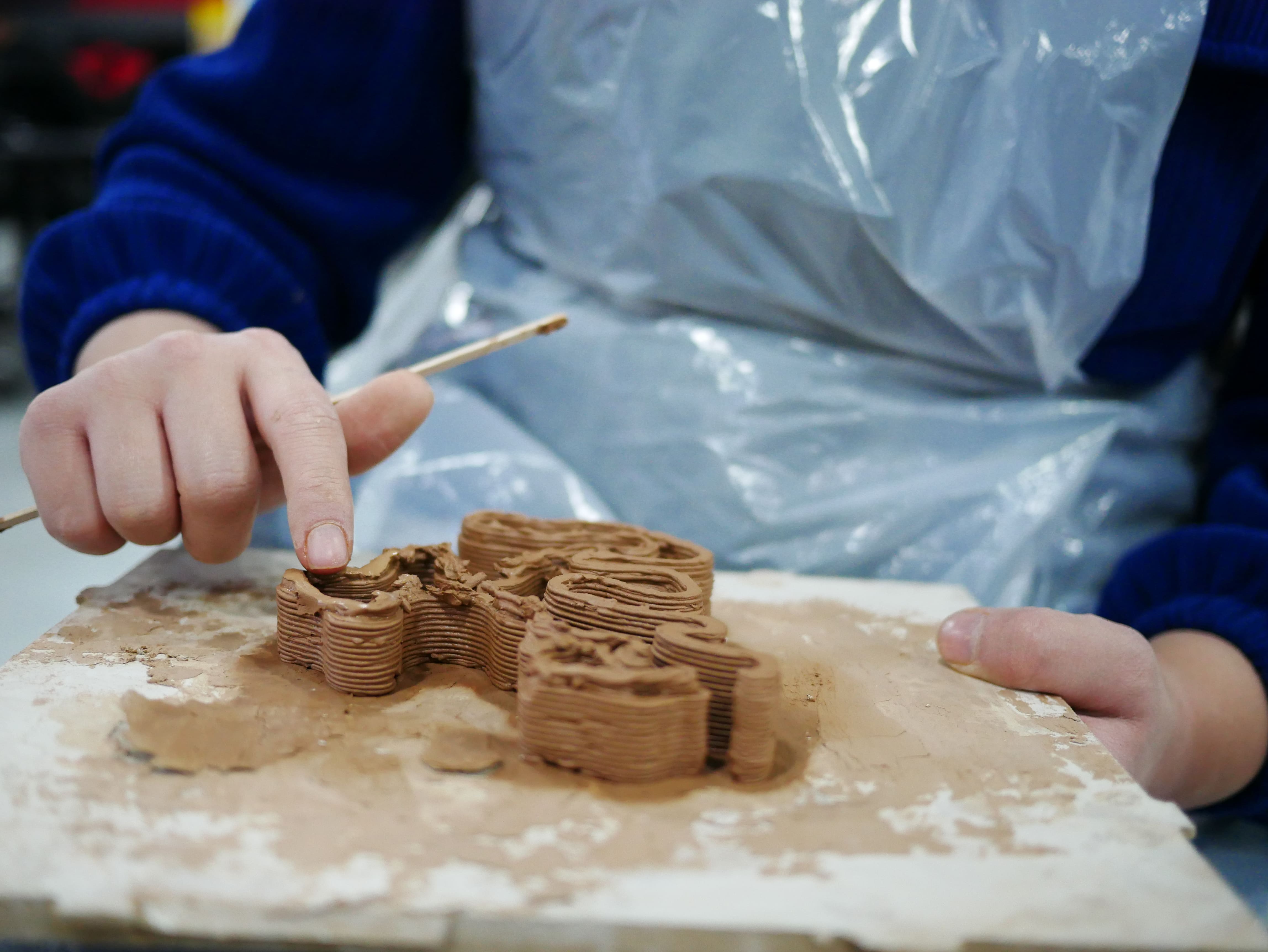
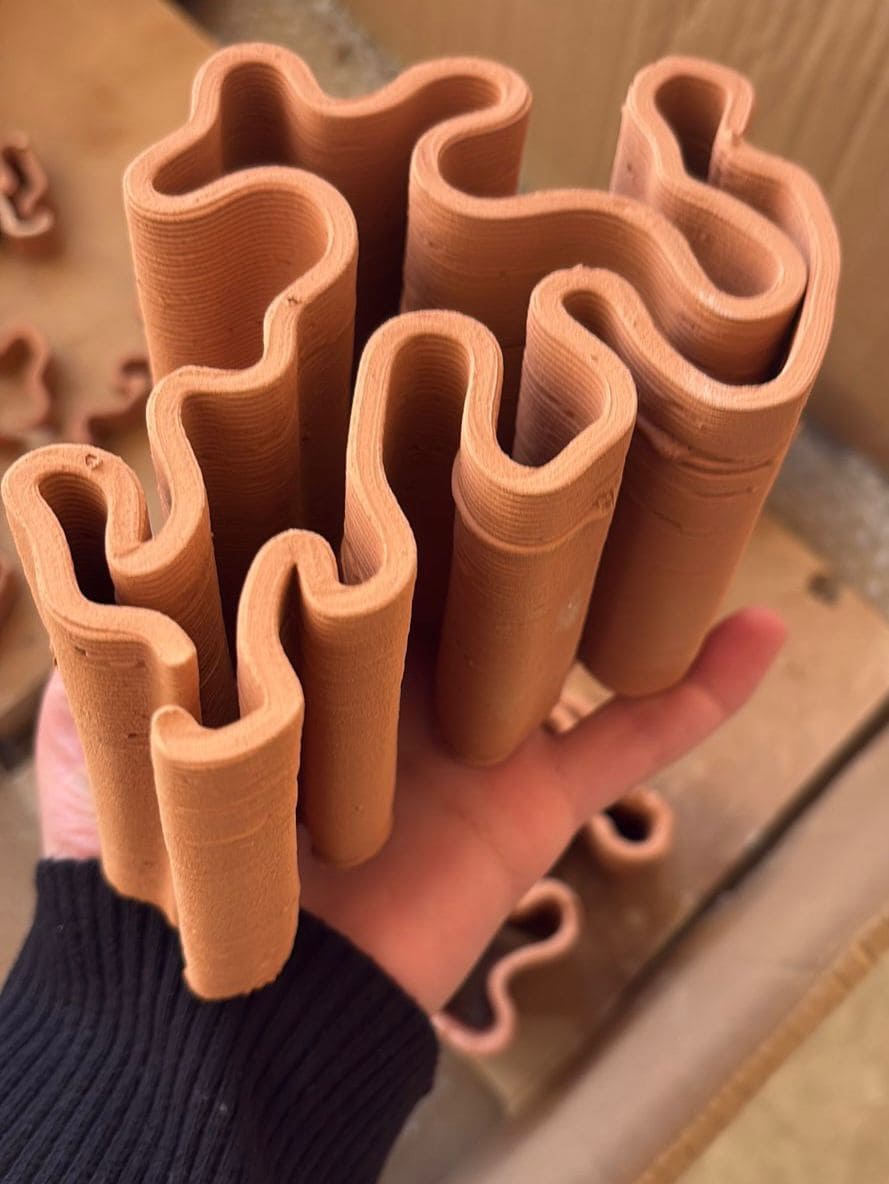
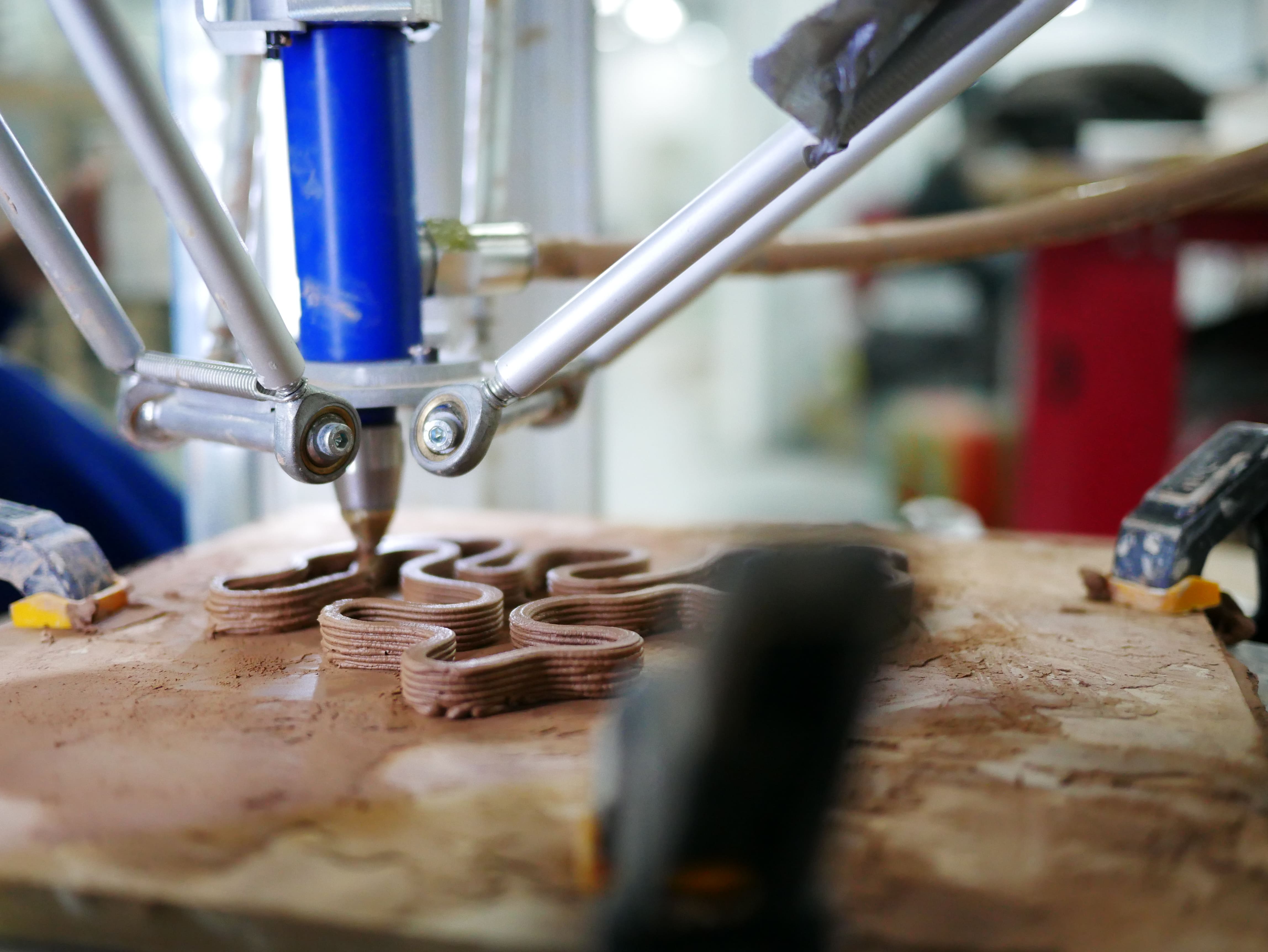 Have developed a 3D printed clay reef prototype aimed to:
1. regenerating damaged underwater habitats .
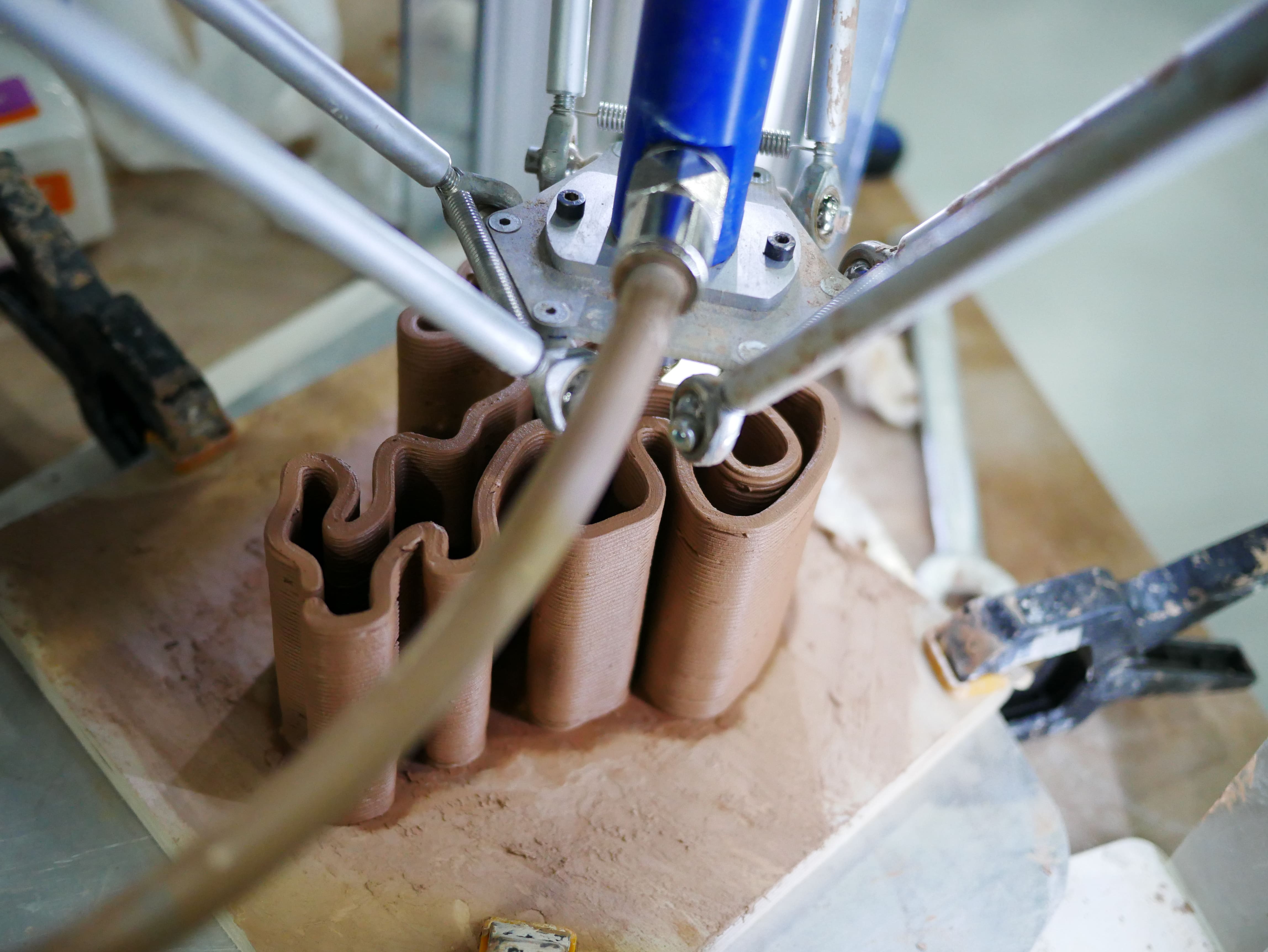
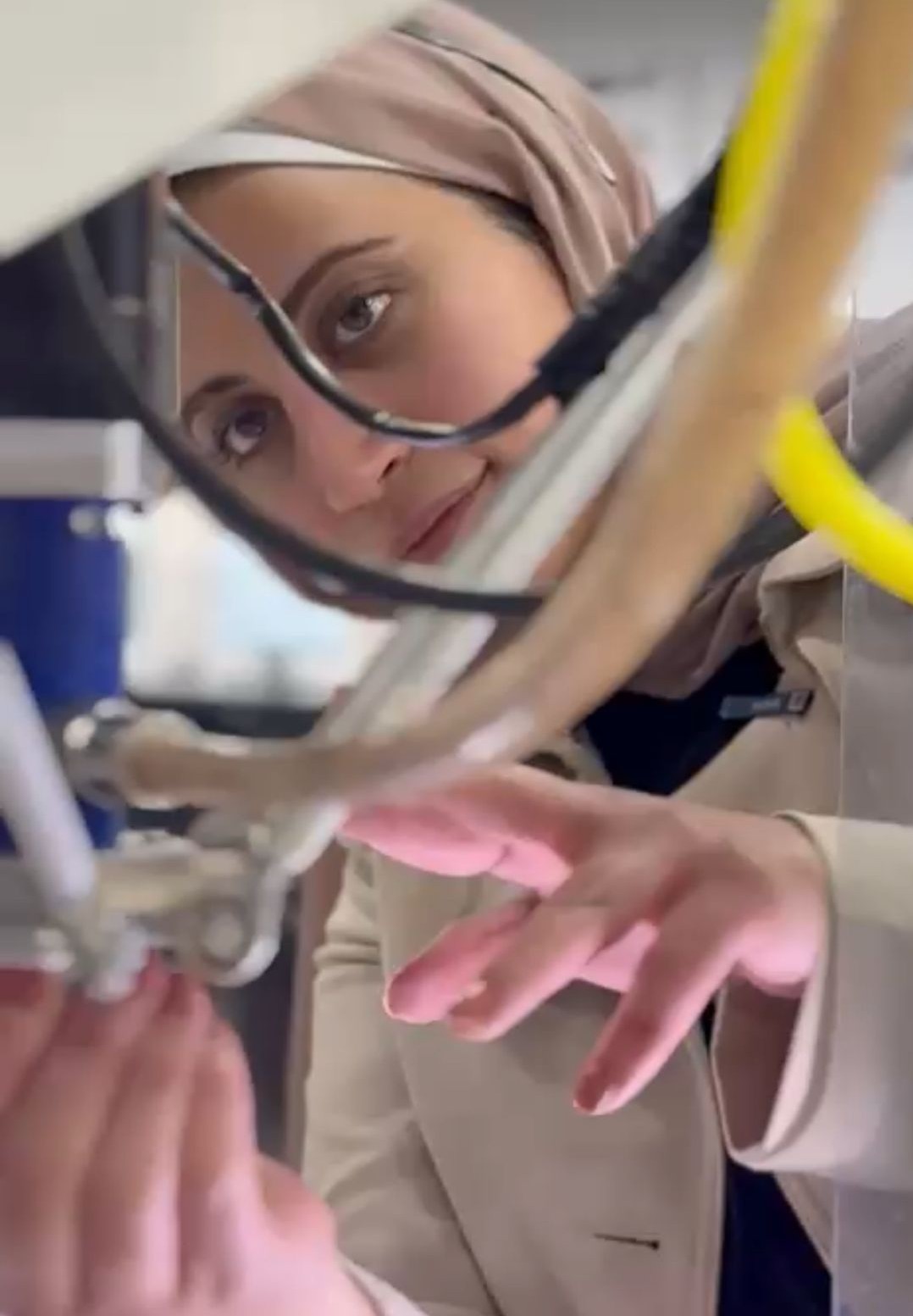
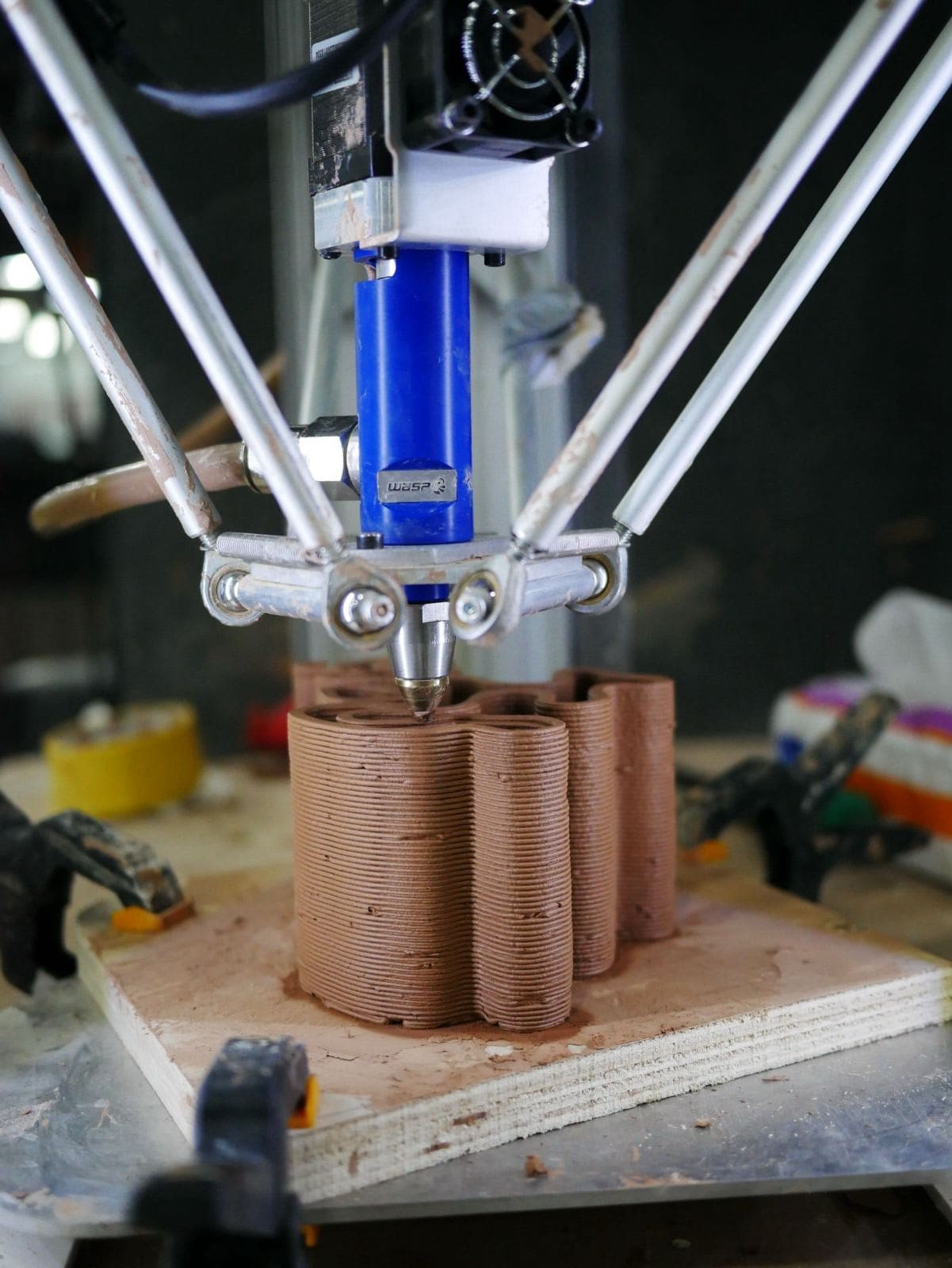
2. supporting coral restoration. Using the WASP 2040 clay 3D printer.
the project employs a low-carbon, biodegradable material to create artificial reef structures that integrate harmoniously with the marine environment.
Clay, being a natural and locally sourced material, minimizes the project’s environmental footprint while providing an ideal surface for coral larvae to attach, grow, and form thriving colonies over time.
Have developed a 3D printed clay reef prototype aimed to:
1. regenerating damaged underwater habitats .
2. supporting coral restoration. Using the WASP 2040 clay 3D printer.
the project employs a low-carbon, biodegradable material to create artificial reef structures that integrate harmoniously with the marine environment.
Clay, being a natural and locally sourced material, minimizes the project’s environmental footprint while providing an ideal surface for coral larvae to attach, grow, and form thriving colonies over time.
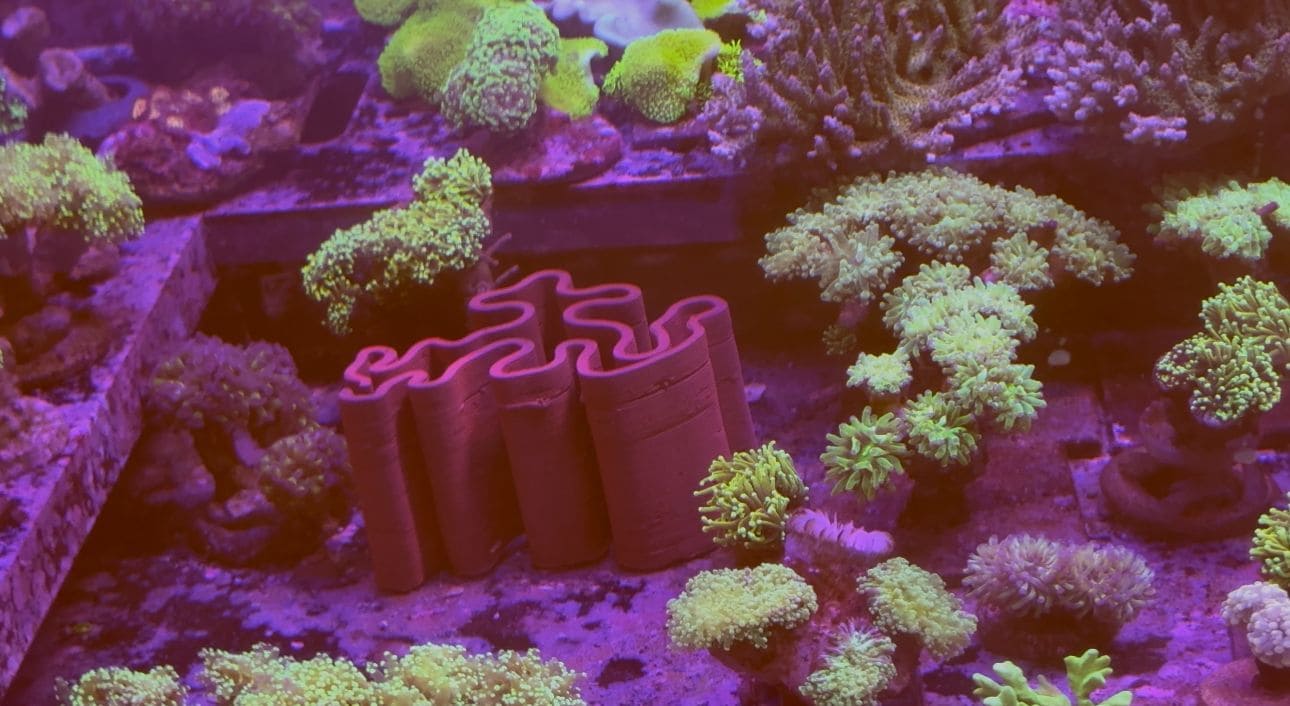
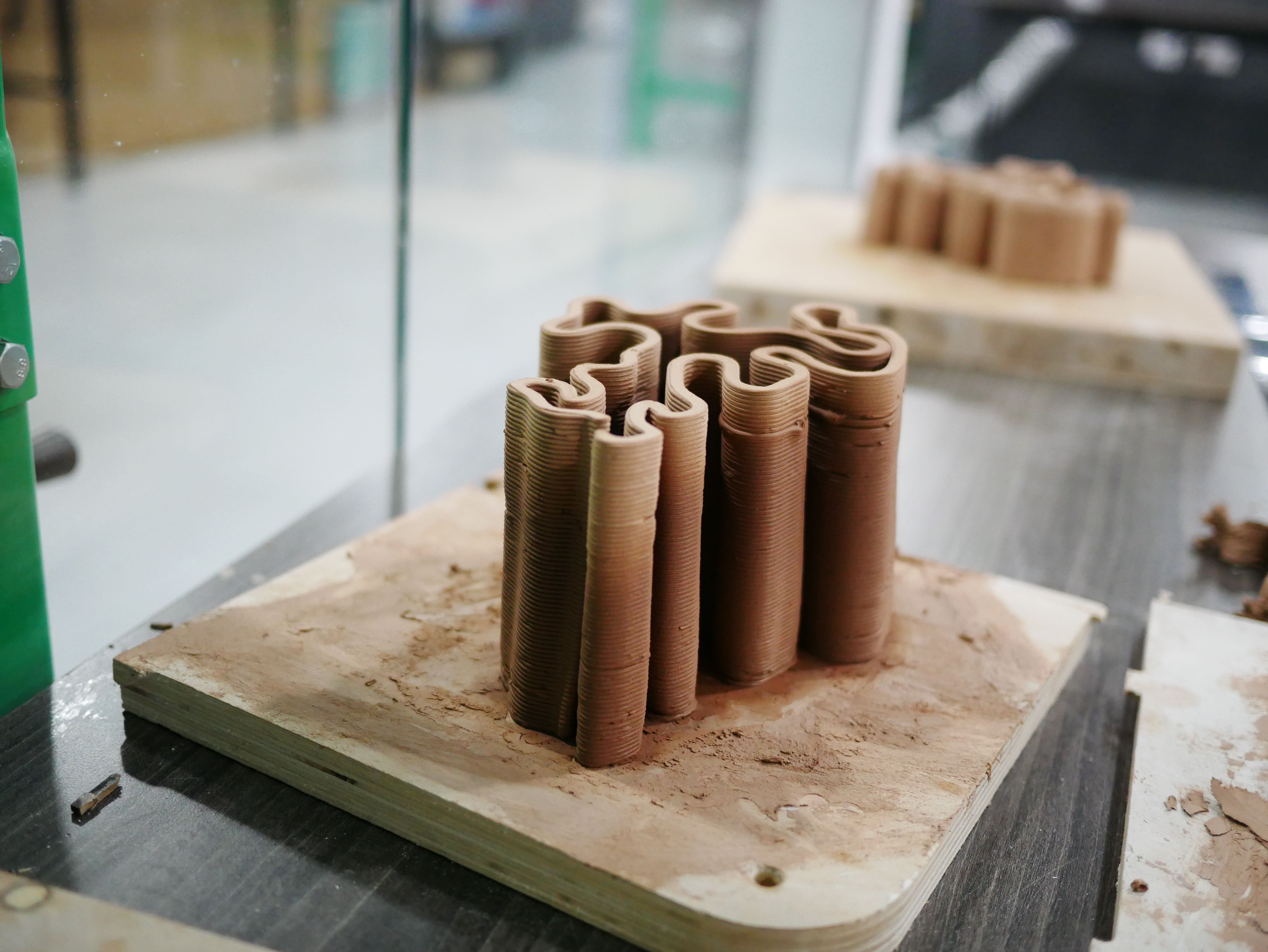
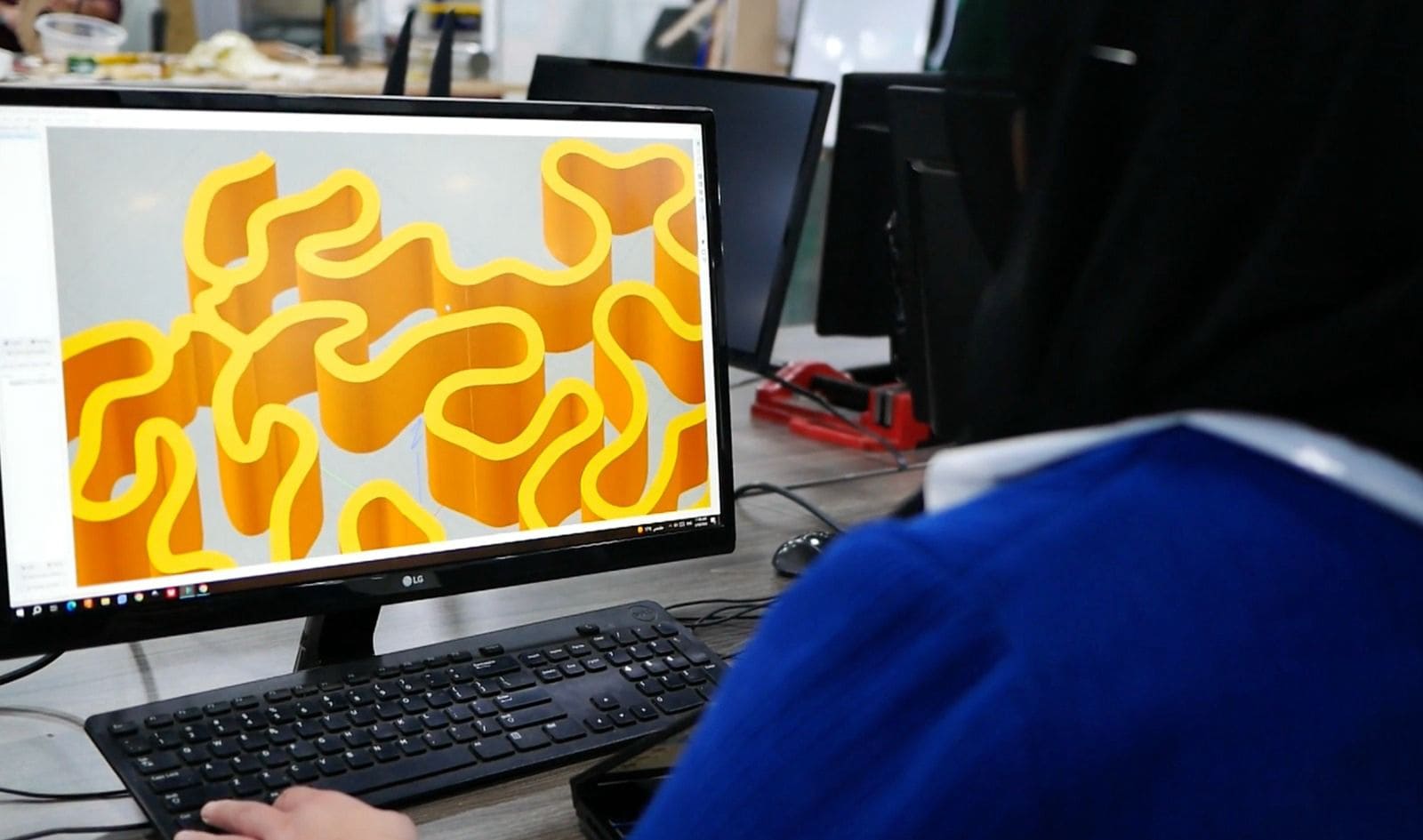
developed the prototype through multiple design iterations,using computational simulations alongside an analysis of Aqaba’s topography, shallow depth, and water movement patterns. By studying coral morphology and how its structures interact with currents, I shaped a geometry that responds directly to the site’s marine behavior. The clay form creates a rigid substrate where coral fragments can attach and grow into living colonies.
Its curved surfaces and protected pockets offer shelter for small marine species, while carefully placed openings soften and diffuse water flow,reducing direct impact on growing corals. This process transformed the prototype into a compact, ecologically informed system designed to restore and support marine life.
Presentation Show
The city of Aqaba, located at the northern tip of the Red Sea, plays a central role in the vision of this project. Known for having one of the most resilient and biodiverse coral ecosystems in the world, Aqaba has long served as a sanctuary for coral species capable of withstanding higher temperatures. However, by 2024, even Aqaba began showing signs of coral bleaching, driven by rising sea temperatures and global climate stress. This turning point emphasizes the growing urgency to act—transforming places like Aqaba into living laboratories for regeneration. Deploying 3D-printed clay reefs here can showcase how design and technology intersect with environmental responsibility, creating a replicable model that can later be implemented across other damaged areas of the Red Sea and beyond.
Gallery
Thesis PDF
_Download thesis here