Post Print
After 3D printing for clay there were small opening in one of the prototypes, normally these opening happen when there is any small bubble of air in the clay and this is common to happen some times so let's see how i fixed it manually . Note ! it does not effect the model when fired as small gap but for better performance in the water i tried to make it as good as possible !
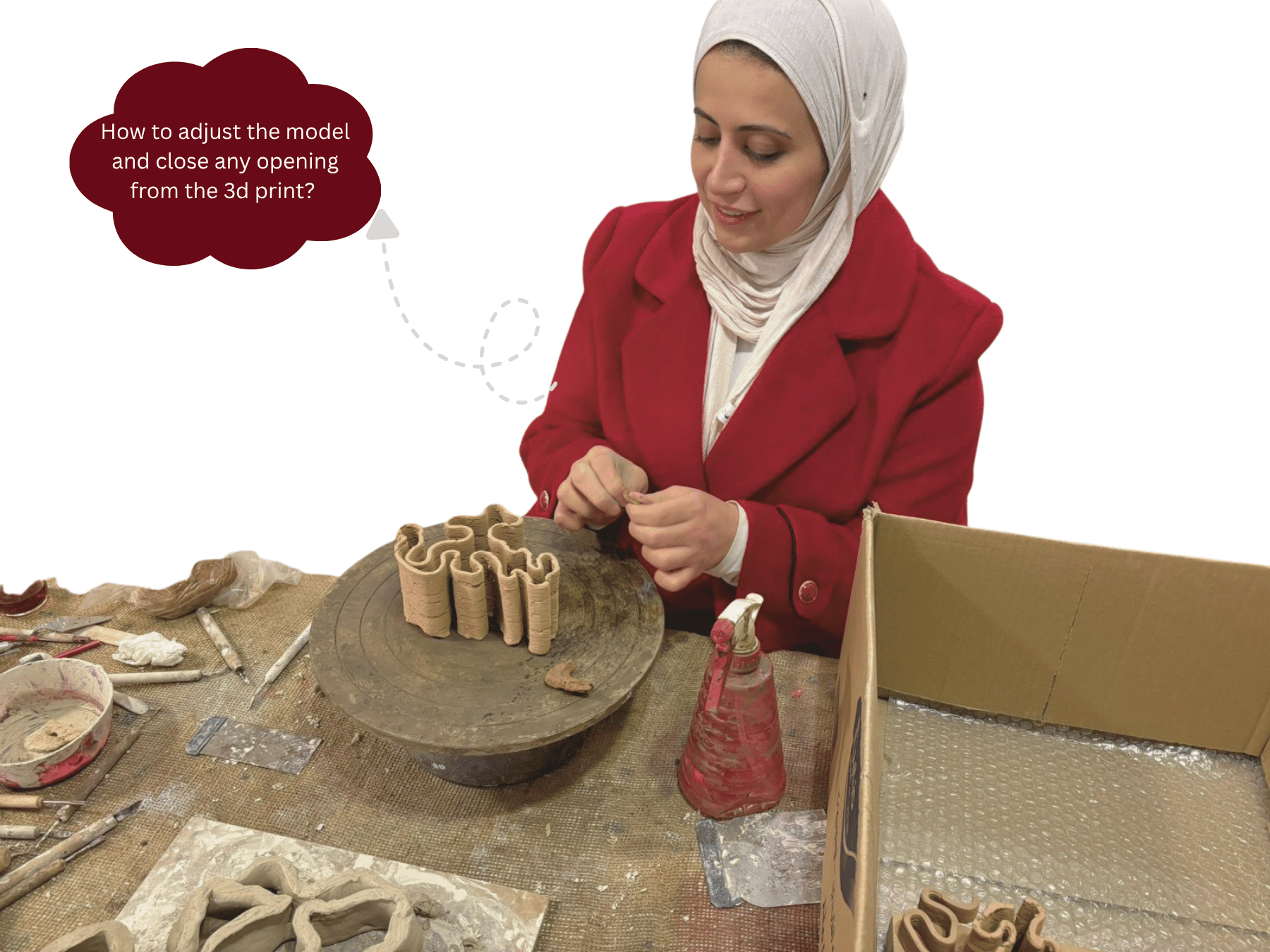
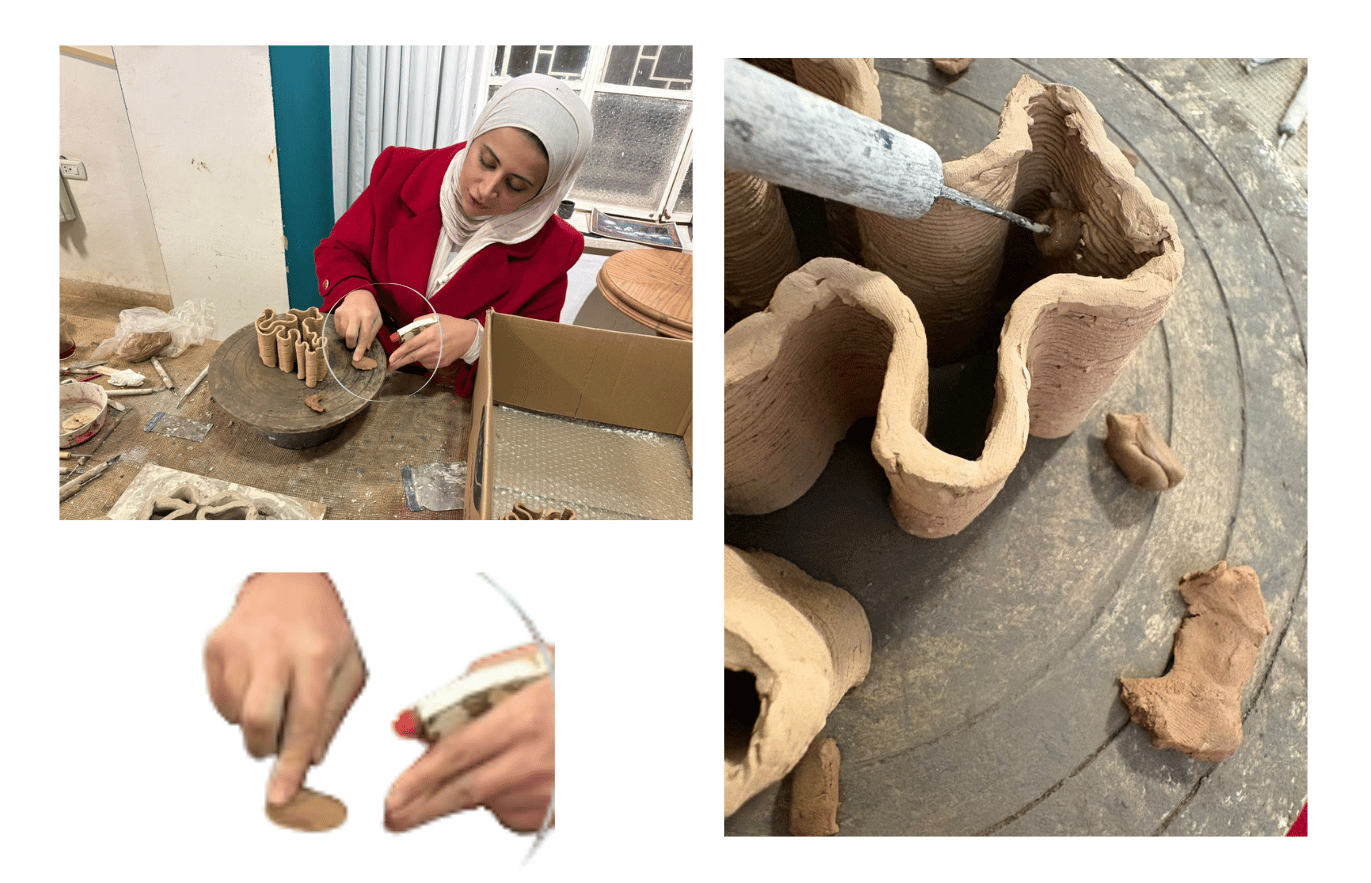
taking small amount of clay and spray it with good amount of water to cover the opening without making it extra liquid then using clay tool to cover the opening befor firing.
Electric Clay Sanding
softening the model edges by snding and make them uniformed.
To ensure smoothness and remove any tiny clay that is not well organized according to the shape.
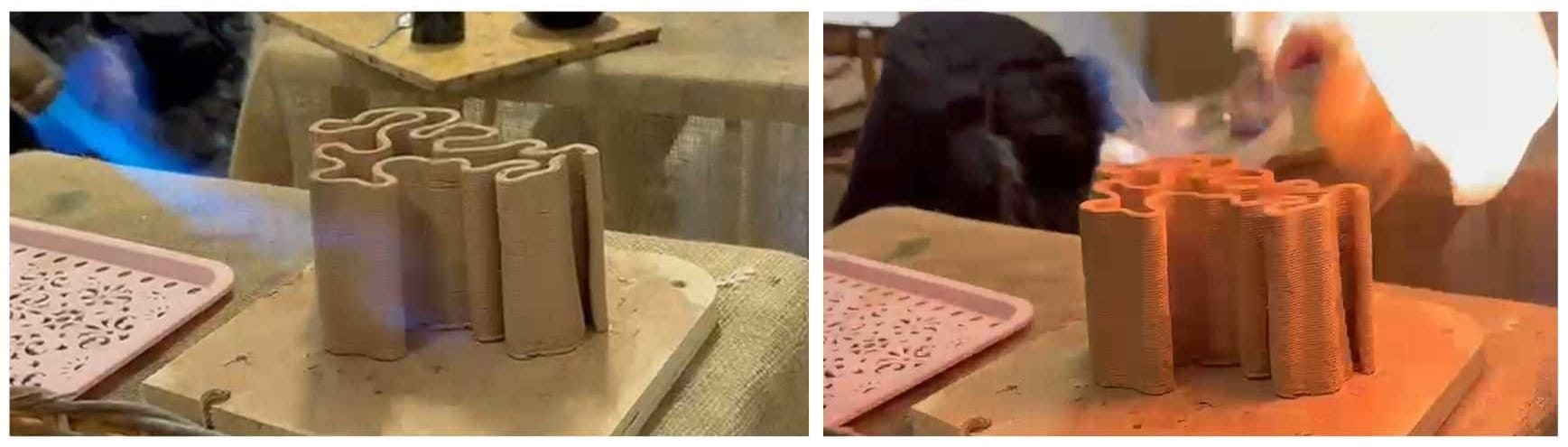
Speed up Clay dryness
Here using the firing gun to try speed up the clay dryness before bake and for double check any potential small amount that not fully dried according to winter weather.
Fired Clay ( Terracotta)
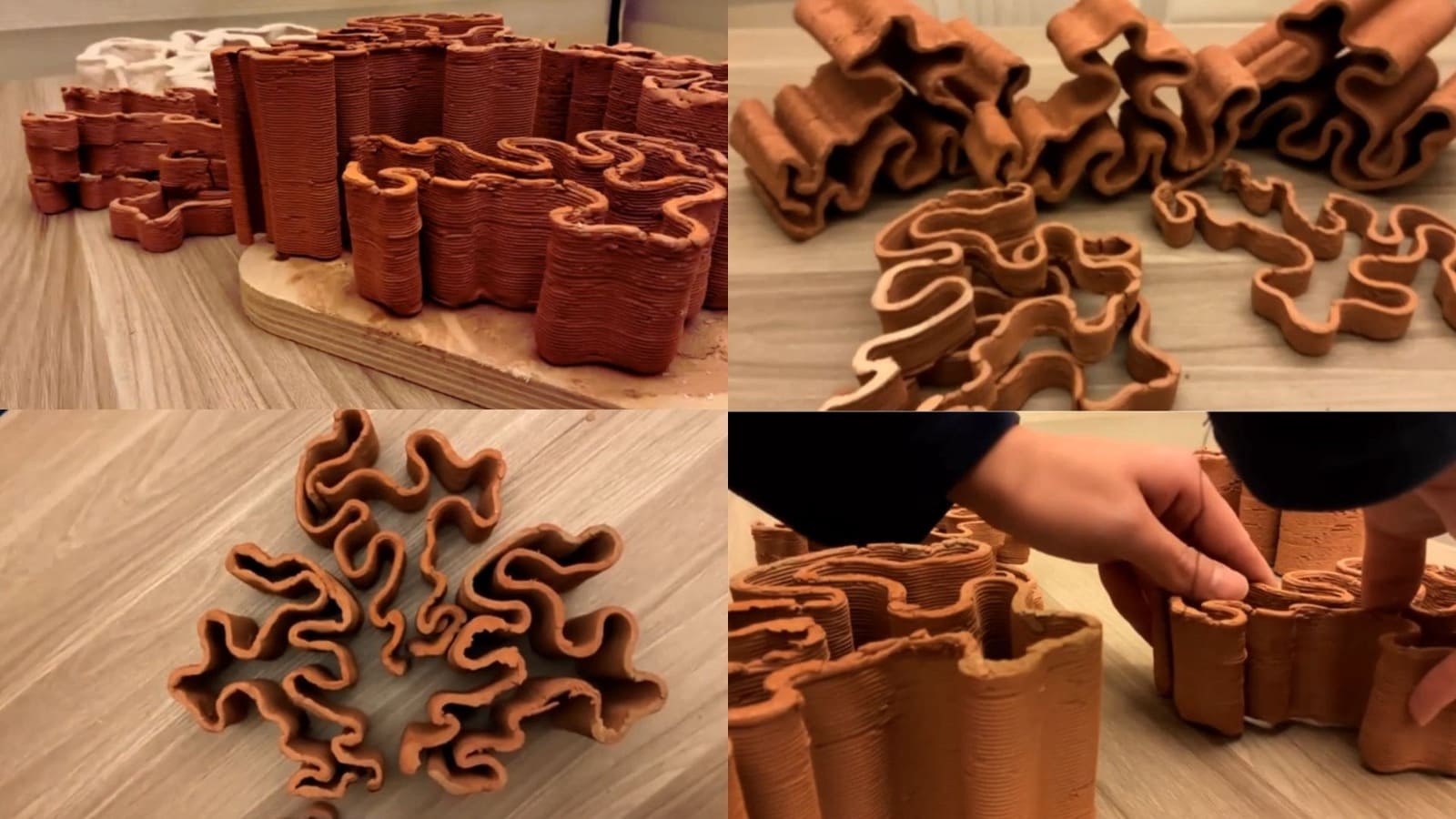
Ready Terracotta To Test
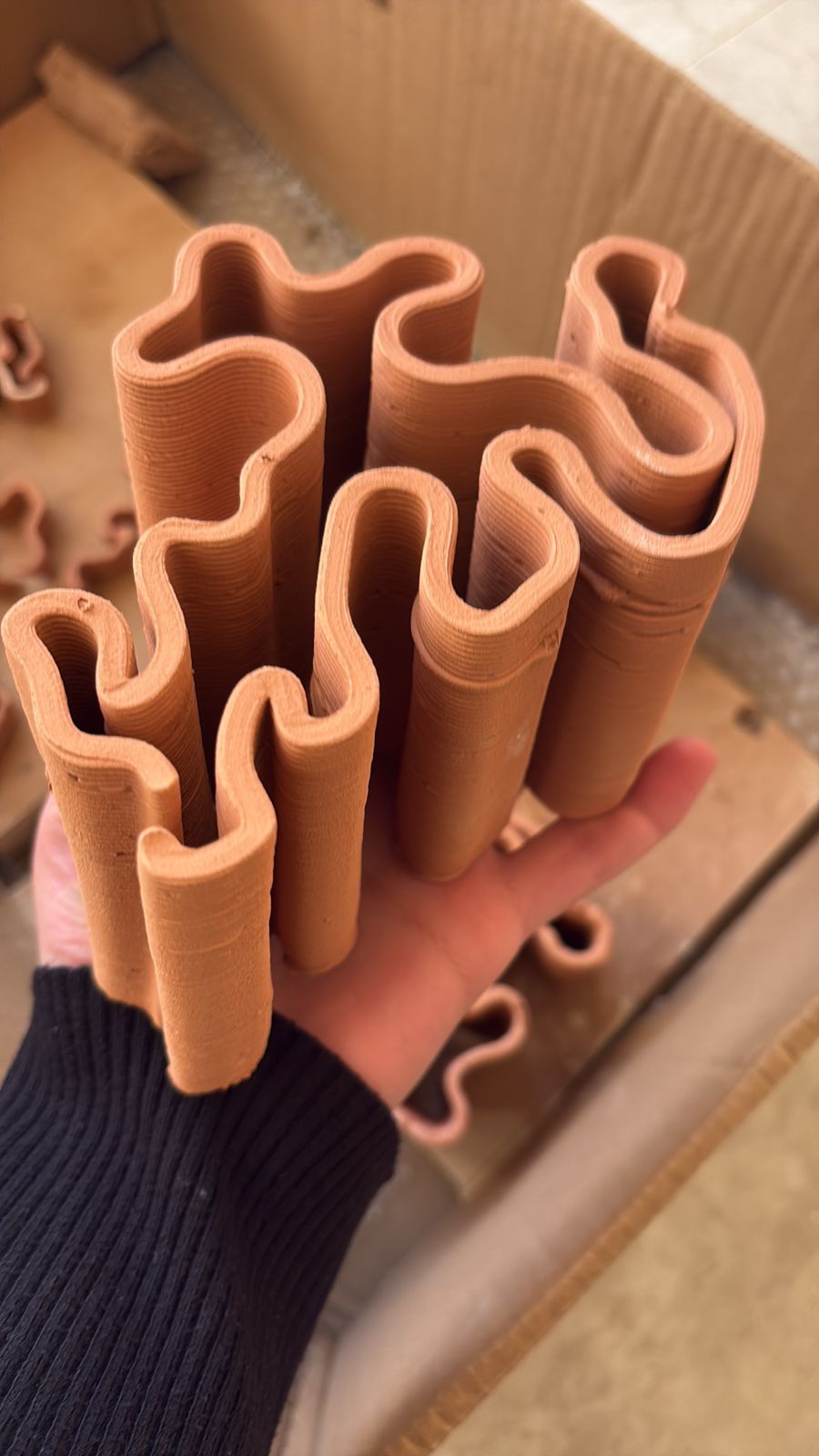 This is after the clay fired on 1200 degree to be strong enough to stay under water.
Clay Bisque firing
Bisque firing (or biscuit firing) is the initial, crucial kiln firing of bone-dry clay as here between 1000- 1200 c. transforming it into durable yet porous, unglazed ceramic. This process removes chemically bound water, burns off organic matter, and sinters the clay particles, making pieces strong enough to handle .
and the peace is remain un glazed so did not go to second sterm as i wand the hard texture of clay to remain to help coral grows on.
Test under the water
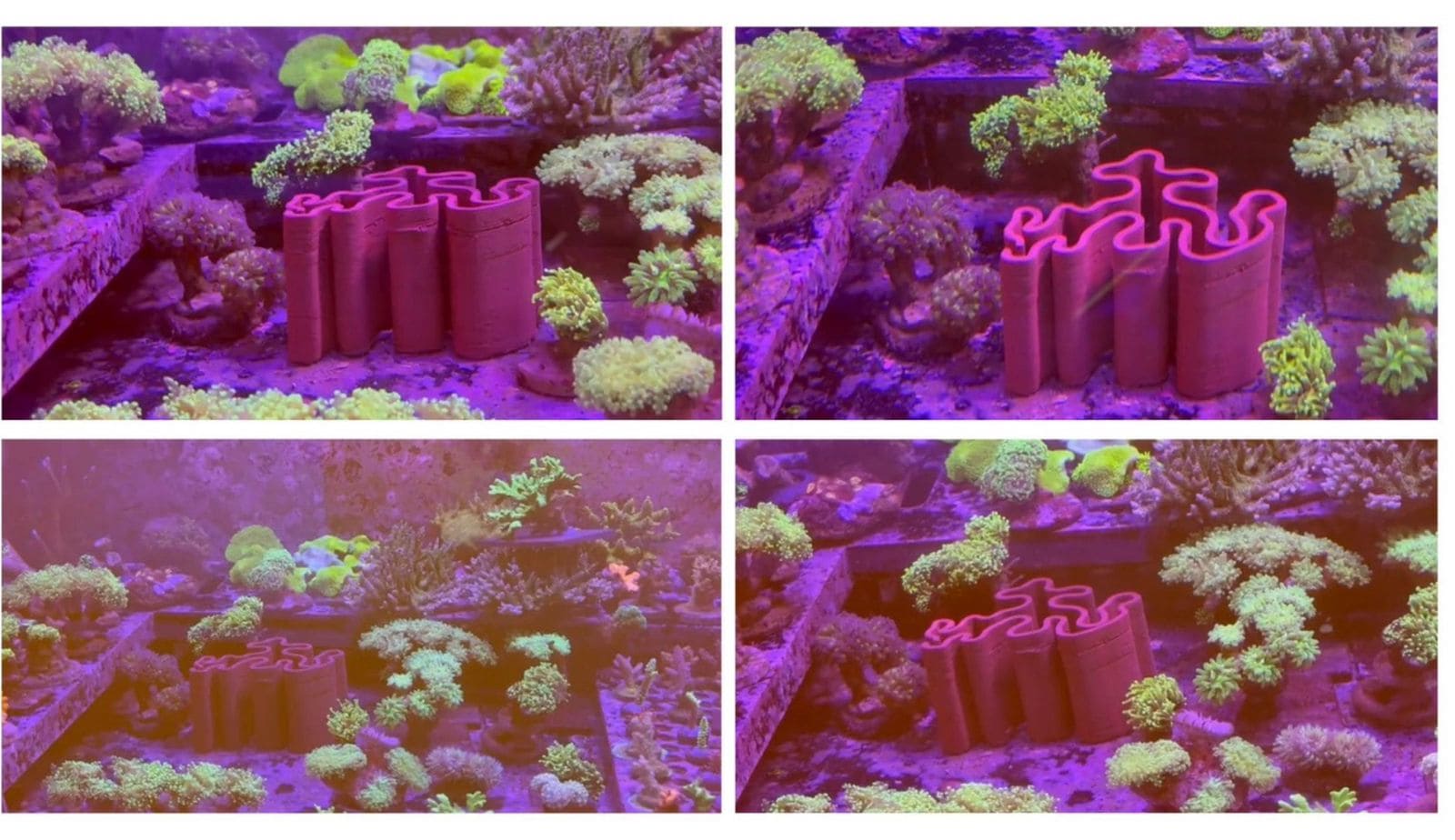
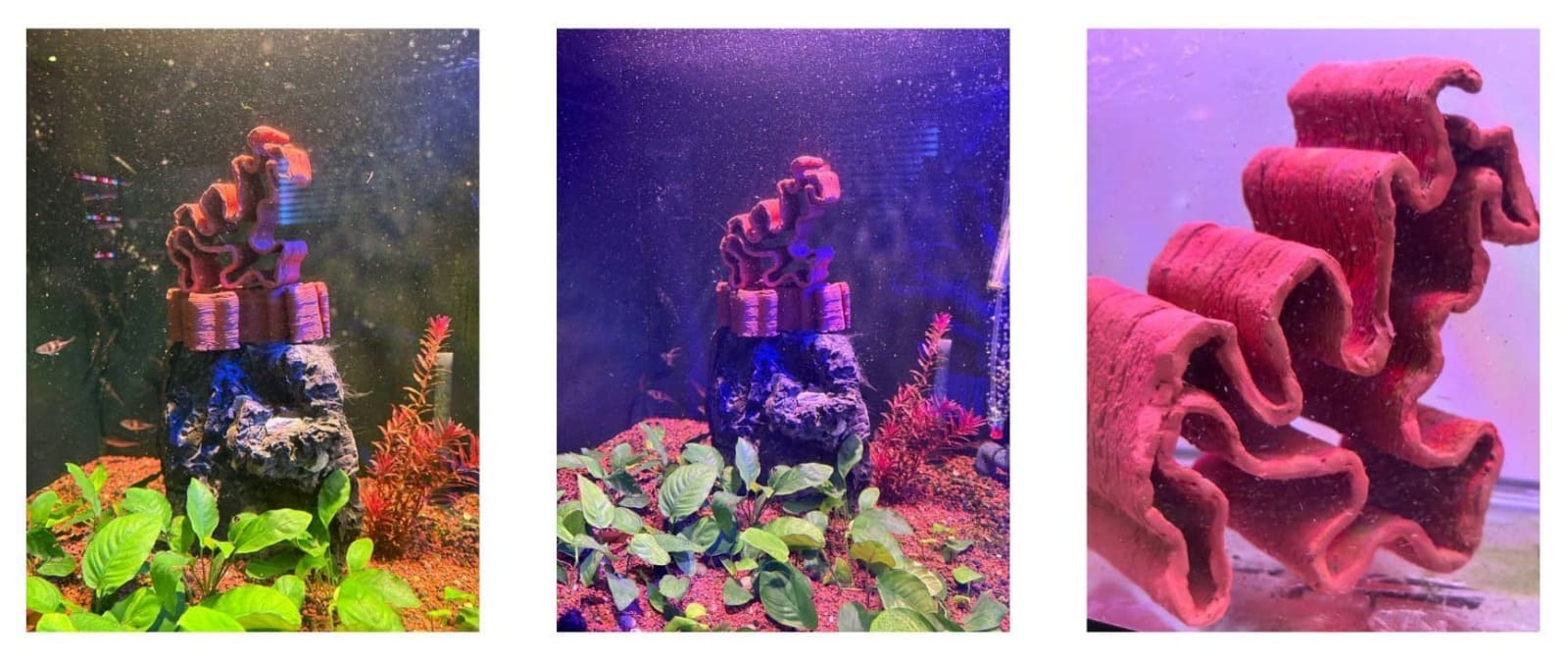
Using Specific Aquarium with specific PH used for scientific work and coral planting to test my prototypes inside . I have tested the prototypes on different aquarium with PH and water such as salt water and red sea water aquarium so i can observe closely changes.
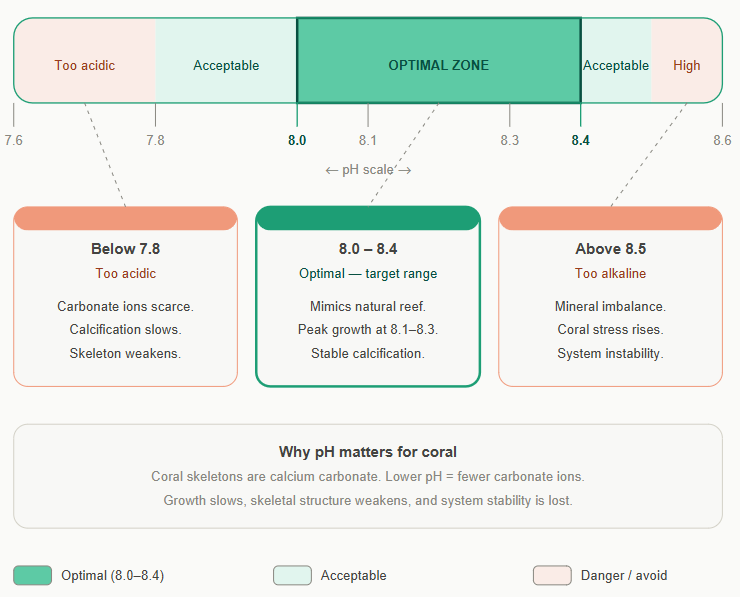
Why pH matters for coral?
Coral skeletons are calcium carbonate. Lower pH = fewer carbonate ions. Growth slows, skeletal structure weakens, and system stability is lost that's why using the right PH (between 8.0 - 8.4)maintain the corals growth .