Process Modeling
Gyroid
Designing Gyroid Shape as it Utilizes triply periodic minimal surface (TPMS) geometries to maximize surface area for air flow and moisture evaporation.
Minimal surface: at every point, the surface bends equally in opposite directions so the average curvature = 0 (mean curvature = 0). Using it is the equation : That can be found in Wikipedia here: Gyroid - Wikipedia
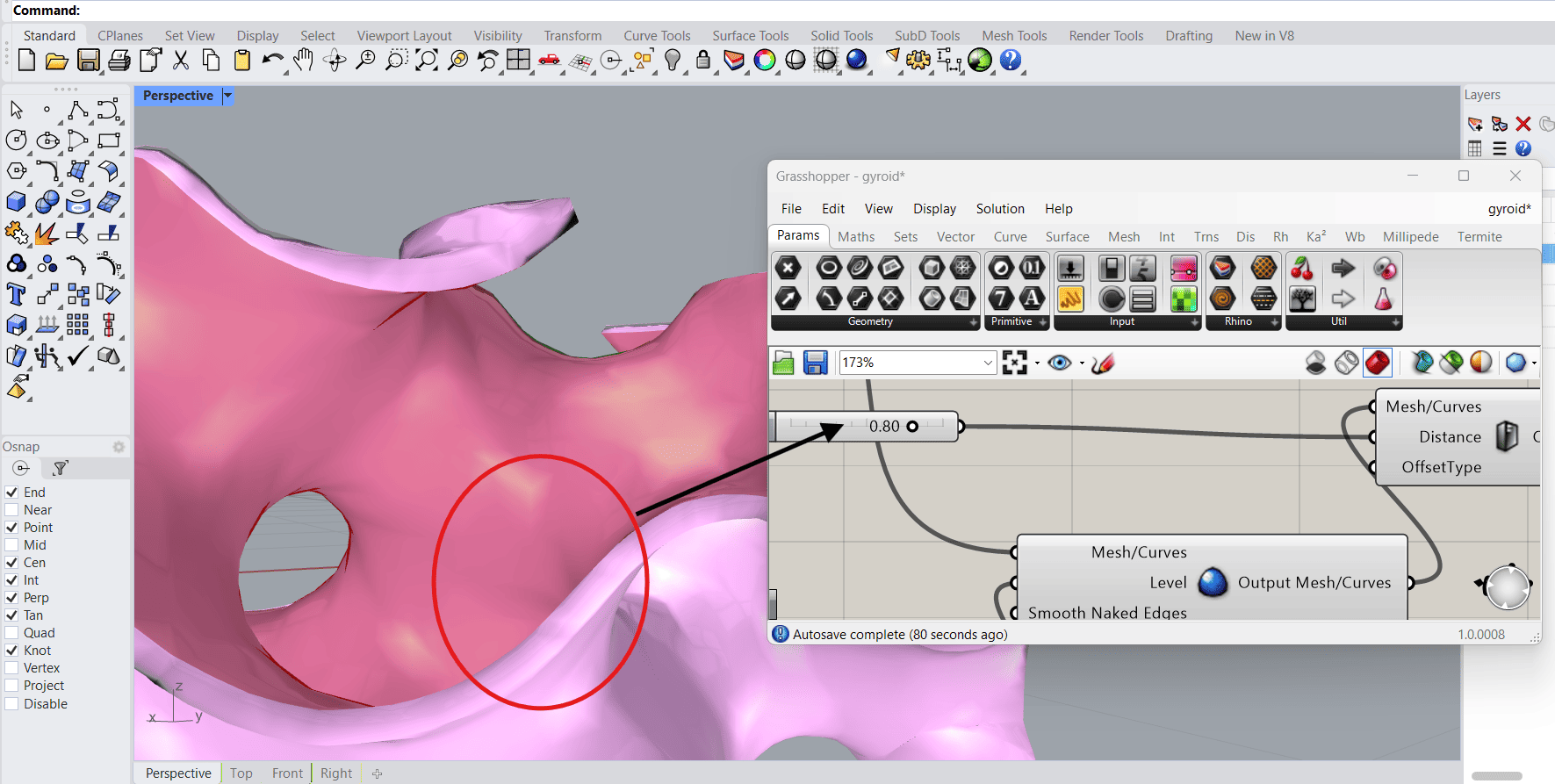
Using Rhino + Grasshopper . then tried it with Blender and visual script.
Using Rhino and Grasshopper
Here is good Tutorial for anyone intrested to try Gyroid Shape
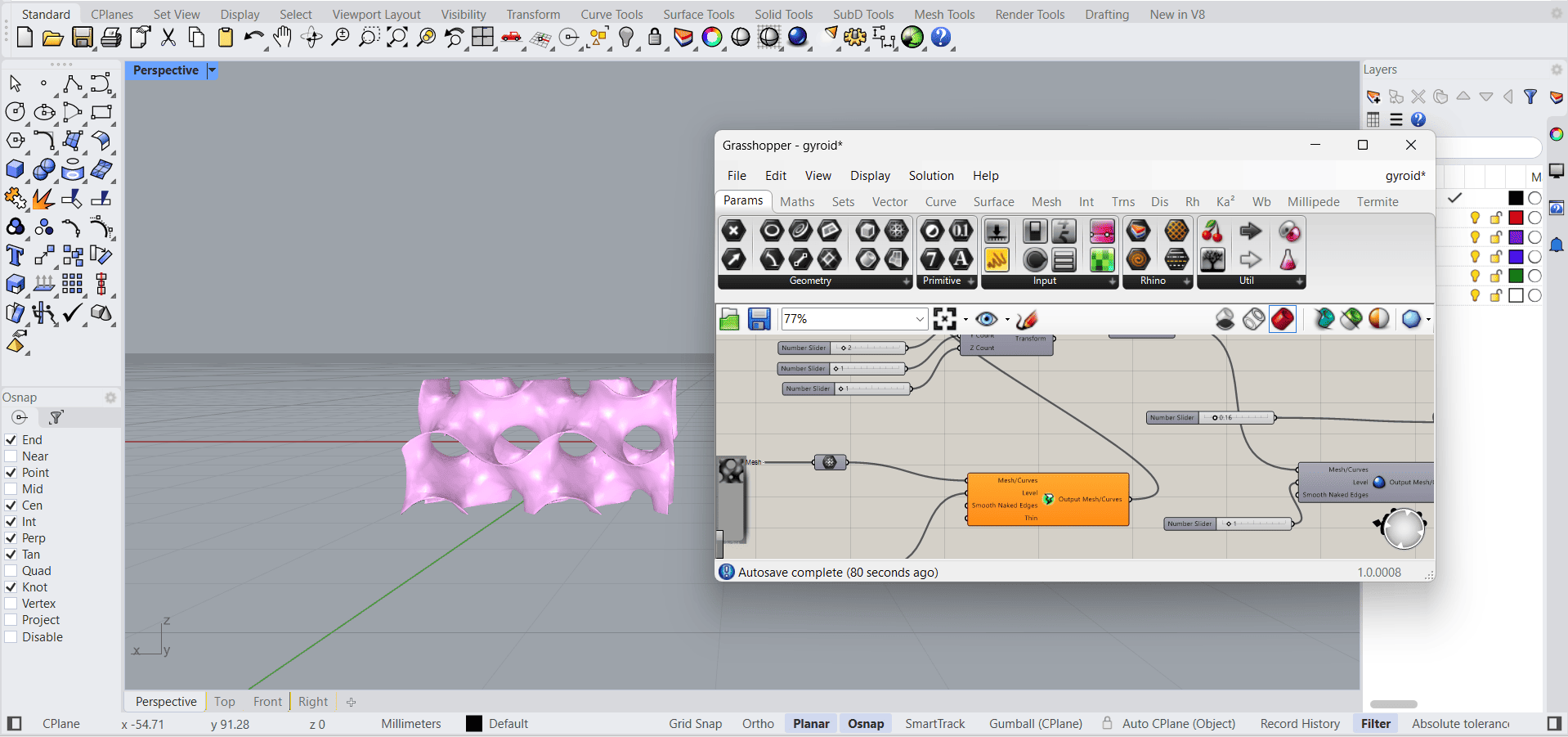
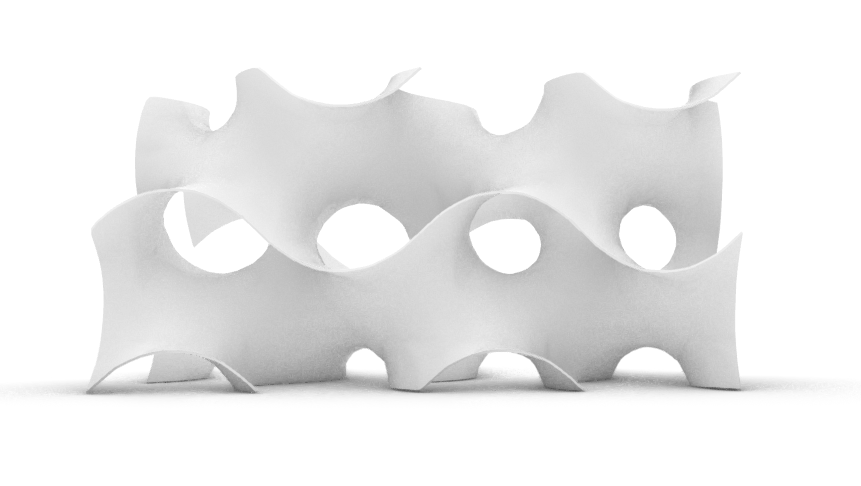
Here I increased the wall thickness
Using Blender
Was First time for me using blender and visual script inside it to creat Gyroid shape with opening such as sketch i already made previously .
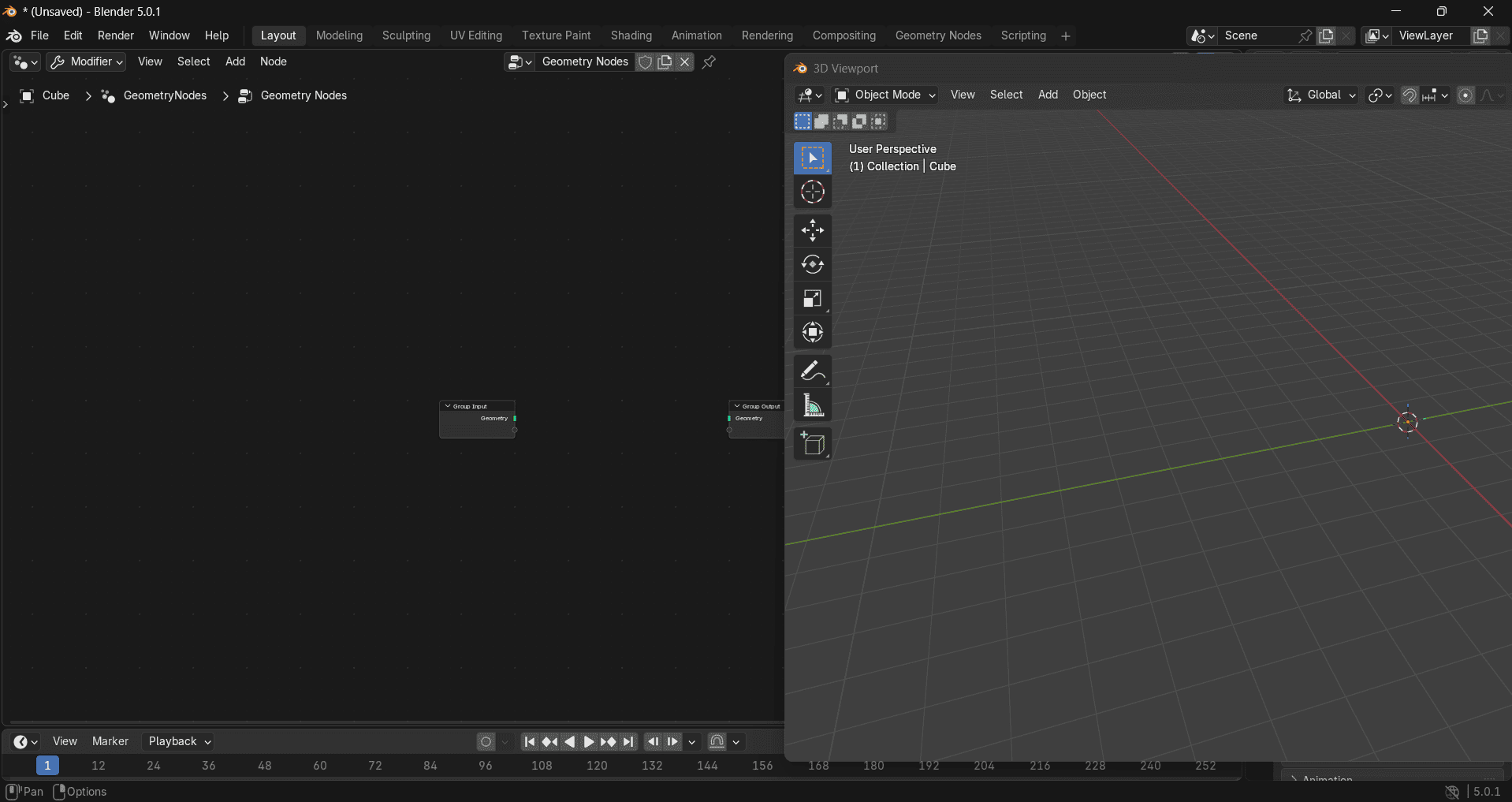
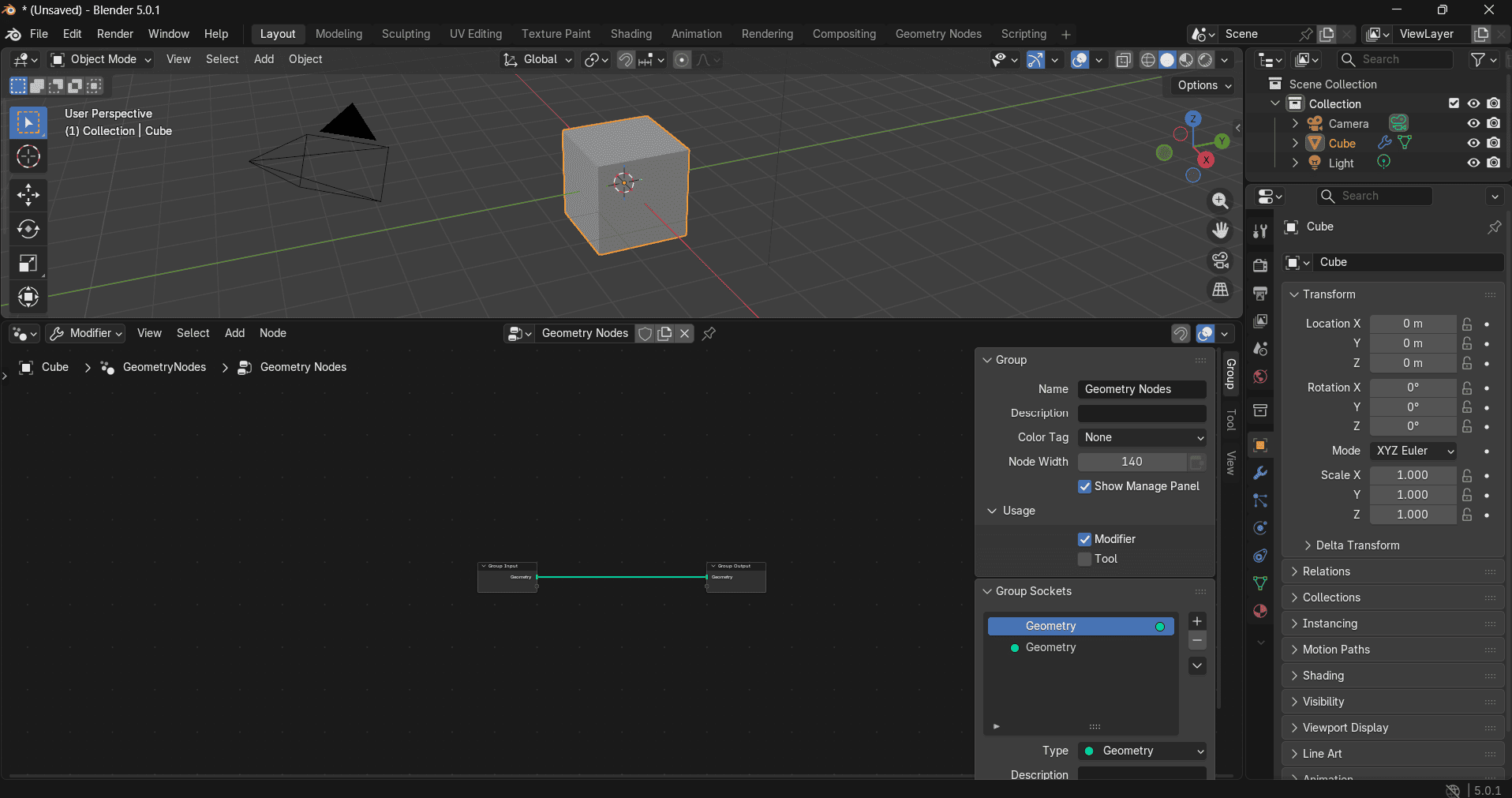
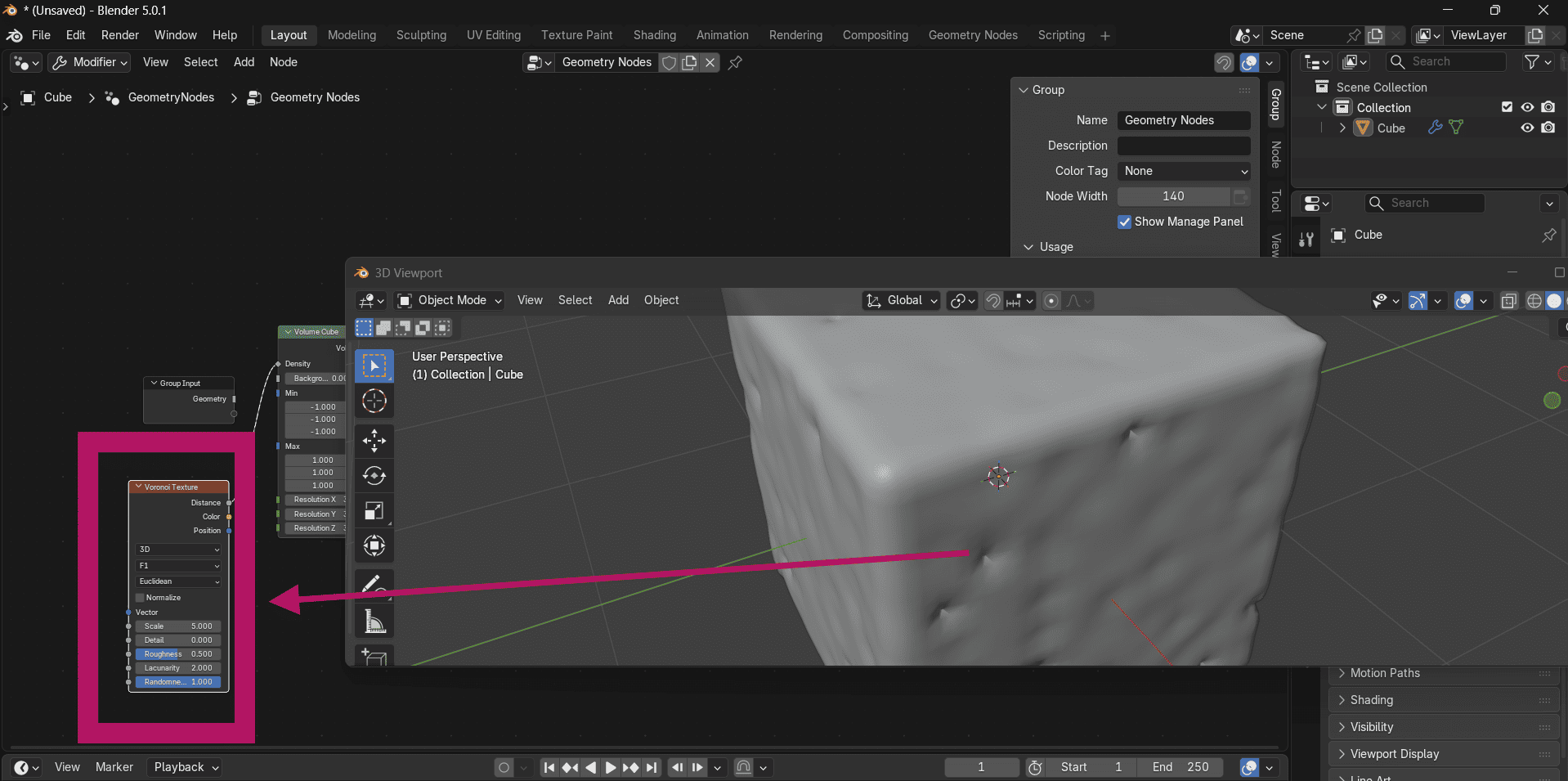
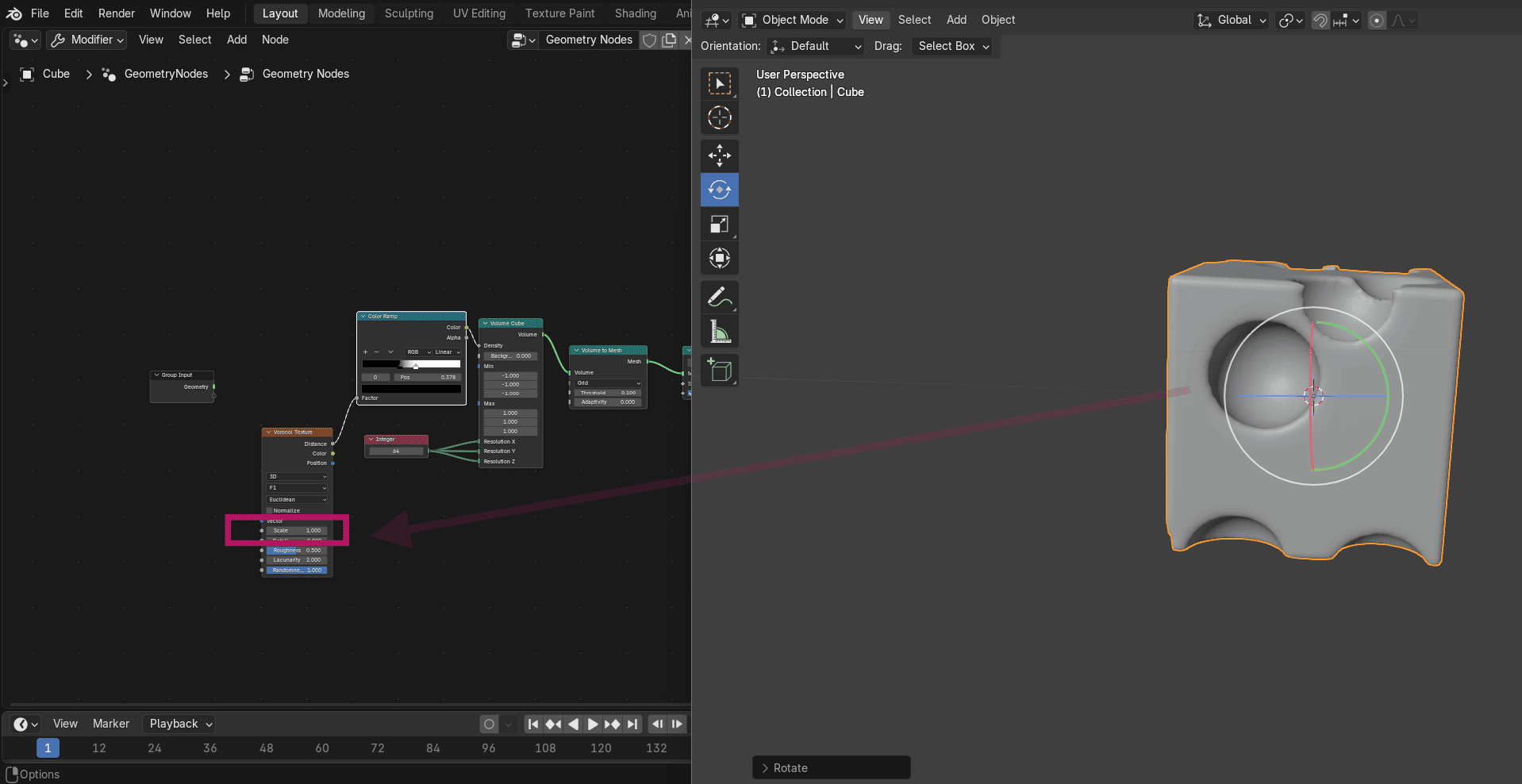
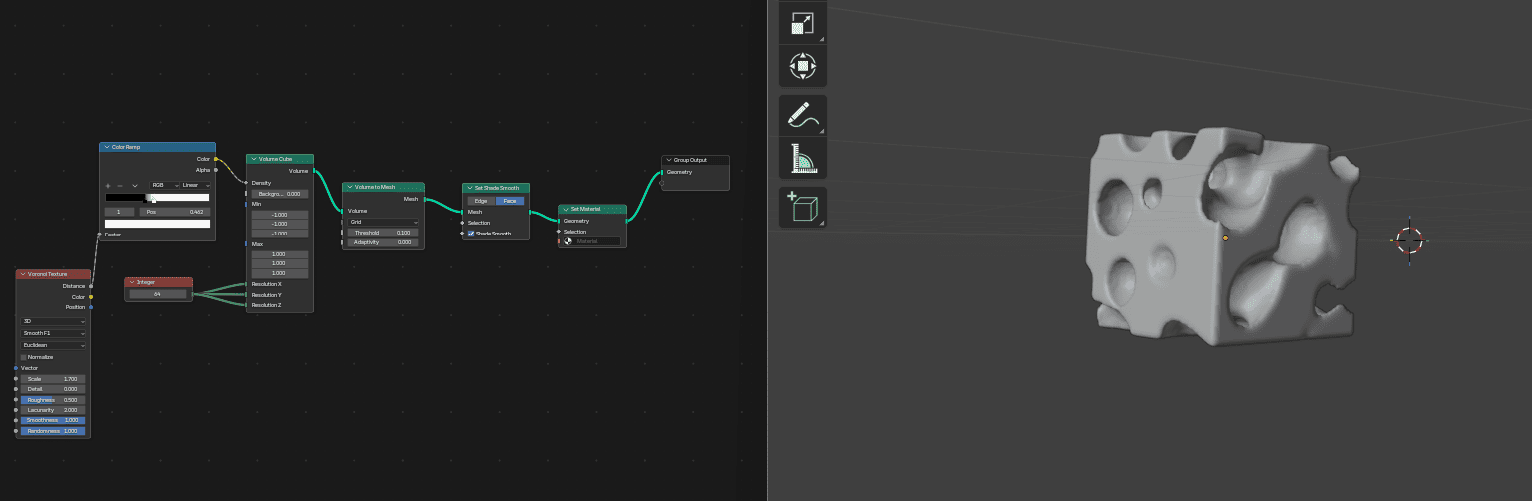
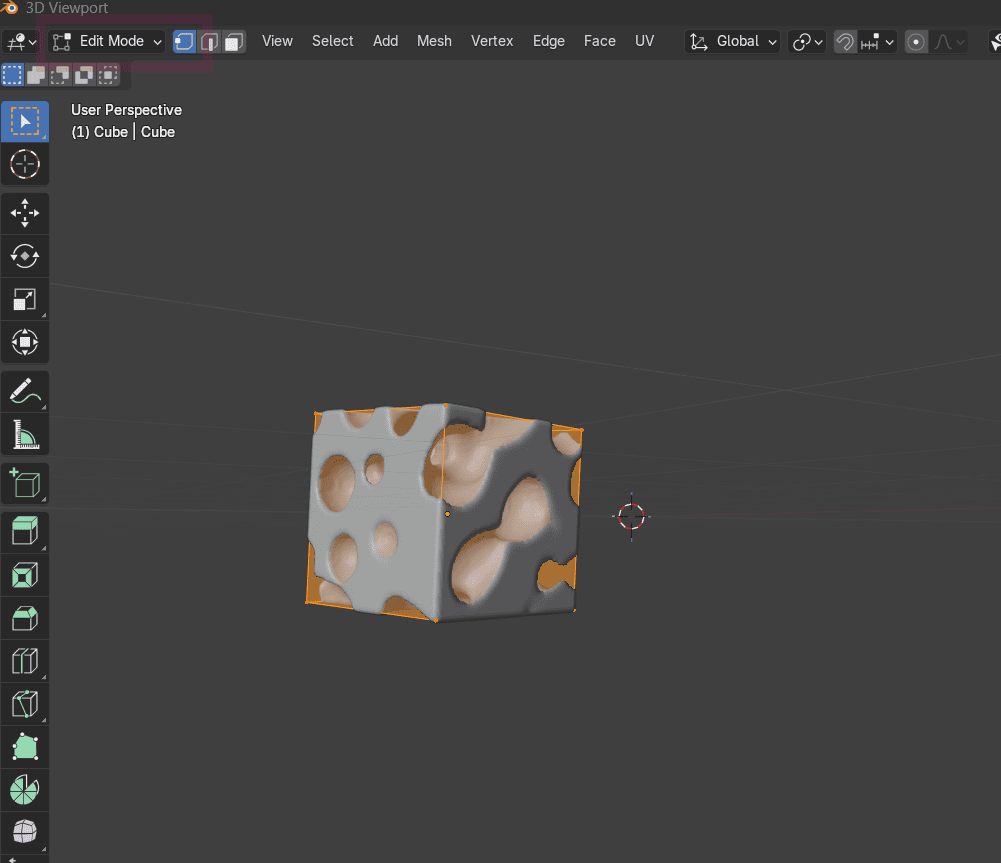
It was good exploration but found out this shape could not be best option for wasp clay 3d printer toolpath.
Coral Mimic
Design inspired from the coral and photomemmetry to use it is design after understanding the morphology behind it .
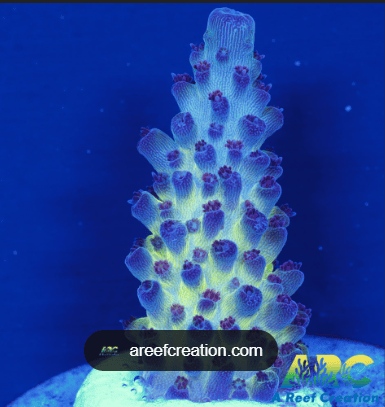
Import The STL model to Rhino
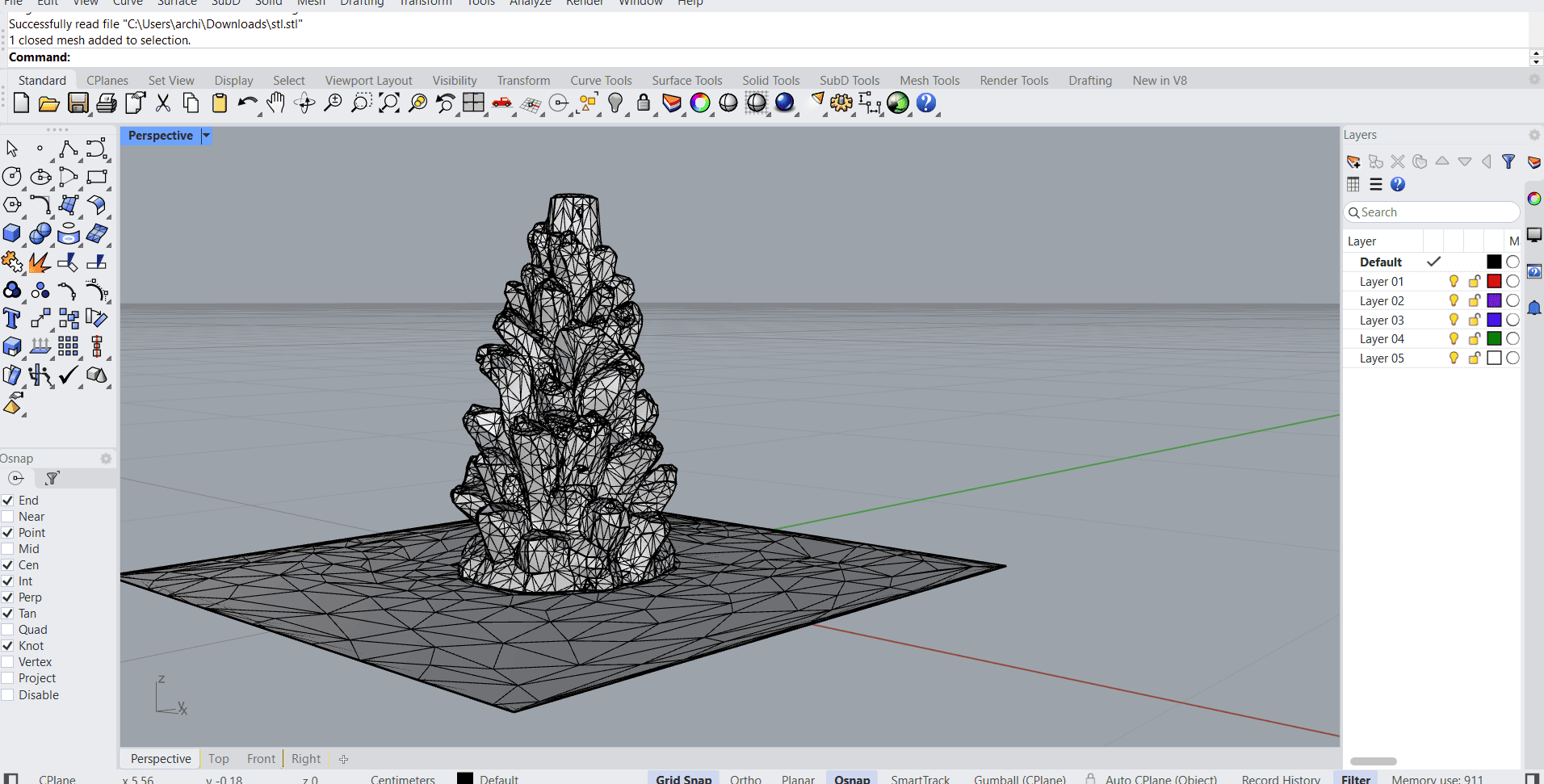
Heavey Meshes
I kept getting pauses and freez for the model to start with form-finding process and one of reasons might be because the meshes are extra and need to be reduced for smoother process .
Reduce the meshes
When using photomemetry or any AI tool , i found out that the model looks to heavey on rhino and while working on it with grasshopper the file kept shuting down .
Biomorpher
Using Biomorpher Plugin Biomorpher uses genetic algorithms with floating-point genomes to automatically evolve Grasshopper slider values, generating populations of design variations that users can visually select and refine through iterations. This "graphic" evolutionary solver displays clustered phenotypes (e.g., 12 out of 48 designs) for manual or performance-based selection, fostering creative discovery in complex parametric spaces.
Here are some referances about this plugin might be helpful for you to understand the plugin! And here
Workflow
In my workflow, I applied Biomorpher to create evolutionary designs and test form-finding on a photogrammetry model of coral. I first imported the high-fidelity 3D scan of the coral as a mesh into Grasshopper, then defined parametric controls—such as branching angles, growth rates, surface undulations, and structural densities—inspired by natural coral morphology, linking them to sliders as genomes. Running Biomorpher evolved generations of forms around the coral model, optimizing for traits like surface area minimization or flow efficiency . I wanted to see the intersection could be between corals and evolutionary design to see the outputs .
Miurjan
Here is the last model i made and sticked with by Trace some of the brain coral lines as i found it looks as i sketched from opening for environmental solution and adjust the flow of water inside.
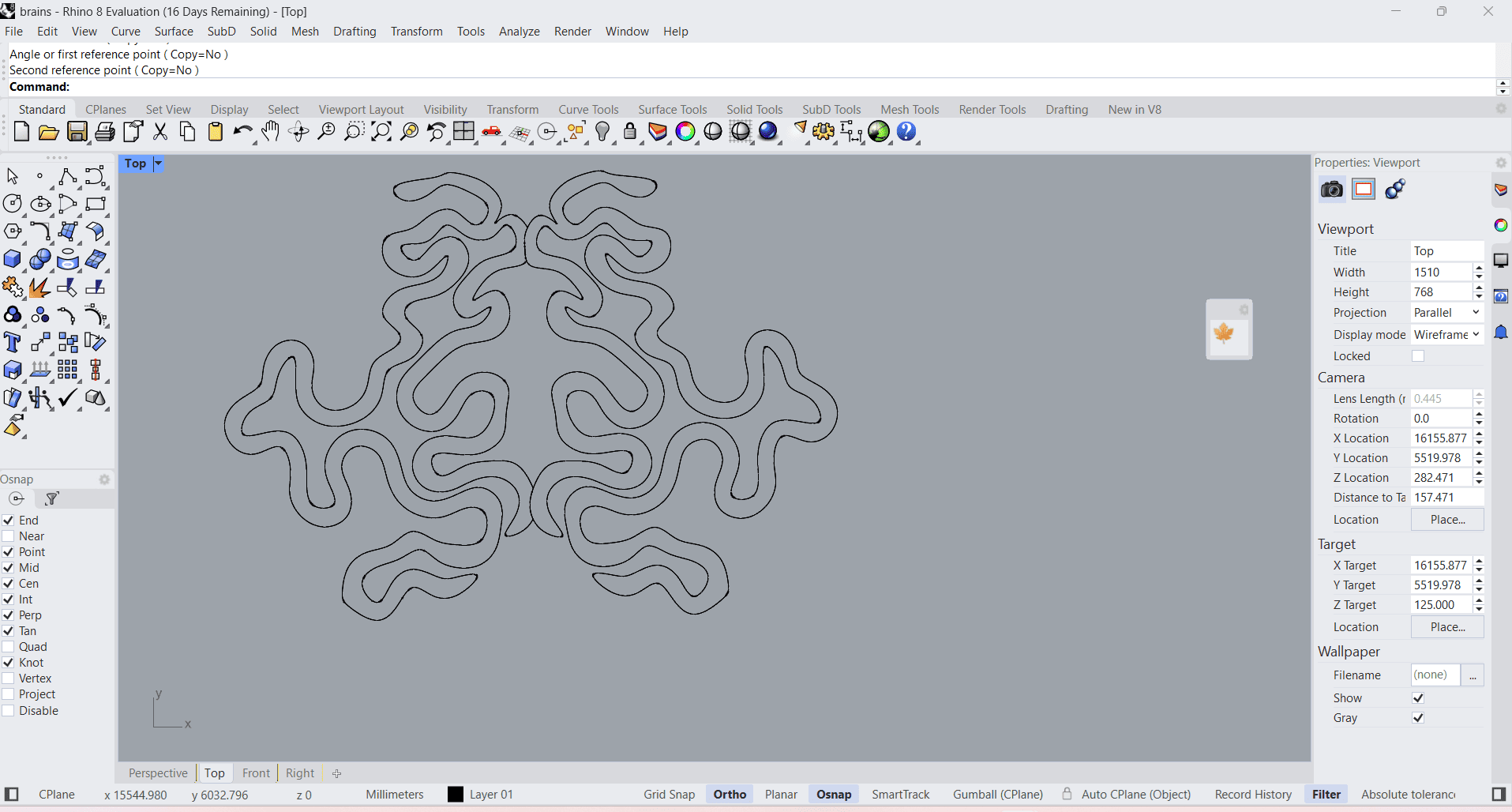
Design & Production
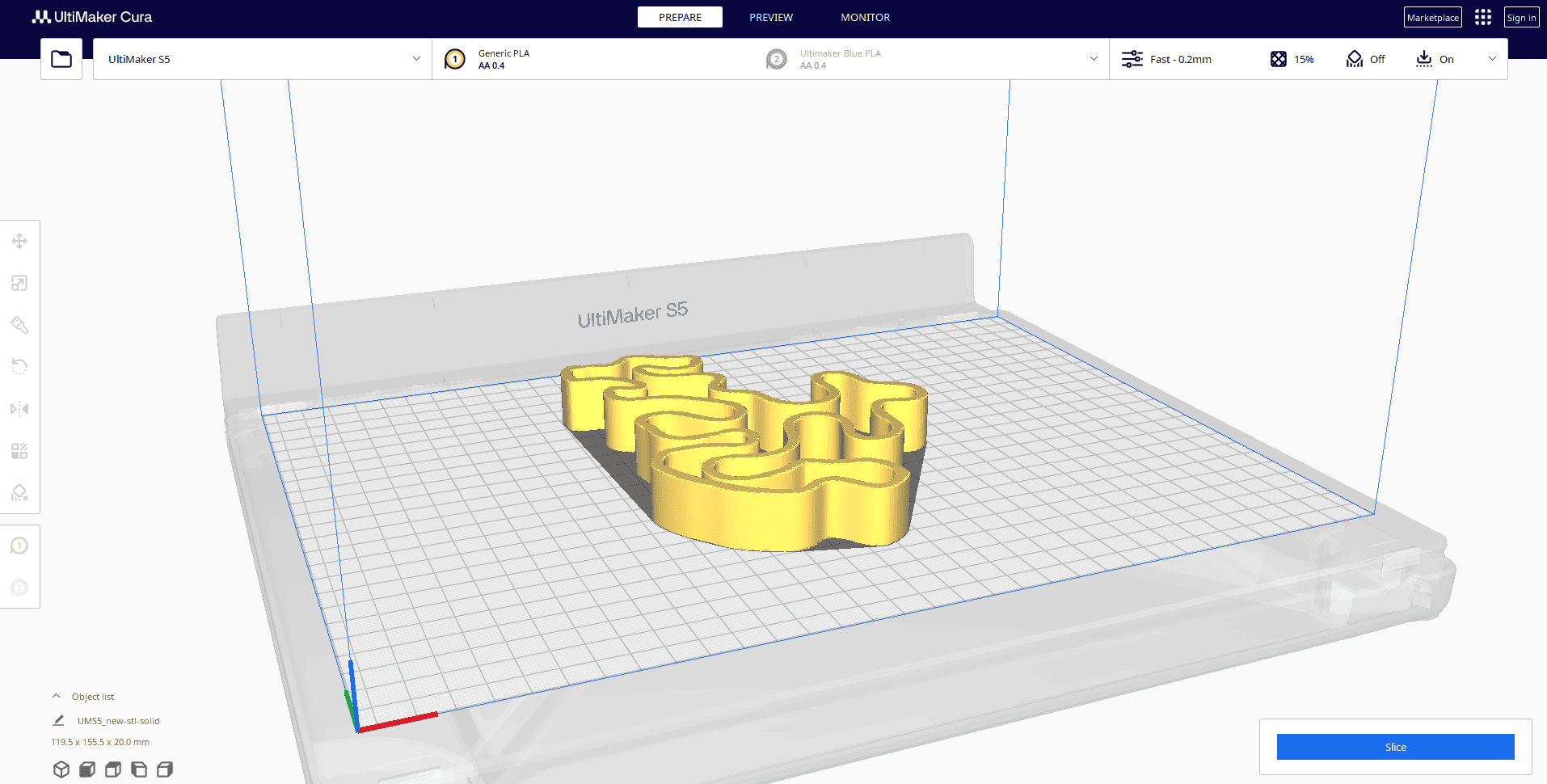
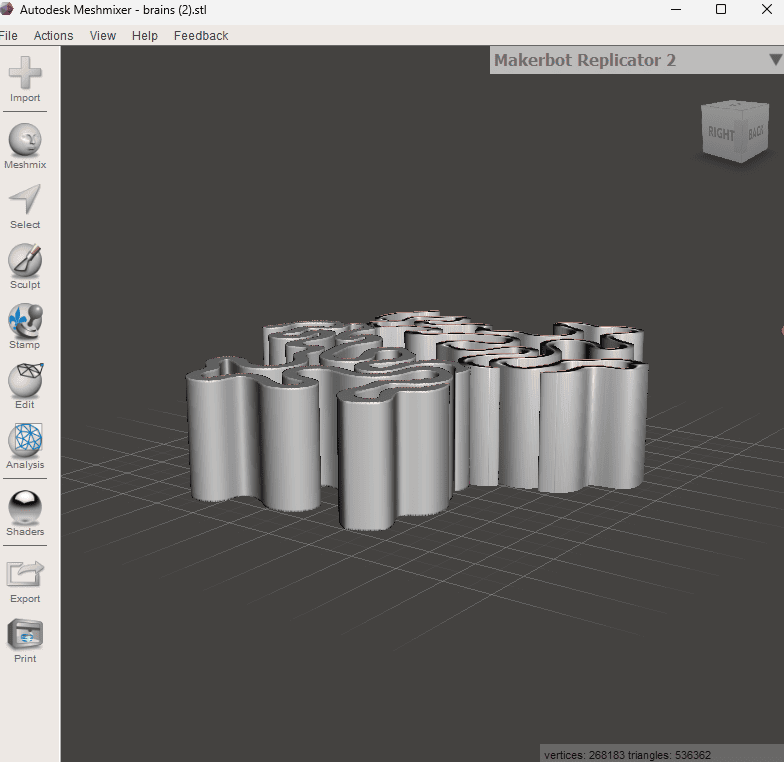
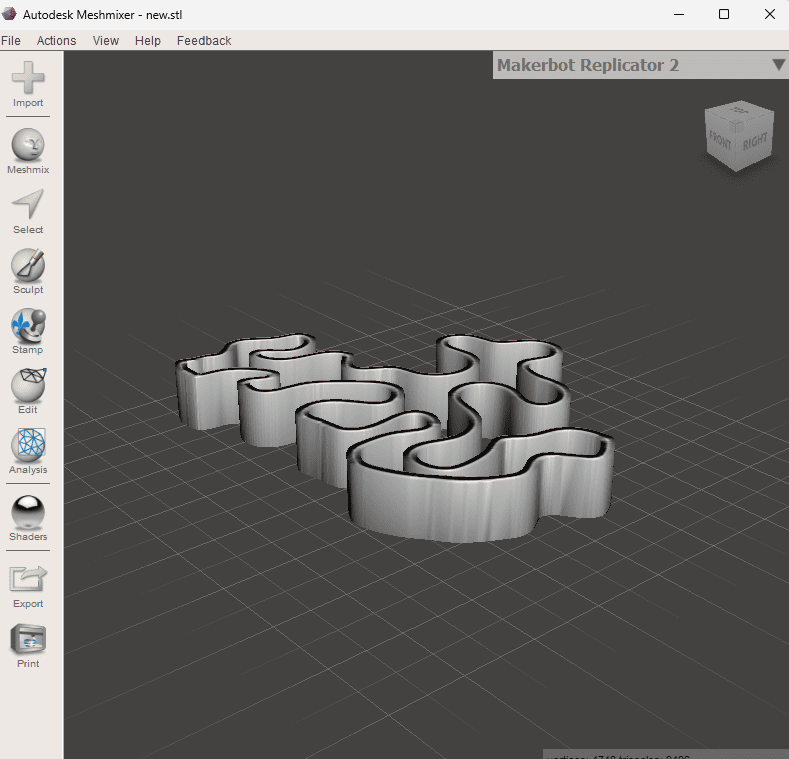
STL view
Here is the STL file view before 3d printing and height o the big model = 5cm , and small model =3m .
3D printing
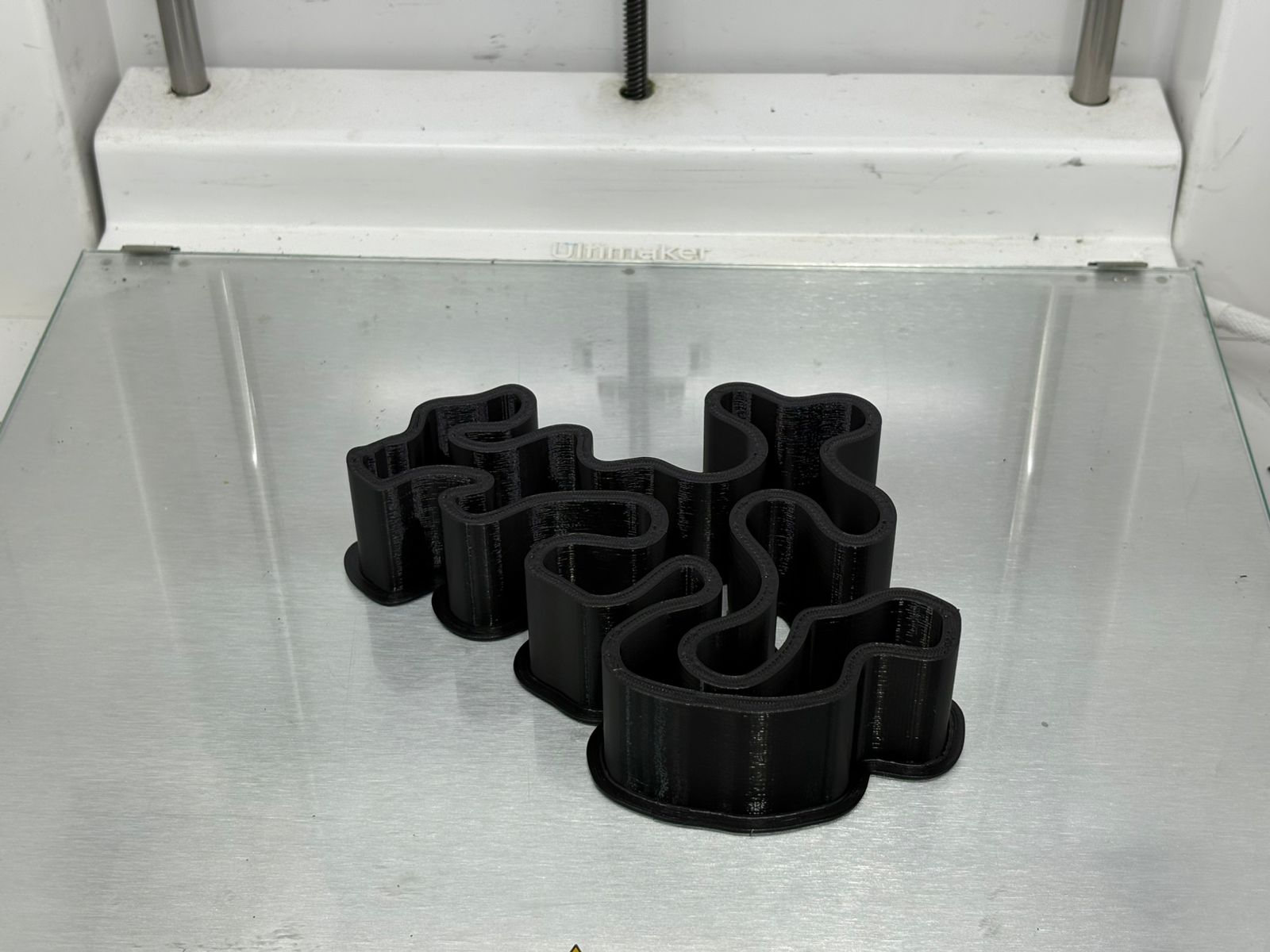
Here i explored more the shape by 3D printed (PLA) and review the shape - and honestly it was also a backup plan to create a mold form to use later if the 3D clay machine did not work as expected ( especially i faced a lot of drama !!)
Settings
This is the list of setting i used for the models both of them are following same settings only changed the infill t what shown on the full shape photo and i applied it on both.
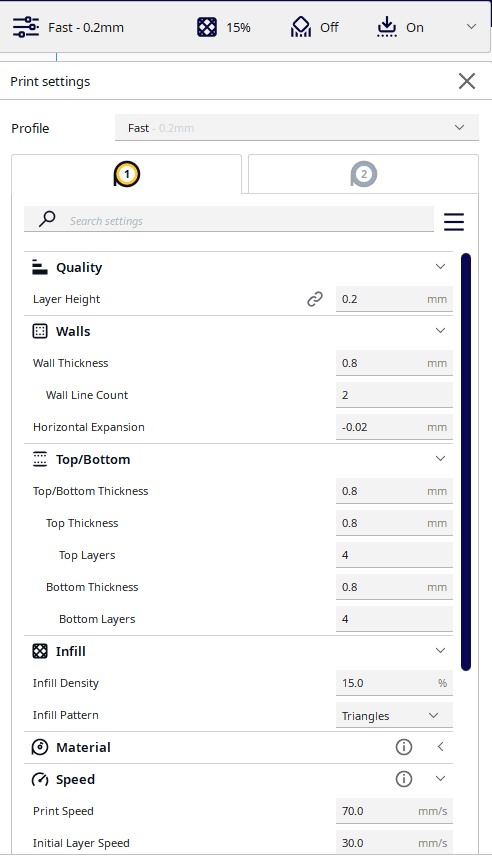
Full Shape
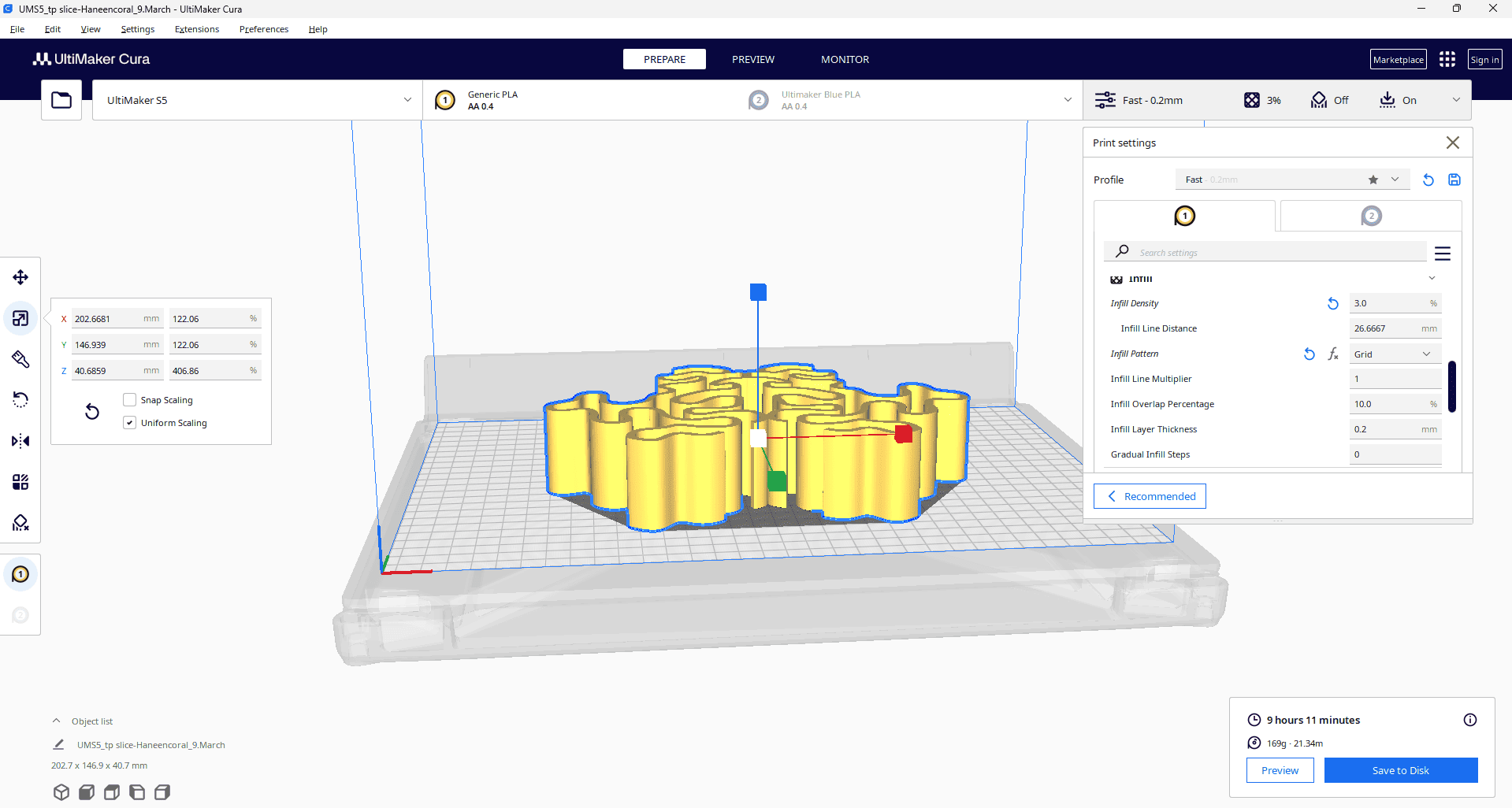
And here adjusted shape as a half shape to fit wasp2040 3d printer bed