Clay Preparation
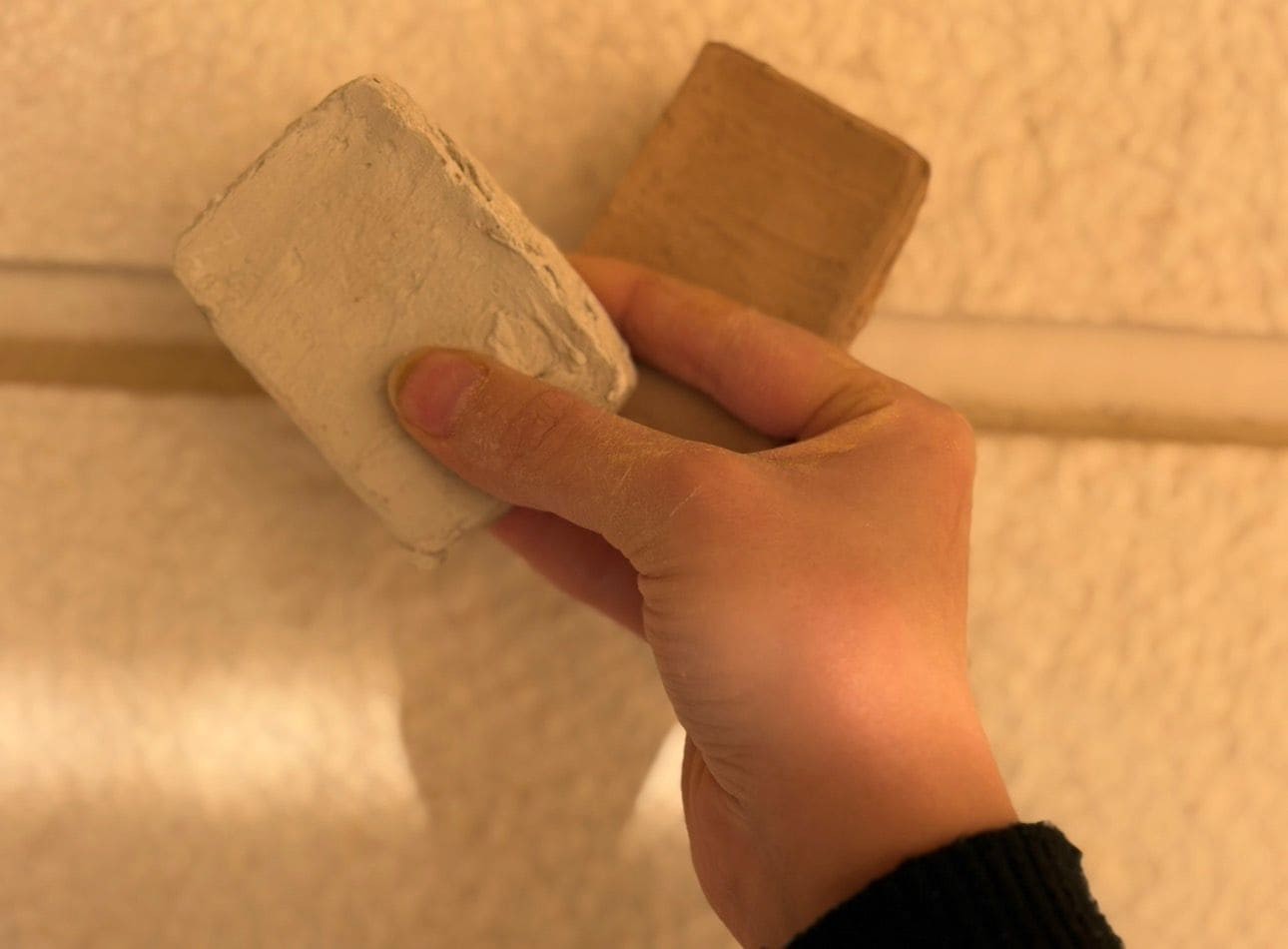
Clay Understand
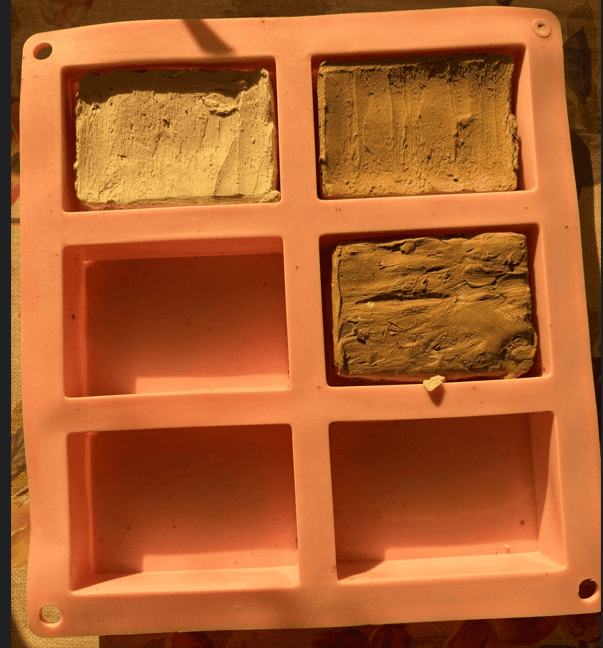 Last time i really worked with clay was during school day as a hobby using whats called -(cold ceramics) - back to do caly as a begginner again showed me how life could be unPredictable !!
As starting with clay first think i made learn more about clay material from doing it , mix it with water , shape it and even compare a few diffrent types by it is hardness to shape and fast dryness !
Dhana (local clay -hand made)
Dhana (Dana) Clay — Southern Jordan
Dhana/Dana clay comes from the Wadi Dana area in southern Jordan, part of the broader Rift Valley escarpment region. The enclosing sediments in the Wadi Dana area are clays of kaolinitic composition with an admixture of quartz sand, intercalated within sandstone beds. The geology of this region is dominated by Cambrian-age sedimentary formations, and the clay deposits are associated with deeply weathered Precambrian basement rocks. Similar southern Jordanian kaolin deposits are thought to have originated from greatly weathered surfaces related to the Precambrian basement rocks.
Jordan is a country rich in clays of different origins, found in different stratigraphic units from Paleozoic to Cenozoic. The most potential clay minerals for industrial use are kaolinite, bentonite, and palygorskite. The Dana-area clays are predominantly kaolinitic in nature. Kaolinite is the predominant mineral in southern Jordanian clays, followed by quartz, with traces of illite-muscovite, Fe-bearing minerals (hematite), anatase, and feldspar. The average chemical composition includes approximately 58% SiO₂, 28% Al₂O₃, 1.48% Fe₂O₃, 1.26% TiO₂, and 0.41% K₂O.
Expansive/Swelling Behavior
Irbid clay is notably expansive due to its high smectite content. Irbid soil is well recognized by geotechnical engineers as an expansive clayey soil with smectite as a dominant mineral. Due to the generally dry climate in Irbid city, shrinkage occurs more frequently than swelling, which mainly takes place during the short wet season. Studies of expansive soils from Irbid indicate that upon repeated wetting and drying, the soils show signs of fatigue after every cycle, resulting in decreased swelling ability over time, reaching an equilibrium after 4–5 cycles. SetcorASCE Library.
Key Characteristics Summary for Testing:
- Dominant mineral: Smectite (~49%) + kaolinite (~13%)
- Classification: CH (High Plasticity Clay)
- Color: Dark grayish-brown (surface) to reddish-brown (deeper)
- High plasticity → good workability/moldability Significant shrinkage-swelling behavior — important to account for during drying and firing
- Higher water demand; sensitive to moisture changes
Firing & Ceramic Properties
This type of Jordanian clay is well-suited for ceramic and refractory applications. The kaolin found in the southern Jordan region has been found suitable for manufacturing common bricks, medium-fired bricks and sanitary ware, and could also be used in refractory, white cement, paper, and advanced ceramic industries, although a beneficiation process may be required. The kaolinite morphology includes hexagonal booklets and stacks, which contribute to good plasticity and workability. A novel geopolymerization process has been developed to produce building materials (geopolymers) using Jordanian kaolinite, characterized by high strength, high heat resistance, low production cost, low energy consumption, and low CO₂ emissions. Cambridge CoreSpringer
Key Characteristics Summary for Testing:
- Dominant mineral: Kaolinite (low-shrinkage, refractory)
- Secondary minerals: Quartz, illite, hematite, anatase
- Color: Typically light to white/buff due to low iron
- Behavior: Lower plasticity than smectite-rich clays; good for high-temperature firing
- Suitable firing range: Medium to high temperatures
Second Method
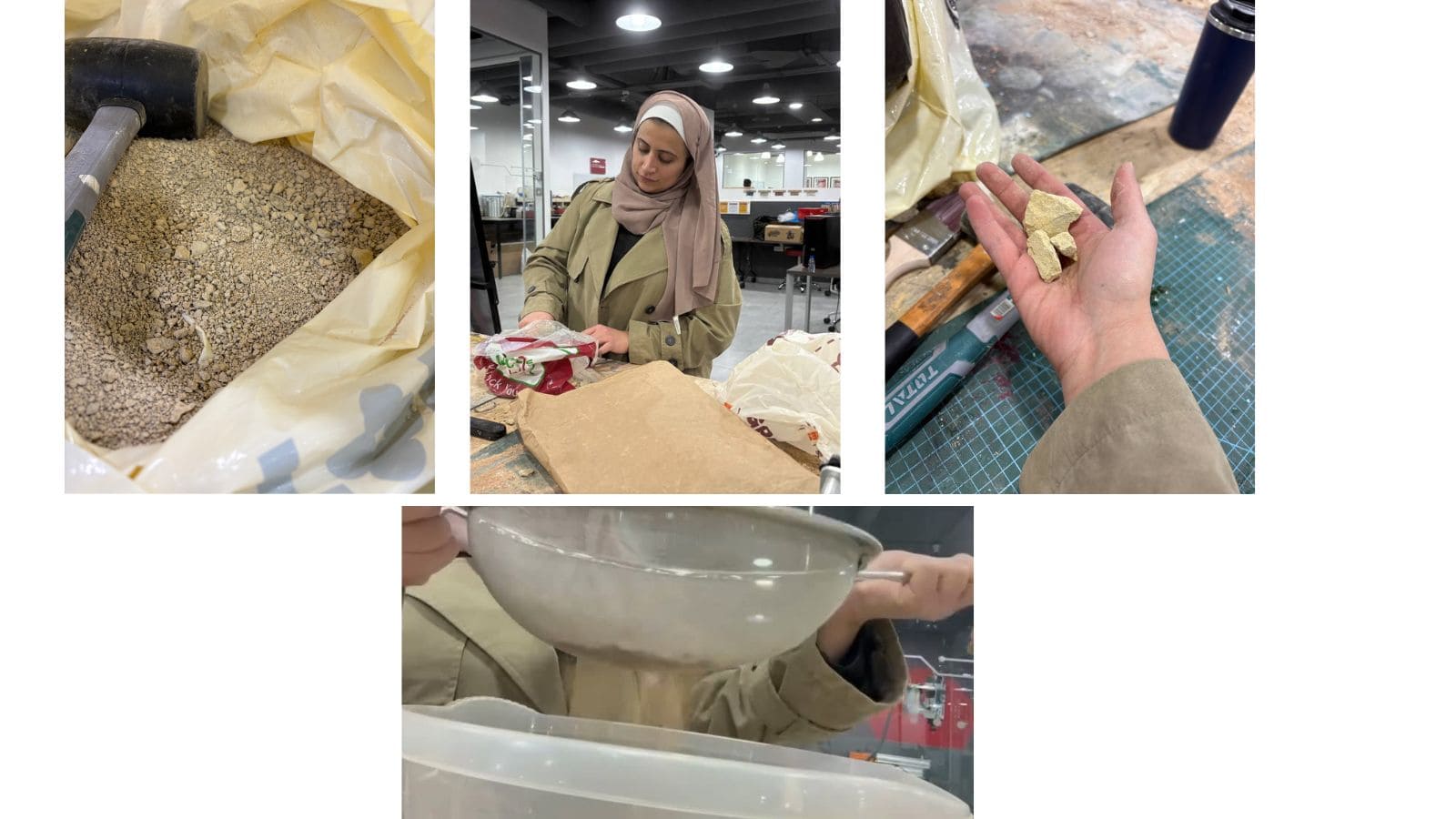
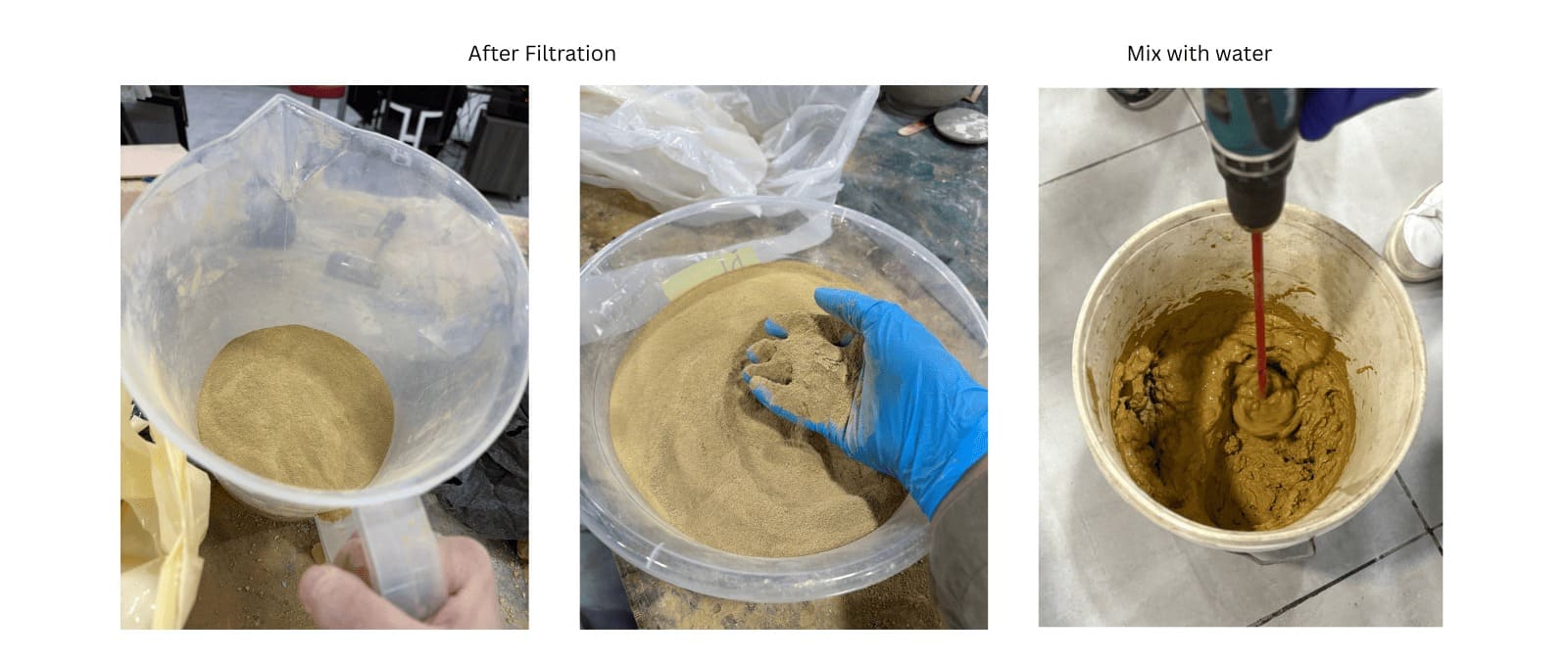
Here i saw some tutorials about easier and faster to make the clay without all previous steps but to put it in the water and leave the clay soaked within water for a few days or a week to become softer then you can clind it directly ( with making sure to remove and big stones as they are not mixed normally as you can see up there were stone i removed that even cant be crushed manually)
Dhana
Irbid
Irbid clay is found in the northern highland plateau of Jordan. The clay in the eastern part of Irbid lies in an east-west, broad, elongated depression or basin running across the highland plateau area of eastern and southern Irbid. The underlying bedrock is thought to be mostly basalt, which came into the area from the northeast as a lava flow during the Tertiary Era. The soil profile consists of 2–3 m of dark grayish-brown clay underlain by reddish-brown clay down to a depth of 10 m, with weathered basalt existing just above the clay/basalt interface.
In Irbid clay samples, clay minerals and mica are present. of the minerals, clay is dominant, and smectite is the most abundant clay mineral. The percentage composition of sand, silt, kaolinite, and smectite in the studied soil is approximately 2%, 36%, 13%, and 49%, respectively.
Comparison Table (Dhan-Irbid)
| Property | Dhana (Dana) Clay | Irbid Clay |
|---|---|---|
| Location | Southern Jordan (Wadi Dana) | Northern Jordan (Irbid plateau) |
| Dominant Mineral | Kaolinite | Smectite |
| Plasticity | Low–Moderate | High (CH class) |
| Shrinkage Risk | Lower | Higher |
| Color (raw) | Light / buff / white | Dark gray to reddish-brown |
| Firing Suitability | Medium–high temp ceramics | Lower-temp; careful drying needed |
| Swelling Behavior | Minimal | Significant |
| Engineering Use | Ceramics, refractory, bricks | Liners, earthworks, stabilization |
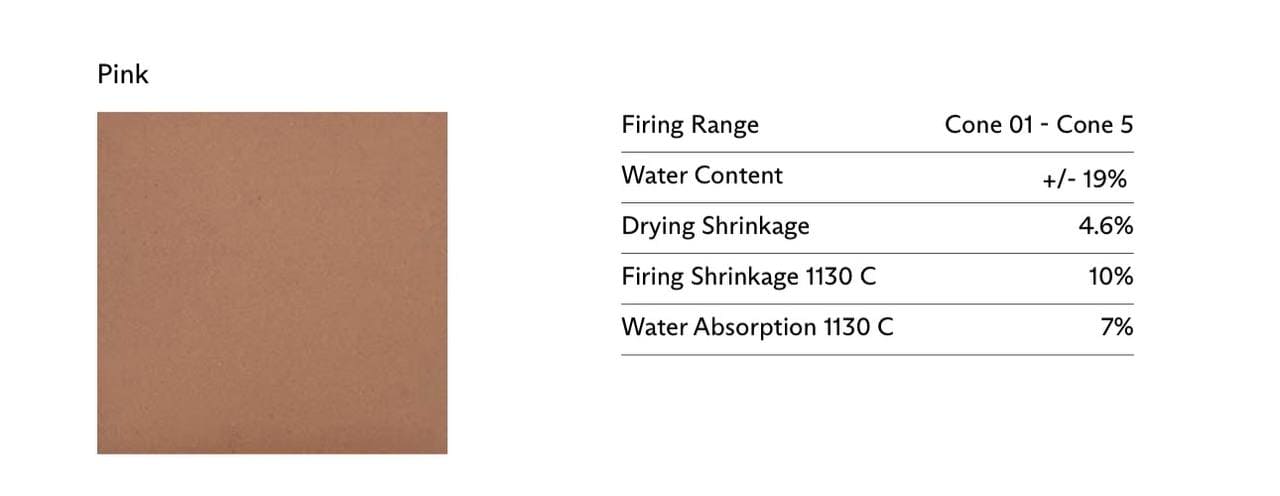
Pink Clay
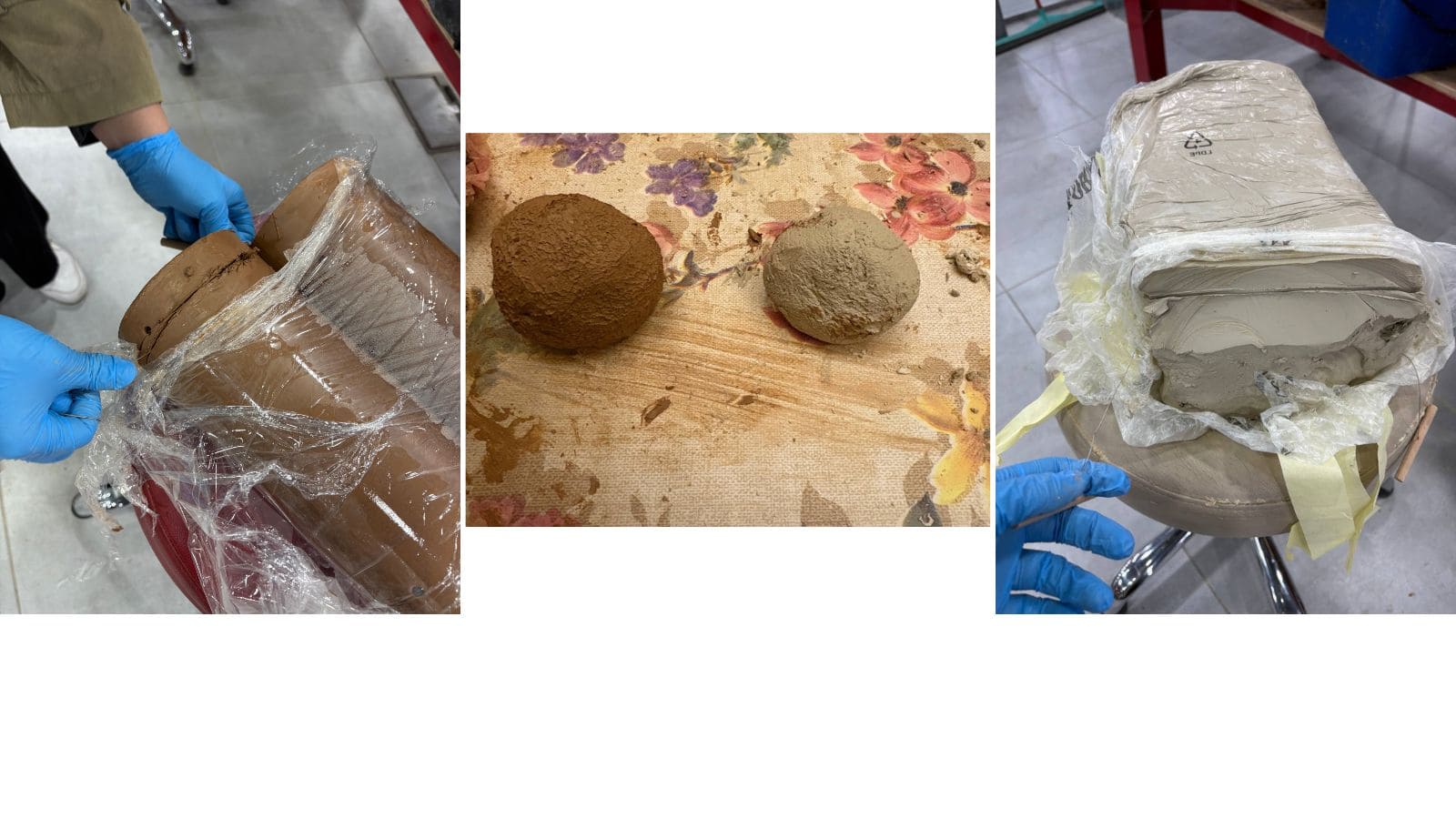
Here is comercial local clay which is ready but only need water to start mix it manually and prepare for the next step .
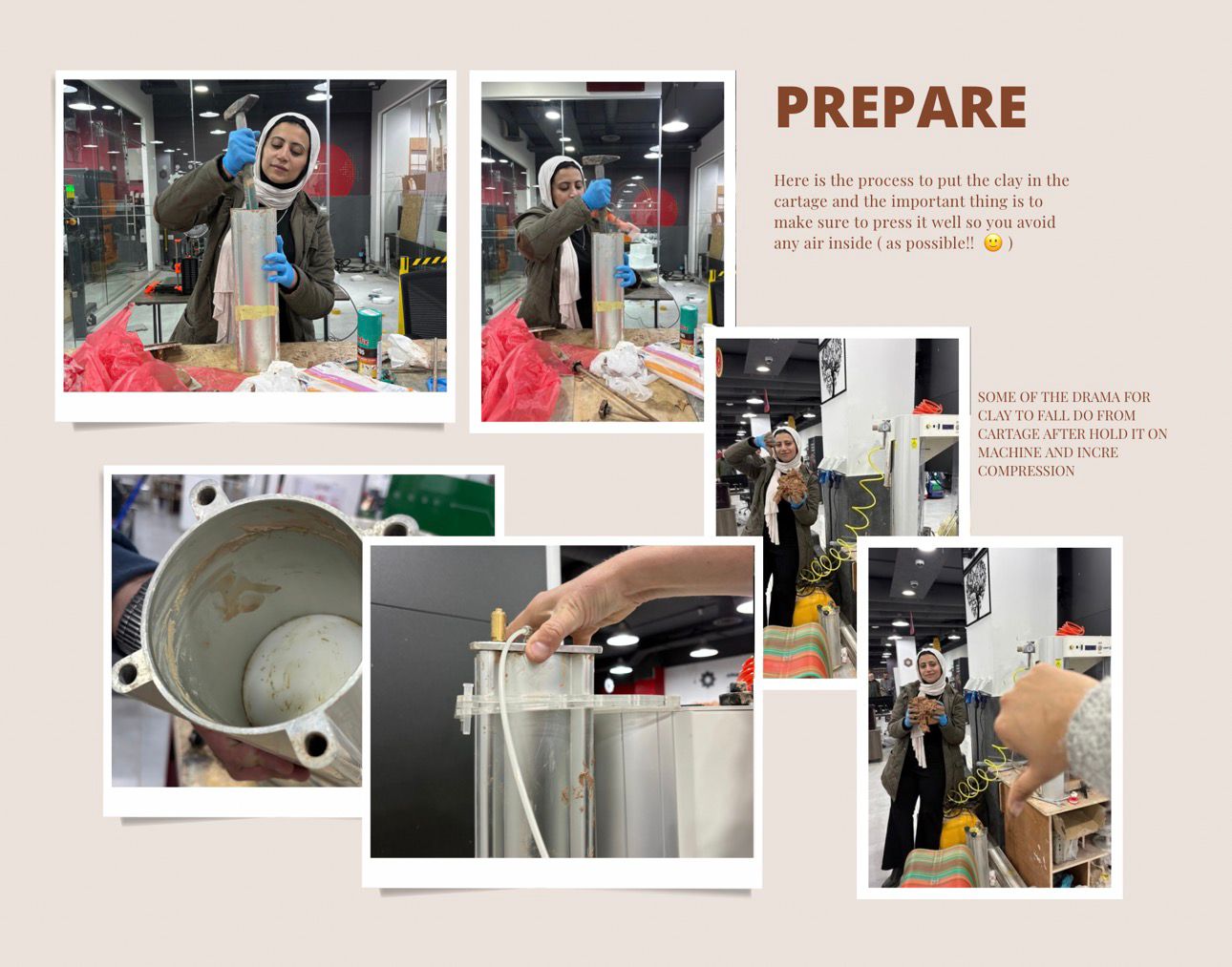
Clay Preparation
The process of preperation for put the clay mixture in the cartiage to ensure it is well sticked and no space inside so no extra air between the gaps to ensure smoother printing. though be ready to some expected drama !! as you saw on the right photo that mixture has dropped out of the closed cartiage after increased the compression ( normally this means the mixture is a bit higher liquid which means you need to start with very low tempreature like 4 less or more depends but you need to increase slowely of add a bit extra clay on the mixture and mix again tell it works :)
References
[1] O. S. Mughieda and M. Al-Sharif, "Suitability of Irbid Clay as Compacted Liners for Landfill, Jordan," International Journal of Geosciences, vol. 4, no. 10, 2013.
[Online]. Available: DOI: 10.4236/ijg.2013.410148
[2] M. S. Al-Zoubi, "Cyclic Swelling Behavior of Clays," Journal of Geotechnical Engineering, vol. 121, no. 7, pp. 562–565, 1995.
[Online]. Available: DOI: 10.1061/(ASCE)0733-9410(1995)121:7(562)
[3] M. Abdelhamid and H. Khoury, "Mineralogical and engineering properties of problematic expansive clayey beds causing landslides," Bulletin of Engineering Geology and the Environment, 1996.
[Online]. Available: DOI: 10.1007/BF02600694
[4] H. N. Khoury and T. El-Hasan, "Geochemical and mineralogical characterization of the Jabal Al-Harad kaolin deposit, southern Jordan," Clay Minerals, 2010.
[Online]. Available: DOI: 10.1180/claymin.2010.045.3.301
[5] H. N. Khoury, "Review of clays and clay minerals in Jordan," Arabian Journal of Geosciences, 2019.
[Online]. Available: DOI: 10.1007/s12517-019-4882-2