Circular Open Source Fashion
1. research and inspiration
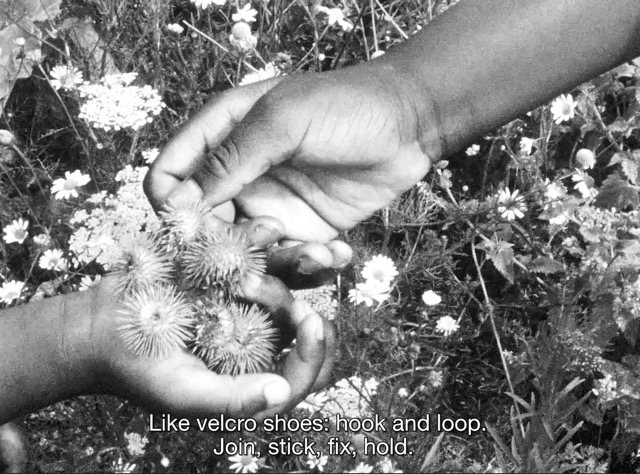
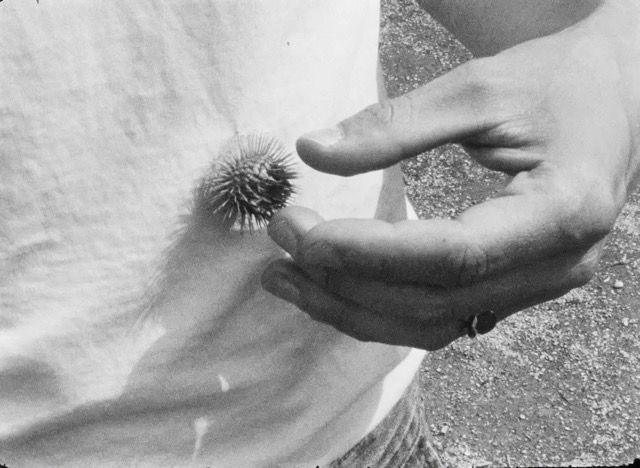
In the film playgarden I made, I was working with burdock. It is a plant that has very sticky seeds which cling onto people’s clothes and animal fur in order to spread. I was thinking that this would be an interesting shape as a starting point. I imagine it as a kind of modular component produced by nature.
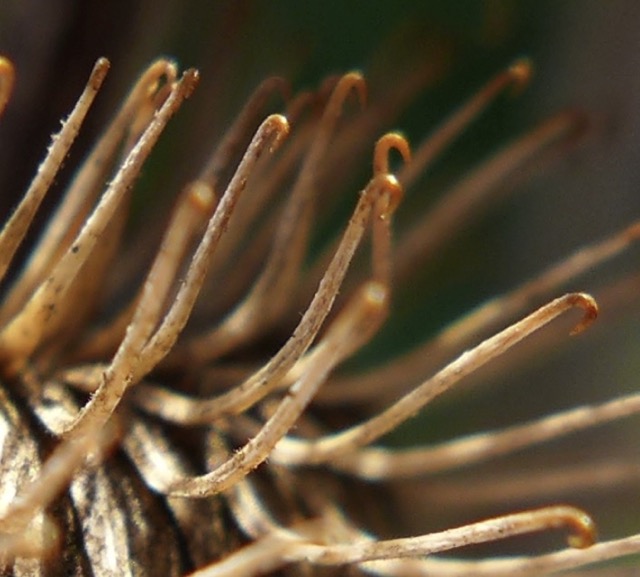
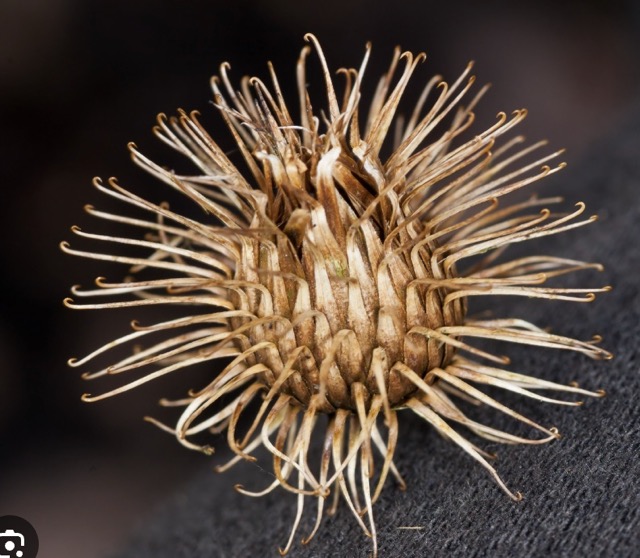
As opposed to the examples of components used, the joints here are tiny hooks. I have read somewhere that it was the inspiration for the invention of velcro. To make this using the laser cutter and fabric seems like a very challenging thing to immitate. Therefore I wanted to experiment with making spherical and oval shapes. I did found some inspiration in shapes and material uses through the work of participants such as: Ann Macara, Alberte Bojesen and Annabel
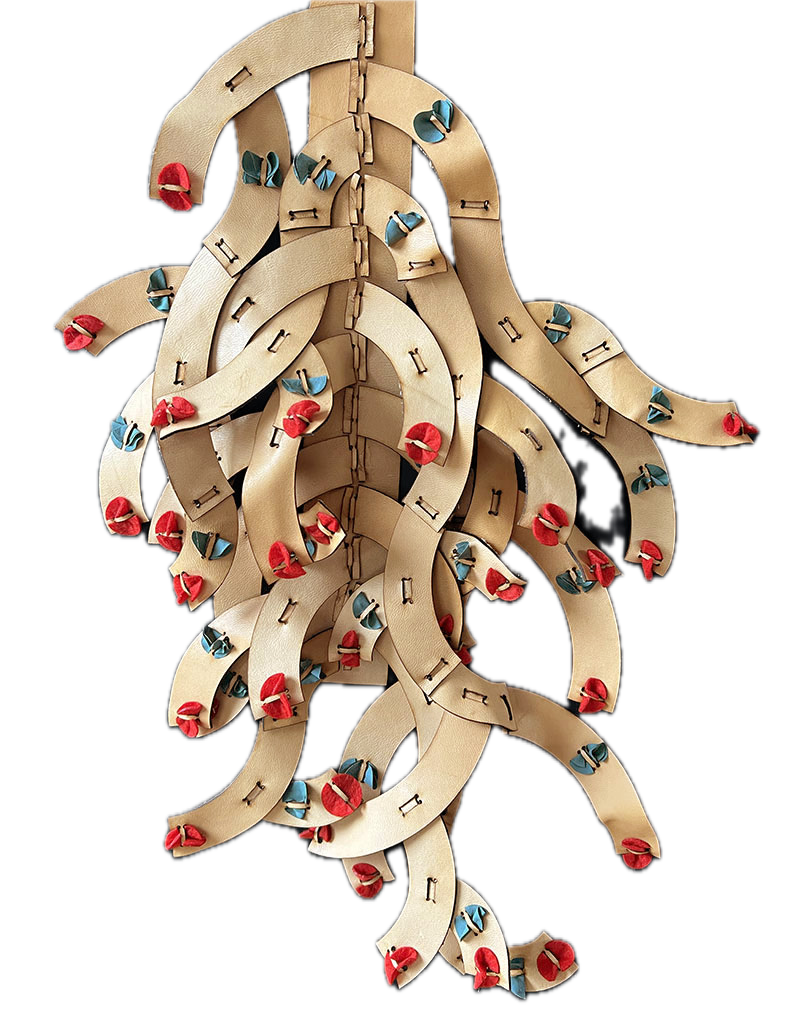
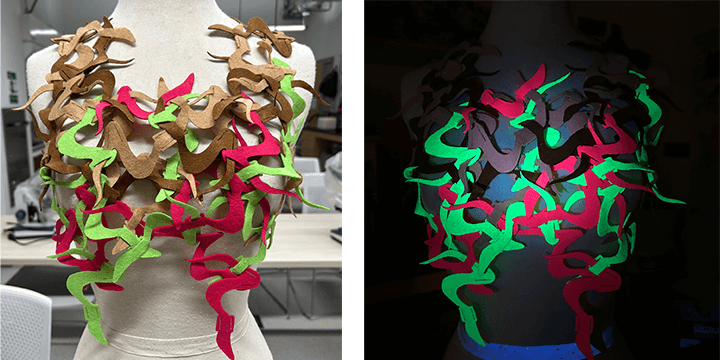
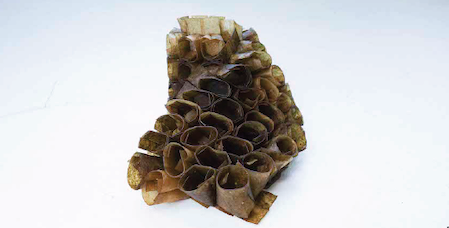
Another thought I associated with this idea of modular fashion was the female body which is in a constant state of transition every menstrual cycle. I have many clothes which fit at the beginning of my cycle, but not at the end. I was thinking of ideas which could help these transitions. The same is also applicable to the female body when pregnant. But in the end, I wanted to challenge myself in making modules into 3D shapes.
2. design process
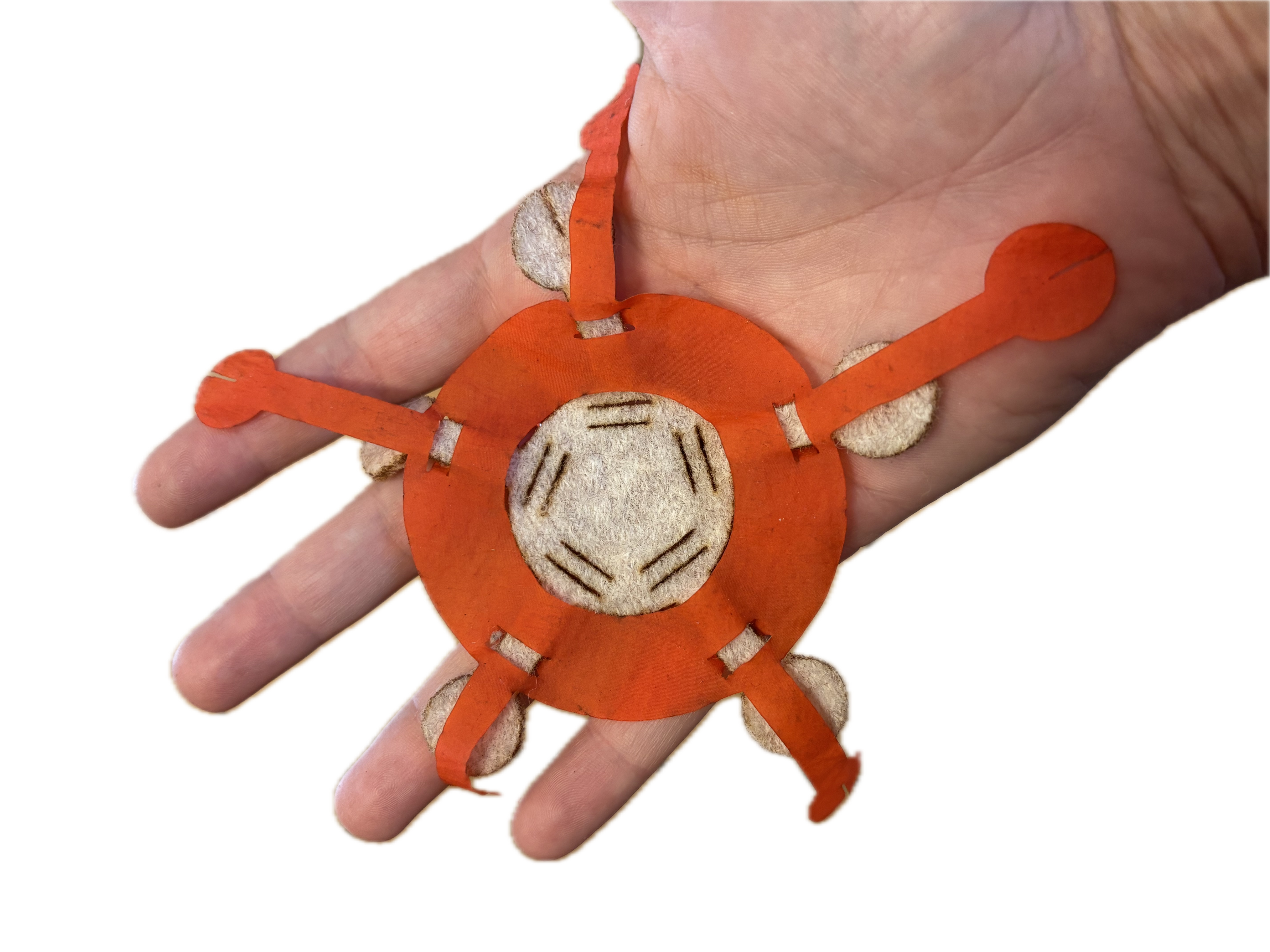
I wanted to design a module which would give me a lot of freedom to make different shapes. To start, I made several tests with paper and scissors. At first, I was still working on the idea of the Burdock seeds, but I quickly learned that these joints would be too weak. I was still interested in working with the circle shapes and I started designing modules which would make 3D shapes.
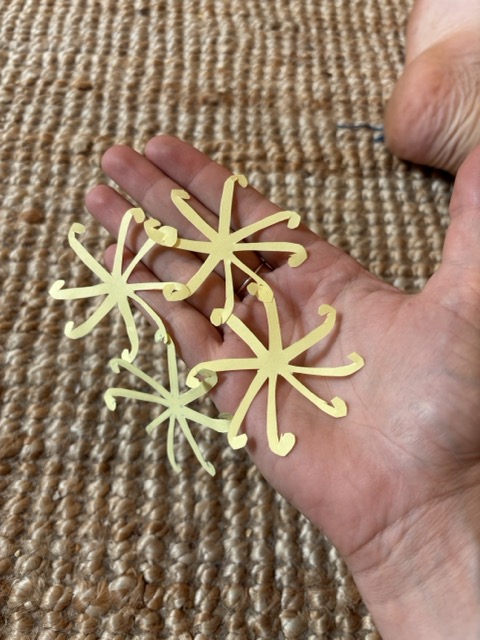
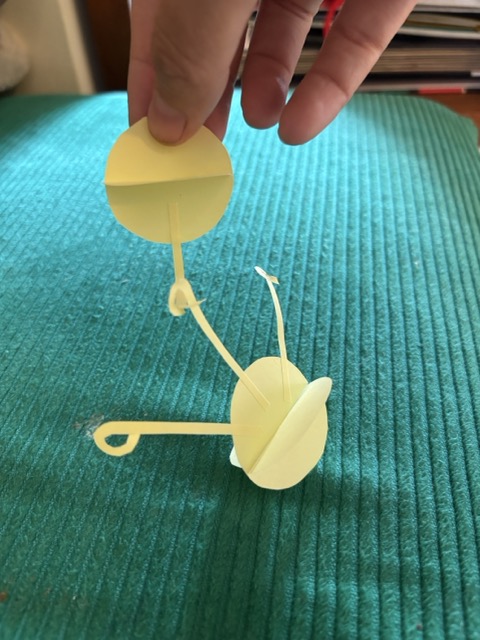
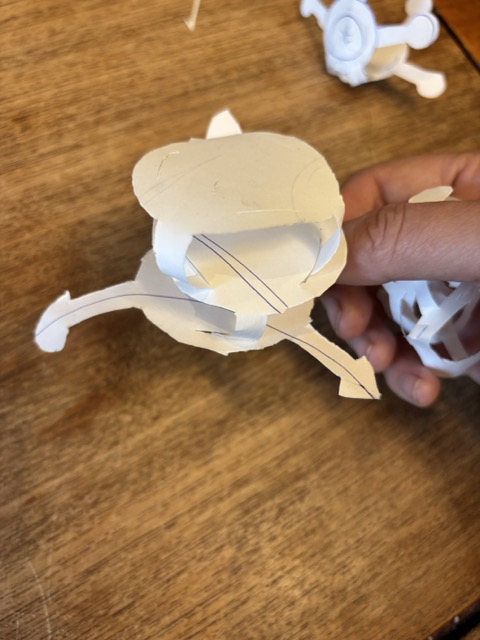
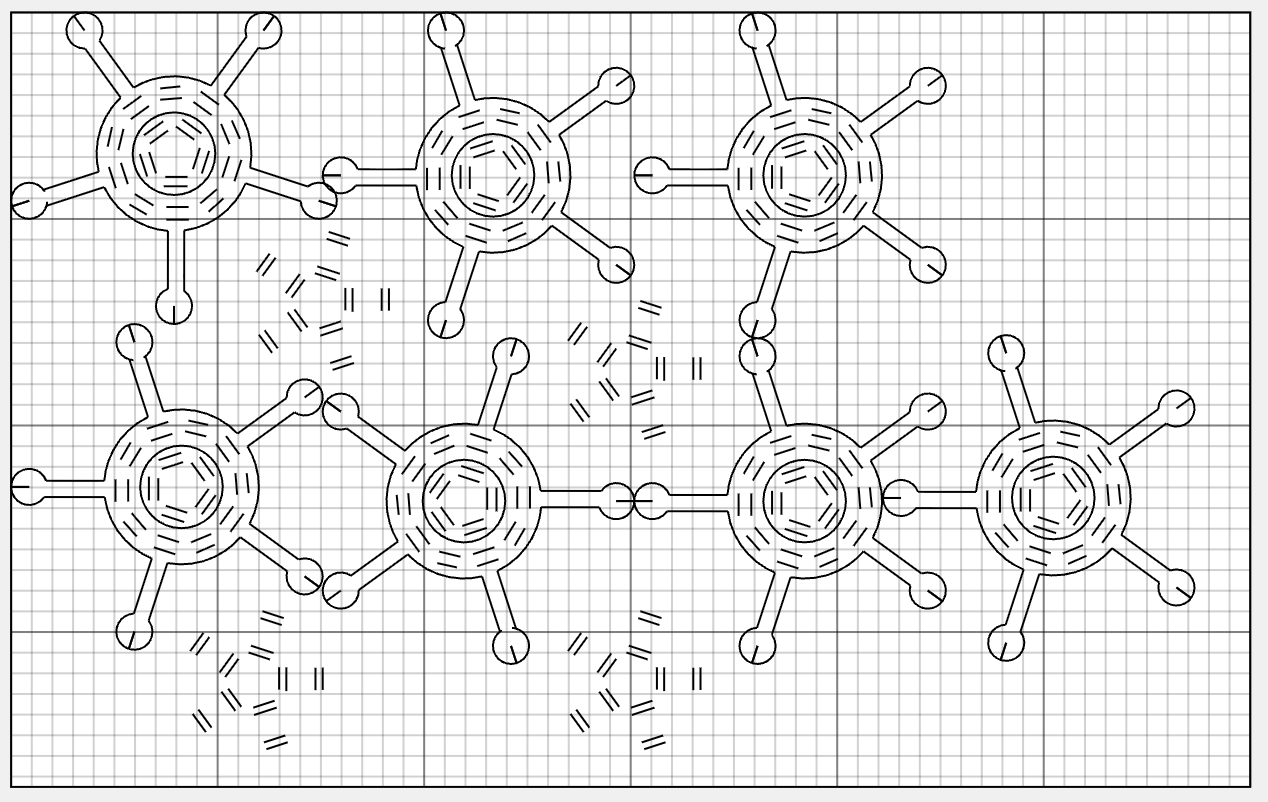
Claudia's tutorial helped me to translate my final model into Fusion 360. Because my shape is quite irregular, I was going to have a lot of waste material.
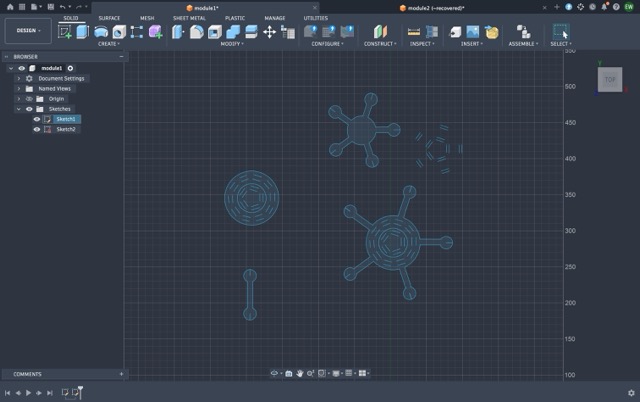
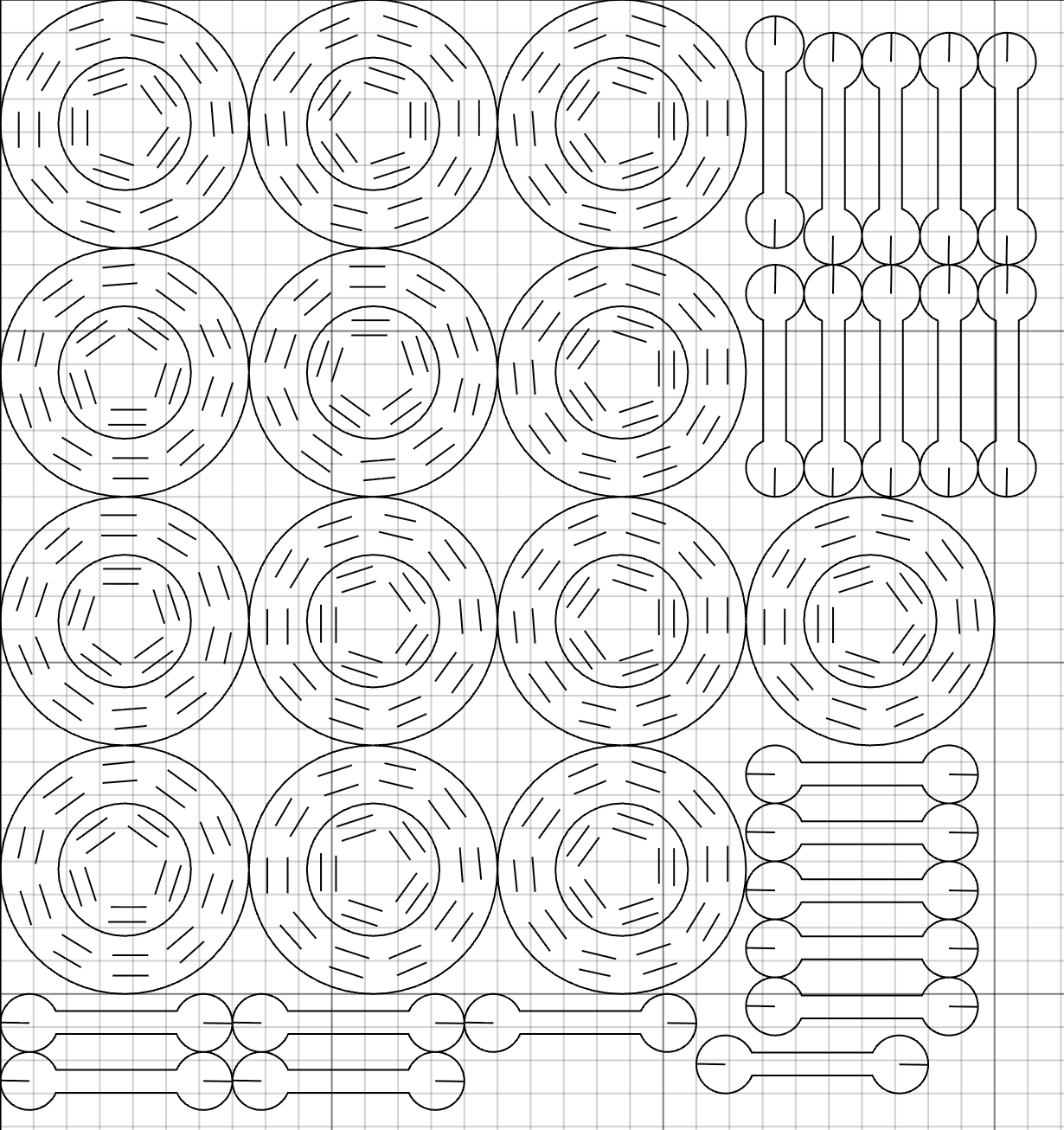
My first idea was to make a kind of 'raster' in the waste material so this could be a base on which I would make my shapes. But because of time constraints I did not get around to designing the nesting well enough. I then decided to seperate the 'legs' from the 'circle'. This meant I had even more freedom to make different shapes, and it alo used the material much more efficiently.
3. materials
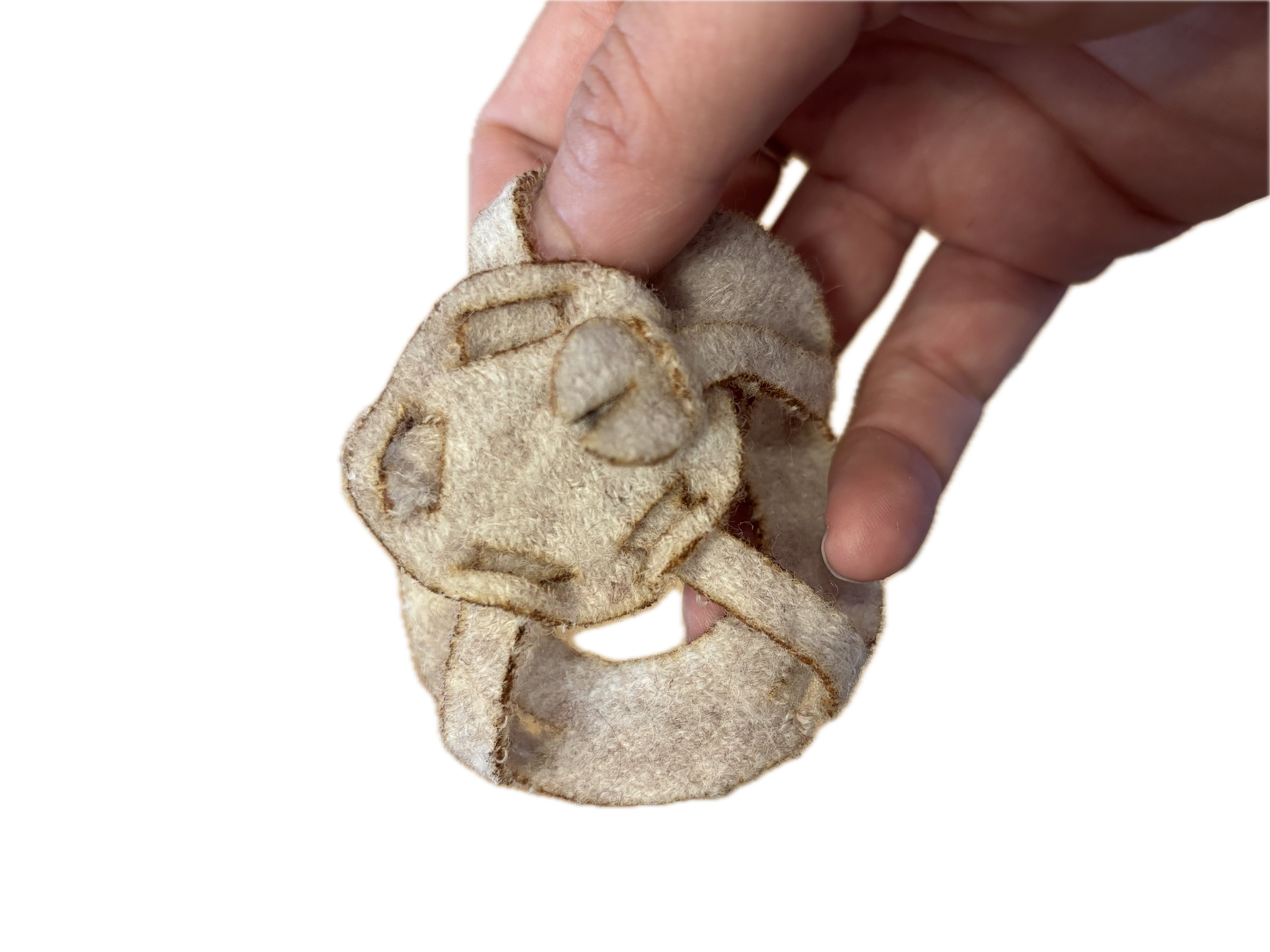
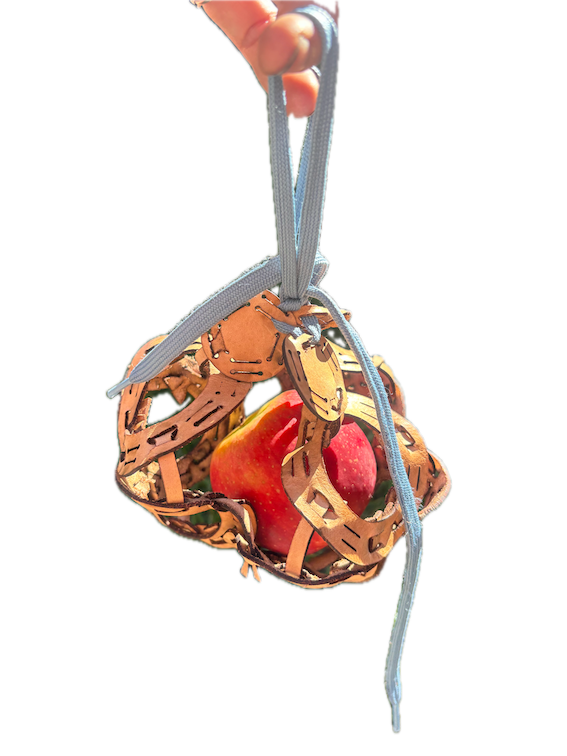
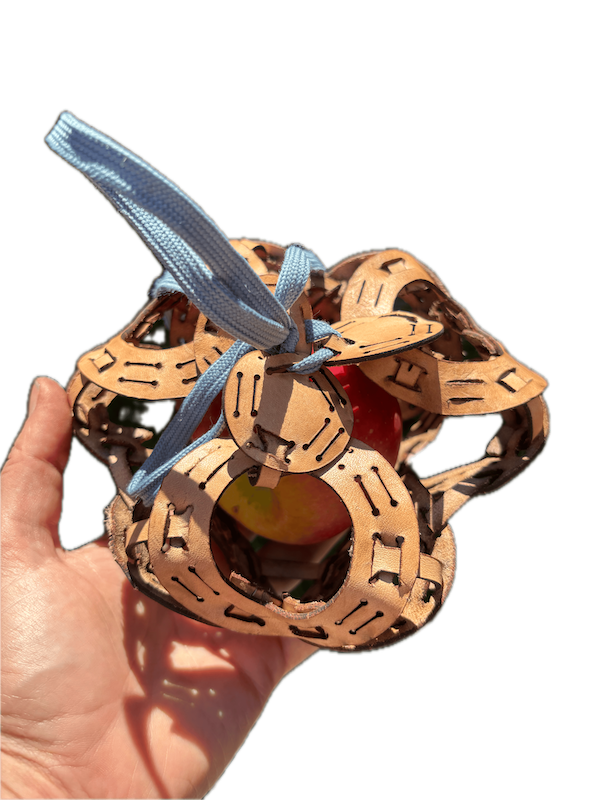
I wanted to design a module which would give me a lot of freedom to make different shapes. I thought it would be interesting to use two different materials in the two different components I designed. The combination of wool and leather for example, would have been beautiful. We tested the leather at the lab using a copper wire and a candle. Unfortionatly it contained chloride, so I could not use the laser cutter.
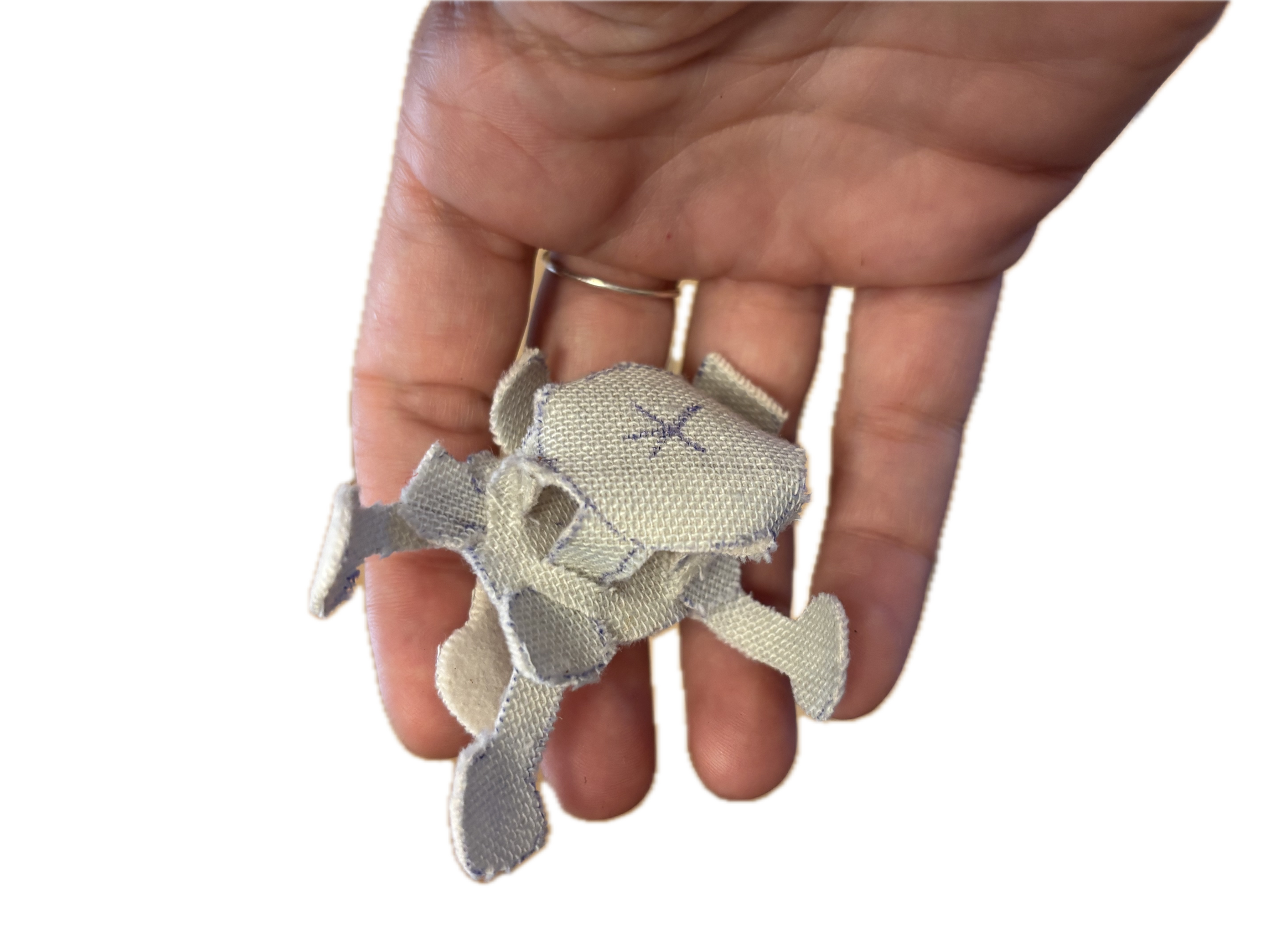
I tested paper, polyester, neoprame and wool. I started with paper. Here the 3d structures were working really well. When I switched to other materials, however, it lost it's structural integrity which made my initial models interesting. I decided to combine paper and polyester fabric. I will try and find some leather I can use with the laser machine, because I'm still really interested in testing this.
4. shape
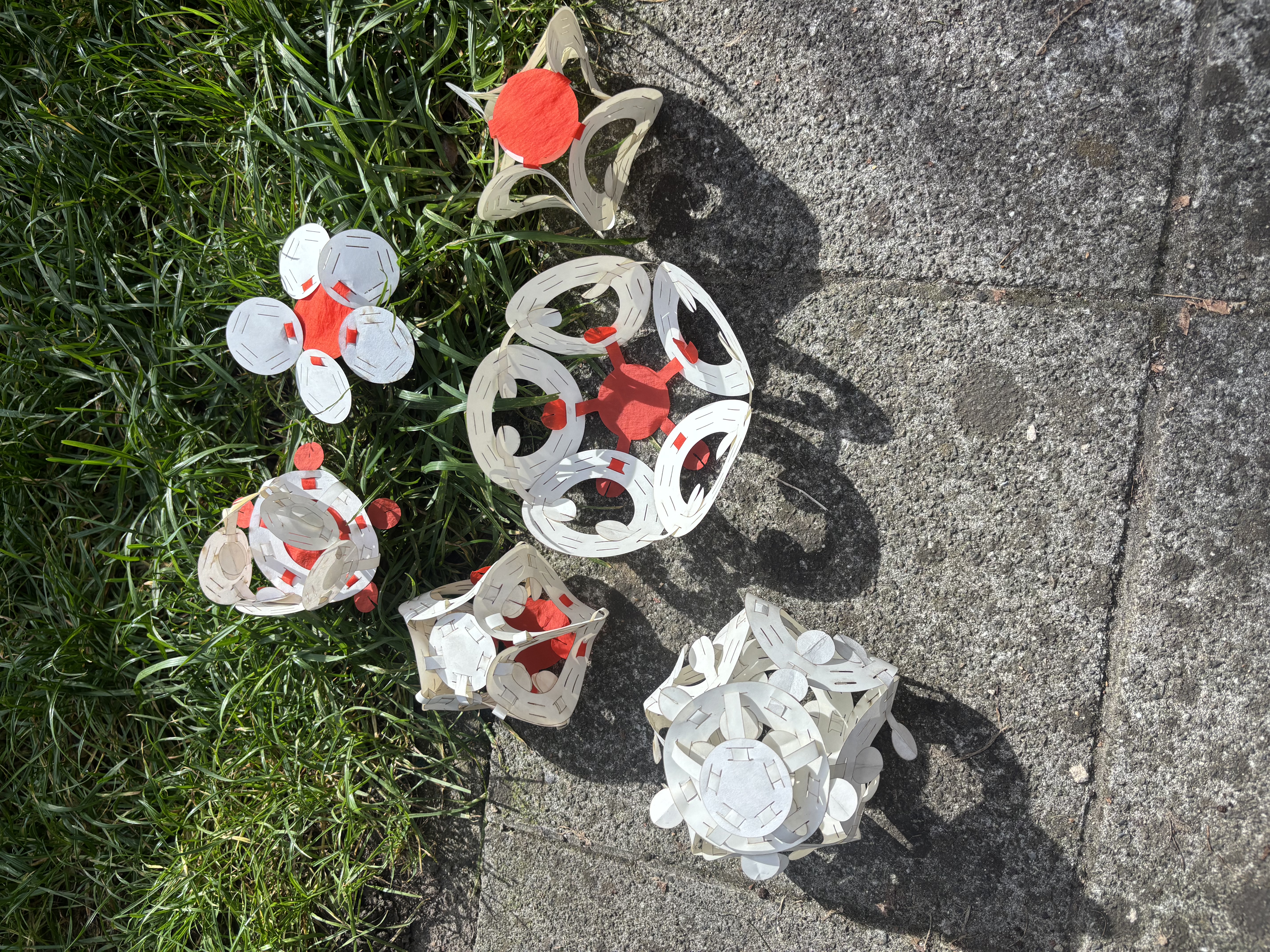
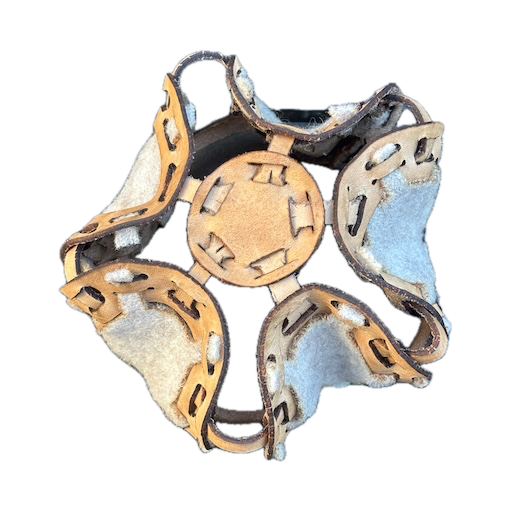
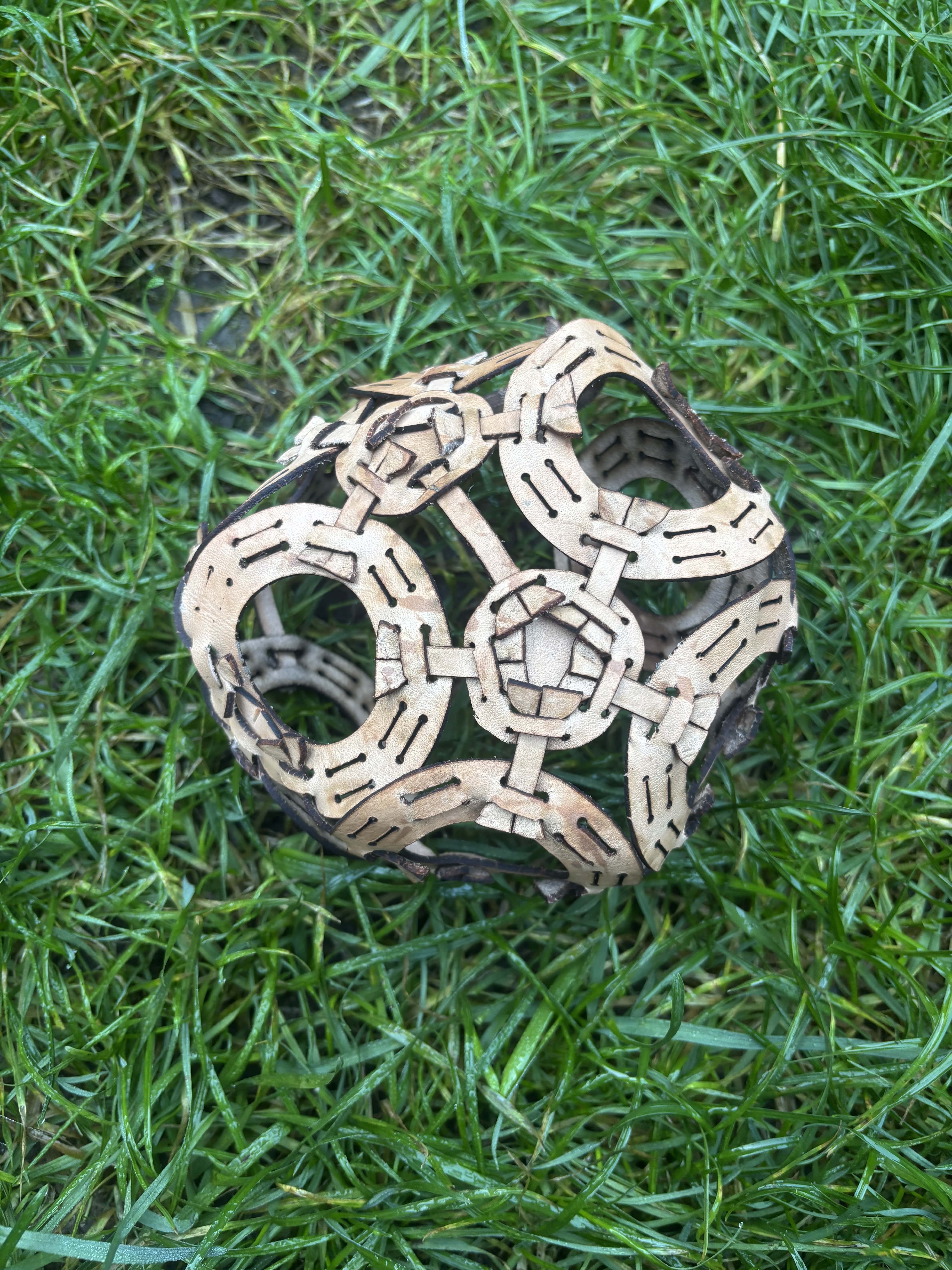
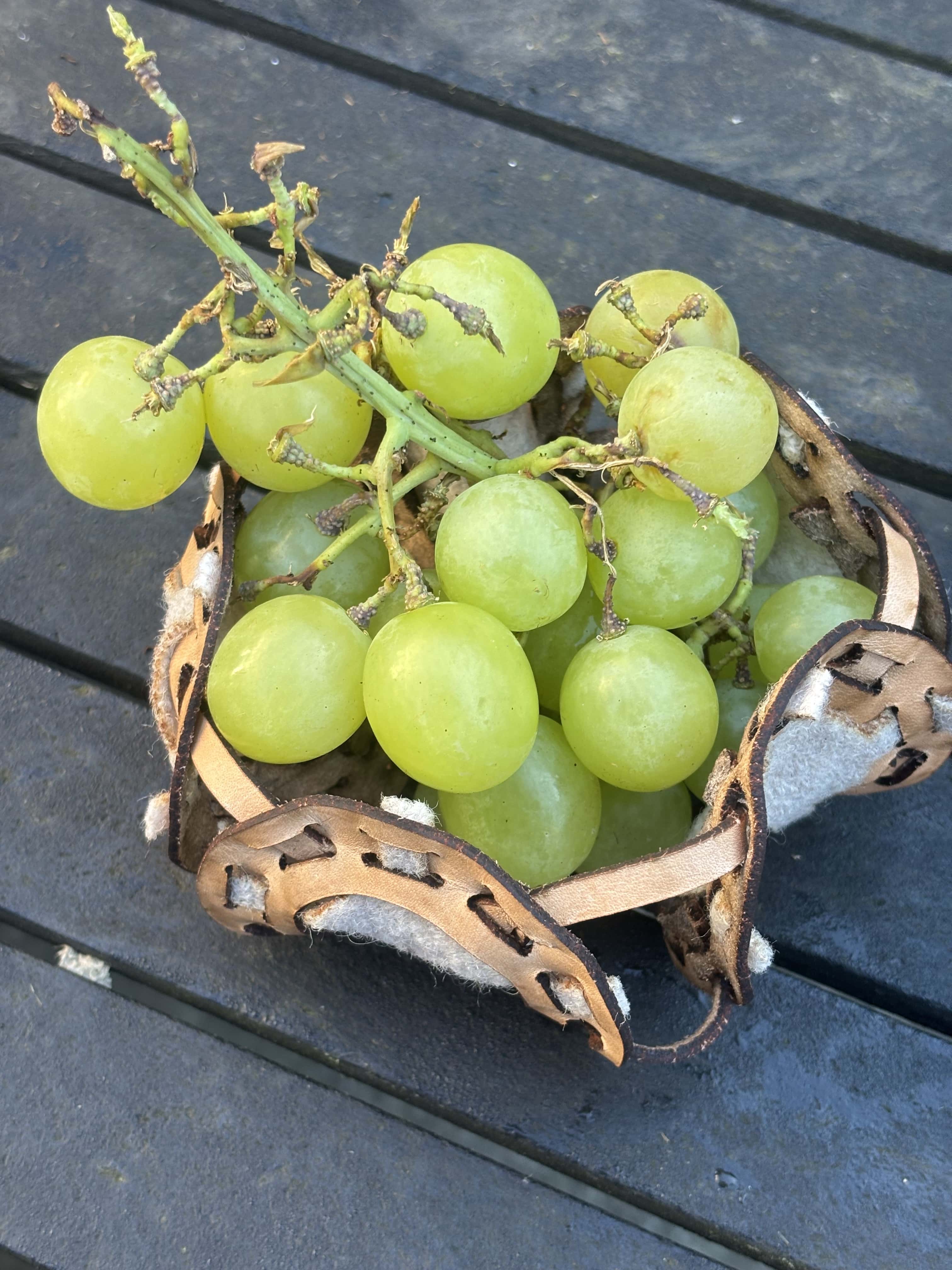
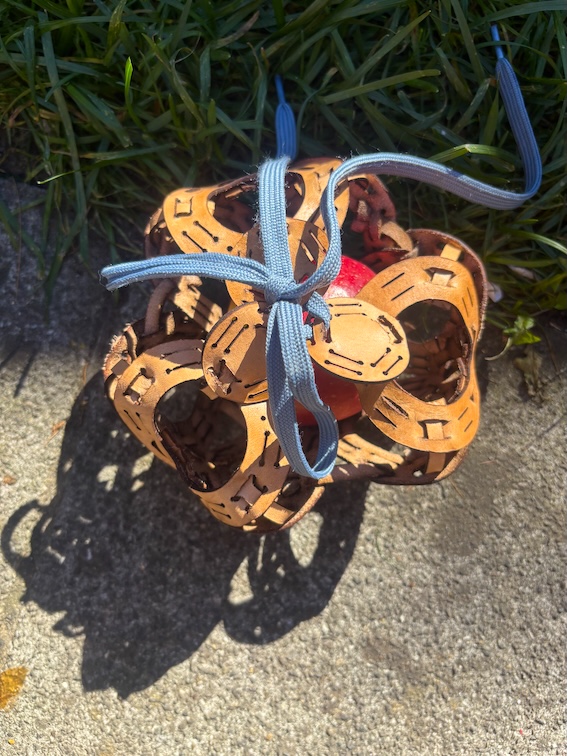
Once I cut enough modules, I started experimenting with different shapes I could make. Instead of thinking beforehand about a use the final result would have, I let myself be guided by the material. I ended up with different kinds of 'flower' shapes.
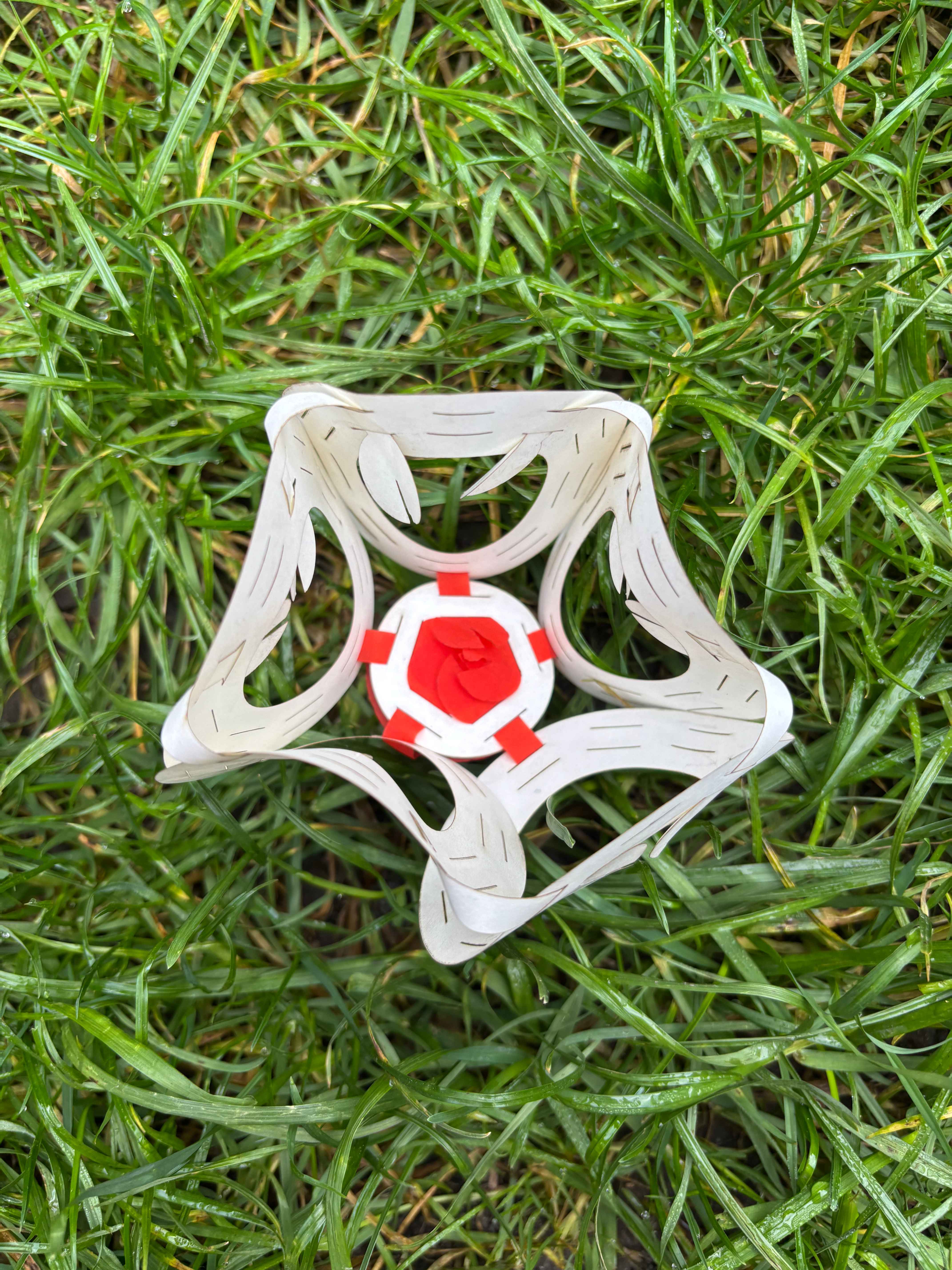
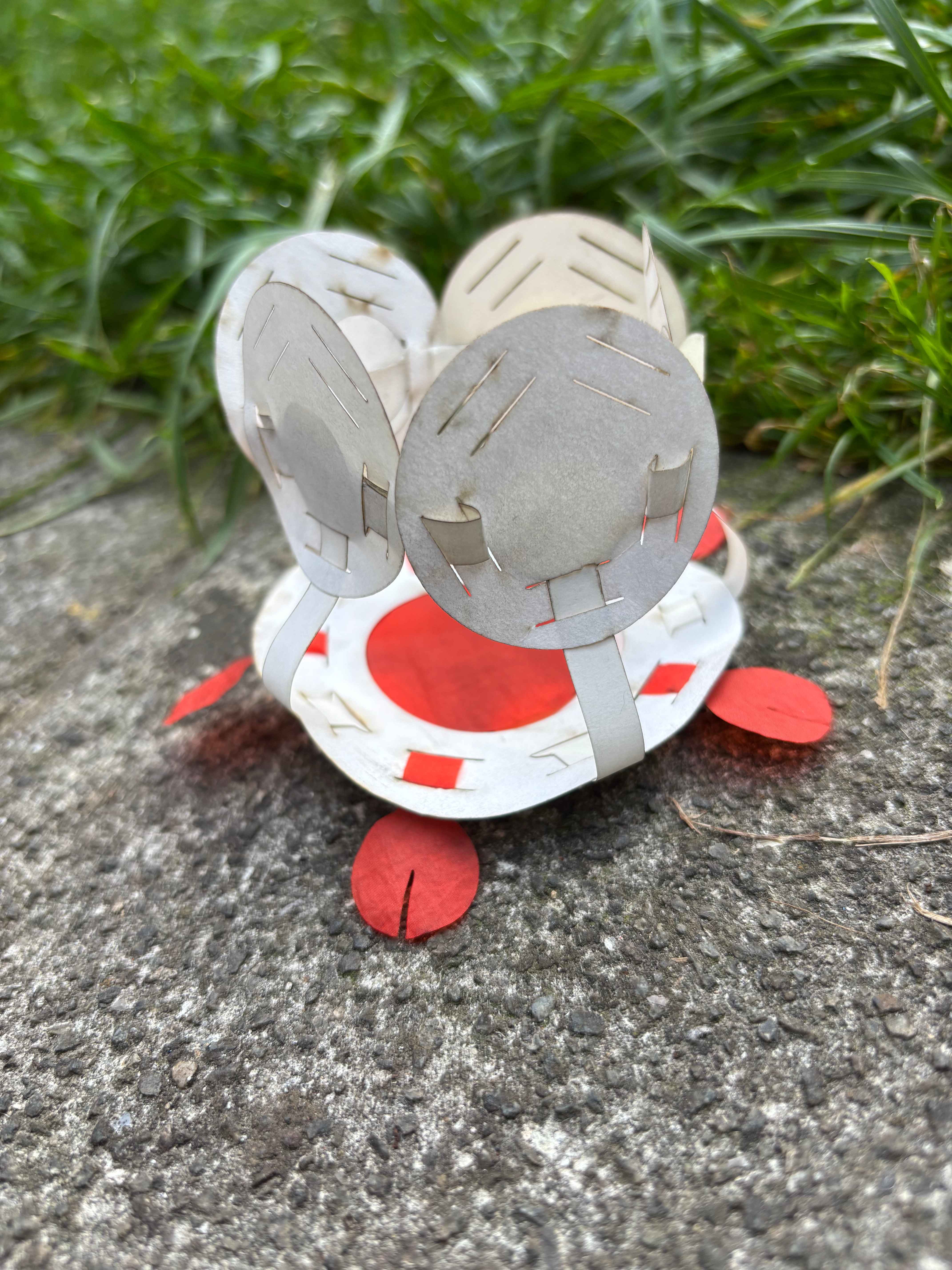
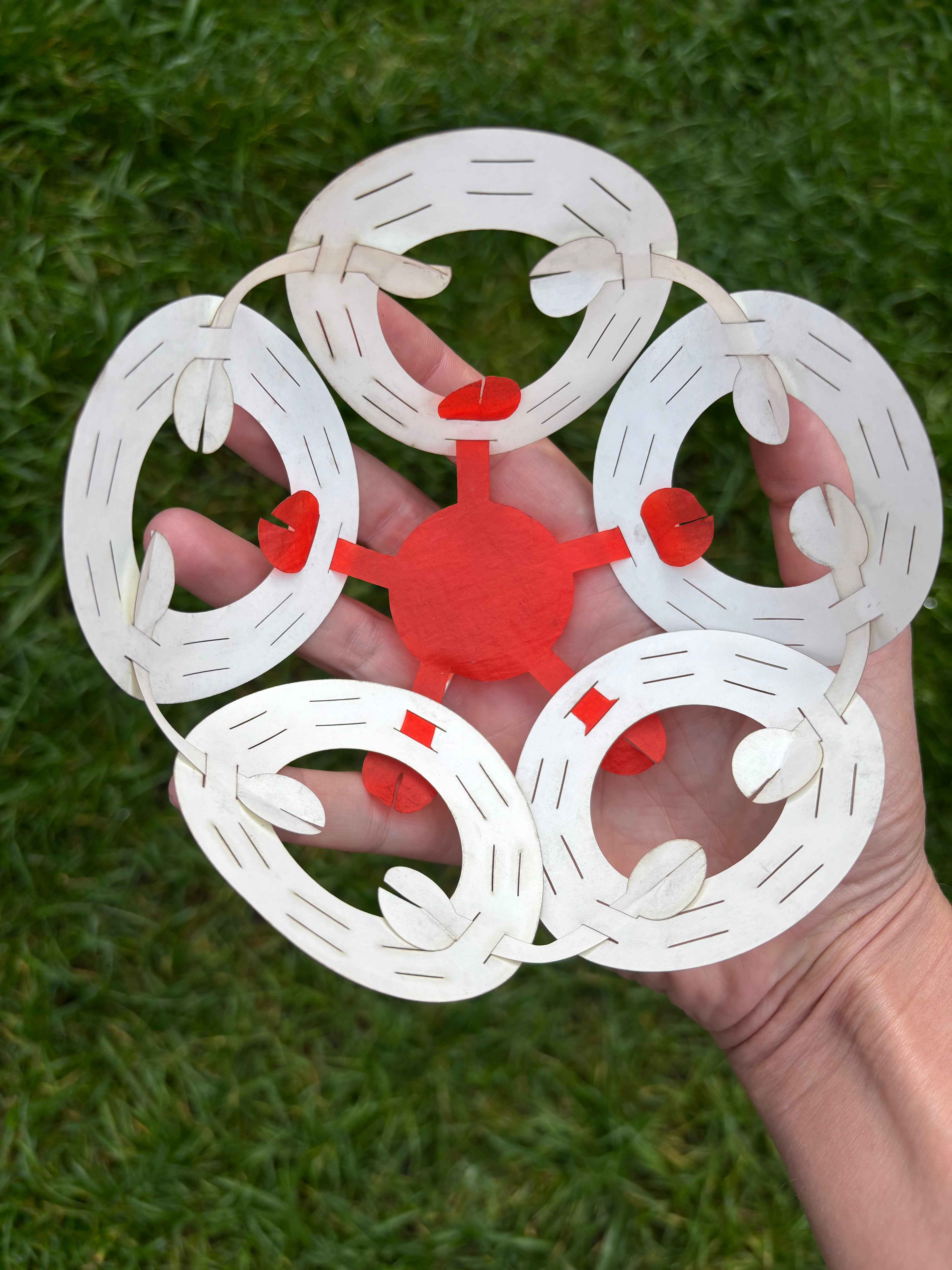
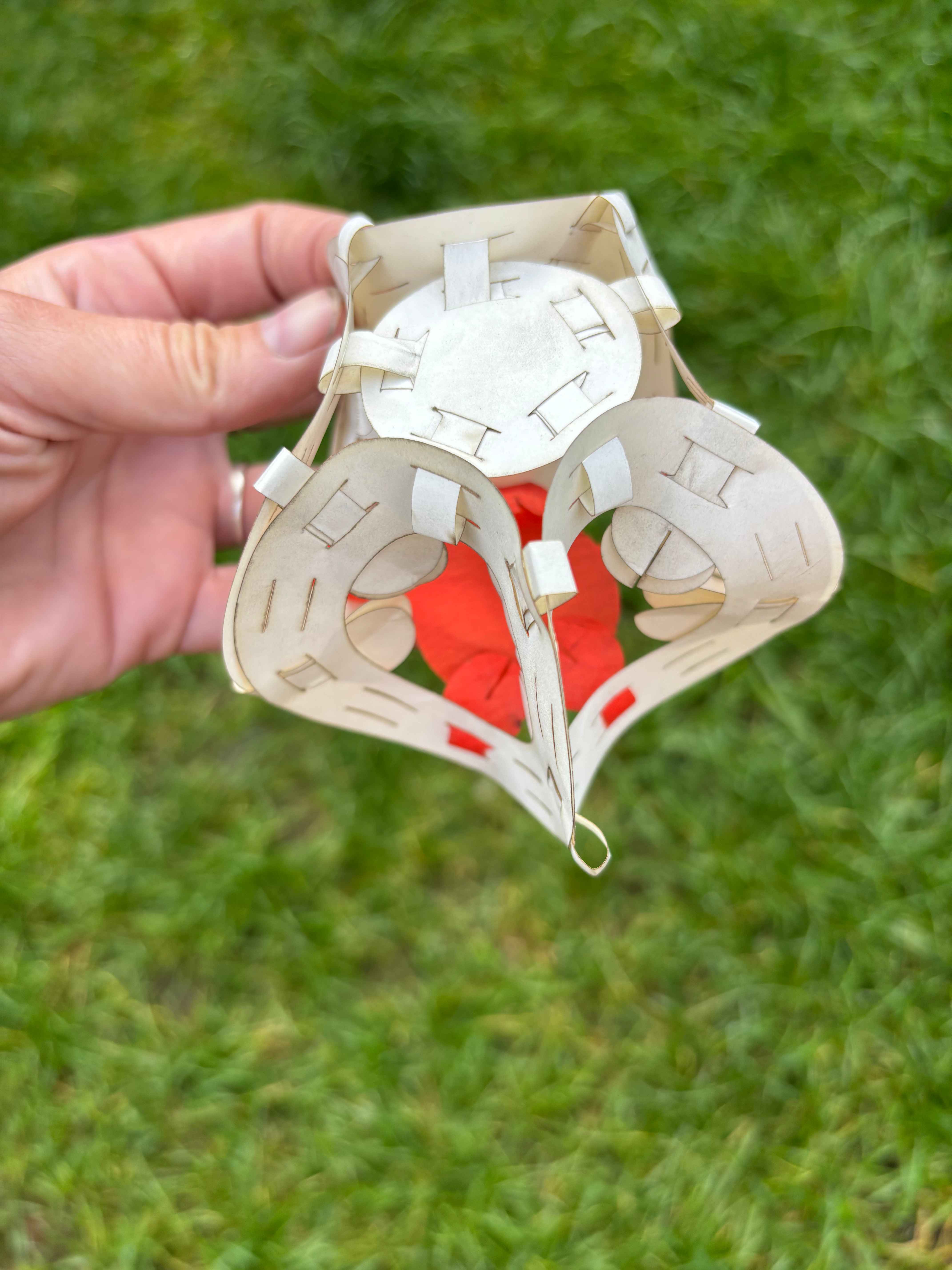
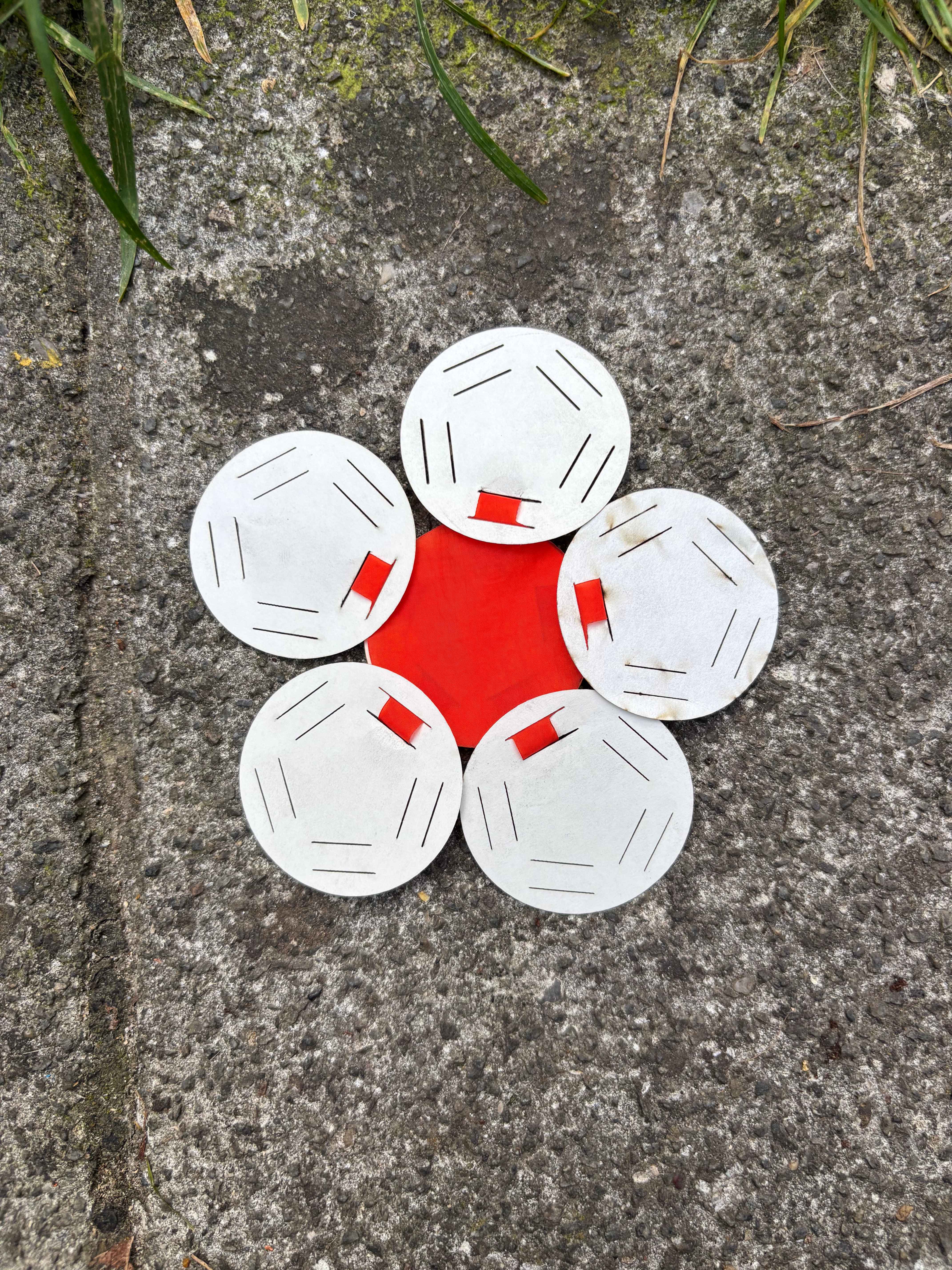
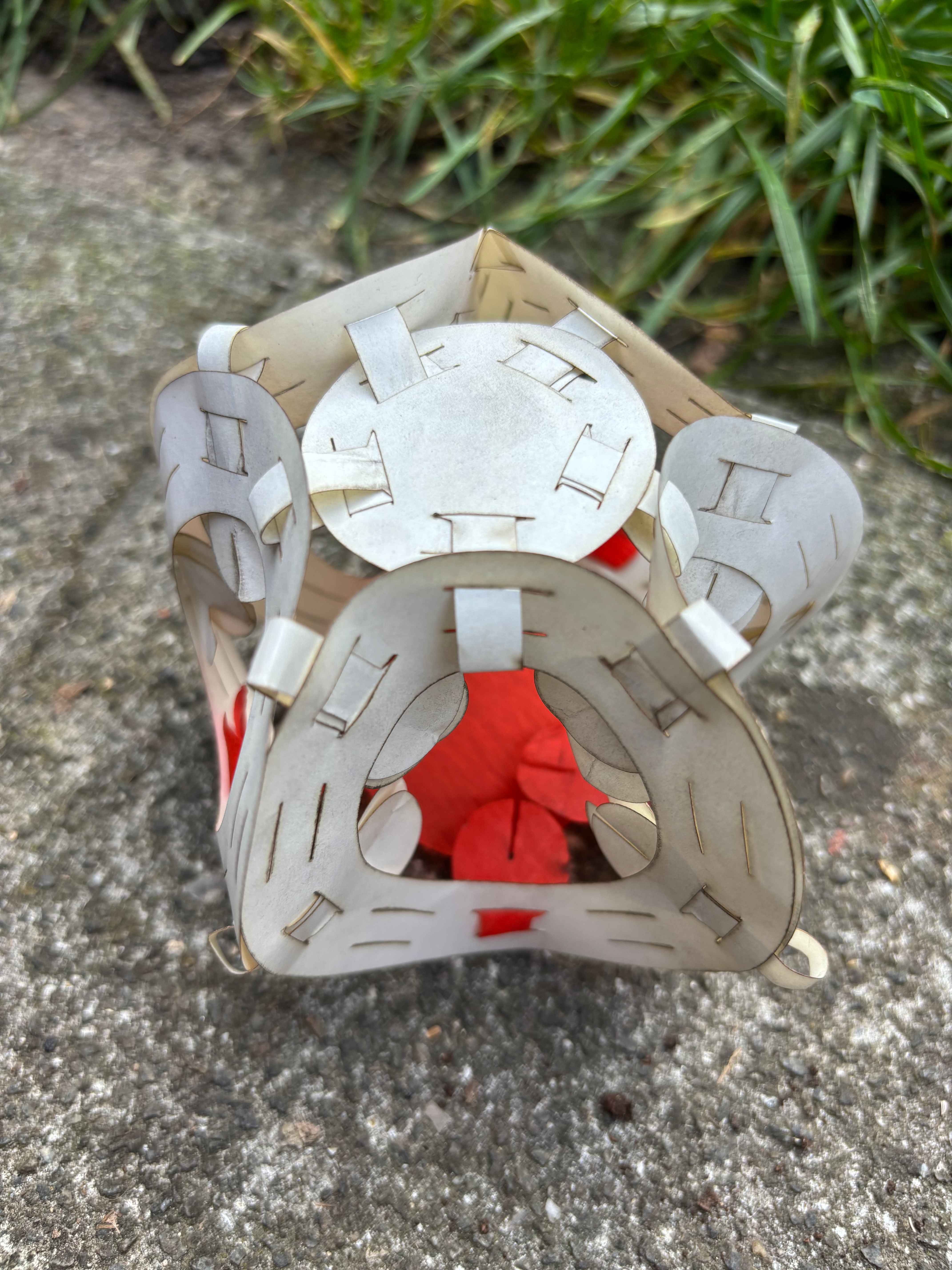
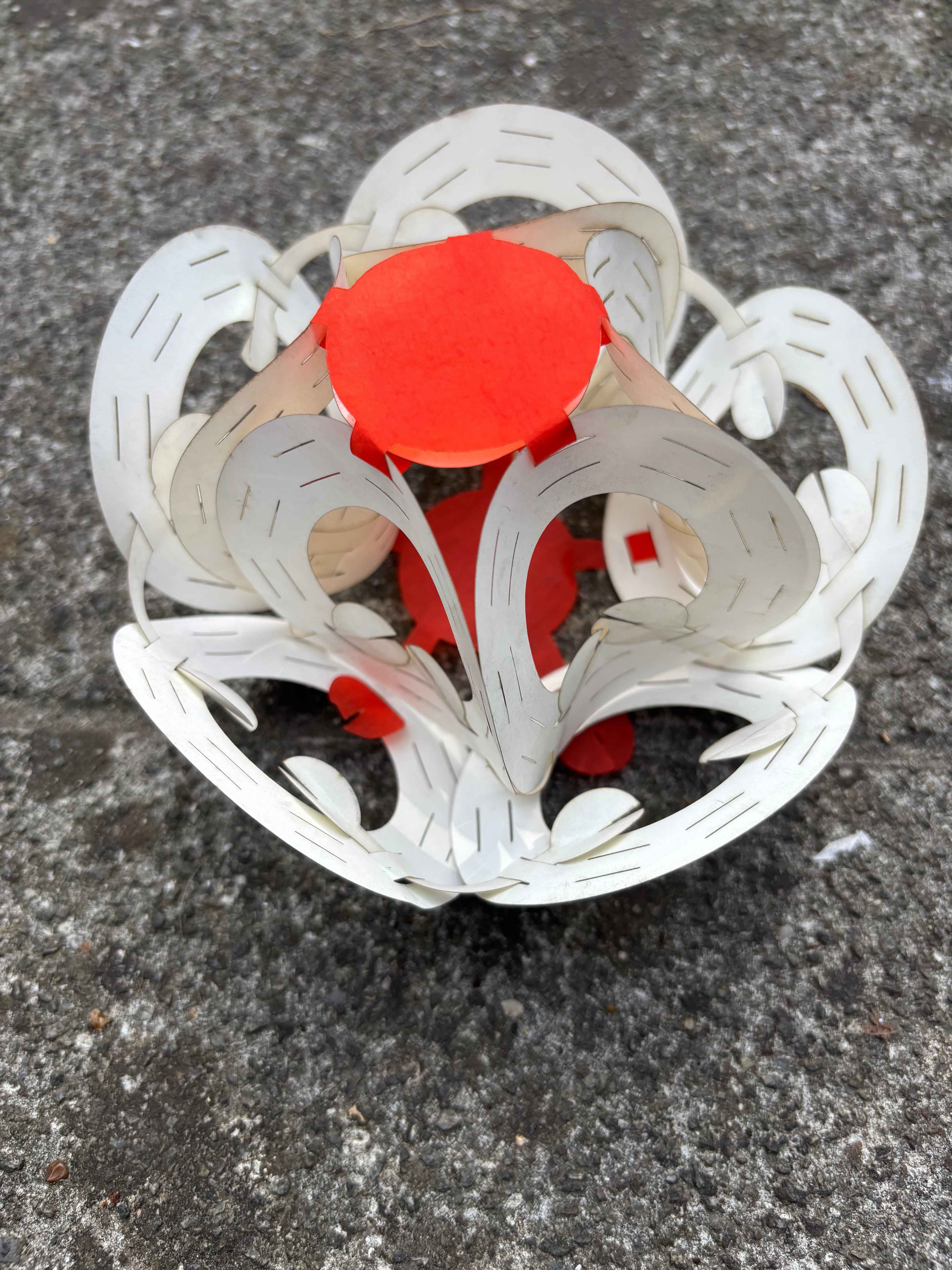
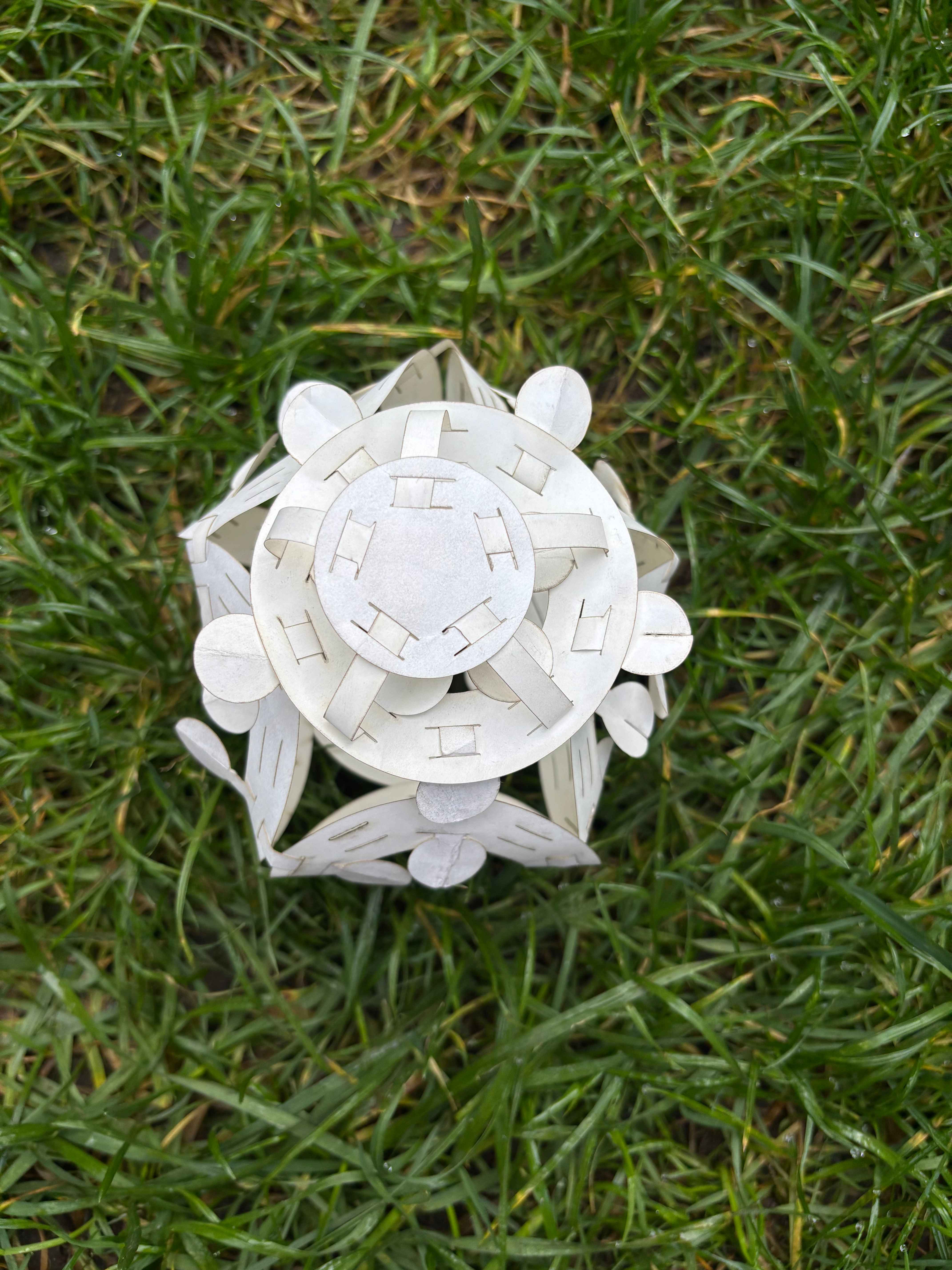
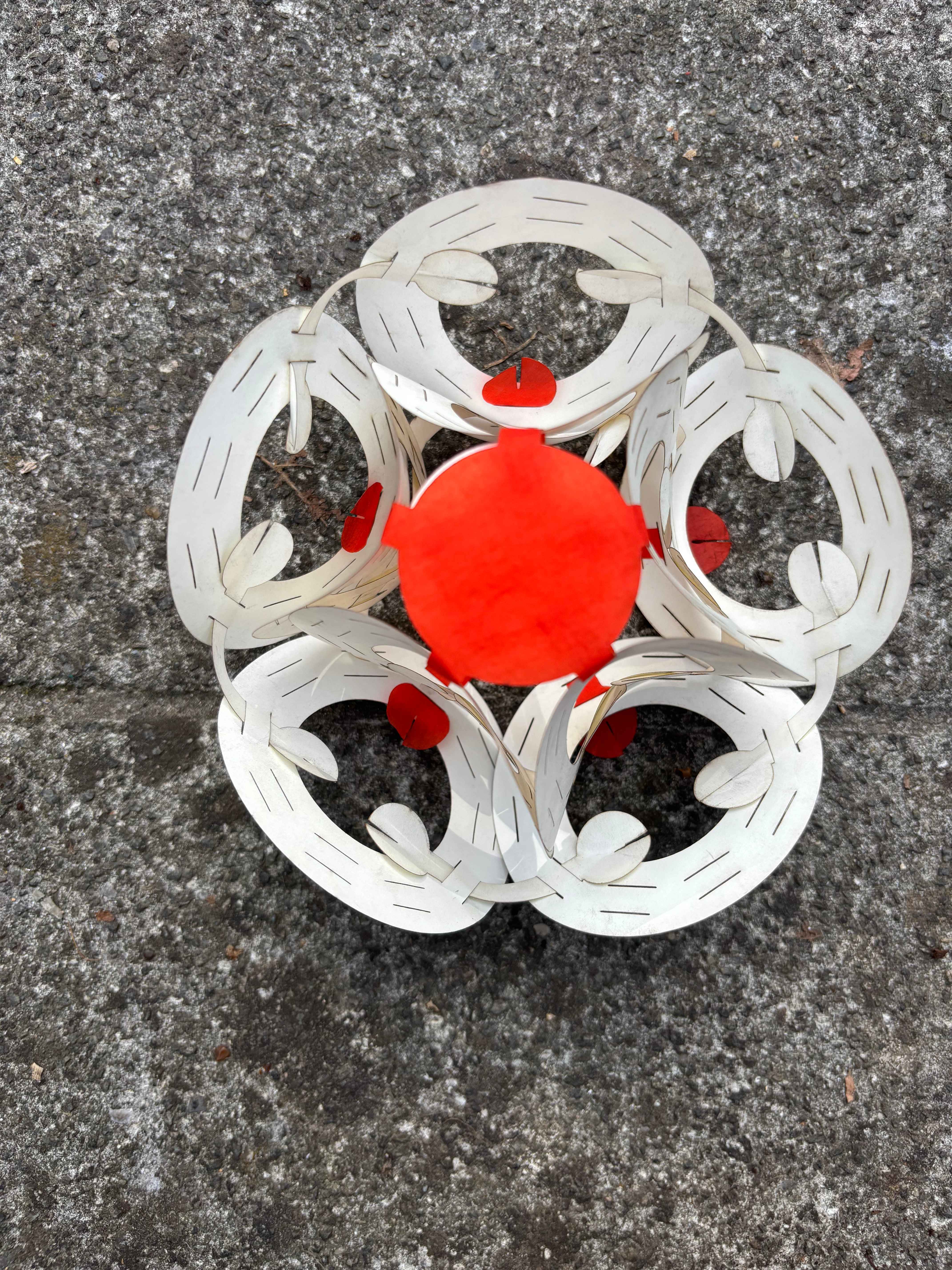
It was really fun creating the different shapes, the possibilies are really endless.
5. result
6. thoughts and reflections
It was a challange to find the right materials to make 3D spherical shapes, but I'm glad I did a lot of testing to arrive at something which worked for me. I like that the module can produce very different results depending on how you put them together. If I had some more time I would have liked to finetune it aesthetically. In my file, I added slots to the pices which would otherwise have been 'waste', but I did not manage yet to experiment fully with these shapes. So It is not yet 'zero-waste'. If I had some more time I would have wanted to work more on this.
7. fabrication files & references
-
File: Laser cut sheets ↩