BioFabricating Materials
1. Objective
This week started early in September when we all joined in class to begin with the growing of our SCOBY (a first). So it has been a Long Week.
I have been impressed about the many techniques for biomaterials and very happy to having being able to produce some myself. This content has reafirmed that method + documentation + doing works and it has given me more confidence in what I can do with my hands and my time & specially creativity.
In a way I can tell I am starting a method of working and being able to focus more; not worry that much about tryint to control the result, but focusing more in the method and the process.
I also found a way of better documenting (let´s see if it worked) by managing the many, many photos and creating explanatory videos with a story, and using them as my outline for describing my process. A first recording me, I think I did well despite the fact that I do not like to see myself on screen.
I learned that consistency in practice will build the required competences to bring biomaterials into commercial products. I think that this is definitely a technique that I will consider for my final project.
2. References, research & inspiration
2.1 Bio-crafters
Kombucha and SCOBY leather (Bacterial cellulose)
Very impressed of the amount of material that is found in literature by scientists and also by practitioners. Every single reference helped me to organize my process, noticing that there are multiple recipes and that there is also space for discovering new ways of doing things.
In Instructables I have been able to find very useful guidelines and videos that show in a very precise way the process for "anything".
I also found inspiration in former Fabricademy students:
Alessia-pasquini - Fabricademy 2023
Specially these two beauties:


Actually, I believe I managed to get a scoby leather about the same color she did, with Blueberries. I am very happy with it and want to repeat it in a thicker and larger version :) I will try engraving as soon as I have my grown material, it looks amazing.
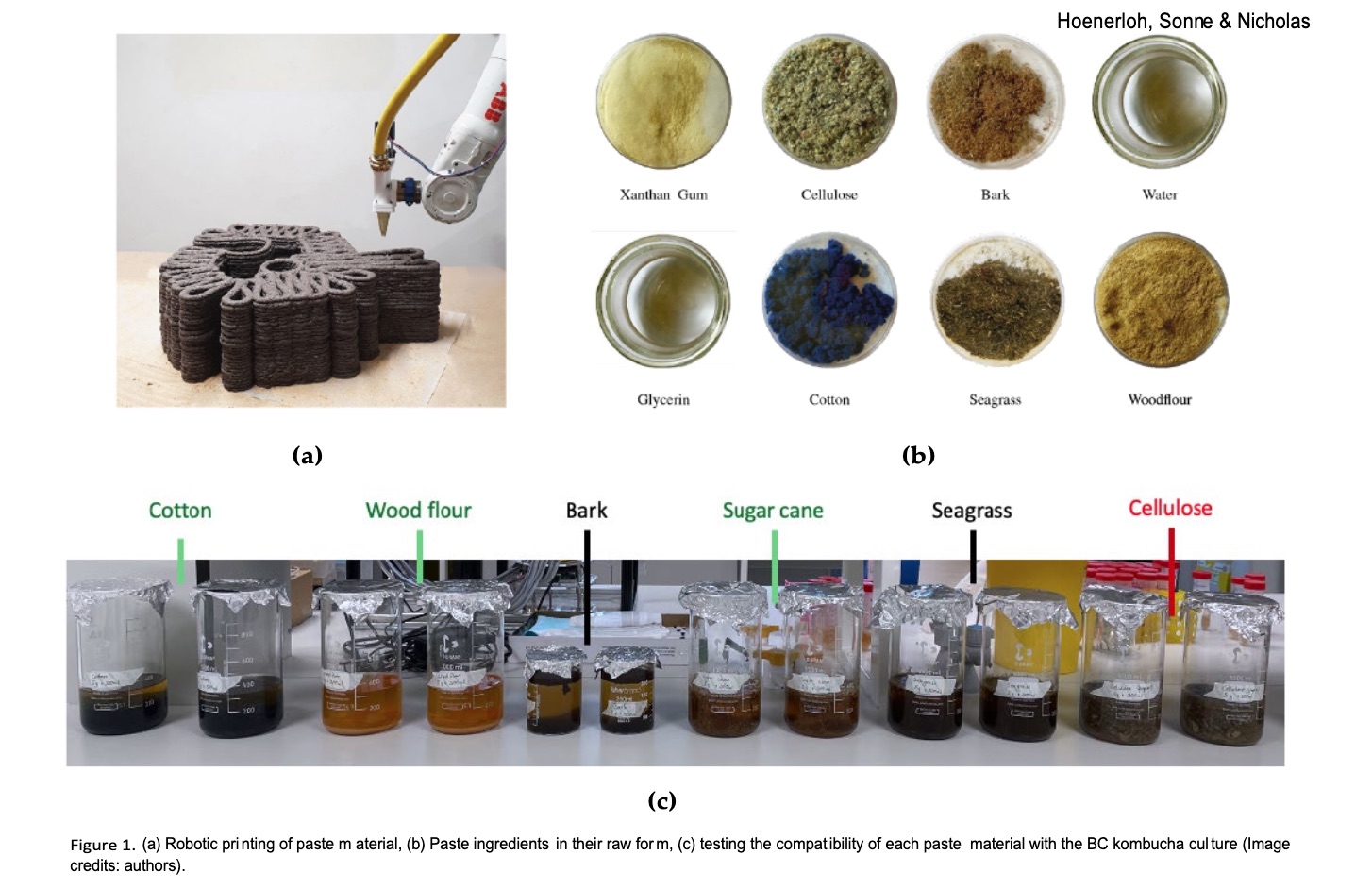
It excites me the fact that this cellulose could produce a biopolymer with a lot of versatility. As I found in the paper by Hoenerloh and Konrad (2024) 1, it could be use for construction purposes, which I believe opens many opportunities for innovations in so many fields.
Their formula for creating a Bio-Paste / Bio-Ink: Blending the harvested cellulose layer and mix it with plasticizers (like glycerin), binders (like xanthan gum or agar), and natural fillers (such as wood flour, seaweed, or fruit powders) to form a printable or moldable paste.
Mycelium biomaterial
I am very much impressed by Mycellium, except the look doesn´t make me very happy. It was nice to see some material enhancements and very cool designs that can make it more attractive. Specially, the ones that Catherine Euale showed in the Fabricademy 10th Edition Webinar are spectacular:
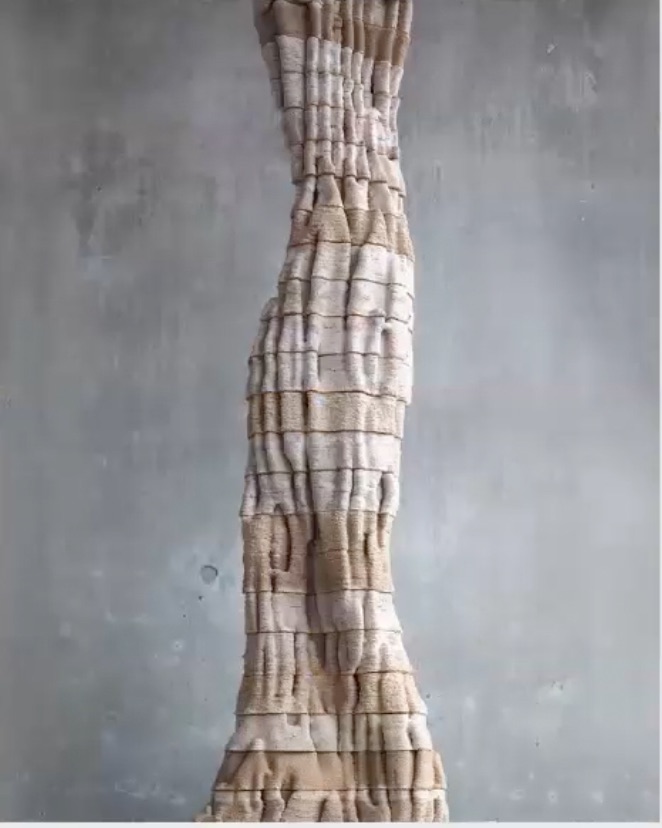
Ana Goidea Pulp Faction
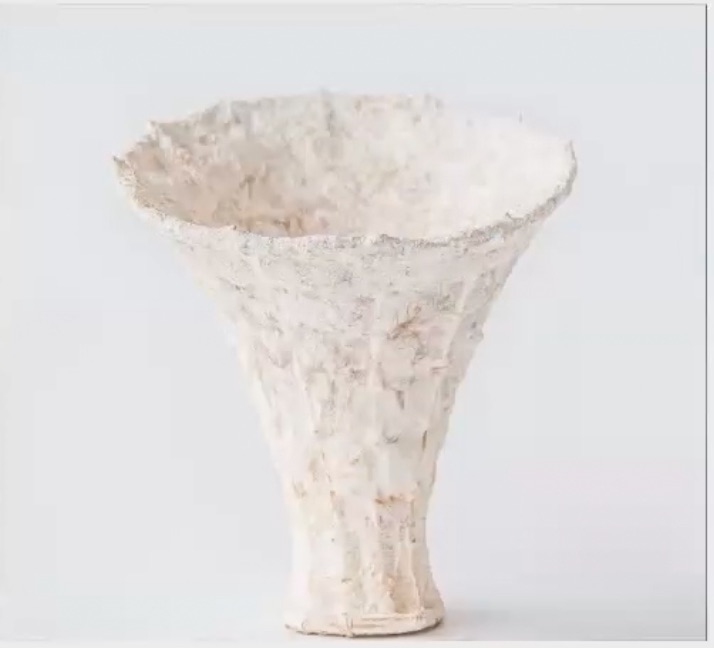
Mycomerge Materials Matter Lab
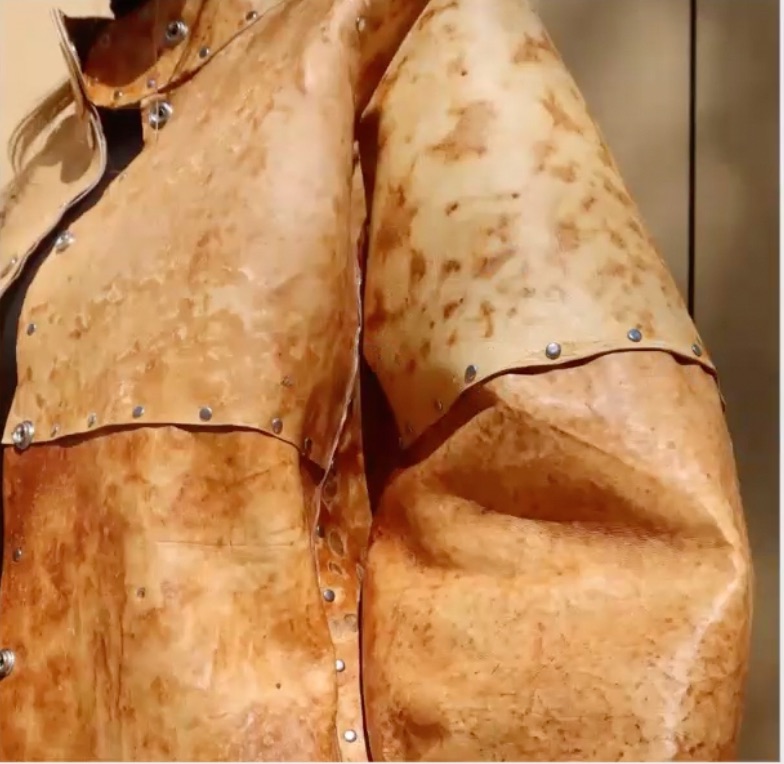
Pure Hyphae Anna Alolade AOS Designs
And again, a very reliable friend: Instructables, specially with a very useful timeline:
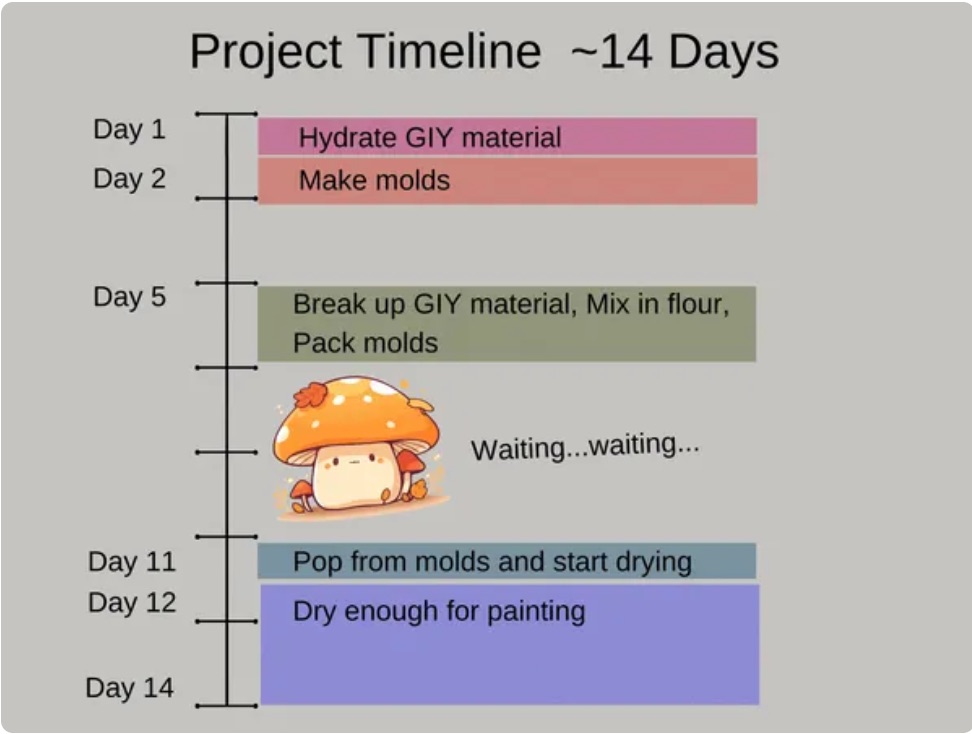
Instructables Growing Mycellium in the Clasroom, Published on November 27th, 2023
2.2 Historical Mexican Practices
Mexico, thanks to its very important Biodiversity, has been a BIO-producer since its earliest times. With the help of Gemini, I identified some Mexican innovations with biomaterials along history. We have many important scientific institutions that keep doing research and innovation; unfortunately, many stay in the lab, very few go to market.
| Biomaterial | Natural Origin | Developer / Community / Academic Institution | Primary Application |
|---|---|---|---|
| Pre-Hispanic Mesoamerican Rubber | Organic plant latex (Castilla elastica) mixed with morning glory vine juice (Ipomoea alba). | Aztec and Maya communities (dating back to 1600 BCE). | Creation of resilient, solid balls for ritual ballgames, water-resistant footwear (sandals), and adhesive coatings. |
| Therapeutic Dental Adhesives | Organic matrix made of calcium, phosphates, bitumen, and antimicrobial essential oils (like eugenol). | Maya and Aztec dental practitioners. | Therapeutic, anti-inflammatory sealants to hold decorative jade/pyrite inlays and fill cavities to manage dental pain. |
| Tzictli (Ancient Chicle) | Natural elastic polymer harvested from the sap of the Chicozapote tree (Manilkara zapota). | Aztec and Maya societies. | Used as a natural masticatory substance to maintain oral hygiene, clean teeth, and stave off hunger and thirst. |
| Henequén Biocomposites | Tough, rigid, and ductile structural fibers extracted from the Agave fourcroydes plant. | Historically domesticated by the Maya; recently engineered by Centro de Investigación Científica de Yucatán (CICY) / Dr. Alejandro Manzano Ramírez. | Replaces non-biodegradable petroleum plastics and fiberglass in the fabrication of robust automotive parts and structural panels. |
| Nukbon (Bovine Matrix) | Pure, processed bovine bone scaffold that retains its macro-porous architecture. | Instituto de Investigaciones en Materiales (UNAM). | Orthopedic and dental bone grafting surgeries to stimulate the migration of patient stem cells and regenerate living bone tissue. |
| Biotabique (Bajío Biobricks) | Cultivated fungal mycelium network grown over agricultural crop straw. | Universidad La Salle Bajío (Guanajuato). | Sustainable, lightweight structural bio-bricks utilized in eco-friendly building insulation and green architecture construction. |
| Andamios Cardiovasculares de Pericardio | Pericardio bovino modificado y poliuretanos segmentados. | Unidad de Materiales (CICY) / Línea de Medicina Regenerativa. | Soportes y andamios bioactivos para la ingeniería de tejidos celulares aplicados a la reparación de daños y parches cardiovasculares. |
| Cementos Óseos Poliméricos | Matrices poliméricas sintéticas y aditivos biocompatibles. | Unidad de Materiales (CICY). | Fijación avanzada de prótesis articulares humanas y relleno estructural en cirugías ortopédicas de alta precisión. |
Finally, I would like to share that the investment Fund I work for GRIDX looks for specifically biotech companies to help them to get to market and we have some in our portafolio that are doing an espectacular work:
Radial
Bioplaster
Calfix
Fungilife
More: GRIDX website
3. Tools & Ingredients
- Recipes for Mycellium: Fabricademy Webinar with Catherine Euale: Fungal Matters
- Recipes for Kombucha and Algae: Fabricademy Webinar with Cecilia Raspanti: Biofabricating Materials
- Recipes for Mycellium: Instructables
- Recipes for SCOBY: Instructables
- JPEG compresser
- Piccollage
- Pool net
- Cooking utensiles
- Agar Agar
Ingredients, Recipes and Process
With the help of Gemini, I created and edited the following table, adapting it to what I specifically used:
Biomaterials production process and Ingredients Comparison
| Biomaterial | Main Ingredients / Growth Medium | Ratios / Proportions (Base Recipe) | Function of Key Components | Processing Method |
|---|---|---|---|---|
| Green Tea SCOBY (Kombucha Cellulose) | • Water • Black or green tea • Sugar (sucrose) • Starter liquid / Vinegar |
• 500 ml of hot water • 500 ml of cold water • 80 g /liter of brown sugar •10 % of the mix of white vinegar to avoid contamination • SCOBY and 15% of the mix of Kombucha that I got from a friend |
Vinegar: Acts as a protector because it lowers pH to prevent mold growth. • Sugar: Carbon source for energy. • Starter: SCOBY in Kombucha in good conditions. |
Biological Cultivation: Fermented undisturbed at room temperature (20-30°C / 68-86°F) for 2 to 4 weeks until bacteria spin the surface layer. |
| Apple vinegar with curcuma SCOBY (Kombucha Cellulose) | • Water • Apple vinegar without pasteurization • Sugar (sucrose) |
• 1 L water • 500 ml of non pasteurized apple vinegar with curcuma • 80 g sugar |
• Vinegar: Acts as the starter. • Sugar: Carbon source for energy. • Starter: Lowers pH to prevent mold growth. |
Biological Cultivation: Fermented undisturbed at room temperature (20-30°C / 68-86°F) for 2 to 4 weeks until bacteria spin the surface layer. |
| Algae Leather (Bioplastic) TO BE MADE | • Algae from my pond • Glycerin (glycerol) • Water • Calcium chloride |
• Proportions to be determined according to the Algae weight, but it will be at least 1 kg. * X% g sodium alginate • X% ml glycerin • X ml water • X% ml Calcium chloride solution |
• Alginate: Forms the base polymer matrix. • Glycerin: Plasticizer to add flexibility. • Calcium: Cross-links ions to solidify material. |
Chemical Casting: Ingredients are blended cold, spread onto a surface, and sprayed with calcium chloride to instantly cure and gel. |
| Mycelium (Fungal Material) IN PROCESS |
• Fungal spores/tissue for Enoki mushroom bought in a local Farmers Market) •Sawdust • Water • Nutrients (bran/flour) |
• 10% Mushroom spawn • 60-65% Substrate moisture • 5% Wheat bran |
• Mycelium: Acts as a natural self-assembling glue. • Substrate: Structural support and carbon source. • Nutrients: Boost initial fungal growth. |
Biological Growth: Fungus colonizes sterilized substrate in the dark inside a mold (5-10 days). It is then baked to stop growth and dry out. |
| Coffee Bioplastic (Starch-Based Composite) | • Corn starch • Spent coffee grounds • Vegetable glycerin • White vinegar • Water |
• 10 g corn starch • 5 g dry coffee grounds • 5 ml glycerin • 5 ml white vinegar • 60 ml water |
• Coffee: Filler providing texture, color, and reinforcement. • Starch: Creates the main biopolymer matrix when heated. • Glycerin: Softens the rigid starch structure for flexibility. • Vinegar: Breaks down starch molecules to polymerize smoothly. |
Thermal Gelation: Ingredients are mixed cold and cooked over low heat until they form a thick gel. The gel is spread into sheets or molds and left to dry. |
| --- |
4. Process and workflow
4.1 SCOBY cellulose leather
I compiled a series of photos to describe the long way of creating the kombucha and scoby in class. We started producing 9 liters of Kombucha in a big tub, provided some activated Kombucha by a professor. My first time in the IBERO IDIT kitchen and a great team to work with. The next video shows the initial steps and the final result with a beautiful 1cm SCOBY that we harvested in the lab and let it drying.
Our first try got contaminated and we had to throw it. The second time we addedd white vinegar and it made a total difference. Not only the PH stayed stable for SCOBY production (between 4 and 4.5), but it grew big and thick.
We were rescued by a friend´s SCOBY production (see minute 0:47) and were able to start again with excellent results: a 5cm SCOBY (two layers, though because we fed it during the 1.5 months period) Everyone happy. Some of the class members took some of the SCOBY to try experiments at home, but not me, I had my own SCOBY production at home.
We played around with the molding of the SCOBY during its drying process, you will see it at the end of the video. I don´t have updated photos now because it is a Holiday in México and the lab was not accesible. Tomorrow during the session we should be able to report the progress of the drying process after 3 days of drying under sunlight (about 2-3 hours of direct light only).
The following video documents my own process that I followed in my kitchen (I will get better in editing my own videos).
I started my SCOBY production in a 10 X 15cm pyrex with a commercial Kombucha and it worked incredibly well. I will do it again.
I did feed it twice, therefore the two layers that I got (not ideal).
I also tried initiating one with some Kombucha with the IBERO starter (before the one where we added the white vinegar), but it did not work, it got infected. Afterwards I did use some good SCOBY from a friend and voala!
I am impressed with the resistance of the apple vinegar kombucha; you can see in an image from the video that initially it looked like a cloud of stuff and I though it was infected, so I threw it! The next day I say in the sink a weird gellatinose thing and I went like "Wow! this is a SCOBY!!! So I rescued it and submerged it in a new apple vinegar + water + sugar mix and it revived and behaved amazing. This is the one that created two biofilms that I took through the whole process. I´m very happy with the process and results.

Step 1 - Initiating the Kombucha
I chose to try commercial Kombucha and it worked incredibly well, I will definately do it again. See the Biomaterials production process and ingredients table above
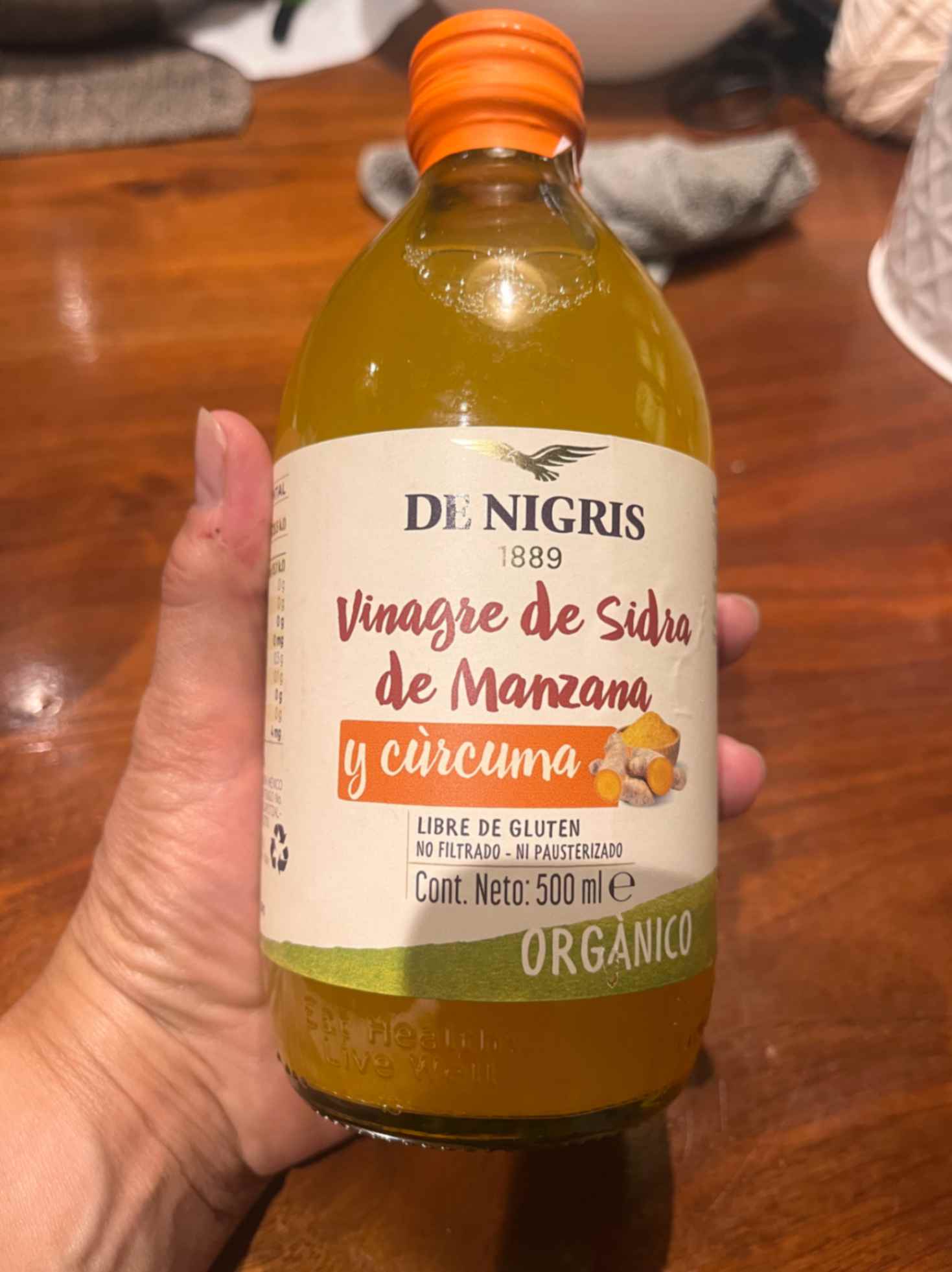
Steps many ... Cultivating, taking care, observing:
Harvesting and dying the biomaterial film
I used Mexican blueberries (grown in Puebla) to dye the scoby film. I got two films as a result of feeding it twice in two months. The second one was thicker (last fed on September 30th, 2026) and it grew 1mm.
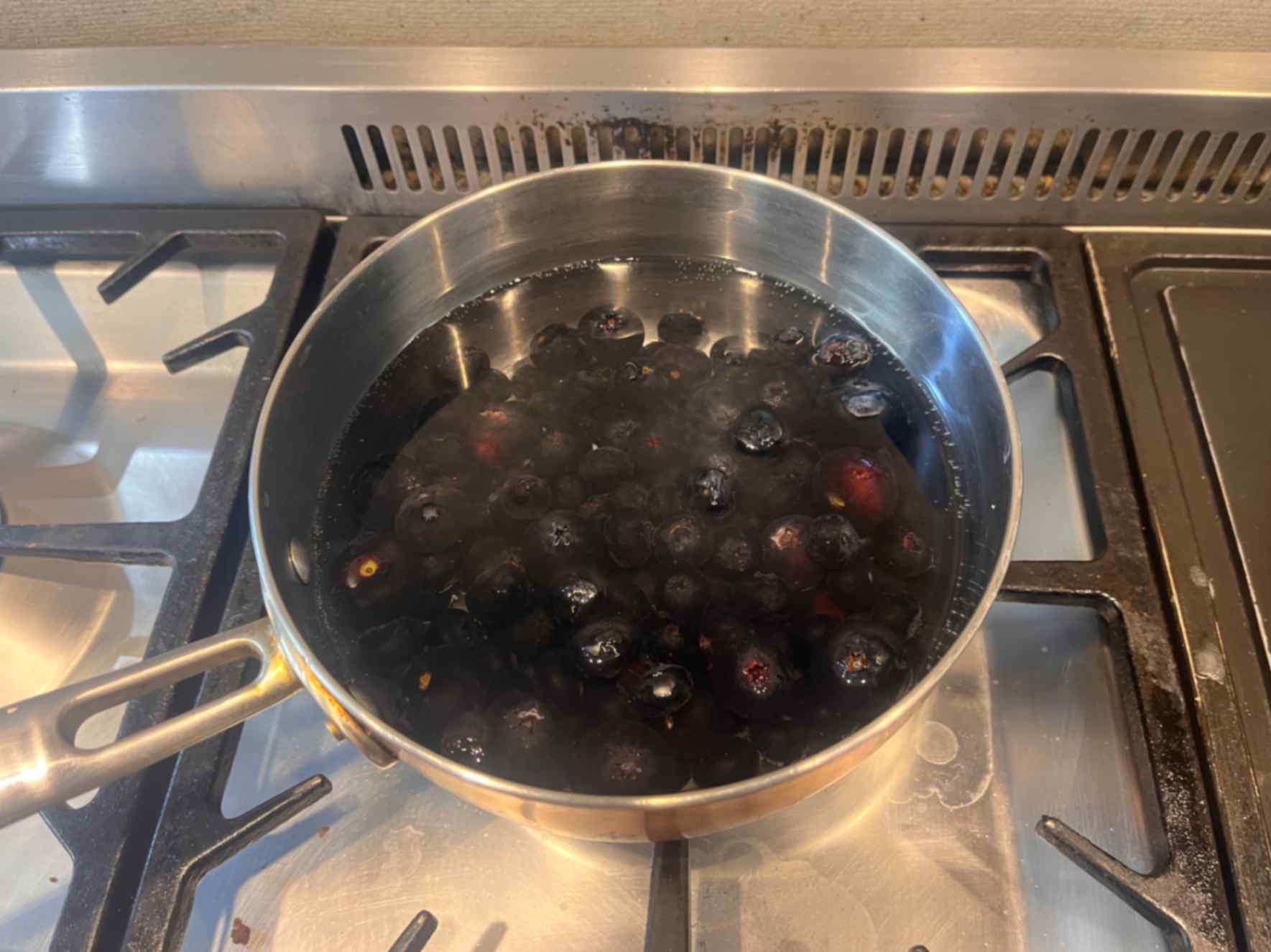
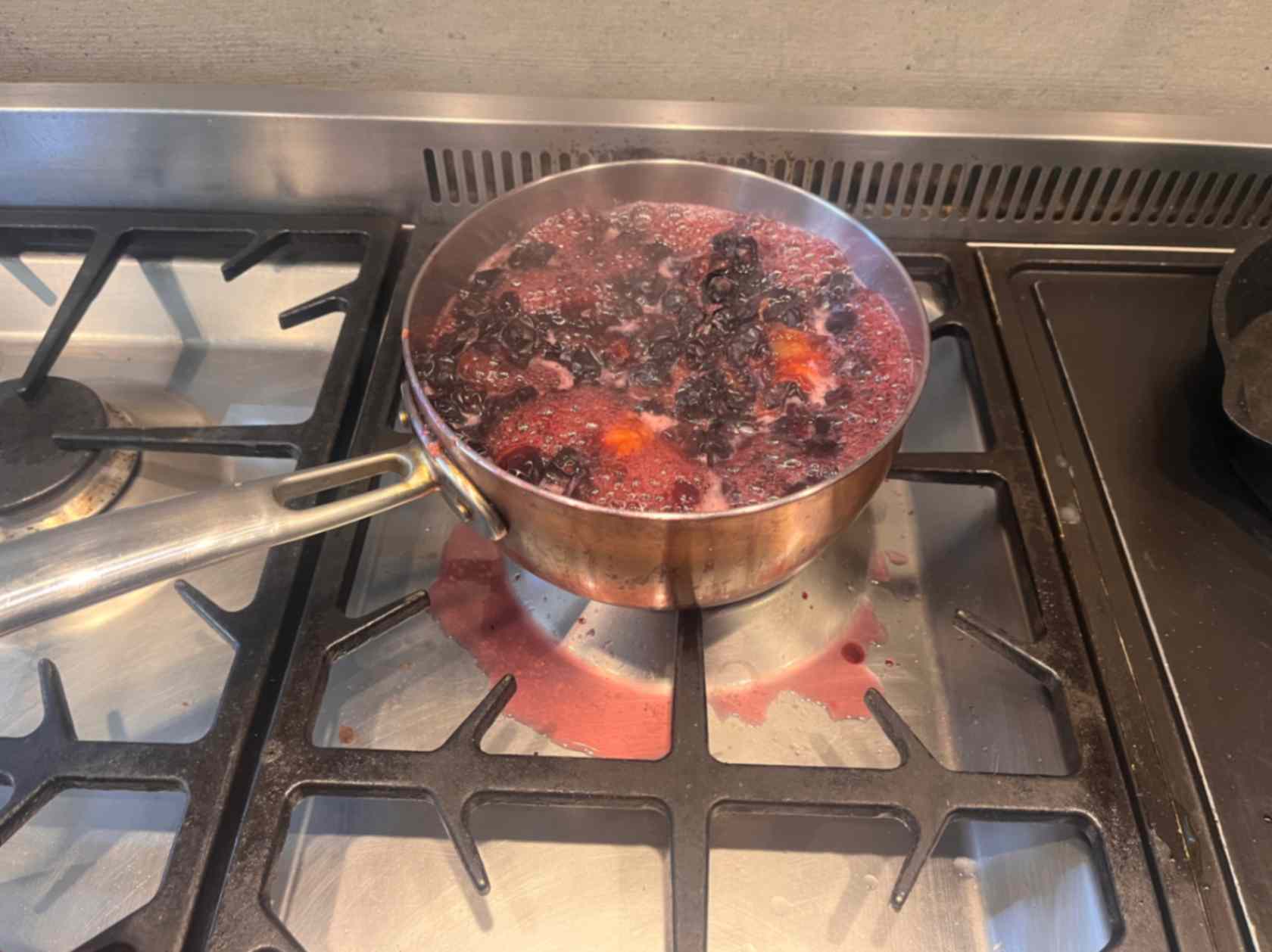
Little bit messy :) Amazing color
First I did the apple vinegar SCOBY (my favorite) and dyed it with blueberry ink.
Then I did the tea SCOBY blending it and adding the natural self-made blueberry ink.
4.2 Algae biomaterial
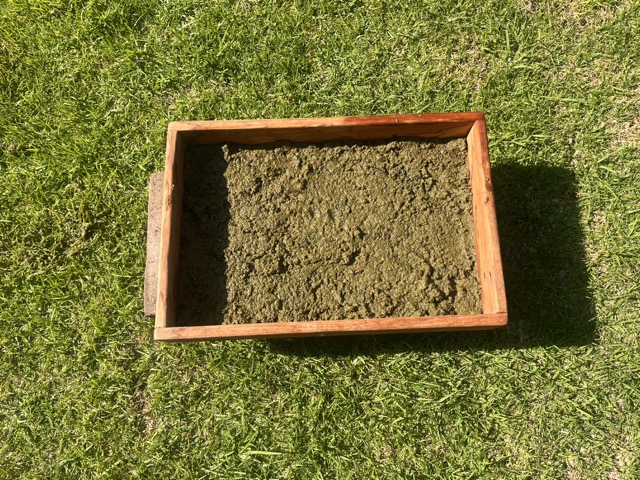
I collected algae from my residence pond and I will beging working on it ASAP.
Harvesting the algae that was at the bottom of the pond; I picked up about 5kg.
I did an image search using ChatGPT (paid version) and we went thorugh a process of Q&A that I would like to share:
Q = Do I have fish?
A = no
Q = I the mass gelatinous and slippery? or it breaks when you touch it?
A = Gelatinous and slippery
Q = on the surface? or on the bottom of the pond?
A = on the bottom of the pond
Q = Does the pond contain fish, acquatic plants, or just water?
A = Just water
Q = Does the material remain together when a lift it out of the water or does it break apart into small slippery clumps?
A = It breaks apart
Q = Is the pond exposed to direct sunlight or is it mostly shaded?
A = It is exposed to direct sunlight all the time
Q = Is the water of the pond clear or does it have a blurry appearance?
A = It is clear
So, the most consistent assessment is the following:
**Sample origin:** Residential pond, Puebla, Mexico.
**Observed characteristics:** - Olive-green color - Gelatinous and slippery texture - Loose clumps accumulated at the bottom - Clear water exposed to direct sunlight
**Scientific interpretation:** The biomass may consist of green algae, diatoms, cyanobacteria, and bacteria embedded in extracellular polymeric substances (EPS).
**Identification status:** Preliminary hypothesis; microscopic confirmation required ideally at 100x and 400x magnification.
**Possible use for a biomaterial:** Recommended screening for cyanobacteria and relevant cyanotoxins before processing it.
BEFORE doing this research with Chat GPT, I did prepare the algae to dry. So I need to stop and verify what type of algae before I proceed.
4.3 Coffee leather
We use a lot of coffee, so I am excited about finding a way to deal with the about 70gr we produce daily (2 people). So I used the materials included in the table Biomaterials production process and ingredients table above* and put hands on it.
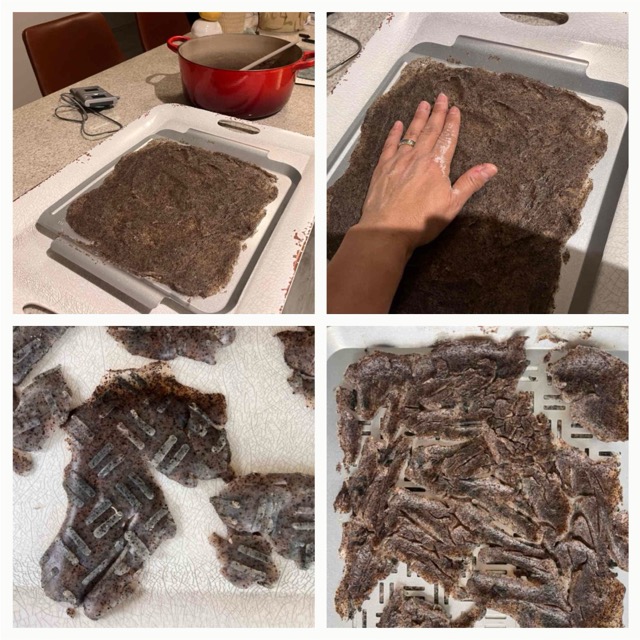
I did not like the result: no flexibility at all, maybe because it got dried under the sun. Also, next time I will use agar-agar instead of corn starch. I have seen different examples of coffee films and are extraordinary, so I will trying, I think they have a lot of opportunities for lampshades, on line with my final project
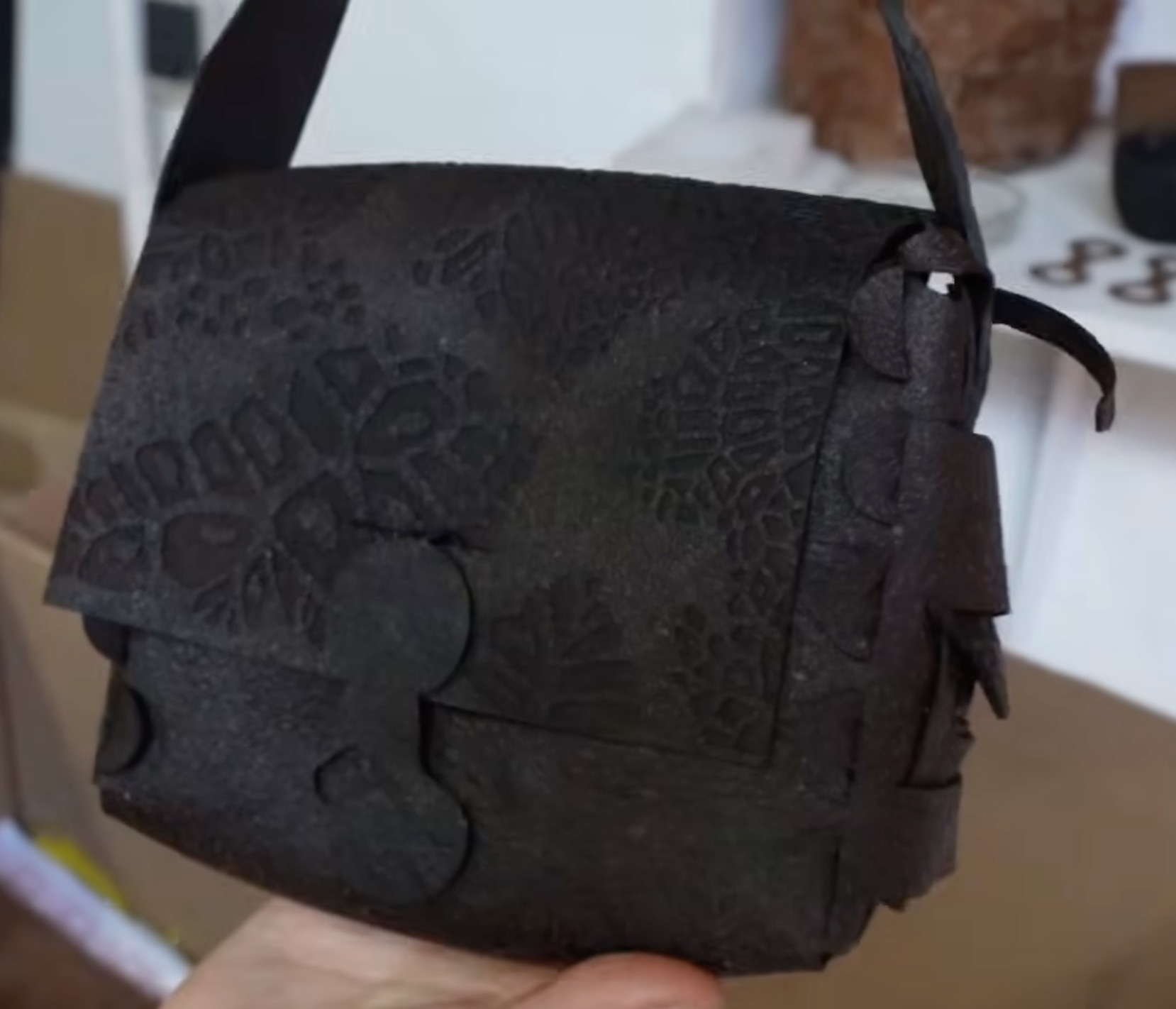
Here and impressive result from Anastasia Pistofidou:
4.4 Mycellium
This is the Fungal spores/tissue for Enoki mushroom that I bought in a local Farmers Market back in February. I will start producing the mycellium in a Sawdust substrate adding Water and the Nutrients (bran/flour).
I will use a round bowl to create a pot.

Work in progress
5. Results
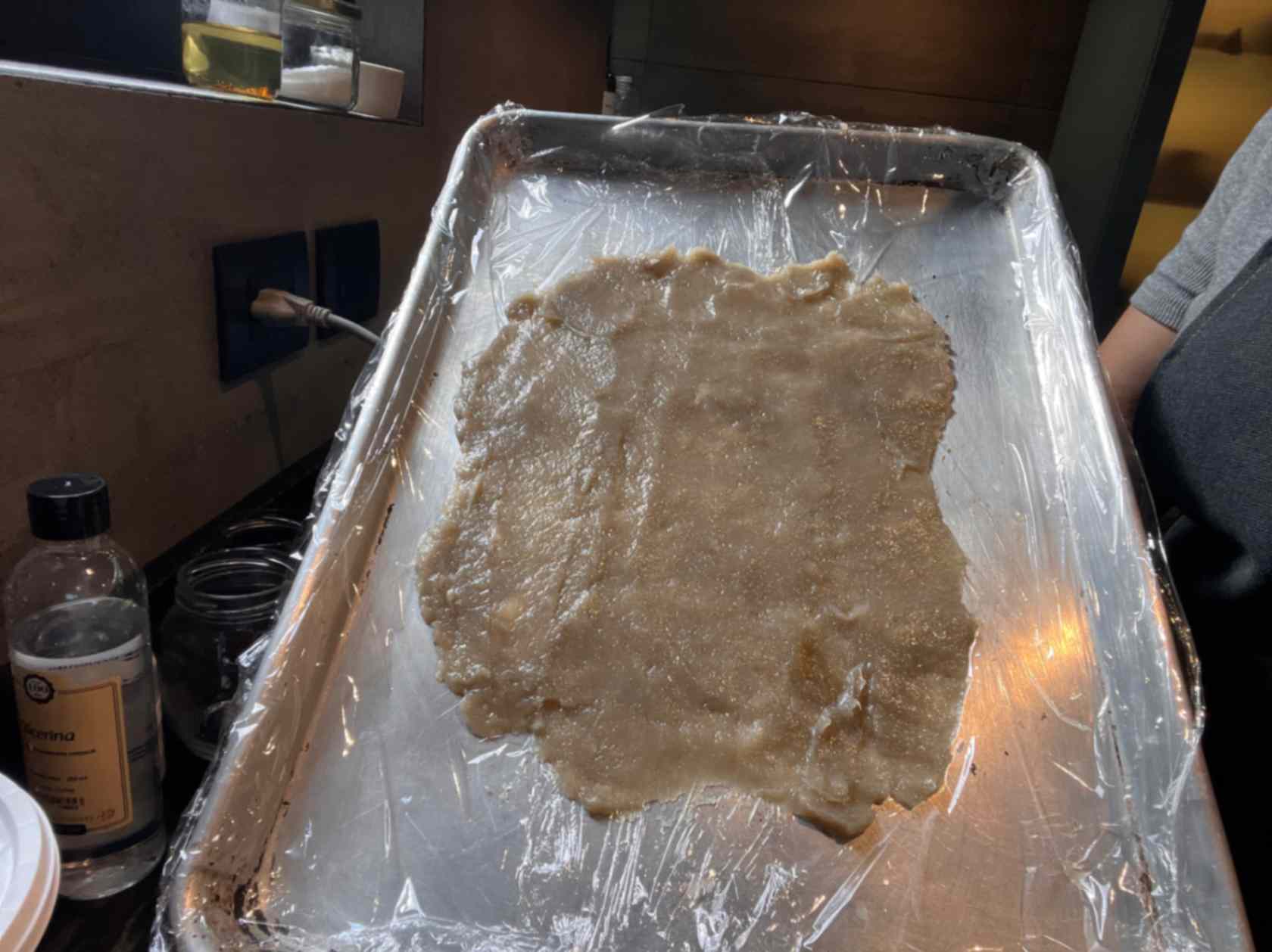
Tea SCOBY biofilm: not very attractive and I can tell there are fibers that did not get blend.
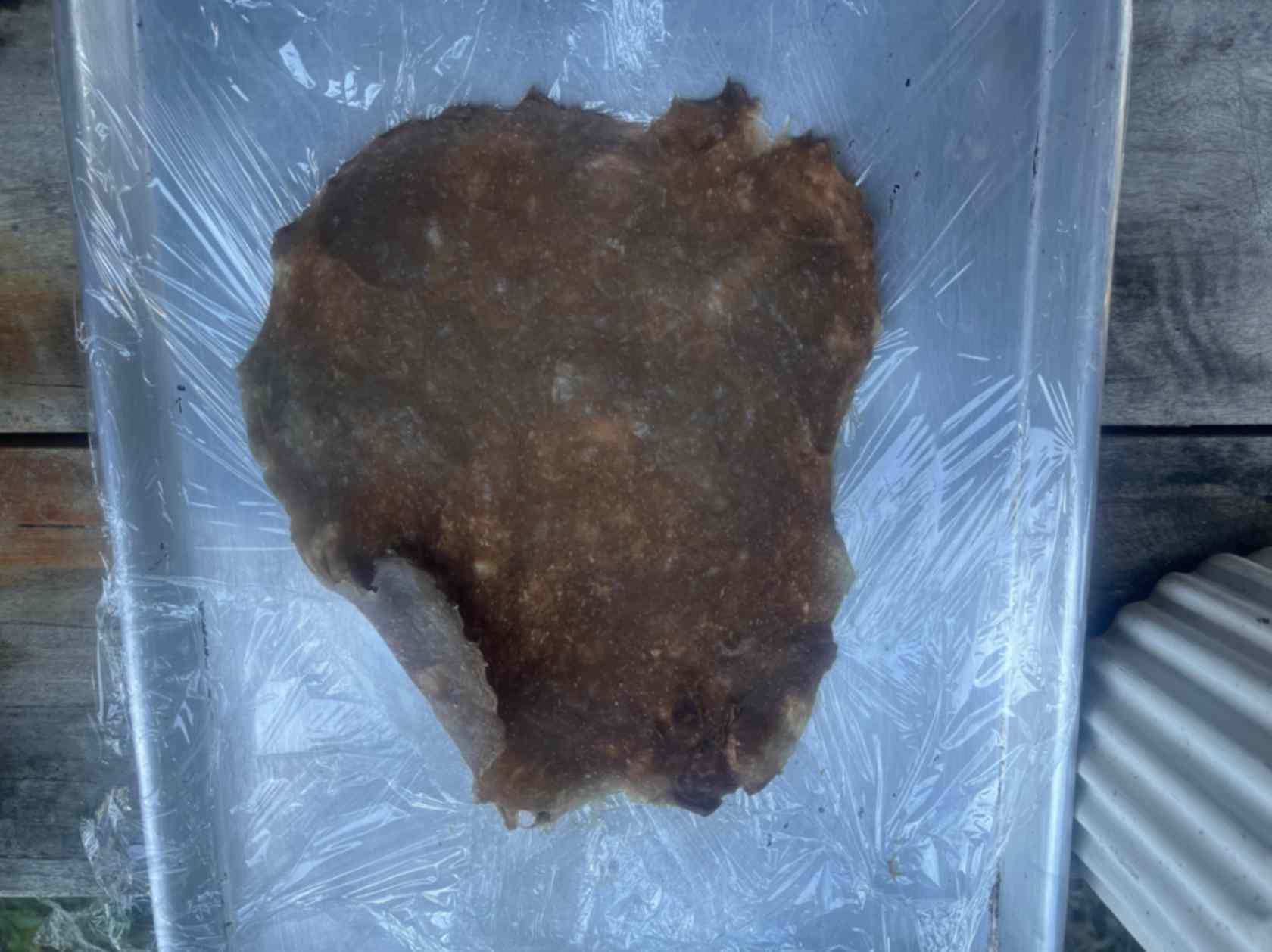
This is how it looks after two days of drying; still not too attractive, it is flexible and non transparent.
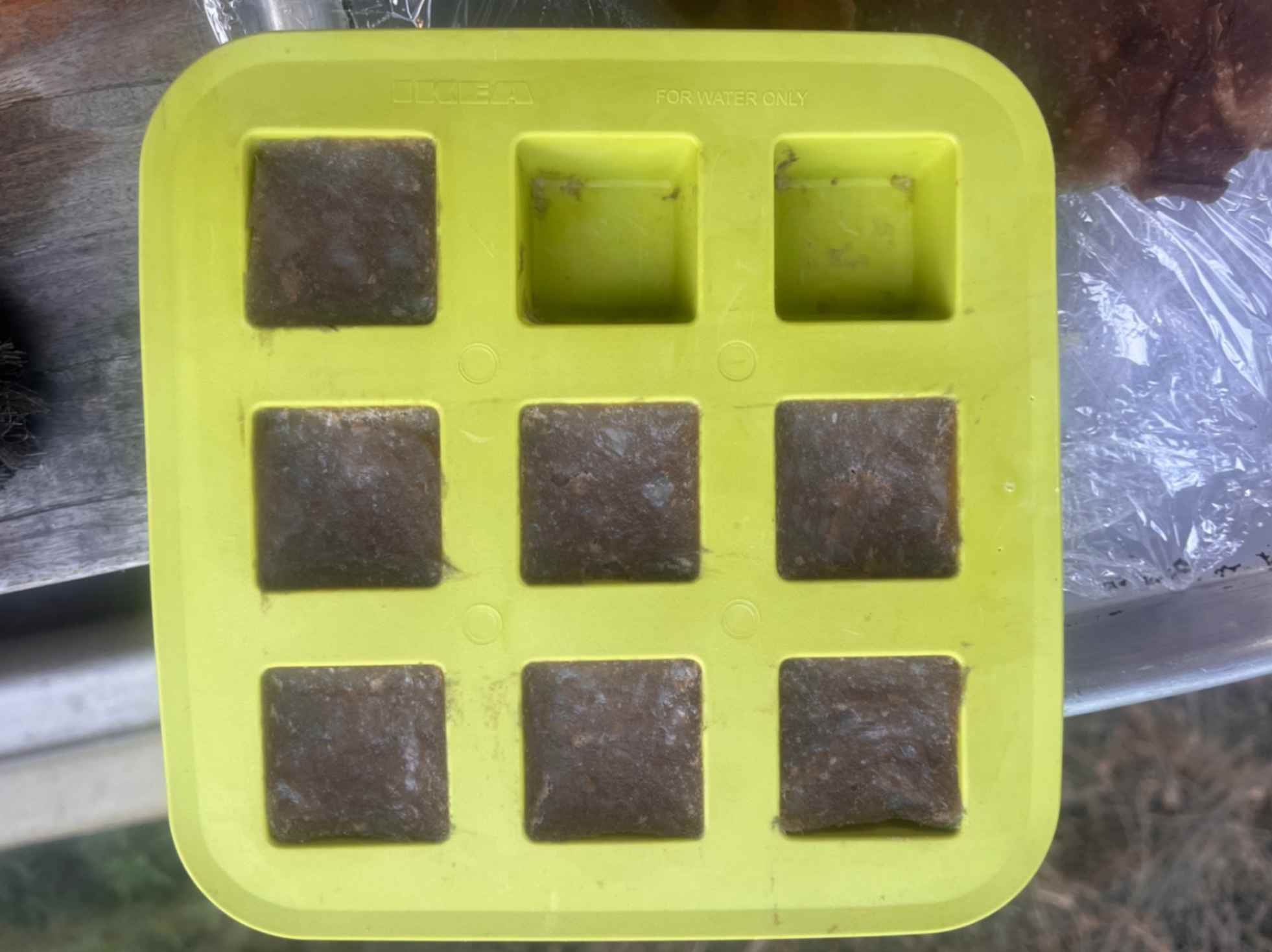
I love the idea of having some "leather cubes". I will wait 5 more days to take them out and see how they look and behave.
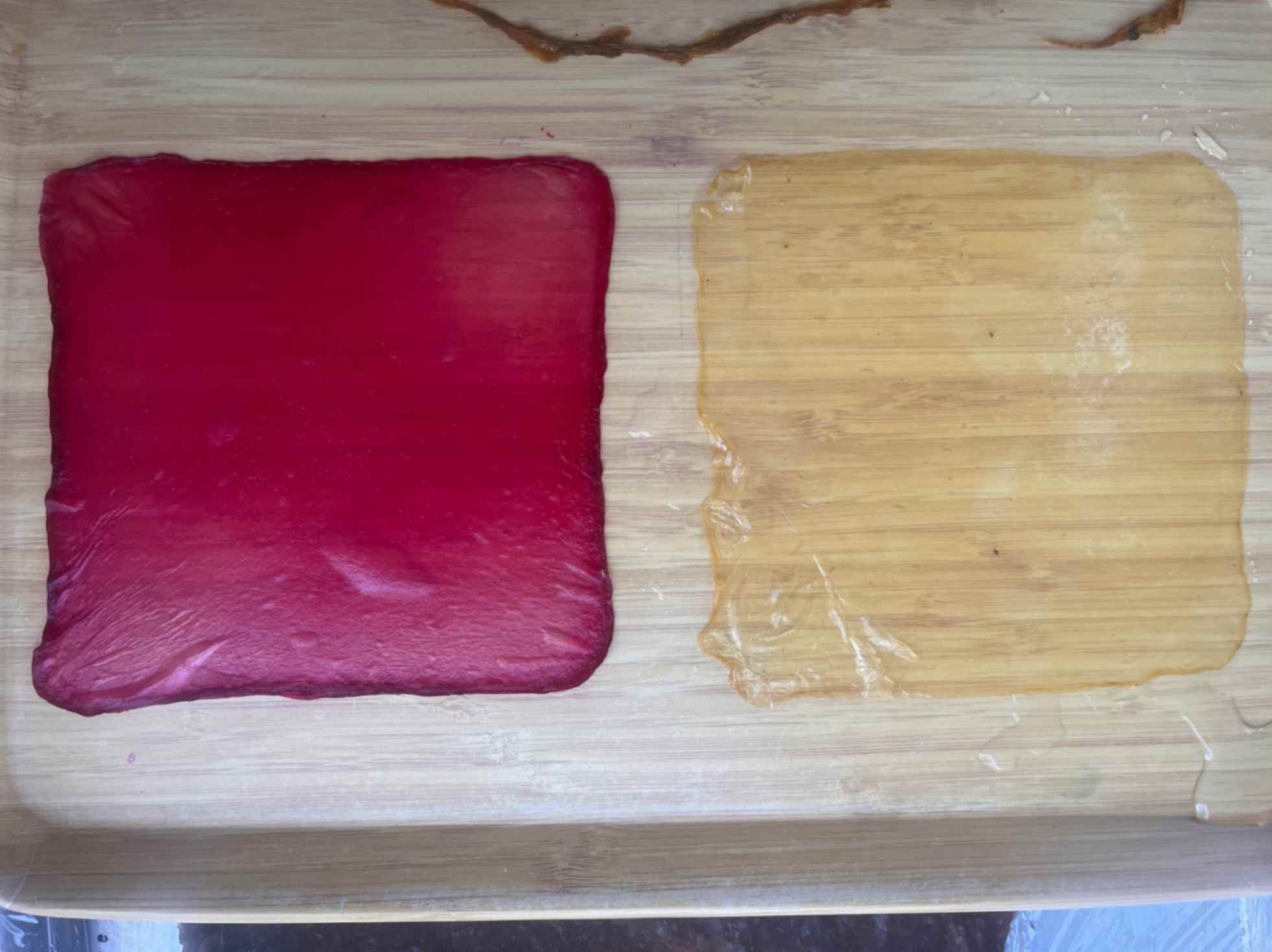
By far my favorite: apple vinegar biofilm. Left side: dyed with bluberries, spectacular color. It is flexible, very soft to the touch, translucid, light, beautiful.
On the right side it shows the first layer which is half the thickness of the first one and it has the apple vinegar + curcuma original color. I added some glicerin during the drying process because it was sticking a lot.
Next time I try this, I will try dehidrating in a professional lab oven. I will definately be making more of this.
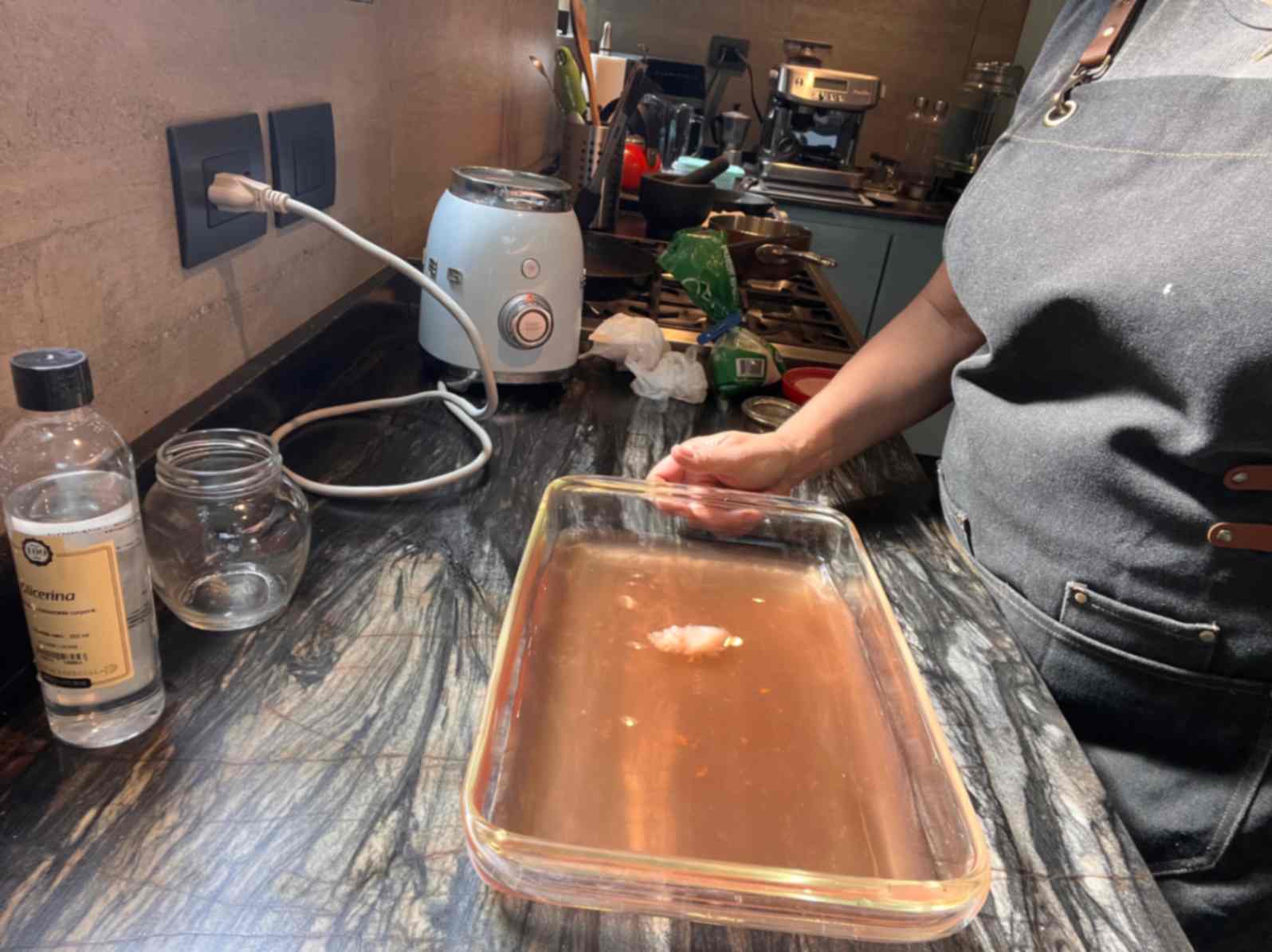
I am using the kombucha that got left from the apple vinegar and added a solution of 500 ml of water and 120 gr of sugar and 4 tablespoons of red wine. If you notice, I left a piece os SCOBY that got left.
My favorite method is growing the SCOBY to the size you want it to be at the end. I am not going to feed it during 3 months.
I did not make any progress with the Mycellium ... next week.
5.1 Documenting experiments in a table for comparison
| Material Experiment | Visual & Aesthetic Description | Structural & Tactile Characteristics | Current Development Status / Next Steps |
|---|---|---|---|
| Tea SCOBY Biofilm | Not very attractive; retains visible unblended plant fibers. Non-transparent after two days of drying. | Flexible; retains unblended fibers within the structural matrix. | Observed after two days of drying. |
| "Leather Cubes" | Formed into thick geometric shapes mimicking traditional leather cubes. | Characteristics pending final curing; intent is to achieve a dense, leather-like texture. | Currently maturing in the molds; scheduled to be removed and evaluated in 5 days. |
| Apple Vinegar Biofilm | My preferred result; light, beautiful, and translucent. Displays a spectacular deep hue when dyed with blueberries. | Flexible and exceptionally soft to the touch. | Drying process complete; identified as the baseline for expanded future production. |
| New Red Wine SCOBY Production | Liquid culture containing a starter piece of existing SCOBY, showing early surface film formation. | Developing film layer over a liquid solution of 500 ml water, 120g sugar, and 4 tablespoons of red wine. | Long-term growth trial initiated; utilizing my preferred method of growing to final size without feeding for 3 months. |
| Mycelium Culture | No visual progress documented. | Structural properties unassessed. | On hold; scheduled to begin development next week. |
| Coffee Leather | Not ideal with the recipe I used. | Very easy to adapt to the mold shape, but no flexibility so it breaks. | I will do it again adding agar-agar instead of corn starch. It is a great opportunity for using my almost 70gr per day of grounded coffee beans. scheduled to begin development next week. |
| Algae biofilm | I need to find out the type of algae I have available. I will try using the IDIT labs this week. | Structural properties unassessed. | On hold; scheduled to begin development next week. |
6. Weekly reflection & critical thinking
-
I learned ...
- you do not need to keep adding tea / vinegar to your kombucha if your purpose is to grow leather. I will grow as big as the mold you initially put it in and as thick as the original amount of water (enough sugar) and time you leave it grow.
-
I would like to continue this practice by making different sized and thicknesses. This is by far so far my best bioleather option.
-
I did not like blending the scoby and adding the natural colorant. The color is not a vibe and the texture is non transparent and irregular.
-
It is ideal to document as soon as you make something and taking photos. It is a pain to let photos to accumulate and then go through the whole process of changing format, size and uploading.
-
CHAT GPT is a good allied.
-
I can make my own videos! :)
-
Discipline, consistency, patiente and great vision are good allies.
7. References
-
Hoenerloh, Aileen & Sonne, Konrad & Nicholas, Paul. (2024). A 3d printable Biopolymer Composite incorporating Kombucha SCOBY: Towards a locally adaptive architecture using living biomaterials. Research Directions: Biotechnology Design. 10.33774/coe-2024-t3ldq. ↩