01 Concept | Relationality
5 Ws — Who, What, When, Where, Why
Problem
This project explores relationality as a mode of existence inspired by vegetal life: decentralized, interdependent, and sustained through networks of mutual affect rather than individual autonomy. Building upon Michael Marder’s concept of plant-thinking (2013), plants are understood not as passive organisms but as relational beings whose existence emerges through continuous interaction with their environment. Likewise, Emanuele Coccia (2018) argues that life itself is constituted through atmospheric mixture and shared ecological conditions rather than discrete individuality. From this perspective, existence is not defined by isolated entities but by the relationships that connect bodies, environments, technologies, and living systems. This relational ontology also resonates with Donna Haraway’s (2016) proposal of making kin, where humans and non-humans co-produce worlds through ongoing multispecies entanglements, and with Bruno Latour’s (2005) Actor-Network Theory, which conceives agency as distributed across heterogeneous human and non-human actors.
Within contemporary urban environments, ecological degradation is accompanied by a progressive loss of ecological perception. As vegetation and biodiversity disappear from everyday life, their absence becomes normalized, generating what Robert Michael Pyle (1993) describes as the extinction of experience, a gradual disconnection from direct encounters with nature. This condition is reinforced by what Peter Kahn Jr. (2002) identifies as environmental generational amnesia, in which each generation accepts increasingly degraded environments as normal. Consequently, nature becomes reduced to ornamental scenery while the ecological infrastructures that sustain life remain largely invisible.
In response, the project investigates how interactive technology can function not as an instrument of separation from nature but as an interface for perceiving relational existence. Drawing upon James J. Gibson’s (1979) ecological theory of perception, perception is understood as an active engagement with environmental affordances rather than passive observation. Environmental sensors, responsive systems, and wearable technologies therefore become mediating devices through which atmospheric fluctuations, humidity, sound, vegetal presence, and environmental conditions are translated into embodied experiences. Rather than generating representations of nature, these technological mediations reveal ecological relationships that normally remain beyond human sensory thresholds
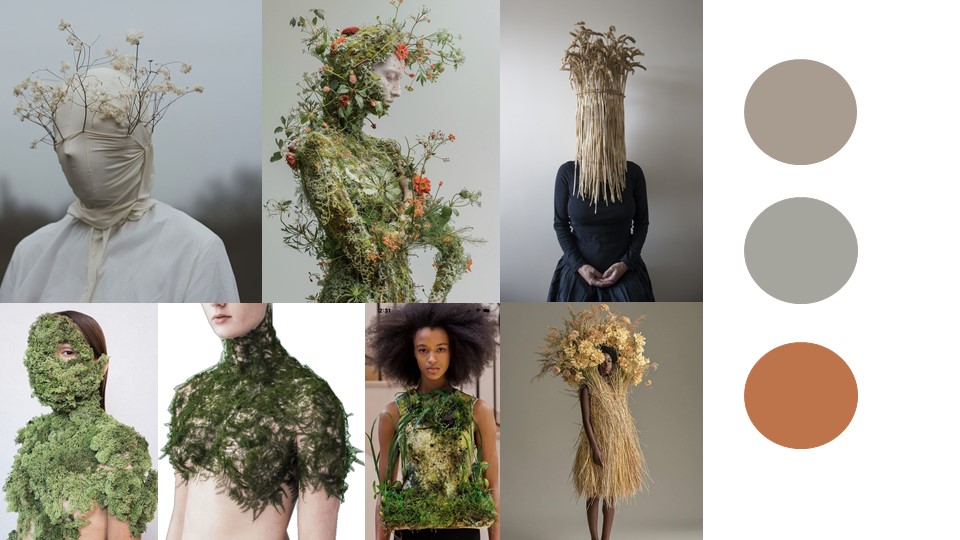 Figure 1:Collage composed of images by Daniel del Valle, David Hyde, and Klaartje Lambrechts. Images used for academic and reference purposes
Futures Design Methodology
This project uses a Futures Design methodology to explore alternative relationships between humans, technology, and ecological systems through speculative and more-than-human perspectives. Rather than focusing on efficiency or problem-solving alone, the methodology questions anthropocentric models and proposes new forms of coexistence based on relationality and interdependence.
The process begins by examining ecological amnesia in urban environments, where the loss of biodiversity becomes normalized and increasingly invisible. From this context, the project develops speculative scenarios inspired by vegetal forms of coexistence: decentralized, interconnected, and mutually dependent.
Through wearable experimentation, environmental sensing, and interactive systems, the project translates ecological conditions into embodied experiences. The prototypes function as research tools that reveal invisible relationships between bodies, plants, atmospheres, and technological systems.
Futures Design here operates as a form of critical speculation, using design to imagine and materialize possible futures where technology supports ecological awareness, collective perception, and more sustainable forms of living within more-than-human networks.
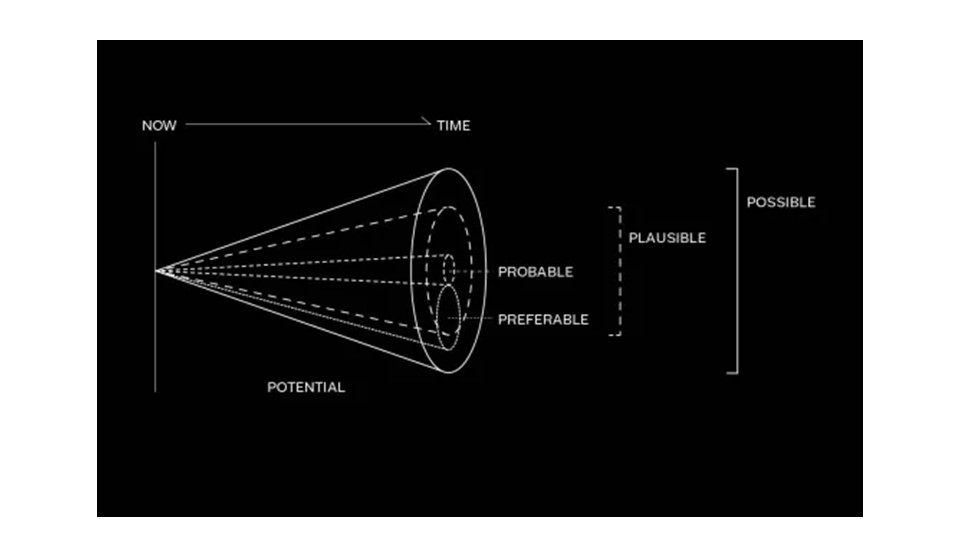
Figure 2: Hichert, T., & Schultz, W. (2024). Futures studies methods: A typology and guide to research design. En R. Poli (Ed.), Handbook of Futures Studies (pp. 329–359).
Why
The relationship between humans and nature has become increasingly abstract and mediated by data. However, much of environmental experience occurs through the body.
This project begins with a central question:
What would happen if the body could directly perceive the presence of vegetation in the urban environment?
A device that translates plant signals into sensory stimuli could help to:
- Make the scarcity of nature in cities visible
- Reconnect human perception with vegetal systems
- Generate everyday environmental awareness
What
A wearable device that detects characteristics of surrounding vegetation and translates them into bodily stimuli and environmental data.
The system identifies signals associated with foliage — such as green intensity, chlorophyll reflectance, and leaf proximity — and converts that information into:
- Light pulsations
- Soft vibrations
- Breathing-like light patterns
The greater the presence of vegetation in the environment, the more active the sensory response of the device becomes.
At the same time, the system can record data that allows the creation of urban vegetation maps.
Who
The device can be used by different groups:
Urban inhabitants People living in highly urbanized contexts with little daily contact with natural ecosystems.
Educators and students As a tool to explore urban vegetation and understand the relationship between cities and nature.
Researchers and citizen science projects To generate distributed records of vegetation coverage.
Artists and designers Interested in exploring interfaces between the body, technology, and the environment.
When
The project is situated at the intersection of: Climate crisis and sensory disconnection Bioart, critical design, and wearable technology Regenerative and non-extractive design practices
Where
It is relevant to: Contemporary art and design exhibitions Academic and research contexts Platforms exploring ecological futures and social connection
My Solution
The project proposes a bodily interface for vegetal perception that combines sensory experience and environmental observation.
The system consists of:
- Color or spectral sensors that detect foliage characteristics
- A microcontroller that interprets the data
- Haptic and light actuators that generate stimuli on the body
The device transforms plant information into direct sensory experience, allowing users to perceive vegetation as rhythm, pulse, or vibration. The system integrates a TCS34725 RGB sensor to detect green color variations in plants, in the future will integrate a VEML7700 ambient light sensor to measure surrounding luminosity, an INMP441 MEMS microphone to capture environmental sound, and a ESP8266 as the main processing unit.
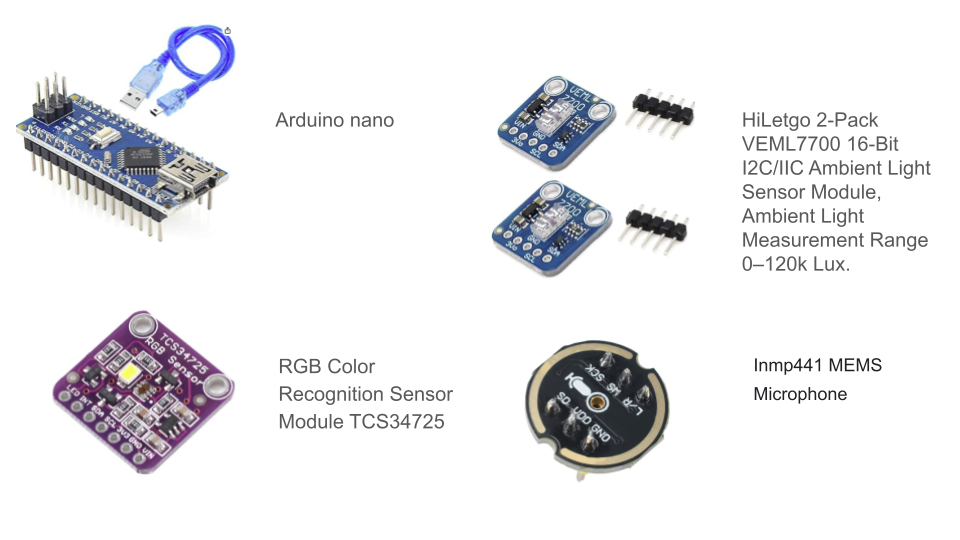 Figure 3:TCS34725 RGB Color Sensor, VEML7700 Ambient Light Sensor, INMP441 MEMS Microphone, and Arduino nano
Facts
Some contextual data related to the problem:
- More than 55% of the world's population lives in cities.
- Urban areas continue expanding, reducing natural ecosystems.
- Human perception of biodiversity tends to decrease when degradation occurs gradually.
In this context, everyday interaction with nature becomes increasingly limited.
Figures
Example of device response depending on the environment:
| Environment | Estimated Vegetation Presence | Device Response |
|---|---|---|
| Urban avenue | Low | Sensory silence |
| Urban park | Medium | Soft pulsations |
| Dense garden or forest | High | Continuous heartbeat |
This allows the creation of sensory cartographies of urban vegetation.
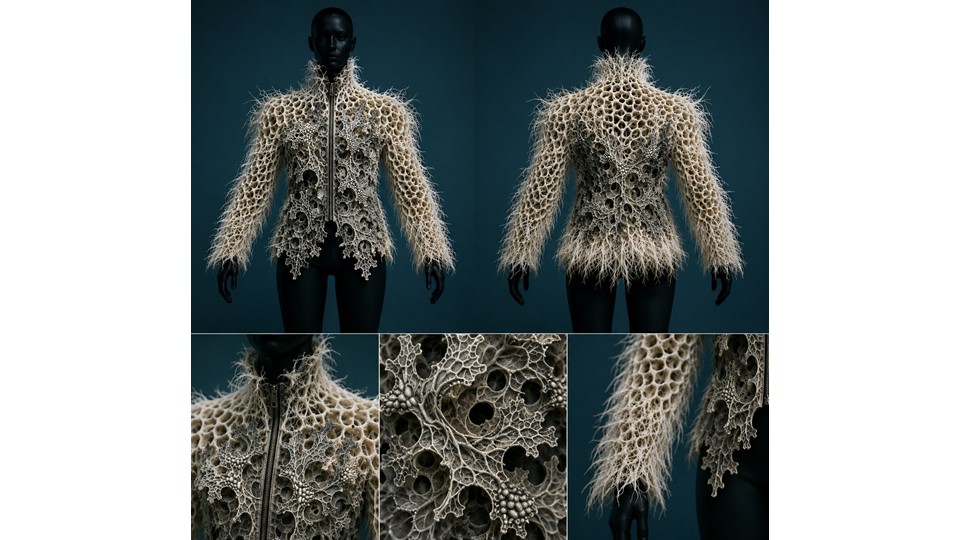 Figure 4: Biocouture Proposal
Tech Logic
The system operates through four stages:
1. Sensing
An RGB or spectral sensor detects the composition of light reflected by the environment.
2. Processing
A microcontroller analyzes the proportion of green and other signals associated with vegetation.
3. Classification
The system interprets the presence or intensity of foliage.
4. Bodily Feedback
Actuators produce vibration or illumination proportional to the vegetation detected.
This logic transforms environmental signals into immediate bodily experiences.
Traction in the Market
The project may have applications in several emerging fields:
Interactive art and installations Devices exploring the relationship between technology and nature.
Environmental education Pedagogical tools to understand urban vegetation.
Citizen science Portable sensors to generate distributed environmental data.
Human–environment interface research Exploring new forms of interaction between bodies and ecosystems.
Near Future Vision
In the near future, wearable devices could allow people to perceive multiple environmental variables in real time, such as:
- Air quality
- Noise levels
- Soil humidity
- Vegetation presence
In this context, the body would become an expanded sensory interface for understanding ecological environments.
More than a technological tool, these systems could contribute to the development of new forms of everyday environmental awareness, where changes in natural landscapes are perceived directly through bodily experience.
Prototype of my concept
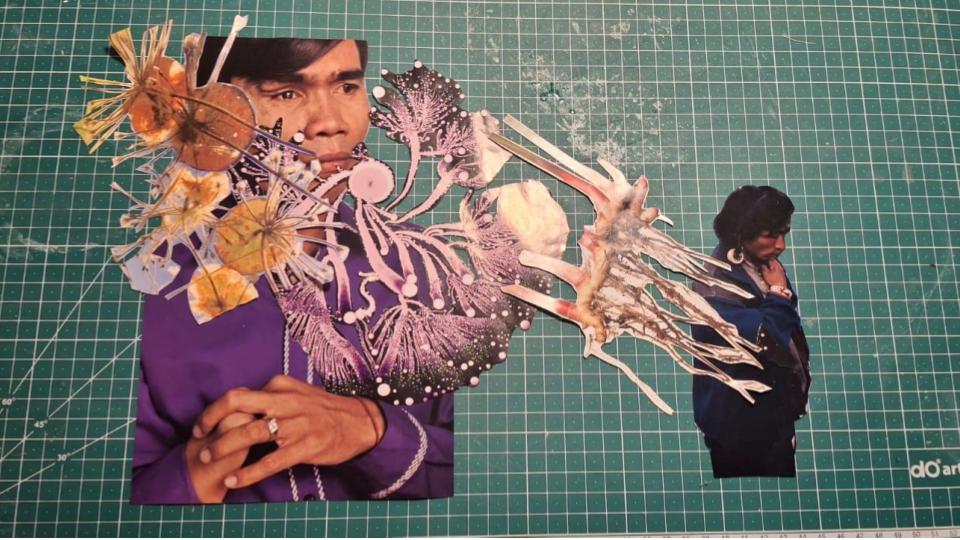
The development of this project began with an exploratory collage created from magazine cutouts. Through this exercise, I imagined roots as a metaphor for the invisible connections established between two people. This initial idea led me to investigate natural materials capable of embodying this concept physically.
 I experimented with loofah fiber because of its organic texture, which visually resembles intertwined root systems. Using this material, I constructed a collar intended to represent these relational networks. However, once I attempted to integrate the electronic components, I found that the loofah's irregular structure lacked sufficient stability. The conductive elements shifted within the fiber, producing short circuits and making the prototype unreliable.
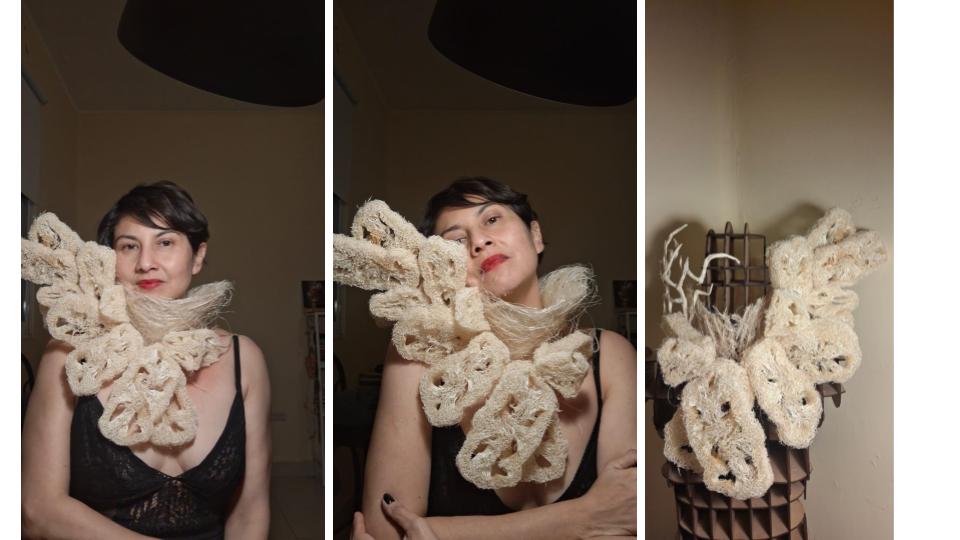
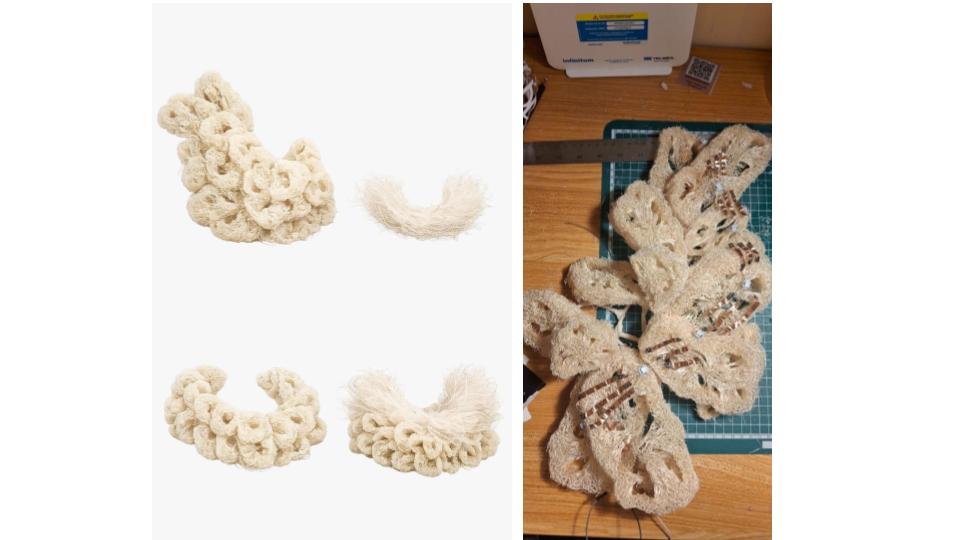 Rather than forcing the material to accommodate the electronics, I reconsidered the design strategy. I decided to translate the concept into a wearable garment, using a textile printed with a nature-inspired pattern as a stable platform for embedding the electronic system while preserving the project's conceptual relationship with vegetal forms.
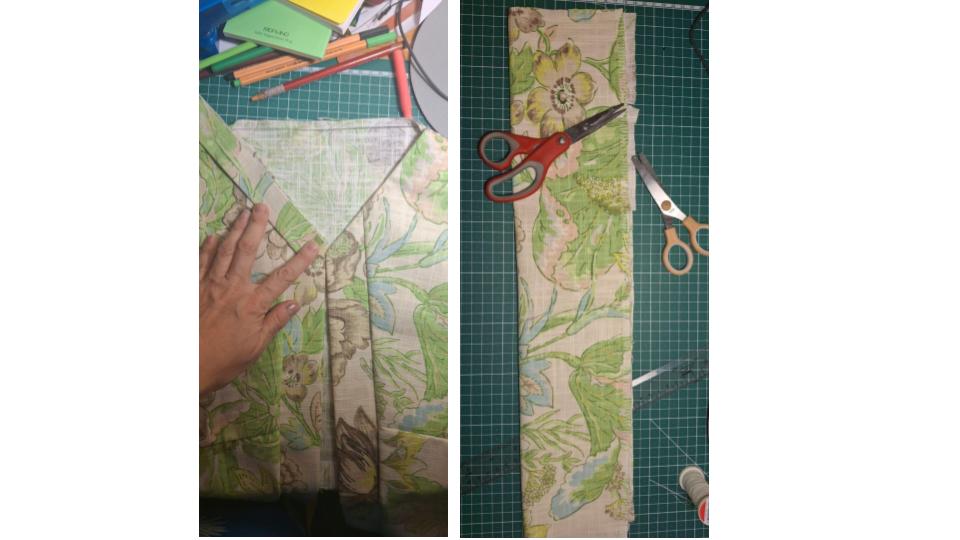
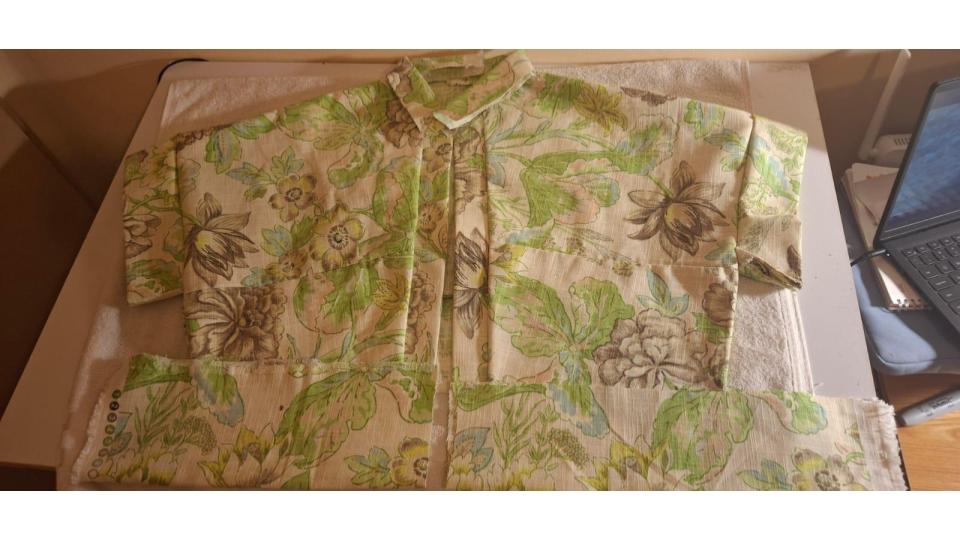 The final wearable integrated six NeoPixel LEDs and three vibration motors. These components were activated by signals received from a color sensor, allowing the garment to respond through both light and tactile feedback. This redesign transformed the project from an experimental object into a functional wearable while maintaining the original intention of representing relational networks inspired by plant root systems.
Project Gantt
Scenario 1: Functional Prototype in 1 Month
Objective: A wearable that detects green and produces vibration + LEDs.
Duration: 4 weeks
| Week | Activity | Deliverable |
|---|---|---|
| Week 1 | Research and technical definition | Final electronic architecture |
| Week 1 | Sensor selection (RGB or spectral) | Component list |
| Week 1 | Conceptual wearable design | System diagram |
| Week 2 | Electronic construction | Circuit assembled |
| Week 2 | Arduino + sensor + motor + LEDs integration | Working sensor readings |
| Week 2 | Initial code testing | Color data in serial monitor |
| Week 3 | System logic programming | Green detection algorithm |
| Week 3 | Actuator integration | Vibration and LEDs responding |
| Week 3 | Initial calibration | Stable response |
| Week 4 | Physical wearable design | Mounted on garment or harness |
| Week 4 | Outdoor testing | Street and park tests |
| Week 4 | Documentation | Photos, video, and data |
Result after one month:
- Functional wearable
- Basic vegetation detection
- Bodily feedback (vibration + light)
- Project documentation
Extended Gantt (3 Months)
Objective: Multi-sensor system with environmental data recording and analysis.
Duration: 12 weeks
Month 1 – Base Prototype
| Week | Activity |
|---|---|
| 1 | System design |
| 2 | Electronic integration |
| 3 | Sensor programming |
| 4 | Functional wearable |
Result: The Green Pulse v1
Month 2 – Environmental Sensors
At this stage the project becomes more scientific.
New sensors:
- Spectral sensor (chlorophyll)
- Humidity sensor
- Temperature sensor
- Ambient light sensor
- Environmental microphone (optional sound biodiversity)
| Week | Activity | Result |
|---|---|---|
| 5 | Integrate spectral sensor | More precise vegetation detection |
| 6 | Integrate environmental sensors | Multiple data streams |
| 7 | Optimize vegetation algorithm | More robust classification |
| 8 | Data recording (SD or Bluetooth) | Environmental dataset |
Result: Urban Vegetation Sensor v2
Month 3 – Advanced System
This phase allows the project to scale conceptually.
| Week | Activity | Result |
|---|---|---|
| 9 | Multiple sensors on the body | Body mapping |
| 10 | App or data visualization | Dashboard |
| 11 | Systematic urban testing | Urban dataset |
| 12 | Wearable design iteration | Final version |
Result: Multi-sensor vegetal perception system
Suggested Scalable Sensors
| Sensor | Function |
|---|---|
| TCS34725 RGB | Detect green |
| VEML7700 | Ambient light |
| MEMS microphone | Soundscape / biodiversity |
Circuit Diagram
          ─────────────────────┐
         │      LiPo 3.7V      │
         └─────────┬───────────┘
                   │
             ┌───────────┐
             │  TP4056   │
             │ Charger   │
             └─────┬─────┘
                   │
            3.7V OUT
                   │
          ┌────────────┐
          │ Boost 5V   │
          │ MT3608     │
          └─────┬──────┘
                │ 5V
                │
┌───────────────┴───────────────────┐
│                                   │
┌──────────────┐             ┌──────────────┐
│ Arduino Nano │             │ NeoPixel LED │
│   33 BLE     │             │   WS2812B    │
└──────┬───────┘             └──────┬───────┘
       │                           │
       │ I2C                       │ DIN
       │                           │
┌──────────────┐                   │
│   AS7341     │                   │
│ Spectral     │                   │
│   Sensor     │                   │
└──────┬───────┘                   │
       │                           │
       │ D9                        │
       │                 ┌──────────────┐
       └──────R1────────►│  S8050 NPN   │
                         │ transistor   │
                         └──────┬───────┘
                                │
                         ┌──────────────┐
                         │ Vibration    │
                         │ Motor Coin   │
                         └──────────────┘
Body Distribution of the System
The following is a conceptual diagram of the circuit integrated into the body. It shows not only the electronics, but where each component would be located in the wearable — key for interactive design and ergonomics.
             [ SENSOR ZONE ]
           (detects vegetation)

                ┌───────────┐
                │  AS7341   │
                │ Spectral  │
                │  Sensor   │
                └─────┬─────┘
                      │ I2C
                      │
             ┌────────▼────────┐
             │  Arduino Nano   │
             │     33 BLE      │
             └───────┬─────────┘
                     │
    ┌────────────────┼────────────────────┐
    │                │                    │
┌─────▼─────┐    ┌─────▼─────┐       ┌─────▼─────┐
│ NeoPixel  │    │ NeoPixel  │       │ NeoPixel  │
│ LED Left  │    │ LED Chest │       │ LED Right │
└───────────┘    └───────────┘       └───────────┘
Component placement:
- Shoulders → vegetation sensors
- Chest → microcontroller
- Arms → LED feedback
- Back → battery
- Ribs → vibration motors
Body Architecture
        [ HEAD / SHOULDER AREA ]
            Vegetation sensors

             ┌───────────┐
             │ AS7341    │
             │ Spectral  │
             │ Sensor L  │
             └─────┬─────┘
                   │
             ┌─────▼─────┐
             │ AS7341    │
             │ Spectral  │
             │ Sensor R  │
             └─────┬─────┘
                   │

        [ CHEST – CENTRAL PROCESSING ]

           ┌─────────────────┐
           │ Arduino Nano    │
           │ 33 BLE          │
           │ Main Controller │
           └───────┬─────────┘
                   │

  [ LEFT SIDE ]                   [ RIGHT SIDE ]

┌──────────────┐             ┌──────────────┐
│ NeoPixel LED │             │ NeoPixel LED │
│ Light Array  │             │ Light Array  │
└──────┬───────┘             └──────┬───────┘
       │                           │
┌──────▼──────┐             ┌───────▼──────┐
│ Vibration   │             │ Vibration    │
│ Motor       │             │ Motor        │
└─────────────┘             └──────────────┘

             [ BACK – POWER MODULE ]

            ┌─────────────────────┐
            │  LiPo Battery 3.7V  │
            └──────────┬──────────┘
                       │
                  ┌────▼────┐
                  │ TP4056  │
                  │ Charger │
                  └────┬────┘
                       │
                  ┌────▼────┐
                  │ MT3608  │
                  │ Boost   │
                  └─────────┘
System Flow
vegetation signals
        ↓
distributed sensors
        ↓
central microcontroller
        ↓
spatial interpretation
        ↓
body feedback
(light + vibration)
PROJECT PLAN
January to March 2026
13/01/26 — 01 PPD
Review on Planning/Process/Workflow: Gantt - Planning, Electronics, Custom tools and BOM
27/01/26 — 02 PPD
Focus Groups - Mentoring sessions
10/02/26 – 12/02/26 — 03 PPD
23/02/26 – 26/02/26 — 04 PPD
Focus Groups - Mentoring sessions
08/03/26 – 11/03/26 — 05 PPD
Review on Storytelling & final prototype